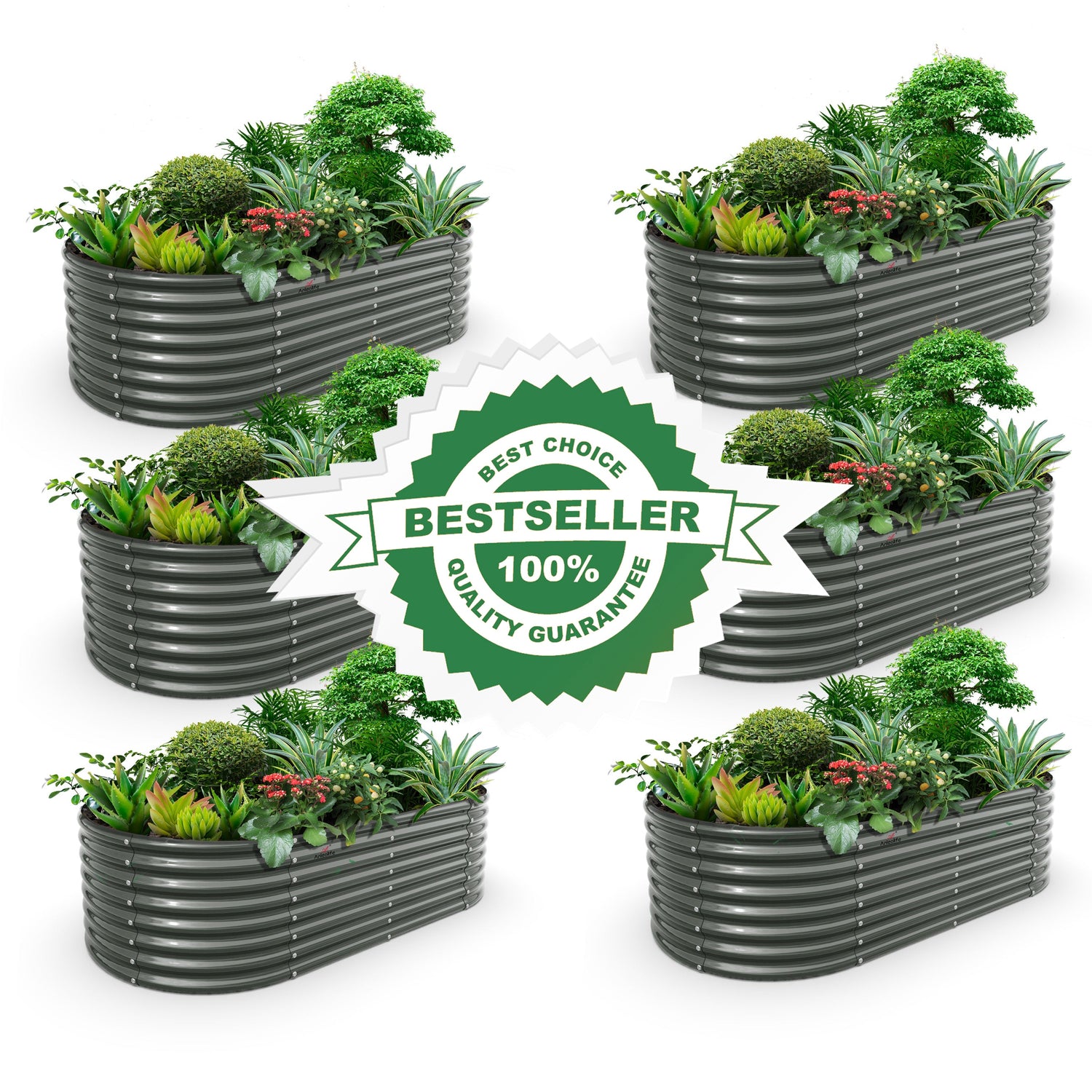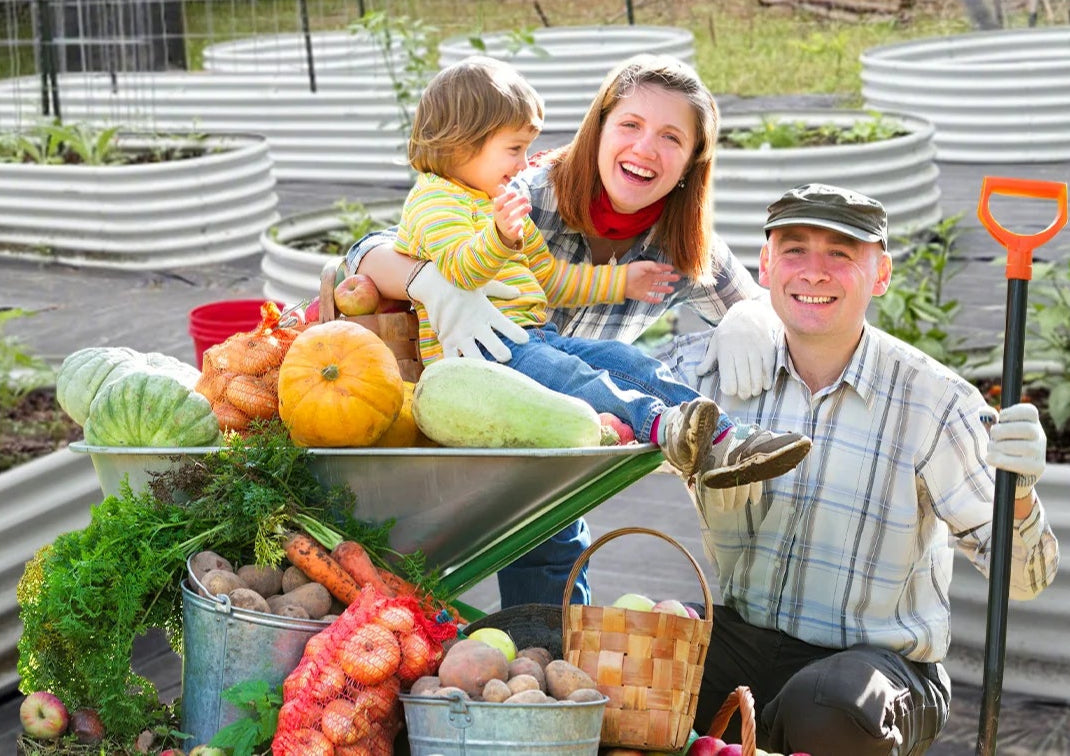










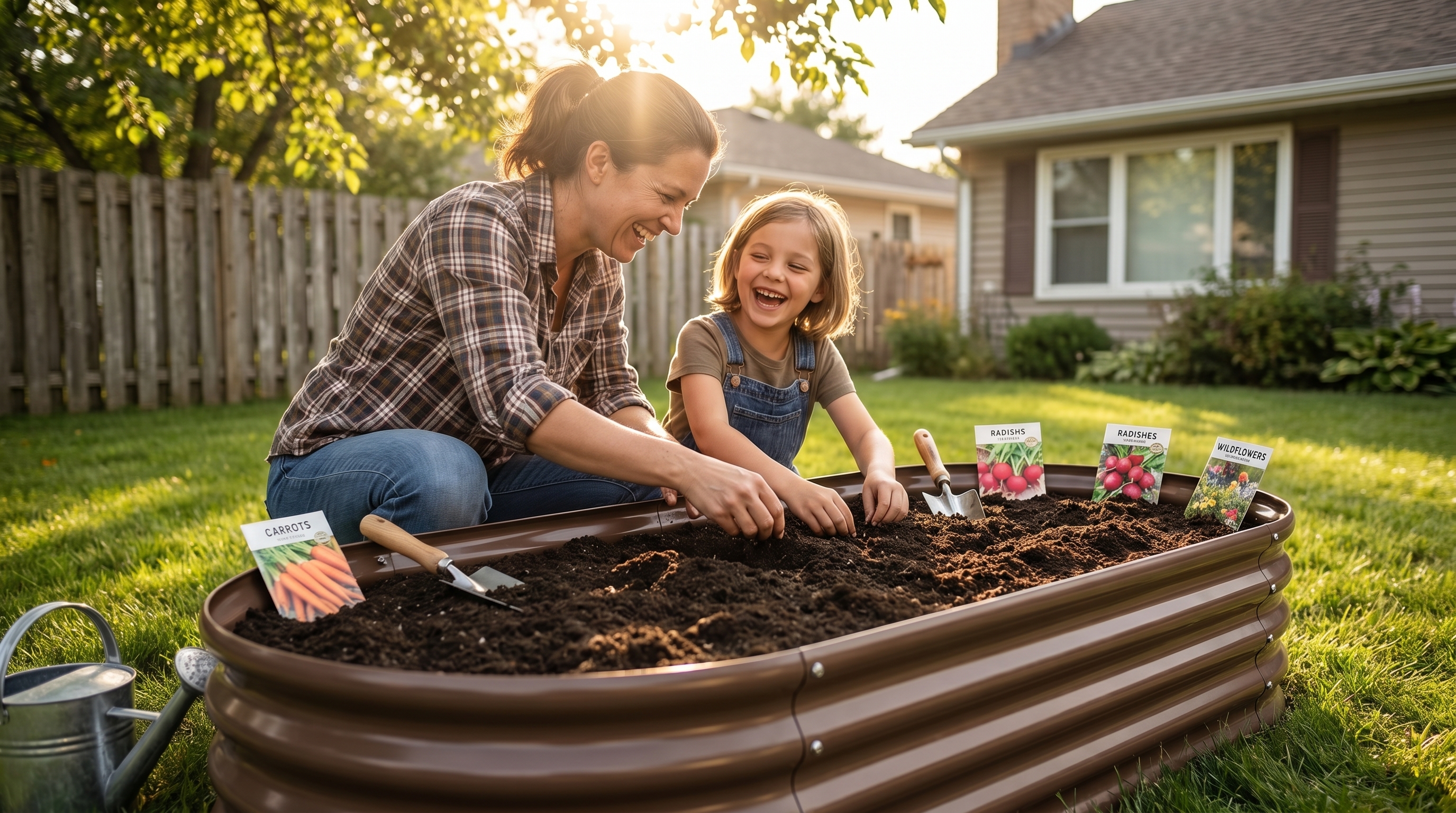
ALT: Parent and child learning to garden together using raised garden beds for fun summer activities
Why Teaching Kids to Garden in Raised Beds This Summer Is the Best Decision You'll Make
Key Conclusion: Introducing children to gardening through raised bed activities is one of the most rewarding summer experiences a family can share. Raised garden beds offer a safe, contained, and manageable learning environment that keeps kids engaged while teaching patience, responsibility, and nutrition. Whether you're working with galvanized steel raised garden beds built to last up to 20 years or exploring budget-friendly starter options, the structured environment of a raised bed transforms abstract gardening concepts into hands-on discovery that children genuinely love.
Summer break stretches out like a blank canvas, full of possibility — and full of potential boredom. While screens and scheduled activities have their place, more families are rediscovering the irreplaceable value of getting their hands in the dirt together. Raised garden beds are the perfect entry point: they're tidy, accessible, and free from the overwhelming scale of a full backyard plot. They also make it easy to assign kids their own dedicated growing space, which research suggests dramatically increases a child's investment in the activity.
There are three compelling reasons raised beds work so well for young gardeners. First, the contained space reduces overwhelm for both parent and child. Second, the elevated design (especially with taller beds) keeps soil warm and drains well, giving even the most impatient young growers faster, more visible results. Third, the structure lends itself perfectly to creative, activity-based learning — which is exactly what this article is here to deliver.
Who This Guide Is For
✅ Applicable Scenarios:
- Families with children ages 4–14 looking for meaningful, screen-free summer activities
- Home gardeners who want to involve the whole family in their existing raised bed setup
- New gardeners setting up their first raised bed and wanting child-friendly activities from day one
❌ Not Applicable/Cautions:
- Families without any outdoor space or container growing area — some activities require a proper raised bed setup
- Very young toddlers (under 3) may need close supervision and simplified activity modifications, as not all steps are designed for that age group
The Growing Trend of Family Gardening — and Why It Matters Now
The past few years have sparked a remarkable resurgence in home gardening across North America. According to the National Gardening Association, home food gardening participation in the U.S. rose significantly during and after the pandemic, with millions of new households planting food for the first time. Within that surge, families with children have been among the most enthusiastic adopters — and for good reason.
Research from the American Journal of Public Health and various extension university programs consistently shows that children who participate in gardening are more likely to eat fruits and vegetables, perform better in science and math, and demonstrate greater emotional resilience. Gardening teaches concepts that no worksheet can: the life cycle, cause and effect, patience, and the connection between effort and reward.
Raised beds have become the go-to format for family gardens because they eliminate many of the barriers that discourage beginners. Poor native soil? Not a problem — you fill the bed with a quality growing mix. Weeds and pests? Far easier to manage in a contained bed. Accessibility? With extra-tall options reaching 24 to 35 inches high, even kids and adults who struggle with bending or kneeling can participate comfortably.
If you're starting from scratch or expanding your setup, The Ultimate Raised Garden Bed Sizing Guide for Summer 2026: Find Your Perfect Fit is an invaluable resource for choosing the right dimensions for your family's needs and available space.
Before diving into the activities, it's also worth thinking about soil quality. A productive garden starts with great growing medium — rich in organic matter, well-draining, and full of microbial life. Layering quality compost is one of the best investments you can make, and if you want to go deeper, Advanced Composting Techniques to Supercharge Your Raised Bed Soil This Season offers expert guidance that even young gardeners can appreciate as part of the learning process.
One important planning note: if you're worried about layout errors as you set up multiple beds for family activities, take a look at 5 Common Raised Bed Layout Mistakes to Avoid When Planning Your Summer Garden before you break ground.
5 Fun Raised Bed Activities to Try This Summer With Your Kids
Three-Step Quick Start: Setting Up Your Family Garden
Step 1: Choose and Set Up the Right Bed
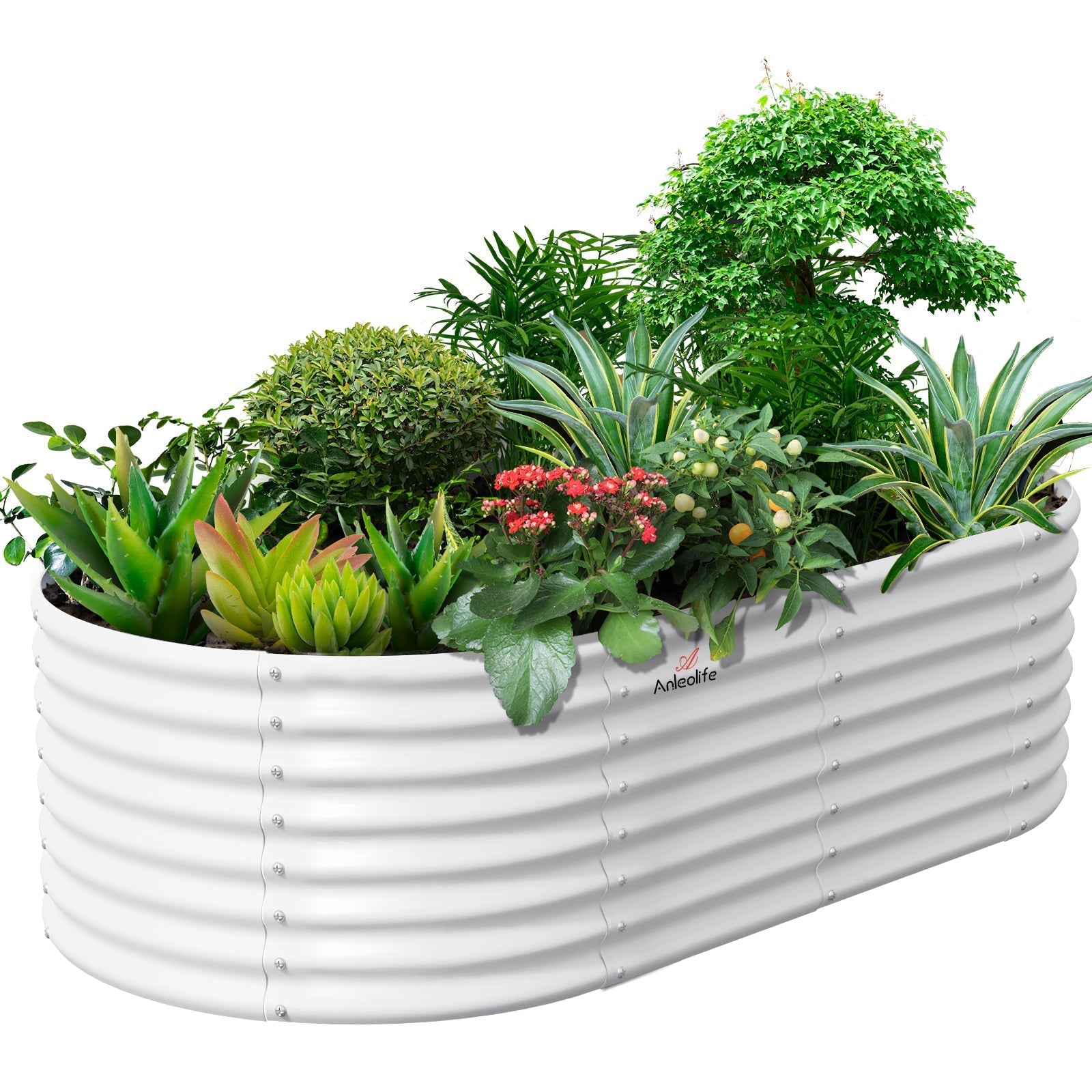
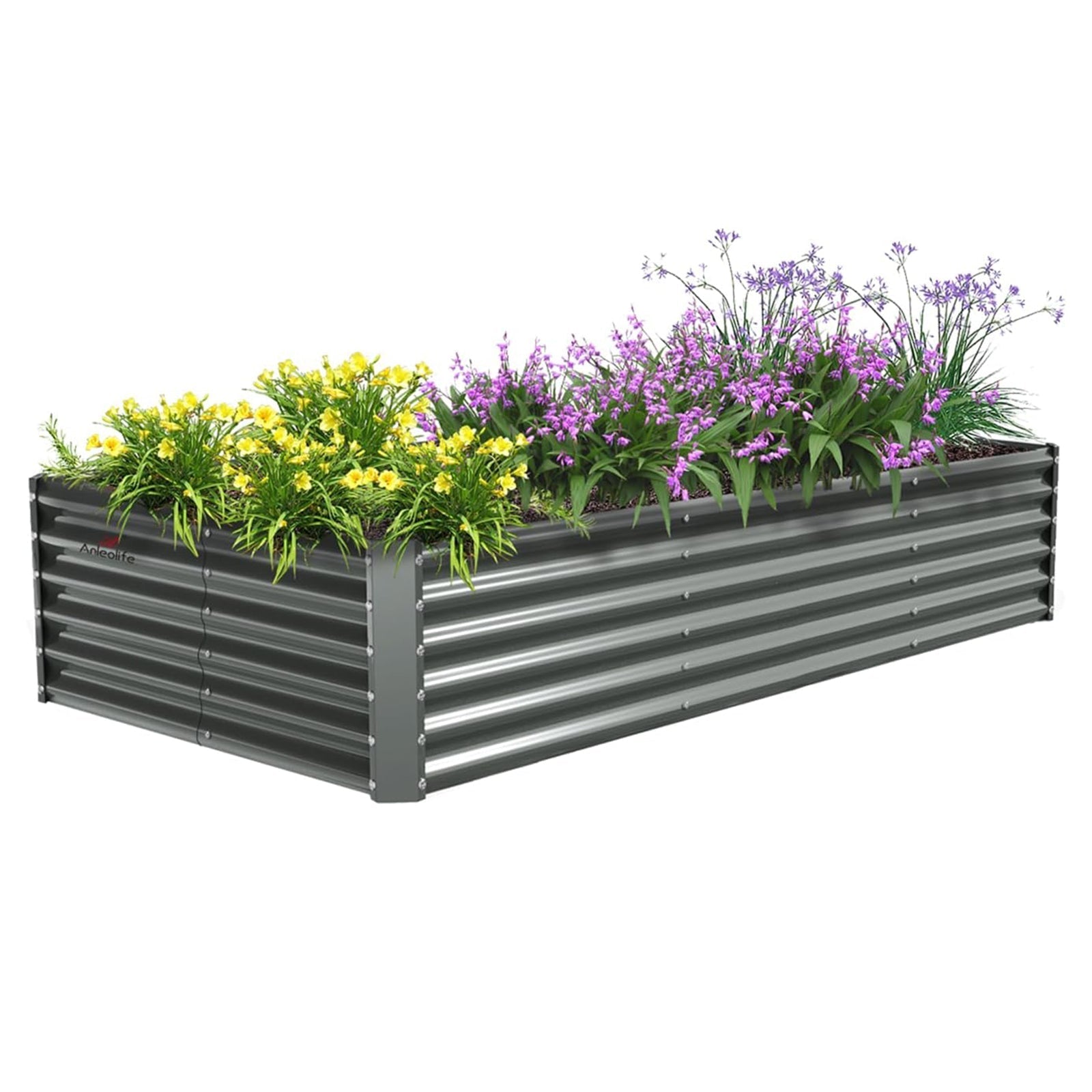
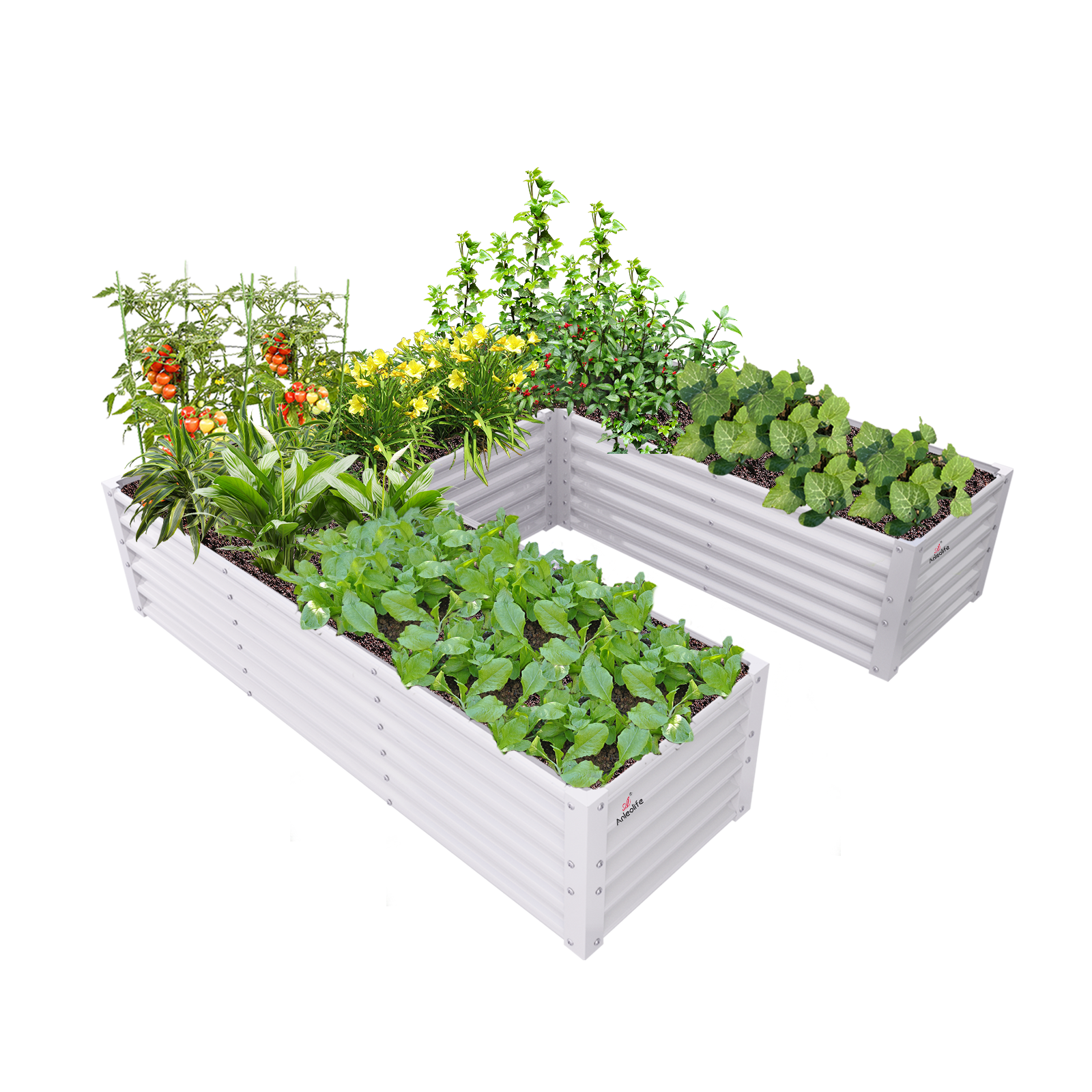
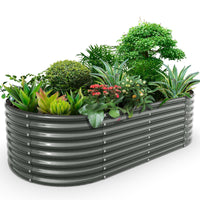
Before any activities begin, you need the right foundation. For family gardening, an 8x4 ft raised bed offers the ideal combination of surface area and accessibility — kids can reach the center from both sides without stepping in. Anleolife's galvanized steel raised garden beds are available in a range of sizes, including 18-inch, 24-inch, and 30-inch tall options, so you can match the height to your children's ages and your own comfort. Assembly is straightforward and typically takes under an hour with a helper (perfect first task for older kids!). Allow 30–60 minutes for setup.
Step 2: Fill With the Right Growing Mix
One of the best introductory activities for kids is helping to build the soil. Explain the concept of a "recipe" — a mix of topsoil, compost, and perlite or coarse sand for drainage. Have kids measure out ingredients using buckets, stir with a trowel, and feel the texture difference between dry sand and moist compost. This sensory experience makes abstract science tangible. Allow 45–90 minutes for filling, including mixing and tamping down.
Step 3: Plan What to Grow Together
Sit down with seed catalogs or a printed planting chart and let each child choose one or two plants they're excited about. Giving kids ownership over their growing decisions is a proven way to keep them engaged all season. For guidance on the easiest and most rewarding crops for beginners, check out 10 Best Vegetables for Raised Beds This Summer: A Beginner's Planting Checklist. Allow 20–30 minutes for this step, but don't rush it — the conversation is half the value.
Comparing Raised Bed Approaches for Family Gardening
Not all raised beds are created equal, and the right choice depends on your family's goals, available space, and budget. Here's a straightforward comparison to help you decide:
| Comparison Dimension | Galvanized Steel Raised Beds | Modular Raised Beds | Budget Wooden Raised Beds |
|---|---|---|---|
| Durability / Lifespan | Up to 20 years; rust-resistant, weather-proof | Flexible and expandable; durable galvanized construction | Typically 3–7 years depending on wood type and treatment |
| Kid-Friendly Setup | Smooth edges, stable walls; available in accessible heights | Easy to reconfigure — great for changing layouts as kids grow | Lightweight but may splinter over time |
| Best Mulch Compatibility | Works well with straw, wood chips, or shredded leaves | Same flexibility; modular design accommodates various mulch depths | Compatible with all mulch types |
| Cost Range | Mid to premium; long-term value investment | Mid-range with flexibility | Budget-friendly options available under $100 |
| Maintenance Requirements | Very low — no painting, staining, or rot treatment needed | Low maintenance, modular replacement if needed | Higher — periodic sealing or replacement required |
| Ideal Scenario | Families wanting a permanent, durable family garden | Families who want to grow their setup over time | First-time growers on a tight budget |
For families who want to start small without a big upfront investment, there are genuinely good budget-friendly raised beds under $100 on the market — typically smaller wooden frames or basic metal options. However, if you're planning a multi-year family garden that grows with your children, the long-term math often favors a quality galvanized steel bed that won't need replacing every few seasons.
Activity 1: "My Own Garden Patch" — Teaching Ownership and Responsibility
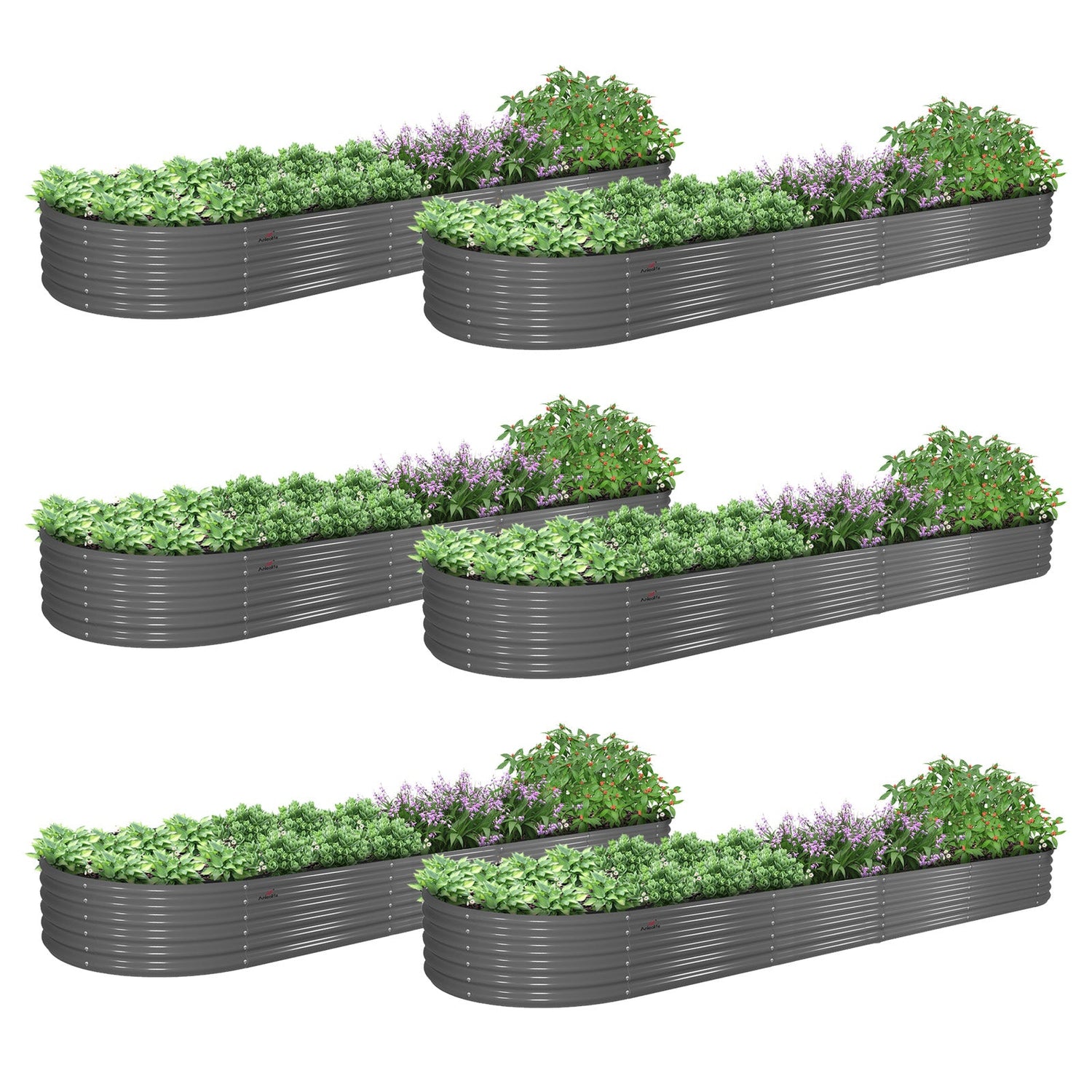
One of the most powerful things you can do is give each child their own designated section of the raised bed. Use small wooden stakes and colorful yarn to divide an 8x4 ft or 12x3 ft bed into equal zones — one per child, plus a shared family area.
Each child gets to name their patch, decide what to plant, and take primary responsibility for watering and weeding their section. This sense of ownership is transformative. Rather than being helpers in someone else's project, they are the decision-makers in their own little world.
What kids learn: Responsibility, sequential thinking, patience, and pride in their work.
Materials needed: Wooden stakes, colorful yarn or ribbon, seed packets, plant markers (popsicle sticks and permanent markers work perfectly).
Tip for parents: Create a simple garden journal for each child — a small notebook where they draw what they plant, track growth weekly, and note observations like "the tomato got taller!" or "I found a worm today." This doubles as a summer science project.
Activity 2: "Seed Science" — Germination Experiments in the Garden
Turn a section of the raised bed into a science experiment station. Plant the same type of seed (radishes work brilliantly — they germinate in just a few days) in three different conditions:
- One section with rich compost-amended soil
- One section with plain topsoil only
- One section with a layer of mulch on top
Have kids predict which will germinate first and grow tallest, then observe and record results over two to three weeks. This is the scientific method made completely tangible and exciting.
What kids learn: Hypothesis formation, observation, data recording, the importance of soil quality.
Best mulch for vegetable gardens: For the mulched section, use organic straw mulch or shredded leaves — both decompose slowly, retain moisture, and won't introduce weed seeds. Avoid dyed wood chip mulch in food-growing beds.
Why it works: Radishes show results so fast that kids don't lose interest waiting. Within a week, they'll be comparing sprout heights and arguing passionately about whose prediction was right.
Activity 3: "Bug Detectives" — Exploring the Garden Ecosystem
Armed with magnifying glasses and a printed bug identification chart, send kids on a garden ecosystem investigation. Their mission: find and document every living creature they can spot in and around the raised bed.
This activity works beautifully because raised beds concentrate the action. Earthworms in the soil, ladybugs on the leaves, bees visiting flowers, ants along the bed edges — there's a whole world to discover in a 4x8-foot space.
Create a "Bug Detective Report" where kids sketch what they find, guess if each creature is helpful or harmful to the garden, and look up the answer together. This naturally leads to conversations about organic pest management — a real skill for any gardener.
For families who want to go deeper on this topic, Organic Pest Control Strategies for Raised Garden Beds This Summer is a great read to tackle together after the activity.
What kids learn: Ecology, observation skills, the concept of beneficial vs. harmful insects, and the interconnectedness of garden systems.
Activity 4: "Farm to Table Challenge" — Harvesting and Cooking Together
Nothing cements a child's love of gardening like eating something they grew themselves. Plan this activity around a simple recipe that features one or two crops you've been growing all summer: a cherry tomato salad, a cucumber and herb dip, or freshly snipped lettuce leaves in a sandwich.
The rules of the challenge: kids must harvest the ingredients themselves, wash them, and participate in the preparation. Even a 5-year-old can tear lettuce leaves and stir a dressing.
Best materials for lasting outdoor furniture durability matter here too — if you have an outdoor dining table or a garden bench nearby, set up your harvest station outside so the whole experience stays connected to the garden. Look for materials like powder-coated steel, teak, or recycled HDPE lumber that resist weathering and are easy to clean after messy hands inevitably make their mark.
What kids learn: The food system, kitchen skills, nutrition, and the deeply satisfying connection between effort and enjoyment.
Tip: Photograph the entire journey from seed to plate and make a simple photo book at the end of summer — it becomes a treasured keepsake and a powerful reminder of what they accomplished.
Activity 5: "Garden Designer" — Planning Next Season's Layout
As summer winds down, give kids a creative planning challenge: design next year's garden. Provide graph paper (or a free online garden planning tool), a list of plants they'd like to grow, and basic rules like "tall plants go on the north side so they don't shade shorter ones."
This activity builds spatial thinking, creative problem-solving, and forward planning — and it keeps kids emotionally invested in the garden even as the season ends. Their designs might be ambitious or hilariously impractical, but the process is what matters.
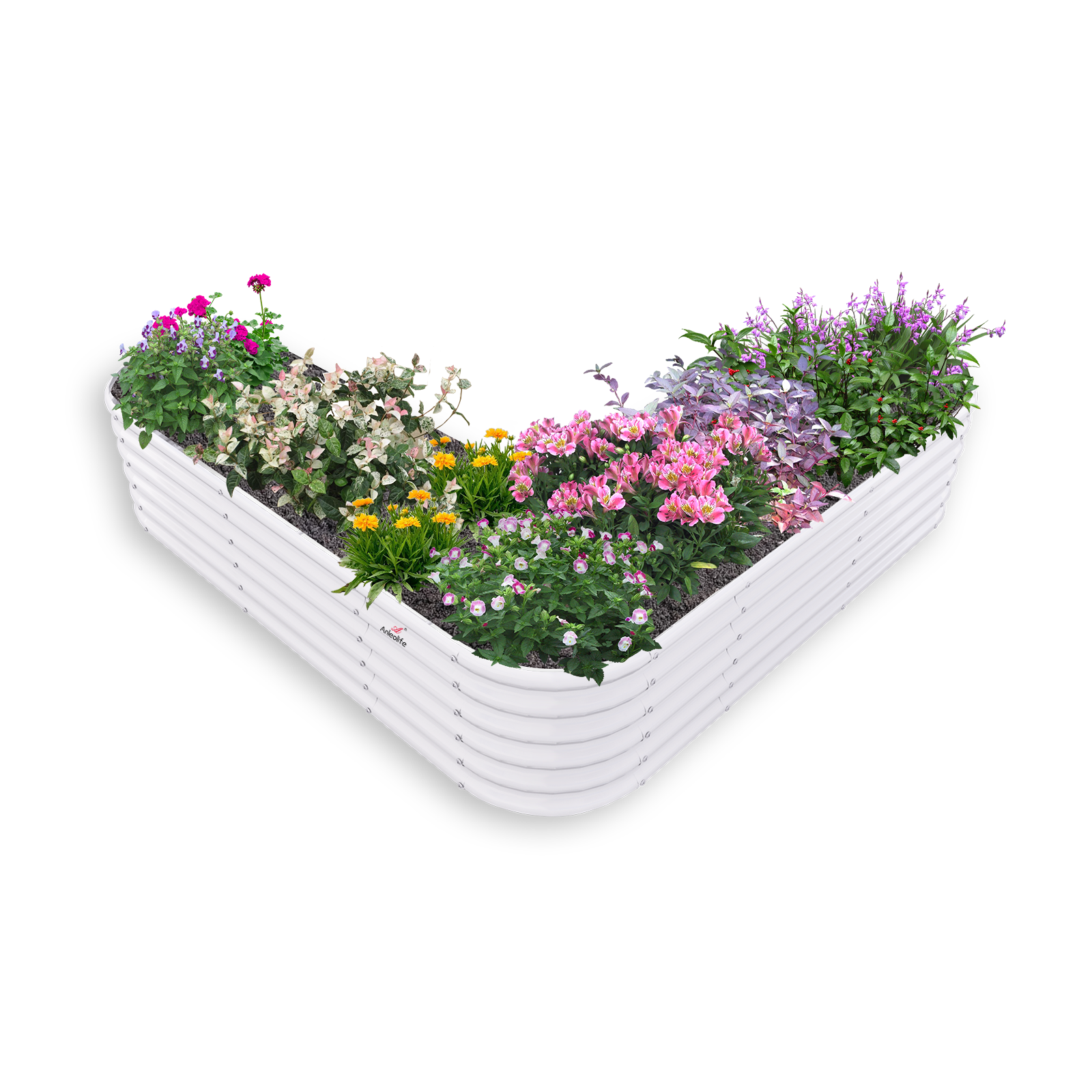
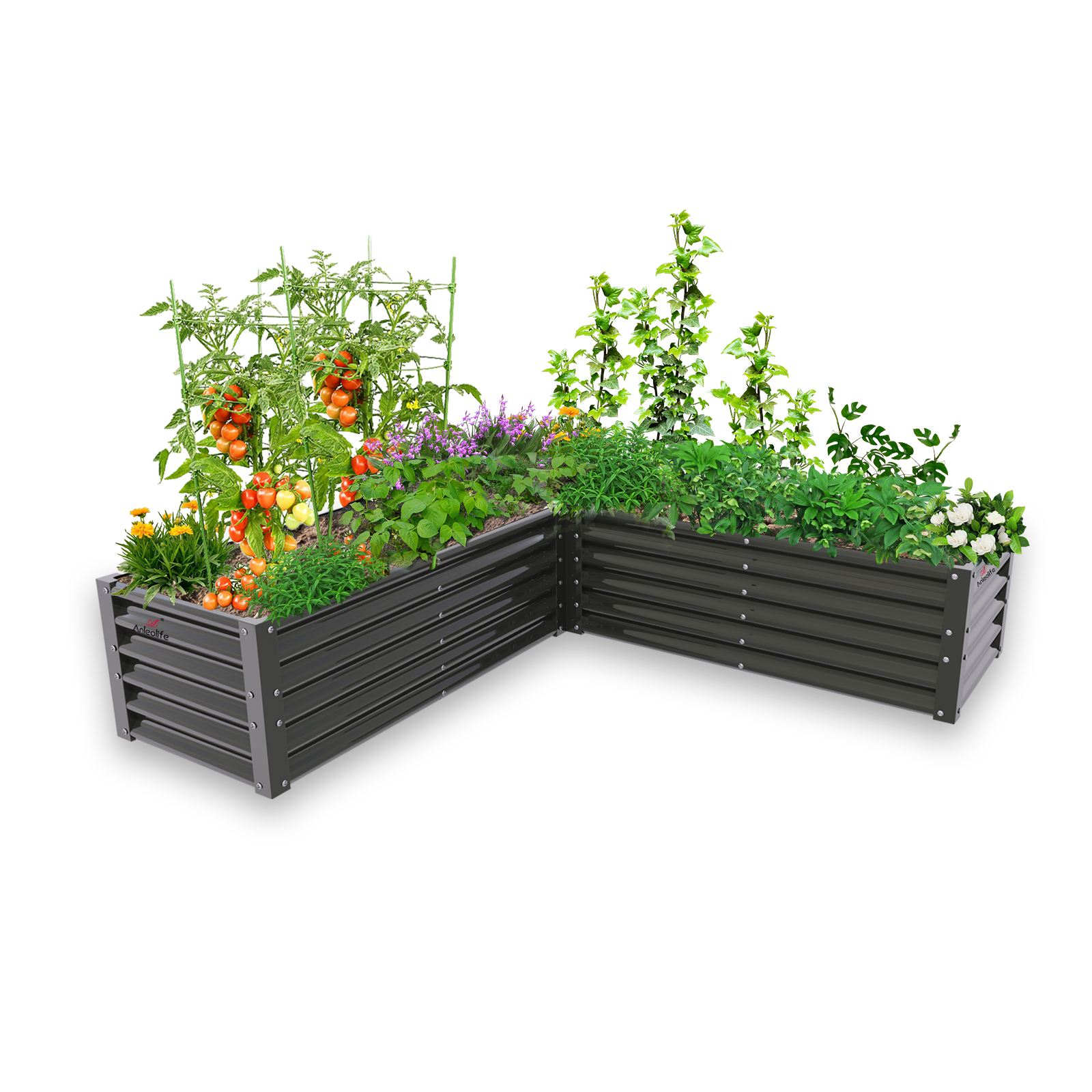
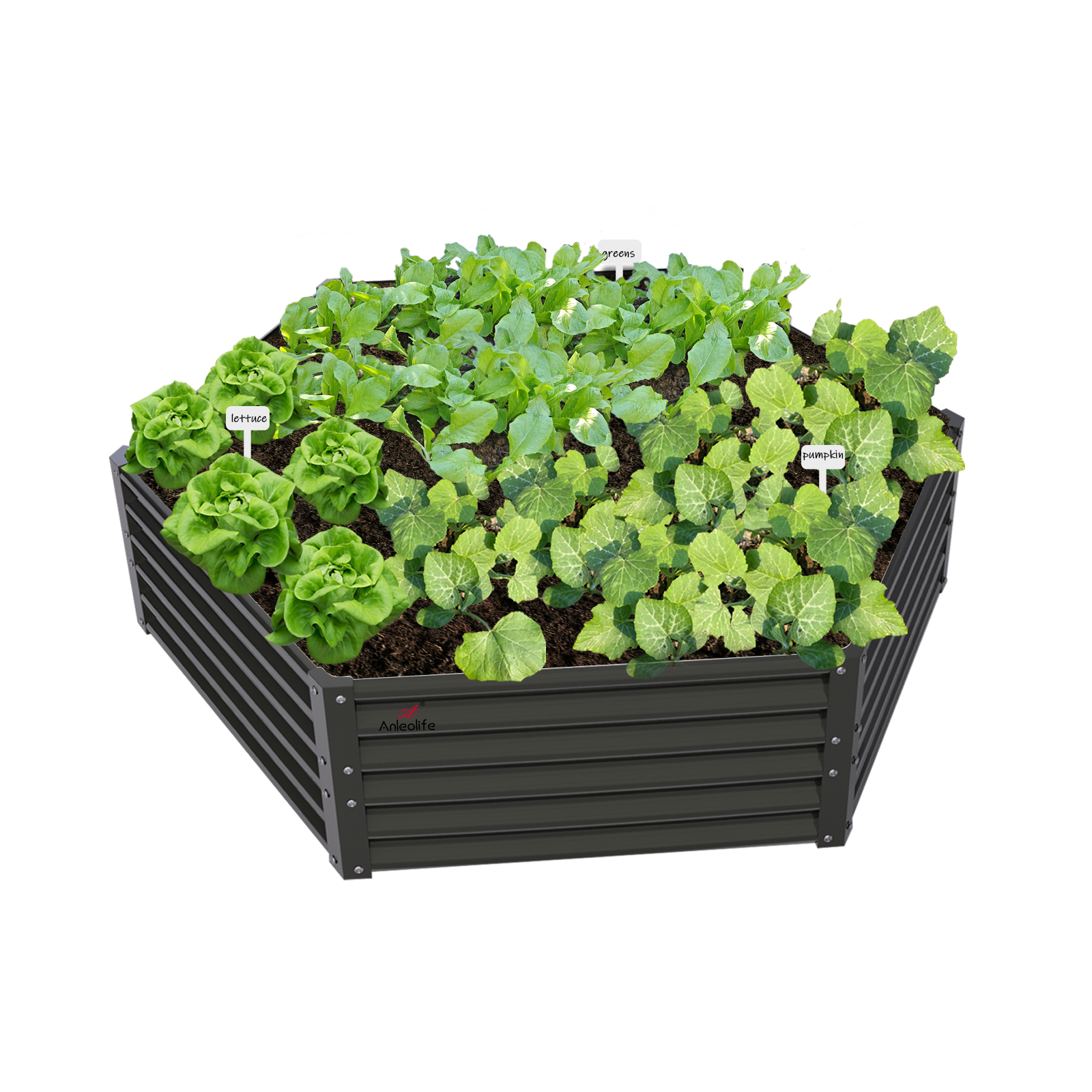
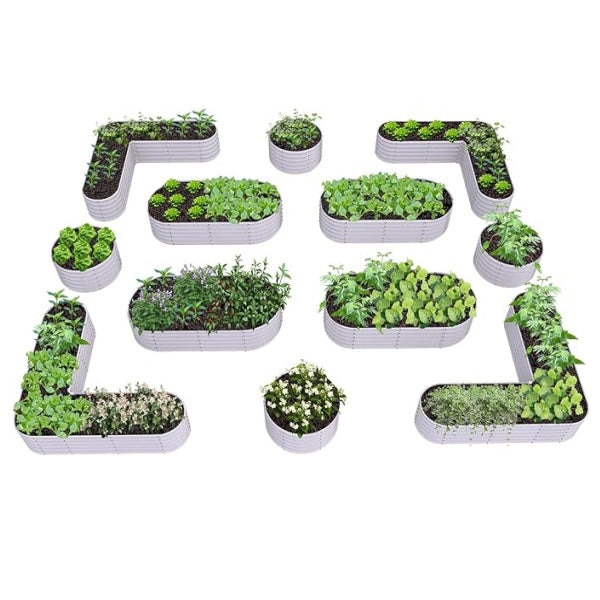
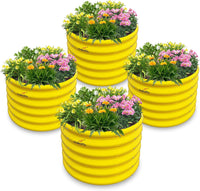
This is also a wonderful moment to talk about expanding the garden setup — whether adding a second raised bed, trying a round raised bed for herbs and flowers, or exploring modular designs that can grow with your family over time.
What kids learn: Spatial reasoning, plant knowledge, planning skills, and the cyclical nature of the gardening year.
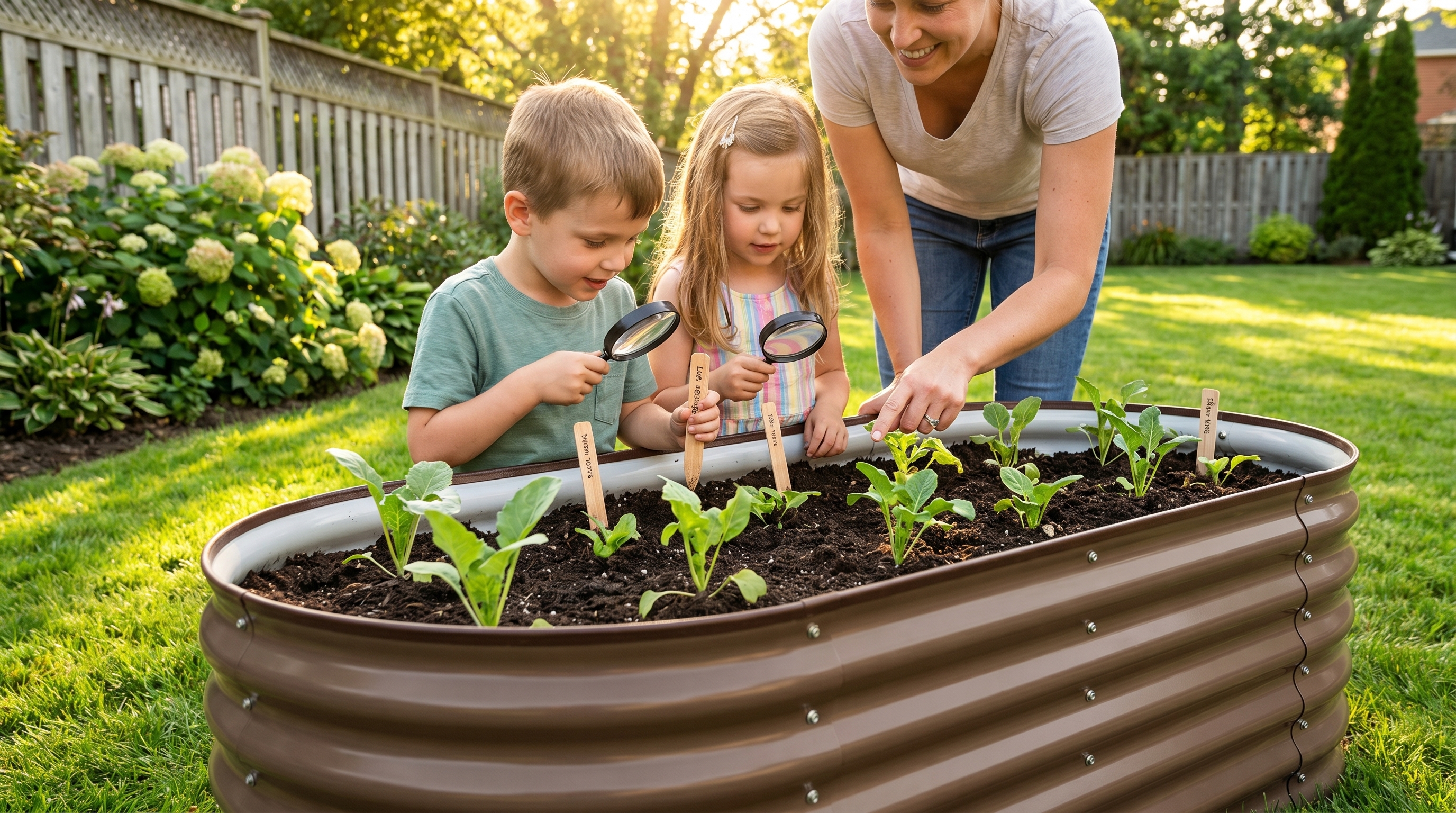
ALT: Children and parent doing raised bed gardening activities together in summer using galvanized steel garden beds
Advanced Tips: Making Family Gardening Work Long-Term
Choose a Bed That Grows With Your Family
One of the most common frustrations for families who start gardening with kids is buying a bed that feels outgrown within a season or two. This is where thinking about durable materials and scalable design pays off. Anleolife's galvanized steel raised garden beds are engineered for a lifespan of up to 20 years — meaning a bed you buy when your child is 6 could still be in service when they're in their mid-twenties with families of their own.
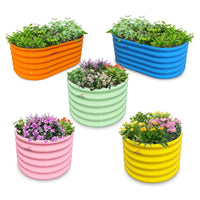
The modular raised garden bed line is particularly well-suited to growing families. You can start with a single 8x4 ft unit and add sections as your enthusiasm and space allow. This flexibility means you're never locked into a configuration that no longer fits.
Addressing Common Misconceptions
Misconception 1: "Galvanized steel beds leach harmful zinc into the soil."
This concern is understandable but largely unfounded for food gardening purposes. The zinc coating on galvanized steel is tightly bonded and releases minimal amounts into the soil — far below any level of concern for food crops. This has been studied and confirmed by multiple university extension programs.
Misconception 2: "Kids will lose interest after a week."
They will if there's nothing to do. The key is structured, rotating activities — exactly what this guide provides. When children have ownership, experiments to run, and a harvest to look forward to, engagement stays high all season.
Misconception 3: "You need a big backyard to garden with kids."
A single 4x2 ft raised bed on a patio or balcony is enough to grow lettuce, radishes, cherry tomatoes, and herbs — a complete and engaging mini-garden for a child. Some of Anleolife's compact options are specifically designed for smaller urban spaces.
Keep It Fun, Not Pressured
The moment gardening becomes a chore or an obligation, you've lost your young gardener. Keep sessions short (20–40 minutes for young children), celebrate every small win, and let kids make mistakes without correction at every turn. A slightly crooked row of seeds or an over-watered pot is part of the learning — not a failure.
Frequently Asked Questions FAQ
Q1: How do I choose the right raised bed size for gardening with young children?
For families with young children, an 8x4 ft bed is often ideal — kids can reach the center from either side without stepping in and potentially compacting the soil. If you have limited space, a 4x2 ft or 6x3 ft bed works beautifully for a first children's garden. Height matters too: taller beds (24 inches and above) reduce bending and are more accessible for children who want to stand and work comfortably. Anleolife offers a range of sizes across multiple height options to match your family's needs.
Q2: Are galvanized steel raised garden beds safe for growing food with children?
Yes — galvanized steel raised garden beds are widely recognized as safe for food gardening. The zinc coating is stable and does not leach harmful levels of heavy metals into the soil. University extension research consistently supports galvanized steel as one of the most food-safe and durable materials for raised beds. Anleolife's galvanized and rust-resistant beds are specifically designed with longevity and safety in mind, with a projected lifespan of up to 20 years, making them a sound investment for family gardens.
Q3: How long does it take to set up a raised bed garden for kids, and how soon can we plant?
A typical Anleolife raised garden bed can be assembled in under an hour with a helper. Once assembled and filled with your growing mix, you can plant immediately — raised beds don't need a "settling" period. Fast-germinating crops like radishes can show seedlings within 3–5 days, making them perfect for impatient young gardeners. If you order through Anleolife.com or their retail partners, expect delivery within 3–8 business days, so you can have your bed set up and planted within a week of ordering.
Summary
Teaching kids to garden in raised beds this summer is about far more than growing vegetables. It's about building a relationship with the natural world, developing real-life skills, and creating memories that last well beyond the growing season.
Three key takeaways from this guide:
- Structured activities sustain engagement. Random time in the garden fades fast for kids. Ownership challenges, science experiments, bug investigations, harvest meals, and design projects give children a reason to show up every day.
- The right bed makes all the difference. A durable, correctly sized raised garden bed reduces frustration and maximizes the joy of the experience. Investing in quality — like galvanized steel beds rated for 20 years of service — means the garden can grow with your family for many seasons to come.
- Start small and build. One bed, one season, five activities. That's all you need to plant a lifelong love of gardening in a child. Everything else can grow from there.
Your next step is simple: choose your bed size, pick your first activity, and get outside. Summer is short, and the soil is ready.
Start Your Family Garden With Anleolife
Nationwide U.S. warehouse network: Strategically located in California, Texas, Florida, New York, Illinois, and Washington to ensure delivery within 3–8 business days — so your family's summer garden plans never have to wait.
Multi-channel availability: Products are available on major e-commerce platforms including Amazon, Walmart, Home Depot, Lowe's, and Wayfair, as well as the official website Anleolife.com, providing consistent quality assurance and dedicated after-sales service.
Three core scenarios covered: Planting (metal raised garden beds, soil systems), Raising (chicken coops, rabbit hutches), and Beautification (decorative accessories, pathway systems) — meeting your complete needs from functionality to aesthetics.
Upgrade your garden with Anleolife. We understand that an ideal garden is not built overnight, but gradually improved over time. Our modular product design allows flexible expansion based on your needs — from your first raised bed to a fully integrated planting-and-raising ecosystem. We grow with you every step of the way.
References
- National Gardening Association. "Garden to Table: A Guide to Teaching Children in the Garden".
https://garden.org - United States Department of Agriculture (USDA). "Know Your Farmer, Know Your Food: School and Youth Gardening".
https://www.usda.gov/topics/rural/community-facilities/youth-gardening - University of California Agriculture and Natural Resources (UC ANR). "Gardening With Children".
https://ucanr.edu - American Journal of Public Health. "Gardening Promotes Healthy Dietary Behaviors Among Children and Families".
https://ajph.aphapublications.org - Penn State Extension. "Youth Gardening: Benefits and Best Practices for Families".
https://extension.psu.edu
Note: Standards and research may be updated. Please check the latest official documents or consult professional advisors for the most current guidance.
About Anleolife
Anleolife is a leading outdoor garden solutions provider in North America, dedicated to offering a full-scenario product ecosystem for home gardening enthusiasts, covering planting, raising, and garden beautification. Since its founding, we have upheld our brand mission, "Made for Garden Life," continuously innovating products and optimizing services to help hundreds of thousands of users upgrade their gardens, reconnect with nature, and enjoy a better garden lifestyle.