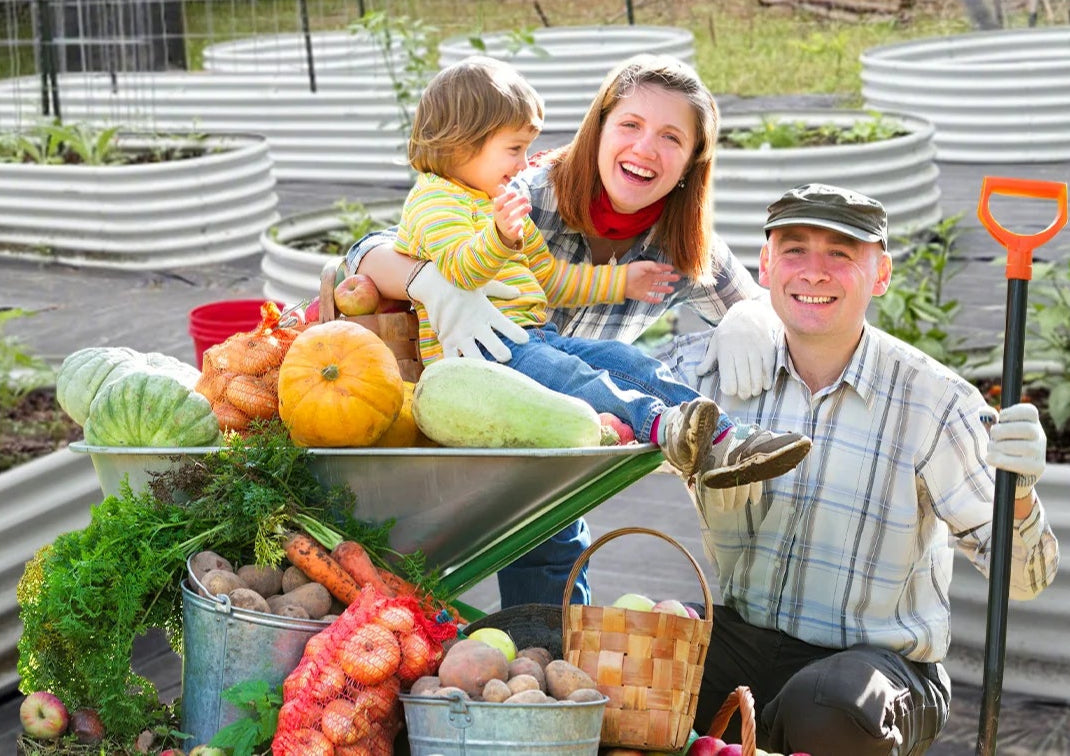



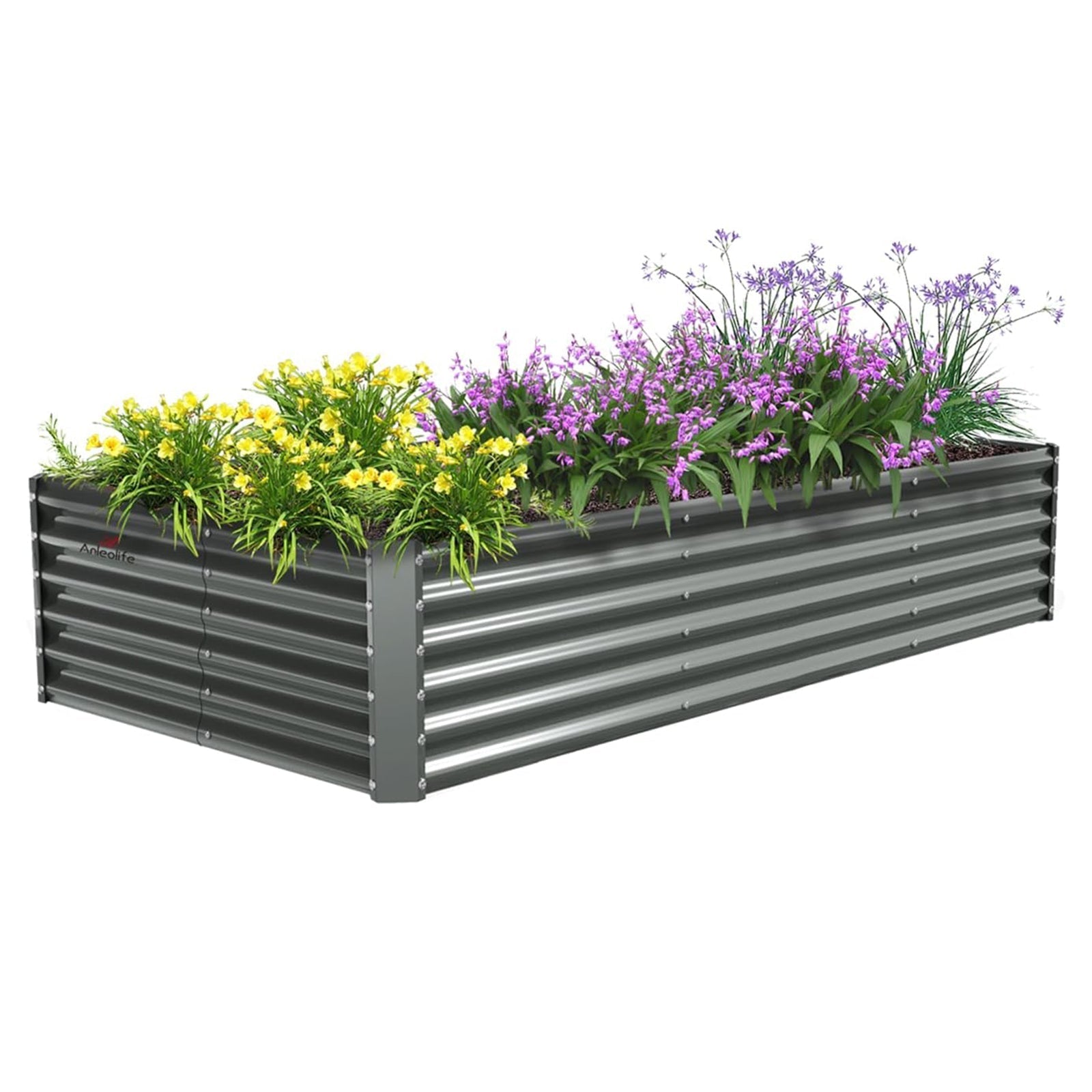

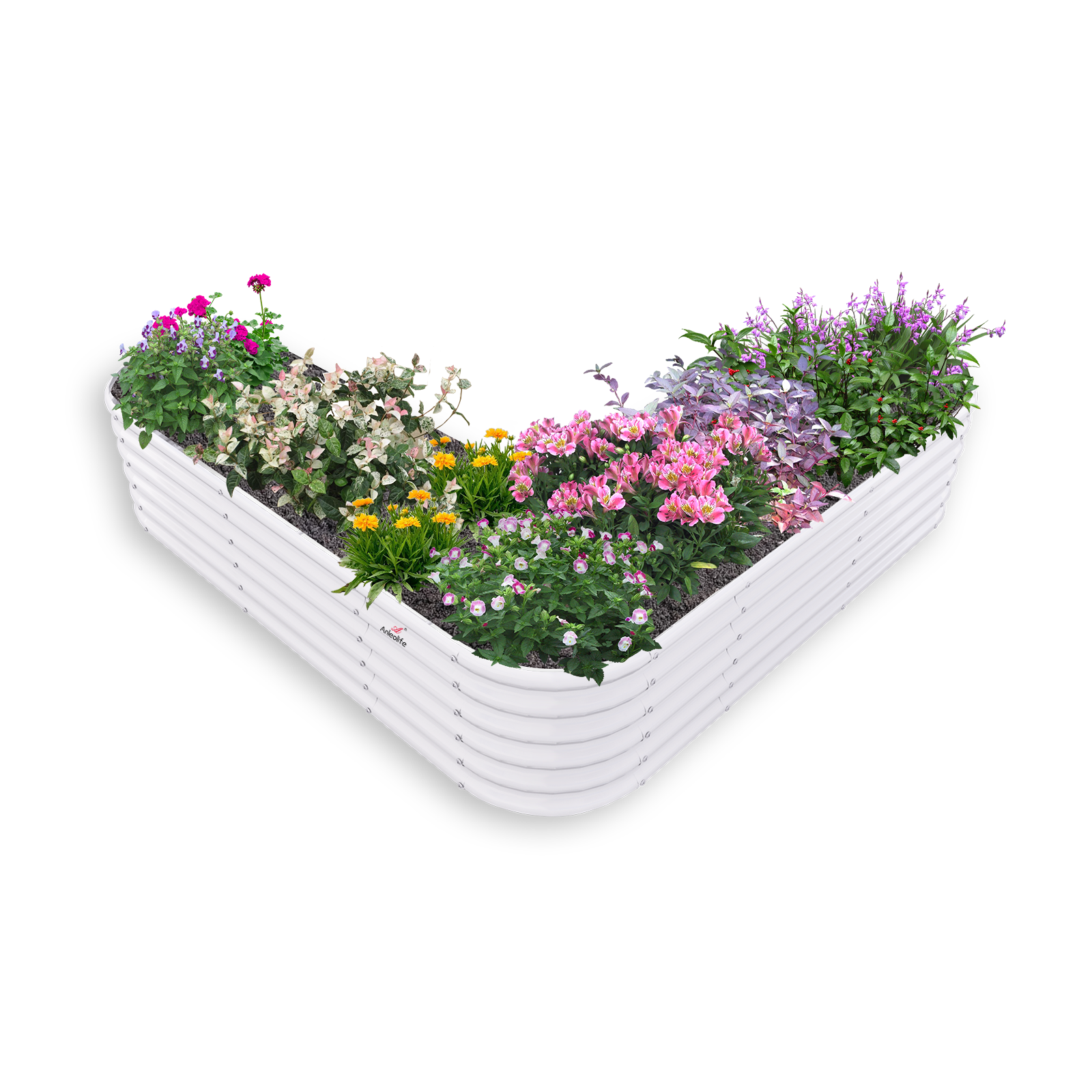
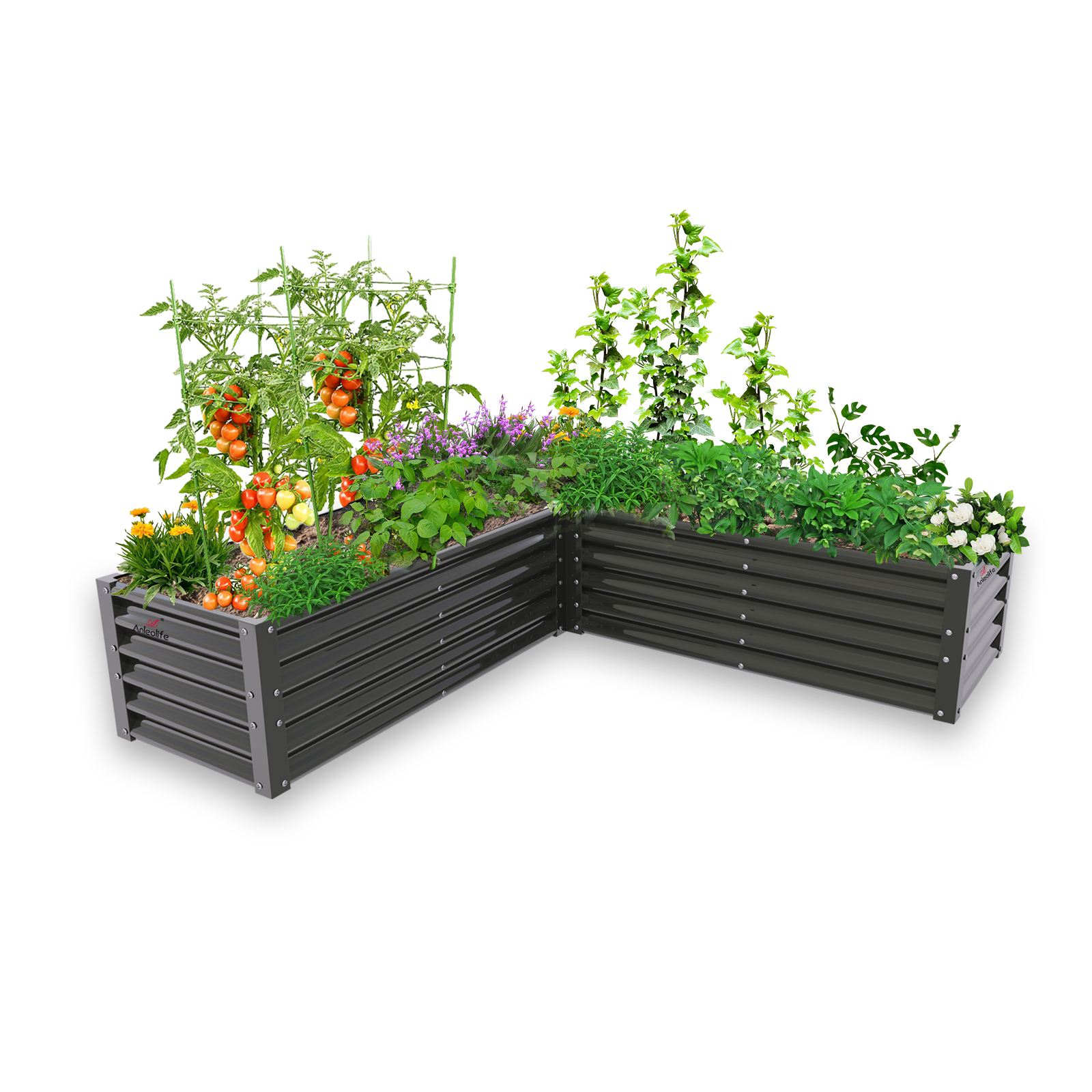
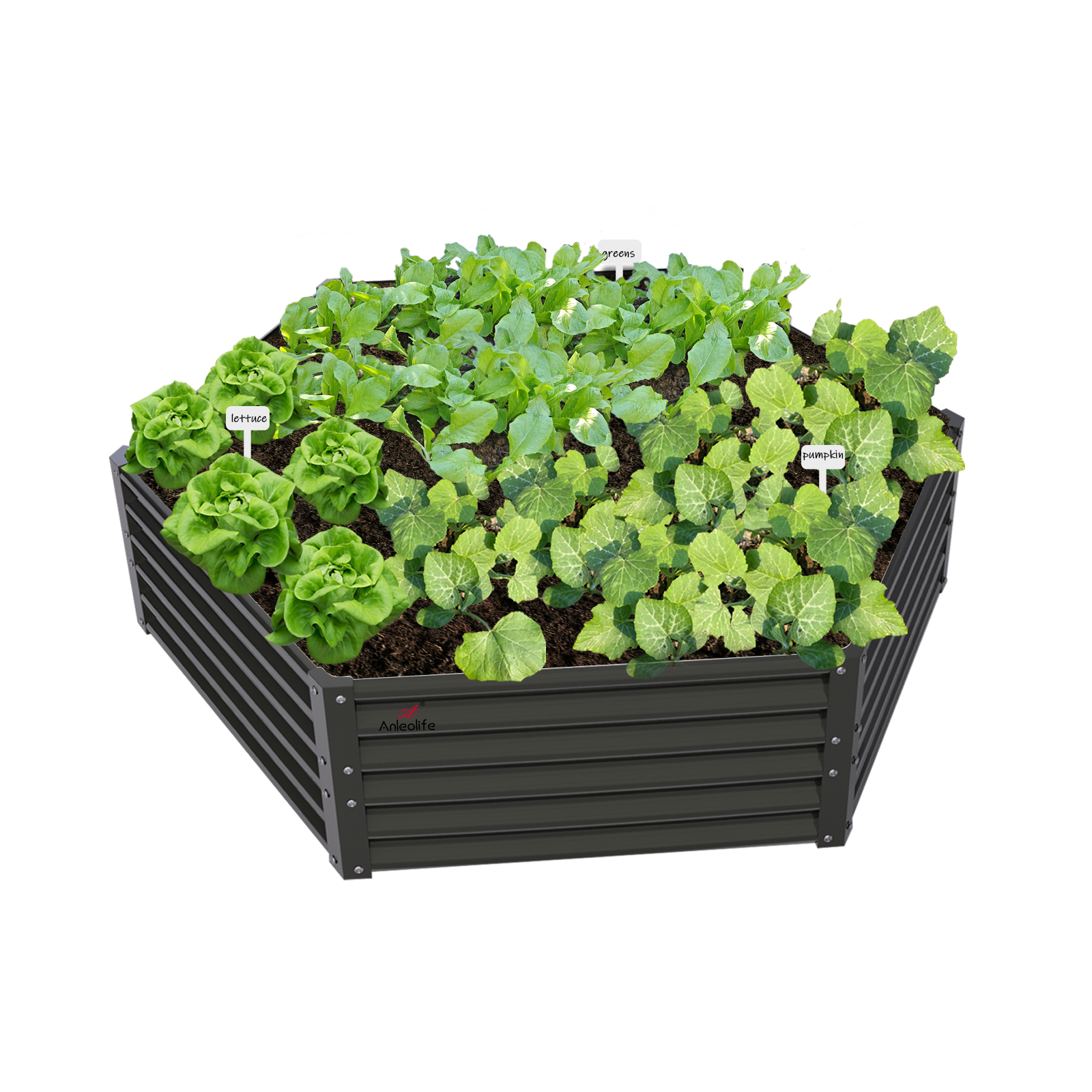



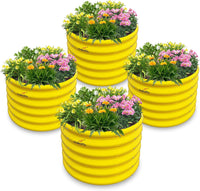
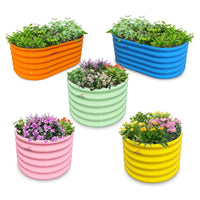
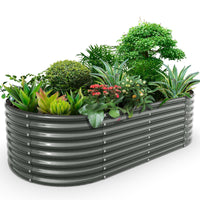



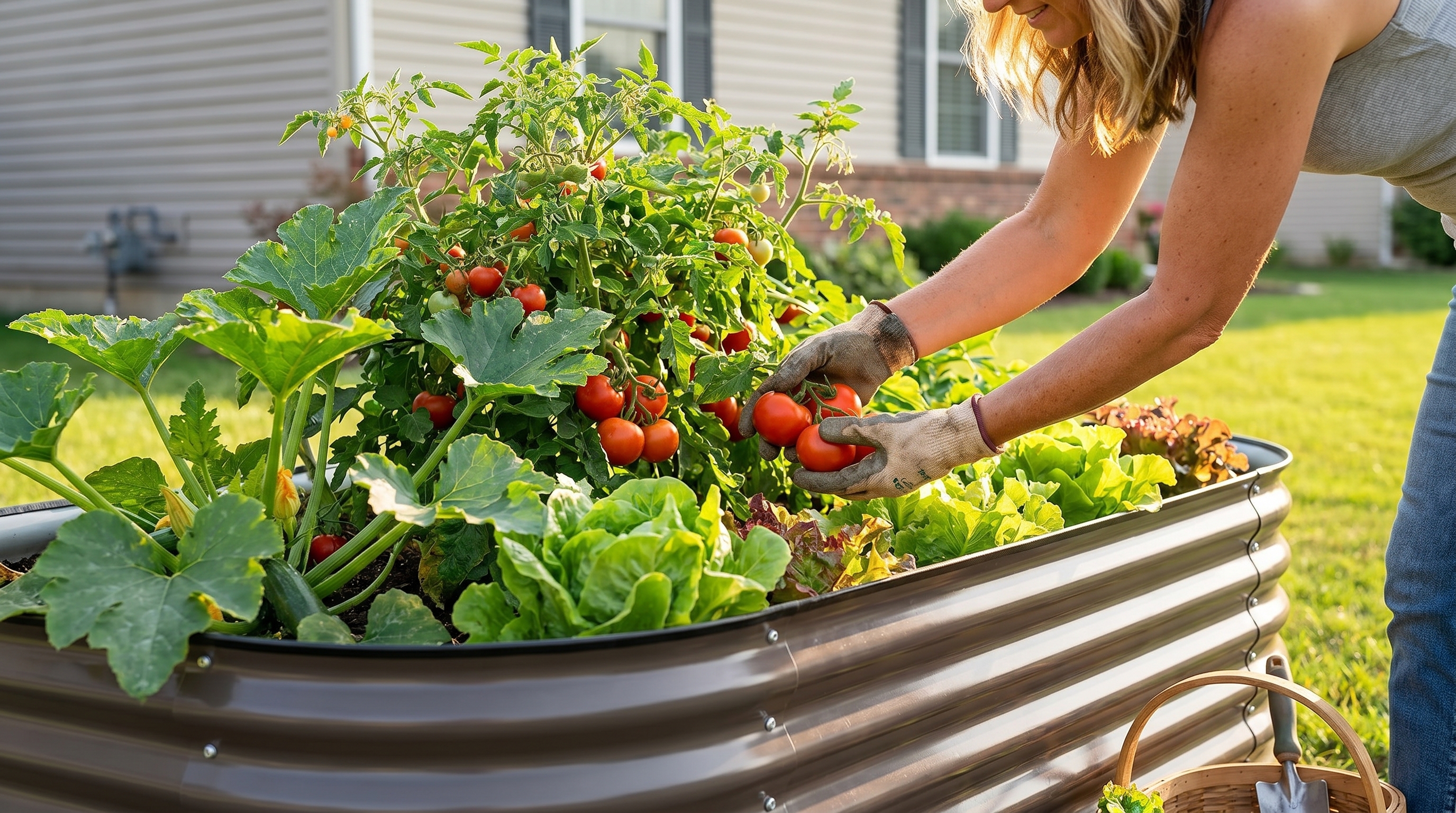
ALT: Beginner gardener harvesting fresh vegetables from a raised bed garden with thriving green plants
Why Raised Bed Gardening Is the Smartest Start for Beginner Vegetable Growers
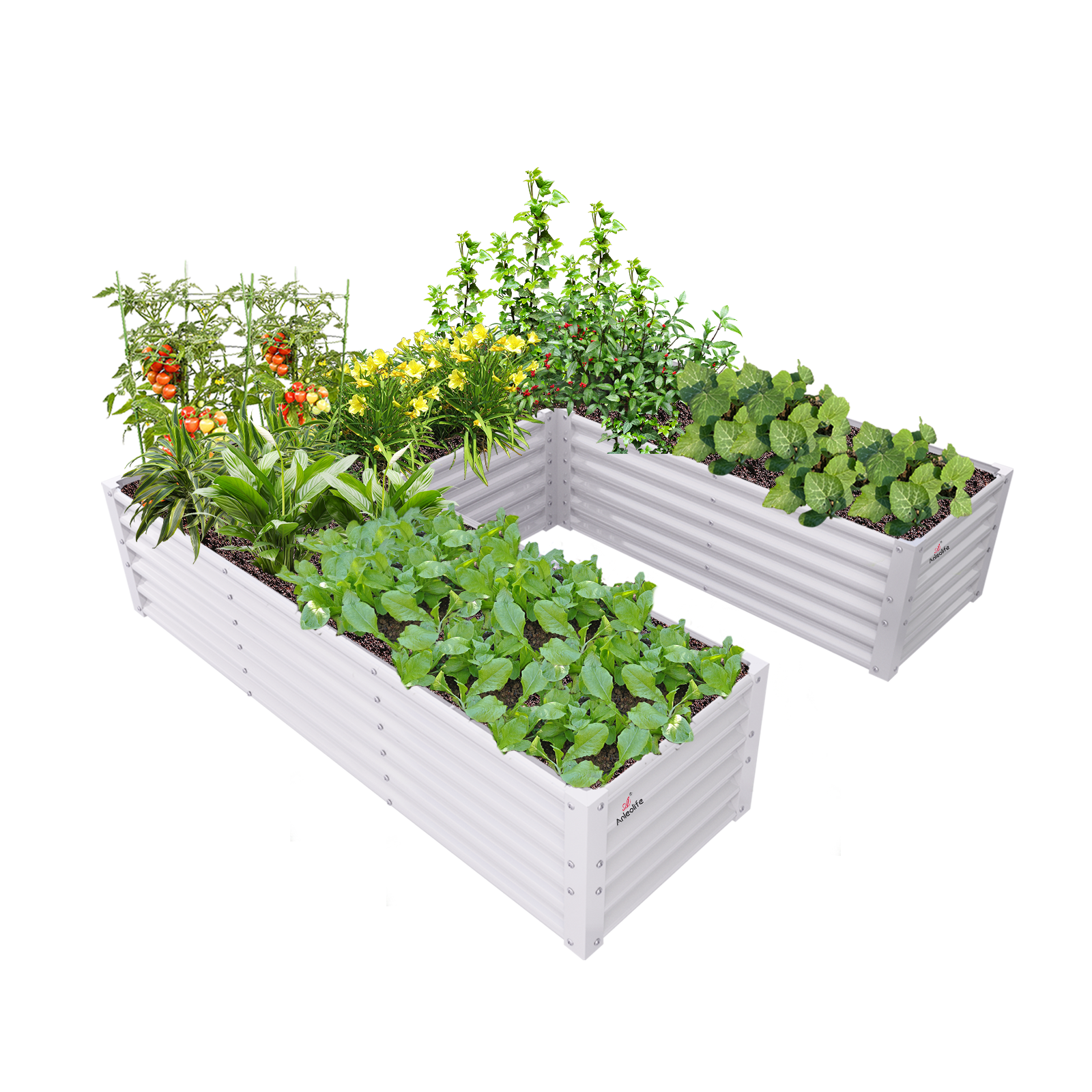
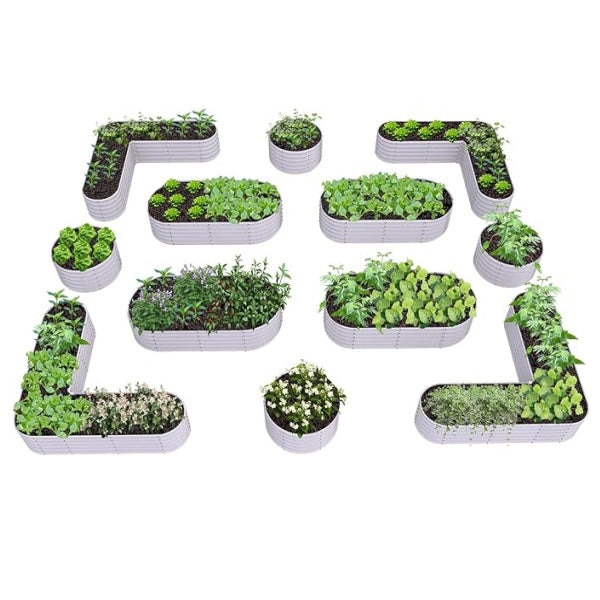
Key Conclusion: A well-planned raised bed garden layout gives beginners an immediate advantage: better soil control, fewer weeds, and faster harvests. Whether you're designing a compact raised bed planting layout for a suburban backyard or a multi-bed urban setup, choosing the right vegetables from the start is the single most important decision you'll make. The right raised bed layout paired with beginner-friendly crops dramatically reduces failure rates and maximizes your first-season success. This guide covers the 15 best vegetables to grow, why they thrive in raised beds, and exactly how to get started.
Raised bed vegetable gardening has surged in popularity among home growers, and it's easy to see why. Unlike traditional in-ground gardening, raised beds offer a controlled environment where you decide the soil quality, drainage, and spacing — three factors that make or break a vegetable garden. For beginners especially, this level of control removes much of the guesswork.
This article is built around three core principles: choosing vegetables matched to your skill level, planning a layout that maximizes yield in limited space, and building healthy soil from day one. Together, these principles form the foundation of a garden that rewards effort quickly and keeps growing stronger every season.
Who This Guide Is For
✅ Applicable Scenarios:
- First-time home gardeners setting up their first raised bed this season
- Urban micro-gardeners with limited outdoor space looking to maximize yield per square foot
- Empty nesters and retirees who want a low-maintenance, productive garden without heavy physical labor
- Eco-conscious families growing vegetables to reduce grocery bills and control what goes into their food
❌ Not Applicable/Cautions:
- Experienced market gardeners managing large-scale commercial production (this guide focuses on home-scale beginner setups)
- Growers in extreme climates (such as zones 1–2 or zone 13) without season-extension tools — some vegetable recommendations assume moderate growing conditions
- Gardeners who have not yet selected a raised bed location with adequate sunlight (most vegetables on this list require at minimum 6 hours of direct sun per day)
Why Raised Beds Outperform Traditional Gardens for Beginners
The numbers tell a compelling story. According to the National Gardening Association, participation in food gardening has grown steadily in the United States, with millions of households now growing some portion of their own food. A significant share of that growth is driven by raised bed adoption, particularly among first-time gardeners in suburban and urban settings.
The reason isn't hard to understand. In-ground gardening requires working with whatever soil exists on your property — and in many suburban neighborhoods, that means compacted clay, nutrient-poor subsoil left over from construction, or contaminated urban soil that shouldn't be used for food production at all. Raised beds eliminate this problem entirely by letting you fill your bed with a custom soil blend optimized for vegetables.
Soil quality is the single most important factor in vegetable gardening success. In a raised bed, you control it completely. A commonly recommended starting mix is roughly 60% topsoil, 30% compost, and 10% amendments such as perlite or aged wood chips for drainage. This ratio of compost to soil for raised garden beds creates a loose, rich, well-draining environment where vegetables establish quickly and grow vigorously.
Beyond soil control, raised beds offer meaningful physical advantages. The elevated sides reduce bending and kneeling — a feature particularly appreciated by older gardeners and those with mobility limitations. The defined border also creates a clear psychological boundary that makes the garden feel manageable rather than overwhelming. When your garden is a contained, organized system, it's far easier to stay on top of watering, feeding, and pest management.
Drainage is another major win. Vegetable roots despise standing water, and many heavy soils stay waterlogged after rain events. Raised beds drain freely, reducing root rot and fungal disease — two of the most common problems beginner gardeners encounter.
Finally, raised beds warm up faster in spring. Because the soil volume is above ground level, it absorbs heat more efficiently than in-ground beds. This gives you a meaningful head start on the growing season, allowing earlier planting dates and longer harvest windows.
For a comprehensive guide to setting up your first raised bed system from structure selection to soil filling, visit Anleolife.com, where detailed resources cover every stage of the process.
The 15 Best Vegetables for a Beginner Raised Bed Garden
Three-Step Quick Start Before You Plant
Step 1: Choose Your Bed and Fill It Right
Before a single seed goes in the ground, your raised bed needs to be in place and filled with quality growing medium. Select a location that receives at least 6 to 8 hours of direct sunlight daily. Fill your bed with a blended mix — roughly 60% topsoil, 30% compost, and 10% drainage amendment. This best ratio of compost to soil for raised garden beds creates a structure that holds moisture without becoming waterlogged. Allow 2–3 days for the mix to settle before planting.
Step 2: Plan Your Raised Bed Planting Layout
Sketch your bed on paper before planting. Assign taller plants (like tomatoes and beans) to the north side so they don't shade shorter crops. Group fast-maturing plants (like radishes and lettuce) together so you can replant that space after harvest. Use the square-foot gardening method as a starting framework: divide your bed into 1-foot squares and assign each square a crop based on its recommended spacing. This raised bed garden layout approach eliminates overcrowding, maximizes yield, and simplifies maintenance.
Step 3: Plan for Water and Companion Planting
Set up a drip irrigation system or soaker hose before your plants get established — it's much harder to install once the bed is full. Follow a raised bed garden companion planting guide to pair crops strategically: basil near tomatoes deters aphids, carrots loosen soil for neighboring lettuce, and marigolds along bed edges repel common pests. These companion planting relationships reduce your reliance on pesticides and create a more resilient garden ecosystem from the start.
The 15 Vegetables — Compared at a Glance
Understanding which vegetables suit your goals, space, and schedule helps you make smarter planting decisions. Here's how the 15 best beginner vegetables compare across key dimensions.
| Vegetable | Days to Harvest | Difficulty | Ideal Position in Bed | Companion Planting Notes |
|---|---|---|---|---|
| Tomatoes | 60–85 days | Easy–Moderate | Back/North edge | Basil, marigolds |
| Zucchini | 45–55 days | Easy | Corner/edge | Nasturtium, beans |
| Bush Beans | 50–60 days | Easy | Mid-bed | Carrots, cucumber |
| Lettuce | 30–45 days | Very Easy | Front/edge | Radish, carrots |
| Radishes | 22–30 days | Very Easy | Edges/between rows | Most vegetables |
| Spinach | 35–45 days | Easy | Front or shaded edge | Strawberries, peas |
| Cucumbers | 50–70 days | Easy | Back with trellis | Beans, dill |
| Kale | 55–75 days | Very Easy | Mid-to-back | Beets, herbs |
| Swiss Chard | 50–60 days | Easy | Mid-bed | Beans, onions |
| Peas | 60–70 days | Easy | Back with support | Carrots, radishes |
| Carrots | 70–80 days | Moderate | Mid-bed | Lettuce, sage |
| Beets | 55–70 days | Easy | Mid-bed | Garlic, lettuce |
| Green Onions | 60–80 days | Very Easy | Edges | Most vegetables |
| Basil | 25–35 days (leaf) | Easy | Near tomatoes | Tomatoes, peppers |
| Peppers | 70–90 days | Moderate | Back/South-facing | Basil, carrots |
Days to harvest are approximate ranges based on common variety performance under typical growing conditions.
Detailed Profiles: Your 15 Beginner Vegetables
Tomatoes — The Crown Jewel of Raised Beds
Tomatoes are the number-one crop home gardeners want to grow, and raised beds make them significantly easier to succeed with. In a raised bed, you can dial in exactly the rich, well-draining soil tomatoes crave. Choose determinate (bush) varieties if your bed is smaller — they stay compact and produce a defined harvest window. Plant one per square foot for large varieties, or two per square foot for cherry tomatoes. Pair with basil as your raised bed companion planting guide suggests — the aromatic oils in basil genuinely confuse and deter aphids, and the combination tastes as good together in the kitchen as it grows in the garden.
Zucchini — One Plant, Abundant Harvests
Few vegetables reward beginners more quickly than zucchini. Plant just two or three plants in a corner of your raised bed and they'll provide more harvests than most families can eat through summer. The key is harvesting frequently: pick zucchini when they're finger-length for best flavor and to encourage continuous production. Zucchini's large leaves also act as a living mulch, shading the soil and reducing moisture loss — a practical bonus in hot climates.
Bush Beans — Set It and (Almost) Forget It
Bush beans require almost no support, germinate reliably from direct seed, and produce continuously over several weeks. They're one of the easiest vegetables to grow from seed, making them ideal for absolute beginners. As a bonus, beans are nitrogen-fixers: their root systems host beneficial bacteria that capture atmospheric nitrogen and deposit it in the soil, improving conditions for neighboring plants in your raised bed layout.
Lettuce — The Fastest Gratification in the Garden
If you need encouragement early in your gardening journey, lettuce delivers it. Many varieties are ready to harvest in as little as 30 days, and you can practice "cut-and-come-again" harvesting — snipping outer leaves while the plant continues growing from the center. Lettuce prefers cooler temperatures, making it perfect for spring and fall planting. In warmer climates, tuck it in the shade cast by taller plants like tomatoes or peppers.
Radishes — The Beginner's Secret Weapon
Radishes are so fast-growing (some varieties mature in 22 days) that they serve a dual purpose: they give beginners quick feedback that their soil and watering are on track, and they act as space-fillers between slower-maturing crops. Plant radishes between carrots, beets, or beans and harvest them before the main crop needs the space. They're also useful as trap crops, attracting flea beetles away from more valuable plants.
Spinach — Nutrition and Simplicity Combined
Spinach is a nutritional powerhouse and one of the most forgiving vegetables in a raised bed. It tolerates light frost, making it a great choice for early spring and late fall growing. Like lettuce, it can be harvested using the cut-and-come-again method. Space plants about 3 inches apart and keep the soil consistently moist for best results. Spinach will bolt (go to seed) in heat, so time plantings for cooler periods or grow it in partial shade during summer.
Cucumbers — Vertical Space Savers
Cucumbers are vigorous, productive, and perfect for a raised bed — provided you give them somewhere to climb. Installing a trellis along the back of your bed keeps cucumbers vertical, saves valuable bed space, and makes harvesting dramatically easier. Vining cucumbers grown vertically also have better air circulation, which reduces the risk of powdery mildew, a common cucumber problem in humid conditions. Pair with dill for flavor and companion planting benefits.
Kale — The Resilient Superfood
Kale is arguably the most beginner-proof vegetable on this list. It tolerates heat, tolerates frost, and continues producing leaves for months. A single raised bed planted with four to six kale plants can supply a family with greens from early summer through winter in most growing zones. Harvest outer leaves first, leaving the central growth point intact. Kale actually improves in flavor after a light frost — a bonus for fall gardeners.
Swiss Chard — Color and Productivity in One
Swiss chard combines visual appeal with practical productivity. Its brightly colored stems — red, yellow, orange, and white — add beauty to your raised bed layout while producing edible leaves and stems over an extended season. Like kale, it's heat-tolerant and frost-tolerant. Both the leaves and colorful stems are edible, and it can be used as a spinach substitute in recipes. An excellent choice for gardeners who want their vegetable bed to look as attractive as it is functional.
Peas — Spring's Sweetest Reward
Sugar snap peas and snow peas thrive in the cool temperatures of early spring, making them one of the first crops you can plant each season. They need vertical support — a simple bamboo trellis or netting works well — and they enrich the soil with nitrogen just like beans. Peas are best direct-seeded in early spring and can tolerate light frosts. They tend to wind down as summer heat sets in, at which point you can replant that space with a warm-season crop.
Carrots — Rewarding When the Soil Is Right
Carrots require loose, deeply worked, stone-free soil to develop straight, full-sized roots — which is exactly what a well-prepared raised bed provides. This is why carrots that fail miserably in compacted garden soil often thrive in raised beds. Use a mix that's light and free-draining, direct sow seeds thinly, and thin seedlings to the recommended spacing once they're established. Patience is required (70–80 days), but the harvest of sweet, homegrown carrots is deeply satisfying.
Beets — Leaves and Roots, Double the Harvest
Beets offer beginners an unusual advantage: both the root and the greens are edible, effectively giving you two harvests from a single plant. Young beet greens can be harvested like salad greens well before the root matures. Beets prefer cooler weather and direct sowing. They're tolerant of partial shade and pair well with garlic, which may deter common soil pests.
Green Onions (Scallions) — The Easiest Allium
Green onions are productive, fast, and nearly foolproof. They can be grown from seed or from the root ends of store-bought scallions placed in soil — a satisfying low-cost experiment for beginners. Plant them along the edges of your bed where they won't shade other crops, and harvest by snipping the green tops while leaving roots in place for regrowth. Green onions also serve a pest-deterring role near susceptible crops.
Basil — Essential Herb and Companion Plant
While not a vegetable in the traditional sense, basil belongs in every beginner's raised bed for two reasons: culinary utility and companion planting value. As noted in raised bed garden companion planting guides, basil planted alongside tomatoes helps deter aphids and whiteflies. It grows rapidly in warm conditions and benefits from regular harvesting — pinch flower buds as they appear to extend the productive life of the plant through summer.
Peppers — Patient Growers with Big Rewards
Peppers take longer to mature than most other beginner vegetables, but their flavor and productivity make the wait worthwhile. Like tomatoes, they thrive in the rich, warm, well-drained soil of a raised bed. Plant after your last frost date when soil has warmed. Both sweet varieties (bell peppers) and mild hot varieties (banana peppers, Anaheim) are relatively easy for beginners. Pair with basil and carrots in your companion planting layout.
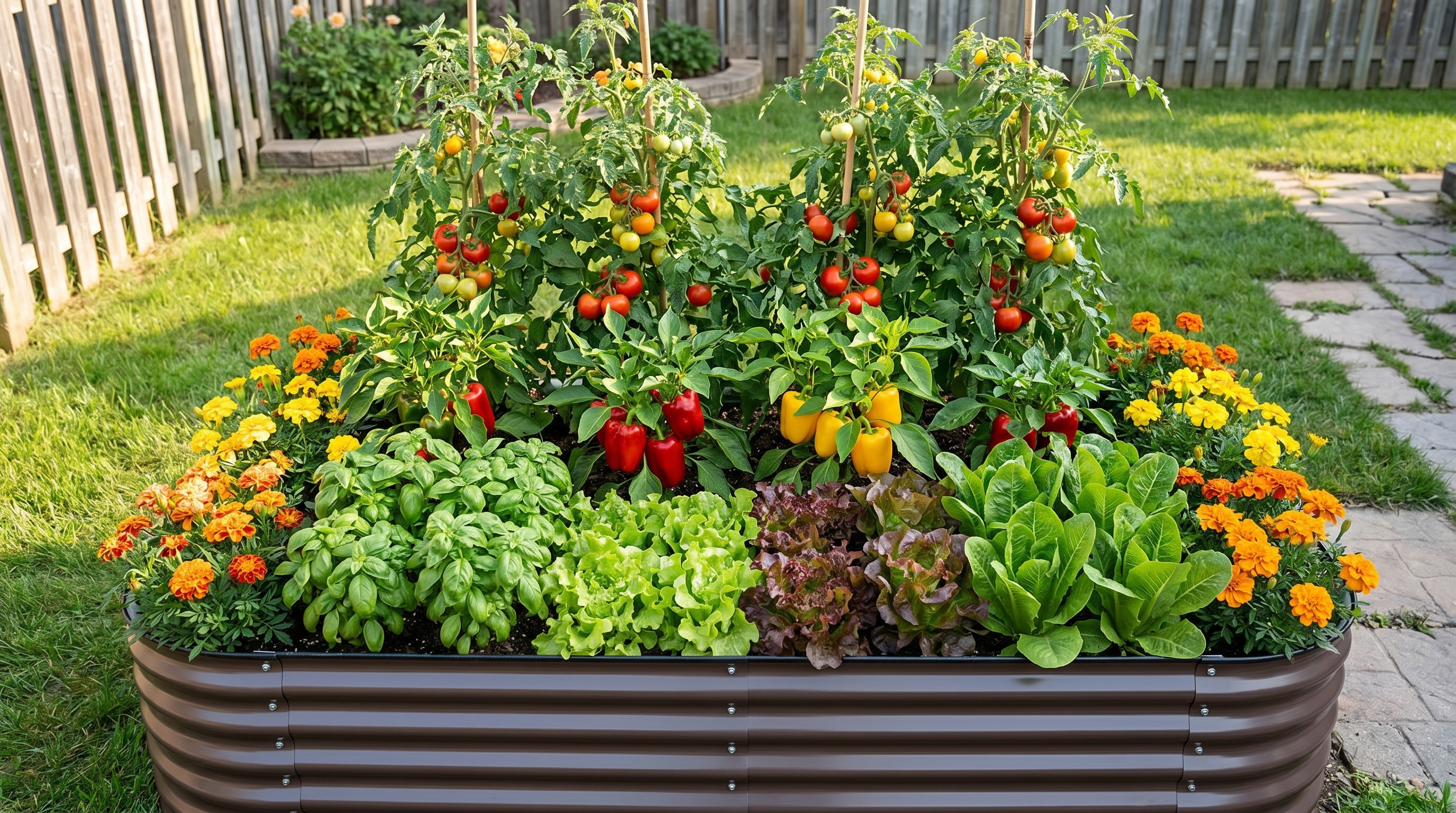
ALT: Vibrant beginner raised bed garden layout featuring companion planted tomatoes, basil, lettuce, and peppers growing together
Advanced Tips: Getting More From Your Raised Bed Season After Season
Succession Planting Extends Your Harvest Window
One of the most powerful techniques beginners often overlook is succession planting — sowing small batches of fast-maturing crops every two to three weeks rather than planting everything at once. This ensures a continuous harvest of lettuce, radishes, and spinach throughout the season instead of a glut followed by nothing. In your raised bed planting layout, mark out small sections designated for succession crops and rotate them on a simple schedule.
Soil Maintenance Between Seasons
After each growing season, your raised bed soil needs replenishment. Add a 2–3 inch layer of quality compost on top of the bed and allow it to integrate over winter. Avoid walking in or compacting the bed, which destroys the loose structure you've built. Over time, a well-maintained raised bed actually improves from season to season — especially when using recommended materials raised garden beds that won't rot, such as the galvanized steel systems offered by Anleolife, which are built to last up to 20 years, ensuring your soil investment compounds over time rather than being lost to a failing structure.
Addressing Common Misconceptions
Misconception 1: "More plants means more food." Overcrowding is one of the most common beginner mistakes. Crowded plants compete for nutrients, light, and airflow — resulting in smaller yields and higher disease pressure. Follow recommended spacing on seed packets and plant fewer, healthier plants.
Misconception 2: "Raised beds don't need watering as often as in-ground beds." Actually, the opposite is often true. Because raised beds drain efficiently and have greater surface-area exposure, they can dry out faster than in-ground gardens, especially in warm weather. Consistent moisture monitoring is essential.
Misconception 3: "Any soil from the garden center works." Not all bagged soil is appropriate for raised beds. Straight topsoil can compact over time, while pure potting mix may drain too quickly. The recommended best ratio of compost to soil for raised garden beds (approximately 60/30/10) outperforms single-ingredient fills in nearly every study and practical trial.
Frequently Asked Questions FAQ
Q1: How do I plan a raised bed garden companion planting layout for beginners?
Start with a simple grid map of your raised bed divided into square-foot sections. Place tall plants (tomatoes, peppers) on the north edge to avoid shading shorter neighbors. Cluster compatible companions: basil near tomatoes, carrots near lettuce, and marigolds along outer edges. A basic companion planting guide helps you identify which combinations actively benefit each other through pest deterrence, soil improvement, or efficient space use. Keep the plan simple in year one — three to four companion pairs is plenty to start with.
Q2: Are metal raised garden beds safe for growing vegetables?
Yes — high-quality galvanized steel raised garden beds are widely considered safe for vegetable production. Modern galvanized steel uses a zinc coating that is stable and does not leach harmful levels of material into soil under typical garden conditions. Look for beds made from food-grade quality steel and lined with appropriate barriers if you prefer extra peace of mind. Anleolife's galvanized metal beds are designed with a 20-year lifespan, making them a durable, long-term investment in safe, productive growing.
Q3: How long does it take to set up a raised bed and start seeing harvests?
Setup typically takes one to two days for bed assembly, soil filling, and planting. From there, fast-maturing crops like radishes can be ready in as few as 22–30 days, and lettuce in 30–45 days. With Anleolife's warehouse network spanning California, Texas, Florida, New York, Illinois, and Washington, your raised bed can arrive in as fast as 3–8 business days after ordering — meaning you could be planting your first seeds within two weeks of making the decision to start gardening.
Summary
Starting a raised bed vegetable garden is one of the most rewarding decisions a home grower can make — and choosing the right vegetables from the beginning makes all the difference between a frustrating first season and one that has you planning next year's expansion before summer ends.
Three key takeaways from this guide:
First, your raised bed garden layout and planting strategy matter as much as which vegetables you choose. Use companion planting, succession sowing, and thoughtful placement to maximize every square foot.
Second, soil is everything. Invest in a quality mix using the recommended ratio of compost to soil for raised garden beds, replenish it seasonally with compost, and your productivity will increase year after year.
Third, start with beginner-friendly vegetables from this list. Lettuce, radishes, zucchini, beans, tomatoes, and kale will build your confidence, fill your kitchen, and teach you the rhythms of vegetable gardening without overwhelming you in year one.
The path from complete beginner to confident home grower is shorter than most people think — especially when you start with the right structure, the right soil, and the right plants.
Ready to Grow? Start With Anleolife
Nationwide U.S. warehouse network: Strategically located in California, Texas, Florida, New York, Illinois, and Washington to ensure delivery within 3–8 business days — so your garden upgrade plans never have to wait.
Multi-channel availability: Products are available on major e-commerce platforms including Amazon, Walmart, Home Depot, Lowe's, and Wayfair, as well as the official website Anleolife.com, providing consistent quality assurance and after-sales service.
Three core scenarios: Planting (metal raised garden beds, soil systems), Raising (chicken coops, rabbit hutches), and Beautification (decorative accessories, pathway systems) — meeting complete needs from functionality to aesthetics.
We understand that an ideal garden is not built overnight, but gradually improved over time. Anleolife's modular product design allows flexible expansion based on your needs — from your first raised garden bed to a fully integrated planting-and-raising ecosystem. Our metal garden beds are built to last up to 20 years, meaning the infrastructure you invest in today supports your gardening journey for decades to come. We grow with you every step of the way.
References
- National Gardening Association. "Garden to Table: A Guide to Growing Food at Home".
https://garden.org/ - University of California Agriculture and Natural Resources. "Vegetables: Guidelines for Growing Food in Raised Beds".
https://ucanr.edu/ - USDA National Agricultural Library. "Home Gardening and Food Safety Resources".
https://www.nal.usda.gov/ - Penn State Extension. "Raised Bed Vegetable Gardening".
https://extension.psu.edu/ - Colorado State University Extension. "Companion Planting in the Vegetable Garden".
https://extension.colostate.edu/
Note: Standards and research may be updated; please check the latest official documents or consult professional advisors for current recommendations.
About Anleolife
Anleolife is a leading outdoor garden solutions provider in North America, dedicated to offering a full-scenario product ecosystem for home gardening enthusiasts, covering planting, raising, and garden beautification. Since its founding, we have upheld our brand mission, "Made for Garden Life," continuously innovating products and optimizing services to help hundreds of thousands of users upgrade their gardens, reconnect with nature, and enjoy a better garden lifestyle.