


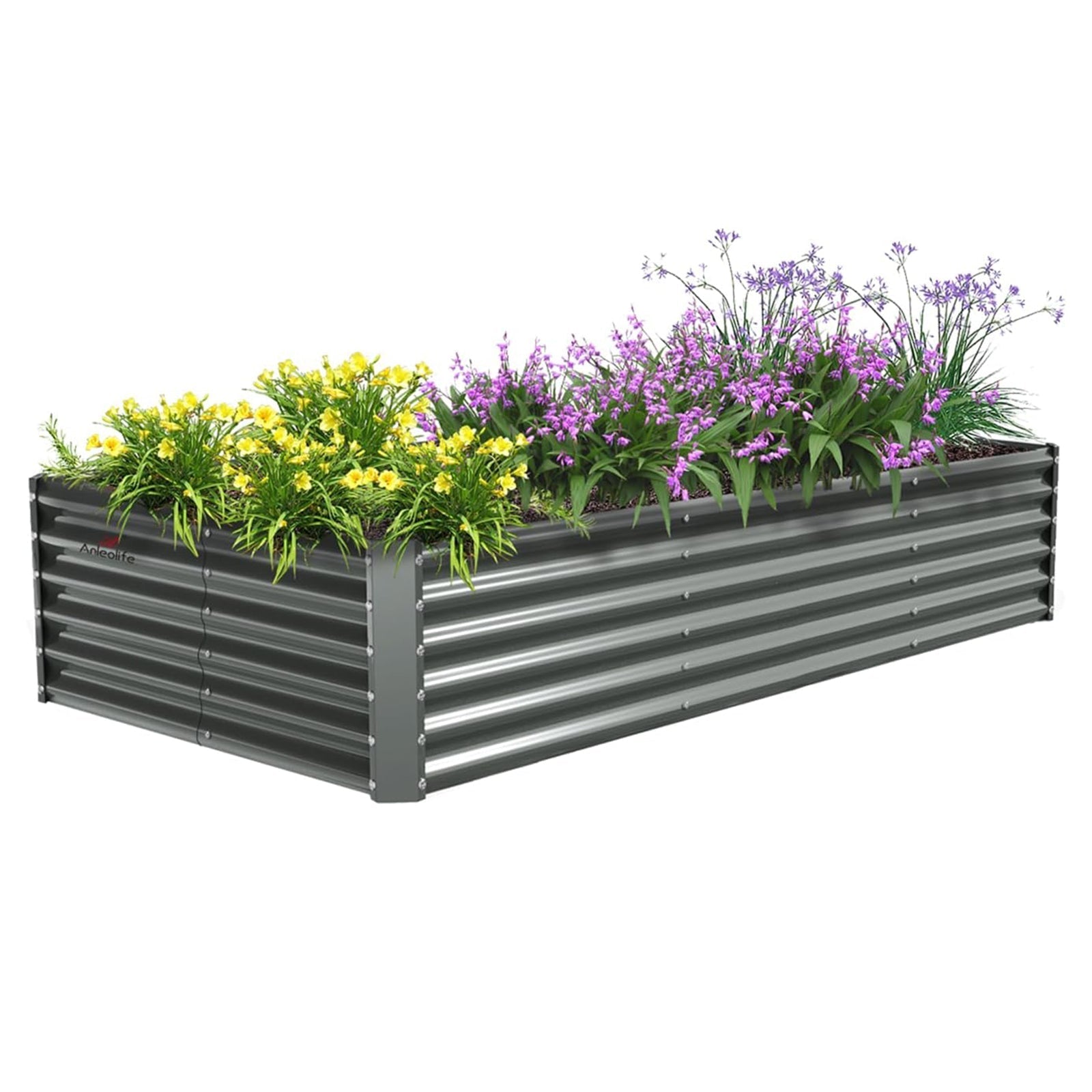

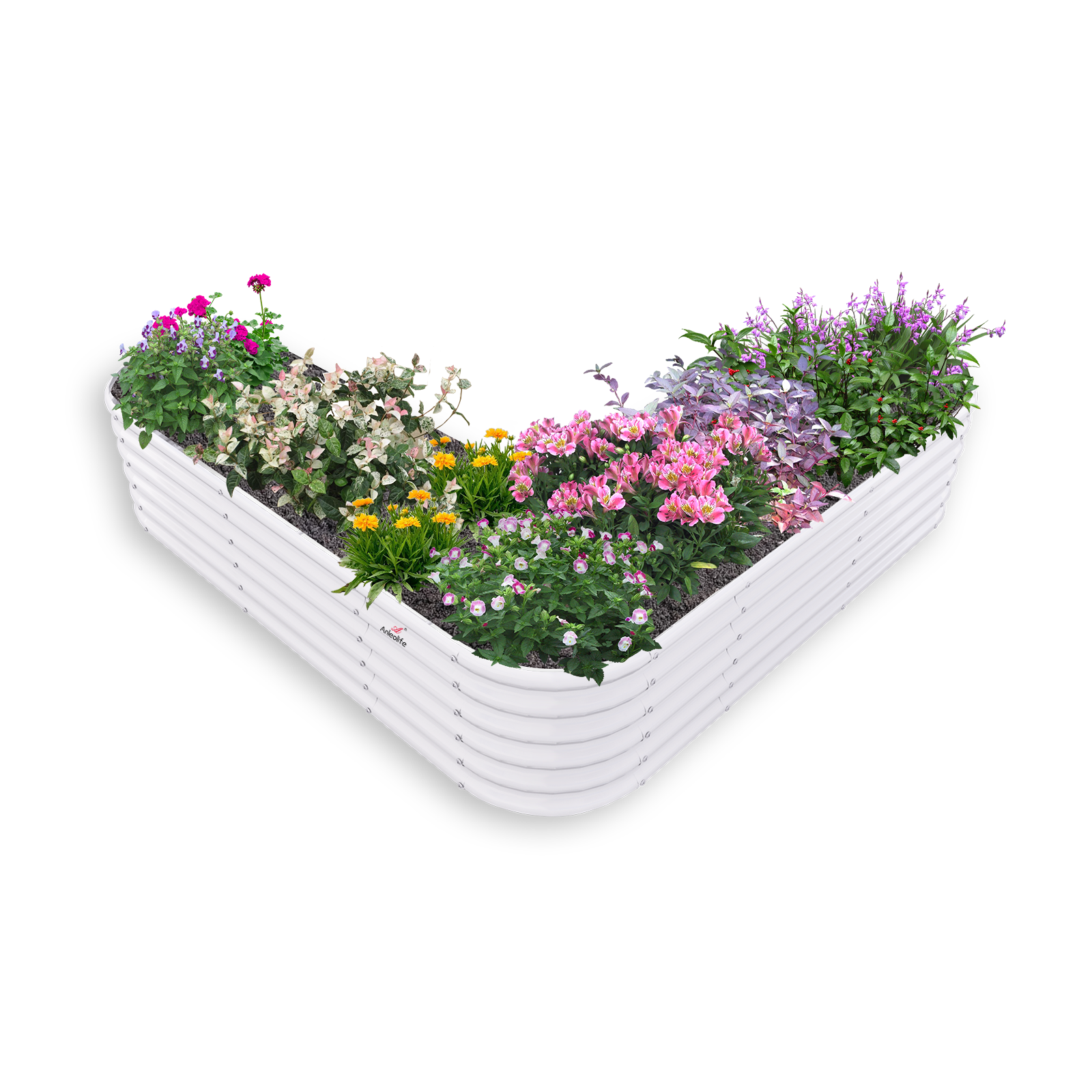
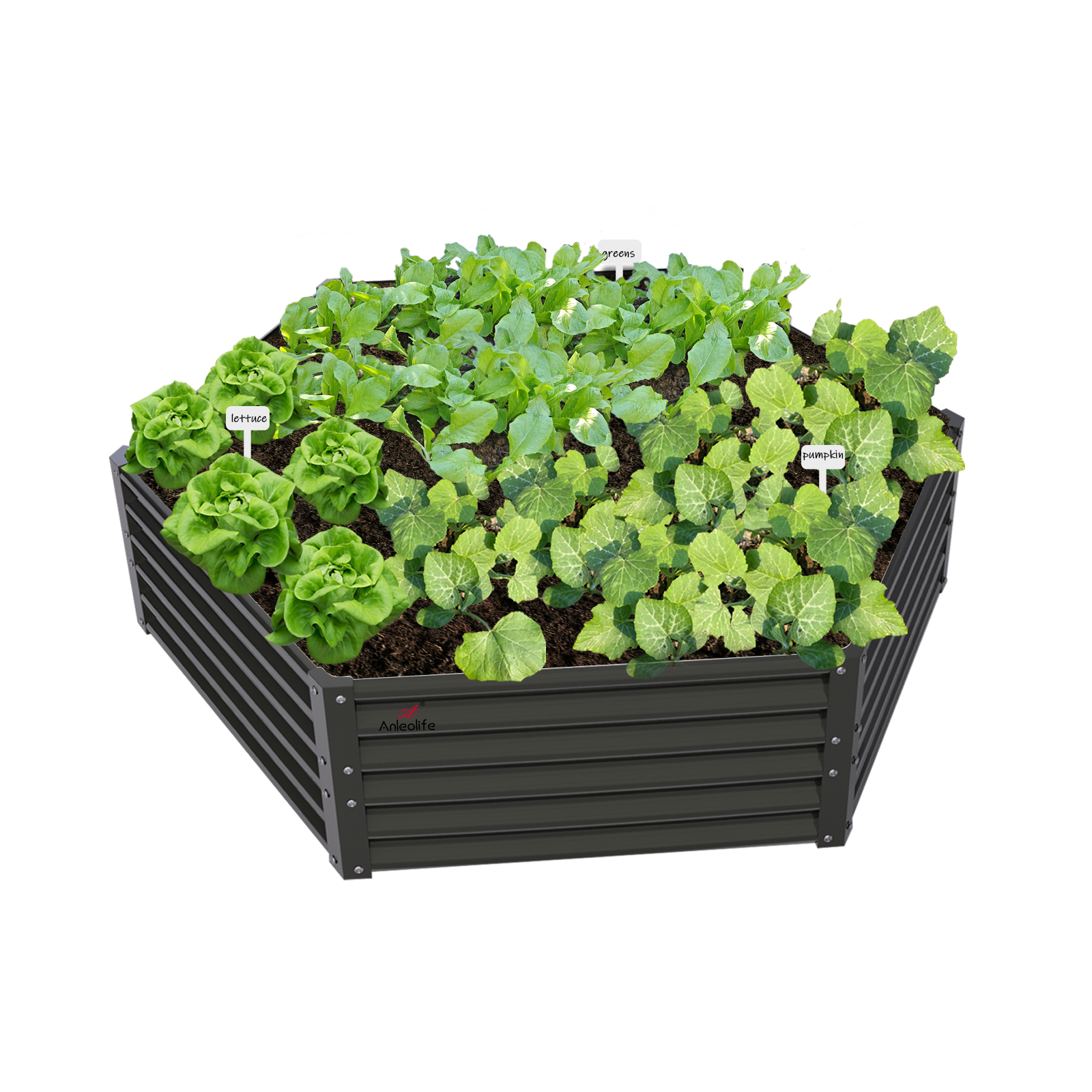
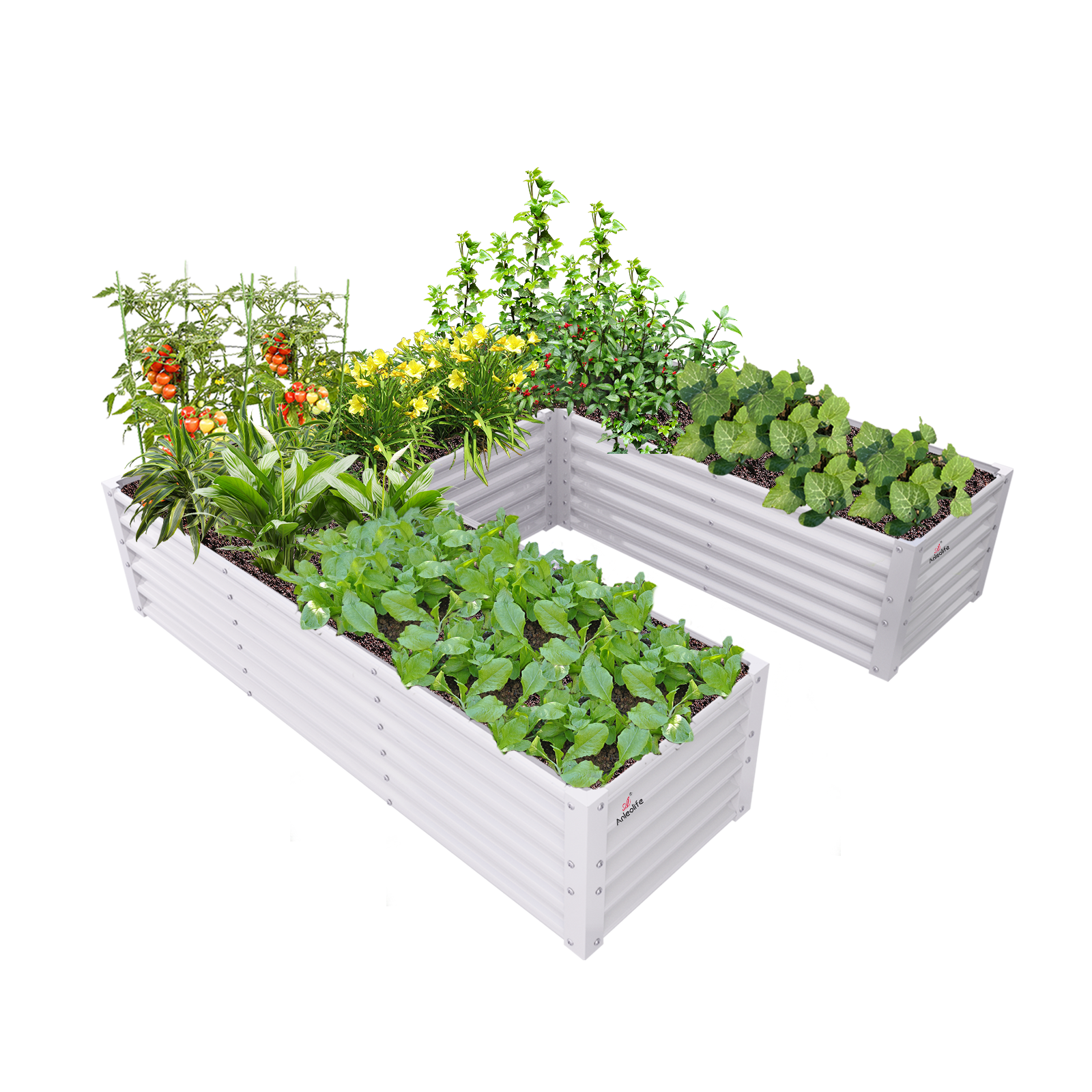

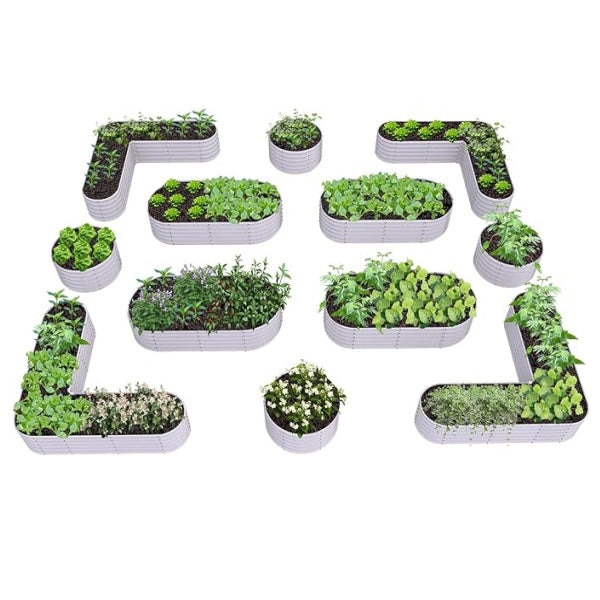


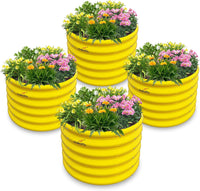
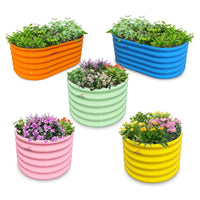



ALT: Beginner gardener planting vegetables in a raised garden bed, best vegetables for beginners in raised beds
Why Raised Garden Beds Are a Game-Changer for Beginning Vegetable Growers
Key Conclusion: Raised garden beds give beginner vegetable growers a significant head start by providing better drainage, warmer soil, and fewer weeds than traditional in-ground planting. Whether you're working with a compact urban patio or a spacious suburban yard, choosing the right vegetables — ones that thrive in contained, well-amended soil — is the single most important decision you'll make in your first growing season. This guide walks you through the 15 best vegetables to grow in a raised garden bed, so you can harvest confidently from day one.
Starting a vegetable garden can feel overwhelming, especially when you're staring at a catalog of hundreds of plant varieties and wondering where to begin. Raised garden beds simplify that decision. By concentrating your growing space, you naturally limit your plant choices — and that's actually a great thing. You can focus on high-reward crops that produce abundantly in a small footprint, respond well to the improved drainage and root-friendly soil that raised beds provide, and give you quick, visible success to build your gardening confidence.
Three principles guide every recommendation in this article: ease of care, speed to harvest, and suitability for raised-bed conditions. Keep these in mind as you plan your first planting season, and you'll be well on your way to a thriving kitchen garden.
Who This Guide Is For
✅ Applicable Scenarios:
- First-time vegetable gardeners setting up their first raised bed
- Urban micro-gardeners with limited outdoor space who want maximum productivity per square foot
- Empty nesters and retirees looking for a low-maintenance, rewarding hobby that yields fresh food
- Health-conscious families wanting to grow clean, chemical-free produce at home
❌ Not Applicable/Cautions:
- Experienced growers managing large-scale market gardens (this guide focuses on home-scale beginners)
- Gardeners attempting to grow very large root crops like mature pumpkins or watermelons in standard-depth beds without sufficient soil depth
- Anyone gardening in extreme climates without adjusting planting schedules for their USDA hardiness zone
Why the Raised Bed Method Works So Well for Vegetables
The explosion in raised bed gardening across North America is no accident. According to the National Gardening Association, food gardening participation has grown substantially over the past decade, with raised beds being one of the most popular formats for home growers. The reason is straightforward: raised beds solve the most common problems beginners face.
Soil quality is the number one challenge in traditional gardening. Native soil is often compacted, poorly draining, or nutrient-depleted. A raised bed lets you fill your growing space with a custom soil mix — typically a blend of topsoil, compost, and aeration amendments — giving your vegetables the ideal growing environment from the very first season. Pairing the right soil mix with quality beds is essential; many gardeners ask about the best soil mix for container gardening plants, and the good news is that raised beds use very similar principles: prioritize drainage, organic matter, and microbial activity.
Weed suppression is another major benefit. By building upward rather than digging into weed-seed-laden ground, you start with a clean slate. Line the bottom of your bed with cardboard or a weed barrier fabric, fill it with your chosen mix, and weeds become a minor inconvenience rather than a weekly battle.
Ergonomics matter too, especially for empty nesters and retirees. Taller raised beds — like Anleolife's extra-tall and waist-high options — eliminate the need to kneel or bend deeply, making gardening accessible and enjoyable for people with joint concerns. This brings up a common question: what is the best height for a raised garden bed? For most beginners, an 18-inch depth provides enough root space for the majority of vegetables on this list. For gardeners prioritizing back comfort, 24- to 30-inch heights or even waist-high models at 35 inches are worth the investment.
Anleolife's galvanized steel raised garden beds are engineered to last up to 20 years, meaning your initial setup cost is spread across two decades of harvests. That's genuine long-term value for any family serious about home growing.
The 15 Best Vegetables to Grow in a Raised Garden Bed
Three-Step Quick Start Before You Plant
Step 1: Choose and Set Up Your Raised Bed
Before you select your vegetables, choose a bed size that matches your available space and ambition. A classic 8x4 ft footprint gives you 32 square feet of growing area — enough to grow a meaningful variety of crops without overwhelming a beginner. Place your bed in a location that receives at least 6–8 hours of direct sunlight daily. Assembly for most galvanized steel beds takes roughly 30–60 minutes with basic tools.
Step 2: Build Your Soil Mix
Fill your raised bed with a high-quality blended growing medium. A reliable starting formula is roughly 60% topsoil or garden soil, 30% compost (aged compost delivers the best nutrient profile), and 10% perlite or coarse sand for drainage and aeration. This is the foundation that will feed your vegetables all season, so don't cut corners here. Allow the soil to settle slightly before planting.
Step 3: Plan Your Planting Layout
Use the square-foot gardening method to assign each square foot of bed space to a specific crop based on its mature size. Tall crops like tomatoes or trellised cucumbers go on the north side of the bed so they don't shade shorter plants. Plant dense crops like lettuce and radishes in blocks. This simple planning step maximizes your yield per square foot and reduces confusion once everything starts growing.
Comparing the 15 Best Vegetables: A Beginner's Quick Reference
Choosing your crops wisely sets up your entire season. The table below compares the 15 best vegetables for raised beds across key dimensions that matter most to beginners.
| Vegetable | Time to Harvest | Space Per Plant | Shade Tolerance | Best Season |
|---|---|---|---|---|
| Lettuce | 45–60 days | 6–12 inches | Moderate | Spring / Fall |
| Radishes | 22–30 days | 2–3 inches | Low | Spring / Fall |
| Green Beans | 50–60 days | 4–6 inches | Low | Summer |
| Zucchini | 50–65 days | 18–24 inches | Low | Summer |
| Cherry Tomatoes | 60–80 days | 18–24 inches | Low | Summer |
| Spinach | 40–50 days | 4–6 inches | High | Spring / Fall |
| Kale | 55–75 days | 12–18 inches | Moderate | Spring / Fall / Winter |
| Cucumbers | 50–70 days | 12 inches (trellised) | Low | Summer |
| Swiss Chard | 50–60 days | 6–12 inches | Moderate | Spring / Fall |
| Peas | 60–70 days | 2–4 inches | Low | Spring / Fall |
| Beets | 55–70 days | 3–4 inches | Low | Spring / Fall |
| Carrots | 70–80 days | 2–3 inches | Low | Spring / Fall |
| Peppers | 70–90 days | 12–18 inches | Low | Summer |
| Garlic | 8–9 months | 4–6 inches | Low | Fall planting |
| Strawberries | 60–90 days (first fruit) | 8–12 inches | Moderate | Spring |
Detailed Profiles: Why Each Vegetable Made the List
Lettuce
Lettuce is the quintessential beginner crop. It grows fast, requires minimal care, and can be harvested as a cut-and-come-again plant — meaning you snip outer leaves and the plant keeps producing. Loose-leaf varieties like 'Black Seeded Simpson' or 'Red Sails' are especially forgiving. Because lettuce tolerates partial shade, you can tuck it beneath taller plants without sacrificing yield.
In a raised bed with consistently moist, well-drained soil, lettuce performs remarkably well from early spring through late fall in most climates. Succession-plant every two weeks for a continuous supply.
Radishes
Radishes are the instant-gratification crop of the vegetable garden. Some varieties are ready to pull in as little as 22 days from seeding. They're ideal for filling gaps between slower-growing crops and make excellent "companion spacers" for carrots or beets. Their small footprint makes them perfect for dense planting in any raised bed size.
Green Beans
Bush-type green beans (as opposed to pole beans) are self-supporting, eliminating the need for trellising. They produce prolifically over a 2–3 week harvest window, making batch harvesting and preservation easy. Direct-sow seeds after your last frost date and expect fresh beans in about two months.
Zucchini
Zucchini is almost legendarily productive — experienced gardeners joke about sneaking into neighbors' yards to leave excess squash on their doorsteps. One or two plants is usually plenty for a family. Plant in a corner of your bed where the large leaves won't shade other crops. Harvest frequently to encourage continued production.
Cherry Tomatoes
Full-size slicing tomatoes can test a beginner's patience and skill. Cherry tomato varieties like 'Sun Gold' or 'Sweet 100' are far more forgiving, disease-resistant, and productive per square foot. They ripen faster than beefsteak types and are irresistible eaten straight from the vine. Use a cage or stake to keep plants upright.
Spinach
Spinach is a nutritional powerhouse that prefers cooler temperatures, making it perfect for spring and fall planting when summer crops aren't yet in the ground. It's fast-growing, shade-tolerant, and can be harvested leaf by leaf over many weeks. Grow it alongside garlic or beneath taller plants to maximize your bed's vertical layers.
Kale
Kale has earned its place in the home garden not just for its nutritional profile but for its genuine toughness. It survives light frosts, resists most pests, and can be harvested across a very long season — sometimes from early fall through late winter in mild climates. 'Lacinato' (dinosaur kale) is particularly beginner-friendly.
Cucumbers
Cucumbers produce heavily and quickly once warm weather arrives. Train them up a trellis on the north end of your raised bed to save horizontal space and improve air circulation, which reduces disease pressure. 'Bush Pickle' and 'Spacemaster' are compact varieties well-suited to raised beds.
Swiss Chard
Swiss chard is the underrated workhorse of the beginner garden. Its glossy, colorful stems (red, yellow, orange) are beautiful enough to serve as ornamental plants, and it produces edible leaves from spring through fall. It tolerates heat better than spinach and cold better than most summer crops, bridging seasonal gaps effortlessly.
Peas
Snap peas and snow peas are a delight in early spring when the rest of the garden is just waking up. They fix nitrogen in the soil, improving it for subsequent crops, and can be trellised vertically to save space. Eat them straight from the pod for the sweetest experience — sugar converts to starch quickly after picking.
Beets
Beets are a two-for-one vegetable: the roots are earthy and sweet when roasted, and the greens can be cooked exactly like Swiss chard. They prefer cool weather and loose, deep soil — which is exactly what a well-built raised bed provides. Sow seeds directly and thin to proper spacing for the best root development.
Carrots
Carrots reward the patience they require. They need loose, stone-free soil to develop straight, full-sized roots — another reason raised beds are perfect for them, since you control the growing medium completely. Choose shorter varieties like 'Chantenay' or 'Danvers Half Long' if your bed depth is on the shallower side.
Peppers
Both sweet bell peppers and hot chili varieties thrive in the warm, well-drained conditions of a raised bed. They're somewhat slower to mature than tomatoes but reward the wait with a long harvest window. Start seeds indoors 8–10 weeks before transplanting, or purchase transplants from a garden center to simplify the process.
Garlic
Garlic is uniquely planted in fall and harvested the following summer, making it a long-term commitment — but an easy one. Press individual cloves into the soil in October or November, mulch the bed, and largely forget about them until spring. There are few moments in gardening more satisfying than pulling fat, fragrant garlic heads from your raised bed in late June or July.
Strawberries
Strawberries are among the most popular raised bed crops, particularly for families with children, and the question of the best raised bed for strawberries comes up frequently. Because strawberry roots are relatively shallow, even an 18-inch-deep bed provides ample growing room. Choose everbearing varieties for a long harvest window from late spring through fall. The good news: you can grow strawberries in virtually any Anleolife raised bed, from compact sizes to larger configurations, since strawberries adapt well to bed width and spacing flexibility.
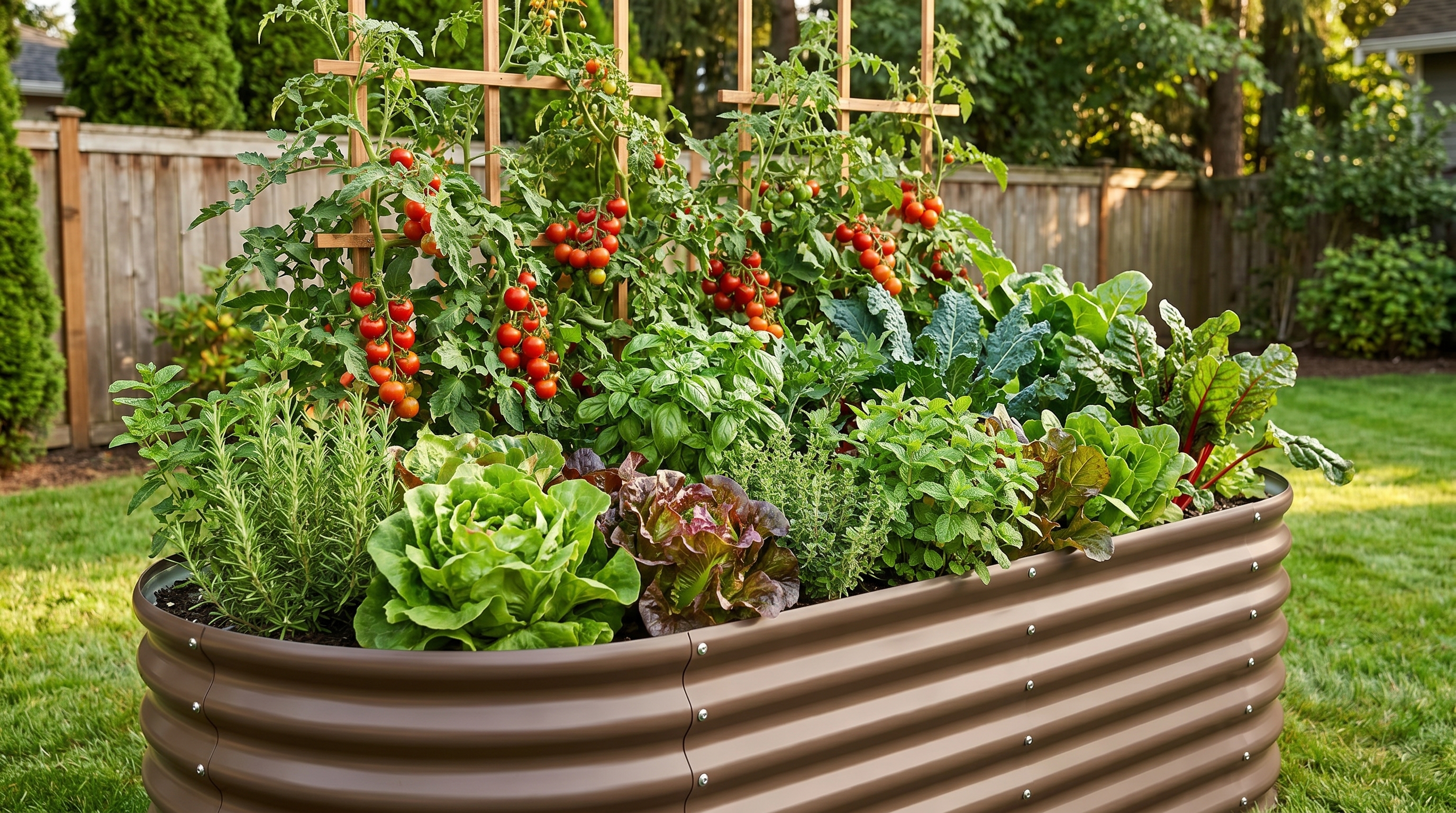
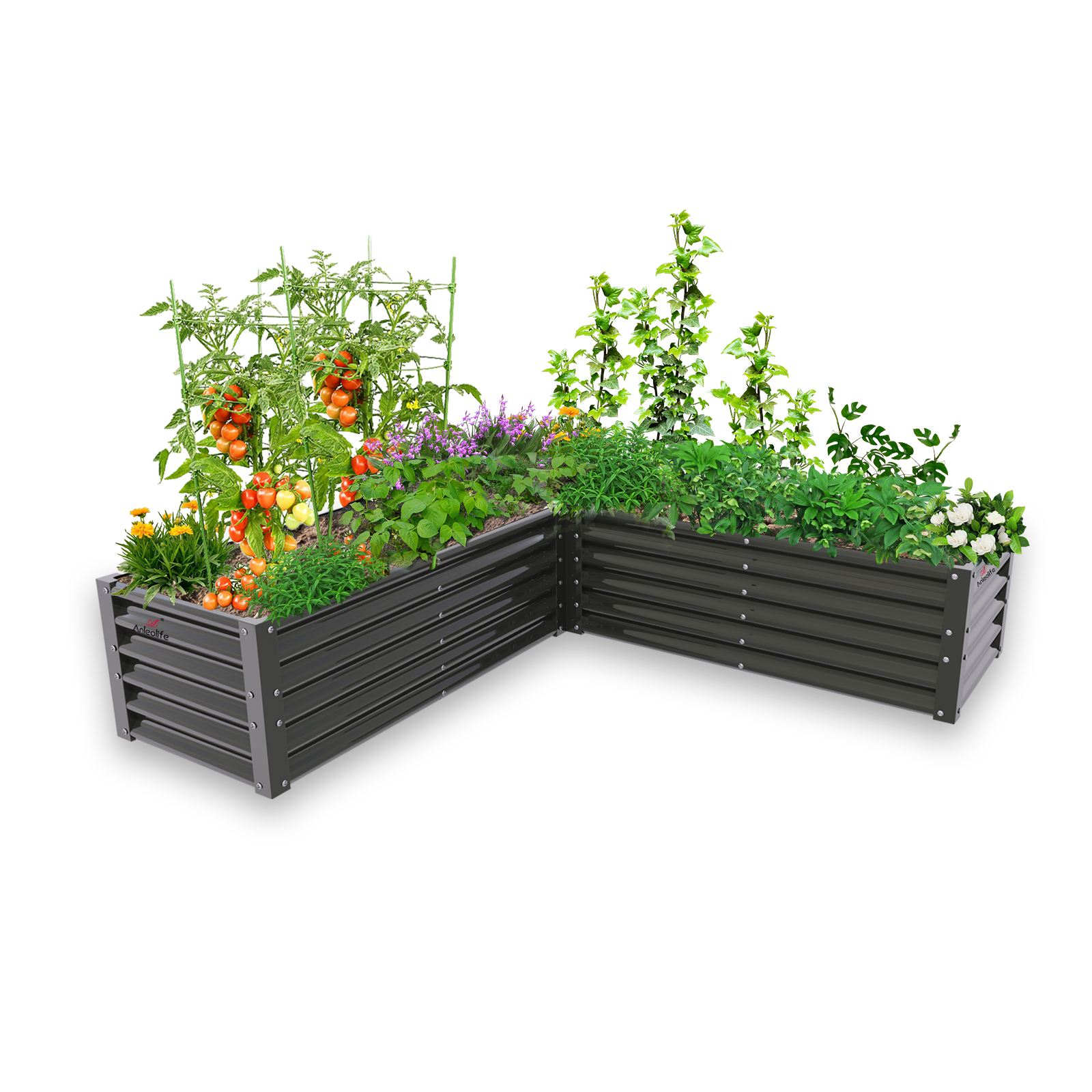
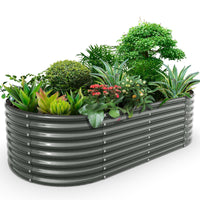
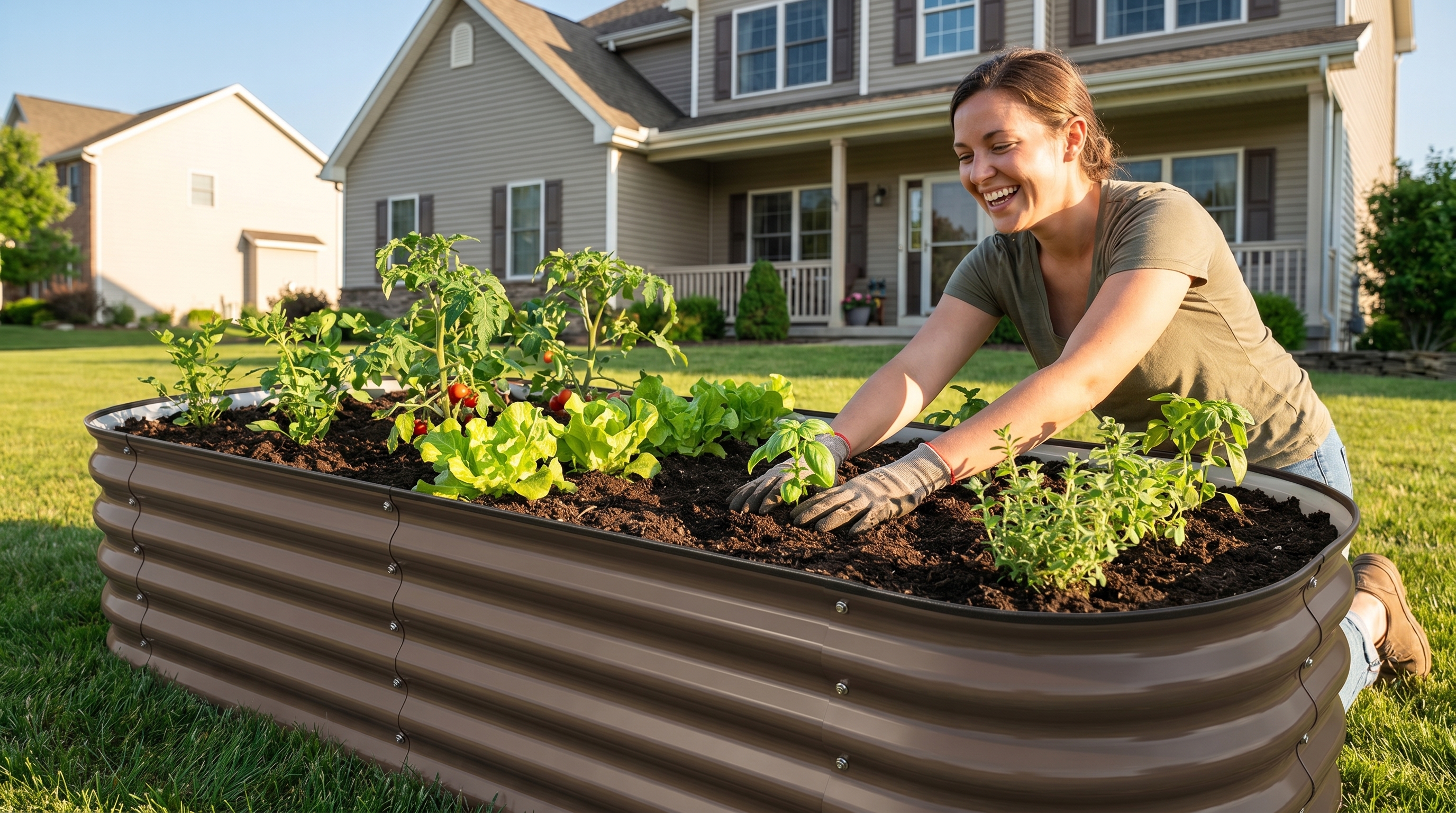
ALT: Vegetables including tomatoes, lettuce, and herbs thriving in a galvanized steel raised garden bed for beginner gardeners
Advanced Tips: Getting More From Your Raised Bed Garden
Succession Planting to Extend Your Season
One of the biggest mistakes beginners make is planting everything at once and ending up with a glut of produce followed by an empty bed. Succession planting — sowing small batches of fast-maturing crops like lettuce, radishes, and spinach every two to three weeks — keeps your bed productive from early spring through late fall. Mark your calendar and treat each succession sowing as a mini planting event.
Companion Planting for Natural Pest Control
Certain vegetable combinations naturally deter pests and improve each other's growth. The classic "Three Sisters" combination of corn, beans, and squash has been used for centuries. In a raised bed context, try planting basil near tomatoes to repel aphids, or marigolds along the bed perimeter to discourage nematodes and other soil pests. These natural strategies reduce your reliance on chemical interventions.
Common Misconception: Bigger Beds Always Mean More Harvest
Many beginners assume that a larger bed automatically produces more food. In reality, an intensively planted, well-managed smaller bed consistently outperforms a larger, poorly organized one. The key is plant density, soil quality, and consistent watering — not raw square footage. A single well-tended 8x4 ft Anleolife raised bed, filled with the right soil mix and planted with the 15 crops above, can supply fresh produce for a family of four across three seasons.
Choosing the Right Bed Height for Your Needs
The question of best height for a raised garden bed doesn't have a universal answer — it depends on your physical needs and the crops you're growing. Here's a practical breakdown:
- 18-inch depth: Suitable for most vegetables on this list; the most versatile starting point
- 24-inch depth: Better for root crops like carrots and beets; more comfortable for kneeling gardeners
- 30-inch depth: Ideal for gardeners who prefer to work standing up with a slight bend
- 35-inch waist-high: Best for wheelchair users or those with significant mobility limitations
Anleolife offers raised beds across all these height ranges, built from galvanized steel designed to last up to 20 years, so the investment you make in your setup today will serve you through hundreds of harvests.
Frequently Asked Questions FAQ
Q1: How much soil do I need to fill a raised garden bed for the first time?
The amount depends on your bed's dimensions and depth. As a general rule, multiply the length × width × depth (in feet) to get cubic feet of soil needed, then account for approximately 10–15% settling over the first few weeks. For a standard 8x4x2 ft bed, you'll need roughly 64 cubic feet before settling. Purchase a quality blended raised bed soil mix — rather than pure topsoil — for the best plant performance from season one.
Q2: Are galvanized steel raised garden beds safe for growing vegetables?
Yes. Modern galvanized steel raised garden beds, including Anleolife's lineup, are widely recognized as safe for vegetable growing. The zinc coating that gives galvanized steel its rust resistance is not readily absorbed by plants in harmful quantities under normal gardening conditions. Numerous university extension services have confirmed that galvanized beds pose no significant risk to vegetable crops or the people who eat them. The durability and longevity of galvanized steel — up to 20 years with Anleolife beds — make it one of the most practical and safe choices for home growers.
Q3: How long does it take to see results when growing vegetables in a raised bed for the first time?
You can expect your first harvests in as little as three to four weeks if you include fast-maturing crops like radishes and lettuce in your initial planting. Summer crops like tomatoes, cucumbers, and peppers typically require 60–90 days from transplant to first harvest. Most beginner gardeners find that by the second month of the growing season, their raised bed is producing enough to make a noticeable difference in their weekly grocery shopping.
Summary
Growing vegetables in a raised garden bed is one of the most rewarding things a beginner can do. The 15 crops covered in this guide — from quick-maturing radishes and lettuce to long-season favorites like garlic and tomatoes — represent the best possible starting lineup for a new raised bed gardener. Together, they offer:
- Variety across the entire season: From cool-season spinach and peas in spring to summer tomatoes and peppers, your bed stays productive almost year-round
- Low-skill, high-reward growing: Each crop on this list is specifically chosen because it's forgiving, productive, and suited to the excellent drainage and soil control that raised beds provide
- Scalability as your confidence grows: Start with one bed and four or five vegetables; add more beds and crops as you gain experience
The right raised bed is the foundation of everything. Choose a durable, properly sized bed, fill it with quality soil, and select your crops from this list. Within weeks, you'll be harvesting fresh, clean produce from your own backyard — and wondering why you didn't start sooner.
Start Growing With Anleolife
Anleolife's nationwide U.S. warehouse network — strategically located in California, Texas, Florida, New York, Illinois, and Washington — ensures delivery within 3–8 business days, so your garden can get started quickly. Products are available across major platforms including Amazon, Walmart, Home Depot, Lowe's, Wayfair, and the official Anleolife.com website, providing consistent quality assurance and after-sales service wherever you prefer to shop.
From galvanized steel raised garden beds built to last 20 years, to chicken coops, rabbit hutches, and decorative pathway systems, Anleolife covers three complete scenarios: Planting, Raising, and Beautification — meeting every need from functional growing infrastructure to beautiful garden aesthetics.
We understand that an ideal garden is not built overnight, but gradually improved over time. Our modular product design allows flexible expansion based on your needs — from your first raised bed to a fully integrated planting-and-raising ecosystem. We grow with you every step of the way.
References
- National Gardening Association. "Food Gardening in the United States."
https://garden.org/ - University of California Cooperative Extension. "Vegetable Gardening in Containers and Raised Beds."
https://ucanr.edu/ - USDA Agricultural Research Service. "Soil Health and Plant Nutrition Resources."
https://www.ars.usda.gov/ - Penn State Extension. "Raised Bed Gardening."
https://extension.psu.edu/ - Oregon State University Extension Service. "Growing Your Own: Vegetables in Home Gardens."
https://extension.oregonstate.edu/
Note: Standards and growing recommendations may be updated. Please check the latest official documents from your local extension service or consult professional gardening advisors for region-specific guidance.
About Anleolife
Anleolife is a leading outdoor garden solutions provider in North America, dedicated to offering a full-scenario product ecosystem for home gardening enthusiasts, covering planting, raising, and garden beautification. Since its founding, we have upheld our brand mission, "Made for Garden Life," continuously innovating products and optimizing services to help hundreds of thousands of users upgrade their gardens, reconnect with nature, and enjoy a better garden lifestyle.