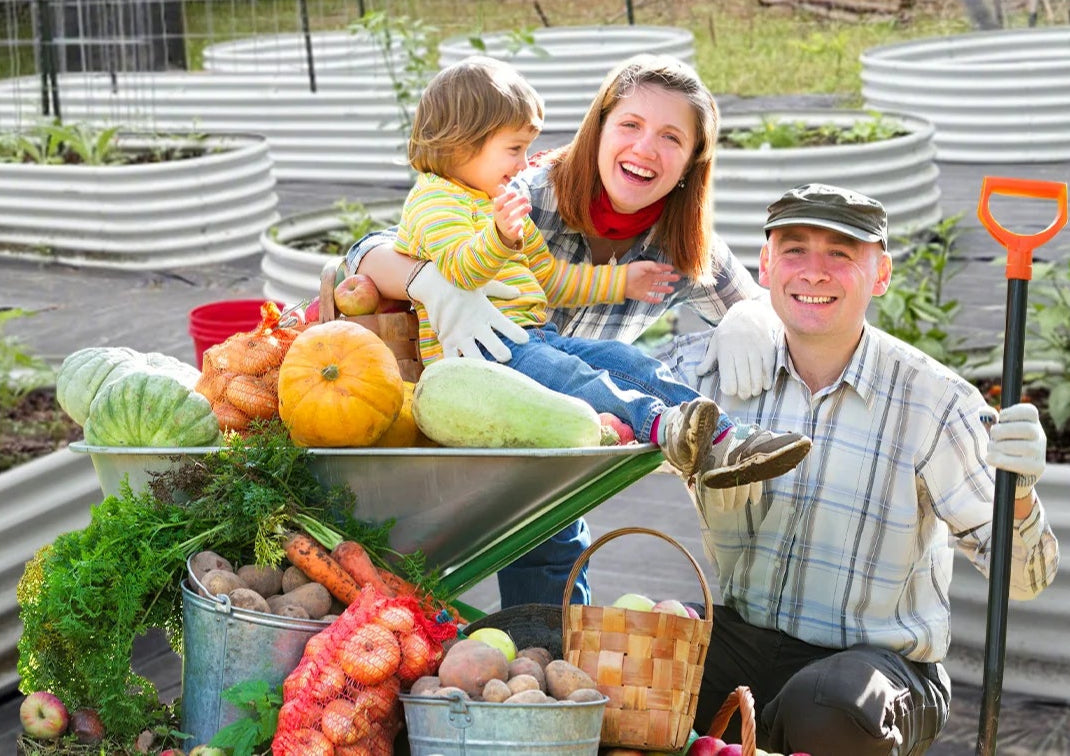









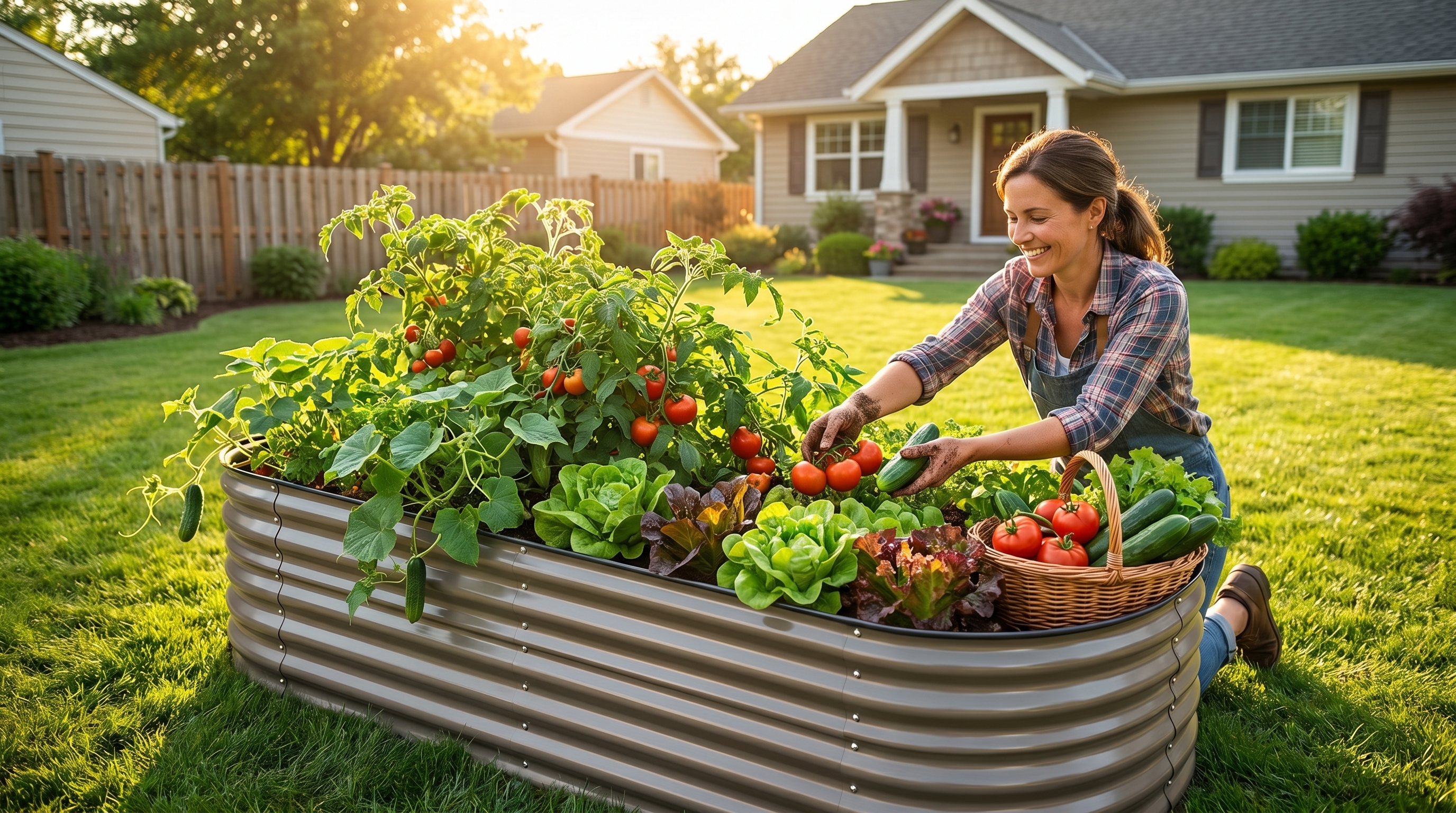
ALT: Beginner gardener harvesting fresh vegetables from a raised garden bed in summer
Why Raised Garden Beds Are the Smartest Way to Start Growing Vegetables This Summer
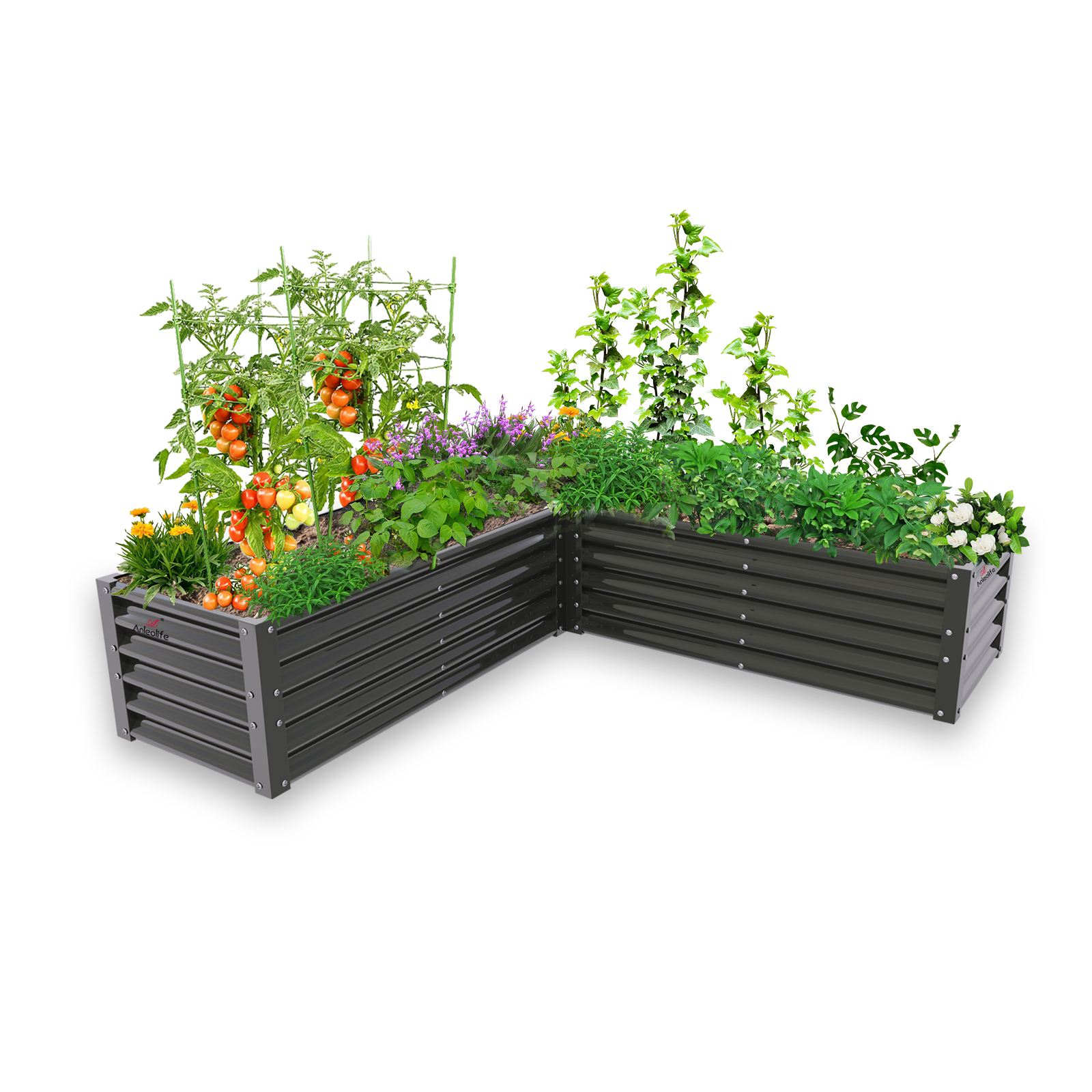
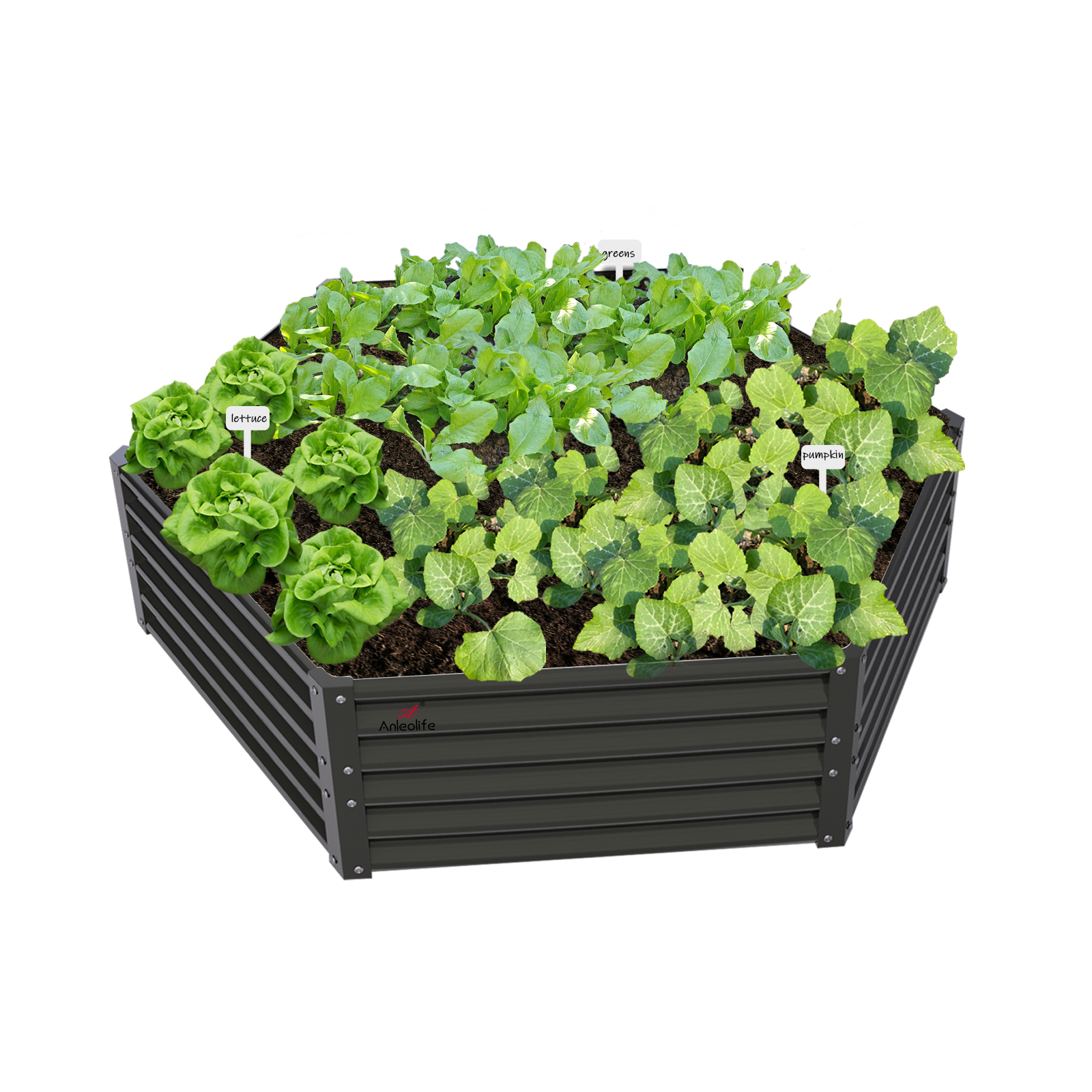
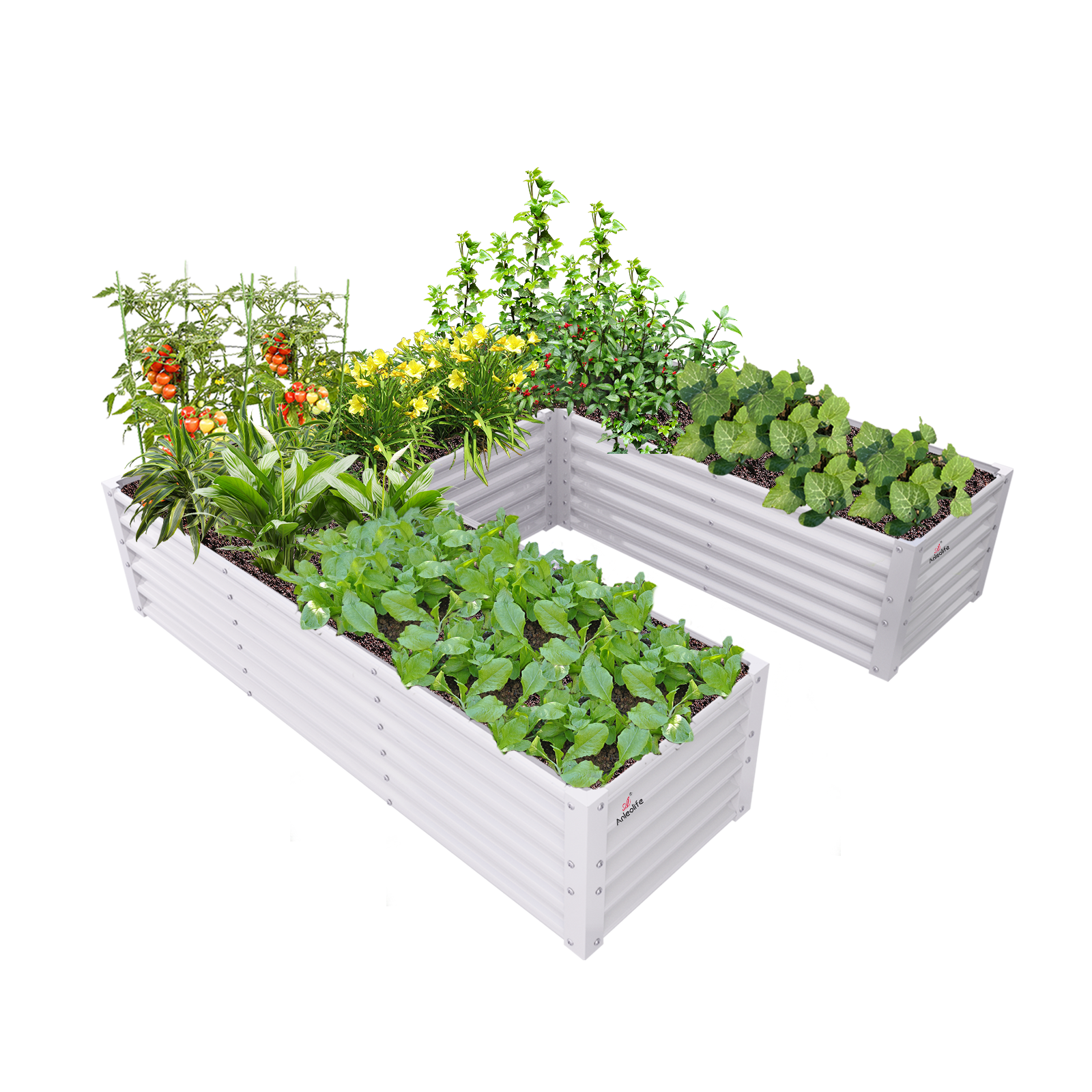
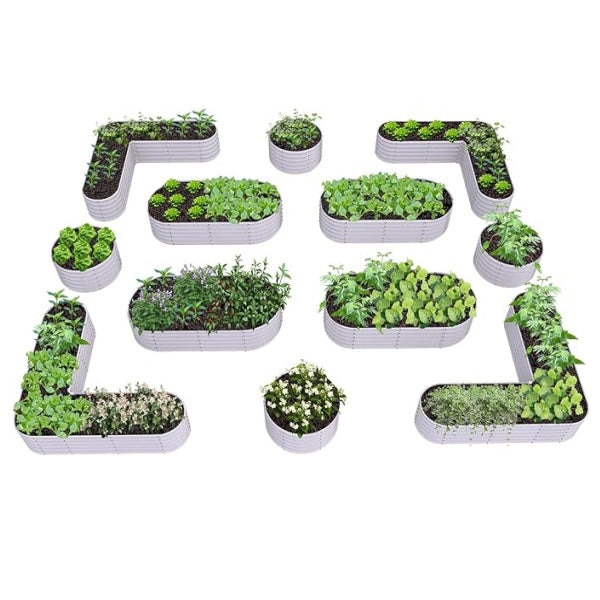
Key Conclusion: Raised garden beds have revolutionized home vegetable gardening, making it more accessible, productive, and enjoyable than ever before. With the right raised bed garden layout, even a first-time grower can produce a bountiful summer harvest. A thoughtful raised bed planting layout maximizes space efficiency, reduces weeding, and improves soil quality—all while giving you complete control over what goes into your food. Whether you're working with a compact patio or a sprawling backyard, the right raised bed layout transforms any space into a thriving edible garden.
Getting started with vegetable gardening can feel overwhelming—especially when you're staring at a bare patch of ground and wondering where to begin. That's exactly why raised garden beds have exploded in popularity among beginners, urban micro-gardeners, and retirees looking for a manageable, rewarding outdoor project.
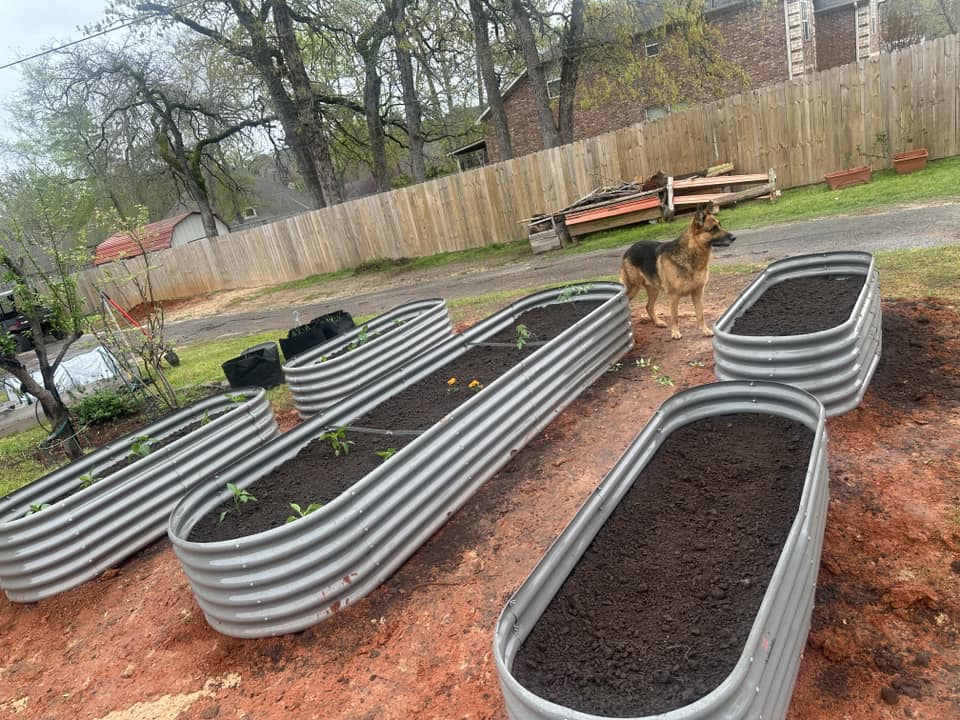
Here's what makes them so beginner-friendly: raised beds give you defined boundaries, better-draining soil, and a clean slate that's free from the compacted, weed-heavy ground soil most of us are working with. When you combine a well-planned layout with the right vegetable choices, you're setting yourself up for summer success—even if this is your very first season growing food.
Who This Guide Is For
✅ Applicable Scenarios:
- First-time gardeners who want a structured, low-risk introduction to growing vegetables
- Homeowners with limited outdoor space looking to maximize productivity in a small footprint
- Health-conscious families who want to grow organic, pesticide-free produce at home
- Empty nesters and retirees seeking a fulfilling, low-impact outdoor hobby
- Urban micro-gardeners working with patios, rooftop spaces, or compact backyard areas
❌ Not Applicable/Cautions:
- Gardeners in regions with extreme frost who plan to start seeds outdoors before the last frost date (indoor seed starting is recommended first)
- Those expecting immediate results without any planning—vegetable gardening rewards consistency and patience, especially in the first season
- Growers looking to cultivate deep-rooted crops like large pumpkins or sprawling watermelons, which require significantly more horizontal and vertical space than standard raised beds allow
Why Summer Is the Perfect Season to Start a Raised Bed Garden
Summer is the golden season for vegetable gardening in most parts of North America. Long daylight hours, warm soil temperatures, and consistent sunshine create ideal growing conditions for a wide range of popular vegetables. And unlike starting a garden in spring—when late frosts and cold snaps can derail your best efforts—a summer start means you're working with nature, not against it.
According to the USDA National Gardening Association, home food gardening participation in the United States has grown significantly over the past decade, with millions of new households planting edible gardens each year. This surge is driven largely by health-conscious consumers who want fresher food, lower grocery bills, and the psychological benefits of growing their own produce.
Raised garden beds are at the center of this trend. Unlike traditional in-ground gardening, raised beds offer beginner-friendly advantages that make a measurable difference in your success rate:
Better soil control is arguably the biggest benefit. You fill your raised bed with a custom mix of quality topsoil, compost, and amendments—meaning you're not fighting clay, rocks, or depleted soil from day one.
Fewer weeds and pests naturally follow from this clean-slate approach. With no existing weed seed bank in your soil, and a defined bed that creates a physical barrier, weed pressure is dramatically reduced compared to traditional garden plots.
Improved drainage and root health come from the elevated growing environment. Vegetables that would drown in poorly draining ground soil thrive in a well-built raised bed, where excess water moves freely through the growing medium.
Raised garden bed sizing recommendations for different climates also matter. In hotter climates like Texas or Florida, a deeper bed retains moisture and insulates roots during peak heat. In cooler northern climates, a shallower bed that heats up quickly in spring can extend your growing season meaningfully. A qualitative approach—choosing a bed depth appropriate to your region and the vegetables you're growing—will serve you better than a one-size-fits-all solution.
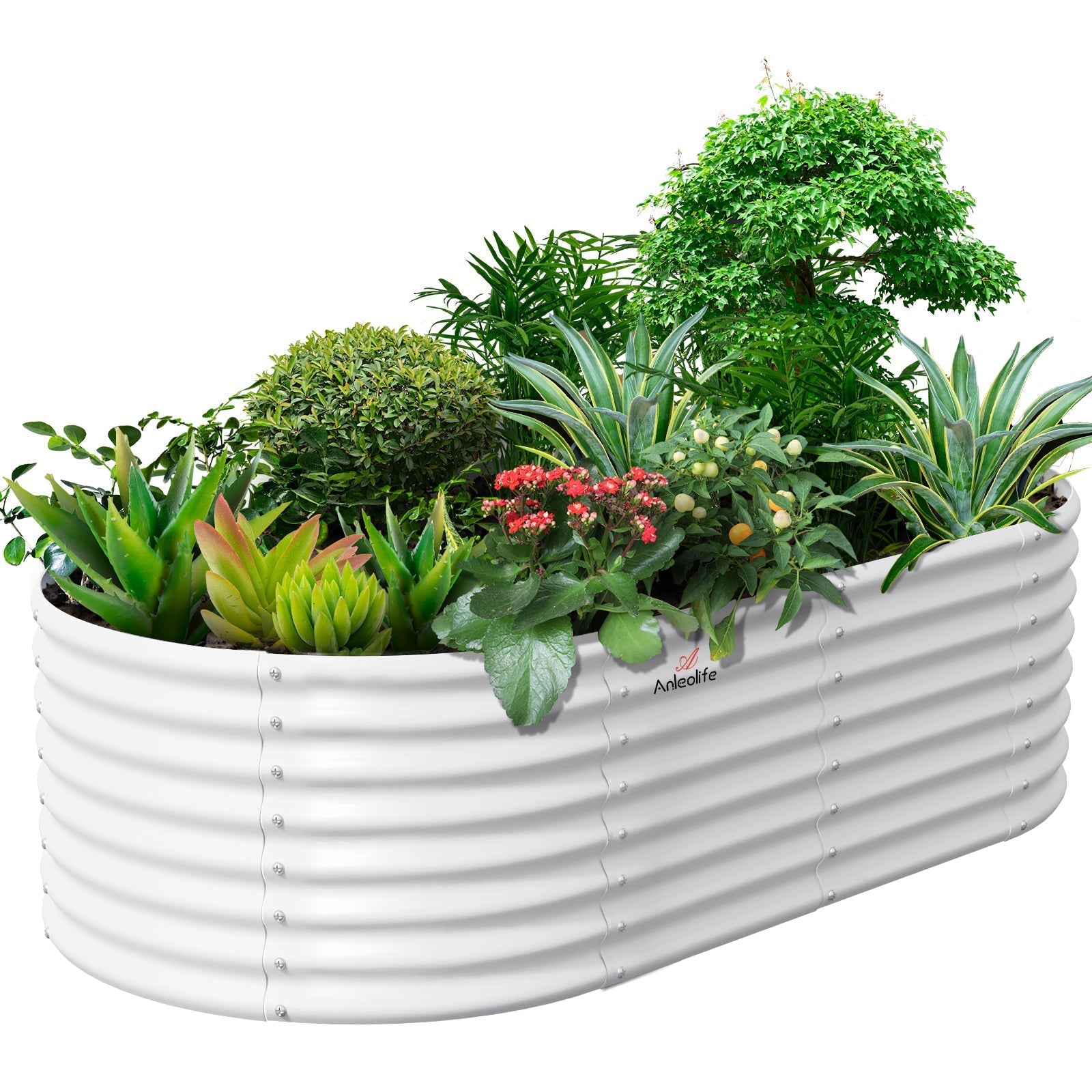
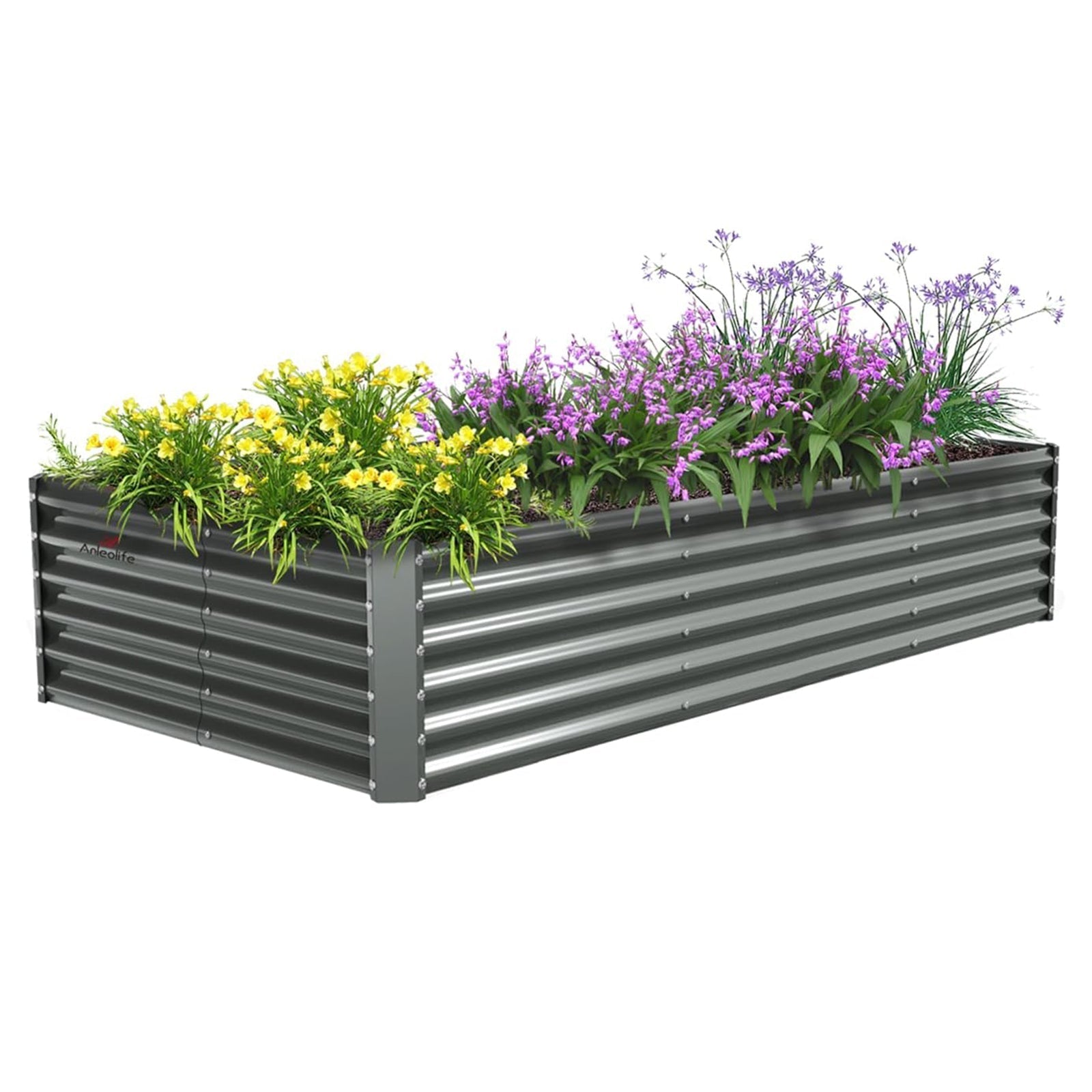
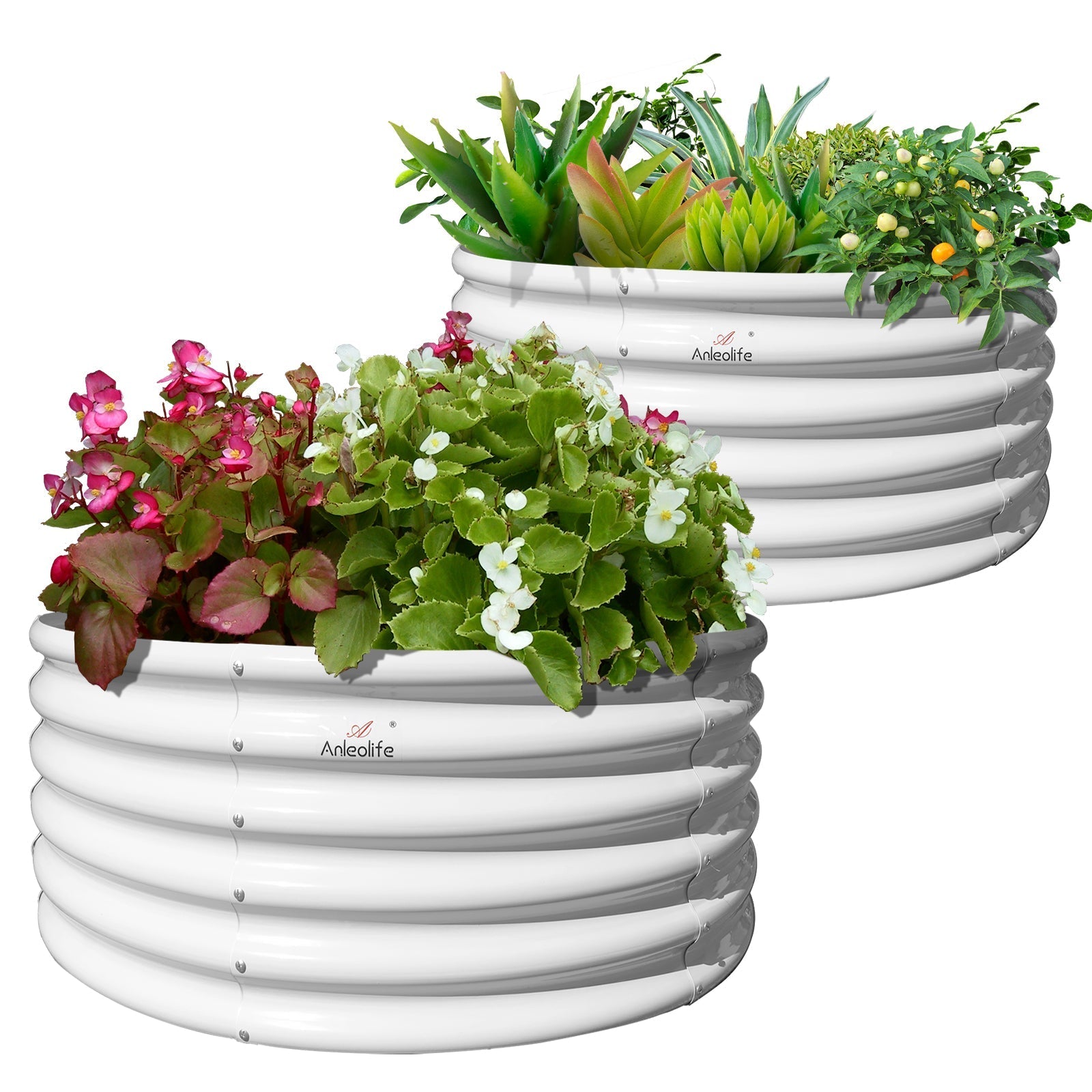
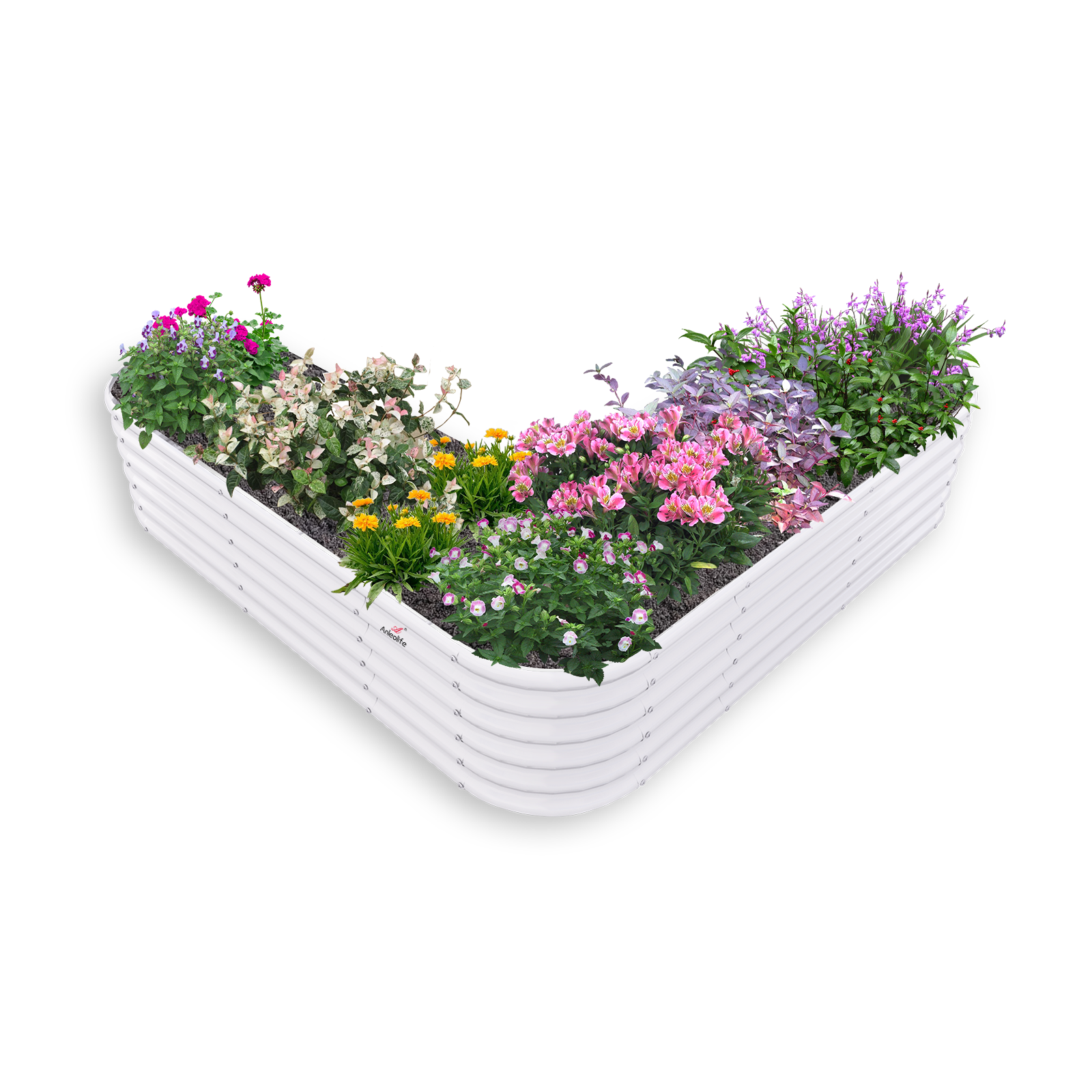
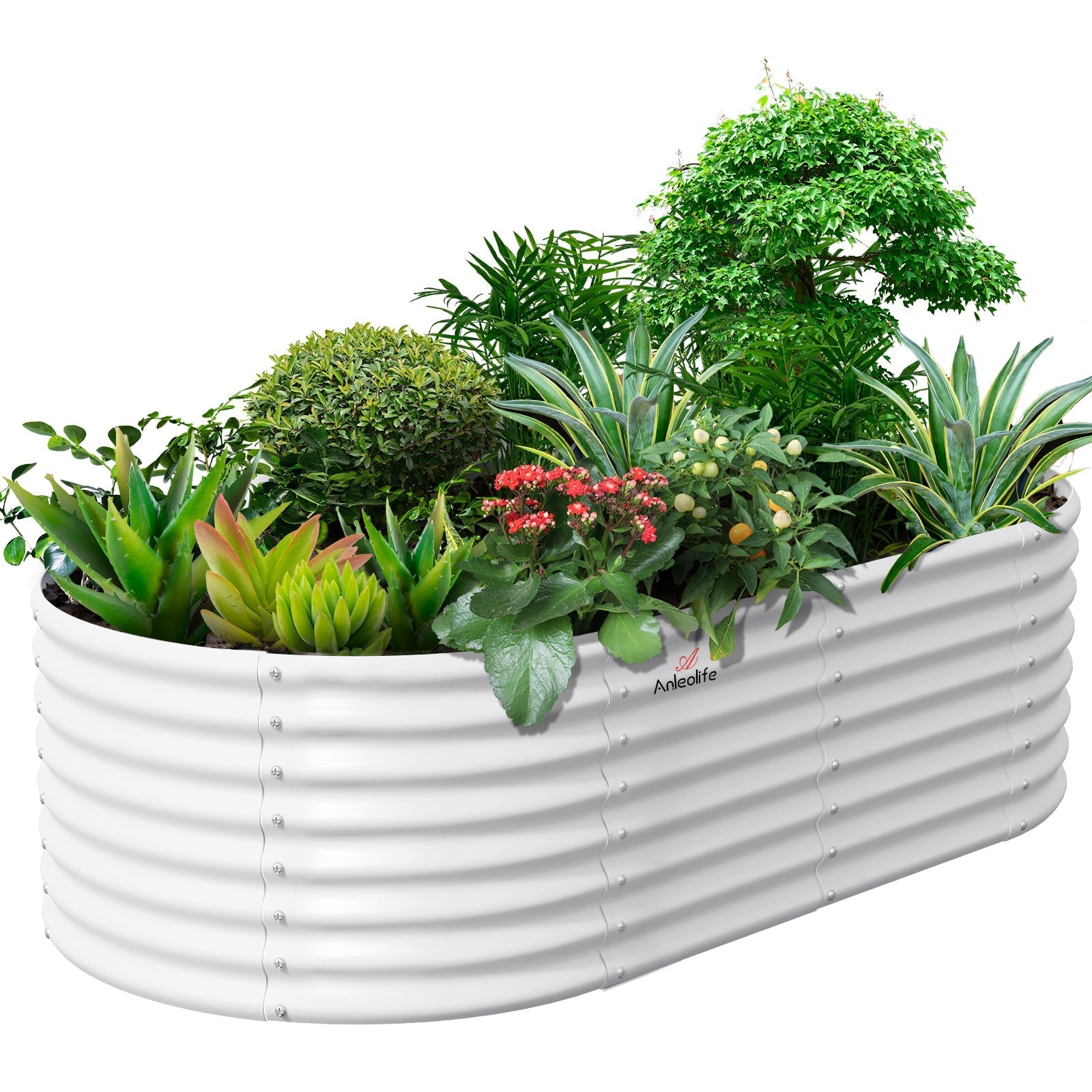
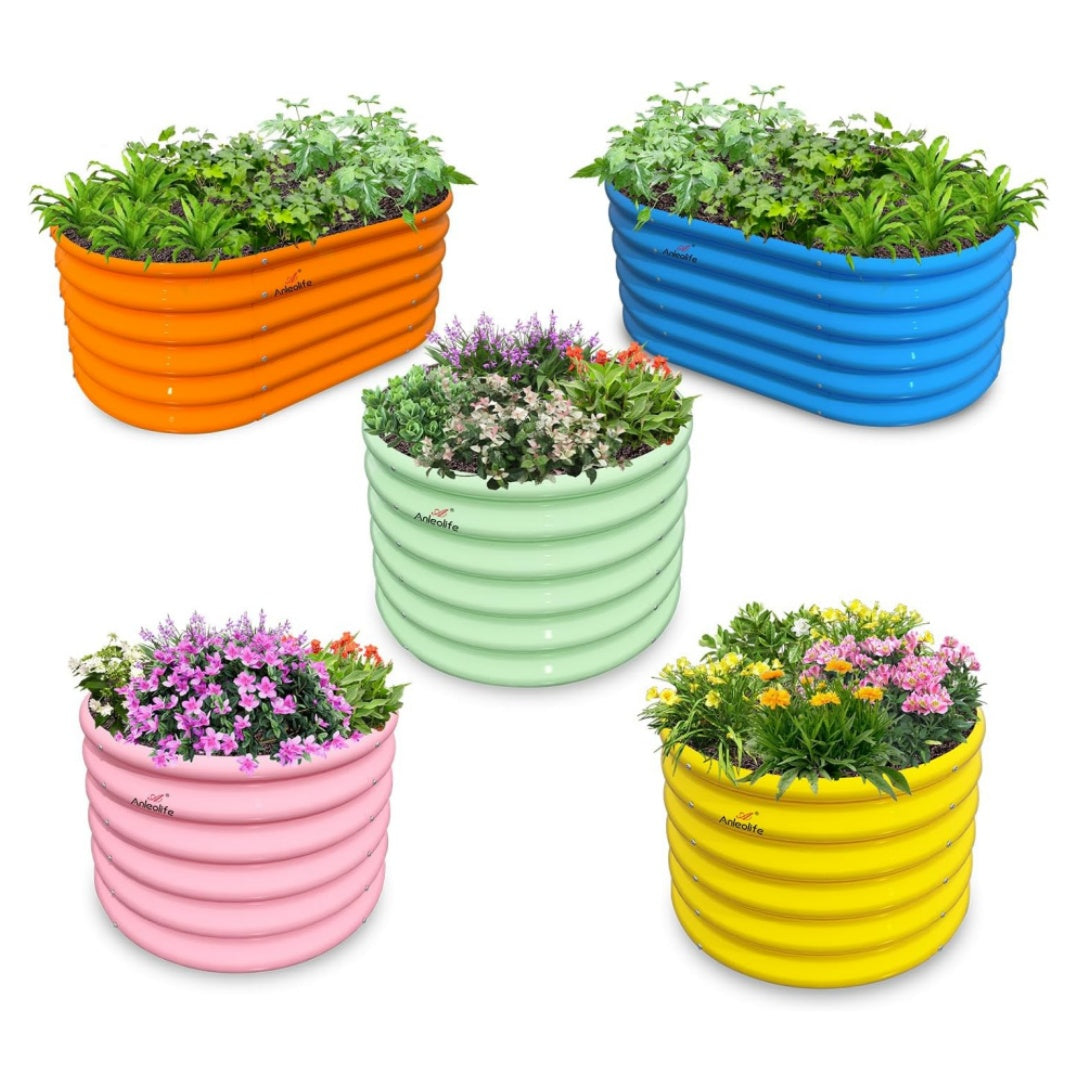
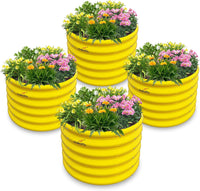
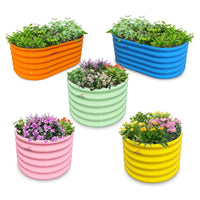
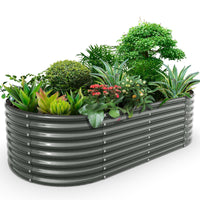
For gardeners ready to explore quality, long-lasting metal raised garden beds built to last up to 20 years, Anleolife's raised garden bed collection offers a range of options designed for exactly this kind of beginner-to-expert gardening journey.
The 15 Best Vegetables to Grow in a Raised Bed This Summer
Three-Step Quick Start for Your Summer Raised Bed
Step 1: Plan Your Raised Bed Garden Layout
Before you put a single seed in the ground, spend 15–30 minutes sketching your raised bed layout on paper. Consider which direction your bed faces (south-facing gets the most sun in the Northern Hemisphere), which vegetables will grow tallest (place these on the north side so they don't shade shorter plants), and how much space each crop needs. A simple grid—dividing your bed into square sections—is the easiest approach for beginners and forms the foundation of the popular "square foot gardening" method.
Step 2: Prepare Your Soil Mix and Bed Structure
Fill your raised bed with a high-quality growing medium—a blend of topsoil, compost, and other organic matter works well for most summer vegetables. Avoid using pure garden soil from your yard, which compacts quickly in raised beds and drains poorly. Aim for a light, fluffy mix that roots can penetrate easily. Add a layer of mulch on top after planting to retain moisture and suppress any weeds that do try to emerge. This step typically takes a half day for a standard-sized bed.
Step 3: Plant, Water, and Set Up Support Systems
With your soil ready and layout planned, it's time to plant. Start with transplants (young seedlings from a nursery) for time-sensitive crops like tomatoes and peppers, and direct sow seeds for fast-germinating vegetables like radishes, beans, and lettuce. Install any support structures—stakes, cages, or a trellis—at planting time, before roots are established, to avoid disturbing plants later. Water thoroughly at planting and establish a consistent watering routine, especially during the heat of summer.
Comparing the 15 Best Vegetables for Beginner Raised Beds
Choosing the right vegetables dramatically affects your beginner experience. Here's a structured look at how the top 15 summer crops compare across the dimensions that matter most to new growers:
| Vegetable | Ease for Beginners | Days to Harvest | Space Efficiency | Summer Heat Tolerance |
|---|---|---|---|---|
| Cherry Tomatoes | ★★★★★ | 60–70 days | Medium | High |
| Zucchini | ★★★★★ | 50–60 days | Low (sprawling) | High |
| Bush Beans | ★★★★★ | 50–60 days | High | Medium |
| Radishes | ★★★★★ | 22–30 days | Very High | Low (bolt in heat) |
| Lettuce | ★★★★☆ | 30–60 days | Very High | Low (prefer shade) |
| Cucumbers | ★★★★☆ | 55–65 days | High (with trellis) | High |
| Kale | ★★★★☆ | 55–75 days | High | Medium |
| Swiss Chard | ★★★★☆ | 50–60 days | High | High |
| Basil | ★★★★★ | 25–35 days | Very High | High |
| Peppers | ★★★☆☆ | 70–90 days | Medium | Very High |
| Spinach | ★★★★☆ | 40–50 days | Very High | Low (bolt in heat) |
| Peas (Bush) | ★★★★☆ | 60–70 days | High | Low |
| Beets | ★★★★☆ | 55–70 days | High | Medium |
| Green Onions | ★★★★★ | 20–30 days | Very High | Medium |
| Carrots | ★★★☆☆ | 70–80 days | High | Medium |
Detailed Vegetable Profiles: What to Grow and Why
1. Cherry Tomatoes — The Crowd Favorite
Cherry tomatoes are the undisputed champion of beginner raised beds, and for good reason. They're prolific, forgiving, and incredibly satisfying to harvest. Unlike large beefsteak varieties that require precise watering and pruning schedules, cherry tomatoes tolerate minor inconsistencies and reward you with abundant clusters of fruit throughout the summer.
In your raised bed garden layout, position tomatoes toward the back (north side) of your bed, as they'll grow tall and could shade neighboring plants. Use a sturdy cage or stake at planting time. With consistent water and full sun, expect an almost continuous harvest from midsummer through early fall.
2. Zucchini — One Plant Feeds a Family
Zucchini is famously productive—so much so that experienced gardeners joke about leaving bags of it on neighbors' doorsteps. For beginners, this productivity is a huge confidence builder. Just one or two plants can keep a family supplied with fresh zucchini all summer. Note that zucchini plants spread, so give them room in your raised bed layout or position them at a corner where they can sprawl beyond the bed's edges.
3. Bush Beans — Plant, Water, Harvest, Repeat
Bush beans require almost no support, grow quickly, and produce a satisfying harvest in around 50–60 days. They're ideal for filling gaps in your raised bed planting layout and can even be succession-planted every two to three weeks for a continuous harvest. Beans also fix nitrogen in the soil, making them a beneficial companion plant for many summer vegetables.
4. Radishes — The Instant Gratification Crop
If you want to harvest something fast, radishes are your best friend. Many varieties are ready to pull in under 30 days, making them perfect for impatient beginners or for filling empty spaces while slower crops get established. Sow them between rows of tomatoes, peppers, or cucumbers to maximize every inch of your bed.
5. Lettuce — Grow Your Own Salad Bar
Lettuce is remarkably space-efficient and can be harvested as "cut and come again"—snipping outer leaves while the plant continues producing. In summer heat, choose heat-tolerant varieties and consider planting lettuce where it receives afternoon shade (under a tomato plant, for example). This smart companion planting approach is a great space-saving trick for any raised bed garden layout.
6. Cucumbers — Train Them Up and Save Space
Cucumbers are vigorous growers that thrive on a trellis, making them highly space-efficient in a raised bed. By training them vertically, you free up valuable horizontal space for other crops. Choose compact or "bush" cucumber varieties for smaller beds. They love the heat of summer and can produce abundantly with consistent moisture and support.
7. Kale — The Nutritional Powerhouse
Kale has earned its reputation as a superfood, and it's surprisingly easy to grow. It tolerates summer heat reasonably well and can be harvested continuously throughout the season by removing outer leaves. Kale is a great choice for health-conscious growers who want maximum nutritional return per square foot of growing space.
8. Swiss Chard — Beautiful and Productive
Swiss chard is one of the most visually striking vegetables you can grow, with stems that come in vibrant red, yellow, and orange. It tolerates summer heat better than most leafy greens, produces continuously, and adds a pop of color to your raised bed that works double duty as one of the best garden decorations for small spaces—functional beauty at its finest.
9. Basil — The Perfect Tomato Companion
Basil is not only delicious but also a known companion plant for tomatoes, potentially helping to deter certain pests. It grows quickly, thrives in summer heat, and can be harvested repeatedly by pinching off the top sets of leaves. Tuck basil between your tomato plants for a practical and aromatic raised bed arrangement.
10. Peppers — Patient Gardeners Are Rewarded
Peppers take longer to produce than many other summer vegetables, but the wait is worth it. They thrive in full sun and summer heat, making them ideal for warm climates. Bell peppers, banana peppers, and jalapeños all perform well in raised beds. Keep in mind that peppers prefer consistent moisture and well-draining soil—both of which are naturally provided by a quality raised bed setup.
11. Spinach — Early Summer or Fall Favorite
Spinach prefers cooler temperatures and can bolt (go to seed) in intense summer heat. To successfully grow spinach in summer, plant it in a partially shaded spot in your bed or choose a heat-tolerant variety. It's also an excellent crop for late summer planting as temperatures begin to dip toward fall, giving your raised bed a second productive season.
12. Bush Peas — A Cool-Season Bonus
Like spinach, peas prefer cooler weather. However, planting them in early summer or using your raised bed's shaded areas can extend their productivity. Peas are sweet, satisfying to harvest, and beloved by children—making them a wonderful choice for family gardening projects.
13. Beets — Double the Harvest
Beets offer two crops in one: the root vegetable itself and the nutritious leafy greens that grow above the soil. They're relatively compact, moderately heat-tolerant, and store well after harvest. Sow beet seeds directly into your raised bed for the best results, thinning seedlings to give each root room to develop.
14. Green Onions — The Space-Saver's Favorite
Green onions (also called scallions) are among the most space-efficient crops you can grow. They can be tucked into nearly any gap in your raised bed layout, harvested in as little as three weeks, and regrown from the root end if you leave the bottom inch in the soil. They're a perennial beginner favorite for good reason.
15. Carrots — Worth the Wait in Deep Beds
Carrots need loose, deep soil to develop properly—which is why raised beds are actually ideal for growing them (unlike compacted ground soil where they often fork or stunt). Choose a raised bed with good depth and a well-aerated growing mix. Shorter varieties like Chantenay or Nantes work especially well in raised bed conditions.
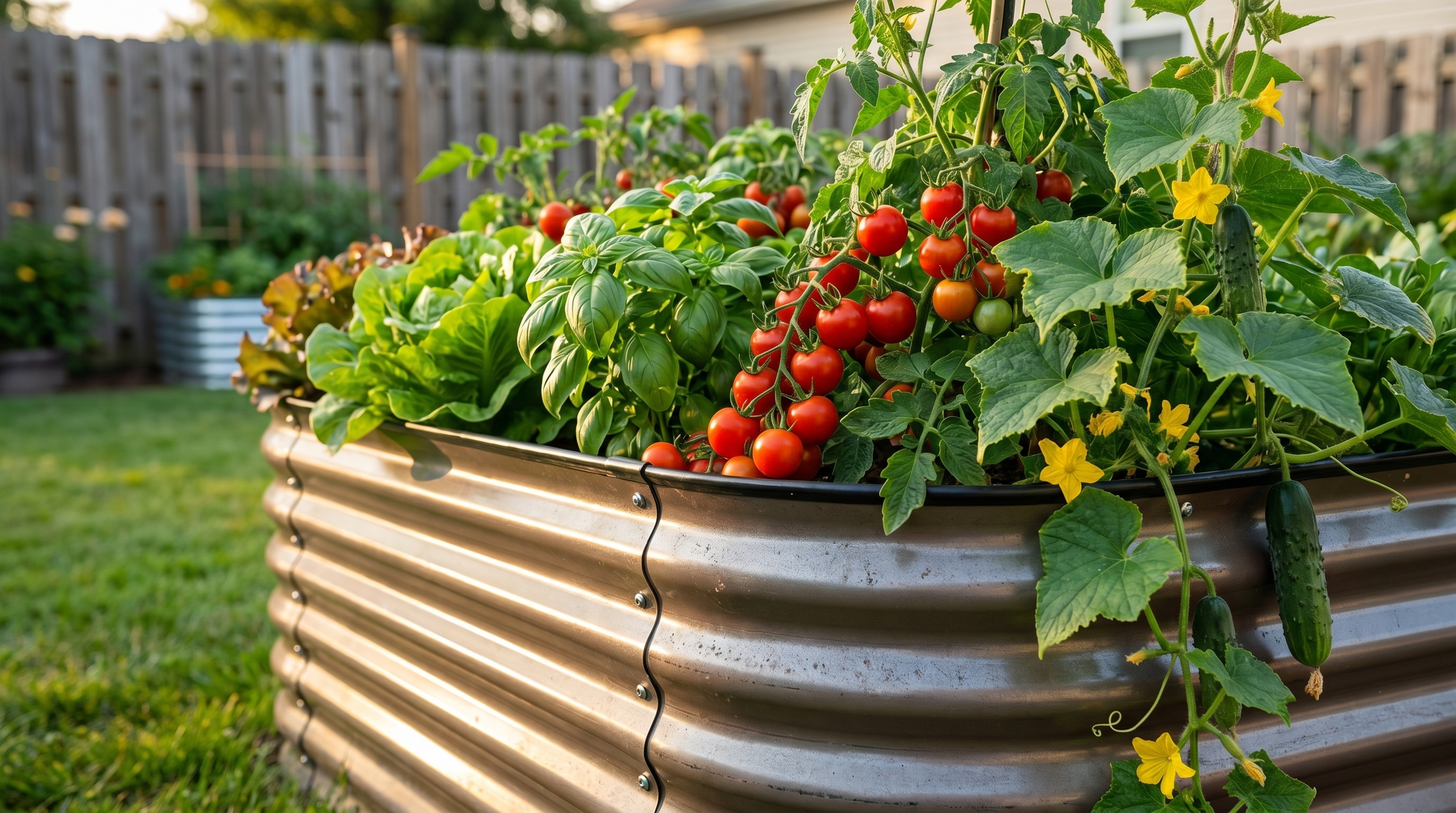
ALT: Colorful raised garden bed filled with tomatoes, basil, lettuce, and cucumbers growing in summer sunlight
Advanced Tips for Getting More From Your Summer Raised Bed
Maximize Space With Companion Planting and Vertical Growing
Once you're comfortable with the basics, companion planting is the next level of raised bed mastery. Pairing compatible plants—like basil with tomatoes, or beans with carrots—can naturally deter pests, improve soil health, and make the most of every inch of your raised bed layout. Meanwhile, adding a simple trellis to one end of your bed allows vining crops like cucumbers and beans to grow vertically, effectively doubling your productive growing area without expanding your footprint.
Protecting Your Crop: Top-Rated Insect Netting for Vegetable Gardens
One of the most overlooked aspects of beginner vegetable gardening is pest protection. Top-rated insect netting materials for vegetable gardens include fine mesh fabrics that create a physical barrier against common pests like aphids, whiteflies, cabbage moths, and squash vine borers. The most effective netting materials are lightweight enough to allow sunlight and water penetration while keeping insects out. Row cover fabric (also called floating row cover) is particularly popular among raised bed gardeners because it can be draped directly over plants or supported by simple hoops, and removed easily during pollination-critical periods.
The Right Tools Make All the Difference: Garden Kneeling Pads
Comfort matters in the garden, especially for retirees and empty nesters who may be spending hours tending their beds. Garden kneeling pad reviews and recommendations consistently point to thick foam or memory foam pads with waterproof bases as the best choice for raised bed gardening. Some models double as garden seats—essential when you're spending extended time close to ground level for planting, weeding, or harvesting. Look for a kneeling pad with sturdy handles to help with getting up and down, a feature consistently praised in user reviews.
Common Misconceptions New Gardeners Should Know
Myth: More water is always better. Overwatering is one of the most common beginner mistakes. Raised beds drain well, so soil can dry out faster than in-ground gardens—but this doesn't mean you should water constantly. Check soil moisture an inch below the surface before watering. Most summer vegetables prefer consistent moisture, not soggy conditions.
Myth: You need a huge garden to grow meaningful food. A well-planned raised bed—even a compact one—can produce a surprising amount of food. Research from the University of California Cooperative Extension suggests that intensive methods like square foot gardening can yield dramatically more food per square foot than traditional row gardening.
Myth: Metal raised beds overheat and damage roots. High-quality metal raised garden beds are engineered with this concern in mind. When properly filled with an appropriate volume of growing medium, the soil itself acts as insulation, and root temperatures remain within safe ranges even on hot summer days.
Frequently Asked Questions FAQ
Q1: How do I choose the right raised garden bed size for my climate?
Raised garden bed sizing recommendations for different climates generally follow the principle that deeper beds work better in hot, dry climates (more soil volume retains moisture and moderates temperature), while shallower beds warm up faster in cool northern climates, extending your growing season. Width matters too—most experts recommend beds no wider than you can comfortably reach across without stepping into the bed, which protects soil structure and makes maintenance easier. Always consider your local frost dates when planning your first planting timeline.
Q2: Are metal raised garden beds safe for growing vegetables?
Yes—high-quality metal raised garden beds, like those offered by Anleolife, are designed specifically for food growing and are safe for vegetable production. Concerns about metal leaching are largely unfounded with properly manufactured garden beds. Anleolife's metal raised garden beds are built for durability, with a lifespan of up to 20 years, making them a smart long-term investment for any home grower. Their structural integrity also means they maintain their shape season after season without warping or deteriorating.
Q3: What are the best budget raised beds under $200 for growing vegetables?
The best budget raised beds under $200 balance material quality, durability, and size. Metal raised beds in this price range are widely available and offer excellent value—they resist rot, hold their shape, and last significantly longer than wood alternatives of similar cost. When evaluating budget options, prioritize beds made from durable, food-safe materials with good drainage design. Anleolife offers competitively priced metal raised garden beds through multiple retail channels including Amazon, Walmart, Home Depot, Lowe's, Wayfair, and directly through Anleolife.com, giving you flexible options to find the best price and purchasing experience.
Summary
Growing vegetables in a raised garden bed this summer is one of the most rewarding projects a beginner gardener can undertake. Here are the three core takeaways to carry forward:
1. The right vegetable selection makes all the difference. Starting with forgiving, productive crops like cherry tomatoes, bush beans, zucchini, and green onions sets you up for early wins that build confidence and momentum for seasons to come.
2. A thoughtful raised bed garden layout multiplies your success. Placing taller plants strategically, using companion planting principles, and planning for vertical growing turns even a modest-sized bed into a highly productive food garden.
3. Quality infrastructure pays dividends for years. A well-built metal raised garden bed—one designed to last up to 20 years—eliminates the need for constant replacement, rot repair, or structural maintenance that plagues lower-quality alternatives. It's the foundation everything else rests on.
Your next step? Choose two or three beginner-friendly vegetables from this list, sketch a simple raised bed planting layout, and get growing. The learning curve in raised bed gardening is gentle, the rewards are immediate, and every season teaches you something new.
Ready to Build Your Dream Garden?
Anleolife makes it easy to get started and keep growing. Here's what sets us apart:
Nationwide U.S. warehouse network: Strategically located in California, Texas, Florida, New York, Illinois, and Washington to ensure delivery within 3–8 business days—so your garden upgrade plans never have to wait.
Multi-channel sales network: Products are available on major e-commerce platforms including Amazon, Walmart, Home Depot, Lowe's, and Wayfair, as well as the official website Anleolife.com, providing consistent quality assurance and after-sales service.
Three core scenarios: Planting (metal raised garden beds, soil systems), Raising (chicken coops, rabbit hutches), and Beautification (decorative accessories, pathway systems)—meeting complete needs from functionality to aesthetics.
Upgrade your garden with Anleolife. We understand that an ideal garden is not built overnight, but gradually improved over time. Our modular product design allows flexible expansion based on your needs—from your first raised garden bed to a fully integrated planting-and-raising ecosystem. We grow with you every step of the way.
References
- U.S. Department of Agriculture (USDA). "Home Vegetable Gardening Guide".
https://www.nal.usda.gov/farms-and-agricultural-production-systems/home-gardening - University of California Cooperative Extension. "Vegetable Gardening in California".
https://ucanr.edu/sites/MarinMG/files/164547.pdf - National Gardening Association. "Food Gardening in the U.S.".
https://garden.org/special/pdf/2014-NGA-Garden-to-Table.pdf - Penn State Extension. "Raised Bed Gardening".
https://extension.psu.edu/raised-bed-gardening - University of Minnesota Extension. "Raised Bed Gardening for Beginners".
https://extension.umn.edu/yard-and-garden/raised-bed-gardening
Note: Gardening guidelines and recommendations may vary by region and season. Always consult your local extension service for the most current advice specific to your growing zone.
About Anleolife
Anleolife is a leading outdoor garden solutions provider in North America, dedicated to offering a full-scenario product ecosystem for home gardening enthusiasts, covering planting, raising, and garden beautification. Since its founding, we have upheld our brand mission, "Made for Garden Life," continuously innovating products and optimizing services to help hundreds of thousands of users upgrade their gardens, reconnect with nature, and enjoy a better garden lifestyle.