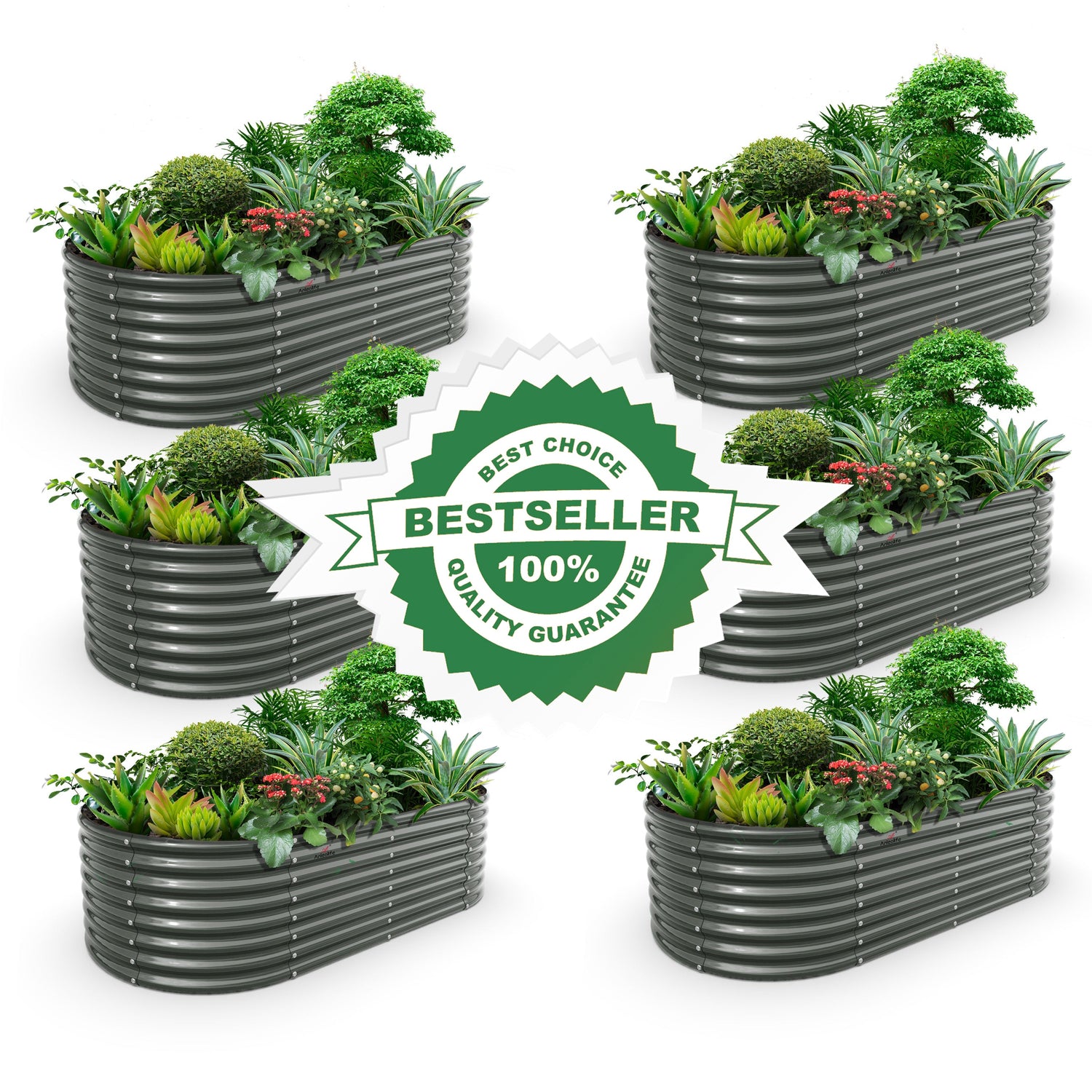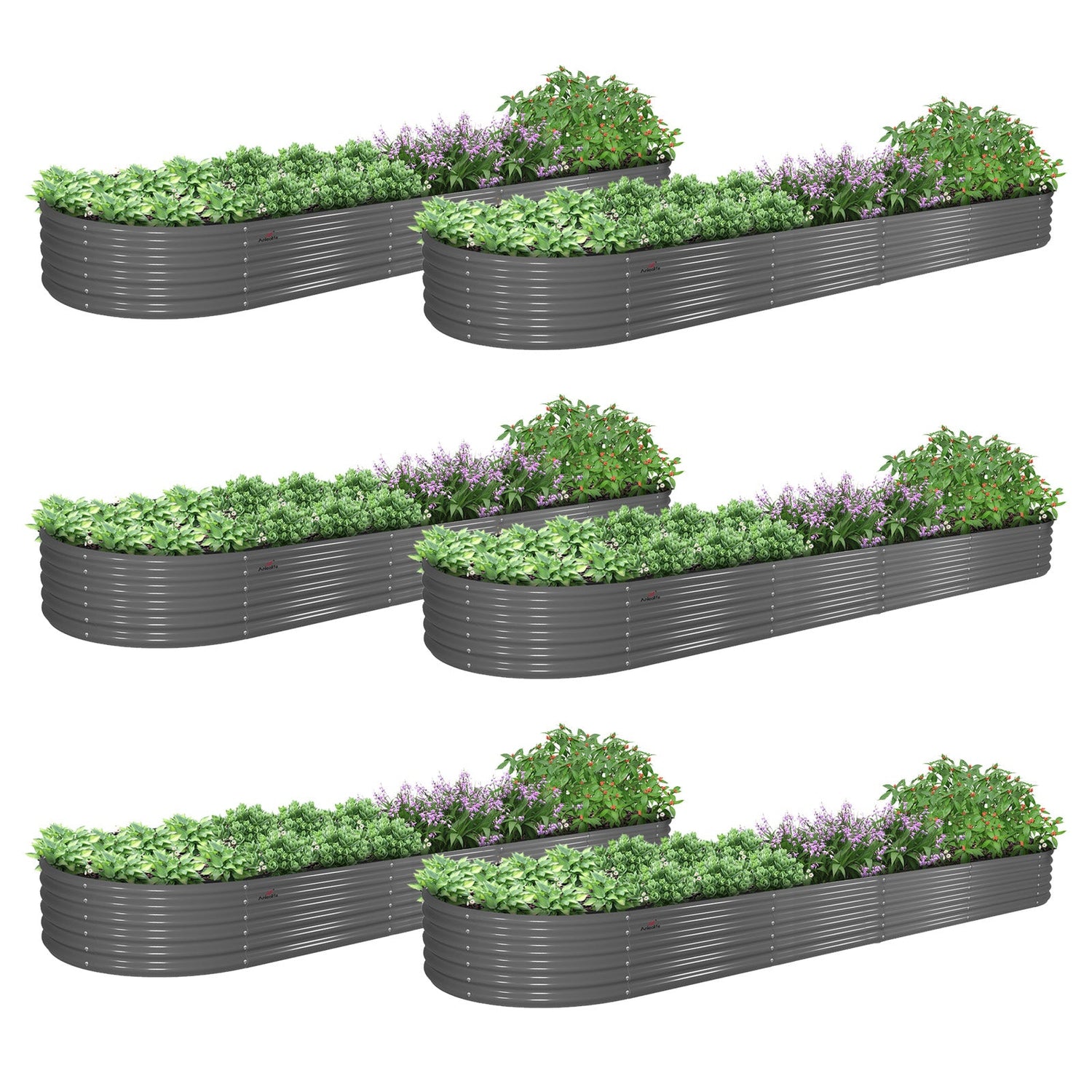



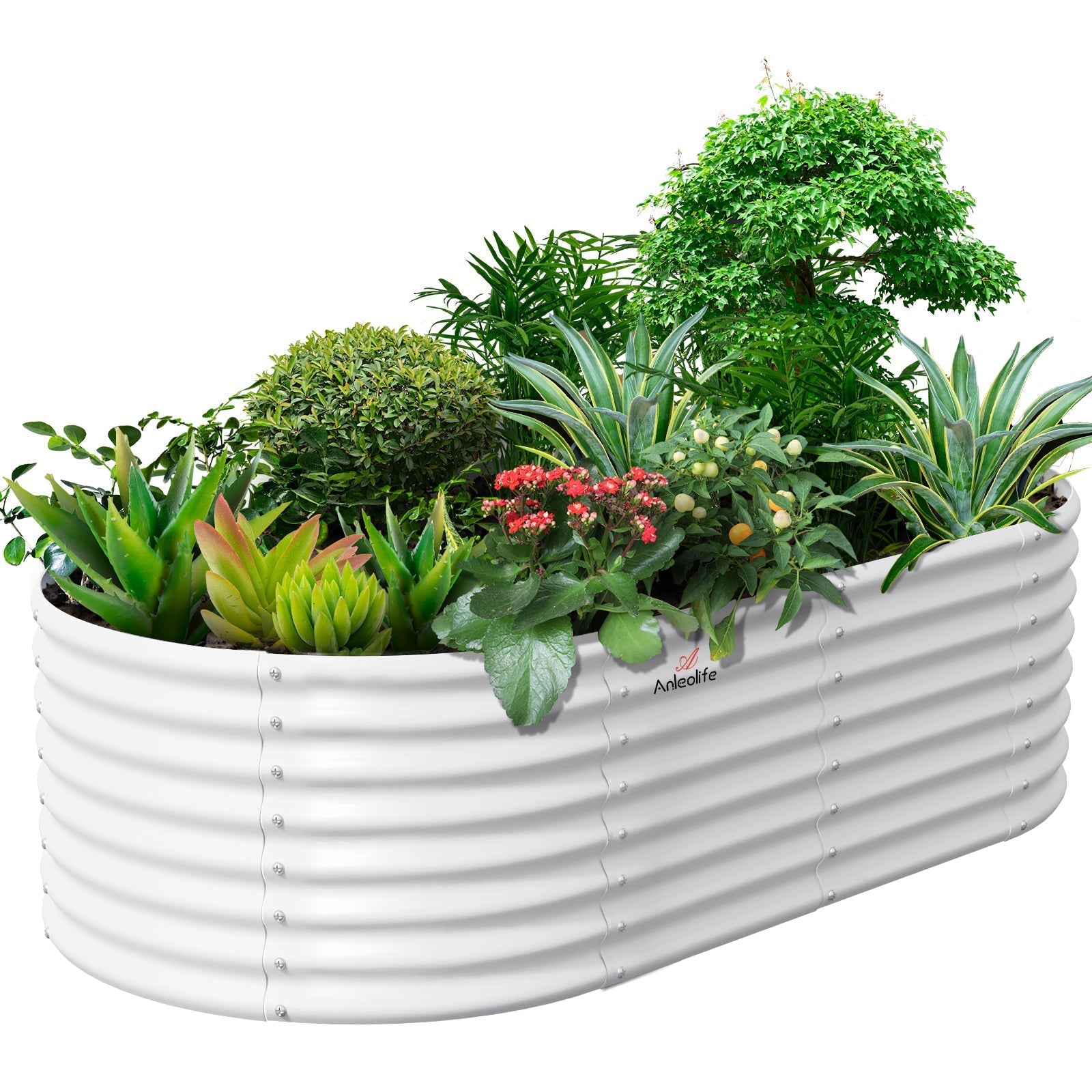
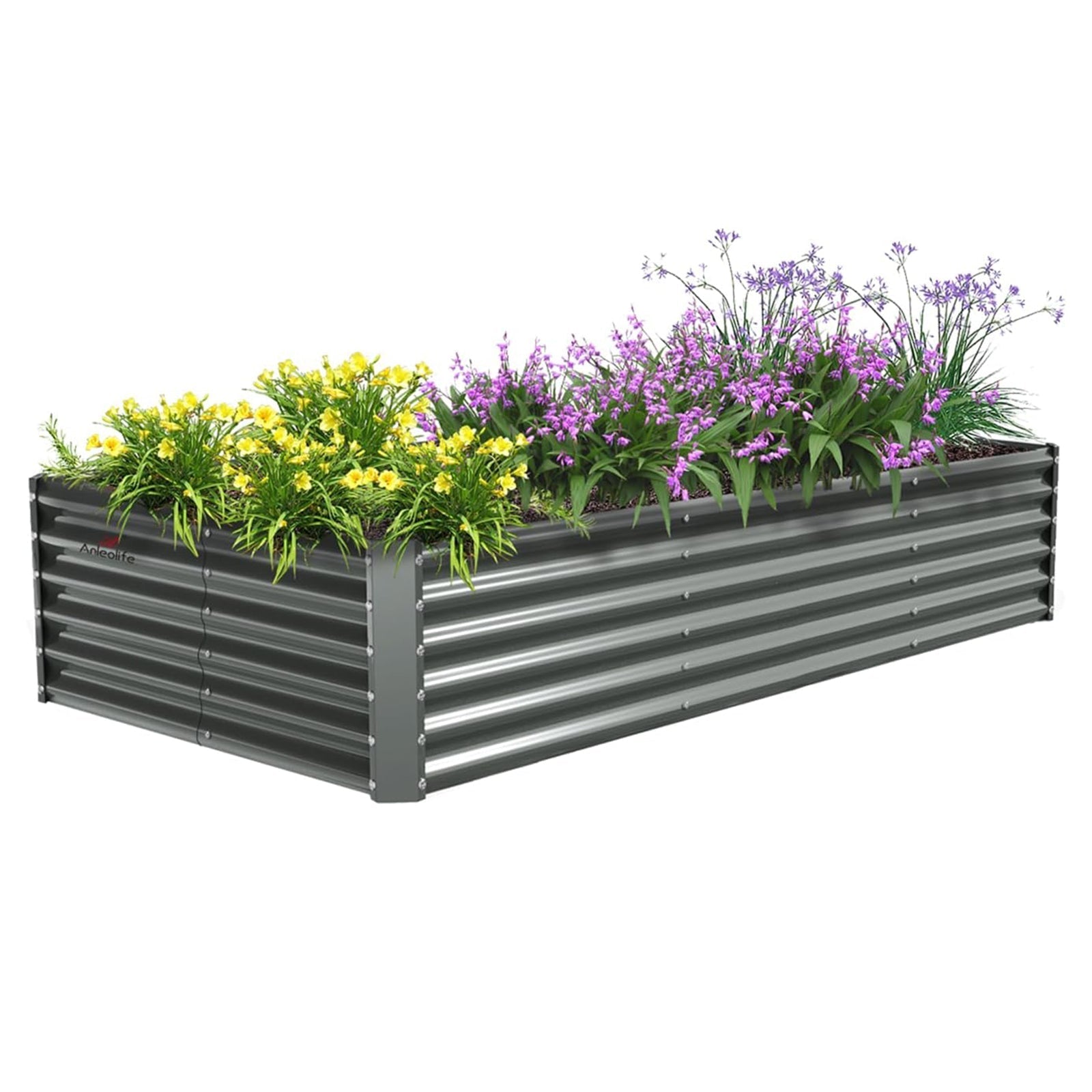

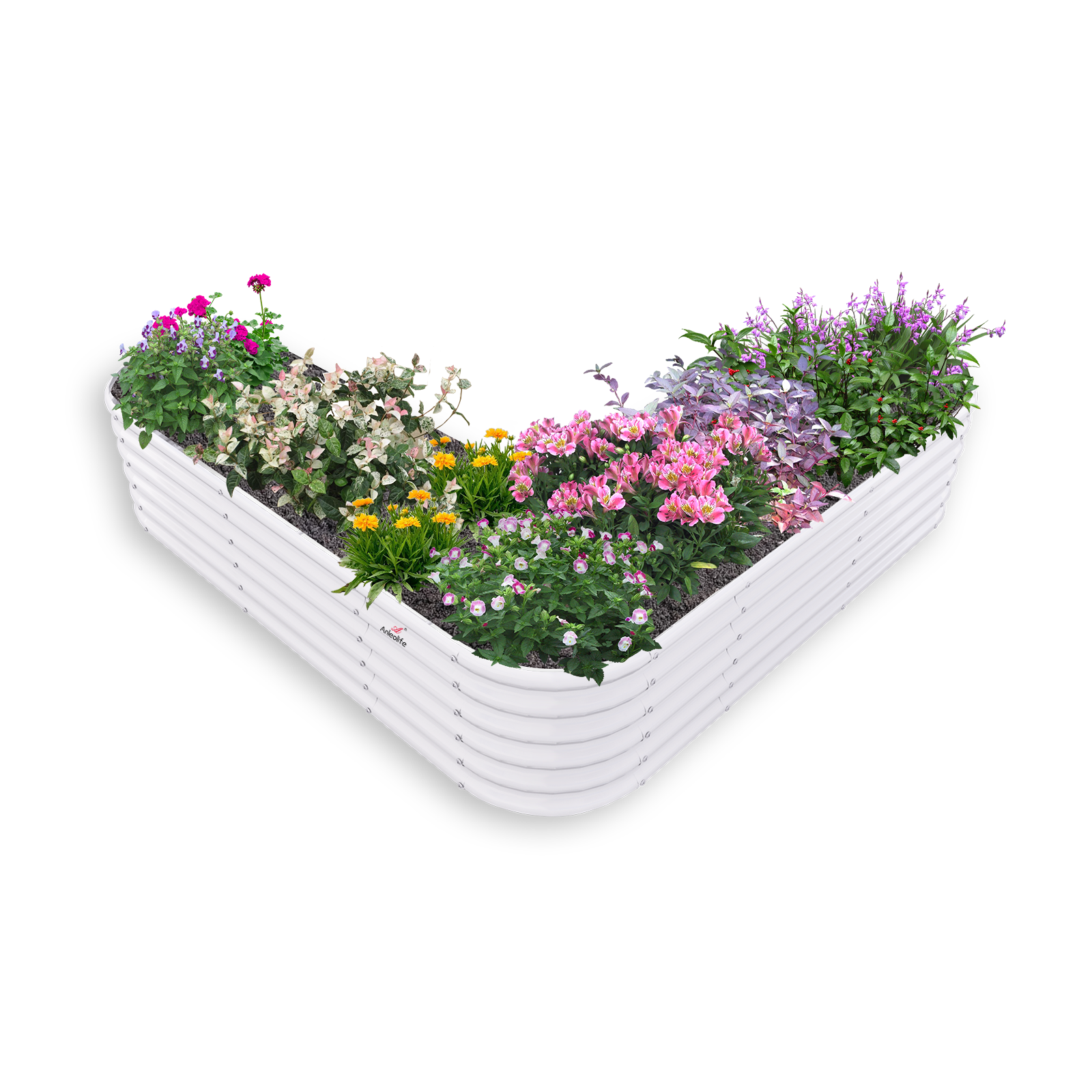
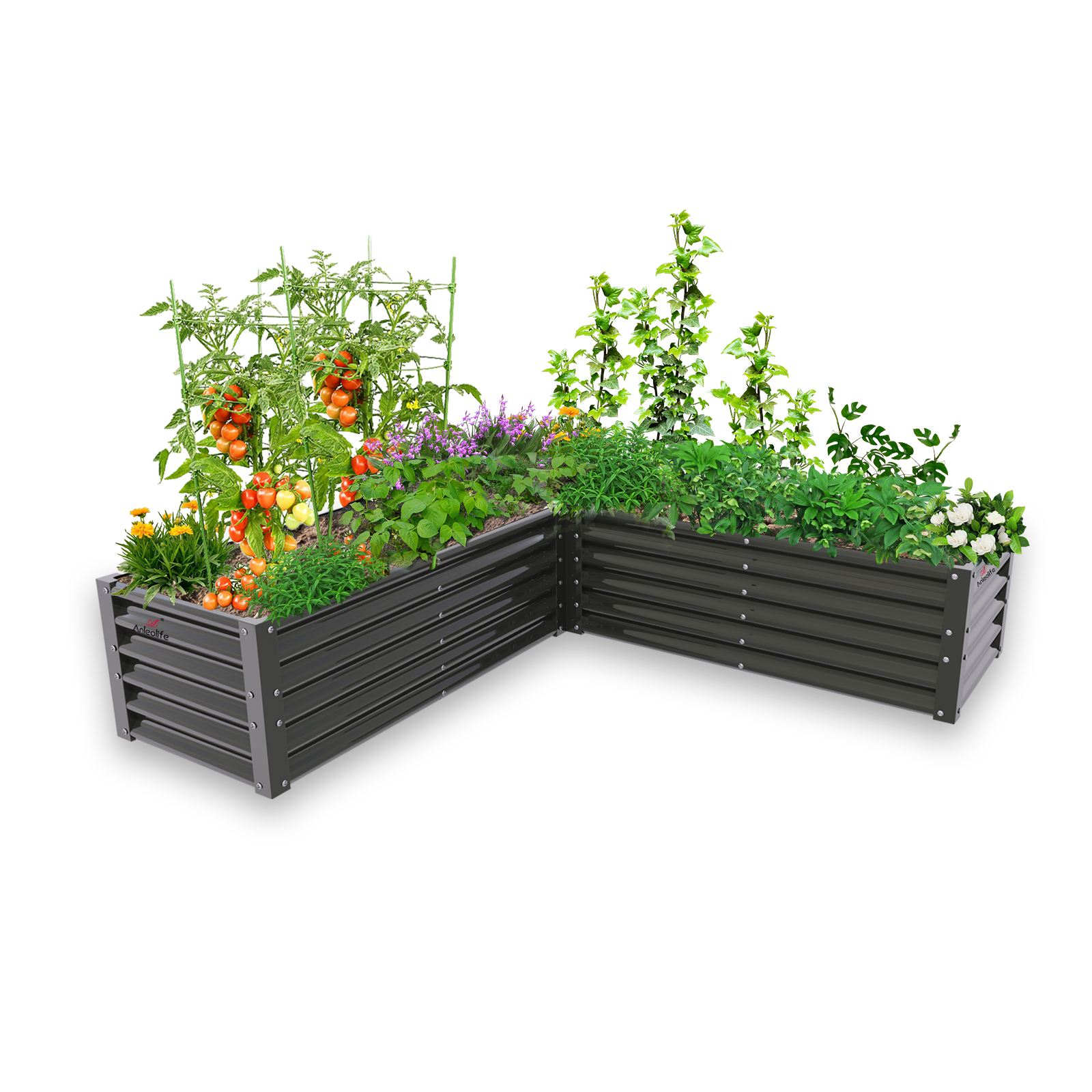
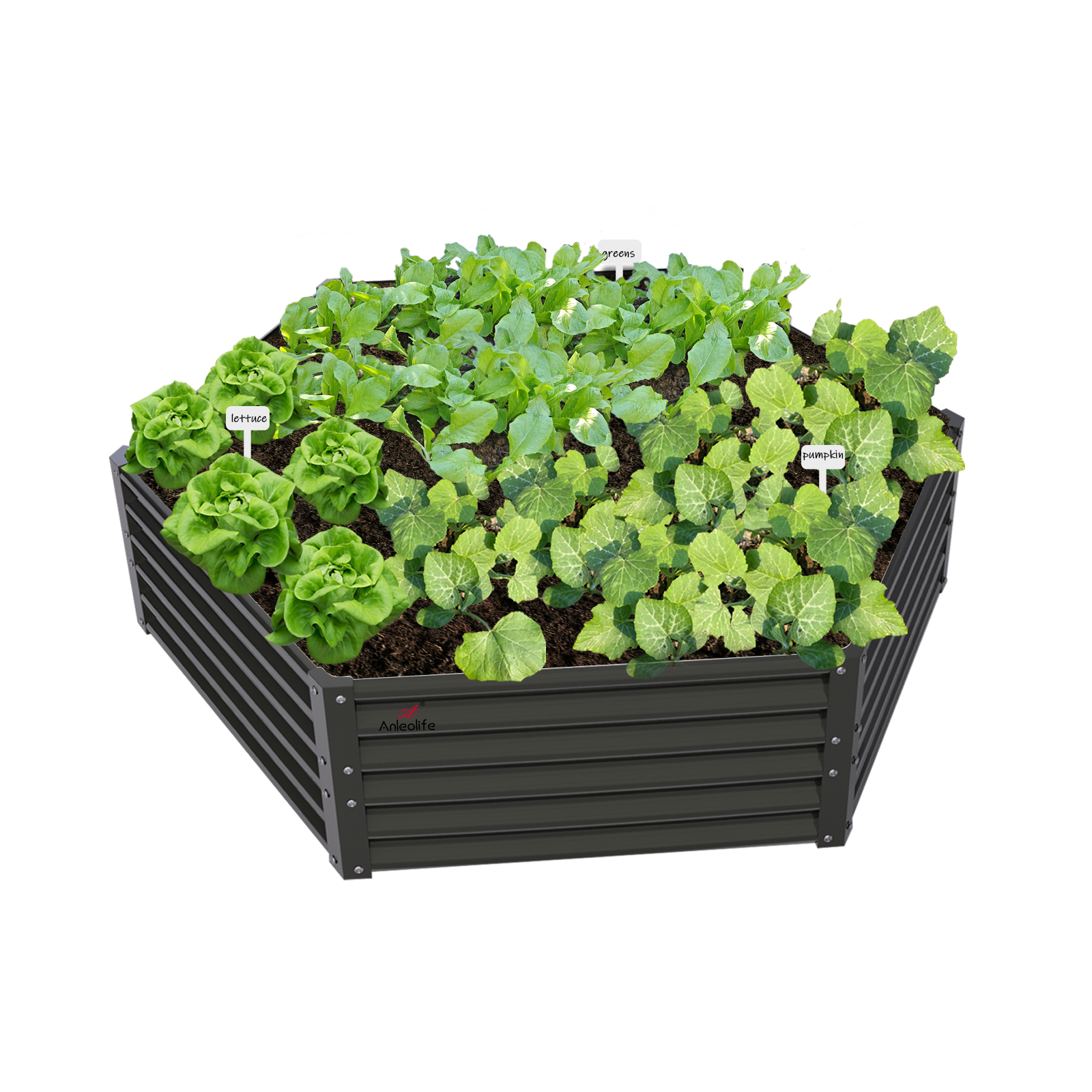
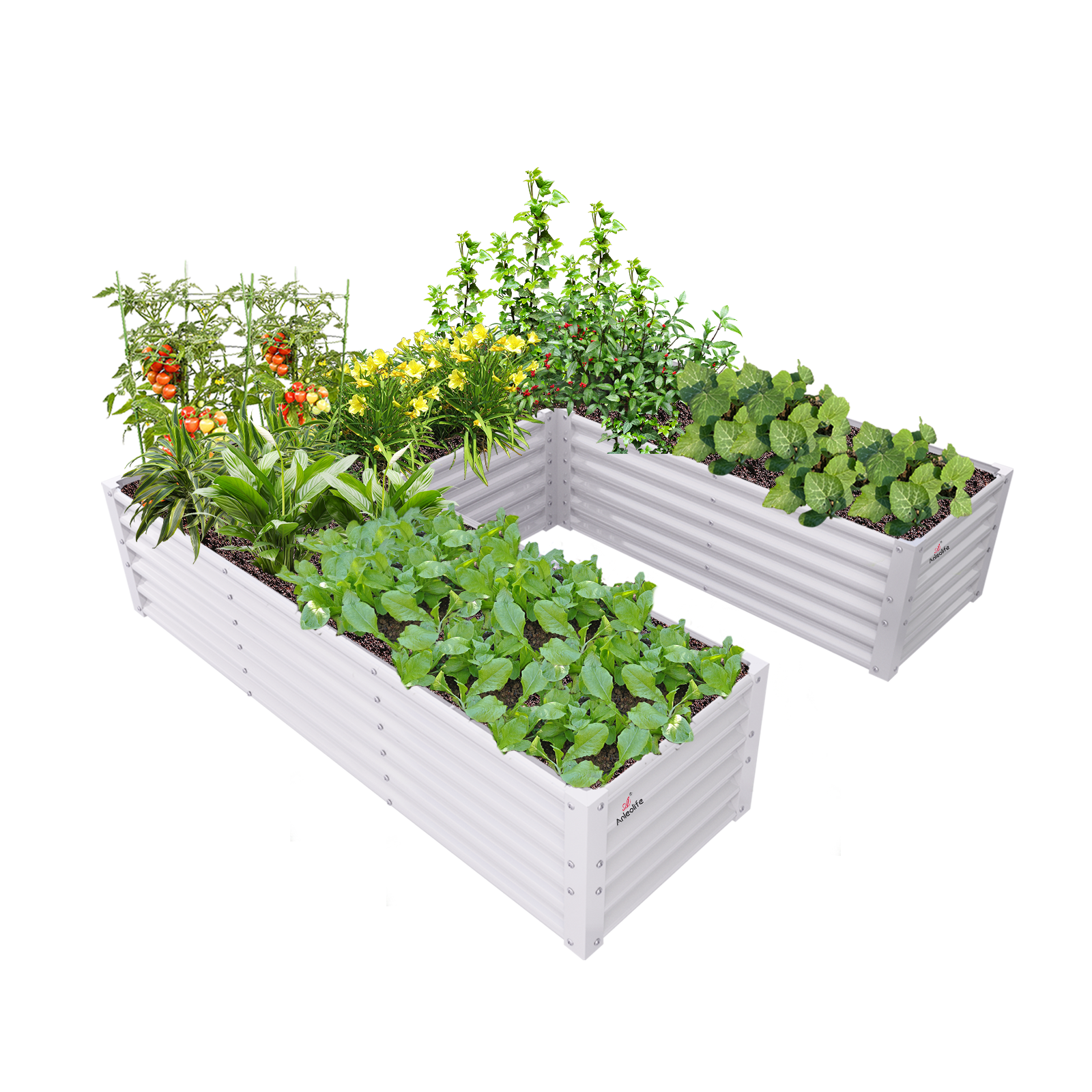

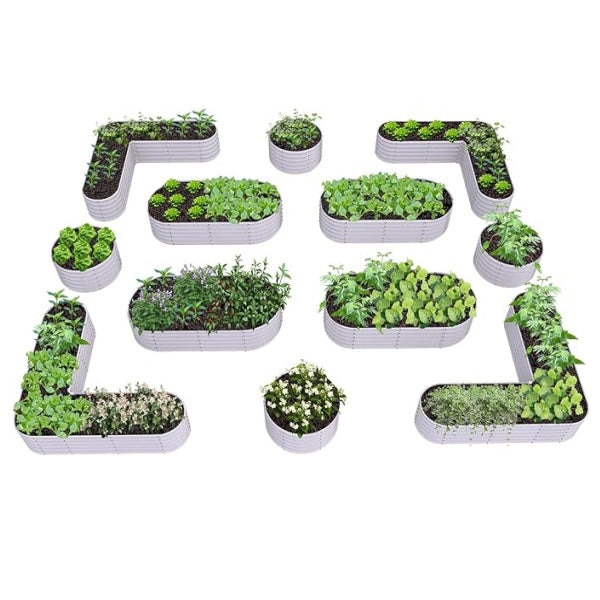


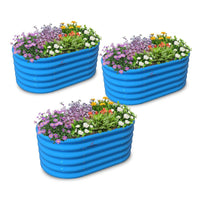
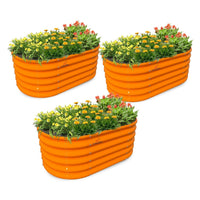
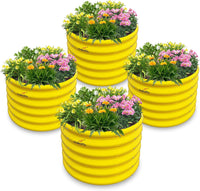
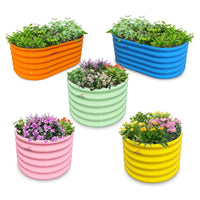
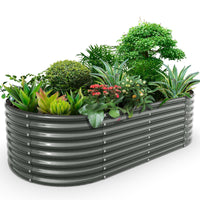



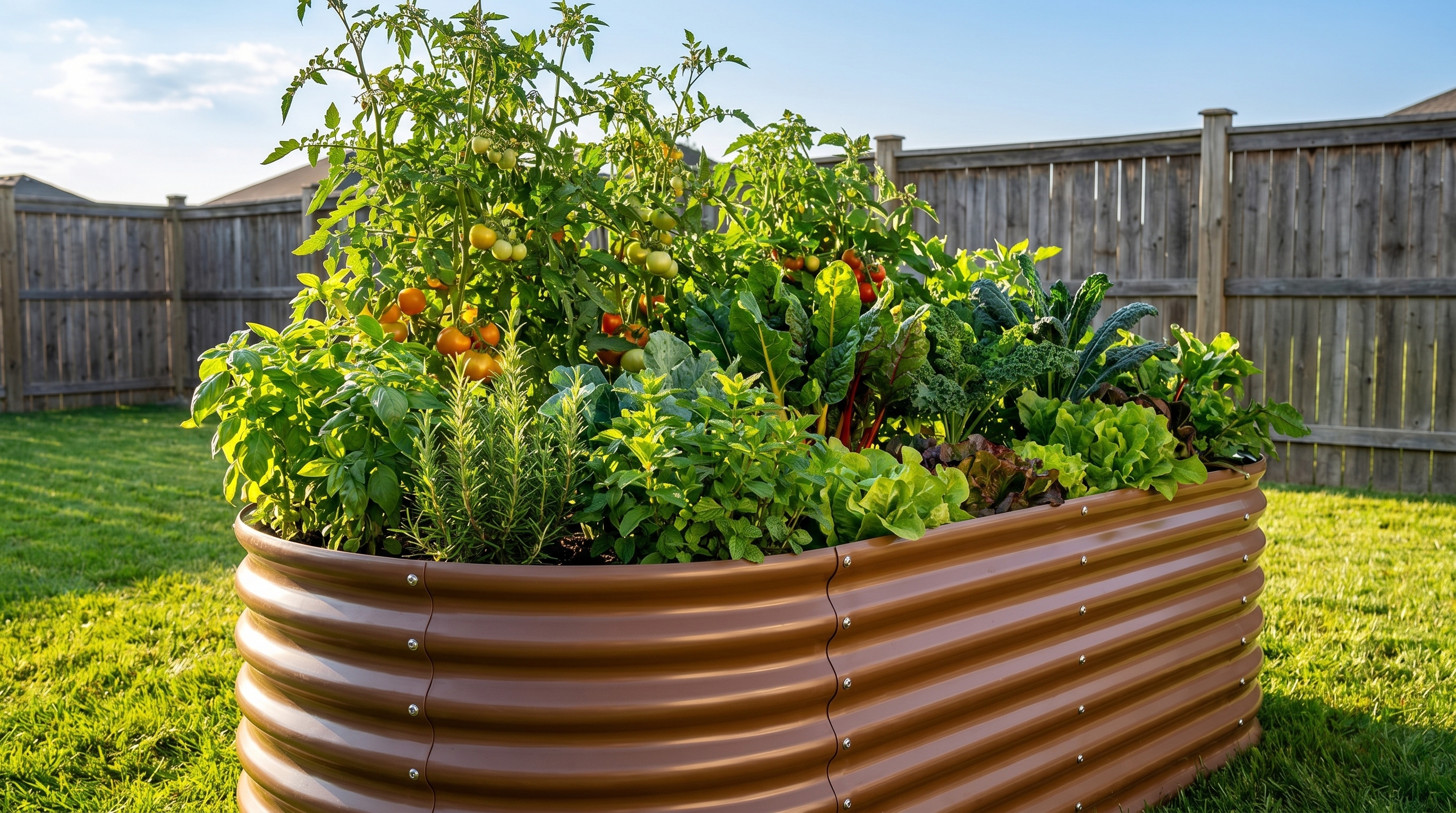
ALT: Affordable durable raised garden beds under $200 filled with fresh vegetables in a sunny backyard
The Smart Gardener's Guide to Finding the Best Raised Garden Beds Under $200
Key Conclusion: Finding the best raised garden beds under $200 doesn't mean settling for flimsy construction or poor plant performance. Today's market offers genuinely durable, well-engineered raised bed garden options that support healthy root systems, resist weather damage, and last for years—without draining your budget. Whether you're a first-time grower or expanding an existing setup, quality affordable garden beds are more accessible than ever.
Shopping for a raised garden bed on a budget used to mean choosing between "cheap and fragile" or "sturdy and expensive." That's no longer the case. Advances in galvanized steel manufacturing, modular design, and direct-to-consumer retail have made it entirely possible to find well-built garden beds that fit comfortably under the $200 mark.
In this guide, we'll break down what separates a truly durable raised bed from a short-lived disappointment, which materials and designs deliver the most value, and how to choose the right option for your specific space and growing goals. We'll also highlight some standout picks from Anleolife—a brand that has earned a strong reputation for building garden beds designed to last up to 20 years.
Who This Guide Is For (and When a Different Solution Might Be Better)
✅ Applicable Scenarios:
- Home gardeners looking for durable raised beds that won't exceed a $200 per-unit budget
- Beginners starting their first kitchen garden with vegetables, herbs, or flowers
- Urban micro-gardeners working with limited patio, balcony, or yard space
- Empty nesters and retirees who want a low-maintenance growing system
- Eco-conscious growers seeking non-toxic, weather-resistant materials
❌ Not Applicable/Cautions:
- Large-scale market gardeners or commercial growers who need industrial-grade infrastructure at scale
- Gardeners who require fully customized raised bed dimensions that fall far outside standard product sizes
- Anyone expecting premium decorative finishes (powder-coated designer colors, wood inlays) typically found in high-end landscape installations
Why Raised Beds Have Become the Go-To Choice for Home Growers
Raised garden beds have seen explosive growth in popularity over the past decade, and for good reason. According to the National Gardening Association, food gardening participation in the United States has surged significantly, with millions of households growing their own produce at home each year. Raised beds are at the center of this movement.
Traditional in-ground gardening works well in ideal conditions—but most home gardeners don't have ideal conditions. Heavy clay soil, poor drainage, rocky terrain, contaminated ground, limited mobility, and small yard footprints are common challenges that raised beds solve immediately.
Here's what makes raised beds so effective:
Soil control is the biggest advantage. Rather than struggling to amend existing ground soil season after season, raised bed gardeners fill their beds with optimized growing mix—typically a blend of compost, topsoil, and aeration material. Plants thrive because their roots access exactly the nutrition and drainage they need.
Better drainage prevents the waterlogging that kills roots in compacted or clay-heavy ground. Raised beds drain freely, which is especially important during heavy rain seasons or in humid climates.
Reduced weed pressure comes naturally when you fill a raised bed with fresh growing mix. Fewer weed seeds are present compared to native soil, and the defined borders make it easier to spot and pull any that do emerge.
Accessibility is a major benefit for older gardeners or anyone with limited mobility. Taller raised beds—those in the 24-inch to 30-inch range—allow gardening from a standing position or while seated, eliminating the need to kneel or bend.
Extended growing seasons are possible because raised bed soil warms up faster in spring and stays productive longer into fall compared to in-ground plots.
Given all these advantages, the question isn't really whether to use a raised bed—it's which one to choose.
How to Choose the Best Raised Garden Bed Under $200: A Practical Framework
Three-Step Quick Start for First-Time Buyers
Step 1: Define Your Space and Growing Goals
Before looking at any products, measure the area where you plan to place your raised bed. Consider how much sun the spot receives, what you want to grow (vegetables, herbs, flowers, or a mix), and whether you'll be bending to tend the bed or need extra height for accessibility. A 4x8 foot bed is the classic starter size—wide enough for variety, narrow enough to reach the center from either side without stepping in. This planning step takes about 15–30 minutes and saves you from costly sizing mistakes.
Step 2: Choose Your Material Wisely
The material determines how long your bed lasts, how it looks, and how it interacts with your plants. For beds under $200, your practical choices are galvanized steel, rust-resistant coated steel, or plastic composites. Wood options exist in this price range but typically use untreated pine, which degrades within a few seasons. Galvanized steel and rust-resistant steel are the clear winners for longevity and plant safety, offering decades of service without leaching harmful chemicals into the soil.
Step 3: Compare Sizing, Height, and Assembly
Once you've narrowed down your material, compare specific products based on bed dimensions (length × width × height), ease of assembly (tool-free modular panels are ideal for beginners), and included features like drainage-friendly bases or customizable configurations. Consider ordering early—Anleolife, for example, ships from a U.S. warehouse network and delivers within 3–8 business days, so you won't wait long once you've made your decision.
Material Comparison: Which Raised Bed Type Delivers the Most Value Under $200?
Choosing the right material is arguably the most important decision you'll make. Here's an honest comparison of the materials you'll encounter in this price range:
| Comparison Dimension | Galvanized Steel | Rust-Resistant Coated Steel | Untreated Wood (Pine) |
|---|---|---|---|
| Typical Lifespan | Up to 20 years | Up to 20 years | 3–5 years |
| Weather Resistance | Excellent | Excellent | Poor to moderate |
| Soil Safety | Yes (food-safe) | Yes (food-safe) | Varies by treatment |
| Assembly Difficulty | Easy (modular panels) | Easy (modular panels) | Moderate (screws/nails) |
| Aesthetic Appeal | Modern, clean | Modern, clean | Natural, rustic |
| Maintenance Required | Minimal | Minimal | Annual sealing recommended |
| Value Under $200 | High | High | Moderate (short-term) |
The numbers tell a clear story. While wood has natural charm, its shorter lifespan means you'll likely spend more money replacing it over a 10-year period than you would investing upfront in a steel bed. Galvanized and rust-resistant steel beds in the Anleolife lineup are engineered for a full 20-year lifespan—making the under-$200 price point an exceptional long-term value.
Anleolife Raised Garden Beds: Standout Options That Deliver Real Durability
Why Anleolife Earns a Place on the Best Raised Garden Beds List
Anleolife has built its reputation by treating garden beds as serious infrastructure rather than seasonal accessories. Every product in their lineup is designed with longevity, safety, and ease of use in mind—key qualities that matter enormously when you're investing in a garden setup you plan to use for years.
Here's what distinguishes Anleolife beds from many competitors in the under-$200 category:
Food-safe materials throughout. Both the galvanized steel and rust-resistant lines use materials tested to be safe for growing edible plants. There's no concern about harmful chemicals migrating into your soil or produce.
20-year lifespan engineering. This isn't marketing language—it's the result of using high-grade steel with protective coatings designed to resist corrosion, UV degradation, and mechanical stress across many seasons of use.
Modular, tool-free assembly. Most Anleolife beds are designed to snap or bolt together without specialized tools, making setup accessible even for gardeners who aren't particularly handy. Typical assembly takes under an hour.
Flexible sizing options. The Anleolife catalog spans an impressive range of dimensions across multiple product lines, making it realistic to find a bed that fits your specific space—whether that's a compact patio corner or a large backyard plot.
Galvanized Steel Raised Garden Beds: Classic Durability
The Galvanized Steel Raised Garden Beds line is Anleolife's flagship offering and one of the best raised garden beds for gardeners who prioritize long-term reliability. These beds use corrugated galvanized steel panels that interlock cleanly and hold their shape season after season.
Available heights range from 18 inches (a comfortable standard height for most ground-level planting) up to 35 inches—a waist-high option that's genuinely life-changing for anyone with back problems or mobility limitations. The 35-inch waist-high model in a 4x1.5 ft footprint is an especially clever option for small-space urban gardeners who want to grow herbs or salad greens in a tight spot.
For families or gardeners with more ambitious growing goals, larger configurations like the 12x3 ft and 8x4 ft options provide substantial planting area. The 24-inch and 30-inch extra-tall options in this line are particularly popular with vegetable gardeners who want to grow deep-rooted crops like carrots, parsnips, or tomatoes, which benefit from deeper soil columns.
Rust-Resistant Raised Garden Beds: Enhanced Weather Protection
The Rust-Resistant Raised Garden Beds line adds an extra layer of corrosion protection, making it an excellent choice for gardeners in humid climates, coastal regions, or areas with heavy rainfall. Like the galvanized line, these beds are built for a 20-year lifespan and are available in a wide range of sizes—from the compact 22-inch tall 4x2 ft option all the way up to 30-inch extra-tall configurations.
This line is particularly appealing for eco-conscious gardeners who want the peace of mind that comes with knowing their bed material won't degrade and leach unexpected compounds into their soil over time.
Modular Raised Garden Beds: Flexibility for Changing Needs
One of the smartest options for gardeners who aren't sure exactly how much growing space they'll eventually want is the Modular Raised Garden Bed system. These beds are designed to be reconfigured, expanded, or rearranged as your garden evolves—a major advantage if you're starting small but thinking long-term.
The modular line includes configurations from 18-inch tall 6x2 ft starter sizes up to 30-inch extra-tall 8x4 ft larger formats, giving you a clear upgrade path without having to abandon your initial investment. For urban micro-gardeners who may eventually move or redesign their outdoor space, the ability to disassemble and reassemble a modular bed is genuinely valuable.
Heavy Duty Raised Garden Beds: When You Want Maximum Stability
For gardeners dealing with sloped terrain, heavy soil pressure, or simply wanting maximum structural confidence, the Heavy Duty Raised Garden Beds line delivers reinforced construction. Available in 18-inch, 24-inch extra-tall 6x3 ft, and 30-inch extra-tall 10x3 ft configurations, these beds are built for the gardener who wants no compromises on stability and rigidity.
The 30-inch extra-tall 10x3 ft option is a standout for serious vegetable gardeners—it provides a long, deep growing channel that's ideal for row-planted crops while the elevated height keeps gardening comfortable.
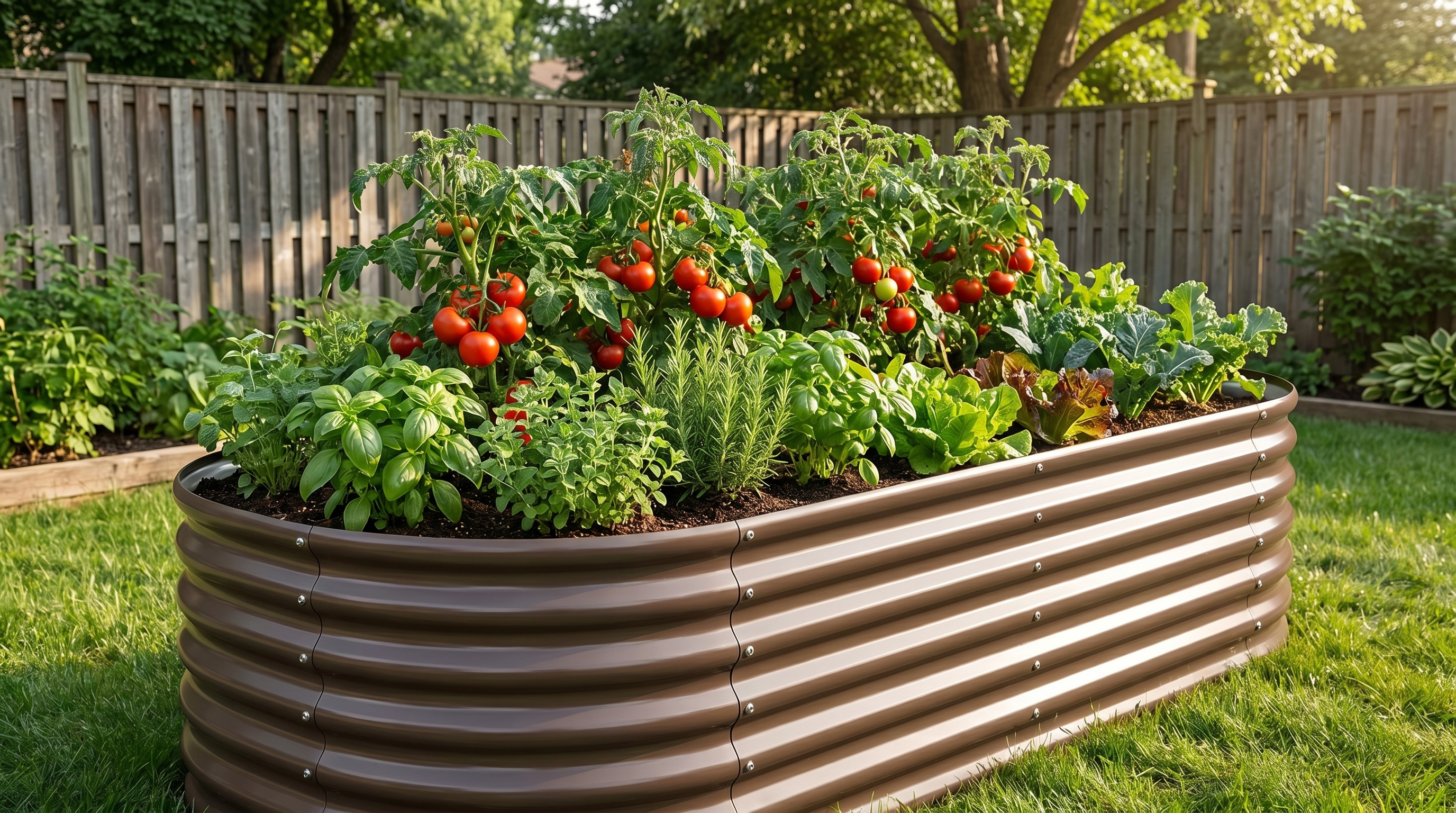
ALT: Anleolife galvanized steel raised garden bed under $200 filled with thriving tomatoes, herbs, and vegetables in a home backyard garden
Advanced Considerations: Getting More From Your Raised Bed Investment
Soil Matters as Much as the Bed Itself
A common misconception among new raised bed gardeners is that buying the bed solves the growing challenge. In reality, what you put inside the bed is equally important. The classic "Mel's Mix" formula—one-third compost, one-third peat moss or coconut coir, and one-third coarse vermiculite—is widely recommended for raised beds because it drains freely while retaining enough moisture and nutrients for vigorous plant growth. Skimping on soil quality while spending wisely on a durable bed defeats the purpose.
Irrigation Doesn't Have to Be Complicated
One of the easiest ways to improve your raised bed garden is to add a simple drip irrigation system or soaker hose. Raised beds can dry out faster than ground soil during hot weather, particularly the taller configurations. A timer-controlled drip line delivers water directly to root zones, reduces evaporation, and keeps your plants consistently hydrated without daily manual watering. This kind of simple irrigation upgrade pairs perfectly with raised bed gardening and keeps maintenance time minimal.
Best Plants for Beginners in Raised Garden Beds
If you're new to gardening and wondering what to grow first, raised beds are forgiving and productive for a wide range of crops. Start with salad greens (lettuce, spinach, arugula)—they germinate quickly, grow fast, and can be harvested repeatedly. Herbs like basil, parsley, chives, and cilantro are compact, useful in the kitchen, and thrive in the well-drained soil of a raised bed. Bush beans and zucchini are prolific producers with minimal care requirements. Cherry tomatoes are rewarding for beginners and produce abundantly in raised beds with good sun exposure. Avoid starting with plants that need very large space or have complex care requirements—build confidence with easy wins first.
Don't Overlook Drainage and Placement
Place your raised bed on level ground whenever possible. For beds placed on grass or bare soil, the bottom can remain open—grass and weeds will be suppressed by the bed's shadow and soil weight over time. For beds on patios, decks, or concrete, line the base with landscape fabric to retain soil while allowing drainage. Always position your bed where it receives at least 6–8 hours of direct sunlight daily for most vegetable crops.
Frequently Asked Questions FAQ
Q1: How much should I realistically expect to spend on a quality raised garden bed?
Quality raised garden beds are available across a wide price spectrum, but the $150–$200 range is genuinely a sweet spot for durability and value. In this range, you can access galvanized or rust-resistant steel beds built to last up to 20 years—a far better investment than cheaper wood options that may need replacing within 3–5 seasons. Factor in soil, irrigation basics, and seeds or seedlings, and a complete starter setup typically runs between $300–$500 total, depending on bed size.
Q2: Are galvanized steel raised beds safe for growing vegetables and food crops?
Yes—modern galvanized steel raised garden beds, including those in the Anleolife lineup, are considered food-safe for vegetable and herb production. The zinc coating used in galvanization is present naturally in soils and is not a health concern at the levels that might interact with garden soil. Extensive research and widespread adoption by home and market gardeners support the safety of galvanized steel for food-growing applications. If you have specific concerns, rust-resistant coated options provide an additional layer of material confidence.
Q3: How long does it take to receive and set up a raised garden bed from Anleolife?
Anleolife ships from a strategically located U.S. warehouse network covering California, Texas, Florida, New York, Illinois, and Washington, with delivery completed within 3–8 business days. Once your bed arrives, most Anleolife modular and panel-style beds can be assembled in under an hour without specialized tools. From ordering to having your bed ready to fill with soil, you're typically looking at less than two weeks from start to finish—a fast turnaround for a garden upgrade that will serve you for two decades.
Summary
Finding the best raised garden beds under $200 comes down to three priorities: choosing durable materials that won't degrade within a few seasons, selecting dimensions that genuinely fit your growing space and physical needs, and investing in a brand with a track record of quality and customer support.
Three key takeaways from this guide:
- Material is everything. Galvanized and rust-resistant steel beds deliver a 20-year lifespan that makes the under-$200 price point exceptional long-term value—especially compared to pine wood alternatives that need replacing every few years.
- Height and size should match your lifestyle. Standard 18-inch beds work well for most vegetables. Extra-tall 24–30-inch options transform the gardening experience for seniors, people with back issues, or anyone who wants to garden comfortably without kneeling.
- Start simple, plan to expand. Modular bed systems give you a smart on-ramp: begin with one bed, learn what works in your space, and add capacity as your confidence and appetite for growing expand.
Your next step is straightforward: measure your intended garden space, decide on your preferred height and size, and explore the Anleolife product range to find the configuration that fits your vision and budget.
Upgrade Your Garden with Anleolife
Anleolife operates a nationwide U.S. warehouse network strategically located in California, Texas, Florida, New York, Illinois, and Washington—ensuring delivery within 3–8 business days so your garden upgrade plans never have to wait.
Products are available across major e-commerce platforms including Amazon, Walmart, Home Depot, Lowe's, and Wayfair, as well as directly through the official website Anleolife.com, offering consistent quality assurance and dependable after-sales service wherever you prefer to shop.
Anleolife's three core garden scenarios cover everything a home gardener needs: Planting (metal raised garden beds, soil systems), Raising (chicken coops, rabbit hutches), and Beautification (decorative accessories, pathway systems)—meeting complete needs from functionality to aesthetics.
We understand that an ideal garden isn't built overnight. It's cultivated gradually, season by season, decision by decision. Anleolife's modular product design allows flexible expansion based on your evolving needs—from your first raised garden bed to a fully integrated planting-and-raising ecosystem. We grow with you, every step of the way.
References
- National Gardening Association. "Garden to Table: A Guide to Urban and Backyard Food Gardening".
https://garden.org - University of California Agriculture and Natural Resources. "Raised Bed Gardening".
https://ucanr.edu/ - U.S. Department of Agriculture. "Home Gardening Resources and Urban Agriculture".
https://www.usda.gov/topics/urban-agriculture - Penn State Extension. "Raised Bed Gardening: Soil Health and Plant Production".
https://extension.psu.edu - Cooperative Extension System. "Vegetable Gardening in Raised Beds: Planning, Planting, and Care".
https://extension.org
Note: Standards and gardening recommendations may be updated over time. Please check the latest official documents or consult professional advisors for the most current guidance.
About Anleolife
Anleolife is a leading outdoor garden solutions provider in North America, dedicated to offering a full-scenario product ecosystem for home gardening enthusiasts, covering planting, raising, and garden beautification. Since its founding, Anleolife has upheld its brand mission—"Made for Garden Life"—continuously innovating products and optimizing services to help hundreds of thousands of users upgrade their gardens, reconnect with nature, and enjoy a better garden lifestyle. From the first raised bed to a complete outdoor living sanctuary, Anleolife is the partner that grows alongside every gardener's journey.