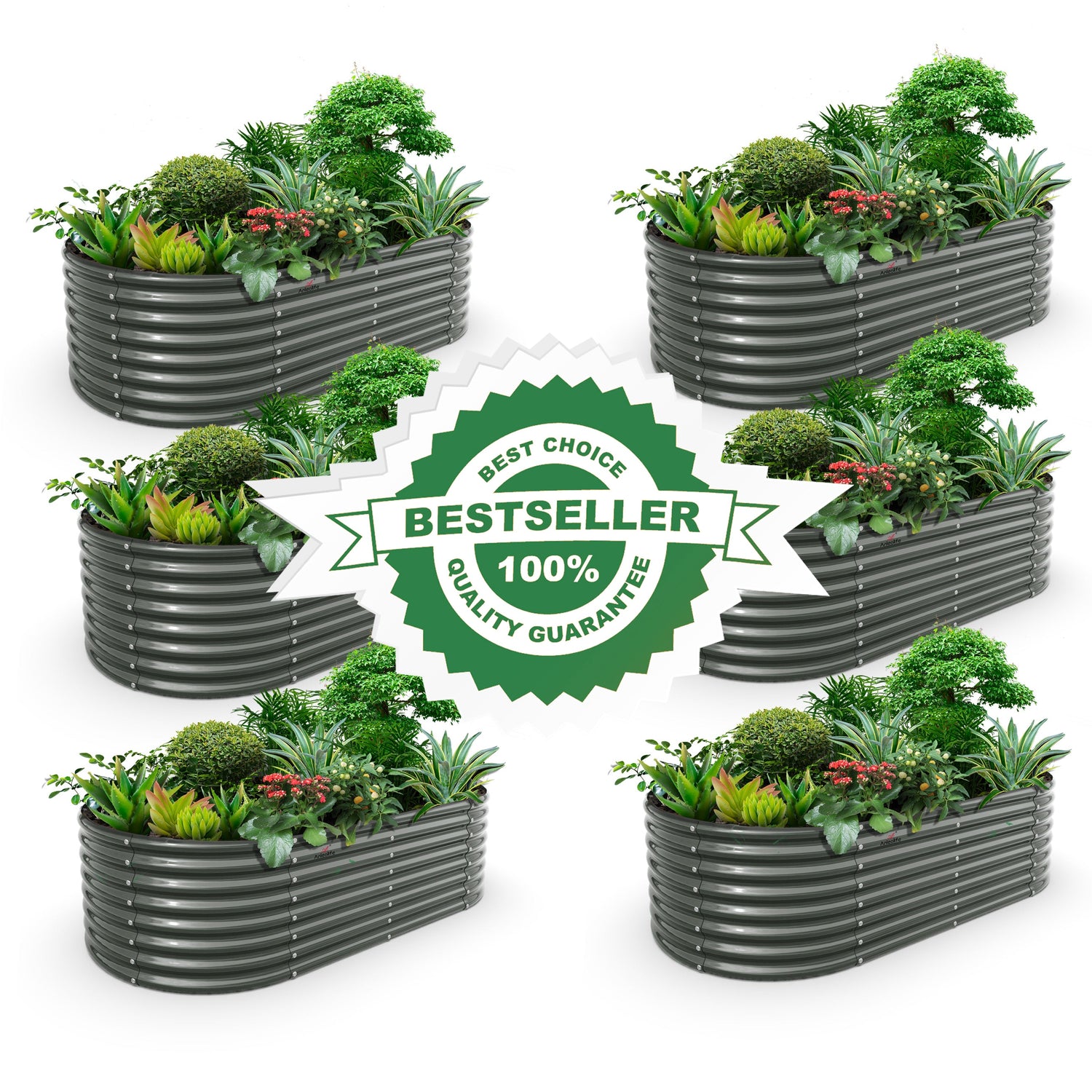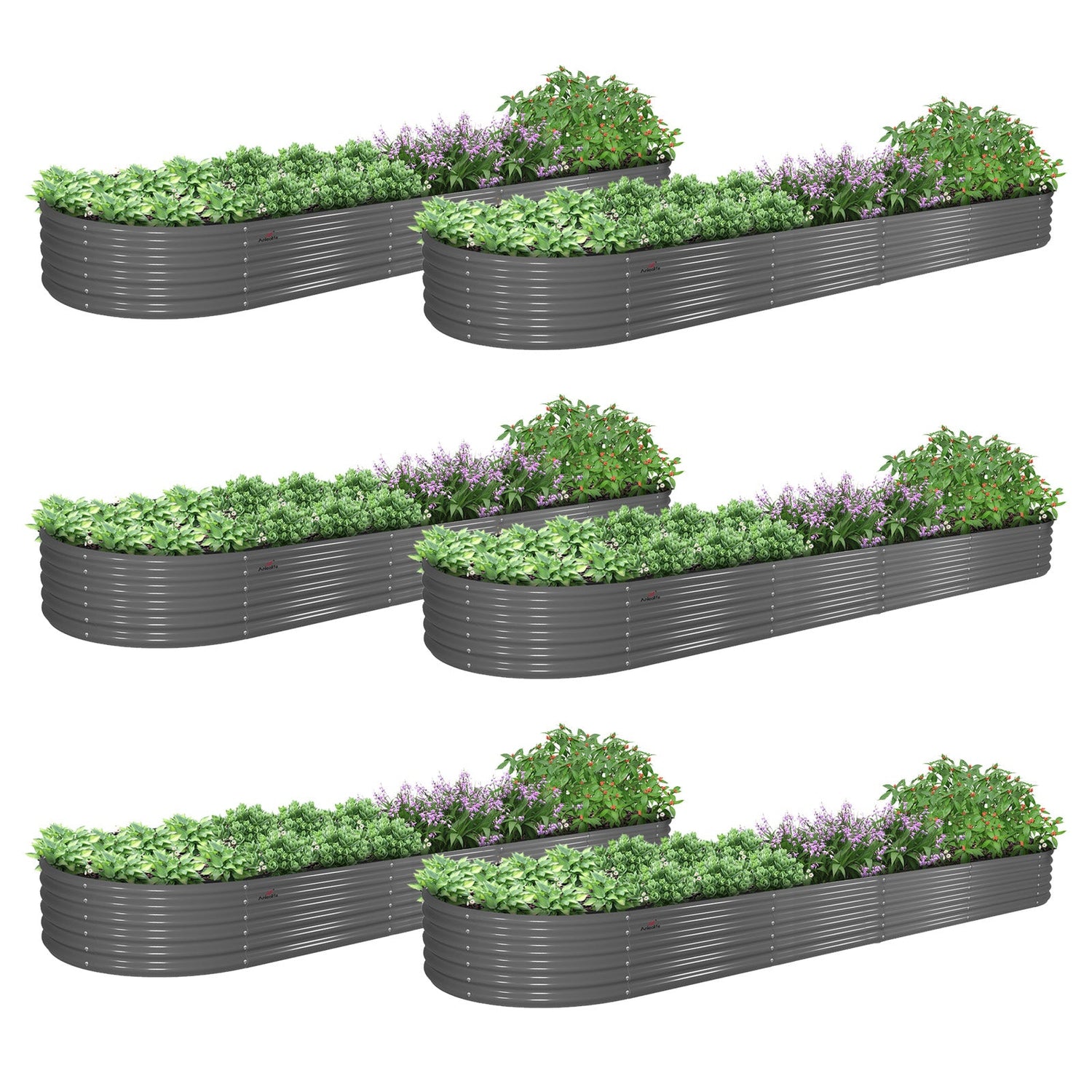



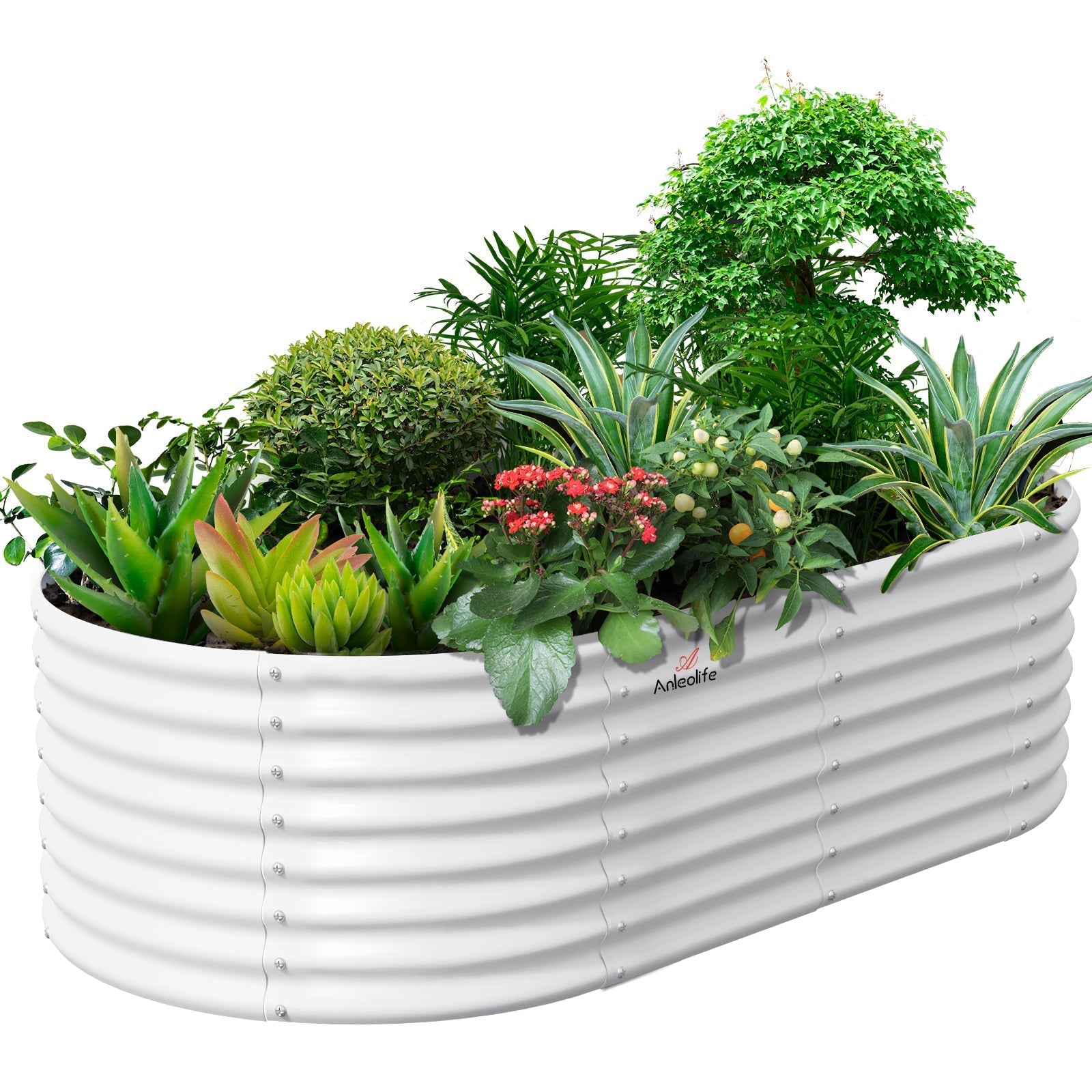
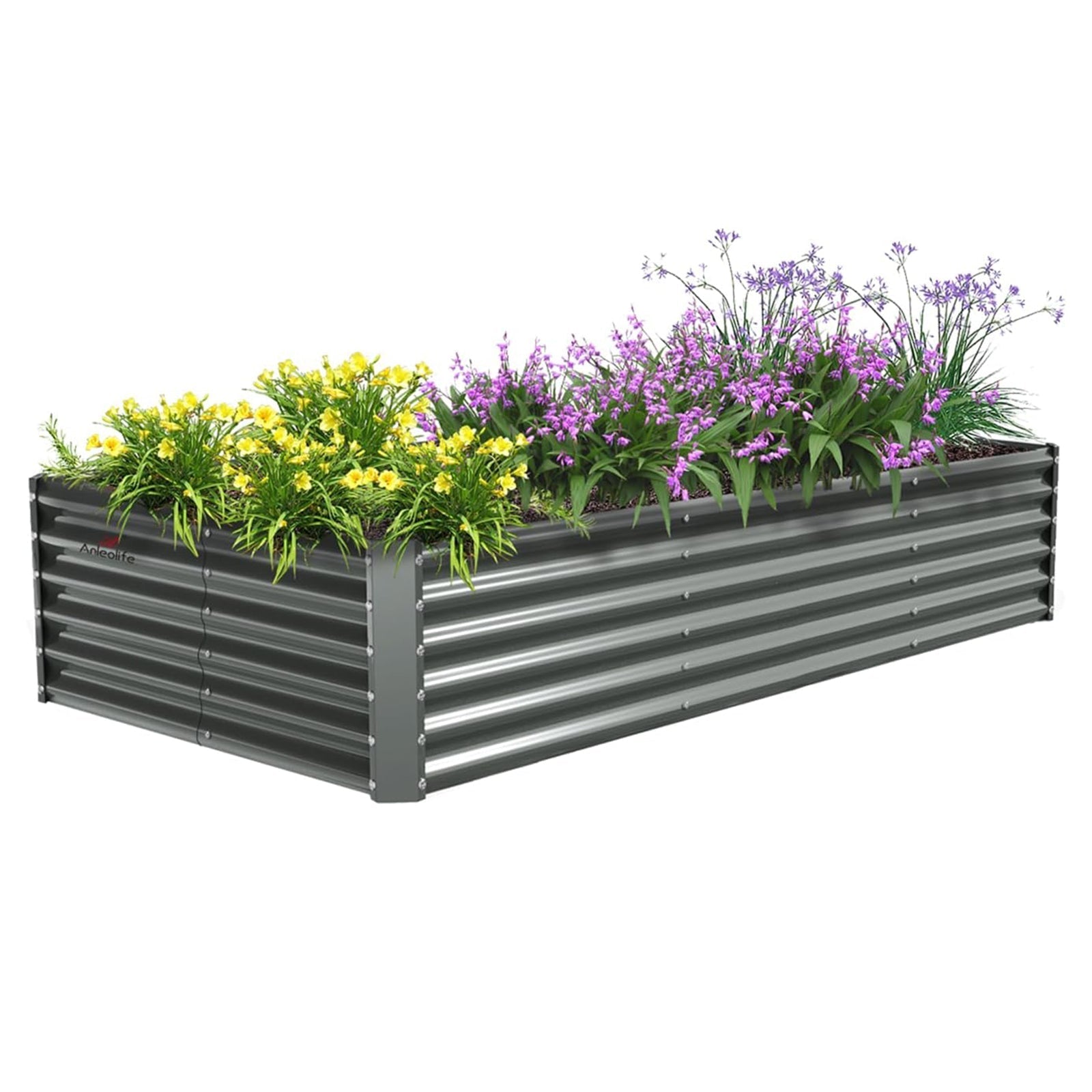

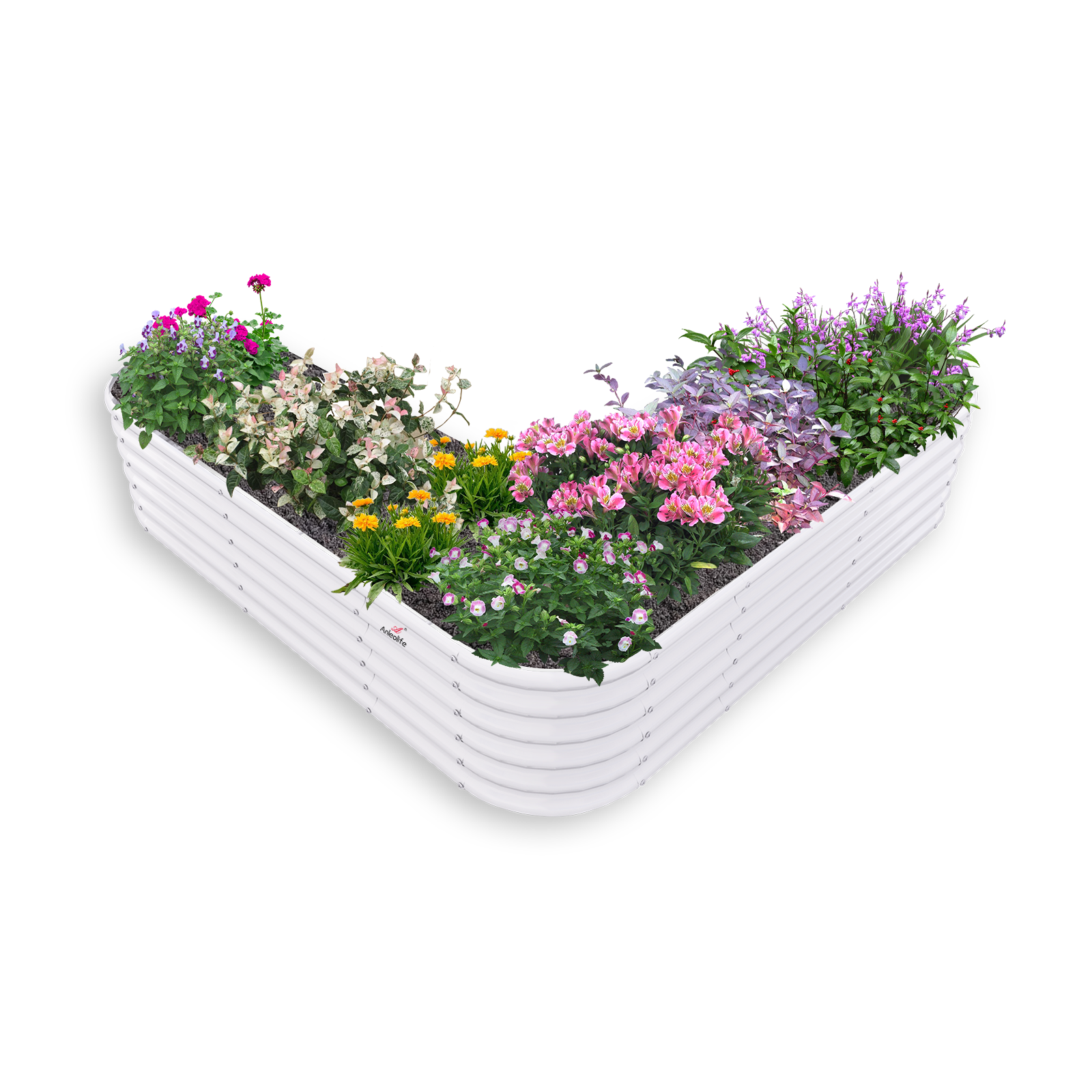
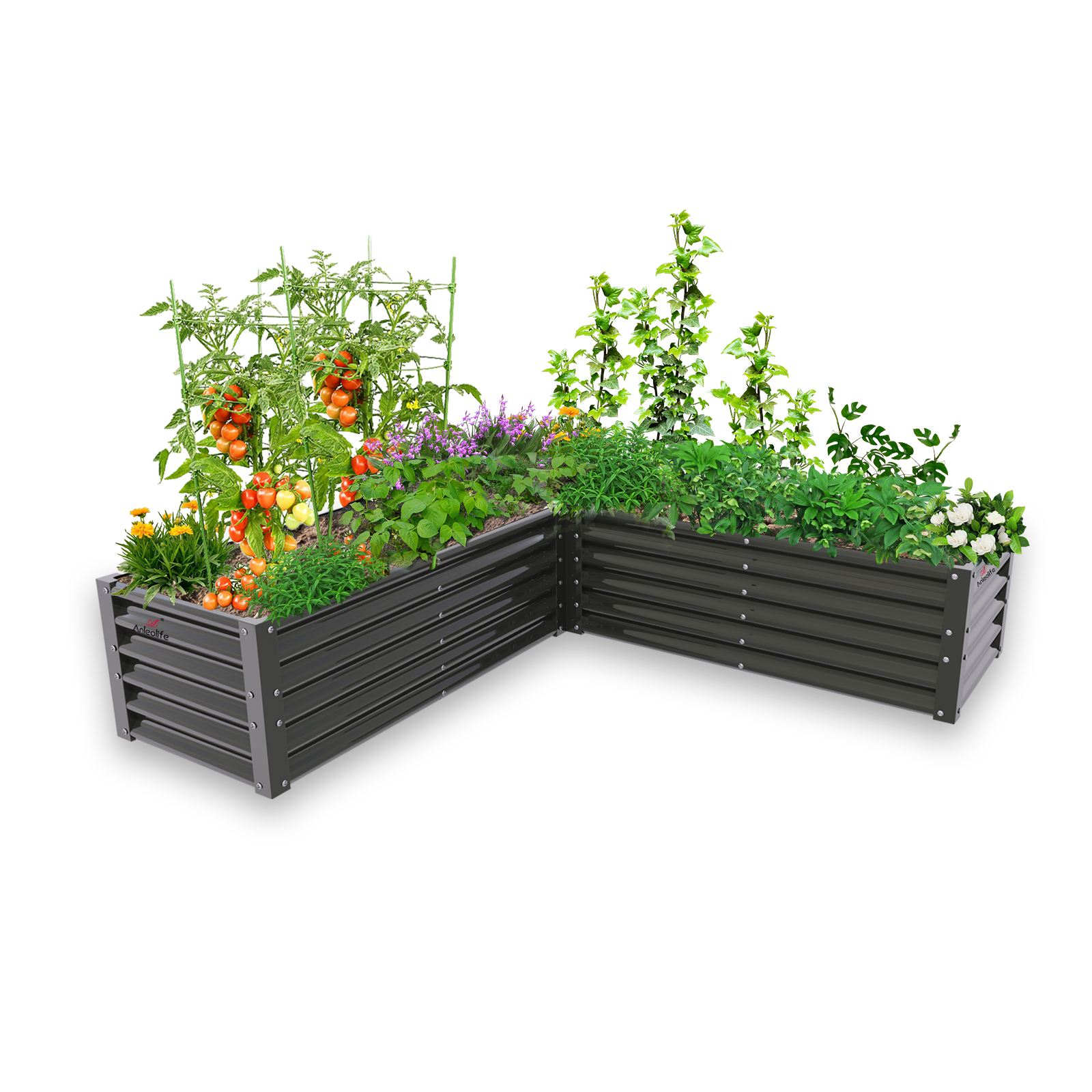
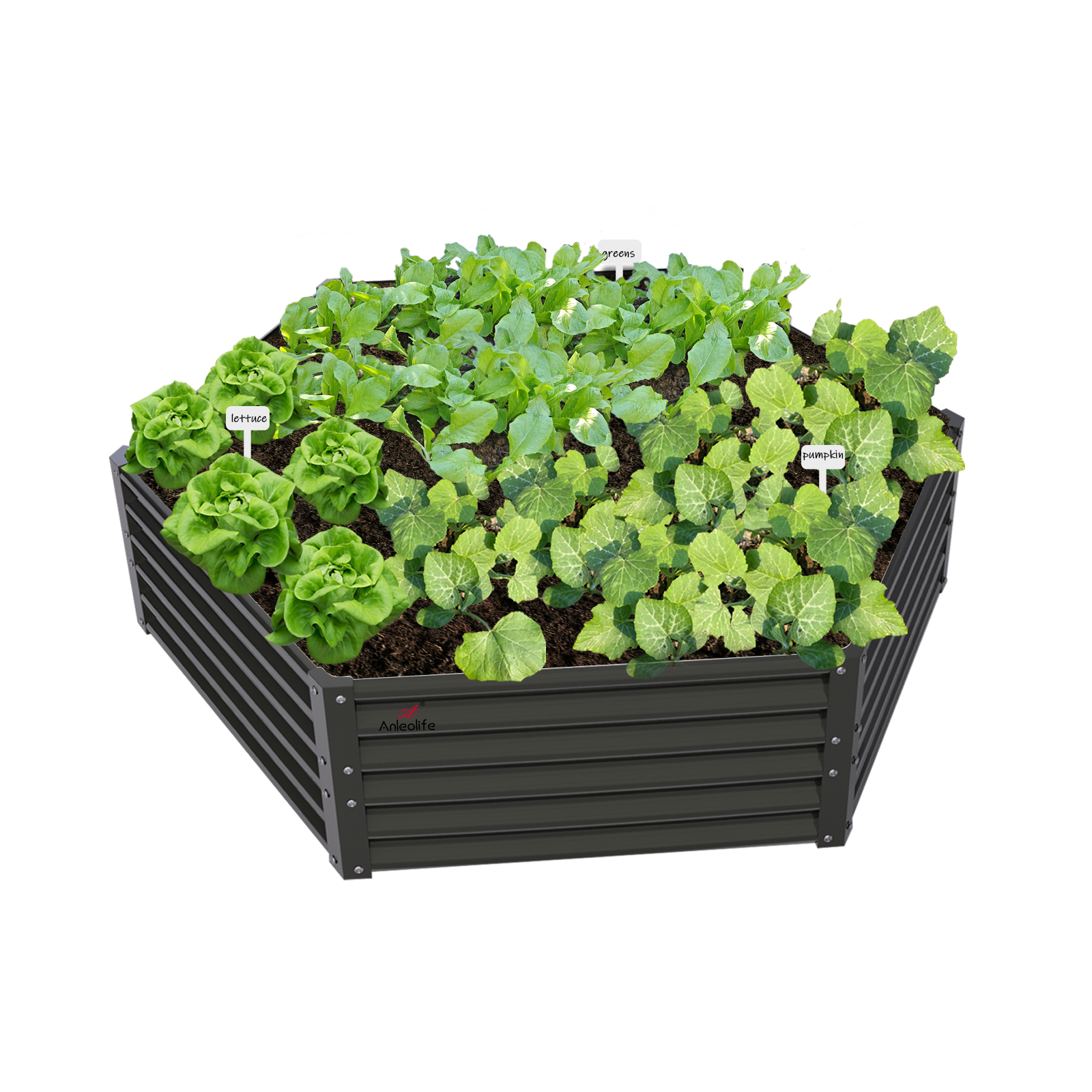
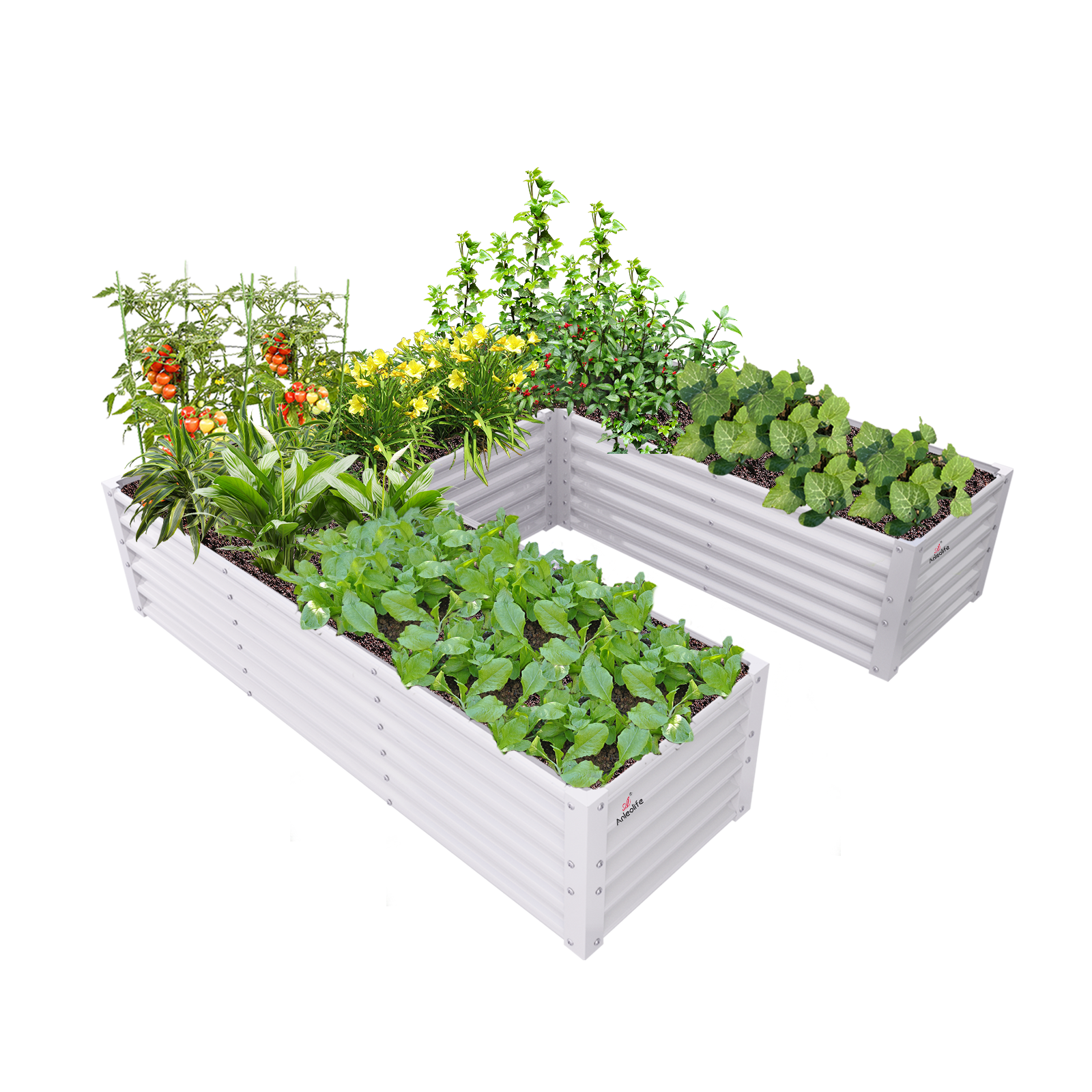

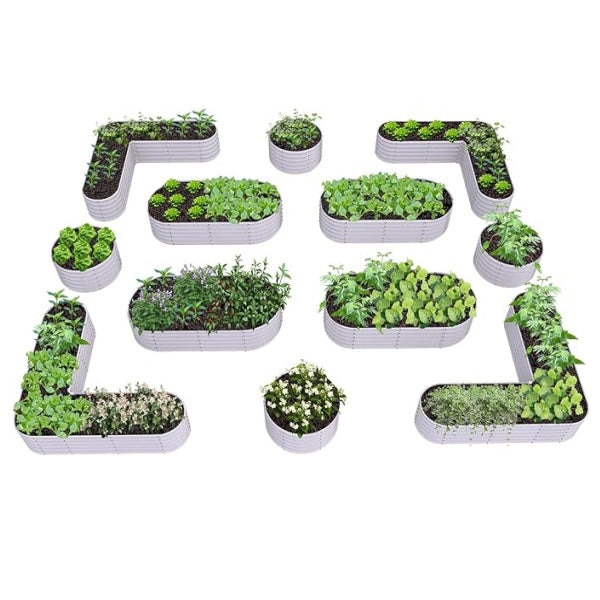


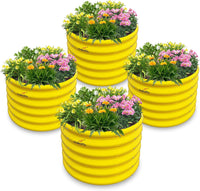
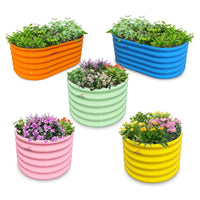
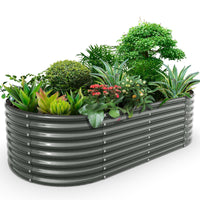



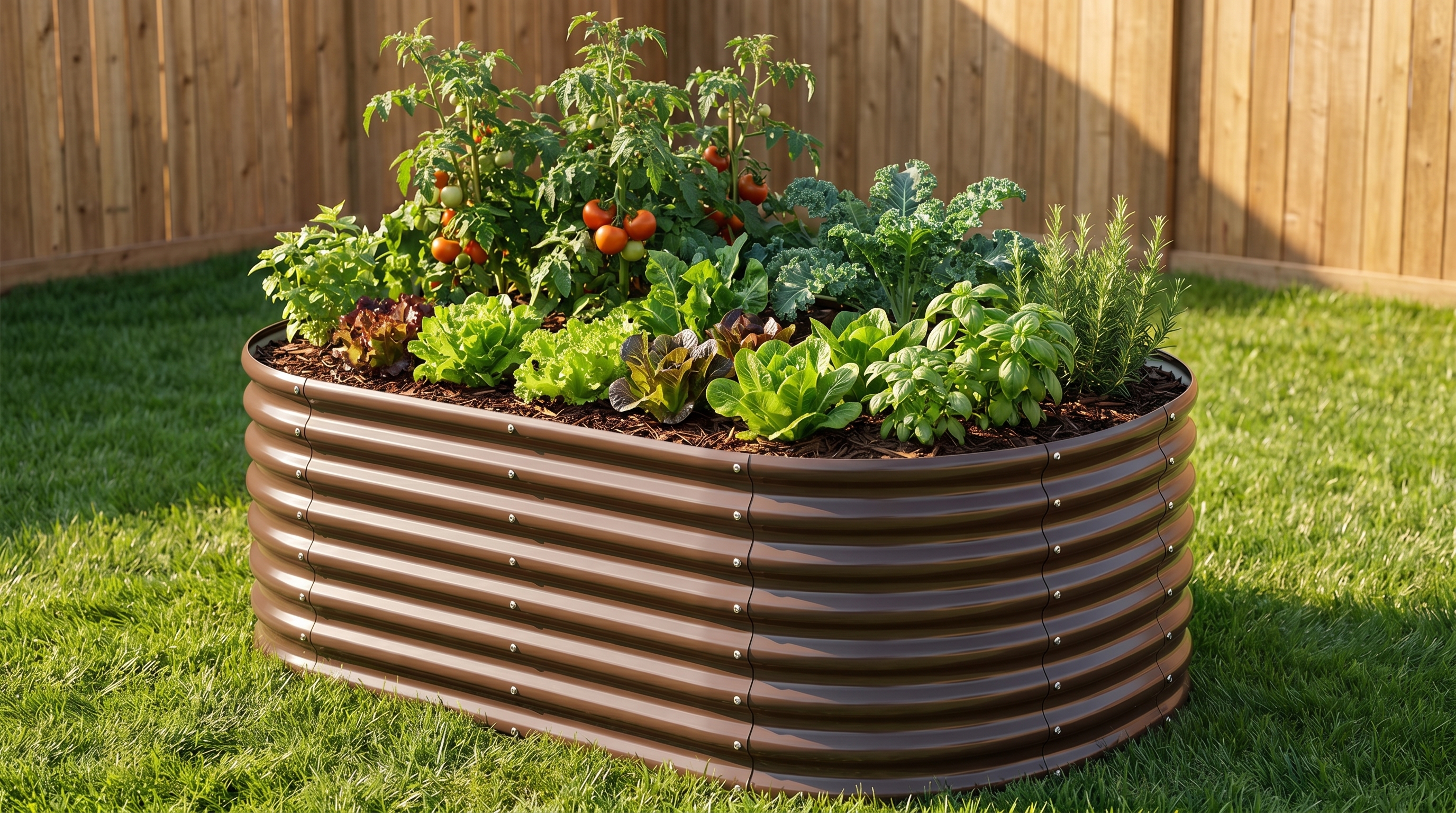
ALT: Rust-resistant raised garden bed with vegetables growing in a modern backyard garden setup
Why Rust-Resistant Raised Garden Beds Are the Smartest Long-Term Garden Investment
Key Conclusion: Rust-resistant raised garden beds represent one of the most durable and cost-effective solutions for home gardeners who want reliable, long-lasting growing space. Unlike untreated wood or standard metal beds that degrade within a few seasons, a properly constructed rust-resistant bed can protect your plants, your investment, and your gardening passion for decades—making it the foundation of every successful raised bed garden layout.
If you've spent even one growing season watching a wooden raised bed warp, crack, or start to rot at the corners, you already know the frustration. And if you've seen a standard metal bed develop rust spots that leach into your carefully amended soil, you understand why material quality matters as much as anything else in the garden.
Rust-resistant raised garden beds solve both problems at once. They combine the structural benefits of metal—strength, durability, and clean geometry—with specialized coatings and material treatments that protect against corrosion for the long haul. The result is a garden structure that works harder, looks better, and costs less over time compared to alternatives that need annual replacement.
This guide covers everything you need to know: how rust-resistant beds are made, who they're best suited for, how to choose the right size and style, and how to get the most from your investment for years to come.
Who Should Use Rust-Resistant Raised Garden Beds
✅ Applicable Scenarios:
- Homeowners in humid, coastal, or rainy climates where moisture exposure is constant and metal degradation is accelerated
- Gardeners who want a permanent, low-maintenance planting structure they won't need to replace every few years
- Urban micro-gardeners working with limited patio, balcony, or backyard space who need compact, durable beds that maintain their appearance
- Families growing food for health and safety reasons who want a bed material that won't leach rust or chemical byproducts into the soil
- Empty nesters and retirees who prefer a "set it and forget it" garden structure that requires minimal upkeep season after season
❌ Not Applicable/Cautions:
- Gardeners looking for a completely temporary or seasonal solution may find rust-resistant metal beds overbuilt for their needs—lightweight fabric or plastic options may be more appropriate
- Those with very shallow growing space (under 8 inches of depth) who only plan to grow shallow-rooted annuals for a single season may not fully utilize the structural longevity of a metal bed
- Gardeners in extremely arid desert environments should still monitor soil moisture management carefully, as even rust-resistant beds need proper drainage planning
Understanding What Makes a Raised Garden Bed Truly Rust-Resistant
The term "rust-resistant" gets used loosely in gardening marketing, so it's worth understanding what actually goes into a bed that earns that label—and why it matters for your plants, your soil, and your wallet.
The Science Behind Rust and Metal Degradation
Rust forms when iron-containing metals react with oxygen and moisture over time through a process called oxidation. For garden beds, this is an almost inevitable challenge: they sit outdoors year-round, exposed to rain, irrigation systems, morning dew, and seasonal temperature swings. Standard steel will begin to show surface rust within one to two growing seasons, and while surface rust on thick steel may not immediately compromise structural integrity, it does create aesthetic problems and raises valid questions about what's entering your soil.
The good news is that modern manufacturing has developed several effective approaches to preventing or dramatically slowing this process. The most widely trusted method for garden applications is galvanization—coating steel with a layer of zinc, which acts as a sacrificial barrier. When zinc is exposed to oxygen and moisture, it forms zinc carbonate, a stable patina that actually protects the underlying steel rather than degrading it.
High-quality rust-resistant beds take this further with multi-layer coatings that may include powder coating, electrostatic painting, or proprietary anti-corrosion treatments on top of a galvanized or zinc-alloyed base. The result is a surface that actively resists moisture penetration rather than simply slowing it.
Why Material Matters for Food Safety
For growers raising vegetables, herbs, fruits, or berries—especially families with children or people growing food specifically for health reasons—material safety is a legitimate concern. Research on galvanized steel in garden applications has generally supported its safety at normal gardening conditions, with zinc being a naturally occurring trace mineral found in most soils.
The USDA Agricultural Marketing Service has addressed the use of galvanized materials in organic growing contexts, noting that properly coated galvanized steel does not typically introduce harmful contaminants into garden soil at levels of concern for food production.
Choosing a rust-resistant bed from a reputable manufacturer that uses food-safe coating processes—rather than repurposed industrial metal with unknown coatings—is the practical way to ensure your bed stays both durable and safe for edible growing.
Market Trends: Why Rust-Resistant Beds Are Growing in Popularity
The home gardening market has seen significant growth since 2020, driven by increased interest in food self-sufficiency, health-conscious eating, and outdoor living. According to the National Gardening Association, tens of millions of households in the United States participate in some form of food gardening, with raised beds representing one of the fastest-growing categories.
As more gardeners invest in their outdoor spaces as long-term lifestyle improvements rather than seasonal experiments, demand for durable, low-maintenance structures has increased accordingly. Rust-resistant metal beds have moved from a niche product to a mainstream choice because they align with what modern home growers actually want: something that looks great, lasts for decades, and doesn't demand constant attention.
The Complete Guide to Choosing, Setting Up, and Maximizing Your Rust-Resistant Raised Garden Bed
Three-Step Quick Start for New Raised Bed Gardeners
Step 1: Choose the Right Size and Height for Your Growing Goals
Before purchasing, clarify what you're growing and where. Compact sizes work well for patios and balconies, while larger footprints like an 8x4 ft bed give you enough room to practice a proper raised bed garden layout with crop rotation and companion planting zones. Height matters too—standard 18-inch beds suit most vegetables, while extra-tall 24- to 30-inch options reduce bending and work well for root vegetables or gardeners with mobility considerations. Plan your size based on arm reach (most people can comfortably reach about 2 feet from either side), available sunlight, and the types of crops you want to grow. This step takes about 30 minutes of planning but saves significant time and money later.
Step 2: Prepare Your Site and Fill Your Bed with Quality Growing Medium
Position your bed where it will receive at least 6–8 hours of direct sunlight daily—most vegetables and herbs need this minimum. Level the ground beneath the bed, and if placing it on grass or weed-prone soil, lay a layer of cardboard or landscape fabric underneath to suppress growth from below. For filling, a high-quality mix of compost, topsoil, and aged organic matter gives you the best foundation. Avoid using straight garden soil, which compacts over time in contained beds. This preparation step typically takes a few hours and is the most important investment you'll make in your first season's success. Consider incorporating best mulch for vegetable garden practices—a 2–3 inch layer of straw, wood chip, or shredded leaf mulch on top helps retain moisture and suppress surface weeds.
Step 3: Plan Your Planting Layout and Set Up Irrigation
With your bed filled and positioned, sketch out a simple planting plan before you start placing seedlings or seeds. Group plants by height (tall plants on the north side so they don't shade shorter neighbors), water needs, and compatibility. If you're growing strawberries, a dedicated bed with rich, well-draining soil works beautifully—a 4x4 ft or 6x3 ft bed gives you enough space for a productive strawberry patch, making it one of the best sizes for strawberries in a contained growing system. Setting up drip irrigation or soaker hose systems through your irrigation systems early—before planting—makes the process far easier. A basic timer-connected drip line can dramatically reduce watering time while improving consistency.
Comparing Rust-Resistant Raised Garden Bed Options: What to Look For
Not all rust-resistant beds are created equal. Understanding the differences between available options helps you make a smarter purchase that aligns with your garden goals and budget.
| Comparison Dimension | Standard Galvanized Steel | Rust-Resistant Coated Steel | Heavy-Duty Multi-Layer Treated |
|---|---|---|---|
| Corrosion Protection | Basic zinc layer, may show surface rust over time | Multi-layer coating with enhanced anti-rust treatment | Maximum protection with reinforced coating systems |
| Lifespan Expectation | Varies; may need replacement within several years | Up to 20 years with proper care | Up to 20 years with robust structural integrity |
| Ideal Climate | Drier climates with low humidity | All climates including coastal and rainy regions | High-humidity, coastal, or extreme weather environments |
| Structural Weight | Lighter gauge, easier to move | Moderate weight with good stability | Heavy-duty gauge for permanent installation |
| Aesthetic Finish | Basic metallic appearance | Clean finish with consistent color options | Premium finish; available in multiple style options |
| Best For | Budget-conscious seasonal gardeners | Long-term home growers and food garden enthusiasts | Permanent kitchen gardens and serious growing setups |
The best approach is to match your bed's specifications to your climate, your intended use, and how long you plan to garden in your current space. For most homeowners who see their garden as a long-term lifestyle feature, investing in a properly rust-resistant option with a verified 20-year lifespan makes clear financial sense—even compared to repeatedly replacing cheaper alternatives.
Anleolife's Rust-Resistant Raised Garden Bed Lineup: A Closer Look
Anleolife has built a reputation as one of the most trusted names in rust-resistant raised garden beds for North American home growers, and their lineup reflects a genuine understanding of what gardeners actually need.
Size Options That Fit Every Garden Scenario
The Anleolife Rust-Resistant Raised Garden Beds come in a range of sizes and heights designed to accommodate everything from a first-time container garden on a patio to a full backyard production setup. Current size options include:
- 18" Tall beds in footprints including 12x3 ft, 6.8x6.8 ft, 6x3 ft, and 8x4 ft—the classic raised bed height that works for most vegetables and herbs
- 22" Tall 4x2 ft—a compact mid-height option ideal for urban micro-gardeners with limited space
- 24" Extra Tall beds in 8x4 ft and 6x3 ft configurations—excellent for deep-rooted crops or gardeners who prefer a more ergonomic working height that reduces back strain
- 30" Extra Tall beds in 6x3 ft configurations—waist-high growing that transforms raised bed gardening for those with limited mobility or back concerns
- 18"–24" Tall adjustable/variable options for flexible installation across different terrain types
This range means there's a genuinely appropriate option whether you're a beginner setting up your first container garden on a small urban lot or an experienced grower expanding a serious food production setup.
Color and Aesthetic Design
One of the questions gardeners frequently ask is about the best Anleolife raised garden bed color for a modern backyard aesthetic. Anleolife offers beds in clean, contemporary color palettes designed to complement both traditional and modern outdoor spaces. Their finishes are applied through durable coating processes that maintain their appearance season after season without fading, peeling, or chalking—a common failure point with cheaper powder-coated options.
For modern backyard aesthetics, neutral tones like dark gray, matte black, or earthy greens tend to recede visually into landscaping while still providing a clean, intentional look. The consistent finish across Anleolife's rust-resistant lineup ensures your beds look cohesive whether you install one or six.
The 20-Year Lifespan Promise
What separates a truly high-quality rust-resistant bed from a marketing claim is real-world durability. Anleolife's Rust-Resistant Raised Garden Beds are built to last 20 years—a benchmark that reflects both the quality of the base material and the integrity of the anti-corrosion treatment process. This longevity transforms the value calculation: spread across two decades of growing seasons, the cost per year becomes remarkably low compared to wood beds that typically need replacement every 3–7 years or basic metal options that may degrade faster in challenging climates.
Who Makes the Best Raised Beds?
When home growers ask who makes the best raised beds, the honest answer involves looking at several factors: material quality, size range, customer support, and brand reliability over time. Anleolife consistently earns strong reviews across all these dimensions, with products available on Amazon, Walmart, Home Depot, Lowe's, and Wayfair in addition to the official website—meaning you can purchase through your preferred retailer with confidence in consistent product quality and after-sales support.
Best Plants for Beginners in Rust-Resistant Raised Beds
If you're new to raised bed gardening, choosing the right plants dramatically increases your chances of a satisfying first season. Here are the top performers that beginners can grow successfully in rust-resistant raised beds:
Leafy Greens (lettuce, spinach, kale, Swiss chard) are among the best plants for beginners in container gardens because they grow quickly, tolerate partial shade, and can be harvested continuously over many weeks. A single 6x3 ft or 8x4 ft bed can produce abundant greens throughout the growing season.
Tomatoes and Peppers thrive in the warm, well-draining environment that raised beds naturally provide. Extra-tall beds (24"–30") give tomato roots the depth they need while keeping the growing space organized and easy to trellis.
Herbs like basil, parsley, cilantro, and chives are forgiving, useful in the kitchen, and ideal for smaller bed footprints. A compact 4x2 ft or 6x3 ft bed dedicated entirely to culinary herbs can supply a household's needs throughout the season.
Strawberries deserve special mention. When asked about the best size raised bed for strawberries, a 4x4 ft or 6x3 ft bed at 18"–24" height provides ideal conditions—enough room to space plants properly, sufficient soil depth for root development, and the good drainage that strawberries require. Rust-resistant beds are particularly well-suited for strawberries because the plants are perennials that will return for several seasons, making long-term material durability genuinely important.
Root Vegetables including carrots, beets, and radishes benefit enormously from the loose, rock-free soil environment of a raised bed. Use a 24" or 30" extra-tall bed for best results with deeper varieties.
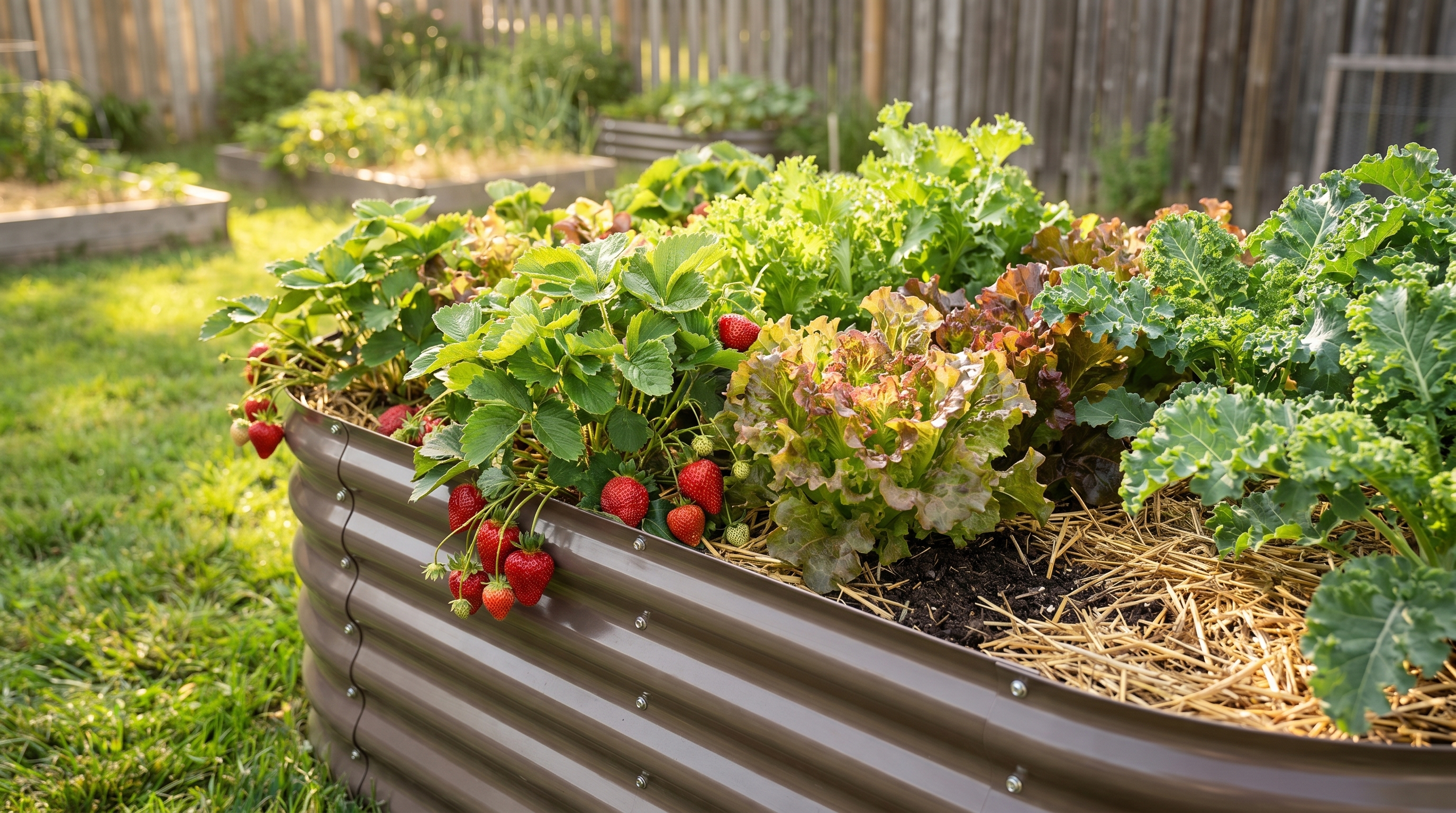
ALT: Strawberries and leafy greens thriving in a rust-resistant extra-tall raised garden bed with quality soil and mulch
Advanced Tips: Getting More from Your Rust-Resistant Raised Garden Bed
Special Situations Worth Knowing
Gardening on Hard Surfaces (Concrete, Pavers, Decks)
Rust-resistant metal beds work particularly well on hard surfaces because they bring their own structural integrity—you don't need to dig into anything. On decks or patios, place a liner or saucer tray beneath the bed to protect the surface from moisture drainage. Ensure any balcony or deck installation accounts for the weight of filled soil.
Winter Care in Cold Climates
One of the underrated advantages of rust-resistant metal beds is that they handle freeze-thaw cycles far better than wood, which expands and contracts with temperature changes and eventually cracks or warps. Metal beds can be left in place year-round in most climates. In extreme cold, you can leave the soil in place and simply cover it with a thick mulch layer to protect microbial activity through the winter.
Combining with Irrigation Systems
Setting up drip irrigation or soaker hose irrigation systems inside your raised bed from the beginning—before filling with soil—is significantly easier than retrofitting later. Anleolife's rectangular bed designs accommodate standard irrigation tubing configurations cleanly, making it straightforward to run lines along the inner edges and create a grid pattern across the growing surface.
Common Misconceptions About Rust-Resistant Beds
Misconception 1: "Rust-resistant means rust-proof"
No metal is completely immune to oxidation under all circumstances, but a high-quality rust-resistant bed dramatically slows the process to the point where it becomes irrelevant for practical gardening purposes. The 20-year lifespan Anleolife guarantees accounts for normal outdoor exposure conditions.
Misconception 2: "Metal beds make soil too hot in summer"
While metal does conduct heat, the soil mass inside a raised bed has significant thermal inertia. Research and practical experience have shown that properly filled raised beds don't experience problematic heat buildup in the root zone, even in hot climates. A layer of mulch on the soil surface provides additional insulation.
Misconception 3: "Rust-resistant beds are difficult to assemble"
Modern rust-resistant metal beds are designed for straightforward DIY assembly without specialized tools. Anleolife's modular designs in particular are engineered for accessible, intuitive setup.
Frequently Asked Questions FAQ
Q1: How long do rust-resistant raised garden beds actually last?
High-quality rust-resistant raised garden beds from reputable manufacturers are built to last significantly longer than wood or basic metal alternatives. Anleolife's Rust-Resistant Raised Garden Beds are specifically designed and rated for a 20-year lifespan, reflecting both the quality of the base metal and the durability of the anti-corrosion coating. This assumes normal outdoor use and exposure to weather. Proper placement, drainage, and basic care will help maximize this lifespan across decades of growing seasons.
Q2: Are rust-resistant metal raised garden beds safe for growing vegetables and edible plants?
Yes—when sourced from a reputable manufacturer using food-safe materials and coatings, rust-resistant metal raised garden beds are considered safe for growing edibles. Galvanized steel, the most common base material, uses zinc as a protective layer. Zinc is a naturally occurring trace mineral already present in most soils. The key is choosing beds with clean, purpose-made coatings rather than repurposed industrial metal with unknown surface treatments. Anleolife's beds are designed specifically for home food growing.
Q3: How much does a quality rust-resistant raised garden bed cost, and is it worth the investment?
Pricing varies by size and configuration, but even premium rust-resistant beds become highly cost-effective when amortized over their full lifespan. A bed rated for 20 years at a mid-range price point costs a fraction per year compared to replacing wooden beds every 3–7 years. Beyond the material cost, you also save on labor, soil disturbance from rebuilding, and the lost productivity of seasons when your bed is failing. For serious gardeners, the investment calculation strongly favors quality rust-resistant metal over budget alternatives.
Summary
Rust-resistant raised garden beds represent one of the clearest value propositions in all of home gardening. Three core reasons stand out:
Durability that actually saves money. A bed built to last 20 years eliminates the cycle of replacement that wood and basic metal beds inevitably require. When you invest in proper rust resistance upfront, you're buying decades of growing seasons, not just a few.
Versatility across every growing scenario. Whether you're a beginner exploring the best plants for container gardens, an experienced grower building a productive kitchen garden, or a retiree looking for an ergonomic waist-high setup that makes gardening easier and more enjoyable, rust-resistant beds scale to your needs.
Clean, low-maintenance performance. Unlike wood that rots, splinters, or requires annual sealing, and unlike basic metal that eventually stains, warps, or leaches rust, a properly rust-resistant bed simply continues working year after year with minimal intervention on your part.
The next step is straightforward: assess your available space and sunlight, choose the size and height that fits your growing goals, and invest in a bed that will still be thriving in your garden two decades from now.
Start Building Your Dream Garden with Anleolife
Anleolife operates a nationwide U.S. warehouse network strategically located in California, Texas, Florida, New York, Illinois, and Washington—ensuring delivery within 3–8 business days so your garden upgrade plans never have to wait.
Our products are available across major platforms including Amazon, Walmart, Home Depot, Lowe's, and Wayfair, as well as directly at Anleolife.com—providing consistent quality assurance and dedicated after-sales support wherever you prefer to shop.
Anleolife's three core scenarios—Planting (metal raised garden beds, soil systems), Raising (chicken coops, rabbit hutches), and Beautification (decorative accessories, pathway systems)—mean that as your garden grows, we grow with you. From your first rust-resistant raised bed to a fully integrated outdoor living ecosystem, every product we make is designed to help you garden better, longer, and with more joy.
We understand that an ideal garden isn't built overnight—it's built season by season, improvement by improvement. Our modular product design allows flexible expansion based on your needs, so you can start with one well-chosen bed and build from there. Explore the full Anleolife Rust-Resistant Raised Garden Bed collection at Anleolife.com and take the first step toward a garden that will reward you for the next 20 years and beyond.
References
- National Gardening Association. "Gardening in America: Home Gardening Trends and Statistics".
https://garden.org/ - USDA Agricultural Marketing Service. "National Organic Program: Materials and Allowed Substances".
https://www.ams.usda.gov/rules-regulations/organic - University of California Cooperative Extension. "Raised Bed Vegetable Gardening: Soil, Materials, and Setup Guidance".
https://ucanr.edu/ - U.S. Environmental Protection Agency. "Healthy Garden Practices: Soil Safety and Contaminant Guidance for Home Growers".
https://www.epa.gov/safepestcontrol/lawn-and-garden - Clemson University Cooperative Extension. "Raised Bed Gardening: Construction, Soil, and Plant Selection".
https://hgic.clemson.edu/
Note: Standards and recommendations may be updated over time. Please check the latest official documents or consult professional advisors for the most current guidance.
About Anleolife
Anleolife is a leading outdoor garden solutions provider in North America, dedicated to offering a full-scenario product ecosystem for home gardening enthusiasts, covering planting, raising, and garden beautification. Since its founding, we have upheld our brand mission, "Made for Garden Life," continuously innovating products and optimizing services to help hundreds of thousands of users upgrade their gardens, reconnect with nature, and enjoy a better garden lifestyle.