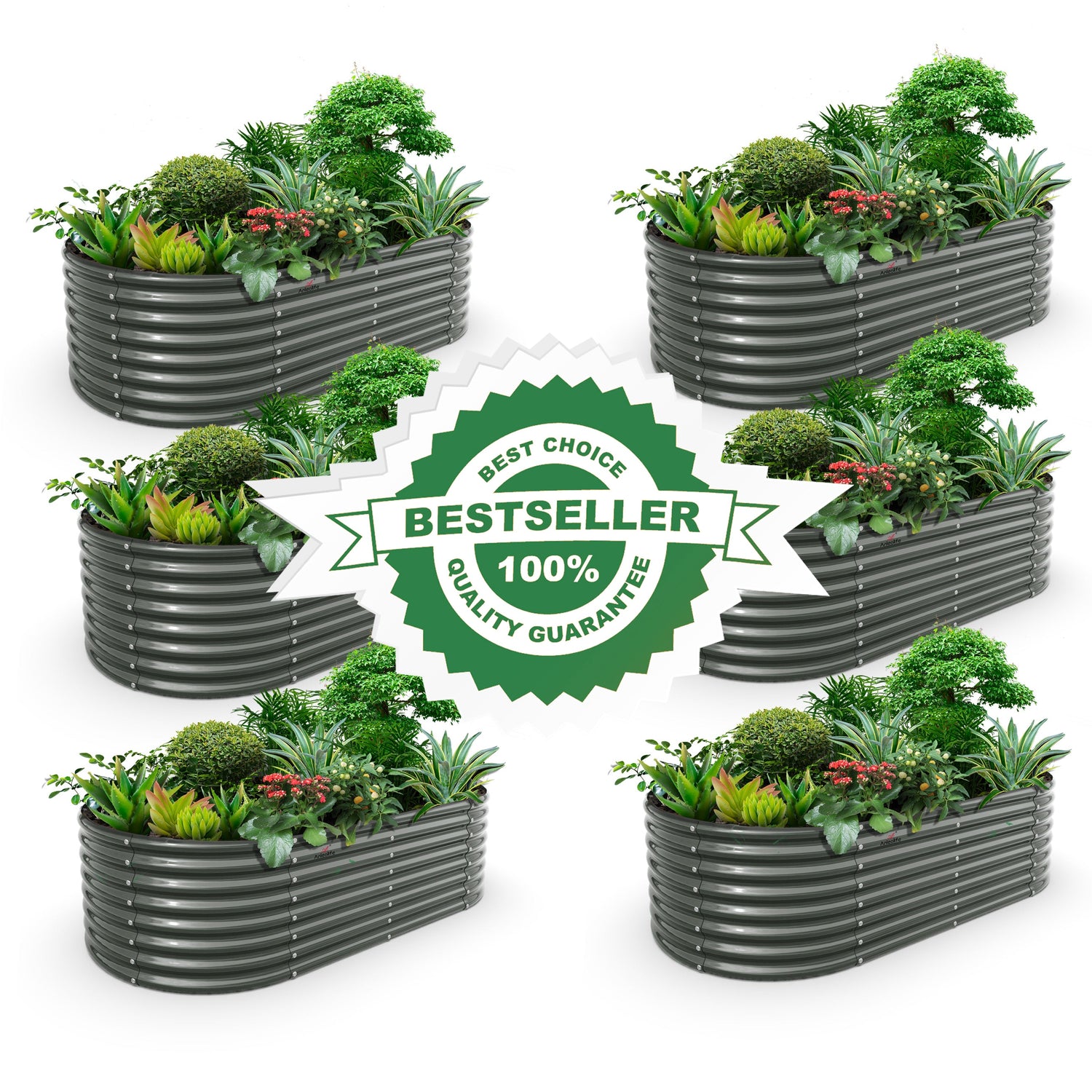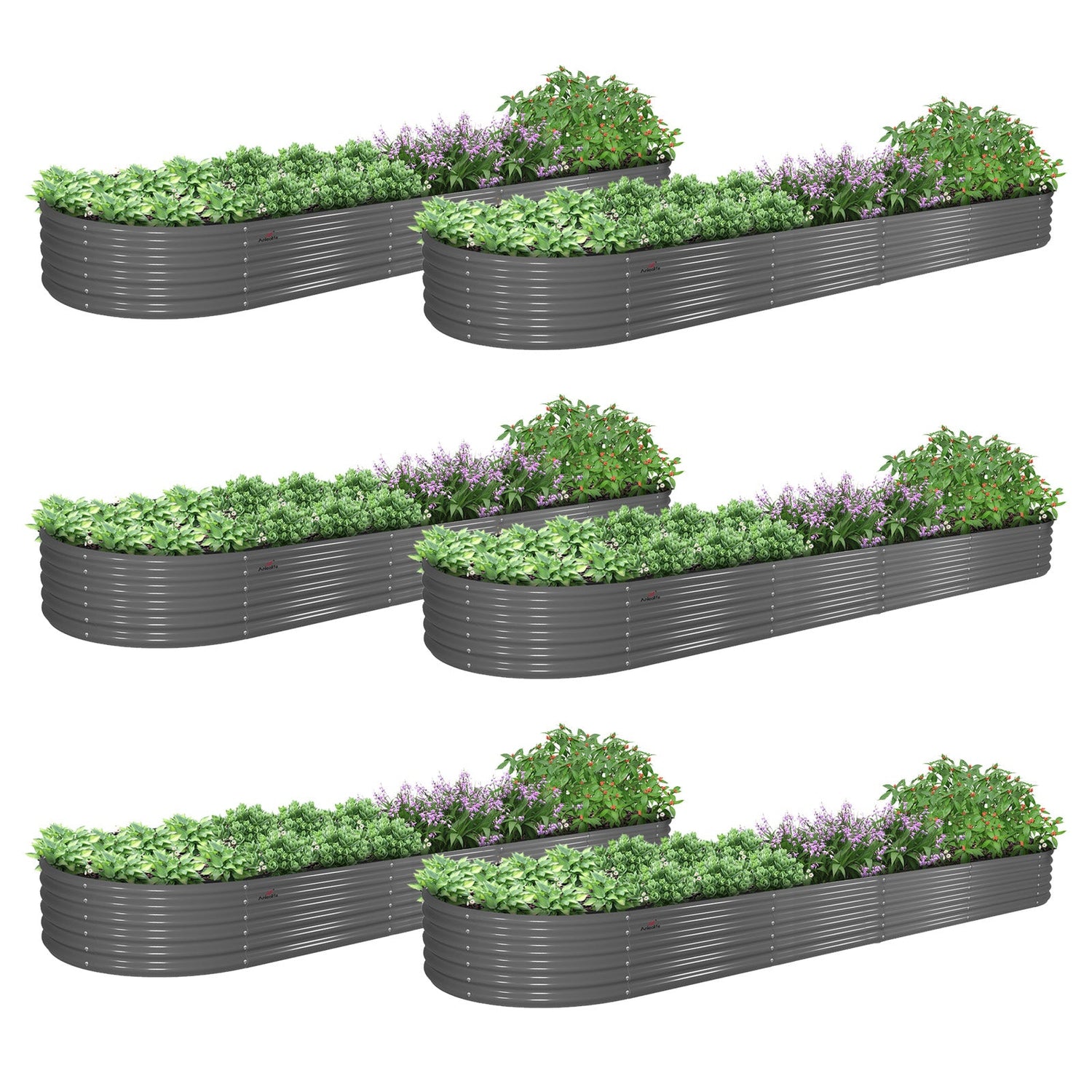



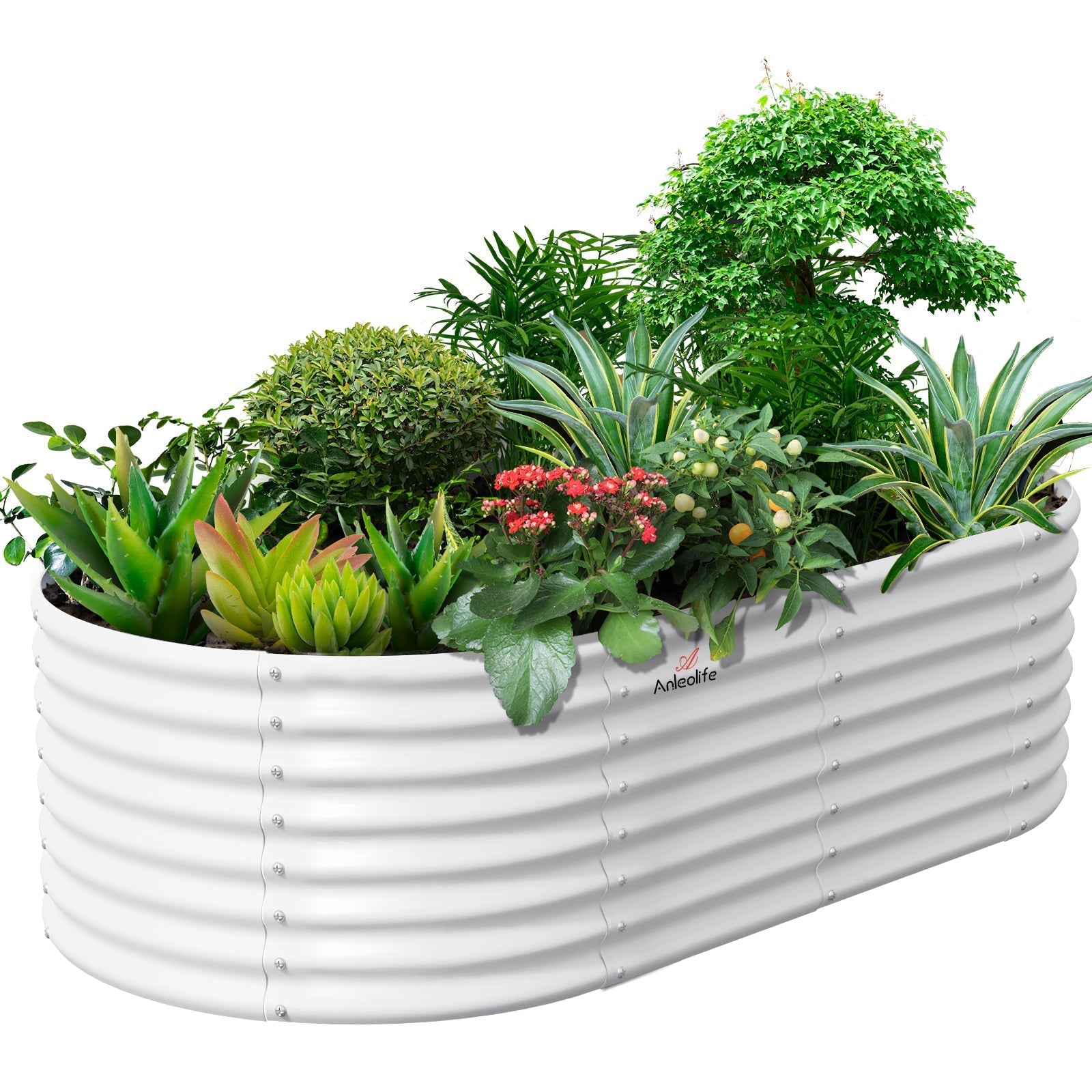
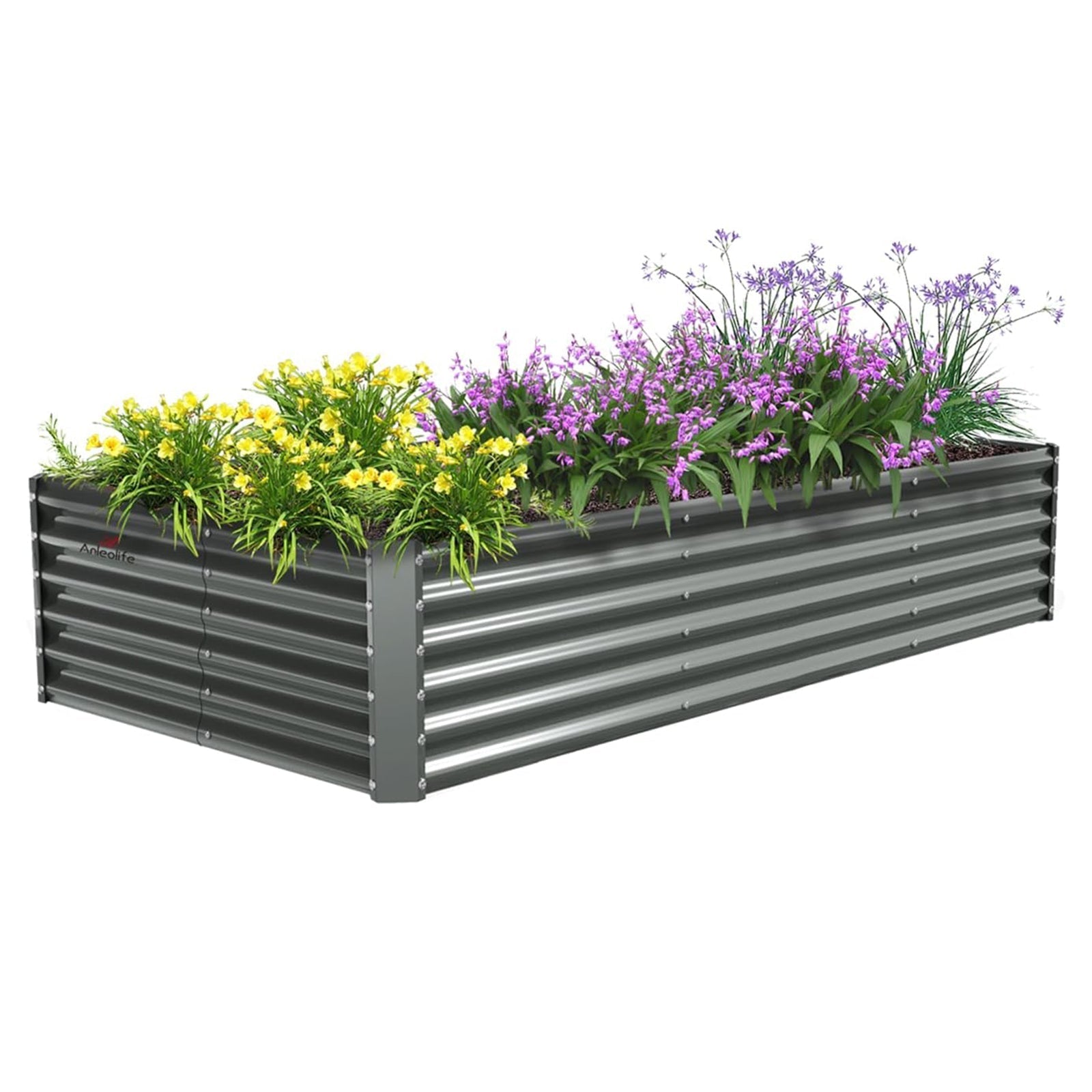

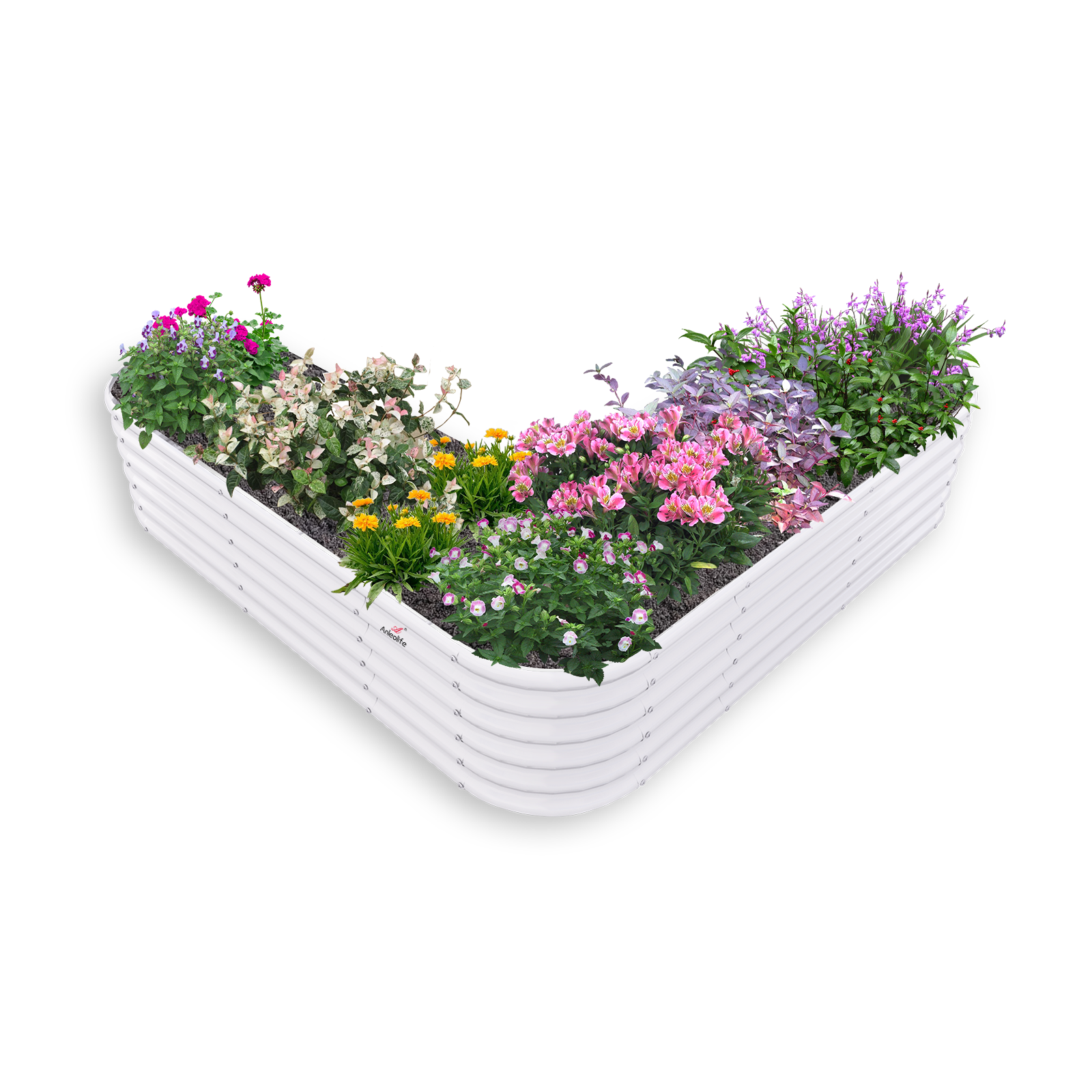
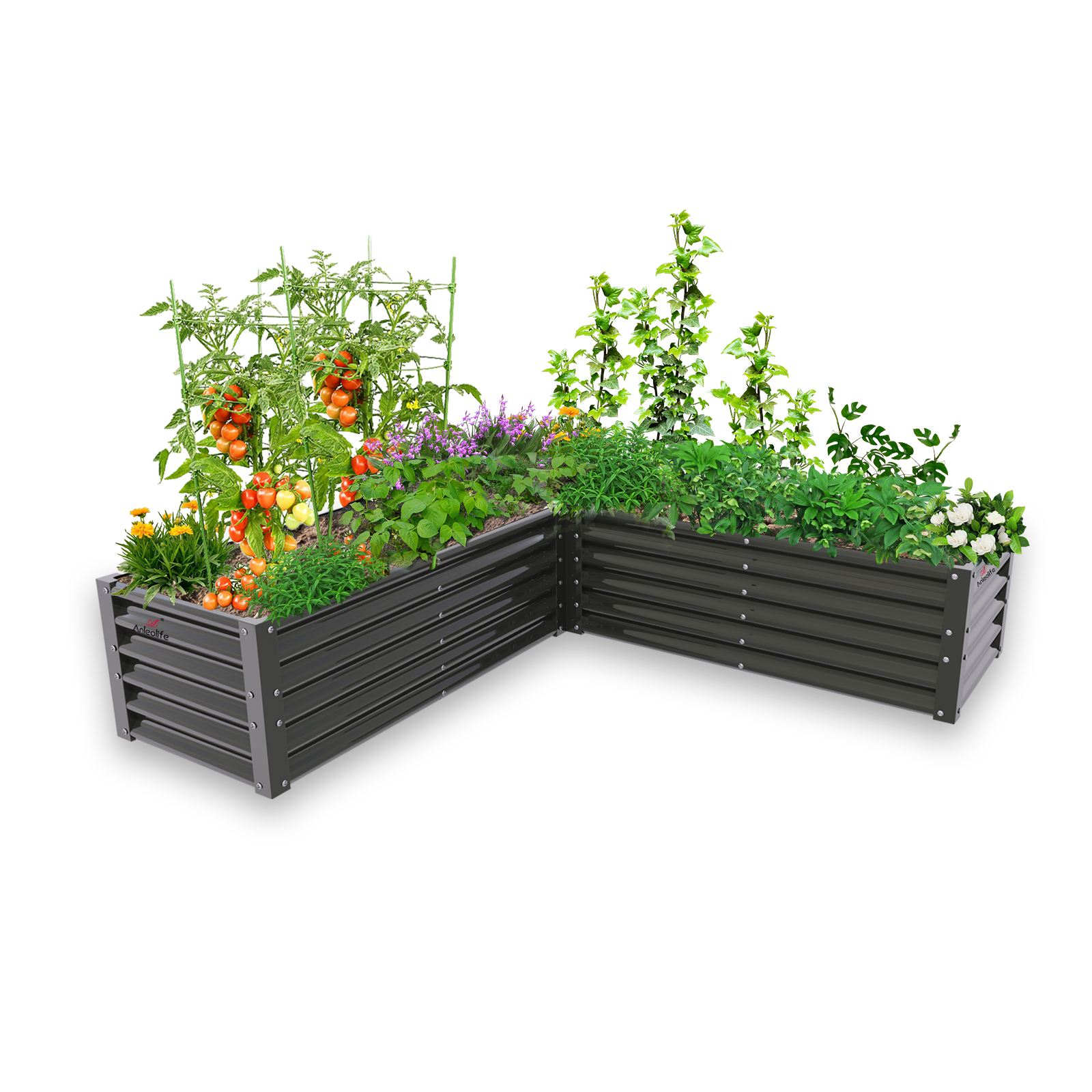
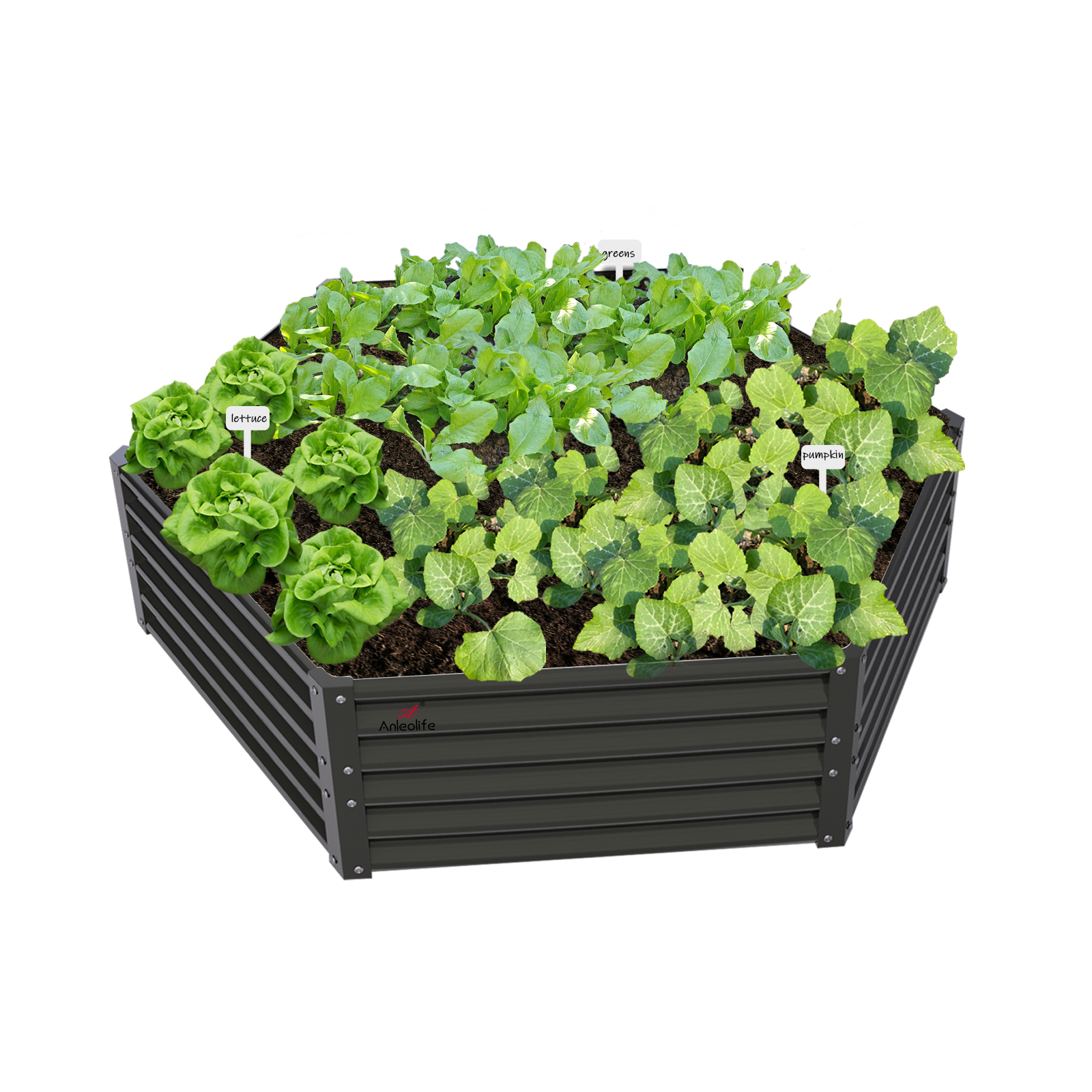
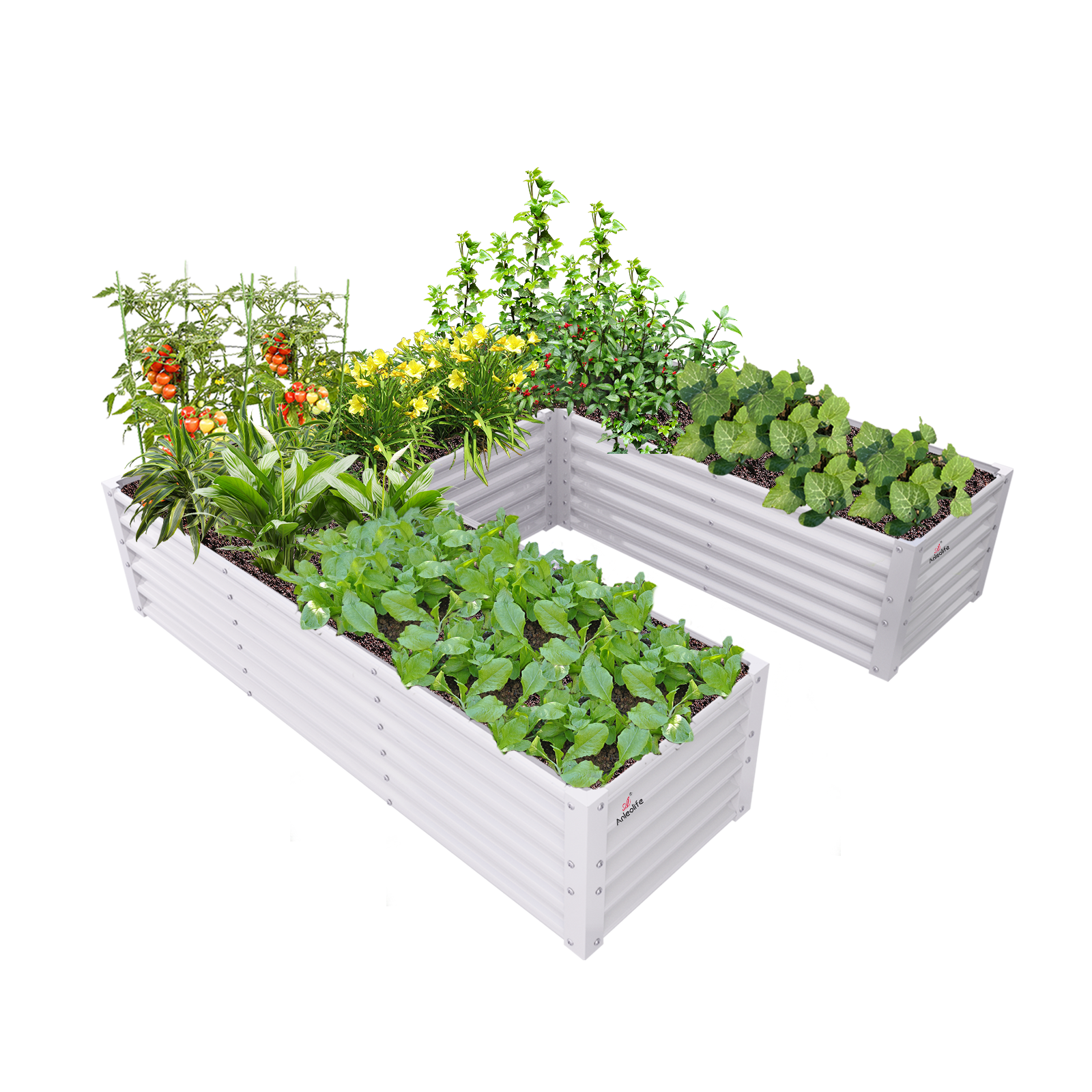

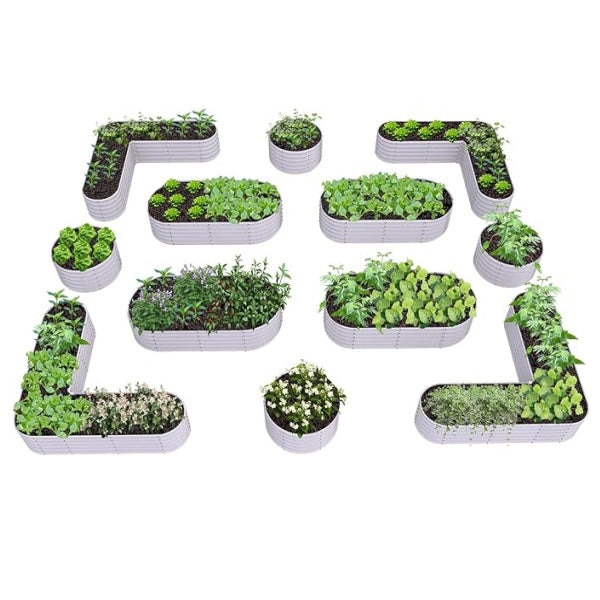


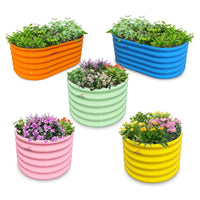
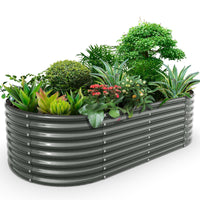



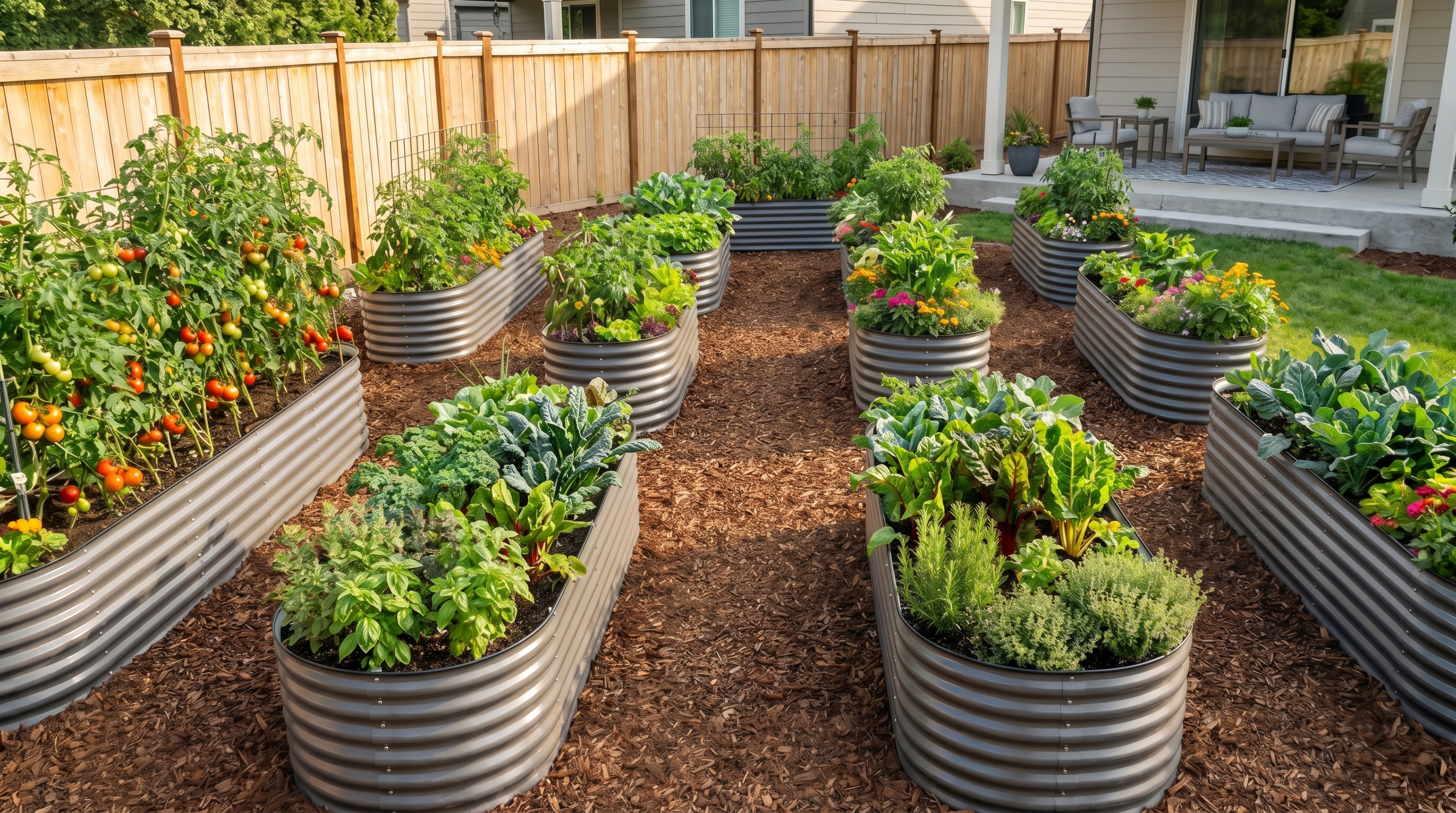
ALT: 2026 modular raised garden bed buyer's checklist showing galvanized steel beds with vegetables in a home garden
The Smart Gardener's Guide to Modular Raised Beds in 2026
Key Conclusion: Choosing the right modular raised garden bed in 2026 means thinking beyond just size — it means evaluating material durability, system flexibility, raised bed companion planting garden layout compatibility, and long-term cost efficiency. Whether you're designing a raised bed planting layout for a compact urban patio or a sprawling suburban backyard, modular systems offer unmatched adaptability. Even aesthetic touches like kinetic wind spinners can complement a well-planned modular bed setup, creating a garden that's both productive and visually stunning.
Home gardening has surged in popularity over the past few years, and the modular raised garden bed has emerged as one of the most practical and versatile solutions available. Unlike traditional static beds, modular designs allow you to start small, then expand your growing space season by season — a feature that resonates deeply with new gardeners and experienced growers alike.
As we head into 2026, the market is flooded with options: different heights, materials, configurations, and price points. Making the wrong choice can mean replacing your entire setup within a few years, wasting money and effort. This buyer's checklist breaks down everything you need to evaluate before you buy, so you invest wisely and grow confidently.
Who This Guide Is For — and When Modular Beds Make Sense
✅ Applicable Scenarios:
- New home gardeners who want to start with one or two beds and scale up over time without replacing their existing setup
- Urban micro-gardeners working with patios, rooftops, or limited backyard space who need flexible sizing and reconfigurability
- Empty nesters and retirees looking for a lower-maintenance, ergonomically friendly growing system that can be adjusted as physical needs change
- Health-focused families wanting reliable, soil-controlled environments to grow organic vegetables and herbs year-round
❌ Not Applicable/Cautions:
- Gardeners with permanent, large-scale in-ground systems who don't need reconfigurability or soil isolation
- Buyers seeking a purely decorative feature without any intent to grow — standard planter boxes may be more cost-effective
- Those with strict HOA regulations that limit structure height or material type — always check local guidelines before purchasing
Why Modular Raised Garden Beds Are Dominating the 2026 Market
The home gardening market has seen significant structural shifts. According to the USDA Agricultural Marketing Service, consumer interest in home food production has remained consistently elevated since the early 2020s, driven by supply chain awareness, rising grocery costs, and a growing desire for healthier, chemical-free produce.
What's changed in 2026 is the level of sophistication that everyday gardeners now demand. Buyers are no longer satisfied with basic wooden frames that rot within a few seasons. They want systems that last — and they want systems that grow with them.
Modular raised garden beds answer this call directly. The defining characteristic of a modular system is that individual panels or sections can be added, removed, or rearranged, allowing you to customize the footprint, height, and configuration of your growing space without starting over from scratch.
Here's why this matters:
Material longevity is now non-negotiable. Gardeners have learned hard lessons from wood rot, plastic brittleness, and untreated metal corrosion. The recommended materials for raised garden beds that won't rot in 2026 are galvanized steel and rust-resistant metal alloys — materials that can realistically last decades, not just a season or two. Anleolife's modular beds, for example, are engineered for a 20-year lifespan, making them a genuinely long-term investment rather than a recurring expense.
Soil control is a major driver. In modular raised beds, you fill with exactly the growing medium you choose — eliminating concerns about contaminated ground soil, poor drainage, or clay-heavy terrain. This is especially important for health-conscious families growing edibles and for urban gardeners whose ground conditions may be unknown.
Climate adaptability is increasingly important. With variable weather patterns across North America, gardeners in different regions face unique challenges. Raised bed sizing recommendations for different climates vary considerably: deeper beds in cold northern climates help insulate root zones, while wider, shallower configurations in warm southern states promote airflow and prevent heat stress. A modular system lets you adapt your setup to your environment rather than accepting a one-size-fits-all compromise.
The rise of the modular format also aligns with shifting lifestyle patterns. Empty nesters are downsizing yards but upgrading their gardening quality. Young families are prioritizing weekend outdoor activities that offer both productivity and enjoyment. Retirees are seeking raised designs that reduce bending and kneeling. All of these use cases point toward the same solution: a flexible, durable, height-adjustable modular system.
Your Complete Modular Raised Garden Bed Buyer's Checklist
Three-Step Quick Start for First-Time Buyers
Step 1: Assess Your Space and Growing Goals
Before purchasing anything, spend 20–30 minutes walking your intended gardening area at different times of day. Note sunlight duration, drainage patterns, and any obstacles. Determine whether you're primarily growing vegetables, herbs, flowers, or a combination. This assessment directly informs the size, quantity, and height of beds you'll need — and whether a compact 18" tall configuration or a taller 30"+ waist-high design better suits your physical comfort and planting goals.
Step 2: Map Your Raised Bed Planting Layout
Using graph paper or a free online garden planner, sketch a rough raised bed planting layout for your available space. Consider pathway widths between beds (at least 18–24 inches for comfortable movement), water source proximity, and how beds might expand in future seasons. Factor in your raised bed companion planting garden layout at this stage — grouping compatible plants like tomatoes with basil, or squash with beans and corn — as this influences the size and shape of each individual bed module.
Step 3: Match Products to Your Checklist Criteria
With your layout and goals defined, evaluate products against the checklist criteria detailed in the sections below. Prioritize material quality, modular compatibility, height options, and supplier reliability. Narrow your selection to two or three options, then compare warranties, delivery timelines, and customer support before committing.
Solution Comparison: Modular Raised Bed Materials in 2026
Choosing the right material is the single most impactful decision you'll make. Here's a structured comparison of the three most common options on the market today.
| Comparison Dimension | Galvanized Steel | Rust-Resistant Metal Alloy | Untreated Wood |
|---|---|---|---|
| Lifespan | Up to 20 years | Up to 20 years | 3–7 years (varies) |
| Rot/Rust Resistance | Excellent | Excellent | Poor without treatment |
| Modularity | High — panel-based | High — panel-based | Moderate |
| Weight & Stability | Heavy, very stable | Moderate weight | Light to moderate |
| Soil Retention | Excellent | Excellent | Good initially |
| Aesthetic Options | Industrial/modern look | Various finish options | Natural/rustic look |
| Maintenance Required | Minimal | Minimal | Annual treatment needed |
| Best Climate Fit | All climates | All climates | Drier climates preferred |
| Long-term Value | High | High | Lower |
The data is clear: for gardeners prioritizing longevity and low maintenance, metal-based modular systems consistently outperform wood. Anleolife offers both Galvanized Steel Raised Garden Beds and Rust-Resistant Raised Garden Beds in an extensive range of configurations — from compact 18" tall options to waist-high 35" designs — ensuring every gardener finds a match.
Detailed Checklist: What to Evaluate Before You Buy
Material Quality and Rust Protection
The number one regret reported by gardeners who chose cheaper beds is material failure. Galvanized steel uses a zinc coating to protect against corrosion, making it one of the most reliable choices for outdoor use in all weather conditions. Rust-resistant alloy beds offer similar protection with slightly different aesthetic profiles.
When evaluating any modular bed, ask specifically: What is the coating process? Is the treatment applied after cutting and shaping (which leaves raw edges vulnerable) or is the steel pre-coated? Beds where raw metal edges are exposed at corners and panel connections are significantly more vulnerable to rust over time, even in products marketed as "rust-resistant."
Anleolife's metal raised beds are designed with this concern in mind, contributing to their industry-leading 20-year lifespan — a specification you should use as a benchmark when comparing any competitor product.
Height Selection: Ergonomics, Drainage, and Pest Prevention
Height is one of the most nuanced decisions in the buying process, and the best height for a raised garden bed to prevent pests depends on which pests are most prevalent in your region.
- 18" tall beds are the most common starting height — sufficient for most vegetables, offers moderate ground barrier from soil-borne pests, and works well for younger or more active gardeners
- 24" extra tall beds provide an excellent balance between pest deterrence, root depth for deeper-rooting crops, and reduced bending strain — a popular choice for families and casual gardeners
- 30" extra tall beds significantly reduce crouching and kneeling, making them ideal for older gardeners, those with back problems, or anyone with limited mobility
- 35" waist-high beds are essentially standing-height garden workstations — perfect for retirees, gardeners with disabilities, or anyone prioritizing ergonomic comfort above all else
Regarding pest prevention specifically: beds elevated 18" or higher create a meaningful barrier against common ground pests like slugs and ground beetles. For burrowing pests like gophers and moles, adding a hardware cloth liner at the base of any height bed is the definitive solution regardless of how tall the structure is.
Anleolife's Modular Raised Garden Bed line spans heights from 18" through 30" extra tall, available in configurations ranging from compact 6x2 ft up to spacious 8x4 ft and 12x3 ft footprints — giving you genuine flexibility to match both your space and your ergonomic needs.
Sizing and Configuration for Your Climate
Raised bed sizing recommendations for different climates deserve serious attention. This is an area where many buyers default to "bigger is better" without considering the nuances:
Hot, dry climates (Southwest, Southeast): Wider, shallower configurations in well-ventilated arrangements help prevent overheating of roots. Avoid excessively deep beds that retain heat without adequate water retention management.
Cold, northern climates (Midwest, Northeast, Pacific Northwest): Deeper beds (24"–30"+) insulate roots from hard freezes and allow earlier spring planting. Consider beds that can accommodate row covers or cold frames.
Humid, rainy climates: Drainage is critical. Modular beds allow you to position drainage holes strategically. One frequently asked question is how often should I drain raised beds in rainy season — the answer depends on your soil mix, but a well-draining mix (typically a blend of topsoil, compost, and coarse material) in a properly sized bed should not require manual draining if there are adequate base drainage gaps. In very heavy rainfall regions, a slightly raised base or adding gravel at the bottom can prevent waterlogging without any active drainage management.
Moderate, four-season climates (Mid-Atlantic, Midwest transition zones): The 8x4 ft footprint at 18"–24" height is widely considered the all-around optimal configuration for growing variety, reach accessibility, and seasonal management.
Mulch Integration and Soil Management
Alongside choosing the right bed, understanding the best mulch for a vegetable garden significantly impacts your growing success. In raised modular beds, mulch serves several functions: retaining moisture (critical in summer heat), regulating soil temperature, suppressing weeds, and gradually improving soil quality as it breaks down.
For vegetable gardens in raised beds, the most recommended mulching materials are:
- Straw: Lightweight, excellent moisture retention, breaks down slowly without competing with plants for nitrogen
- Wood chip mulch (aged): Excellent long-term soil improvement, best applied between beds as a pathway material rather than directly on growing beds unless well-aged
- Shredded leaf mulch: High in nutrients, excellent for soil biology, particularly effective in modular beds with rich planting schedules
- Compost as mulch: Dual-purpose — feeds soil while protecting surface moisture. Best used in thin layers during the growing season
Avoid fresh wood chips directly on vegetable beds, as they can temporarily tie up nitrogen during decomposition. A 2–3 inch mulch layer on top of your growing medium strikes the right balance between moisture retention and soil access.
Raised Bed Companion Planting Garden Layout Compatibility
One of the most underappreciated advantages of modular beds is how naturally they support systematic raised bed companion planting garden layout planning. Because each module is a defined, independent growing zone, you can assign specific companion plant guilds to individual beds and rotate them seasonally with precision.
Popular companion planting combinations that work exceptionally well in modular bed systems include:
- Tomatoes + Basil + Marigolds — classic pest deterrence and flavor enhancement combination
- The Three Sisters (Corn + Beans + Squash) — particularly effective in larger 8x4 or 12x3 footprint beds
- Carrots + Onions — mutual pest deterrence, works well in medium-depth configurations
- Brassicas + Dill + Nasturtiums — attracts beneficial insects while deterring cabbage moths
The structured, defined nature of modular raised beds makes these companion planting arrangements easy to plan, execute, and document for seasonal rotation.
Structural Integrity and Panel Connection Quality
Modular systems are only as strong as their connection points. When evaluating any modular raised garden bed:
- Check that corner brackets or panel connectors are made from the same corrosion-resistant material as the panels themselves — mixing materials creates weak points
- Verify that the panel connection method can withstand soil pressure without bowing outward, particularly for longer bed configurations
- Ensure the system allows for ground-level staking or anchoring, especially in areas prone to wind or in loose soil conditions
Anleolife's Heavy Duty Raised Garden Beds are specifically engineered for structural stability under heavy soil loads, available in both 18" standard and extra tall configurations up to 30", making them appropriate for deep-fill applications with heavy growing media.
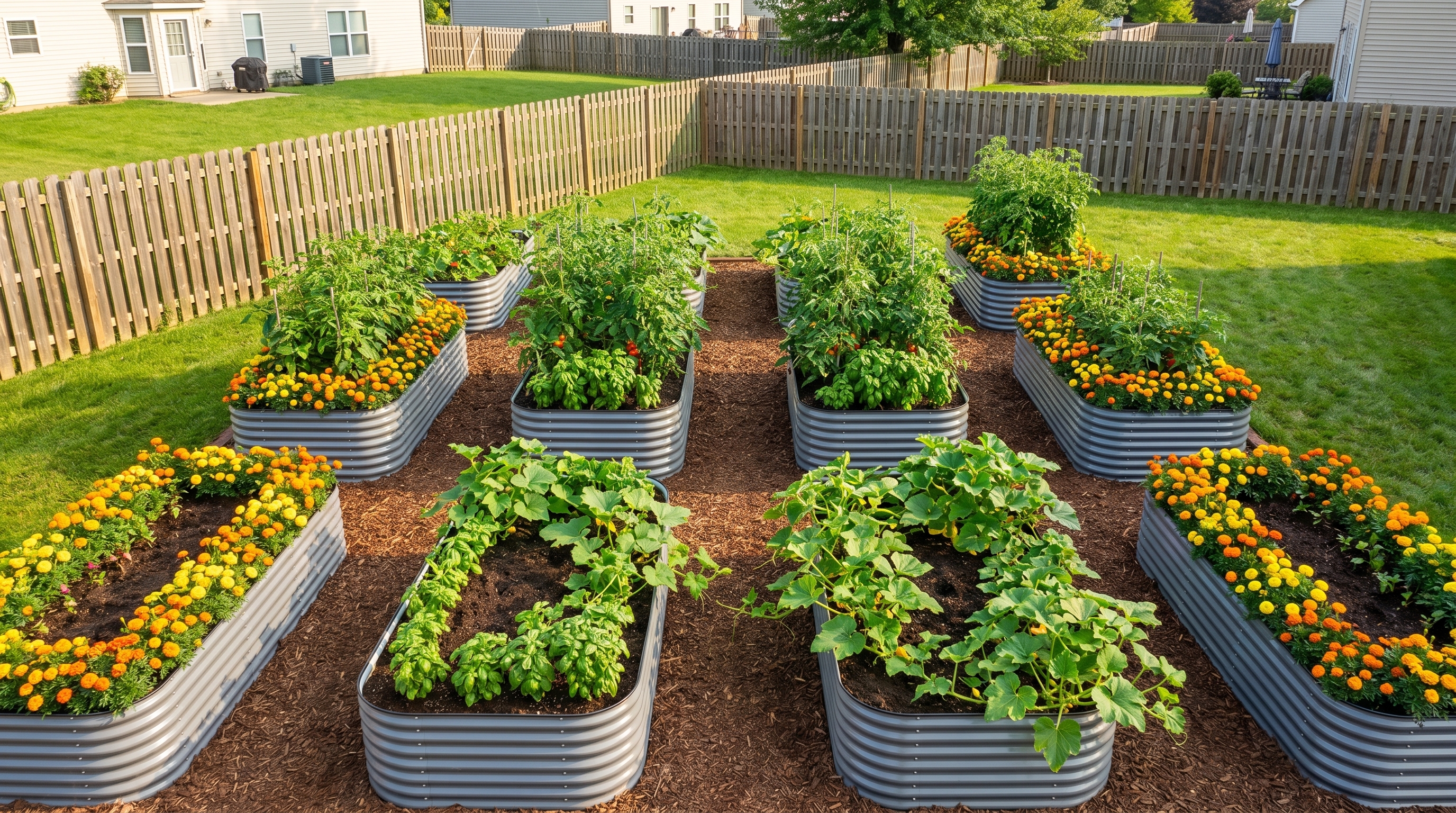
ALT: Modular galvanized steel raised garden beds showing a companion planting garden layout with tomatoes, basil, and squash in a residential backyard
Advanced Considerations: Beyond the Basics
Scaling Your System Over Time
One of the primary promises of a modular system is expansion capability. But not all modular systems deliver on this promise equally. Before buying, confirm that the brand's product line includes consistent panel dimensions across their product range — this ensures beds purchased this season can be extended, connected, or reconfigured with beds purchased two years from now.
Anleolife's modular product line is designed with this long-term compatibility in mind, so your initial investment serves as the foundation for a progressively expanding garden ecosystem rather than an isolated purchase.
Common Misconceptions About Modular Beds
Misconception 1: "Modular beds are only for small gardens."
Not true. Modular configurations can span large spaces effectively. A well-planned layout using multiple 12x3 ft or 8x4 ft modules can cover substantial growing area while maintaining the organizational advantages of individual bed sections.
Misconception 2: "Metal beds overheat soil in summer."
While it's true that metal conducts heat, the practical impact on soil temperature at root depth is minimal in properly filled beds. Mulching the soil surface and maintaining consistent moisture effectively neutralizes any heat transfer concern. Thousands of gardeners in the hottest U.S. climates use metal raised beds with excellent results season after season.
Misconception 3: "Cheaper beds just need more frequent replacement — it evens out."
The math rarely works out this way. When you factor in the cost of replacement soil, replacement hardware, labor time, and the disruption to established root systems and soil biology, replacing a bed every 3–5 years is significantly more expensive over a decade than purchasing a quality bed rated for 20 years.
Integration with the Broader Garden Ecosystem
The best garden setups in 2026 think beyond individual beds. Consider how your modular raised bed system integrates with irrigation lines, pathway systems, decorative accessories like kinetic wind spinners, and practical additions like chicken coops or rabbit hutches nearby. A well-integrated outdoor living space transforms a collection of individual products into a cohesive, functional garden environment.
Frequently Asked Questions FAQ
Q1: How do I choose the right height for a modular raised garden bed to prevent pests?
The ideal height for pest prevention depends on your specific pest concerns. For surface pests like slugs and beetles, a bed elevated 18" or higher creates a meaningful deterrent. For burrowing pests such as gophers or voles, height alone is insufficient — adding a hardware cloth liner at the base of any bed, regardless of height, is the most effective solution. For gardeners with back concerns, heights of 24"–30" also reduce bending, making maintenance more sustainable long-term.
Q2: Are galvanized steel raised garden beds safe for growing vegetables?
Yes — galvanized steel raised garden beds are widely used and considered safe for vegetable growing by the gardening community and supported by extension service guidance. The zinc coating used in galvanization is a naturally occurring element found in soil, and at the trace levels that might migrate into soil over time, it poses no established food safety concern. Many health-conscious gardeners specifically choose galvanized steel over treated wood, which can contain chemical preservatives that are more concerning for edible gardens.
Q3: How long does delivery typically take, and what platforms can I order Anleolife beds from?
Anleolife operates a strategic warehouse network across California, Texas, Florida, New York, Illinois, and Washington, enabling delivery within 3–8 business days across the contiguous United States. Products are available through multiple convenient channels: Anleolife.com, Amazon, Walmart, Home Depot, Lowe's, and Wayfair — all offering consistent product quality and after-sales support, so you can shop through whichever platform you prefer most.
Summary
Choosing a modular raised garden bed in 2026 is a genuinely meaningful investment — in your health, your home, your garden productivity, and your quality of life. After working through this checklist, three core principles should guide your final decision:
1. Prioritize material durability above price. A bed rated for 20 years of reliable performance eliminates the hidden cost of repeated replacement and the frustration of rebuilding an established growing environment. Metal — whether galvanized steel or rust-resistant alloy — consistently outperforms wood in longevity and maintenance requirements.
2. Choose height and sizing for your real-world conditions. Your climate, your physical comfort, your pest landscape, and your planting goals all influence the right configuration. There is no universally correct answer — but there is a right answer for your specific situation, and this checklist gives you the framework to find it.
3. Think in systems, not single purchases. The value of a modular system compounds over time as you expand, refine your raised bed planting layout, and integrate complementary elements. Buy from a brand with a coherent, compatible product ecosystem so every future addition builds on what you already have.
Your next step: measure your space, sketch your layout, and use the comparison criteria in this guide to evaluate your top two or three options side by side.
Start Your Garden Upgrade with Anleolife
Anleolife's nationwide U.S. warehouse network — strategically located in California, Texas, Florida, New York, Illinois, and Washington — ensures delivery within 3–8 business days, so your garden upgrade plans never have to wait. Whether you shop through Anleolife.com, Amazon, Walmart, Home Depot, Lowe's, or Wayfair, you'll receive the same consistent quality and dedicated after-sales support.
Anleolife's three core scenarios cover everything a complete garden needs: Planting (metal raised garden beds, soil systems), Raising (chicken coops, rabbit hutches), and Beautification (decorative accessories, pathway systems) — meeting every need from pure functionality to everyday aesthetics.
We understand that an ideal garden isn't built overnight — it's shaped gradually, season by season. Our modular product design allows flexible expansion based on your needs, from your first 8x4 ft garden bed to a fully integrated planting-and-raising ecosystem. We grow with you, every step of the way.
References
- USDA Agricultural Marketing Service. "Local Food Systems and Home Food Production Resources".
https://www.ams.usda.gov/ - University of California Cooperative Extension. "Raised Bed Gardening".
https://ucanr.edu/ - Penn State Extension. "Building and Managing Raised Bed Gardens".
https://extension.psu.edu/ - Oregon State University Extension Service. "Mulching Garden Soils".
https://extension.oregonstate.edu/ - National Gardening Association. "Companion Planting Guide".
https://garden.org/
Note: Standards and research may be updated periodically. Please check the latest official documents or consult professional advisors for the most current guidance.
About Anleolife
Anleolife is a leading outdoor garden solutions provider in North America, dedicated to offering a full-scenario product ecosystem for home gardening enthusiasts, covering planting, raising, and garden beautification. Since its founding, we have upheld our brand mission, "Made for Garden Life," continuously innovating products and optimizing services to help hundreds of thousands of users upgrade their gardens, reconnect with nature, and enjoy a better garden lifestyle.