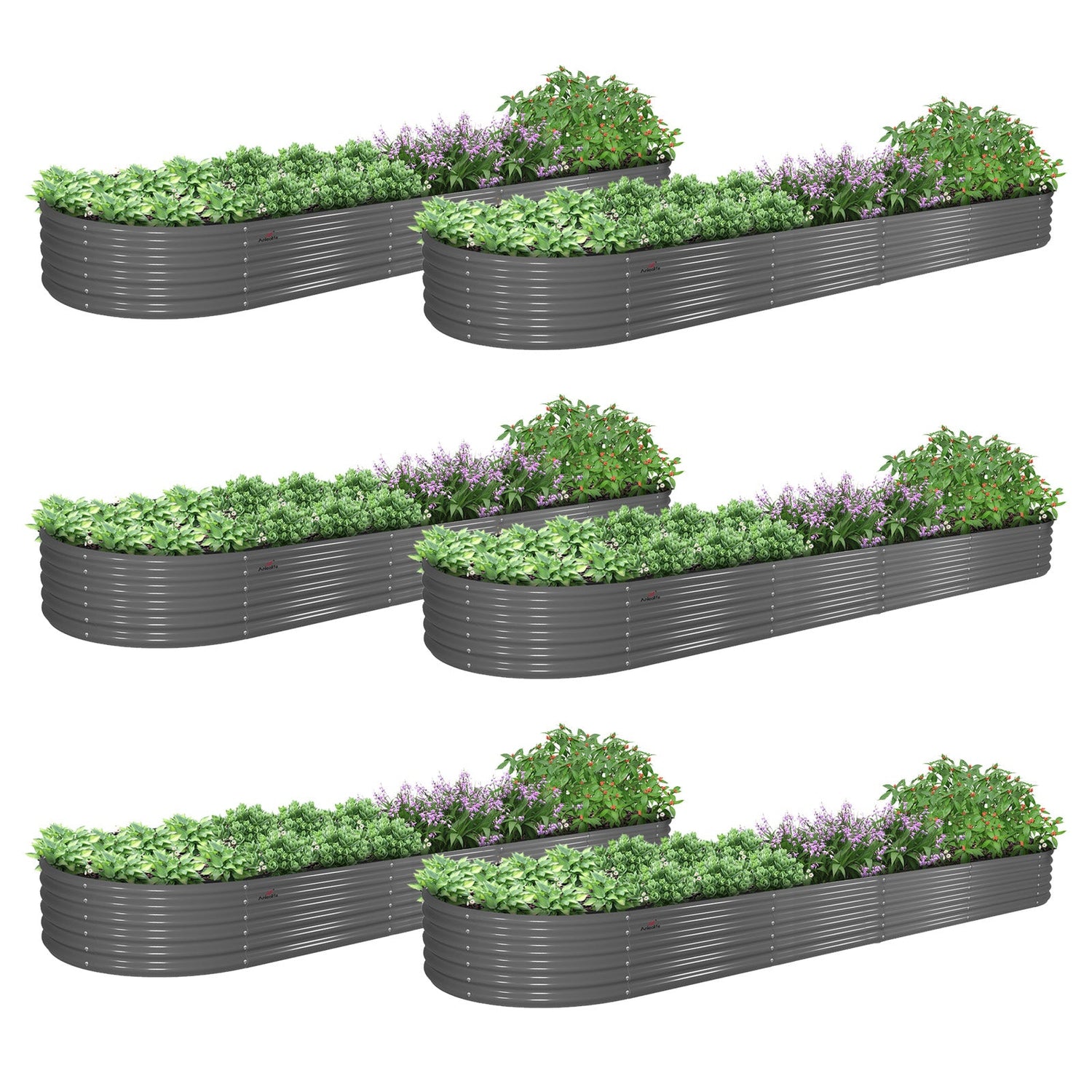



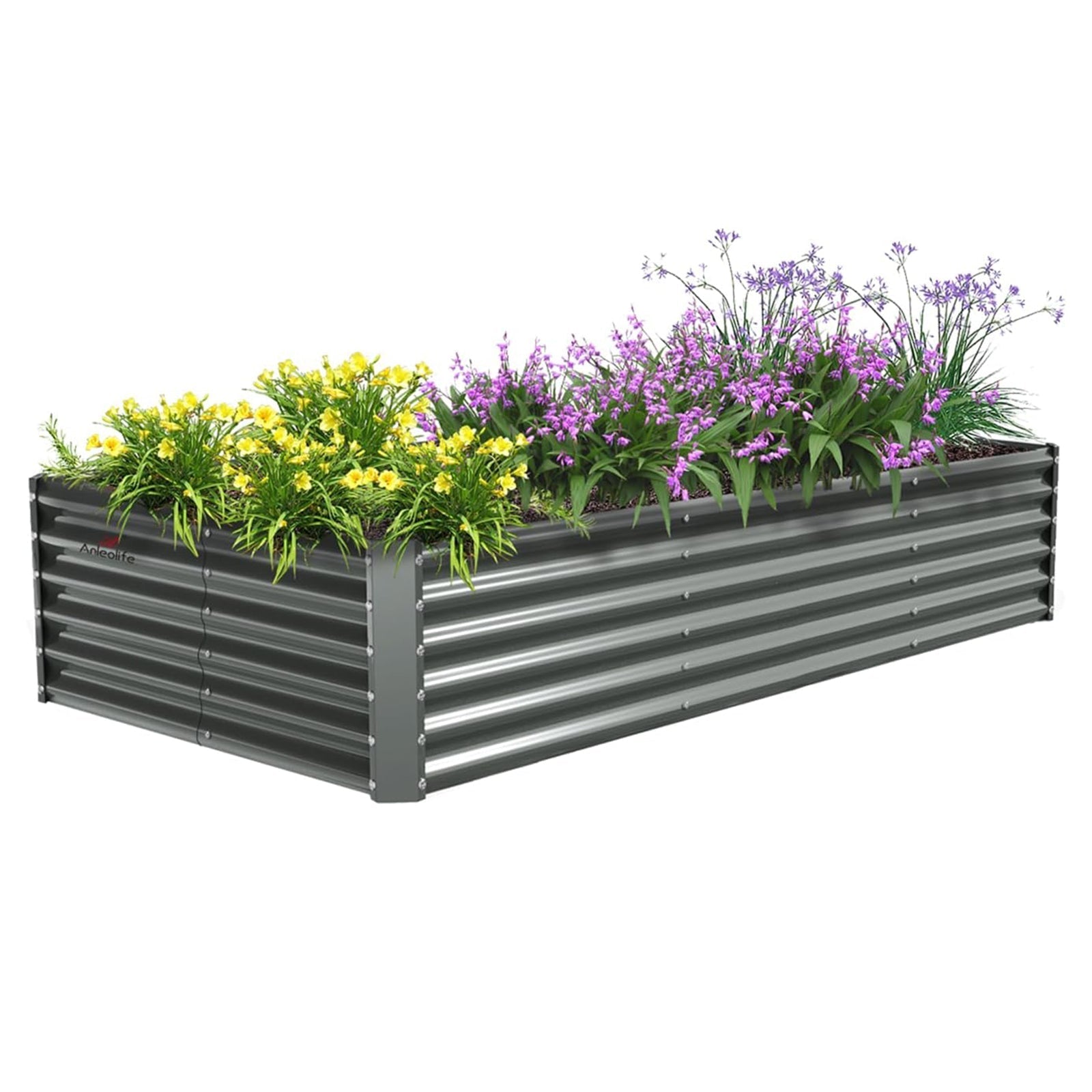

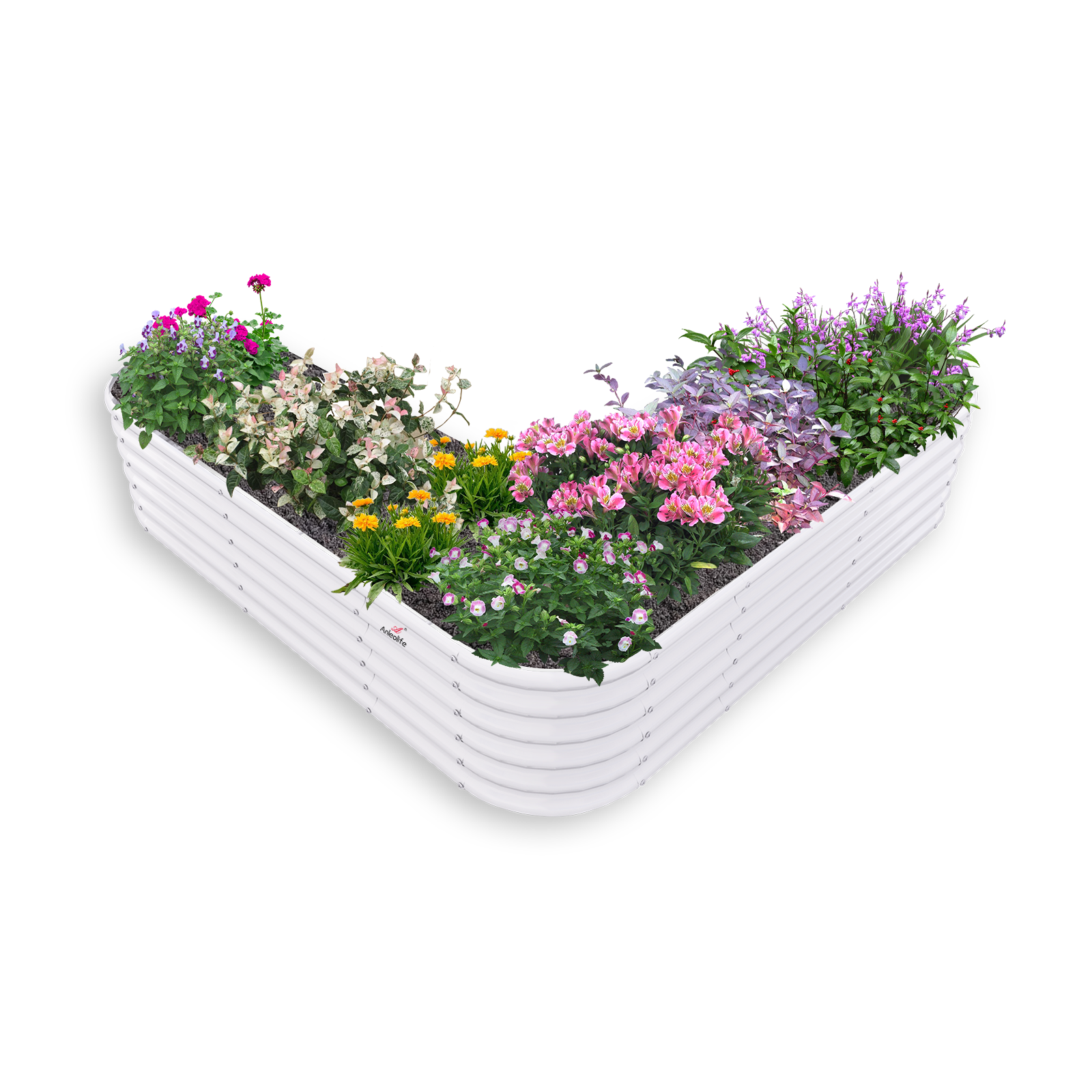
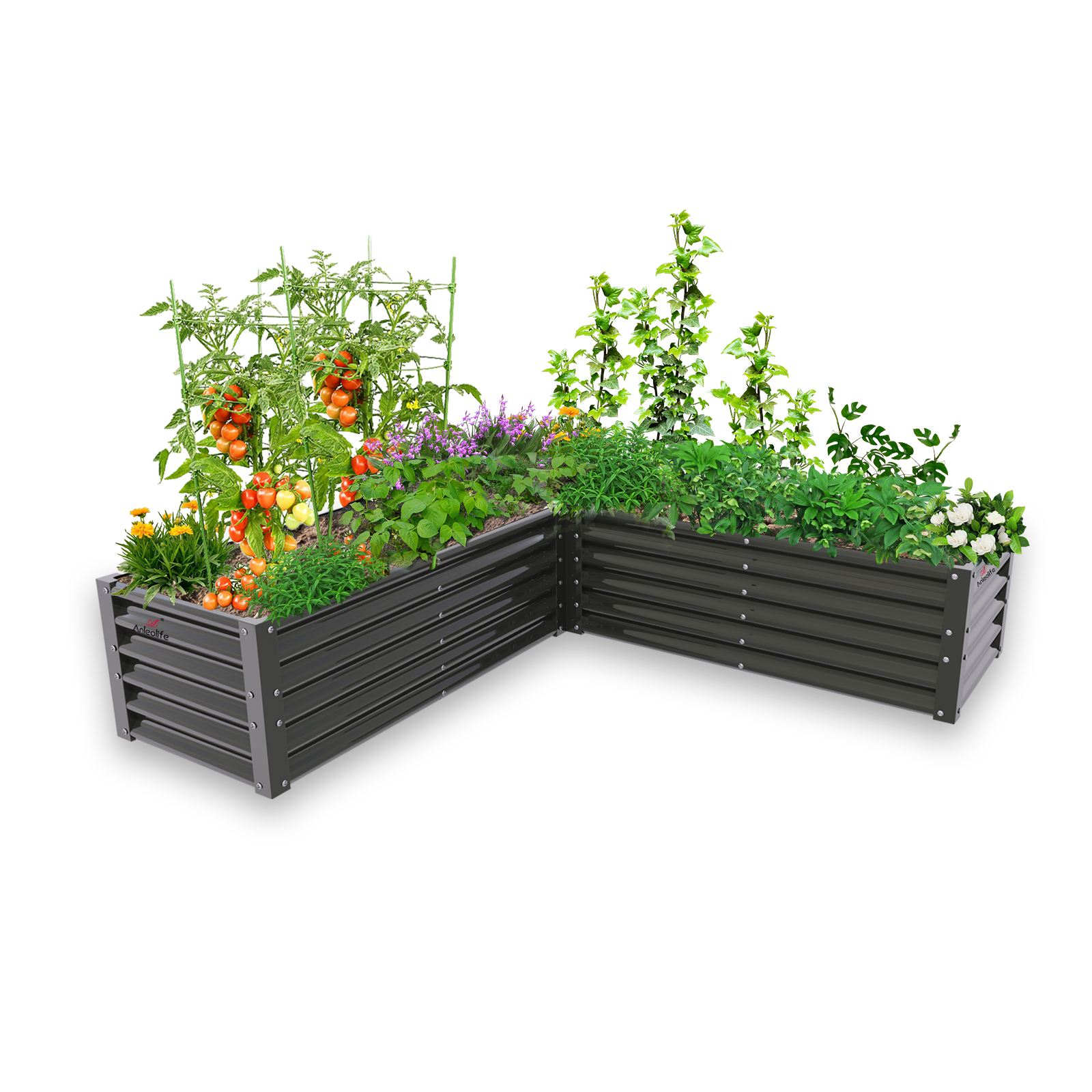
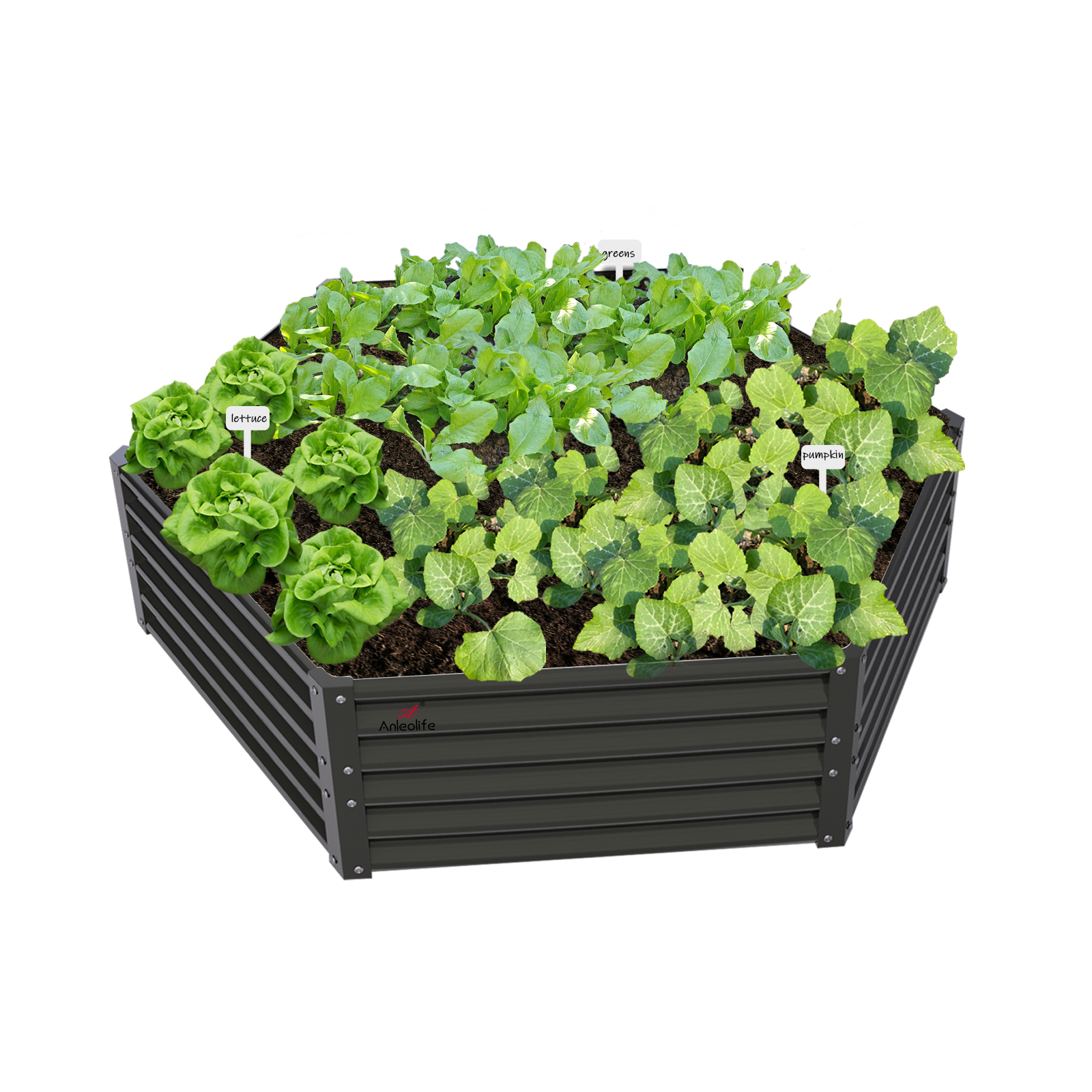
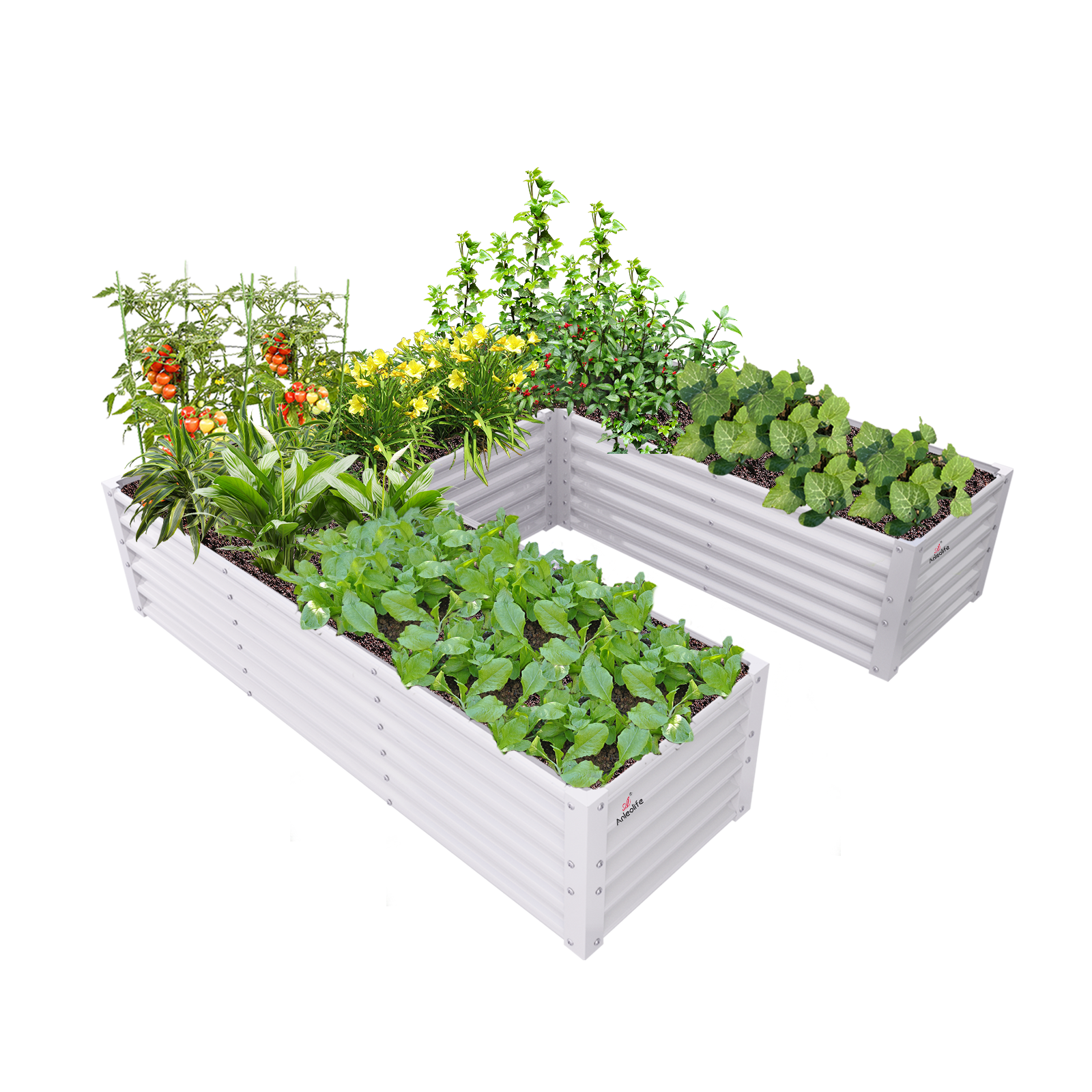

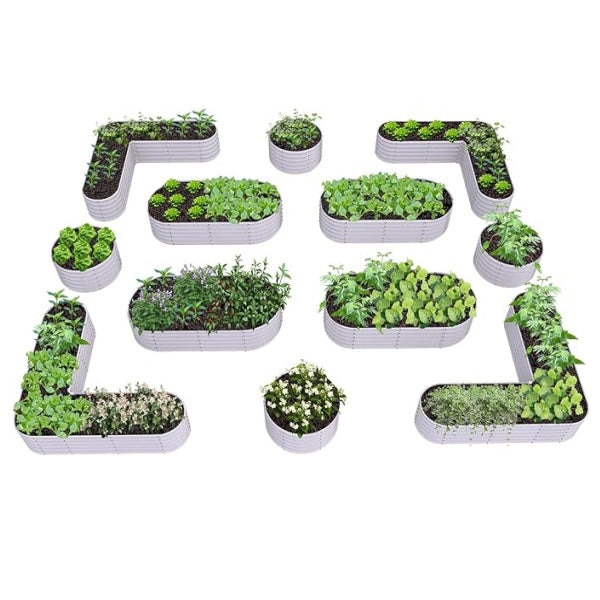


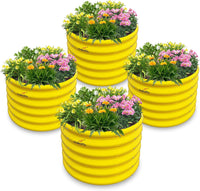
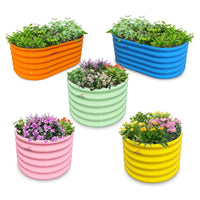
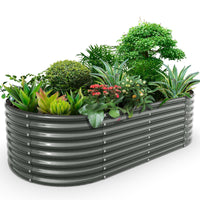




ALT: A 600 sq.ft. raised bed garden layout with metal raised beds, mulched pathways, and thriving vegetable plantings
What Does It Really Cost to Build a 600 sq.ft. Raised Bed Garden From Scratch?
Key Conclusion: Building a 600 sq.ft. raised bed garden from scratch involves far more than lumber and soil. When you factor in bed framing, fill mix, irrigation, pathways, and optional accessories, total costs typically range from $1,200 to $6,000+, depending on materials and layout strategy. A well-planned raised bed garden layout turns that investment into decades of harvests. Whether you're mapping out a raised bed planting layout for the first time or scaling up an existing space, understanding every cost category upfront—your raised bed layout choices included—prevents budget surprises and helps you prioritize wisely.
Planning a 600 sq.ft. productive garden is one of the most rewarding home improvement projects a family can undertake. But it's also one of the most underestimated in terms of total cost. Most online guides quote only the price of beds or soil, leaving out irrigation, mulch, pest protection, tools, and ongoing expenses.
This article walks through every real cost category with realistic price ranges, smart ways to save money without sacrificing quality, and a practical framework for phasing your investment if you don't want to spend everything upfront.
Who Should Read This Guide?
✅ Applicable Scenarios:
- Homeowners planning a first-time raised bed vegetable garden of 400–800 sq.ft.
- Empty nesters or retirees converting lawn space into productive, low-maintenance garden beds
- Eco-conscious families who want to grow organic food at home and need a clear budget framework
- Urban or suburban micro-gardeners looking to maximize output in a defined footprint
❌ Not Applicable/Cautions:
- Renters or apartment dwellers without dedicated outdoor ground space (container or balcony gardening guides would be more relevant)
- Large-scale market gardeners or homesteaders needing commercial-scale infrastructure—costs and materials differ significantly at that scale
Why 600 sq.ft.? Understanding the Ideal Scale for a Home Food Garden
Six hundred square feet is a sweet spot that many experienced home gardeners land on after a few seasons of trial and error. It's large enough to grow a meaningful variety of vegetables, herbs, and flowers—potentially supplying 30–50% of a family's fresh produce needs during the growing season—but compact enough to remain manageable for one or two people without specialized equipment.
The USDA estimates that the average American household spends over $5,000 per year on groceries, with fresh produce representing a substantial share. A well-managed 600 sq.ft. raised bed system can offset a meaningful portion of that, especially when growing high-value crops like tomatoes, salad greens, herbs, and peppers.
From a layout perspective, 600 sq.ft. allows for multiple configurations. A common raised bed garden layout for this footprint uses eight 4×8-foot beds (256 sq.ft. of growing surface) with the remaining space dedicated to pathways, a compost area, and possibly a small tool storage zone. Other growers prefer six 4×10-foot beds or even a mix of sizes to accommodate different plant families. The raised bed planting layout you choose—square, linear, U-shaped, or clustered—will directly influence how much framing material, pathway mulch, and irrigation infrastructure you need.
One critical factor often overlooked at the planning stage: bed height. Standard 6-inch beds work for shallow-rooted crops, but 18-inch or 24-inch beds open up the full range of vegetables, reduce bending strain (especially important for retirees), and tend to drain and warm up faster in spring. Height choices affect both material costs and long-term usability.
For a comprehensive look at how to structure your space before spending a dollar, reviewing a dedicated raised bed layout guide can save you from costly redesigns mid-project.
The Complete Cost Breakdown: Every Category You Need to Budget
Step 1: Determine Your Raised Bed Layout and Quantity
Time required: 1–2 hours of planning
Before purchasing anything, sketch your raised bed layout on graph paper or a free tool like Garden Planner. For 600 sq.ft. total space, decide how many beds you want, their dimensions, and the pathway widths between them. Standard 18–24-inch pathways allow comfortable access; 35-inch pathways accommodate wheelbarrows.
A common starting configuration for 600 sq.ft.:
- Eight 4×8×12-inch beds = 256 sq.ft. of growing area
- Approximately 344 sq.ft. of pathways and perimeter space
This step costs nothing but significantly shapes every other budget decision. Know your numbers before you shop.
Step 2: Price Out Bed Frames and Fill Material
Time required: 2–3 hours of research and comparison shopping
Bed frames and soil are your two largest expenses. Get quotes for at least two material types (wood vs. metal) before committing. Factor in delivery costs, especially for bulk soil orders. Calculate your total cubic footage of fill needed: a 4×8×1-foot bed requires 32 cubic feet; a 4×8×1.5-foot (18-inch) bed requires 48 cubic feet. Eight beds at 12 inches deep = 256 cubic feet, or roughly 9.5 cubic yards of mixed growing medium.
Step 3: Budget All Supporting Infrastructure
Time required: 1–2 hours
Don't stop at beds and soil. Walk through your property and list what you'll need for water access, pathway coverage, pest management, and tools. Each category adds real dollars, and skipping them means retrofitting later at higher cost.
Raised Bed Frame Costs: Wood vs. Metal vs. Composite
Your choice of bed material is the single biggest variable in your total project cost—and it affects not just upfront price but long-term value.
- Introductory paragraph: Each material has a different price point, lifespan, aesthetic, and maintenance profile. Here's how they compare for a set of eight 4×8-foot beds at 12-inch depth:
| Comparison Dimension | Untreated Cedar/Pine | Composite/Recycled Plastic | Galvanized Steel (e.g., Anleolife) |
|---|---|---|---|
| Upfront Cost (8 beds) | $400–$800 | $900–$1,600 | $800–$1,400 |
| Expected Lifespan | 5–10 years | 15–20 years | 20+ years |
| Maintenance Required | Annual sealing/replacement | Low | Very low |
| Soil Safety | Moderate (avoid treated wood) | Good | Excellent (food-safe coating) |
| Aesthetic Appeal | Traditional/natural | Varied | Modern/clean lines |
| Best For | Budget starters, DIYers | Low-maintenance preference | Long-term value, durability |
The case for galvanized steel beds becomes compelling when you calculate cost-per-year. A cedar bed costing $100 that lasts 7 years runs about $14/year. A galvanized steel bed costing $150 that lasts 20 years runs $7.50/year—half the annual cost, with zero rot, no splinters, and no concern about chemical leaching from treated lumber.
Cheapest way to build raised garden beds? If upfront cost is your primary constraint, untreated pine or Douglas fir is the most affordable framing option. You can build a basic 4×8×6-inch pine bed for $30–$60 in materials if you cut and assemble it yourself. However, factor in that these beds may need replacement within 5–7 years, especially in wet climates.
Soil and Fill: The Cost Most People Underestimate
For a 600 sq.ft. project with eight 4×8×12-inch beds, you need approximately 9.5 cubic yards of growing medium. Never fill raised beds with plain topsoil—it compacts, drains poorly, and lacks the nutrients your vegetables need.
A standard raised bed mix formula (often called "Mel's Mix" after the Square Foot Gardening method) combines:
- 1/3 compost
- 1/3 peat moss or coconut coir
- 1/3 coarse vermiculite or perlite
Estimated soil costs for 9.5 cubic yards:
- Budget blend (bagged topsoil + compost): $300–$500
- Mid-range custom blend from a landscape supplier: $500–$900
- Premium no-till organic mix: $900–$1,400
Many homeowners save significantly by purchasing bulk compost from municipal composting programs, which often sell by the cubic yard at $20–$40/yard. Check your city or county waste management website for availability.
Pathway and Mulch Costs
The space between your beds needs covering to suppress weeds, retain moisture, and provide clean footing. For approximately 344 sq.ft. of pathway space, your main options are:
What's the best mulch for a vegetable garden? For pathways specifically, wood chip mulch is the most cost-effective and environmentally friendly option. It suppresses weeds, decomposes slowly, and can be obtained free from local tree services through programs like ChipDrop. For the growing beds themselves, straw mulch is excellent—it insulates roots, retains moisture, and breaks down to add organic matter.
- Wood chip pathways (free via ChipDrop or $30–$60/cubic yard delivered): $0–$200 for 344 sq.ft.
- Gravel pathways (pea gravel or crushed rock): $200–$600 for 344 sq.ft. including landscape fabric
- Stepping stone pathways: $150–$400 depending on stone type and quantity
For most home gardeners, wood chips over landscape fabric is the best proportions of function to cost in pathway design.
Irrigation Infrastructure
Hand watering 600 sq.ft. is feasible but time-consuming. A drip irrigation system pays for itself quickly in water savings and plant health.
- Basic soaker hose system (8 beds): $80–$150
- Drip irrigation with timer and manifold: $200–$500
- Full automated system with smart controller: $500–$1,000+
Most home gardeners building from scratch find a mid-range drip system with a simple timer ($250–$400) to be the best value. It cuts watering time to near zero and reduces fungal disease by keeping foliage dry.
Pest Management Costs
Two of the most common questions from new raised bed gardeners: how to handle insect pests, and specifically how to deal with slugs and snails.
Best organic insecticide for garden pests: For caterpillars, aphids, and other soft-bodied insects, neem oil spray (about $15–$25 per bottle) is highly effective and OMRI-listed for organic use. Diatomaceous earth ($12–$20 for a 4-lb bag) works well as a physical barrier around bed perimeters. For flying pests and flea beetles, floating row covers ($30–$80 for 8 beds) double as frost protection and are worth the investment.
Best way to prevent slugs and snails in raised beds: Copper tape applied around the lower edge of metal or wood bed frames creates a low-voltage barrier that slugs and snails will not cross. A 50-foot roll costs about $12–$20 and is one of the most effective, chemical-free slug deterrents available. Iron phosphate bait (Sluggo) is another OMRI-approved option at $15–$25 per bag.
Total pest management startup budget: $80–$200 for a comprehensive organic approach.
Tools and Accessories
Don't overlook the tools required to build and maintain your garden:
- Basic hand tool set (trowel, cultivator, hand fork, transplanting dibber): $30–$80
- Garden hoe and long-handled fork: $40–$100
- Wheelbarrow or garden cart: $80–$200
- Soil blocker or seed starting supplies: $30–$100
- Plant labels and garden twine: $10–$25
- Knee pads or garden kneeler (especially valuable for retirees): $20–$50
Realistic tool investment for a first-time garden build: $200–$500
Optional Add-Ons That Improve Long-Term ROI
| Add-On | Estimated Cost | Benefit |
|---|---|---|
| Cold frames or mini hoop tunnels | $80–$250 per bed | Extends growing season 4–6 weeks on each end |
| Trellis or vertical supports | $60–$200 total | Doubles growing capacity for climbing crops |
| Compost bin | $50–$150 | Reduces ongoing soil amendment costs significantly |
| Rain barrel (50–100 gal) | $80–$200 | Reduces water costs, great for eco-conscious growers |
| Bird/deer netting | $40–$120 | Protects crops in suburban areas with wildlife pressure |
Total Cost Summary: 600 sq.ft. Raised Bed Garden
| Budget Tier | Bed Frames | Soil/Fill | Pathways | Irrigation | Pest/Tools | Total Range |
|---|---|---|---|---|---|---|
| Budget Build | $400 | $350 | $50 | $100 | $200 | $1,100–$1,400 |
| Mid-Range Build | $1,100 | $700 | $200 | $350 | $350 | $2,700–$3,200 |
| Premium Build | $1,400 | $1,200 | $500 | $700 | $500 | $4,300–$5,500 |
The best proportions for a raised bed garden shape in terms of cost efficiency: 4×8 feet at 18 inches deep remains the most popular for a reason. It maximizes growing area per dollar of framing material, fits standard lumber dimensions to minimize waste, and allows easy access from both sides without stepping into the bed.

ALT: Galvanized steel raised bed garden layout with drip irrigation, wood chip pathways, and organic vegetable plantings across a 600 sq.ft. space
Advanced Strategies: Phasing Your Build and Maximizing Long-Term Value
Phase Your Investment Over Two or Three Seasons
Many experienced gardeners recommend starting with four beds instead of eight. This cuts your initial investment roughly in half and gives you a full season to learn what works in your specific climate and soil conditions before scaling up.
Season 1: Install 4 beds, establish soil quality, set up basic irrigation, and identify your highest-yield crops for your region.
Season 2: Add 4 more beds using income from reduced grocery bills or reallocation of the budget. Install permanent pathways and upgrade irrigation.
Season 3: Add accessories—trellises, cold frames, compost system—that maximize the productivity of your established garden.
Common Misconceptions About Raised Bed Costs
Misconception 1: "You can just use any soil from the yard." Native topsoil is almost never appropriate for raised beds. It compacts under the pressure of watering and foot traffic nearby, drains poorly, and often carries weed seeds and pathogens. The fill mix investment is essential, not optional.
Misconception 2: "Wood is always cheaper than metal." When you calculate the true cost over time, quality metal beds consistently outperform wood on a cost-per-year basis. A galvanized steel bed engineered to last 20 years eliminates the replacement cycles, labor, and disposal costs that accumulate with wood beds.
Misconception 3: "Once you buy the beds, the major spending is done." As this guide demonstrates, bed frames often represent only 30–40% of total project cost. Soil, irrigation, and infrastructure deserve equal attention in the budget.
Relationship Between Layout and Ongoing Costs
Your initial raised bed garden layout decisions have compounding effects on annual operating costs. Narrower pathways save on mulch but make maintenance harder. Deeper beds require more soil upfront but grow a wider range of crops and need less frequent amendment. Investing in a quality drip system upfront reduces the annual water bill and the time cost of hand-watering across seasons.
Frequently Asked Questions FAQ
Q1: How do I calculate exactly how much soil I need for a 600 sq.ft. raised bed project?
Multiply your total bed length × width × depth to get cubic feet, then divide by 27 to convert to cubic yards. For example, eight 4×8-foot beds at 12 inches deep = 8 × (4 × 8 × 1) = 256 cubic feet ÷ 27 = approximately 9.5 cubic yards. Always add 10–15% for settling. Most landscape suppliers sell by the cubic yard; bulk orders of 5+ yards typically offer price breaks compared to bagged soil from home improvement stores.
Q2: Are metal raised garden beds safe for growing vegetables?
Yes—high-quality galvanized steel beds use a zinc-aluminum-magnesium coating that is safe for food crops. Research from institutions including the University of Minnesota Extension has found no meaningful leaching of harmful metals from properly coated galvanized beds into garden soil. Unlike CCA-treated lumber (which can leach arsenic), food-grade metal beds are considered a safe and durable option. Always verify that beds are specifically rated for food-growing use and confirm the coating specifications with the manufacturer.
Q3: How long does it take to build and plant a 600 sq.ft. raised bed garden from scratch?
From first purchase to first planting, most homeowners complete the project in 2–4 weekends spread over 3–6 weeks. Assembly of pre-made beds typically takes 30–60 minutes per bed. Soil delivery and filling is the most labor-intensive phase. With 2 adults working, filling eight beds from bulk delivery takes about 4–6 hours. Irrigation installation adds another 2–4 hours. Planning and ordering in advance shortens the timeline considerably; most quality suppliers deliver within 3–8 business days of order placement.
Summary
Building a 600 sq.ft. raised bed garden from scratch is a genuine investment—financially, in time, and in planning effort. But when approached thoughtfully, it's one that pays dividends for decades in fresh food, reduced grocery bills, and personal satisfaction.
Three key takeaways from this guide:
- Plan before you purchase. Your raised bed layout decisions cascade into every other cost category. A clear layout plan prevents expensive mid-project changes and helps you phase spending across seasons if needed.
- Think in cost-per-year, not just upfront price. Budget wood beds may look affordable today, but a galvanized steel bed engineered to last 20 years is almost always the better economic choice over a full planning horizon—especially when you calculate the soil disruption and labor costs of replacing rotted frames.
- Don't neglect the supporting infrastructure. Soil, irrigation, pathways, and pest management collectively often cost as much as the bed frames themselves. Budget for them from the start and your garden will be functional, beautiful, and productive from day one.
Your next step: sketch your raised bed planting layout on paper or in a planning app, calculate your total soil volume needs, and start with four beds if the full build feels financially large right now. A well-designed small start beats an overwhelmed large one every time.
Start Your Garden Journey with Anleolife
Nationwide U.S. warehouse network: Strategically located in California, Texas, Florida, New York, Illinois, and Washington to ensure delivery within 3–8 business days—so your garden upgrade plans never have to wait.
Multi-channel availability: Anleolife products are available on Amazon, Walmart, Home Depot, Lowe's, Wayfair, and the official website Anleolife.com, providing consistent quality assurance and after-sales service wherever you prefer to shop.
Three core garden scenarios: Planting (metal raised garden beds engineered for a 20-year lifespan, premium soil systems), Raising (chicken coops, rabbit hutches), and Beautification (decorative accessories, pathway systems)—meeting complete needs from functionality to aesthetics.
We understand that an ideal garden isn't built overnight—it's built gradually, season by season, improvement by improvement. Anleolife's modular product design allows you to start small and expand flexibly, from your first 8×4×2 garden bed to a fully integrated planting-and-raising ecosystem. We grow with you every step of the way.
References
- U.S. Department of Agriculture (USDA). "Raised Bed Gardening and Urban Agriculture Resources".
https://www.nal.usda.gov/farms-and-agricultural-production-systems/urban-agriculture - University of Minnesota Extension. "Raised Bed Gardening".
https://extension.umn.edu/yard-and-garden/raised-bed-gardening - Oregon State University Extension Service. "Improving Garden Soils with Organic Matter".
https://extension.oregonstate.edu/gardening/techniques/improving-garden-soils-organic-matter - University of California Agriculture and Natural Resources (UC ANR). "Pest Management in Home Gardens".
https://ucanr.edu/sites/UrbanAg/ - National Gardening Association. "Food Gardening in the U.S. — Economic and Consumer Research".
https://garden.org/learn/articles/view/4498/
Note: Standards and pricing may be updated, please check the latest official documents or consult professional advisors for current information.
About Anleolife
Anleolife is a leading outdoor garden solutions provider in North America, dedicated to offering a full-scenario product ecosystem for home gardening enthusiasts, covering planting, raising, and garden beautification. Since its founding, we have upheld our brand mission, "Made for Garden Life," continuously innovating products and optimizing services to help hundreds of thousands of users upgrade their gardens, reconnect with nature, and enjoy a better garden lifestyle.