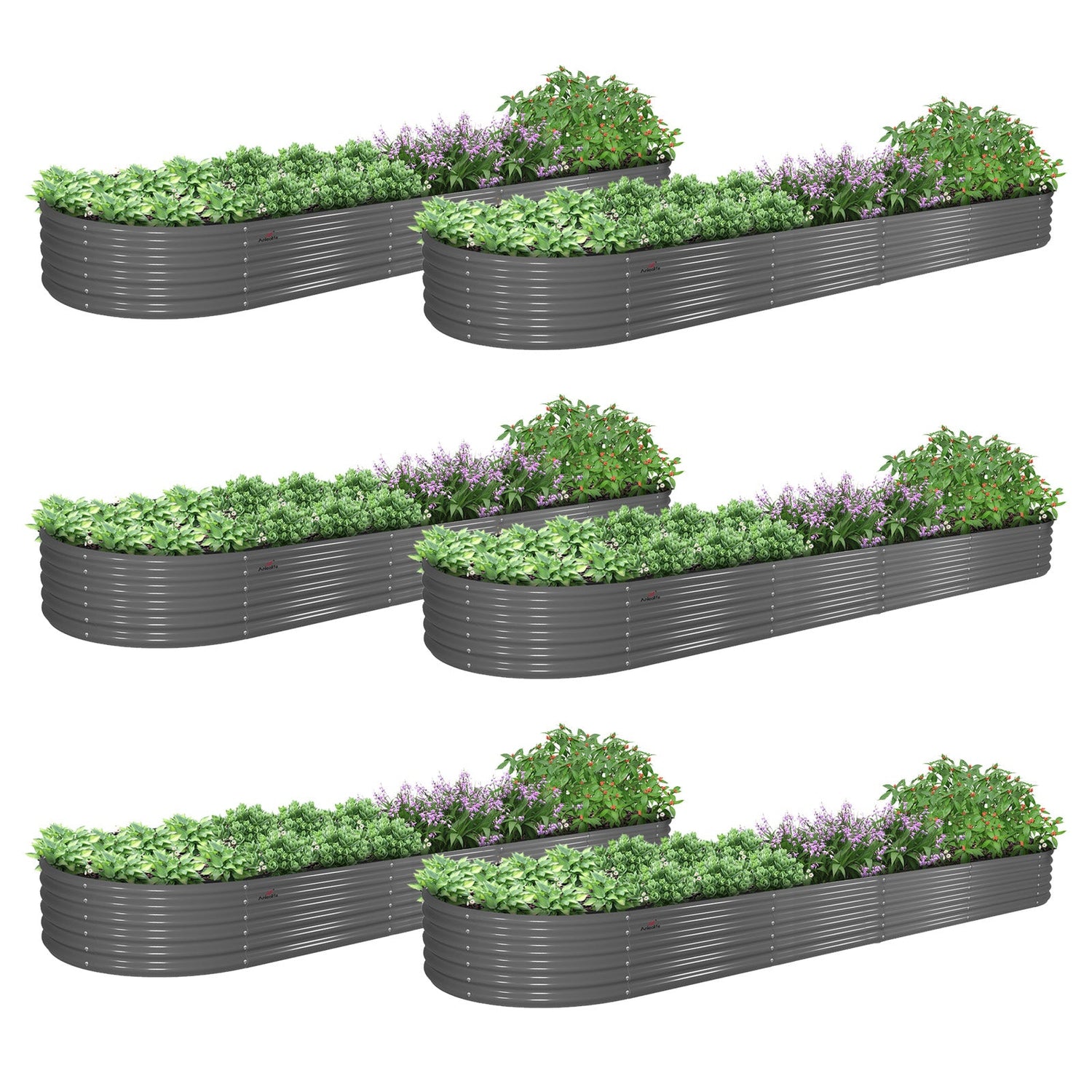



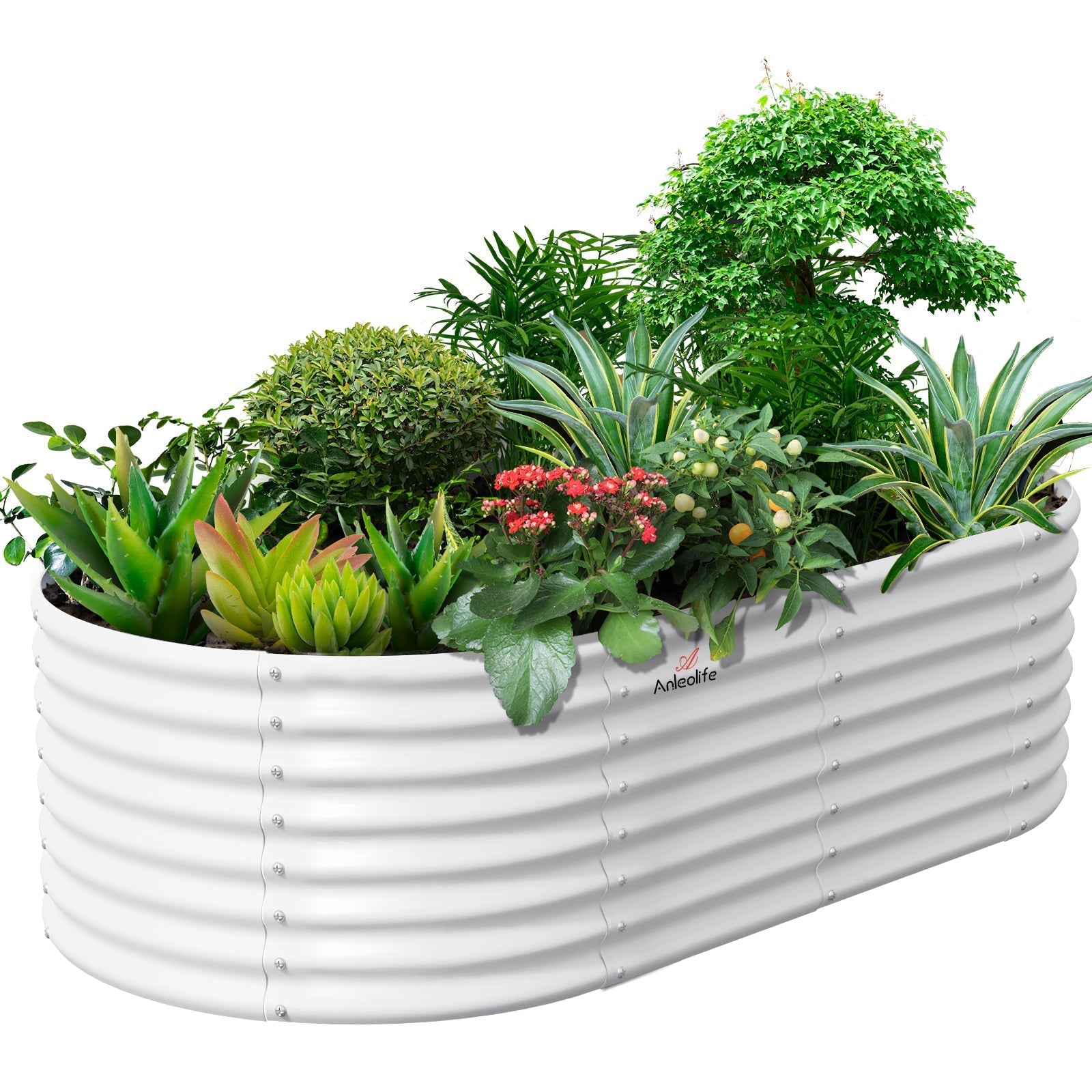
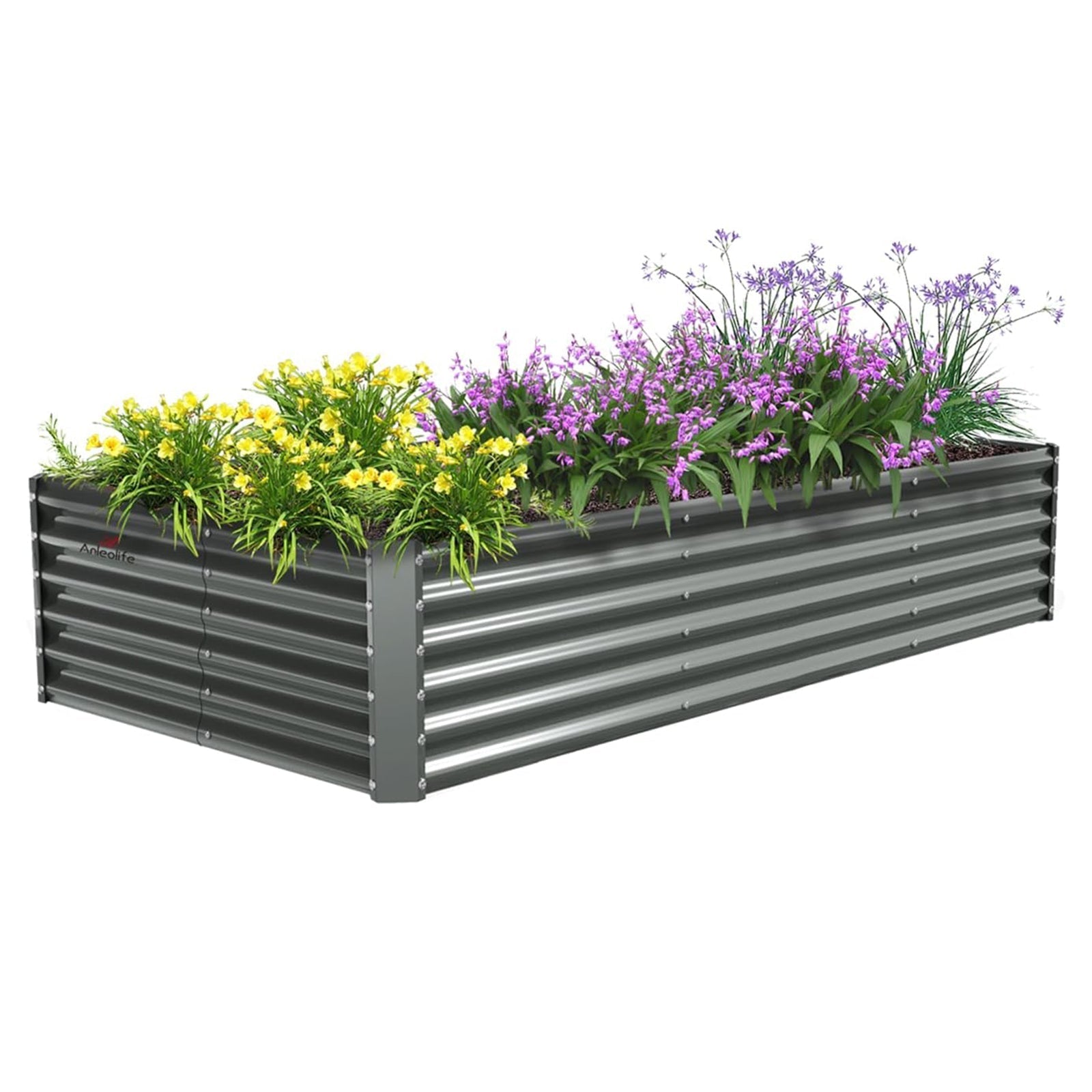

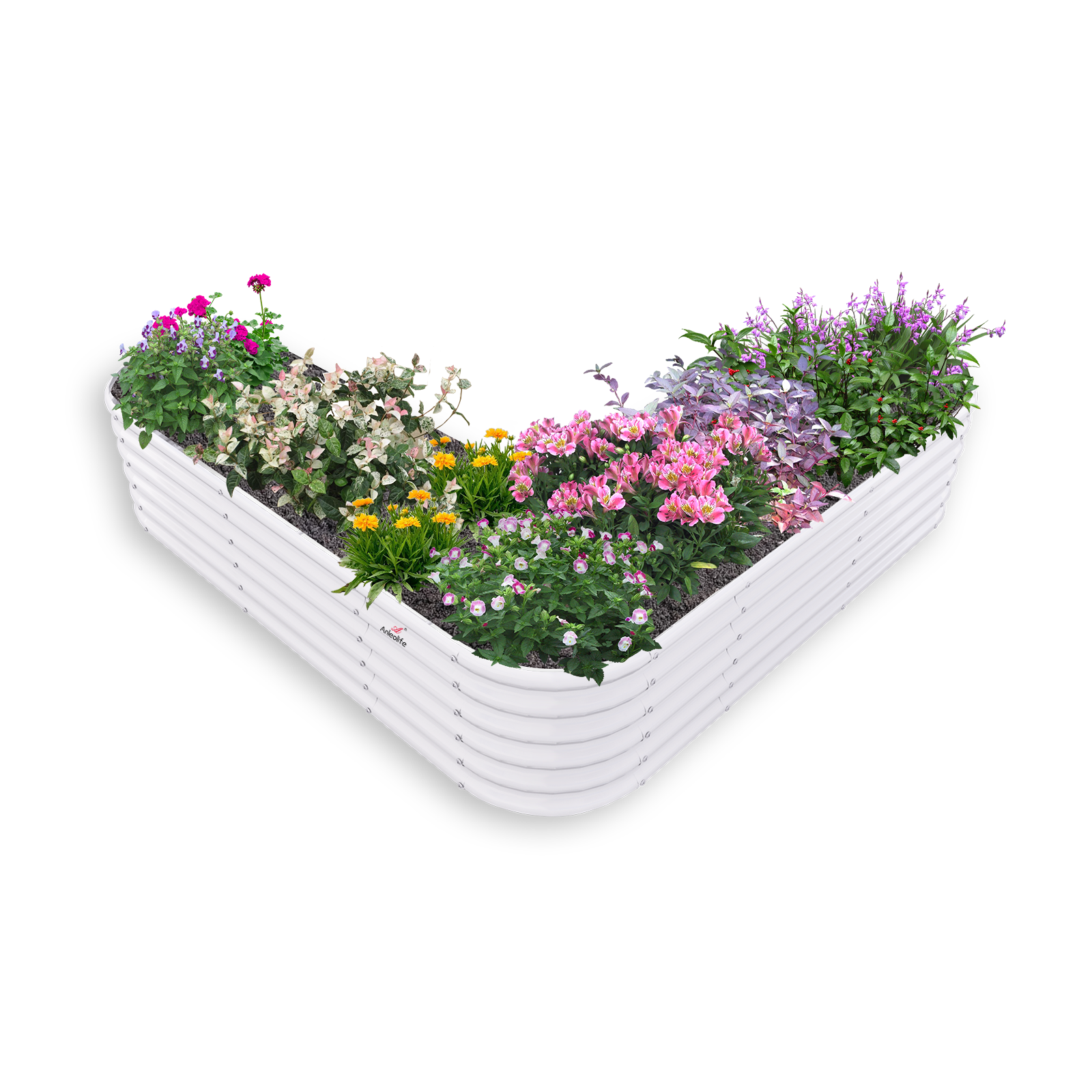
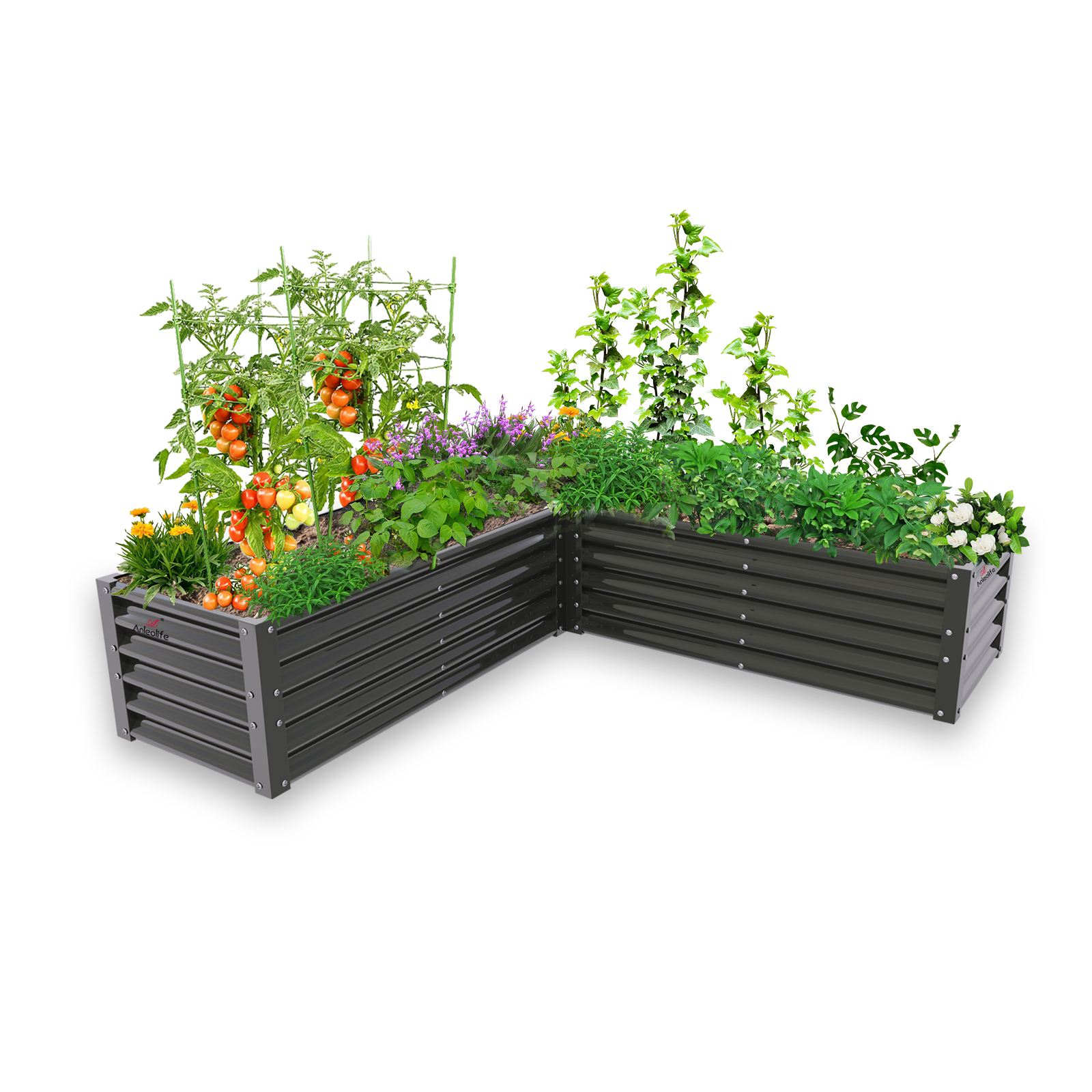
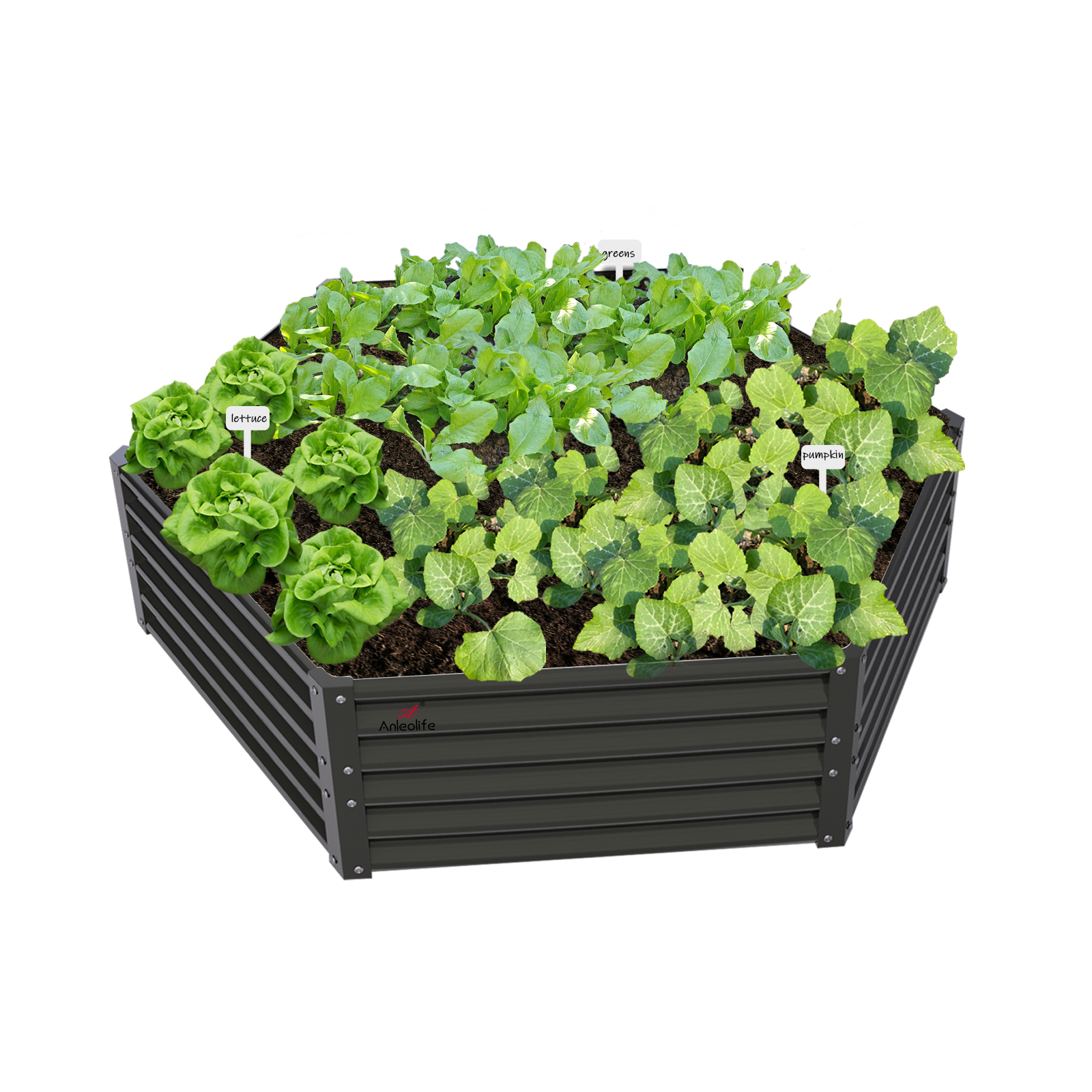
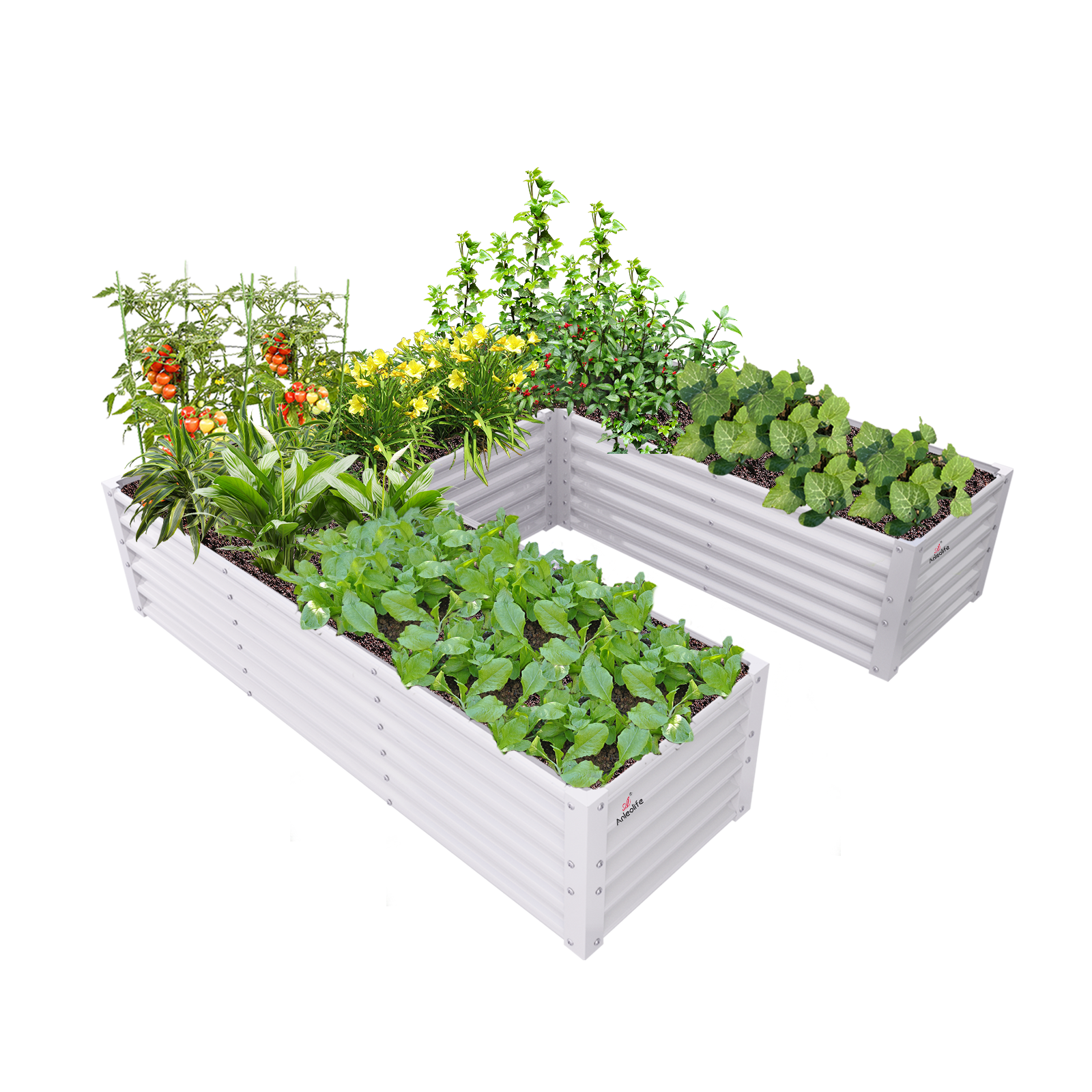

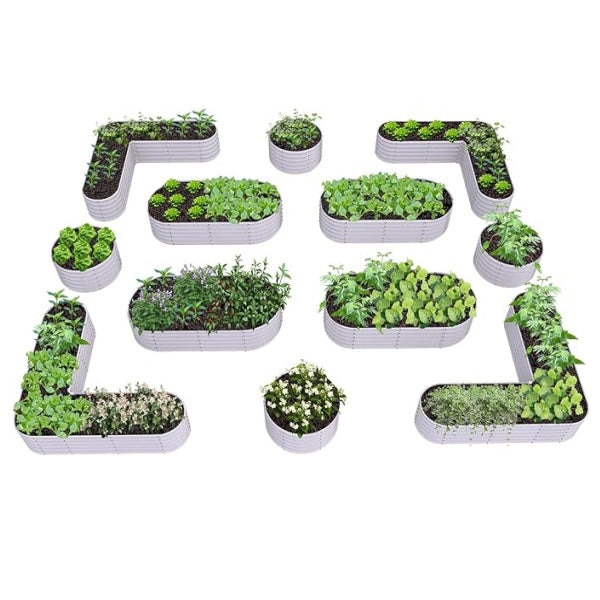


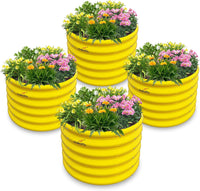
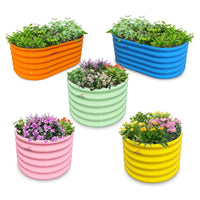
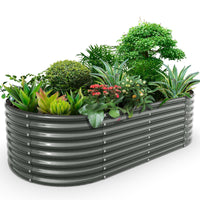



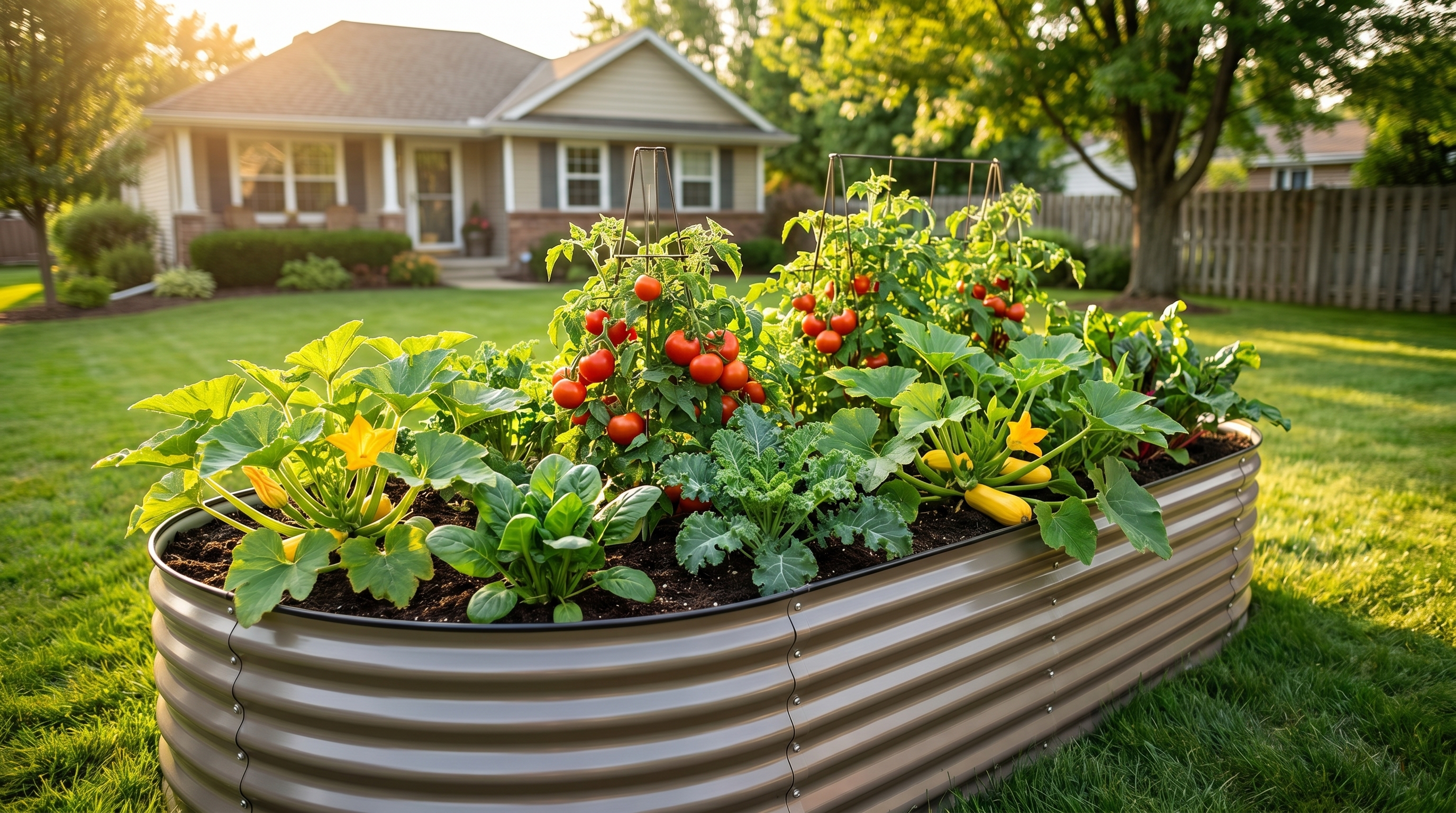
ALT: Raised bed garden with vegetables thriving in compost-rich soil for optimal plant growth
Why Compost Is the Secret Engine Behind Every Thriving Raised Bed Garden
Key Conclusion: Compost is the single most transformative amendment you can add to a raised bed garden. Whether you're planning your raised bed garden layout for the first time or refining an existing raised bed planting layout, understanding how much compost to use—and when—determines everything from drainage and aeration to nutrient availability and microbial life. A well-composted raised bed layout consistently outperforms conventional soil beds in yield, plant health, and long-term sustainability.
If you've ever bitten into a homegrown tomato still warm from the sun, you already know why raised bed gardening has become one of America's most beloved weekend pursuits. But behind that juicy harvest is something less glamorous and absolutely essential: compost.
Compost does more than feed your plants. It structures your soil, invites beneficial organisms, retains moisture during dry spells, and drains efficiently when it rains. For raised bed gardeners specifically, where you control every cubic inch of growing medium, getting your compost ratio right is not just helpful—it's foundational.
In this guide, we'll walk through exactly how much compost your raised beds need at every stage, how to choose the right type, and how to build a composting rhythm that keeps your garden thriving year after year.
Who This Guide Is For: Compost in Raised Bed Contexts
✅ Applicable Scenarios:
- First-time raised bed gardeners building their initial soil mix and wondering where to start
- Experienced home growers looking to refresh tired, compacted beds after multiple growing seasons
- Urban micro-gardeners working with limited space who want to maximize every square foot of yield
- Eco-conscious families who want to reduce kitchen and yard waste through intentional composting cycles
- Retirees and empty nesters building low-maintenance garden systems that reward consistent seasonal care
❌ Not Applicable / Cautions:
- Gardeners using purely hydroponic or aeroponic systems where soil composition is irrelevant
- Those applying fresh, unfinished compost directly to seedling roots, which can cause nitrogen burn and root damage
- Situations where local water retention is already extremely high—adding too much compost in clay-heavy native soil beneath a raised bed can worsen drainage if the bed lacks proper barriers
Understanding Compost's Role in the Raised Bed Ecosystem
Raised bed gardening has experienced remarkable growth over the past two decades. According to the National Gardening Association, food gardening participation in the U.S. has grown significantly, with millions of households now maintaining some form of home vegetable garden. A large portion of this growth is attributed specifically to raised beds, which offer better control over growing conditions, easier access for older gardeners, and more predictable results than in-ground planting.
The fundamental difference between a raised bed and in-ground gardening is that you build your soil from scratch—or nearly so. This is both an opportunity and a responsibility. The soil mix you create becomes the entire world your plants inhabit. There's no deep earth beneath to draw minerals from, no centuries-old microbial network to fall back on. Everything your plants need has to be present in that contained growing space.
This is precisely where compost steps in as the non-negotiable cornerstone.
What Compost Actually Does for Raised Bed Soil
Compost is decomposed organic matter—kitchen scraps, yard clippings, leaves, coffee grounds—broken down by bacteria, fungi, and other microorganisms into a dark, earthy, nutrient-dense material. When blended into raised bed soil, it performs several critical functions simultaneously:
Improves soil structure: Compost creates a loose, crumbly texture that allows roots to penetrate easily and air to circulate around them. Roots need oxygen just as much as water, and compacted soil suffocates them.
Enhances water retention and drainage: This might sound contradictory, but compost improves both. It holds moisture in sandy soils and opens up drainage channels in dense soils—a balancing act that few amendments can achieve.
Delivers slow-release nutrients: Unlike synthetic fertilizers that spike and crash, compost feeds plants steadily over weeks and months. Nitrogen, phosphorus, potassium, and a wide array of trace minerals are all present in well-finished compost.
Feeds the soil food web: Every teaspoon of healthy compost contains billions of microorganisms—bacteria, fungi, protozoa, nematodes—that cycle nutrients, suppress pathogens, and maintain a living soil ecosystem.
Buffers pH: Compost has a naturally neutral to slightly acidic pH (typically 6.5–7.5), which happens to align perfectly with the optimal range for most vegetables.
For a comprehensive look at building your overall raised bed setup, including choosing the right bed dimensions and materials, check out the complete growing guides available at Anleolife.com, where you'll find resources tailored to every stage of your garden journey.
How Much Compost Do You Actually Need? A Practical Framework
Three-Step Quick Start for Compost Application in Raised Beds
Step 1: Calculate Your Bed Volume
Before you order a single bag of compost, measure your raised bed's length, width, and depth in feet, then multiply all three together. A standard 4x8x2 bed holds 64 cubic feet—but you're filling it with a soil blend, not pure compost. This calculation tells you the total volume you're working with. Spend about 10–15 minutes on this step. Knowing your numbers prevents costly over- or under-buying.
Step 2: Choose the Right Compost Ratio for Your Stage
For a brand-new raised bed, the widely recommended mix is roughly 60% topsoil or loam, 30% compost, and 10% coarse materials like perlite or aged wood chips for drainage. For an established bed being refreshed at the start of a new season, a top-dress application of 2–3 inches of finished compost worked lightly into the top 4–6 inches of existing soil is typically sufficient. This step takes about 20–30 minutes including mixing and spreading.
Step 3: Monitor, Adjust, and Replenish Seasonally
Compost breaks down continuously. Over a single growing season, your raised bed can lose 1–2 inches of volume as organic matter decomposes and is taken up by plants. After harvest, before planting a new crop, replenish compost as needed and observe how your plants respond. Yellowing leaves often signal nitrogen depletion; dense, waterlogged soil may mean you need more perlite. This ongoing observation habit takes only a few minutes per week but dramatically improves long-term results.
Comparing Compost Types: Which One Is Right for Your Raised Bed?
Not all compost is created equal. The source material, decomposition time, and processing method all affect what goes into your soil—and ultimately onto your dinner plate. Here's how the most common options compare:
| Comparison Dimension | Homemade Compost | Bagged Commercial Compost | Worm Castings (Vermicompost) |
|---|---|---|---|
| Nutrient Density | Moderate to high (varies by inputs) | Consistent moderate | Very high, highly bioavailable |
| Microbial Diversity | Very high if well-managed | Moderate (may be pasteurized) | Extremely high |
| Cost | Very low (uses kitchen/yard waste) | $10–$25 per bag | Higher cost per volume |
| Best For | Bulk seasonal amendments | New bed setup, quick top-dressing | Seedling mixes, high-value crops |
| Maturity Reliability | Requires monitoring | Usually pre-finished | Fully finished and stable |
| Eco-Friendliness | ✅ Excellent | ✅ Good | ✅ Excellent |
| Pathogen Risk | ⚠️ Risk if undercomposted | Low (often heat-treated) | Very low |
Tip: Many experienced gardeners use a combination—bagged compost for bulk bed filling at the start of the season, supplemented with homemade or worm castings as a mid-season boost around fruiting plants.
Seasonal Compost Application: A Month-by-Month Perspective
Understanding when to apply compost matters as much as knowing how much to use. Each season brings different needs.
Spring: The Big Refresh
Spring is your highest-volume compost application moment. Before planting begins, work 2–4 inches of finished compost into the top 6–8 inches of your bed soil. This replenishes what last season's crops consumed and reactivates microbial life that may have gone dormant over winter. If you're setting up a brand-new bed, now is the time to build your full 60/30/10 soil blend.
For gardeners wondering about best mulch for vegetable garden choices in spring, compost itself serves double duty—it acts as both a soil amendment and a light mulch layer when applied on top. A 1–2 inch surface layer of compost helps suppress early weeds while slowly feeding the soil below.
Summer: Mid-Season Top Dressing
By midsummer, heavy feeders like tomatoes, squash, and corn have drawn significantly from your soil reserves. A side-dress of 1–2 inches of compost applied around the drip line of plants (not touching stems) provides a mid-season nutrient boost without overpowering roots. This is also a good time to apply compost as a mulch layer to retain moisture during peak heat.
When you step into the garden for this task, you might notice how much more comfortable the experience is when your garden is well-organized—pathways between beds, seating nearby for rest between tasks. For anyone exploring best seating for a covered porch area adjacent to a garden, look for weather-resistant options in teak, powder-coated aluminum, or resin wicker that can double as a resting spot between planting sessions. Similarly, outdoor seating that works best with concrete patios near raised bed setups often includes slatted teak benches or powder-coated metal bistro sets that withstand moisture and shifting temperatures.
Fall: Building for Next Year
After the final harvest, fall is your soil-building season. Apply a generous 3–4 inch layer of compost across the entire bed surface. You can also incorporate shredded leaves (partially decomposed), spent plant material (disease-free only), or cover crops like clover or rye to protect and enrich the soil through winter. By spring, much of this material will have broken down further, integrating naturally into your soil profile.
Winter: Rest and Slow Decomposition
In colder climates, winter is not a time for major compost additions. However, if you have active compost piles, this is when you continue adding kitchen scraps and turning as temperatures allow, so your finished compost is ready in abundance by early spring.
Special Considerations: Compost and Raised Bed Materials
The material your raised bed is made from can interact with your soil management strategy in subtle but important ways. Metal raised garden beds—particularly those made from galvanized or Galvalume steel—are increasingly popular among serious gardeners because of their durability, clean aesthetics, and neutral effect on soil chemistry when properly coated.
Anleolife's metal raised garden beds are engineered for a lifespan of 20 years, which means your investment in quality soil structure and composting practices will compound over two decades of growing seasons. A well-maintained compost regimen inside a durable metal bed creates a self-reinforcing cycle: healthy soil produces healthy plants, plant matter feeds the compost pile, and finished compost returns to refresh the bed.
One practical note: mesh size for garden netting matters when you're protecting your composted raised beds from pests. For most vegetable gardens, a ¼-inch (6mm) mesh is fine enough to exclude common pests like cabbage moths and birds while still allowing pollinators to reach flowers. If you're dealing with smaller insects, a floating row cover with even finer mesh may be more appropriate. Always match your netting choice to the specific pest pressure in your region.
For precision harvesting and maintaining plant health in your composted beds, having the best garden pruning shears for thick branches on hand matters too. When removing spent tomato or squash vines at season's end before adding your fall compost layer, clean cuts prevent disease spread and allow the bed to be cleared efficiently. Look for bypass pruners with carbon steel blades and ergonomic grips—they make fall cleanup significantly more manageable.
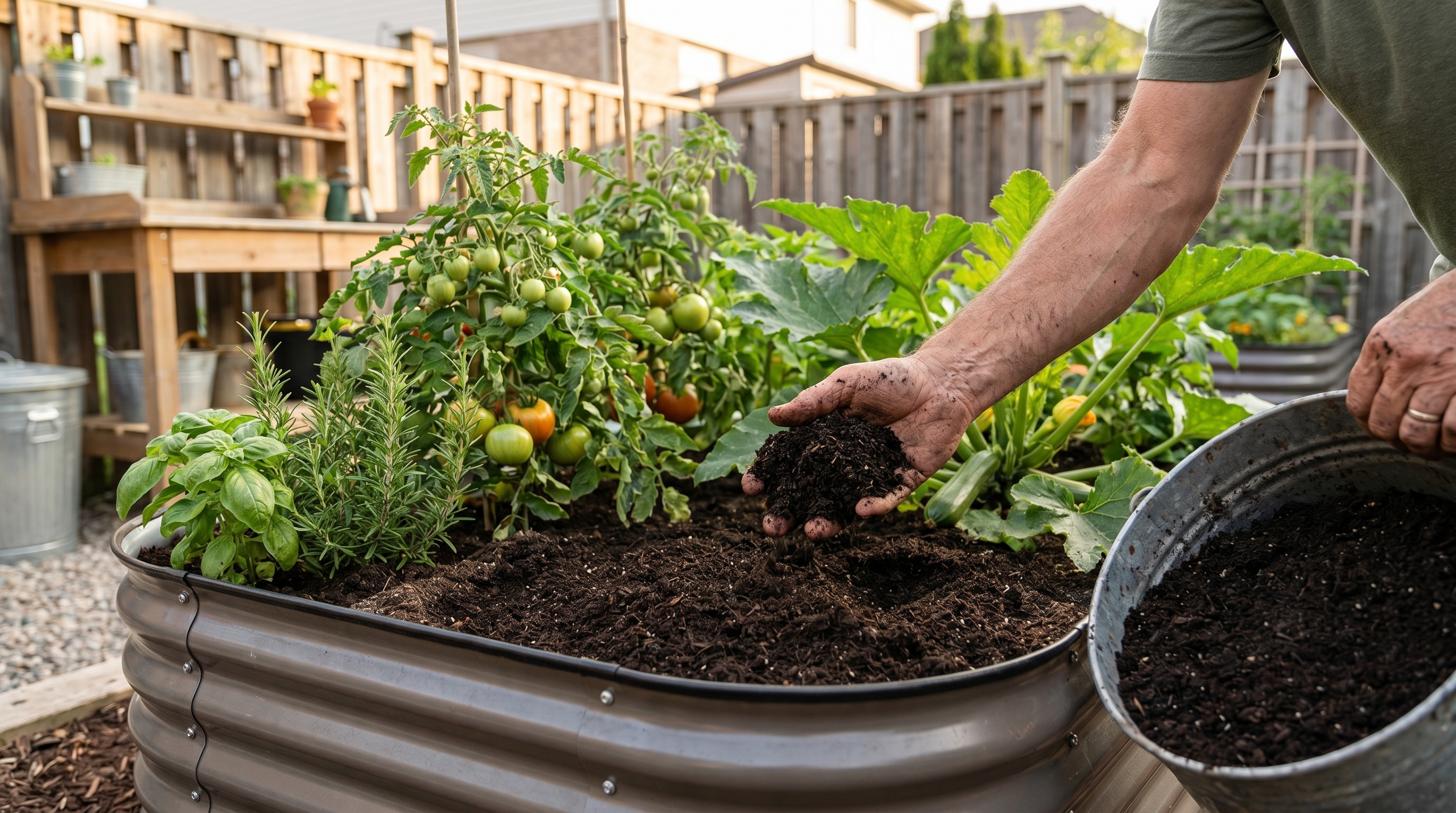
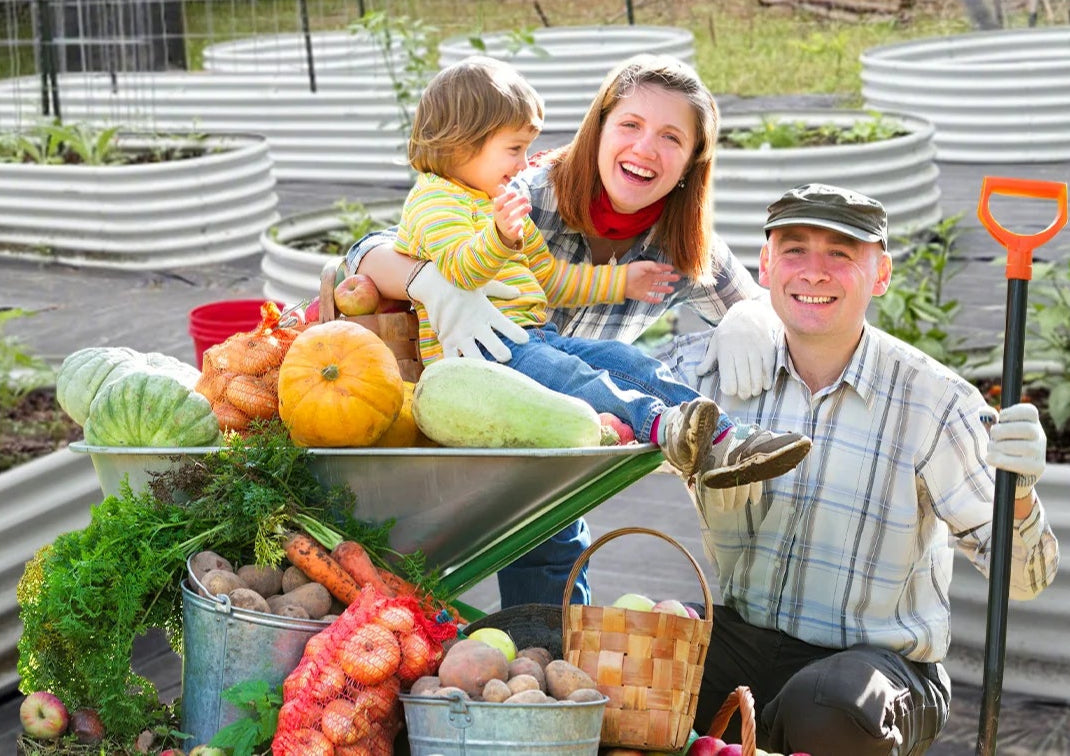
ALT: Gardener amending a metal raised bed garden with finished compost to improve soil health and plant nutrition
Advanced Tips: Avoiding Common Compost Mistakes in Raised Beds
Mistake 1: Using Unfinished Compost
Fresh or partially decomposed compost is still actively breaking down—and that microbial activity generates heat and competes with plants for nitrogen. Unfinished compost applied directly to plant roots can cause yellowing, stunted growth, or even death in seedlings. Always ensure your compost passes the "finished" test: it should smell earthy (not sour or ammonia-like), be dark and crumbly, and show no recognizable food or plant material.
Mistake 2: Over-Composting
More is not always better. Beds that receive very heavy compost applications year after year can develop excessive phosphorus levels, which paradoxically locks out other nutrients. A soil test every two to three years helps you understand what your bed actually needs versus what you assume it needs.
Mistake 3: Ignoring Compost-to-Soil Ratios in Established Beds
New gardeners often make the error of simply dumping compost on top of an already established bed without mixing or monitoring volume. Over time, the bed level rises above the frame, causing overflow and water runoff during rain. Top-dress with intention: 1–2 inches per application, worked lightly into the surface layer, is the most effective approach.
Compost and pH: A Nuanced Relationship
While compost generally buffers toward neutral pH, heavy applications of pine needle or oak leaf compost can gradually acidify your bed over time. If you're growing acid-loving plants like blueberries, this is a benefit. For most vegetables, monitor pH annually with an inexpensive soil test kit and adjust with garden lime if necessary.
Frequently Asked Questions FAQ
Q1: How much compost should I add to a raised bed that's been growing vegetables for three years?
For an established bed entering its third or fourth season, a top-dress application of 2–3 inches of finished compost worked into the top 4–6 inches of existing soil is typically ideal. You don't need to rebuild your entire soil mix—just replenish what's been consumed. A soil test can help you determine whether additional amendments like aged manure, kelp meal, or lime are needed alongside your compost addition.
Q2: Is homemade compost safe to use in vegetable beds compared to bagged products?
Homemade compost is absolutely safe—and often superior—when it has fully finished decomposing. The key concern is temperature: a proper hot compost pile should reach 130–160°F (55–70°C) for several days to kill pathogens and weed seeds. If you cold-compost or have a passive pile that hasn't heated significantly, avoid adding meat, dairy, or pet waste, and ensure plant material is fully broken down before applying to food crops.
Q3: How long does compost take to improve soil structure in a raised bed, and when will I see results?
Soil improvement from compost begins almost immediately at the microbial level, but visible plant response typically appears within 2–4 weeks of planting in freshly amended soil. Structural improvements—better drainage, improved aeration, richer tilth—become more pronounced after 1–2 full growing seasons of consistent composting. The compounding effect over multiple years is remarkable: a five-year-old, well-composted raised bed often performs dramatically better than a new one with identical inputs.
Summary
After walking through the science, the ratios, the seasonal rhythms, and the common pitfalls, three core principles stand out for every raised bed gardener thinking about compost:
1. Proportion matters more than quantity. Start with 30% compost in a new bed, and refresh with 2–3 inches per season. More is not automatically better, and imbalanced soil creates as many problems as it solves.
2. Compost is a living amendment, not a static one. Its value comes from the microbial life it contains and sustains. Protect that life by using finished compost, avoiding synthetic chemicals that disrupt soil biology, and maintaining your bed's organic matter levels consistently.
3. Your bed is a long-term investment. When you pair great composting practices with a durable, well-designed raised bed, you're building something that pays dividends for years—potentially decades—to come.
Your next step is simple: assess your current beds, calculate their volume, and plan your next compost application. Whether you're starting fresh or refreshing an established system, the soil you build today determines the harvests you enjoy tomorrow.
Upgrade Your Garden with Anleolife
When you're ready to take your raised bed garden to the next level, Anleolife is here to grow with you.
Nationwide U.S. warehouse network: Strategically located in California, Texas, Florida, New York, Illinois, and Washington, our fulfillment network ensures delivery within 3–8 business days—so your garden upgrade plans never have to wait for the growing season.
Multi-channel availability: Anleolife products are available on Amazon, Walmart, Home Depot, Lowe's, Wayfair, and directly through Anleolife.com, giving you consistent quality assurance and reliable after-sales support wherever you prefer to shop.
Three complete garden scenarios: Whether you're focused on Planting (metal raised garden beds built to last 20 years, soil systems), Raising (chicken coops, rabbit hutches), or Beautification (decorative accessories, pathway systems), Anleolife covers the full spectrum from functionality to aesthetics.
We understand that an ideal garden isn't built overnight—it's shaped season by season, bed by bed, harvest by harvest. Our modular product design allows flexible expansion based on your needs, from your first 8x4x2 raised bed to a fully integrated planting-and-raising ecosystem. We grow with you every step of the way.
References
- National Gardening Association. "Garden to Table: A Guide to the American Vegetable Garden".
https://garden.org/ - U.S. Composting Council. "Compost: What Is It and What's It To You?"
https://www.compostingcouncil.org/ - University of California Agriculture and Natural Resources. "Compost in a Hurry".
https://ucanr.edu/ - Cornell Cooperative Extension. "Compost: The Natural Solution".
https://cce.cornell.edu/ - USDA Natural Resources Conservation Service. "Soil Health: Unlocking the Secrets Beneath Our Feet".
https://www.nrcs.usda.gov/conservation-basics/natural-resource-concerns/soils/soil-health
Note: Soil science recommendations may evolve as new research emerges. Always consult the latest official documents or a local cooperative extension service for region-specific guidance.
About Anleolife
Anleolife is a leading outdoor garden solutions provider in North America, dedicated to offering a full-scenario product ecosystem for home gardening enthusiasts, covering planting, raising, and garden beautification. Since its founding, Anleolife has upheld the brand mission "Made for Garden Life," continuously innovating products and optimizing services to help hundreds of thousands of users upgrade their gardens, reconnect with nature, and enjoy a better garden lifestyle. From first-time growers setting up their inaugural raised bed to experienced gardeners building multi-bed ecosystems, Anleolife provides the tools, structures, and support to make every season your best one yet.