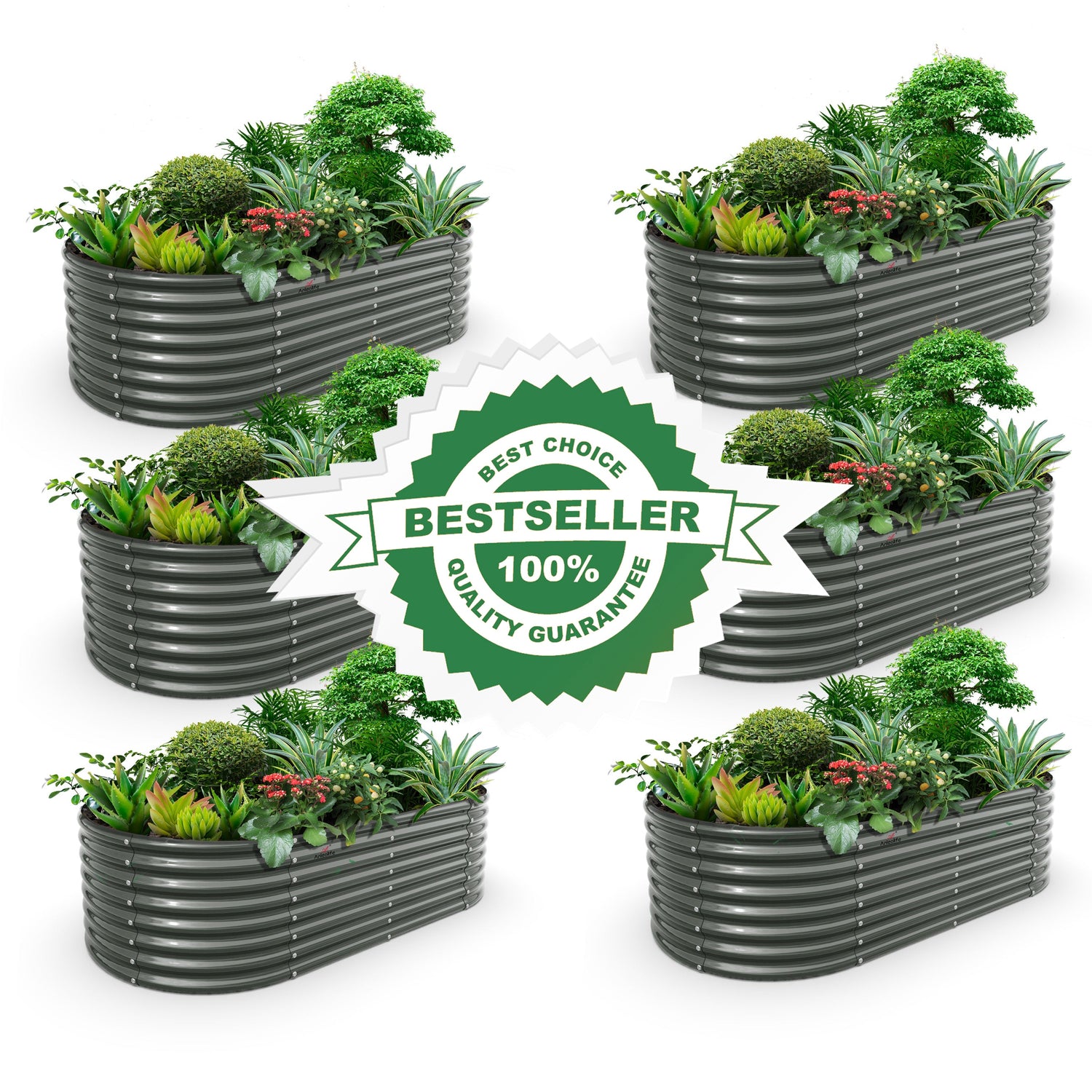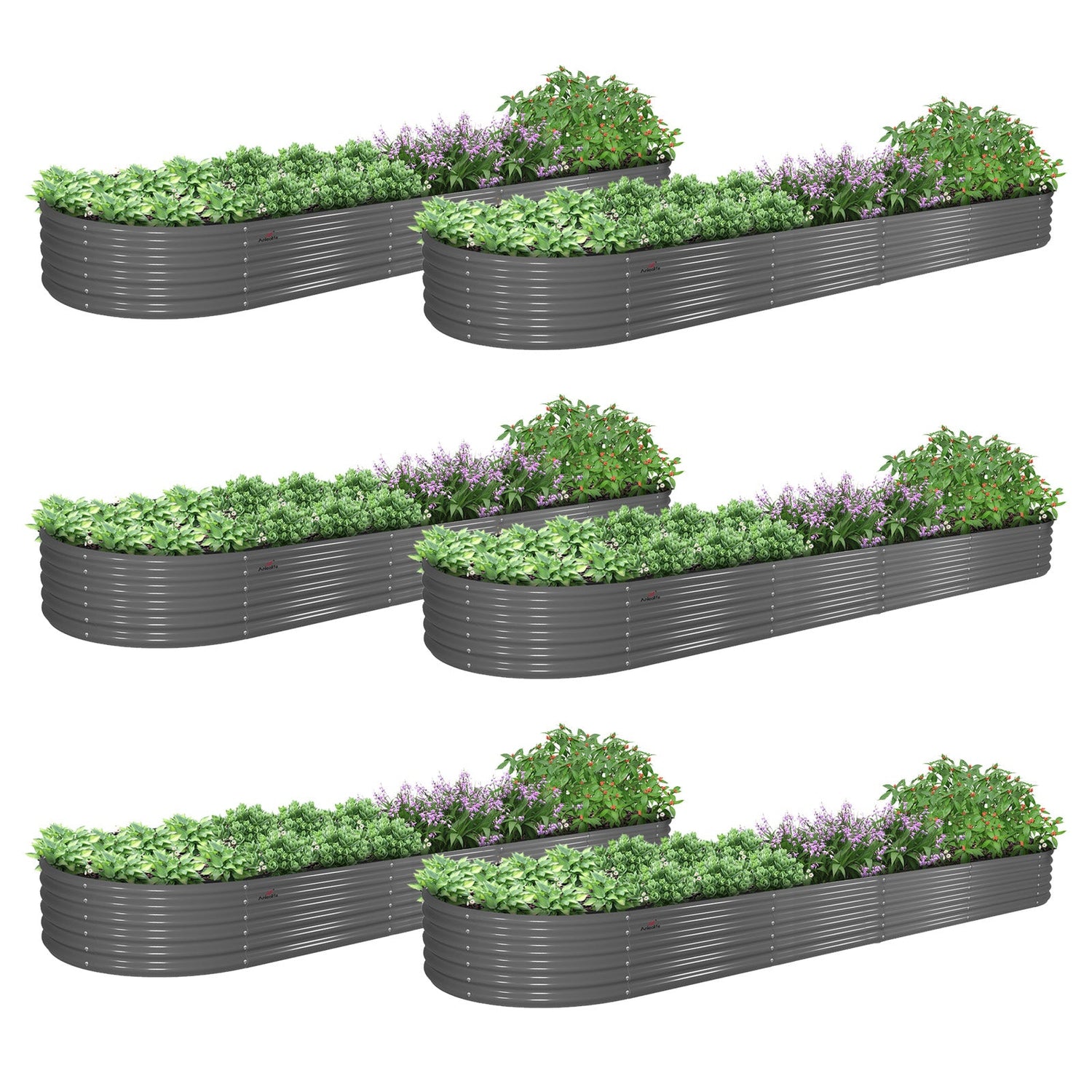



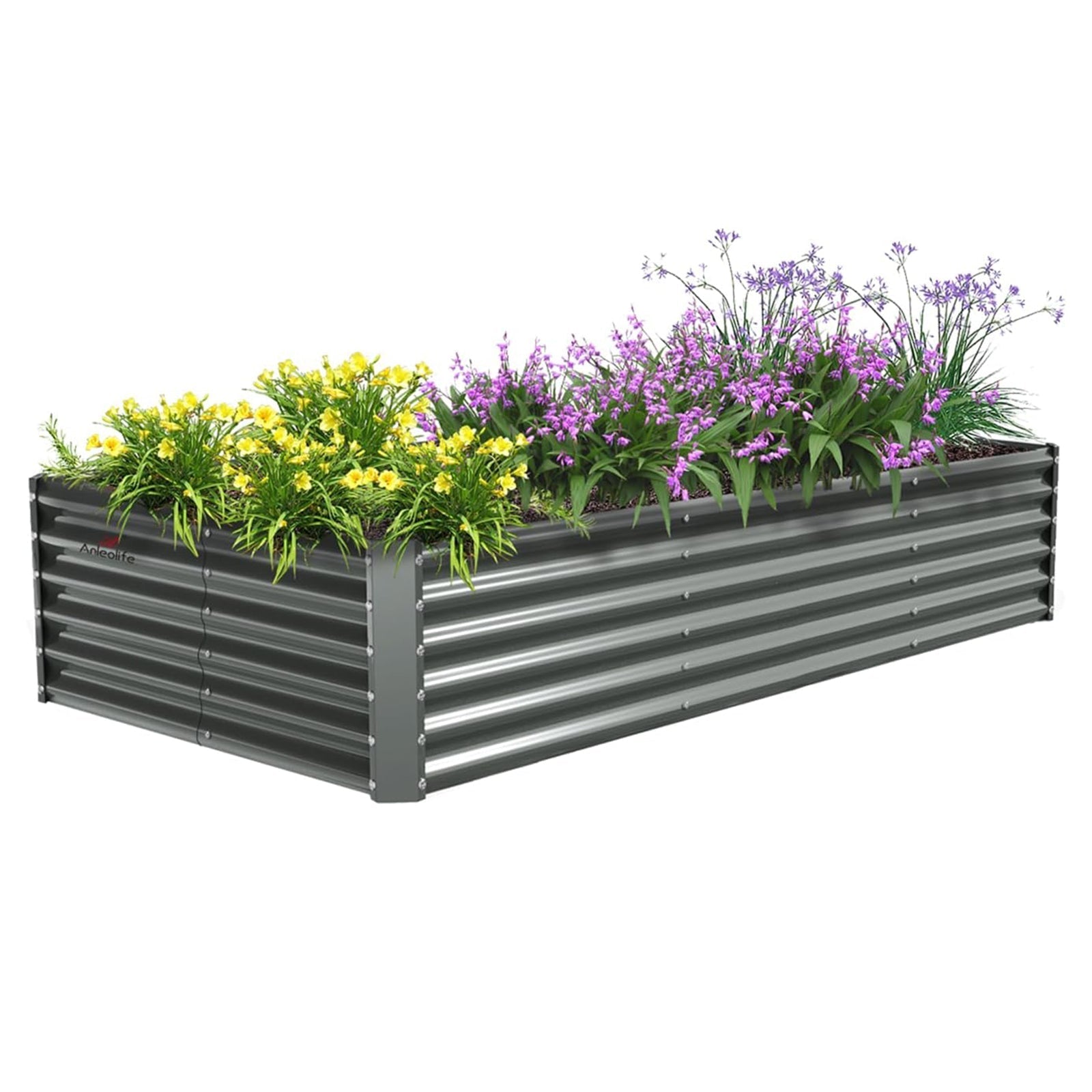

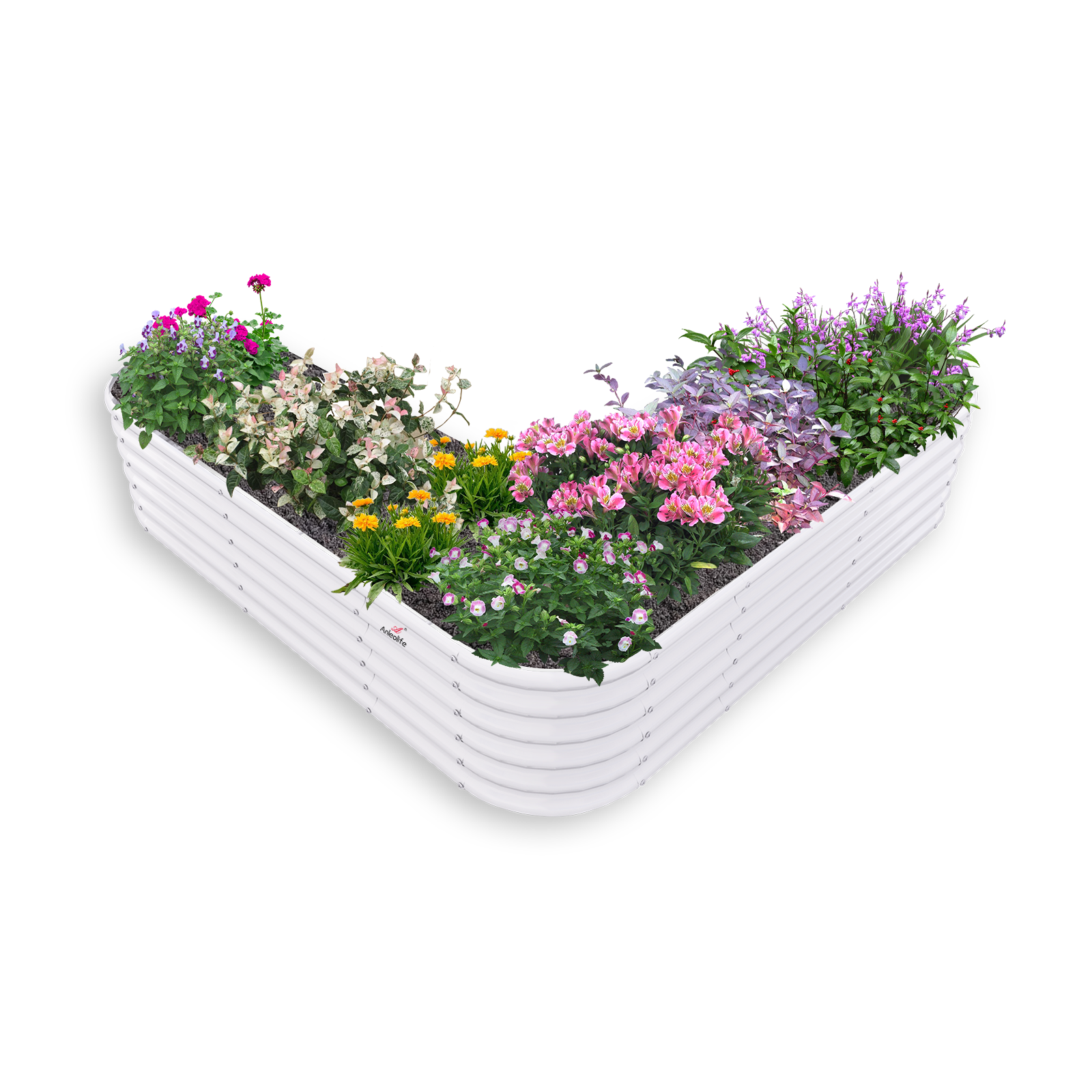
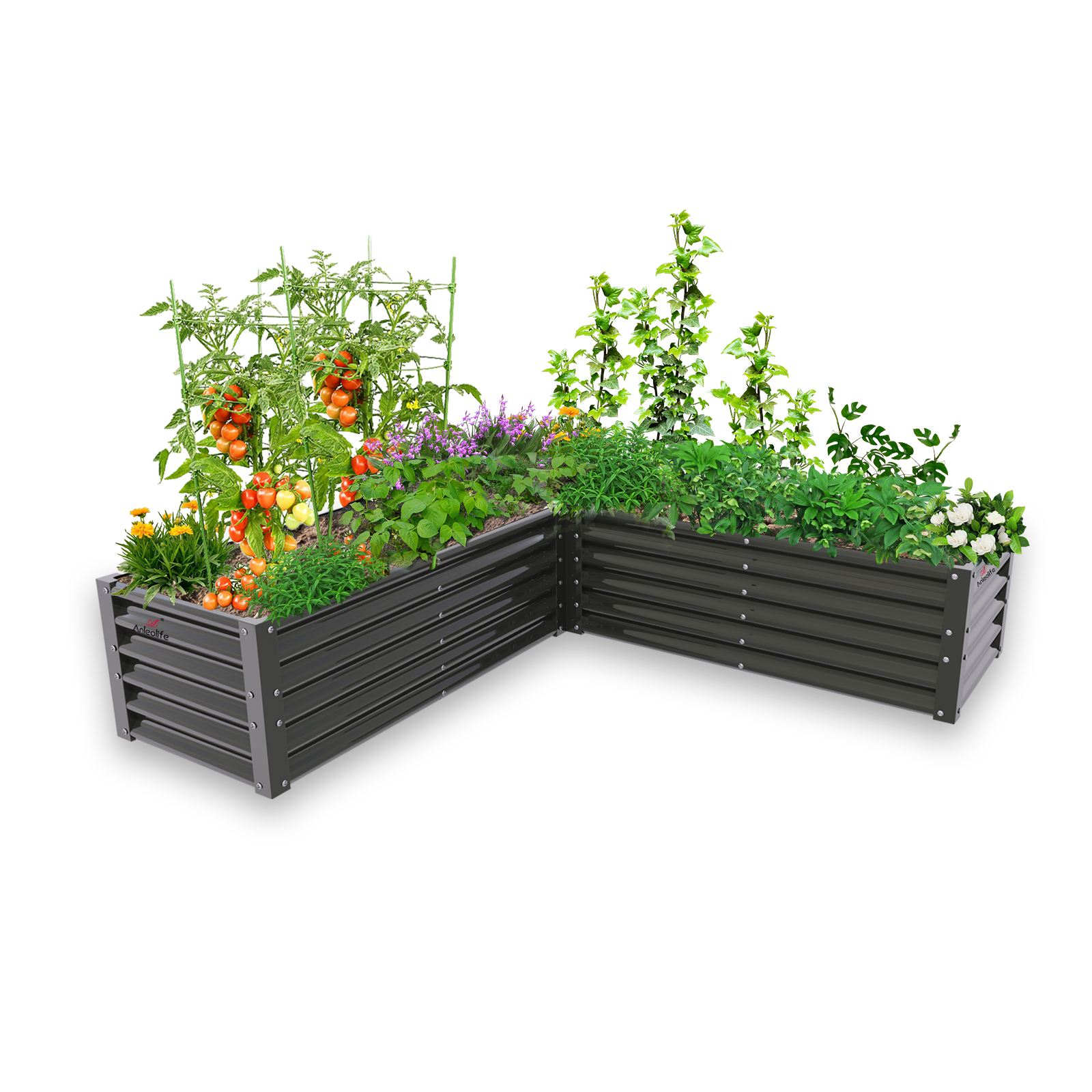
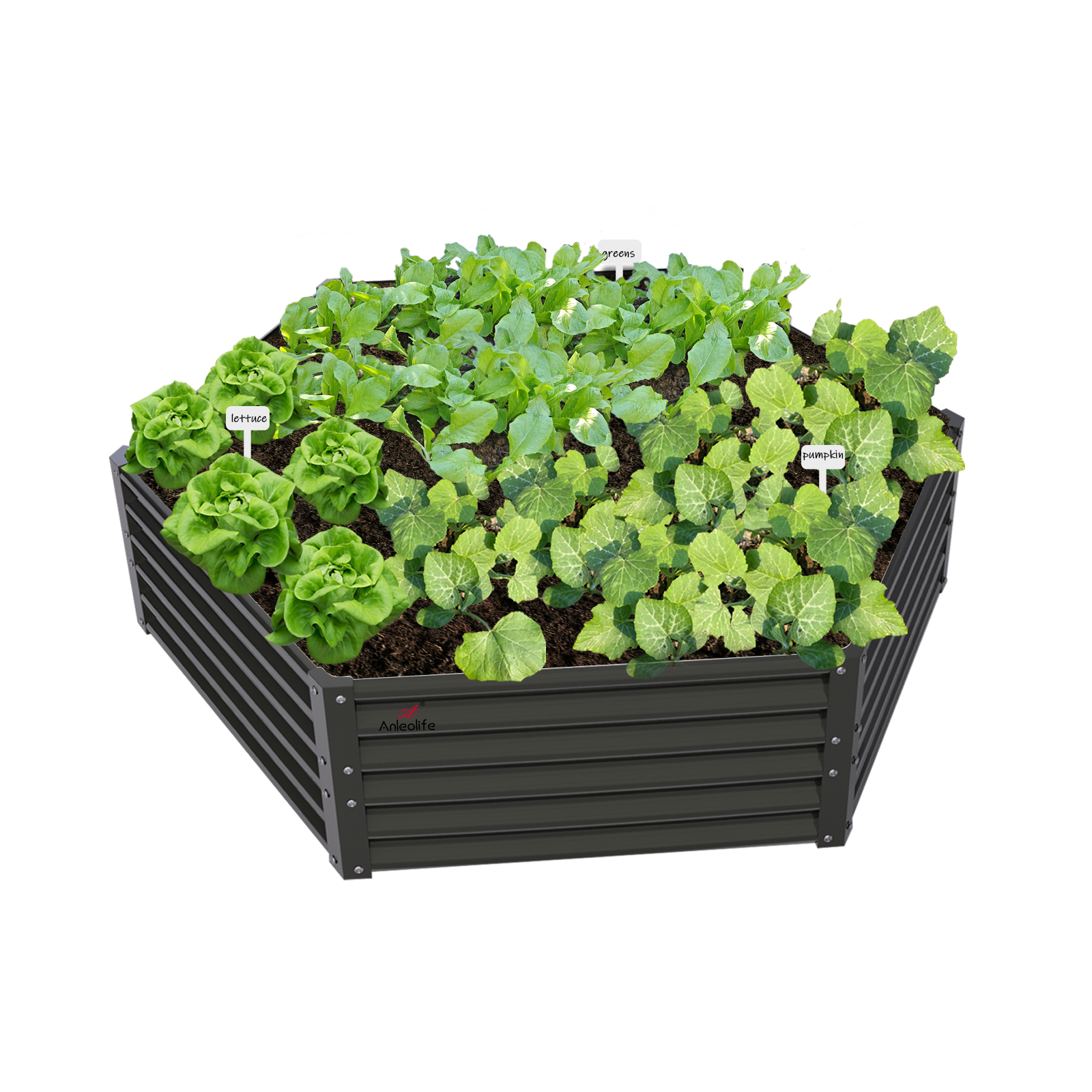
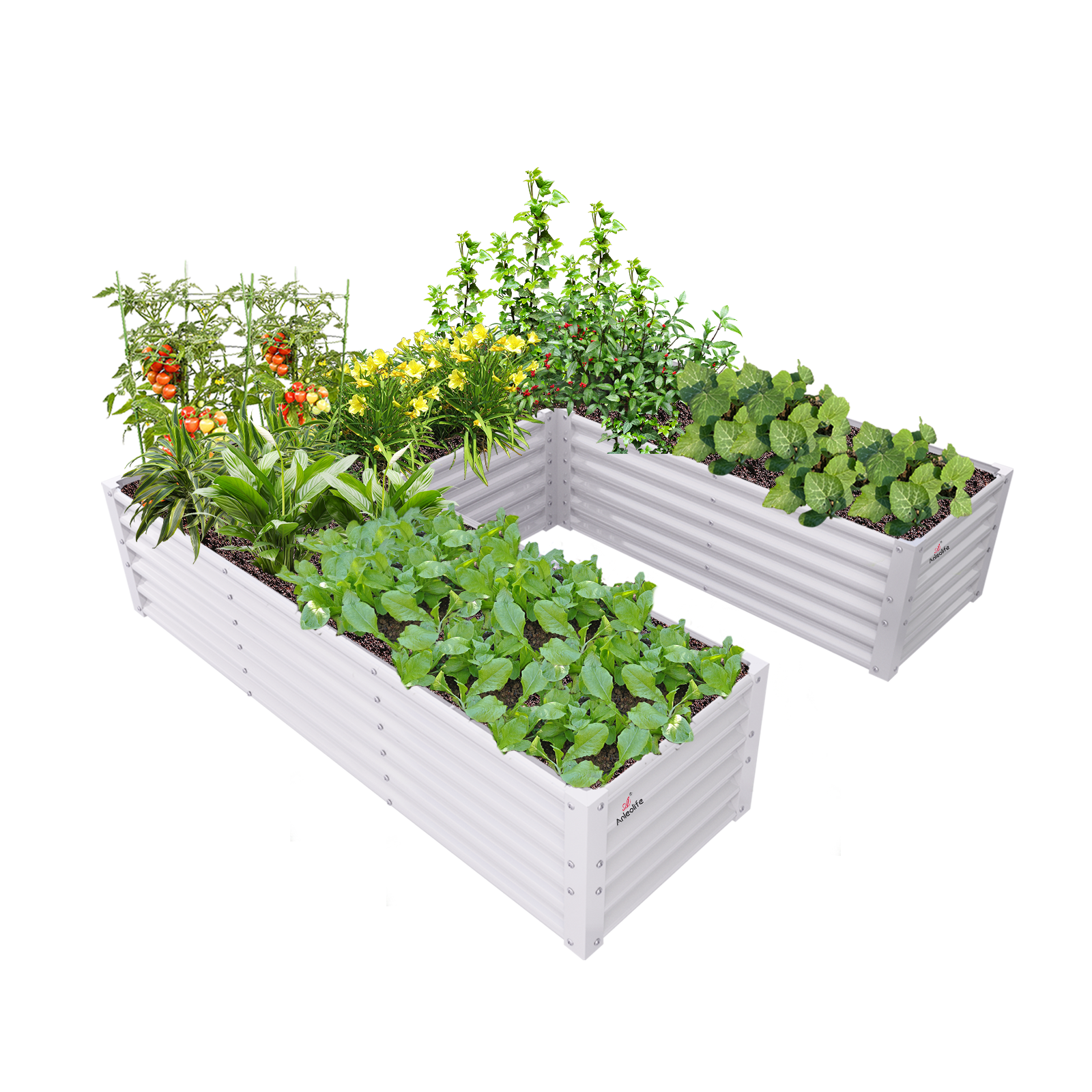

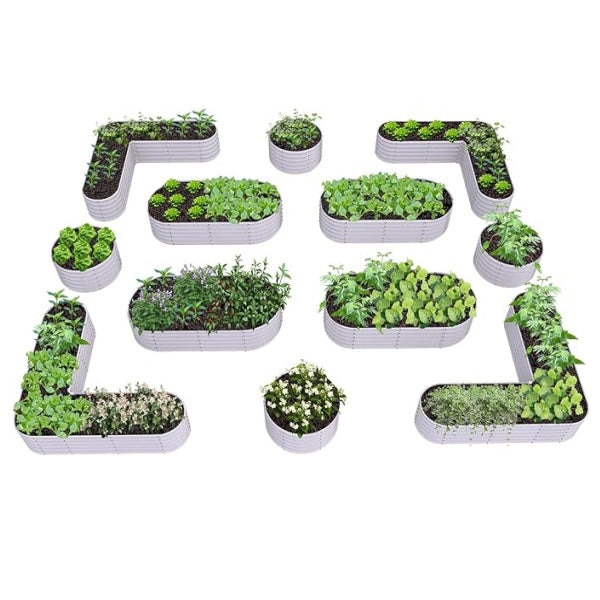


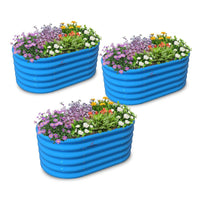
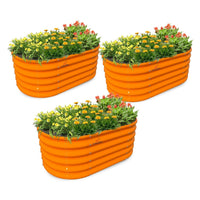
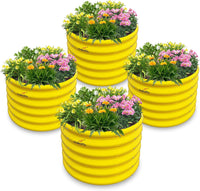
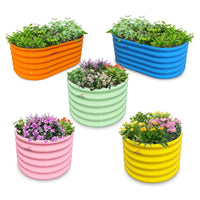
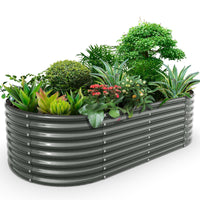



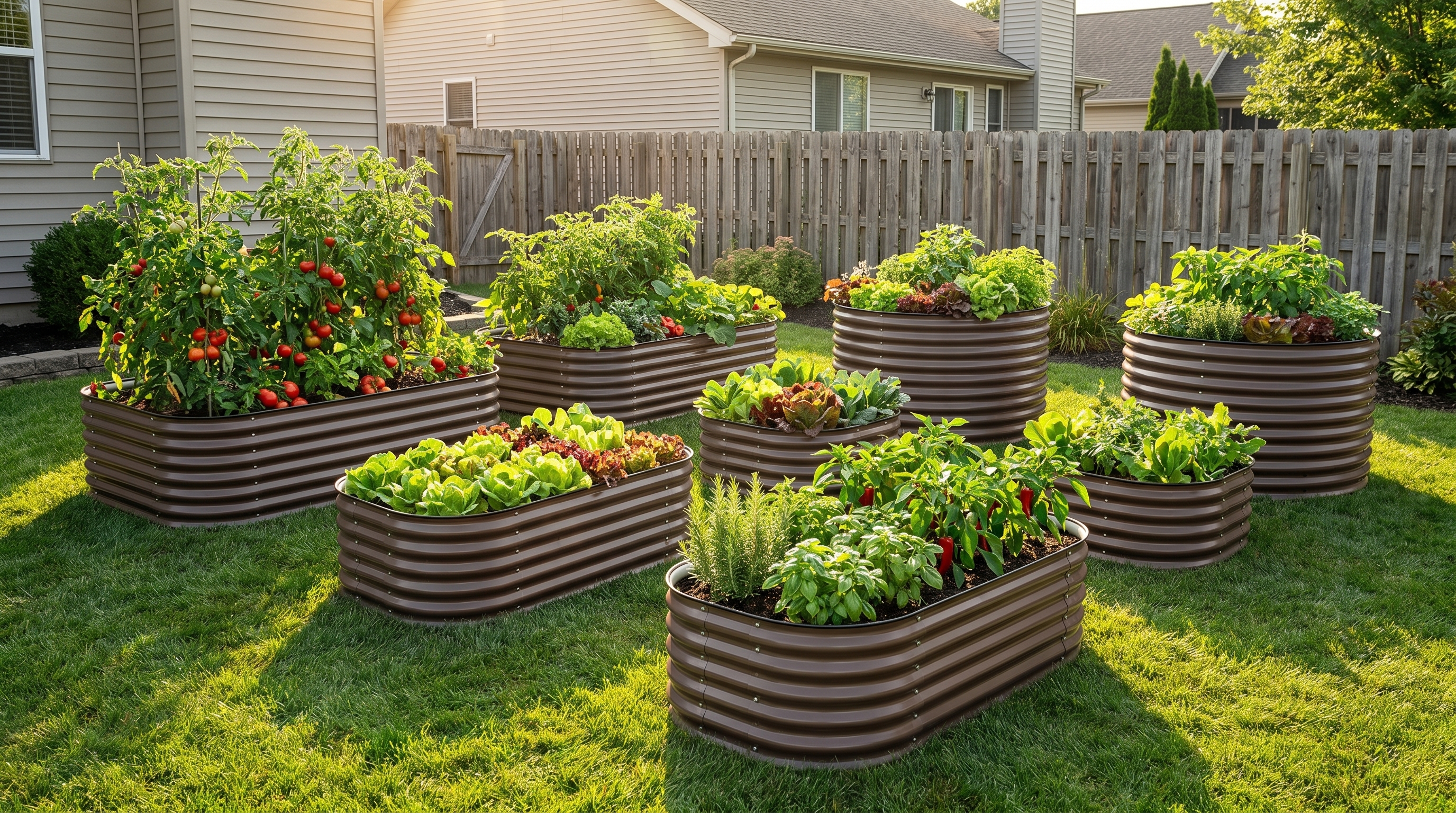
ALT: Raised garden bed sizing guide showing multiple bed sizes for summer 2026 home gardens
Why Raised Garden Bed Size Matters More Than You Think This Summer
Key Conclusion: Choosing the right raised garden bed size is one of the most impactful decisions a home gardener can make. The wrong dimensions can limit your harvest, strain your back, and waste precious yard space — while the right fit transforms a weekend hobby into a genuinely productive, joyful growing experience. Whether you're a beginner mapping out your first plot or an experienced grower expanding a planting-and-raising ecosystem, sizing is where it all begins.
Every summer, thousands of home gardeners across North America invest in raised garden beds with enormous enthusiasm — only to realize months later that they picked the wrong size. A bed that's too narrow can't support the crops they envisioned. One that's too deep wastes soil and budget. And a bed that sprawls too wide becomes a daily source of back pain.
This guide exists to fix that problem. We'll walk you through every key consideration — from garden space and crop type to accessibility and aesthetics — so you can head into Summer 2026 with the perfect raised bed setup, not a guesswork guess.
Who This Guide Is For
✅ Applicable Scenarios:
- First-time gardeners who want to avoid costly sizing mistakes before buying
- Experienced home growers looking to expand or upgrade their current raised bed setup
- Urban and suburban households with limited yard space who need to maximize every square foot
- Empty nesters or retirees seeking ergonomic, low-maintenance growing solutions
- Eco-conscious families interested in growing their own vegetables, herbs, or flowers sustainably
❌ Not Applicable/Cautions:
- Large-scale commercial farming operations requiring industrial bed systems
- Renters or apartment dwellers without outdoor ground access (container gardening may be more appropriate)
- Gardeners expecting a one-size-fits-all solution — bed sizing is inherently personal and context-dependent
The Raised Bed Revolution: Why Sizing Has Become the #1 Question in 2026
Home gardening has experienced a remarkable surge in participation over the past several years. According to the National Gardening Association, vegetable gardening in particular has seen consistent year-over-year growth, driven by rising grocery costs, a renewed interest in food self-sufficiency, and a broader wellness movement connecting people to nature and whole foods.
As more families — especially middle-class households pursuing higher-quality lifestyles — have entered the hobby, the market for raised garden beds has matured significantly. Early adopters were happy with any bed that kept their soil contained. But today's home gardener is asking smarter questions: How tall should my bed be? How wide can I reach comfortably? How much growing space do I actually need for my family?
The conversation has also shifted toward best materials for raised garden beds. Wood was once the default choice, but concerns about rot, chemical treatment, and longevity have made many gardeners reconsider. The question of best wood for raised garden beds that won't rot — often answered with cedar or redwood — has given way to a broader rethinking: why choose wood at all when galvanized steel offers decades of rust-resistant performance?
This is where metal raised garden beds, particularly galvanized and rust-resistant steel options, have become the standard for serious home gardeners. Brands like Anleolife have built entire product lines around this insight, offering beds designed to last up to 20 years without the cracking, rotting, or warping that plagues even the best-treated wood.
Sizing, however, remains the single most searched and most misunderstood aspect of raised bed gardening. This guide addresses that gap directly.
The Complete Raised Garden Bed Sizing Framework
Three Steps to Find Your Perfect Fit
Step 1: Map Your Available Space and Garden Goals
Before you browse a single product, spend 20–30 minutes assessing your outdoor area. Measure the usable footprint you can dedicate to garden beds, noting any obstructions like trees, fences, or structures that could cast shade. Then list the crops you want to grow — vegetables, herbs, flowers, or a mix. This exercise takes less than an hour but prevents weeks of regret. Your space and goals together create the boundaries that make every other sizing decision easier.
Step 2: Determine the Right Width and Length for Your Reach and Crop Plan
The golden rule of raised bed width is simple: you should be able to reach the center of your bed from either side without stepping in. For most adults, that means a maximum width of about 4 feet if you can access both sides, or about 2 feet if the bed sits against a wall or fence. Length is more flexible — it depends on how much growing space your crops need and what fits your yard. Factor in how many plants you want per crop and give yourself room to grow.
Step 3: Choose the Right Height for Your Body, Soil Depth, and Crop Roots
Height is where many gardeners underinvest. Standard 18-inch-tall beds work well for most vegetables and provide adequate root depth. Taller beds — 24 to 35 inches — offer ergonomic benefits for those who struggle to bend or kneel, and are especially valued by seniors and anyone with back or joint issues. Deep-rooted vegetables like tomatoes, carrots, and squash benefit from extra soil depth. Shallow-rooted herbs and lettuces can thrive in standard-height options.
Comparing Popular Raised Bed Configurations: Which Size Fits Which Gardener?
Not all raised bed sizes serve the same purpose. Understanding the key differences across common configurations helps you invest confidently rather than guess. The table below compares the most popular options using practical, real-world criteria — drawing on dimensions available from Anleolife's product range.
| Comparison Dimension | Compact Beds (e.g., 4x2 ft, 4x1.5 ft) | Standard Beds (e.g., 8x4 ft, 6x3 ft) | Extra-Tall/Waist-High Beds (24"–35" tall) |
|---|---|---|---|
| Best For | Beginners, small patios, herb gardens | Established home growers, mixed crops | Seniors, accessibility-focused gardeners |
| Growing Surface Area | Small — ideal for herbs, salad greens | Large — supports multiple crop families | Varies by footprint, maximizes root depth |
| Accessibility | Easy to manage solo | Requires access from both sides | Minimal bending, ergonomic advantage |
| Soil Volume Required | Lower investment | Higher soil volume needed | Deepest soil capacity |
| Typical Height | 18"–22" | 18"–24" | 24"–35" |
| Best Crop Types | Herbs, lettuce, flowers | Tomatoes, peppers, squash, mixed beds | Root vegetables, large plants, mixed beds |
| Space Efficiency | High — fits small yards | Moderate — needs room | High — vertical growing, minimal footprint |
| Lifespan (Anleolife) | Up to 20 years | Up to 20 years | Up to 20 years |
The key takeaway here: there is no universally "best" size. The right configuration is the one that aligns with your space, your body, and your growing ambitions.
Deep Dive: Understanding Every Dimension and What It Means for Your Garden
Width: The Reach Rule That Changes Everything
The best raised garden bed size for beginners almost always starts with getting the width right. It sounds simple, but it's the most commonly overlooked dimension. A bed that's 5 or 6 feet wide might look great in a product photo, but if you can't reach the middle without climbing in, you'll either compact your soil or avoid tending your plants properly — both are bad outcomes.
For most adults, 4 feet is the maximum comfortable reach across a bed you can access from both sides. If your bed is placed against a wall, fence, or structure, cut that in half. Anleolife's 4x4 ft and 4x2 ft options, for example, are excellent for gardeners who want full access without stretching.
For gardeners who want more planting area, longer beds — 8x4 ft, 12x3 ft, 10x3 ft — provide excellent surface area while keeping width manageable. These configurations suit families growing a variety of crops simultaneously.
Length: Match It to Your Crop Plan, Not Just Your Yard
Length is more forgiving than width because you're walking alongside the bed rather than reaching across it. However, longer beds require more soil, more material, and more investment. They also need careful placement to avoid blocking pathways or creating awkward access points.
A 6x3 ft or 8x4 ft bed is a sweet spot for families growing a genuinely diverse kitchen garden — enough room for several tomato plants, a section of herbs, some leafy greens, and a few peppers or cucumbers. For households that want to scale up, a 12x3 ft bed or a modular configuration allows expansion without the commitment of a single massive structure.
Anleolife's Modular Raised Garden Bed series is especially worth noting here. With options including 6x2 ft, 8x4 ft, 12x3 ft, and larger configurations, the modular approach lets you start small and expand as your gardening ambitions grow — a particularly smart strategy for first-time growers who aren't sure how much growing they'll actually do.
Height: Don't Sacrifice Ergonomics to Save Money
Height is the dimension that matters most for long-term enjoyment of your garden. Standard 18-inch beds are functional and work well for most vegetables, but they require bending — which can be a real issue for anyone with back problems, knee pain, or mobility limitations.
For empty nesters and retirees, the difference between an 18-inch bed and a 30- or 35-inch waist-high bed is enormous. Anleolife's 35" Waist-High 4x1.5 ft option, for example, brings the growing surface to a standing working height, essentially eliminating the need to kneel or hunch. For many gardeners in this stage of life, that single upgrade transforms gardening from a physical chore into a genuine daily pleasure.
For younger, more active gardeners, 24-inch extra-tall beds offer a nice middle ground — deeper soil for root vegetables, slightly reduced bending, and a sleek look that blends well with modern outdoor aesthetics.
Shape: Beyond the Rectangle
Most raised beds are rectangular, and for good reason — they're efficient, easy to arrange, and simple to build paths around. But circular beds offer something different: a sculptural, organic look that pairs beautifully with decorative garden aesthetics.
Anleolife's Round Raised Garden Bed (18" Tall, 48" Wide) is a distinctive choice for gardeners who want to make their growing space a visual centerpiece. Pair it with decorative accessories, pathway systems, or even well-placed garden gnomes and figurines for a garden design that's as beautiful as it is productive. The round format also lends itself naturally to herb wheels or pollinator-friendly plantings.
Material: Why Galvanized Steel Wins in 2026
No sizing discussion is complete without addressing material, because the material you choose affects how your bed performs over its entire lifespan. Wood remains popular, and cedar is the most commonly cited best wood for raised garden beds that won't rot — but even premium cedar has a lifespan measured in years, not decades. It requires periodic sealing or replacement, and in wet climates, it degrades faster than expected.
Galvanized steel and rust-resistant steel, by contrast, offer durability that wooden beds simply cannot match. Anleolife's Galvanized Steel Raised Garden Beds and Rust-Resistant Raised Garden Beds are engineered for longevity, with a confirmed lifespan of up to 20 years. They won't rot, warp, crack, or harbor pests. They hold their shape season after season, making them a genuinely better long-term investment for any serious home gardener.
The Heavy Duty Raised Garden Beds from Anleolife take this further, offering reinforced construction for gardeners who want maximum structural integrity — ideal for large configurations, heavy soil volumes, or demanding climates.
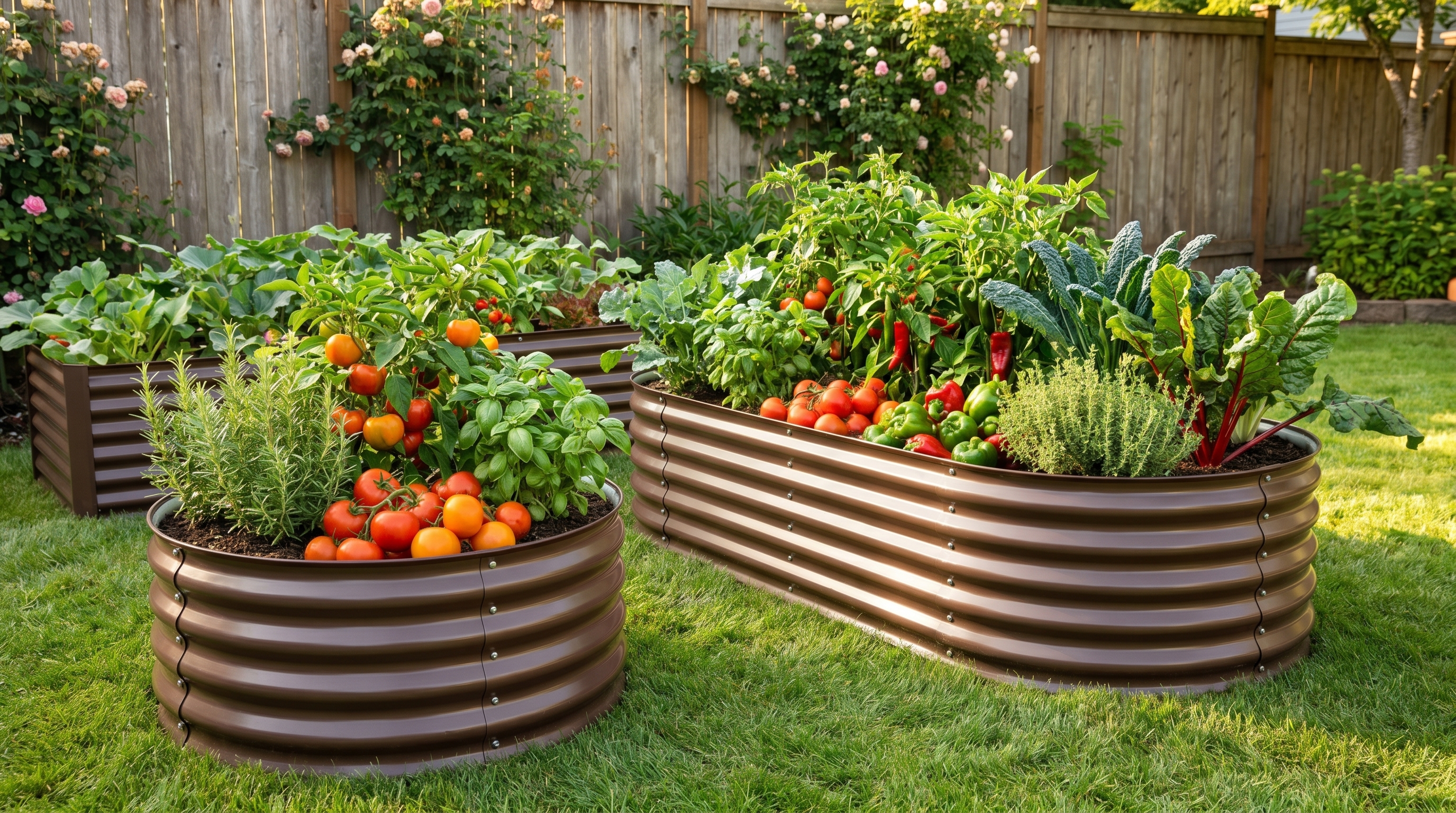
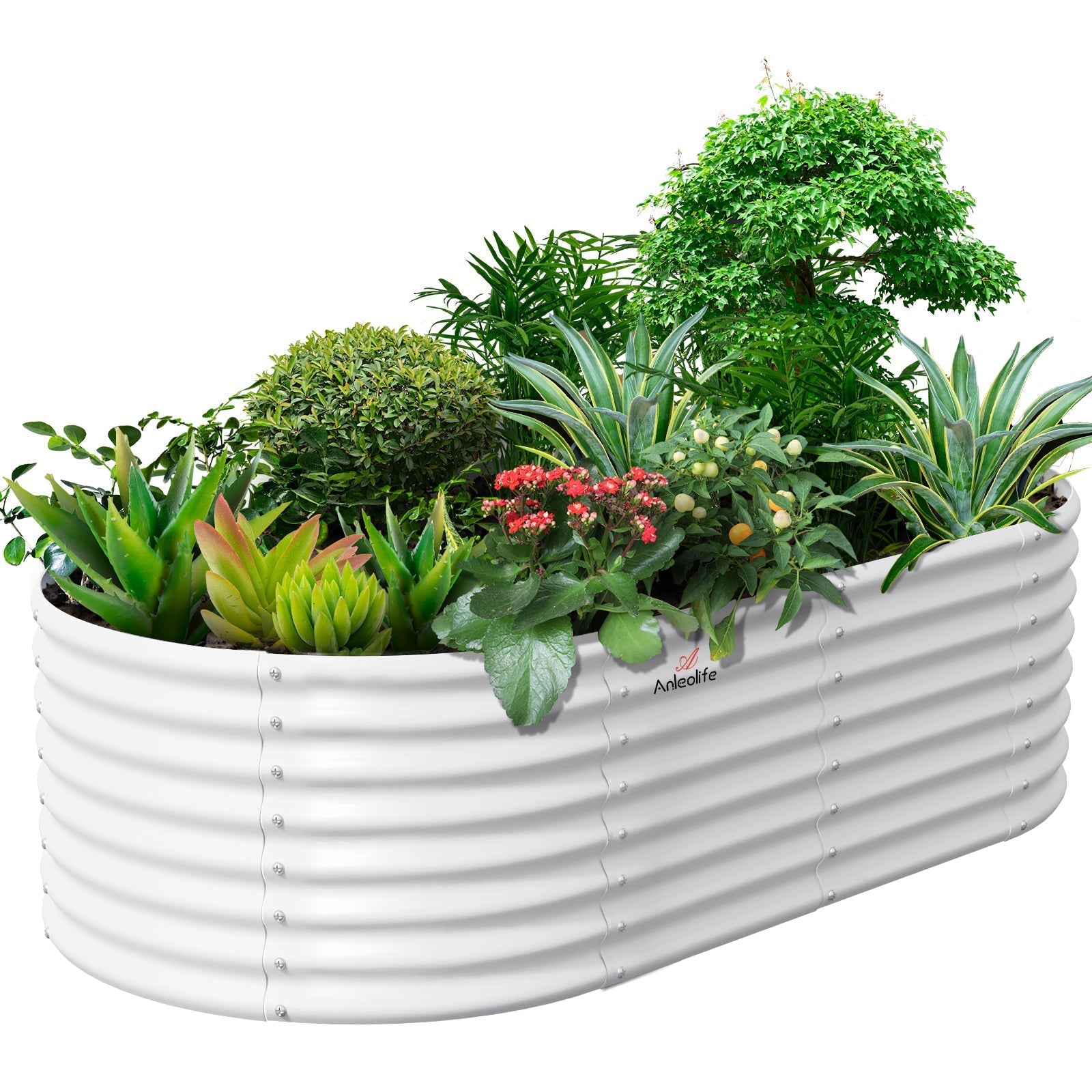
ALT: Anleolife galvanized steel raised garden bed in multiple sizes filled with summer vegetables and herbs, illustrating best raised garden bed size for beginners and experienced growers
Advanced Sizing Considerations: Beyond the Basics
Soil Depth Requirements by Crop Type
One of the most overlooked sizing factors is matching bed depth to your intended crops. Shallow-rooted plants like lettuce, spinach, herbs, and radishes can thrive in standard 18-inch-tall beds with proper soil fill. But tomatoes, squash, peppers, and root vegetables like carrots and parsnips need significantly more depth to develop properly.
If you're planning a mixed bed with both shallow and deep-rooted crops, prioritize depth — you can always under-fill for shallow plants, but you can't add depth to a bed that's already installed. This is a strong argument for choosing 24-inch or taller beds if you have any ambition to grow a diverse summer garden.
Misconception: Bigger Is Always Better
Many first-time gardeners assume that a larger bed means a better garden. In reality, a bed that's too large for your time, energy, and budget can quickly become overwhelming. Unmaintained, overgrown beds are one of the leading causes of gardener burnout.
Start with a size you can confidently manage — tend, water, weed, and harvest — and expand from there. Two well-tended 4x4 ft beds will outperform one neglected 12x4 ft bed every single growing season.
Planning for Pathways and Bed Placement
Your beds don't exist in isolation. Pathway width between beds matters enormously for practical access — especially if you use a wheelbarrow, garden cart, or mobility aid. Allow at least 18–24 inches between beds for comfortable walking access, and consider how your overall garden layout will look and function as a whole.
This is also where decorative elements come in. Thoughtfully placed garden gnomes and figurines along pathways, combined with well-chosen surface materials, can turn a functional growing space into a beautiful outdoor living area. Garden beautification isn't an afterthought — it's part of a complete garden ecosystem.
Frequently Asked Questions FAQ
Q1: How do I choose the best raised garden bed size if I'm a complete beginner?
The best raised garden bed size for beginners is typically a 4x4 ft or 4x2 ft configuration at 18 inches tall. These compact sizes give you a manageable growing surface that you can reach from all sides without stepping in. They're small enough to fill with soil affordably, easy to maintain, and provide enough space to grow a genuine selection of herbs, greens, and vegetables. As your confidence grows, you can always add more beds or upgrade to larger configurations.
Q2: Are galvanized steel raised garden beds safe for growing vegetables?
Yes — food-grade galvanized steel raised garden beds are widely accepted as safe for vegetable growing. The zinc coating used in modern galvanized steel is stable and does not leach harmful compounds into soil at meaningful levels under normal growing conditions. Independent research and agricultural extension services have found galvanized steel to be a safe and durable option for food production. Anleolife's galvanized and rust-resistant bed lines are designed with home food growers in mind, built to last up to 20 years.
Q3: How long does delivery take, and when should I order to be ready for summer planting?
Anleolife delivers within 3–8 business days through a strategic warehouse network spanning California, Texas, Florida, New York, Illinois, and Washington. To be ready for prime summer planting, order at least two weeks before your intended start date — this gives you comfortable time to receive, assemble, fill with soil, and let your bed settle before your first planting. Ordering early in spring is always a good strategy to avoid any seasonal demand delays.
Summary
Choosing the right raised garden bed size isn't a one-time decision — it's the foundation of everything that comes after: your soil choice, your crop plan, your watering routine, and ultimately, your harvest. Get the sizing right, and every other aspect of gardening becomes easier and more enjoyable.
Three key points to carry forward from this guide:
- Width determines accessibility — stick to the 4-foot-maximum reach rule, and you'll never struggle to tend your plants.
- Height determines ergonomics and soil depth — invest in taller beds if you have mobility concerns or plan to grow deep-rooted crops.
- Material determines longevity — galvanized or rust-resistant steel outperforms wood in durability, with Anleolife beds rated to last up to 20 years.
Your next step is simple: measure your space, define your growing goals, and choose the configuration that fits both. If you're still unsure, start modestly — a well-tended smaller bed will teach you more in one season than a large neglected one ever will.
Ready to Find Your Perfect Fit?
Nationwide U.S. warehouse network: Strategically located in California, Texas, Florida, New York, Illinois, and Washington to ensure delivery within 3–8 business days — so your garden upgrade plans never have to wait.
Multi-channel sales network: Products are available on major e-commerce platforms including Amazon, Walmart, Home Depot, Lowe's, Wayfair, as well as the official website Anleolife.com, providing consistent quality assurance and after-sales service.
Three core scenarios: Planting (metal raised garden beds, soil systems), Raising (chicken coops, rabbit hutches), and Beautification (decorative accessories, pathway systems) — meeting complete needs from functionality to aesthetics.
Upgrade your garden with Anleolife. We understand that an ideal garden is not built overnight, but gradually improved over time. Our modular product design allows flexible expansion based on your needs — from your first compact starter bed to a fully integrated planting-and-raising ecosystem. We grow with you every step of the way.
References
- National Gardening Association. "Gardening Trends and Participation in the United States".
https://garden.org - University of California Agriculture and Natural Resources. "Raised Bed Gardening".
https://ucanr.edu/ - U.S. Department of Agriculture National Agricultural Library. "Home Gardening Resources".
https://www.nal.usda.gov/human-nutrition-and-food-safety/food-safety/food-gardening - Penn State Extension. "Raised Bed Gardening".
https://extension.psu.edu/raised-bed-gardening - Clemson Cooperative Extension. "Raised Bed Gardening".
https://hgic.clemson.edu/factsheet/raised-bed-gardening/
Note: Standards and research findings may be updated over time. Please check the latest official documents or consult a local agricultural extension service for the most current guidance.
About Anleolife
Anleolife is a leading outdoor garden solutions provider in North America, dedicated to offering a full-scenario product ecosystem for home gardening enthusiasts, covering planting, raising, and garden beautification. Since its founding, we have upheld our brand mission, "Made for Garden Life," continuously innovating products and optimizing services to help hundreds of thousands of users upgrade their gardens, reconnect with nature, and enjoy a better garden lifestyle.