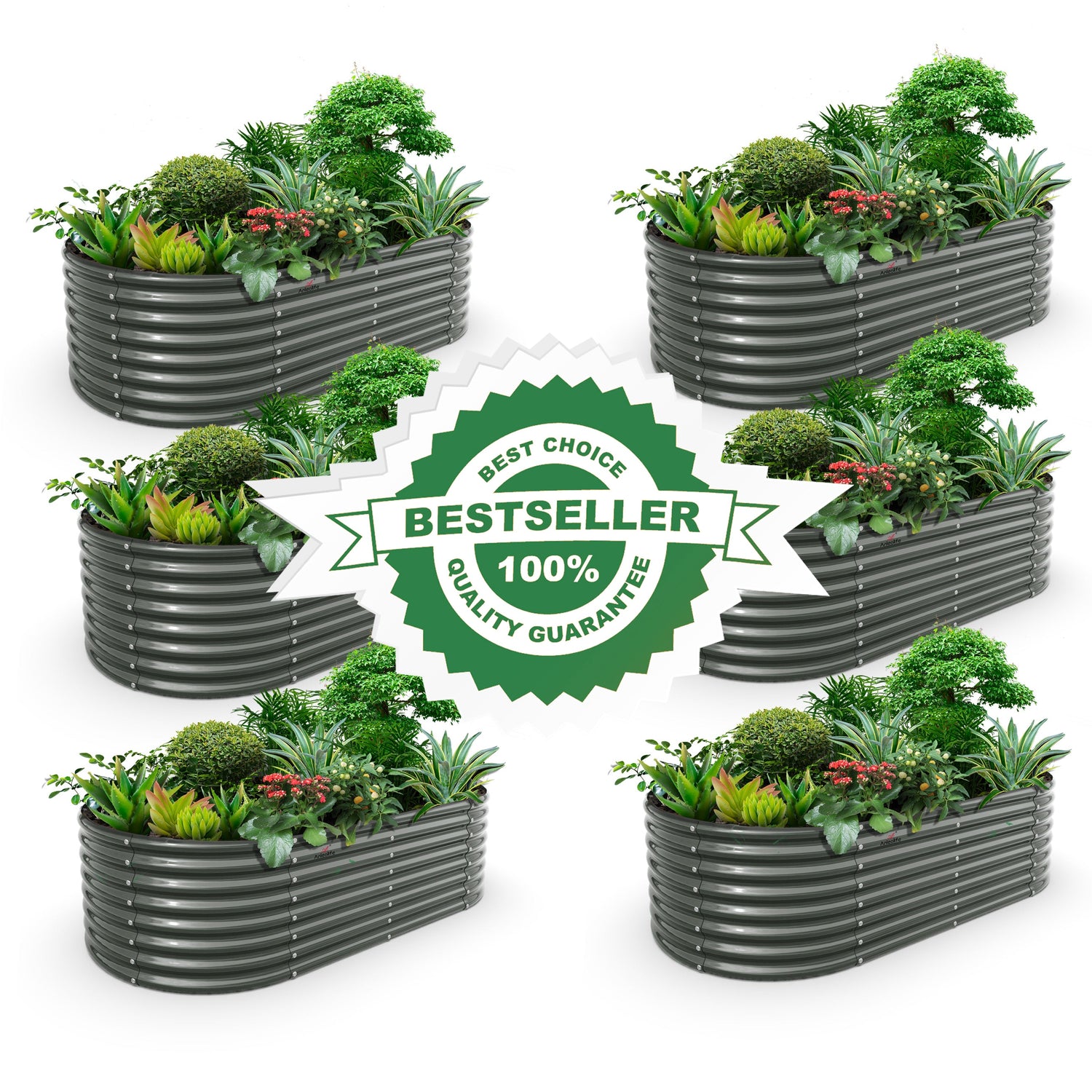




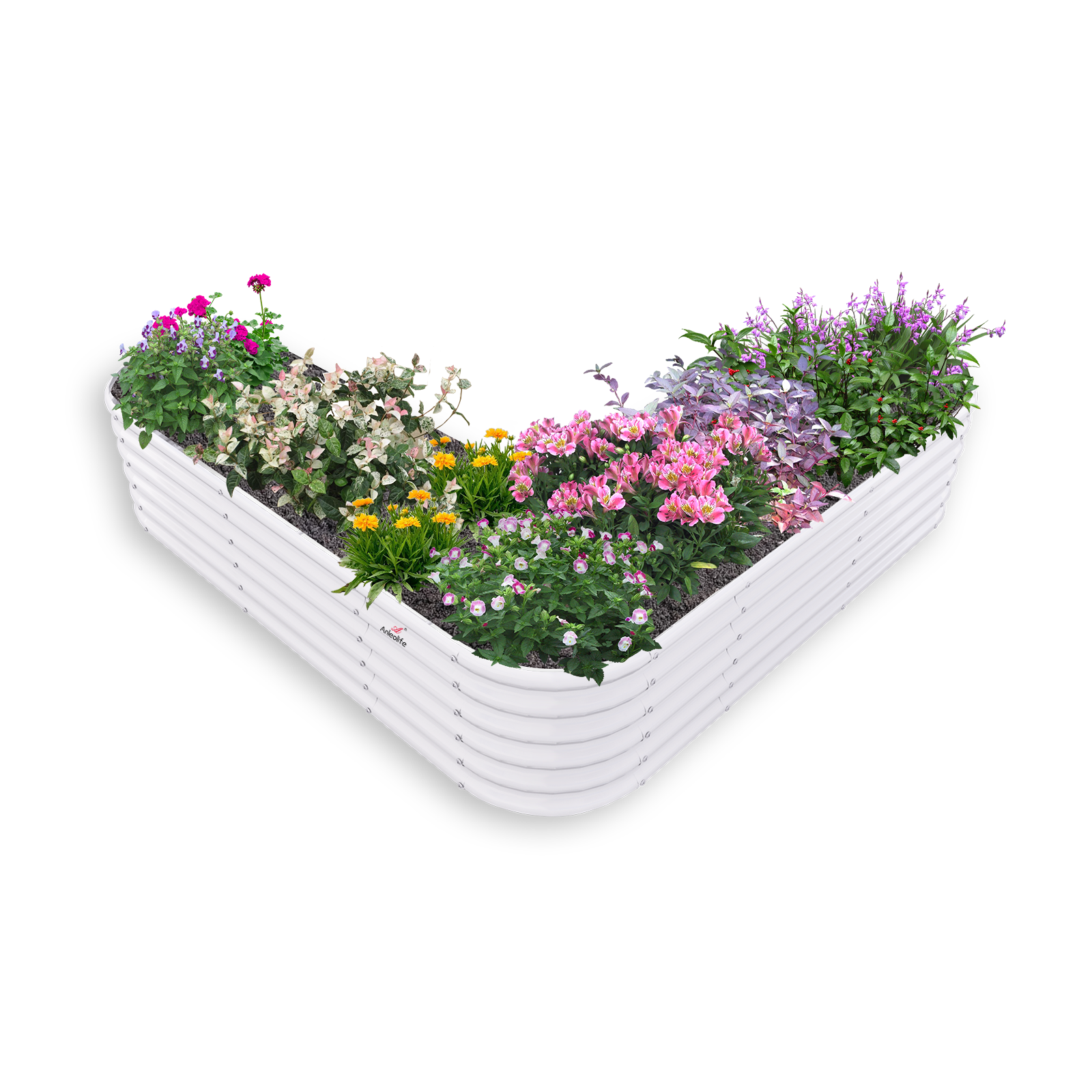
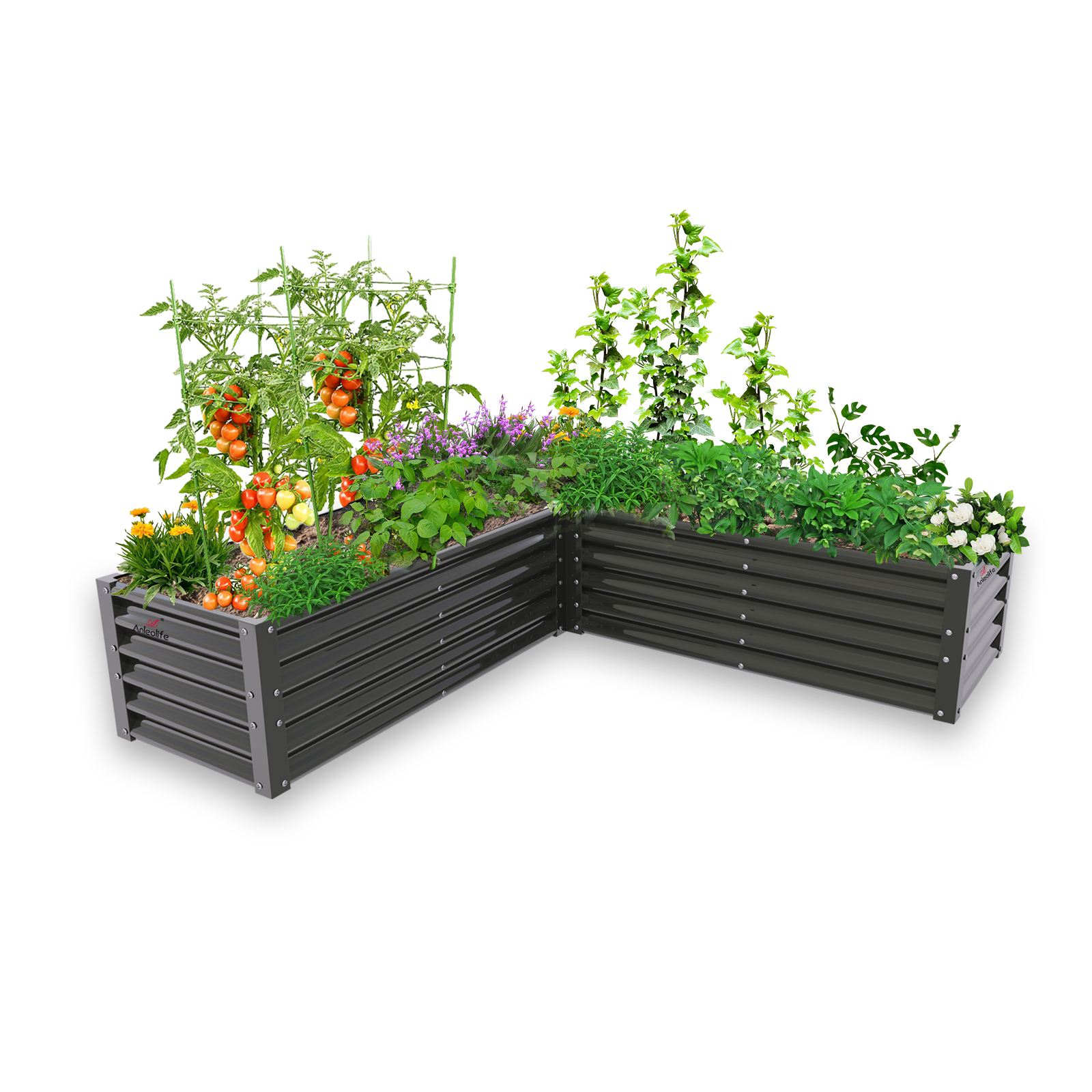
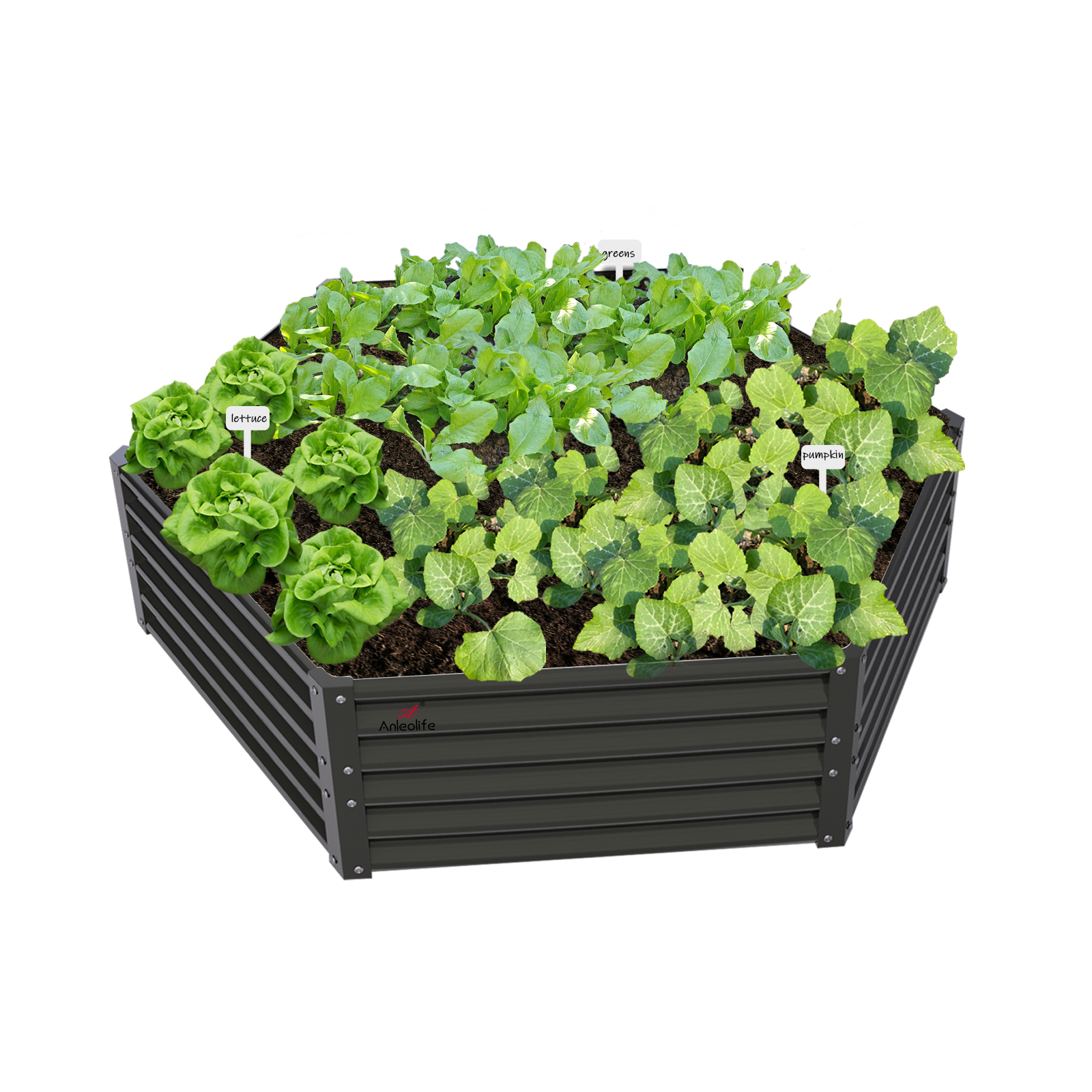
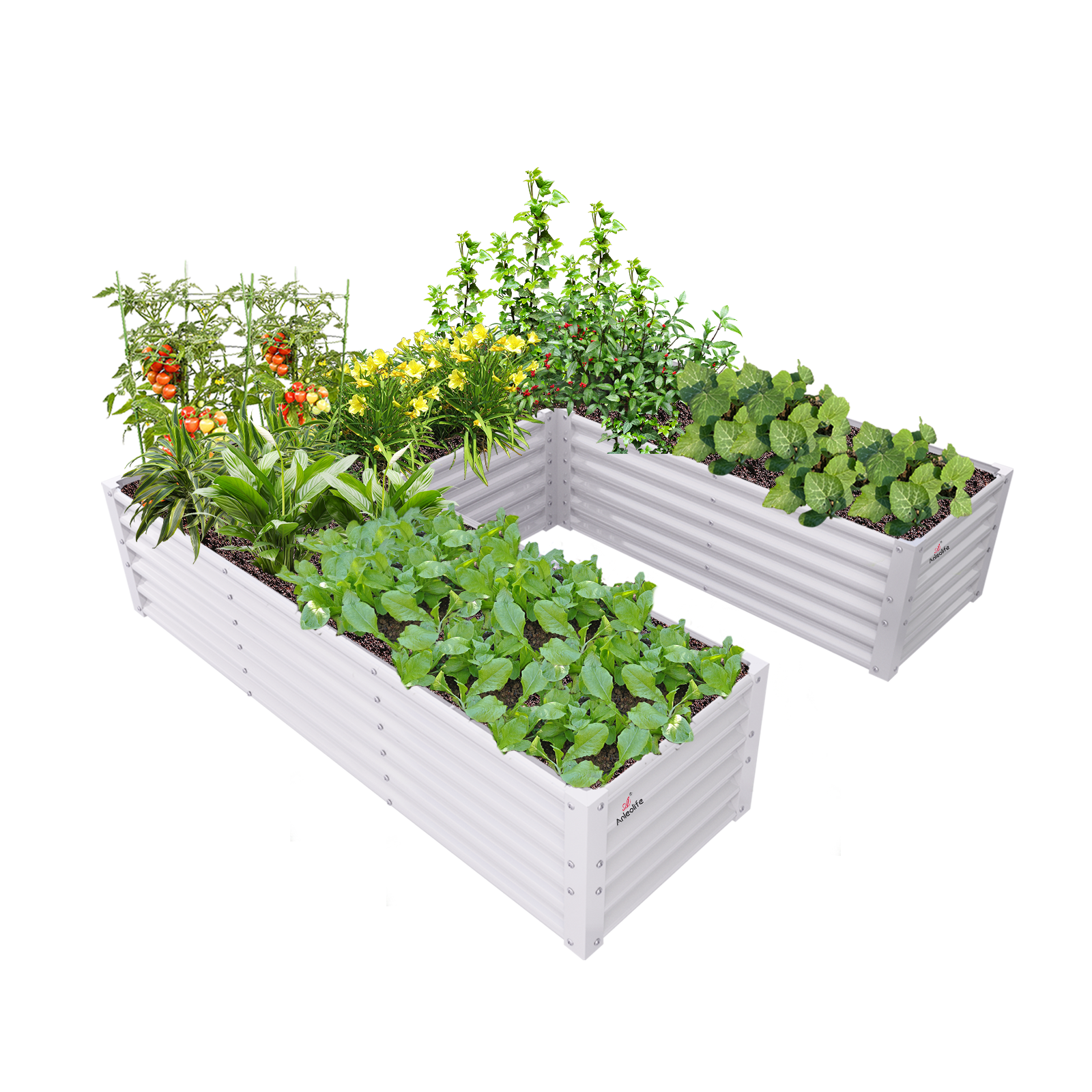

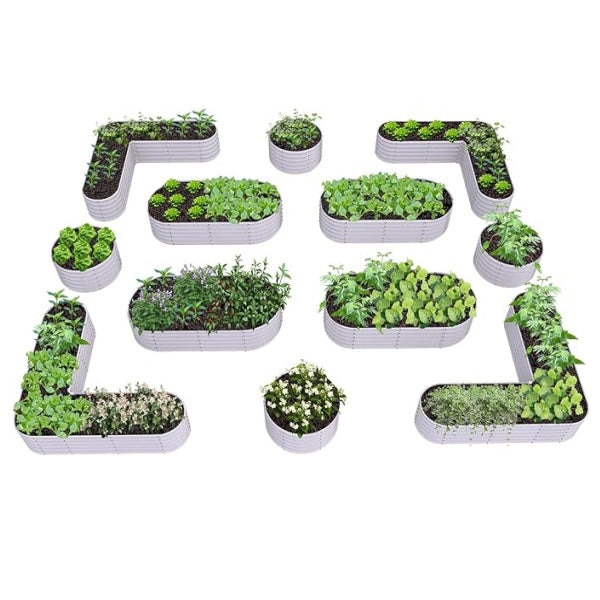


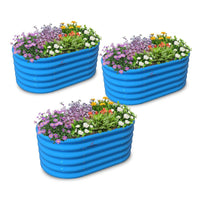
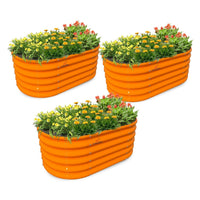
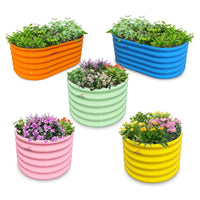
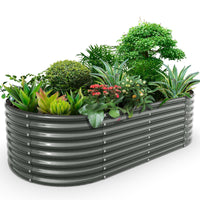



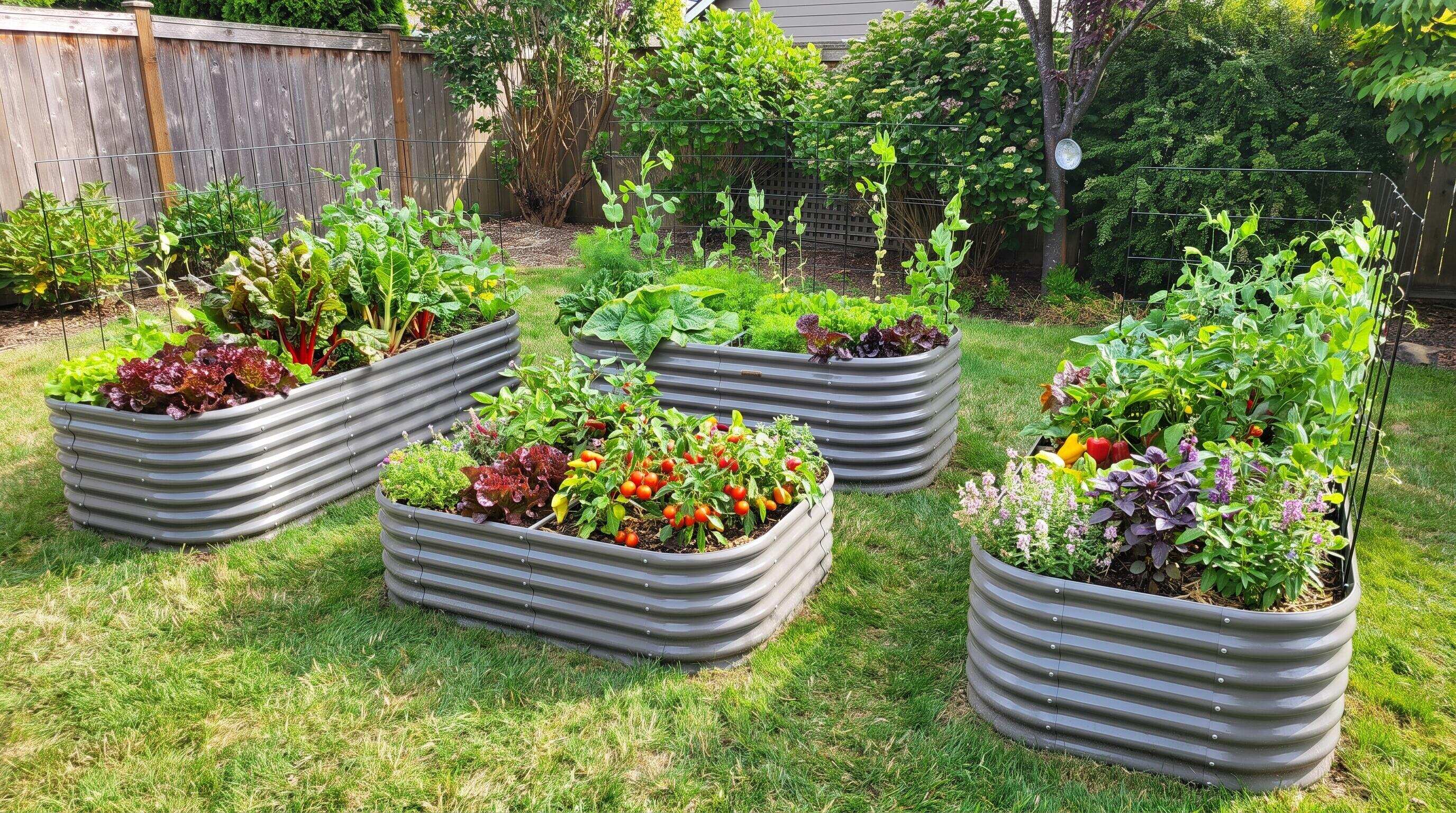
ALT: Beginner-friendly DIY raised garden bed kits arranged in a backyard raised bed garden layout
Best DIY Raised Garden Bed Kits for Beginners: A Complete Guide to Getting Started This Growing Season
Key Conclusion: Choosing the right DIY raised garden bed kit is the single most important decision a beginning home grower will make this season. The right kit determines not just your raised bed garden layout options, but how confidently you can execute a raised bed planting layout from day one. This guide evaluates the top kit types based on durability, ease of assembly, size flexibility, soil compatibility, and long-term value — giving beginners a clear, practical map for selecting the raised bed layout that fits their space, goals, and budget.
Getting started with raised bed gardening is exciting, but the sheer variety of kits available today can quickly become overwhelming. In our work with home gardeners across North America, a pattern we consistently see is that beginners tend to either under-invest in a flimsy kit they outgrow in one season, or over-invest in a complex system before they understand their own growing preferences. This list was built to cut through that confusion. Each item was selected based on practical merit — how beginner-friendly it genuinely is, what it enables in terms of planting layout, and whether it holds up season after season. Work through the items from top to bottom, or jump directly to the "How to Choose" section to match your specific situation to the right kit.
The Top DIY Raised Garden Bed Kits for Beginners This Growing Season
Galvanized Steel Panel Kits for a Classic Rectangular Raised Bed Layout
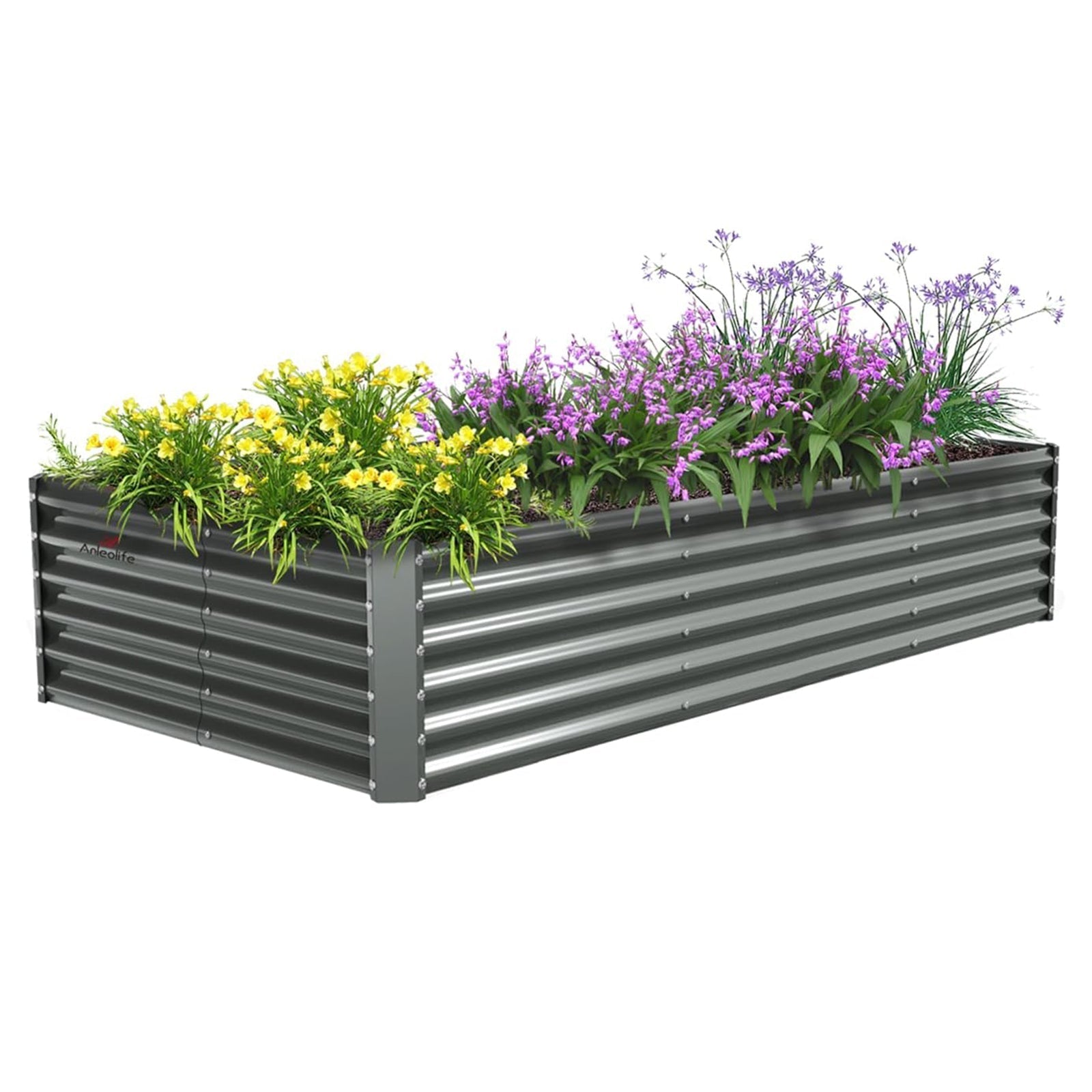
Galvanized steel panel kits are the gold standard entry point for beginner raised bed gardening, delivering a clean rectangular raised bed layout that maximizes planting rows while resisting rust, rot, and pests. A raised bed made from galvanized steel panels is a modular growing structure assembled from interlocking zinc-coated metal sections, and it outperforms wood on virtually every durability measure. According to the American Galvanizers Association, hot-dip galvanized steel forms a metallurgically bonded zinc coating that protects the base metal from corrosive elements far longer than paint or powder-coat finishes alone.
At Anleolife, our galvanized steel raised garden beds are engineered for a rated lifespan of 20 years — meaning a beginner who invests in the right kit today is making a multi-decade infrastructure decision, not just a seasonal purchase. The rectangular format (such as an 8x4 ft or 12x3 ft footprint) naturally supports classic raised bed garden layout principles like square-foot gardening and three-row planting configurations, making it easy to plan what goes where before a single seed is sown.
Best for: Beginners who want a long-lasting, low-maintenance bed that supports a structured raised bed planting layout and can be expanded later.
Watch out: Galvanized panels must be assembled correctly on level ground — skipping the leveling step causes panels to warp or gap over time, which compromises both aesthetics and soil retention.
Extra-Tall Deep-Root Kits for Vegetables That Need Vertical Soil Depth
Extra-tall raised garden bed kits — those standing 24 inches or higher — are specifically designed for crops with deep root systems, such as tomatoes, carrots, parsnips, and peppers, that perform poorly in shallow beds. A deeper raised bed layout gives roots room to develop unobstructed, which translates directly into higher yields and healthier plants without amending native soil. The University of California Cooperative Extension has documented that soil depth is a primary limiting factor for root crop development in container and raised-bed growing environments.
Anleolife's Extra Tall line includes options like 24-inch and 30-inch tall beds in various footprints, giving beginners who are serious about vegetables a genuine head start. The extra height also reduces bending and kneeling — a practical benefit that consistently earns high marks from retirees and anyone managing back or joint concerns. Filling an extra-tall bed does require more soil volume, so budgeting for a quality soil system upfront is important.
Best for: Vegetable gardeners focused on root crops or anyone who wants a more ergonomic raised bed gardening experience.
Watch out: The higher the bed, the more critical your soil mix becomes — a cheap fill that compacts quickly will negate the depth advantage. Invest in a well-structured soil blend from the start.
Modular Expansion Kits for Flexible Raised Bed Garden Layout Planning
Modular raised garden bed kits are systems where individual panels or sections can be rearranged, connected, or extended over time — making them the most future-proof choice for beginners who aren't yet sure how large their garden will grow. A modular kit is fundamentally different from a fixed-dimension kit because the raised bed layout is not locked in at purchase; you can start with a compact 6x2 ft bed this season and connect additional panels next spring to create an 8x4 ft or 12x3 ft configuration without buying an entirely new structure.
This adaptability aligns perfectly with how beginning gardeners actually develop — slowly, season by season, learning what they love growing before committing to a large footprint. In our experience working with home growers, those who start modular almost always expand, while those who lock into a large fixed layout early sometimes feel overwhelmed managing more space than they're ready for. Anleolife's Modular Raised Garden Bed line is designed precisely around this philosophy of scalable growth.
Best for: Beginners who want to start small and scale their raised bed garden layout over multiple growing seasons without replacing equipment.
Watch out: Not all modular systems are cross-compatible — confirm that the connector and panel system you choose can genuinely scale in multiple directions (length and width), not just one.
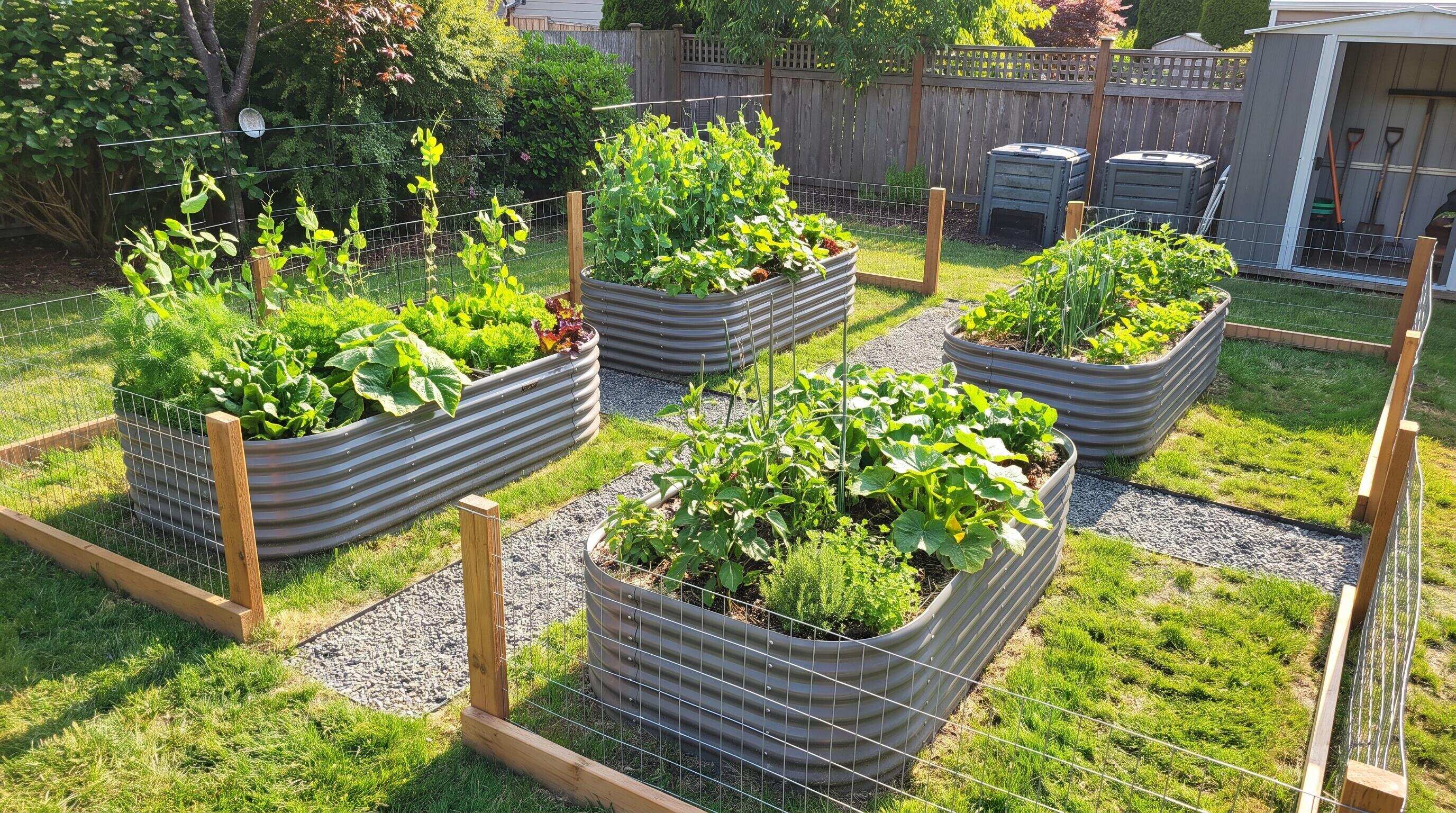
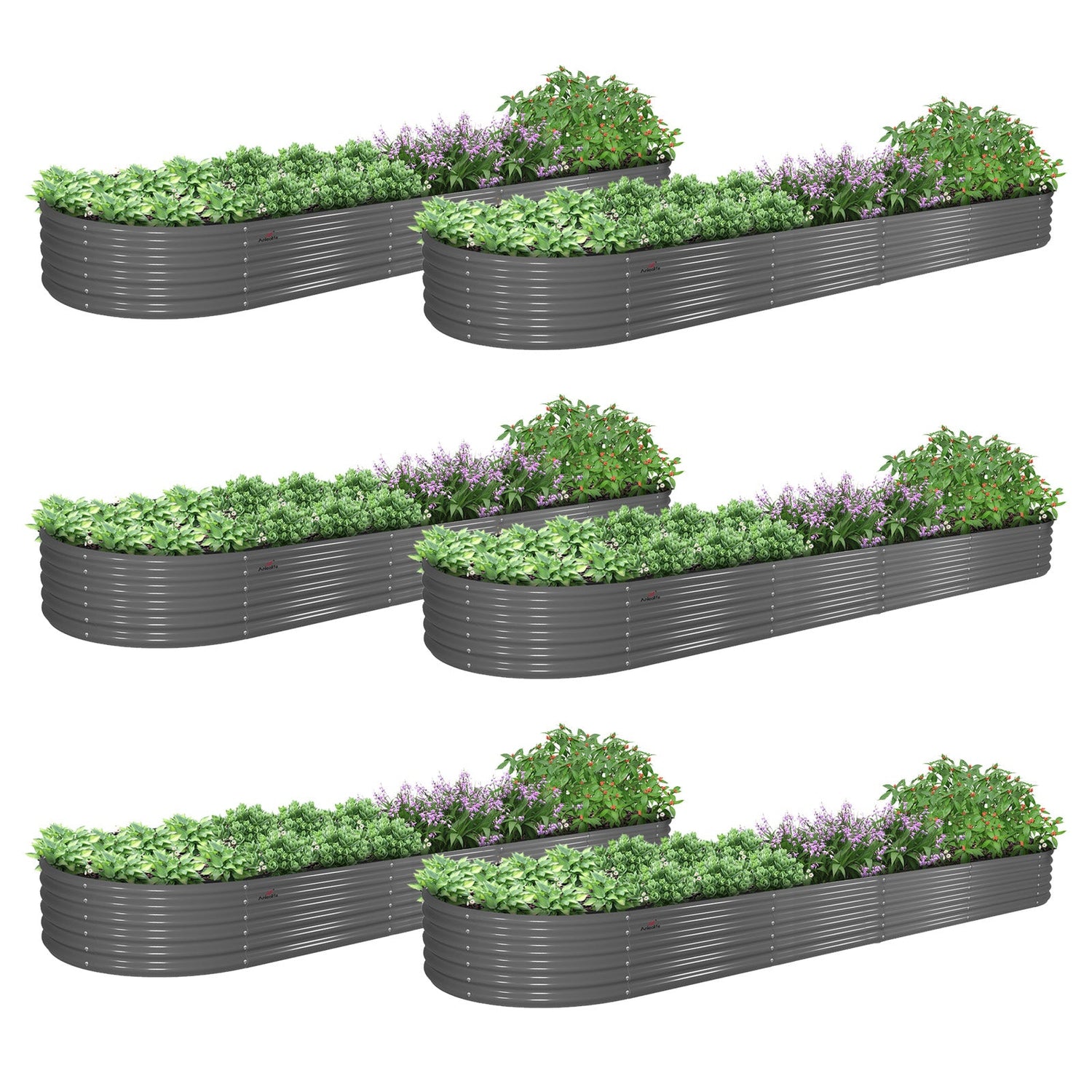
ALT: Modular galvanized steel raised garden bed kits in multiple sizes showing flexible raised bed garden layout and planting layout options for beginners
Waist-High Raised Bed Kits for Accessible, No-Bend Gardening
Waist-high raised garden bed kits stand at a height that allows a gardener to tend plants while remaining fully upright — eliminating the crouching, kneeling, and bending that make traditional in-ground gardening physically demanding. A waist-high raised bed is defined by a height that aligns with an average adult's natural arm reach downward while standing, and it is the category most recommended by occupational therapists and horticultural therapy practitioners for gardeners with mobility limitations. The American Horticultural Therapy Association recognizes accessible raised bed design as a foundational element of therapeutic and inclusive garden programming.
For empty nesters, retirees, and urban gardeners with limited mobility, a waist-high kit transforms gardening from a physical challenge into a daily pleasure. Anleolife offers a 35-inch waist-high option in the galvanized steel lineup, delivering the accessibility benefits of an elevated planter with the durability of a full raised bed system. The trade-off is that taller beds require more soil and more structural rigidity in the panels, so material quality matters more at this height than at standard 18-inch depth.
Best for: Retirees, older gardeners, gardeners with back or joint issues, and anyone seeking a fully ergonomic raised bed gardening setup.
Watch out: Waist-high beds placed on soft or uneven surfaces can shift under soil weight — always set them on a firm, level base or use ground anchors where provided.
Round Raised Garden Bed Kits for Small Spaces and Decorative Layouts
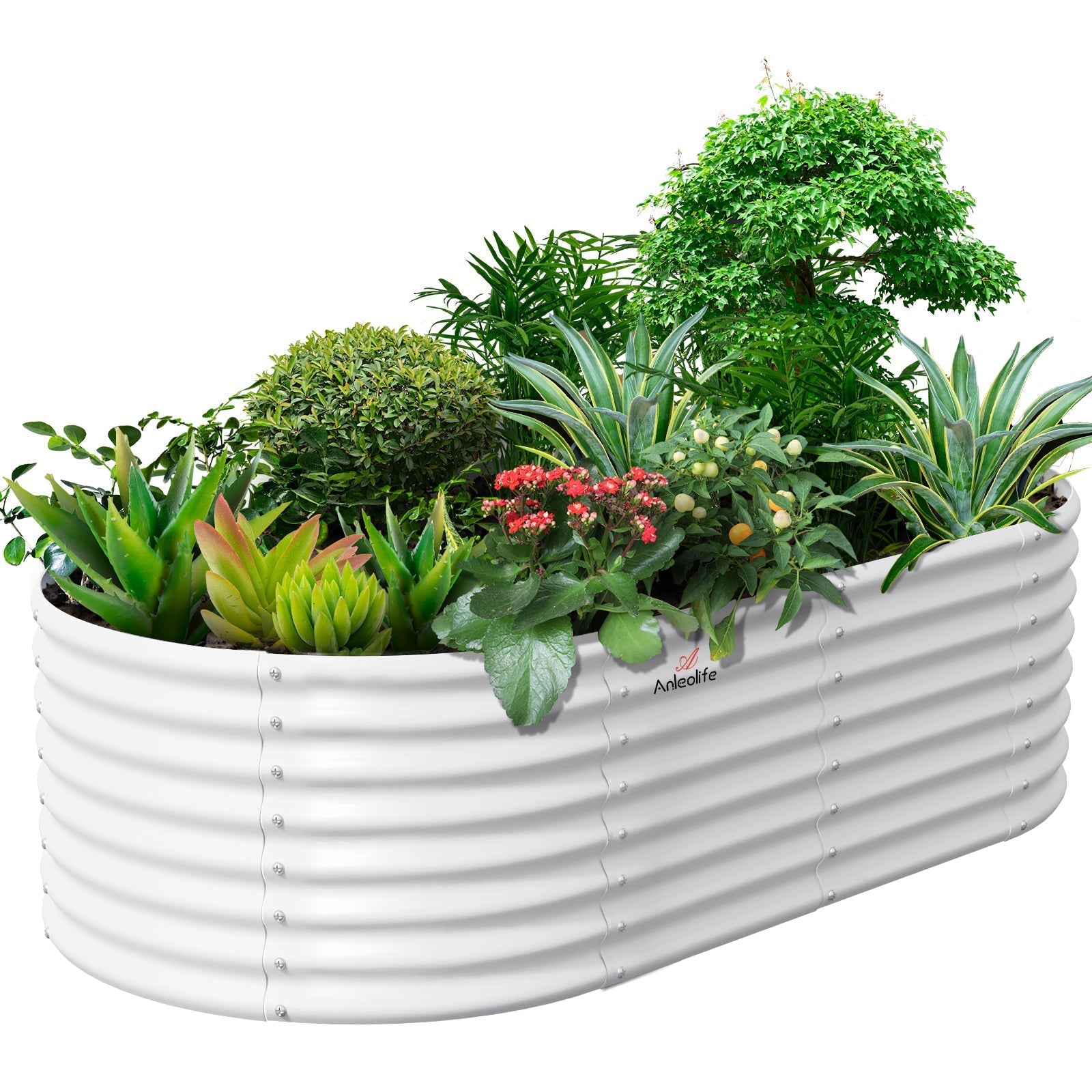
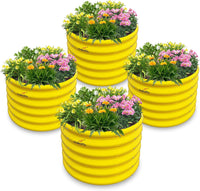
Round raised garden bed kits are circular growing structures that serve a dual purpose: maximizing usable growing area in tight or awkwardly shaped spaces, and adding a decorative focal point to a garden layout. A circular bed is accessible from all sides without the gardener ever needing to step inside, which means no soil compaction — a real agronomic advantage that flat, rectangular beds only achieve by following the reach-in-from-the-edge rule. According to soil science research cited by the USDA Natural Resources Conservation Service, preventing soil compaction in growing areas directly improves aeration, water infiltration, and root development.
For urban micro-gardeners working with a small patio, a corner of a yard, or a narrow side yard, a round bed like Anleolife's 18-inch tall, 48-inch wide Round Raised Garden Bed delivers meaningful growing area without dominating the space. The circular form also lends itself to creative raised bed planting layouts — herbs around the outer ring, a focal plant in the center — that are both productive and visually appealing.
Best for: Urban micro-gardeners, patio growers, and anyone who wants a raised bed that functions as a landscape feature as much as a growing space.
Watch out: Round beds limit row-based planting layouts — if you rely on structured row planting, a rectangular or modular bed will serve you better.
Rust-Resistant Coated Steel Kits for Humid and Coastal Climates
Rust-resistant coated steel raised garden bed kits are panels finished with advanced anti-corrosion treatments specifically engineered to perform in high-humidity environments, coastal salt air, or regions with persistent rain — conditions that accelerate degradation in untreated metal and wood alike. The distinction between standard galvanized and specialized rust-resistant coated steel matters in wet climates: standard galvanization provides excellent protection, but rust-resistant coatings add an additional barrier that is particularly valuable where moisture exposure is continuous rather than seasonal.
Anleolife's Rust-Resistant Raised Garden Beds line addresses this directly, offering beds in a range of sizes — from compact 18-inch tall beds to 30-inch extra-tall configurations — purpose-built for gardeners in climates where standard materials would struggle. Beginners in Florida, coastal Washington, or the Pacific Northwest should prioritize this category specifically. The 20-year lifespan rating Anleolife builds to is only achievable if the right material is matched to the right environment.
Best for: Gardeners in humid, coastal, or high-rainfall regions who need corrosion protection beyond what standard galvanized panels provide.
Watch out: "Rust-resistant" does not mean "rust-proof" indefinitely under all conditions — inspect the coating annually and address any scratches or chips promptly to maintain protection.
Heavy-Duty Thick-Panel Kits for Large-Scale Raised Bed Layouts
Heavy-duty raised garden bed kits are constructed from thicker-gauge steel panels than standard kits, delivering greater structural rigidity for large footprints, heavy soil loads, and multi-season reliability without bowing or panel separation. When a beginner plans an ambitious raised bed garden layout — multiple large beds, longer runs, or a dedicated kitchen garden — the panel gauge becomes a structural engineering question, not just a material preference. Thin panels on long beds bow outward under soil pressure, creating an unstable structure that is difficult and expensive to fix after the fact.
Anleolife's Heavy Duty Raised Garden Beds line is built for exactly this scenario, offering configurations from standard 18-inch tall beds through 30-inch extra-tall options with extended footprints up to 10x3 ft. For beginners scaling up quickly or committing to a serious growing operation from day one, this is the category that delivers peace of mind alongside planting space. The additional material investment upfront is consistently less expensive than replacing bowed or failed panels mid-season.
Best for: Beginners planning large-scale raised bed layouts from the start, or anyone who wants the most structurally robust system available.
Watch out: Heavy-duty panels are heavier to ship and assemble — plan for at least two people during setup, and confirm your delivery location is accessible for larger shipments.
Starter Bundle Kits with Soil System Integration
Starter bundle kits are complete raised bed packages that pair the physical bed structure with a compatible soil system — giving total beginners everything needed to go from unboxing to planting without making separate purchasing decisions about growing medium. One of the most common and costly mistakes we see in beginner raised bed gardening is pairing a high-quality bed structure with poor-quality or mismatched soil, then attributing the poor plant performance to the bed itself. A quality raised bed planting layout is only as good as the soil system supporting it.
A well-designed soil system for raised beds typically combines topsoil, compost, and an aerating material (such as perlite or coarse sand) in proportions that balance drainage, nutrient retention, and root penetration. Bundles that integrate both bed and soil guidance eliminate the guesswork that trips up so many first-season growers. When evaluating any bundle, confirm the soil volume recommendation matches the actual interior dimensions of the bed — a mismatch leaves you under-filled and under-planted.
Best for: Complete beginners who want a single, integrated solution that removes guesswork from both the raised bed layout and the growing medium.
Watch out: Pre-mixed soils in bundles vary widely in quality — check that the mix includes organic matter and adequate drainage components, not just inexpensive fill material.
Quick Comparison at a Glance
The table below summarizes the seven kit types covered in this guide, mapping each to the beginner situations where it performs best. Use it as a fast reference when you're ready to narrow your choice.
| Kit Type | Best For | Key Strength | Key Limitation |
|---|---|---|---|
| Galvanized Steel Panel Kit | Most beginners seeking durability and a structured layout | 20-year lifespan, rectangular layout flexibility | Requires level ground; assembly precision matters |
| Extra-Tall Deep-Root Kit | Vegetable growers, ergonomic gardening | Root depth for high-yield crops, reduced bending | Higher soil volume and cost required |
| Modular Expansion Kit | Beginners who want to scale over time | Flexible, season-to-season layout expansion | Confirm true multi-directional scalability before buying |
| Waist-High Kit | Retirees, gardeners with mobility needs | Fully ergonomic, no bending required | Needs firm, level base; higher soil investment |
| Round Raised Garden Bed Kit | Urban micro-gardeners, patio gardeners | No-compaction access, decorative focal point | Limits row-based planting layouts |
| Rust-Resistant Coated Steel Kit | Coastal and high-humidity climates | Superior corrosion protection in wet conditions | Requires annual coating inspection |
| Heavy-Duty Thick-Panel Kit | Large-scale layouts, serious beginners | Maximum structural rigidity under heavy soil loads | Heavier to ship and assemble; needs two people |
| Starter Bundle with Soil System | Complete beginners, all-in-one approach | Removes soil-selection guesswork | Soil quality varies; verify organic matter content |
How to Choose the Right Raised Garden Bed Kit for Your Situation
The right raised garden bed kit is the one that matches your physical space, your physical capacity, your climate, and your realistic ambitions for this season — not next season's aspirational version of yourself.
Start with your space. If you have a standard backyard with level ground, almost any kit will work, and the decision becomes one of layout preference. A rectangular galvanized bed in an 8x4 ft footprint is a proven starting point because it supports most raised bed garden layout approaches — rows, blocks, and square-foot planting — without committing to more space than a beginner can comfortably manage. If your space is tight, small, or irregularly shaped, the round bed or a compact modular starter is a smarter first move.
Next, assess your climate. Beginners in the Gulf Coast, the Pacific Northwest, or any coastal region should prioritize rust-resistant coated panels over standard galvanized steel. The difference in long-term performance in those environments is significant, and the cost differential is modest relative to a 20-year use horizon.
Consider your physical situation honestly. A 30-inch extra-tall or 35-inch waist-high bed costs more and requires more soil, but if kneeling or bending is uncomfortable, the ergonomic benefit will determine whether you actually use the bed consistently or let it sit idle. Gardening you don't do delivers no harvest.
Finally, plan your raised bed planting layout before you buy the bed. The most common misconception among beginners is that layout planning comes after the bed arrives. In reality, knowing that you want to grow tomatoes (deep roots), herbs (shallow roots), and salad greens (medium roots) informs whether you need one 18-inch bed, one extra-tall bed, or a combination — and in what sizes. Sketch your planting layout first; then select the bed geometry that supports it.
A common misconception worth addressing directly: bigger beds are not always better for beginners. A large bed poorly managed produces less than a small bed well tended. Starting with a footprint you can genuinely maintain — and expanding modularly — is consistently a more successful strategy than starting large and feeling overwhelmed.
People Also Ask
Q1: How do I plan a raised bed garden layout as a complete beginner?
A raised bed garden layout is best planned by starting with your crop list, then working backward to determine the space each plant needs. As a general principle, taller plants (like tomatoes or corn) go on the north side of the bed to avoid shading shorter crops. Most beginners do well starting with a rectangular bed in the 4x8 ft range, using a grid or square-foot system to assign growing zones within the bed. Sketch the layout on paper before planting — it prevents the most common spacing errors.
Q2: Are galvanized steel raised garden beds safe for growing vegetables?
Galvanized steel raised garden beds are widely considered safe for vegetable gardening. The zinc coating on galvanized steel is a stable metal that does not leach into soil at meaningful levels under normal garden conditions. The U.S. Environmental Protection Agency and horticultural authorities have not flagged zinc from standard galvanized steel as a food-safety concern at typical garden bed application rates. For additional confidence, a physical liner can be added inside the bed, though most experienced growers do not find this necessary.
Q3: How long does it take to set up a DIY raised garden bed kit, and what does it cost over time?
Most beginner-friendly DIY raised garden bed kits can be assembled by two people in under two hours, depending on the size and panel count. The primary long-term cost consideration is not the bed itself but the soil — which may need partial replenishment or top-dressing each season. A galvanized steel bed built to a 20-year lifespan, like those in the Anleolife lineup, spreads the initial hardware investment across decades, making the per-season cost quite low compared to wood beds that may need replacement within five to seven years.
The Bottom Line
Choosing the right DIY raised garden bed kit is not about finding the most feature-rich option — it's about matching the right structure to your specific space, climate, physical needs, and planting ambitions for this season.
Key Takeaways:
- A galvanized steel raised garden bed with a rated 20-year lifespan is the most cost-effective long-term choice for most beginners in most climates.
- Extra-tall and waist-high kits deliver real ergonomic and agronomic advantages that justify their higher soil investment for the right grower.
- Modular kits are the most flexible starting point for beginners who aren't yet certain how large their raised bed garden layout will eventually grow.
- Climate matching matters — humid and coastal gardeners should prioritize rust-resistant coated steel over standard galvanized panels.
- Planning your raised bed planting layout before purchasing your kit eliminates the most common and expensive sizing mistakes.
The best next step is to sketch your available space, list the crops you want to grow this season, and use that information to map directly to the kit type that fits. From there, the path to a productive growing season is straightforward.
Ready to find the right kit for your space? Explore the full range of raised garden bed systems — from compact starter beds to heavy-duty large-scale configurations — at the Anleolife website. With a nationwide warehouse network spanning California, Texas, Florida, New York, Illinois, and Washington, orders arrive in 3–8 business days so your growing season doesn't wait. Anleolife products are also available on Amazon, Walmart, Home Depot, Lowe's, and Wayfair for consistent quality and after-sales support wherever you prefer to shop. Whether you're planting your first bed or building a full planting-and-raising ecosystem, Anleolife grows with you — one season at a time.
Sources & Citations
- American Galvanizers Association. "Hot-Dip Galvanizing for Corrosion Protection."
https://www.galvanizeit.org/ - U.S. Department of Agriculture, Natural Resources Conservation Service. "Soil Health and Compaction Management in Garden and Agricultural Systems."
https://www.nrcs.usda.gov/ - American Horticultural Therapy Association. "Accessible Garden Design and Therapeutic Horticulture Standards."
https://www.ahta.org/ - U.S. Environmental Protection Agency. "Zinc and Soil Safety in Residential Garden Applications."
https://www.epa.gov/
Note: Standards and guidelines may be updated; please check the latest official documents or consult professional advisors for current recommendations.