


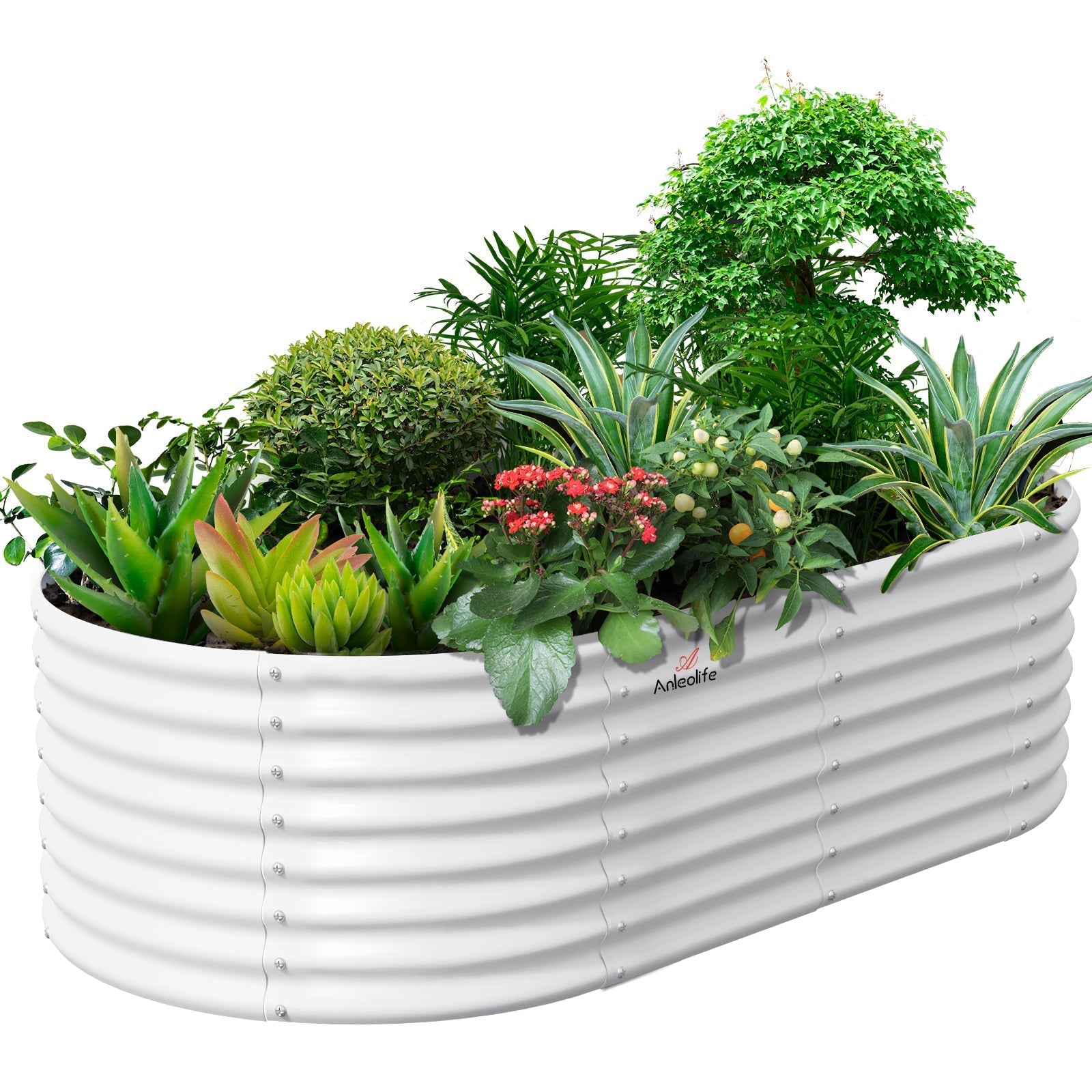
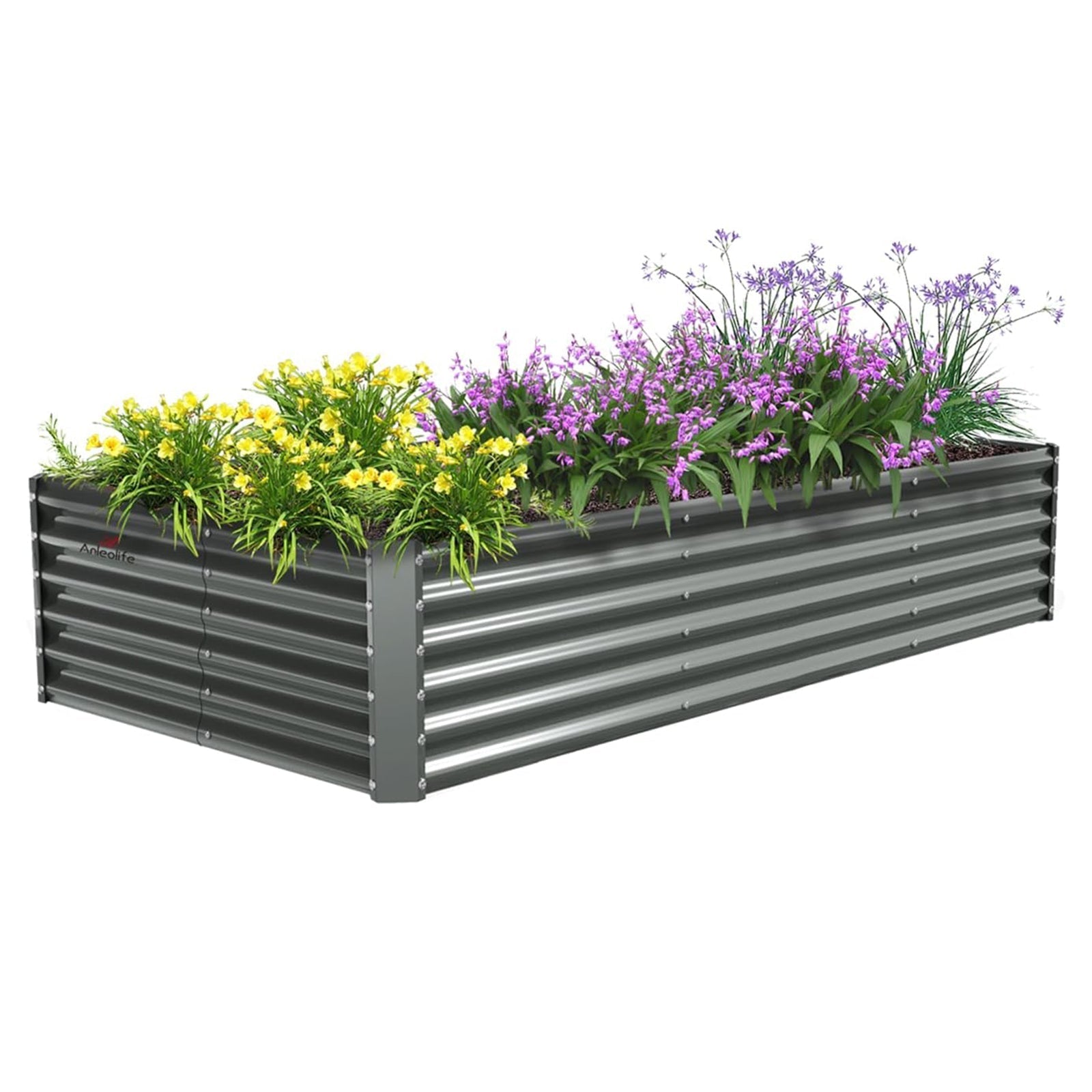

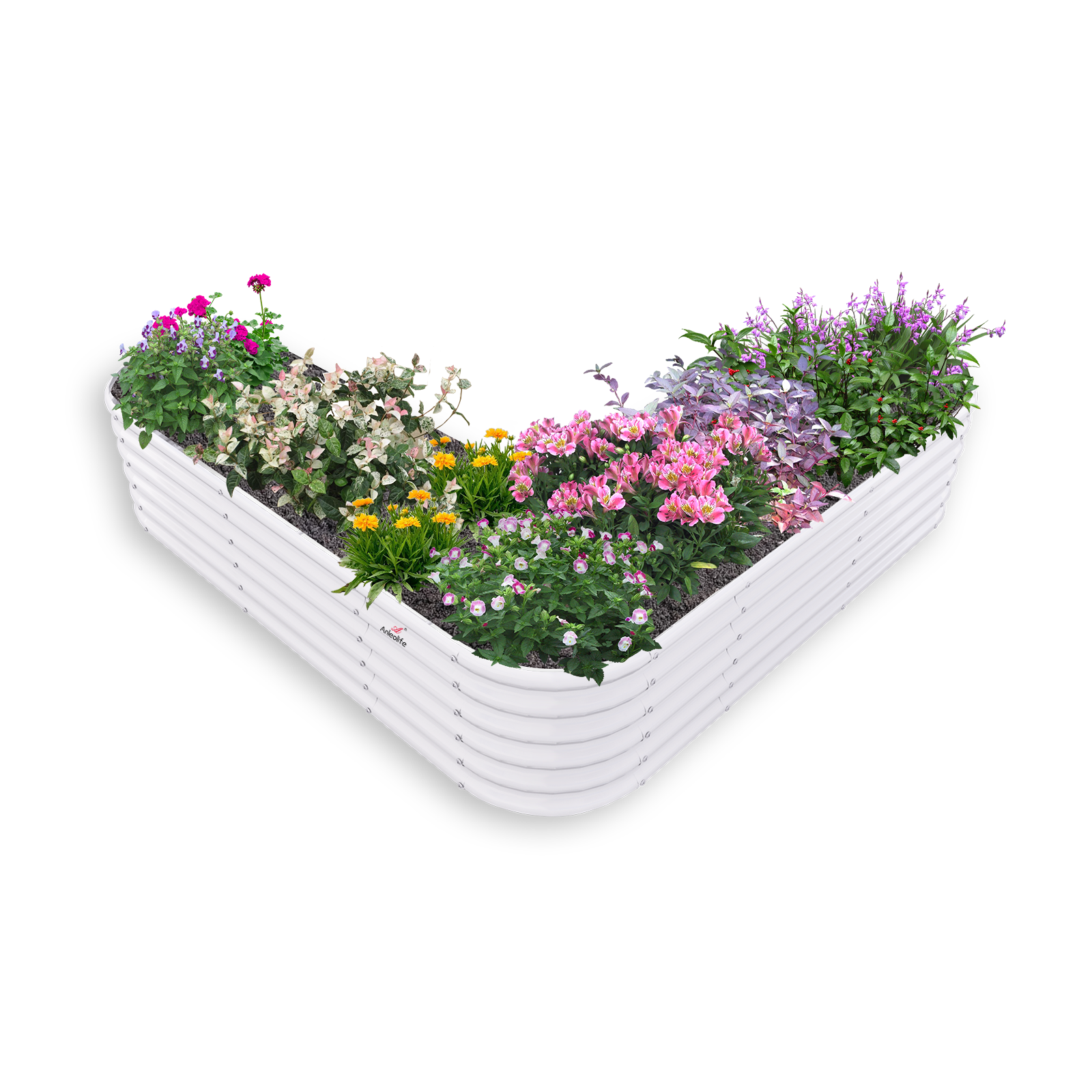
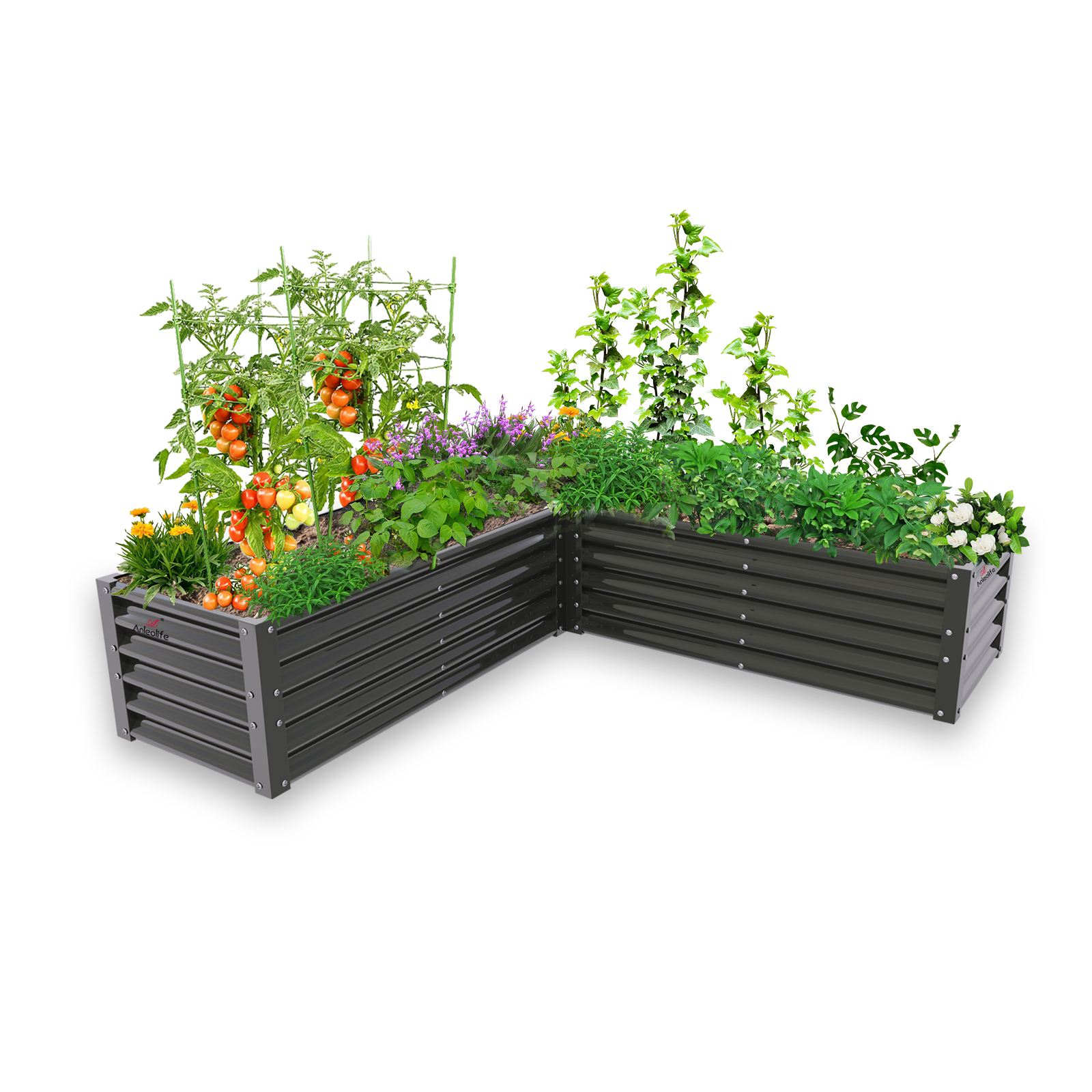
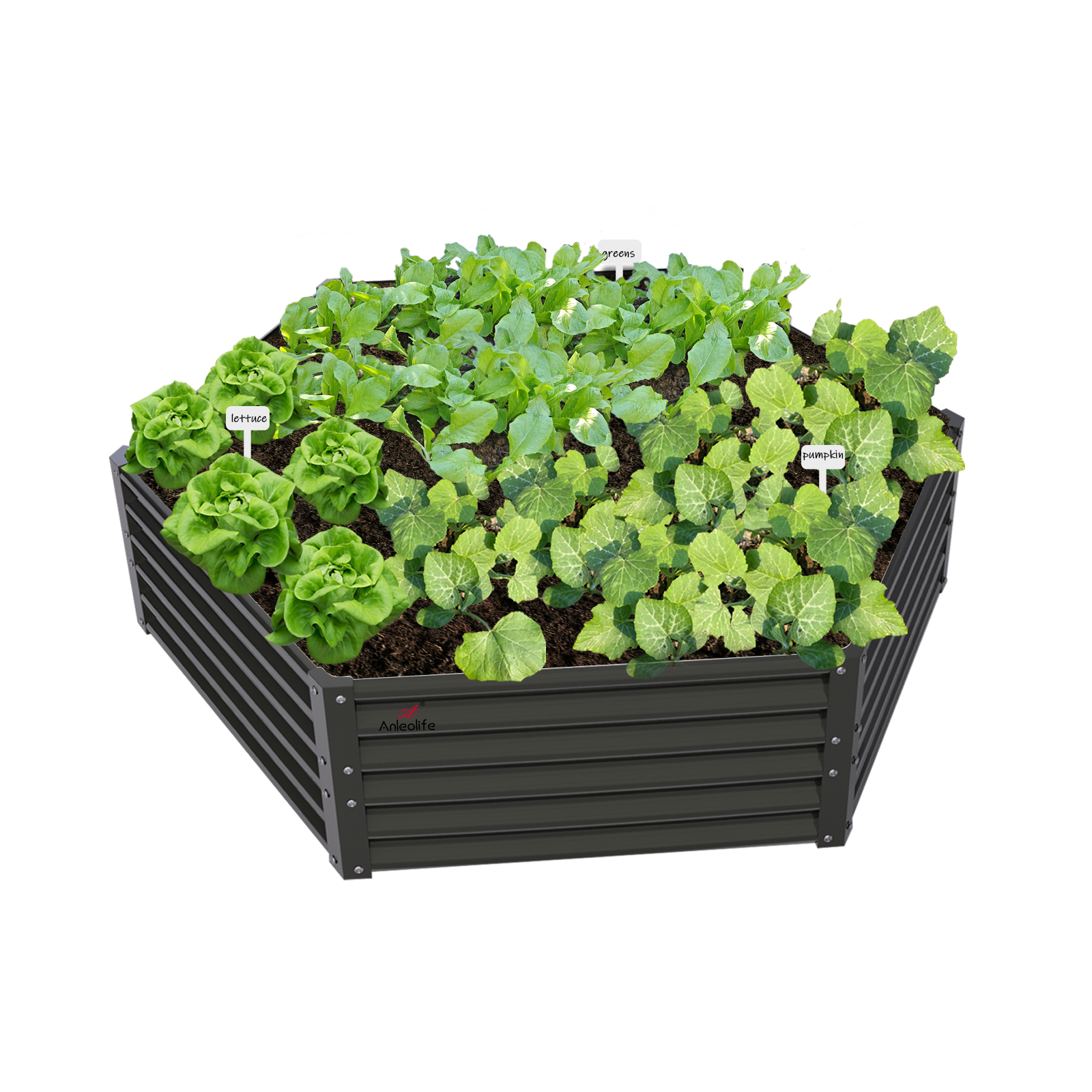
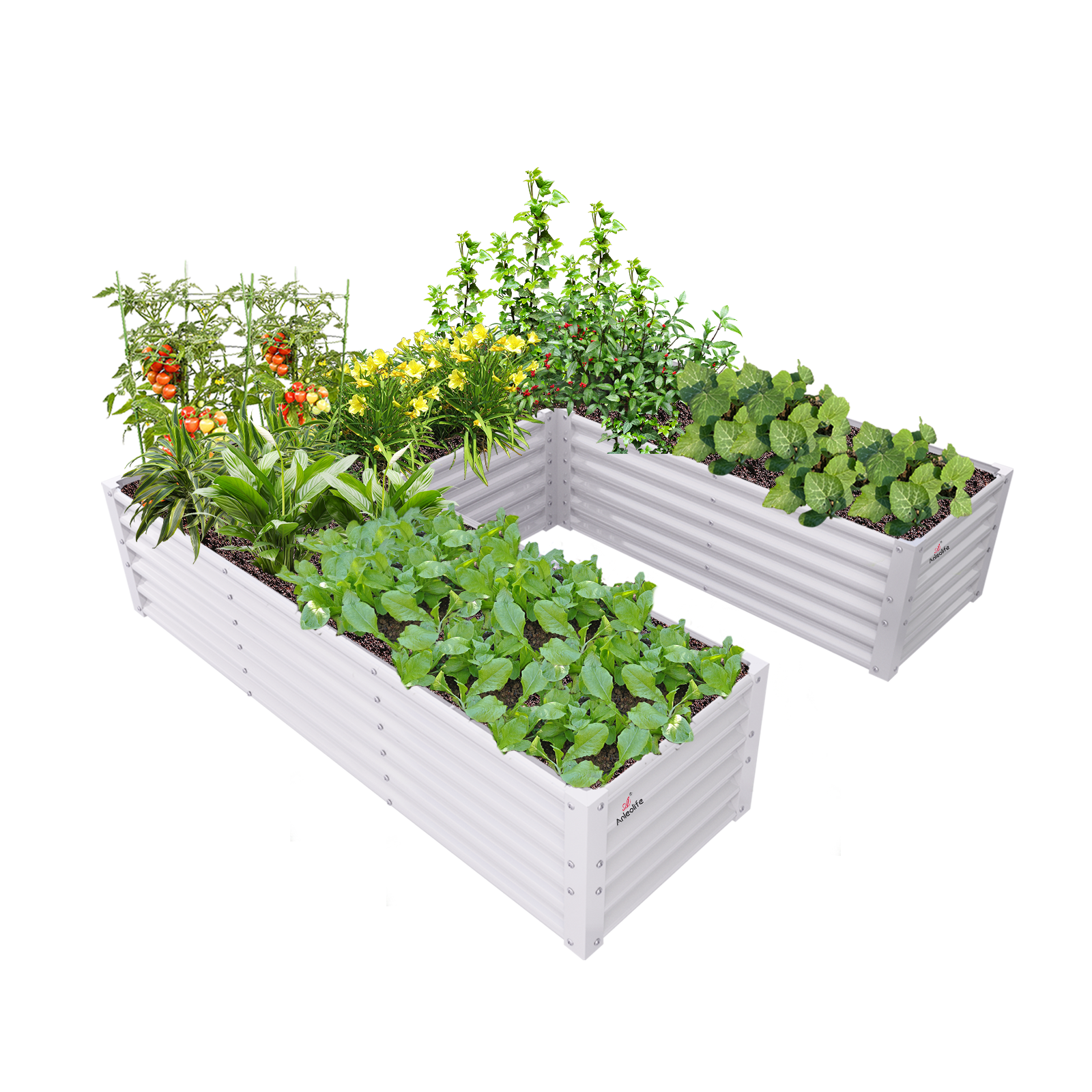

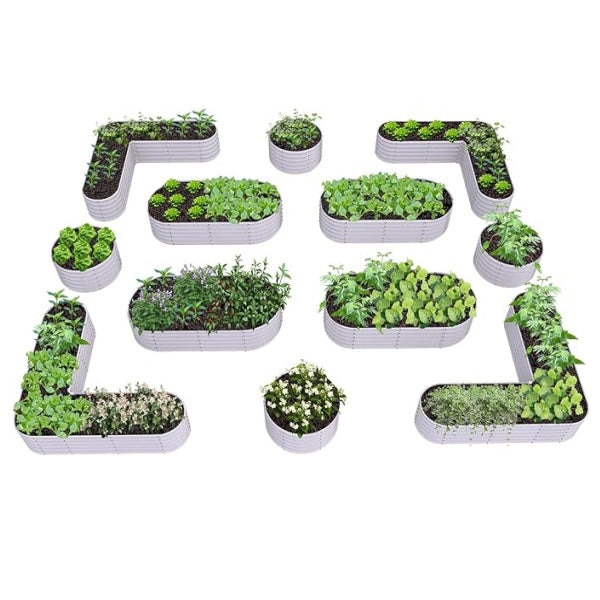


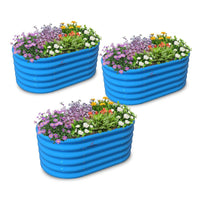
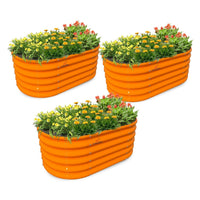
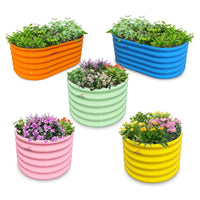
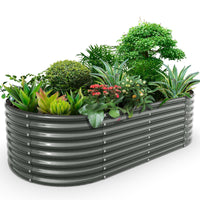



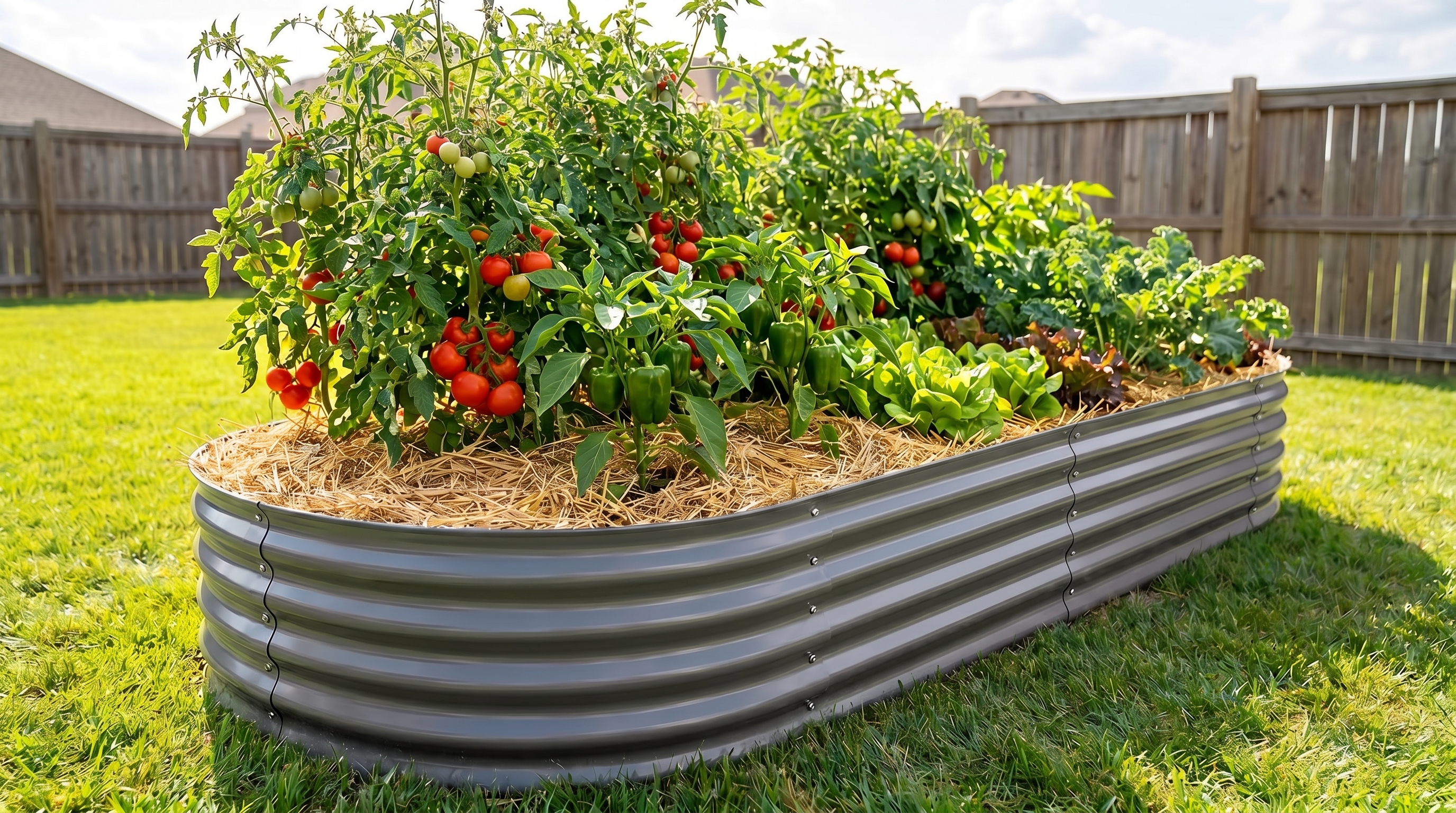
ALT: Raised garden bed filled with vegetable plants covered in organic mulch to retain summer soil moisture
Why Summer Mulching in Raised Garden Beds Is the Game-Changer Your Garden Needs
Key Conclusion: Mastering mulching strategies for raised garden beds is one of the most impactful steps any home grower can take before summer heat peaks. The right mulch layer locks in moisture, moderates soil temperature, suppresses weeds, and reduces watering frequency — translating directly into healthier plants and lower water bills. Whether you're working with a compact urban raised bed or a sprawling backyard layout, the principles of effective mulching apply universally and are easy to implement with the right guidance.
Summer heat is relentless, and for raised bed gardeners, the challenge of moisture retention becomes critical from June onward. Because raised garden beds drain faster than in-ground plots — a feature that's great for root health but challenging in drought conditions — they lose moisture more quickly under direct sun exposure. Without a protective mulch layer, soil can dry out within hours on a hot afternoon, stressing your plants and forcing you into daily watering routines.
The good news? A well-applied mulch layer can reduce watering needs by up to 50%, according to horticultural research, while simultaneously building soil biology, managing weed pressure, and keeping root zones cool. This guide walks through the top mulching strategies for raised garden beds specifically, addressing everything from material selection to layering techniques, seasonal timing, and common mistakes to avoid.
Who Should Use These Mulching Strategies for Raised Garden Beds
✅ Applicable Scenarios:
- Home gardeners growing vegetables, herbs, or flowers in metal or wood raised garden beds during spring through early fall
- Urban micro-gardeners with limited space who need maximum efficiency from every square foot
- Eco-conscious growers who want to reduce water consumption and build organic soil health naturally
- Empty nesters or retirees who prefer low-maintenance gardening practices that still yield abundant results
- New raised bed gardeners looking to establish strong moisture management habits from day one
❌ Not Applicable/Cautions:
- Seedlings in germination phase: Heavy mulch applied directly over germinating seeds can block light and trap too much moisture, promoting damping-off disease
- Cool-season crops in early spring: Mulching too early in spring can keep soil temperatures artificially low, slowing the growth of warm-season transplants
- Raised beds with persistent waterlogging issues: Adding mulch before resolving drainage problems may worsen root rot conditions
The Science Behind Moisture Loss in Raised Garden Beds — and Why Mulching Solves It
Raised garden beds warm up faster than ground-level soil in spring, which is one of their greatest advantages for extending the growing season. However, that same thermal efficiency becomes a liability in summer. Elevated exposure to sun and wind accelerates evaporation from the soil surface, and because raised beds have defined boundaries and typically superior drainage, moisture exits the system faster than in traditional garden plots.
Research from the University of California Cooperative Extension has consistently highlighted soil moisture conservation as one of the top challenges for home gardeners in warm, dry climates. The organization notes that mulching is among the most cost-effective, sustainable interventions available to residential gardeners — reducing both water use and the need for synthetic weed control.
For raised bed gardeners specifically, the dynamics are even more pronounced. A standard 18-inch-tall raised bed exposes more soil volume to air temperature swings. In an 8x4 configuration with deeper soil mass, the upper several inches can reach temperatures that actively damage feeder roots during peak afternoon heat. This is where a 2–4 inch mulch layer becomes transformative — it insulates the surface, prevents evaporative loss, and creates a microclimate where soil biology can thrive.
If you're early in your raised garden bed journey and still evaluating bed options and budget, the guide How Much Should You Spend on a Raised Garden Bed This Season? offers an excellent breakdown of what to prioritize. Once your bed is in place and planted, moisture management through mulching becomes your next high-impact skill to develop.
The environmental case for mulching is also compelling. With water scarcity increasingly relevant across the American West and South — regions where Anleolife has significant customer bases in California, Texas, and Florida — reducing irrigation frequency is both ecologically and economically smart. Mulching aligns directly with sustainable home gardening values that many middle-class families and eco-conscious growers prioritize.
Core Mulching Strategies to Lock In Moisture All Summer Long
Three-Step Quick Start for New Raised Bed Mulchers
Step 1: Prepare Your Raised Bed Surface Before Mulching
Before applying any mulch, water your raised bed thoroughly so the soil is already moist at the time of application — this locks moisture into the soil from the start. Remove any weeds that have emerged, as mulch will suppress future growth but not eliminate existing plants. For beds with new transplants, allow seedlings to establish for at least one to two weeks post-transplant before applying mulch around them. This process takes about 20–30 minutes per standard 8x4 bed.
Step 2: Choose Your Mulch Material and Apply at the Right Depth
Select an organic mulch material suited to your crop type and climate (detailed comparison in the next section). Apply mulch to a depth of 2–3 inches for most vegetable gardens, or up to 4 inches for perennial herbs and flower beds. Keep mulch pulled back 1–2 inches from the base of plant stems to prevent rot and pest harborage. A single bag of commercial wood chip mulch typically covers approximately 6–8 square feet at 3-inch depth, so calculate your bed dimensions in advance. This step takes 15–30 minutes.
Step 3: Monitor, Replenish, and Adjust Throughout the Season
Organic mulches break down over the season — which is a benefit for soil biology but means you'll need to replenish. Check mulch depth every 4–6 weeks during summer and add a thin layer as needed to maintain the 2–3 inch target. After major rain events, gently fluff matted mulch to restore air circulation and prevent mold development. At season's end, incorporate remaining mulch into the top layer of your bed's soil to add organic matter.
Comparing the Best Mulch Materials for Raised Garden Beds
Different mulch materials offer distinct advantages depending on your garden goals, local availability, aesthetic preferences, and budget. The table below compares the most popular options across dimensions that matter most to raised bed gardeners.
| Comparison Dimension | Straw / Hay | Wood Chips / Shredded Bark | Compost Mulch |
|---|---|---|---|
| Moisture Retention | Excellent — forms a loose, breathable layer that holds humidity well | Very good — dense coverage reduces evaporation significantly | Good — doubles as a soil amendment while retaining moisture |
| Weed Suppression | Good when applied thickly | Excellent — heavy material blocks light effectively | Moderate — may contain viable weed seeds if not fully composted |
| Decomposition Rate | Fast (1 season) — adds organic matter quickly | Slow to moderate — lasts 1–2 seasons | Very fast — essentially integrates into soil by season's end |
| Availability & Cost | Widely available; inexpensive | Available at garden centers; moderate cost | Can be made at home; low to no cost |
| Aesthetic Appeal | Rustic, natural look | Polished, formal appearance | Blends into soil; minimal visual impact |
| Best For | Vegetable gardens, annual crops | Pathways, perennials, ornamental beds | Nutrient-hungry crops needing enriched soil |
| Pest Considerations | May harbor slugs and snails if piled thick | Minimal pest attraction when dry | Low pest risk when fully cured |
This comparison makes it clear that no single mulch is universally superior — the best choice depends on your specific raised bed goals. For most summer vegetable gardens, straw mulch offers the ideal balance of moisture retention, affordability, and easy availability. Wood chips work beautifully for raised beds integrated into decorative landscaping designs.
In-Depth Guide to Mulching Strategies for Raised Beds by Crop Type and Bed Depth
Mulching Vegetable Crops: Tomatoes, Peppers, and Cucurbits
For heat-loving vegetables like tomatoes, peppers, eggplants, and squash, maintaining consistent soil moisture is directly tied to fruit quality. Irregular moisture causes blossom end rot in tomatoes and bitter cucumbers — problems that can devastate a season's harvest.
Apply a 2–3 inch layer of straw mulch around these crops after transplanting, once soil has warmed to at least 60°F. Keep mulch away from stems but allow it to extend to the bed edges. For Anleolife's raised beds in the 18-inch tall range — such as the 8x4 or 12x3 configurations — a full mulch layer across the bed surface dramatically reduces mid-day water stress on these thirsty crops.
A practical tip: lay a soaker hose or drip irrigation line on the soil surface before applying mulch. Mulching over your drip system delivers water directly to roots while the mulch seals moisture in from above — a dual-action approach that can reduce watering time by more than half.
Mulching for Deeper Raised Beds (24"–35" Tall)
Extra-tall raised beds — including Anleolife's 24-inch Extra Tall and 30-inch Extra Tall configurations — hold significantly more soil volume. While this depth is excellent for root crops and offers built-in ergonomic benefits, the deeper soil column actually retains moisture better through capillary action. This means mulching at the standard 2-inch depth is usually sufficient, rather than the thicker layers sometimes used in shallow beds.
The ergonomic advantage of waist-high raised beds (Anleolife's 35-inch Waist-High 4x1.5 ft bed, for instance) also means you're more likely to notice and address mulch breakdown quickly because of the comfortable working height — an underrated benefit for older gardeners and those with mobility considerations.
Protecting Smaller and Round Raised Beds
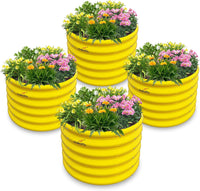
For compact configurations like the Round Raised Garden Bed (18" Tall, 48" Wide), mulching requires a slightly different technique. The curved geometry means mulch can shift toward edges more easily. Use a slightly coarser material like wood chips to maintain stable coverage, and check mulch distribution after rain or wind events more frequently than you would with rectangular beds.
Smaller beds like the 4x1.5 or 6x2 configurations used by urban micro-gardeners also benefit from mulching — perhaps even more so, since their smaller soil volumes are more vulnerable to rapid moisture loss. These beds are popular for herbs and salad greens, which appreciate consistent moisture but are sensitive to overwatering. Straw or shredded leaf mulch at 1.5–2 inches works well for these crops.
Slug and Snail Management Under Mulch
One legitimate concern with organic mulch — especially straw and leaf litter — is that it creates a moist, protected habitat that slugs and snails love. The best way to prevent slugs and snails in raised beds is to combine mulch use with a few targeted deterrents: copper tape applied around the bed perimeter creates a mild electrical barrier that slugs avoid; food-grade diatomaceous earth sprinkled at the soil-mulch interface is effective after dry spells; and iron phosphate-based baits (like Sluggo) are certified for organic gardens and safe around pets and wildlife.
Raised beds made from galvanized steel — like Anleolife's Galvanized Steel Raised Garden Beds — offer an additional advantage here: their smooth metal sides make it harder for slugs to climb in compared to wood or stone-edged beds. Pairing this structural deterrent with the right mulch management strategy gives you strong pest protection without reaching for chemical insecticides.
The Role of Soil Quality Under Your Mulch
Even the best mulch strategy is limited by what's happening in the soil beneath. Mulch retains moisture, but the soil itself needs the structure to hold and distribute that moisture to plant roots. For raised bed gardeners looking to optimize their soil foundation, the resource What Is the Best Soil Mix for Raised Garden Beds? (The Mel's Mix Guide) provides a proven framework for building moisture-retentive, well-draining raised bed soil that works synergistically with mulching.
Great mulching on poor soil still produces mediocre results. But mulching on a well-structured soil mix creates a system where moisture is captured, retained, and made consistently available to plant roots — exactly what summer crops need to thrive.
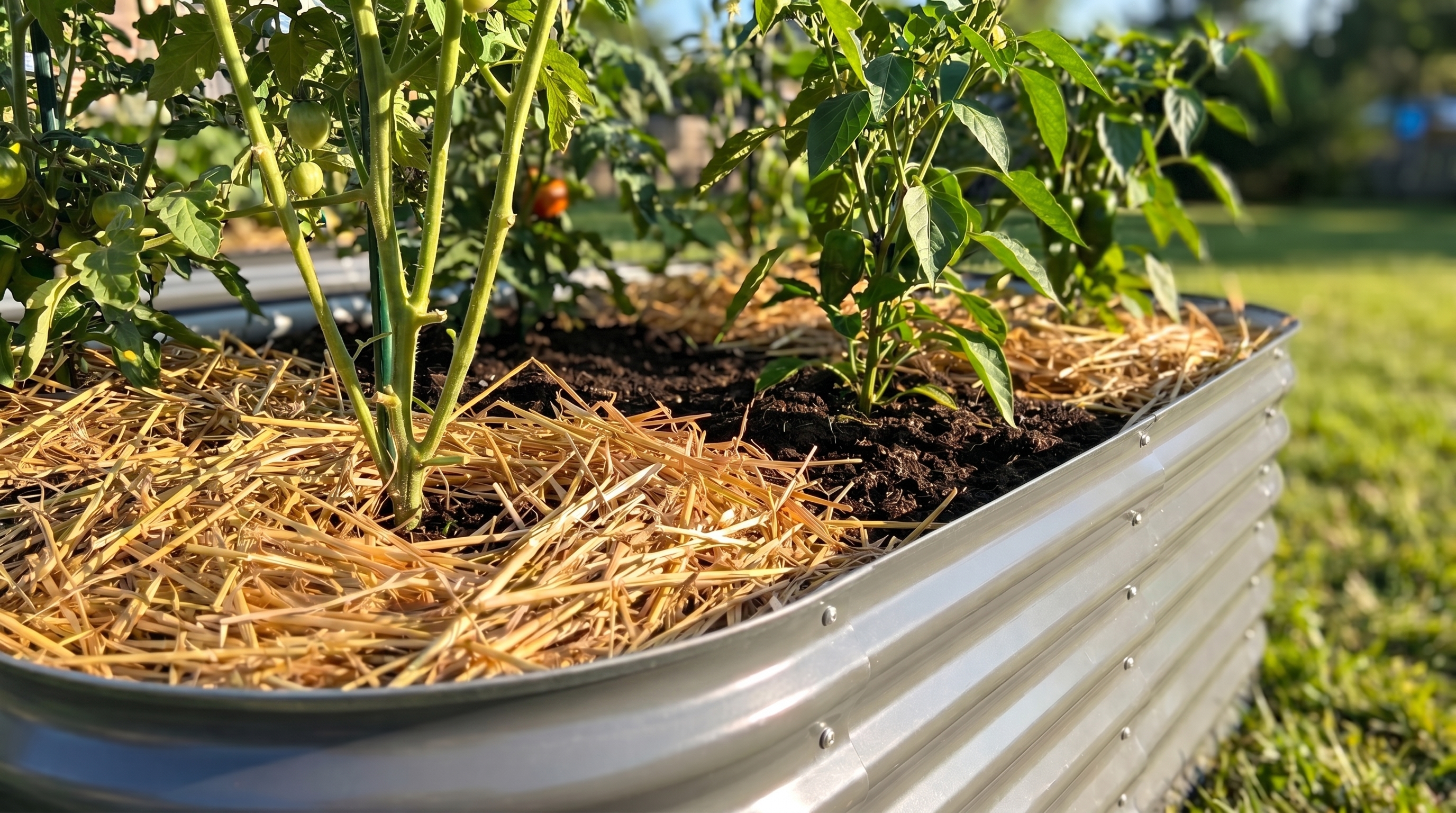
ALT: Straw mulch layered around summer vegetables in a galvanized steel raised garden bed to conserve moisture and suppress weeds
Advanced Mulching Techniques and Common Misconceptions
Layering Mulch with Living Groundcovers
One advanced strategy that experienced raised bed gardeners use is combining a traditional mulch layer with low-growing living groundcovers — plants like creeping thyme, sweet alyssum, or white clover — that suppress weeds and conserve moisture through living root systems. This approach is particularly effective in larger raised beds (8x4 and above) where companion planting is already integrated into the design.
If you're exploring how to optimize your bed layout for both productivity and moisture management, the article How to Build a Raised Garden Bed Layout for Families with Limited Backyard Space offers practical layout planning strategies that can be combined with mulching for a fully optimized growing system.
Misconception: "More Mulch Is Always Better"
A very common mistake among new gardeners is applying mulch too thickly, particularly around the base of plants. Mulch piled against stems creates "mulch volcanoes" — a term professionals use for the misguided practice of mounding mulch around tree and plant trunks. This traps excess moisture against soft plant tissue, promotes fungal disease, and can attract boring insects. Always maintain a clear gap of at least 1–2 inches between mulch and any plant stem.
Misconception: "Mulching Once Per Season Is Enough"
Organic mulches decompose — that's actually one of their greatest features, as decomposed mulch adds organic matter to your soil and feeds beneficial microorganisms. However, it does mean that a single application in early June may be nearly exhausted by late August in hot climates. Plan for at least one mid-season top-up, especially in raised beds in full sun in states like Texas, Florida, or California where Anleolife serves a high concentration of customers.
Synthetic Mulch: Knowing When (and When Not) to Use It
Black plastic mulch and landscape fabric are sometimes marketed for raised beds. While black plastic can effectively warm soil and suppress weeds early in the season, it degrades in UV exposure, is not eco-friendly, and disrupts the soil biology that makes raised bed gardening so rewarding long-term. For health-conscious and eco-minded gardeners, organic mulch alternatives are strongly preferable.
Frequently Asked Questions FAQ
Q1: How do I choose the best mulch for moisture retention in a raised garden bed?
The best mulch for moisture retention depends on your crop type and aesthetic preferences. Straw mulch is the top choice for vegetable gardens because it's loose, breathable, and holds humidity well around roots. Wood chips are excellent for ornamental raised beds or perennial herbs. Compost mulch doubles as a soil amendment, making it ideal for heavy-feeding crops. Apply any of these at a 2–3 inch depth, keeping material away from plant stems to prevent rot.
Q2: Is it safe to use mulch in galvanized steel raised garden beds?
Yes, organic mulch is completely safe and highly beneficial in galvanized steel raised garden beds. The steel structure doesn't interact negatively with any standard organic mulch material. In fact, the combination works particularly well: the galvanized steel walls help regulate bed temperature and the mulch layer locks in moisture, creating a stable microenvironment for plant roots. Anleolife's galvanized steel raised garden beds are built for 20-year durability, making them an ideal long-term platform for these soil and mulch management practices.
Q3: How often should I replace or replenish mulch in a raised bed during summer?
Plan to replenish mulch every 4–6 weeks during peak summer. Organic mulches like straw decompose more quickly in heat, and the target is always 2–3 inches of depth. A quick check every few weeks — simply pressing your hand into the mulch to test depth — tells you whether it's time to add more. At season's end, work remaining decomposed mulch into the top layer of your soil as a natural amendment. This is low-effort maintenance with compounding benefits for soil health year over year.
Summary
Mastering summer mulching for raised garden beds is one of those foundational practices that delivers outsized returns on minimal investment. Here are the three core takeaways from this guide:
1. Mulch is your most powerful moisture management tool. A consistent 2–3 inch layer of organic mulch reduces evaporation, moderates soil temperature, suppresses weeds, and supports soil biology — all at once. For raised beds in hot, sunny locations, this single practice can halve your watering frequency.
2. Match your mulch to your crops and bed depth. Straw excels in vegetable gardens; wood chips suit ornamental and perennial beds; compost mulch feeds hungry plants while protecting moisture. Deeper beds (24"–35" tall) need less mulch depth than shallow configurations. Adjust your approach based on what you're growing and how your beds are structured.
3. Consistent maintenance beats a single heavy application. Check mulch depth every 4–6 weeks, keep it away from plant stems, deter slugs with structural and organic methods, and integrate mulching with strong soil management for maximum results across the entire growing season.
Your next step: walk out to your raised beds today, check current mulch depth, and schedule your first mid-season top-up. The investment of an hour now pays off in healthier plants, lower water bills, and a more resilient garden all the way through fall harvest.
Ready to Upgrade Your Raised Garden Bed System?
Anleolife supports your entire garden journey with a nationwide U.S. warehouse network strategically located in California, Texas, Florida, New York, Illinois, and Washington — ensuring delivery within 3–8 business days so your garden upgrade plans never have to wait.
Our products are available across major e-commerce platforms including Amazon, Walmart, Home Depot, Lowe's, Wayfair, and directly at Anleolife.com, providing consistent quality assurance and reliable after-sales service wherever you prefer to shop.
Anleolife's product ecosystem covers three core gardening scenarios: Planting (including our galvanized steel and rust-resistant raised garden beds, built to last 20 years), Raising (chicken coops, rabbit hutches), and Beautification (decorative accessories, pathway systems) — meeting your complete needs from functionality to aesthetics.
We understand that an ideal garden isn't built overnight. It grows gradually, with better decisions each season. Our modular product design allows flexible expansion based on your needs — from your first 8x4 raised garden bed to a fully integrated planting-and-raising ecosystem. We grow with you every step of the way.
References
- University of California Agriculture and Natural Resources. "Mulching in the Garden and Landscape".
https://ucanr.edu/sites/soilandwater/Soil_Management/Mulching/ - U.S. Department of Agriculture Natural Resources Conservation Service. "Organic Mulch and Soil Moisture Conservation".
https://www.nrcs.usda.gov/resources/guides-and-instructions/organic-matter - Penn State Extension. "Mulches for the Home Landscape".
https://extension.psu.edu/mulches-for-the-home-landscape - Oregon State University Extension Service. "Mulching Woody Ornamentals with Organic Materials".
https://extension.oregonstate.edu/gardening/techniques/mulching-woody-ornamentals-organic-materials - University of Minnesota Extension. "Mulch for the Home Garden".
https://extension.umn.edu/planting-and-growing-guides/mulch
Note: Standards and recommendations may be updated. Please check the latest official documents or consult professional horticultural advisors for current guidance.
About Anleolife
Anleolife is a leading outdoor garden solutions provider in North America, dedicated to offering a full-scenario product ecosystem for home gardening enthusiasts, covering planting, raising, and garden beautification. Since its founding, Anleolife has upheld its brand mission, "Made for Garden Life," continuously innovating products and optimizing services to help hundreds of thousands of users upgrade their gardens, reconnect with nature, and enjoy a better garden lifestyle. From the first raised bed to a complete outdoor living space, Anleolife is the partner that grows alongside you through every season.