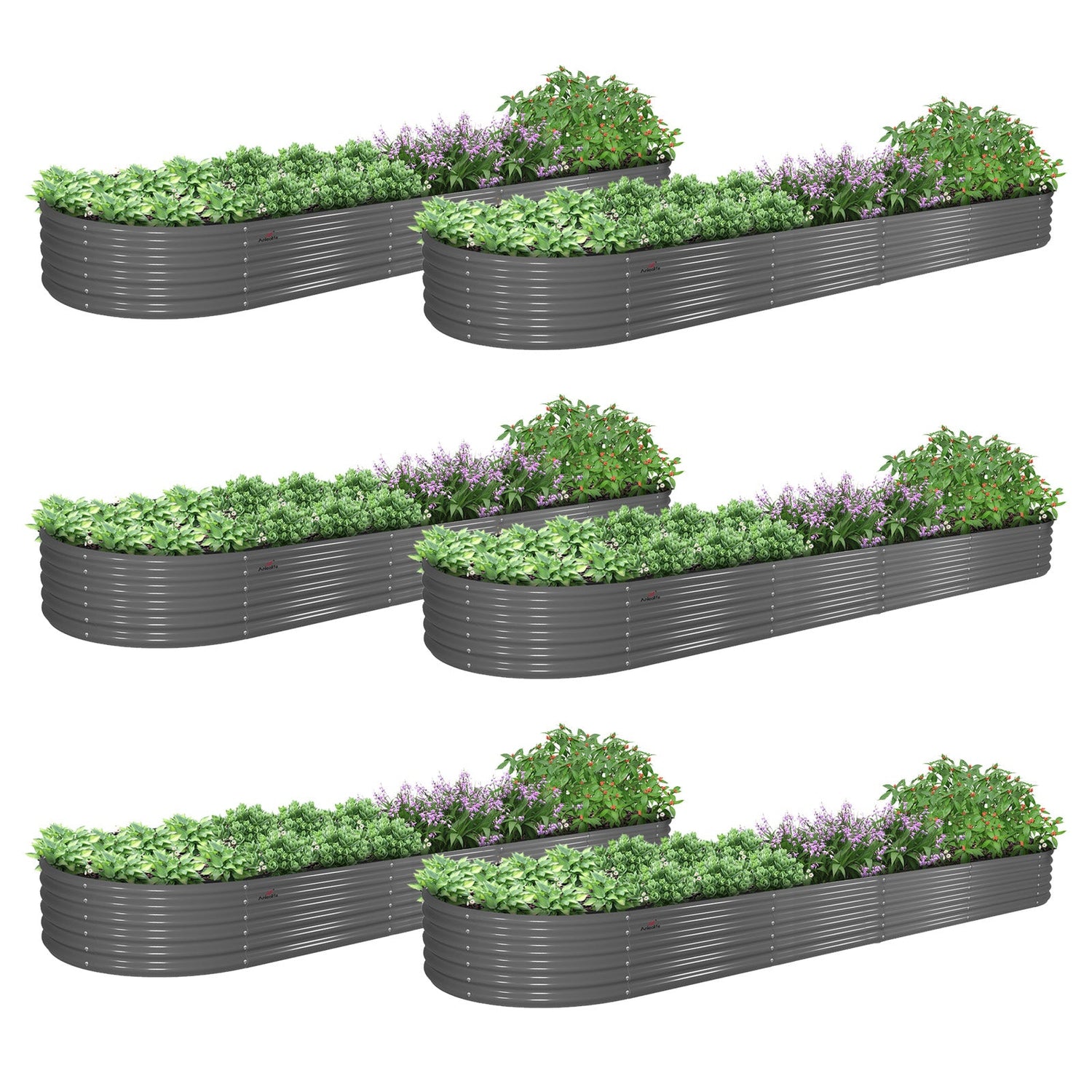



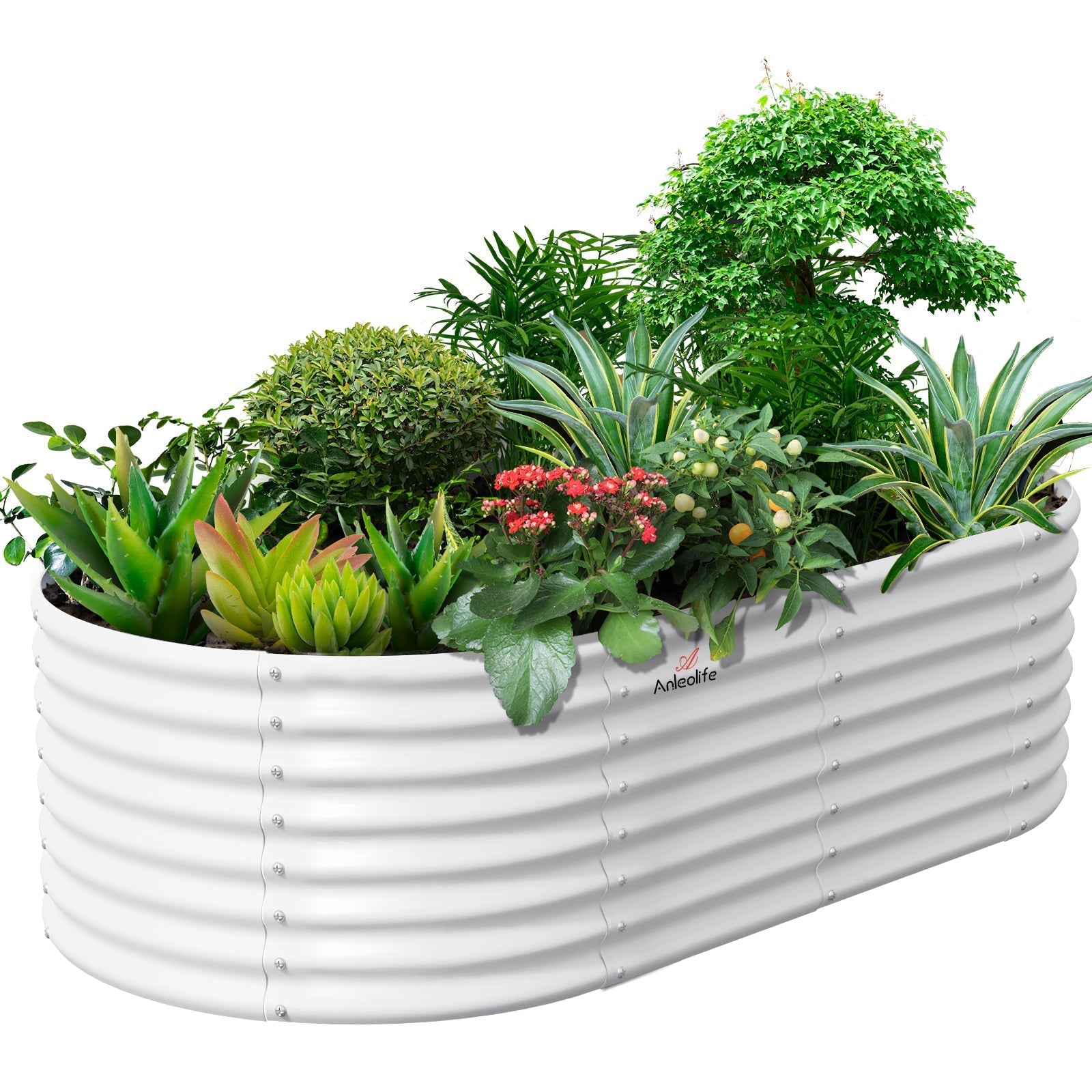
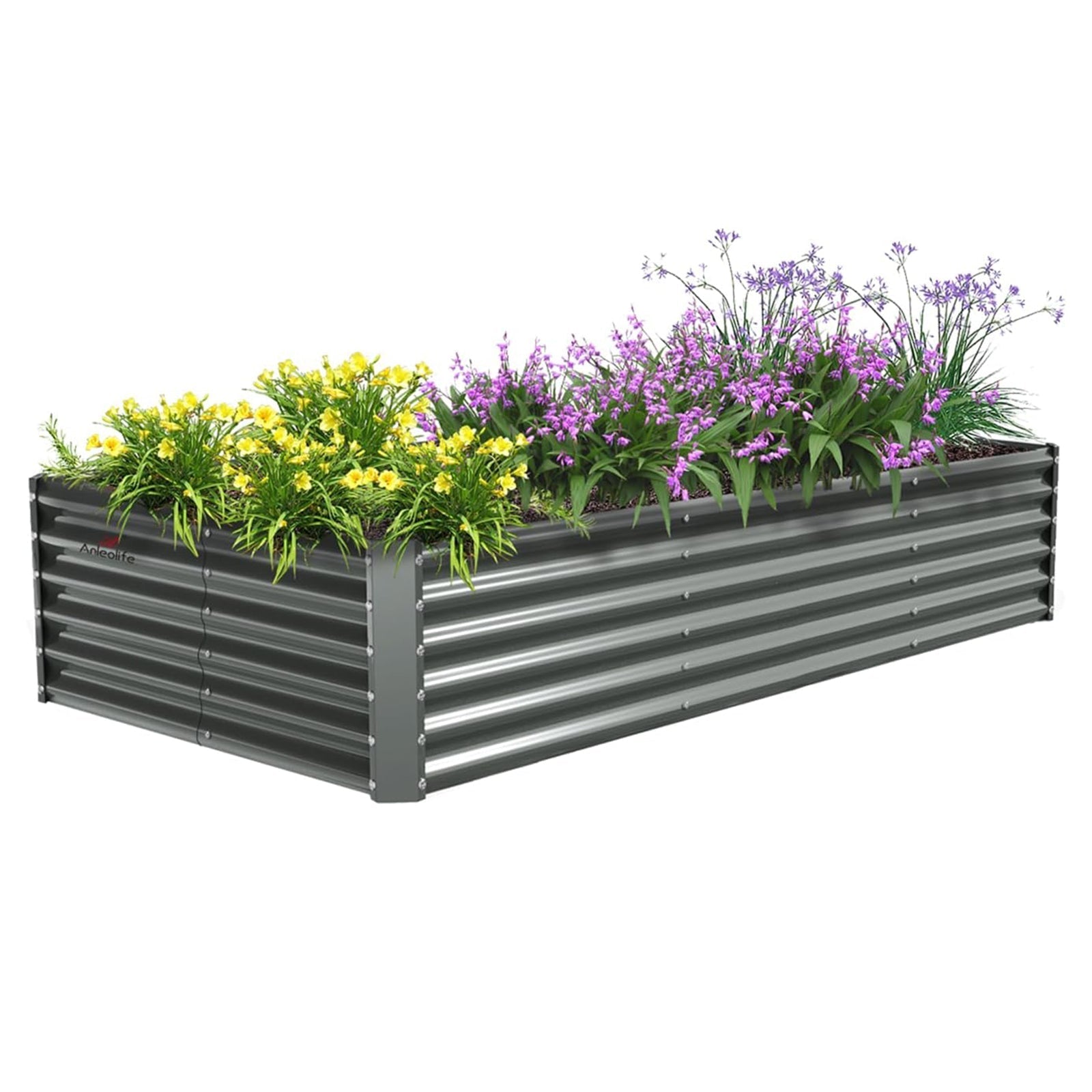

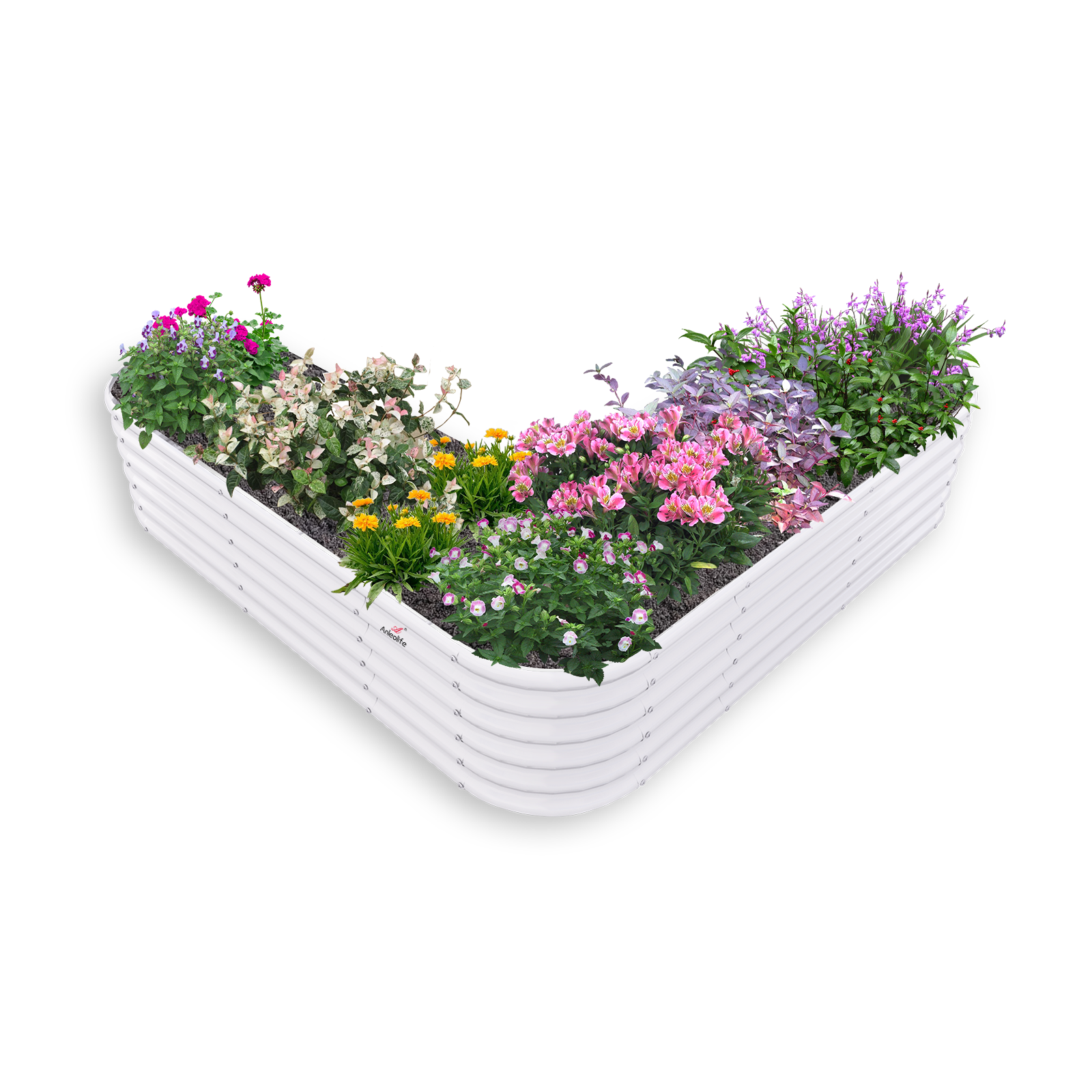
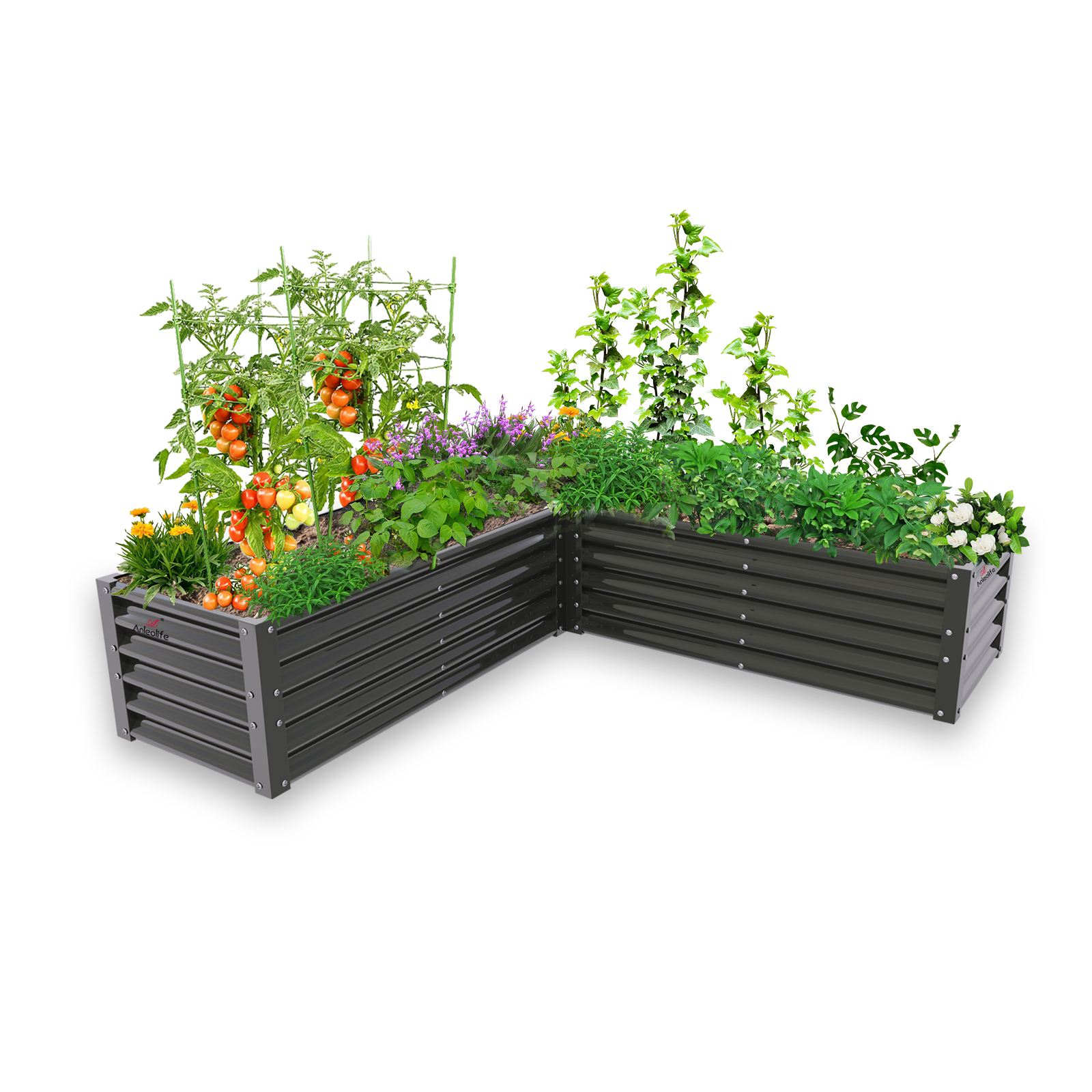
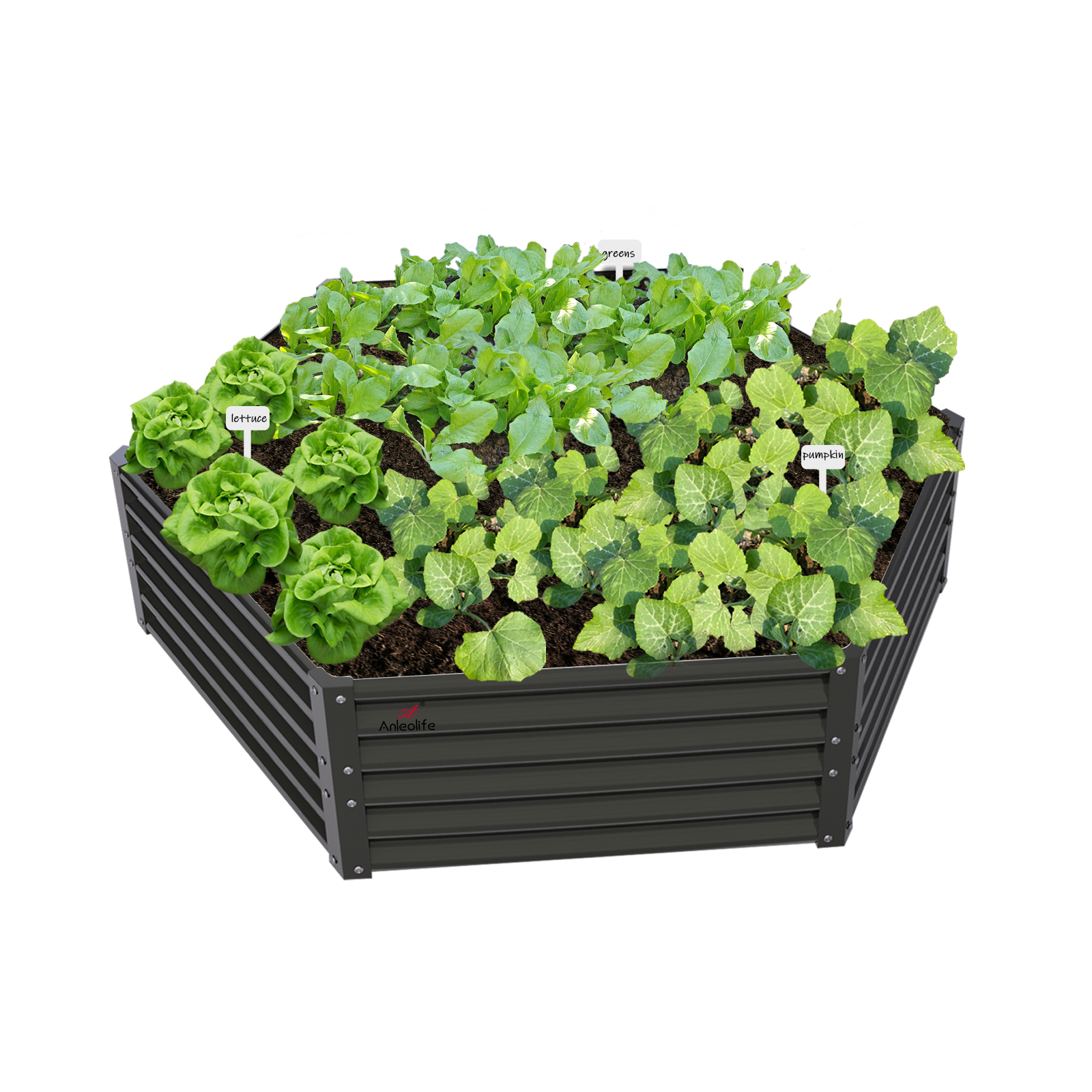
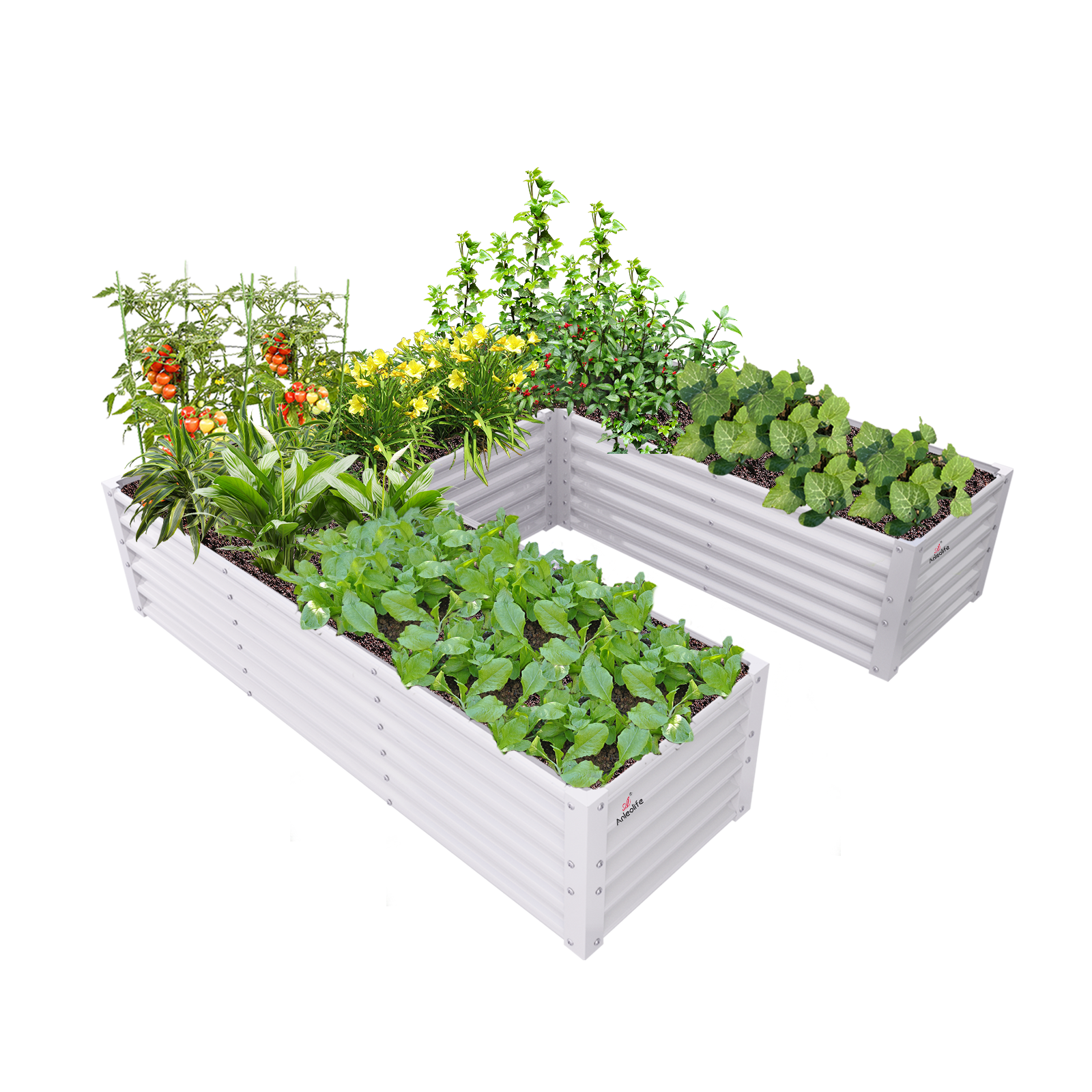

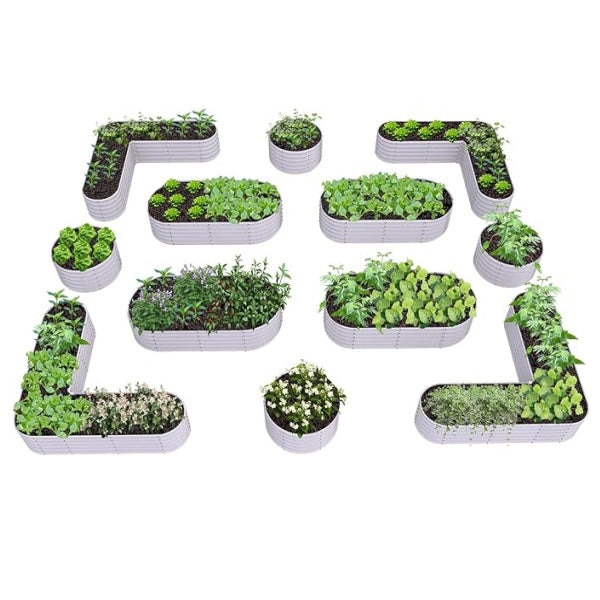


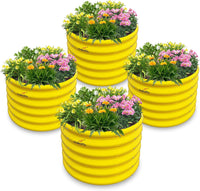
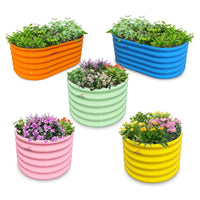
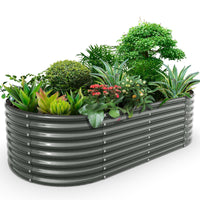




ALT: Top summer vegetables thriving in a galvanized steel raised garden bed for home gardeners
Why Your Raised Garden Bed Is the Secret to a Thriving Summer Vegetable Garden
Key Conclusion: Summer is the most productive season for vegetable gardening, and a raised garden bed gives you a decisive edge. Whether you're growing tomatoes, zucchini, or leafy greens, the elevated, well-drained structure of a raised bed accelerates root growth, warms soil faster, and keeps pests at bay. Choosing the right vegetables to plant right now—combined with the right bed setup—transforms a small backyard or patio into a high-yield, healthy food source your family will enjoy all season long.
There's never been a better moment to start or expand your raised bed garden. Across North America, more home gardeners than ever are turning to raised garden beds to maximize their outdoor space, grow cleaner food, and reconnect with nature. According to the National Gardening Association, food gardening participation surged in recent years, with millions of households adding edible plants to their home landscapes.
Three things make raised bed vegetable gardening particularly rewarding in summer. First, the elevated soil structure drains excess moisture quickly, preventing the root rot that flat-ground gardens often suffer during summer rainstorms. Second, you control the soil quality completely—mix in compost, aged manure, and the ideal pH for each crop. Third, the defined growing space makes watering, weeding, and harvesting far more efficient, even for gardeners with limited time or mobility.
Who Should Be Planting Summer Vegetables in a Raised Garden Bed Right Now
✅ Applicable Scenarios:
- First-time gardeners who want a forgiving, controlled environment to grow their first tomatoes, cucumbers, or herbs without battling hard clay soil
- Urban micro-gardeners and small-patio owners looking for the best container gardening setup for small patios, where a compact 4x4 or 4x2 raised bed replaces pots and maximizes vertical growing potential
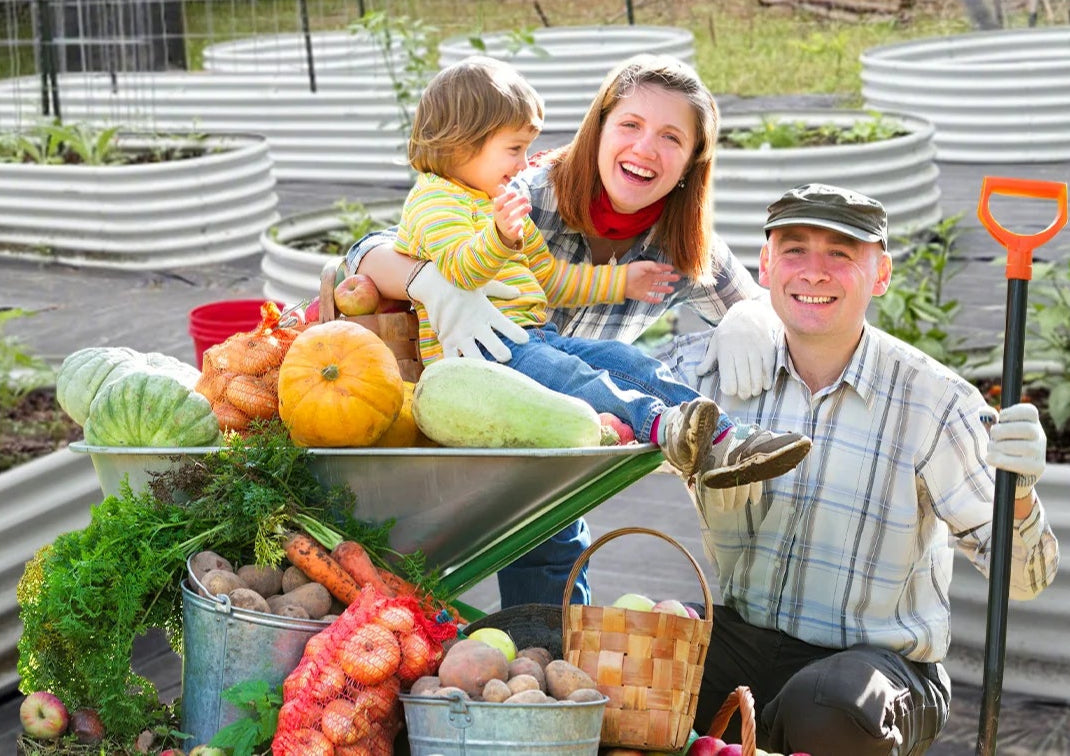
- Health-conscious families and retirees who want to grow organic produce at home, reduce grocery bills, and stay physically active with light, accessible garden work
- Eco-conscious growers who want to use the best eco-friendly materials for raised garden beds and create a sustainable, low-input growing system
❌ Not Applicable/Cautions:
- Gardeners in regions with extreme late-summer drought who have no consistent irrigation plan—summer vegetables are thirsty, and raised beds dry out faster than in-ground plots
- Those expecting a fully mature harvest within days—most summer vegetables need weeks of growing time, so "planting right now" works best for fast-maturing varieties or seedlings rather than seeds in the hottest months
The Real Advantage of Raised Bed Gardening in Summer (and Why Timing Matters)
Understanding why raised beds outperform traditional gardens in summer heat helps you make smarter planting decisions. The science is straightforward: raised beds elevate your root zone above compacted, nutrient-poor native soil. You fill them with a custom blend—usually a mix of topsoil, compost, and perlite—that drains well, warms quickly in spring, and stays loose for deep root penetration.
In summer specifically, soil temperature is a critical variable. Most warm-season vegetables—tomatoes, peppers, squash, beans—germinate and grow best when soil temperature sits between 60°F and 85°F. Raised beds reach and hold these temperatures more reliably than in-ground plots, especially in northern climates where ground soil stays cold well into June.
What's the best height for a raised garden bed? This is one of the most common questions among new gardeners, and the answer depends on your goals and physical needs. Shorter beds (around 18 inches tall) work well for most vegetables, providing adequate root depth for tomatoes, peppers, and squash. Extra-tall beds in the 24–35-inch range are ideal for gardeners who prefer to work standing up without bending—a game-changer for retirees or anyone with back concerns. Waist-high beds offer the most ergonomic experience and are particularly popular for raised-bed herb and salad gardens.
The best raised garden bed materials for rust resistance is another major consideration. Galvanized steel has become the industry standard for good reason: it combines structural strength with long-term corrosion resistance, meaning your bed survives decades of rain, humidity, and soil contact without degrading. Products built with food-safe galvanized steel and rust-resistant coatings—like those offered by Anleolife—are designed to last up to 20 years, making them a truly long-term investment rather than a seasonal purchase.
Are wall trellises expensive? If you're considering growing vertical crops like cucumbers, pole beans, or indeterminate tomatoes in your raised bed, adding a trellis is a smart move. Standalone garden trellises and wall-mounted options vary widely in cost, but basic functional designs are generally affordable, and the yield gains from vertical growing often justify the investment many times over.
Market research consistently shows that home food gardeners prioritize three values: yield, ease of use, and durability. Raised beds deliver on all three simultaneously, which is why the market for galvanized metal garden beds continues to grow year over year.
The Complete Guide: Top Vegetables to Plant in a Raised Garden Bed This Summer
Three Steps to Get Your Summer Raised Bed Garden Started Fast
Step 1: Choose and Set Up Your Raised Garden Bed
Before a single seed goes in the ground, you need the right foundation. Select a raised bed size that fits your available space and your ambitions. A classic 8x4 ft bed gives you 32 square feet of growing space—enough for a diverse summer garden with tomatoes, peppers, zucchini, and herbs. If you're working with a small patio or balcony, a compact 4x2 or 4x4 footprint works beautifully. Position your bed where it will receive at least 6–8 hours of direct sunlight daily—non-negotiable for most summer vegetables. Level the ground, add a weed barrier at the base, and you're ready for soil. This step typically takes 1–2 hours for assembly and positioning.
Step 2: Build Your Soil for Summer Success
The soil inside your raised bed is entirely under your control—this is one of its greatest advantages. Fill your bed with a high-quality blend: approximately 60% topsoil, 30% compost (aged and fully decomposed), and 10% perlite or coarse sand for drainage. This combination creates the loose, nutrient-rich, well-draining medium that summer vegetables crave. Avoid using native backyard soil alone, which is often too dense or sandy. A well-mixed raised bed soil practically eliminates the compaction problem that plagues in-ground gardens after heavy rain. Budget about 30–45 minutes to mix and fill a standard-sized bed.
Step 3: Select, Plant, and Schedule Your Summer Crops
Now comes the most rewarding part. Choose a mix of fast-maturing and longer-season vegetables to maximize your harvest window. In early-to-mid summer, focus on transplants (seedlings) rather than direct-seeded varieties to accelerate your timeline. Plant heat-loving crops—tomatoes, peppers, eggplant, cucumbers, squash—toward the center and back of the bed where they won't shade shorter plants. Leafy greens and herbs occupy the front and edges. Water deeply after planting and apply a 2-inch layer of organic mulch to conserve moisture. A complete planting session for a standard bed takes roughly 1–2 hours including spacing, staking, and initial watering.
Summer Vegetables for Raised Beds: Comparison by Growth Type and Bed Requirements
Choosing the right crops means matching them to your bed size, height, and available space. Here's a practical comparison of the top summer vegetables to plant right now, organized by their key growing characteristics.
| Vegetable | Best Bed Height | Space Needed Per Plant | Days to First Harvest | Vertical Support Needed |
|---|---|---|---|---|
| Tomatoes (indeterminate) | 24–35 in extra tall | 2–3 sq ft | 60–85 days | Yes (cage/trellis) |
| Peppers | 18–24 in | 1–2 sq ft | 60–90 days | Sometimes |
| Zucchini/Summer Squash | 18–24 in | 3–4 sq ft | 45–60 days | No |
| Cucumbers | 18–24 in | 1–2 sq ft (vertical) | 50–70 days | Yes (trellis) |
| Bush Beans | 18 in | 4–6 in spacing | 50–60 days | No |
| Pole Beans | 18–24 in | 6–9 in spacing | 55–65 days | Yes (trellis) |
| Eggplant | 18–24 in | 2 sq ft | 65–80 days | Sometimes |
| Basil/Herbs | 18 in | 6–12 in | 30–45 days | No |
| Lettuce/Spinach | 18 in | 4–6 in | 30–50 days | No |
| Kale/Chard | 18–24 in | 12–18 in | 50–60 days | No |
Note: Days to harvest are general estimates based on ideal summer growing conditions. Consult seed packet or seedling provider for variety-specific guidance.
Deep Dive: The Best Summer Vegetables for Your Raised Garden Bed Right Now
Tomatoes: The Crown Jewel of Summer Raised Beds
Tomatoes are the undisputed king of the summer raised bed garden. They love heat, they thrive in loose deep soil, and they reward careful growing with prolific yields. For raised beds, indeterminate (vining) varieties like Brandywine, Cherokee Purple, or Sun Gold cherry tomatoes are popular choices, though they require sturdy caging or trellising as they can grow quite tall.
Determinate (bush) varieties like Roma or Celebrity are more compact and work well in shorter beds, but indeterminate types truly shine when grown in an extra-tall bed (24 inches or more) where root systems can expand deeply. Give each plant at least 2 square feet of space, plant deep (burying the stem to the first set of leaves encourages extra root development), and water consistently to prevent blossom end rot.
Peppers and Eggplant: Heat-Lovers That Reward Patience
Peppers—whether sweet bell peppers or hot chili varieties—are among the best choices for raised beds because they stay relatively compact, produce prolifically, and adore the warm soil temperatures a metal raised bed maintains through summer. They need full sun and consistent moisture but are otherwise low-maintenance once established.
Eggplant is slightly less common in home gardens but deserves more attention. It grows beautifully in raised beds, tolerates heat well, and produces fruit over a long season. Both peppers and eggplant benefit from an 18–24-inch bed depth that allows their moderately deep roots to develop without restriction.
Zucchini and Summer Squash: High-Yield Workhorses
If you want abundance quickly, plant zucchini. Few vegetables produce more reliably or faster in summer. One or two zucchini plants in a 4x4 or 8x4 bed will keep your kitchen well-stocked by mid-summer. The key: give them space (at least 3–4 square feet per plant) and harvest frequently—fruits left on the vine grow enormous and signal the plant to reduce production.
Summer squash like pattypan and yellow crookneck follow the same principles. They're slightly more compact than zucchini and add visual variety to both the garden and the table.
Cucumbers: Vertical Growers That Love a Trellis
Cucumbers are a natural fit for raised beds with a trellis system. Growing them vertically saves significant ground space, improves airflow (reducing fungal disease), and makes harvest much easier. A single trellis panel at the back of an 8x4 bed can support four to six cucumber plants, giving you a steady supply of fresh cucumbers from mid-summer onward.
Plant cucumber seedlings now for harvests in 50–70 days. Keep soil consistently moist—cucumbers are roughly 95% water, and irregular watering leads to bitter fruit.
Beans: Easy, Nitrogen-Fixing, and Incredibly Productive
Both bush beans and pole beans are excellent summer raised bed crops. Bush beans are compact, require no staking, and mature quickly—ideal for filling gaps in your bed or planting a succession crop every two to three weeks for a continuous harvest. Pole beans grow tall and need a trellis or teepee structure, but they produce over a much longer season and make excellent use of vertical space.
An added bonus: beans are nitrogen-fixers, meaning their roots pull nitrogen from the air and store it in the soil, naturally improving your bed's fertility for the crops that follow.
Leafy Greens and Herbs: Fast, Nutritious, and Perpetually Useful
Don't overlook leafy greens even in the hottest months. Heat-tolerant varieties of Swiss chard, kale, and New Zealand spinach thrive in summer when standard spinach bolts. These crops grow quickly in raised beds, tolerate partial afternoon shade (useful in hot climates), and can be harvested continuously by picking outer leaves.
Herbs—basil, parsley, cilantro, oregano, thyme—are natural companions for any summer vegetable garden. Basil especially loves summer heat and grows vigorously in the warm soil of a raised bed. Interplanting herbs among vegetables can also deter pests and attract beneficial pollinators.
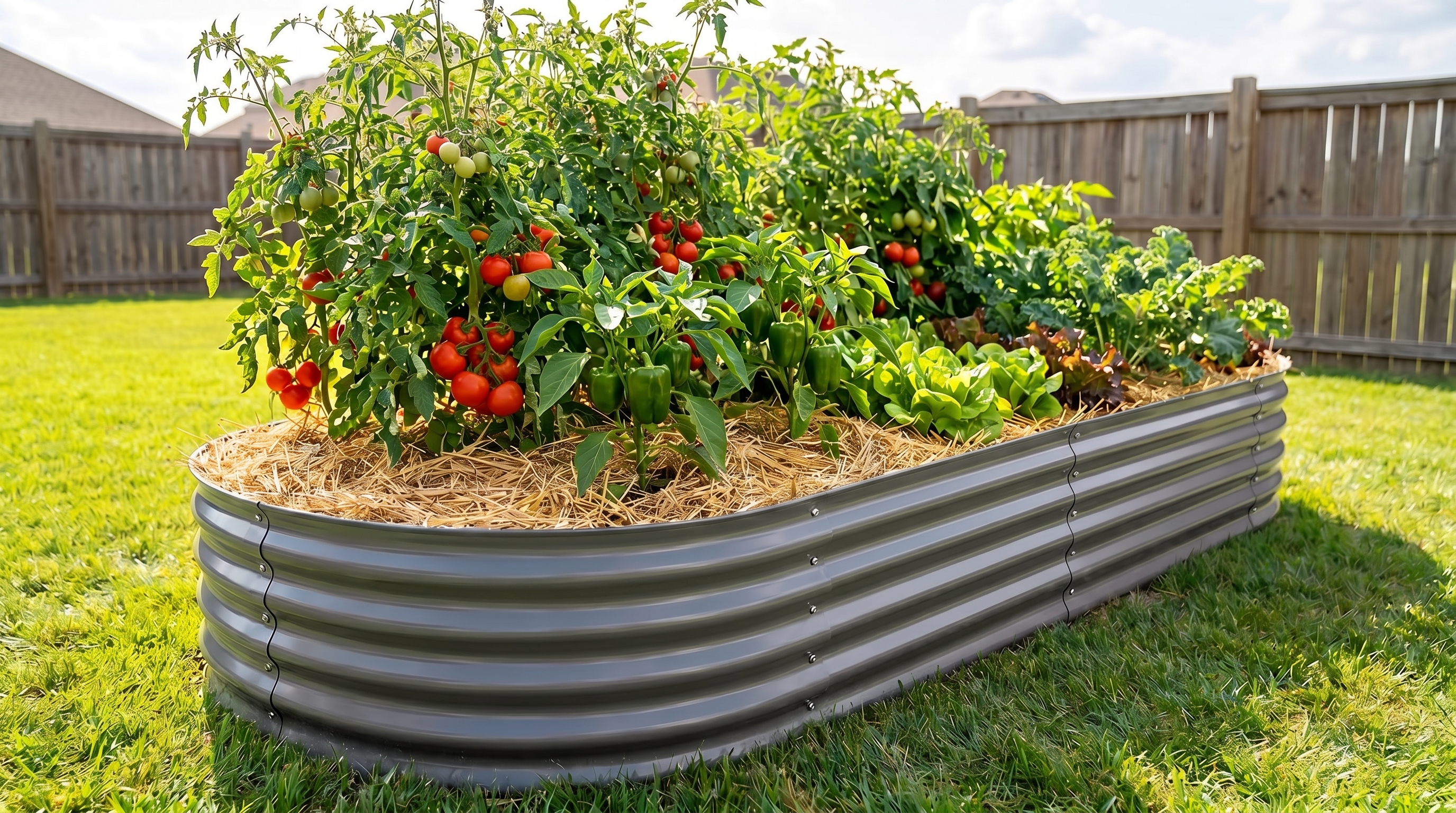
ALT: Summer vegetable raised garden bed with tomatoes, cucumbers, zucchini, and fresh herbs growing in galvanized steel raised bed
Choosing the Right Raised Bed for Your Summer Garden
The vegetables you want to grow should directly inform the raised bed you choose. Here's a practical framework:
For tomatoes, peppers, and eggplant: Opt for an extra-tall bed (24–30 inches) to accommodate deep root development. Anleolife's Extra Tall Galvanized Steel Raised Garden Beds—available in popular sizes like 8x4 ft and 6x3 ft at 24 and 30 inches tall—provide the depth these crops need while keeping the growing environment organized and ergonomic.
For squash, beans, and cucumbers: Standard 18-inch beds are typically sufficient. These crops have moderate root depth requirements and focus much of their energy on above-ground growth.
For herbs and salad greens: Compact beds or modular configurations work well. Anleolife's modular raised garden bed designs allow you to configure and expand your growing space flexibly—start with one section and add more as your garden grows.
For gardeners with mobility limitations: The waist-high 35-inch raised garden beds in Anleolife's lineup bring the garden to a comfortable working height, eliminating the need to kneel or bend, making summer gardening enjoyable for everyone regardless of physical ability.
All Anleolife raised garden beds are built from galvanized steel with rust-resistant finishes, designed to deliver a 20-year lifespan—making them one of the best long-term investments you can make for your home garden.
Advanced Tips: Getting the Most From Your Summer Raised Bed Garden
Succession Planting Extends Your Harvest Season
One of the most underused strategies in raised bed gardening is succession planting—staggering your plantings every two to three weeks so crops mature at different times. For fast-growing crops like bush beans, lettuce, and radishes, this means you're never overwhelmed with a glut and never going without fresh produce.
As one summer crop finishes (like an early lettuce planting that bolts in July heat), immediately replace it with a heat-tolerant crop or plant a fast-maturing fall variety. Your raised bed never sits idle.
Companion Planting for Natural Pest Control
A common misconception is that raised beds are immune to pest problems. They're not—but they do give you more control. Companion planting uses the natural properties of certain plants to deter pests or attract beneficial insects. Classic pairings include:
- Tomatoes + basil: Basil reportedly repels aphids and whiteflies while improving tomato flavor
- Beans + marigolds: Marigolds deter Mexican bean beetles and nematodes
- Cucumbers + nasturtiums: Nasturtiums attract aphids away from cucumbers (trap cropping)
Planting diverse species in your raised bed also attracts pollinators, which directly improves fruit set on tomatoes, peppers, squash, and cucumbers.
Watering Smart in Summer Heat
Raised beds drain well—which is exactly why they also dry out faster than in-ground gardens, especially during summer heat waves. The most efficient approach is drip irrigation or soaker hoses laid along the base of plants and covered with mulch. This delivers water directly to roots, minimizes evaporation, and keeps foliage dry (reducing fungal disease risk).
Hand watering works fine for smaller beds but requires consistent daily attention in midsummer. A simple timer-equipped drip system is a modest investment that dramatically improves summer garden performance.
Don't Overlook Soil Feeding Mid-Season
Your raised bed's high-performance soil mix will gradually deplete nutrients as summer crops grow vigorously. Mid-season feeding—using organic compost tea, fish emulsion, or a balanced granular fertilizer—keeps plants productive through the full summer. Heavy feeders like tomatoes and corn benefit from supplemental feeding every two to three weeks.
Frequently Asked Questions FAQ
Q1: How do I know which raised bed height is right for my summer vegetables?
The best height for a raised garden bed depends on what you're growing and your physical comfort. An 18-inch bed suits most summer vegetables including beans, herbs, peppers, and squash. For deep-rooting crops like tomatoes or if you prefer a standing work posture, extra-tall options at 24–35 inches are worth considering. Gardeners with back or knee concerns especially benefit from taller beds that eliminate bending. Think of bed height as a combination of crop requirements and personal ergonomics.
Q2: Are galvanized steel raised garden beds safe for growing vegetables?
Yes—modern galvanized steel raised garden beds designed for food gardening are considered safe for vegetable production. The zinc coating that gives galvanized steel its rust resistance is stable and does not leach harmful levels of zinc into well-managed garden soil. Many agricultural researchers and organic gardeners use galvanized beds confidently. Look for beds specifically marketed as food-safe, made with high-quality galvanized steel, and built to last—like Anleolife's rust-resistant raised garden bed line, designed for a 20-year lifespan.
Q3: When is it too late to plant vegetables in a raised garden bed this summer?
In most U.S. climate zones (USDA Hardiness Zones 5–10), planting through early-to-mid summer still allows time for full harvests of fast-maturing crops. Bush beans, cucumbers, zucchini, and basil all mature in 45–65 days, making them viable even for mid-July starts in many regions. Tomatoes and peppers are better planted as established seedlings rather than seeds at this point. Check your local first frost date and count backward from it—as long as you have 60+ days of warm weather remaining, most warm-season crops can still succeed.
Summary
Summer vegetable gardening in a raised bed is one of the most rewarding home improvement projects any family can undertake. Here are the three core takeaways from this guide:
1. Match your vegetables to your bed. Tomatoes and peppers thrive in extra-tall beds with deep soil; beans, herbs, and squash do well in standard-height setups. Understanding root depth and space requirements dramatically improves your yield.
2. Invest in quality materials that last. The best eco-friendly materials for raised garden beds are those that combine durability, safety, and longevity. Galvanized steel raised beds built to last 20 years represent a cost-per-season value that plastic or wood beds simply can't match. Rust-resistant finishes ensure your bed performs year after year.
3. Act now—summer is your window. Every week you delay is a week of potential harvest lost. The crops highlighted in this guide—tomatoes, peppers, zucchini, cucumbers, beans, herbs, and heat-tolerant greens—are all excellent candidates for beds being planted right now.
Your next step: assess your outdoor space, choose a bed size that fits, build your soil mix, and get your transplants in the ground this week. Summer doesn't wait, and neither should your garden.
Upgrade Your Summer Garden With Anleolife
Anleolife operates a nationwide U.S. warehouse network strategically located in California, Texas, Florida, New York, Illinois, and Washington, ensuring delivery within 3–8 business days—so your garden upgrade plans never have to wait through the peak of summer.
Our products are available across all major platforms including Amazon, Walmart, Home Depot, Lowe's, Wayfair, and directly at Anleolife.com, delivering consistent quality assurance and reliable after-sales support wherever you prefer to shop.
Anleolife's three core scenarios cover everything you need: Planting (metal raised garden beds, soil systems), Raising (chicken coops, rabbit hutches), and Beautification (decorative accessories, pathway systems)—meeting complete needs from functionality to aesthetics in one unified garden ecosystem.
We understand that an ideal garden isn't built overnight—it's grown gradually, season by season. Our modular product design allows flexible expansion based on your evolving needs, from your first compact raised bed to a fully integrated planting-and-raising ecosystem. Whether you're a first-time grower or an experienced home gardener scaling up, Anleolife grows with you every step of the way.
References
- National Gardening Association. "Food Gardening in the United States".
https://garden.org/special/pdf/2014-NGA-Garden-to-Table.pdf - University of Minnesota Extension. "Raised Bed Gardening".
https://extension.umn.edu/how/raised-bed-gardening - UC Agriculture and Natural Resources (UC ANR). "Vegetable Gardening in California".
https://ucanr.edu/sites/UrbanHort/Gardening_in_California/ - United States Department of Agriculture (USDA). "Plant Hardiness Zone Map".
https://planthardiness.ars.usda.gov/ - Penn State Extension. "Summer Vegetable Gardening".
https://extension.psu.edu/vegetable-gardening
Note: Standards and growing recommendations may be updated seasonally. Please consult the latest official documents, your local cooperative extension office, or a professional horticulturalist for region-specific guidance.
About Anleolife
Anleolife is a leading outdoor garden solutions provider in North America, dedicated to offering a full-scenario product ecosystem for home gardening enthusiasts, covering planting, raising, and garden beautification. Since its founding, we have upheld our brand mission, "Made for Garden Life," continuously innovating products and optimizing services to help hundreds of thousands of users upgrade their gardens, reconnect with nature, and enjoy a better garden lifestyle.