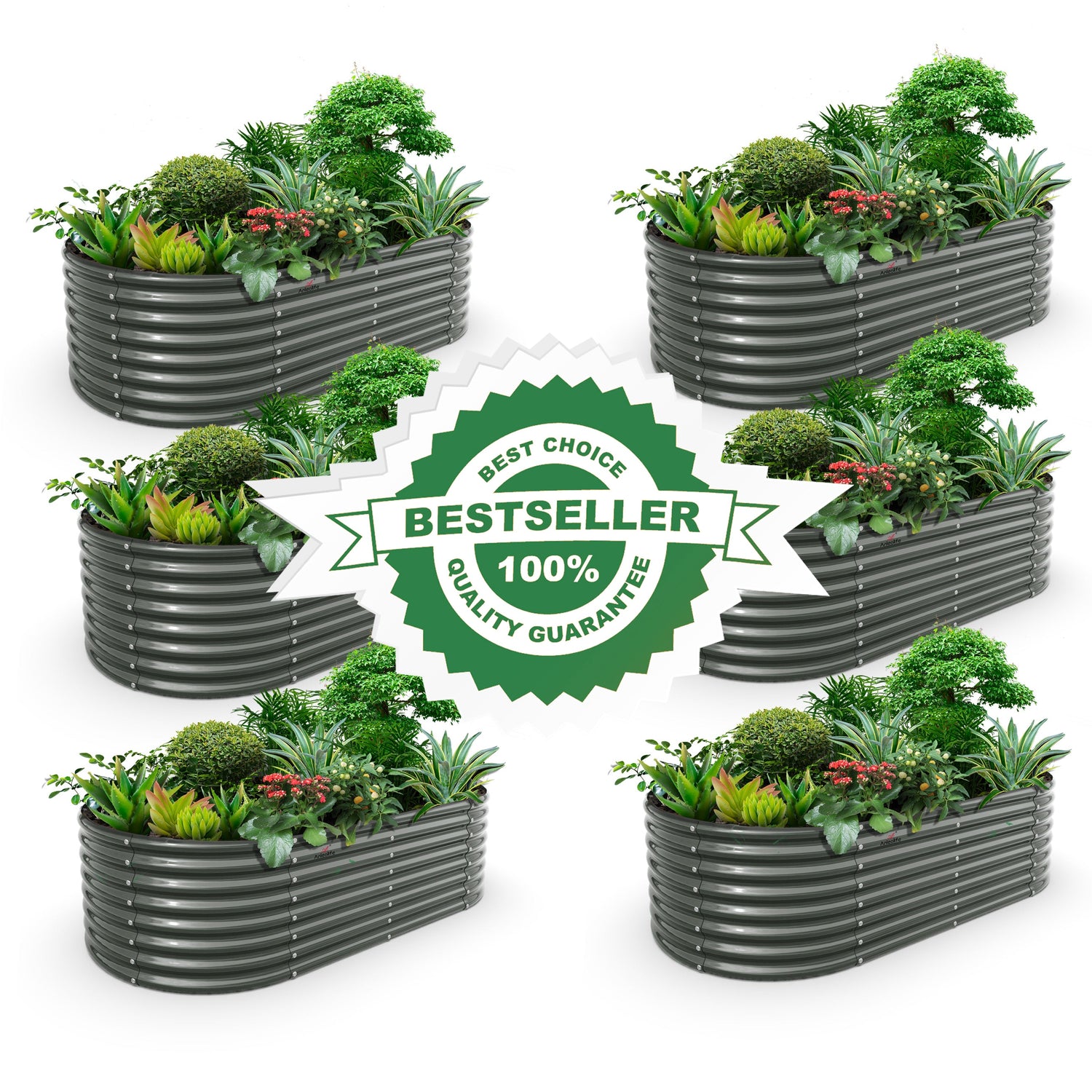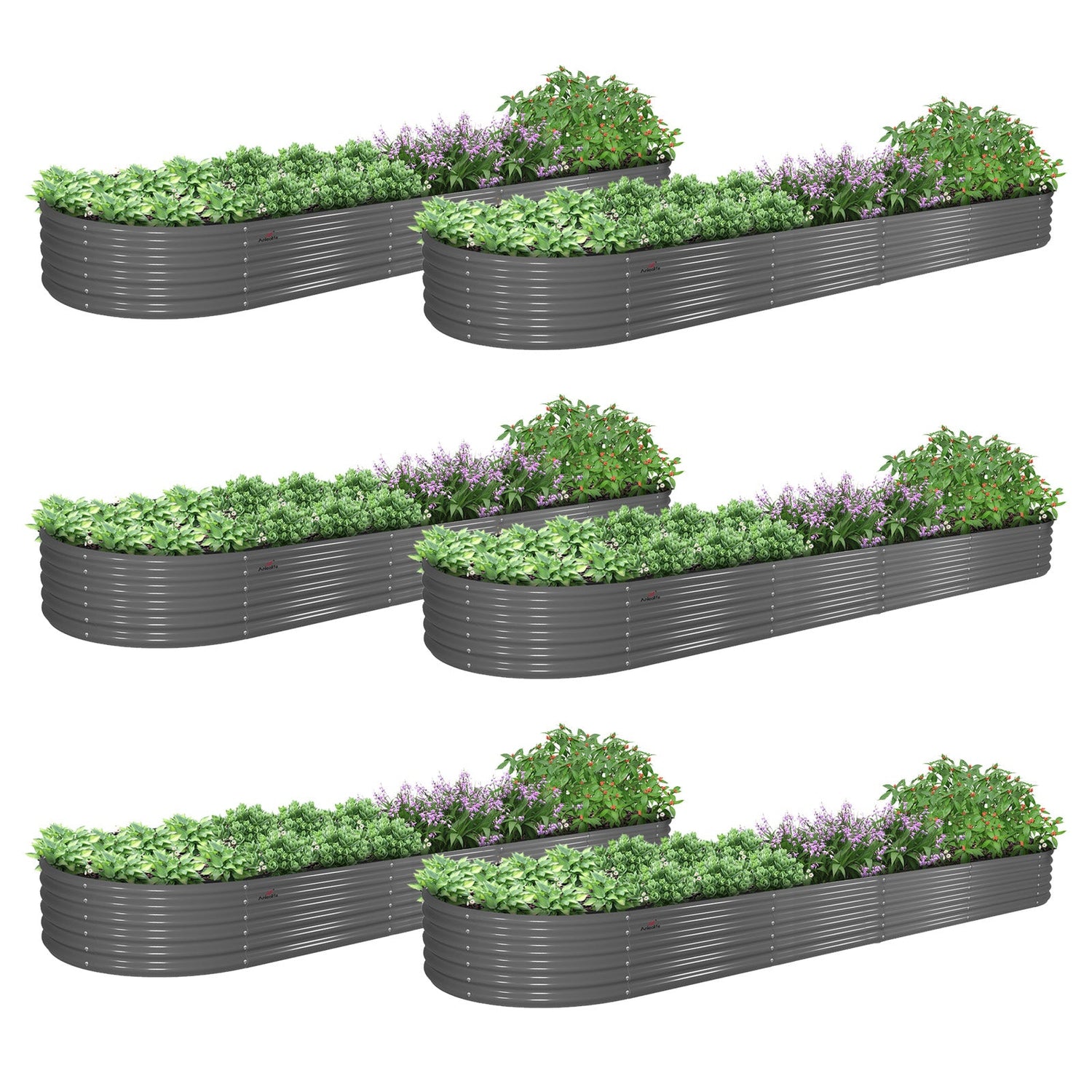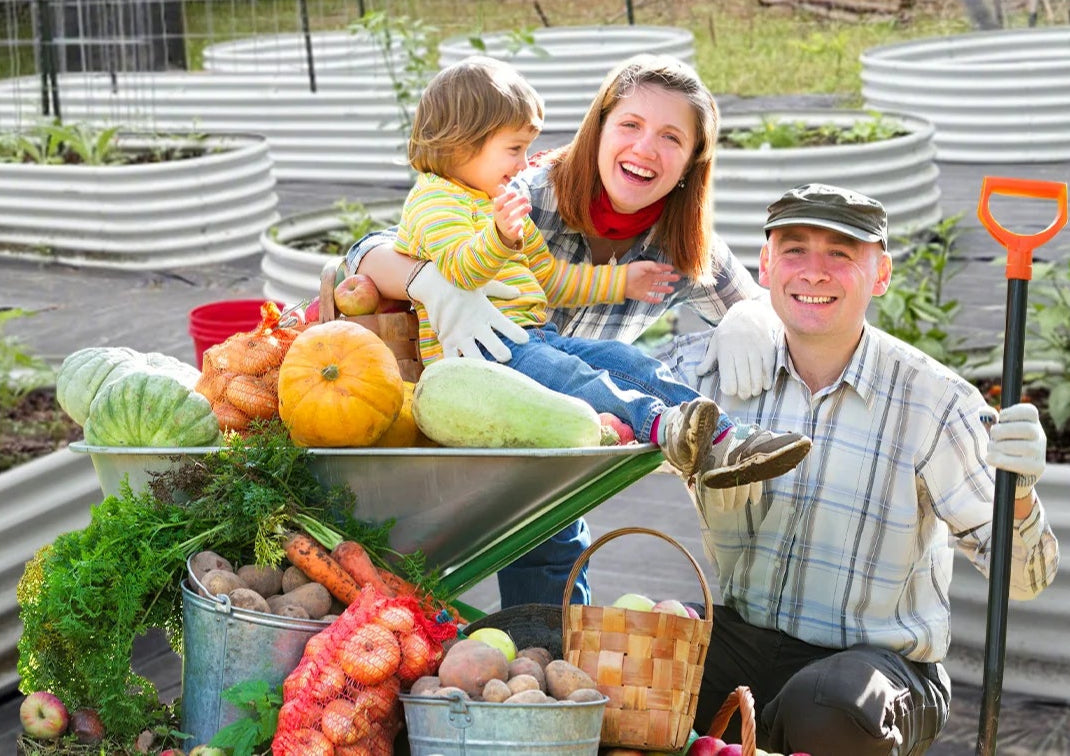



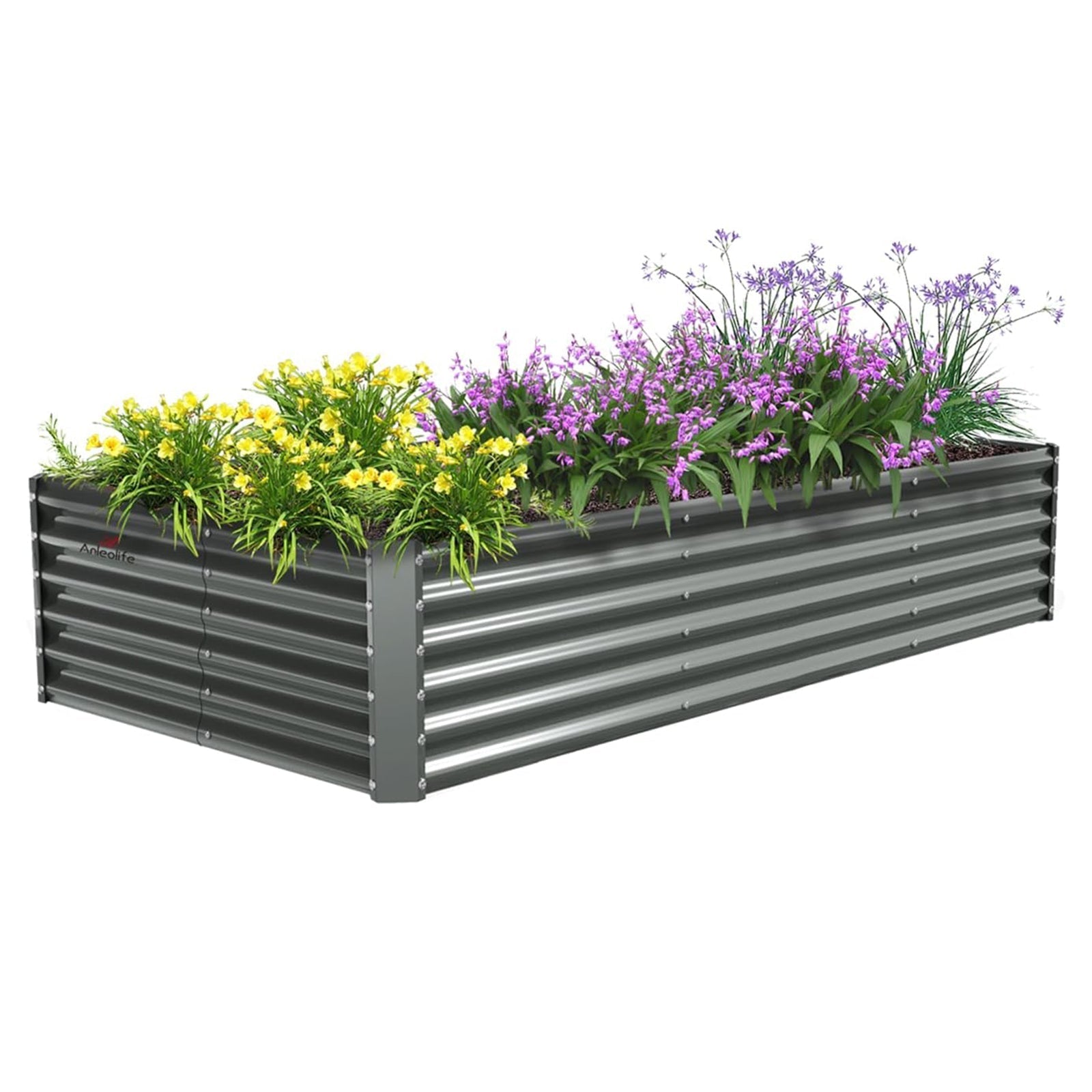

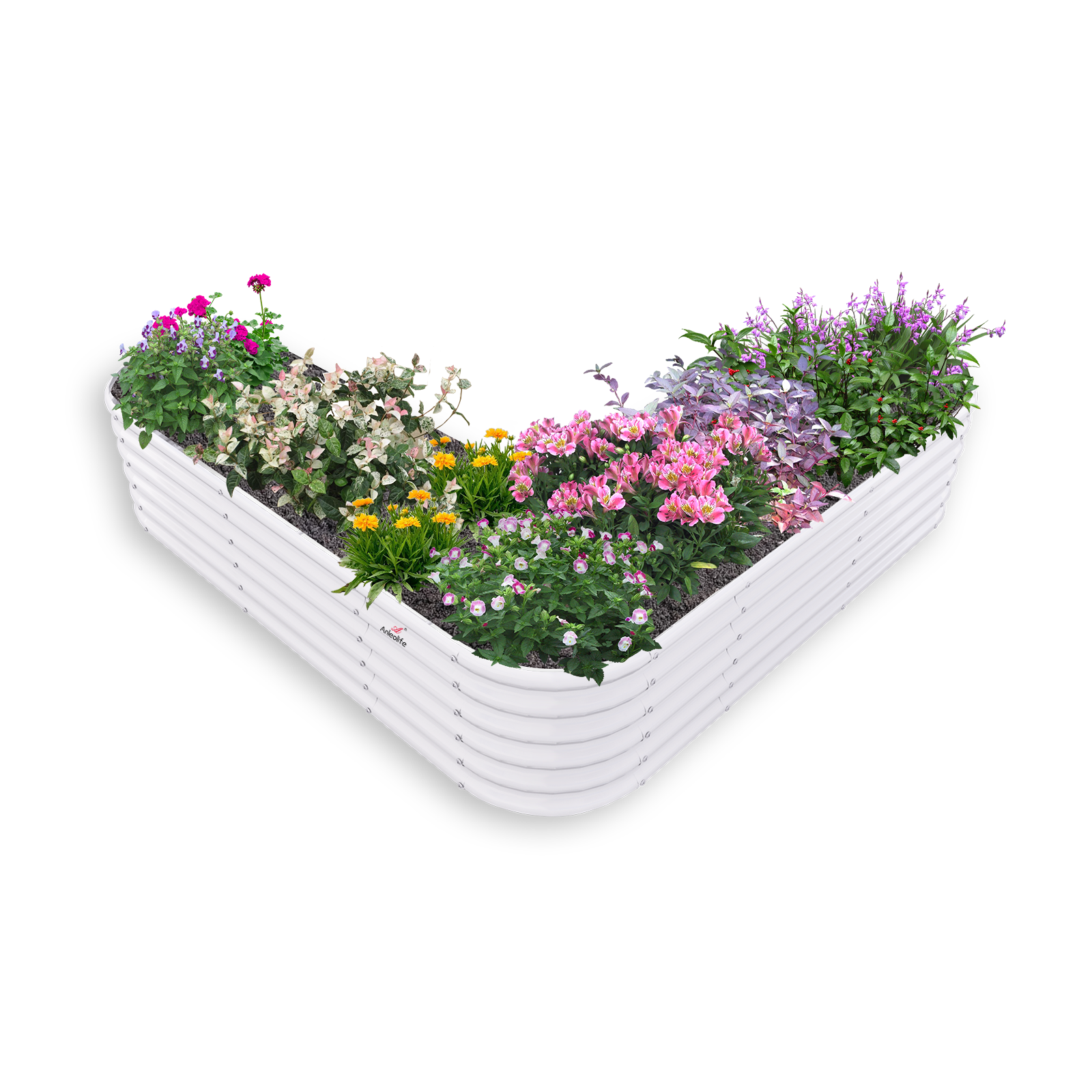
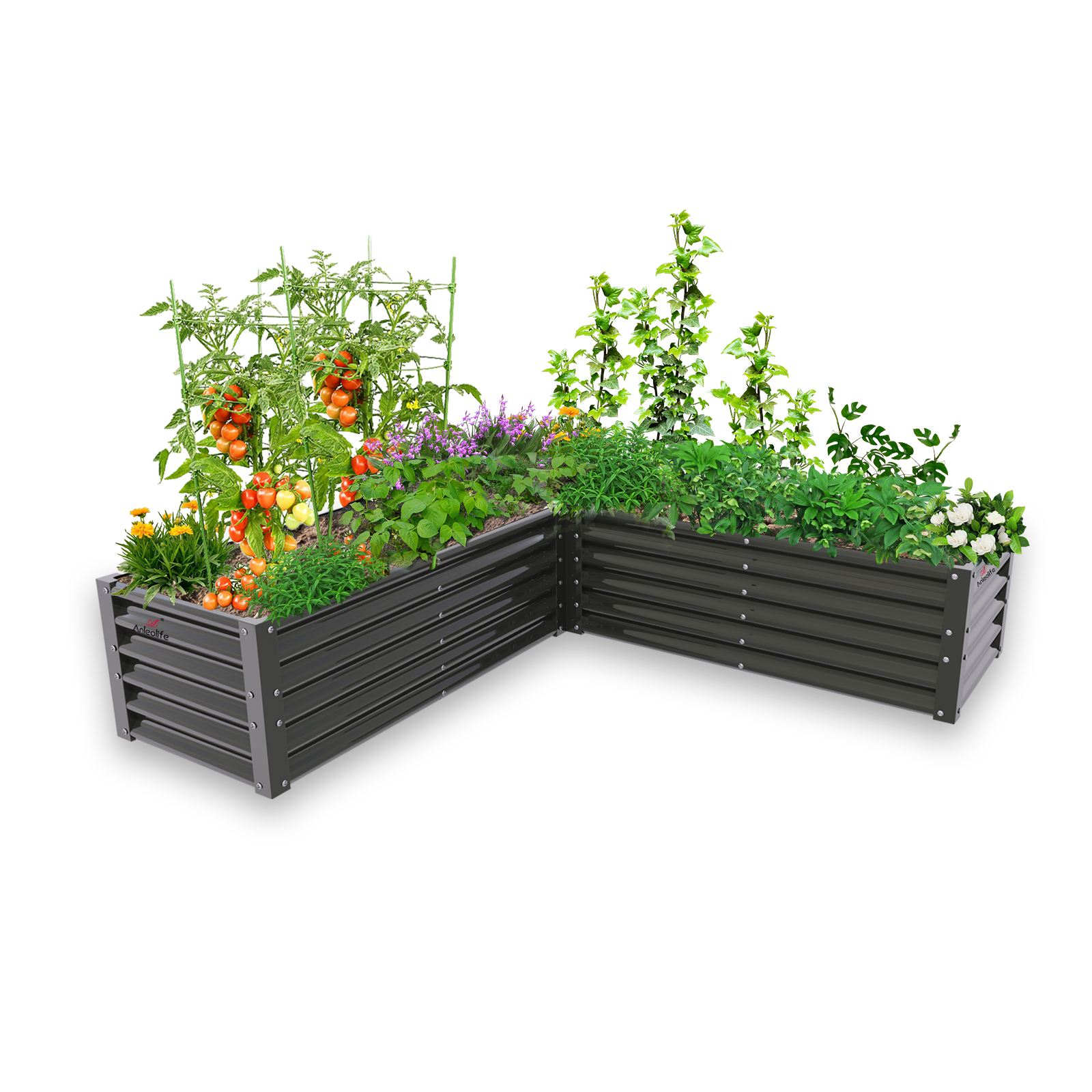
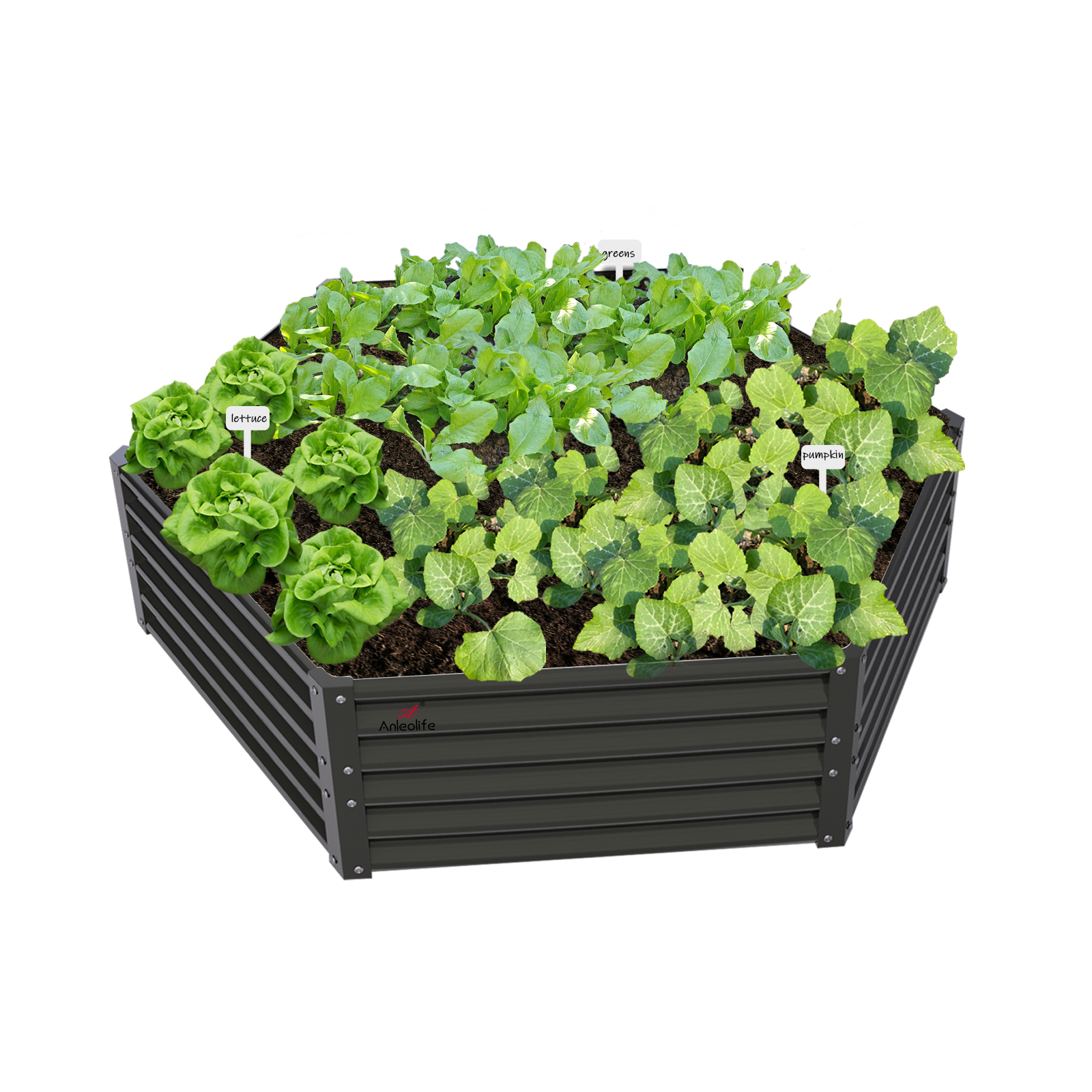
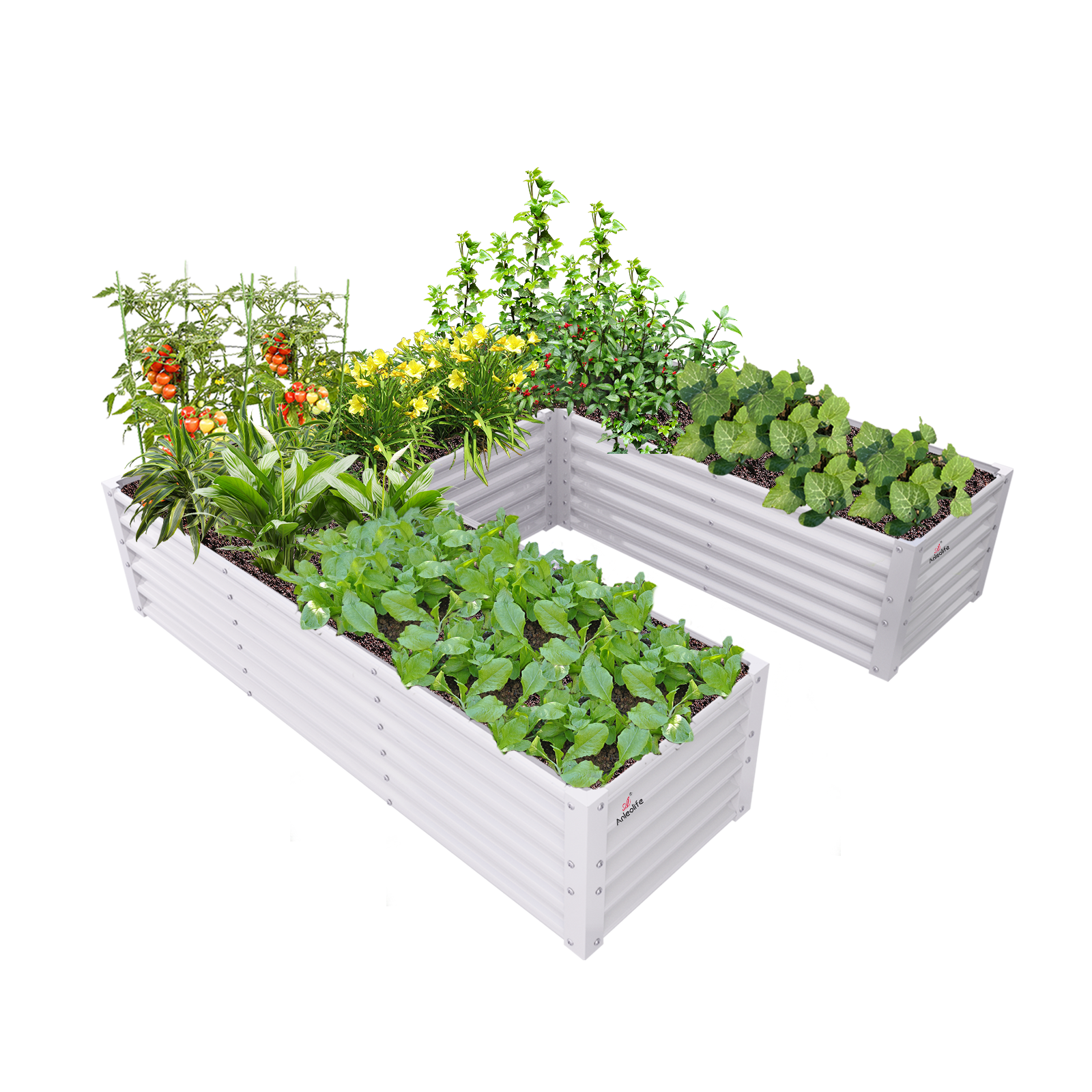

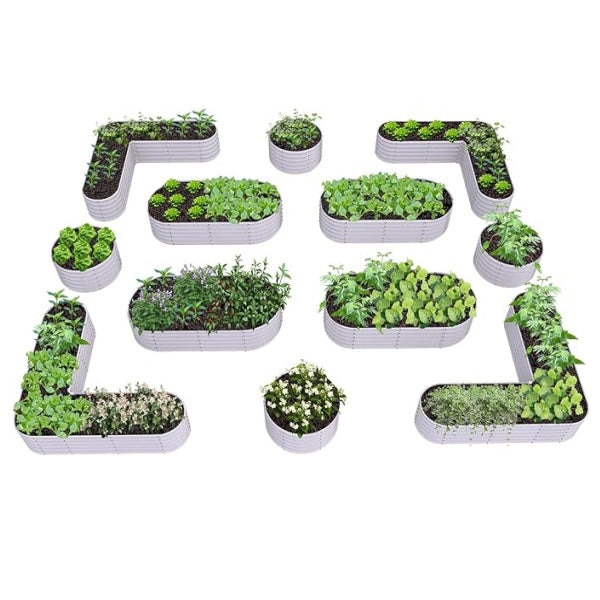


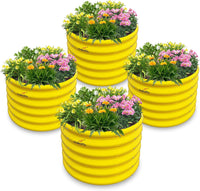
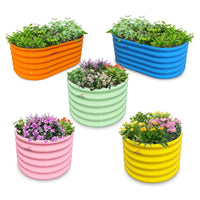
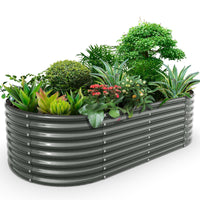




ALT: Gardener replanting a galvanized steel raised garden bed with mid-season crops after early summer harvest
Why Timing Your Raised Bed Transition Matters for a Bountiful Mid-Season Harvest
Key Conclusion: Successfully transitioning your raised bed from early summer to mid-season crops is one of the most impactful gardening decisions you can make. By understanding when to pull spent plants, how to replenish soil nutrients, and which crops to succession-plant next, home growers using durable galvanized steel raised garden beds can enjoy continuous harvests from June through early fall—maximizing every square foot of their garden investment.
The gap between early summer's first flush and the mid-season harvest window is where most home gardeners lose momentum. Cool-season crops like lettuce, spinach, and peas bolt in the heat, leaving beds empty just when the growing season is hitting its stride. The good news? With a clear transition strategy, those same beds can be packed with productive warm-season crops within a week.
This guide walks you through every step of the process—from clearing spent plants and restoring soil health, to choosing the right mid-season vegetables and protecting them through summer heat. Whether you're growing in a compact urban setup or managing multiple beds across a backyard, these principles apply universally and can be scaled to fit your space and schedule.
Who This Guide Is For: Applicable Scenarios and Cautions
✅ Applicable Scenarios:
- Home growers who planted cool-season crops (lettuce, radishes, peas, spinach) in spring and are now seeing them bolt or finish
- Gardeners using raised garden beds—whether galvanized steel, modular, or rust-resistant—who want to maximize productivity across the full growing season
- Urban micro-gardeners and empty nesters with limited space who need efficient, back-to-back planting strategies
❌ Not Applicable/Cautions:
- Gardeners in climate zones where temperatures regularly exceed 100°F (38°C) throughout summer—some mid-season crops will still struggle without additional shade cloth or cooling strategies
- Raised beds that have not been assessed for soil depletion—planting into exhausted growing medium without amendments will result in poor yields regardless of crop selection
The Mid-Season Transition: Why It's One of the Most Overlooked Opportunities in Home Gardening
Most gardening content focuses on the excitement of spring planting or the anticipation of fall harvests. The mid-summer window—that stretch from late June through early August—gets relatively little attention, yet it's arguably the most productive opportunity of the entire growing year for warm-season crops.
The challenge of "the summer slump" is real. Experienced gardeners often talk about beds looking sparse in July, not because the season is over, but because cool-season crops have finished and warm-season succession planting wasn't planned in advance. According to the University of Minnesota Extension, succession planting—staggering plantings every two to three weeks—is one of the most effective strategies for keeping raised beds continuously productive. Yet most home growers only do one round of planting per season, missing months of potential yield.
The raised bed format is uniquely well-suited for mid-season transitions. Unlike in-ground gardens where soil structure, drainage, and weed pressure complicate quick turnovers, raised beds offer a controlled growing environment that can be amended, cleared, and replanted within a single weekend. This is especially true for beds built from galvanized steel, which resist moisture damage and structural wear over decades of use.
There's also a practical urgency to timing. Crops like bush beans, summer squash, cucumbers, and fast-maturing carrots all need to be in the ground by mid-July in most of North America to reach harvest before the first fall frost. Miss that window, and you're not just losing a few weeks—you're losing an entire growing opportunity. Understanding the math of your remaining frost-free days is the foundation of smart mid-season planning.
Finally, the soil itself plays a critical role. A raised bed that spent the spring growing heavy feeders like broccoli or kale will have depleted nitrogen and organic matter. Skipping the soil restoration step before replanting is one of the most common—and costly—mistakes a transitioning gardener can make.
How to Transition Your Raised Bed: A Step-by-Step Seasonal Rotation Plan
Three-Step Quick Start for Mid-Season Replanting
Step 1: Clear, Assess, and Amend Your Soil
Before any new seeds or transplants go in, spend time properly clearing your bed. Pull spent plants by the root—don't just cut them at the base, as decaying root systems from bolted vegetables can harbor disease. Once cleared, assess soil depth and texture. Add a 2–3 inch layer of compost and work it into the top several inches of growing medium. This restores nitrogen, improves drainage, and reintroduces beneficial microbial activity. Budget about 60–90 minutes for a standard 4x8 bed. This single step has more impact on mid-season yield than any other preparation activity.
Step 2: Select Your Mid-Season Crops Based on Your Frost-Free Days
Count the days remaining before your average first fall frost (find your date using USDA Plant Hardiness Zone data). Then match crop selections to varieties that mature within that window. Bush beans mature in 50–60 days; cucumbers in 50–70 days; summer squash in 40–55 days. For gardeners with fewer than 60 days remaining, fast-maturing leafy greens like arugula, chard, and kale transplants become the most reliable choices. This planning step takes 20–30 minutes but prevents the frustration of watching unfinished crops get killed by frost.
Step 3: Plant with Heat Mitigation in Mind
Mid-summer planting comes with a challenge that spring planting doesn't: intense heat and sun. Direct seeding into very hot, dry soil leads to poor germination. Water your bed deeply the evening before planting. Use transplants where possible—especially for heat-sensitive crops like lettuce interplanted in the partial shade of taller plants. Apply a 2-inch layer of straw mulch immediately after planting to retain soil moisture and moderate root zone temperature. This step adds only 20–30 minutes to your planting session but dramatically improves establishment rates.
Comparing Mid-Season Crop Options for Raised Beds
Choosing the right crops for your mid-season transition depends on your climate, bed size, and harvest goals. Here's a practical comparison of the most popular options:
| Comparison Dimension | Bush Beans | Cucumbers | Fast-Maturing Greens (Arugula, Chard) | Summer Squash |
|---|---|---|---|---|
| Days to Harvest | 50–60 days | 50–70 days | 30–45 days | 40–55 days |
| Heat Tolerance | High | High | Moderate (bolt in extreme heat) | Very High |
| Space Required | Compact; good for smaller beds | Needs vertical support or wide spacing | Very compact; great for succession rows | Needs significant horizontal space |
| Soil Nitrogen Demand | Low-moderate (fixes own nitrogen) | Moderate-high | Low-moderate | High |
| Ease for Beginners | Very easy | Easy-moderate | Very easy | Easy |
| Best Bed Size | Works in beds 3 ft wide or wider | Works in beds 4 ft wide or wider | Works in any size bed | Best in wider beds (4x4 ft or larger) |
This comparison makes clear that bush beans are one of the safest and most rewarding mid-season choices for most home growers—they're forgiving of imperfect soil (as legumes, they fix their own nitrogen), mature quickly, and produce abundantly in compact raised beds.
Deep Dive: Soil Health, Bed Selection, and Planting Layout for Mid-Season Success
Restoring Soil Health Between Plantings
Soil restoration is the unsung hero of productive raised bed gardening. When cool-season crops finish, they leave behind a soil environment that's often depleted of key nutrients—especially nitrogen—and may have compacted slightly from watering pressure and root activity.
The most effective approach for mid-season restoration is a two-component amendment strategy: compost for biological activity and nutrient replenishment, and a balanced organic fertilizer (such as a granular 5-5-5 or similar) worked into the top layer of growing medium. Avoid high-nitrogen fertilizers at this stage if you're planting fruiting crops—excess nitrogen encourages lush foliage at the expense of flowers and fruit.
For gardeners concerned about soil-borne disease carrying over from spring crops, a light application of neem cake or beneficial mycorrhizal inoculant can help reset the microbial balance. This is particularly valuable in humid regions where fungal issues affected spring brassicas or alliums.
One tip experienced gardeners swear by: plant a fast-growing "green manure" crop like buckwheat into cleared sections of the bed for two to three weeks, then turn it under before planting your main mid-season crops. Buckwheat suppresses weeds, improves soil tilth, and adds organic matter quickly. It's an especially useful strategy for beds with multiple weeks before mid-season planting is ideal.
Choosing the Right Raised Bed for Year-Round Production
The physical structure of your raised bed matters more than most gardeners realize when planning multi-season growing. Wood raised beds—even cedar—gradually decompose, with most lasting between 5 and 10 years depending on moisture exposure. Beds made from materials that won't rot are far better suited to long-term rotation gardening because you're not simultaneously managing plant health and bed deterioration.
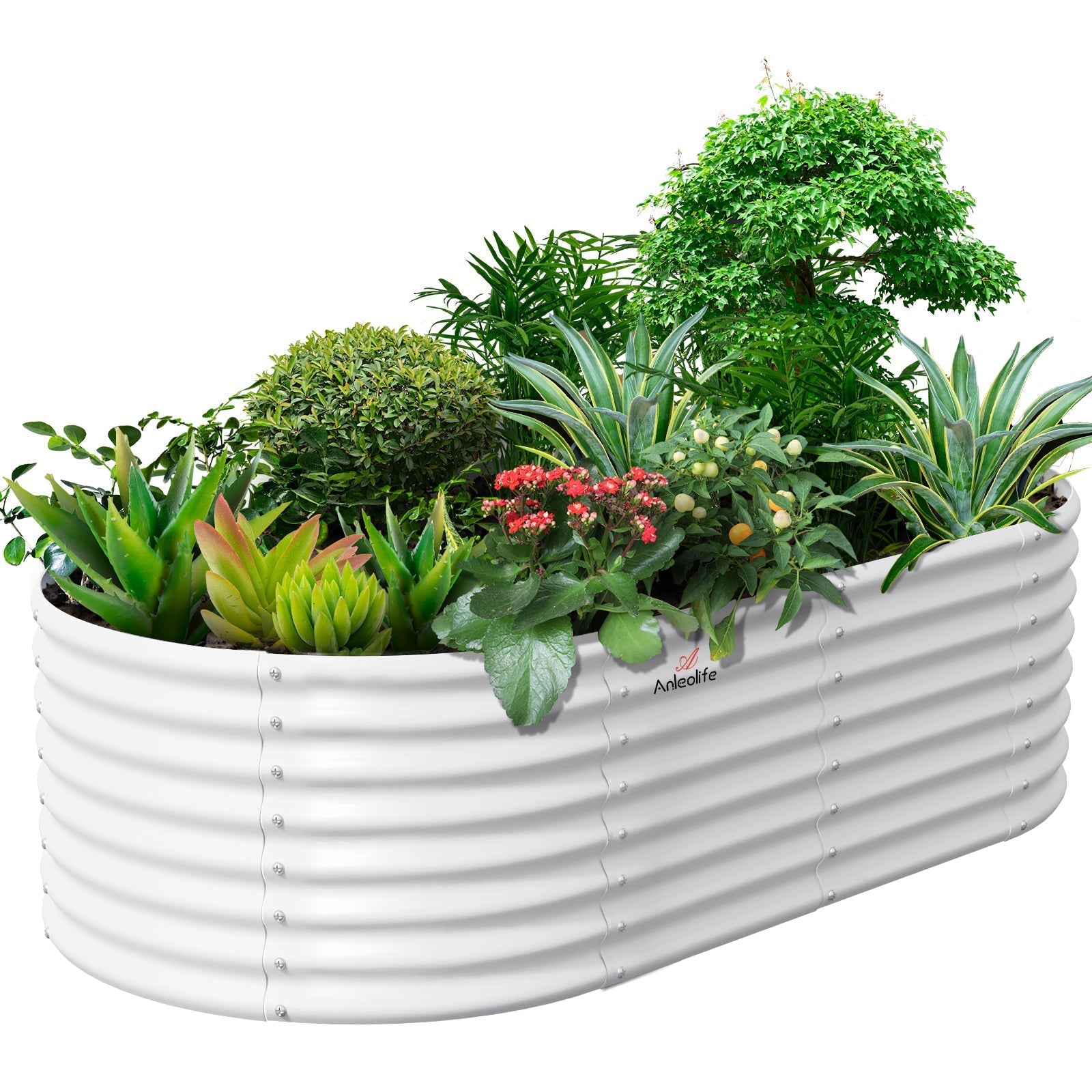
When researching recommended materials for raised garden beds that won't rot, galvanized steel consistently rises to the top of the list. Anleolife's galvanized steel raised garden beds are built for a lifespan of up to 20 years, meaning you can plan seasonal transitions, multi-year crop rotation schedules, and soil-building programs without worrying about the bed itself breaking down.
For gardeners looking at best budget-friendly raised bed options, Anleolife offers a range of sizes across their product lines—from compact configurations ideal for urban micro-gardens to larger formats like their 8x4 ft or 12x3 ft beds suited for families wanting substantial harvests. Their modular raised garden bed series is particularly practical for mid-season transitions, as sections can be reconfigured or expanded without replacing the entire system. This kind of flexibility matters when your gardening needs evolve from year to year.
The bed height also plays a meaningful role in mid-season growing. Taller beds—24 to 30 inches—maintain cooler root zone temperatures in summer because the soil mass moderates heat more effectively than shallow beds. Anleolife's Extra Tall and Waist-High series offer practical height options for gardeners who want both ergonomic comfort and better thermal performance during the hot mid-season months.
Planting Layout Strategies for Maximum Mid-Season Yield
Smart layout planning turns an ordinary mid-season planting into a highly productive growing system. Here are three layout principles worth adopting:
Vertical integration: Mid-summer is the ideal time to introduce climbing crops like pole beans or indeterminate cucumbers trained up a trellis at the north or east end of the bed. This keeps them from shading shorter crops while maximizing vertical space—a critical consideration for urban micro-gardeners working with compact raised beds.
Interplanting cool and warm crops: Don't wait until every cool-season plant has bolted before starting the transition. As soon as you pull the first row of finished lettuce or peas, seed or transplant warm-season crops into that cleared space. This rolling transition keeps the bed productive every day of the growing season rather than leaving sections empty for weeks.
Mulch as a layout tool: Apply straw or wood chip mulch in the pathways between plant rows as soon as seeds germinate. This isn't just a moisture-retention strategy—it also defines your planting layout, prevents soil splash (which spreads disease), and makes the bed significantly easier to manage during the busy mid-season growth period.
One final note on bed management: storing your long-handled garden tools safely between sessions becomes especially important during the mid-season, when you're working in the garden more frequently. Keeping hoes, cultivators, and transplanting trowels organized—either in a dedicated garden shed or on a wall-mounted rack—prevents damage to both tools and plants, and saves significant time during the busy transition window.

ALT: Anleolife galvanized steel raised garden beds prepared for mid-season crop transition with compost amendment and straw mulch for summer heat protection
Advanced Strategies: Heat Management, Succession Windows, and Common Misconceptions
Special Situation Handling
Managing extreme mid-summer heat: When temperatures exceed 90°F consistently, even heat-tolerant crops struggle to germinate and establish. In these conditions, use shade cloth (30–40% density) suspended over the bed for the first two to three weeks after planting. Remove it once plants are established and temperatures moderate even slightly. This technique is especially valuable for gardeners in the South and Southwest.
Short growing seasons (Zones 4–5): Gardeners with fewer than 90 frost-free days remaining in mid-July need to prioritize crops that mature in 45 days or fewer. Focus on fast-maturing bush beans, radishes, arugula, and chard transplants rather than long-season crops like winter squash or late-season tomatoes. For these gardeners, the mid-season window is more about leafy greens and quick root crops than fruiting vegetables.
Dealing with persistent pest pressure: If your spring crops attracted aphids, cabbage worms, or other pests, clearing the bed gives you an opportunity to reset. After removing plant debris, allow the bed to sit unplanted and sun-exposed for 5–7 days. This "solarization lite" approach, combined with a layer of fresh compost, reduces overwintering pest populations naturally before your mid-season planting goes in.
Common Misconceptions Clarified
Misconception: "Summer is too hot to plant anything new."
Reality: Many of the most productive and popular garden vegetables—beans, cucumbers, squash, peppers, basil—are warm-season crops that actively thrive in summer heat. The key is proper soil preparation and consistent moisture during establishment.
Misconception: "My raised bed soil doesn't need to be replaced or amended every season."
Reality: Heavy-feeding crops like brassicas and alliums dramatically deplete soil nutrients. Skipping seasonal amendment is the single most common reason home growers experience declining yields year over year. Annual compost additions are the minimum; a complete soil assessment every two to three years is ideal for long-term productivity.
Frequently Asked Questions FAQ
Q1: How do I know when it's the right time to pull my early summer crops and begin the transition?
The clearest signal is bolting—when cool-season crops like lettuce, spinach, or arugula send up a flowering stalk, the leaves become bitter and the plant's productive life is essentially over. For peas and broad beans, harvest is complete when pods stop forming. Don't wait for plants to fully die back; clear them as soon as productivity drops significantly. Timing your transition to late June or early July in most North American zones gives warm-season crops enough time to mature before fall frost.
Q2: Are galvanized steel raised garden beds safe for growing vegetables over the long term?
Yes. Research and decades of practical use have confirmed that properly galvanized steel does not leach harmful levels of zinc into soil under normal growing conditions. In fact, small amounts of zinc are beneficial to plant nutrition. Anleolife's galvanized steel raised garden beds are designed for a 20-year lifespan, making them one of the most durable and food-safe long-term options available. They represent an excellent answer to the question of which recommended materials for raised garden beds won't rot over time.
Q3: How long does a complete raised bed transition take from clearing to planting?
For a standard raised bed, the full transition—clearing spent plants, amending soil, and replanting—typically takes one weekend morning of focused work: roughly 2–4 hours depending on bed size and the extent of soil amendment needed. Beds purchased through Anleolife.com arrive within 3–8 business days via their nationwide warehouse network, so if you're planning to add a new bed as part of your mid-season expansion, order early to time delivery with your planting window.
Summary
Transitioning your raised bed from early summer to mid-season crops is less about dramatic change and more about thoughtful, timely management. Three core principles guide a successful seasonal handoff:
- Restore before you replant. Every productive mid-season bed starts with soil that's been properly cleared and amended. Compost is non-negotiable; organic fertilizer is a smart addition for heavy-feeding crops.
- Match your crop selection to your remaining growing window. Know your frost date, count your available days, and choose crops that realistically mature within that timeframe. Optimism about slow-maturing crops in late summer leads to disappointment; honest planning leads to abundance.
- Use your bed structure as a long-term asset. A galvanized steel raised garden bed that lasts 20 years isn't just a planting container—it's the foundation of a long-term growing system. Planning seasonal transitions, crop rotations, and soil-building programs becomes significantly more rewarding when you're working with a durable, stable structure that performs consistently year after year.
The mid-season window is genuinely one of the most productive opportunities in the home gardening calendar. With the right preparation and crop selection, the same beds that gave you spring peas and lettuce in May can deliver abundant cucumbers, beans, and squash through September.
Ready to Expand or Upgrade Your Raised Bed Setup?
Anleolife's nationwide U.S. warehouse network—strategically located in California, Texas, Florida, New York, Illinois, and Washington—ensures delivery within 3–8 business days, so your mid-season garden plans are never delayed by shipping timelines.
Our products are available across major platforms including Amazon, Walmart, Home Depot, Lowe's, Wayfair, and directly at Anleolife.com, giving you consistent quality and reliable after-sales support wherever you prefer to shop.
From our Planting lineup (galvanized steel raised garden beds, modular systems, heavy-duty extra-tall beds) to our Raising products (chicken coops, rabbit hutches) and Beautification accessories (pathway systems, decorative elements), Anleolife supports every dimension of your garden life.
We understand that an ideal garden isn't built overnight—it grows alongside you. Our modular product design allows flexible expansion based on your needs, from a first compact bed to a fully integrated planting-and-raising ecosystem. We grow with you, every step of the way.
References
- University of Minnesota Extension. "Succession Planting for Continuous Harvests".
https://extension.umn.edu/ - USDA Agricultural Research Service. "Plant Hardiness Zone Map and Frost Date Resources".
https://www.ars.usda.gov/ - UC Agriculture and Natural Resources. "Raised Bed Gardening: Soil Health and Seasonal Management".
https://ucanr.edu/ - Penn State Extension. "Cover Crops and Green Manures for Home Gardens".
https://extension.psu.edu/
Note: Standards and recommendations may be updated. Please check the latest official documents or consult a local extension service professional for guidance specific to your region.
About Anleolife
Anleolife is a leading outdoor garden solutions provider in North America, dedicated to offering a full-scenario product ecosystem for home gardening enthusiasts, covering planting, raising, and garden beautification. Since its founding, we have upheld our brand mission, "Made for Garden Life," continuously innovating products and optimizing services to help hundreds of thousands of users upgrade their gardens, reconnect with nature, and enjoy a better garden lifestyle.