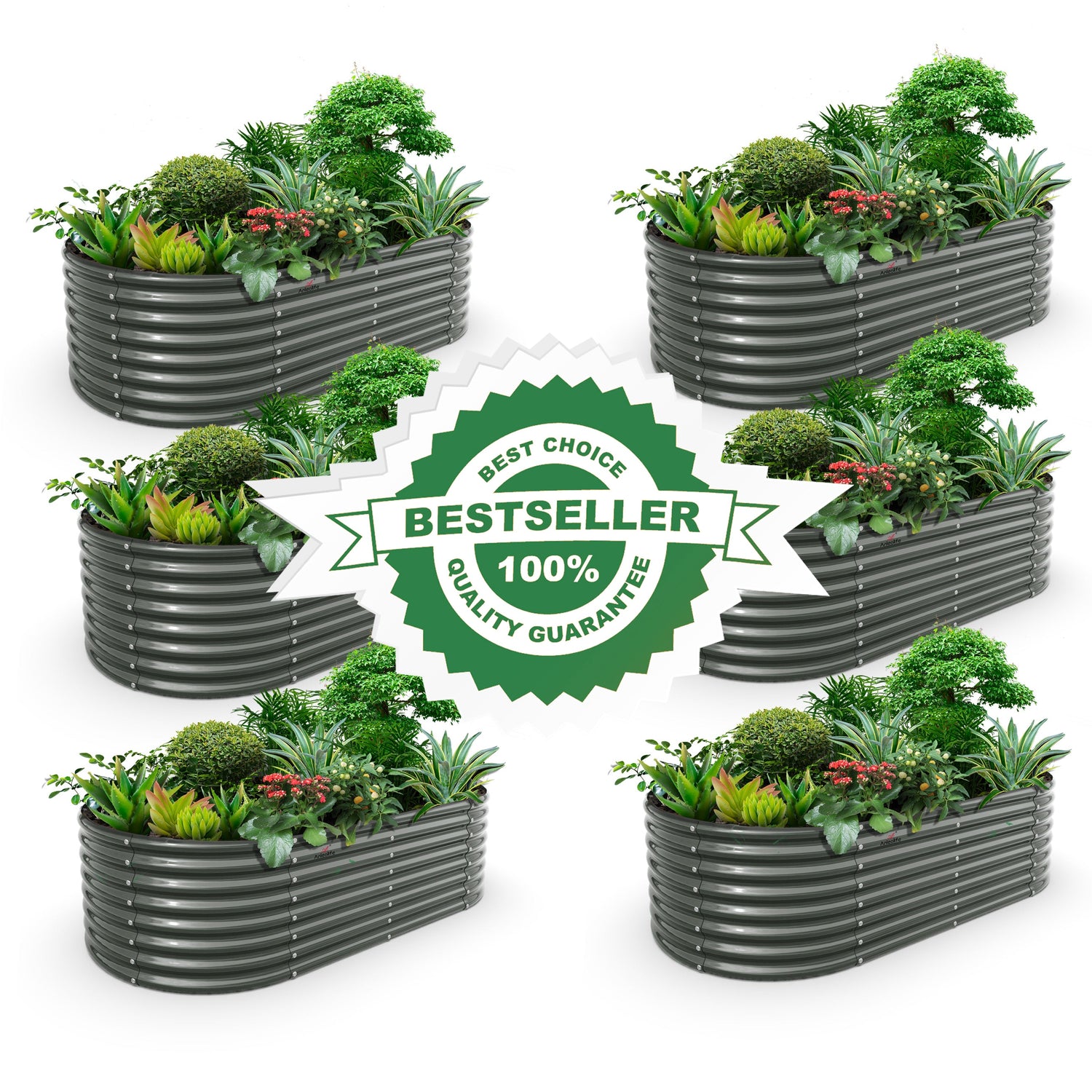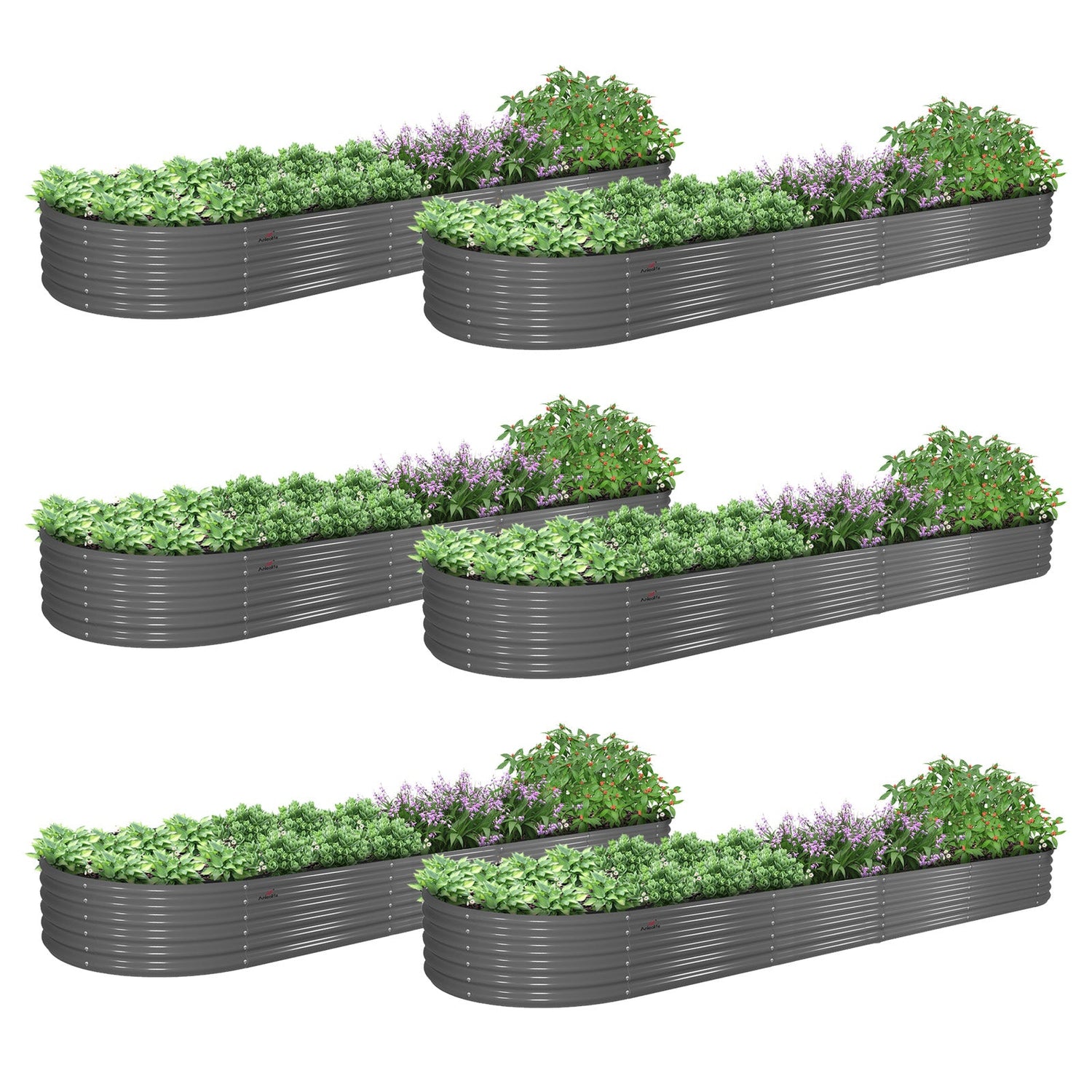



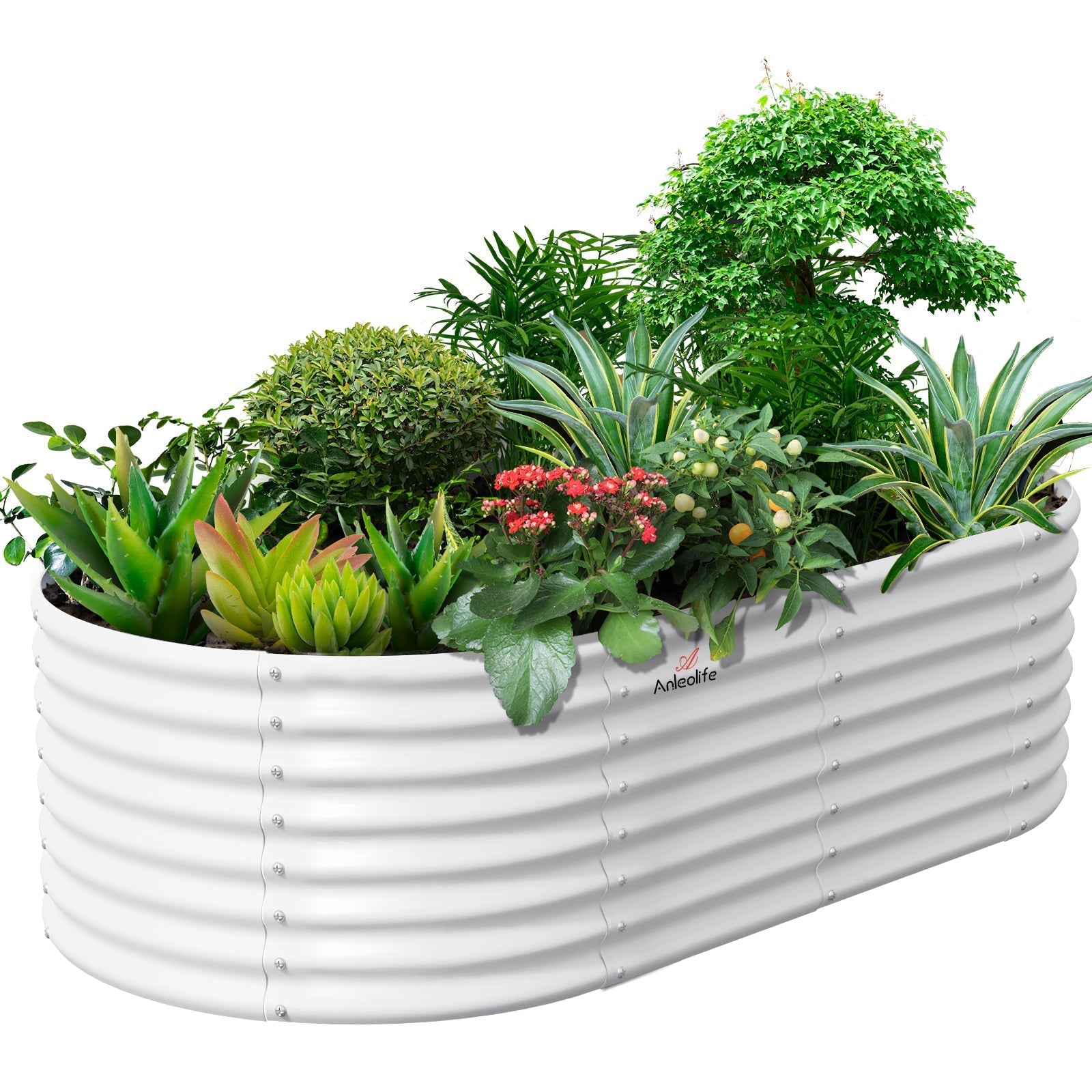
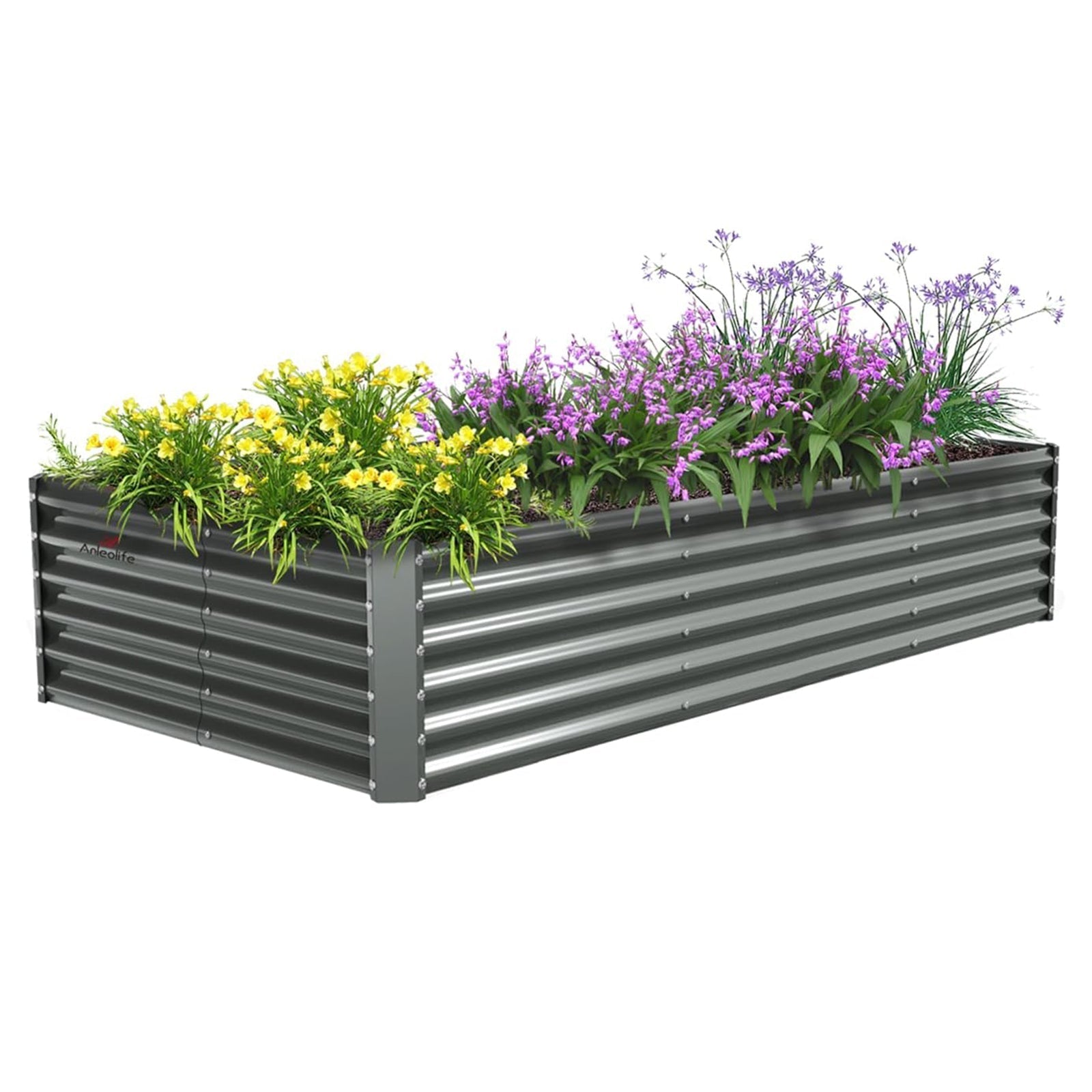

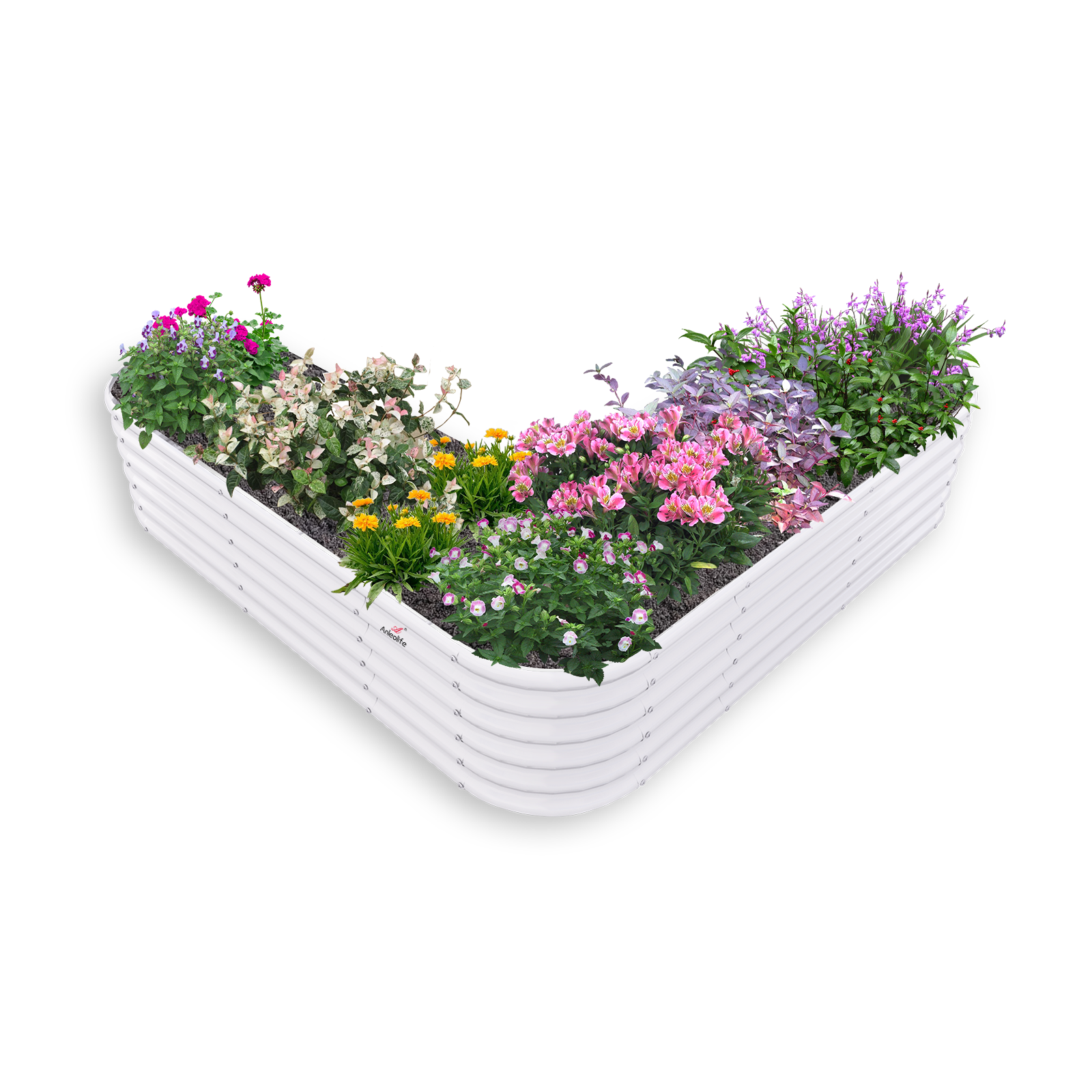
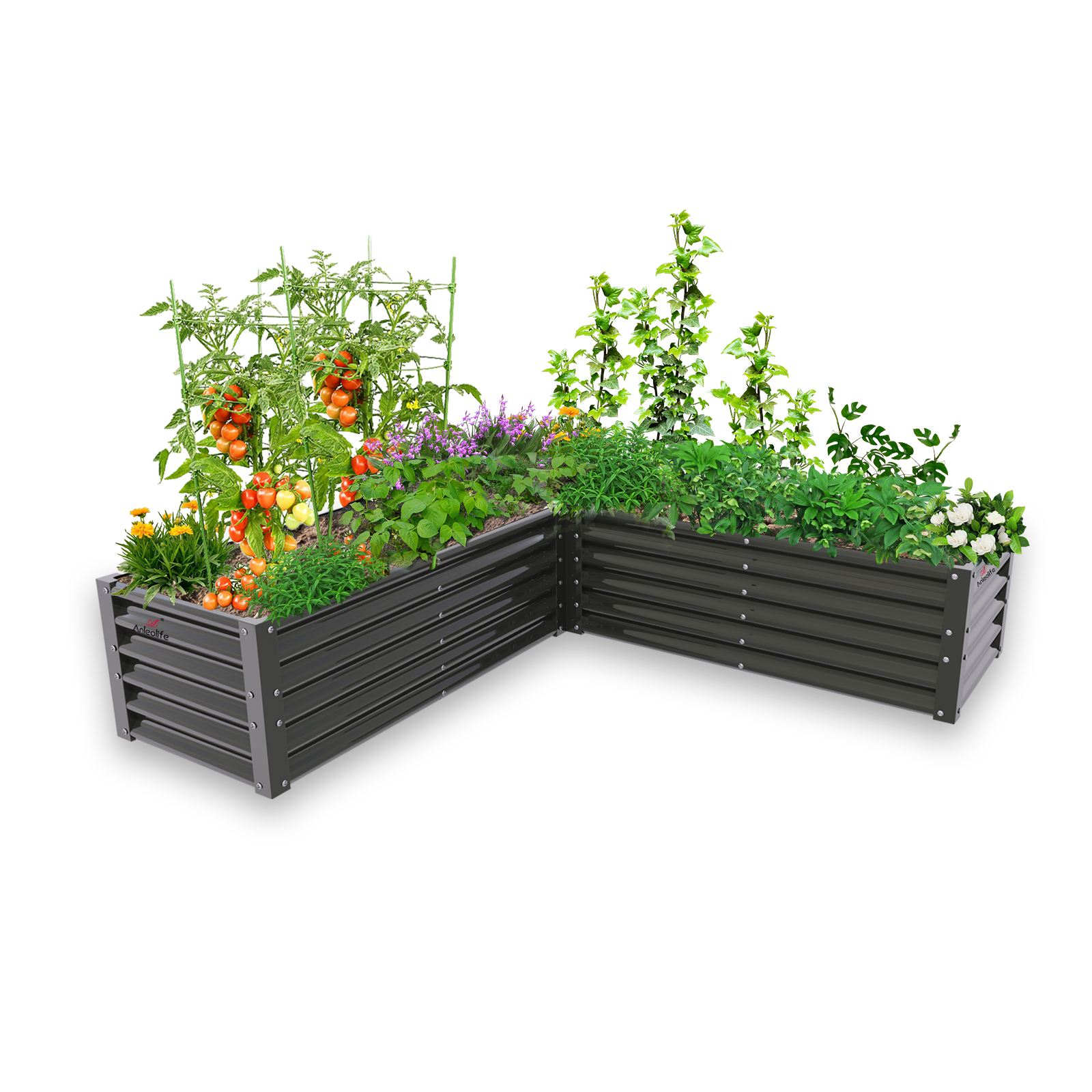
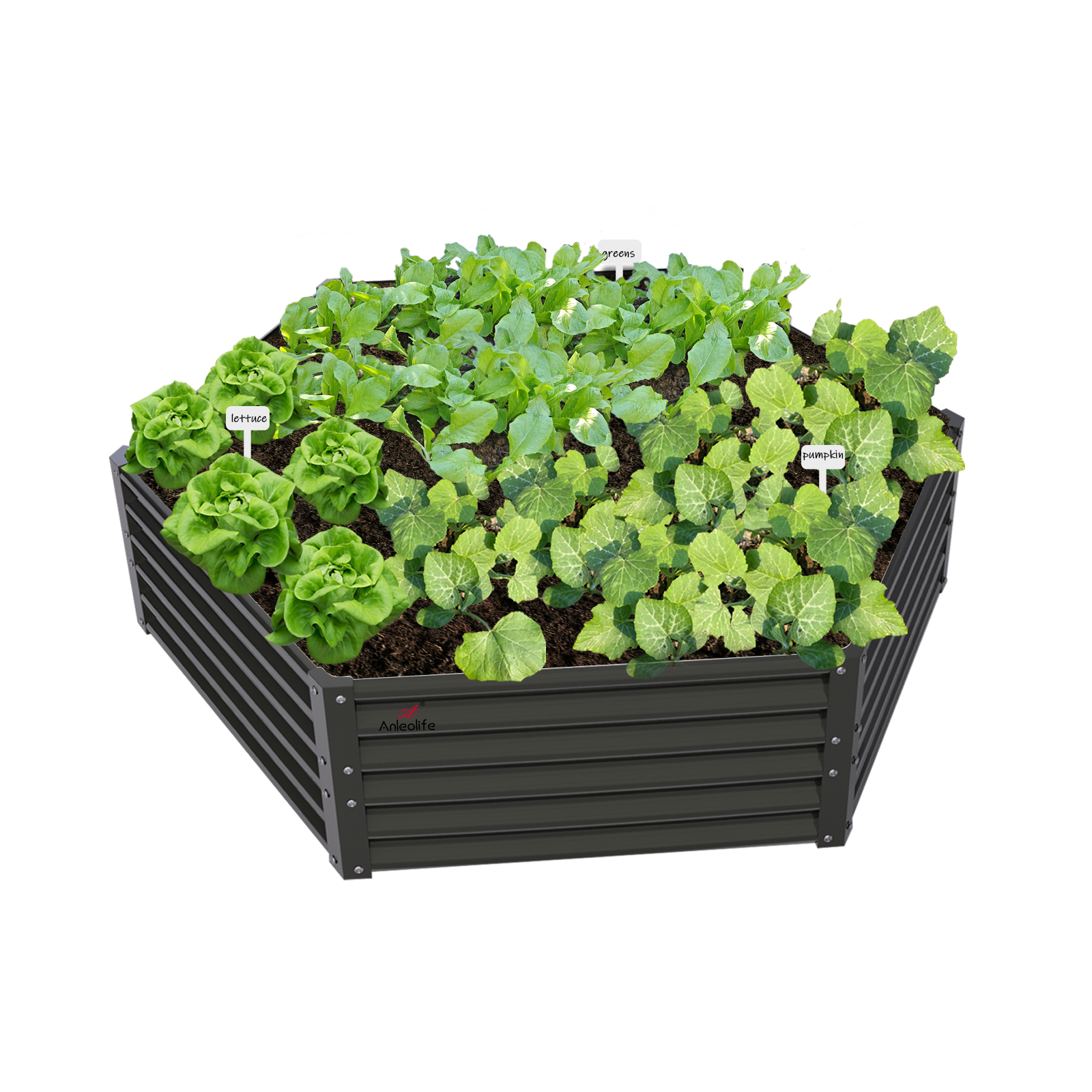
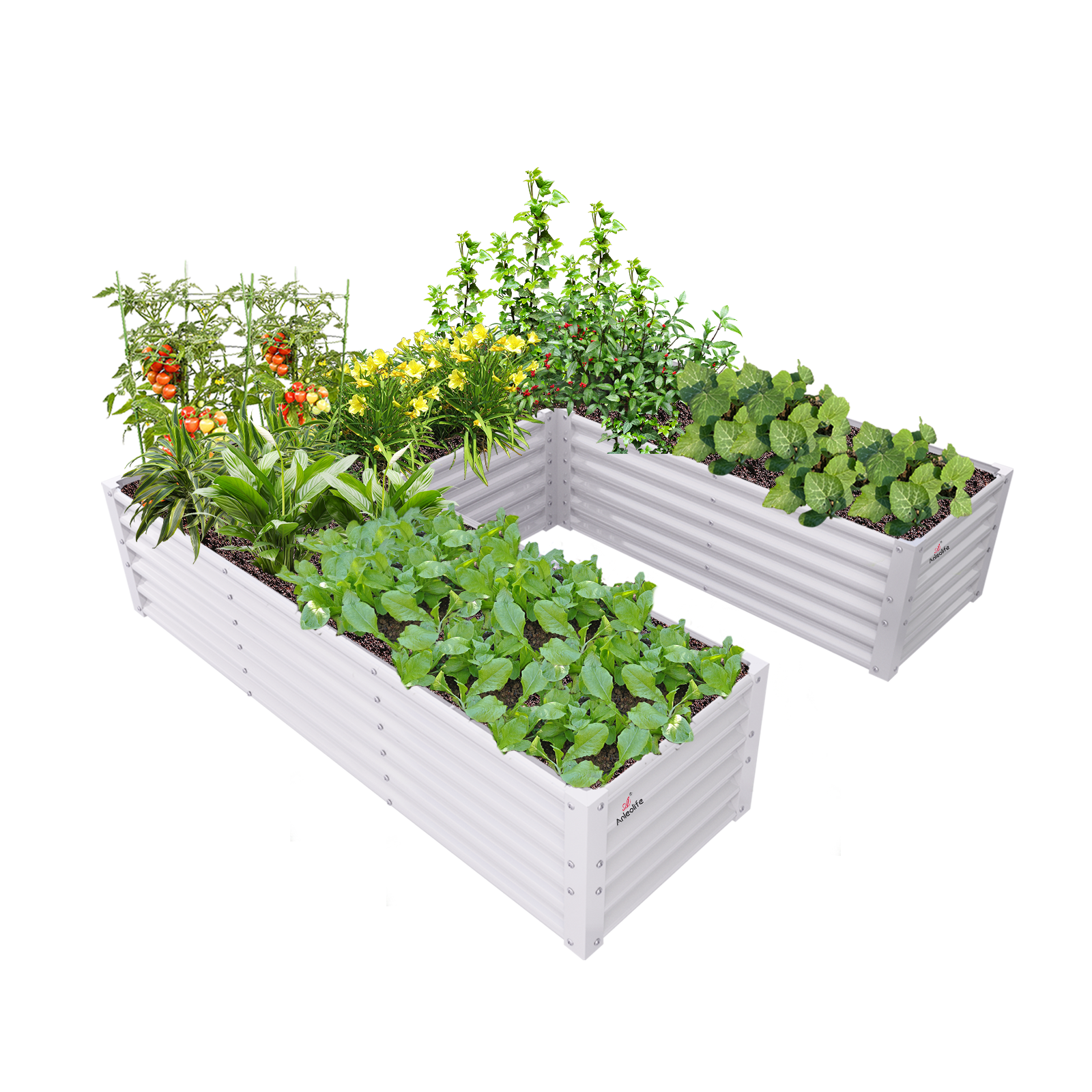

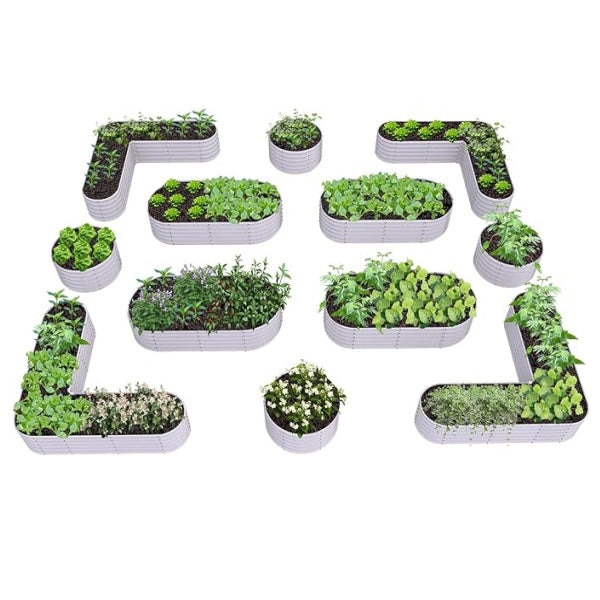






ALT: Galvanized steel raised garden bed with trellis and netting setup protecting summer vegetables from pests
Why Trellis and Netting Are Your Raised Garden Bed's Best Summer Defense
Key Conclusion: Summer is peak season for garden pests — from aphids and caterpillars to birds and rabbits — and without a proper trellis and netting system, even the most carefully planned raised garden bed can lose its harvest overnight. A well-designed support and barrier setup does double duty: it guides vining crops upward for better airflow and light exposure while physically preventing the most common pests from reaching your plants. This guide walks you through everything you need to build an effective, low-cost pest defense for your raised bed this summer.
Summer gardening is deeply rewarding, but it comes with a predictable set of challenges. Warm temperatures accelerate insect reproduction cycles, migratory birds discover your berry patches, and burrowing animals like rabbits zero in on tender lettuce and bean seedlings. For home gardeners growing food in raised beds, the stakes feel even higher — you've invested real effort into soil quality, plant selection, and bed setup. Losing a crop to preventable pest pressure is genuinely frustrating.
The good news? A thoughtfully installed trellis and netting system is one of the most cost-effective, non-toxic ways to protect your garden through the hottest months. Whether you're growing tomatoes, cucumbers, beans, or leafy greens, this guide will help you choose the right materials, set them up correctly, and troubleshoot the problems that most gardeners only discover after it's too late.
Who This Guide Is For
✅ Applicable Scenarios:
- Home gardeners using raised beds (metal, wood, or composite) who want to protect crops from insects, birds, and small animals
- Urban micro-gardeners with limited space who need vertical growing solutions that double as pest barriers
- Eco-conscious growers who prefer physical pest control over chemical pesticides
- Empty nesters and retirees setting up low-maintenance backyard food gardens for the first time
- Families growing vegetables for home consumption who want chemical-free protection methods
❌ Not Applicable/Cautions:
- Large-scale agricultural plots where commercial-grade fencing systems are more appropriate
- Gardeners dealing primarily with soil-borne diseases or fungal issues — netting and trellises won't address root-level problems
- Situations where structural wind loads are extreme — lightweight trellis systems may need additional anchoring in storm-prone regions
The Summer Pest Problem: Why Raised Beds Need Extra Protection
Summer brings a surge in garden pest activity that catches many new growers off guard. According to the University of California Division of Agriculture and Natural Resources, insect pest populations — particularly aphids, whiteflies, and caterpillars — peak during warm months when reproductive cycles speed up dramatically. For raised bed gardeners, this timing coincides exactly with the most productive phase of the growing season.
What makes raised beds both advantageous and vulnerable? The elevated, well-drained soil warms quickly, promoting vigorous plant growth — but that same lushness attracts pests. The confined space of a raised bed also means pest damage can spread rapidly from plant to plant. A single aphid colony left unchecked on a raised bed tomato plant can colonize neighboring crops within days.
Birds present a different kind of challenge. They're particularly drawn to ripening berries, tomatoes, and leafy greens. While birds are beneficial in many garden contexts (they eat pest insects), they can strip a small raised bed of fruit almost overnight. The best garden netting for keeping birds away from vegetables is a fine-mesh barrier installed above the canopy level — something we'll cover in detail in the setup section below.
Small mammals, especially rabbits, are a persistent problem in suburban and rural gardens. They can squeeze through surprisingly small gaps and often target the same crops humans value most: lettuce, beans, peas, and young seedlings. A properly sized hardware cloth or wire mesh barrier around the base of your raised bed is essential in rabbit-prone areas.
If you're still in the planning stages of your garden setup, the Step-by-Step Raised Bed Garden Layout Planning for Summer 2026 Beginners guide is an excellent starting point — it covers how to position beds, plan crop spacing, and design your space in a way that makes pest management easier from day one.
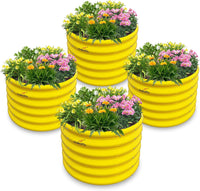
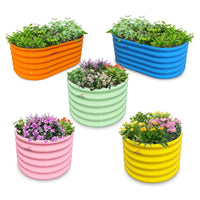
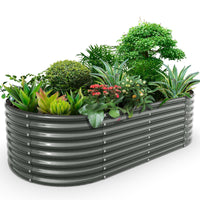
For gardeners who are choosing between bed materials, it's worth knowing that galvanized steel raised beds outperform wood in multiple ways for summer gardening — including their resistance to the moisture that attracts wood-boring insects and rot-related pests. Anleolife's galvanized steel raised garden beds are built to last up to 20 years, giving your pest protection infrastructure a reliable foundation for seasons to come.
The combination of a sturdy, durable raised bed and a well-designed trellis-and-netting system is genuinely the most effective non-chemical approach to summer pest management available to home gardeners today.
Setting Up Your Trellis and Netting System: A Practical Guide
Three-Step Quick Start
Step 1: Assess Your Pest Threats and Crop Needs
Before purchasing any materials, spend 15–20 minutes identifying which pests are most likely to affect your garden. Walk your yard at dusk (when rabbits are most active), check the undersides of existing plant leaves for aphid colonies, and note whether birds frequent your garden area. At the same time, identify which crops in your raised bed are vining types that need vertical support — cucumbers, beans, peas, and tomatoes all benefit from trellising. This dual assessment ensures you buy the right materials for your specific situation rather than a generic solution.
Step 2: Choose and Install Your Trellis Structure
Select a trellis frame appropriate to your bed size and crop type. Panel trellises work well for most rectangular raised beds, while arch trellises are ideal for creating covered tunnels that can support netting overhead. Install stakes or posts at the corners or ends of your raised bed, ensuring they're anchored at least 12 inches into the ground for stability. For heavier crops like indeterminate tomatoes, a sturdier metal or thick wooden stake system is recommended. Allow 30–60 minutes for this step depending on your bed size and material choice.
Step 3: Attach Netting Appropriate to Your Pest Target
Once your trellis structure is in place, attach netting suited to the pest you're targeting. Fine insect mesh (typically 0.6mm or smaller openings) excludes most flying insects, including whiteflies and aphids. Bird netting with openings around 3/4 inch works for keeping birds off fruiting crops. Hardware cloth with 1/2-inch openings is best for rabbit exclusion at the bed perimeter. Secure netting tightly at the base of your bed so animals can't push underneath. This step typically takes 20–45 minutes and is best done when plants are still small for easier maneuvering.
Comparing Your Main Netting and Barrier Options
Choosing the right netting or barrier depends on your specific pest challenges, crop types, and budget. Here's a clear comparison of the most commonly used options for raised garden bed protection:
| Comparison Dimension | Insect Mesh | Bird Netting | Hardware Cloth |
|---|---|---|---|
| Primary Pest Target | Aphids, whiteflies, moths, caterpillars | Birds, squirrels | Rabbits, groundhogs, rodents |
| Mesh Opening Size | Very fine (≤1mm) | Medium (¾ inch typical) | Small (¼–½ inch) |
| Light and Airflow Impact | Slight reduction | Minimal impact | Minimal impact |
| Durability | Moderate (UV-degradation over time) | Moderate | High (rust-resistant versions last many seasons) |
| Ease of Installation | Easy (drape over frame) | Easy to moderate | Moderate (requires cutting/bending) |
| Best Use Placement | Over and around plant canopy | Above crop canopy | Bed perimeter and base |
| Cost Level | Low to moderate | Low | Moderate to higher |
| Reusability | 2–4 seasons | 1–3 seasons | Many seasons |
For most suburban raised bed gardeners, a layered approach works best: hardware cloth at the base and perimeter to stop burrowing animals, bird netting over the top canopy during fruiting, and insect mesh used selectively on crops that are particularly vulnerable to flying pest insects.
Detailed Setup Guide: Materials, Techniques, and Real-World Applications
Choosing the Right Trellis for Your Raised Bed Size
The trellis you choose should match both your bed dimensions and the growth habit of your crops. Anleolife offers raised garden beds in a wide range of sizes — from compact 4x1.5 ft waist-high models to expansive 12x3 ft configurations — so there's no one-size-fits-all trellis recommendation. Here's a practical breakdown by crop and structure type:
Panel Trellises are the most versatile option. A flat grid panel installed vertically at one end or along the back of your raised bed gives climbing crops like cucumbers, pole beans, and peas a sturdy surface to grab onto. They work particularly well in longer rectangular beds (8x4 ft and up) where you can maximize the full length of the growing surface.
Arch Trellises create a tunnel structure over your raised bed that serves a dual purpose: it supports the trellis netting above the plant canopy for bird protection while also providing a climbing surface for vining crops growing up the sides. This style is especially popular with Anleolife's wider bed configurations (like the 8x4 ft or 6x3 ft models) because the arch can span the full width.
Stake-and-Twine Systems are the most budget-friendly option and work well for indeterminate tomatoes and other heavy fruiting crops that need individual support rather than a shared grid. Drive stakes at regular intervals along your bed and run horizontal twine between them as plants grow.
The Right Netting for Each Pest Type
Not all netting is created equal, and using the wrong type is one of the most common mistakes home gardeners make. Let's break down what actually works for each pest category.
For flying insects — including aphids, whiteflies, flea beetles, and cabbage moths — fine insect mesh (sometimes called row cover or floating row cover fabric) is your most effective tool. When draped over a trellis frame and secured at the base, it creates a physical exclusion barrier that prevents adult insects from reaching your plants to feed or lay eggs. The key is to install it before pest populations appear, not after, as a reactive measure. This is especially important for brassicas (cabbage, kale, broccoli) that are magnets for cabbage white butterflies.
For birds, the best garden netting for keeping birds away from vegetables is a purpose-made bird netting with openings small enough that birds can't reach through (around ¾ inch maximum). Drape it over your arch trellis or stretch it horizontally above your canopy, securing all edges so birds can't find entry points at the sides. Many gardeners make the mistake of leaving gaps at the corners — a determined bird will find them within hours.
For rabbits and small mammals, hardware cloth (also called welded wire mesh) with ½-inch openings is the gold standard. Rather than attaching it to your trellis frame, install it around the base perimeter of your raised bed. If rabbits are a serious problem in your area, you can also line the interior base of your raised bed with hardware cloth before filling it with soil — this prevents animals from tunneling up from below, which happens more often than most gardeners expect.
Securing and Maintaining Your Setup Through Summer
Once your trellis and netting are installed, regular maintenance is essential to keep the system effective through the entire summer season. Check netting edges weekly — wind can lift or shift barriers, creating entry points for the very pests you're trying to exclude. After heavy rain, inspect for pooling water on horizontal netting surfaces that might weigh down and damage the fabric.
For trellis structures, check anchor points monthly. As your plants grow heavier — especially tomatoes loaded with fruit — the leverage on trellis stakes increases significantly. Re-anchor any posts that show signs of leaning before they fail under the weight.
If you're also managing soil health through the season, the guide on mid-summer raised bed maintenance for June and July pairs perfectly with this pest protection setup — it covers watering schedules, fertilization timing, and plant health checks that collectively reduce pest pressure by keeping plants strong and resilient.
One often-overlooked maintenance step is checking the condition of your raised bed itself. Anleolife's galvanized steel raised garden beds are engineered for long-term durability — up to 20 years of service — but inspecting connection points and surface integrity at the start of each season ensures your bed continues to provide the stable foundation your trellis and netting system relies on. You can explore guidance on how to keep your galvanized steel bed looking new through summer heat for specific care tips.
Integrated Pest Management: Combining Physical and Biological Controls
Trellis and netting setups are most effective when combined with basic integrated pest management (IPM) practices. Physical barriers are your first line of defense, but they work even better alongside:
Companion planting — Growing pest-repellent herbs like basil, marigolds, and nasturtiums alongside your vegetables naturally deters many common insects. In a raised bed, you have the advantage of controlling exactly what grows where, making companion planting more precise than in open ground gardens.
Regular inspection — Even with netting in place, inspect the undersides of leaves every 3–4 days during peak summer season. Aphids in particular can establish colonies from eggs already on transplanted seedlings, bypassing your netting entirely.
Beneficial insects — Lacewings, ladybugs, and parasitic wasps are natural aphid predators. Fine insect mesh will exclude them along with pest insects, so use it strategically on your most vulnerable crops rather than blanketing your entire garden.
For gardeners curious about which crops are most worth protecting with these setups, the article on the top 10 vegetables to grow in a raised bed this June and beyond gives excellent guidance on summer crop selection, including which varieties tend to attract the most pest pressure.

ALT: Arch trellis with bird netting installed over galvanized steel raised garden bed protecting tomatoes and cucumbers from summer pests
Advanced Considerations: Solving the Problems Most Guides Miss
Handling Wind and Structural Stress
One of the most common reasons trellis-and-netting systems fail mid-season is inadequate wind resistance. In coastal or open backyard settings, even moderate summer winds can destabilize lightly anchored trellis frames, pulling netting loose and potentially damaging plants in the process. Use ground anchors or sandbags to secure arch trellises, and consider threading netting through the trellis frame rather than simply draping it, which adds structural stability.
The Misconception That Netting Harms Pollinators
Many gardeners worry that installing insect mesh will prevent bees from pollinating their crops. This is a real concern — and the solution is simple. Use insect mesh selectively on crops that don't require pollinator access (leafy greens, brassicas) and avoid covering flowering crops like tomatoes, cucumbers, and squash during blooming periods. Alternatively, open and re-close your mesh barriers during peak pollinator activity hours (typically midmorning) to allow access.
Choosing Rust-Resistant Materials for Your Garden Setup
If you're wondering about the best materials for raised garden beds that won't rust, Anleolife's full line of rust-resistant raised garden beds uses high-grade galvanized steel with a protective coating specifically engineered to resist corrosion in outdoor conditions, including humid summers and irrigation exposure. This matters for trellis-and-netting setups too — if you're attaching trellis hardware directly to your bed walls, using rust-resistant fasteners and frame components ensures your entire system maintains integrity season after season.
For small-space gardeners also wondering about garden tool storage solutions for small spaces, consider wall-mounted pegboards or vertical tool racks attached to a fence or shed wall near your raised bed — keeping tools close at hand without cluttering the bed's footprint.
Frequently Asked Questions FAQ
Q1: How do I attach trellis netting to a metal raised garden bed without damaging it?
The easiest method is to use clip-on trellis anchors or bungee-style hooks that grip the bed's rim without requiring drilling. Alternatively, pre-drilled holes at bed-end positions allow for bolt-through trellis post installation. Anleolife's galvanized steel raised garden beds have smooth-rolled rim edges that work well with a variety of clip-on trellis accessories. Always use rust-resistant or stainless steel hardware to prevent corrosion staining on your bed's surface.
Q2: Is fine insect mesh safe to use around edible vegetable crops all season?
Yes — fine insect mesh (including lightweight row cover fabric) is completely safe for use around edible crops and is widely recommended by extension services as a non-toxic, chemical-free pest management tool. The main consideration is airflow: in very hot climates, dense mesh can trap heat and raise soil temperatures. Choose a mesh weight appropriate for your climate — lighter fabrics provide more ventilation while still blocking most pest insects effectively.
Q3: How long does garden netting typically last, and when should I replace it?
The lifespan of garden netting varies by material. Standard bird netting typically lasts 1–3 seasons before UV degradation causes brittleness. Woven insect mesh tends to last 2–4 seasons with proper storage between seasons. Hardware cloth can last many years with minimal degradation. Inspect netting at the start of each season for tears, thinning, or deteriorated edges — even small holes provide entry points for determined pests. Proper off-season storage (cleaned, folded, stored indoors away from UV exposure) significantly extends the usable life of all mesh types.
Summary
Protecting your raised garden bed from summer pests doesn't require chemical interventions or expensive systems. A well-planned combination of trellis structures, appropriately chosen netting, and consistent maintenance delivers reliable, chemical-free crop protection through even the most challenging summer seasons.
Three core takeaways from this guide:
First, match your barrier to your pest — insect mesh for flying insects, bird netting for aerial crop raiders, and hardware cloth for burrowing mammals. A layered approach covering all three threat categories gives you the most complete protection.
Second, install your system proactively, before pest populations peak. Physical exclusion barriers work best as prevention tools, not reactive measures. Getting your trellis and netting in place while plants are still young makes installation easier and more effective.
Third, pair your pest protection setup with a healthy, well-maintained raised bed. Strong, vigorous plants in nutrient-rich soil are naturally more resistant to pest pressure. Your trellis and netting system is one layer of a comprehensive summer garden strategy that includes soil health, watering consistency, and regular plant inspection.
Your next steps: assess your specific pest risks this week, select the netting types appropriate for your crops and threats, and install your trellis framework before your plants outgrow easy management. The investment in time and materials now pays dividends in healthy harvests all summer long.
Upgrade Your Garden with Anleolife
At Anleolife, we believe that building a great garden is a journey — and we're designed to support every stage of it. Our nationwide U.S. warehouse network is strategically located in California, Texas, Florida, New York, Illinois, and Washington, ensuring delivery in 3–8 business days so your garden upgrade plans never have to wait.
Our products are available on major e-commerce platforms including Amazon, Walmart, Home Depot, Lowe's, and Wayfair, as well as directly through Anleolife.com, providing consistent quality assurance and after-sales service wherever you shop.
Anleolife covers three core garden scenarios: Planting (metal raised garden beds, soil systems), Raising (chicken coops, rabbit hutches), and Beautification (decorative accessories, pathway systems) — meeting complete needs from functionality to aesthetics.
We understand that an ideal garden isn't built overnight. Our modular product design allows flexible expansion based on your needs — from your first compact raised bed to a fully integrated planting-and-raising ecosystem. We grow with you every step of the way.
References
- University of California Agriculture and Natural Resources. "Integrated Pest Management for Home Gardens."
https://ipm.ucanr.edu/ - U.S. Department of Agriculture National Agricultural Library. "Pest Management Resources for Home Gardeners."
https://www.nal.usda.gov/farms-and-agricultural-production-systems/pest-management - Penn State Extension. "Row Covers for Insect Pest Management in Vegetables."
https://extension.psu.edu/row-covers-for-insect-pest-management-in-vegetables - Oregon State University Extension Service. "Protecting Your Garden from Birds and Other Wildlife."
https://extension.oregonstate.edu/gardening/techniques/protecting-your-garden-birds-other-wildlife - Cornell University College of Agriculture and Life Sciences. "Raised Bed Gardening."
https://gardening.cals.cornell.edu/lessons/techniques/raised-bed-gardening/
Note: Standards and recommendations may be updated. Please check the latest official documents or consult professional advisors for the most current guidance.
About Anleolife
Anleolife is a leading outdoor garden solutions provider in North America, dedicated to offering a full-scenario product ecosystem for home gardening enthusiasts, covering planting, raising, and garden beautification. Since its founding, we have upheld our brand mission, "Made for Garden Life," continuously innovating products and optimizing services to help hundreds of thousands of users upgrade their gardens, reconnect with nature, and enjoy a better garden lifestyle.