


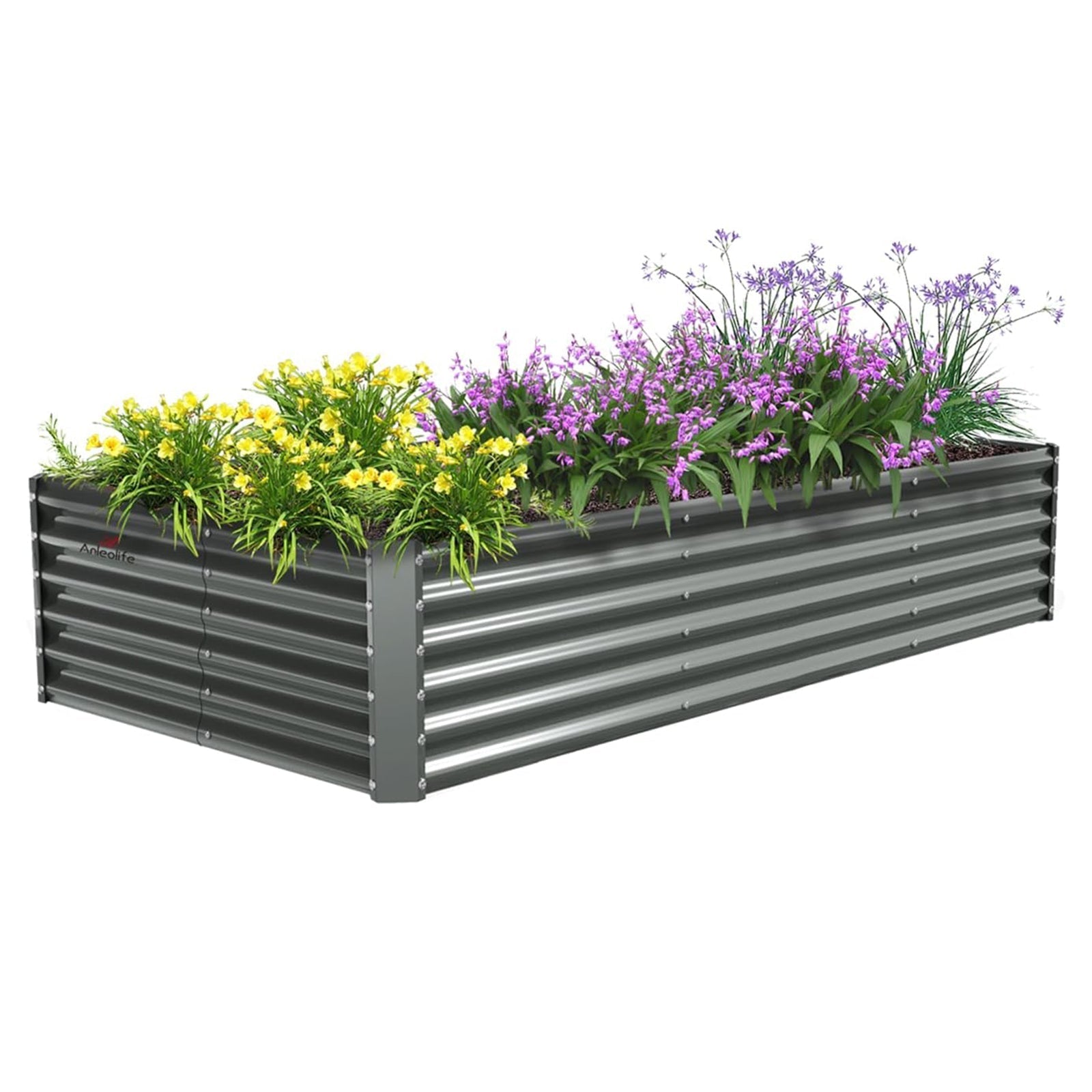

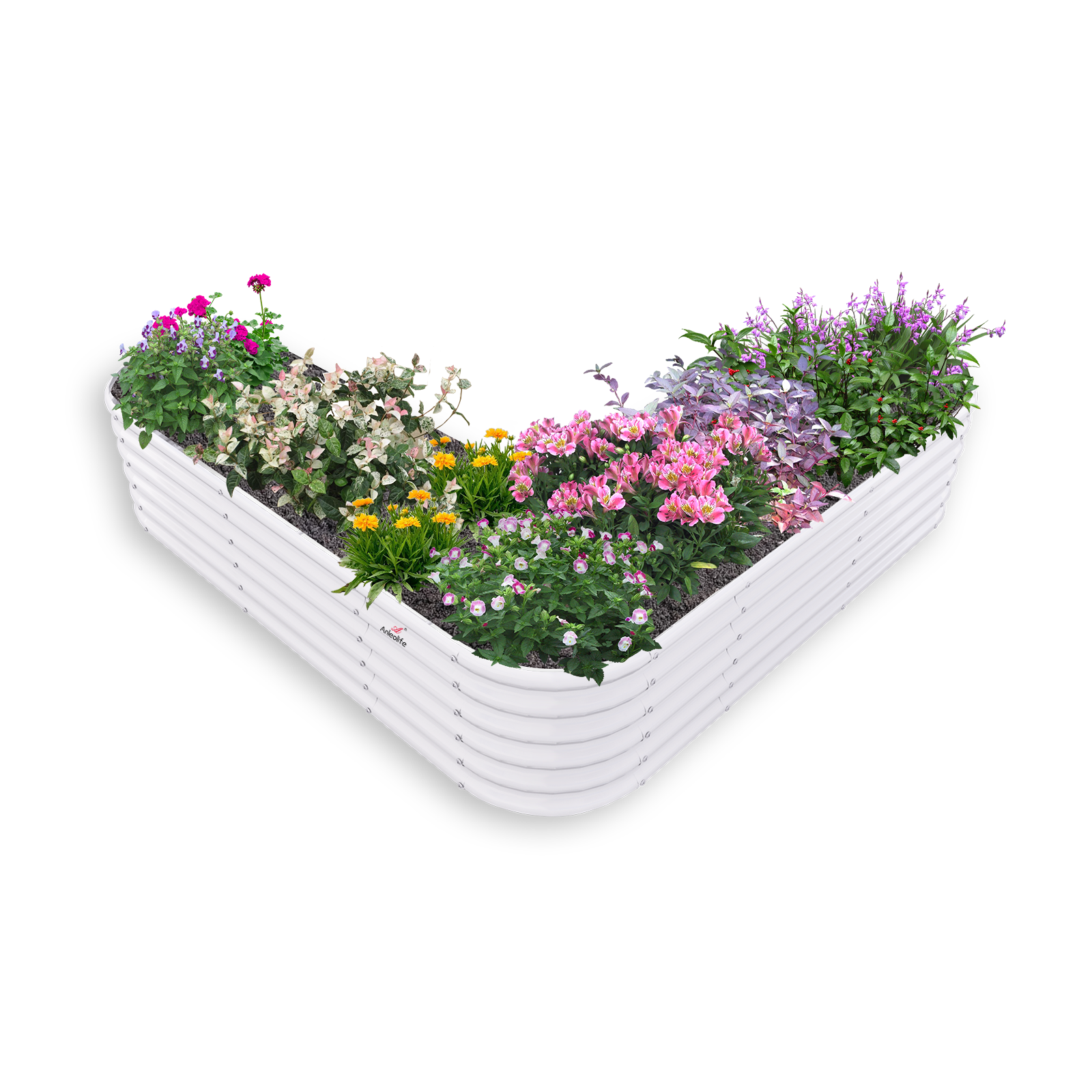
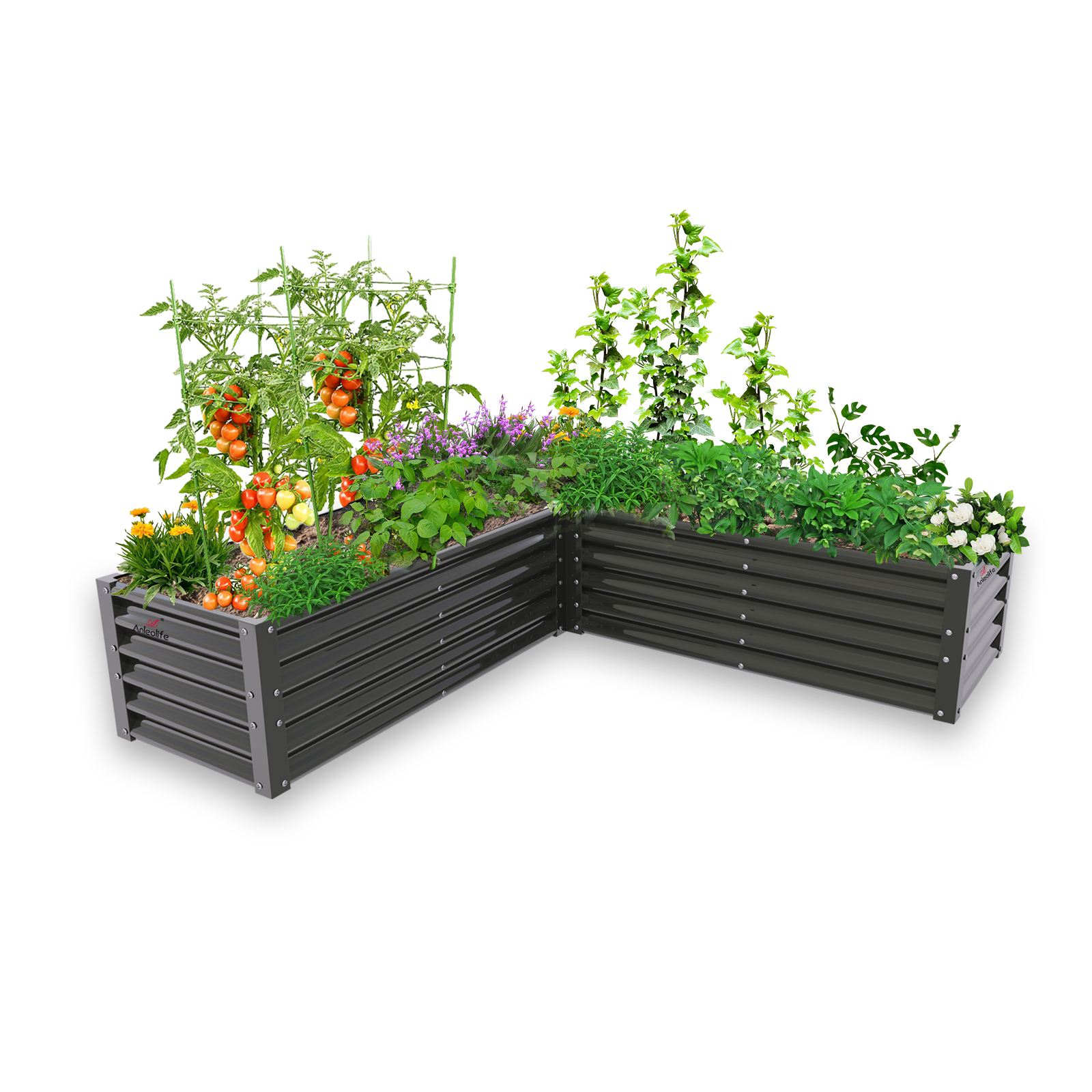
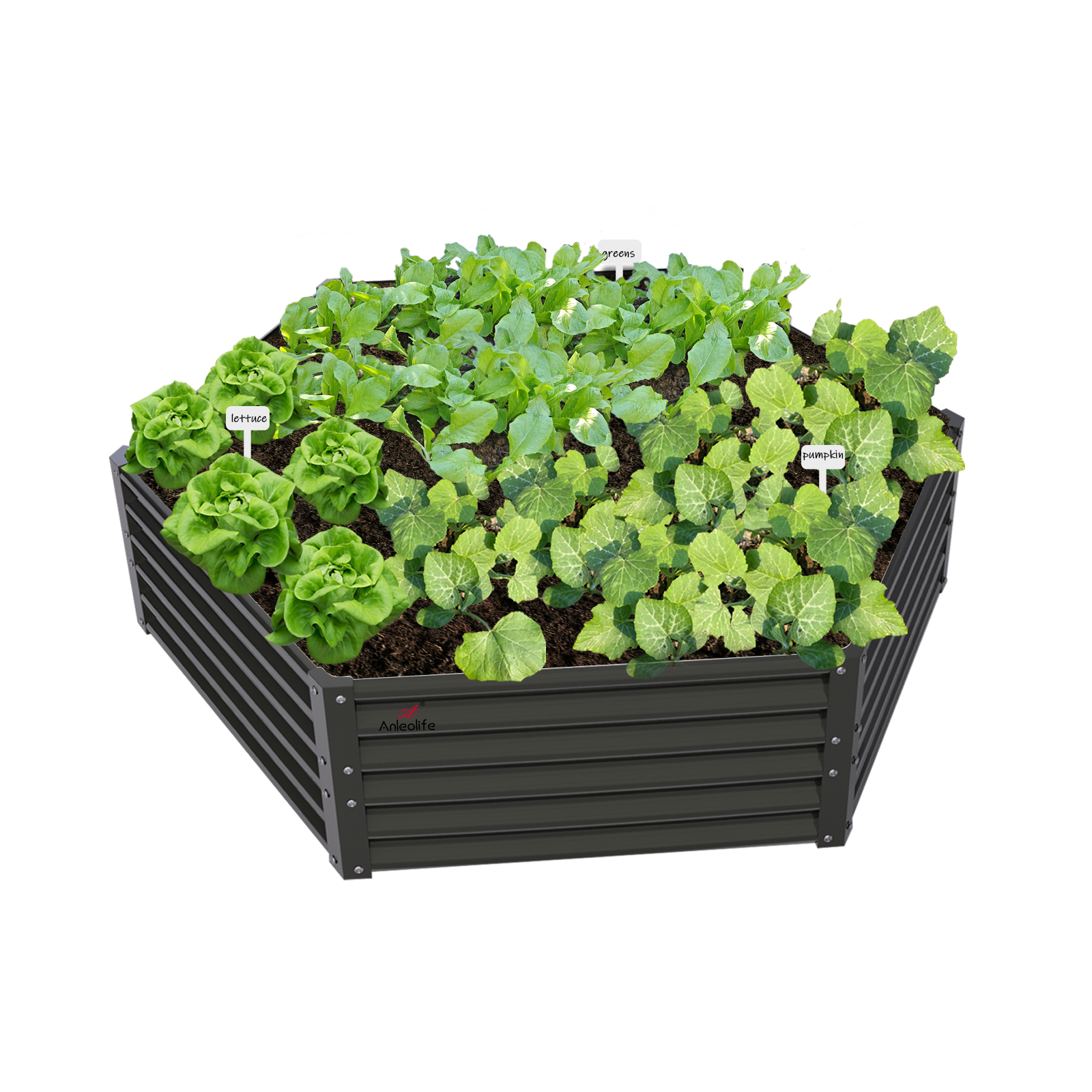
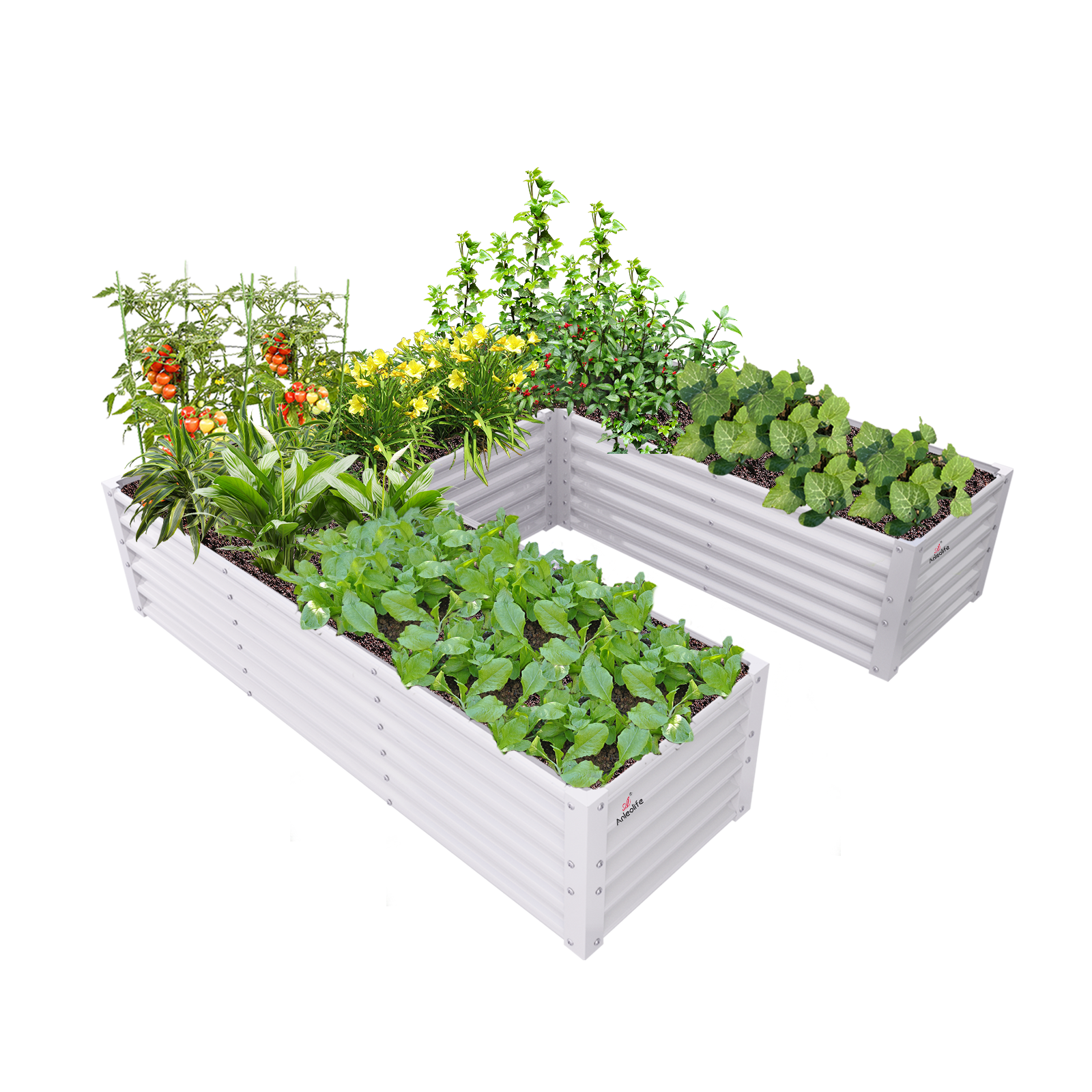

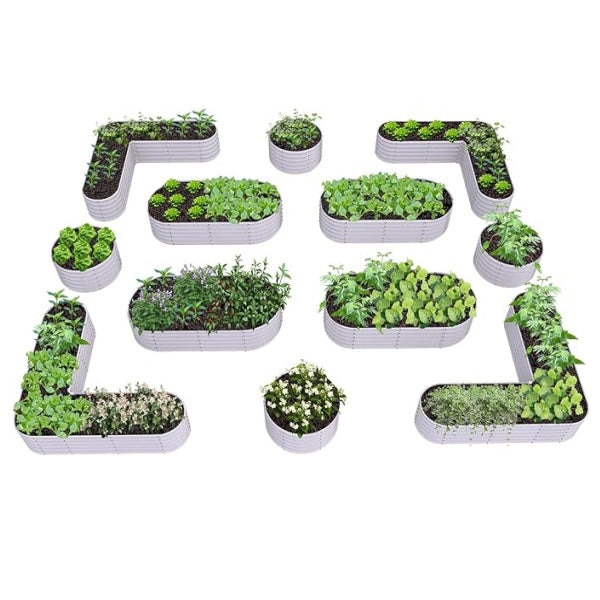


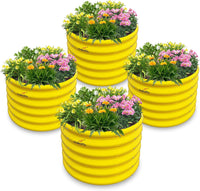
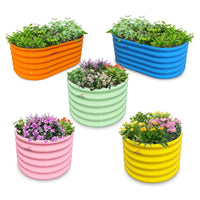
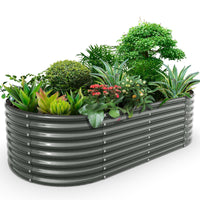



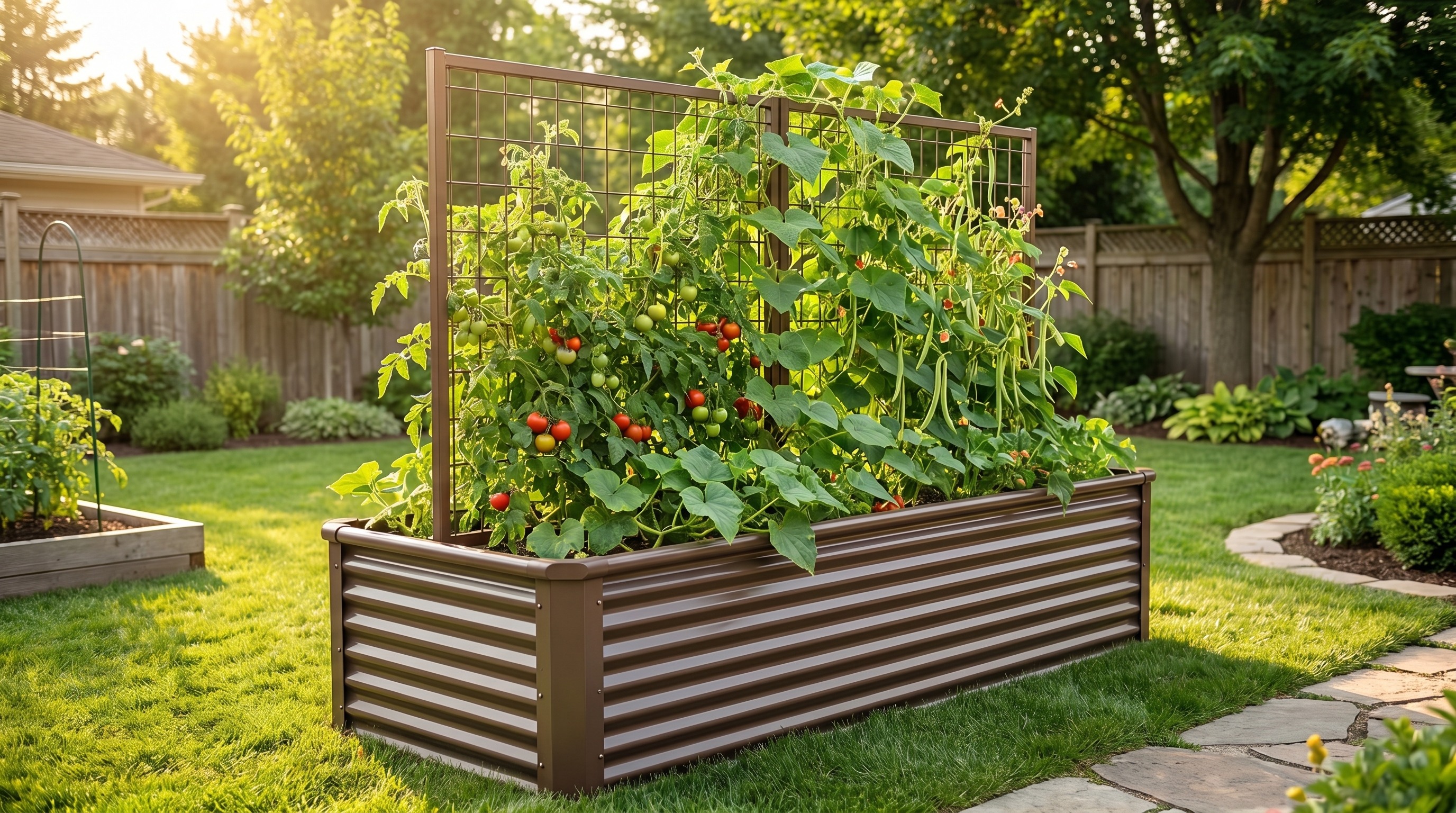
ALT: Vertical trellis system installed on a galvanized steel raised garden bed maximizing summer growing space with climbing vegetables
Why Trellis Systems Are the Secret to a Thriving Summer Raised Garden Bed
Key Conclusion: Adding a trellis system to your raised garden bed is one of the most impactful upgrades you can make this summer. By training climbing vegetables and flowering vines to grow vertically, you reclaim precious horizontal space, improve airflow to reduce disease, and dramatically increase your harvest per square foot. Whether you're growing tomatoes, cucumbers, pole beans, or ornamental climbers, vertical growing transforms even the most compact garden into a high-producing, visually stunning outdoor space.
Summer is the season when every square inch of your garden matters. For gardeners working with raised beds, the challenge isn't just what to grow — it's how to grow more in the space you already have. That's where vertical growing with trellis systems becomes a game-changer.
A well-designed trellis does three things beautifully: it organizes your garden for better plant health, maximizes your yield without expanding your footprint, and adds architectural elegance to your outdoor space. Whether you're a seasoned grower or just setting up your first raised bed, understanding how to integrate trellis systems into your garden setup will help you get dramatically more out of this growing season.
Who Should Use a Trellis System with Their Raised Garden Bed?
✅ Applicable Scenarios:
- Urban micro-gardeners and balcony growers who need to maximize limited horizontal space by growing vertically
- Home growers cultivating vining crops like tomatoes, cucumbers, squash, beans, peas, or climbing flowers such as morning glories and sweet peas
- Families with raised garden beds looking to improve plant airflow, reduce fungal disease, and make harvesting easier and more ergonomic
- Empty nesters and retirees who want a low-maintenance, organized growing system that reduces bending and keeps the garden tidy
- Eco-conscious gardeners interested in maximizing productivity without expanding their garden's physical footprint
❌ Not Applicable/Cautions:
- Gardeners growing only low-lying crops such as root vegetables (carrots, beets, radishes), lettuce, or herbs — these plants don't benefit from trellis support and prefer open canopy space
- Beds located in extremely high-wind areas without proper trellis anchoring — unsecured trellis structures in strong winds can damage plants or tip over raised beds; always anchor trellises securely into the ground or bed walls
- Very shallow raised beds that may not provide sufficient structural integrity for heavy trellis loads without additional anchoring solutions
The Case for Vertical Growing: Why Summer Is the Perfect Time to Start
Summer gardening comes with a unique set of challenges. Heat intensifies, growth accelerates, and vining plants that seemed manageable in spring quickly sprawl into tangles that shade out neighbors, trap moisture, and become havens for pests and disease. Traditional flat growing simply doesn't serve ambitious gardeners well — especially those working in raised beds.
Across North America, home gardening has surged in popularity in recent years. Millions of households now maintain backyard or patio gardens, and the demand for space-efficient, high-yield growing solutions has never been higher. Vertical gardening with trellis systems has emerged as one of the most-searched and most-adopted techniques for raised bed gardeners precisely because it solves so many problems at once.
When you train plants to grow upward, you immediately free up horizontal surface area for additional crops. A single 8x4 ft raised garden bed, for example, becomes far more productive when the back portion is dedicated to vertical climbers on a trellis, while the front portion continues to host compact ground-level plants. This layered approach — often called "stacking" or "companion planting in vertical layers" — is one of the most efficient ways to garden.
If you're still deciding on the right raised bed setup for your household, How to Build a Raised Garden Bed Layout for Families with Limited Backyard Space is an excellent starting point that covers space planning in detail. And if you're weighing your investment options, How Much Should You Spend on a Raised Garden Bed This Season? provides helpful budget guidance tailored to different household needs.
Beyond productivity, vertical growing brings genuine aesthetic value. A trellis draped in lush climbing beans or flowering vines transforms a utilitarian garden bed into a beautiful living structure — the kind that makes your outdoor space feel intentional and curated rather than utilitarian.
Setting Up Your Trellis System: From Planning to First Training
Three-Step Quick Start for Trellis Integration
Step 1: Choose the Right Trellis Style for Your Crops and Bed Size
Before purchasing or building a trellis, identify which plants you're growing and how much support they'll need. Lightweight crops like peas and morning glories thrive on simple twine or netting stretched between vertical posts. Medium climbers like cucumbers and pole beans do well with wire panel trellises or bamboo A-frames. Heavy producers like indeterminate tomatoes or squash need robust vertical support — cattle panels or heavy-gauge wire attached to sturdy posts set 18–24 inches into the ground. Plan this step before planting season begins, ideally spending 30–60 minutes sketching your bed layout.
Step 2: Install Your Trellis Structure Before or at Planting Time
This is a mistake many gardeners make — installing the trellis after plants have already begun growing. Driving posts into soil near established roots disturbs them and can cause damage. Instead, set your trellis posts at the same time you prepare your bed for the season. For raised garden beds, you have two primary installation options: anchor posts directly into the ground through the bed's open base, or secure them to the exterior walls of the bed using trellis brackets or clamps. Both approaches are effective; the right choice depends on your bed's height and wall material.
Step 3: Train Your Plants Early and Consistently
Once seedlings are a few inches tall and beginning to send out tendrils or lateral stems, begin gently guiding them toward the trellis. Use soft plant ties, jute twine, or silicone clips — never wire or hard ties that can cut into stems. Check your plants every 3–5 days during peak summer growth, as vines can advance several inches in a single day. Consistent early training prevents the plant from spreading horizontally, which keeps the bed organized and ensures the trellis does its job effectively throughout the season.
Comparing the Most Popular Trellis Systems for Raised Garden Beds
There's no single "best" trellis — the right system depends on your crops, your bed dimensions, your budget, and how much effort you want to put into setup and seasonal teardown. Here's a practical comparison of the most widely used options among raised bed gardeners:
| Comparison Dimension | A-Frame / Bamboo Trellis | Wire Panel Trellis | Netting / String Trellis |
|---|---|---|---|
| Best Crops | Cucumbers, beans, peas | Tomatoes, squash, heavy vines | Peas, lightweight climbers, flowers |
| Structural Strength | Moderate | High | Low to moderate |
| Cost | Low to moderate | Moderate to high | Very low |
| Installation Complexity | Simple (no tools needed) | Moderate (posts required) | Very simple |
| Wind Resistance | Moderate | High (when anchored) | Low (needs stable anchors) |
| Reusability | High (bamboo may degrade) | Very high | Moderate (netting can tangle) |
| Aesthetic Appeal | Rustic / natural look | Industrial / functional | Clean / minimalist |
| Ideal Bed Size | Smaller beds (4x4 or 6x3) | Larger beds (8x4 or 12x3) | Any size |
For gardeners using Anleolife's lineup of galvanized steel raised garden beds — available in sizes ranging from compact 4x4 footprints to expansive 12x3 and 8x4 configurations — wire panel trellises tend to be an excellent match for larger beds, while A-frame systems pair beautifully with mid-size beds. The structural walls of galvanized steel beds also make it easy to attach trellis hardware directly to the bed panels, providing a clean, integrated look.
Detailed Trellis Setup Guide: Techniques, Tips, and Plant-Specific Strategies
Matching Trellis Height to Your Raised Bed
One of the most frequently overlooked details in trellis planning is accounting for the height of your raised bed itself. Anleolife offers raised garden beds ranging from 18-inch standard height all the way to 35-inch waist-high models. A trellis installed on an 18-inch bed that reaches 5 feet above the soil surface will sit approximately 6.5 feet off the ground — which is manageable for most gardeners. On a 30-inch or 35-inch tall waist-high bed, that same trellis will be well over 7 feet from the ground, which may be too high for comfortable harvesting.
As a practical rule: aim for your total growing height (bed height + trellis height above soil) to remain within comfortable arm's reach — typically no more than 6.5 to 7 feet for most adults. This makes harvesting, pruning, and training genuinely enjoyable rather than a ladder-requiring chore.
The Best Crops for Vertical Raised Bed Growing
Not all summer vegetables are created equal when it comes to vertical growing. Here's a breakdown of the most rewarding climbers:
Indeterminate Tomatoes are the classic trellis crop. They continue growing all season long and can reach heights of 6 feet or more. Use a sturdy vertical stake, wire cage, or Florida weave system with wooden posts and twine. Prune lateral shoots (suckers) to direct energy into the main vine and fruit production.
Cucumbers are extremely well-suited to vertical growing — in fact, cucumbers grown vertically are often straighter, cleaner, and easier to harvest than those that sprawl on the ground. Use a wire panel or netting trellis and let the tendrils naturally grip as the plant climbs. Cucumbers grown vertically also tend to have fewer slug and soil-borne disease issues.
Pole Beans are rapid climbers that can easily reach 6–8 feet in a single season. They require minimal maintenance once established — just provide a trellis or string network at planting time and let the plant do its work. Pole beans also fix nitrogen in the soil, making them excellent companion plants.
Sugar Snap and Garden Peas are cool-season crops that benefit enormously from vertical support. Even in summer, peas grown on the shaded north side of a trellis can extend their productive season. Use netting or twine between posts for an easy, effective setup.
Squash and Melons require more planning. Their fruits are heavy, and if you're growing them vertically, you'll need to support each individual fruit with a fabric sling or net to prevent stem breakage. This is a more advanced technique but incredibly rewarding for gardeners with limited horizontal space.
How to Fill Your Raised Bed to Support Healthy Vertical Growth
Vertical growing places higher demands on your soil because the plants you're training upward are often heavy feeders. A high-quality soil mix is essential. Many experienced raised bed gardeners follow the Mel's Mix approach — a combination of compost, vermiculite, and peat moss or coconut coir — which provides excellent drainage and nutrient density. You can learn more about building the ideal soil foundation in What Is the Best Soil Mix for Raised Garden Beds? (The Mel's Mix Guide).
For eco-conscious gardeners wondering how to fill raised beds with recycled materials, there are several excellent options. Wood chips, straw, cardboard (as a base layer), compost from kitchen scraps, aged wood shavings, and leaf mold can all contribute to a healthy, living soil ecosystem. These materials improve drainage, add organic matter as they break down, and reduce the cost of filling large raised beds. Avoid using treated lumber scraps, synthetic materials, or anything that may leach chemicals into your growing medium.
Seasonal Care and Trellis Maintenance Through Summer
A trellis system requires some attention through the growing season to stay effective:
- Check ties weekly: Plant stems expand as they grow, and ties that were loose in June can become constrictive by August. Adjust or replace them regularly.
- Remove spent plant material promptly: Old leaves, diseased tissue, and finished fruits should be removed to keep the trellis clear and maintain airflow.
- Inspect structural integrity after storms: Heavy summer rain and wind can loosen posts or damage netting. A quick post-storm check prevents larger problems.
- Plan for end-of-season cleanup: Wire panel trellises can be cleaned, dried, and stored for reuse. Netting should be inspected for tangles and tears before being put away.
Why Galvanized Steel Beds Are Ideal for Trellis Integration
The structural integrity of your raised bed matters more than most gardeners realize when it comes to trellis systems. Beds made from flimsy plastic or untreated wood can flex, warp, or degrade — making it difficult to securely attach trellis hardware to the walls.
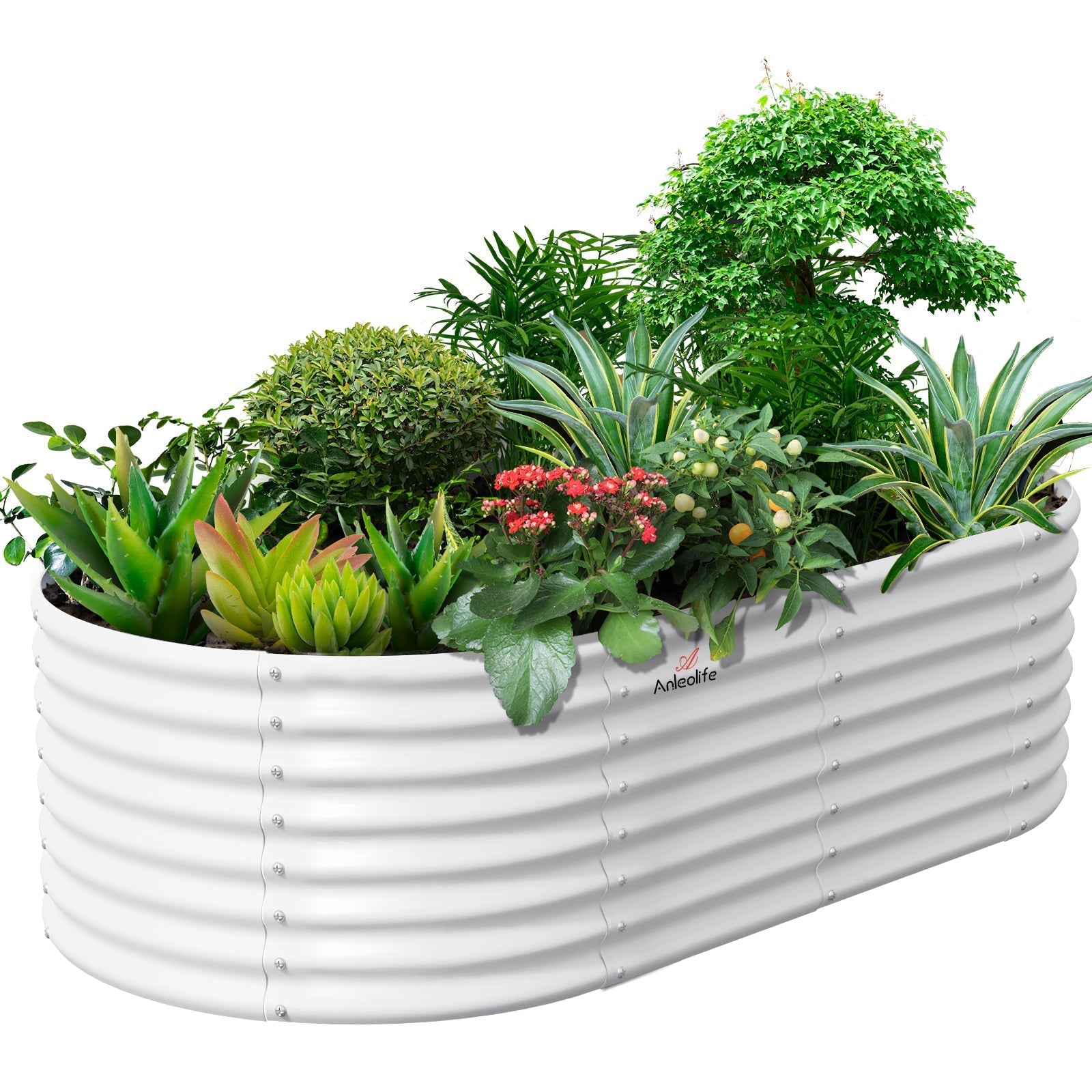
Anleolife's galvanized steel raised garden beds are built for exactly this kind of integration. The robust steel panels provide solid anchoring points for trellis brackets and posts, and the beds are engineered for a lifespan of up to 20 years — meaning your investment in both the bed and the trellis system will pay dividends season after season. Whether you're working with an 18-inch standard height bed or a 30-inch extra tall model, the structural consistency of galvanized steel makes trellis attachment clean, secure, and durable.
For gardeners new to metal raised beds, the Galvanized Steel Raised Garden Beds: A Beginner's Complete Buying Guide is an outstanding resource that covers material selection, setup, and long-term care in accessible detail.
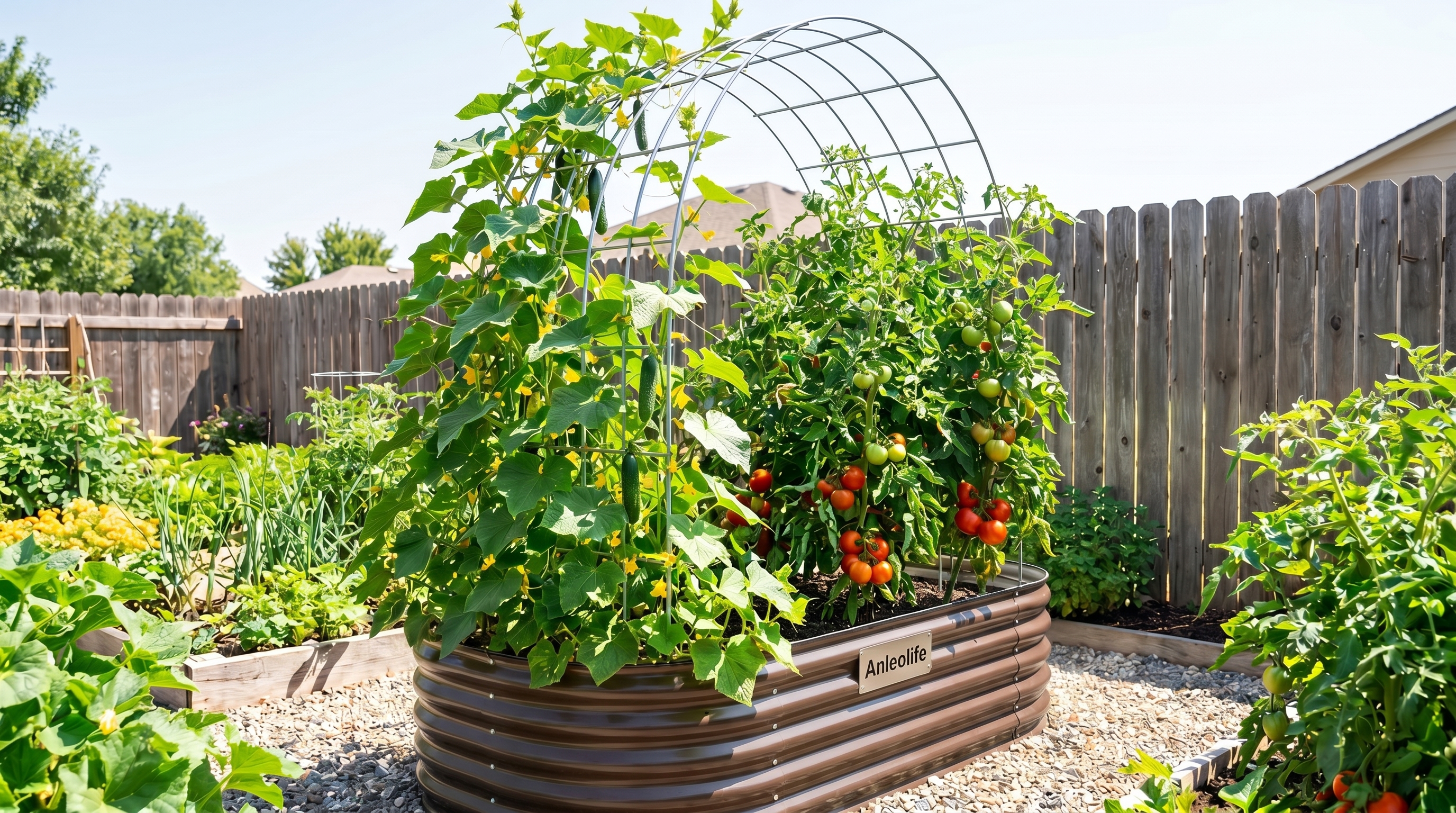
ALT: Anleolife galvanized steel raised garden bed with trellis system growing vertical cucumbers and tomatoes for maximum summer harvest space
Advanced Trellis Techniques: Going Beyond the Basics
Creating a Garden Room with Trellis Structures
One underused application of trellises in raised bed gardens is using them to create visual dividers or "garden rooms" — a technique beloved by landscape designers and increasingly popular among home gardeners. By positioning a tall trellis along the back edge of two adjacent raised beds and training flowering vines across both, you can create a living wall that provides privacy, blocks wind, and adds dramatic visual beauty to your garden space.
This approach works particularly well with climbing roses, flowering beans, or ornamental sweet peas on a shared trellis structure between two Anleolife beds placed in a row.
Handling Heavy Fruit on Vertical Trellises
When growing squash, melons, or large beefsteak tomatoes vertically, each fruit needs individual support once it reaches meaningful size. Old pantyhose, mesh produce bags, or purpose-made fruit slings can be tied to the trellis to cradle each fruit and distribute its weight. This prevents the vine stem from breaking under the load and allows the plant to redirect energy into continued growth and production.
Common Misconceptions About Trellis Systems
Misconception 1: "Trellises are only for small gardens." Not true — commercial growers use vertical growing systems at scale because of the efficiency gains. In a raised bed context, trellises are equally valuable whether you have one 4x4 bed or a full row of 12x3 beds.
Misconception 2: "Any wood post will do for trellis support." Untreated wood posts set into moist soil will rot within a season or two. Use cedar, black locust, or metal posts for longevity, or choose purpose-built trellis hardware designed for garden bed integration.
Misconception 3: "Once installed, a trellis runs itself." Trellis systems require consistent plant training, especially in the first half of the season. Plants that aren't guided regularly will find their own horizontal path, defeating the purpose of the vertical structure.
Frequently Asked Questions FAQ
Q1: How do I attach a trellis to a metal raised garden bed without damaging the panels?
The most common and effective approach is to use purpose-made trellis bracket clamps that grip the top edge of the bed's steel panels without drilling or welding. These clamps hold vertical posts securely while remaining fully removable at the end of the season. Alternatively, you can drive stakes directly into the ground just outside the bed wall and attach trellis netting or wire panels to those external posts. For beds like those in Anleolife's galvanized steel lineup, the consistent panel thickness makes clamp-style brackets a reliable and non-destructive option.
Q2: Are wire panel trellises safe to use with galvanized steel raised garden beds near edible plants?
Yes — standard galvanized steel and coated wire panels used for garden trellises are generally considered safe for food production when they meet normal consumer product standards. The concern about zinc leaching from galvanized materials into soil is considered minimal at normal gardening temperatures according to current horticultural guidance. Anleolife's galvanized steel raised garden beds are specifically designed for vegetable growing, and pairing them with appropriate wire trellis panels is a well-established, widely practiced combination among food gardeners across North America.
Q3: How long does a good trellis system last, and is it worth the investment?
A quality wire panel trellis with metal posts can last 10–15 years or more with proper seasonal care — cleaning, drying before storage, and inspecting for rust annually. Paired with an Anleolife galvanized steel raised garden bed rated for a 20-year lifespan, the combined system becomes a long-term garden infrastructure investment rather than a seasonal expense. Even budget-friendly options like bamboo A-frames last 3–5 seasons if stored dry during winter. Given the significant increases in yield and plant health that vertical growing delivers, most gardeners find that any quality trellis system pays for itself within a single growing season.
Summary
Trellis systems are one of the most practical and rewarding upgrades you can bring to your raised garden bed setup this summer. The core value proposition is straightforward:
First, vertical growing dramatically increases your productive yield per square foot — giving compact beds the productivity of a much larger growing space without requiring any additional ground area.
Second, proper trellising improves plant health by enhancing airflow, reducing soil-borne disease pressure, and making regular care like watering, pruning, and harvesting significantly easier and more enjoyable.
Third, a well-designed trellis system transforms your raised bed garden into a visually compelling outdoor space — one that reflects the thoughtful, intentional lifestyle that so many home gardeners are pursuing.
The next steps are simple: assess which climbing crops you're growing this season, choose a trellis style matched to those crops and your bed dimensions, and install your structure before or at planting time. If you're still building out your raised bed setup, explore Anleolife's full lineup of galvanized steel and rust-resistant raised garden beds — each one engineered to support not just your plants, but your entire garden vision for years to come.
Ready to Grow Up? Let Anleolife Help You Build the Garden You Deserve
Nationwide U.S. warehouse network: Strategically located in California, Texas, Florida, New York, Illinois, and Washington to ensure delivery within 3–8 business days — so your garden upgrade plans never have to wait.
Multi-channel sales network: Products are available on major e-commerce platforms including Amazon, Walmart, Home Depot, Lowe's, and Wayfair, as well as the official website Anleolife.com, providing consistent quality assurance and after-sales service wherever you prefer to shop.
Three core growing scenarios: Planting (metal raised garden beds, soil systems), Raising (chicken coops, rabbit hutches), and Beautification (decorative accessories, pathway systems) — meeting your complete needs from functionality to aesthetics.
We understand that an ideal garden isn't built overnight — it's grown gradually, season by season. Anleolife's modular product design allows flexible expansion based on your evolving needs, from your first raised bed to a fully integrated planting-and-raising ecosystem. We grow with you, every step of the way.
References
- University of California Agriculture and Natural Resources. "Vegetable Research & Information Center: Growing Tomatoes in the Home Garden".
https://ucanr.edu/sites/anrstaff/files/215711.pdf - Penn State Extension. "Trellising Vegetables in the Home Garden".
https://extension.psu.edu/trellising-vegetables-in-the-home-garden - National Gardening Association. "Vertical Gardening: Growing Up".
https://garden.org/learn/articles/view/3785/ - USDA National Institute of Food and Agriculture. "Community and School Garden Resources".
https://www.nifa.usda.gov/topics/community-food-systems - Oregon State University Extension Service. "Raised Bed Gardening".
https://extension.oregonstate.edu/gardening/techniques/raised-bed-gardening
Note: Horticultural guidelines and product standards may be updated over time. Please consult the latest official documents or a qualified garden advisor for the most current recommendations.
About Anleolife
Anleolife is a leading outdoor garden solutions provider in North America, dedicated to offering a full-scenario product ecosystem for home gardening enthusiasts, covering planting, raising, and garden beautification. Since its founding, we have upheld our brand mission, "Made for Garden Life," continuously innovating products and optimizing services to help hundreds of thousands of users upgrade their gardens, reconnect with nature, and enjoy a better garden lifestyle.