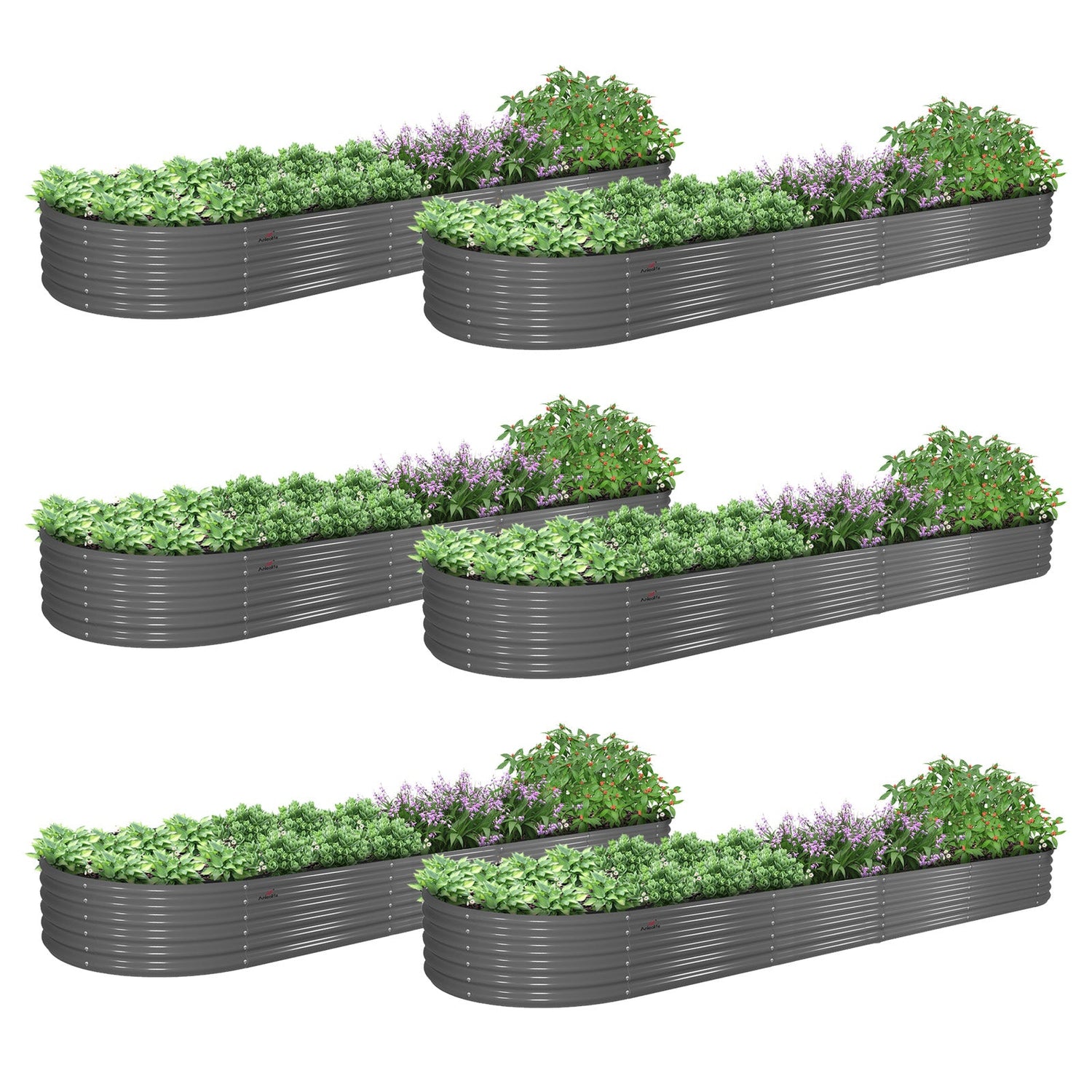



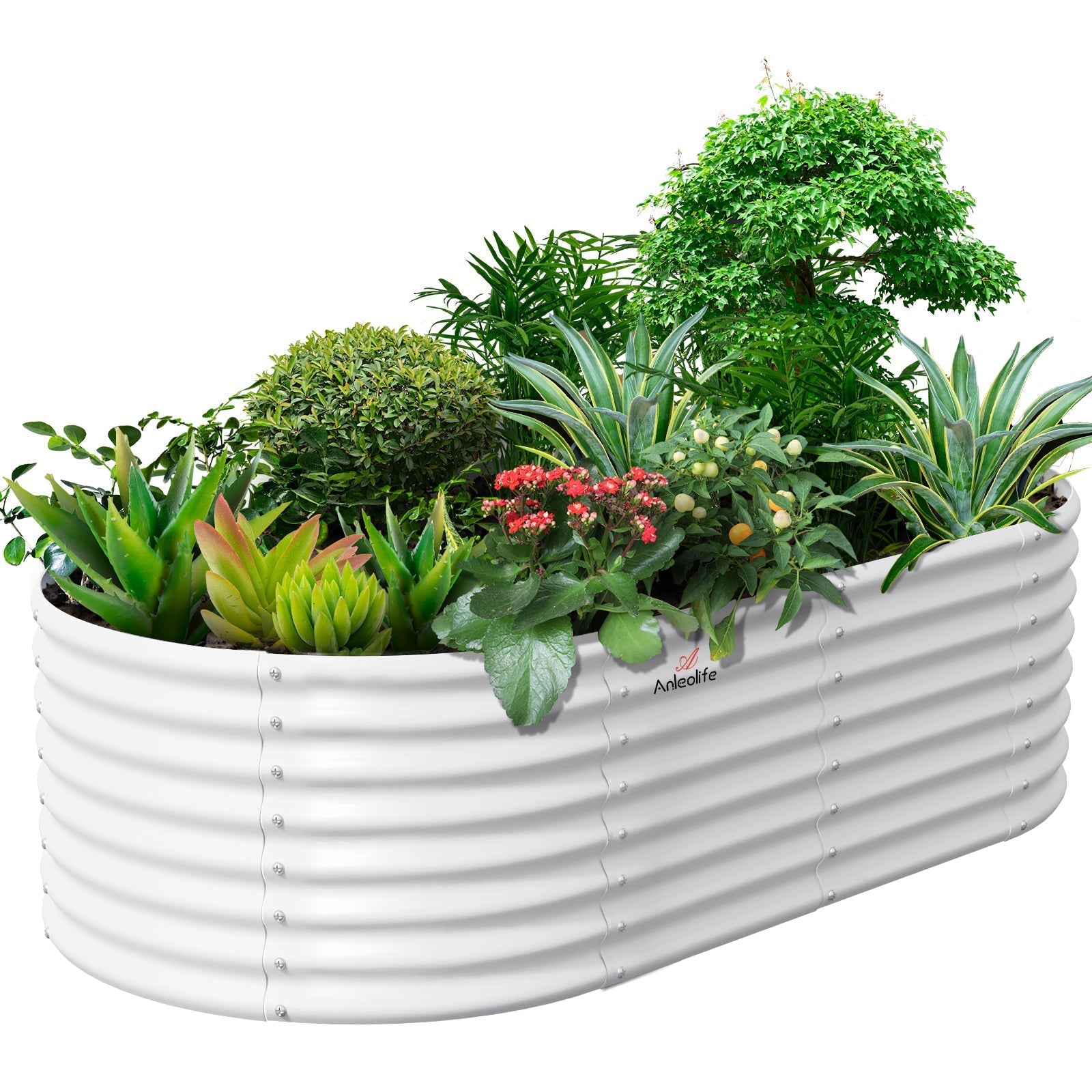
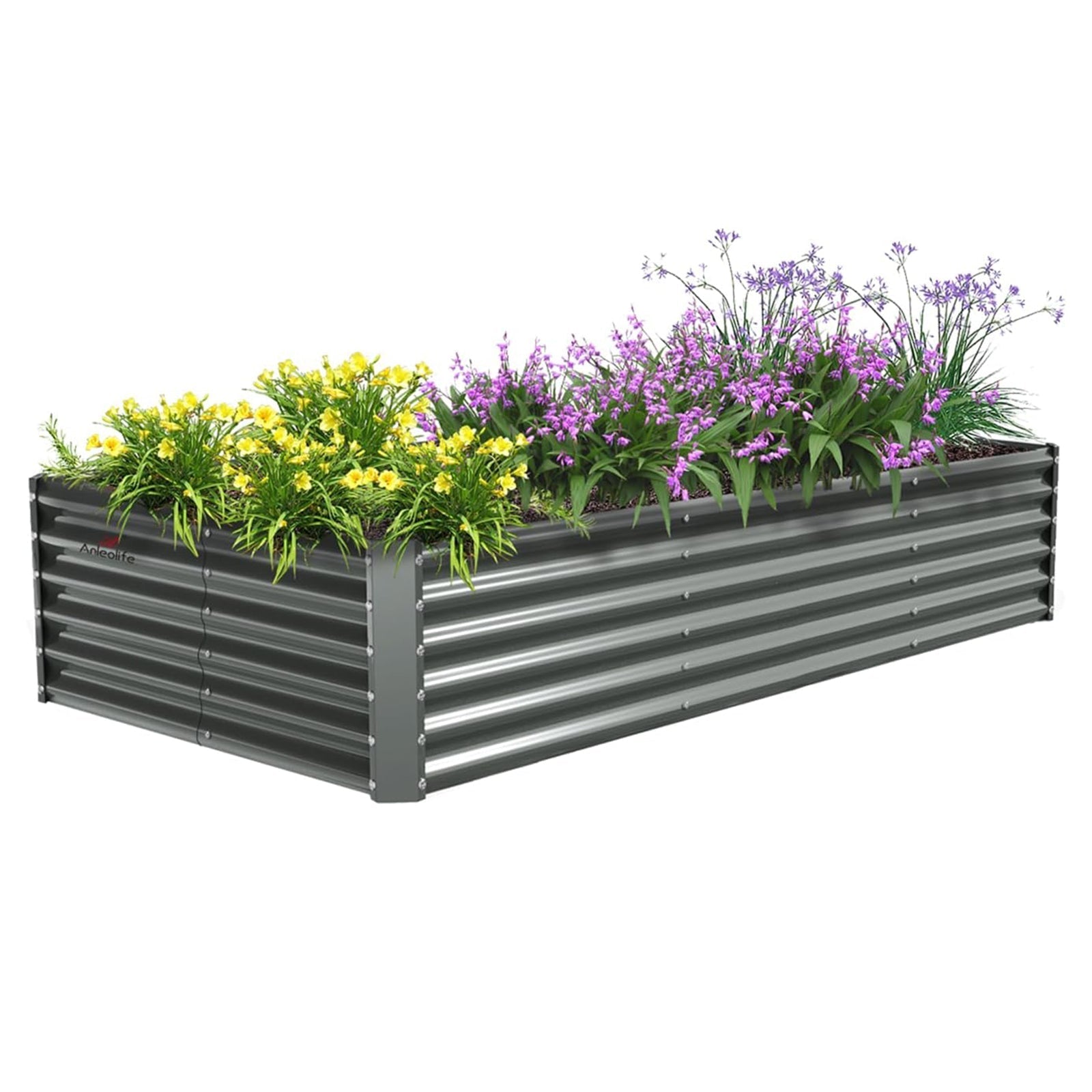

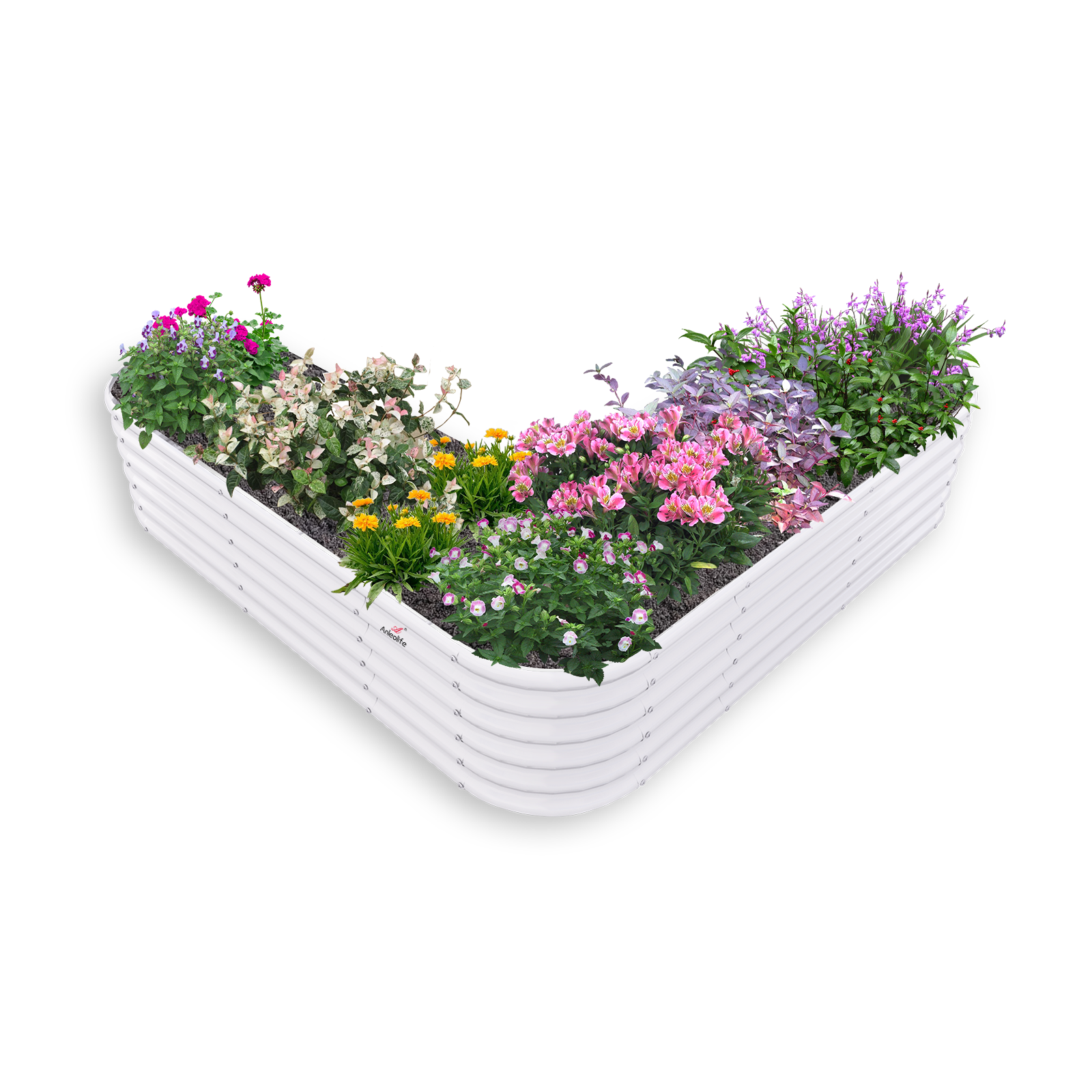
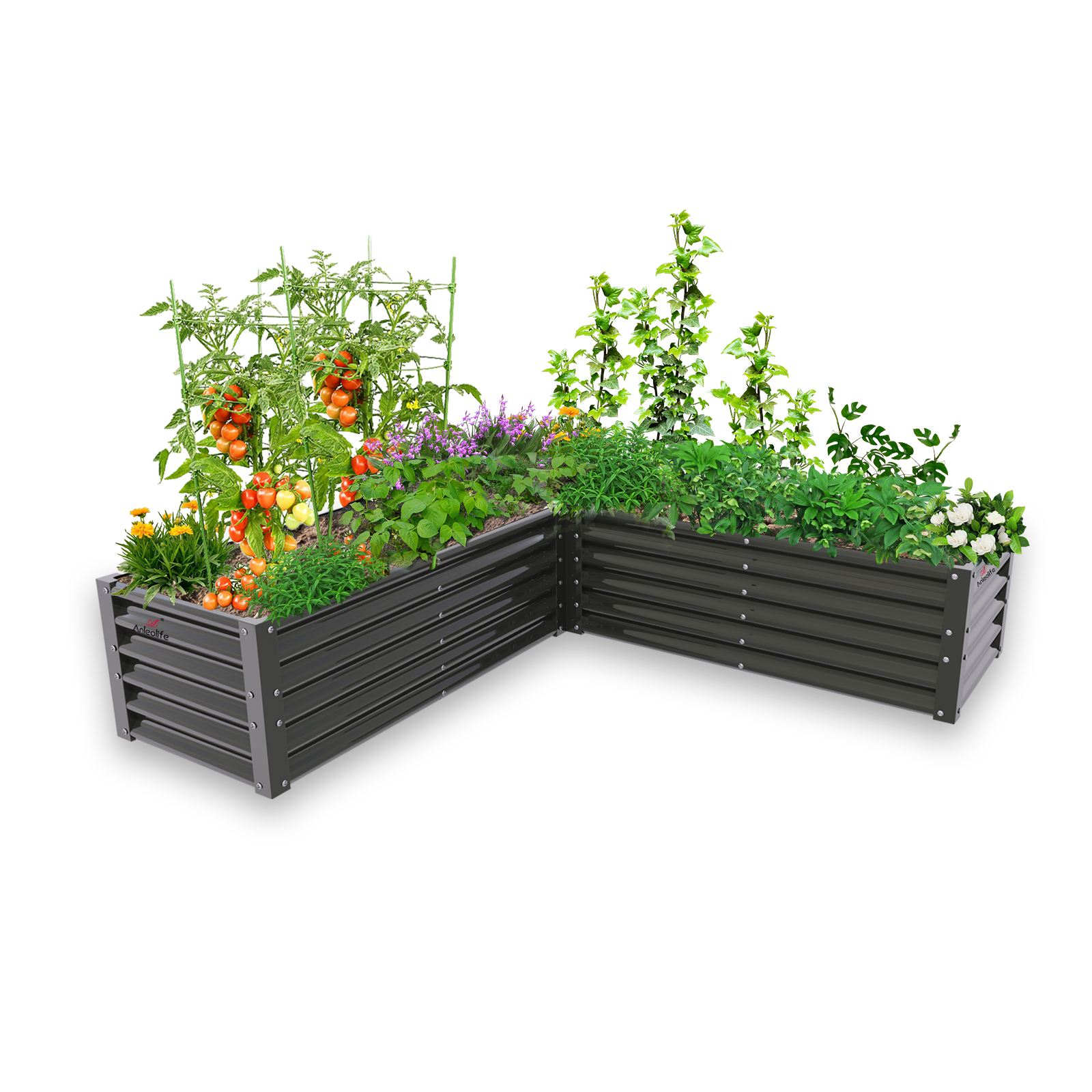
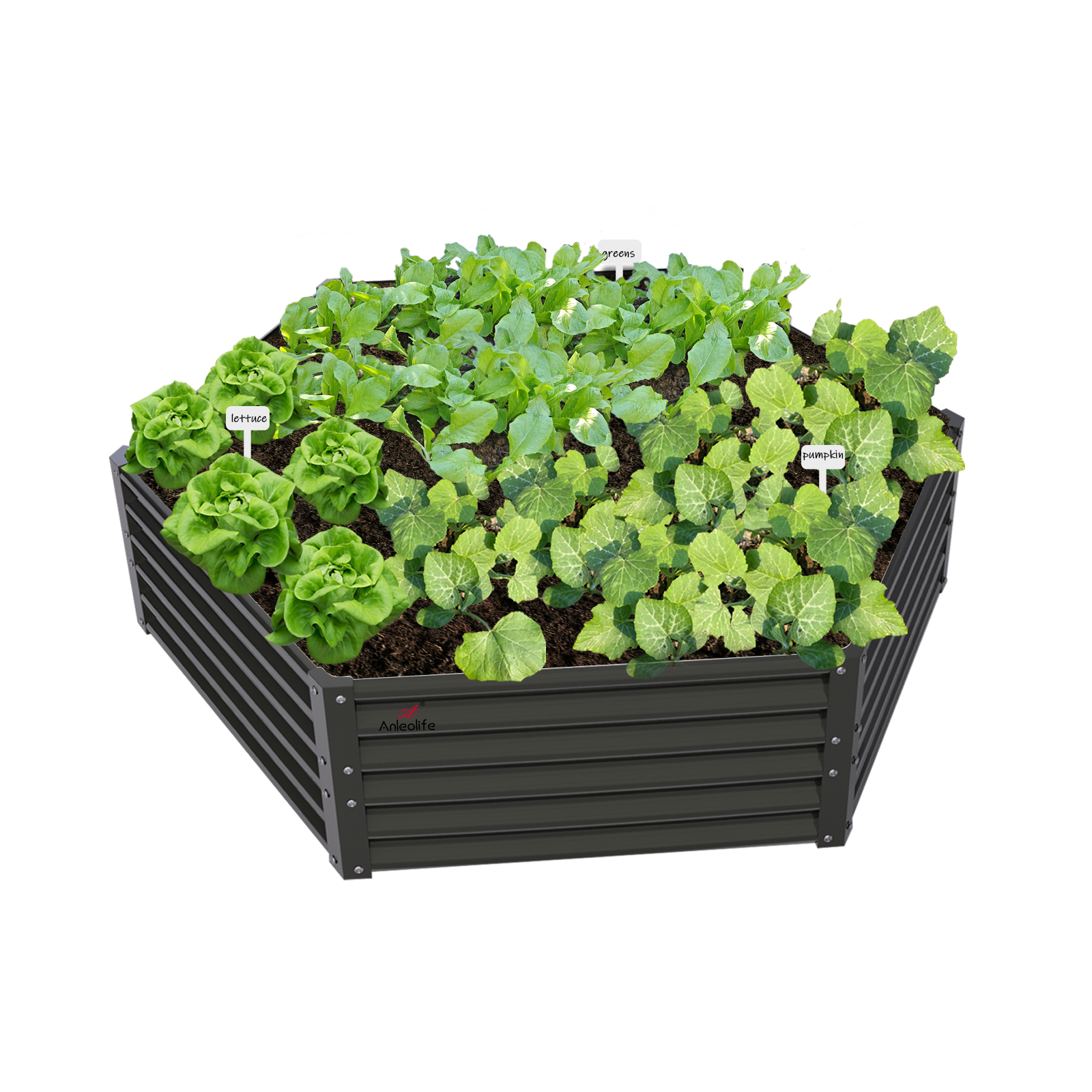
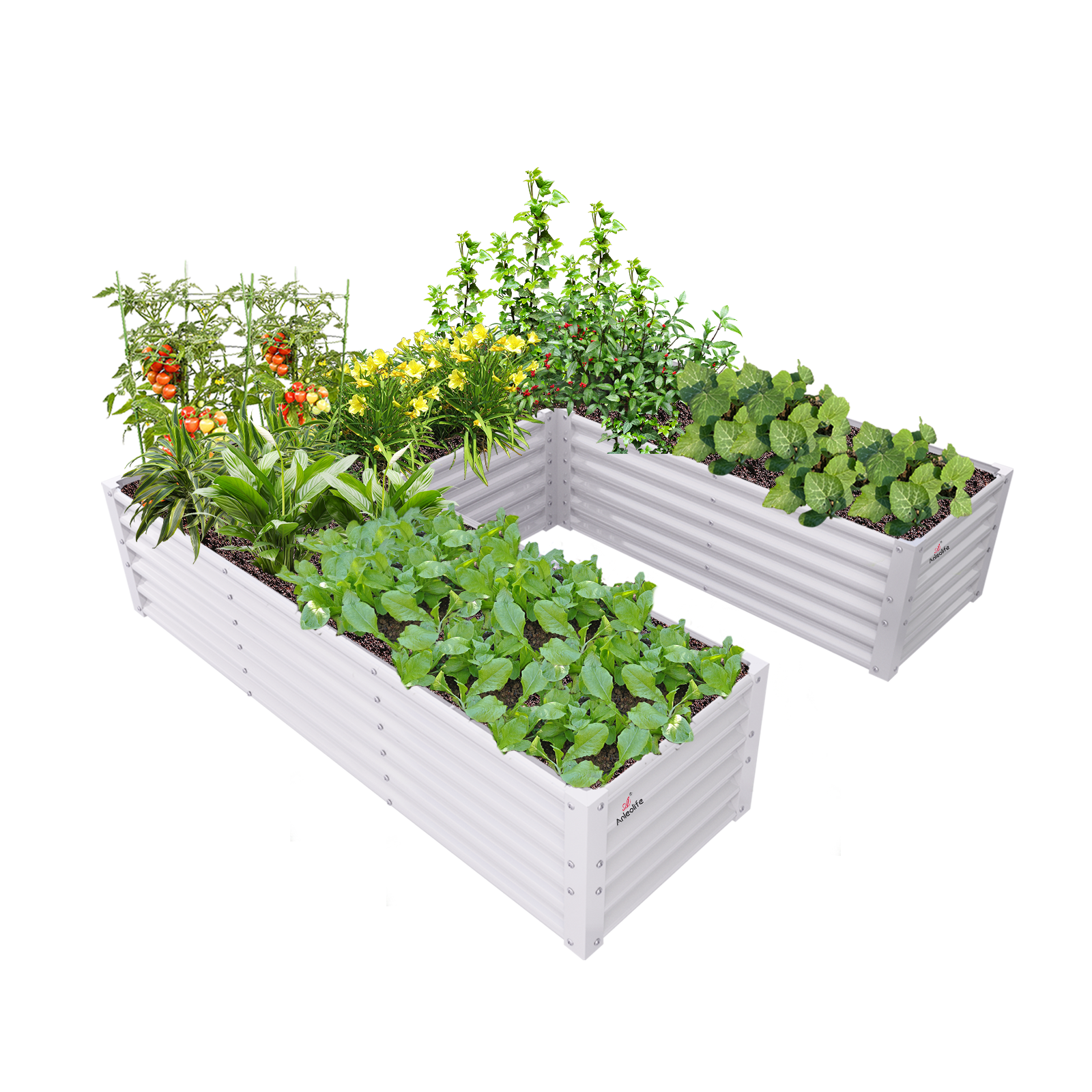

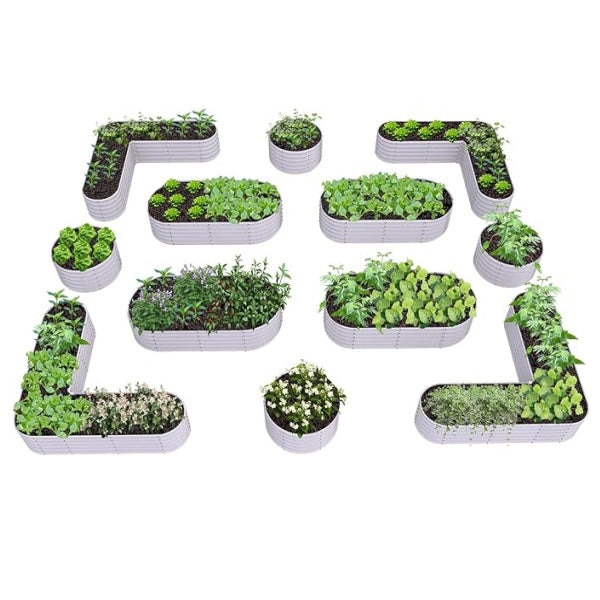


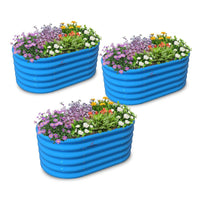
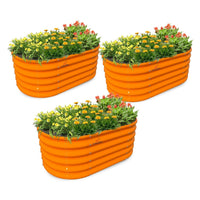
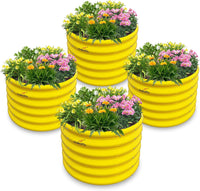
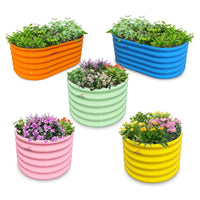
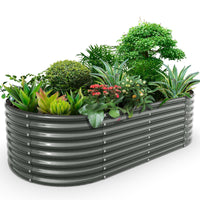



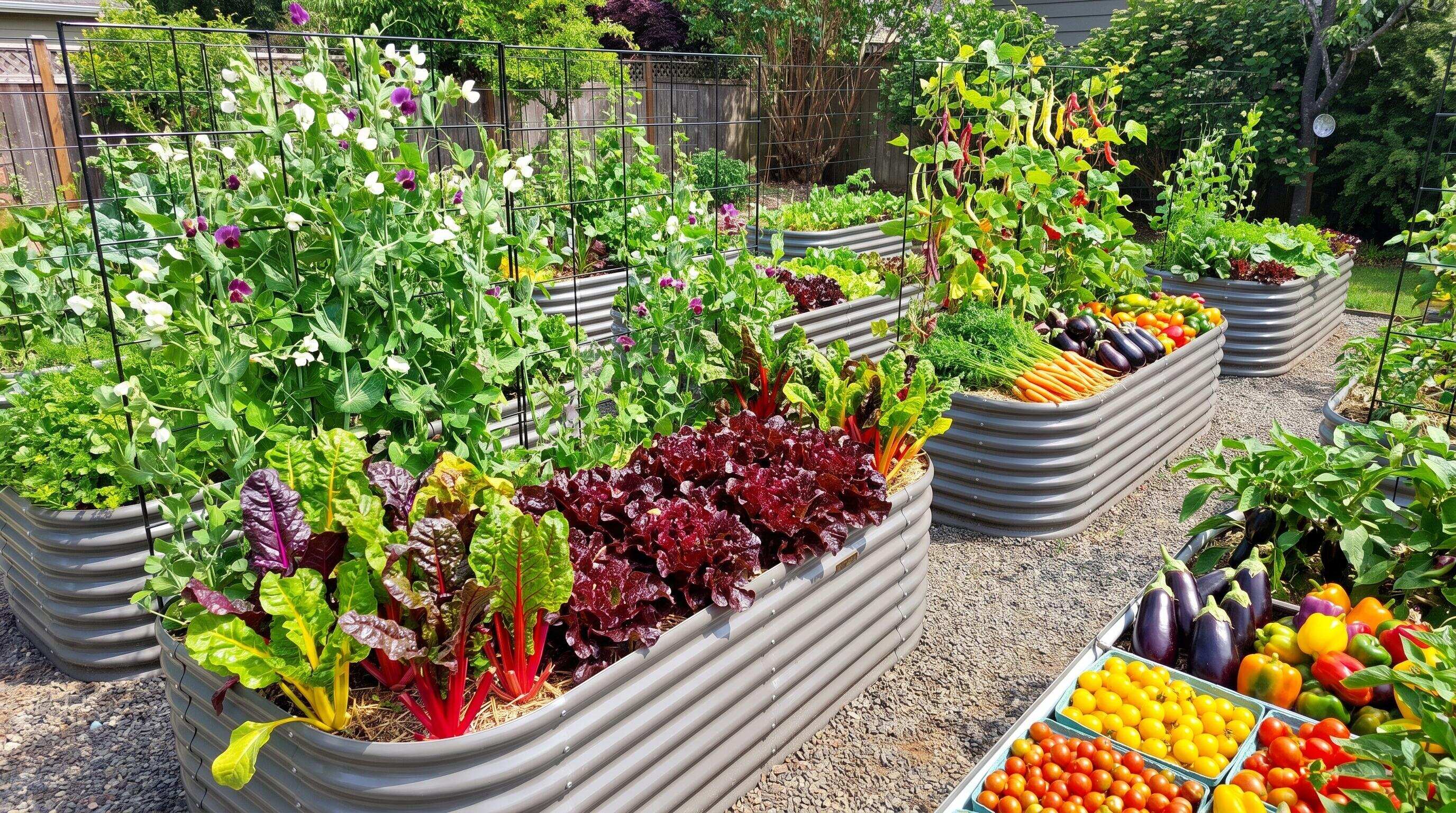
ALT: Blank backyard transformed into a productive raised bed garden layout with galvanized steel beds
Choosing Your Raised Bed Garden Layout: The Decision That Makes or Breaks Your First Season
Key Conclusion: The right raised bed garden layout is the single most impactful decision a new backyard gardener makes. Whether you opt for a linear raised bed planting layout along a fence, a grid-style arrangement in an open lawn, or a compact raised bed layout suited to tight urban spaces, each approach has distinct strengths in terms of access, yield, space efficiency, and long-term scalability. This comparison helps you match your backyard's realities to the layout that will actually produce results — not just look good on paper.
Starting with a blank backyard is both an exciting and overwhelming moment. We work with home gardeners at every stage, and a pattern we consistently see is that beginners spend considerable time choosing what to grow but very little time thinking about how their beds should be arranged. That single oversight routinely determines whether a first-season garden thrives or frustrates. This article compares three primary raised bed garden layout approaches — the Linear Layout, the Grid Layout, and the Mixed-Use Modular Layout — evaluated across six practical criteria to help you make a confident, informed choice before you move a single shovel of soil.
What Makes a Raised Bed Layout Succeed: The Evaluation Criteria
A productive raised bed layout is one that maximizes plant health, minimizes wasted effort, and grows with you over time. Six criteria consistently separate successful layouts from disappointing ones.
Accessibility and Reach. No matter how well you plan your planting schedule, a bed you cannot comfortably reach from both sides will be neglected. Gardening ergonomics research — frequently referenced by university cooperative extension programs across the United States — recommends that raised beds be no wider than you can comfortably reach to the center from either side without stepping in. This criterion directly affects how much of your planted area you can actually tend.
Sun Exposure Optimization. Plant placement relative to the sun's path is non-negotiable. According to the U.S. Department of Agriculture, most vegetables require a minimum of six hours of direct sunlight per day. Your layout must position beds to capture this light without beds shading one another.
Soil System Efficiency. A raised bed's soil is a managed, contained system — a significant advantage over in-ground growing. The layout you choose determines how much soil you need, how easily you can amend it season to season, and whether water drains effectively. The relationship between layout and soil management is explored in depth in our guide on best soil composition for thriving organic vegetable raised beds, which pairs directly with the layout decisions discussed here.
Pathway Usability. The space between beds is as important as the beds themselves. Paths need to accommodate a wheelbarrow, allow comfortable kneeling, and remain stable in wet weather. A layout that ignores pathway width trades convenience for extra planting inches — and almost always regrets it.
Scalability and Modularity. A blank backyard rarely becomes a finished garden in one season. The best layouts accommodate expansion — adding beds, integrating irrigation, or introducing a chicken coop or rabbit hutch — without requiring a full redesign. In our work with clients who return to expand their setup year after year, this criterion alone often determines whether they recommend their original layout choice or wish they had started differently.
Aesthetic Cohesion. For middle-class homeowners and empty nesters investing in their outdoor space, a garden also needs to look intentional. A thoughtfully arranged raised bed planting layout adds genuine curb appeal and extends the livable space of a home, while a haphazard arrangement can undermine both.
The Contenders: Three Raised Bed Garden Layout Approaches
The Linear Layout: Rows Along Boundaries
The linear raised bed layout arranges beds in parallel rows, typically running along a fence line, wall, or property boundary. It is the most intuitive arrangement for first-time gardeners and the default choice for long, narrow backyards. Beds are oriented end-to-end or side-by-side with clear walking paths between them, creating a clean, orderly appearance that integrates naturally with existing yard structures.
Linear layouts work particularly well with rectangular bed models. Anleolife's galvanized steel raised garden beds in configurations such as the 12x3 ft and 8x4 ft sizes align naturally in linear arrangements, making efficient use of perimeter space while leaving the center of the yard open for other uses. The predictable geometry also simplifies irrigation planning — a single drip line can serve an entire row.
The linear approach is best suited to gardeners who value simplicity, plan to grow primarily one or two crop types (such as tomatoes along one row and leafy greens along another), or have a yard with a dominant directional axis. Its primary limitation is that it can leave large sections of a yard underutilized unless the space is explicitly planned for multi-purpose use.
The Grid Layout: Maximizing a Square or Open Space
The grid raised bed layout arranges beds in a structured matrix — rows and columns — within a defined square or rectangular section of the yard. This is the approach most commonly associated with serious kitchen gardeners and those committed to crop rotation and companion planting, because it provides clear zones for organizing plant families.
Grid layouts require more advance planning than linear arrangements. Pathway widths must be consistent, corner access must be considered, and the total footprint needs to be established before a single bed is installed. The payoff, however, is a highly organized, high-yield garden that looks deliberately designed. Anleolife's modular raised garden beds — which include configurations from 6x2 ft up to 12x3 ft — are particularly well suited to grid arrangements because their standardized dimensions create consistent spacing and a unified visual language across the entire layout.
For eco-conscious home growers tracking soil health by zone, the grid layout's compartmentalized structure makes it easier to rotate crops annually, amend individual beds with targeted compost mixes, and monitor moisture levels bed by bed. This layout scales well by simply extending the grid outward, though it does require a larger initial footprint than a linear or single-bed arrangement.
The Mixed-Use Modular Layout: Flexibility First
The mixed-use modular raised bed layout is not a fixed geometric pattern — it is a philosophy. Beds of varying sizes and heights are positioned across the yard based on specific microclimate conditions, available space, and intended use, with pathways adapted to the arrangement rather than predetermined. This is the approach we see most often among experienced gardeners who are converting a blank backyard into a genuinely productive and visually interesting outdoor space.
What makes this layout powerful is that it acknowledges that real backyards are not blank canvases — they have trees, slopes, utility boxes, existing hardscape, and areas that receive different amounts of sun at different times of day. A modular approach places a 30" extra tall bed near the porch for herbs (accessible without bending), a large 8x4 ft bed in the sunniest corner for tomatoes and peppers, and a compact round or square bed near the fence for ornamental edibles. If you are new to sizing decisions, our first-time buyer's guide to sizing a raised garden bed kit walks through exactly how to match bed dimensions to intended crops and available space.
The mixed-use modular layout is the hardest to plan on paper but the most forgiving in practice, because beds can be repositioned or added without disrupting the whole system. It also integrates the most naturally with beautification elements — decorative pathway systems, garden borders, and eventually, raising structures like chicken coops — making it the preferred starting point for gardeners who envision a full backyard ecosystem.
Head-to-Head Comparison
| Criterion | Linear Layout | Grid Layout | Mixed-Use Modular Layout |
|---|---|---|---|
| Accessibility & Reach | High — open paths on both sides of each bed | Medium — corner beds may require planning | High — beds sized and positioned for access |
| Sun Exposure Optimization | Medium — orientation depends on fence direction | High — full control over bed positioning | High — beds placed by microclimate |
| Soil System Efficiency | High — straightforward to fill and amend in rows | High — zone-by-zone soil management | Medium-High — varies by bed placement |
| Pathway Usability | High — consistent, easy to navigate | Medium — requires consistent width discipline | Medium — paths adapt to layout, not set by formula |
| Scalability & Modularity | Medium — extends linearly, limited by boundary | High — extends grid outward systematically | Very High — add anywhere without redesign |
| Aesthetic Cohesion | High — clean, classic appearance | High — structured, intentional garden look | High when planned — most natural visual integration |
| Best Yard Type | Narrow, long, or fence-bordered yards | Square or open lawn areas | Irregular, multi-feature, or mixed-use yards |
| Complexity to Install | Low | Medium | Medium-High |
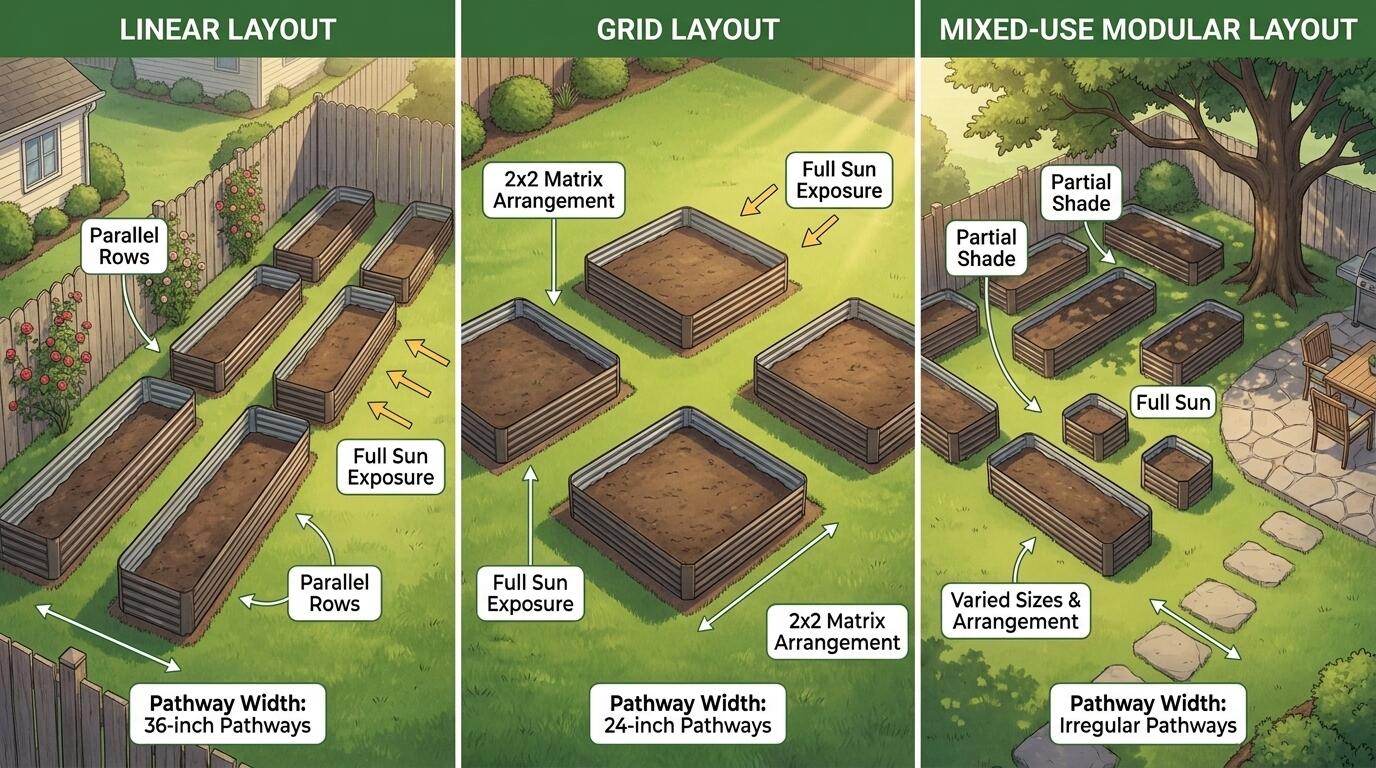
ALT: Side-by-side comparison of linear, grid, and modular raised bed planting layouts in a residential backyard showing pathway width, sun exposure, and bed arrangement options
The table above reveals that no single layout is universally superior — each wins on different dimensions depending on yard shape and gardening goals. The linear layout's greatest strength is its low barrier to entry: it is simple to plan, simple to install, and immediately functional. For someone converting a blank backyard this season with limited time for planning, a linear arrangement along the sunniest fence line is the most reliable first step.
The grid layout rewards the gardener who invests time upfront. Its structured approach to soil zoning and crop rotation aligns well with the practices recommended by university extension services and organic gardening researchers. According to guidance published by the National Gardening Association, dividing a kitchen garden into clear sections by plant family significantly simplifies crop rotation — a practice that reduces soil-borne disease pressure and maintains long-term fertility. The grid layout makes this almost automatic.
The mixed-use modular layout is the most honest reflection of how productive gardens actually evolve over time. In our experience working with home growers at various stages, the gardens that deliver the most satisfaction — both in yield and in everyday enjoyment — are the ones that were designed around the yard's real conditions rather than imposed upon it. A rust-resistant galvanized steel bed rated to last up to 20 years deserves a position chosen for its long-term merit, not just for convenience in year one. For gardeners serious about material quality, understanding how material selection affects longevity is worth reviewing alongside layout decisions — our resource on rust-resistant garden bed materials covers this in detail.
Which Should You Choose? Scenario Recommendations
Matching your situation to the right raised bed garden layout is more straightforward than it might seem. The following scenarios reflect the kinds of backyards and goals we encounter most often.
If you have a long, narrow backyard with good fence-line sun exposure, choose the linear layout. Run two or three rows of 12x3 ft or 8x4 ft beds along the sunniest boundary, with a 24–30 inch path between rows. You can install your first season's garden in a single weekend and expand simply by adding beds to the row ends in subsequent seasons.
If you have an open, roughly square lawn section with no major obstructions, choose the grid layout. Plan for a minimum of four beds arranged in a 2x2 matrix, with consistent 24-inch paths. This setup supports four separate crop zones, making proper rotation straightforward from year one. Anleolife's galvanized steel and rust-resistant raised garden beds in standardized sizes make the uniform spacing of a grid arrangement easy to achieve.
If your yard has mature trees, irregular edges, a patio, or existing hardscape features, choose the mixed-use modular layout. Let the sun map your yard first — spend a few days noting which areas receive full sun, partial sun, and shade at different times — then position beds by sun exposure rather than by geometry. Taller beds (24" or 30" extra tall options) near seating areas create a comfortable harvesting experience for empty nesters or anyone with limited mobility.
If you are a first-time gardener with no prior experience, start with two beds in a simple linear arrangement and resist the urge to install everything at once. A productive two-bed garden that you can manage confidently will teach you more than a six-bed garden that overwhelms you by midsummer.
Pros and cons at a glance:
- Linear layout: Simple to install, visually clean, easy to irrigate — but limited by boundary orientation and less adaptable to yard irregularities.
- Grid layout: Excellent for crop rotation and soil management, scales predictably — but requires consistent pathway discipline and a larger initial footprint.
- Mixed-use modular layout: Most adaptable, most visually interesting, best for long-term expansion — but requires more upfront observation of your yard's specific conditions.
Questions & Answers
Q1: How much space should I leave between raised beds for comfortable access?
Most cooperative extension programs and garden design practitioners recommend a minimum of 18 to 24 inches between beds for basic foot access, and 36 inches or more if you need to navigate with a wheelbarrow or garden cart. For gardeners with mobility considerations, 36-inch paths on all sides are strongly preferred. Getting path width right from the start is one of the most consistent pieces of advice in raised bed garden layout planning — it is far easier to set correctly at installation than to correct after the beds are filled with soil.
Q2: Is a grid raised bed layout better than a linear one for crop rotation?
A grid raised bed layout is generally more effective for crop rotation than a linear arrangement, because it naturally creates distinct zones for each plant family. Crop rotation — moving nightshades, brassicas, legumes, and root vegetables to different beds each season — is a foundational practice recommended by the U.S. Department of Agriculture for reducing soil-borne disease and maintaining fertility. A grid layout makes tracking and rotating crops intuitive: each quadrant of the grid corresponds to one plant family, cycling systematically year after year. A linear layout can accommodate rotation, but it requires more deliberate record-keeping.
Q3: How long does a metal raised garden bed typically last, and does the layout choice affect longevity?
A high-quality galvanized steel raised garden bed from Anleolife is built to last up to 20 years, provided it is positioned correctly. Layout choice does affect longevity indirectly: beds placed in areas with poor drainage or persistent standing water will face greater moisture stress than beds positioned on well-draining ground. In any layout, ensuring that beds sit on level, well-drained surfaces — and that pathways channel water away from bed walls — extends the practical service life of the structure and protects your soil system investment over multiple growing seasons.
Final Thoughts
Turning a blank backyard into a productive garden comes down to one foundational decision made before the first seed is planted: choosing a raised bed garden layout that matches your yard, your goals, and your capacity to manage it. The guidance in this article is drawn from consistent patterns observed across countless home garden setups, and the core message is the same every time — thoughtful layout planning multiplies every other investment you make.
Key Takeaways:
- The linear raised bed layout is the lowest-barrier starting point for beginners and narrow yards.
- The grid raised bed planting layout rewards systematic gardeners who prioritize crop rotation and soil management.
- The mixed-use modular raised bed layout is the most adaptable and satisfying long-term approach for complex or multi-feature yards.
- Pathway width is non-negotiable — plan for at least 24 inches, and 36 inches wherever equipment or mobility aids need to pass.
- Material quality matters as much as layout geometry: a 20-year bed lifespan is only realized when the bed is positioned thoughtfully from day one.
Your next step is to walk your backyard with a sun-tracking eye — note where the light falls across a full day, identify your longest open boundary, and count how many hours of direct sun your best open area receives. With that information in hand, you will know immediately which of the three layouts is right for you. From there, selecting your first beds and planning your soil system becomes straightforward.
Ready to put your layout plan into action? Explore the full range of Anleolife galvanized steel and rust-resistant raised garden beds — available in sizes from compact starter configurations to extra-tall 30" waist-high models — at the Anleolife website, or shop through Amazon, Walmart, Home Depot, Lowe's, and Wayfair. With a nationwide U.S. warehouse network spanning California, Texas, Florida, New York, Illinois, and Washington, orders arrive in 3–8 business days so your garden gets started on your timeline — not on a waiting list. Whether you are planting your first two beds or building out a complete planting-and-raising ecosystem, Anleolife's modular product design grows with you every step of the way.
References & Further Reading
- U.S. Department of Agriculture (USDA). "Home Gardening and Vegetable Production Resources."
https://www.usda.gov - National Gardening Association. "Crop Rotation and Raised Bed Garden Planning Guidance."
https://www.garden.org - U.S. Environmental Protection Agency (EPA). "Soil Health and Sustainable Landscape Practices."
https://www.epa.gov
Note: Standards and guidance documents may be updated; please check the latest official publications or consult qualified horticultural advisors for current recommendations.