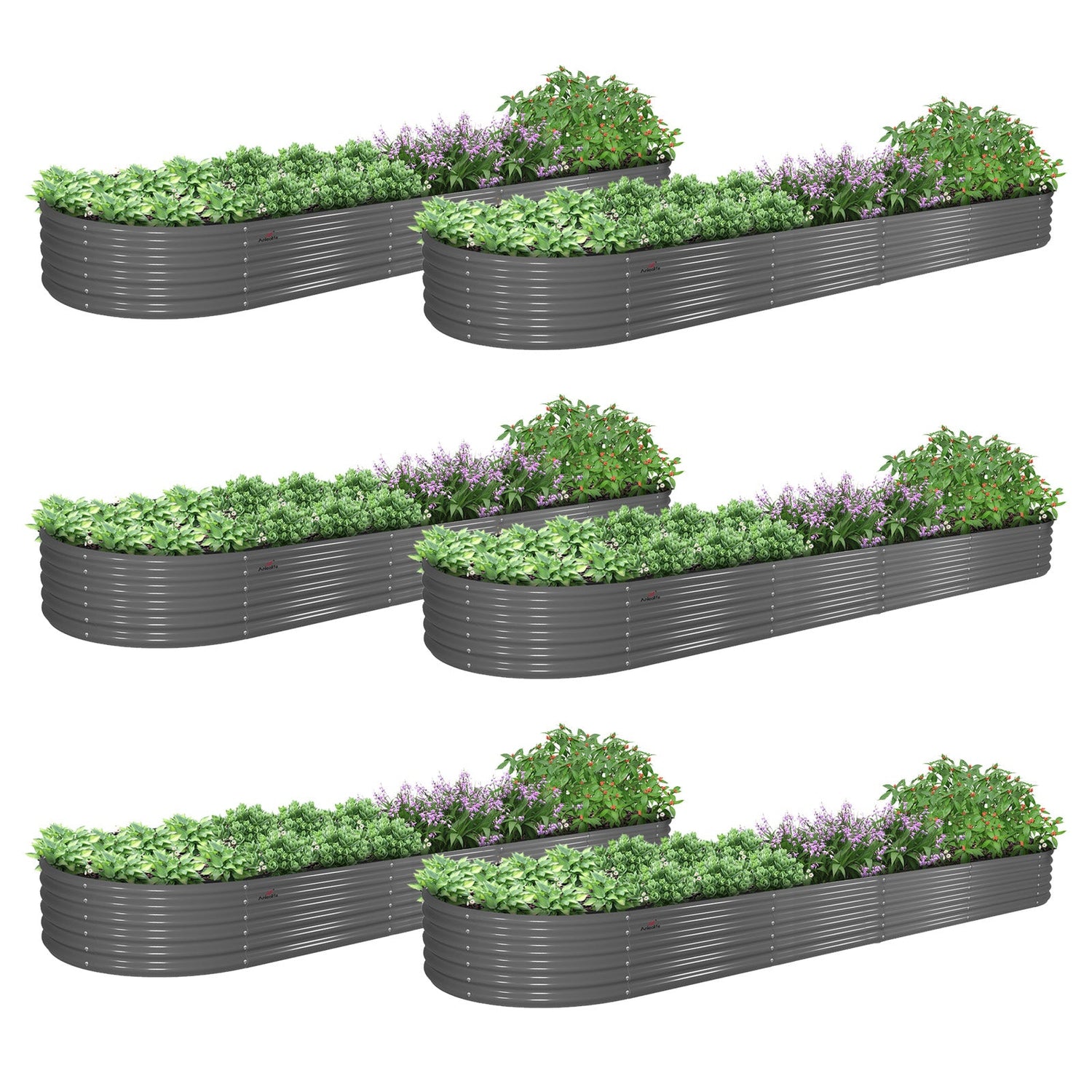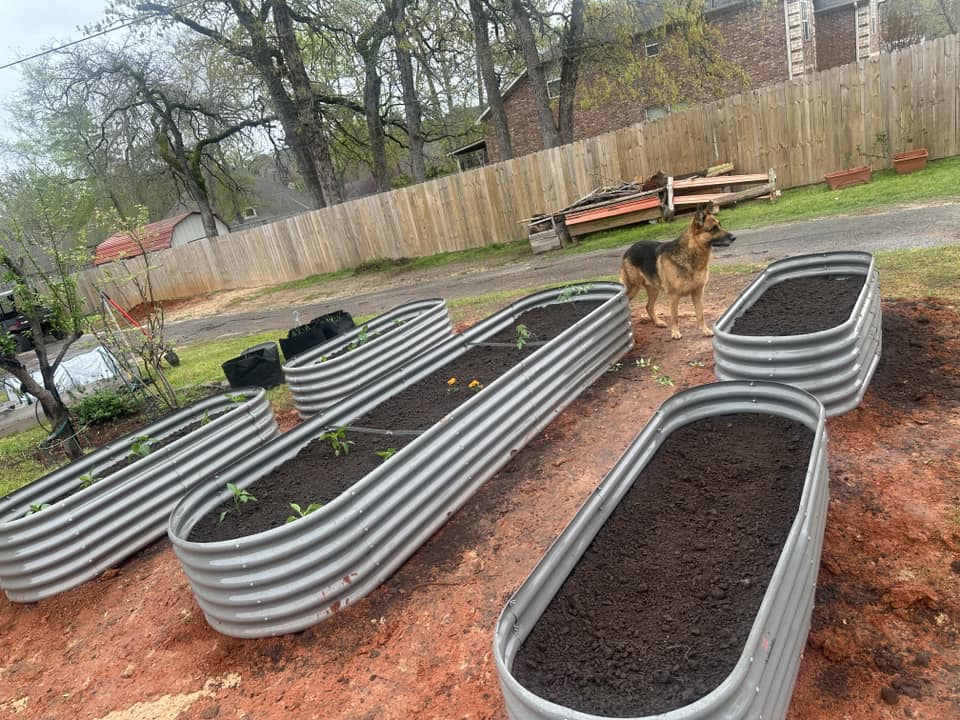



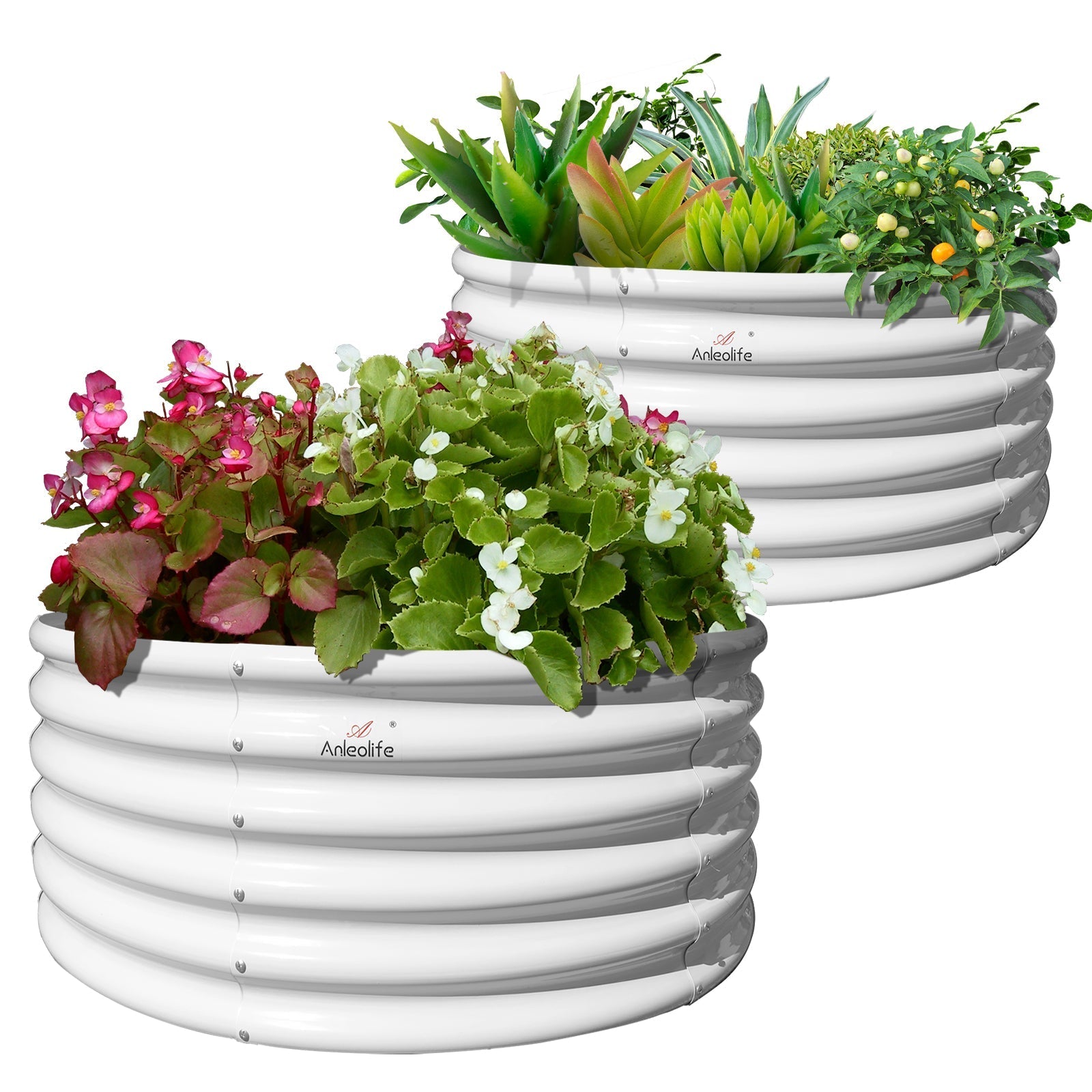
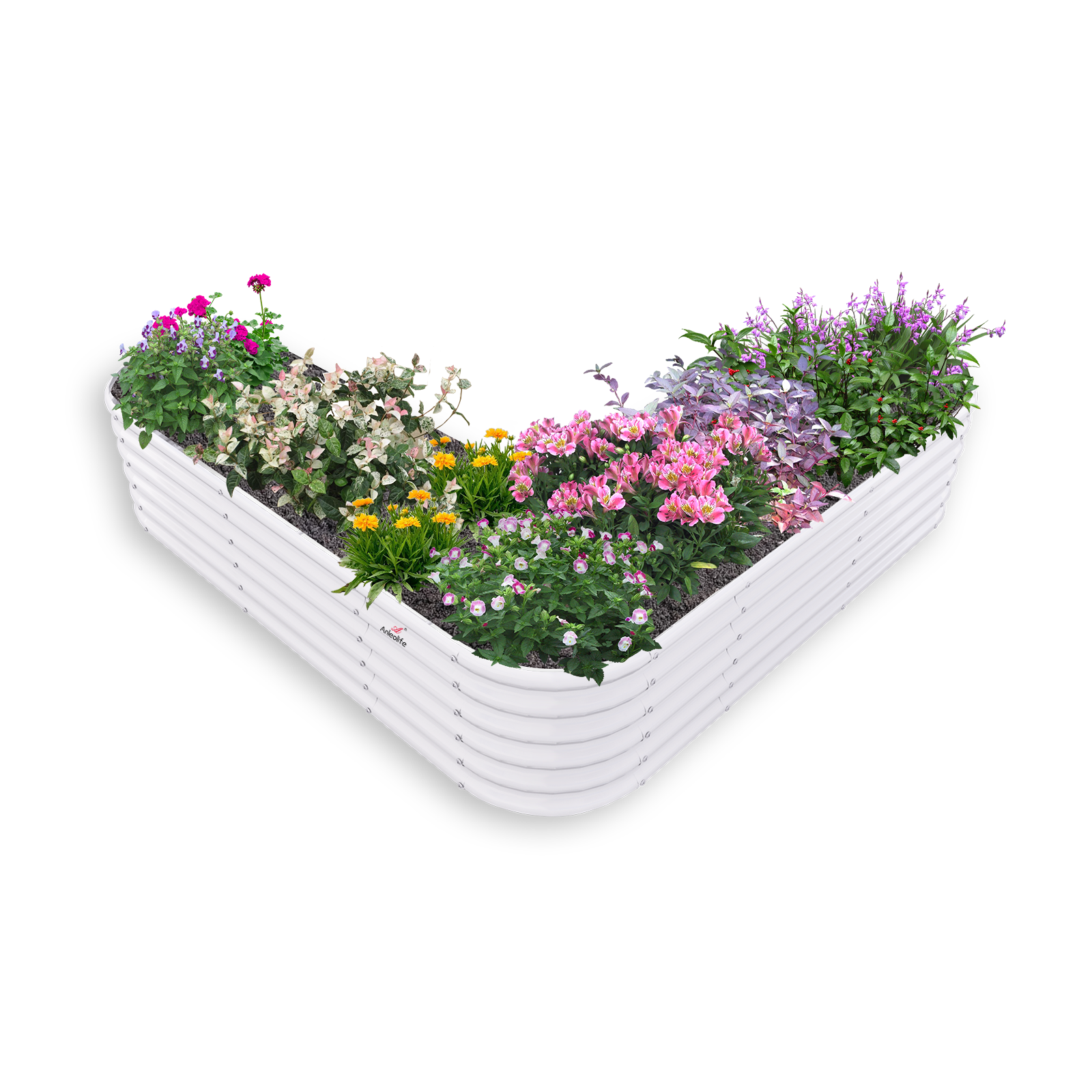
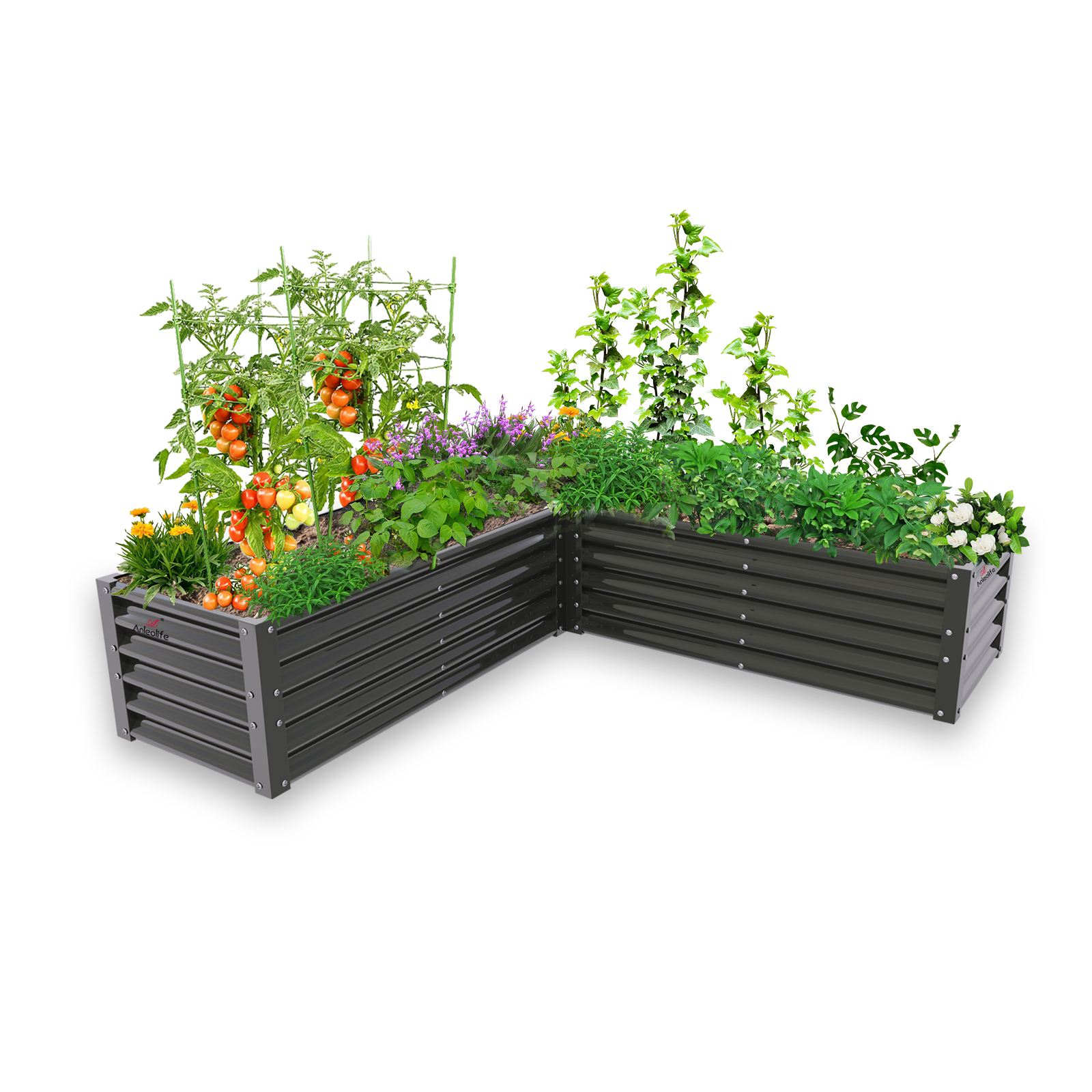
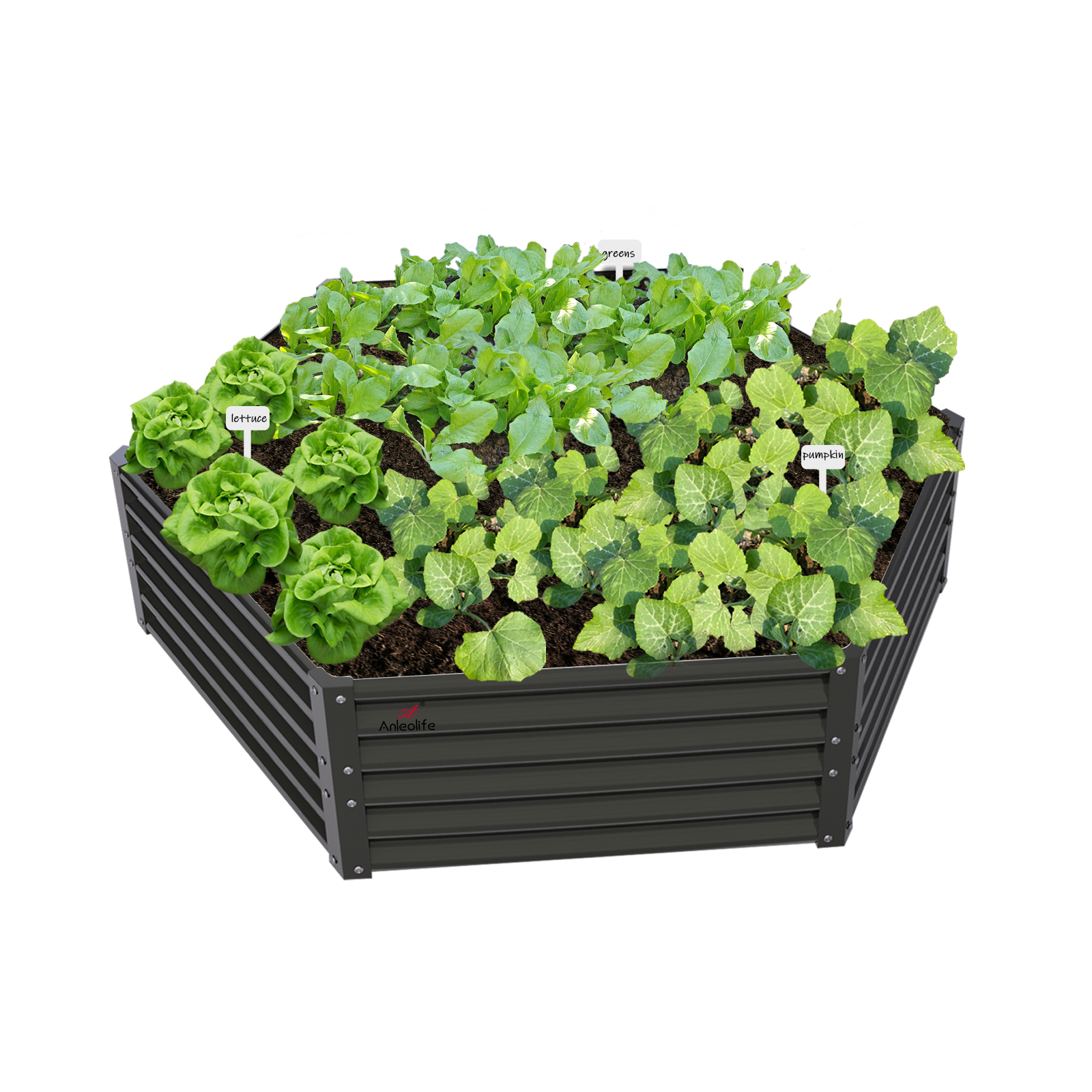
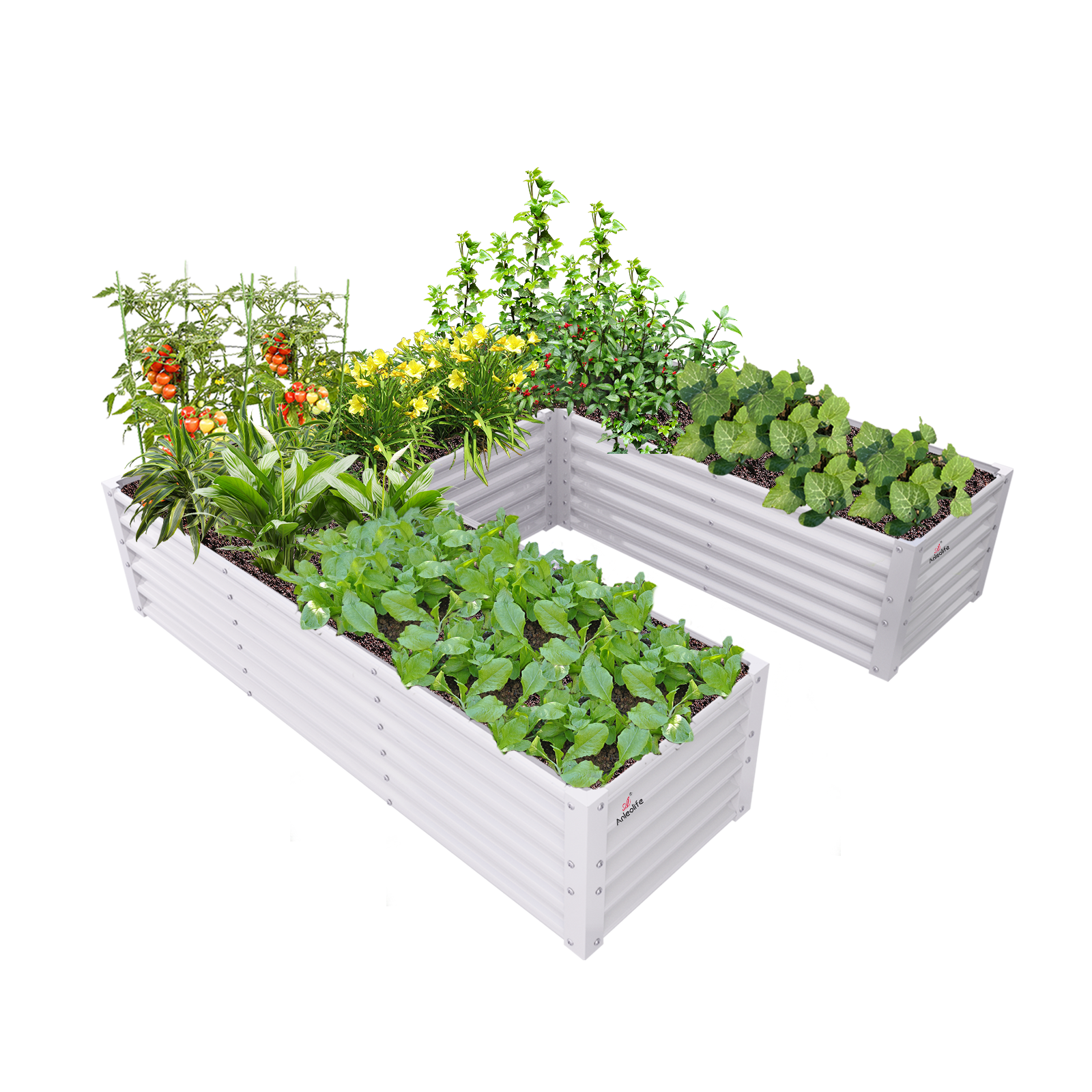

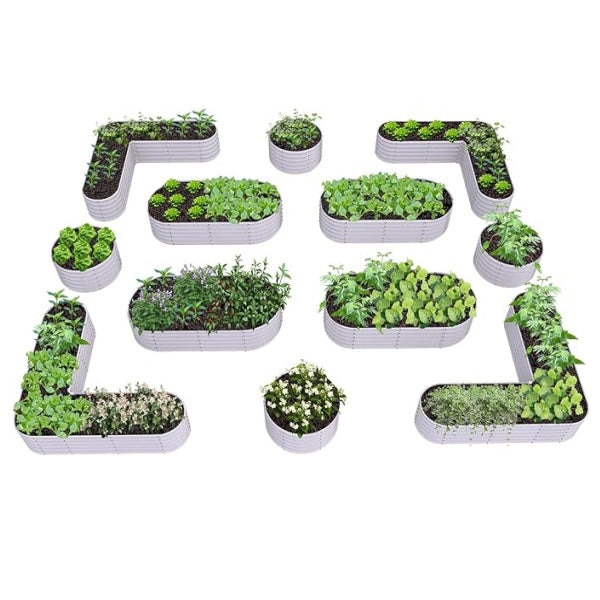

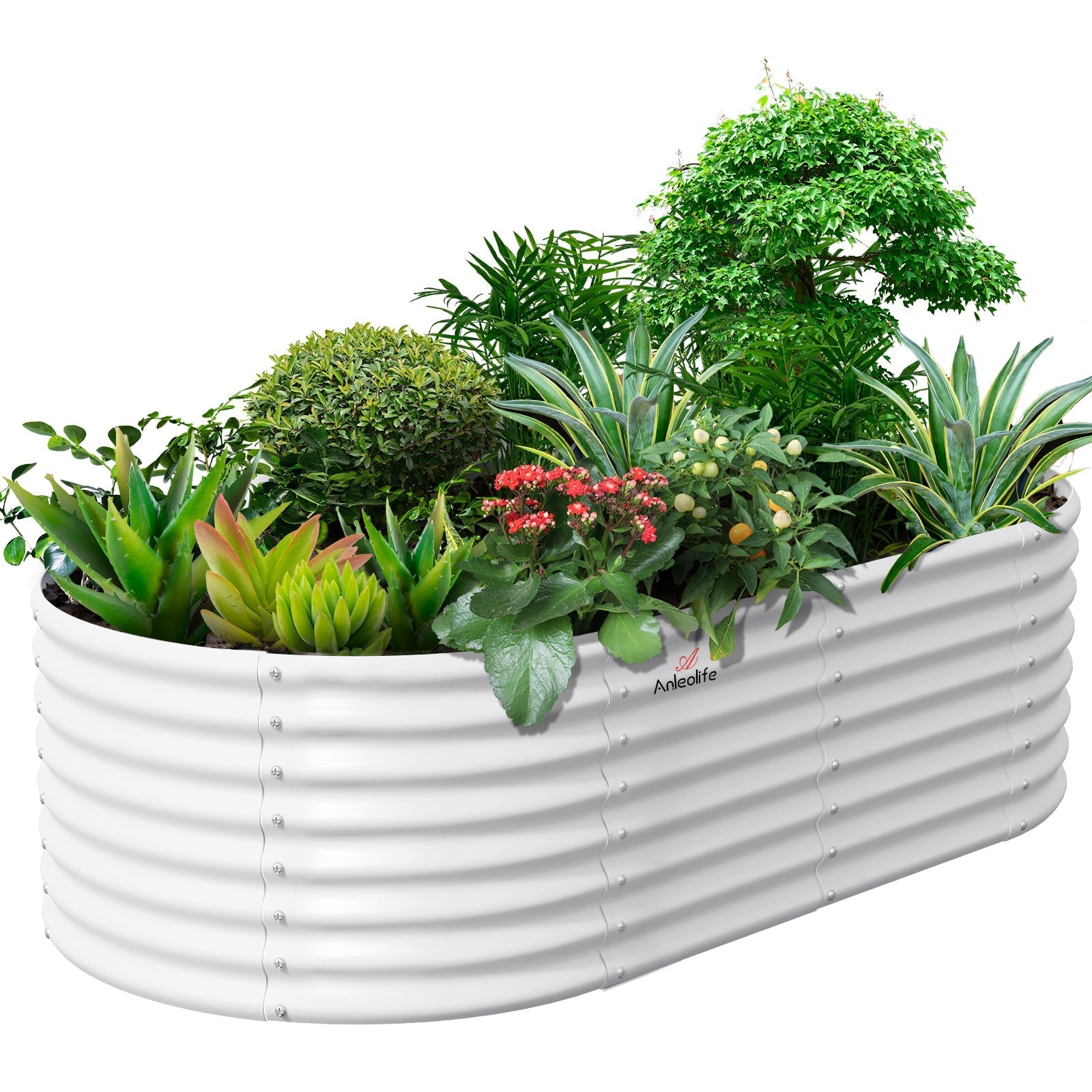


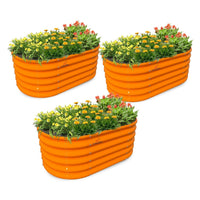
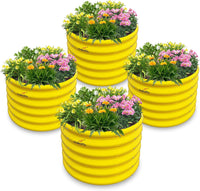
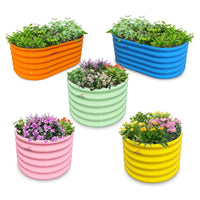
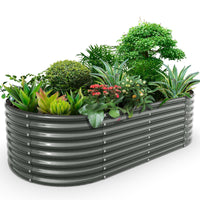




ALT: Gardener tending vegetables in a waist-high 35-inch raised garden bed, no back pain, ergonomic gardening setup
Why Your Back Is Begging You to Switch to a Waist-High Raised Garden Bed
Key Conclusion: A waist-high raised garden bed at 35 inches tall fundamentally changes the vegetable gardening experience by eliminating the need to bend, kneel, or crouch at ground level. For anyone dealing with chronic back pain, arthritis, or mobility limitations, this height isn't just a preference — it's a practical solution that makes home gardening genuinely sustainable for the long term. Choosing the right bed height is one of the most impactful ergonomic decisions a home grower can make.
Gardening is one of America's most beloved hobbies, but it's also one of the leading causes of weekend back injuries. According to the American Chiropractic Association, back pain affects approximately 80% of Americans at some point in their lives — and repetitive low-level activities like weeding, planting, and harvesting at ground level are a significant contributor.
Here's the core issue: traditional ground-level gardening forces your spine into sustained flexion. Even a standard 18-inch raised bed, while better than planting directly in the ground, still requires significant bending for most adults. The real game changer is height — specifically, the 35-inch tall raised garden bed that positions your planting surface right at or near your natural standing work height.
In this article, we'll break down exactly why waist-high beds work so well, who benefits most, how to get started, and how Anleolife's 35" Waist-High 4x1.5 ft raised garden bed stands apart as a purpose-built ergonomic solution.
Who Should Consider a 35" Waist-High Raised Garden Bed
✅ Applicable Scenarios:
- Gardeners with chronic lower back pain, herniated discs, or sciatica who need to avoid sustained forward bending
- Older adults and retirees who want to continue gardening independently without physical strain
- Gardeners recovering from surgery, hip or knee replacements, or other mobility-limiting conditions
- Urban micro-gardeners with limited floor space who want a functional, compact growing station on a patio or deck
- Wheelchair users or seated gardeners who need accessible growing height
- Beginner home growers who want an easy-to-manage, low-fatigue setup
❌ Not Applicable/Cautions:
- Gardeners who want to grow deep-rooted vegetables like carrots or parsnips that require significant soil depth beyond what a compact bed allows — a taller, wider bed may be more appropriate
- Situations where the bed will be placed on uneven terrain without leveling support — waist-high beds require a stable, flat surface for safe use
- Growers expecting to scale up to large-volume planting without supplementary beds — a single compact waist-high unit is ideal for herbs, salad greens, and shallow-rooted crops
The Back Pain Problem That Ground-Level Gardening Creates
Back pain is not just an inconvenience — for millions of Americans, it's the primary reason they abandon gardening altogether. A survey published by the National Gardening Association found that physical limitations are the number one reason adults over 55 reduce or stop gardening. That's a significant quality-of-life loss for a population that has both the time and motivation to grow their own food.
The biomechanics are straightforward. When you bend forward at the waist to work at ground level — or even at an 18-inch bed — you place substantial compressive force on your lumbar vertebrae and strain the posterior muscles of your lower back. Holding that position for even 10–15 minutes while weeding, transplanting seedlings, or harvesting produces cumulative stress that can lead to acute flare-ups or long-term injury.
Ergonomic research consistently identifies the best height for raised garden beds to reduce back strain as being at or near the user's elbow height when standing with arms relaxed. For the average adult, this falls between 28 and 38 inches. A 35-inch bed hits this ergonomic sweet spot for a wide range of users — tall enough to eliminate bending, accessible enough to reach across comfortably.
If you're trying to decide between the various height options available on the market, the Raised Garden Bed Height Guide: 18", 24", 30", or 35" — Which Is Right for You? offers a detailed comparison that helps you match bed height to your physical needs and gardening goals.
It's also worth understanding how material choices affect the overall experience. For a thorough breakdown of durability, safety, and performance, Galvanized Steel vs. Wood Raised Garden Beds: Which Is Better for Your Backyard? is an essential read before making your final decision.
The trend is clear: ergonomic gardening is no longer a niche accommodation — it's becoming the standard expectation for smart garden design.
How to Get Started with a Waist-High Raised Garden Bed: A Practical Guide
Three Steps to Setting Up Your Ergonomic Garden Station
Step 1: Choose the Right Location
Before assembly, identify a flat, stable surface that receives at least 6 hours of direct sunlight per day. For a 4x1.5 ft waist-high bed, a patio, deck corner, or compacted garden path works well. Make sure the spot is easily accessible from all sides if possible. Measure the area and confirm there's enough clearance around the bed for comfortable movement. This step takes roughly 15–30 minutes and will save you from repositioning the bed later.
Step 2: Assemble Your Bed and Prepare Your Soil Mix
The Anleolife 35" Waist-High 4x1.5 ft raised garden bed is designed for straightforward tool-free or minimal-tool assembly. Follow the included instructions and secure all panels and corner connectors firmly. Once assembled, fill the bed with a high-quality soil mix. A well-draining blend of compost, garden soil, and a perlite component will support most vegetables and herbs. For a science-backed soil recipe, explore guides like Mel's Mix for raised beds. Good soil preparation takes roughly 30–60 minutes depending on how much material you're moving.
Step 3: Plant and Establish Your Ergonomic Gardening Routine
Select crops that are well-suited to the bed's compact footprint and shallow-to-moderate soil depth. Herbs like basil, thyme, and mint thrive here, as do lettuce, spinach, radishes, strawberries, and compact tomato varieties. Arrange plants with the tallest in the center and shorter spreaders toward the edges. Because the bed is at standing height, tasks like watering, pruning, and harvesting become genuinely effortless. For plant selection ideas, The 15 Best Vegetables to Grow in a Raised Garden Bed for Beginners is a helpful starting point.
Comparing Raised Garden Bed Heights: Which Is Right for Your Needs?
Not every gardener needs the same height. The following comparison outlines how different height tiers serve different user needs, based on Anleolife's product range:
| Comparison Dimension | 18" Standard Height | 24"–30" Extra Tall | 35" Waist-High |
|---|---|---|---|
| Back strain reduction | Moderate — still requires some bending | Good — minimal bending for most adults | Excellent — near-zero bending at standing height |
| Suited for | Young, physically active gardeners | Wide range of adults | Back pain sufferers, older adults, wheelchair users |
| Soil volume | Moderate | Higher capacity for deep roots | Compact — ideal for herbs and shallow crops |
| Mobility requirement | Requires kneeling or crouching | Light bending acceptable | Stand and work comfortably |
| Patio/deck suitability | Ground preferred | Ground or stable surface | Excellent for patio/deck use |
| Assembly complexity | Simple | Simple to moderate | Simple |
| Best crop types | Root vegetables, tomatoes, wide variety | Wide variety including deep-root crops | Herbs, greens, strawberries, compact vegetables |
This table highlights a key insight: the 35" height isn't universally "best" for all gardeners, but for anyone prioritizing physical comfort and accessibility, it represents the highest ergonomic value in the lineup.
Why the Anleolife 35" Waist-High Bed Stands Out
Built for Real Ergonomic Use, Not Just Marketing
The Anleolife 35" Waist-High 4x1.5 ft raised garden bed was engineered with a clear purpose: to bring gardening to standing height so that the activity is genuinely pain-free. At 35 inches, it positions the soil surface within comfortable reach for the vast majority of adult users without requiring any forward flexion of the lower spine.
The bed's compact 4x1.5 ft footprint is intentional. It's narrow enough that you can reach across the full width from either side without overextending — a critical ergonomic detail that wider beds don't always provide at this height. This makes it particularly well-suited for balconies, patios, narrow side yards, and indoor sunrooms.
Material Quality That Matches the Ergonomic Promise
Anleolife builds its waist-high beds from heavy-gauge galvanized steel, giving the structure the rigidity needed to support a full soil load at standing height without flex or wobble. This isn't a decorative planter — it's a working garden bed rated for long-term outdoor use.
The galvanized steel construction is both rust-resistant and built to last. Anleolife's garden beds carry a 20-year lifespan, which means the investment you make in your ergonomic garden setup today will still be serving you two decades from now. When you compare this to wooden beds that often begin to degrade within 3–7 years due to rot and moisture damage, the long-term value becomes undeniable.
The steel is also food-safe when used with a liner or quality soil mix, a common question among health-conscious growers. For a thorough explanation of metal bed safety, the article Are Metal Raised Garden Beds Safe for Vegetables? What You Need to Know addresses this topic in detail.
Assembly: Quick, Tool-Friendly, and Designed for Real People
One frequent concern about tall or heavy-duty garden beds is assembly complexity. For the Anleolife 35" Waist-High 4x1.5 ft bed, the assembly process is straightforward. The panels connect via interlocking systems or simple bolt connections, and most users can complete setup in under an hour without specialized tools. The compact size also means you won't need a second person to hold panels in place — a meaningful advantage for solo gardeners or older adults setting up independently.
Curious about how the assembly compares to other Anleolife models? The Anleolife 8x4 Raised Garden Bed Review: Real Customer Pros & Cons gives an honest look at the experience from real buyers, including notes on assembly difficulty and time.
Who Else Benefits Beyond Back Pain Sufferers?
While back pain relief is the headline benefit, waist-high beds serve a broader audience:
- Retirees and empty nesters who want to maintain an active, healthy gardening lifestyle without physical trade-offs
- Busy parents who want to involve children in gardening — at 35 inches, younger children can participate with adult supervision at a comfortable shared height
- Urban apartment dwellers with a patio or balcony who want a functional food garden in a small footprint
- Herb and salad growers who want their most-used plants at fingertip reach for daily harvesting
The waist-high bed essentially removes all the physical barriers that turn gardening from a pleasure into a chore.

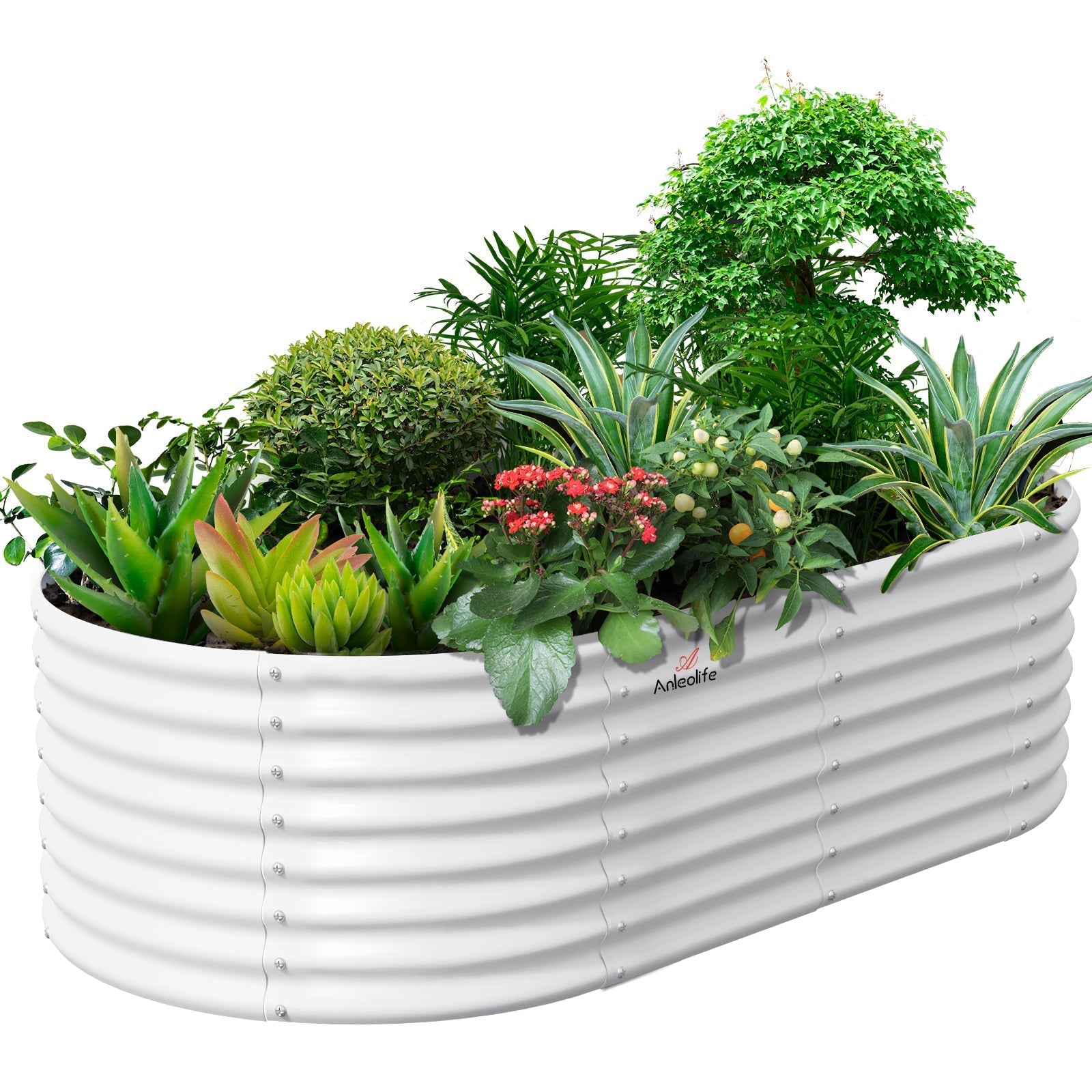
ALT: Anleolife 35-inch waist-high galvanized steel raised garden bed on a sunny patio with herbs and salad greens, ergonomic gardening for back pain relief
Advanced Considerations: Maximizing Your Waist-High Garden Setup
Pairing the 35" Bed with a Broader Garden System
The 35" waist-high unit is an excellent standalone solution, but it also pairs naturally with other bed heights to create a layered garden ecosystem. Many experienced gardeners use a waist-high bed for their most-tended, frequently harvested crops — herbs, salad greens, edible flowers — while deploying larger 24" or 30" extra tall beds nearby for higher-volume vegetables like tomatoes, peppers, or squash.
Anleolife's range of galvanized steel and rust-resistant raised garden beds makes this kind of mixed-height garden planning straightforward. Products like the 24" Extra Tall 8x4 ft or 30" Extra Tall 6x3 ft beds can anchor a larger growing area while the waist-high unit handles the daily-access crops.
Common Misconceptions About Tall Raised Beds
Misconception #1: "Taller beds are unstable."
This concern applies to poorly constructed beds or those made from thin materials. A heavy-gauge galvanized steel bed at 35 inches is structurally robust, especially when filled with soil — the weight itself adds stability.
Misconception #2: "You can't grow much in a compact waist-high bed."
A 4x1.5 ft footprint is admittedly compact, but it's more productive than most people expect. With vertical growing techniques, intensive planting methods, and the right soil mix, a well-managed waist-high bed can produce a meaningful supply of fresh herbs and greens throughout the growing season.
Misconception #3: "Any tall container will do the same job."
Purpose-built raised garden beds differ from repurposed containers in critical ways: drainage design, soil volume, structural integrity under long-term soil pressure, and material safety. A 20-year-rated galvanized steel bed is engineered specifically for this use case.
Seasonal Adaptability
One underappreciated advantage of waist-high beds is their adaptability for season extension. At standing height, adding a cold frame cover or simple row cover is far easier than covering a ground-level bed. This makes it practical to extend your growing season by several weeks in spring and fall — a significant benefit for health-conscious growers who want fresh vegetables as long as possible.
Frequently Asked Questions FAQ
Q1: How long does it take to assemble an Anleolife waist-high raised garden bed?
Most users complete assembly of the Anleolife 35" Waist-High 4x1.5 ft bed in under an hour. The design prioritizes simple panel connections that don't require specialized tools or prior construction experience. Many solo gardeners — including older adults — report finishing the process in 30–45 minutes. The compact size and manageable panel weight make it one of the easier setups in the Anleolife lineup, especially compared to larger 8x4 or 12x3 configurations.
Q2: Are galvanized steel raised garden beds safe for growing vegetables?
Yes — galvanized steel raised garden beds are widely considered safe for vegetable gardening. The zinc coating used in galvanization is stable under normal soil and moisture conditions. Modern galvanized beds do not use lead-based coatings, and numerous gardening experts and extension services confirm they are appropriate for food production. If you want additional peace of mind, using a bed liner between the steel and your soil adds another layer of separation. Anleolife's beds are built to current safety standards for food-safe garden use.
Q3: How long will a galvanized steel waist-high raised garden bed last, and is it worth the investment?
Anleolife's galvanized steel raised garden beds are built to last 20 years — a significant advantage over wooden beds that typically require replacement within a decade. When you factor in the cost of replacing a deteriorating wood bed multiple times over the same period, plus the time and labor involved, the galvanized steel option delivers strong long-term value. Add the physical health benefits of ergonomic gardening at the right height, and the return on investment becomes genuinely compelling for any serious home grower.
Summary
Choosing a waist-high raised garden bed at 35 inches is one of the most impactful upgrades a home gardener can make — not just for comfort, but for long-term sustainability of the hobby itself. Here are the three core takeaways from this guide:
- Ergonomics matter more than most gardeners realize. Sustained bending at low heights is a leading cause of gardening-related back strain. A 35-inch bed eliminates this problem by positioning your work surface at standing height, where your body can operate without spinal stress.
- Material quality determines long-term value. A galvanized steel bed rated for 20 years is not the same as a decorative planter or a thin-walled container. Purpose-built construction means your investment will be returning value long after lesser products have decomposed or warped.
- The right height opens gardening to more people. Whether you're managing chronic back pain, recovering from surgery, aging into retirement, or simply optimizing your daily routine, a waist-high bed removes physical barriers and makes consistent, joyful gardening genuinely accessible.
Your next step: assess your current garden setup and identify which tasks cause the most physical strain. If bending and kneeling are your pain points, a waist-high bed isn't just a nice upgrade — it's the solution.
Start Growing Smarter with Anleolife
Anleolife operates a nationwide U.S. warehouse network strategically located in California, Texas, Florida, New York, Illinois, and Washington, ensuring delivery in 3–8 business days — so your ergonomic garden upgrade is never far away.
Our products are available across major platforms including Amazon, Walmart, Home Depot, Lowe's, Wayfair, and directly at Anleolife.com, offering consistent quality assurance and responsive after-sales support wherever you prefer to shop.
Anleolife's three core scenarios — Planting (metal raised garden beds, soil systems), Raising (chicken coops, rabbit hutches), and Beautification (decorative accessories, pathway systems) — cover everything from your first herb garden to a fully integrated backyard ecosystem.
We understand that an ideal garden isn't built in a single weekend. It evolves with you over time. Our modular product design allows flexible expansion as your needs grow — from your first waist-high herb station to a multi-bed vegetable garden with raised beds at every height. Anleolife grows with you, every step of the way.
References
- American Chiropractic Association. "Back Pain Facts and Statistics."
https://www.acatoday.org/patients/health-wellness-information/back-pain-facts-and-statistics/ - National Gardening Association. "Garden to Table: A Guide to Growing Food at Home."
https://garden.org - UC Agriculture and Natural Resources. "Ergonomics in the Garden: Reducing Strain and Injury."
https://ucanr.edu/ - Occupational Safety and Health Administration (OSHA). "Ergonomics: Back Disorders and Injuries."
https://www.osha.gov/ergonomics - Penn State Extension. "Raised Bed Gardening."
https://extension.psu.edu/raised-bed-gardening
Note: Standards and guidelines may be updated over time. Please check the latest official documents or consult professional advisors for the most current information.
About Anleolife
Anleolife is a leading outdoor garden solutions provider in North America, dedicated to offering a full-scenario product ecosystem for home gardening enthusiasts, covering planting, raising, and garden beautification. Since its founding, we have upheld our brand mission, "Made for Garden Life," continuously innovating products and optimizing services to help hundreds of thousands of users upgrade their gardens, reconnect with nature, and enjoy a better garden lifestyle.