


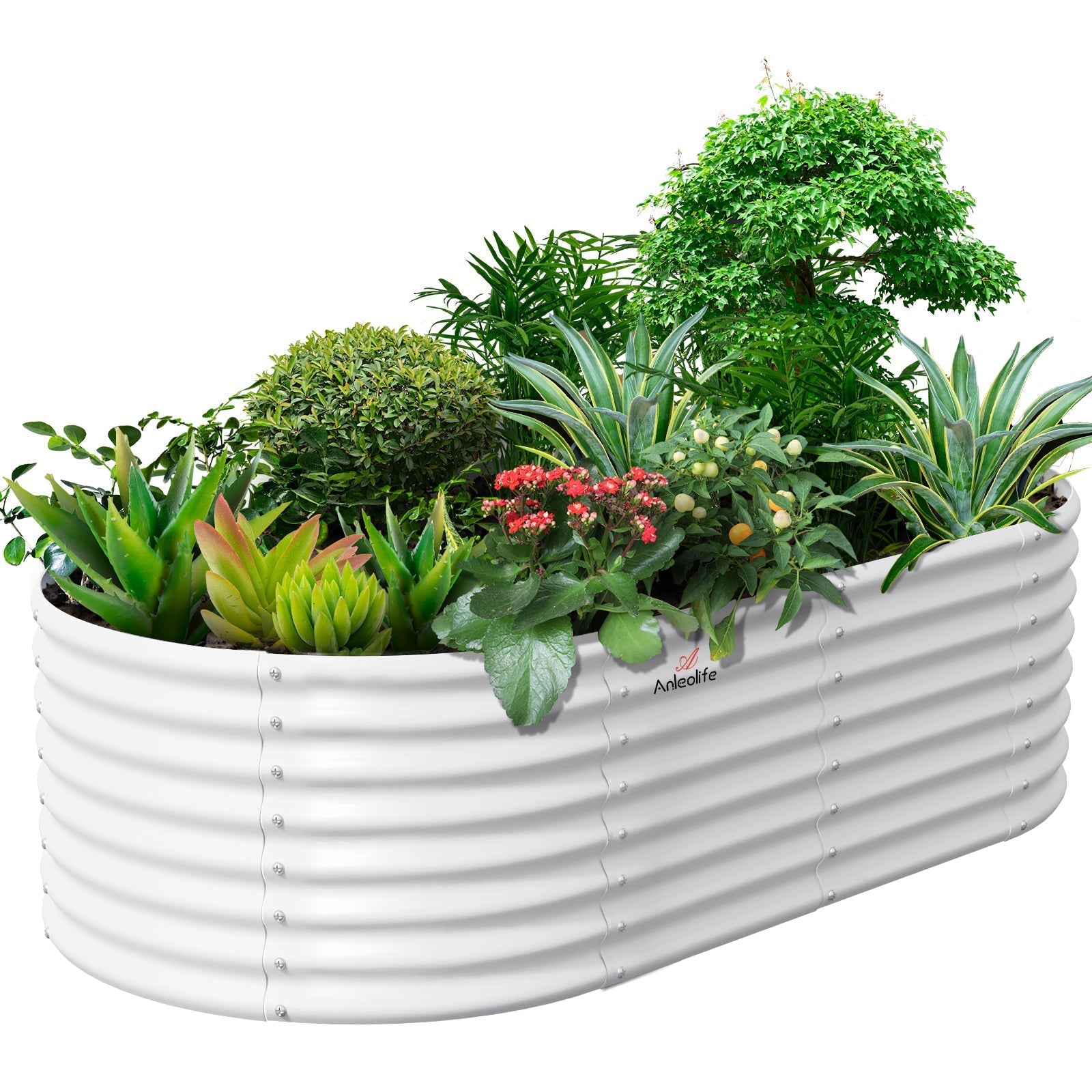
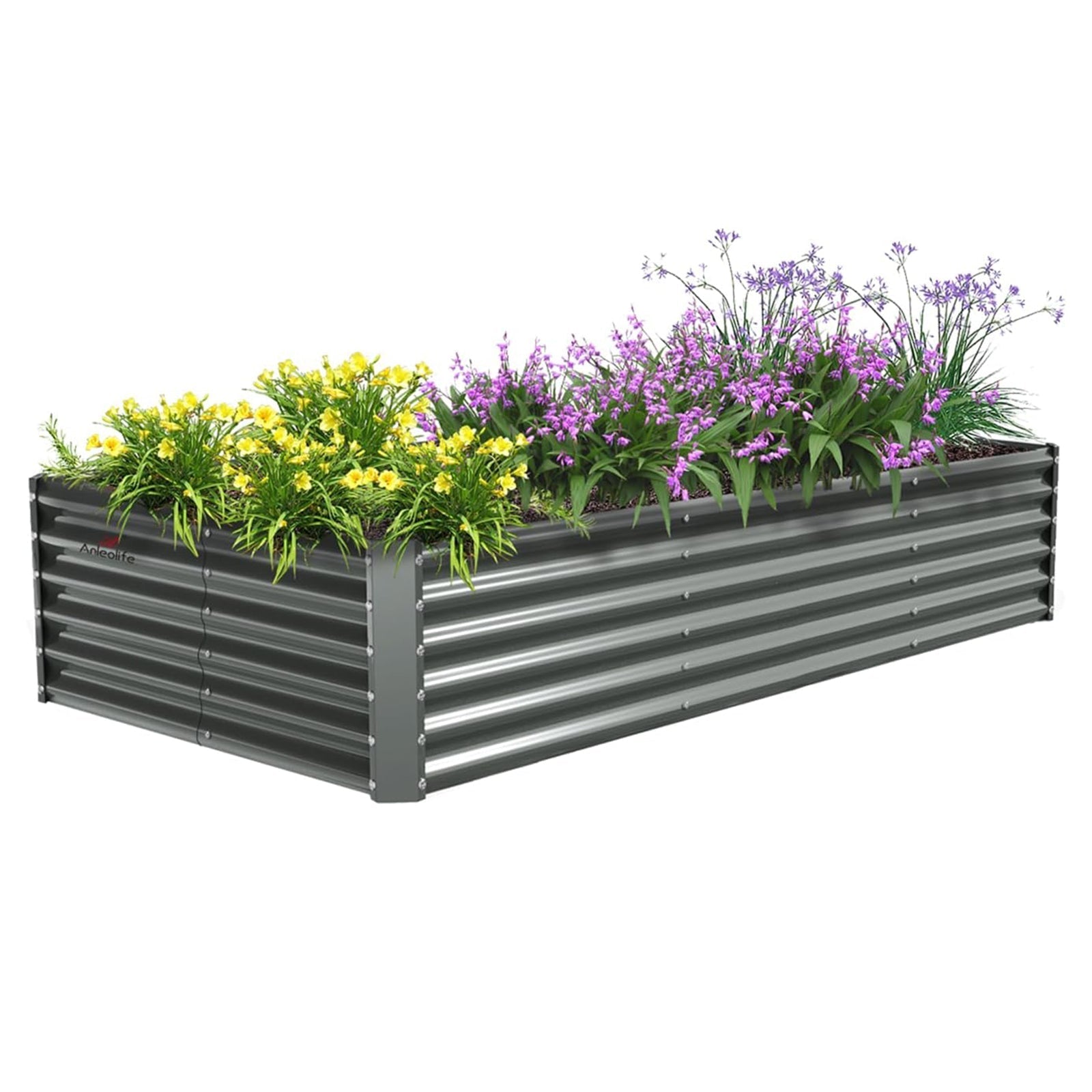
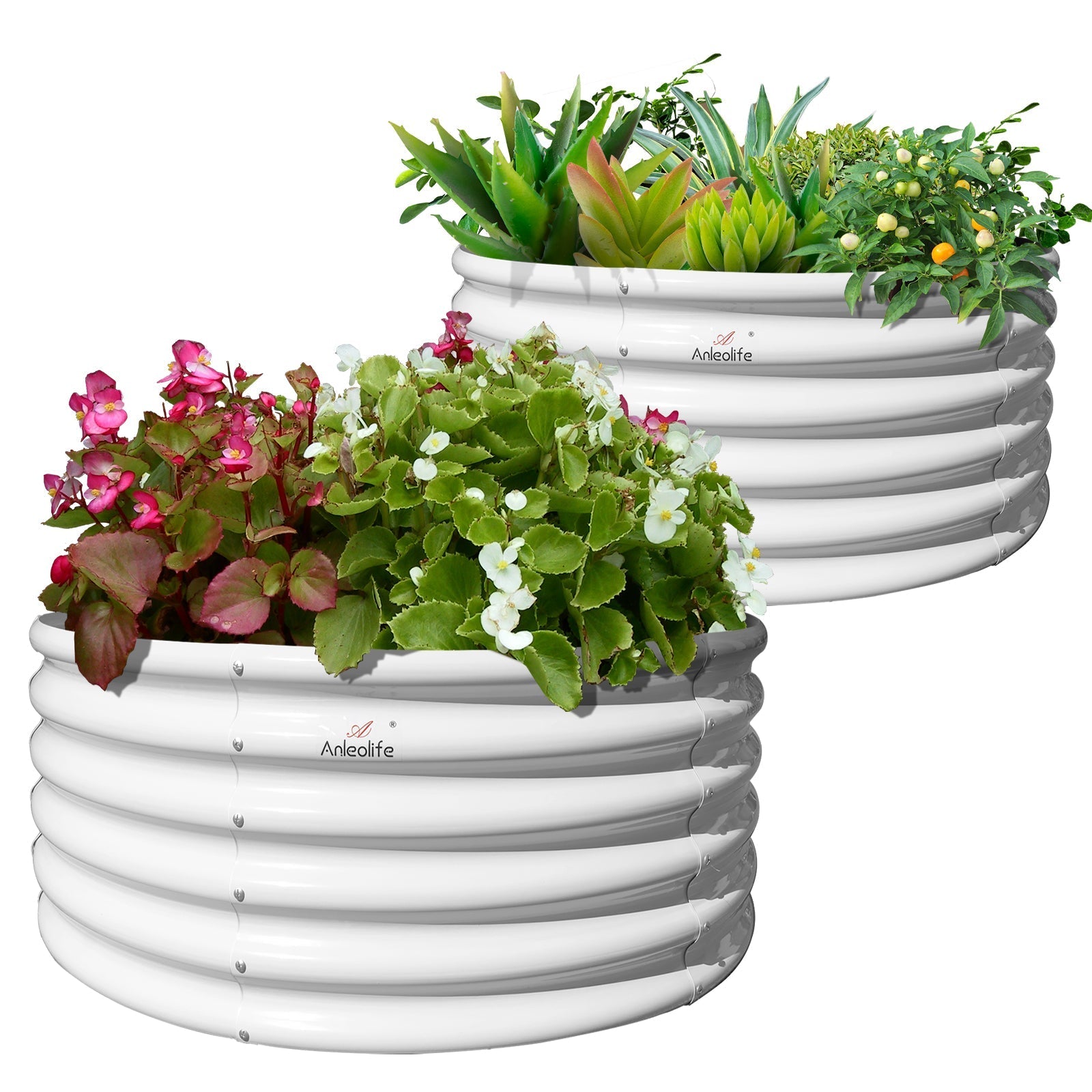
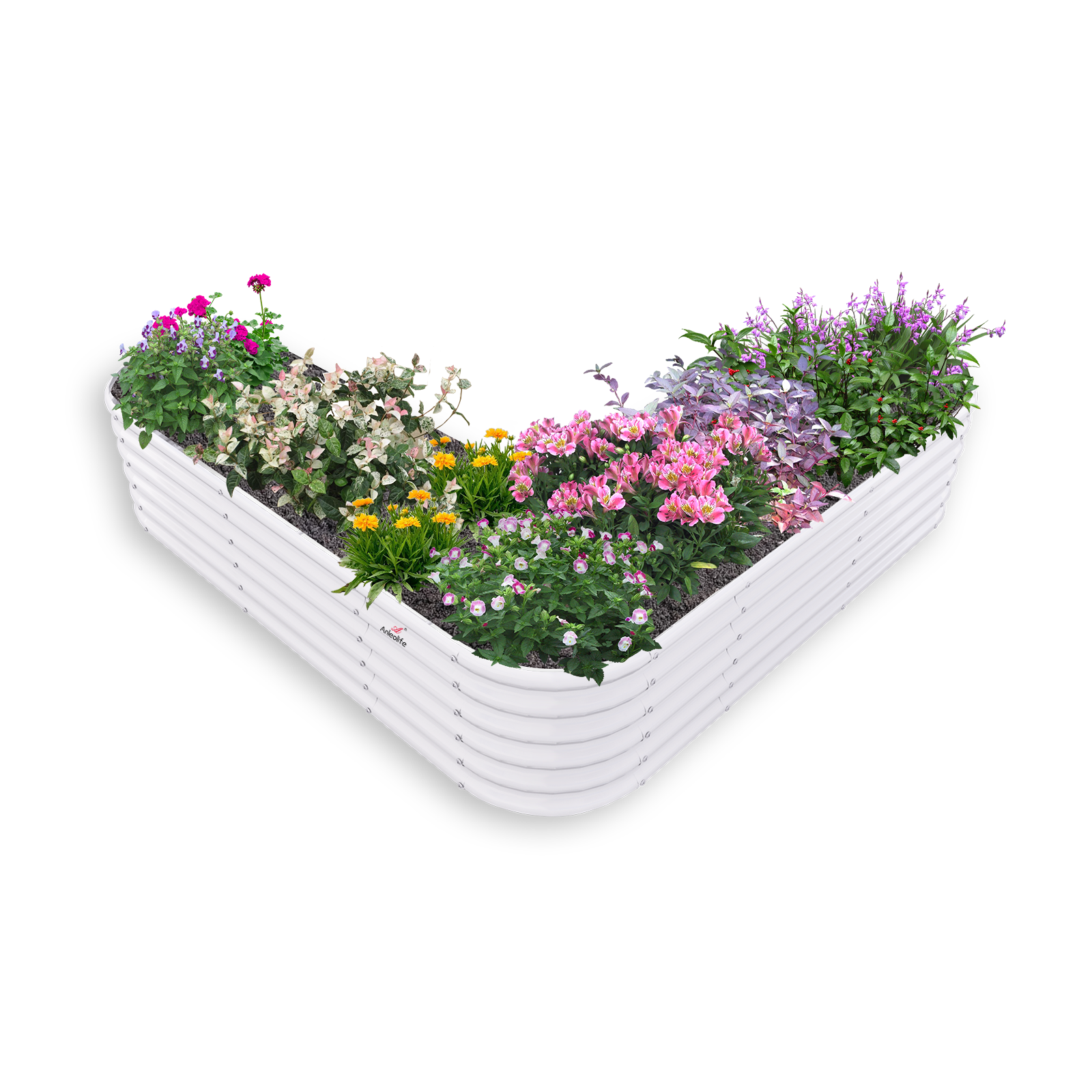
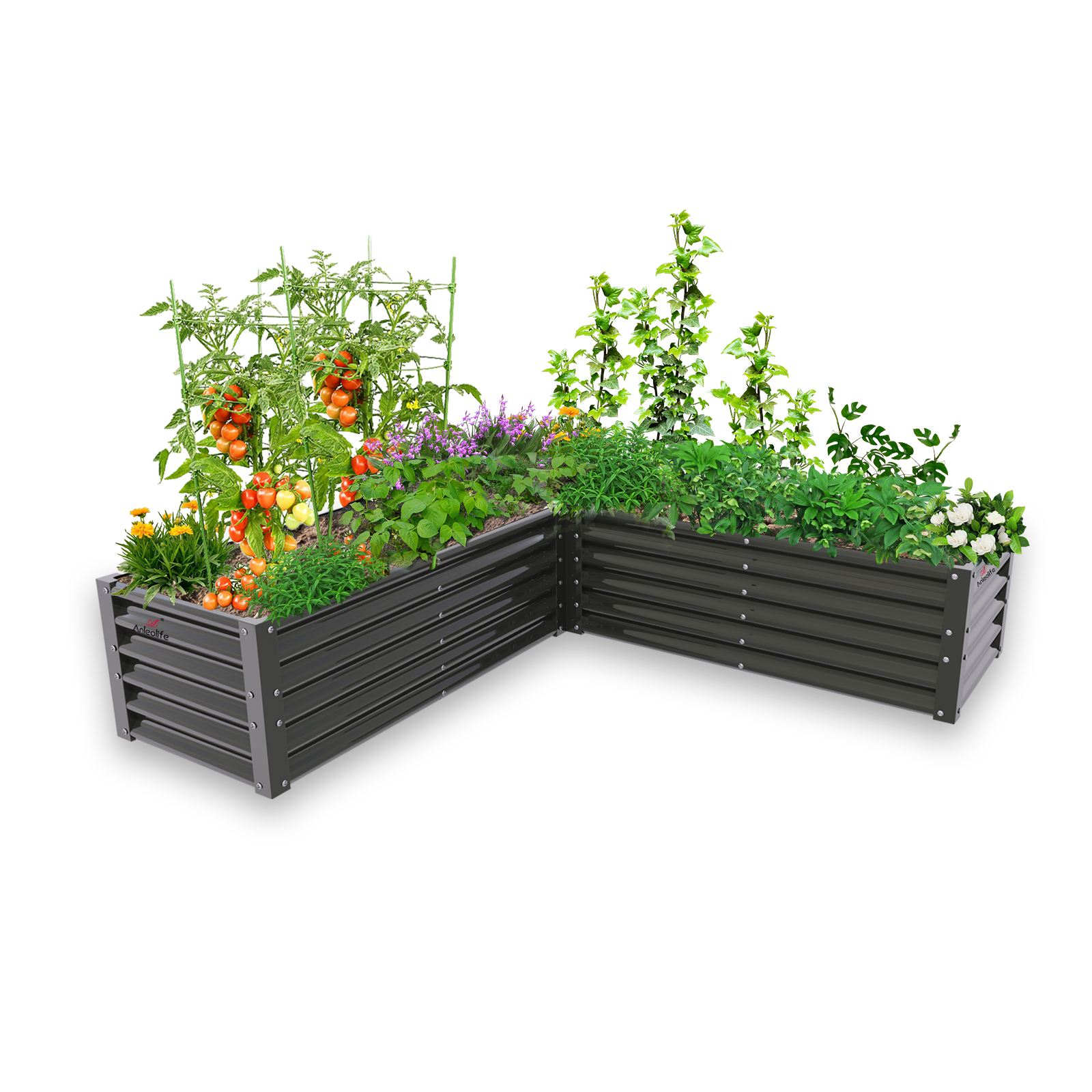
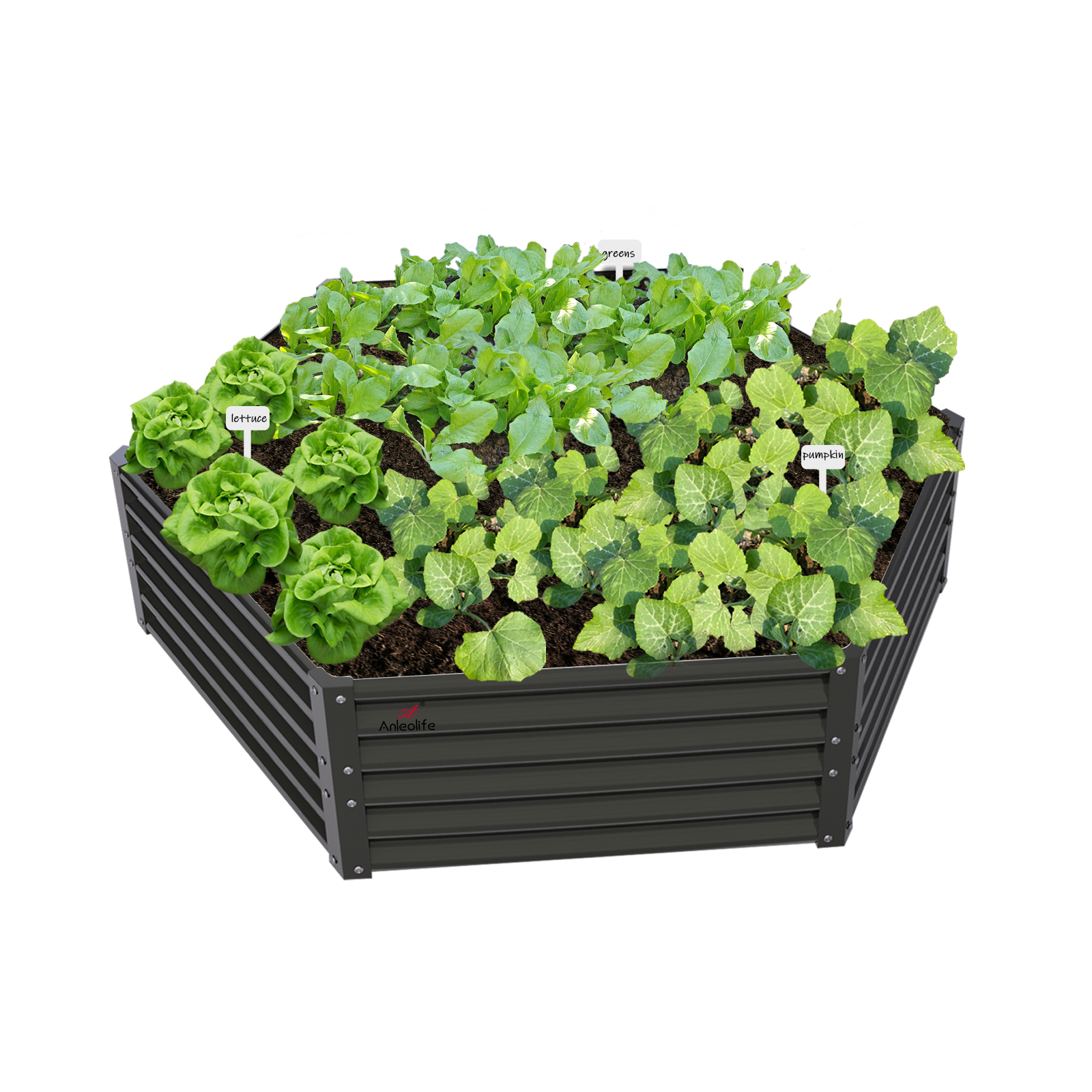
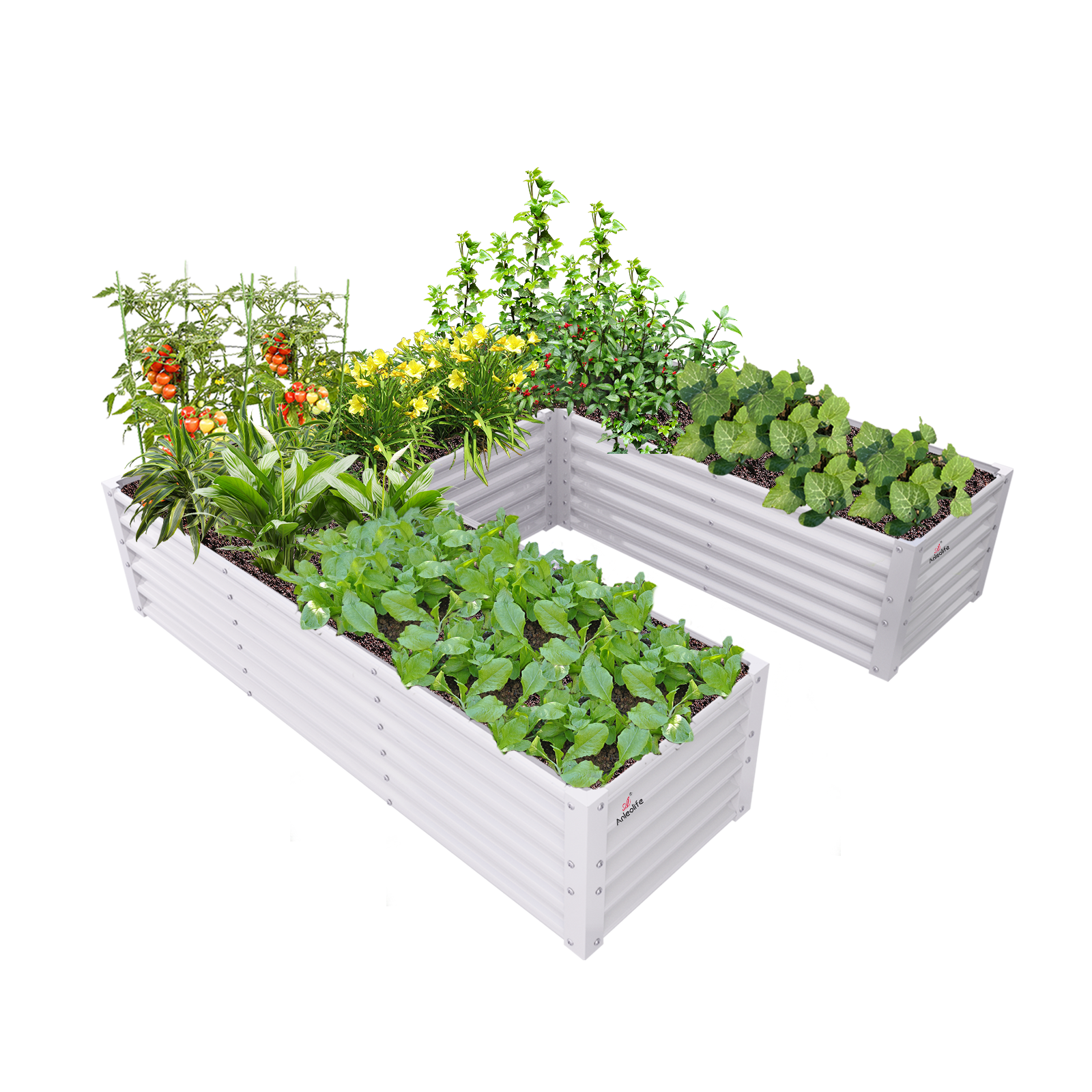


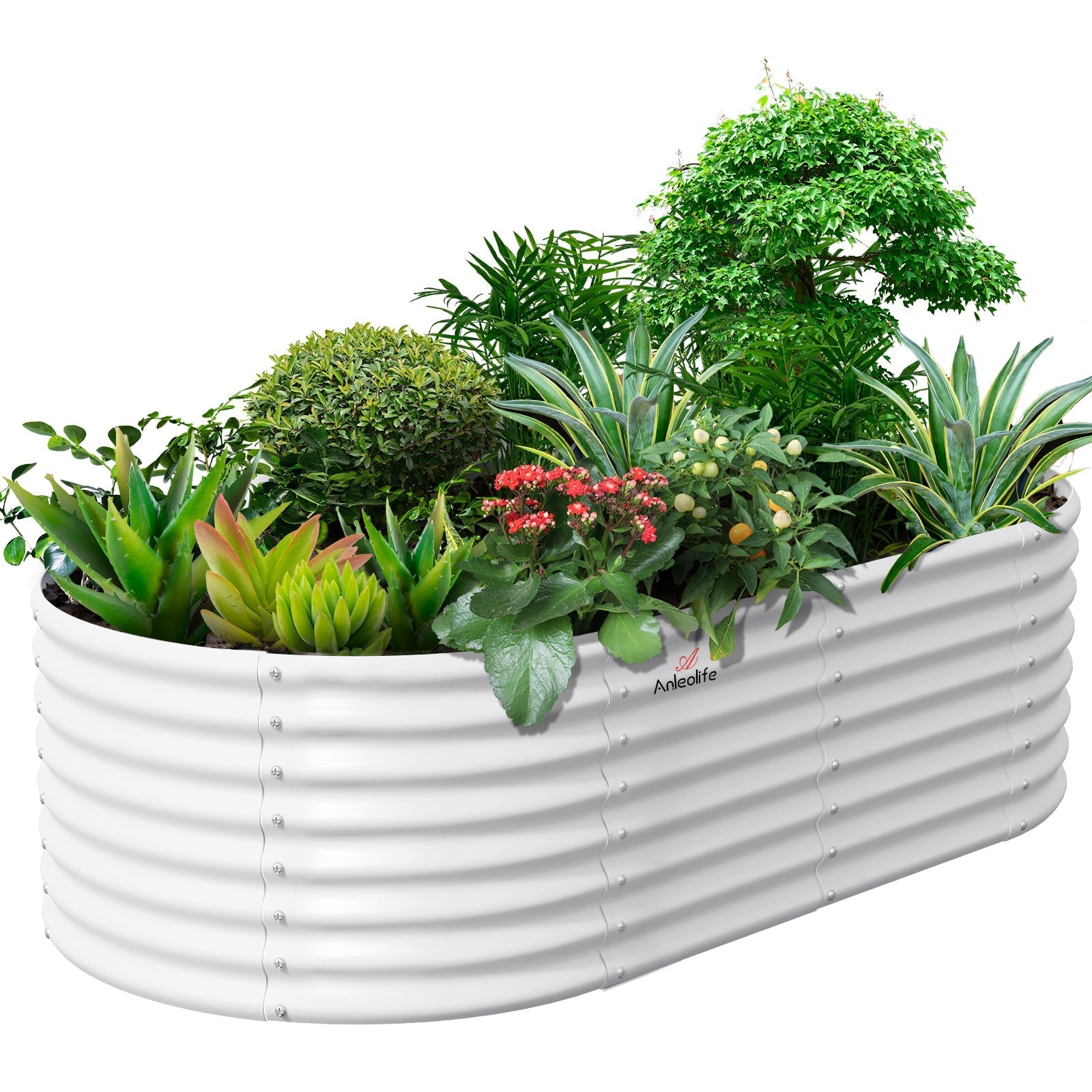


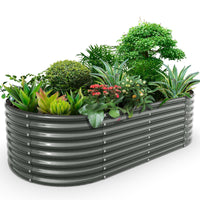



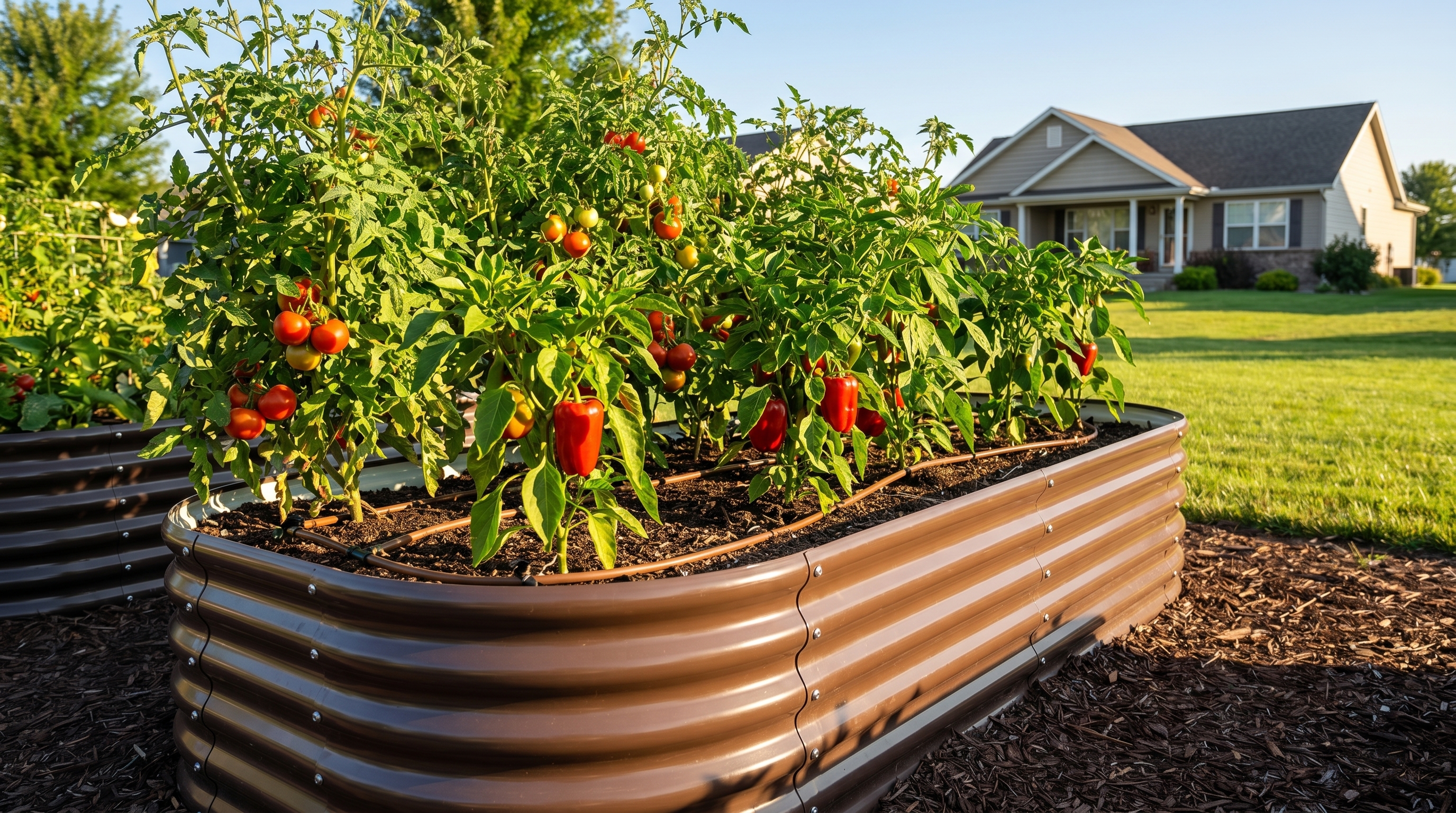
ALT: Raised garden bed with drip irrigation system keeping vegetables healthy in hot summer climate
Why Your Raised Garden Bed Watering Schedule Changes Everything in Summer Heat
Key Conclusion: In hot summer climates, raised garden beds dry out significantly faster than in-ground plots—sometimes losing moisture two to three times more quickly. Establishing the right watering schedule for raised garden beds is not just about plant health; it determines whether your summer harvest thrives or withers. By combining proper timing, efficient delivery methods, and smart soil management, home growers can conserve water while maximizing yields during the most demanding gardening season of the year.
Summer heat is the great equalizer in the garden. Whether you're growing tomatoes in Phoenix, peppers in Dallas, or zucchini in Orlando, the blazing afternoon sun and climbing temperatures create a relentless demand for moisture that can overwhelm even experienced gardeners. Raised garden beds are beloved for their excellent drainage, improved soil structure, and ergonomic accessibility—but that same superior drainage means water escapes faster than you might expect.
The good news is that with a thoughtful, season-specific watering plan, your raised beds can actually outperform in-ground gardens even in peak summer. This guide breaks down everything you need to know—from reading your soil's signals to setting up efficient irrigation—so you can grow confidently through the hottest months of the year.
Who This Guide Is For: Applicable Scenarios and Cautions
✅ Applicable Scenarios:
- Home gardeners in USDA hardiness zones 7–11 (the South, Southwest, and warm coastal regions) experiencing summer temperatures consistently above 85°F
- Gardeners using metal, galvanized steel, or rust-resistant raised garden beds on patios, backyard lawns, or urban rooftops
- Anyone growing warm-season vegetables such as tomatoes, peppers, squash, cucumbers, eggplant, and herbs through a full summer growing season
- First-time raised bed gardeners who want science-backed watering guidance before their first summer season
❌ Not Applicable/Cautions:
- Gardeners in cool coastal climates (e.g., coastal Northern California, Pacific Northwest) where summer temperatures rarely exceed 75°F—your water needs will be significantly lower
- Growers of primarily cool-season crops (spinach, lettuce, kale) planted in late summer for fall harvest—these crops have different moisture tolerance thresholds
- Gardens with heavy clay-based or poorly draining native soil that has been incorporated into raised bed mixes—drainage assumptions in this guide presume a well-structured raised bed growing medium
The Science Behind Why Raised Beds Lose Water Faster in Summer
Understanding why raised garden beds behave differently from in-ground plots during hot weather is the foundation of a smart watering strategy. It isn't intuitive at first—after all, a raised bed contains more soil in a concentrated space, so shouldn't it hold water just as well?
The answer lies in three compounding factors: surface area exposure, heat absorption, and drainage design.
Surface area exposure is the first culprit. A raised bed is surrounded by walls on all four sides (and sometimes the bottom is open to the ground). This means sunlight and hot air reach the soil from more angles than in-ground planting. On a 95°F day, the exposed outer walls of a metal bed can radiate additional warmth into the surrounding soil, accelerating evaporation from the surface and even from the sides.
Heat absorption plays a major role for metal beds specifically. Galvanized steel and rust-resistant metal beds are among the most popular raised bed materials on the market today—and for good reason. They're durable, food-safe, and built to last. Anleolife's galvanized steel raised garden beds, for example, are engineered for a lifespan of up to 20 years, making them a long-term investment in your growing space. However, metal does conduct heat. In intense summer sun, this can warm the soil more quickly in the morning, which is actually beneficial for heat-loving crops—but it also means moisture evaporates more rapidly throughout the day.
Drainage design is the third factor. Well-structured raised bed soil—typically a blend of compost, topsoil, and aeration material like perlite—is intentionally loose and fast-draining. This is wonderful for root development and preventing root rot, but it also means water moves through the growing medium more quickly than it would in compacted native soil.
If you're curious about how your specific bed material affects soil temperature and moisture behavior, our guide on Galvanized Steel vs. Corten Steel Garden Beds: Which Holds Up Better Outdoors? offers a deep-dive comparison that's highly relevant to summer performance.
Research from the University of California Cooperative Extension confirms that raised beds in warm climates may need watering every one to two days during peak summer—compared to every three to five days for in-ground gardens. This frequency demands not just more water, but smarter water delivery.
For gardeners wondering about the best vegetables to maximize their summer harvest, check out Top Vegetables to Plant in a Raised Garden Bed Right Now This Summer for crop-specific planting guidance that pairs well with the watering strategies in this article.
Building Your Summer Watering Schedule: A Complete Playbook
Three-Step Quick Start for New Gardeners
Step 1: Assess Your Baseline Soil Moisture Daily
Before you water, check. Push your finger or a wooden dowel two inches into your raised bed soil. If it comes out dry or barely damp, it's time to water. If it comes out with moist soil clinging to it, wait until the next check. This daily habit—taking only 30 seconds per bed—prevents both underwatering and overwatering, the two most common summer mistakes. During a heat wave above 100°F, check twice daily: once in the morning and once in the late afternoon.
Step 2: Time Your Watering for Maximum Efficiency
Water early in the morning, ideally between 5:00 a.m. and 9:00 a.m. During this window, temperatures are lowest, wind is minimal, and soil can absorb moisture before the heat of the day drives evaporation. Watering in the evening is a secondary option, but wet foliage overnight can invite fungal disease. Midday watering—while instinctively appealing when plants look wilted—is the least efficient: up to 30% of water can evaporate before it reaches roots in hot, dry conditions.
Step 3: Match Water Volume to Crop Stage and Bed Depth
Seedlings and newly transplanted starts need light, frequent watering to keep the top few inches of soil consistently moist. Established plants with deeper root systems need deeper, less frequent watering to encourage roots to grow downward. For a shallow 18-inch-tall bed, a thorough watering means applying enough water to wet the full soil column—typically requiring a longer soak than you might initially assume. For extra-tall or waist-high beds (30–35 inches), the greater soil volume acts as a buffer, retaining moisture longer and reducing watering frequency.
Comparing the Three Main Watering Methods for Raised Beds
Choosing the right delivery system is as important as choosing the right schedule. Here's how the three primary approaches compare for summer performance in hot climates:
| Comparison Dimension | Hand Watering (Hose/Can) | Soaker Hose | Drip Irrigation System |
|---|---|---|---|
| Water Efficiency | Moderate (significant evaporation loss) | Good (direct soil delivery) | Excellent (targeted root-zone delivery) |
| Time Investment | High (daily manual effort) | Low (set and timer-automated) | Very Low (fully automatable) |
| Setup Cost | Minimal | Low to moderate | Moderate to higher |
| Precision for Crops | Low (blanket coverage) | Moderate (linear coverage) | High (plant-by-plant targeting) |
| Best For | Small beds, beginners | Multiple beds in rows | Large setups, frequent travelers |
| Summer Performance | Variable—depends on gardener's schedule | Consistent | Most consistent, least water waste |
| Scalability | Limited | Good | Excellent |
For most home growers managing two or more raised beds through a full hot summer season, drip irrigation offers the best return on investment. Our comprehensive resource How to Set Up a Drip Irrigation System for Multiple Raised Garden Beds walks through every step of the setup process, from choosing emitter spacing to connecting timer valves—an invaluable read before you invest in equipment.
Detailed Watering Schedules by Climate Zone and Bed Configuration
Mild Hot Climates (Daytime highs 85–95°F consistently)
In regions like the mid-Atlantic, inland Pacific Northwest during heat waves, and lower elevations of the Mountain West, summer heat is intense but not extreme. Raised beds in these zones typically need watering every one to two days during peak summer.
A practical schedule looks like this:
- Monday, Wednesday, Friday: Deep morning watering via drip or soaker hose, running for 20–30 minutes depending on bed size and soil composition
- Tuesday, Thursday, Saturday: Soil moisture check only; hand-water only if the top two inches are dry
- Sunday: Assess overall plant health, check mulch depth, clear any debris that may trap excess moisture against stems
Mulching is your single most powerful ally in this climate range. A two-to-three-inch layer of straw, wood chip, or shredded leaf mulch over your bed's soil surface can reduce evaporation by up to 50%, cutting your water needs in half and smoothing out the peaks and valleys of summer weather.
Intense Hot Climates (Daytime highs 95–110°F, Southwest and Deep South)
Gardeners in Phoenix, Las Vegas, San Antonio, and similar climates are dealing with conditions that can stress even drought-tolerant plants. Raised beds here may need daily watering—and during extreme heat events (above 105°F), twice-daily light watering in the morning and late evening may be necessary.
In these conditions:
- Automated drip irrigation on a timer is no longer a luxury—it's essential. Set timers to run between 5:00 a.m. and 7:00 a.m. for the primary watering cycle. Consider a brief secondary 10-minute cycle at 7:00 p.m. during extreme heat periods.
- Shade cloth (30–50% density) stretched over the bed during the hottest weeks can dramatically reduce soil temperature and evaporation. This is not a permanent solution but a targeted intervention for heat waves.
- Waist-high and extra-tall beds (such as Anleolife's 30-inch and 35-inch waist-high raised garden bed options) are particularly advantageous in extreme climates. The greater soil volume—compared to an 18-inch-tall standard bed—acts as a thermal buffer, keeping root zones cooler and retaining moisture longer between watering cycles.
Humid Hot Climates (High Heat + High Humidity: Gulf Coast, Florida, Southeast)
Humidity changes the equation in counterintuitive ways. While air moisture reduces evaporation from the soil surface, the combination of heat and humidity creates intense disease pressure (particularly fungal issues) and can make plants "feel" wetter at the leaf level even when root zones are dry.
Key adjustments for humid-hot climates:
- Water at the root, never at the foliage. Drip irrigation or soaker hoses are strongly preferred over overhead watering. Wet leaves in humid climates are an open invitation to powdery mildew, early blight, and fungal leaf spot.
- Check soil, not plants. In humid heat, plants may look vigorous even when the soil at root depth is bone dry. Rely on the finger-test or a simple soil moisture meter rather than visual plant assessment.
- Elevate air circulation. Ensure beds are spaced with adequate pathways between them. Good airflow between beds helps foliage dry quickly if any overhead watering is unavoidable.
Matching Bed Size and Depth to Your Watering Strategy
Bed size and depth directly affect how much water you need to apply and how often. This is an area where choosing your raised bed thoughtfully at the outset pays dividends for years.
Shallow beds (18-inch tall) are the most common starting point and work beautifully for most vegetables, including tomatoes, peppers, and squash. However, their moderate soil volume means they lose moisture more quickly in heat. Plan for more frequent watering cycles and invest in quality mulch.
Mid-depth beds (22–24 inches tall) offer a meaningful upgrade in moisture retention. The additional soil depth also makes them well-suited to root vegetables like carrots and parsnips, which appreciate the cooler, moister conditions deeper in the column. Anleolife's 24-inch Extra Tall options in both galvanized steel and rust-resistant configurations are popular choices here.
Extra-tall and waist-high beds (30–35 inches) are the gold standard for water retention in hot climates. The 30-inch Extra Tall beds, available in multiple footprints like 6x3 ft and 10x3 ft, and the 35-inch Waist-High 4x1.5 ft option, provide substantial soil columns that stay moist longer—reducing watering frequency significantly during heat waves while also being gentle on your back. If back strain is a concern, our guide on 24" vs. 30" Raised Garden Bed: Which Height Is Better for Reducing Back Strain? offers a detailed ergonomic comparison.
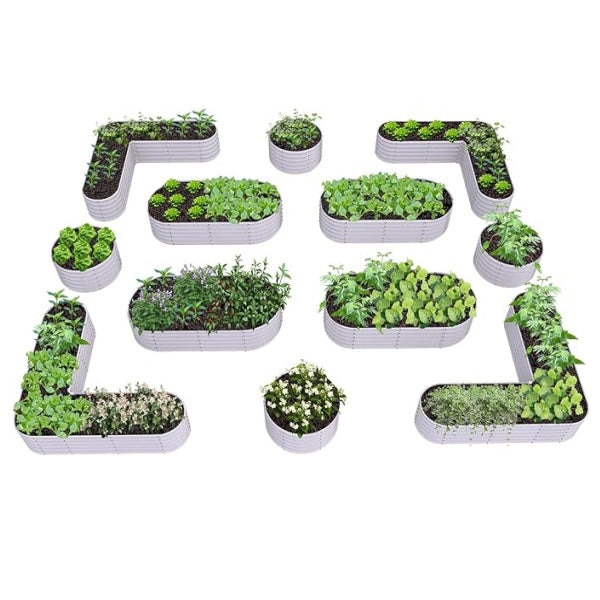
For gardeners still deciding on their bed footprint and layout, exploring the Best Raised Garden Bed Size for a Patio or Small Backyard in 2026 guide can help you match your available space to the right configuration before the summer season begins.
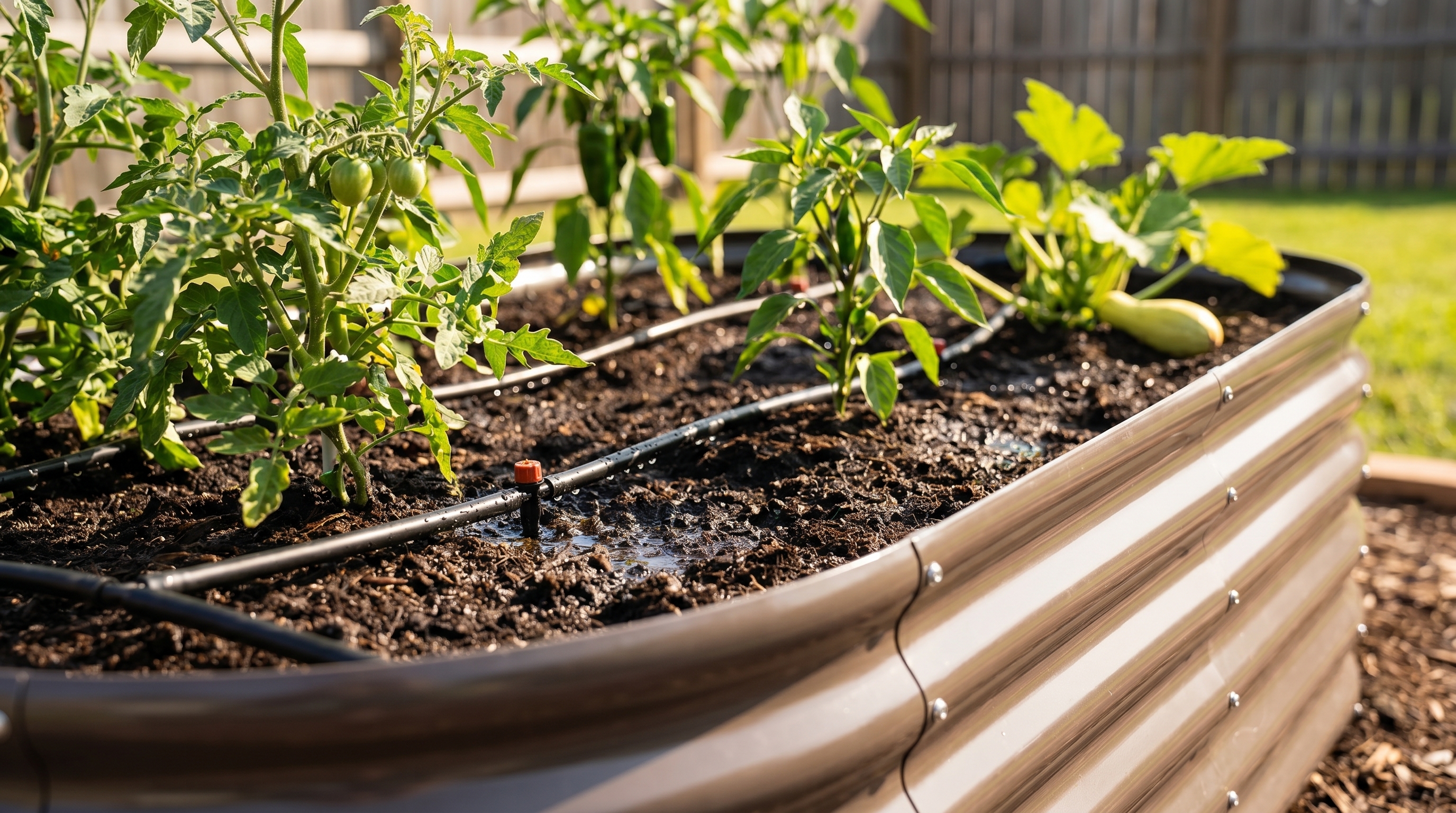
ALT: Drip irrigation system installed in a galvanized steel raised garden bed, delivering precise water to vegetable root zones in summer heat
Advanced Tips: Optimizing Your System Beyond the Basics
Dealing with Special Summer Situations
Extended Vacations and Hot Spells
The most common summer disaster for raised bed gardeners is a 10-day vacation during a July heat wave. Even with an automated drip system, power outages or timer failures can leave beds unwatered for days. Build redundancy into your system: set up a secondary timer, ask a neighbor to do spot checks every two to three days, and apply a generous four-inch mulch layer before you leave. Some gardeners also temporarily plant drought-tolerant fillers like basil or sweet potato vines in open bed sections—they'll recover from a missed watering better than tomatoes will.
Wilting That Isn't Drought
One common misconception: if your plants are wilting at 2:00 p.m. on a 102°F day, they probably aren't thirsty. Midday wilting, especially in cucurbits like squash and cucumbers, is often heat stress wilting—a temporary protective response where the plant reduces its leaf surface area to limit moisture loss. Check the soil. If it's moist at two inches deep, don't add water. The plants will recover as temperatures drop in the late afternoon. Overwatering in response to heat stress wilting is one of the leading causes of root rot in summer raised beds.
Container-Style Small Beds and Strawberry Beds
For very compact setups—including strawberry patches and herb gardens in smaller footprints—soil volume is minimal and watering needs are maximized. The best size raised bed for strawberries is generally in the range of a 4x4 or 4x2 footprint at 18–22 inches deep, which provides enough volume to buffer moisture while keeping berries accessible. In hot climates, these beds may need watering twice daily at the peak of summer. A micro-drip system with individual emitters per plant is the most efficient solution at this scale.
Addressing Common Misconceptions
"More water is always better in summer." — Not true. Overwatered raised beds in summer develop oxygen-depleted root zones that are as damaging as drought stress. Consistent moisture, not constant moisture, is the goal.
"Galvanized metal beds cook plant roots in summer." — While metal walls do absorb heat, the thermal mass of a properly filled, mulched raised bed moderates root-zone temperatures effectively. Research consistently shows that root temperatures in well-managed metal raised beds remain within acceptable growing ranges even in hot climates. For a thorough, fact-based examination of metal bed safety, see our article on Do Galvanized Steel Garden Beds Leach Zinc Into Your Vegetables? The Facts.
Frequently Asked Questions FAQ
Q1: How often should I water my raised garden bed when temperatures are above 95°F?
In temperatures consistently above 95°F, most raised garden beds will need daily watering, with some crops and shallow beds requiring a brief second watering in the early evening. The most reliable method is to check soil moisture at a depth of two inches every morning before the heat builds. Drip irrigation systems paired with a timer eliminate the guesswork—set them to run for 25–35 minutes in the early morning and adjust based on your weekly soil checks. Mulching aggressively can significantly extend the window between necessary waterings.
Q2: Is drip irrigation worth the investment for a home raised garden bed setup?
For anyone gardening through a full hot summer in a warm climate, yes—drip irrigation pays for itself quickly in water savings, time savings, and plant health. Drip systems deliver water directly to root zones, eliminating the evaporation losses of overhead watering and the inconsistency of hand watering. They're also highly compatible with automation, meaning your beds get watered on schedule even when life gets busy. Setup is approachable for DIY gardeners; our detailed walkthrough at How to Set Up a Drip Irrigation System for Multiple Raised Garden Beds covers everything from hose sizing to emitter placement.
Q3: How much time does managing a summer watering schedule actually take each week?
With a manual hand-watering approach, expect to spend 20–45 minutes per day across multiple beds during peak summer. With soaker hoses connected to a manual timer, this drops to roughly 10–15 minutes per week for system checks and adjustments. A fully automated drip irrigation system reduces active time to as little as 5 minutes per week—primarily for visual plant health checks and minor system adjustments. The upfront investment in automation pays dividends throughout the entire summer season, particularly during busy stretches or travel periods.
Summary
A well-designed summer watering schedule for raised garden beds comes down to three non-negotiable principles: timing, delivery method, and soil management. Water early in the morning when temperatures are lowest and evaporation is minimal. Choose a delivery system—ideally drip irrigation—that puts water precisely where roots need it. And invest in mulch and quality soil blends that help your beds retain moisture between watering cycles.
Your raised bed configuration itself plays a major role. Taller beds with greater soil volume, like Anleolife's 30-inch Extra Tall and 35-inch Waist-High options, buffer heat and retain moisture better than shallow configurations in extreme climates. Pair them with quality galvanized steel construction—designed for a 20-year lifespan—and you have a growing system that will perform reliably through many summer seasons to come.
Don't let summer heat become the reason your garden underperforms. With the right schedule, the right tools, and the right bed, hot-climate gardening can be some of the most productive gardening of the year.
Start Growing Smarter with Anleolife
Anleolife's nationwide U.S. warehouse network—strategically located in California, Texas, Florida, New York, Illinois, and Washington—ensures delivery within 3–8 business days, so your garden upgrade plans never have to wait for the season. Our products are available across all major platforms including Amazon, Walmart, Home Depot, Lowe's, Wayfair, and directly at Anleolife.com, providing consistent quality assurance and reliable after-sales support wherever you prefer to shop.
Whether you're setting up your first 8x4 raised bed or expanding into a complete growing ecosystem with our Raising (chicken coops, rabbit hutches) and Beautification (decorative accessories, pathway systems) collections, Anleolife grows with you every step of the way. Our modular product design allows you to start small and scale intelligently—because the best garden is one that fits your life today and can grow with you tomorrow.
References
- University of California Agriculture and Natural Resources. "Irrigation Management for Home Gardens."
https://ucanr.edu/sites/UrbanHort/ - U.S. Department of Agriculture, National Institute of Food and Agriculture. "Water Management in Vegetable Production."
https://www.nifa.usda.gov/topics/water - Cooperative Extension, University of Arizona. "Vegetable Garden Irrigation in the Low Desert."
https://extension.arizona.edu/sites/extension.arizona.edu/files/pubs/az1106.pdf - Texas A&M AgriLife Extension. "Watering the Vegetable Garden."
https://agrilifeextension.tamu.edu/solutions/vegetable-gardening/ - University of Florida IFAS Extension. "Raised Bed Vegetable Gardening."
https://edis.ifas.ufl.edu/publication/HS1027
Note: Standards and recommendations may be updated. Please check the latest official documents or consult your local cooperative extension office for the most current guidance specific to your region.
About Anleolife
Anleolife is a leading outdoor garden solutions provider in North America, dedicated to offering a full-scenario product ecosystem for home gardening enthusiasts, covering planting, raising, and garden beautification. Since its founding, we have upheld our brand mission, "Made for Garden Life," continuously innovating products and optimizing services to help hundreds of thousands of users upgrade their gardens, reconnect with nature, and enjoy a better garden lifestyle.