


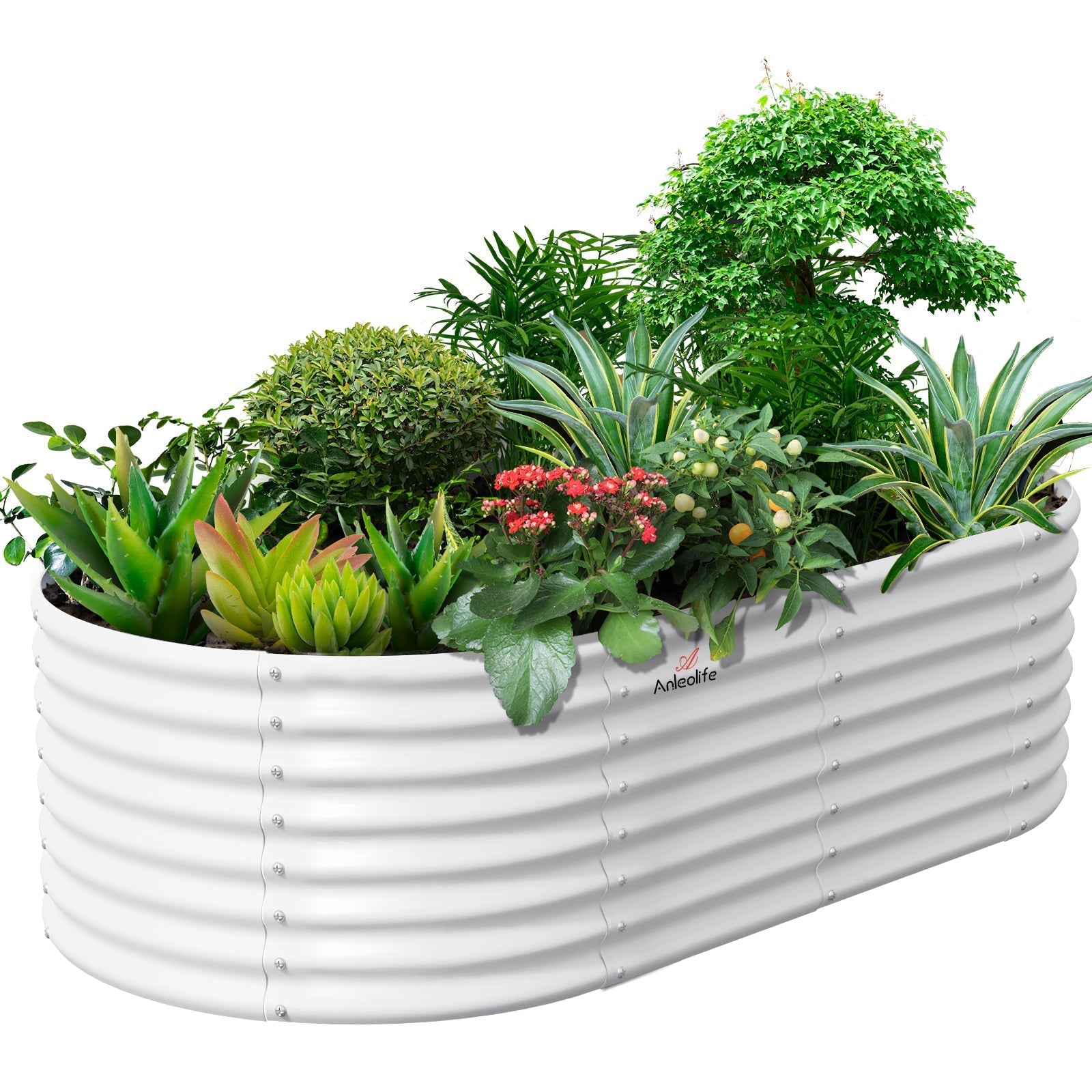
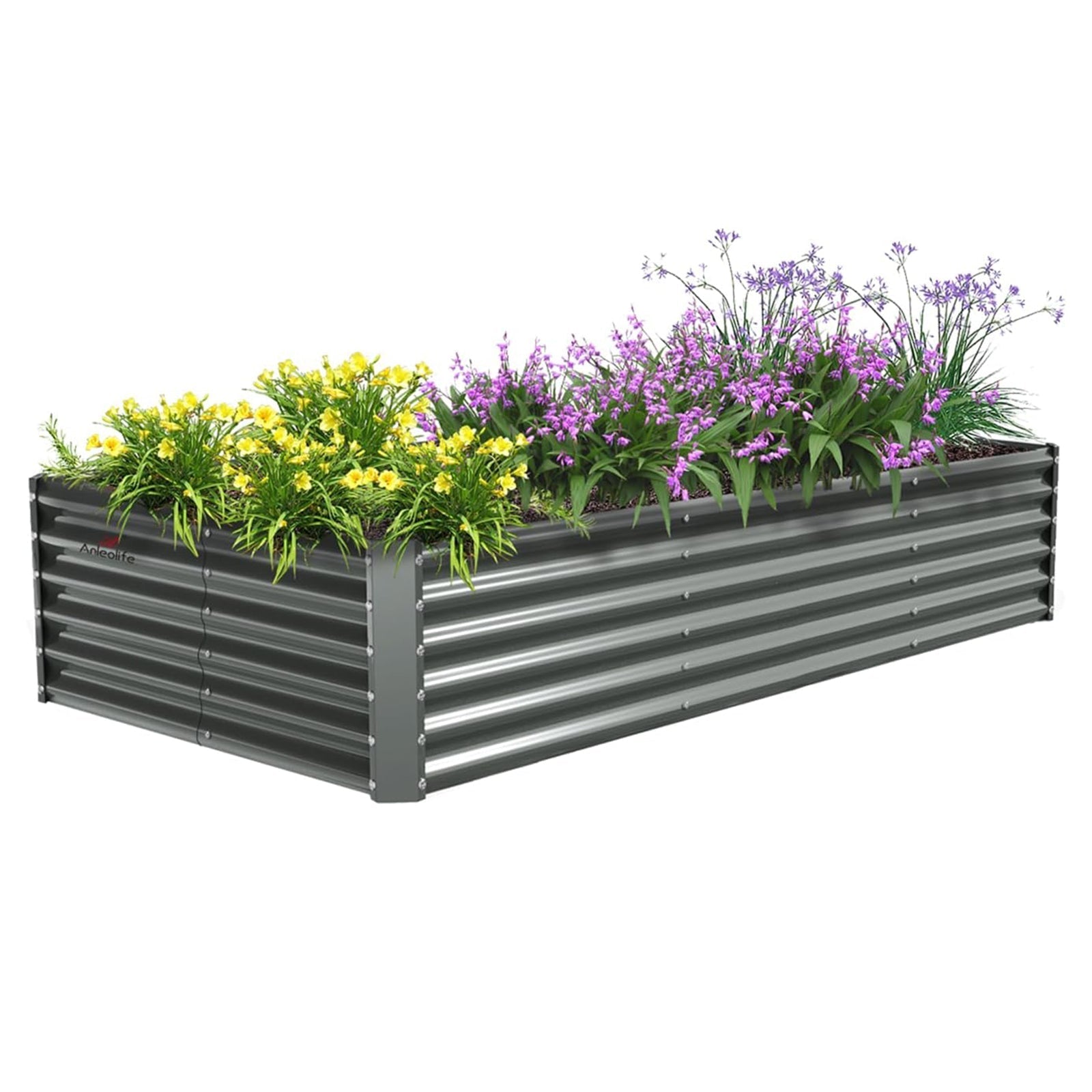

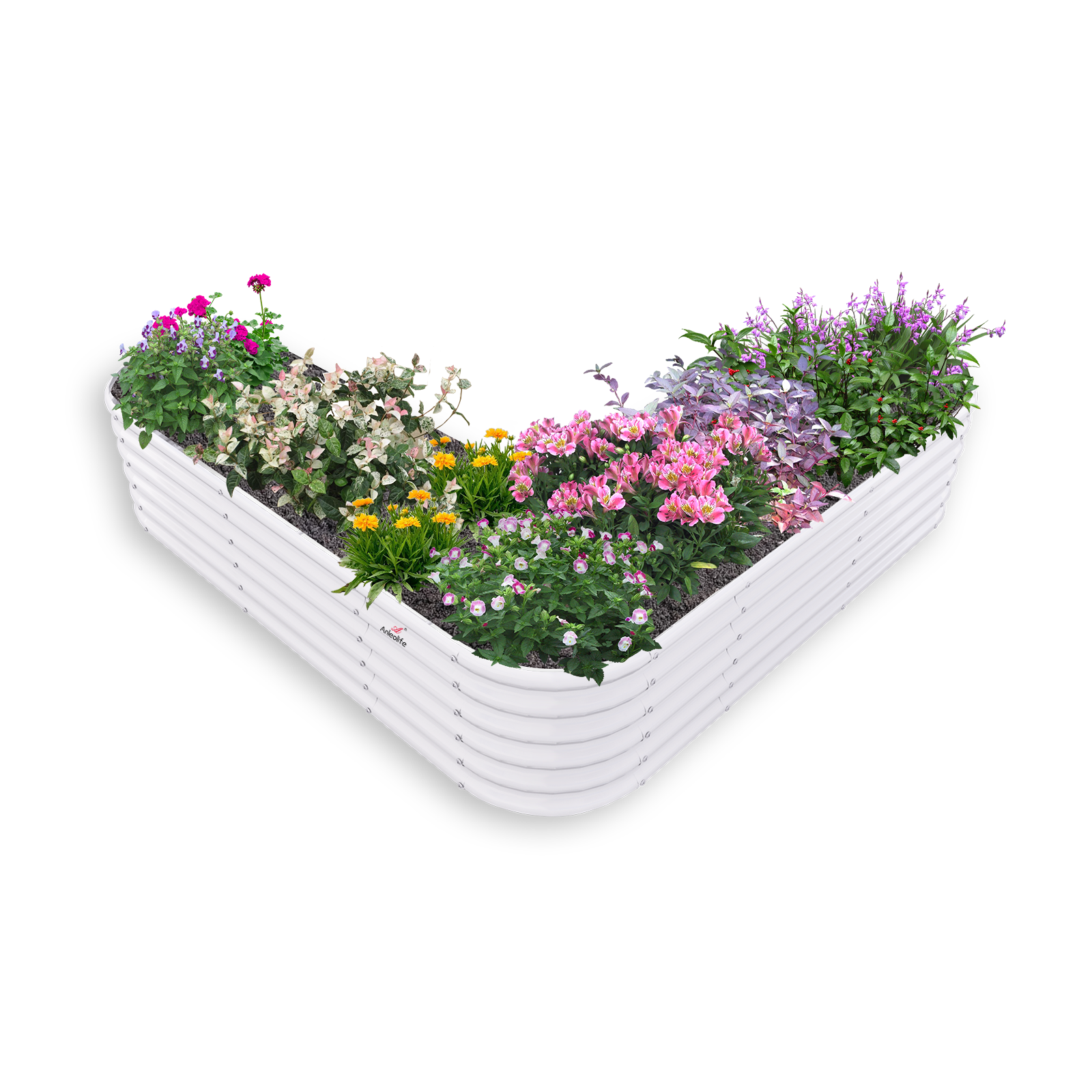
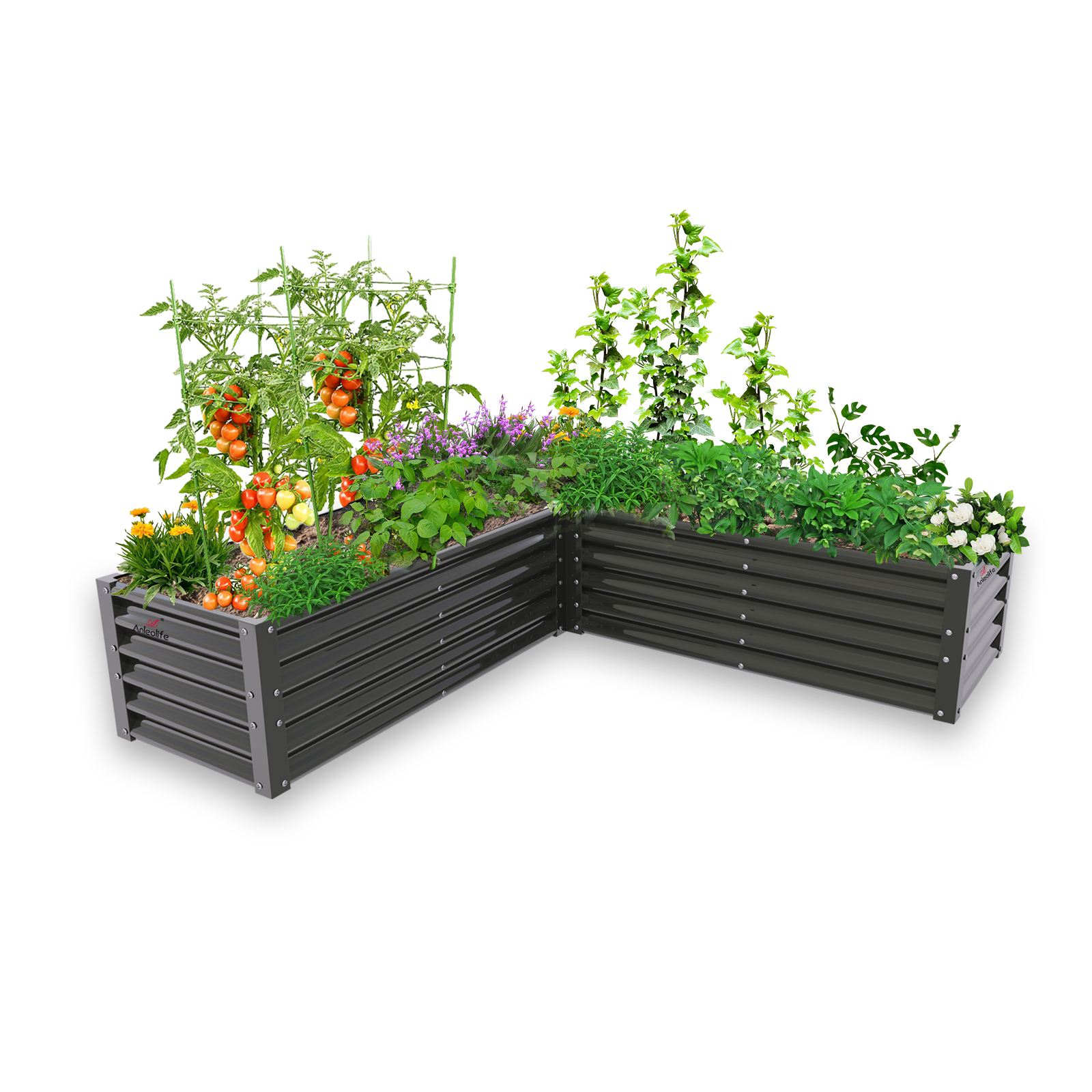
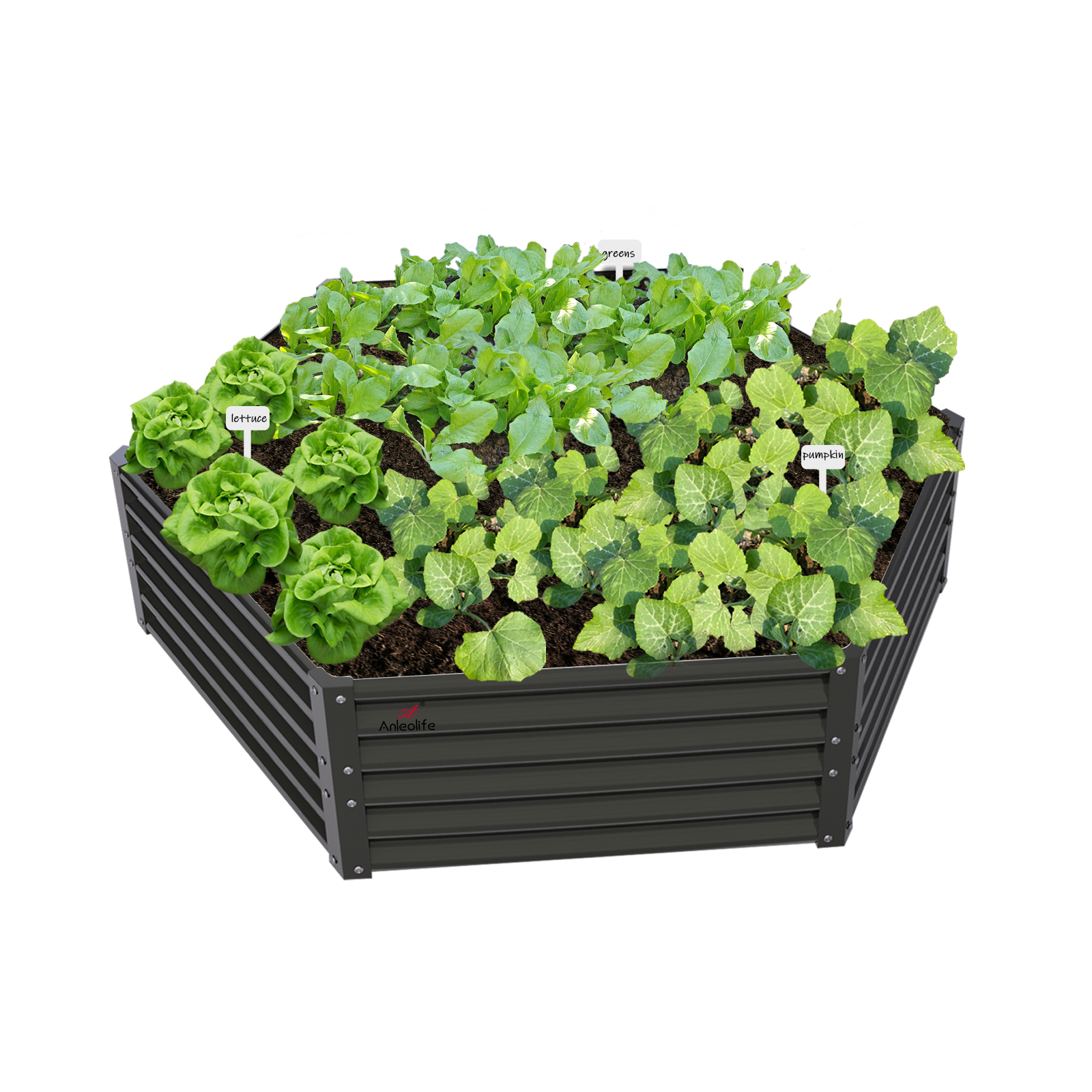
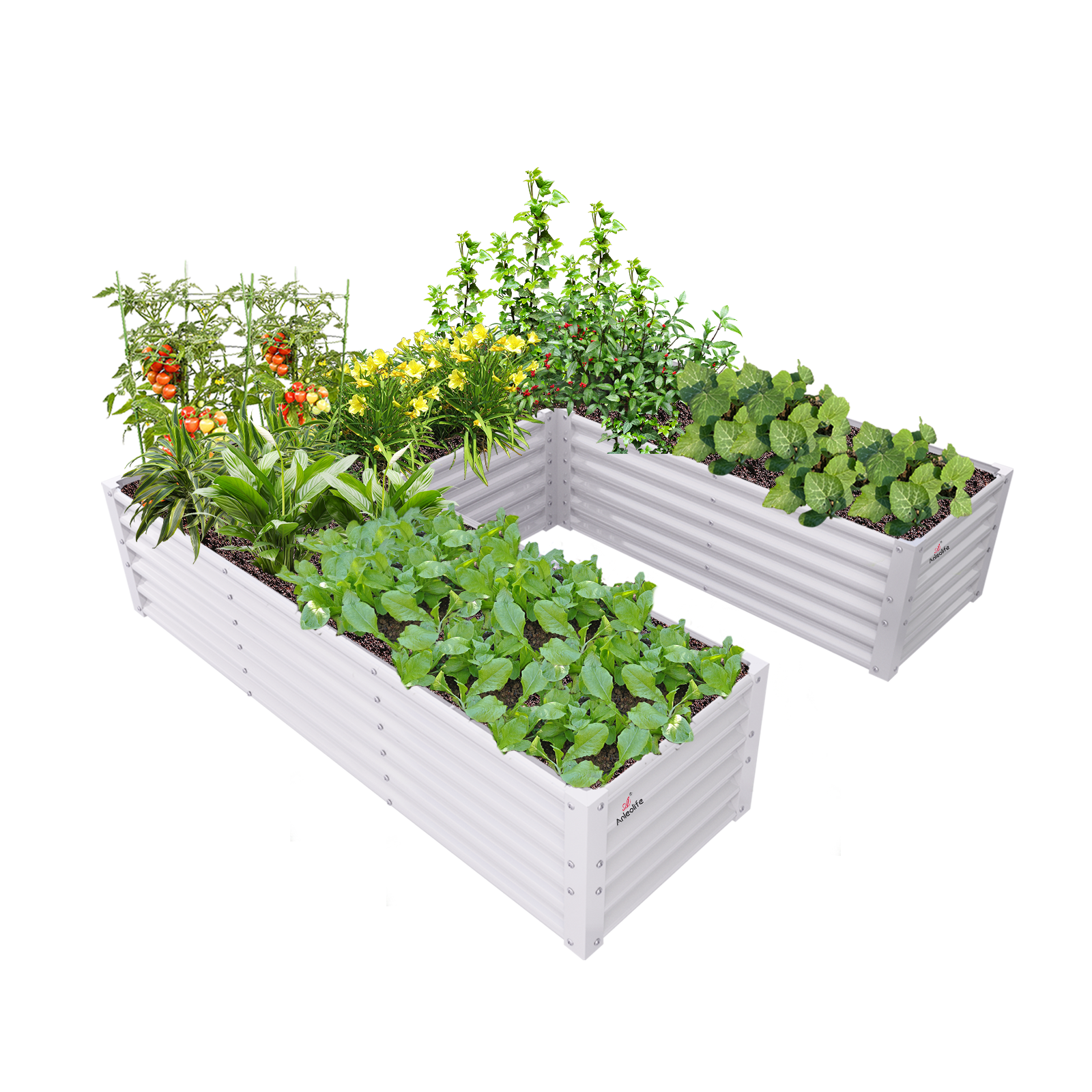

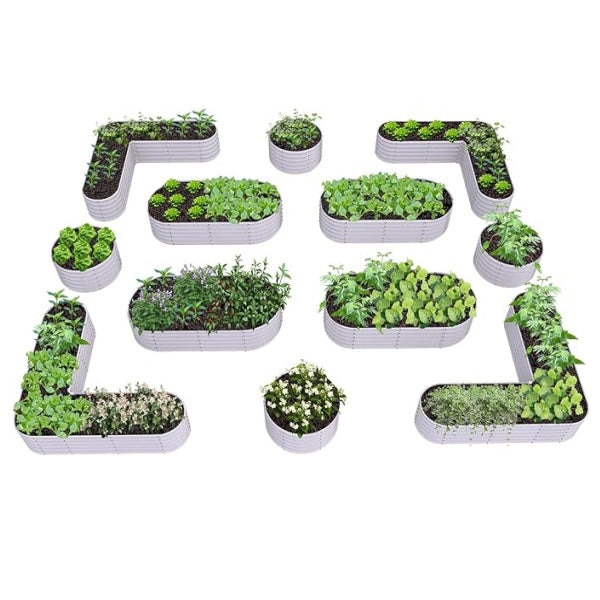


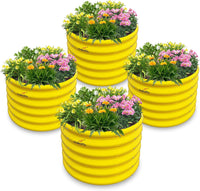
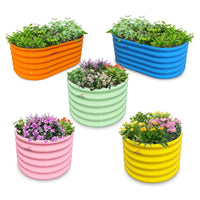
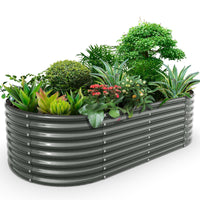




ALT: Raised garden bed with drip irrigation system keeping vegetables healthy during hot summer weather
Why Summer Watering in Raised Garden Beds Requires a Different Strategy
Key Conclusion: When temperatures rise above 85°F, raised garden beds lose moisture dramatically faster than in-ground gardens—often two to three times more quickly. Without a well-planned watering schedule for raised garden beds in hot summer weather, even healthy plants can wilt, bolt, or fail within days. Understanding the science of soil moisture, evaporation, and plant uptake is essential for any gardener who wants to keep a productive, thriving summer garden.
Summer gardening in a raised bed offers tremendous advantages—better drainage, warmer soil, fewer weeds—but it also comes with one significant challenge: heat and water management. Because raised beds sit above ground level, they drain faster, warm up faster, and lose moisture through evaporation much more rapidly than traditional in-ground plots. For the enthusiastic home grower in Texas, Florida, or California, this can feel like a constant battle against the thermometer.
The good news is that a smart watering strategy, tailored specifically to summer conditions, can make all the difference. Whether you're growing tomatoes, cucumbers, squash, or herbs, learning when, how much, and how often to water your raised beds during peak summer will not only save your plants—it will save you time, water, and frustration.
Who This Guide Is For: Applicable Scenarios and Cautions
✅ Applicable Scenarios:
- Home gardeners growing vegetables, herbs, or flowers in metal or galvanized steel raised garden beds during summer months (June–September)
- Urban micro-gardeners with limited outdoor space who rely on raised beds as their primary growing medium
- Empty nesters or retirees managing backyard gardens who want to simplify their watering routine without sacrificing plant health
- Gardeners in hot-weather states like Texas, Florida, California, Arizona, and Georgia where summer temperatures regularly exceed 90°F
❌ Not Applicable/Cautions:
- Gardeners growing primarily drought-tolerant native plants or cactus gardens, which require a fundamentally different irrigation philosophy
- Those with very deep raised beds filled with dense clay-heavy soil—drainage dynamics and moisture retention will differ significantly
- Gardeners relying solely on rainfall in temperate or coastal climates where summer temperatures rarely exceed 75°F
Understanding Why Raised Beds Lose Water Faster in Summer
To build an effective summer watering plan, it helps to first understand why raised garden beds behave so differently from in-ground soil during hot weather. The answer lies in physics, airflow, and surface area.
Raised beds are exposed on all sides. Unlike ground-level soil that's insulated by surrounding earth, a raised bed's walls—whether galvanized steel, corrugated metal, or wood—are surrounded by open air. In direct summer sun, this means the metal or wooden walls absorb heat, which radiates inward and accelerates evaporation from the soil surface. A raised bed in full sun on a 95°F afternoon can lose a half-inch or more of soil moisture in a single day.
Studies from the University of California Cooperative Extension have found that container-style growing systems, including raised beds, can require up to 50% more frequent irrigation than in-ground gardens during periods of extreme heat. This isn't a design flaw—it's simply the tradeoff for the superior drainage, root development, and pest resistance that raised beds provide.
There's also the question of soil composition. Most raised bed gardeners use a light, well-draining mix—often a variation of the popular "Mel's Mix" approach. You can learn more about constructing the ideal growing medium in this guide to What Is the Best Soil Mix for Raised Garden Beds? (The Mel's Mix Guide). These loose, airy mixes are fantastic for root health, but they drain quickly—which means summer watering demands go up.
Additionally, plant transpiration peaks on hot days. Large-leafed crops like squash and cucumbers can transpire enormous volumes of water through their leaves as temperatures climb. Your plants are literally pumping moisture out of the soil and releasing it into the air at an accelerated rate.
Understanding these dynamics isn't meant to alarm you—it's meant to arm you. With the right schedule and techniques, you can keep your raised bed garden thriving all summer long without wasting water or hovering over your hose twice a day.
Building Your Summer Watering Schedule: A Practical, Step-by-Step System
Three-Step Quick Start for Summer Bed Watering
Step 1: Assess Your Bed's Current Moisture Level
Before watering, always check the soil. Push your finger two inches into the soil near the center of the bed—not just the edge. If the soil feels dry at that depth, it's time to water. If it still feels cool and slightly moist, wait a few more hours. This quick finger-check takes about 30 seconds but prevents both underwatering and overwatering. Do this every morning during summer, ideally before 8 a.m.
Step 2: Water Deeply, Not Frequently
Rather than sprinkling lightly every day, aim for deep, thorough watering sessions that penetrate 6–8 inches into the soil. This encourages roots to grow downward, where soil stays cooler and retains moisture longer. A slow drip irrigation system or a soaker hose left running for 20–30 minutes typically achieves this depth. Shallow, frequent watering leads to shallow root systems that become even more vulnerable to heat stress.
Step 3: Mulch Immediately After Watering
Apply a 2–3 inch layer of organic mulch—straw, wood chips, or shredded leaves—over the surface of your raised bed immediately after watering. Mulch dramatically reduces surface evaporation, can lower soil temperature by 10–15°F, and suppresses weeds that compete for moisture. Reapply mulch every few weeks as it breaks down, adding organic matter to your soil in the process.
Watering Method Comparison: Which Approach Works Best in Summer Heat?
There are several popular methods for watering raised garden beds, and each has distinct advantages and disadvantages during hot summer weather. Here's a practical comparison to help you choose the right approach for your garden setup and lifestyle:
| Comparison Dimension | Hand Watering (Hose/Can) | Drip Irrigation System | Soaker Hose |
|---|---|---|---|
| Water Efficiency | Low–Medium (significant evaporation loss) | High (delivers water directly to roots) | High (slow seep reduces evaporation) |
| Ease of Use | Easy but time-intensive | Moderate setup, then largely automated | Easy setup, semi-automated |
| Cost | Very low | Medium to high (timer, tubing, emitters) | Low to medium |
| Best For | Small beds, casual gardeners | Multiple beds, tech-comfortable growers | Single to mid-size beds, budget-conscious growers |
| Evaporation Risk | High (especially midday watering) | Very low | Low |
| Uniformity of Coverage | Variable (user-dependent) | Excellent with proper emitter placement | Good for row crops, uneven for scattered plants |
| Summer Suitability | Fair (early morning only) | Excellent | Very Good |
For most serious summer gardeners managing raised beds in hot climates, drip irrigation paired with a timer is the gold standard. It removes human error, delivers water at the root zone where it's needed most, and can be programmed to run before sunrise—the optimal time to water.
Detailed Guidance: Timing, Frequency, and Adjusting for Heat Waves
The Best Time of Day to Water Raised Beds in Summer
The single most impactful change you can make to your summer watering routine is adjusting when you water. Early morning—between 5 a.m. and 8 a.m.—is the undisputed optimal window. At this time, temperatures are lowest, wind is usually calm, and the soil can absorb water before the day's heat drives evaporation. Plants also enter the hot afternoon hours with fully saturated root zones, giving them reserves to draw on.
Avoid watering in the middle of the day. Not only does midday irrigation lose a significant portion of water to evaporation before it reaches roots, but water droplets on leaves can act as magnifying lenses under intense sun, contributing to leaf scorch on sensitive plants like tomatoes and basil.
Evening watering is often presented as a second-best option, but in humid climates, wet foliage overnight creates ideal conditions for fungal diseases like powdery mildew, early blight, and botrytis. If morning watering is truly impossible, evening watering at the base of plants (using soaker hoses or drip lines, avoiding leaf contact) is acceptable—but morning remains the clear winner.
How Often Should You Water in Summer?
Frequency depends on several variables: your climate, bed depth, soil composition, and what you're growing. As a general framework for hot summer weather (consistent daytime temps above 85°F):
- Shallow beds (under 12 inches): Water daily, or even twice daily during heat waves above 100°F
- Standard depth beds (12–18 inches): Water every 1–2 days
- Extra-tall or deep beds (24–30+ inches): Water every 2–3 days, as the deeper soil mass retains moisture significantly longer
Anleolife's raised garden bed lineup spans a wide range of depths—from standard 18-inch tall beds ideal for most vegetables to extra-tall 24-inch and 30-inch options that provide superior soil volume and moisture retention. For gardeners in intensely hot climates like Texas or Arizona, choosing a deeper bed profile from Anleolife's range can meaningfully reduce summer watering frequency by giving roots access to cooler, moister soil further down.
If you're still deciding on which bed size suits your needs and budget, this resource on How Much Should You Spend on a Raised Garden Bed This Season? offers excellent practical guidance.
Are Metal Raised Garden Beds Safe for Vegetables in Summer Heat?
One of the most common questions gardeners ask is: are metal raised garden beds safe for vegetables? The concern usually relates to two things—heat transfer from the metal walls to the soil, and the potential leaching of chemicals or heavy metals into food crops.
On the safety front, high-quality galvanized steel raised garden beds—like those offered by Anleolife—use a zinc-based coating that is considered food-safe by horticultural authorities. Modern galvanizing processes do not use lead or cadmium, and zinc leaching into soil is minimal and generally not harmful to plants or humans at the levels involved. In fact, zinc is an essential micronutrient for plant growth.
Regarding heat, yes, metal walls do warm up faster than wood. This is actually an advantage in spring and fall, extending the growing season. In summer, the metal walls can get quite hot to the touch. The practical solution is a combination of mulching (which insulates the soil surface), choosing deeper beds (more soil mass moderates temperature swings), and ensuring your watering schedule keeps the root zone consistently moist. The soil in the interior of a well-mulched, properly watered metal raised bed remains productive even when exterior temperatures soar.
Anleolife's galvanized steel raised garden beds are built with a 20-year lifespan in mind, using rust-resistant materials that maintain structural integrity even through years of seasonal temperature extremes—summer heat, winter frost, and everything in between.
How to Prevent Slugs and Snails in Raised Beds During Summer
While not directly a watering topic, slug and snail management is closely connected to moisture management. The best way to prevent slugs and snails in raised beds during summer is to water in the morning rather than evening. Slugs and snails are most active at night and are attracted to moist, cool soil surfaces. By watering early in the day, the soil surface dries out by nightfall, making your beds significantly less hospitable to these pests.
Additional measures include:
- Placing copper tape around the perimeter of your raised bed walls (copper creates a mild electrical reaction that deters mollusks)
- Removing any debris, boards, or mulch piles adjacent to beds where slugs shelter during the day
- Spreading diatomaceous earth around the base of plants, reapplying after watering or rain
- Hand-picking slugs in the early morning when they're still visible on or near plants
The elevated design of raised garden beds already provides a degree of protection—it's harder for ground-level pests to reach plants in a 24-inch extra-tall bed than in a flat in-ground plot. This is one of the understated benefits of investing in taller raised bed profiles.
Managing Watering During Extreme Heat Waves
When temperatures surge above 100°F for multiple consecutive days, standard watering schedules may not be sufficient. During heat emergencies, consider these additional strategies:
Shade cloth: Drape 30–40% shade cloth over your beds during the hottest part of the day (11 a.m.–4 p.m.). This reduces soil temperature significantly without cutting enough light to inhibit fruiting.
Double watering: During heat waves, water once in the early morning as usual, then do a light top-up in the late afternoon (around 5–6 p.m.) to replenish moisture lost through peak-hour transpiration.
Humidity management: Misting the air around heat-sensitive crops like lettuce or spinach (not the soil, and not directly on leaves) can reduce ambient temperature slightly and slow transpiration.
Temporary windbreaks: Hot, dry winds strip moisture from leaves faster than direct sun alone. Temporary fabric windbreaks or strategic placement of taller crops can shield sensitive plants.
For gardeners managing multiple raised beds, How to Build a Raised Garden Bed Layout for Families with Limited Backyard Space offers thoughtful strategies for positioning beds to naturally manage sun exposure and airflow throughout the growing season.
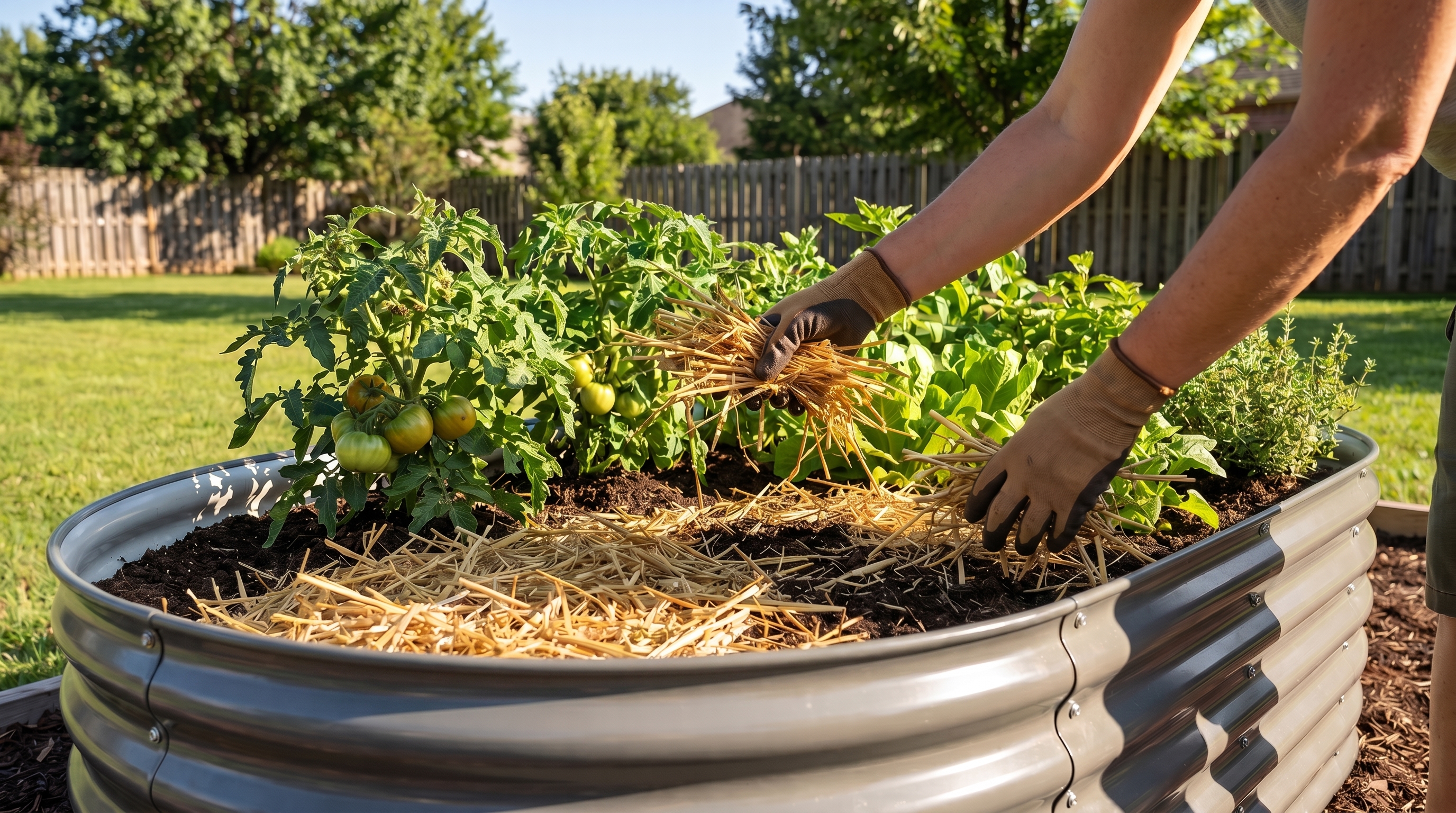
ALT: Gardener applying straw mulch to an Anleolife galvanized steel raised garden bed to conserve moisture during hot summer weather
Advanced Summer Watering: Misconceptions, Special Situations, and Soil Connections
Common Misconceptions About Summer Watering
Misconception #1: "More water is always better in summer."
Overwatering is actually one of the leading causes of raised bed plant failure, even in summer. Waterlogged soil suffocates roots by displacing oxygen, creating conditions perfect for root rot pathogens like Pythium and Phytophthora. Always check soil moisture before watering, regardless of temperature.
Misconception #2: "Wilting always means underwatering."
Many plants—especially large-leafed crops like squash—exhibit heat wilting in the afternoon even when soil moisture is perfectly adequate. This is a temporary physiological response to high transpiration demand. Check the soil first. If it's moist, wait until evening; the plant will almost certainly recover on its own as temperatures drop.
Misconception #3: "Watering frequency is the same for all vegetables."
Water needs vary dramatically by crop. Lettuce, spinach, and shallow-rooted herbs need frequent, lighter watering. Deep-rooted tomatoes and peppers prefer infrequent but deep watering that encourages downward root growth. Squash and cucumbers fall in the middle. Tailoring your schedule by plant type rather than applying a single routine to the whole bed improves both plant health and water efficiency.
Special Situation: New Seedlings and Transplants in Summer Heat
Young transplants have not yet established root systems capable of pulling moisture from deep soil. For the first two weeks after transplanting into a raised bed in summer, you may need to water more frequently—even daily for small seedlings in intense heat—focusing on keeping the top few inches of soil consistently moist until roots develop. Once established, transition to the deeper, less frequent watering schedule appropriate for mature plants.
The Soil-Water Connection
Your watering schedule is only as effective as your soil mix allows it to be. A dense, compacted soil will pool water at the surface and remain dry in the root zone. A properly mixed, well-draining but moisture-retentive soil—rich in compost and balanced organic matter—absorbs water evenly and holds it at the root level where plants need it most. Investing in good soil is the single most effective way to reduce summer watering labor.
Frequently Asked Questions FAQ
Q1: How do I know if my raised garden bed soil is holding enough moisture in summer?
The most reliable method is the finger test: push your index finger two inches into the soil in the center of the bed. If it feels dry, water immediately. If it feels cool and barely damp, water within a few hours. You can also use an inexpensive soil moisture meter, which gives a numeric reading and removes guesswork. Check at the same time each morning for consistency, and adjust your schedule based on what you find rather than following a rigid fixed routine regardless of conditions.
Q2: Is it safe to use a timer-based drip irrigation system for raised garden beds in summer?
Yes, and for most gardeners managing raised beds through a hot summer, an automated drip irrigation timer is one of the best investments they can make. Set the timer to run in the early morning (5–7 a.m.) for 20–30 minutes. This delivers water directly to the root zone, minimizes evaporation loss, and frees you from daily manual watering. Pair the system with regular soil checks to ensure the runtime is appropriate for your specific bed size, soil mix, and current weather conditions.
Q3: How much water does a raised garden bed actually need per day in summer?
As a general guideline, most raised garden beds in hot weather (85°F+) need approximately 1–2 inches of water per week, with higher temperatures pushing toward the upper end. Translated to volume, an 8x4 ft raised bed needs roughly 4–8 gallons of water per watering session when watering every other day. However, this varies based on bed depth, soil type, mulch coverage, and plant density. Rather than targeting a fixed number, use the soil moisture check method to guide actual watering decisions.
Summary
Keeping a raised garden bed thriving through the heat of summer isn't about watering more—it's about watering smarter. Three principles define a successful summer watering strategy:
Water deeply and infrequently. Shallow, frequent watering creates shallow, vulnerable root systems. Deep watering every one to three days (adjusted for bed depth and temperature) builds roots that can access cool, moist soil and withstand heat stress far better.
Time your watering precisely. Early morning watering—between 5 and 8 a.m.—maximizes absorption, minimizes evaporation, and keeps foliage dry overnight to reduce disease risk. This one change can dramatically improve your bed's summer performance.
Mulch, monitor, and adjust. A 2–3 inch mulch layer is your best passive tool for water retention and soil temperature management. Combined with regular moisture checks and a willingness to adapt your schedule during heat waves, mulching can reduce watering frequency and protect plants on the hottest days of summer.
The quality of your raised garden bed matters too. A well-built, deep-profile galvanized steel bed from Anleolife—designed to last 20 years—gives you the structural foundation to implement these watering strategies effectively, with adequate soil volume, proper drainage, and the thermal properties to keep roots productive through summer and beyond.
Start with the basics, refine as you observe your plants, and enjoy the satisfaction of a summer garden that not only survives the heat—but thrives in it.
Ready to Build a Garden That Handles Summer Like a Pro?
Anleolife brings your ideal garden within reach, with products available across a nationwide U.S. warehouse network—strategically located in California, Texas, Florida, New York, Illinois, and Washington—ensuring delivery within 3–8 business days so your garden upgrade plans never have to wait.
Shop on the platforms you trust: Amazon, Walmart, Home Depot, Lowe's, Wayfair, and directly at Anleolife.com, with consistent quality assurance and after-sales support wherever you buy.
Anleolife's three core product scenarios have everything you need:
- Planting: Galvanized steel raised garden beds, rust-resistant raised garden beds, heavy-duty raised garden beds, modular beds, and round beds in a wide range of sizes—from compact 4x1.5 ft waist-high beds to expansive 12x3 ft and 10x3 ft configurations
- Raising: Chicken coops and rabbit hutches for a complete backyard homestead experience
- Beautification: Decorative accessories and pathway systems that transform your garden from functional to beautiful
We understand that an ideal garden isn't built overnight—it's grown gradually, season by season. Anleolife's modular product design allows flexible expansion based on your needs, from your first raised bed to a fully integrated planting-and-raising ecosystem. We grow with you every step of the way.
References
- University of California Cooperative Extension. "Watering Home Gardens and Landscape Plants."
https://ucanr.edu/sites/UrbanHort/Water_Use_of_Turfgrass_and_Landscape_Plants/ - U.S. Environmental Protection Agency (EPA). "WaterSense: Water-Efficient Landscaping."
https://www.epa.gov/watersense/landscaping-tips - Penn State Extension. "Irrigation Scheduling for Gardens."
https://extension.psu.edu/irrigation-scheduling - Colorado State University Extension. "Raised Bed Gardening."
https://extension.colostate.edu/topic-areas/yard-garden/raised-bed-gardening-7-238/ - National Gardening Association. "Watering Your Garden."
https://garden.org/learn/articles/view/3565/
Note: Standards and recommendations may be updated. Please check the latest official documents or consult a local extension service professional for the most current guidance.
About Anleolife
Anleolife is a leading outdoor garden solutions provider in North America, dedicated to offering a full-scenario product ecosystem for home gardening enthusiasts, covering planting, raising, and garden beautification. Since its founding, we have upheld our brand mission, "Made for Garden Life," continuously innovating products and optimizing services to help hundreds of thousands of users upgrade their gardens, reconnect with nature, and enjoy a better garden lifestyle.