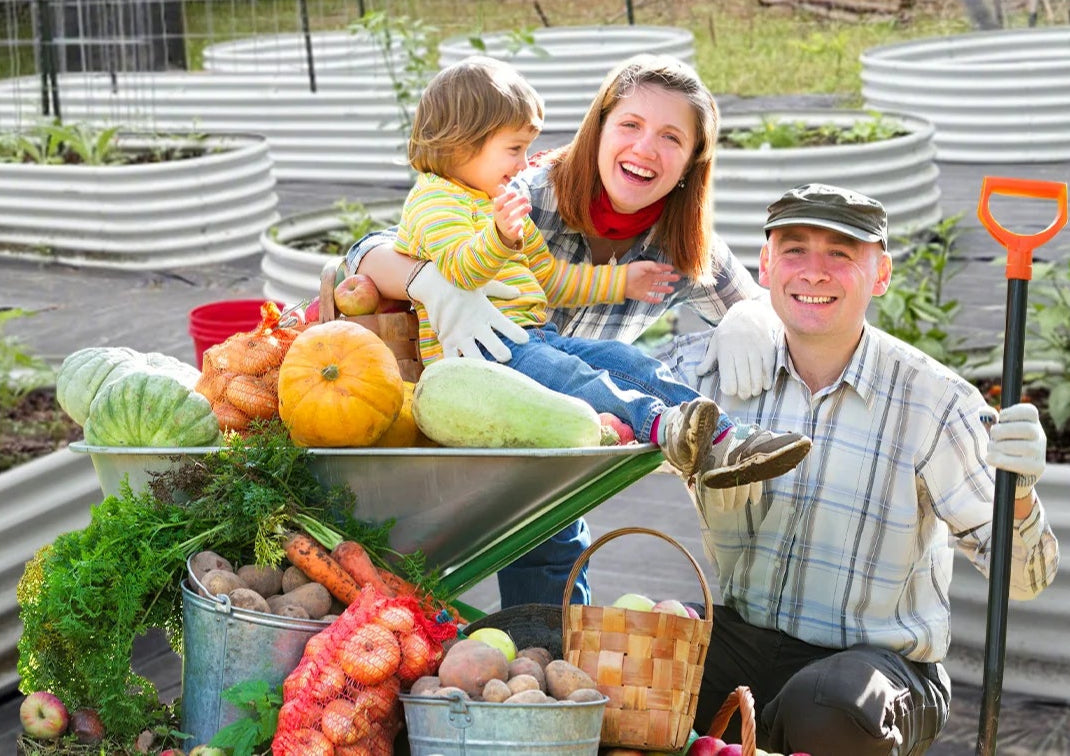



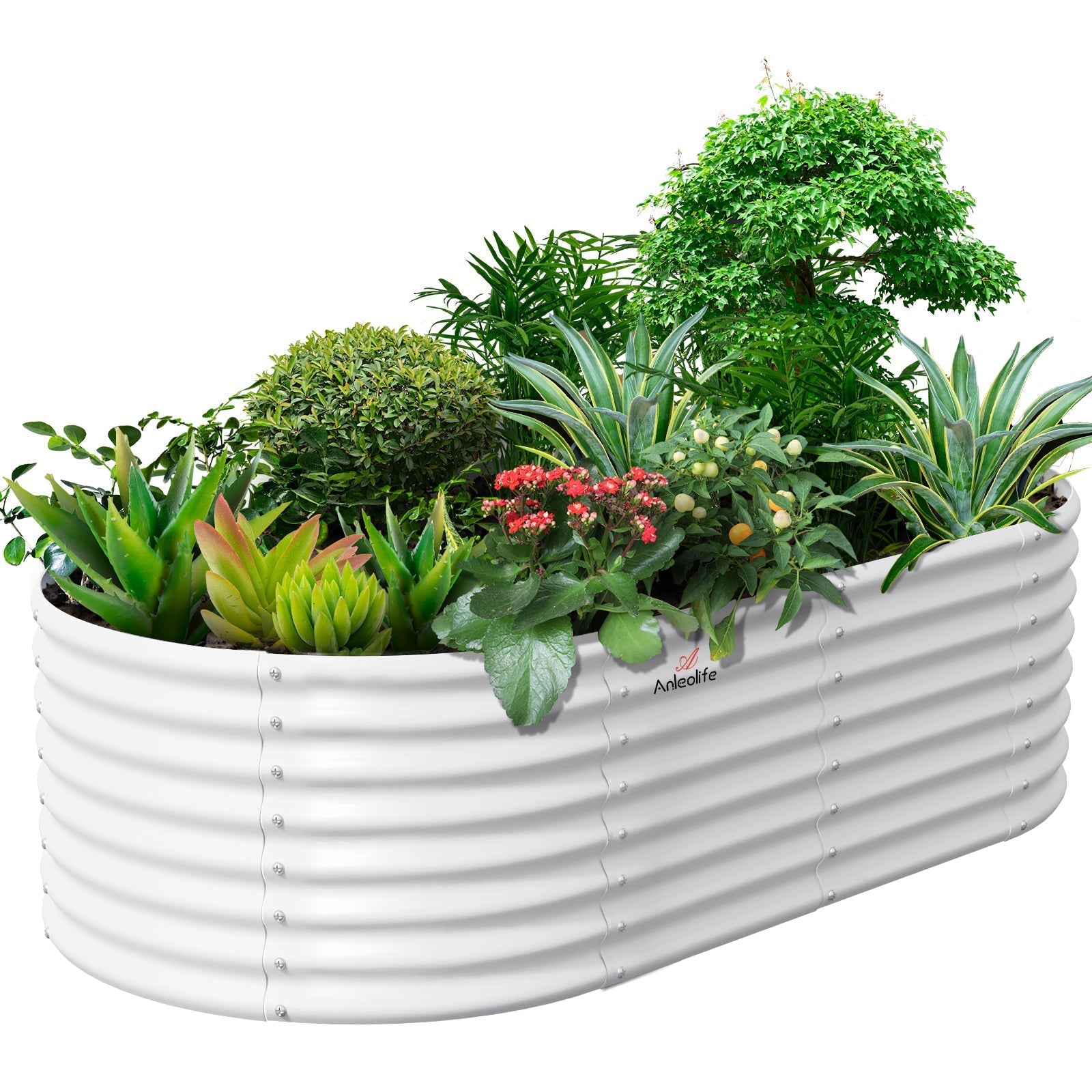
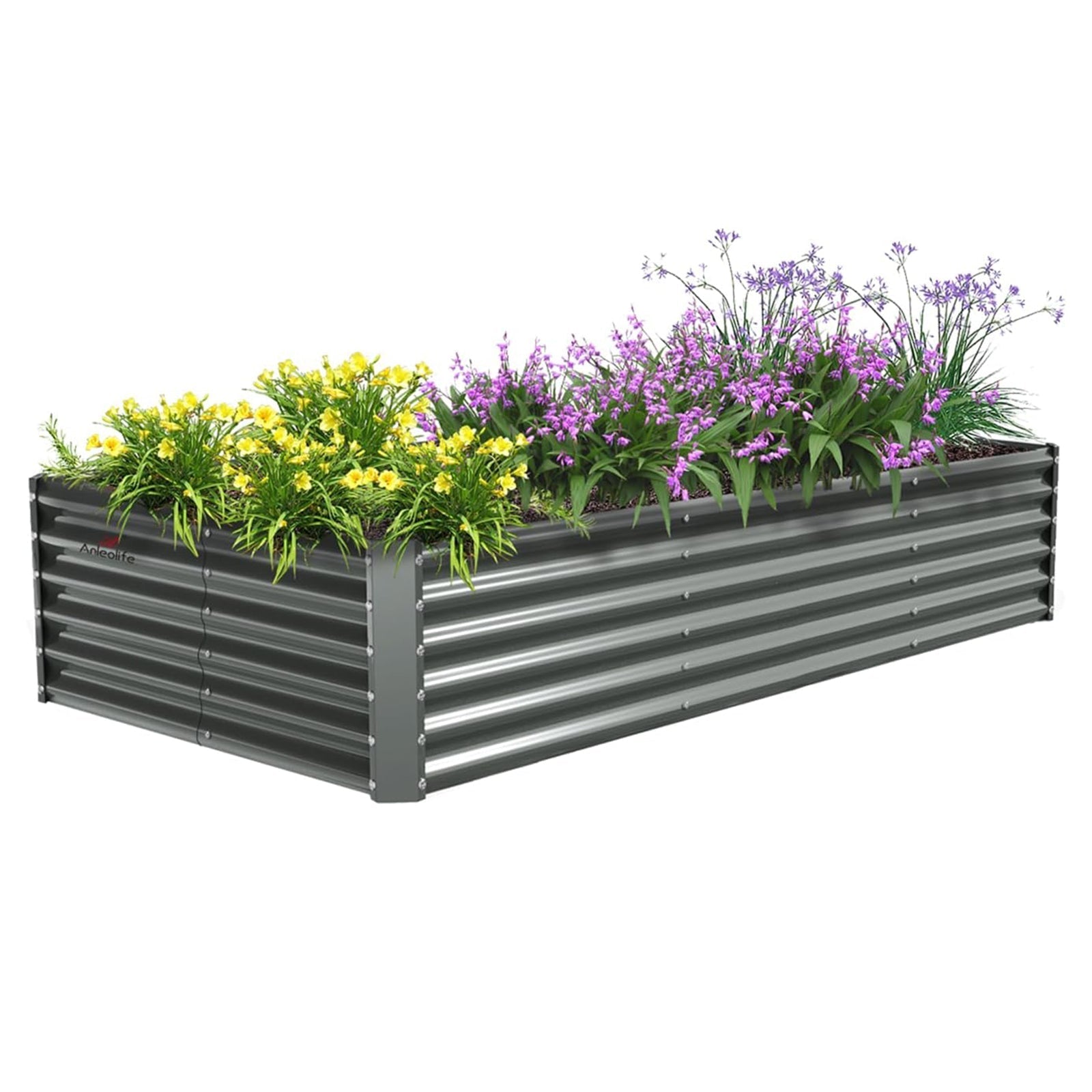
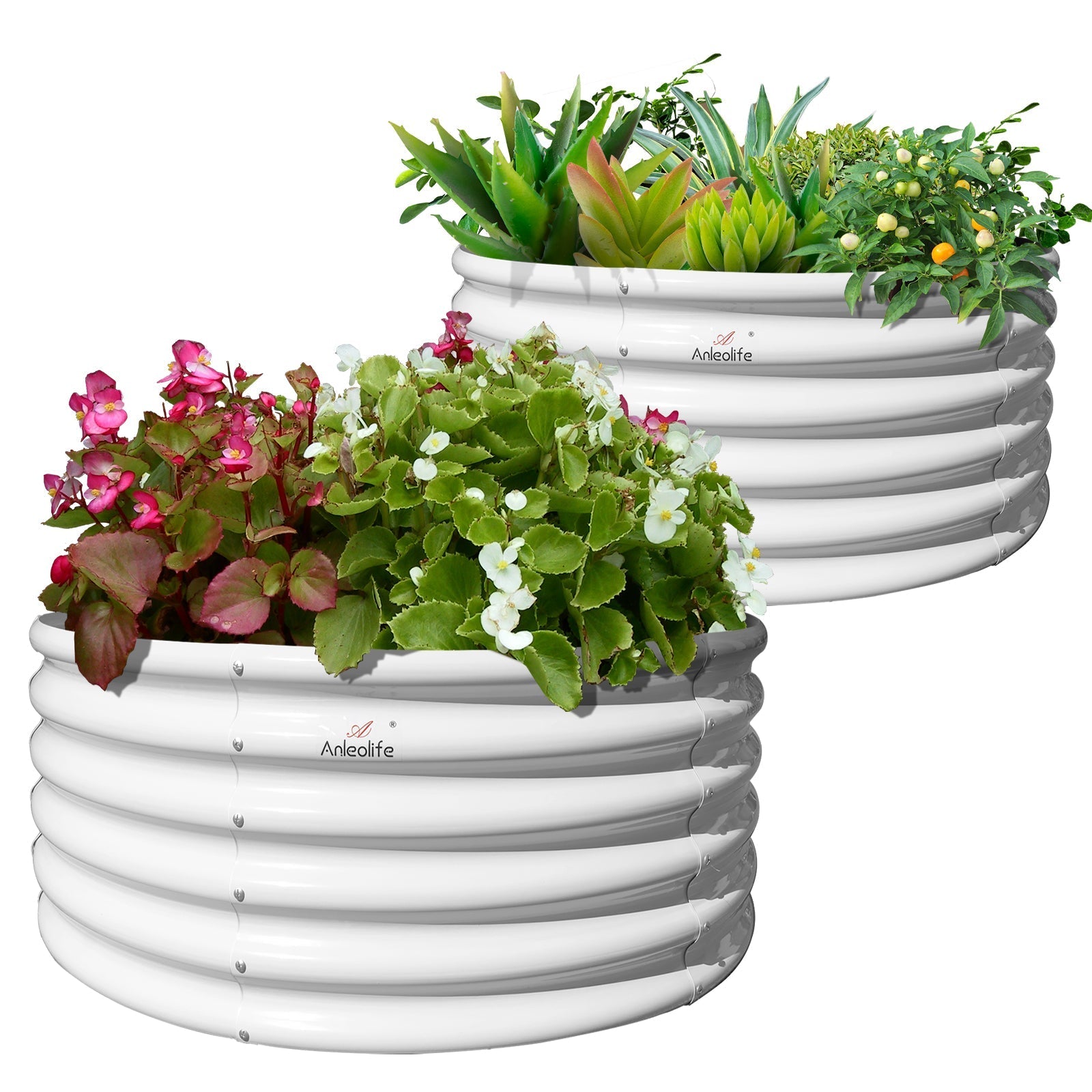
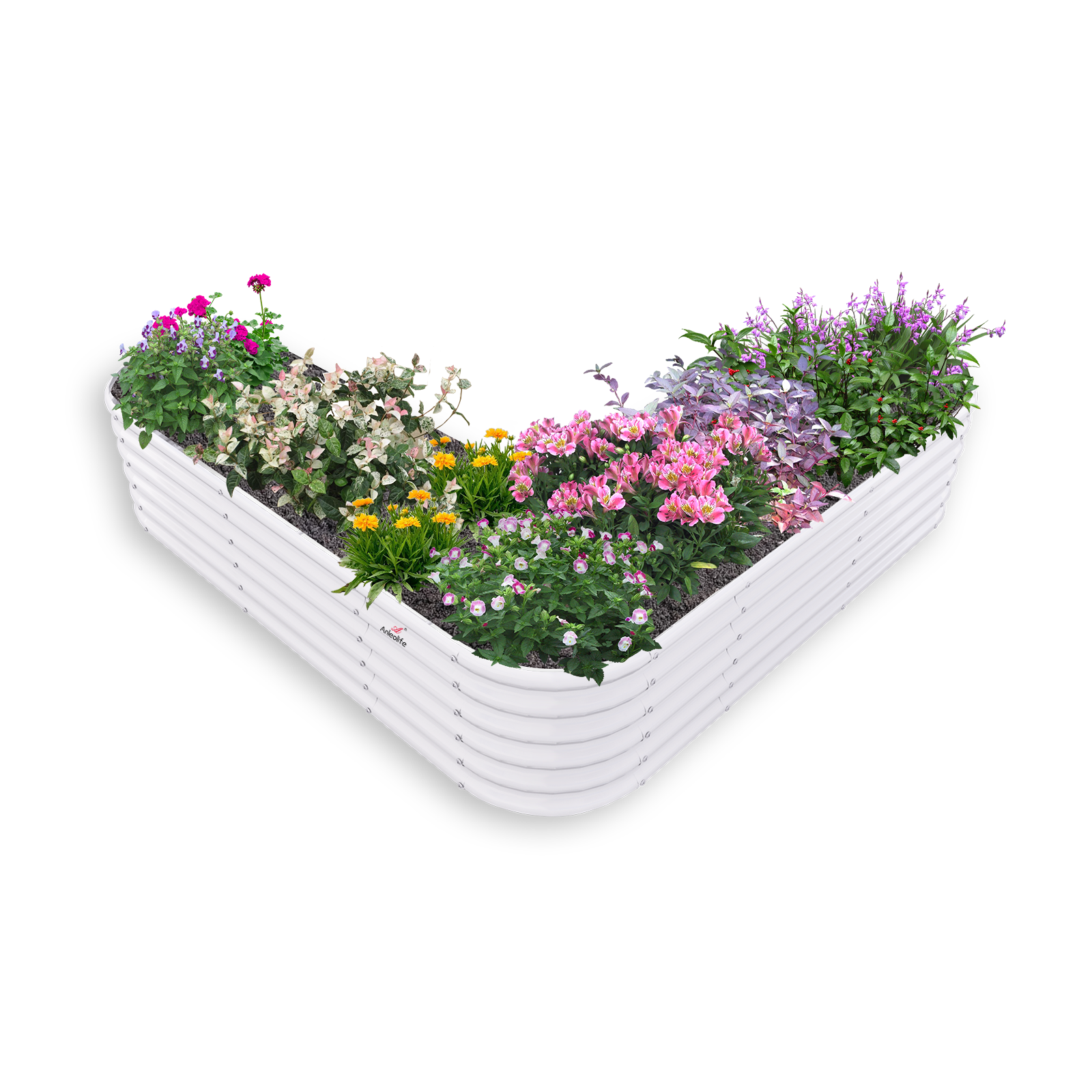
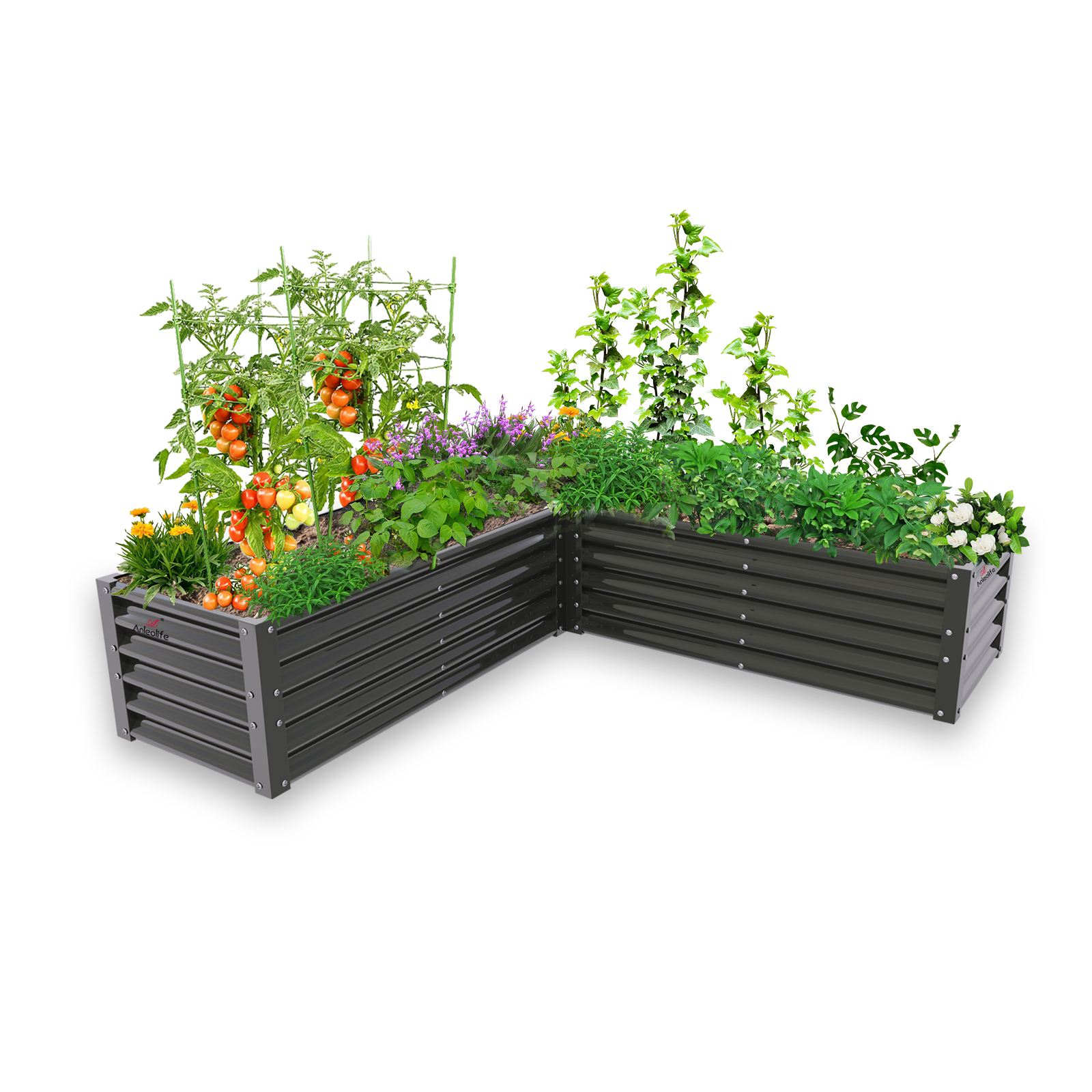
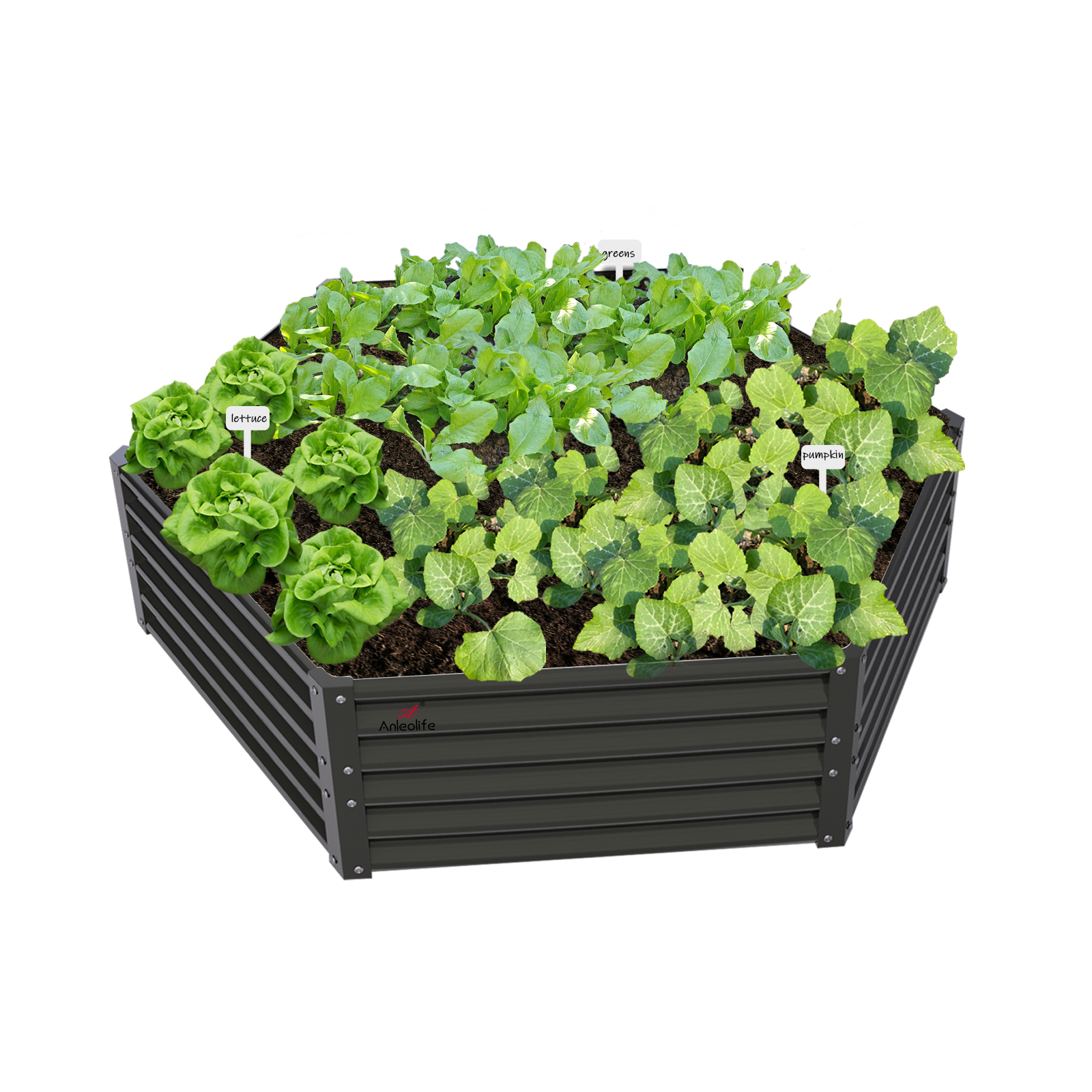
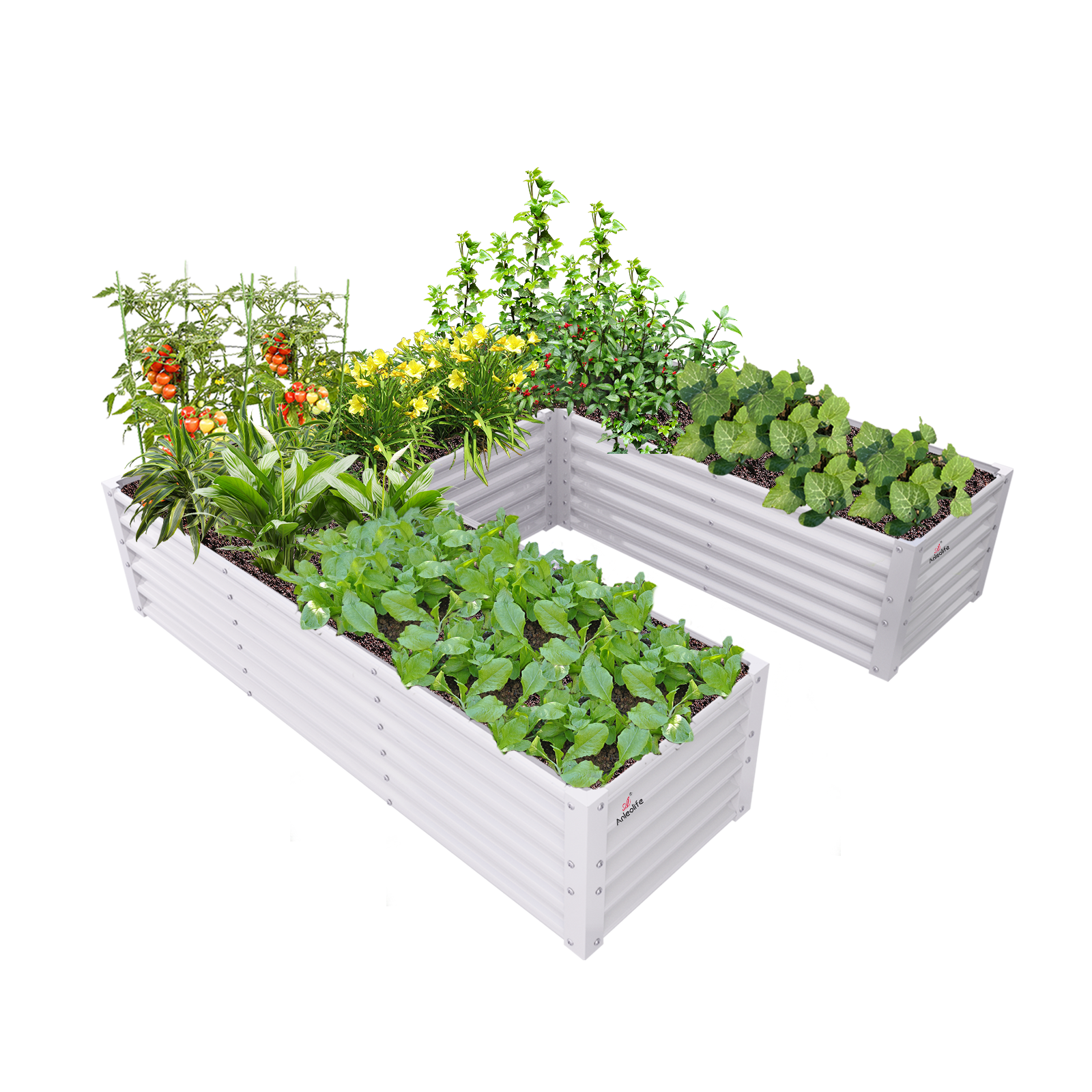




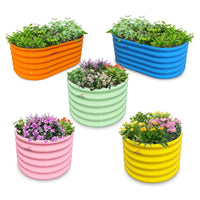
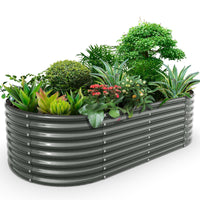



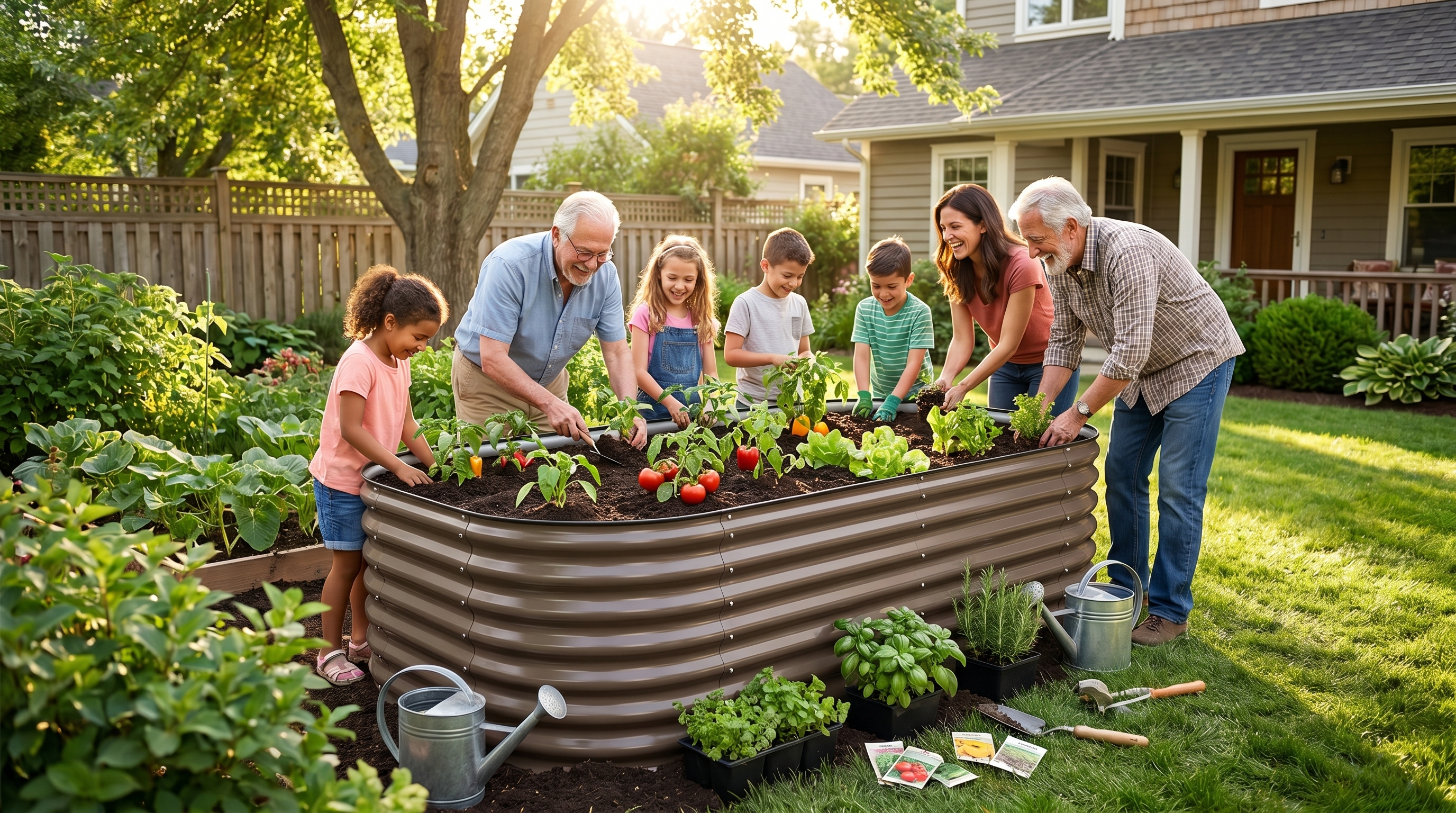
ALT: Family growing food together in raised garden beds during summer weekend garden activities
Why Weekend Garden Activities Are the Best Summer Tradition Your Family Hasn't Started Yet
Key Conclusion: Weekend garden activities give families a rare opportunity to slow down, work side by side, and grow something meaningful together. Whether you're introducing kids to where food comes from, maintaining garden edging for a tidy outdoor space, or training climbing tomatoes up a garden trellis, summer gardening builds habits and memories that last far longer than the season. Add in the practical benefits—fresher produce, reduced grocery bills, and time outdoors—and it's clear why more North American families are making the backyard garden their weekend destination of choice. The right tools, including quality trimmer lines and a well-structured raised bed system, make the difference between a weekend chore and a weekend ritual.
Summer weekends are precious. Between sports, travel, and screens competing for everyone's attention, finding an activity that genuinely brings the whole family together—from young children to grandparents—is harder than it sounds. Growing food in a backyard garden checks every box: it's educational, physical, creative, and deeply rewarding. More importantly, it scales beautifully. A single raised bed on a small patio can feed a family of four all summer long, while a more ambitious multi-bed setup can become a full weekend project that evolves year after year.
Who This Guide Is For
✅ Applicable Scenarios:
- Families with children ages 4 and up who want hands-on outdoor learning experiences
- Home growers in suburban or urban settings looking to maximize small backyard spaces
- Empty nesters and retirees who want a manageable, therapeutic weekend gardening routine
- Eco-conscious households aiming to reduce their food miles and grow organic produce at home
❌ Not Applicable/Cautions:
- Apartment dwellers with no outdoor ground space (though container options and balcony beds may still apply)
- Households expecting immediate, large-scale harvests in the first season without prior soil preparation
- Families in extreme climate zones (e.g., USDA zones 1–2) without season-extension infrastructure like cold frames or row covers
Why Summer Is the Perfect Season to Start Growing Food as a Family
Summer is the single most forgiving season for beginner gardeners in most of North America. Soil temperatures are warm, daylight hours are long, and the range of crops available—from cherry tomatoes and cucumbers to basil, beans, and strawberries—is enormous. According to the National Gardening Association, household food gardening has surged in recent years, with millions of families reporting that growing their own food made them feel more connected to the natural world and more intentional about what they eat.
For families specifically, summer gardening fills a unique gap. School's out, schedules are looser, and children are naturally more curious and energetic. That energy is a resource. Give it a raised bed, a packet of seeds, and a watering can, and you have an activity that teaches patience, responsibility, biology, and the simple joy of nurturing something alive.
The challenge, of course, is knowing where to start. Many families feel overwhelmed by the choices: What should we plant? What kind of bed do we need? How do we keep it looking nice without spending every weekend maintaining it? These are all fair questions, and this guide is designed to answer them practically, so you can spend your weekends actually gardening—not planning and second-guessing.
If you're thinking about which crops to prioritize this season, Top Vegetables to Plant in a Raised Garden Bed Right Now This Summer is an excellent companion resource that walks you through exactly what's worth planting based on your region and timeline.
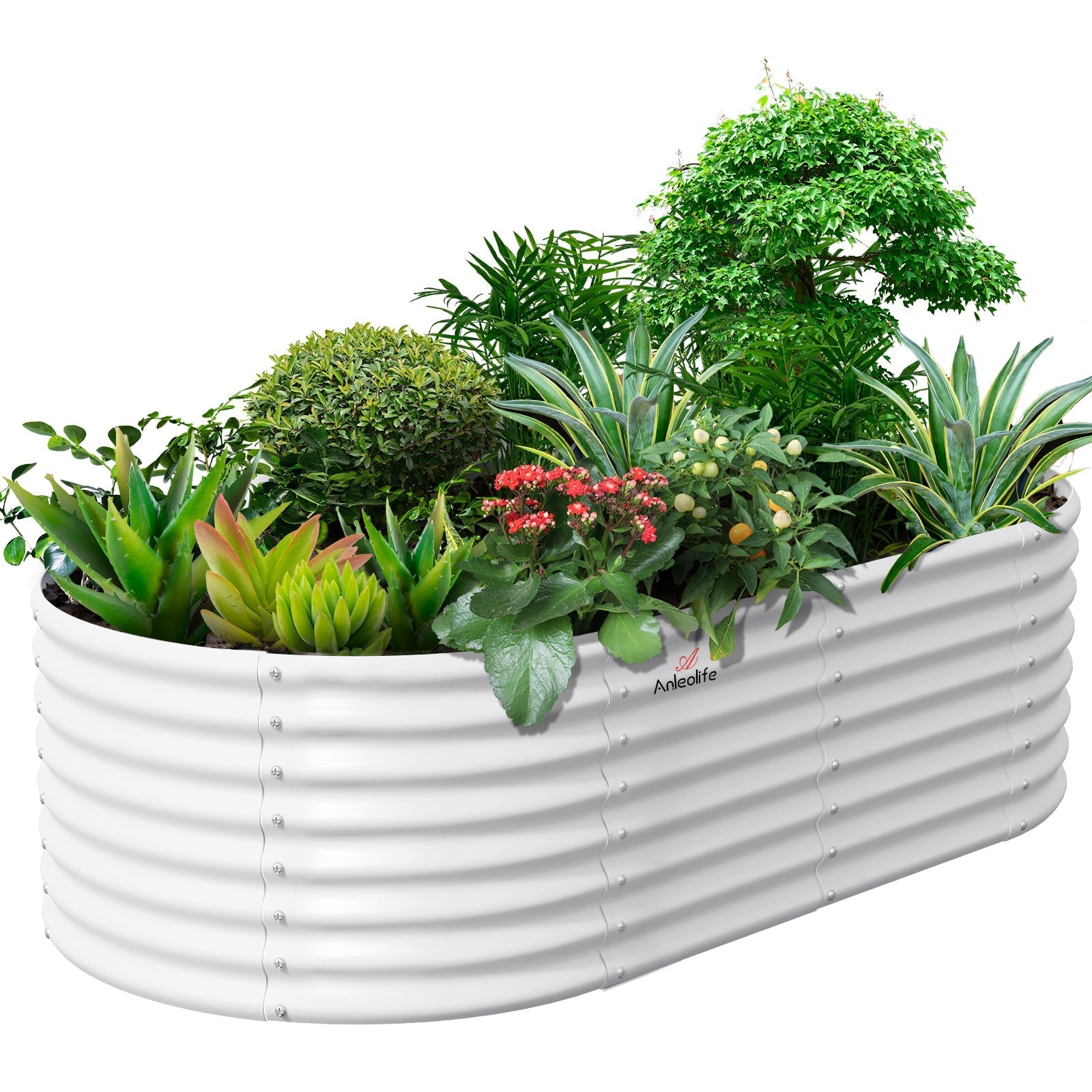
One question that comes up constantly in beginner gardening communities: what is the best raised planter box? The honest answer depends on your space, your family's goals, and how long you want the setup to last. Metal raised garden beds—particularly galvanized steel models—have become the gold standard for home growers because they combine durability, aesthetics, and low maintenance in a way that wood and plastic simply can't match. Anleolife's galvanized steel raised garden beds, for instance, are built to last up to 20 years, meaning an investment you make this summer will still be producing food for your family two decades from now.
For families concerned about the safety of metal beds around food crops, Do Galvanized Steel Garden Beds Leach Zinc Into Your Vegetables? The Facts provides a thorough, science-backed breakdown of what you actually need to know—and why galvanized steel is widely considered safe for vegetable gardening.
Your Complete Summer Family Garden Plan: From Setup to First Harvest
Three-Step Quick Start for Weekend Gardeners
Step 1: Choose Your Space and Bed Size
Before buying anything, walk your outdoor space on a sunny morning and identify where sunlight lands for the longest period. Most vegetables need at least 6 hours of direct sun daily. Once you've marked your sunny zones, measure the available area. For most families, an 8x4 ft raised bed is the ideal starting point—it's large enough to grow meaningful quantities of multiple crops but small enough to reach the center from either side without stepping in. If space is tight, a 6x3 ft or even a compact 4x2 ft bed can work beautifully for a first season. This step takes about 30 minutes and saves hours of frustration later.
Step 2: Build or Assemble Your Raised Bed
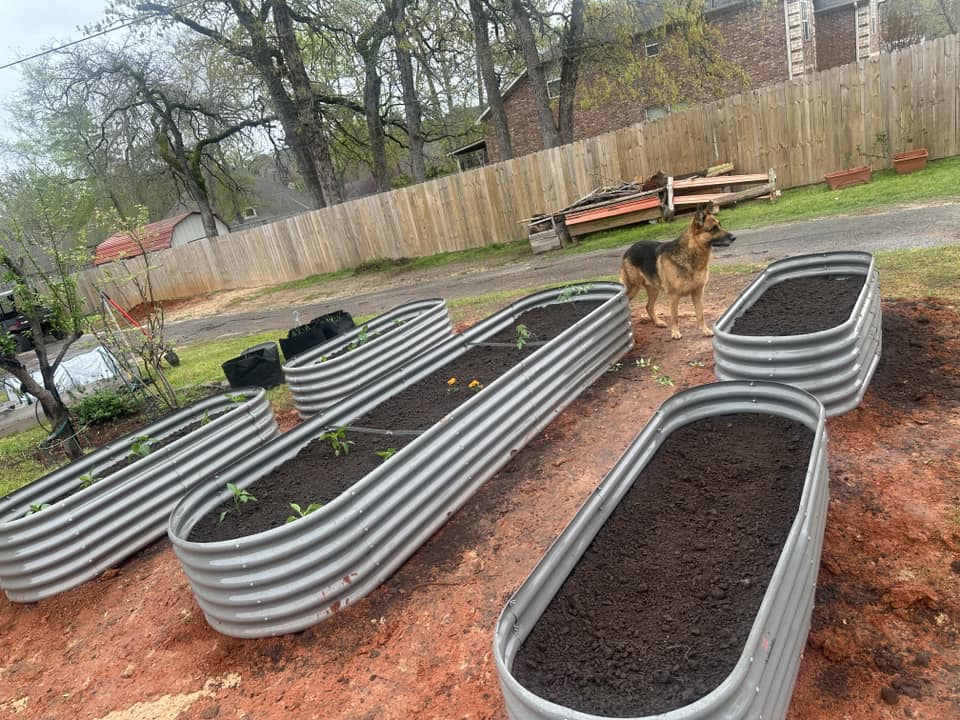
Once your site is chosen, assembly day is a fantastic first family garden activity. Anleolife's modular raised garden beds are designed for tool-free or minimal-tool assembly, making it genuinely possible for older children to participate. Choose a bed height that works for your household: standard 18-inch beds are great for most crops and are easy for kids to reach into, while extra-tall 24-inch or 30-inch beds are ideal for families with older members or anyone dealing with back pain or mobility considerations. Fill the bed with a quality growing mix—a blend of topsoil, compost, and aeration material like perlite works well for most summer vegetables. Assembly and filling typically takes one to two hours as a family.
Step 3: Plant, Label, and Assign Ownership
Here's where the magic happens. Let each family member choose one or two crops they're personally responsible for—their "garden plot within the plot." Kids especially love having ownership over a specific plant. Cherry tomatoes, cucumbers, and herbs like basil and mint are all beginner-friendly and produce satisfying results quickly. Install a simple garden trellis for climbing plants, mark your rows with waterproof labels, and tidy the perimeter with clean garden edging to keep the space looking intentional. Use quality trimmer lines to maintain the grass and weeds around the bed's exterior. This step takes about an hour and sets the tone for every weekend that follows.
Comparing Raised Bed Options for Family Gardens
Choosing the right raised bed involves balancing cost, durability, safety, and aesthetics. Here's how the major material categories compare for family garden use:
| Comparison Dimension | Galvanized Steel | Untreated Wood | Plastic/Composite |
|---|---|---|---|
| Lifespan | Up to 20 years | 3–7 years | 5–10 years (UV dependent) |
| Food Safety | Well-documented safe for vegetables | Safe (untreated only) | Varies by material grade |
| Assembly Ease | Modular, tool-minimal | Requires cutting/screwing | Snap-together, lightweight |
| Maintenance | Very low | Moderate (sealing, rot prevention) | Low |
| Aesthetics | Modern, clean, professional | Natural, rustic | Variable |
| Best For | Long-term family setups, all climates | Budget-conscious first setups | Balconies, ultra-light needs |
For families investing in a long-term garden that will grow with their children, galvanized steel consistently comes out ahead. The 20-year lifespan means you're not rebuilding the garden every few years—you're adding to and expanding it, which is exactly the kind of continuity that makes family gardening a lasting tradition rather than a fleeting project.
Designing a Family Garden That Works for Every Age and Ability
Making the Garden Accessible for Everyone
One of the most frequently overlooked aspects of family garden design is accessibility. A garden that's genuinely enjoyable for a 70-year-old grandparent and a 6-year-old grandchild simultaneously requires some thought. This is where bed height becomes critical.
For tall raised garden beds for back pain and accessibility, Anleolife offers extra-tall options at 24 inches and 30 inches—heights that allow adults to tend plants while standing upright or sitting on a garden stool, dramatically reducing lower back strain. If you're unsure which height is right for your household, "24" vs. 30" Raised Garden Bed: Which Height Is Better for Reducing Back Strain? breaks down the ergonomic differences in detail.
For children, standard 18-inch beds are typically the right height—easy to reach into, easy to see over, and not so deep that small arms struggle to reach the soil. Consider placing a lower bed specifically for young children's crops: cherry tomatoes, radishes, and herbs are all perfect for little hands.
The Best Garden Setup for Small Spaces
Many families assume they need a large yard to grow meaningful quantities of food. They don't. The best backyard garden accessories for small spaces are designed around vertical thinking and smart layouts. A compact 4x2 ft or 6x3 ft raised bed positioned against a fence, with a garden trellis system for vertical growers like beans, cucumbers, and even small squash varieties, can produce an impressive harvest from a footprint smaller than a dining room table.
For patio-specific setups, round raised garden beds offer a visually striking option that doubles as a garden focal point. Anleolife's 18-inch tall, 48-inch wide round raised garden bed is particularly popular on decks and patios where rectangular footprints can feel awkward.
If you're working with a constrained outdoor space, Best Raised Garden Bed Size for a Patio or Small Backyard in 2026 walks through how to calculate the ideal dimensions for your specific situation.
Growing Strawberries as a Family Weekend Project
Few crops capture children's imaginations—and taste buds—the way strawberries do. The best raised bed for strawberries is one that provides excellent drainage, adequate depth for root development, and enough surface area to accommodate multiple plants while leaving room for runners to spread. Anleolife's 18-inch tall 8x4 ft or 6x3 ft beds are excellent choices for strawberry production. The depth is sufficient for root systems, and the surface area allows you to plant a combination of June-bearing and everbearing varieties for a longer harvest window through summer and into fall.
Strawberry plants are also ideal for children to manage independently. They're forgiving, visually rewarding (watching the white flowers transform into red fruit over weeks is genuinely exciting for kids), and the harvest is immediate gratification. Set up a row of strawberry plants as each child's personal crop, and you've created a natural incentive to spend time in the garden every weekend.
Weekend Garden Activities by Age Group
Not all garden tasks are age-appropriate for every family member, but there's genuinely something for everyone:
Ages 3–6: Watering cans, seed pressing, soil mixing, harvesting soft fruits. Keep it sensory and low-pressure.
Ages 7–12: Planting seedlings, weeding (with guidance), labeling plants, maintaining a simple garden journal tracking growth week by week.
Ages 13+: Full assembly participation, soil amendment, composting, building trellises, and managing irrigation. Teenagers can take on real responsibility for a full bed.
Adults and seniors: Planning, purchasing, setting up irrigation, soil testing, and the rewarding work of mentoring younger gardeners. Extra-tall beds make this stage comfortable and sustainable for years to come.
Garden Tools and Accessories That Make Weekend Gardening More Enjoyable
A well-equipped family garden doesn't need to be expensive, but it does need to be organized. Having the right tools on hand—a hand trowel, transplanting tool, watering wand, and knee pad for each regular gardener—makes weekend sessions more efficient and more enjoyable.
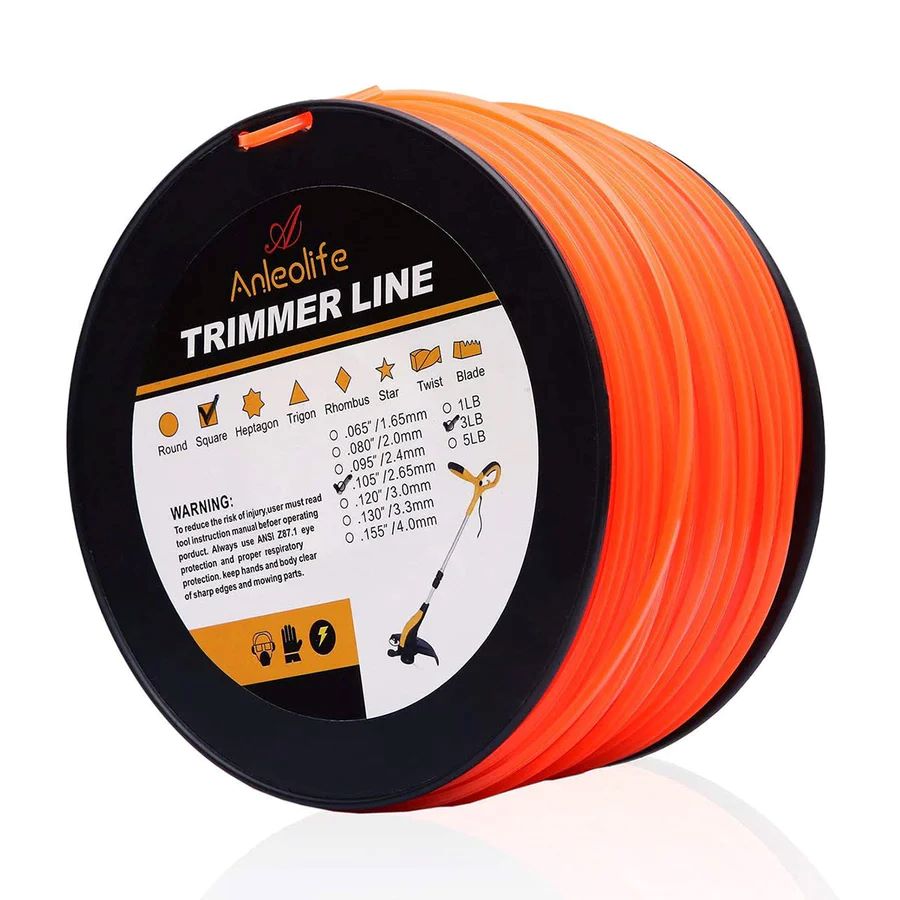
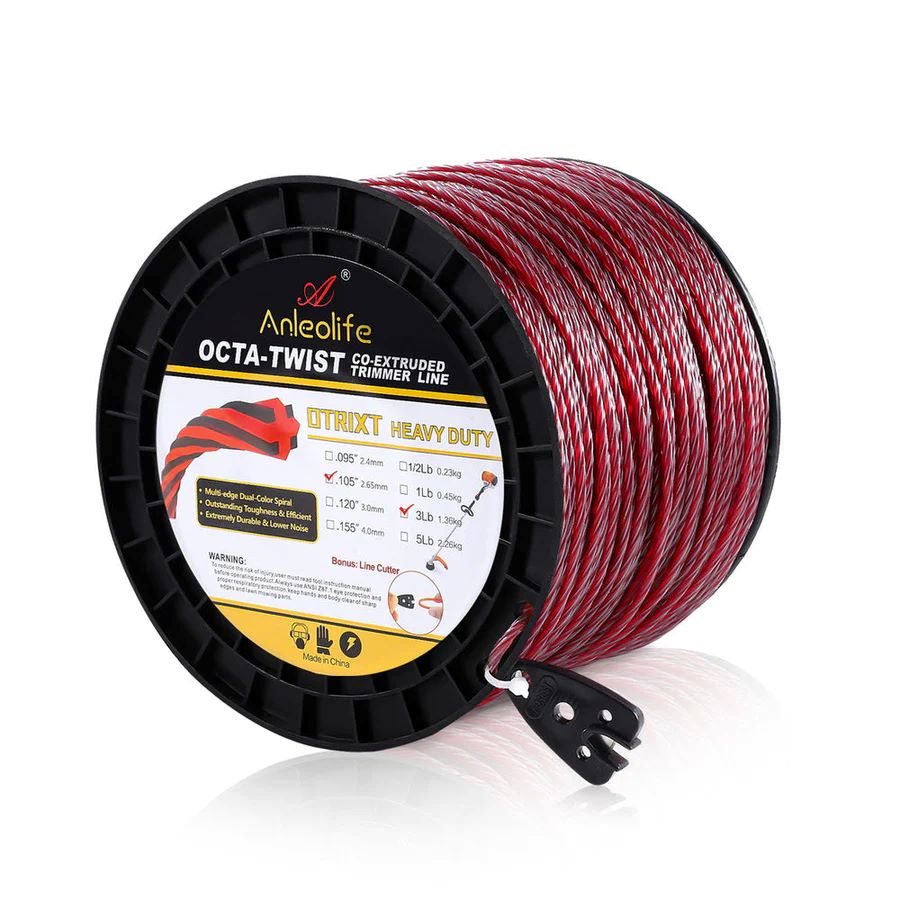
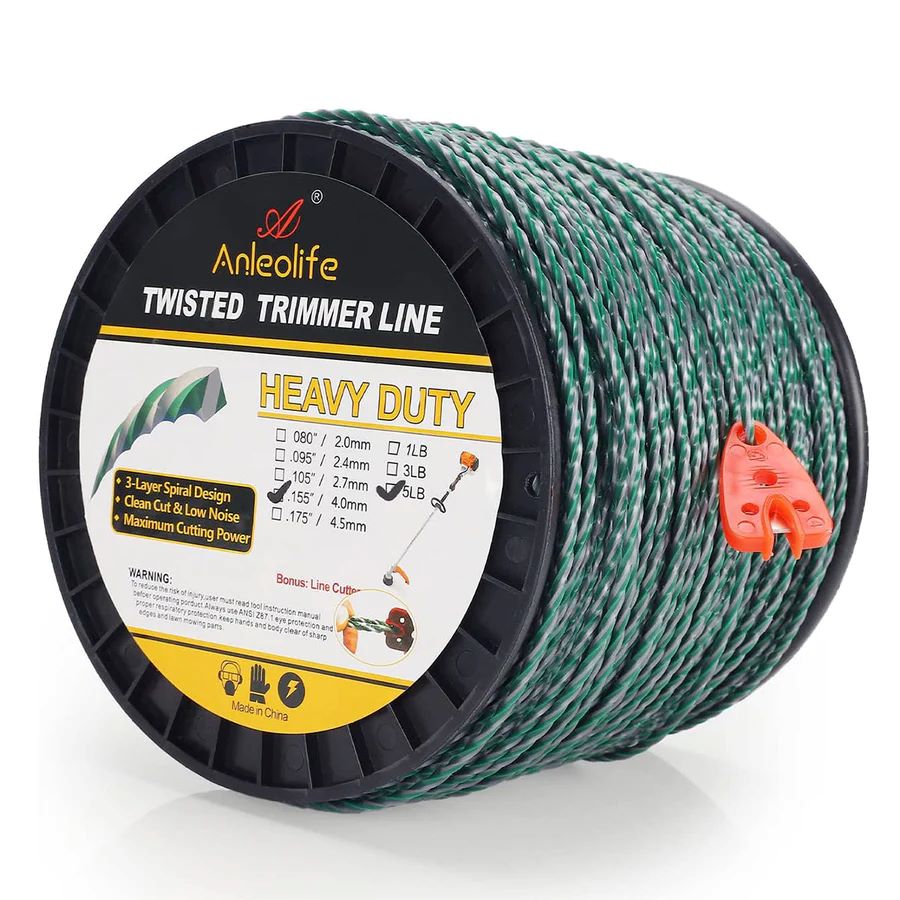
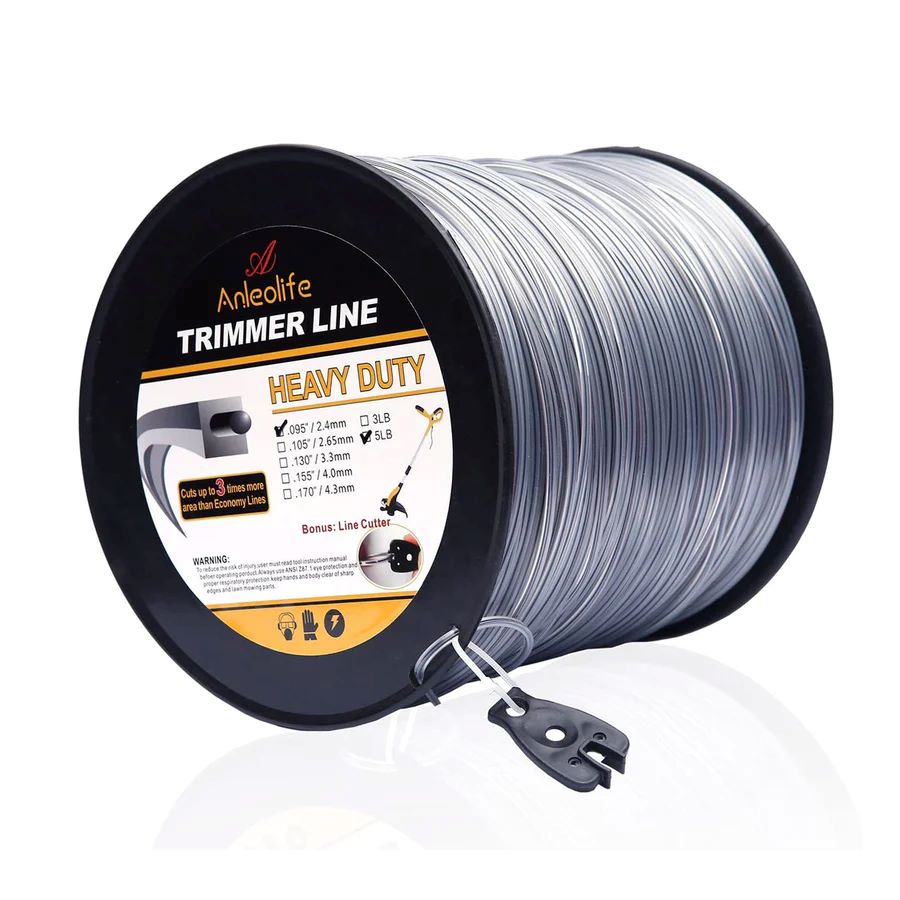
For garden perimeter maintenance, trimmer lines keep grass and weeds from encroaching on your beds. Clean garden edging along the bed borders gives the overall space a polished, intentional look that makes the whole backyard feel more composed. These details matter not just aesthetically but practically: a well-maintained garden perimeter reduces the time spent on remedial weeding each weekend.
Among the best garden supply brands for home growers, Anleolife stands out not just for its raised bed systems but for the way those systems integrate into a complete outdoor living space. The brand's full-scenario ecosystem—covering planting, raising (including chicken coops and rabbit hutches), and beautification—means families can gradually expand their outdoor setup without switching brands or dealing with incompatible components.
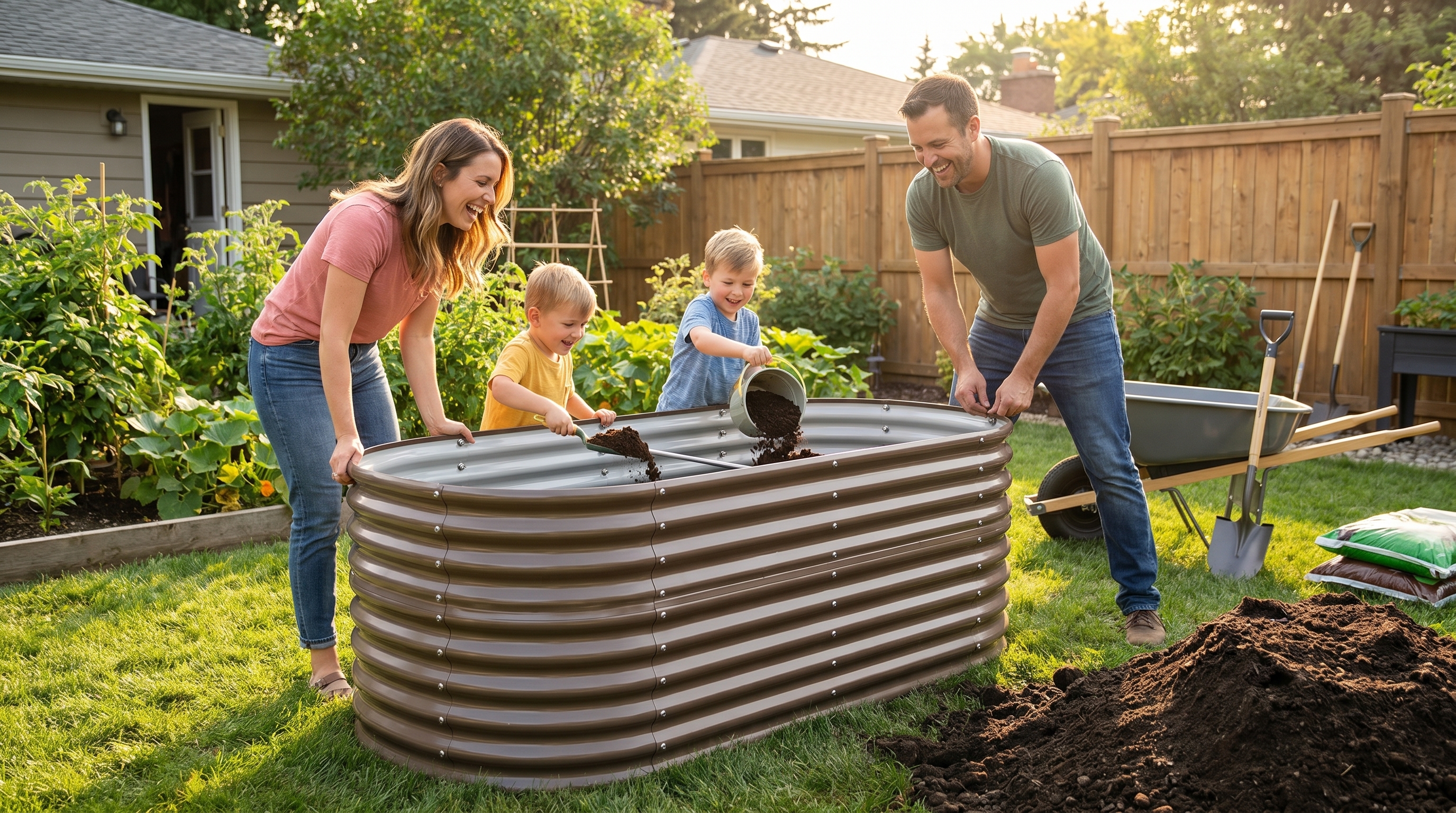
ALT: Family assembling a galvanized steel raised garden bed together, a perfect summer weekend garden activity for growing food
Advanced Tips for Families Ready to Level Up Their Summer Garden
Setting Up Irrigation So Weekends Stay Fun, Not Stressful
One of the fastest ways to take the burden out of summer gardening is to install a simple drip irrigation system. Hand-watering a garden every day during a hot summer is a commitment that can quickly feel like a chore—especially during vacation weeks or busy schedules. A basic drip system set on a timer means your plants are watered consistently even when life gets in the way.
For a detailed setup guide, How to Set Up a Drip Irrigation System for Multiple Raised Garden Beds covers everything from hose connections to emitter placement across multiple beds—ideal for families who plan to expand beyond a single planting area.
Common Misconceptions New Family Gardeners Should Avoid
Misconception 1: "We need to start everything from seed."
Starting from transplants—seedlings purchased from a nursery—is perfectly valid and often smarter for summer gardens where time is limited. Seeds work beautifully for direct-sow crops like beans, radishes, and carrots, but tomatoes, peppers, and melons are far easier to establish from transplants.
Misconception 2: "More water is always better."
Overwatering is one of the most common causes of plant failure in raised beds. Metal raised beds with open bottoms drain naturally, which helps prevent waterlogging—but families should still check soil moisture before watering by pressing a finger about an inch into the soil. If it feels moist, wait another day.
Misconception 3: "The garden will take care of itself by midsummer."
Summer gardens need consistent, if brief, attention. A 15-minute weekend walkthrough—checking for pests, removing dead leaves, training climbing plants onto the trellis—is enough to keep most gardens healthy. The key is consistency, not intensity.
Expanding Your Setup Over Multiple Seasons
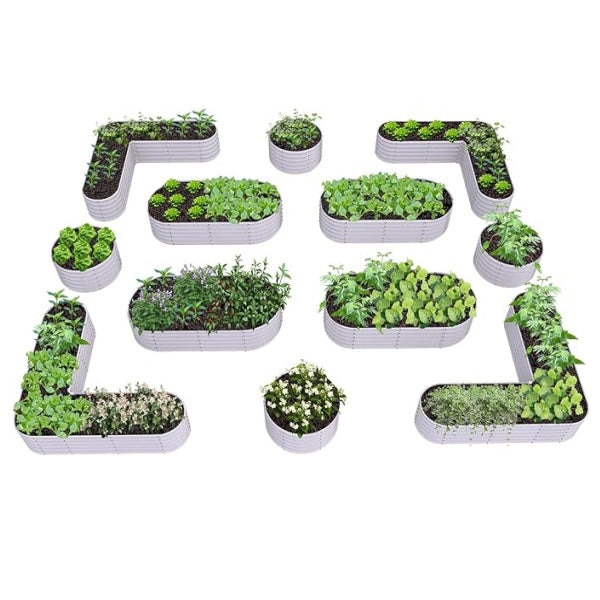
One of the most exciting aspects of family gardening is the gradual expansion over years. Start with a single 8x4 ft bed this summer, add a second bed focused on fall crops in late August, and by the following spring you might be ready for a full multi-bed layout with a dedicated herb garden, a strawberry patch, and a separate bed for root vegetables. Anleolife's modular design means beds can be configured, rearranged, and added to without starting from scratch—your early investment scales with your family's growing enthusiasm.
Frequently Asked Questions FAQ
Q1: How do I choose the right raised bed height for a family with both kids and older adults?
For mixed-age family gardens, the most practical approach is to use multiple bed heights for different purposes. Standard 18-inch beds are comfortable for children and suitable for most vegetables. Extra-tall 24-inch or 30-inch beds are better suited for adults—particularly seniors or anyone managing back or joint discomfort. Anleolife offers a full range of heights across its galvanized steel and rust-resistant lines, making it easy to mix and match within a single garden layout without sacrificing visual consistency.
Q2: Are galvanized steel raised garden beds safe for growing food for my children?
Yes—galvanized steel raised beds are widely considered safe for vegetable and fruit production, including food grown for children. The zinc coating used in galvanization is a naturally occurring mineral that plays a role in plant nutrition at trace levels. Concerns about harmful leaching are not supported by current research under normal gardening conditions. For a comprehensive look at this question backed by available science, the Anleolife blog article on this topic is a recommended read. Anleolife's beds are also built to last up to 20 years, meaning long-term use is both safe and cost-effective.
Q3: How long does it take from setup to first harvest when starting a summer raised bed garden?
Timeline depends on what you grow, but most summer crops follow a predictable schedule. Fast-growing vegetables like radishes and lettuce can be ready to harvest in as little as 3–4 weeks from seed. Cherry tomatoes typically take 6–8 weeks from transplant to first harvest. Cucumbers and beans often start producing within 5–7 weeks. Strawberries planted this summer will produce some fruit the first year, with peak production in year two. In terms of delivery, Anleolife ships from warehouses across the U.S. with delivery in 3–8 business days, so your bed can arrive and be assembled within the same weekend you decide to start.
Summary
Family gardening in summer is one of those rare activities that delivers on every level—fun, educational, healthy, and genuinely productive. The key takeaways from this guide are worth keeping in mind as you plan your approach:
First, start with the right structure. A quality raised bed—particularly a galvanized steel model rated for a 20-year lifespan—is the foundation everything else builds on. Choose a height that works for your family's range of ages and physical needs, and don't underestimate how much the right size bed changes the experience.
Second, keep activities age-appropriate and assign ownership. Children who have "their plant" take care of it with surprising diligence. Giving every family member a real role—from assembly to watering to harvest—transforms gardening from a parent's project into a family tradition.
Third, maintain the garden perimeter and surrounding space. Clean garden edging, sharp trimmer lines, and a sturdy garden trellis for climbing crops make the garden look intentional and keep maintenance manageable week to week.
The best time to start is now. Summer's growing window is long, the learning curve is gentle, and the rewards—fresh food, family time, and a beautiful outdoor space—arrive faster than you'd expect.
Start Growing with Anleolife This Weekend
Anleolife's nationwide U.S. warehouse network is strategically located in California, Texas, Florida, New York, Illinois, and Washington, ensuring delivery within 3–8 business days—so your garden setup can be underway before the weekend after next.
Products are available across major platforms including Amazon, Walmart, Home Depot, Lowe's, and Wayfair, as well as directly through Anleolife.com, with consistent quality assurance and after-sales support across every channel.
Anleolife's three core scenarios—Planting (metal raised garden beds, soil systems), Raising (chicken coops, rabbit hutches), and Beautification (decorative accessories, pathway systems)—mean your outdoor space can grow from a single garden bed into a fully integrated home ecosystem, one weekend project at a time.
An ideal garden isn't built in a day. It's built across weekends, seasons, and years—with family. Anleolife's modular product design allows flexible expansion at any pace: from your first raised bed to a complete planting-and-raising ecosystem. We grow with you every step of the way.
References
- National Gardening Association. "Food Gardening in the United States."
https://garden.org/special/pdf/2014-NGA-Garden-to-Table.pdf - University of California Agriculture and Natural Resources. "Vegetable Gardening in California."
https://ucanr.edu/sites/gardenweb/Vegetables/ - USDA National Institute of Food and Agriculture. "Community and School Gardens."
https://www.nifa.usda.gov/topics/community-food-systems - Penn State Extension. "Raised Bed Gardening."
https://extension.psu.edu/raised-bed-gardening - Centers for Disease Control and Prevention (CDC). "Children and Gardening: Health Benefits of Growing Your Own Food."
https://www.cdc.gov/healthyplaces/healthtopics/healthyfood/gardens.htm
Note: Standards and recommendations may be updated. Please check the latest official documents or consult professional advisors for the most current guidance.
About Anleolife
Anleolife is a leading outdoor garden solutions provider in North America, dedicated to offering a full-scenario product ecosystem for home gardening enthusiasts, covering planting, raising, and garden beautification. Since its founding, Anleolife has upheld its brand mission, "Made for Garden Life," continuously innovating products and optimizing services to help hundreds of thousands of users upgrade their gardens, reconnect with nature, and enjoy a better garden lifestyle. From the first raised bed to a fully realized backyard ecosystem, Anleolife is built to grow with the families who use it.