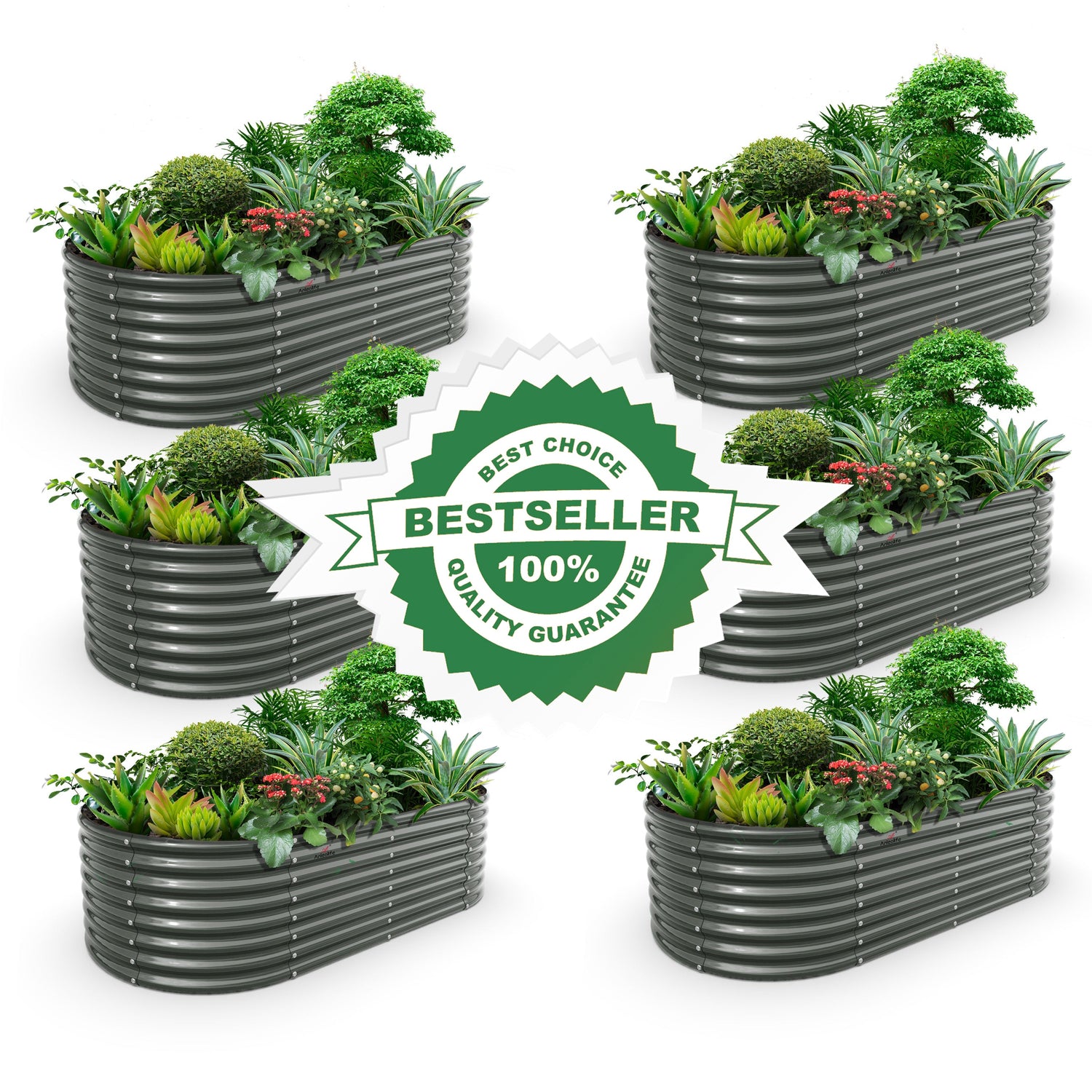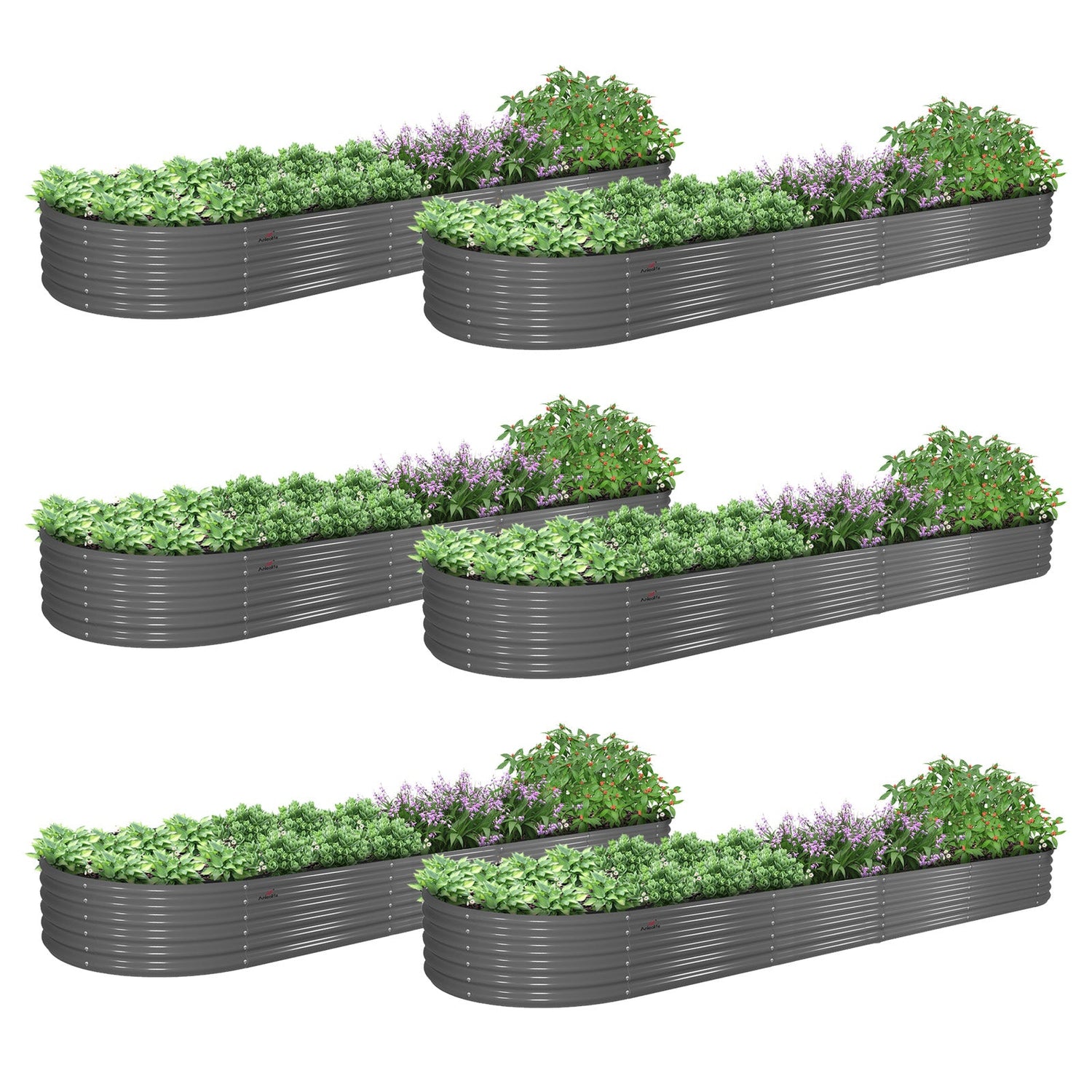



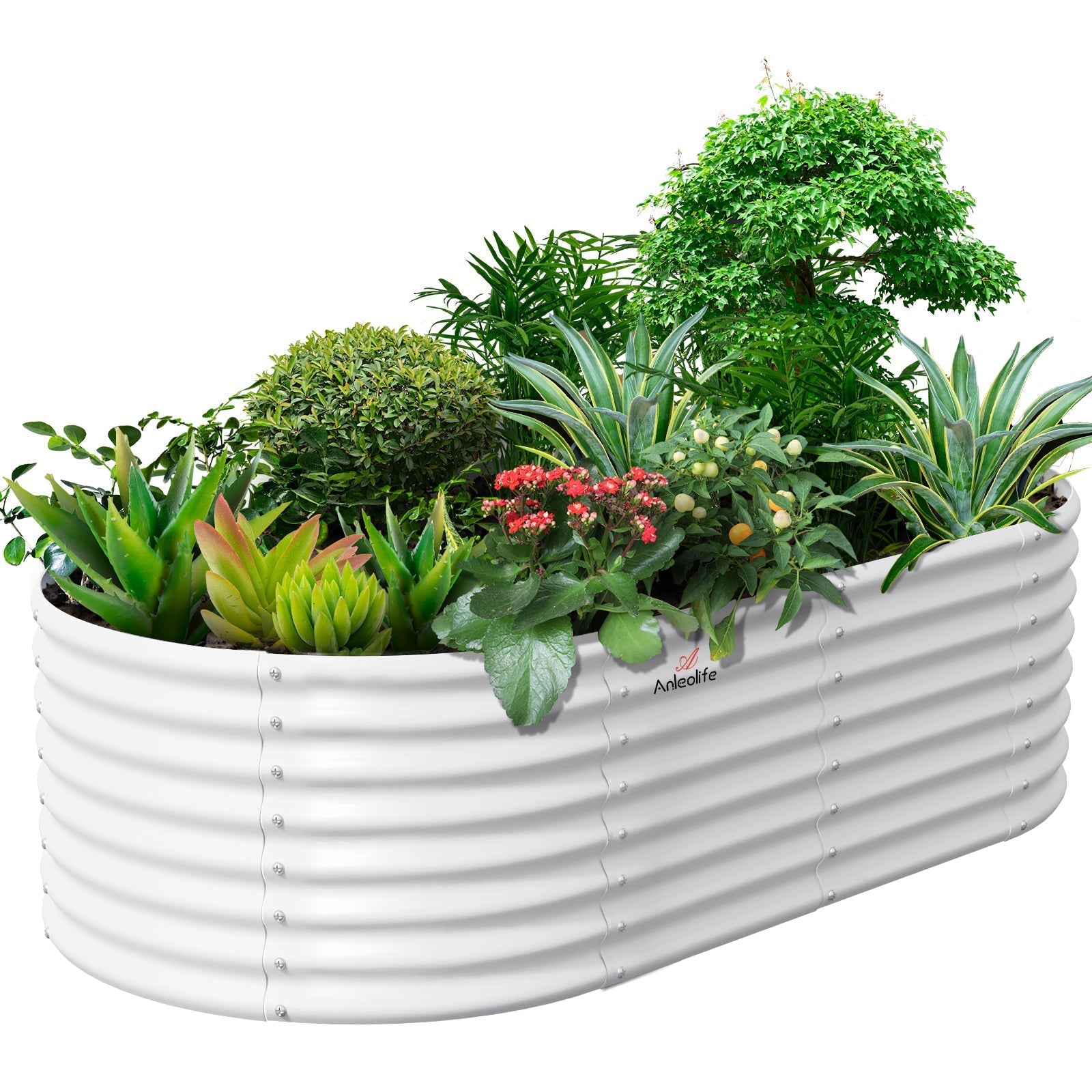
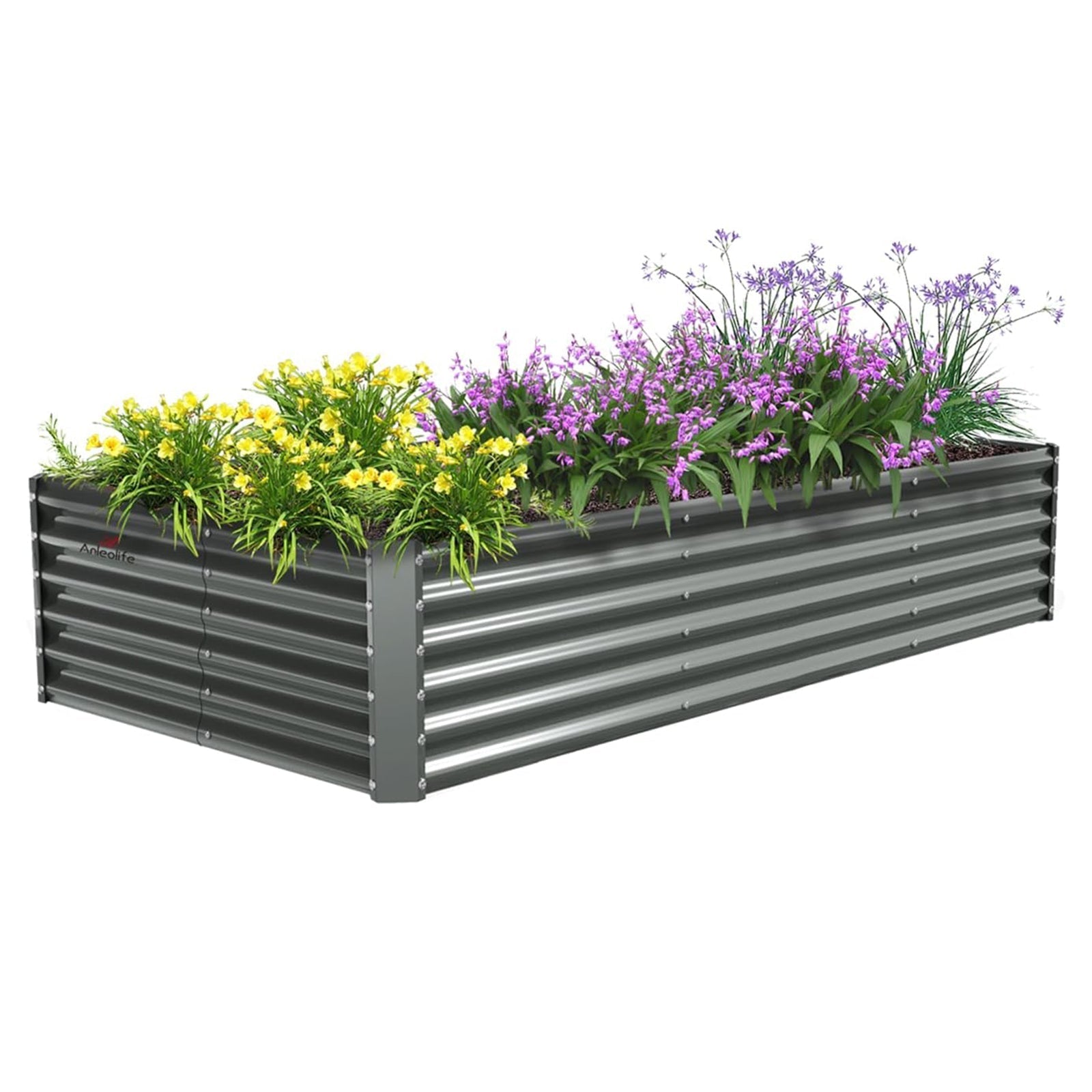

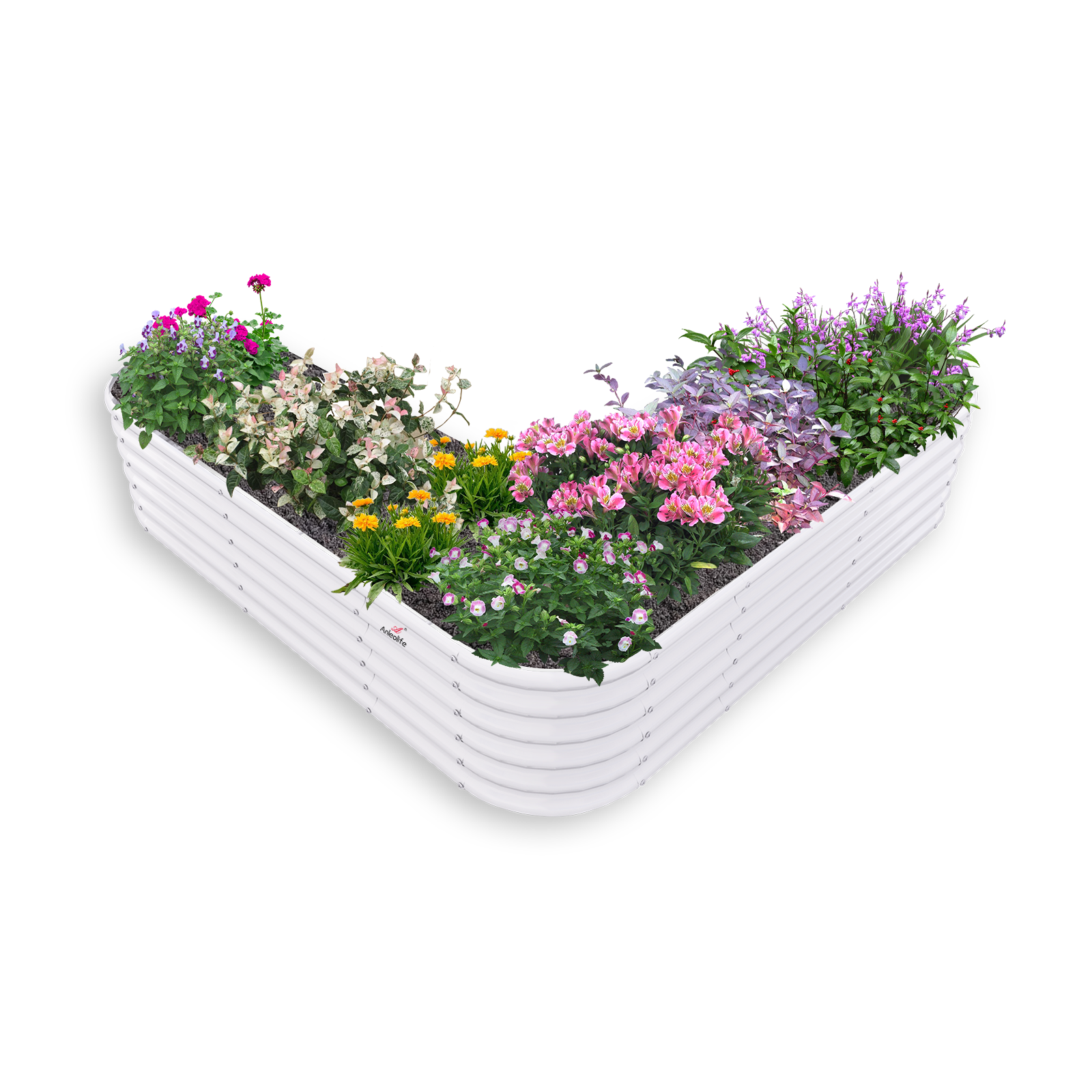
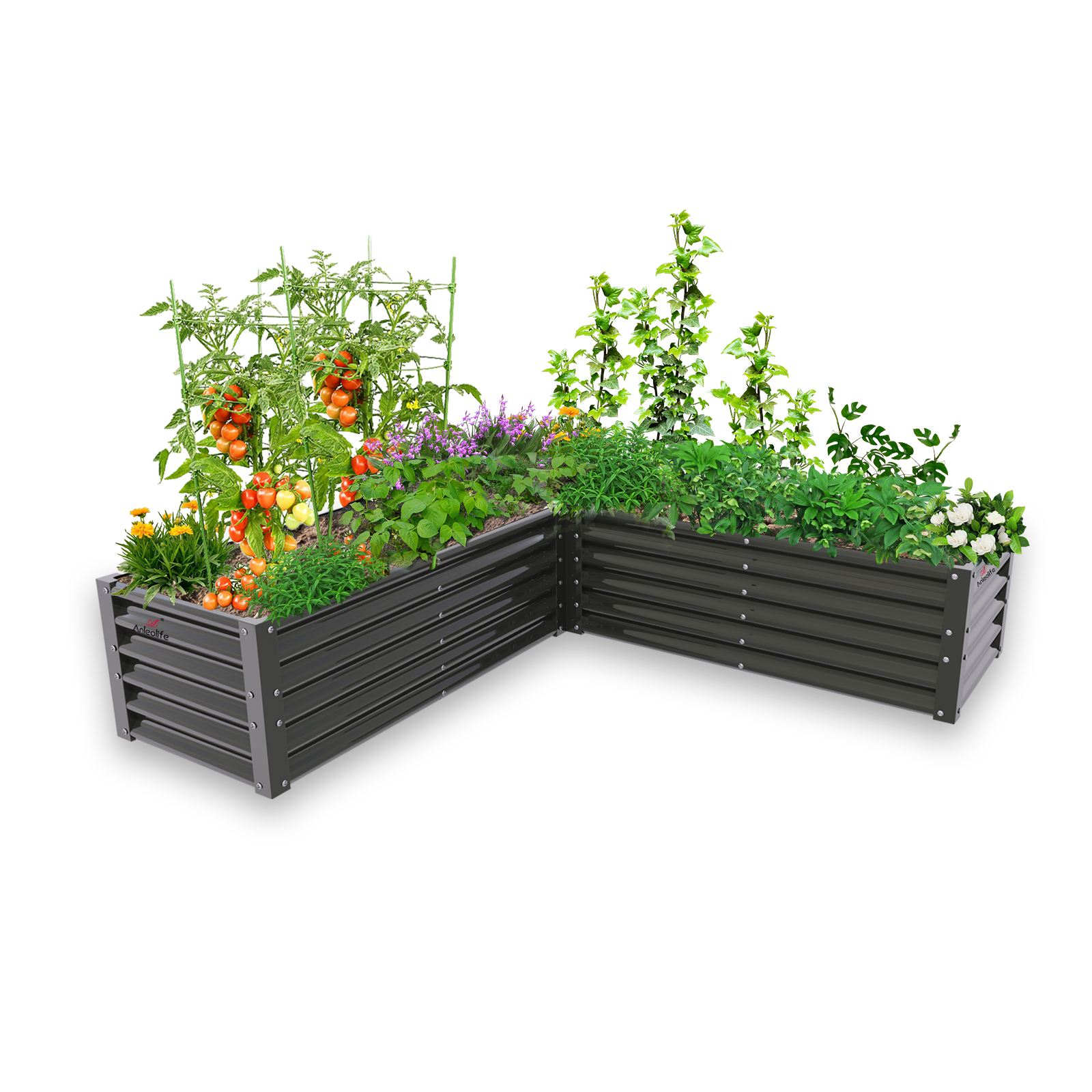
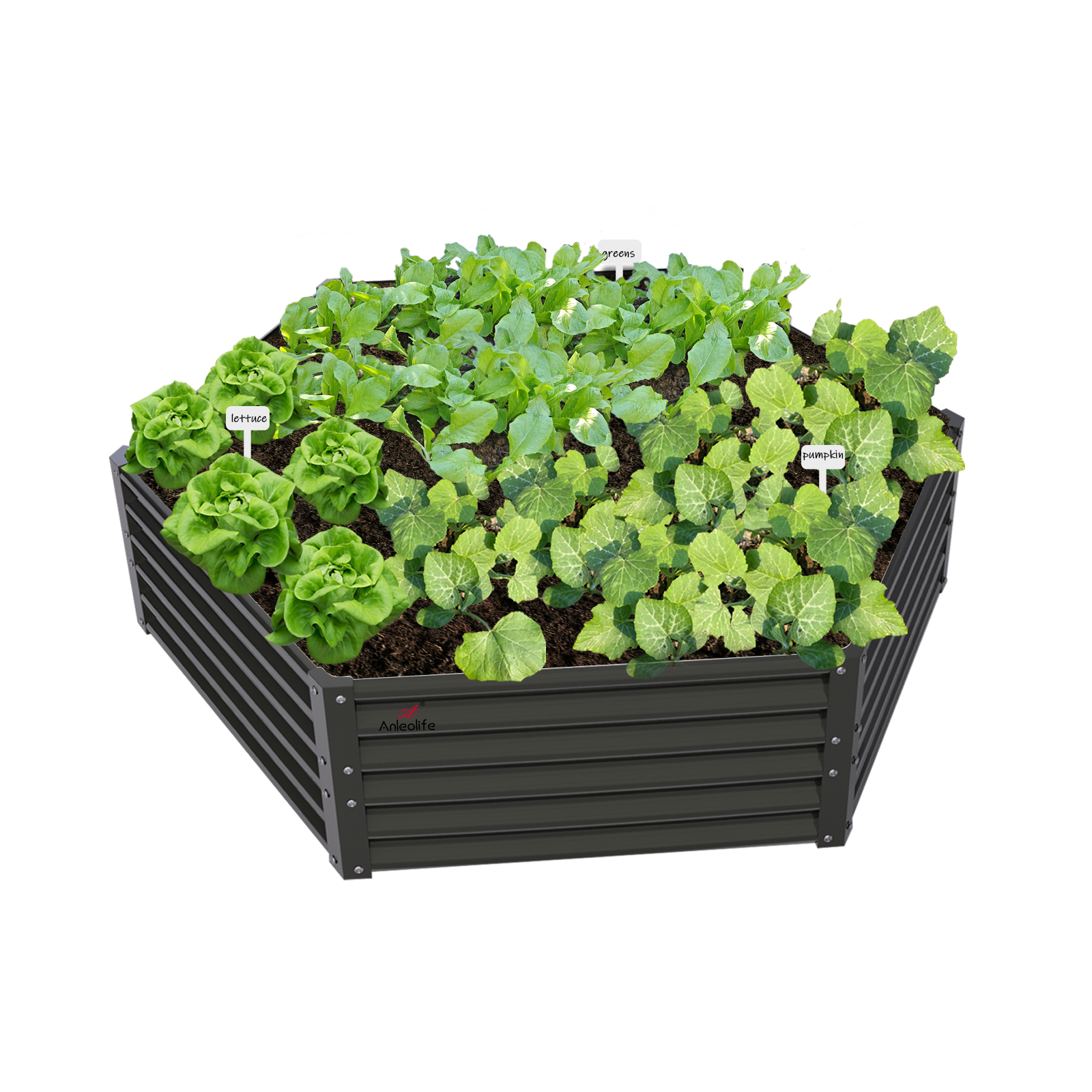



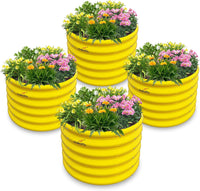
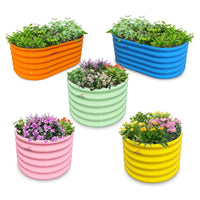
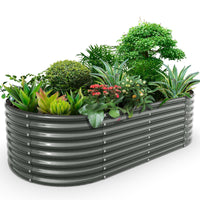



ALT: Weekend warrior backyard upgrades featuring raised garden beds and outdoor beautification projects before summer ends
Make the Most of Summer: 3 Easy Backyard Upgrades Every Weekend Warrior Should Try
Key Conclusion: Summer is slipping away, but there's still time to transform your backyard into a productive, beautiful outdoor retreat. Whether you're setting up raised garden beds for a late-season harvest, organizing your outdoor space with smart storage solutions, or adding visual flair with kinetic wind spinners and decorative accents, these three upgrades are designed to be tackled over a single weekend. Even practical additions like chicken tunnels and firewood log racks can make a meaningful difference in how functional and enjoyable your outdoor space becomes before the season turns.
The end of summer doesn't have to feel like a deadline — it can feel like an opportunity. Many homeowners put off backyard projects until "next year," only to find themselves wishing they'd acted sooner when the warm evenings fade and the garden sits underutilized. The good news? You don't need a construction crew, a massive budget, or weeks of planning to make a real difference. A single weekend of focused effort, a handful of smart product choices, and a clear plan can completely redefine how you use and enjoy your outdoor space.
This guide walks you through three accessible, high-impact backyard upgrades — each designed to be completed over a weekend — so you can squeeze every last drop of enjoyment out of the season before summer ends.
Who Should Read This Guide
✅ Applicable Scenarios:
- Homeowners who have an underutilized backyard and want practical, achievable improvements before fall
- Gardening beginners or returning growers who want to set up a raised bed for a late-season vegetable harvest
- Families or empty nesters looking to make their outdoor space more organized, functional, and visually inviting
❌ Not Applicable/Cautions:
- Homeowners dealing with major structural landscaping issues (grading, drainage overhaul) that require professional contractor assistance
- Renters without permission from landlords to make permanent outdoor modifications — always check your lease first
Why Late Summer Is Actually the Perfect Time for Backyard Upgrades
There's a common myth that the window for garden and outdoor improvements closes in June. In reality, late summer — particularly the stretch from mid-July through September — is one of the most strategic times to invest in your backyard. The ground is workable, temperatures are still favorable for outdoor activity, and many home improvement retailers run end-of-season sales.
From a gardening standpoint, late summer is also ideal for planting a second wave of seasonal vegetables for raised beds. Cool-season crops like lettuce, spinach, kale, radishes, and bush beans actually thrive when started in late summer, maturing as temperatures drop into fall's sweet spot. Setting up a raised garden bed now means you won't miss out on a productive fall harvest — and you'll have the infrastructure in place for next spring's planting season as well.
Beyond the vegetable garden, outdoor living trends are clearly pointing toward backyard spaces that blend function and aesthetics. According to the American Society of Landscape Architects, demand for functional edible gardens and decorative outdoor features has grown steadily among residential homeowners, particularly among families seeking healthier lifestyles and more meaningful use of outdoor space.
If you've been looking for the right moment to act, this is it. For a deeper look at how to plan your raised bed setup for maximum growing success, check out The Ultimate Raised Garden Bed Sizing Guide for Summer 2026: Find Your Perfect Fit — it's one of the most comprehensive planning resources available for home gardeners.
Your Weekend Action Plan: 3 Backyard Upgrades That Actually Get Done
Three-Step Quick Start
Step 1: Assess Your Space and Set Your Weekend Priorities
Before you buy a single product or drive to the hardware store, walk your backyard with fresh eyes. Take 20–30 minutes to photograph problem areas, measure open ground, and note where sunlight falls for at least six hours a day (key for vegetable gardens). Write down your top three pain points — whether that's a bare, unused corner, a cluttered storage area, or a fence line that lacks visual interest. This clarity will prevent impulse purchases and keep your weekend productive rather than scattered.
Step 2: Order Materials and Prep Your Site Midweek
Once you've identified your priority upgrades, order any products or materials you need early in the week so they arrive before the weekend. For raised garden beds from Anleolife, delivery takes 3–8 business days, so planning ahead is key. Use evenings during the week to clear debris, pull weeds from the target area, and gather tools. Arriving at Saturday morning with a clean, prepped site makes assembly dramatically faster and more satisfying.
Step 3: Execute Upgrade by Upgrade, Not All at Once
On the weekend itself, resist the urge to start all three projects simultaneously. Complete one upgrade fully before moving to the next — starting with the raised garden bed setup (the most time-intensive), then organizing and storage, then decorative touches. This sequential approach keeps momentum high, ensures nothing is left half-finished, and gives you a genuine sense of accomplishment at each stage.
Upgrade Comparison: Which Project Delivers the Most Value This Weekend?
Every backyard is different, and your priorities will depend on your goals. Here's a quick comparison of the three recommended upgrades to help you decide where to invest your first Saturday morning:
| Comparison Dimension | Raised Garden Bed Setup | Functional Outdoor Storage (e.g., firewood log racks, chicken tunnels) | Decorative Beautification (e.g., kinetic wind spinners, pathway accents) |
|---|---|---|---|
| Weekend Completion Time | 2–4 hours for assembly and soil filling | 1–3 hours depending on scale | 1–2 hours for placement and arrangement |
| Immediate Visual Impact | Moderate (structure visible, plants need time) | Moderate (neat, organized appearance) | High (instant aesthetic transformation) |
| Long-Term Functional Value | Very High (food production, soil health) | High (year-round utility, animal care) | Moderate to High (curb appeal, relaxation) |
| Skill Level Required | Beginner-friendly | Beginner to Intermediate | Beginner-friendly |
| Estimated Product Lifespan | Up to 20 years (galvanized steel beds) | Varies by material | Varies by product |
| Best For | Growers, health-focused families | Homesteaders, pet/poultry owners | Aesthetics-focused homeowners, empty nesters |
Upgrade 1: Set Up a Raised Garden Bed for a Late-Season Harvest
Why raised beds are the smartest late-summer investment you can make
If you've ever grown vegetables directly in the ground and struggled with compacted soil, poor drainage, or back-breaking weeding, a raised garden bed is a revelation. The elevated structure keeps soil loose and well-aerated, warms up faster in the morning, and drains efficiently even after heavy rain — a significant advantage if you're gardening in a wetter region.
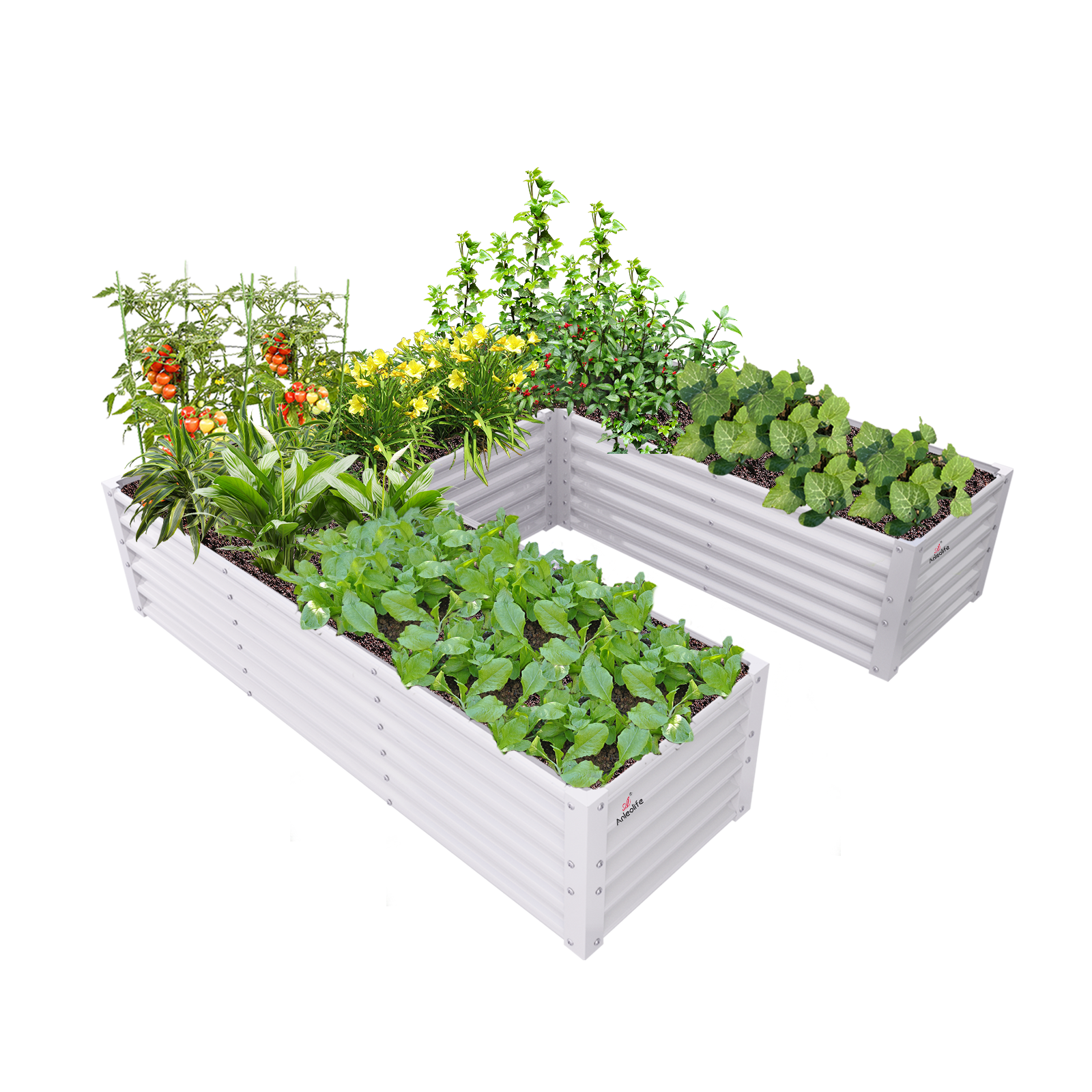
When it comes to recommended materials for raised garden beds that won't rot, galvanized steel consistently stands out. Unlike untreated wood, which can rot within a few years (especially in humid or rainy climates), galvanized steel resists moisture, pests, and corrosion. Anleolife's galvanized steel raised garden beds are built to last up to 20 years, making them one of the most cost-effective long-term investments in your gardening setup. This directly answers the question of which materials are best for raised beds in wet climates — galvanized steel is the clear winner for durability and low maintenance.
Choosing the right size for your space
Anleolife offers a wide range of raised garden bed sizes across multiple product lines. For a first-time setup or smaller backyard, an 18" tall 8x4 ft galvanized steel bed strikes an excellent balance between growing space and ease of access — you can reach the center from either side without stepping into the bed. For those who prefer a deeper grow zone or have mobility considerations, the extra-tall 24" or even 30" options are game-changers, reducing the need to bend over and making gardening accessible for seniors and those with back issues.
For larger growing ambitions — think a dedicated kitchen garden — a 12x3 ft or 18" tall 6.2x6.2 ft option provides generous square footage without requiring more ground prep than a weekend can handle.
What to plant right now: seasonal vegetables for raised beds
Late summer planting in a raised bed should focus on fast-maturing, cool-season crops. Top choices include:
- Lettuce and salad greens: Ready in 30–45 days, ideal for successive planting
- Spinach: Thrives in cooling temperatures, can be harvested repeatedly
- Radishes: One of the fastest crops available, maturing in as little as 3–4 weeks
- Kale: Extremely cold-hardy, improves in flavor after first frost
- Bush beans: Plant now for a final warm-weather harvest before temperatures drop
For a comprehensive seasonal planting reference, 10 Best Vegetables for Raised Beds This Summer: A Beginner's Planting Checklist offers excellent beginner-friendly guidance on what to grow and when.
Preventing slugs and snails in raised beds
One of the most common frustrations for late-season gardeners is pest pressure from slugs and snails, which become particularly active as humidity rises and temperatures moderate. The best way to prevent slugs and snails in raised beds starts with the bed structure itself — the raised height naturally deters ground-level crawlers. Additional strategies include:
- Placing copper tape around the exterior rim of the bed (copper creates a mild deterrent reaction)
- Applying food-grade diatomaceous earth around the base
- Using crushed eggshells as a mulch layer on the soil surface
- Watering in the morning rather than the evening to reduce overnight moisture
For a full breakdown of organic approaches, Organic Pest Control Strategies for Raised Garden Beds This Summer is an excellent companion resource.
Watering systems for your new raised bed
Once your bed is assembled and planted, consistent watering is critical — especially for seedlings in warm late-summer soil. The best watering systems for potted plants and containers translate well to raised beds too: drip irrigation on a simple timer is hands-down the most efficient setup. A basic soaker hose run along the base of your plants on a battery-powered timer delivers water directly to the root zone, reducing evaporation by up to 50% compared to overhead watering. This setup typically takes under an hour to install and pays for itself in water savings and healthier plants within a single season.
Upgrade 2: Add Functional Outdoor Storage — Firewood Log Racks and Chicken Tunnels
Organizing your outdoor space for year-round utility
Functional outdoor storage doesn't get enough credit as a visual upgrade. A neatly stacked firewood rack against a fence or beside a fire pit area instantly communicates that a backyard is cared for and organized — it's the outdoor equivalent of making your bed in the morning. Firewood log racks keep wood dry, off the ground, and properly seasoned for fall and winter fires. They're simple to assemble, require no tools in many cases, and transform a messy pile into a purposeful feature.
For backyard homesteaders or families with small poultry, chicken tunnels are one of the most ingenious weekend upgrades available. These lightweight, portable run extensions connect to an existing coop and allow chickens to forage safely across garden areas without destroying your beds. They're particularly effective for controlling bugs and turning the soil in areas where you plan to plant next season — essentially free pest control and soil prep happening simultaneously.
Anleolife's Raising category includes chicken coops and supporting accessories designed for backyard homesteaders who want both practicality and a tidy appearance. Setting up a chicken tunnel on a Saturday morning can take as little as a couple of hours and makes an immediate functional difference in how your birds interact with your garden space.
Combining function and aesthetics
One of the smartest design moves in a weekend upgrade is layering functional elements with visual ones. A well-positioned firewood rack beside a seating area, flanked by potted herbs or a compact raised bed, creates a composed, intentional look that feels like it came from a lifestyle magazine — even though each element was simple to set up independently.
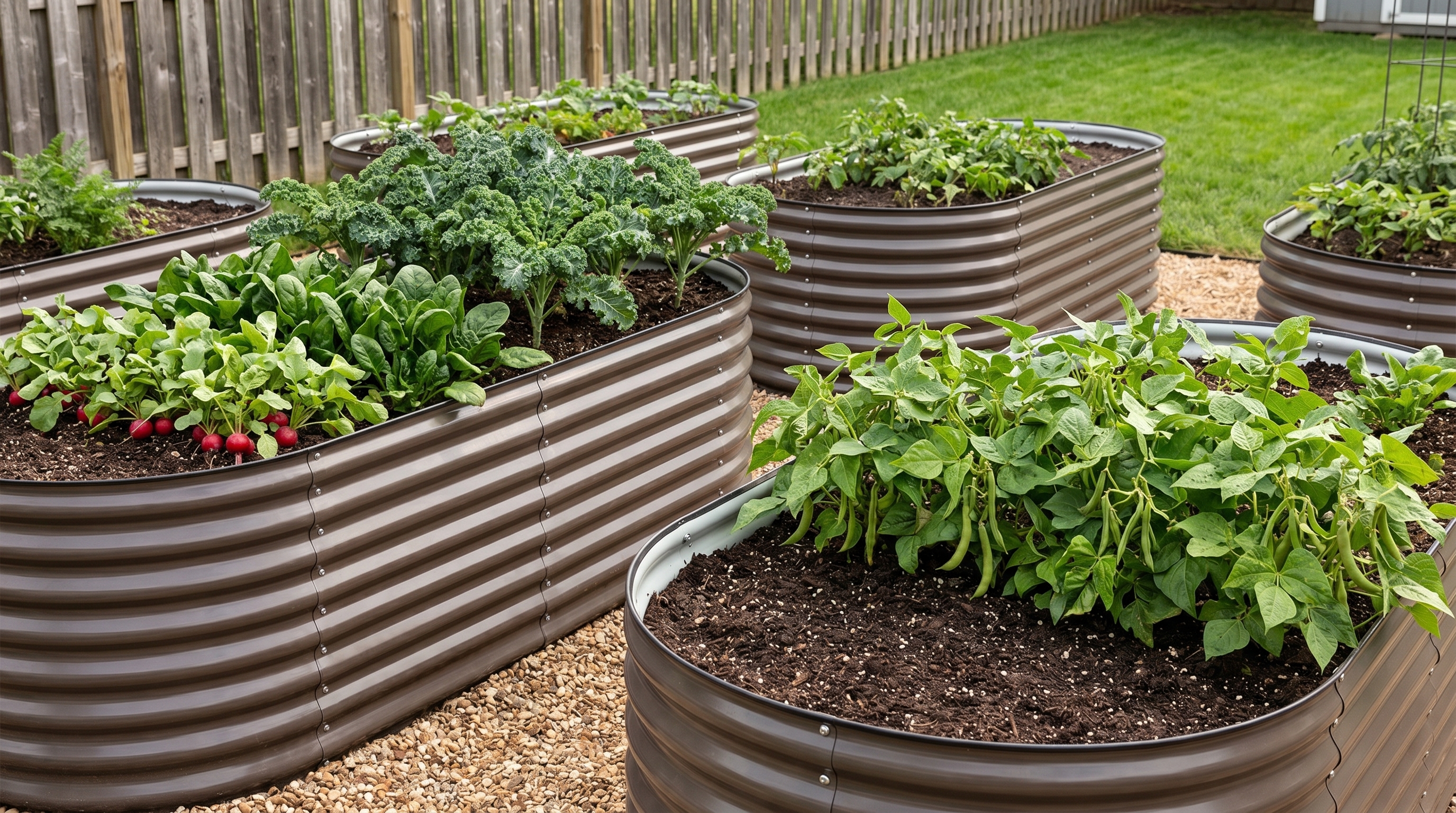
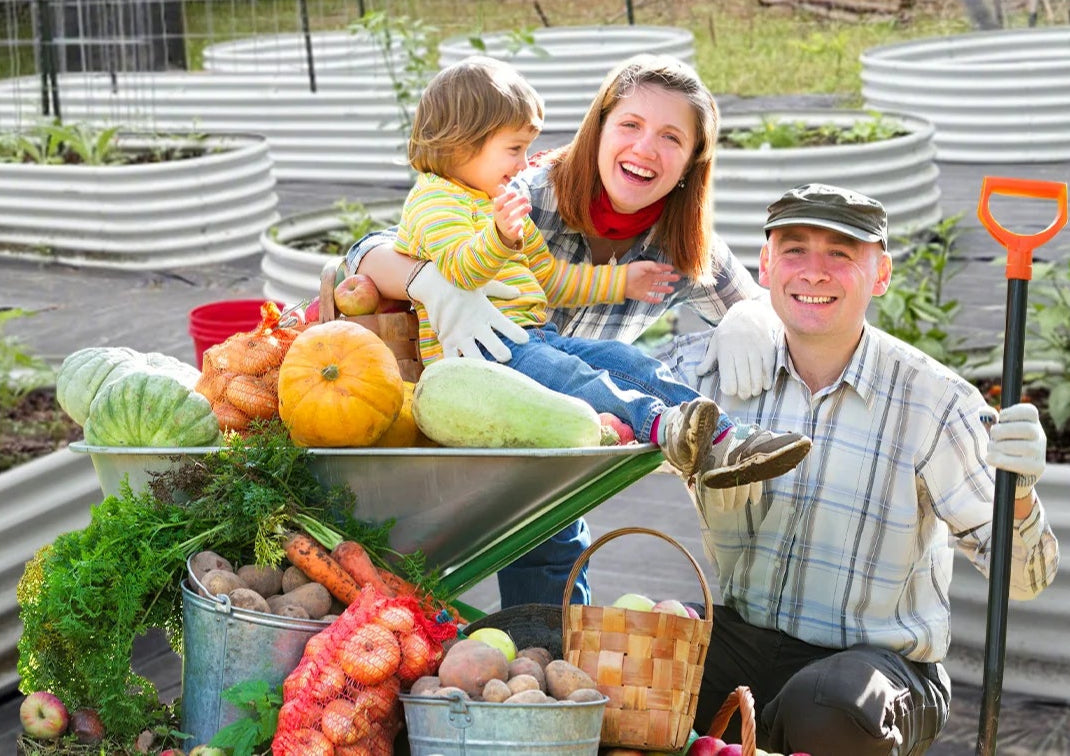
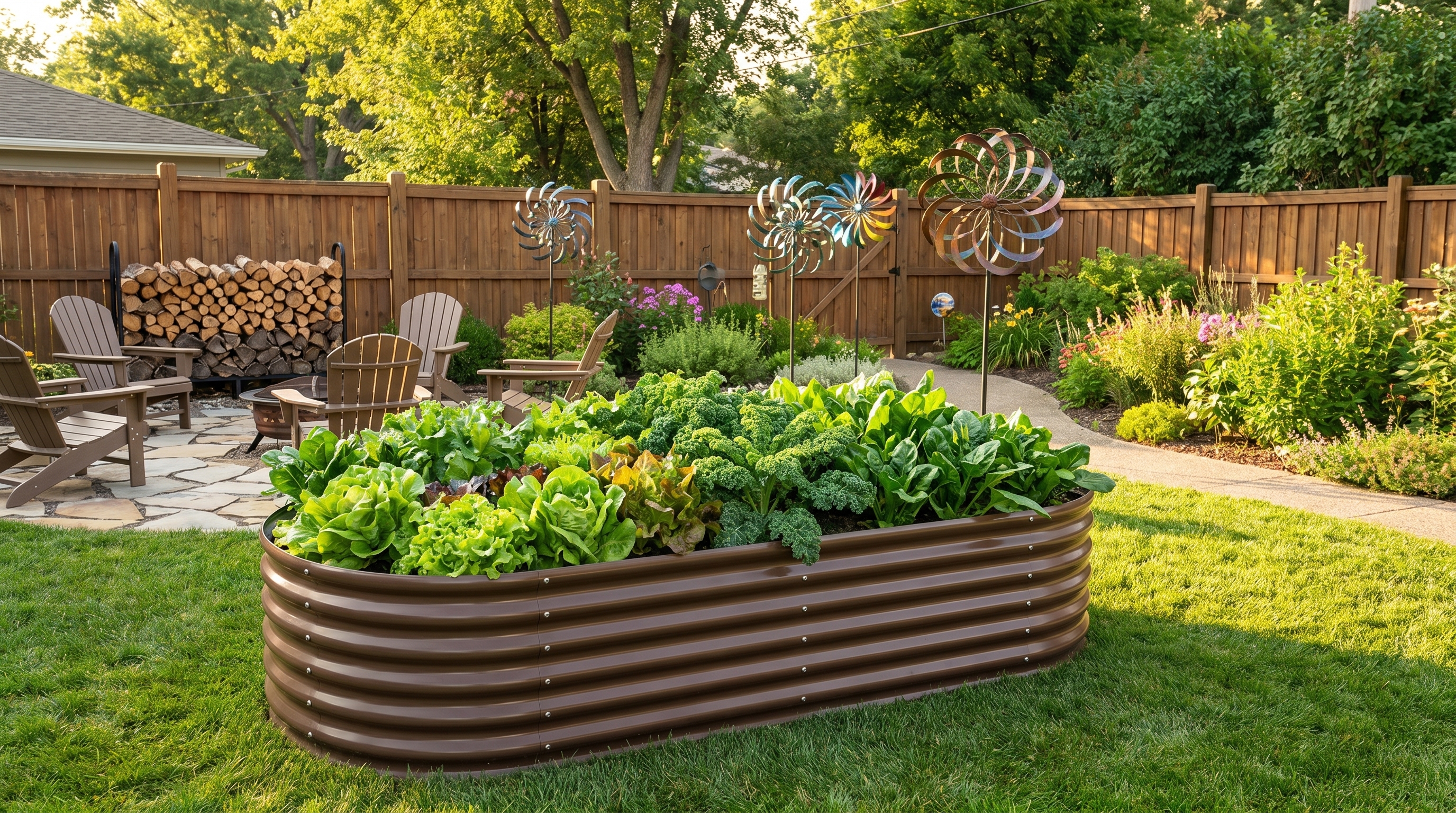
ALT: Galvanized steel raised garden beds growing seasonal vegetables in a backyard garden, demonstrating durable and rust-resistant garden bed upgrades
Upgrade 3: Add Visual Drama with Kinetic Wind Spinners and Decorative Accents
The fastest way to transform a backyard's personality
Of the three upgrades, decorative beautification delivers the most immediate visual payoff. Kinetic wind spinners are one of the most popular and versatile garden accents available — they catch light, create gentle movement, and draw the eye to focal points in your garden. Placed at the end of a raised bed row, along a pathway, or near a water feature, they add life and energy to a space that might otherwise feel static.
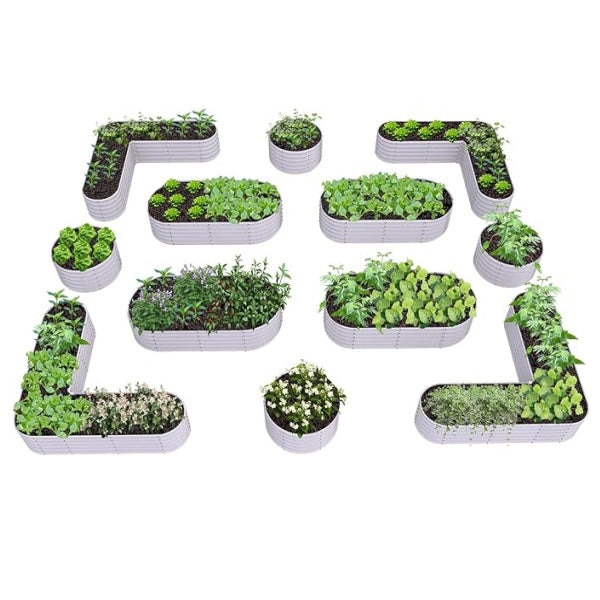
Beyond wind spinners, Anleolife's Beautification product category includes decorative accessories and pathway systems that can redefine how a garden space feels to walk through. Pathway edging creates visual structure, guiding guests through the garden and separating planting zones from lawn areas with a polished, purposeful look.
Placement principles that make decorative upgrades work
The key to making decorative garden elements work is intentional placement, not volume. Three well-chosen accents placed with purpose will always outperform a dozen items scattered without thought. Consider:
- Anchor points: Place a statement piece (like a large kinetic wind spinner) at the visual endpoint of a sightline — at the far end of a path, at a fence corner, or beside a focal tree
- Repetition: Using two or three matching smaller spinners or pathway markers creates rhythm and cohesion
- Scale awareness: Decorative elements should complement, not compete with, your plantings and structural features
A late-summer beautification sweep — even just an afternoon of rearranging, adding two or three new accents, and tidying pathway edges — can make your backyard feel completely refreshed and ready for outdoor entertaining right through to autumn.
Advanced Tips: Getting More From Your Weekend Upgrades
Combining raised beds with soil optimization
Setting up a new raised bed is only half the equation. The soil you fill it with determines everything about your plants' success. For a first fill, a classic "Mel's Mix" ratio of one-third compost, one-third peat moss or coconut coir, and one-third coarse vermiculite produces exceptional drainage and fertility. As your bed matures season over season, top-dressing with high-quality compost each spring maintains that structure.
One common misconception is that any garden soil or topsoil from a hardware store will work well in a raised bed. Bagged "garden soil" is typically too dense and compacts quickly in the contained environment of a raised bed, leading to poor root development. Always look specifically for raised bed mixes or build your own blend.
Don't overlook your bed's layout before you fill it
Before you add soil, spend a few minutes thinking through plant placement and bed layout. Many first-time raised bed gardeners make avoidable mistakes that limit productivity — like planting tall crops on the south side where they'll shade shorter neighbors, or spacing plants based on in-ground recommendations rather than the more intensive spacing suitable for raised beds. For guidance on avoiding these pitfalls, 5 Common Raised Bed Layout Mistakes to Avoid When Planning Your Summer Garden is a practical and highly readable resource.
Watering consistency through the transition to fall
Late summer into fall is actually a deceptive watering period. Days are warm, the sun is still strong, and soil can dry out quickly — but many gardeners begin watering less frequently because they mentally associate autumn with cooler, wetter weather. Maintain your watering routine until soil temperatures drop consistently and rain becomes reliable in your region. A simple soil moisture meter (widely available and inexpensive) takes all the guesswork out of this decision.
Frequently Asked Questions FAQ
Q1: How do I choose the right raised bed size for a small backyard?
For smaller backyards or first-time gardeners, the key is to maximize growing surface while maintaining easy access to all areas of the bed. A bed no wider than 4 feet ensures you can reach the center from either side without stepping in and compacting soil. Anleolife offers a range of sizes — from compact 4x2 ft options up to generous 12x3 ft beds — so you can match the footprint precisely to your available space without sacrificing growing area. Start with one bed and expand as your confidence and space allow.
Q2: Are galvanized steel raised beds safe for growing vegetables?
Yes — galvanized steel raised garden beds are widely considered safe for vegetable growing. The galvanization process creates a zinc coating that is highly resistant to leaching under normal soil and moisture conditions. Galvanized steel is also used in municipal water infrastructure and food processing equipment. Anleolife's galvanized steel beds are designed with food safety in mind and are built to last up to 20 years, offering long-term reliability for edible gardens. If you have concerns, planting a liner of heavy-duty landscape fabric between the soil and metal walls is an additional precaution some gardeners choose.
Q3: How long does it take to set up a raised garden bed from start to finish?
For most Anleolife galvanized steel raised garden beds, assembly takes between 30 minutes and 2 hours depending on the size and your experience level. Filling with soil adds another hour or two depending on bed volume and your soil source. Planning the total setup time at 3–4 hours for a medium-sized bed is a realistic expectation for a first-time assembler. Products ordered from Anleolife.com are delivered within 3–8 business days, so ordering mid-week ensures your materials arrive ready for the weekend.
Summary
Summer may be winding down, but your best backyard moments don't have to end with it. The three weekend upgrades covered in this guide — setting up a galvanized steel raised garden bed for a late-season harvest, adding functional storage with firewood log racks and chicken tunnels, and refreshing your outdoor aesthetic with kinetic wind spinners and decorative accents — are each achievable in a single Saturday or Sunday with minimal tools and no prior experience.
Here are the three core takeaways:
- Raised beds are a long-term investment, not a one-season experiment. With a lifespan of up to 20 years and the ability to support multiple growing seasons per year, a galvanized steel raised garden bed is one of the highest-return purchases you can make for your backyard.
- Functional and decorative upgrades work best together. Combining a firewood rack or chicken tunnel with well-placed kinetic wind spinners and pathway accents creates a backyard that feels intentional, cared for, and genuinely enjoyable to spend time in.
- The best time to start is now. Late summer planting is productive, weekend project conditions are ideal, and the satisfaction of entering fall with an upgraded outdoor space is well worth a few hours of focused effort.
Your next step: pick your highest-priority upgrade, order your materials this week, and block out your weekend. The garden is waiting.
Start Your Backyard Transformation with Anleolife
With a nationwide U.S. warehouse network strategically located in California, Texas, Florida, New York, Illinois, and Washington, Anleolife ensures delivery within 3–8 business days — so your weekend project plans never have to wait on shipping.
Products are available across major platforms including Amazon, Walmart, Home Depot, Lowe's, Wayfair, and the official Anleolife.com website, providing consistent quality assurance and reliable after-sales service wherever you prefer to shop.
Anleolife's three core scenarios cover everything your outdoor space needs: Planting (metal raised garden beds, soil systems), Raising (chicken coops, rabbit hutches), and Beautification (decorative accessories, pathway systems) — meeting complete needs from functionality to aesthetics.
We understand that an ideal garden isn't built overnight — it grows with you. Anleolife's modular product design allows flexible expansion at your own pace, from your first raised garden bed to a fully integrated planting-and-raising ecosystem. Every upgrade you make this weekend is one more step toward the backyard life you've always imagined.
References
- American Society of Landscape Architects. "Residential Landscape Architecture Trends Survey."
https://www.asla.org/surveyconsumertrends.aspx - University of California Agriculture and Natural Resources. "Vegetable Gardening in California."
https://ucanr.edu/sites/gardenweb/Vegetables/ - National Gardening Association. "Food Gardening in the U.S. — Survey Data and Trends."
https://garden.org/learn/articles/view/4029/ - U.S. Department of Agriculture — Agricultural Research Service. "Home Gardening and Soil Health Resources."
https://www.ars.usda.gov/research/docs.htm?docid=10208 - Colorado State University Extension. "Fall Vegetable Gardening."
https://extension.colostate.edu/topic-areas/yard-garden/fall-vegetable-gardening/
Note: Standards and guidelines may be updated. Please check the latest official documents or consult professional advisors for current recommendations.
About Anleolife
Anleolife is a leading outdoor garden solutions provider in North America, dedicated to offering a full-scenario product ecosystem for home gardening enthusiasts, covering planting, raising, and garden beautification. Since its founding, we have upheld our brand mission, "Made for Garden Life," continuously innovating products and optimizing services to help hundreds of thousands of users upgrade their gardens, reconnect with nature, and enjoy a better garden lifestyle.