


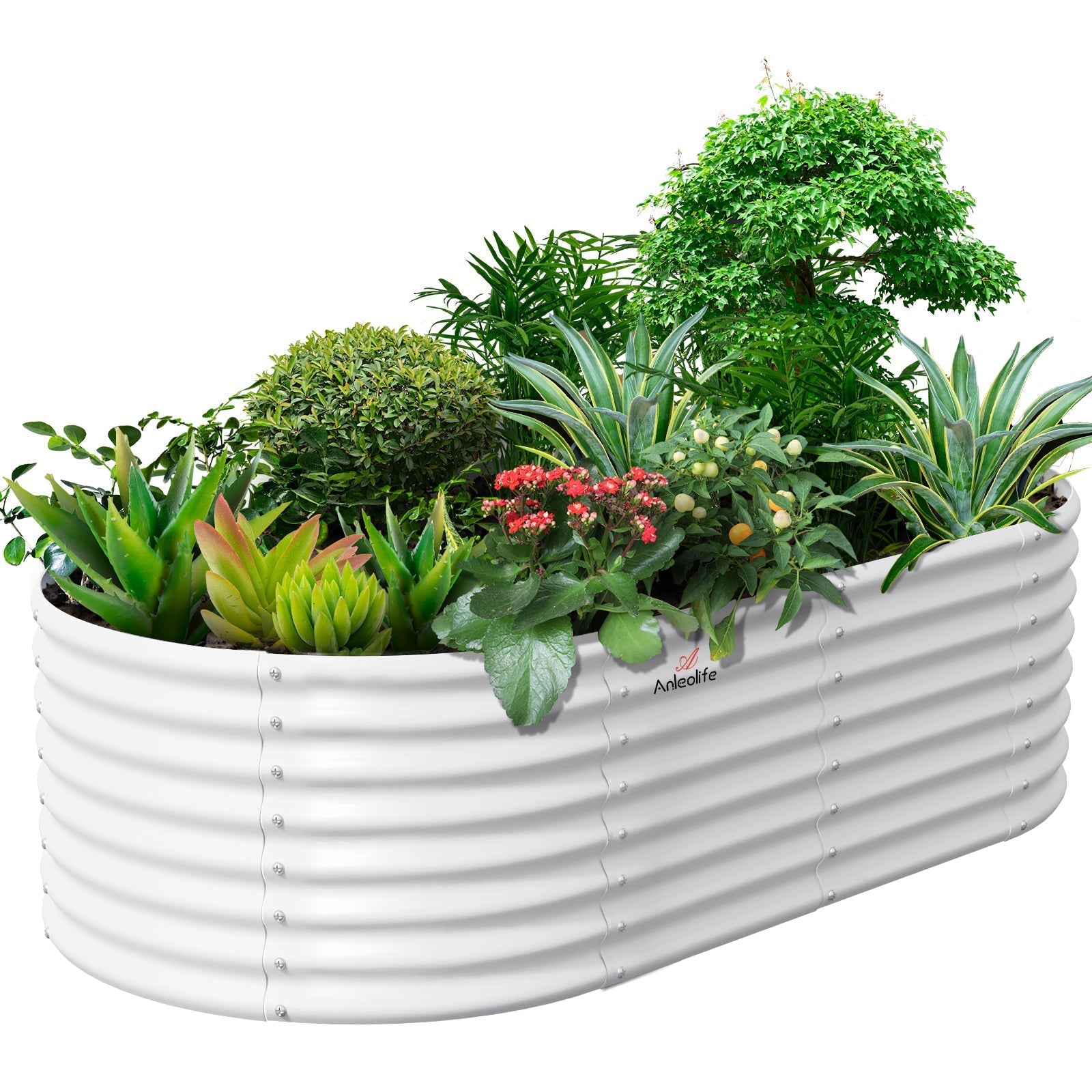
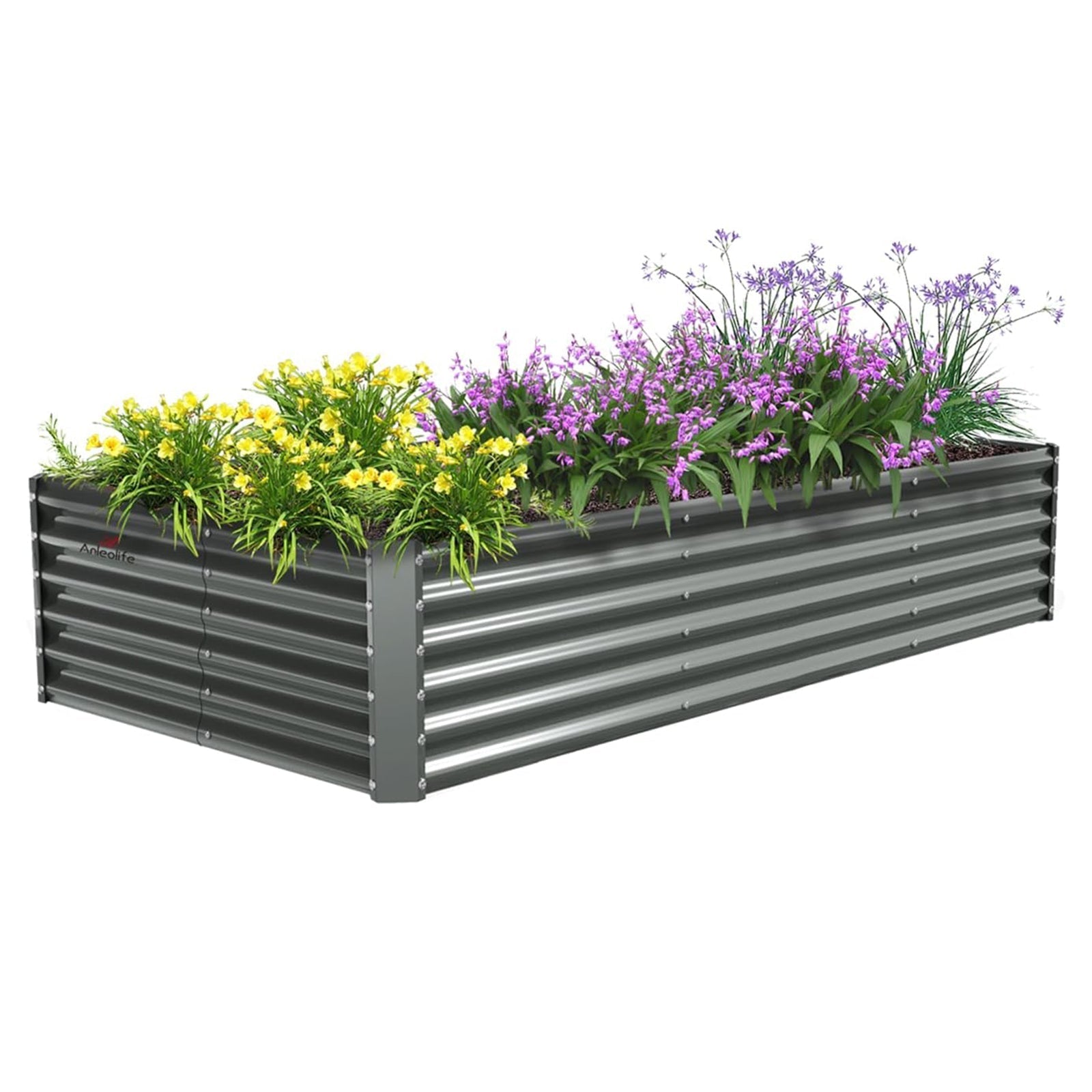
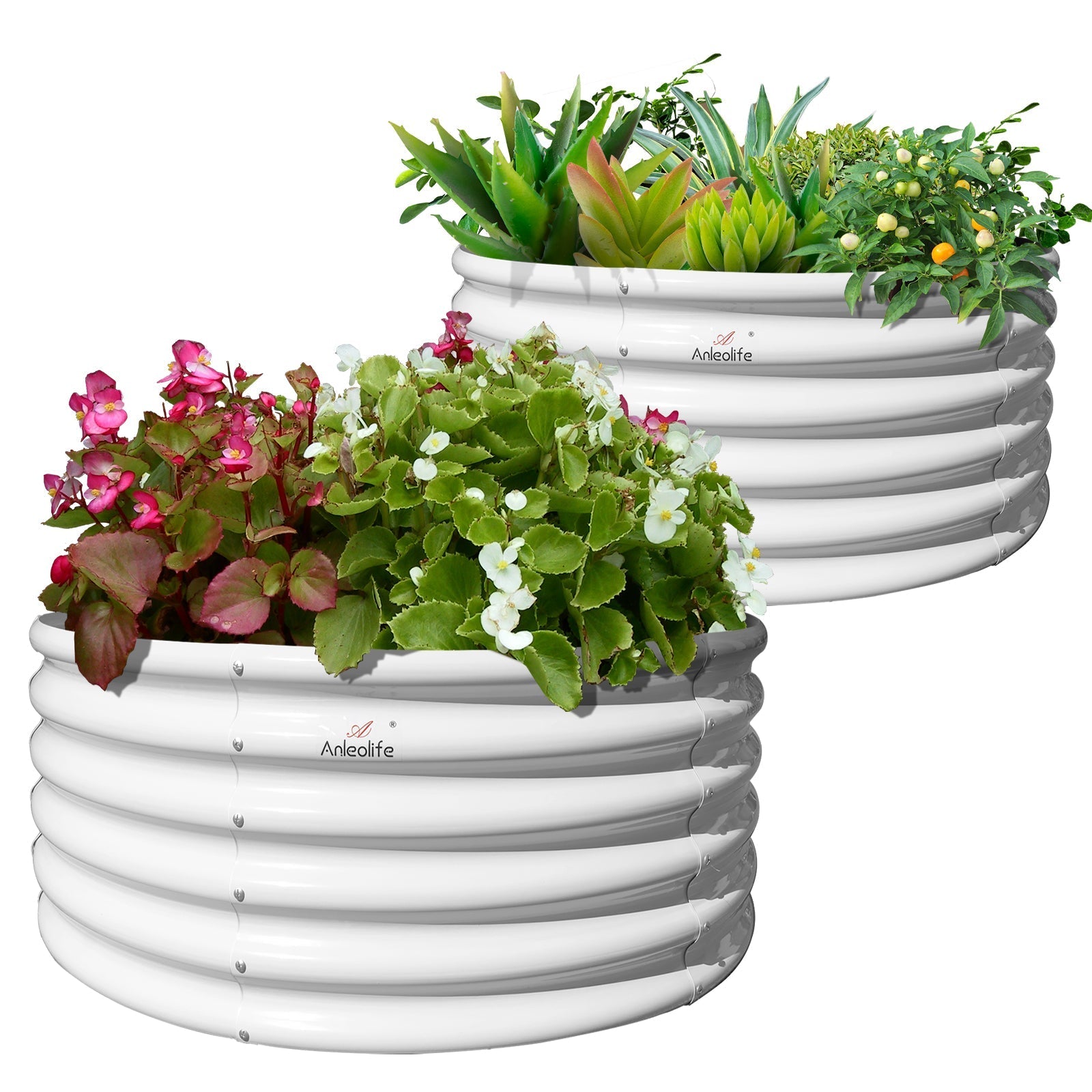
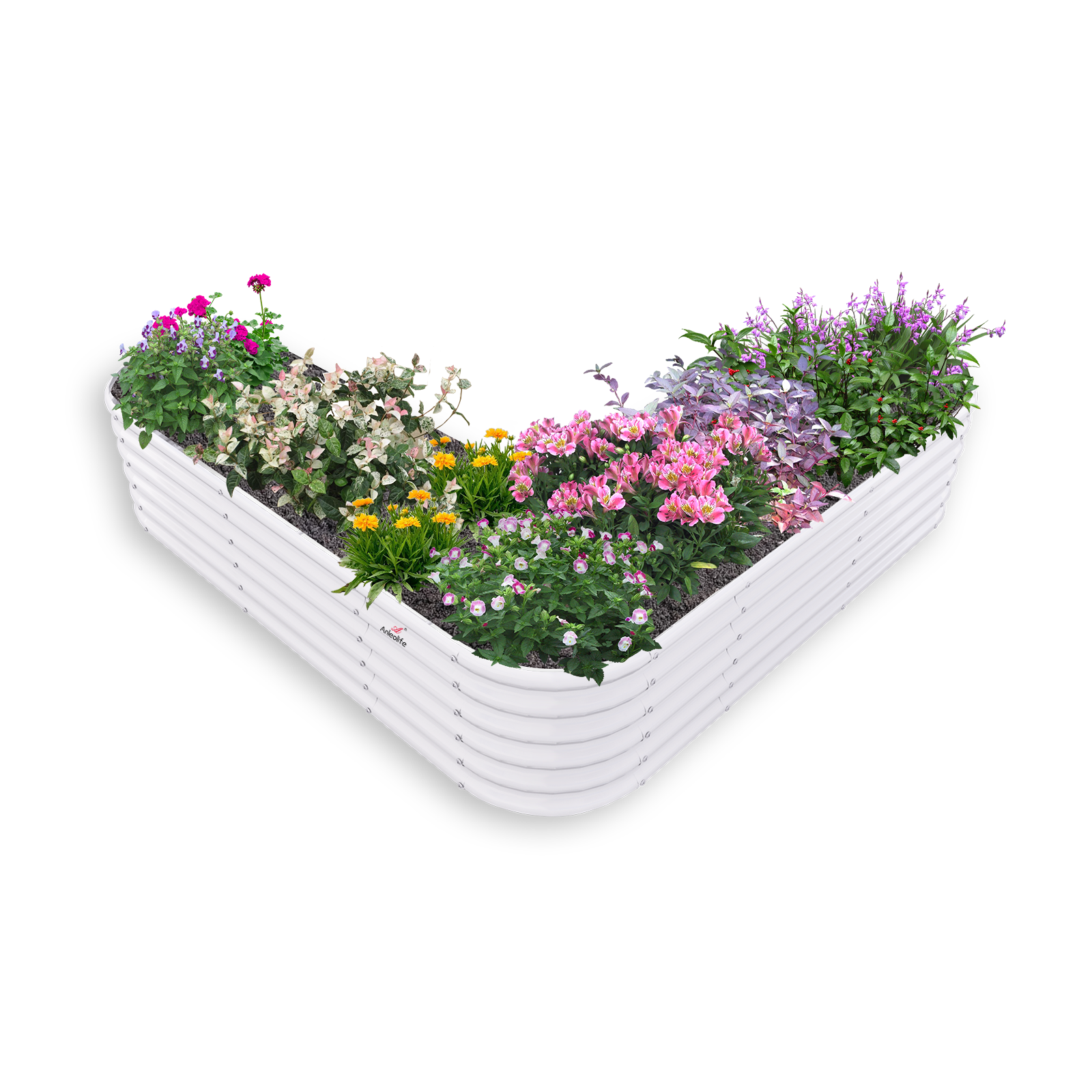
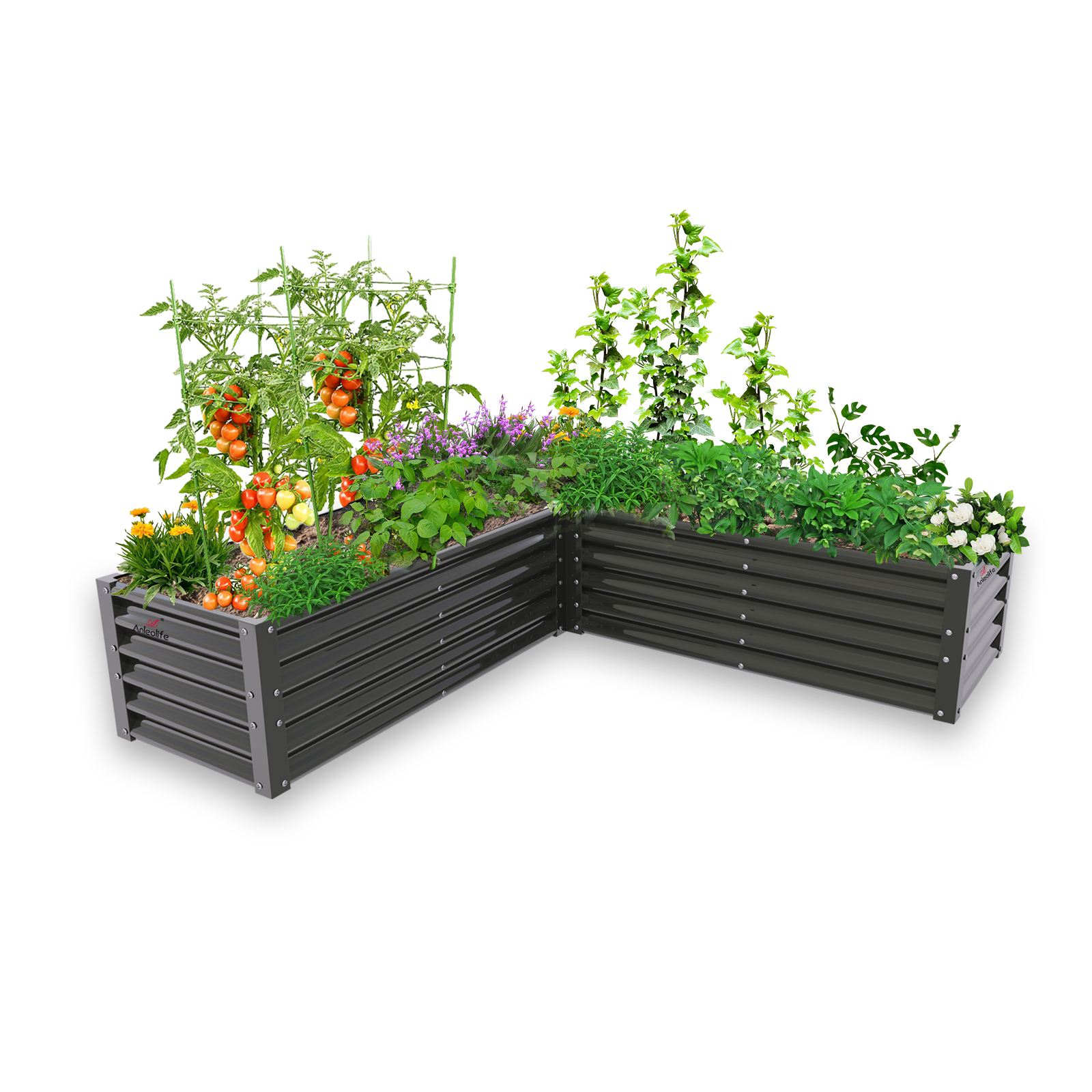
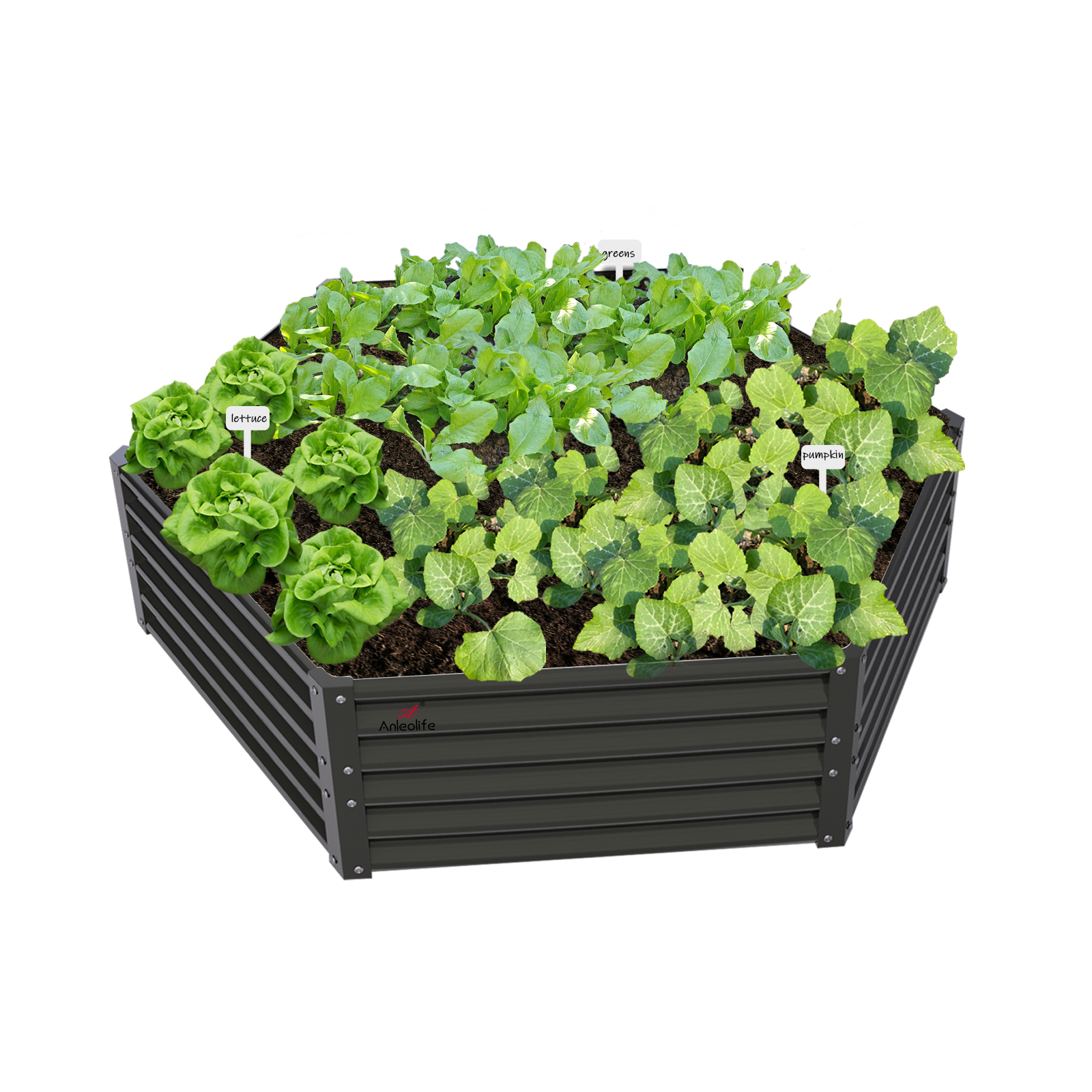
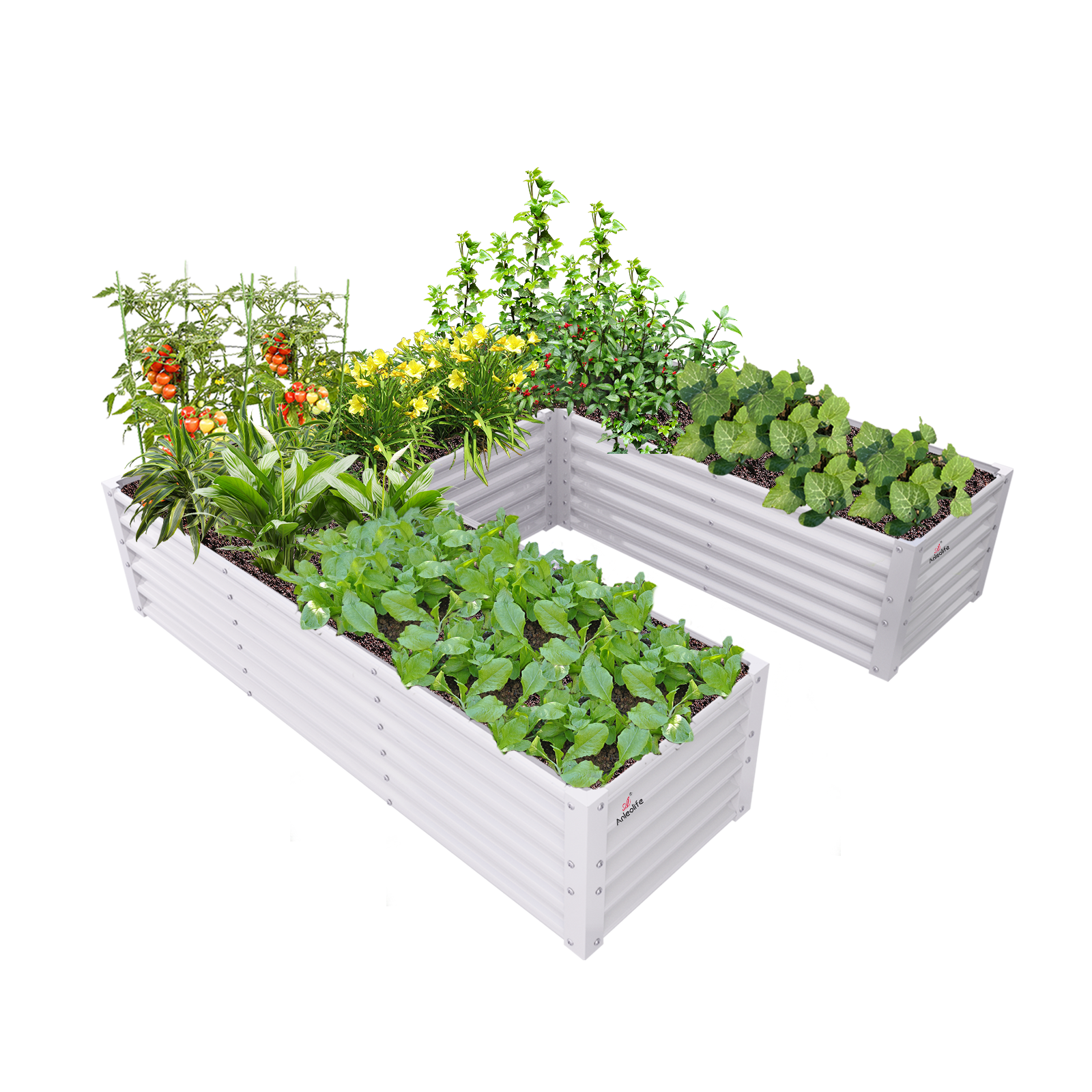




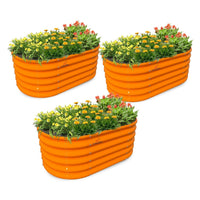
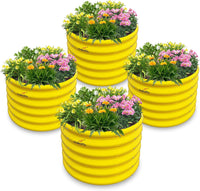
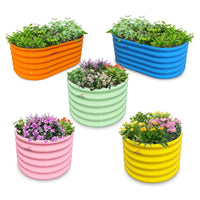
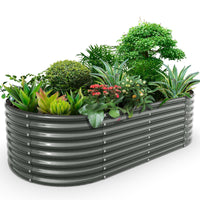



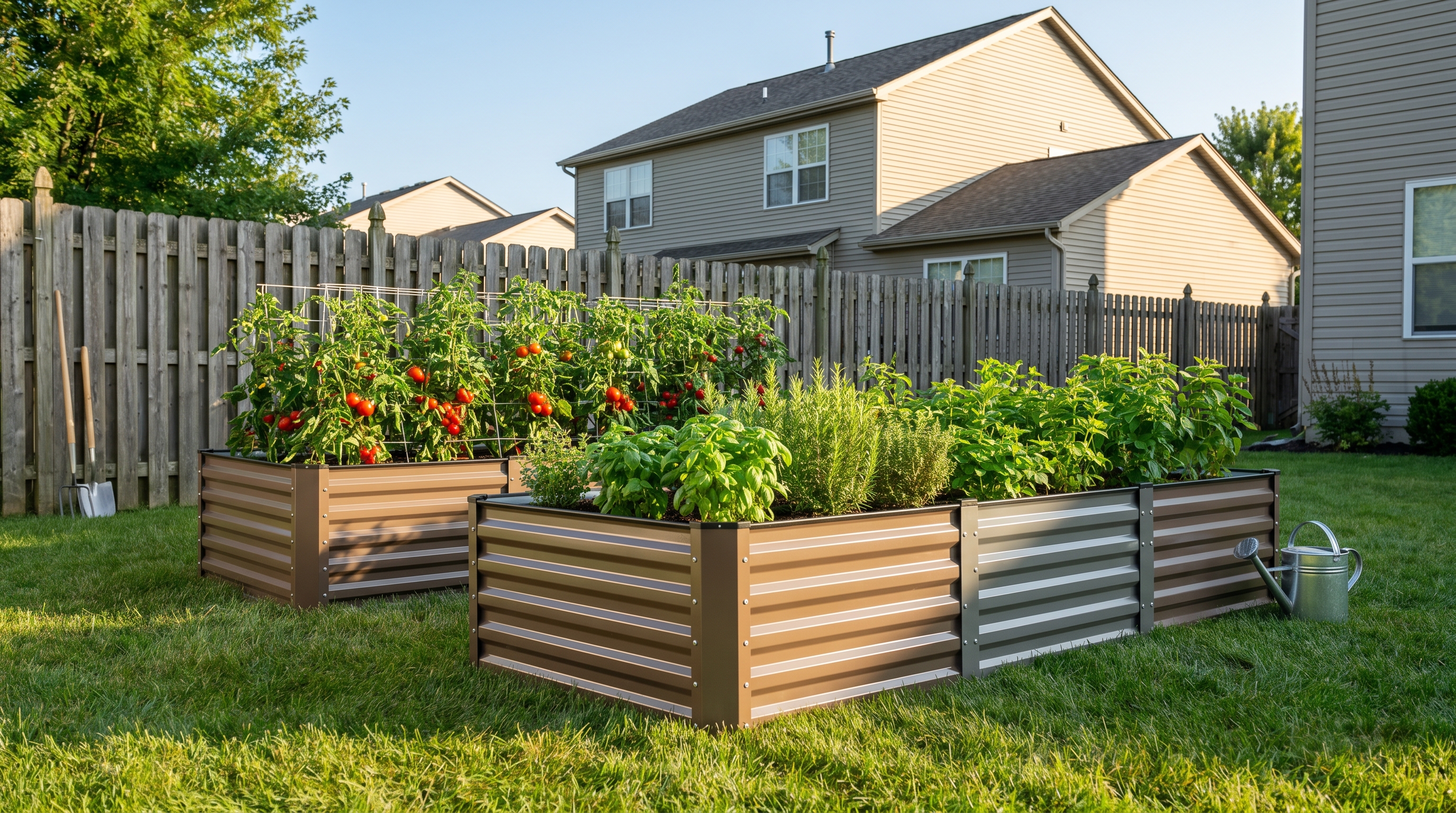
ALT: Modular raised garden bed with connected panels growing tomatoes and herbs in a sunny backyard garden
Understanding Modular Raised Garden Beds and How They Transform Your Growing Space
Key Conclusion: A modular raised garden bed is a flexible, expandable planting system made of interlocking or connectable components that can be reconfigured to suit any yard, patio, or balcony. Unlike fixed garden structures, modular designs allow homeowners to customize their raised bed garden layout, adapt their raised bed planting layout, and scale their raised bed layout over time—making it one of the smartest investments for modern home gardeners. With the right system, you can start small and grow big without replacing a single panel.
Gardening has never been more popular—or more personal. Whether you're a retiree reclaiming your backyard, a health-conscious family growing your own food, or an urban dweller working with a tiny balcony, the way you set up your garden space matters enormously. Modular raised garden beds represent a genuine shift in how home growers approach planting: instead of committing to a single fixed structure, you build, expand, and reorganize as your needs evolve.
In this guide, we'll walk you through exactly what a modular raised garden bed is, how it works, who it's best suited for, and how to get started with confidence—whether this is your first bed or your tenth.
Who Should (and Shouldn't) Use a Modular Raised Garden Bed
✅ Applicable Scenarios:
- Homeowners who want to start with a small footprint and gradually expand their garden over multiple seasons
- Urban and suburban gardeners with irregular or limited outdoor spaces who need flexible configuration options
- Families and retirees who want an accessible, easy-to-manage garden without committing to permanent landscape construction
- Renters or those who frequently move, since modular systems can be disassembled and reassembled
- Eco-conscious growers who want to avoid chemically treated wood and prefer long-lasting, food-safe materials like galvanized steel
❌ Not Applicable/Cautions:
- Gardeners looking for the absolute lowest upfront cost—quality modular systems are an investment, though they pay off over time
- Those who need very deep root zones for large trees or shrubs; most modular beds cap out at 18–24 inches in depth, which suits vegetables, herbs, and flowers well, but not deep-rooted perennial trees
- Property managers or commercial operations requiring certified permanent installations; modular systems are designed for residential, semi-permanent use
The Rise of the Modular Garden: Why Flexibility Now Matters More Than Ever
Traditional in-ground gardening once dominated the American backyard. But over the past decade, raised bed gardening has surged in popularity—and for good reason. According to the USDA, home food gardening has increased significantly in the United States, with millions of households now growing at least some of their own produce. Parallel to this trend, a growing number of gardeners are moving away from rigid, one-size-fits-all setups and toward systems that can evolve alongside their lifestyle.
Fixed raised beds—typically made from a single piece of lumber or a static metal frame—work perfectly well when your space and goals never change. But life rarely cooperates that way. Maybe you start with a 4x4 bed and realize by midsummer you need double the space. Maybe you move to a new home with a completely different yard shape. Maybe your knees remind you each spring that bending lower isn't as comfortable as it used to be, and you need to add height. A fixed bed can't accommodate these changes. A modular one can.
The term "modular" in gardening refers specifically to systems built from standardized, interchangeable components—panels, connectors, corner brackets, and extension pieces—that fit together in multiple configurations. The result is a garden structure that behaves more like furniture than construction. You assemble it, use it, reconfigure it, and expand it as needed.
Galvanized steel has emerged as the material of choice for premium modular raised garden beds. Unlike wood, which warps, rots, and harbors pests, galvanized steel holds its shape season after season, resists moisture and insects, and is completely food-safe when properly manufactured. A well-built galvanized steel modular bed like those offered by Anleolife can last up to 20 years—making it one of the most cost-effective garden investments available.
For deeper guidance on planning your overall garden layout, you may also want to explore comprehensive raised bed planning resources from extension programs like UC ANR and OSU Extension, which provide regionally specific advice on soil preparation, companion planting, and seasonal scheduling.
How a Modular Raised Garden Bed Works: From First Assembly to Full Garden Ecosystem
Three-Step Quick Start
Step 1: Plan Your Layout and Choose Your Configuration
Before touching a single panel, spend 15–30 minutes mapping your available space. Measure your garden area, note where sunlight falls throughout the day, and decide on your initial footprint. Most modular systems offer a starting configuration—a classic 8x4x2 bed is a popular choice that gives you 30 square feet of growing space without overwhelming a beginner. Sketch your raised bed layout on paper, marking north-south orientation for optimal sun exposure.
Step 2: Prepare the Site and Assemble the Panels
Clear the ground of weeds and grass, then lay down a weed barrier fabric if desired. Most modular raised bed systems—including Anleolife's interlocking panel designs—require no tools for basic assembly. Panels slot together using corner connectors and side brackets, typically taking 20–45 minutes for a standard 8x4 configuration. For larger or multi-tier setups, allow an additional 30–60 minutes. Ensure the base is level before filling.
Step 3: Fill, Plant, and Configure for Growth
Fill your assembled bed with a quality soil mix—generally a blend of topsoil, compost, and coarse material like perlite or aged wood chips. A standard 8x4x2 bed requires approximately 64 cubic feet of soil. Once filled, apply your raised bed planting layout: group plants by height, water needs, and companion relationships. Tall plants like tomatoes go to the north side; low-growing herbs and greens fill the front. Add panel extensions or additional modules as your garden expands season by season.
Modular vs. Traditional vs. DIY: A Side-by-Side Comparison
Understanding how modular raised beds stack up against the alternatives helps you make the most informed decision for your specific situation. Here's a clear breakdown:
| Comparison Dimension | Modular Metal Raised Bed | Traditional Lumber Raised Bed | DIY Concrete Block Bed |
|---|---|---|---|
| Material Durability | 15–20+ years (galvanized steel) | 5–10 years (untreated wood) | 20+ years but heavy, permanent |
| Ease of Assembly | Tool-free, 30–60 minutes | Requires tools, 2–4 hours | Requires mortar, labor-intensive |
| Reconfigurability | High – panels detach and rearrange | Low – fixed once built | None – permanent structure |
| Food Safety | ✅ Food-safe galvanized steel | ⚠️ Risk with treated lumber | ✅ Generally safe |
| Expandability | ✅ Add panels, tiers, extensions | ❌ New build required | ❌ Demolition required |
| Ideal User | Home growers, families, retirees | Budget-focused first-timers | Permanent landscape projects |
| Weather Resistance | ✅ Excellent – rust-resistant finish | ❌ Susceptible to rot and warp | ✅ Good |
| Portability | ✅ Fully disassemblable | ❌ Fixed in place | ❌ Immovable |
The data speaks clearly: for most home gardeners who value longevity, flexibility, and ease of use, a modular metal raised bed offers the best overall value proposition—especially when you factor in the 20-year lifespan against repeated lumber replacement costs.
Designing Your Raised Bed Garden Layout: The Real Power of Modular Systems
Why Layout Planning Is the Most Underrated Gardening Skill
Most gardening guides jump straight to soil and seeds. But experienced growers know that your raised bed garden layout—how your beds are arranged relative to each other, your home, walkways, and sun exposure—determines how productive and enjoyable your garden actually is.
A well-designed layout does several things simultaneously: it maximizes sunlight capture, creates logical workflow paths, minimizes water waste, and makes harvesting comfortable. With a modular system, your layout can start simple and become increasingly sophisticated as you learn what works in your specific microclimate.
The Classic 8x4 Starting Point
The 8x4 foot raised bed has become the gold standard of backyard gardening for good reason. It's large enough to grow meaningful quantities of vegetables but narrow enough that you can reach every plant from either side without stepping in—a critical ergonomic feature. At 2 feet of depth, it provides root room for almost any vegetable, herb, or annual flower.
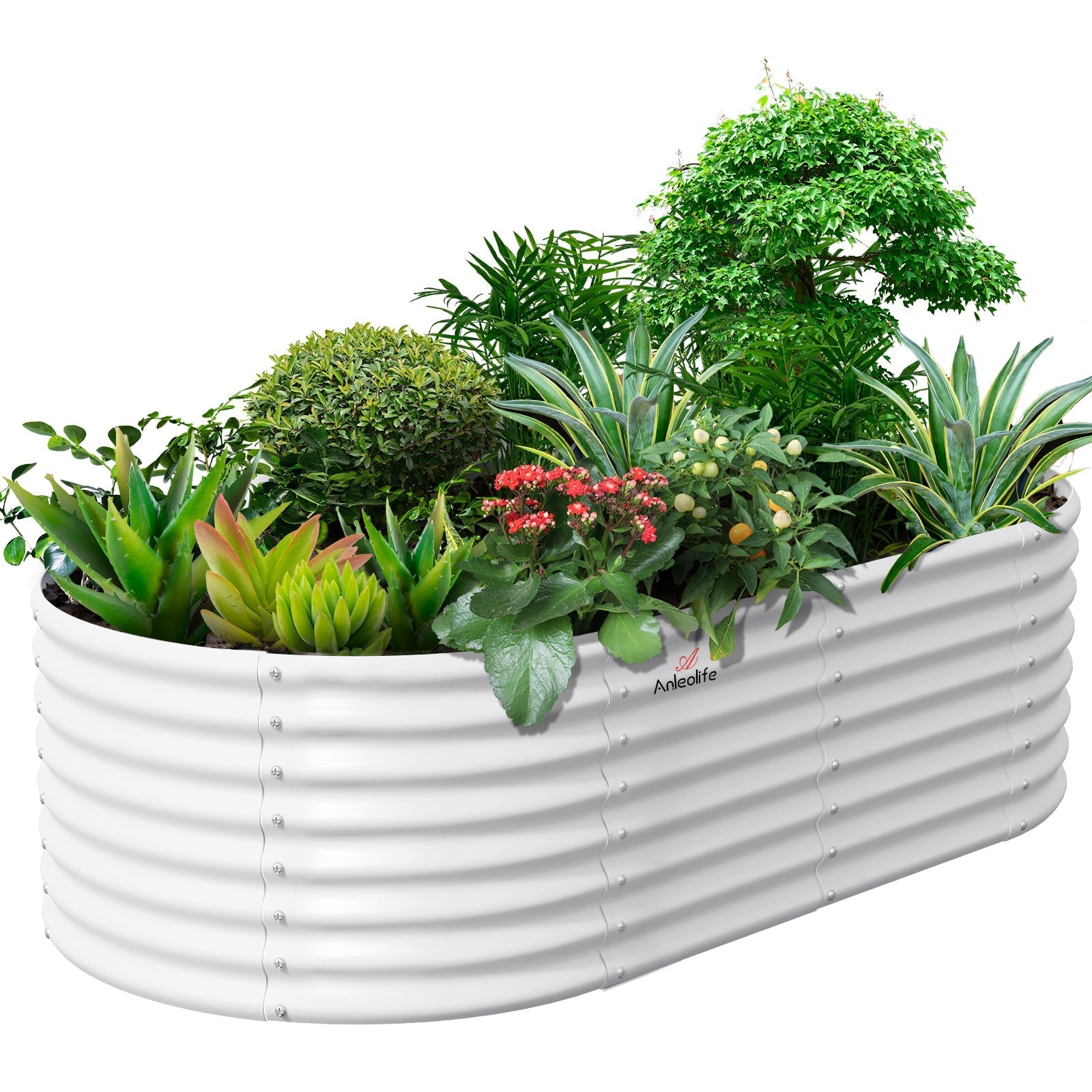
Anleolife's modular 8x4x2 beds are designed with this principle at their core. The interlocking panels create a sturdy, seamless structure with no exposed screws or sharp edges, making them safe for families with children and pets.
Expanding Your Layout Over Time
Here's where modular design truly shines. Once you've gardened through one full season in your first bed, you'll have a much clearer picture of what you want to grow more of, where you need more space, and how your workflow could be smoother. Rather than starting over, you simply:
- Add extension panels to lengthen your existing bed from 8 feet to 12 or even 16 feet
- Stack additional tiers to increase depth for root vegetables like carrots and parsnips
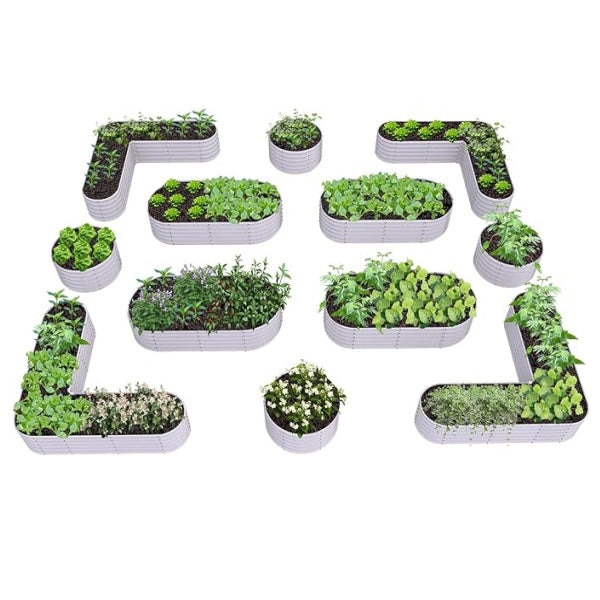
- Add a second or third bed alongside the first, creating a multi-bed garden ecosystem with dedicated sections for different crop families
- Create a U-shape or L-shape configuration using corner connectors for maximized accessible planting area
A thoughtful multi-bed raised bed planting layout also supports crop rotation—the practice of moving plant families to different beds each season to prevent soil-borne disease buildup. With modular beds, you can label and plan rotation schedules that keep your soil healthier year after year.
Integrating Your Garden into a Full Outdoor Ecosystem
One of the most exciting developments in home gardening is the move toward complete outdoor ecosystems—spaces that integrate planting, small-scale animal husbandry, and aesthetic design into a cohesive whole. Anleolife's product range reflects this evolution.
Imagine a backyard where your modular garden beds sit alongside a compact chicken coop. Your chickens scratch through finished compost, which feeds your beds. Your beds produce kitchen scraps that supplement your chickens' diet. A decorative pathway system keeps the space looking intentional and beautiful rather than utilitarian. This isn't a fantasy—it's a practical, achievable lifestyle upgrade, and it starts with choosing the right modular foundation.
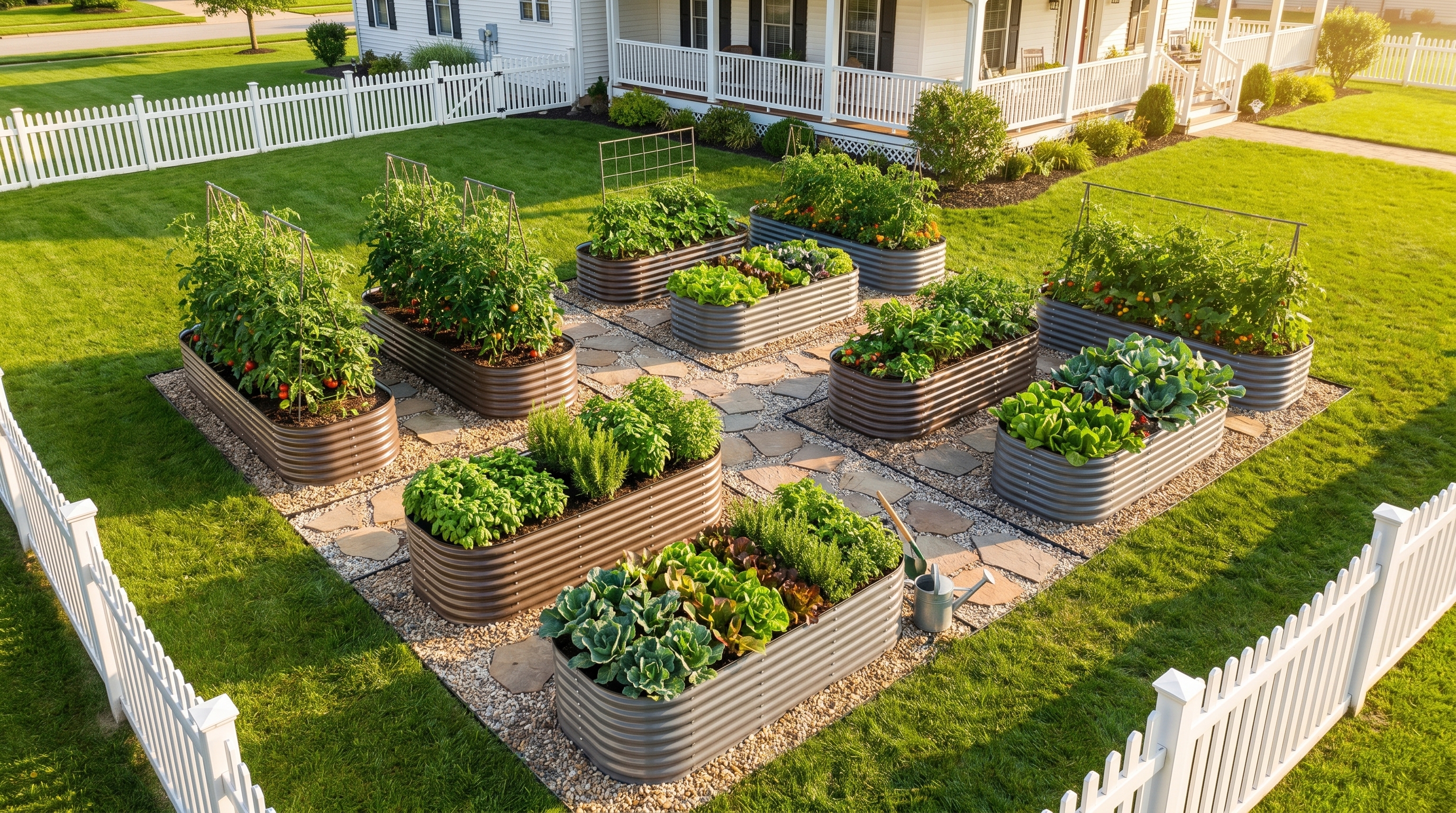
ALT: Organized modular raised bed garden layout showing multiple beds with companion planting, pathways, and decorative elements in a residential backyard
Advanced Considerations for Long-Term Modular Garden Success
Addressing Soil Compaction and Drainage in Raised Bed Systems
One of the most common issues gardeners encounter after their first season is soil compaction—the gradual settling and hardening of growing medium that restricts root growth and drainage. In a modular metal raised bed, this is easier to address than in-ground gardens because you have full control over soil composition from day one. Use a well-balanced mix of approximately 60% topsoil, 30% compost, and 10% aeration material (perlite, pumice, or coarse sand). Refresh the top 4–6 inches of compost each spring to maintain biological activity.
Metal beds actually assist drainage naturally—the walls allow air exchange through the soil profile, preventing waterlogging that wooden beds (which absorb moisture themselves) can sometimes trap.
Common Misconceptions About Galvanized Steel and Food Safety
A persistent myth in gardening communities is that galvanized steel leaches harmful zinc or other metals into soil at levels that affect plant or human health. According to guidance from both the EPA and agricultural extension resources, galvanized coatings used in food-grade garden applications are considered safe. Zinc is in fact a micronutrient that plants require in small amounts. The levels that might leach from galvanized steel are negligible and far below any threshold of concern.
What matters is sourcing from reputable manufacturers who use proper food-safe galvanization—not all galvanized products are created equal. Anleolife uses premium galvanized steel specifically formulated for garden bed applications, giving gardeners confidence season after season through a full 20-year lifespan.
Seasonal Transitions and Year-Round Growing
A modular raised bed doesn't have to be a seasonal structure. With the right accessories:
- Cold frames and low tunnels attached to modular beds extend the growing season by 4–6 weeks in spring and fall
- Shade cloth frameworks protect summer crops from heat stress in southern climates
- Cover crop planting over winter rebuilds soil biology and prevents erosion
These additions integrate seamlessly into modular systems because the standardized dimensions allow accessories to be fitted precisely—another advantage over irregularly shaped DIY builds.
Frequently Asked Questions FAQ
Q1: How do I decide on the best raised bed garden layout for a small yard?
Start by measuring your available space and identifying the sunniest area—most vegetables need at least 6–8 hours of direct sunlight daily. For small yards, an L-shaped or U-shaped raised bed layout using modular panels maximizes planting area while creating efficient walkways. Leave at least 24–30 inches between beds for comfortable access. A single 8x4x2 modular bed is an excellent starting point; most small yards can accommodate 2–3 beds once gardeners experience that first successful season.
Q2: Are modular metal raised beds safe for growing vegetables and food crops?
Yes, high-quality galvanized steel modular raised beds are considered food-safe for vegetable growing. The zinc coating used in proper galvanization is stable under typical garden conditions and does not leach harmful levels of heavy metals into soil. This is supported by guidance from institutions like the EPA and university extension programs. Always choose beds from reputable manufacturers—Anleolife uses premium food-safe galvanized steel and offers a 20-year lifespan, reflecting the material's durability and safety credentials.
Q3: How long does it take to assemble a modular raised bed, and what tools do I need?
Most modular raised bed systems—including Anleolife's interlocking panel designs—are engineered for tool-free assembly. A standard 8x4 configuration typically takes one person 30–45 minutes to assemble, including time to level the ground and lay a weed barrier. Larger multi-tier or multi-section configurations may take 60–90 minutes. For gardeners with limited mobility or those setting up for the first time, assembly with a second person is recommended. Once assembled and filled, the bed is ready for planting immediately.
Summary
Modular raised garden beds represent one of the most practical, future-proof investments a home gardener can make. Here are the three core value points to carry forward:
1. Flexibility that grows with you. No other garden structure gives you the same freedom to start small, expand intelligently, and reconfigure based on real-world experience. Your raised bed garden layout can evolve from a single 8x4 bed to a multi-bed ecosystem without buying new materials or doing demolition.
2. Durability that pays for itself. A premium galvanized steel modular bed from Anleolife is built to last 20 years—outlasting several rounds of lumber replacement and eliminating the maintenance headaches of wood rot, warping, and pest infiltration. This is the kind of investment that makes financial and environmental sense.
3. Accessibility and enjoyment for every gardener. Whether you're a retiree managing joint discomfort, a busy parent who needs an efficient weekend garden routine, or a first-time urban grower, modular systems lower the barrier to productive, beautiful gardening.
Your next step is straightforward: choose your starting configuration, map your sunlight and space, and commit to your first planting season. The learning curve is gentle, the rewards are immediate, and the system will keep up with your ambitions for decades to come.
Upgrade Your Garden with Anleolife
Nationwide U.S. warehouse network: Strategically located in California, Texas, Florida, New York, Illinois, and Washington, Anleolife ensures delivery within 3–8 business days—so your garden upgrade plans never have to wait for the growing season.
Multi-channel availability: Anleolife products are available on major e-commerce platforms including Amazon, Walmart, Home Depot, Lowe's, and Wayfair, as well as the official website https://www.anleolife.com/—providing consistent quality assurance and after-sales service wherever you prefer to shop.
Three core scenarios: Planting (metal raised garden beds, soil systems), Raising (chicken coops, rabbit hutches), and Beautification (decorative accessories, pathway systems)—meeting complete needs from functionality to aesthetics.
We understand that an ideal garden is not built overnight, but gradually improved over time. Our modular product design allows flexible expansion based on your needs—from your first 8x4x2 garden bed to a fully integrated planting-and-raising ecosystem. We grow with you every step of the way.
References
This article is based on the following official materials (as of January 2026):
- [USDA]. "Home Gardening and Food Production Resources."
https://www.usda.gov/ - [EPA]. "Soil Safety and Raised Bed Gardening Guidance."
https://www.epa.gov/ - [UC ANR]. "Raised Bed Gardening and Soil Management."
https://ucanr.edu/ - [OSU Extension]. "Planning and Building Raised Bed Gardens."
https://extension.oregonstate.edu/
Note: Agricultural guidelines and material safety standards may be updated. Please check the latest official documents or consult professional advisors for region-specific recommendations.
About Anleolife
Anleolife is a leading outdoor garden solutions provider in North America, dedicated to offering a full-scenario product ecosystem for home gardening enthusiasts, covering planting, raising, and garden beautification. Since its founding, we have upheld our brand mission, "Made for Garden Life," continuously innovating products and optimizing services to help hundreds of thousands of users upgrade their gardens, reconnect with nature, and enjoy a better garden lifestyle.