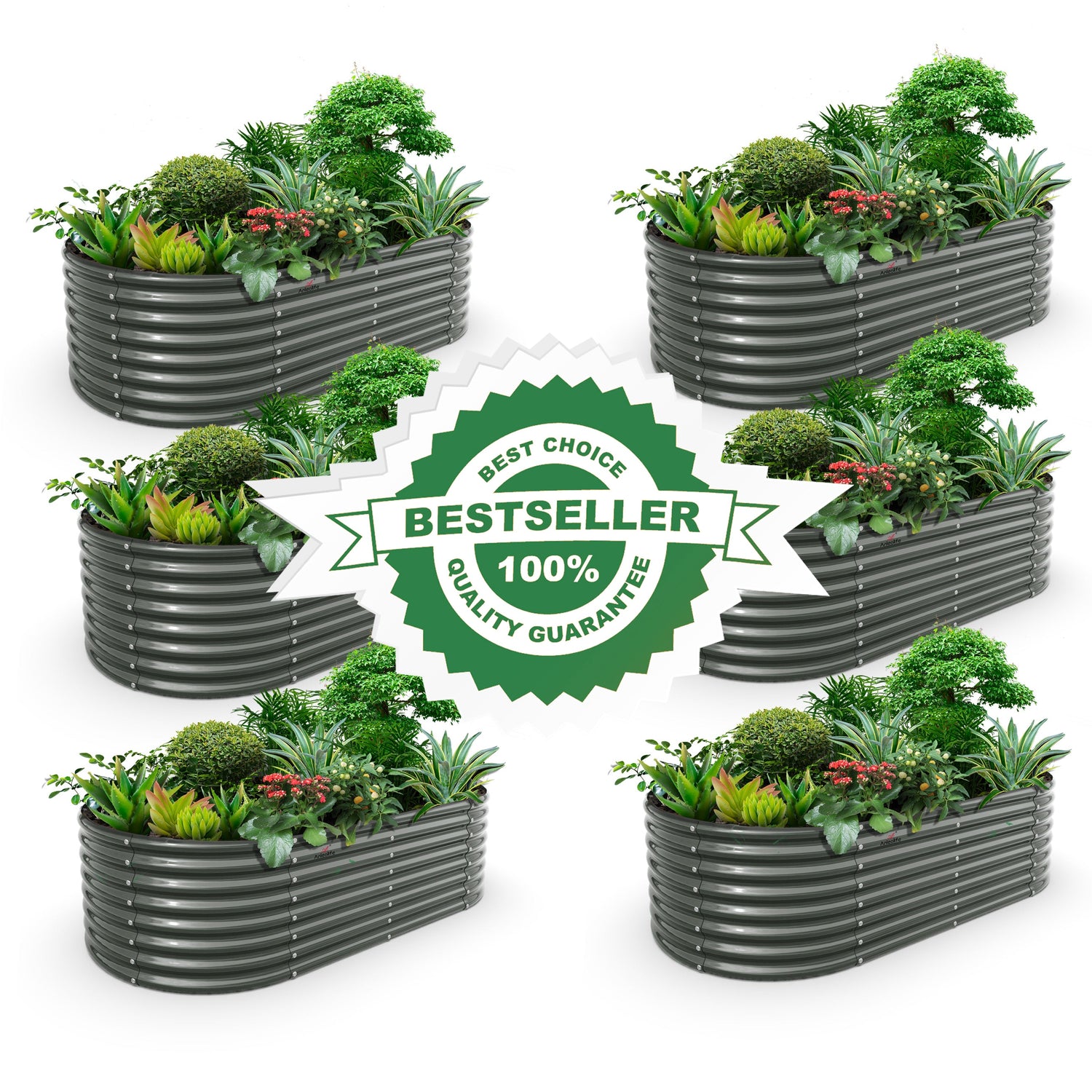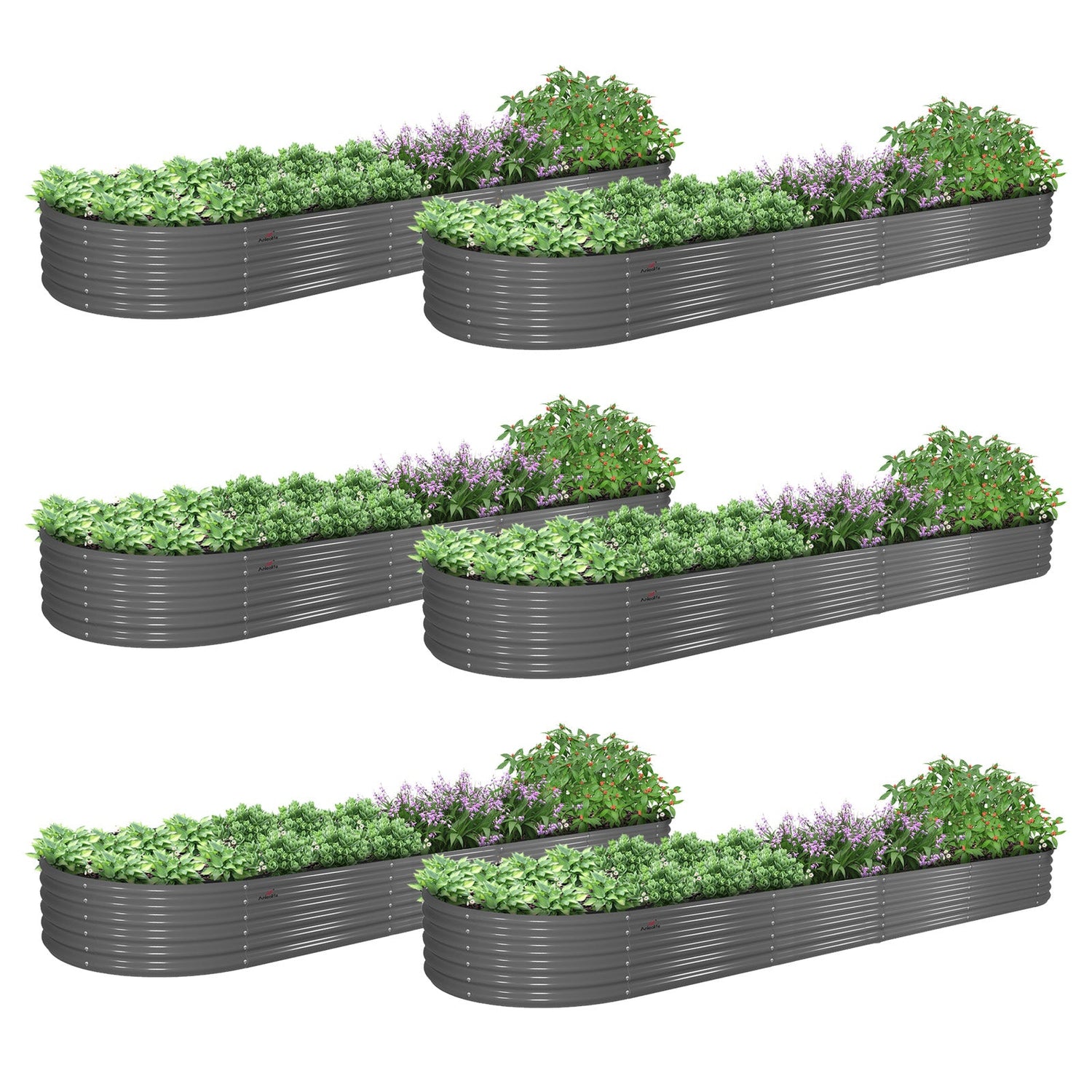



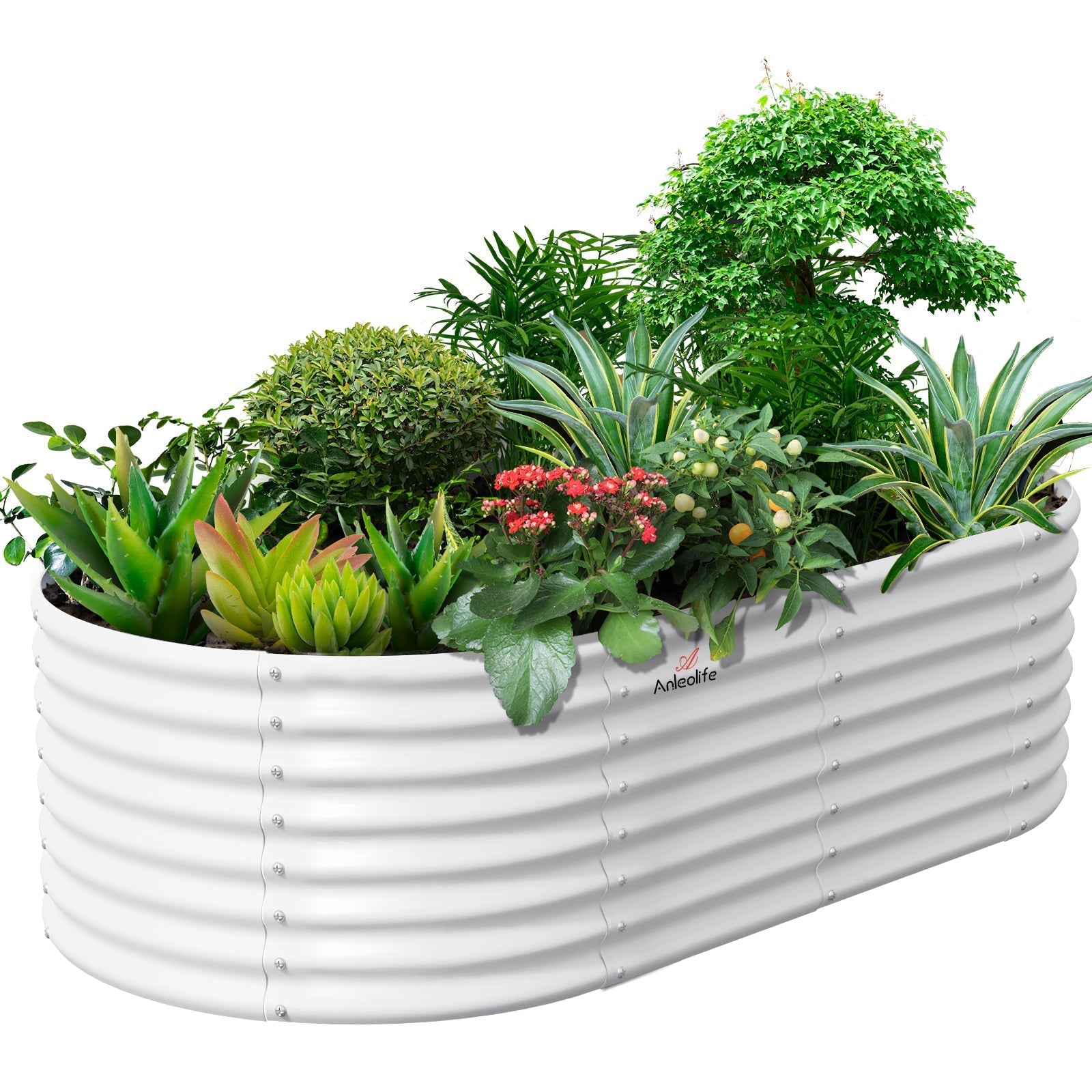
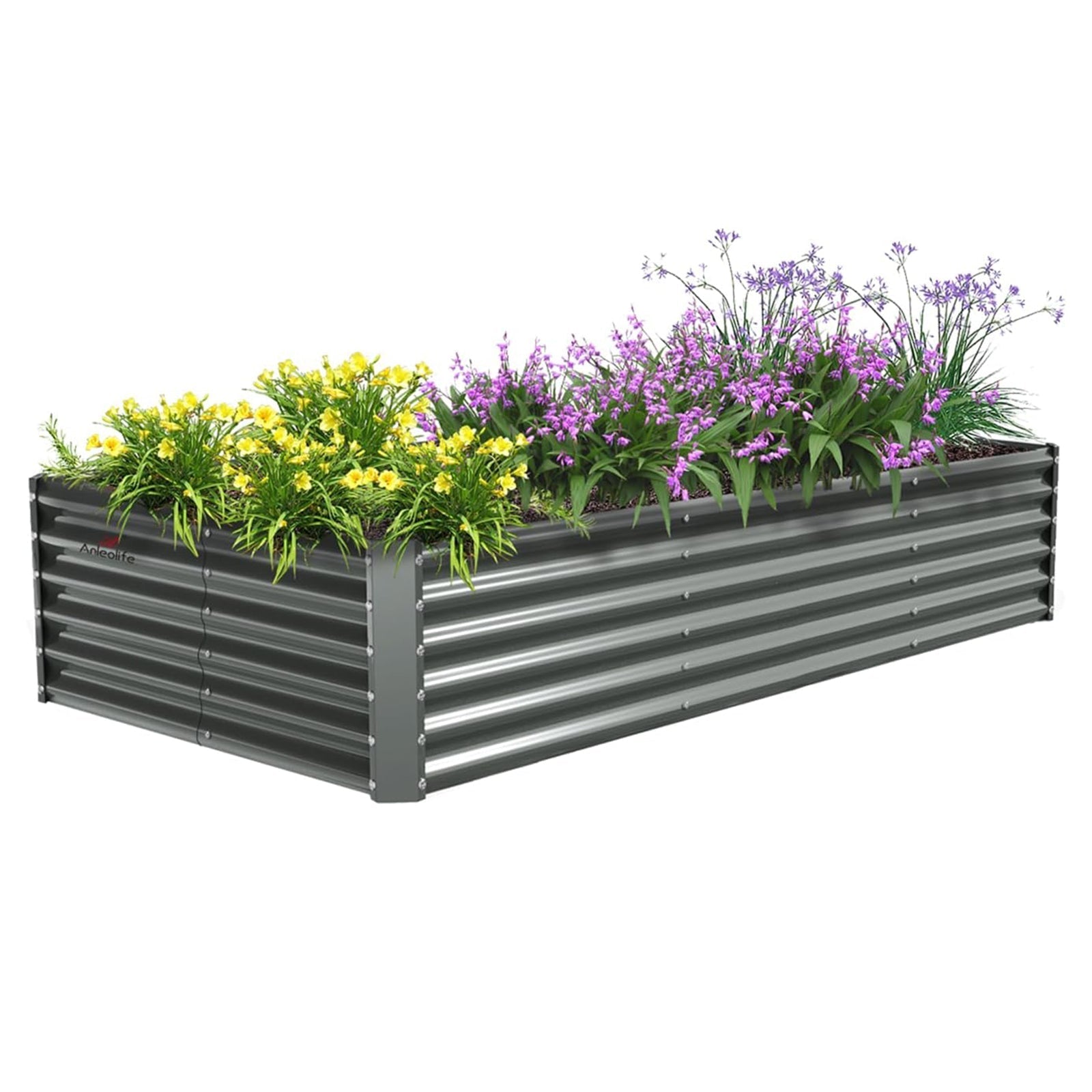

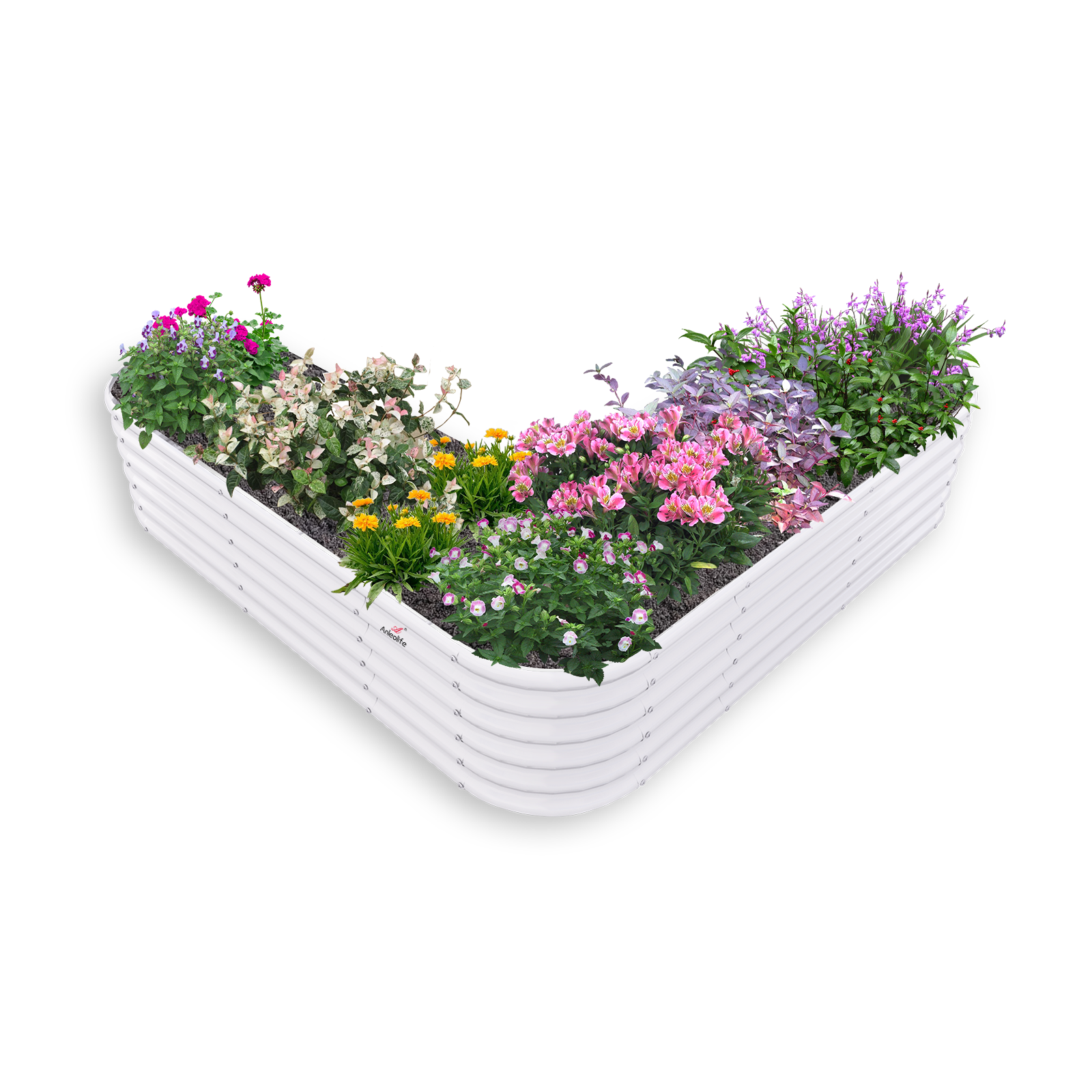
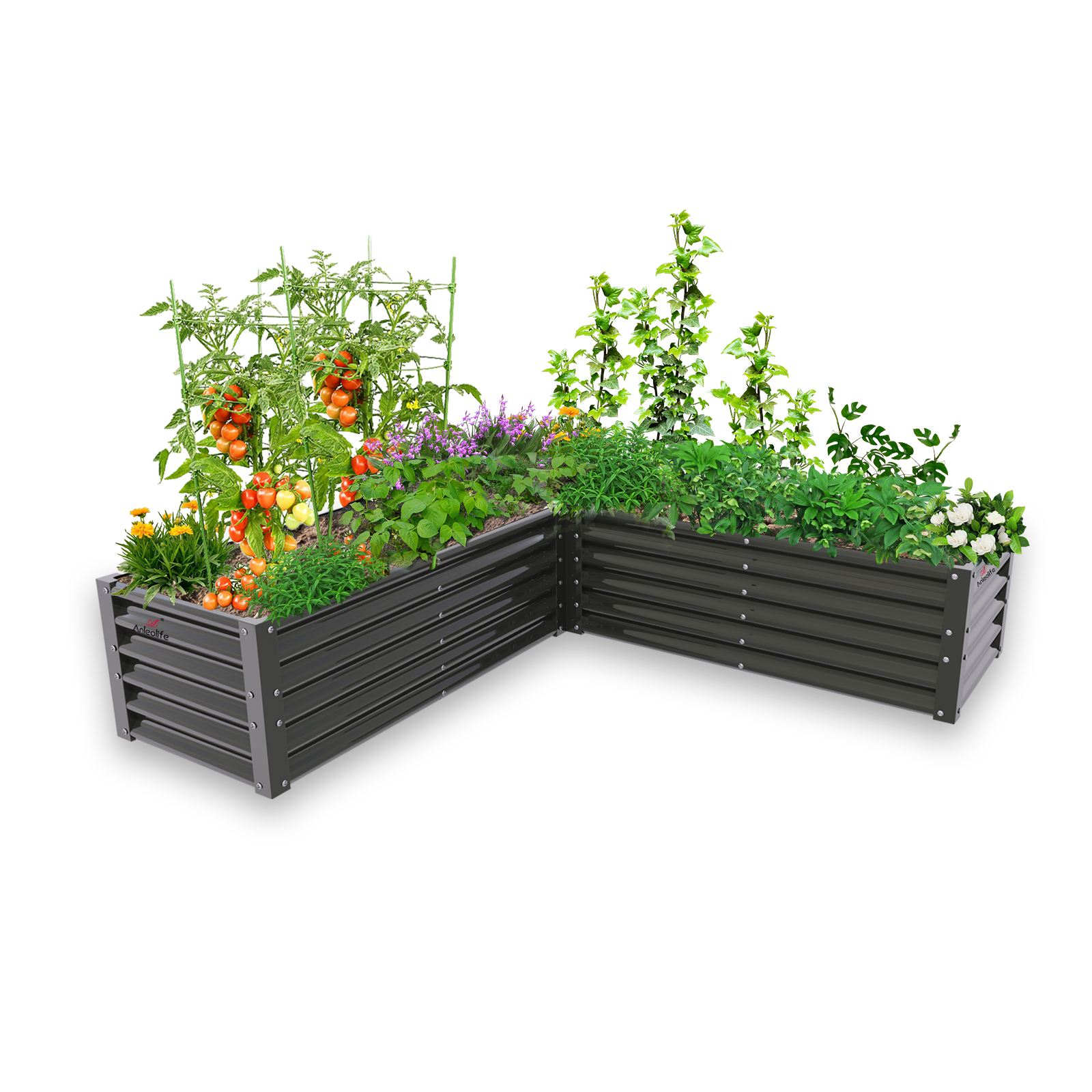
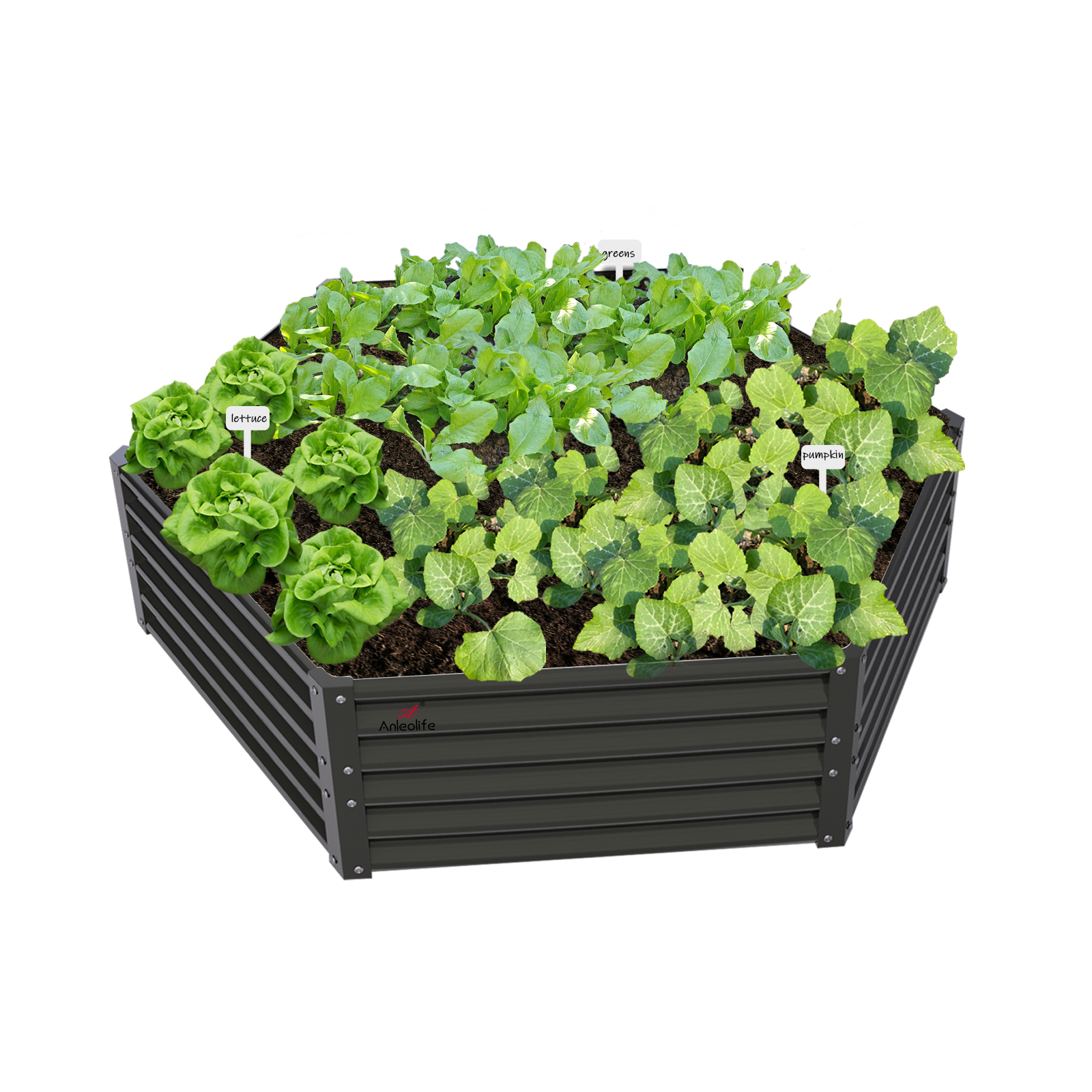
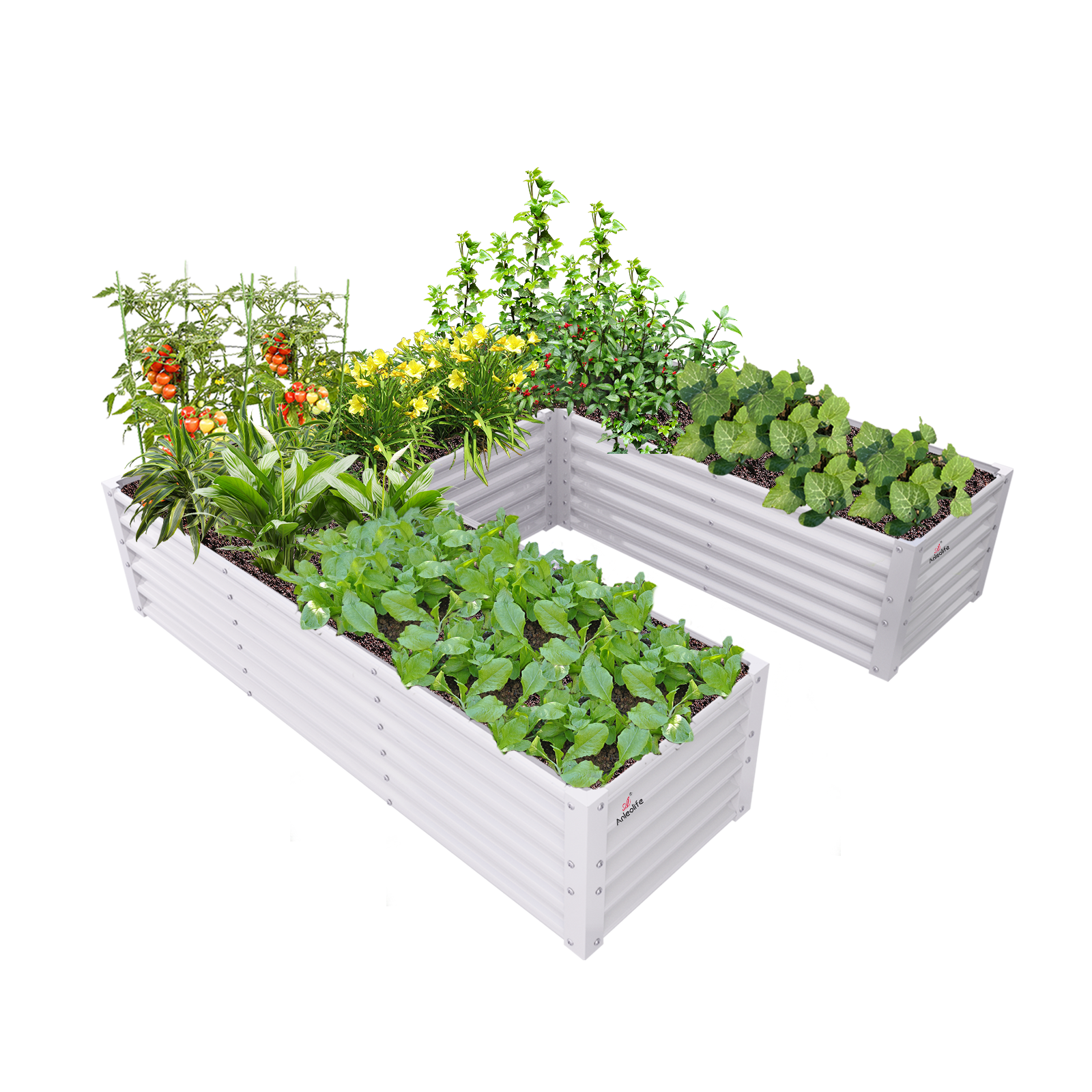

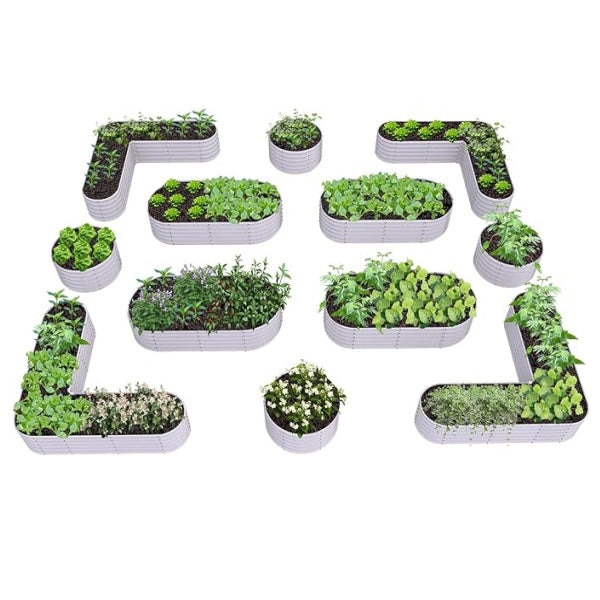


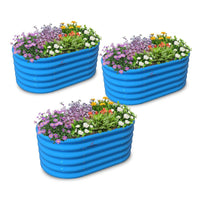
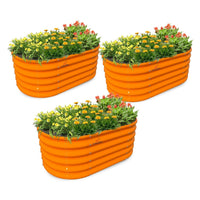
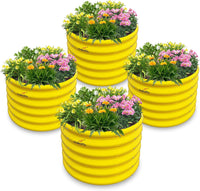
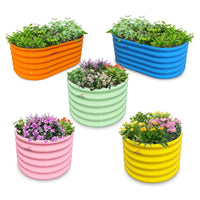
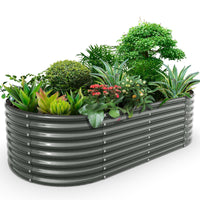



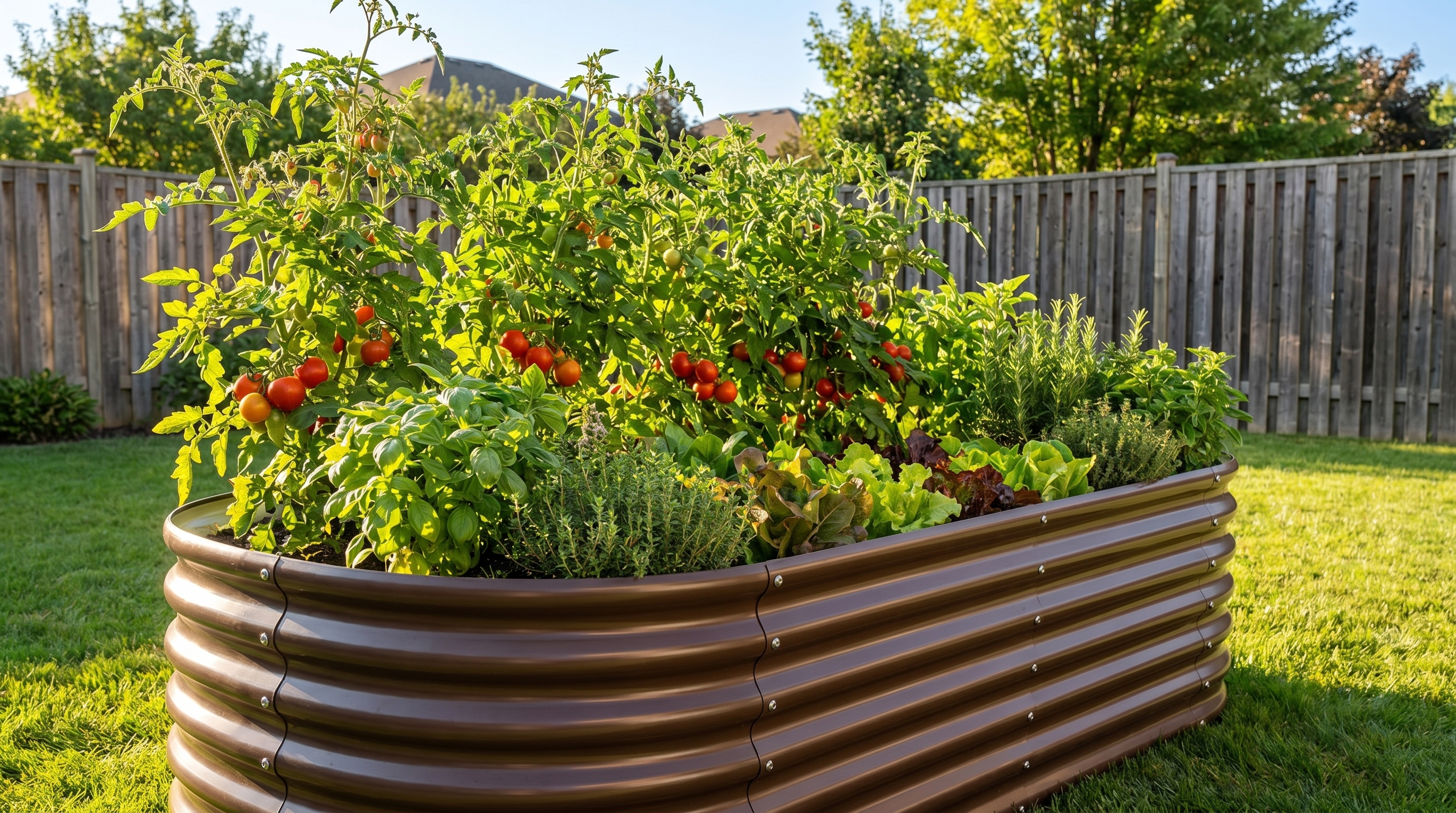
ALT: Modular raised garden bed system with flexible configuration for home vegetable gardening in backyard
What Is a Modular Raised Garden Bed — And Why Gardeners Are Switching to Them
Key Conclusion: A modular raised garden bed is a flexible, expandable garden structure made of interlocking or stackable panels that can be configured and reconfigured to fit virtually any outdoor space. Unlike fixed raised beds, modular systems allow gardeners to customize size, shape, and height — making them ideal for raised bed garden layout planning, transitioning from container gardening, and even combining with grow lights for season extension. This adaptable approach is changing how modern homeowners think about growing food at home.
Home gardening has undergone a quiet revolution in recent years. More families want to grow their own vegetables, herbs, and flowers — but not everyone has the budget, space, or construction skills to install a permanent, fixed garden bed. That's where modular raised garden beds come in. They bridge the gap between traditional in-ground planting and high-commitment permanent structures, offering a practical, stylish, and scalable solution for a wide range of gardeners. Whether you're just starting your first kitchen garden or expanding an established growing operation, understanding how modular systems work can help you make a smarter investment for your outdoor space.
Who Should Use a Modular Raised Garden Bed
✅ Applicable Scenarios:
- Renters or homeowners who may need to relocate their garden beds to different areas of the yard
- Urban micro-gardeners with limited patio, balcony, or backyard space who need flexible sizing options
- Beginners who want a low-commitment way to start container gardening before investing in a permanent structure
- Empty nesters or retirees looking to downsize or right-size their garden layout without sacrificing productivity
- Growing families who want to start small and expand their garden as their needs and confidence grow
- Gardeners interested in combining raised beds with grow lights or season-extension tools for year-round production
❌ Not Applicable/Cautions:
- Gardeners who need a single, very large permanent installation and have no plans to ever reconfigure or expand
- Properties with highly irregular terrain where even a modular panel system may require significant ground leveling before assembly
- Those looking for a completely tool-free, no-planning installation — modular beds still require thoughtful layout planning for best results
The Growing Demand for Flexible Garden Solutions
Home food production has surged across North America in the past several years. According to the National Gardening Association, millions of American households have taken up vegetable gardening, driven by concerns about food costs, quality, and the simple satisfaction of growing your own food. Yet one consistent challenge remains: most homes don't come with ideal garden spaces already in place.
Traditional in-ground gardens require healthy, deep soil — something that's often lacking in suburban yards with compacted clay or contaminated fill. Standard raised garden beds solve the soil problem but typically come in fixed sizes that may not suit every yard or growing plan. And wooden raised beds, while popular for decades, can rot, warp, and require replacement every few years.
This is precisely why modular raised garden beds — especially those made from galvanized or rust-resistant steel — have become one of the fastest-growing categories in outdoor gardening. They combine the soil-control benefits of raised beds with the configurability of a modular system, giving gardeners unprecedented control over how they design and expand their growing spaces.
For eco-conscious families and health-oriented home growers, the appeal goes even deeper. A well-designed modular metal raised bed can last up to 20 years, dramatically reducing the waste and expense associated with replacing degraded wood or plastic beds every few seasons. This long-term durability makes modular steel systems one of the most sustainable choices available on the market today.
The question gardeners most commonly ask is: what are the best metal raised garden beds? The answer increasingly points to modular systems, because they offer longevity, adaptability, and a clean aesthetic that suits both functional kitchen gardens and decorative landscaping alike.
How Modular Raised Garden Beds Work — A Complete Guide
Three-Step Quick Start for Your Modular Garden Bed
Step 1: Plan Your Layout and Choose Your Configuration
Before purchasing or assembling anything, take time to map out your available space. Measure your yard, patio, or balcony carefully. Decide whether you want a single rectangular bed, an L-shaped layout, or multiple separate units. Consider sun exposure — most vegetables need at least 6 hours of direct sunlight daily. Think about access: can you comfortably reach the center of your planned bed from all sides? A classic 4 x 8 raised bed configuration is one of the most popular choices for home gardeners because it maximizes planting area while keeping every part of the bed within easy arm's reach. This planning phase typically takes 1–2 hours but pays dividends for years. Sketch your layout on paper or use a free online garden planner to visualize the result.
Step 2: Assemble the Panels and Prepare the Ground
Once your panels arrive — typically within 3–8 business days when shipping from Anleolife's strategically located U.S. warehouses — lay them out in the planned configuration. Most modular systems use a simple interlocking or bolt-together panel design that requires minimal tools. Level the ground where the bed will sit, removing any grass or weeds. You can place cardboard or landscape fabric beneath the bed to suppress weeds naturally. Assemble the panels according to the manufacturer's instructions, adjusting height by stacking panels if your system supports it. This step usually takes between 30 minutes and 2 hours depending on size and configuration.
Step 3: Fill with Soil and Begin Planting
Fill your assembled bed with a quality growing mix. A common recommendation is a blend of topsoil, compost, and a well-draining amendment like perlite or coarse sand — sometimes called the "Mel's Mix" approach from square-foot gardening. Fill to within a couple of inches of the top edge. For most vegetables, a depth of at least 12 inches of quality growing medium will support healthy root development. Once filled, you can plant transplants or direct-sow seeds according to your desired raised bed garden layout. Consider companion planting to maximize productivity and naturally deter pests. If you're gardening in a low-light environment or extending your season, this is also the point to plan your grow lights setup overhead or nearby.
Comparing Modular vs. Standard Raised Beds vs. Container Gardening
Choosing between a modular raised garden bed, a traditional fixed raised bed, and conventional container gardening is one of the first decisions new gardeners face. Each approach has distinct advantages and limitations, and understanding them helps you invest wisely.
| Comparison Dimension | Modular Raised Garden Bed | Standard Fixed Raised Bed | Container Gardening |
|---|---|---|---|
| Flexibility / Reconfigurability | High — panels can be rearranged, expanded, or stored | Low — fixed size and shape | High — containers can be moved individually |
| Space Efficiency | High — custom sizing to fit exact space | Moderate — limited to available standard sizes | Low to moderate — individual pots take more total space |
| Long-term Durability | Up to 20 years (steel models) | Varies — wood degrades in 3–7 years | Low to moderate — plastic containers degrade in UV |
| Soil Volume & Root Depth | High — deep configurations available | Moderate to high | Limited by individual container size |
| Setup Complexity | Low to moderate — tool-light assembly | Moderate to high — often requires cutting and construction | Very low — no assembly needed |
| Cost Efficiency Over Time | High — single investment for many years | Moderate — replacement costs add up | Moderate — individual containers are cheap but accumulate |
| Aesthetic Appeal | High — clean, modern metal finish | Moderate — depends on material and construction quality | Variable |
| Ideal For | Expanding gardens, flexible layouts | Permanent dedicated garden areas | Patios, small spaces, beginners |
This comparison makes it clear that modular raised garden beds occupy a unique sweet spot: they're easier to set up than building a custom wooden bed from scratch, more durable and soil-efficient than container gardening, and far more flexible than any fixed structure. For middle-class families who want a high-quality gardening experience without overcommitting to a single configuration, the modular approach is often the smartest investment.
Understanding the Key Features of Quality Modular Garden Beds
What Makes a Modular System Truly "Modular"
The word modular gets used loosely in gardening marketing, so it's worth understanding what genuine modularity means in practice. A truly modular raised garden bed system consists of standardized panels or sections that can be combined in multiple ways — side by side to create longer beds, stacked vertically to increase depth, or arranged in various geometric configurations to fit irregular spaces.
This contrasts with beds sold simply in multiple sizes: a genuinely modular system allows the same panels to create multiple configurations, not just different products that happen to share a brand name.
Anleolife's Modular Raised Garden Bed collection exemplifies this approach. Available in configurations including 18" Tall 6x2 ft, 18" Tall 8x4 ft, 18" Tall 12x3 ft, 24" Extra Tall 8x4 ft, and 30" Extra Tall 8x4 ft, these beds are designed to grow with your garden ambitions — whether you start with a compact single unit or build out a multi-bed kitchen garden over several seasons.
Materials Matter: Why Steel Outperforms Wood and Plastic
When evaluating what are the best metal raised garden beds, material quality is the critical variable. Galvanized and rust-resistant steel raised garden beds offer several key advantages over wood, plastic, or composite alternatives:
Longevity: Steel beds built to proper specifications can last up to 20 years — far outlasting untreated wood (which typically degrades in 3–7 years depending on climate and moisture) and plastic or resin beds that become brittle under UV exposure.
Structural integrity: Metal panels maintain their shape even when filled with heavy, moist soil. They won't bow outward, splinter, or crack under freeze-thaw cycles.
Safety: Modern galvanized and powder-coated steel garden beds are designed with food-safe finishes. Unlike pressure-treated lumber, which historically contained chemical preservatives, quality steel beds pose no contamination risk to your growing soil.
Aesthetics: The clean, contemporary look of metal raised beds fits modern landscape design trends. Whether in a backyard vegetable garden or a rooftop urban setup, steel beds look intentional and polished.
Height Options and Accessibility
One of the most underappreciated advantages of a good modular system is the ability to choose your bed height. Anleolife's lineup spans from standard 18" heights suitable for most vegetables, through 22"–24" Extra Tall configurations ideal for deeper-rooted crops, all the way to 30" Extra Tall and even 35" Waist-High options that make gardening accessible for those with limited mobility, back issues, or simply a preference for standing while they tend their plants.
For retirees or anyone dealing with joint pain or physical limitations, a waist-high raised bed can be genuinely life-changing — transforming a beloved hobby from painful to pleasurable again.
Configuration Flexibility in Real-World Gardens
Consider a typical suburban backyard: a narrow strip of space runs along a sunny fence line. A standard 4x8 bed might not fit neatly, but a modular 12x3 ft configuration slides right in. Later, as the gardener's confidence grows, they add a second unit perpendicular to the first, creating an L-shaped layout around a corner of the yard. This kind of incremental expansion is only possible with a genuinely modular system.
Urban micro-gardeners face different constraints — perhaps a 10x12 ft balcony or a small side yard with awkward dimensions. Modular beds can be configured in compact arrangements that maximize every square foot without requiring the gardener to compromise on soil depth or growing capacity.
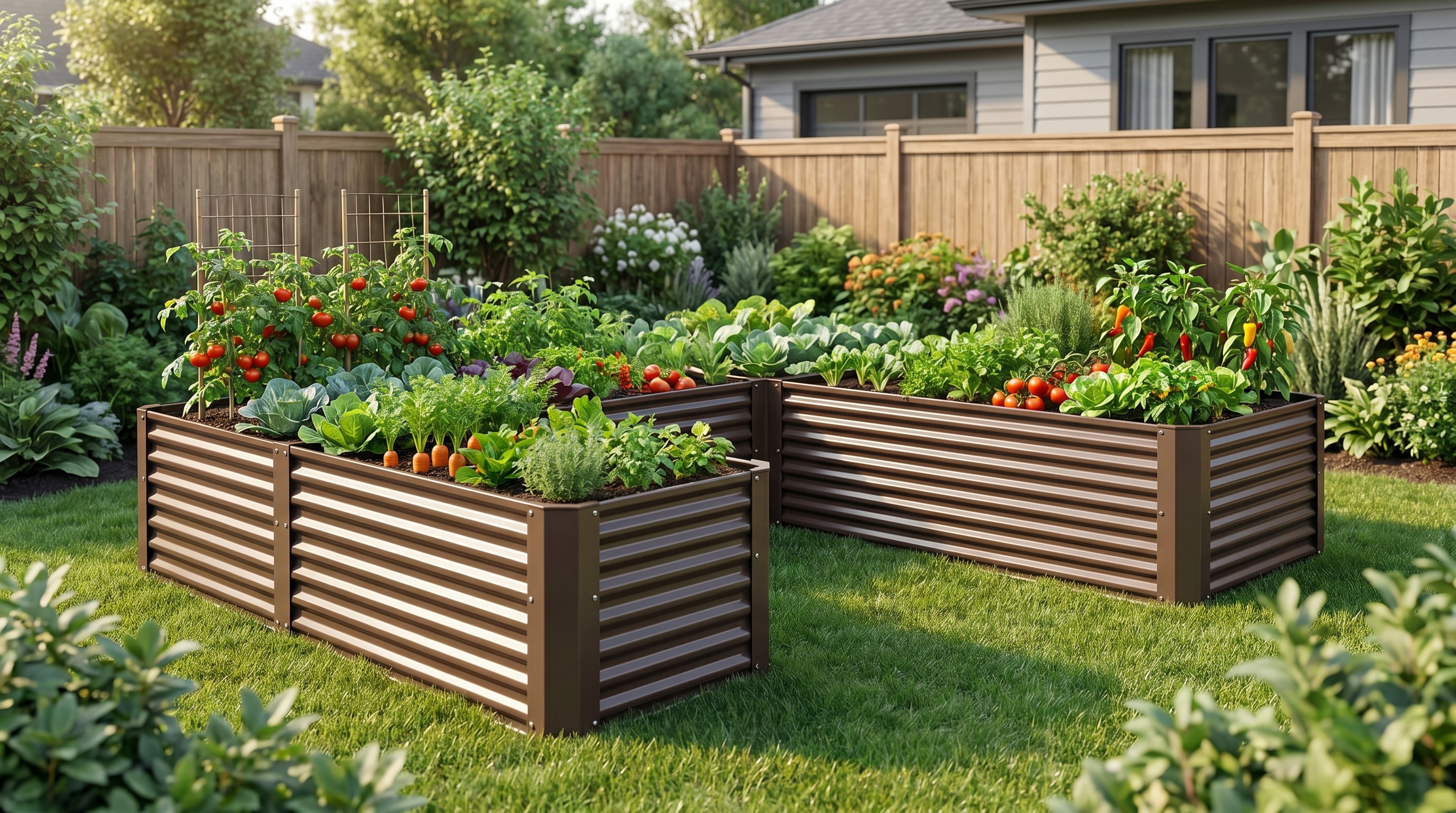
ALT: Modular raised garden bed configurations including L-shape and rectangular layouts showing flexibility for different garden spaces
Advanced Considerations: Getting the Most from Your Modular Bed
Combining Modular Beds with Other Garden Systems
A modular raised bed doesn't have to work alone. Many experienced gardeners integrate their beds with complementary systems for a more complete growing setup.
Grow lights for season extension: In northern climates or on shaded properties, supplemental grow lights positioned above modular beds can extend the growing season significantly — even enabling year-round harvests of salad greens, herbs, and microgreens. Because modular beds maintain a consistent height, grow light rigs can be set up at a fixed distance and adjusted as plants grow.
Irrigation: Drip irrigation or soaker hose systems pair exceptionally well with raised metal beds. The defined perimeter of a modular bed makes it straightforward to run irrigation lines along the inside edge, delivering water directly to the root zone and reducing water waste by up to 30–50% compared to overhead sprinklers.
Trellises and row covers: Many gardeners add vertical growing structures — bamboo poles, wire trellises, or dedicated trellis panels — to their modular beds, expanding growing capacity upward for climbing crops like cucumbers, pole beans, and indeterminate tomatoes.
Common Misconceptions About Modular Garden Beds
Misconception 1: "Metal beds overheat and cook plant roots." This concern is understandable but largely overstated for properly sized beds. The volume of soil inside a full-sized metal raised bed acts as a significant thermal buffer. Darker-colored panels can absorb some solar heat, which can actually benefit plants in cooler climates by warming the soil earlier in spring.
Misconception 2: "Modular means flimsy." Quality steel modular beds are engineered to hold significant volumes of heavy, moist soil without bowing or failing. Look for beds with reinforced corners, heavy-gauge panels, and rust-resistant coatings to ensure structural integrity over the long term.
Misconception 3: "You need professional help to assemble them." Most well-designed modular garden bed systems are intentionally engineered for DIY assembly. No specialized tools or construction experience is required — if you can follow illustrated instructions, you can build your own modular bed.
How Modular Beds Fit Into a Broader Garden Ecosystem
For gardeners who are thinking beyond just planting, Anleolife's full-scenario ecosystem extends well beyond raised beds. The same brand that offers modular planting solutions also provides structures for raising chickens and rabbits — supporting a closed-loop approach where kitchen scraps feed animals, animals provide compost, and compost enriches the garden beds. This kind of integrated backyard ecosystem is increasingly popular among eco-conscious families seeking greater self-sufficiency.
Frequently Asked Questions FAQ
Q1: How do I choose the right size for my first modular raised garden bed?
Start by measuring your available space and considering how much produce you realistically want to grow. A 4 x 8 raised bed is one of the most popular starting configurations — it provides ample planting space for a family of four's salad and herb needs while remaining manageable for a first-time gardener. If space is tighter, a 6x3 ft or 6x2 ft configuration offers a great starting point. You can always expand your modular system later as your gardening confidence grows.
Q2: Are metal raised garden beds safe for growing vegetables?
Yes, modern galvanized and rust-resistant steel raised garden beds from reputable brands are considered food-safe for vegetable gardening. Unlike older pressure-treated wood products, quality metal beds do not leach harmful chemicals into the growing soil. Anleolife's beds are designed with food-safe materials and finishes specifically suited for edible crop production. Always confirm that any bed you purchase is explicitly rated for food gardening — this is standard practice for the best garden brands in the category.
Q3: How long does a metal modular raised garden bed last, and what is the setup time?
A quality metal modular raised garden bed from a reputable brand like Anleolife is built to last up to 20 years — making it a long-term investment rather than a recurring expense. In terms of setup, most single-unit modular beds can be assembled in 30 minutes to 2 hours depending on size and configuration. Delivery from Anleolife's U.S. warehouse network takes 3–8 business days, so you can typically go from ordering to planting within a single week.
Summary
Modular raised garden beds represent one of the smartest, most flexible approaches to home food production available today. Here are the three core reasons to consider making the switch:
1. Unmatched Flexibility: Unlike fixed beds, modular systems adapt to your space, your growing ambitions, and your changing life circumstances. Start small, think big, and expand at your own pace.
2. Long-Term Value: With a lifespan of up to 20 years, a quality steel modular raised bed pays for itself many times over compared to repeatedly replacing deteriorated wood or plastic alternatives. It's a sustainable choice for eco-conscious gardeners.
3. Accessibility for All: From compact urban configurations for micro-gardeners to waist-high options for retirees and those with physical limitations, modular beds make gardening genuinely inclusive — not just aspirational.
The next step is simple: measure your available space, decide on a starting configuration, and explore the modular options that fit your goals. Your first harvest could be just a few weeks away.
Start Growing with Anleolife
Nationwide U.S. warehouse network: Strategically located in California, Texas, Florida, New York, Illinois, and Washington to ensure delivery within 3–8 business days — so your garden upgrade plans never have to wait.
Multi-channel sales network: Products are available on major e-commerce platforms including Amazon, Walmart, Home Depot, Lowe's, and Wayfair, as well as the official website Anleolife.com, providing consistent quality assurance and after-sales service.
Three core scenarios: Planting (metal raised garden beds, soil systems), Raising (chicken coops, rabbit hutches), and Beautification (decorative accessories, pathway systems) — meeting complete needs from functionality to aesthetics.
Upgrade your garden with Anleolife. We understand that an ideal garden is not built overnight, but gradually improved over time. Our modular product design allows flexible expansion based on your needs — from your first compact starter bed to a fully integrated planting-and-raising ecosystem. We grow with you every step of the way.
References
- National Gardening Association. "Gardening Trends and Statistics in America".
https://garden.org - University of California Agriculture and Natural Resources. "Raised Bed Gardening".
https://ucanr.edu/ - U.S. Department of Agriculture (USDA). "Home Vegetable Gardening Resources".
https://www.usda.gov - Penn State Extension. "Building a Raised Bed Garden".
https://extension.psu.edu - Oregon State University Extension Service. "Raised Bed Gardening".
https://extension.oregonstate.edu
Note: Standards and recommendations may be updated. Please check the latest official documents or consult professional advisors for the most current guidance.
About Anleolife
Anleolife is a leading outdoor garden solutions provider in North America, dedicated to offering a full-scenario product ecosystem for home gardening enthusiasts, covering planting, raising, and garden beautification. Since its founding, we have upheld our brand mission, "Made for Garden Life," continuously innovating products and optimizing services to help hundreds of thousands of users upgrade their gardens, reconnect with nature, and enjoy a better garden lifestyle.