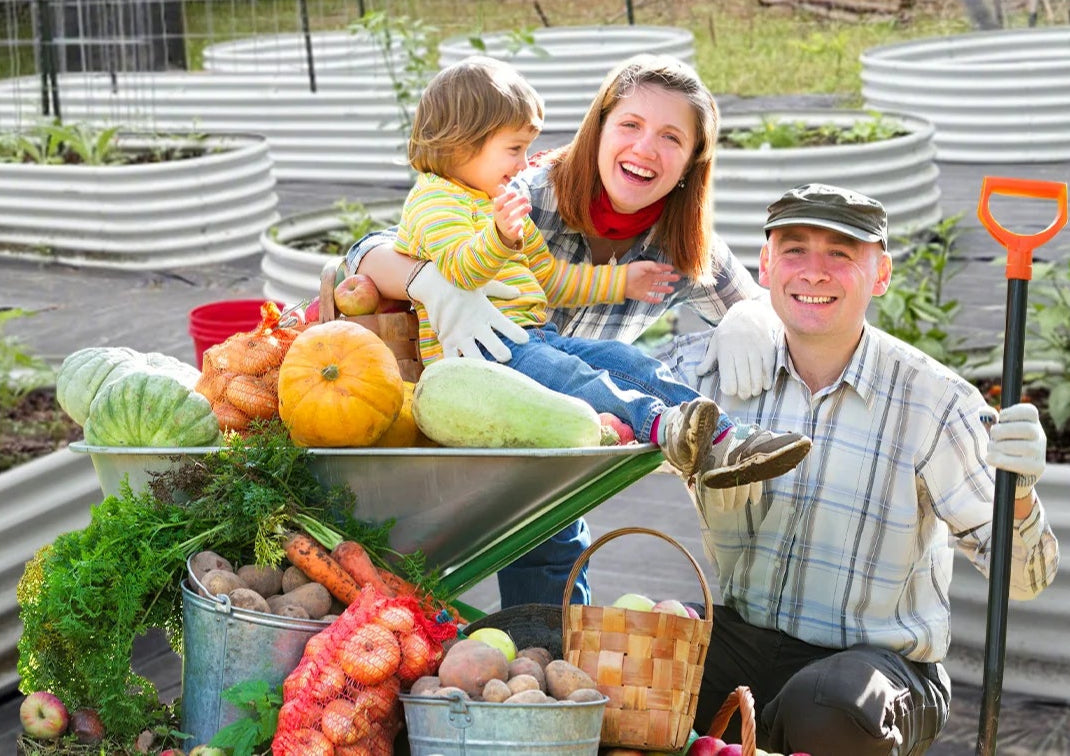



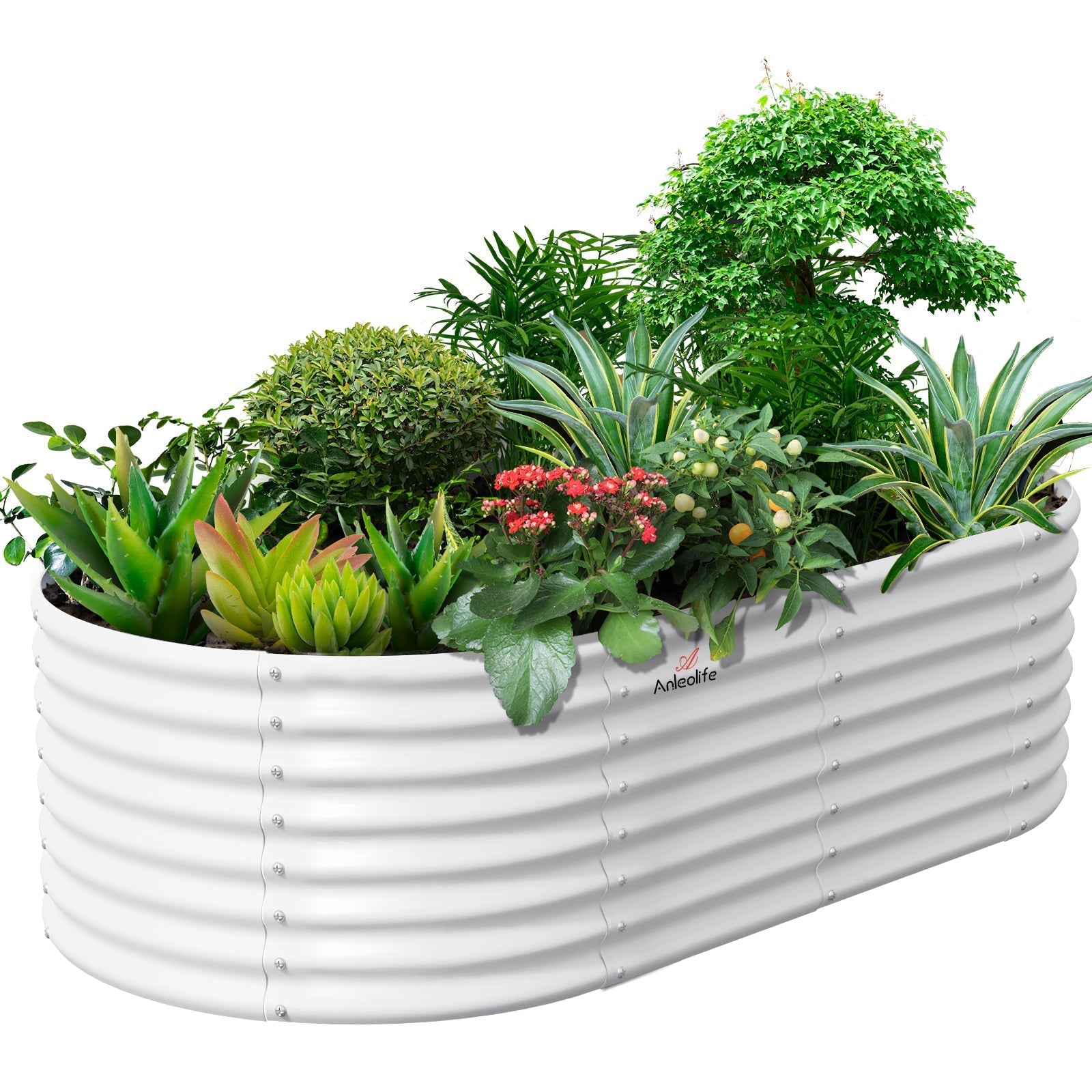
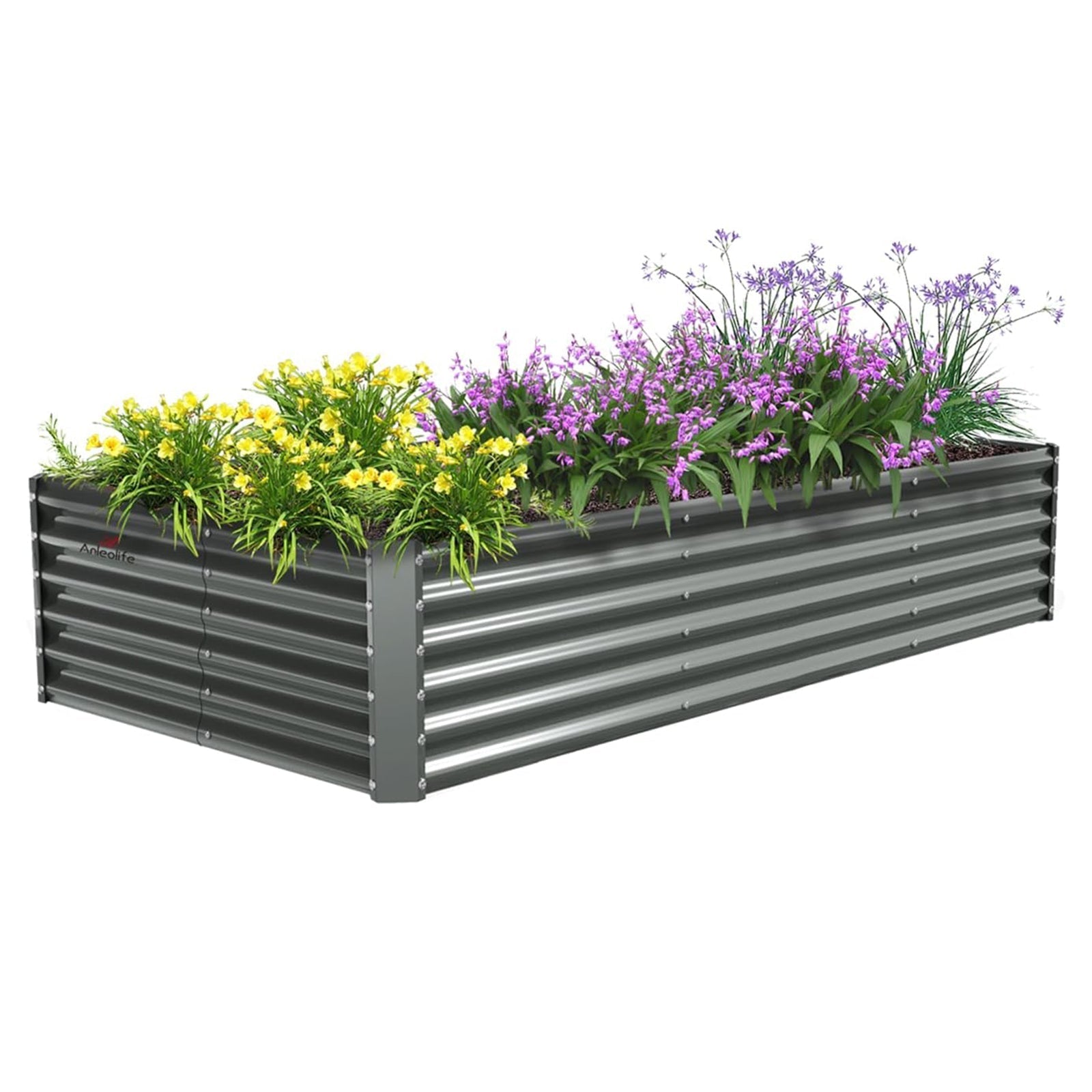

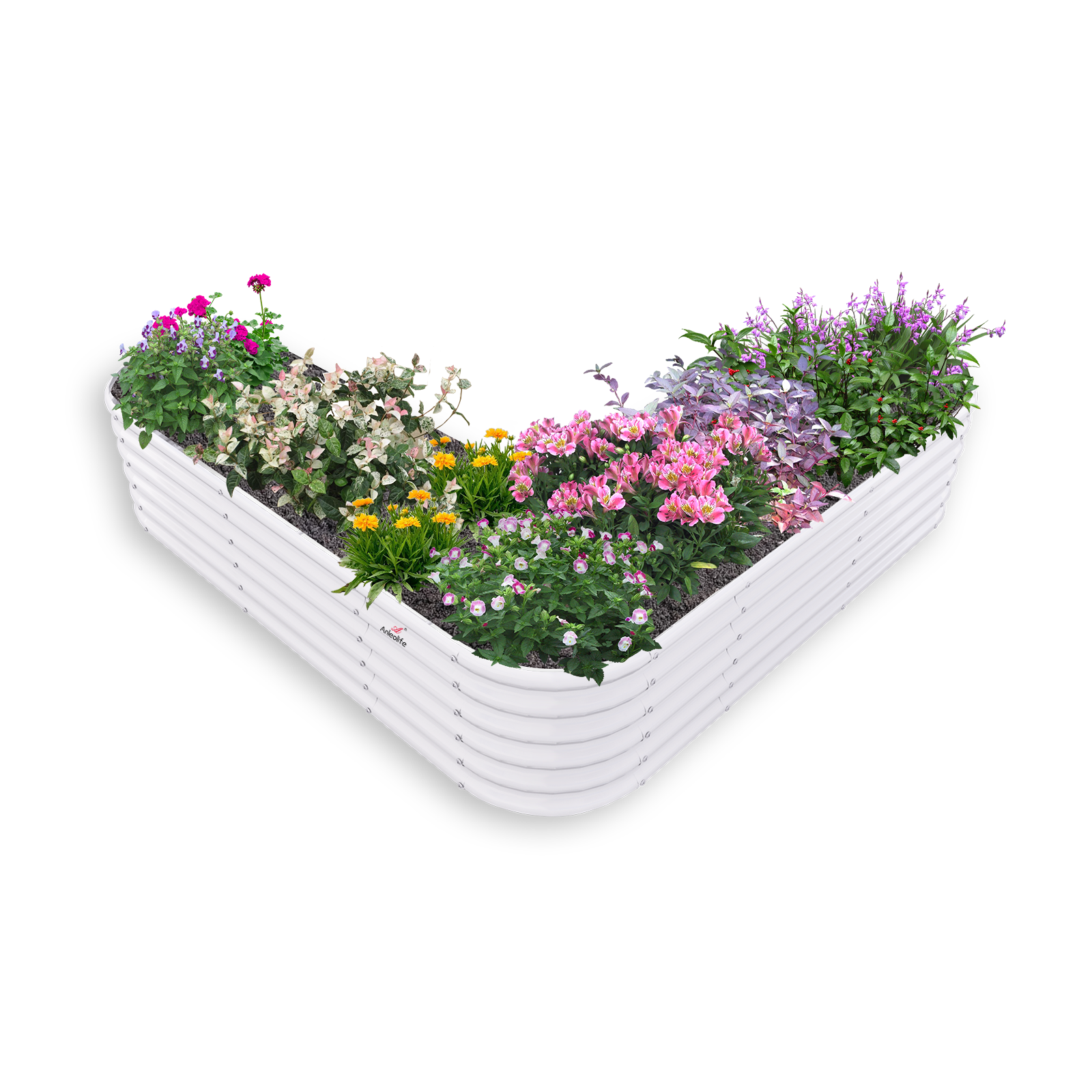
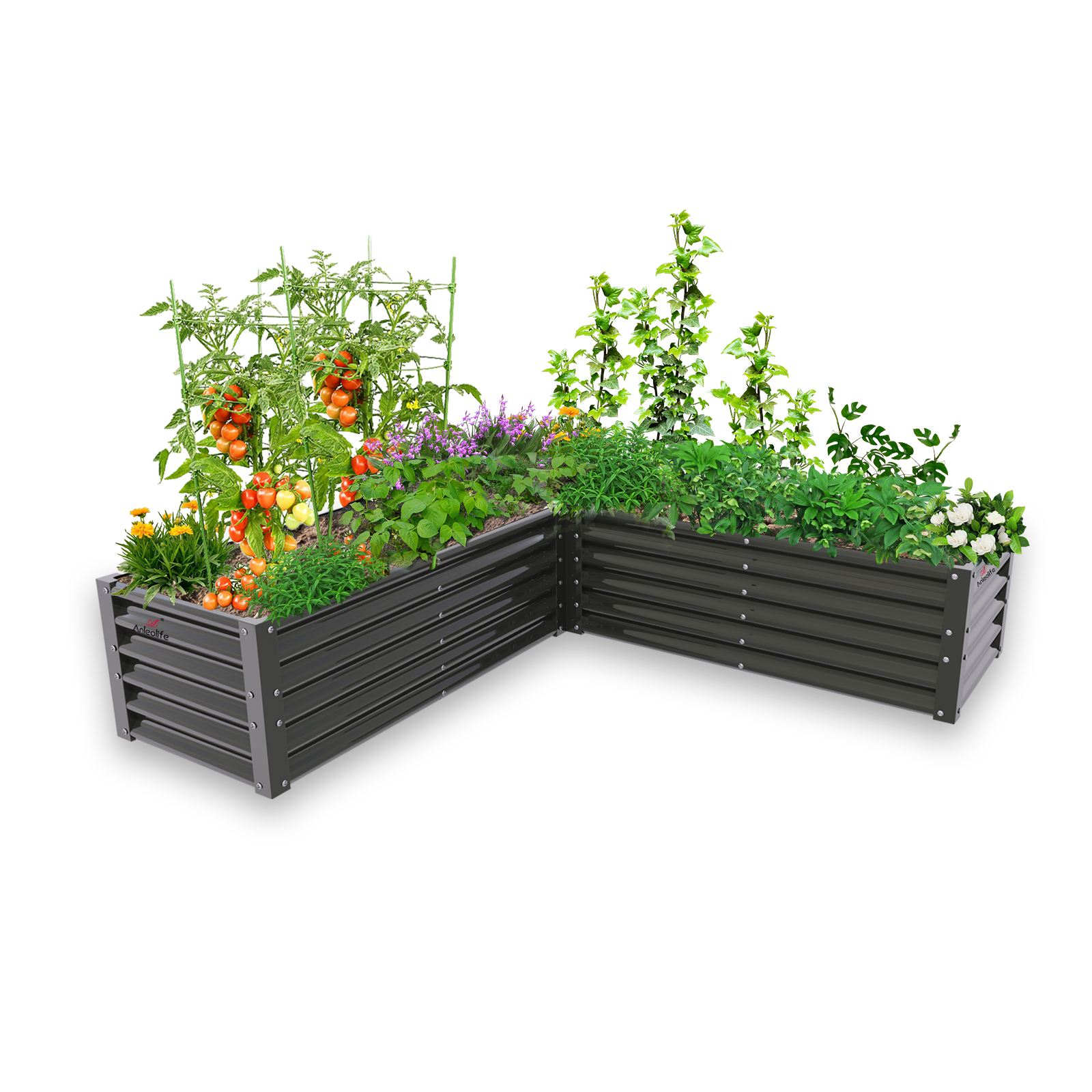
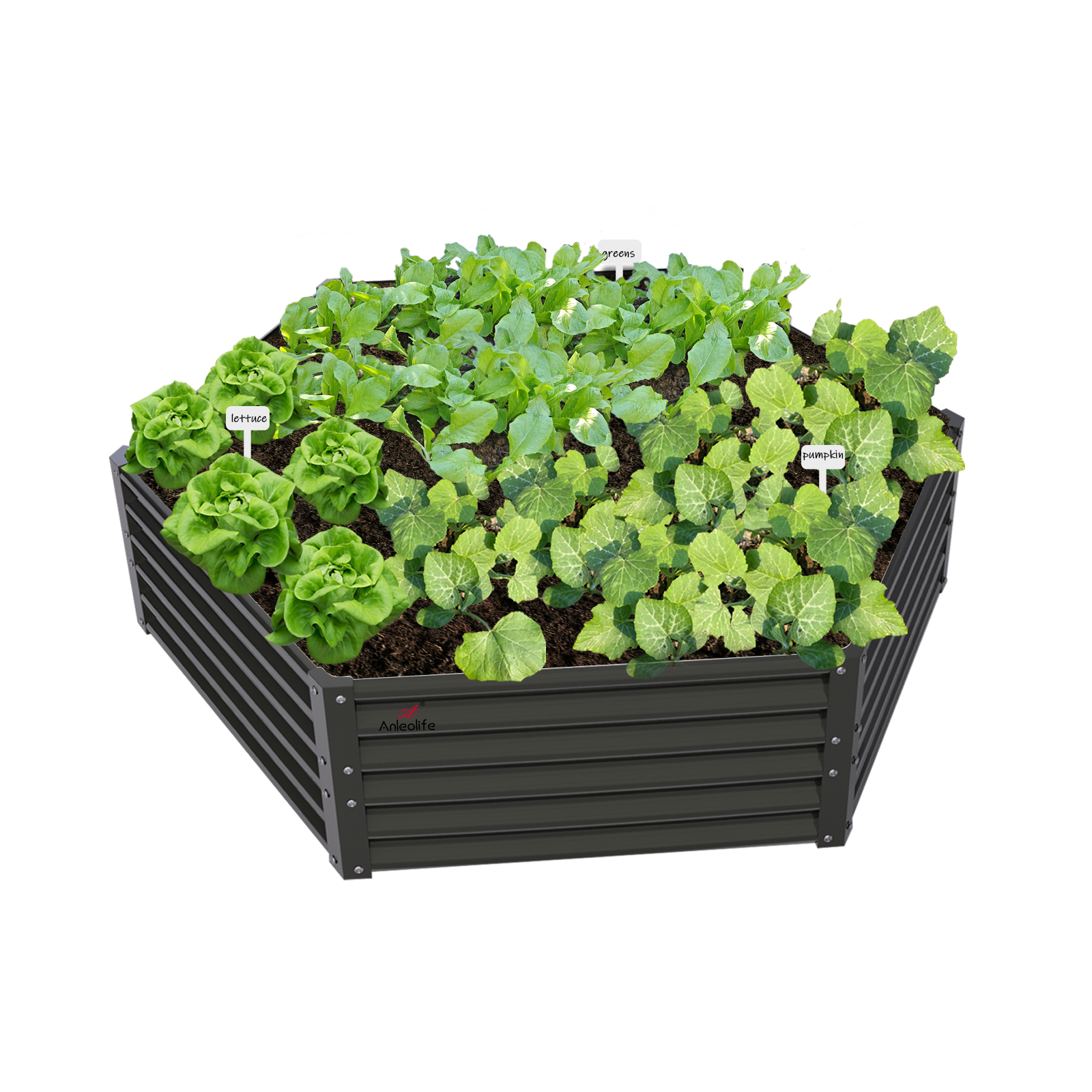
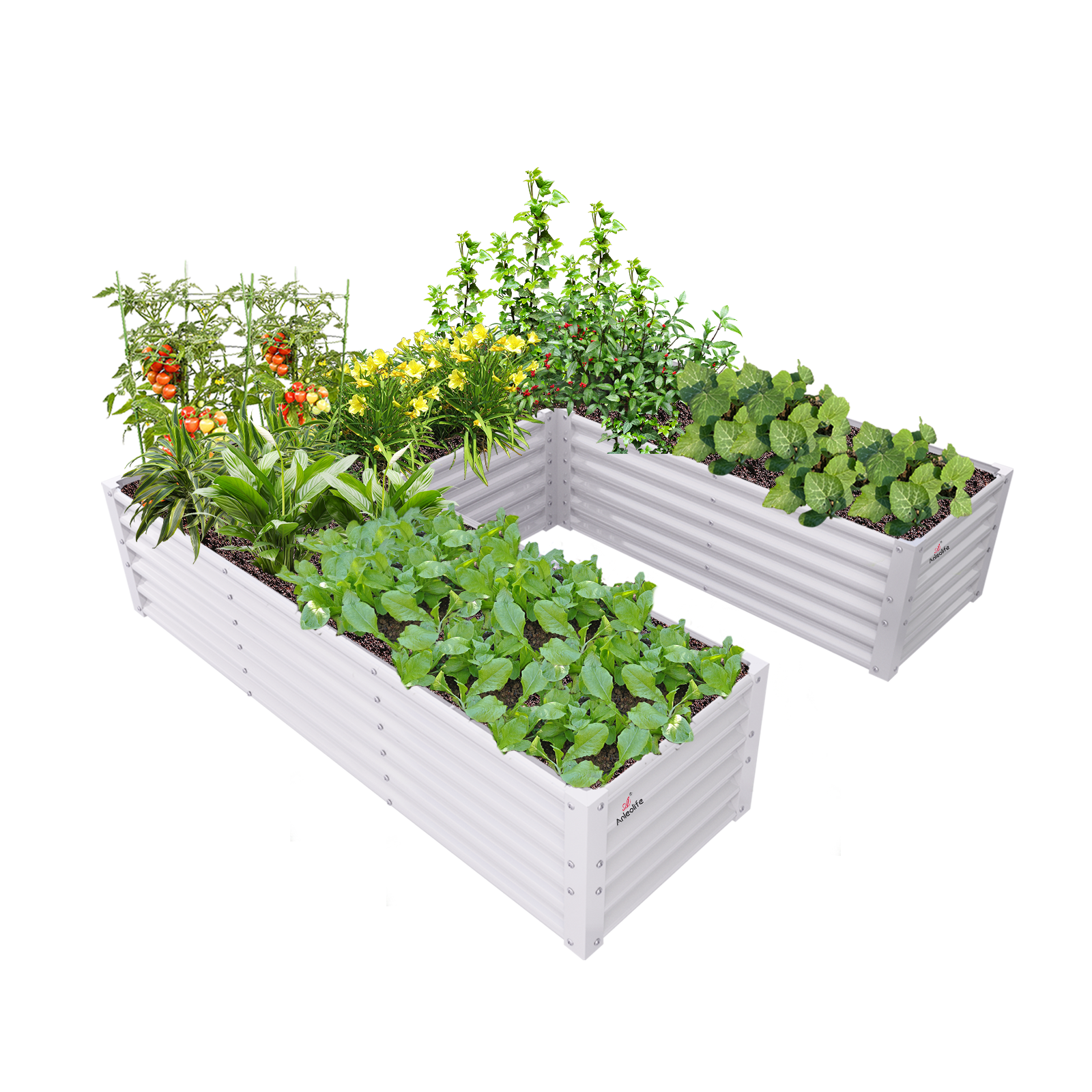




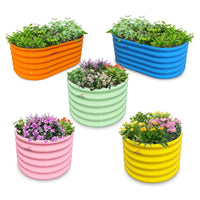
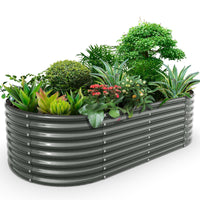




ALT: Healthy raised garden bed with Mel's Mix soil blend ready for vegetable planting
Why the Right Soil Mix Is the Secret to Raised Bed Success
Key Conclusion: The best soil mix for raised garden beds combines equal parts compost, coarse vermiculite, and peat moss or coconut coir — a formula known as Mel's Mix. This blend delivers superior drainage, aeration, and nutrient retention, making it the gold standard for raised bed planting layout. Unlike dense native soil, Mel's Mix stays loose and workable season after season, giving urban gardening solutions and home growers the consistent, high-yield foundation their vegetables, herbs, and flowers deserve.
If you've ever watched a raised garden bed struggle despite your best efforts — seeds germinating slowly, roots sitting in soggy soil, or vegetables barely reaching their potential — the culprit is often the soil itself. The container your plants call home matters tremendously, but what goes inside is where the real magic (or misery) happens.
Mel Bartholomew, the architect behind the Square Foot Gardening movement, understood this better than almost anyone. After decades of trial and error, he landed on a deceptively simple three-ingredient formula that transformed backyard gardening for millions of people. In this guide, we'll break down that formula in detail, walk you through how to build it step by step, and help you understand when and how to adapt it for your specific growing goals.
Who Should Use Mel's Mix — and When It Makes the Most Sense
✅ Applicable Scenarios:
- Gardeners filling new raised beds with no existing in-ground soil — Mel's Mix is purpose-built for contained growing environments
- Urban micro-gardeners working on patios, rooftops, or compact outdoor spaces where native soil access is limited or non-existent
- Families growing vegetables, herbs, and salad greens who need a nutrient-dense, fast-draining medium that supports intensive planting
- Empty nesters and retirees seeking a low-maintenance, no-dig approach that reduces back strain and simplifies year-round garden care
- Eco-conscious growers looking to minimize synthetic inputs while maximizing productivity per square foot
❌ Not Applicable/Cautions:
- Deeply rooted trees, large fruiting shrubs, or perennials that need significant soil volume and long-term mineral stability — these generally perform better in amended native ground
- Gardeners on very tight budgets who cannot source quality compost locally; substituting cheap bagged compost can significantly reduce the formula's effectiveness
- Situations where the raised bed has drainage holes blocked or compromised — Mel's Mix requires excellent drainage to prevent root rot in its fine, moisture-retaining components
The Story Behind Mel's Mix and Why Soil Composition Matters So Much
Raised bed gardening has been practiced for centuries, but it was Mel Bartholomew's 1981 book Square Foot Gardening — and its 2006 revised edition — that brought systematic soil science to the everyday home gardener. His core observation was brutally honest: native backyard soil is almost always a poor growing medium, especially in urban environments where topsoil has been stripped, compacted by construction equipment, or contaminated by decades of use.
According to the USDA Natural Resources Conservation Service, healthy topsoil — the thin layer that supports virtually all terrestrial food production — can take hundreds of years to form naturally. Yet most residential lots in North America have topsoil layers that are either thin, chemically depleted, or heavily clay-dominant. Clay soil drains poorly and compacts under foot traffic, while sandy soil drains too fast and fails to hold nutrients through watering cycles.
This is where raised garden beds change the equation entirely. By elevating your growing medium above the native ground, you control the starting conditions for your plants. You choose the texture, the nutrient load, the pH, and the drainage rate. But that control only pays dividends if you fill your beds with something genuinely excellent — not a bag of budget "garden mix" that turns to concrete by midsummer.
The rise of raised bed gardening in recent years has been extraordinary. Data from the National Gardening Association shows that home food gardening participation in the U.S. surged significantly in recent years, with raised beds being among the most popular methods chosen by new and experienced gardeners alike. The market for quality growing media, amendments, and raised bed hardware has grown in tandem with this trend.
Understanding the science behind soil composition — how organic matter feeds microbial life, how particle size affects drainage and aeration, how moisture retention interacts with root oxygen needs — is the foundation of everything that follows in this guide.
Building Mel's Mix: A Complete Step-by-Step Soil Guide for Raised Beds
The Three-Step Quick Start to Making Mel's Mix
Step 1: Source Your Three Core Ingredients
Mel's Mix uses three components in equal proportions by volume: blended compost (ideally from five or more different sources), coarse vermiculite (not fine-grade), and peat moss or coconut coir. For a standard raised bed, calculate your total cubic footage — length × width × depth — and divide by three to find how much of each ingredient you need. Plan to spend 30–60 minutes sourcing ingredients from local garden centers, landscape suppliers, or online retailers before your assembly day.
Step 2: Blend Thoroughly Before Filling Your Bed
Combine all three ingredients in a large tarp, wheelbarrow, or mixing container. Work in batches if you're filling a large bed. Use a shovel or your hands to fold and turn the mixture until the color and texture are visually uniform — no large clumps of single-ingredient material. Thorough blending ensures consistent moisture distribution and root penetration across the entire bed. This step typically takes 20–45 minutes depending on bed size.
Step 3: Fill, Water, and Settle Before Planting
Shovel your blended Mel's Mix into your raised bed, filling to the rim or slightly above (it will settle slightly after watering). Water thoroughly until moisture drips from drainage holes, then allow 24 hours for the mix to settle before planting. Check that the surface is level and the mix feels springy, not compacted, when pressed. Add a thin top-up layer if settling reveals gaps below the bed edge.
Comparing Mel's Mix to Other Common Raised Bed Soil Approaches
Mel's Mix is not the only approach to filling a raised bed, but it consistently outperforms cheaper alternatives for intensive vegetable growing. Here's how it stacks up against the most common alternatives:
| Comparison Dimension | Mel's Mix | Bagged "Garden Mix" | Native Soil + Compost |
|---|---|---|---|
| Drainage & Aeration | Excellent — vermiculite creates air pockets | Varies widely by brand | Often poor — compaction risk |
| Nutrient Availability | High — diverse compost sources | Moderate, may fade quickly | Depends on soil quality |
| Weight (per cubic foot) | Lightweight — good for elevated beds | Moderate | Heavy — structural load concern |
| Weed Seed Pressure | Very low | Low to moderate | High |
| Cost | Moderate to high upfront | Low to moderate | Low |
| Longevity | Top-dresses annually; lasts many seasons | May need full replacement | Requires regular amendment |
| pH Control | Easy to adjust | Limited control | Difficult to adjust in place |
| Best Use Case | Intensive vegetables, herbs, salad greens | Low-budget starter beds | In-ground conversion plots |
The takeaway here is clear: Mel's Mix costs more to build initially but saves money and frustration over multiple growing seasons because it rarely needs complete replacement. You simply replenish organic matter annually with a few inches of fresh compost top-dressing.
Deep Dive: Understanding Each Mel's Mix Ingredient and Smart Substitutions
The Role of Blended Compost
Compost is the living heart of Mel's Mix — it provides nutrients, introduces beneficial microorganisms, and creates the biological complexity that transforms a growing medium from inert filler into a thriving soil ecosystem. Mel Bartholomew was insistent about one thing: variety matters. Using compost from at least five different sources — mushroom compost, worm castings, yard waste compost, composted manure, food scrap compost — creates a more complete nutrient and microbial profile than any single compost can deliver alone.
If you're sourcing commercially, look for OMRI-listed (Organic Materials Review Institute) compost products when possible. Many garden centers now stock blended compost mixes designed specifically for raised beds. If you have a home compost bin, incorporating your own finished compost as one of the five sources is not only cost-effective but adds microbial strains uniquely adapted to your local climate.
One important note for eco-conscious growers: not all compost is created equal. Some municipal composts may contain weed seeds or chemical residues from treated lawn clippings. Purchasing from reputable suppliers or using certified organic options reduces this risk significantly.
Vermiculite: The Drainage and Aeration Workhorse
Coarse vermiculite is the structural backbone of Mel's Mix. This naturally occurring mineral is expanded at high temperatures into lightweight, accordion-shaped particles that hold both air and water simultaneously — a remarkable combination that most other amendments cannot replicate.
Vermiculite prevents the compaction that inevitably plagues garden beds filled with straight compost or topsoil. Even after years of planting, harvesting, and rainfall, a Mel's Mix bed retains its light, workable texture because the vermiculite particles physically resist compression.
A common question is whether perlite can substitute for vermiculite. Perlite is lighter and drains faster, making it useful in container mixes where overwatering is a concern, but it holds less moisture than vermiculite and doesn't contribute the same water-buffering capacity. For most vegetable gardens, vermiculite is the preferred choice. If vermiculite is unavailable or cost-prohibitive in your area, a 50/50 blend of coarse perlite and perlite-free, high-quality potting mix can approximate the results.
Peat Moss vs. Coconut Coir: Making the Sustainable Choice
Peat moss has been the traditional third ingredient in Mel's Mix because of its exceptional water retention and slightly acidic pH — ideal for most vegetables. However, peat is a non-renewable resource harvested from ancient bog ecosystems, raising significant environmental concerns.
Coconut coir (the fibrous material from coconut husks) has emerged as the leading sustainable alternative. Coir offers nearly identical water retention and a slightly more neutral pH, and it is a renewable byproduct of the coconut industry. For eco-conscious gardeners, coconut coir is the clear choice. Keep in mind that coir may need a slight pH adjustment (lime amendment) if you're growing crops that prefer acidic conditions, such as blueberries.
Both options work well in Mel's Mix. The practical guidance: if you're in North America and can source quality compressed coir blocks locally, use coir. If local availability makes peat moss the more practical option, it remains a fully functional ingredient — just recognize the environmental trade-off.
Annual Maintenance: Keeping Mel's Mix Productive Season After Season
One of the most common misconceptions about Mel's Mix is that it needs to be completely replaced each year. It doesn't. The standard maintenance protocol is simple:
- Each spring: Top-dress your bed with 1–2 inches of fresh compost blended from multiple sources
- Each fall: After final harvest, add a light compost layer and optionally plant a cover crop to protect and enrich the bed over winter
- Every 2–3 years: Fluff the entire bed with a garden fork to reintroduce aeration, and add a fresh layer of vermiculite if compaction has visibly increased
With this maintenance approach, a well-built raised bed filled with Mel's Mix can remain highly productive for many growing seasons, which aligns perfectly with the long-term design philosophy behind durable raised bed systems.

ALT: Gardener blending compost, vermiculite, and coconut coir to create Mel's Mix for raised garden beds
Advanced Considerations: Adapting Mel's Mix and Addressing Common Gaps
Adjusting Mel's Mix for Specific Crops
The standard 1:1:1 Mel's Mix ratio is optimized for a wide range of vegetables, herbs, and annual flowers. However, certain crops benefit from minor adjustments:
- Root vegetables (carrots, parsnips, potatoes): Increase vermiculite slightly to improve the loose, stone-free texture deep roots need to develop without forking or stunting
- Heavy feeders (tomatoes, squash, corn): Boost the compost fraction and supplement with a slow-release organic fertilizer at planting time; these crops exhaust nutrients faster than leafy greens
- Acid-loving crops (blueberries, strawberries): Add sulfur amendment or use peat moss (rather than coir) as your third ingredient to maintain the lower pH these crops prefer
Addressing Pest and Bird Pressure in Raised Beds
One of the overlooked advantages of Mel's Mix in raised beds is its contribution to best pest control methods for vegetable gardens. Because Mel's Mix contains no native soil, it dramatically reduces the soil-dwelling pest and disease population you'd encounter in a traditional in-ground bed. There are no cutworm larvae, no persistent fungal spores from previous seasons, and no weed seeds from the surrounding yard.
For above-ground pest pressure — aphids, caterpillars, and similar insects — companion planting within your intensive square-foot layout is highly effective. Interplanting basil with tomatoes, nasturtiums near squash, and dill near brassicas creates a diverse habitat that naturally deters many common pests.
For bird protection, fine mesh netting stretched over simple hoops or a frame above the bed is among the most effective and affordable solutions. The best netting for keeping birds away from raised beds is typically a UV-stabilized polyethylene mesh with openings small enough (around ½ inch or less) to prevent sparrows and starlings from reaching your seedlings. Remove netting once plants are established enough to withstand light bird activity, or keep it in place throughout the season for persistent pressure.
Common Misconception: "More Compost Always Means Better Results"
Many new gardeners assume that if compost is good, more compost must be better. In practice, a 100% compost fill can become anaerobic, compacted, and nutrient-imbalanced as it decomposes. Pure compost also holds too much moisture in wet climates, increasing the risk of root diseases. The structural role of vermiculite in Mel's Mix isn't optional — it's what prevents the compost from collapsing into a dense, airless mass.
Frequently Asked Questions FAQ
Q1: How much Mel's Mix do I need for a standard raised garden bed?
To calculate your volume, multiply the length × width × depth of your bed in feet to get cubic feet, then divide by 27 to convert to cubic yards if ordering in bulk. For example, a common 8x4 ft bed at 18 inches deep requires approximately 4 cubic feet of each ingredient (compost, vermiculite, and peat/coir) for a total of about 12 cubic feet. Always calculate slightly above your needs — it's far easier to have a little extra than to run short mid-fill.
Q2: Is coconut coir as effective as peat moss in Mel's Mix for vegetable gardens?
Yes — coconut coir performs comparably to peat moss for most vegetable crops and is widely considered the more sustainable choice. Coir has a slightly higher (more neutral) pH than peat, which actually suits a broader range of vegetables without amendment. The primary practical difference is that compressed coir blocks must be rehydrated before use, which adds a preparation step but reduces shipping weight and cost. For eco-conscious home growers, coir is the recommended substitution.
Q3: How often does Mel's Mix need to be replaced or refreshed, and what does it cost?
Mel's Mix does not need full replacement if maintained properly. Annual top-dressing with 1–2 inches of fresh blended compost is typically sufficient to replenish nutrients consumed during the growing season. Full replacement is rarely necessary before 4–6 years of intensive use. The initial cost of building Mel's Mix is higher than basic garden soil, but the multi-season productivity and reduced need for fertilizers, pest treatments, and soil corrections make it cost-effective over a 3–5 year horizon.
Summary
Building the best soil mix for your raised garden bed doesn't require a chemistry degree or a commercial greenhouse budget. Mel's Mix — equal parts blended compost, coarse vermiculite, and peat moss or coconut coir — remains the most thoroughly tested, widely praised, and practically achievable formula available to home gardeners.
Three key takeaways from this guide:
- Ingredient quality determines outcome: Blended compost from multiple sources outperforms any single-source product. Source carefully and you'll taste the difference in your harvest.
- Structure matters as much as nutrients: Vermiculite prevents compaction and maintains the aerated, well-drained environment that vegetable roots need to thrive. Don't skip it or under-proportion it.
- Maintenance is simple and seasonal: Annual compost top-dressing keeps Mel's Mix productive for many years, making your initial investment pay dividends season after season.
Your next step is straightforward: calculate your bed volume, source your three ingredients, and set aside a weekend morning to mix and fill. Once your bed is ready, your choices of what to grow and how to organize your planting space are limited only by your imagination.
For gardeners who want their soil work to truly pay off, pairing Mel's Mix with a high-quality, long-lasting raised bed frame is essential. There's no point investing in premium growing media if your bed warps, rusts, or degrades within a few seasons.
Ready to Build the Garden Bed That Deserves Your Best Soil?
At Anleolife, we believe that every great garden starts with the right foundation — both under and above the soil.
Nationwide U.S. warehouse network: Strategically located in California, Texas, Florida, New York, Illinois, and Washington, our fulfillment infrastructure ensures delivery within 3–8 business days — so your garden project moves on your schedule, not ours.
Multi-channel availability: Shop our full range on Amazon, Walmart, Home Depot, Lowe's, and Wayfair, or browse the complete catalog directly at Anleolife.com. Every purchase comes backed by consistent quality assurance and responsive after-sales support.
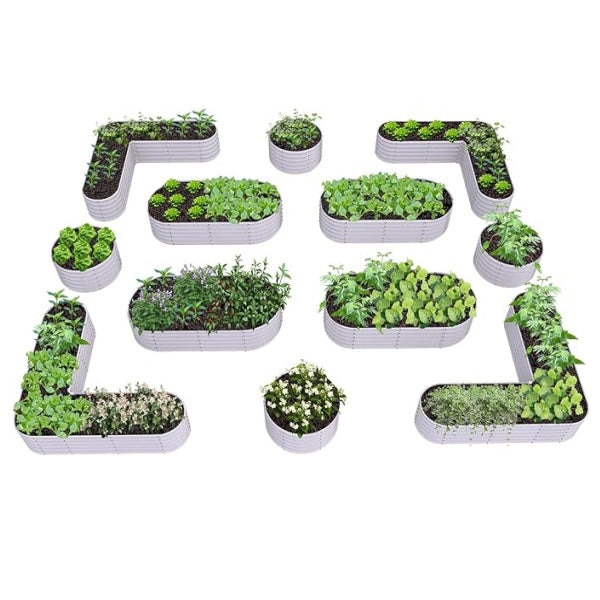
Built for the long game: Our galvanized steel and rust-resistant raised garden beds are engineered for a lifespan of 20 years — meaning the Mel's Mix you build today will have a home worthy of it for decades to come. From our Extra Tall 30-inch designs that eliminate bending and kneeling to our modular configurations that grow with your garden vision, there's an Anleolife bed sized and shaped for every yard, patio, and ambition.
Three complete growing scenarios: Whether you're focused on Planting (metal raised garden beds and soil systems), Raising (chicken coops and rabbit hutches), or Beautification (decorative accessories and pathway systems), Anleolife offers the full ecosystem to take your outdoor space from functional to extraordinary.
We understand that an ideal garden isn't built overnight — it's shaped gradually, season by season, as your skills, tastes, and available space evolve. Our modular product design allows flexible expansion based on your needs, from your very first raised bed to a fully integrated planting-and-raising ecosystem. We grow with you, every step of the way.
References
- USDA Natural Resources Conservation Service. "Healthy Soil for Life: Understanding Soil Quality and Function".
https://www.nrcs.usda.gov/conservation-basics/natural-resource-concerns/soils/soil-health - National Gardening Association. "Food Gardening in the United States: Market Trends and Participation Data".
https://garden.org/learn/articles/view/4022/ - University of Minnesota Extension. "Raised Bed Gardening: Soil Preparation and Amendments".
https://extension.umn.edu/landscape-design/raised-bed-gardening - Oregon State University Extension Service. "Compost and Soil Health in the Home Garden".
https://extension.oregonstate.edu/gardening/techniques/composting-soil-health - Clemson Cooperative Extension. "Raised Bed Gardening: Soil Selection and Management".
https://hgic.clemson.edu/factsheet/raised-bed-gardening/
Note: Resources and recommendations may be updated periodically. Please verify the latest guidance from official sources or consult a local cooperative extension specialist for region-specific advice.
About Anleolife
Anleolife is a leading outdoor garden solutions provider in North America, dedicated to offering a full-scenario product ecosystem for home gardening enthusiasts, covering planting, raising, and garden beautification. Since its founding, we have upheld our brand mission, "Made for Garden Life," continuously innovating products and optimizing services to help hundreds of thousands of users upgrade their gardens, reconnect with nature, and enjoy a better garden lifestyle.