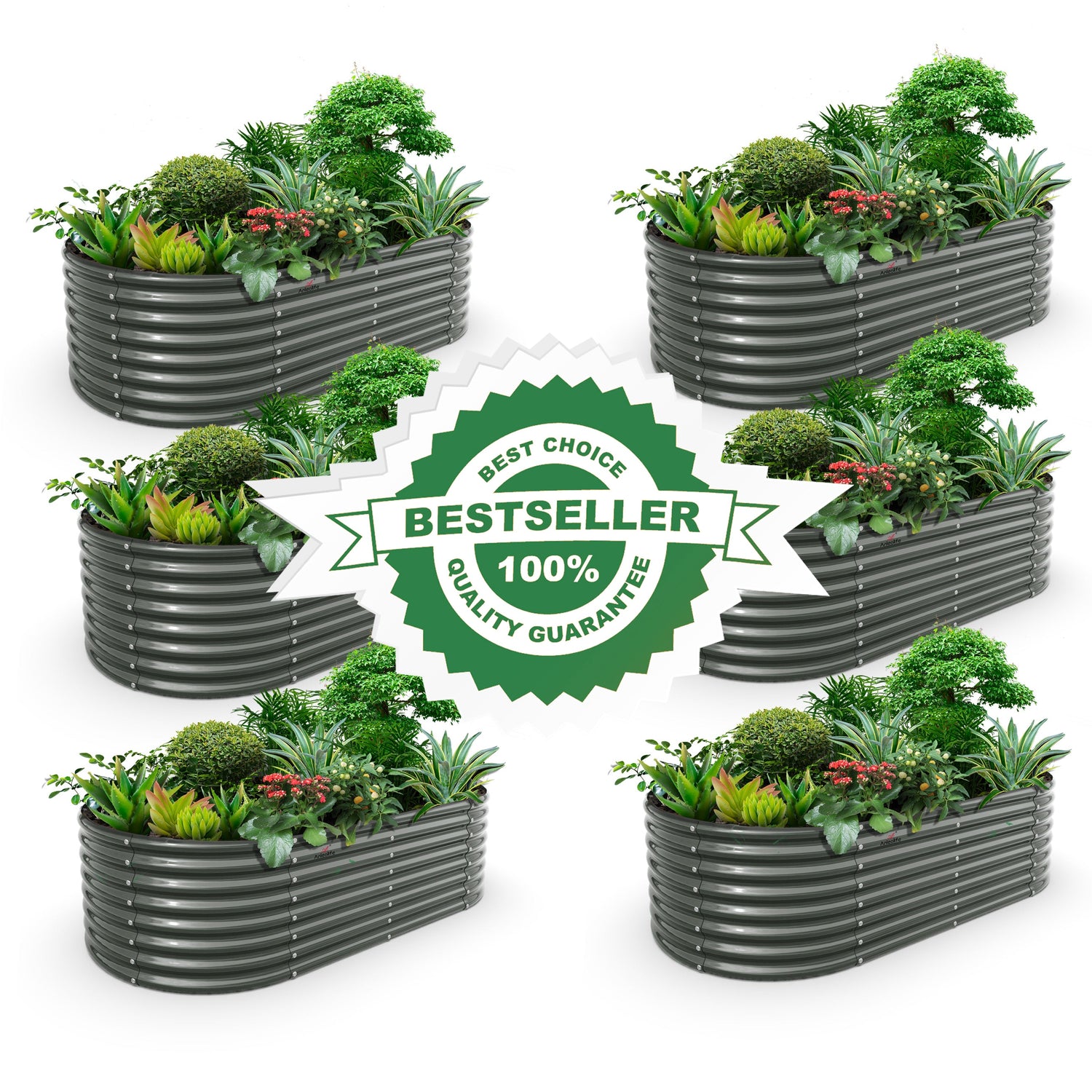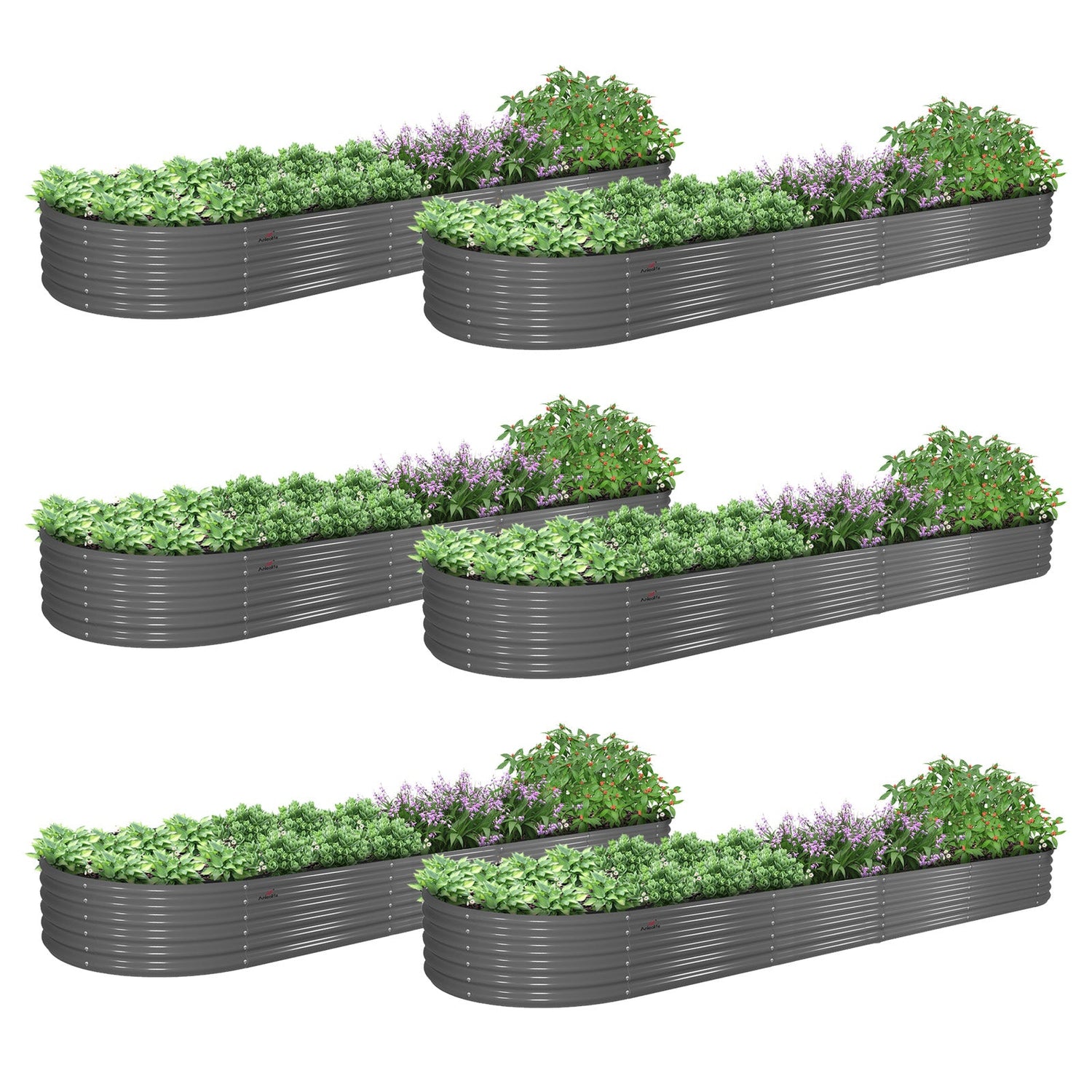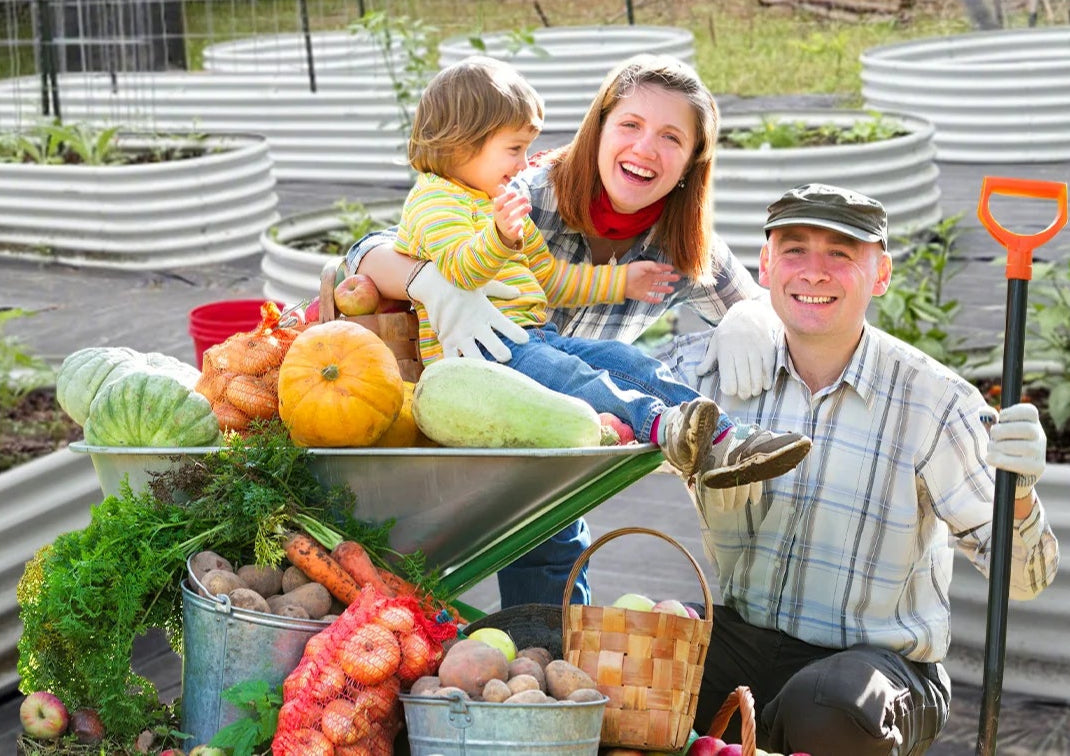



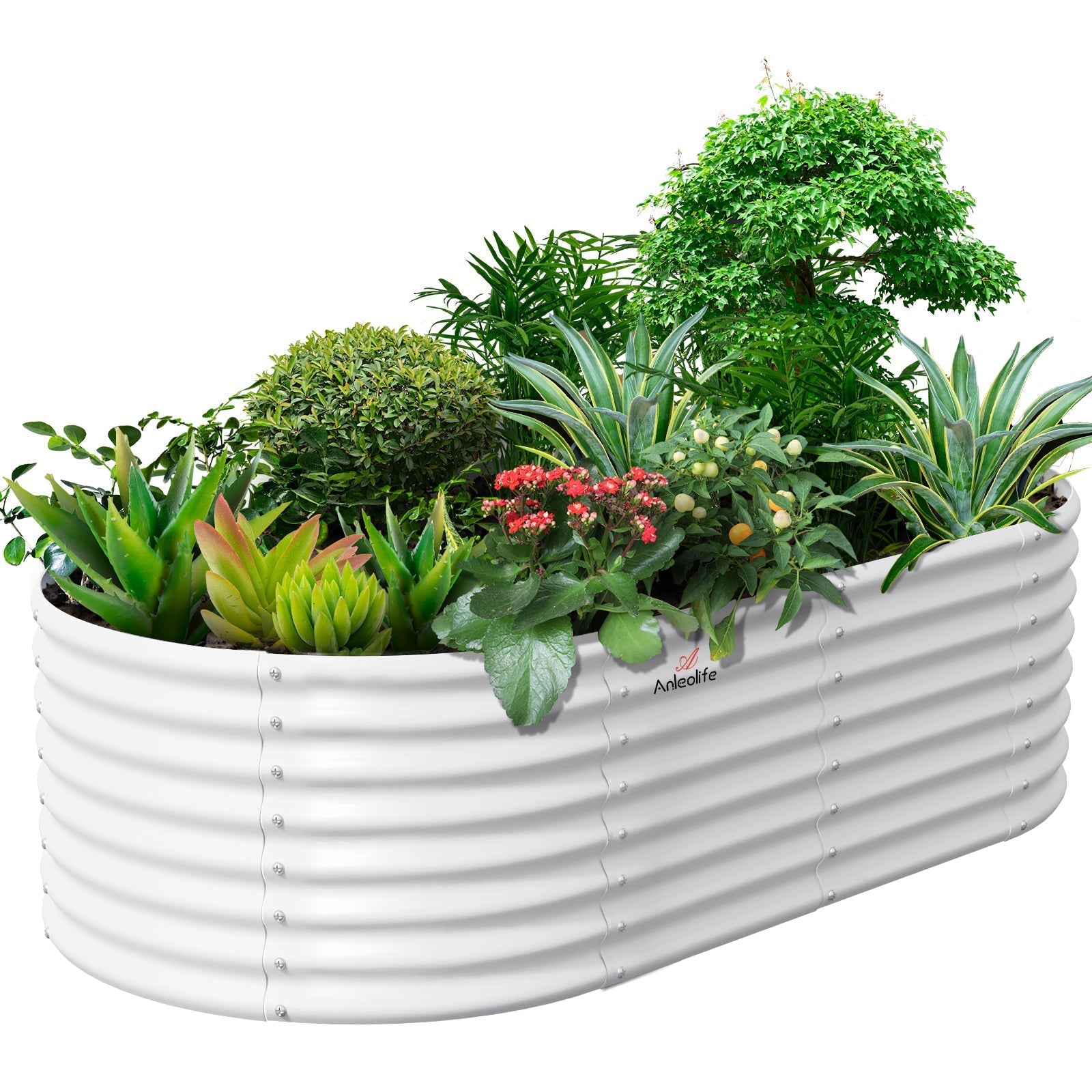
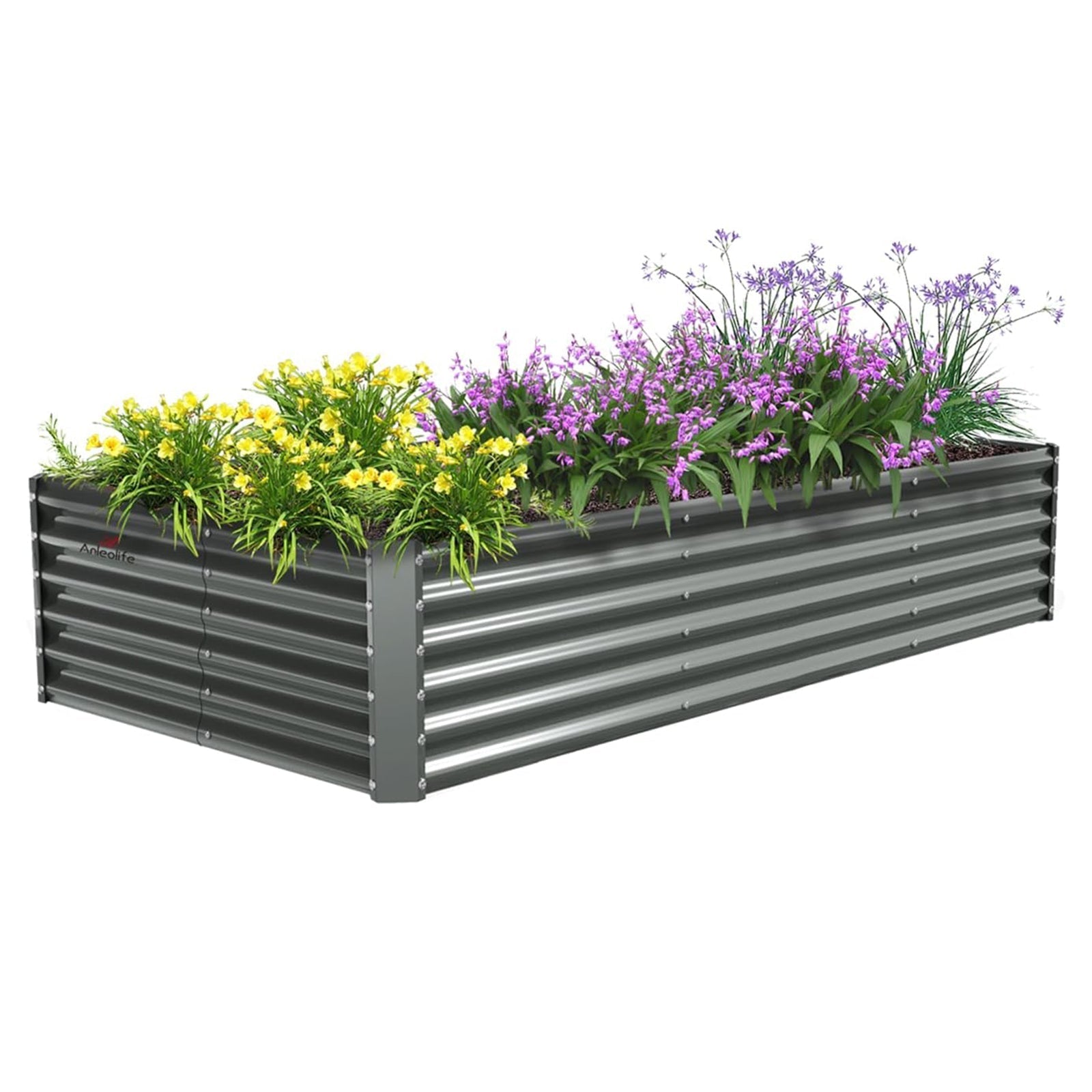

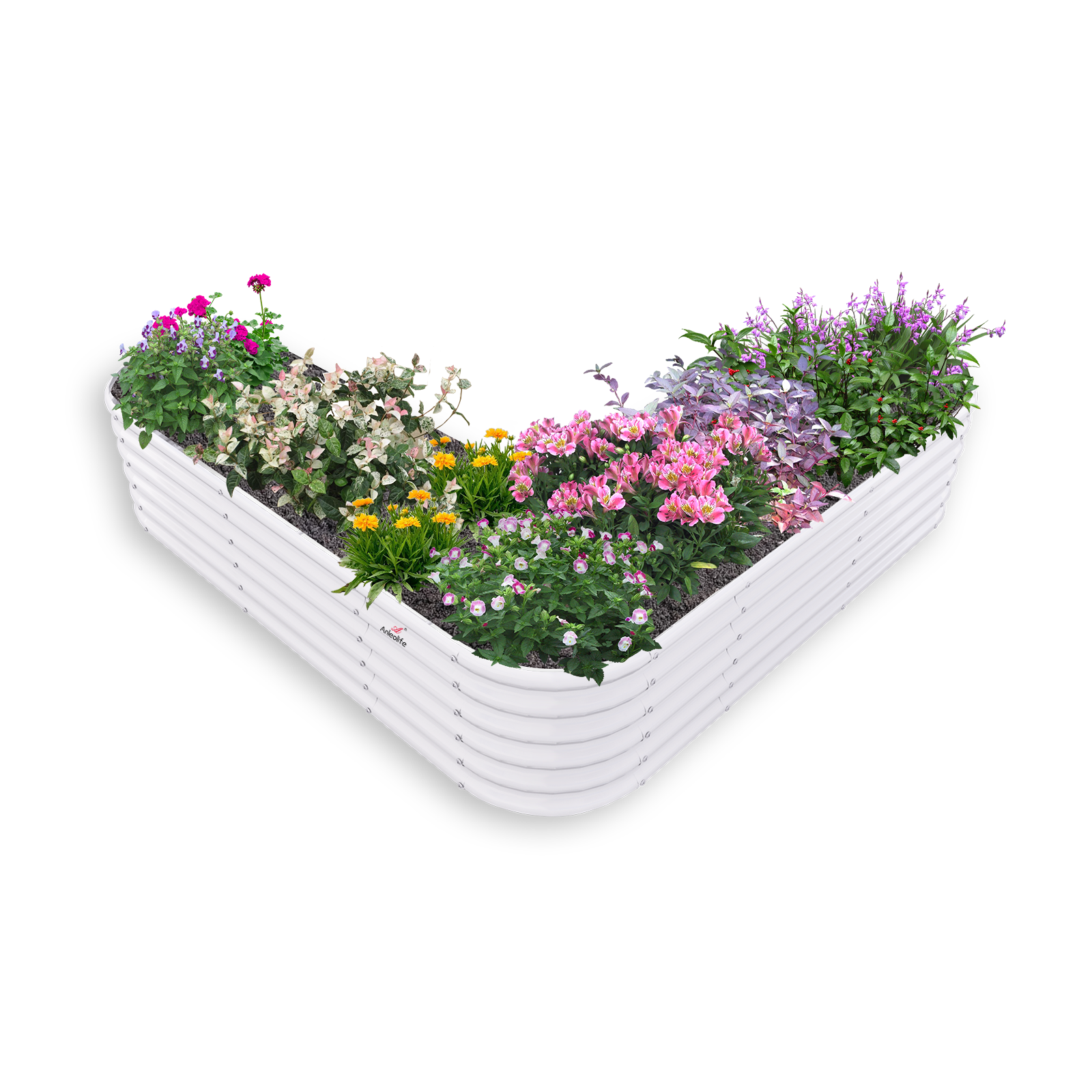
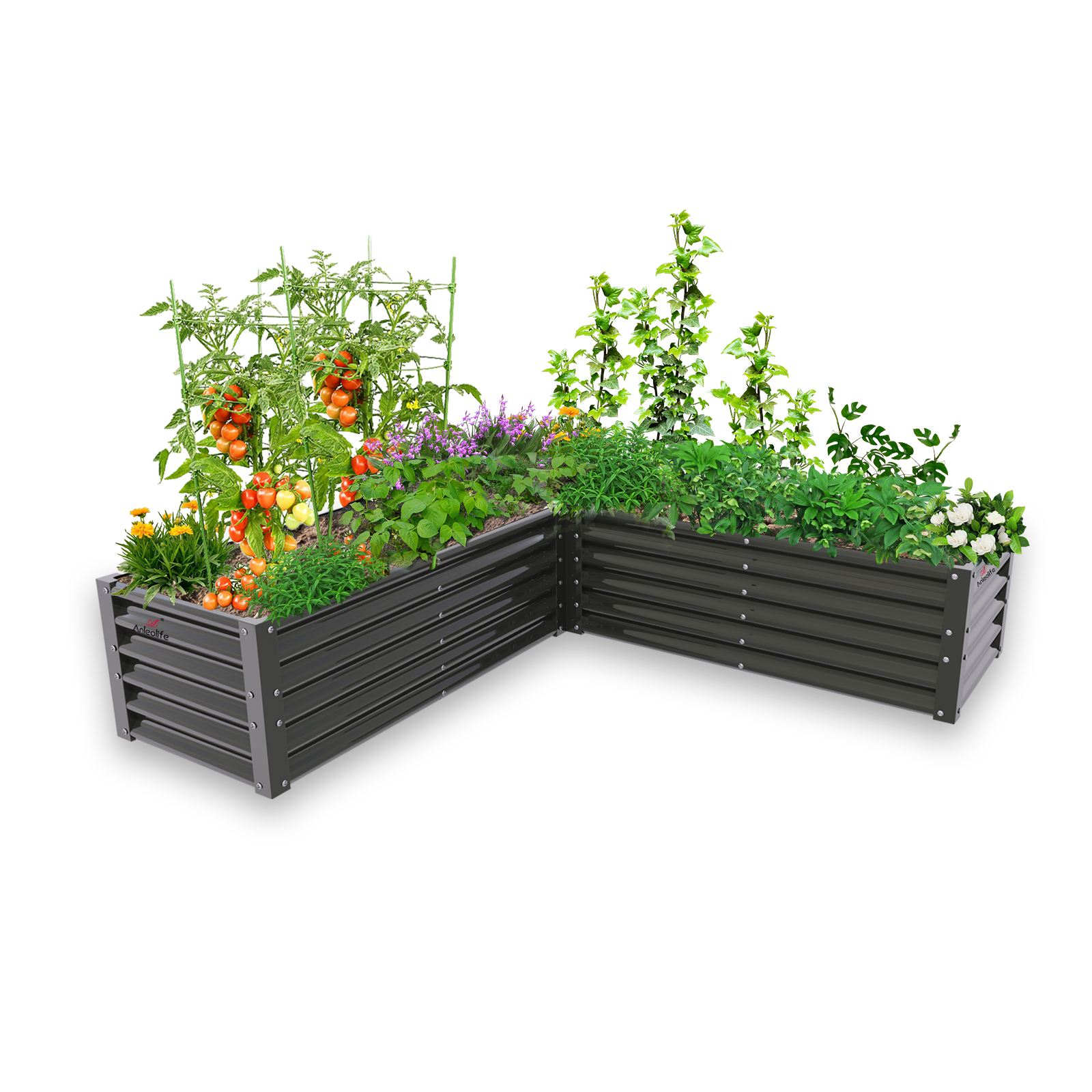
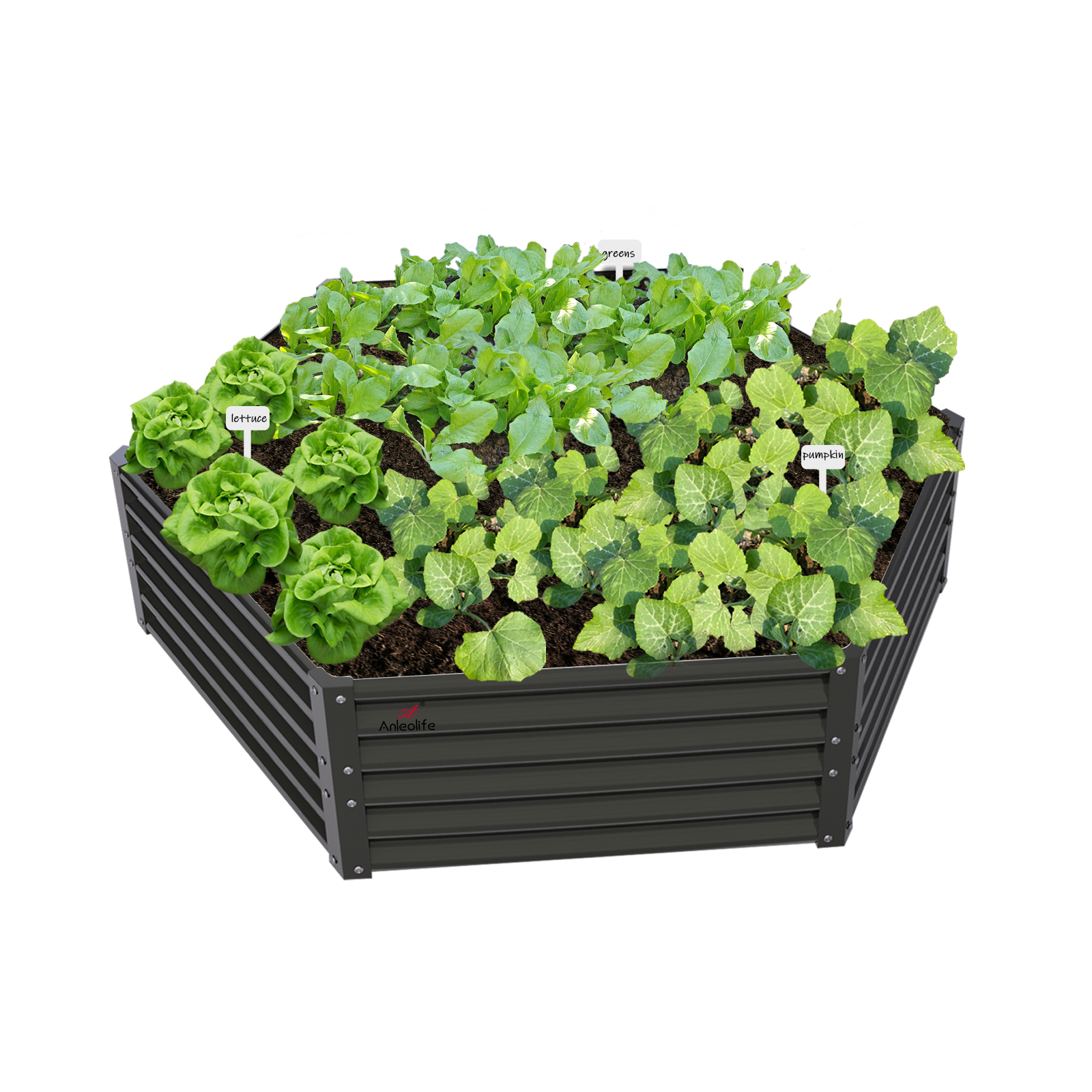
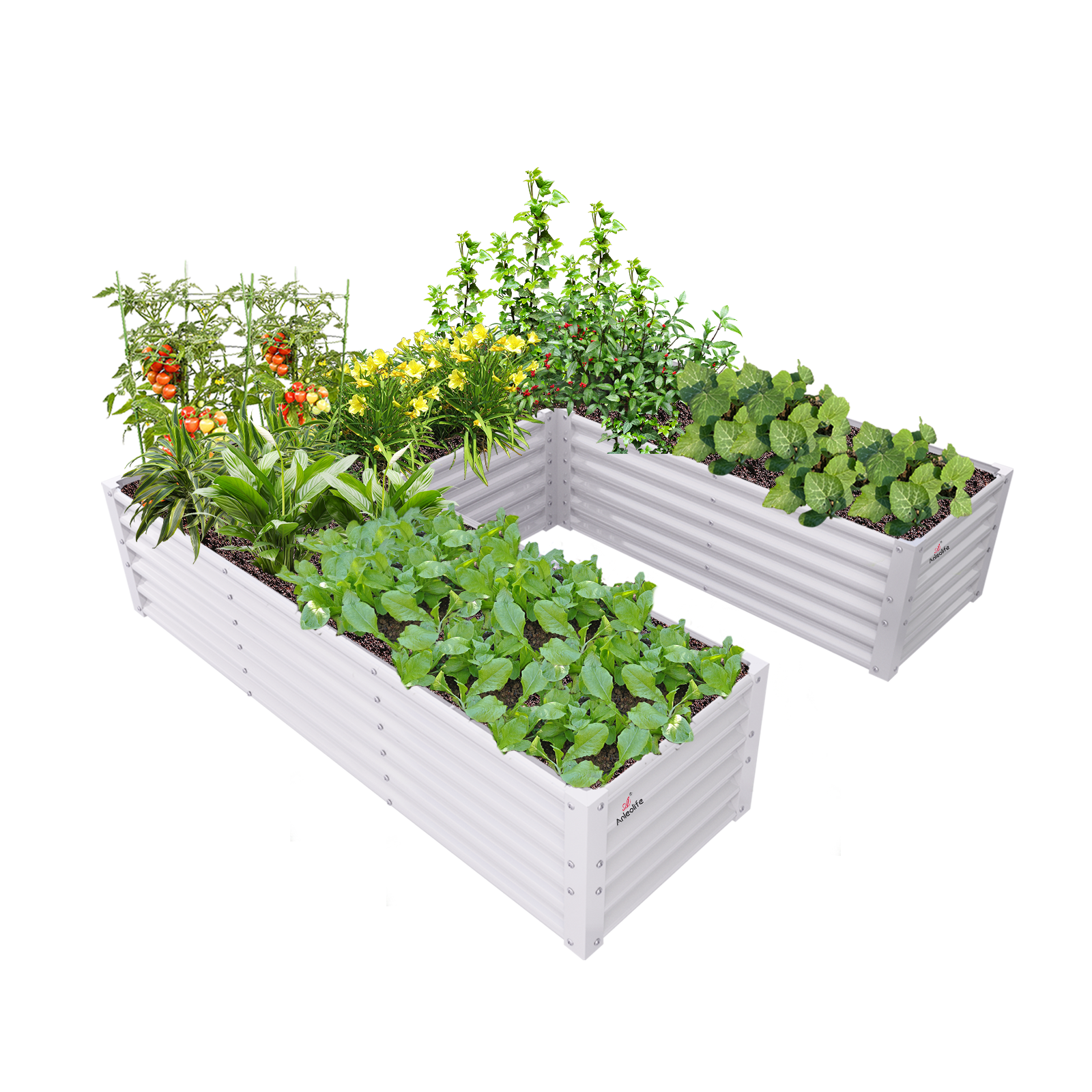

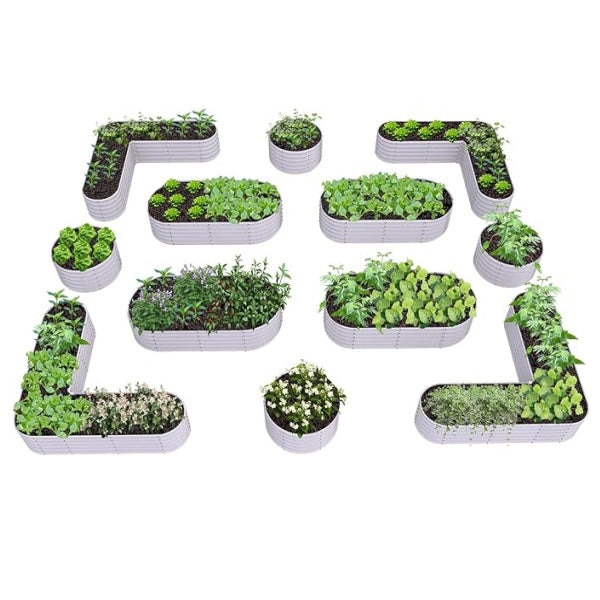


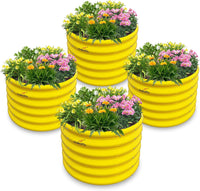
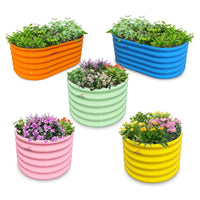



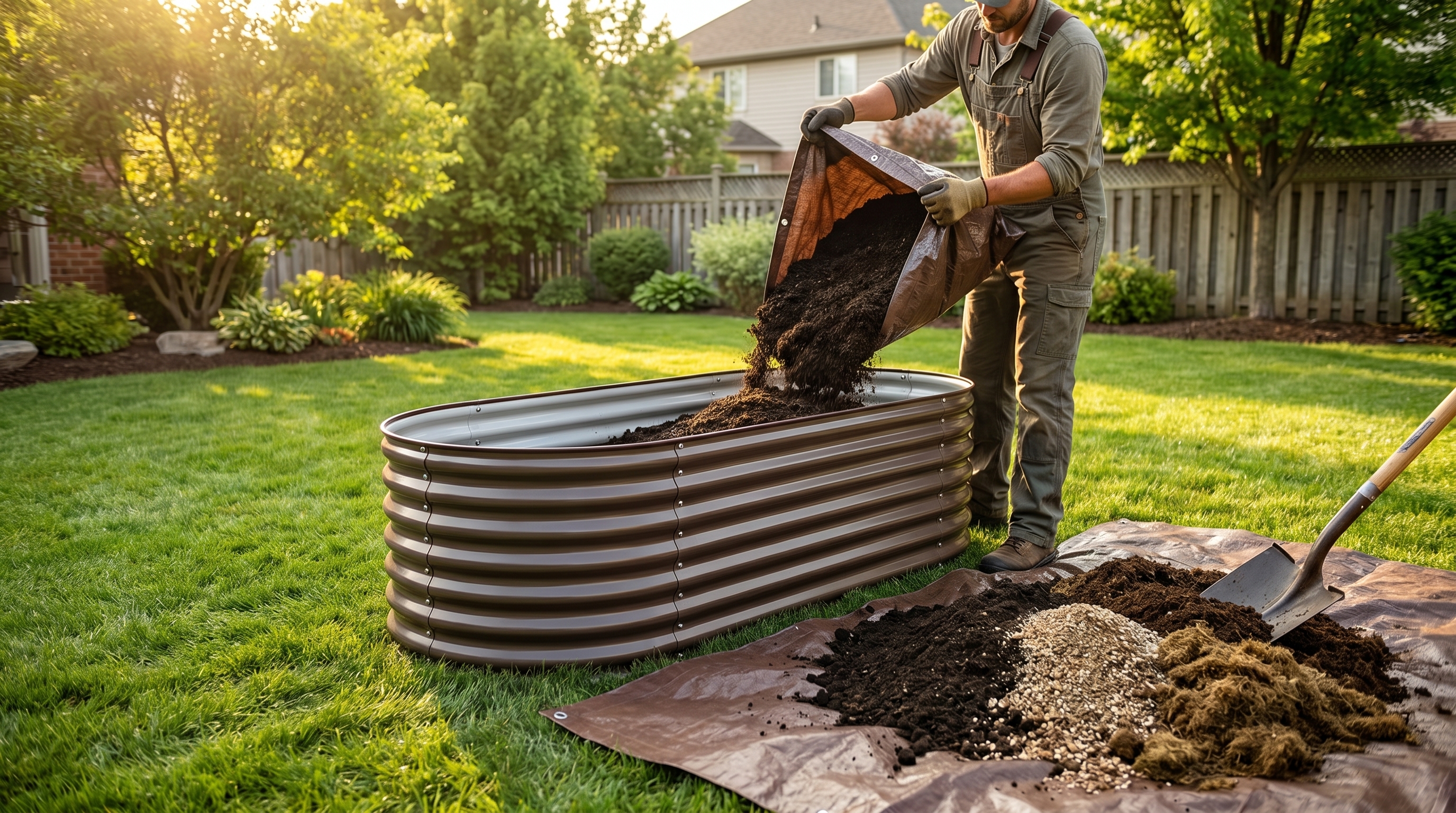
ALT: Gardener preparing best soil mix for raised garden beds using Mel's Mix of compost, vermiculite, and peat moss
Why the Right Soil Mix Can Make or Break Your Raised Bed Garden
Key Conclusion: The best soil mix for raised garden beds is often Mel's Mix — a proven blend of one-third blended compost, one-third coarse vermiculite, and one-third peat moss or coconut coir. This lightweight, nutrient-rich, and perfectly draining formula creates the ideal growing environment for vegetables, herbs, and flowers in raised beds, dramatically outperforming native garden soil in productivity, drainage, and long-term plant health.
If you've ever wondered why your in-ground garden struggles while your neighbor's raised beds burst with tomatoes, the answer is almost always the soil. Raised garden beds offer exceptional control over your growing environment, but only if you fill them with the right growing medium.
Native soil compacts easily, drains poorly, and often lacks the nutrients that vegetables crave. A purpose-built mix — especially the legendary Mel's Mix — solves all of these problems at once. In this guide, we'll break down exactly what Mel's Mix is, why it works, how to make it, and how to pair it with the right raised bed for decades of productive gardening.
Who Should Use This Guide?
✅ Applicable Scenarios:
- First-time home gardeners starting their first raised bed and wanting to avoid costly soil mistakes
- Experienced gardeners transitioning from in-ground to raised bed growing for better control
- Urban micro-gardeners working with small spaces who need maximum yield per square foot
- Empty nesters and retirees building accessible, low-maintenance kitchen gardens
❌ Not Applicable/Cautions:
- Growers using raised beds exclusively for large ornamental shrubs or trees with deep root systems that benefit from native soil access
- Farmers or market gardeners operating at a scale where Mel's Mix would be cost-prohibitive without bulk sourcing
The Problem With Ordinary Garden Soil in Raised Beds
Ask any extension gardening specialist and they'll say the same thing: filling a raised bed with native soil or cheap topsoil is one of the most common mistakes new gardeners make. It seems logical — soil is soil, right? But the dynamics inside a raised bed are fundamentally different from an in-ground garden.
When native soil is placed inside a contained raised bed, it compacts under its own weight and from rainfall. Within one or two seasons, roots can barely penetrate the dense structure, water pools instead of draining, and air pockets — which roots need to breathe — essentially disappear. The result is stunted plants, root rot, and frustrating harvests despite your best efforts.
The raised bed gardening movement has exploded in North America over the past two decades, and for excellent reason. According to the National Gardening Association, food gardening participation has grown significantly among households seeking fresher, healthier produce at home. Raised beds are at the center of this trend because they offer control, accessibility, and productivity — but only when paired with the right soil system.
Mel Bartholomew, a civil engineer turned gardening revolutionary, recognized this problem decades ago. In his landmark book Square Foot Gardening, he proposed a simple, three-ingredient growing medium that has since become the gold standard for raised bed gardeners worldwide. His formula — now universally called Mel's Mix — is designed to be perfectly balanced from the moment you fill your bed, requiring no tilling, minimal amendments, and very little maintenance year after year.
The beauty of the system isn't just in the soil recipe itself, but in how it pairs with the Square Foot Gardening (SFG) method of intensive planting. When plants are spaced correctly in rich, loose, well-draining soil, they shade out weeds, retain moisture efficiently, and produce dramatically more food per square foot than traditional row gardening. For middle-class families, health-conscious home growers, and retirees who want beautiful, productive gardens without backbreaking labor, this approach is genuinely life-changing.
Building Your Best Raised Bed Soil: The Complete Mel's Mix System
Three-Step Quick Start
Step 1: Source Your Three Ingredients
Before you can mix, you need to gather the components. Mel's Mix calls for equal parts (by volume, not weight) of blended compost, coarse vermiculite, and peat moss or coconut coir. The compost should ideally be a blend of at least five different compost sources — worm castings, mushroom compost, chicken manure compost, homemade compost, and forest humus are excellent choices. Diversity in compost sources means a broader spectrum of nutrients and beneficial microorganisms. Plan on spending 30–60 minutes sourcing materials locally or online before your mixing day.
Step 2: Calculate Your Volume and Mix
Measure your raised bed's interior dimensions and calculate the cubic footage you need to fill. A standard rule is to multiply length × width × depth (in feet) to get cubic feet. Once you have your number, divide equally by three — that's how much of each ingredient you need. For mixing, use a large tarp laid on a flat surface. Pour all three ingredients onto the tarp and fold them together from the edges toward the center, turning and repeating until the mixture is uniformly blended. This process typically takes 20–40 minutes depending on volume.
Step 3: Fill Your Raised Bed and Plant
Transfer the finished Mel's Mix into your raised bed, filling to within an inch or two of the top rim. Lightly pat the surface level — do not compact it. The mix should feel light and fluffy, almost like a rich, moist sponge. You're now ready to plant immediately. Unlike native soil gardens that may need amendments and waiting periods, a properly prepared Mel's Mix raised bed can be planted the same day it's filled. Water thoroughly after planting to help settle the mix and eliminate air pockets.
Mel's Mix vs. Other Popular Raised Bed Soil Approaches
There is no shortage of soil strategies for raised bed gardeners, from bagged garden mixes to custom recipes. Here's an honest comparison of the most popular approaches:
| Comparison Dimension | Mel's Mix | Bagged Raised Bed Soil | Native Soil + Compost |
|---|---|---|---|
| Drainage Quality | Excellent — never compacts | Variable — often compacts over time | Poor — prone to compaction |
| Nutrient Content | High — from diverse composts | Moderate — single-source nutrients | Low to moderate |
| Weight | Light — vermiculite reduces density | Moderate | Heavy |
| Cost (Initial) | Moderate to high | Low to moderate | Low |
| Long-Term Value | Excellent — minimal top-up needed | Moderate — needs regular replacement | Poor — requires ongoing amendment |
| Weed Seed Risk | Very low | Low to moderate | High |
| Best For | Intensive vegetable and herb growing | Casual ornamental or flower beds | Supplement for large, deep beds |
| DIY Friendly | Yes — mix at home on a tarp | Yes — pour from bags | Yes — but unpredictable results |
The table makes clear that Mel's Mix wins on almost every dimension that matters for serious food gardening, especially over the long term. While the upfront cost is higher than simply shoveling in native soil, the productivity gains and reduced maintenance cost make it the most economical choice over multiple growing seasons.
Deep Dive: Every Ingredient in Mel's Mix Explained
Blended Compost: The Heart of the Mix
Compost is the nutritional engine of Mel's Mix, and Mel himself was emphatic about one critical point: never use just one type of compost. The diversity of compost sources directly correlates with the diversity of nutrients, trace minerals, and beneficial microbes your soil will contain.
A single bag of commercial compost — even a good one — is limited by its inputs. Chicken manure compost is high in nitrogen but lighter on certain trace minerals. Worm castings are extraordinarily microbe-rich but expensive in large quantities alone. Mushroom compost improves soil structure beautifully. Forest or leaf compost introduces fungal networks. By blending at least five types, you create a balanced, living ecosystem in miniature.
For home gardeners, a practical approach is to purchase several different small bags of various compost types from a garden center, supplemented with homemade compost if available. The one-third ratio means compost makes up a significant portion of your mix, so quality here directly impacts your harvest results.
Coarse Vermiculite: The Drainage and Aeration Solution
Vermiculite is a naturally occurring mineral that is heat-expanded into a lightweight, porous material. In Mel's Mix, coarse-grade vermiculite serves two critical functions: it holds moisture and nutrients in its porous structure while simultaneously keeping the mix loose and aerated.
One common mistake is purchasing fine-grade vermiculite (used for seed starting) rather than coarse-grade. Fine vermiculite compacts over time, defeating the purpose. Always specify coarse or horticultural-grade vermiculite for raised bed use.
Vermiculite has become somewhat more expensive and harder to source in recent years, which has led some gardeners to use coarse perlite as a partial substitute. Perlite does not hold moisture as effectively as vermiculite, but it excels at aeration and drainage. A 50/50 blend of vermiculite and perlite can be a practical compromise if budget is a concern.
Peat Moss or Coconut Coir: Structure and Moisture Retention
The third ingredient provides bulk, structure, and moisture retention. Peat moss has been the traditional choice — it's slightly acidic (which suits most vegetables), extremely moisture-retentive, and widely available. However, peat moss is harvested from ancient bogs and has sustainability concerns, as these ecosystems take thousands of years to form.
Coconut coir (coco coir), made from the fibrous husks of coconuts, is the modern eco-friendly alternative. It has a nearly neutral pH, excellent moisture retention, and is a renewable byproduct of the coconut industry. For eco-conscious home growers — a significant portion of the raised bed gardening community — coco coir is increasingly the preferred choice.
If you're growing plants that prefer acidic soil (blueberries, for example), peat moss gives you a slight advantage. For most vegetables and herbs, coco coir performs equally well and aligns better with sustainable gardening values.
How Often Should You Refresh Mel's Mix?
One of the great advantages of Mel's Mix over native soil is that it doesn't degrade significantly from season to season. The vermiculite and coir/peat retain their structure for many years. However, the compost fraction does get consumed by plants over time. Mel's recommendation is simple: after each harvest, add a trowel or two of fresh compost to each planting hole before replanting. This "top-up" method keeps the mix nutritionally active without the need for complete replacement or tilling.
After several years, you may notice the overall volume in your bed has settled somewhat as compost breaks down further. At that point, adding a fresh top layer of Mel's Mix — typically just two to three inches — fully restores the bed to peak performance.
Pairing Mel's Mix With the Right Raised Bed
The best soil mix in the world is only as effective as the container holding it. This brings us to a crucial question that many gardeners overlook: what is the best height for a raised garden bed?
The answer depends on your goals, your plants, and your physical needs. For most vegetables, a minimum depth of 12 inches is recommended to accommodate root development. Root vegetables like carrots and parsnips need at least 18 inches of loose, deep soil. For gardeners with mobility concerns or those who prefer to garden without bending — including many empty nesters and retirees — beds that rise to 24 to 30 inches or even waist height transform gardening from a back-breaking chore into a genuine pleasure.
Anleolife offers a comprehensive range of raised garden beds designed specifically to work with intensive soil systems like Mel's Mix. Their Galvanized Steel Raised Garden Beds come in a wide array of heights and footprints — from standard 18-inch models to 24-inch extra-tall options and even 30-inch and 35-inch waist-high designs — ensuring every gardener finds the depth that matches their plants and their body.
Are Anleolife modular beds rust-resistant? Yes — Anleolife's Modular Raised Garden Beds and their broader Rust-Resistant Raised Garden Beds line are engineered with durable, corrosion-resistant materials that stand up to years of outdoor exposure, moisture-rich soil environments, and the natural acids present in compost-heavy mixes like Mel's Mix. For gardeners who are investing in a quality soil system, it makes sense to pair it with beds built to last. Anleolife garden beds are rated for up to 20 years of service life — meaning the soil system and the structure grow together as a long-term investment.
The combination of Mel's Mix and a quality metal raised bed is genuinely the best of both worlds: perfect growing conditions inside, structural integrity outside.
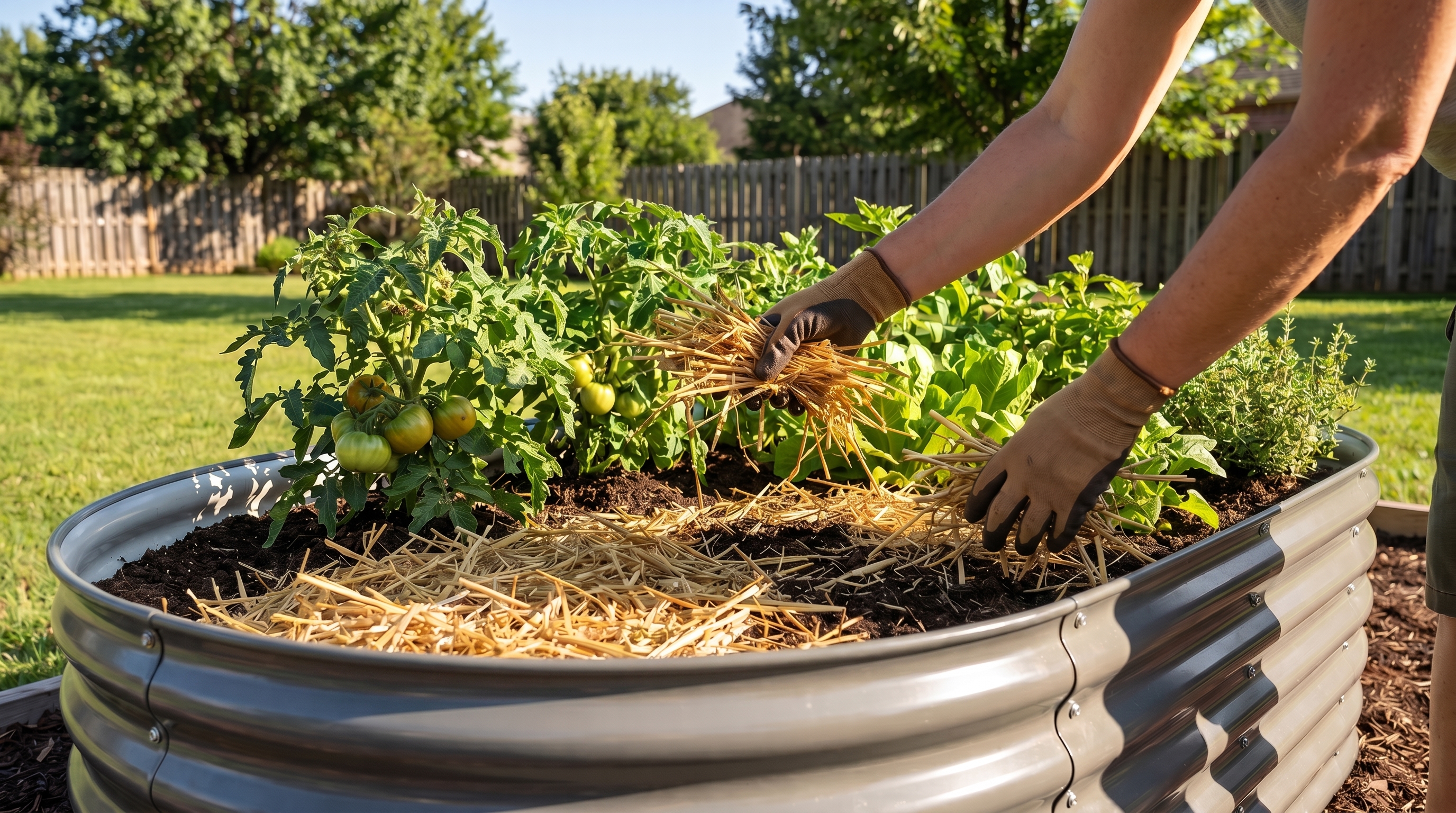
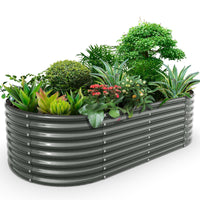
ALT: Healthy vegetable plants thriving in a galvanized steel raised garden bed filled with Mel's Mix soil blend in a backyard garden
Advanced Tips: Taking Your Raised Bed Soil System Further
Adapting Mel's Mix for Specific Plants
While Mel's Mix is remarkably versatile, some specialized crops benefit from slight adjustments. For blueberries and acid-loving plants, increasing the peat moss fraction and mixing in some acidic bark or pine fines will lower pH appropriately. For herbs like rosemary, lavender, and thyme that prefer drier, more alkaline conditions, increasing the vermiculite fraction and mixing in a small amount of horticultural sand improves drainage beyond the standard formula.
Common Misconceptions About Raised Bed Soil
A persistent myth is that more compost always means better results. In reality, a mix that is more than one-third compost can become overly nitrogen-rich, encouraging leafy growth at the expense of fruiting. Another misconception is that garden soil labeled "topsoil" is suitable for raised beds — commercial topsoil is often low-quality fill dirt that compacts immediately when confined in a bed. Always verify ingredients before purchasing.
Finally, some gardeners worry that the light weight of Mel's Mix means it won't anchor plants properly. In practice, plant roots establish quickly in the loose, moist medium, and by the time plants are large enough to need anchoring, their root systems are extensive and secure.
Soil and Bed Height: A Practical Note on Beginners' Plant Choices
For beginners exploring the best plants for beginners in container and raised bed gardens, Mel's Mix paired with a mid-height bed creates ideal conditions for lettuce, spinach, radishes, bush beans, zucchini, tomatoes (with support), herbs like basil and parsley, and marigolds for pest deterrence. These forgiving, high-yielding crops give new gardeners immediate, rewarding results that build confidence for more ambitious plantings.
Frequently Asked Questions
Q1: How much Mel's Mix do I need to fill a standard raised garden bed?
To calculate your Mel's Mix volume, multiply your bed's length × width × depth in feet to get cubic feet. For example, an 8x4-foot bed at 18 inches (1.5 feet) deep requires 48 cubic feet of mix total — roughly 16 cubic feet of each ingredient. Always calculate slightly generously, as the mix will settle slightly after watering. Many garden centers sell compost and vermiculite in cubic-foot bags, making it straightforward to scale your purchase to your bed size.
Q2: Is Mel's Mix suitable for galvanized steel raised garden beds?
Yes — Mel's Mix is an excellent choice for galvanized steel raised garden beds. The mix's excellent drainage prevents moisture from sitting against metal walls, which helps protect the galvanized coating and extends the bed's life. Anleolife's galvanized steel raised garden beds are designed for durability with a rated lifespan of up to 20 years, and when paired with a well-draining mix like Mel's, both the soil health and structural integrity are maintained season after season.
Q3: How long does Mel's Mix last before needing full replacement?
With proper seasonal top-ups — adding a trowel of fresh compost to each planting hole before replanting — Mel's Mix can remain productive for many years without full replacement. The vermiculite component essentially lasts indefinitely, while peat moss or coco coir degrades very slowly over 5–7 years. Full replacement or significant volume additions are typically only needed when the overall mix volume has visibly decreased, which for most gardeners happens after 4–6 growing seasons.
Summary
The journey to a truly productive raised bed garden starts underground — with the soil. Mel's Mix, a simple three-ingredient formula of blended compost, coarse vermiculite, and peat moss or coconut coir, has stood the test of decades of real-world gardening to become the most reliable, effective, and easy-to-maintain soil system available for raised beds.
Three key takeaways from this guide:
- Ingredient quality and diversity matter — especially for compost, where blending five or more sources delivers the broadest nutritional and microbial profile for your plants.
- Mel's Mix is a system, not a one-time fix — seasonal compost top-ups keep the mix productive year after year without tilling or complete replacement.
- The right raised bed completes the system — pairing your soil mix with a durable, appropriately-sized raised bed maximizes the return on your gardening investment.
If you're ready to transform your gardening results, the next step is simple: calculate your bed volume, source your three ingredients, and mix. Within the same day, you can have a fully planted, production-ready raised bed that will reward you with healthier soil, less weeding, and more food for years to come.
Nationwide U.S. warehouse network, with strategic locations in California, Texas, Florida, New York, Illinois, and Washington, means your Anleolife raised garden bed arrives within 3–8 business days — so your garden upgrade plans never have to wait.
Products are available across major platforms including Amazon, Walmart, Home Depot, Lowe's, and Wayfair, as well as directly at Anleolife.com, with consistent quality assurance and dedicated after-sales support no matter where you shop.
Anleolife's three core product scenarios — Planting (metal raised garden beds, soil systems), Raising (chicken coops, rabbit hutches), and Beautification (decorative accessories, pathway systems) — mean you can meet every need from pure functionality to garden aesthetics, all from one trusted brand.
We understand that an ideal garden isn't built overnight — it grows with you. Anleolife's modular product design allows you to start with a single raised bed and expand into a complete planting-and-raising ecosystem at your own pace. From your first soil mix to a fully integrated garden system rated for up to 20 years of use, we grow with you every step of the way.
References
- National Gardening Association. "Food Gardening in the United States".
https://garden.org/special/pdf/2014-NGA-Garden-to-Table.pdf - University of Minnesota Extension. "Raised Bed Gardening".
https://extension.umn.edu/yard-and-garden/raised-bed-gardening - NC State Extension. "Building Healthy Garden Soil".
https://extension.ncsu.edu/lawn-garden/healthy-soil/ - Oregon State University Extension Service. "Improving Garden Soils with Organic Matter".
https://extension.oregonstate.edu/gardening/techniques/improving-garden-soils-organic-matter - University of California Agriculture and Natural Resources. "Raised Bed Vegetable Production".
https://ucanr.edu/
Note: Standards and recommendations may be updated over time. Please check the latest official documents or consult a professional gardening advisor for the most current guidance.
About Anleolife
Anleolife is a leading outdoor garden solutions provider in North America, dedicated to offering a full-scenario product ecosystem for home gardening enthusiasts, covering planting, raising, and garden beautification. Since its founding, we have upheld our brand mission, "Made for Garden Life," continuously innovating products and optimizing services to help hundreds of thousands of users upgrade their gardens, reconnect with nature, and enjoy a better garden lifestyle.