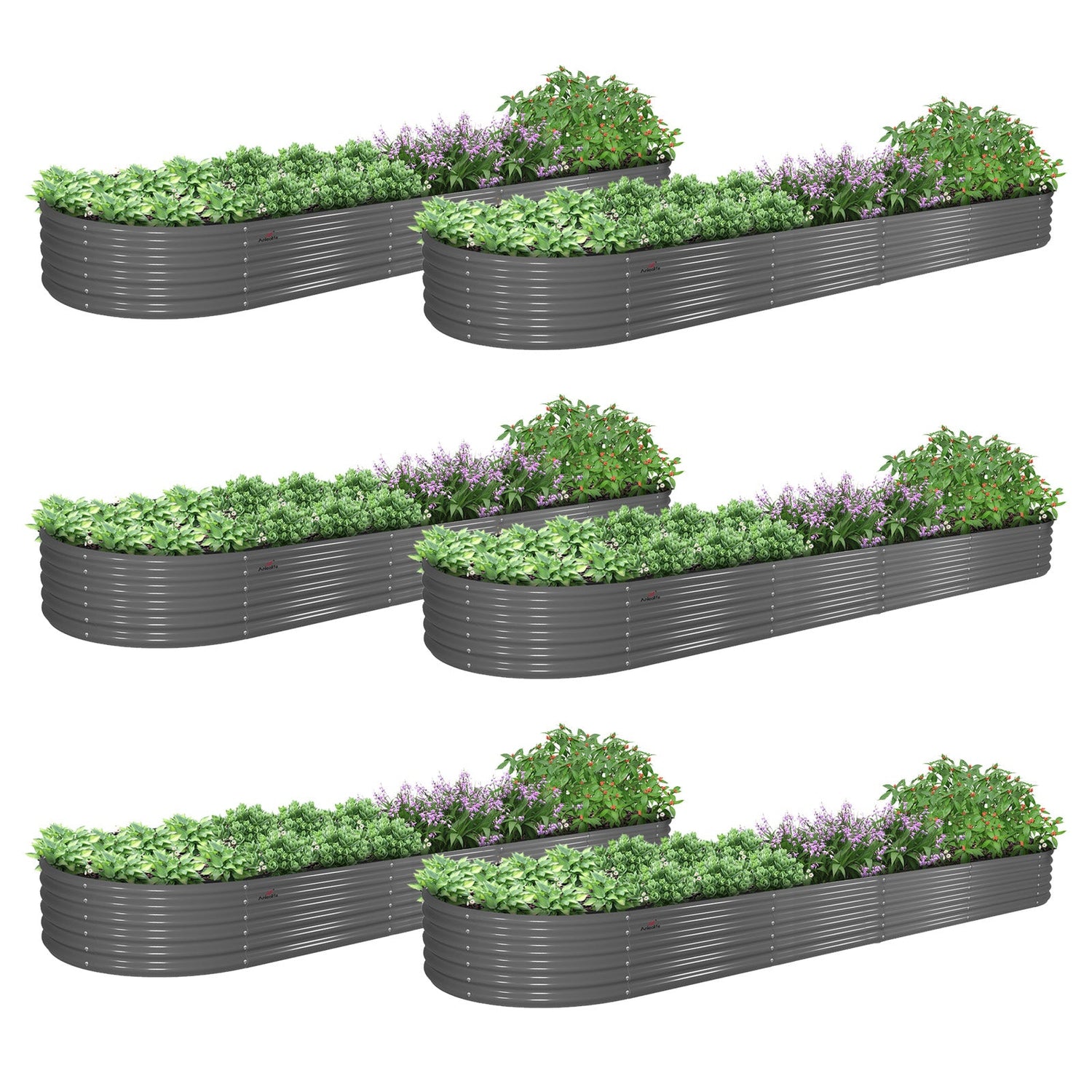



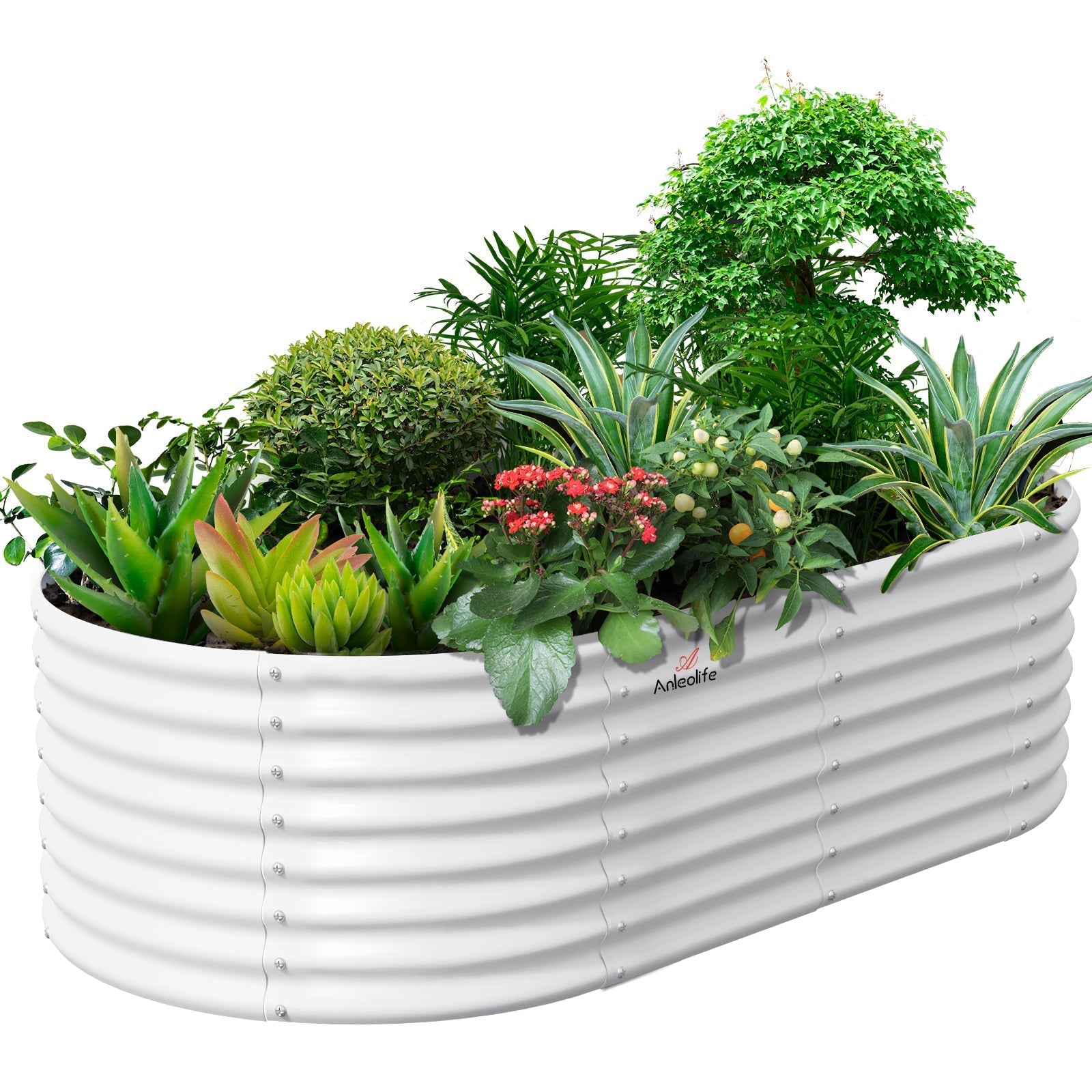
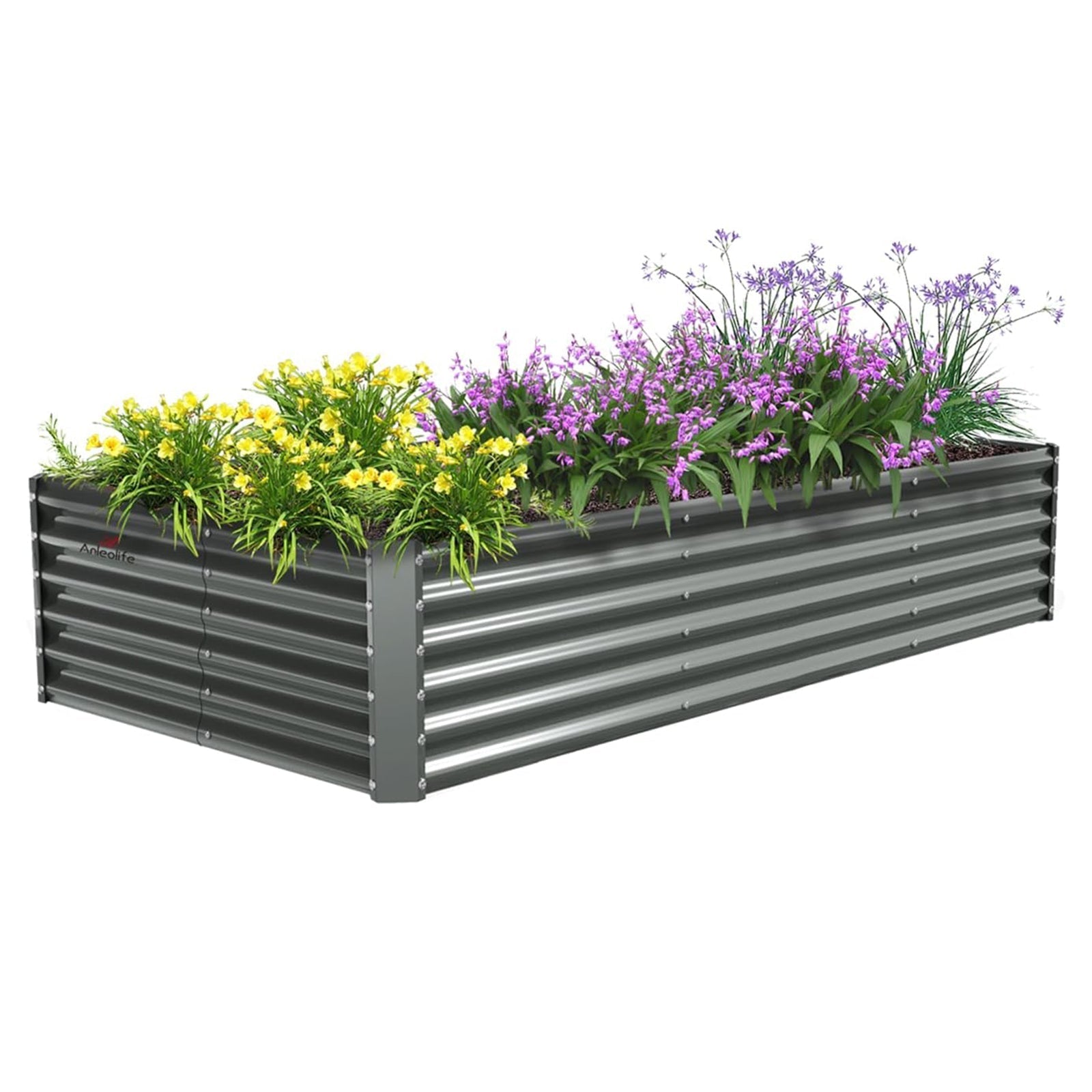

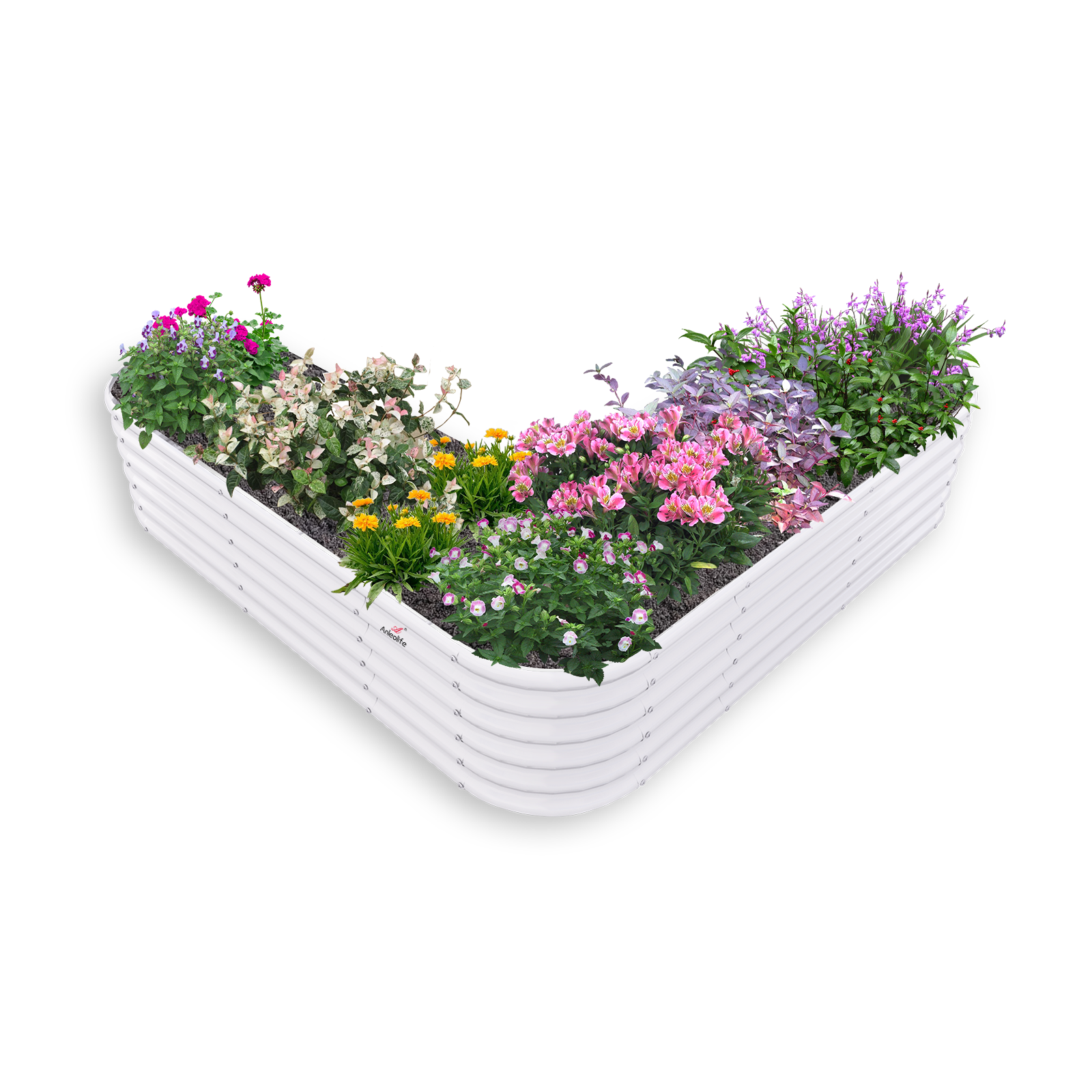




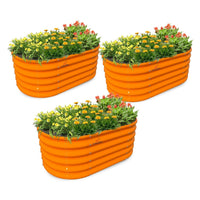
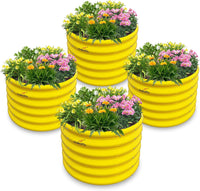
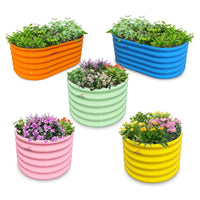
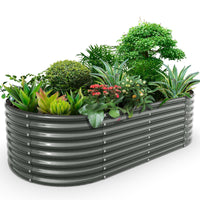




ALT: Gardener identifying nutrient deficiency symptoms in raised bed plants during summer growing season
Why Summer Nutrient Deficiency in Raised Garden Beds Is More Common Than You Think
Key Conclusion: Summer heat accelerates nutrient depletion in raised garden beds faster than most home growers expect. High temperatures, frequent watering, and rapid plant growth all combine to strip your soil of essential minerals within weeks. Recognizing the early warning signs of nutrient deficiency — from yellowing leaves to stunted growth — and knowing exactly how to correct them can mean the difference between a thriving summer harvest and a disappointing one. This guide gives you the practical tools to diagnose, treat, and prevent nutrient problems all season long.
If you've been tending your raised beds diligently this summer only to notice that your tomatoes look pale, your beans seem stunted, or your squash leaves are developing strange patterns, you're not alone. Nutrient deficiency in raised bed gardening is one of the most widely reported mid-season problems among home growers across North America.
The challenge is threefold. First, raised beds drain faster than in-ground plots, which means water-soluble nutrients leach out more quickly. Second, summer heat speeds up plant metabolism, so crops consume nutrients at a rate that often outpaces what the soil naturally provides. Third, many growers start the season with a great soil mix but don't account for ongoing replenishment. Understanding this cycle — and responding early — is the foundation of keeping your summer garden healthy and productive.
Who This Guide Is For: Scenarios Where Nutrient Deficiency Is Most Likely
✅ Applicable Scenarios:
- Raised beds that have been actively planted for more than six weeks without any fertilization
- Beds experiencing heavy rainfall or daily watering, which accelerates nutrient leaching
- Growers using a primarily peat-based or compost-heavy mix without mineral supplementation
- Gardeners who expanded their bed systems mid-season and are growing in fresh, under-amended soil
- Anyone transitioning crops from early summer cool-weather plants to heat-tolerant mid-season vegetables
❌ Not Applicable/Cautions:
- Beds that have been fertilized within the past two to three weeks may not need additional nutrients — over-fertilizing can burn roots and cause more harm than the deficiency itself
- If wilting or discoloration is accompanied by root rot or fungal symptoms, the problem may be disease-related rather than nutritional, and fertilizing could worsen the situation
- Plants showing signs of heat stress alone (such as temporary wilting during peak afternoon heat that recovers by evening) typically do not require nutrient intervention
Understanding Why Raised Beds Lose Nutrients Faster in Summer
Summer is the season when your plants are working hardest — and so is your soil. To understand why nutrient deficiency becomes so prevalent from June through August, it helps to look at what's actually happening beneath the surface of your raised bed.
Rapid leaching from drainage is the first culprit. One of the most celebrated advantages of raised bed gardening is its excellent drainage — but that same drainage also pulls water-soluble nutrients like nitrogen and potassium down through the soil profile and out of reach of plant roots. If you're watering deeply every day during a heat wave, you may be flushing significant nutrients out of your bed without realizing it. This is especially true in taller beds where there's more soil volume for water to travel through.
Accelerated plant uptake is the second factor. In peak summer conditions, fast-growing crops like tomatoes, cucumbers, zucchini, and corn are consuming nitrogen, phosphorus, calcium, and magnesium at a rate that can visibly deplete soil reserves within a matter of weeks. A raised bed that looked nutrient-rich in May may genuinely be deficient by July simply because your plants have consumed what was available.
Heat-related soil biology changes also play a role. Soil microbes, which are responsible for breaking down organic matter and making nutrients available to plant roots, can become less active or shift their behavior in response to extreme heat. If your soil's surface dries out repeatedly, the microbial ecosystem near the top of the bed — where most feeder roots are concentrated — may slow down significantly, reducing nutrient availability even when organic matter is present.
For growers who want to prevent these problems before they start, the foundation truly begins with the right soil composition. If you haven't already reviewed The Best Soil Recipe for Raised Garden Beds in Summer 2026, it's worth reading before or alongside this guide — the right soil blend dramatically reduces how quickly nutrients are depleted in the first place.
A growing number of American gardeners are choosing raised beds precisely because they offer control over soil quality that in-ground planting cannot match. According to the National Gardening Association, home vegetable gardening has seen consistent growth in participation across the United States, with an increasing share of growers citing raised beds as their primary method. This means more growers than ever are encountering the specific challenge of managing soil fertility in a confined, elevated growing environment — and needing practical, reliable guidance to do so effectively.
It's also worth noting that the material of your raised bed can influence soil temperature and moisture retention, both of which affect nutrient availability. You can learn more about how bed material affects growing conditions in the detailed breakdown at Galvanized Steel Raised Beds: 7 Reasons They Outperform Wood for Summer Gardening.
How to Diagnose and Treat Nutrient Deficiency in Your Raised Bed: A Practical Guide
Three-Step Quick Start for Addressing Nutrient Problems
Step 1: Conduct a Visual Symptom Scan
Walk your raised beds in the early morning when light is soft and symptoms are easiest to read. Look at older (lower) leaves first — most nutrient deficiencies appear in mature foliage before affecting new growth. Note the pattern of discoloration: uniform yellowing across the whole leaf, yellowing between veins, purpling of stems, browning of leaf edges, or spots. This visual map will guide your next steps. Aim to spend at least 10–15 minutes per bed doing a careful inspection.
Step 2: Match Symptoms to Specific Nutrient Deficiencies
Once you've documented the symptoms, cross-reference them with the nutrient deficiency chart below. The location of symptoms on the plant (old leaves vs. new leaves) tells you whether the deficiency is mobile (nitrogen, phosphorus, potassium, magnesium) or immobile (calcium, sulfur, iron, manganese). Mobile nutrients move from older leaves to new growth, so deficiency appears first in the oldest parts of the plant. Immobile nutrients cannot relocate, so deficiency shows up first in new leaves and growing tips.
Step 3: Apply a Targeted, Appropriate Amendment
Based on your diagnosis, select the most appropriate amendment for your situation. For fast results, liquid fertilizers or foliar sprays deliver nutrients within days. For longer-term correction and prevention, granular slow-release fertilizers or compost top-dressing build back soil fertility over two to four weeks. Always follow package directions carefully — applying too much of any single nutrient can create secondary imbalances or toxicity.
Comparing the Most Common Nutrient Deficiency Symptoms and Treatments
Understanding which nutrient your plants are lacking is the most critical diagnostic step. The following comparison covers the six deficiencies most frequently encountered in summer raised beds.
| Symptom Pattern | Likely Deficiency | Which Plants Show It Most | Recommended Amendment |
|---|---|---|---|
| General yellowing of older leaves, starting at tips | Nitrogen (N) | Tomatoes, leafy greens, corn | Balanced liquid fertilizer, blood meal, fish emulsion |
| Purple or reddish discoloration of leaves and stems | Phosphorus (P) | Tomatoes, peppers, brassicas | Bone meal, rock phosphate, mycorrhizal inoculant |
| Brown, scorched leaf edges on older leaves | Potassium (K) | Tomatoes, beans, squash | Greensand, wood ash, potassium sulfate |
| Yellowing between veins on older leaves, veins stay green | Magnesium (Mg) | Tomatoes, peppers, roses | Epsom salt foliar spray or soil drench |
| Yellowing between veins on new leaves | Iron (Fe) or Manganese (Mn) | Blueberries, roses, spinach | Chelated iron, acidify soil with sulfur |
| Blossom end rot, tip burn on new leaves | Calcium (Ca) | Tomatoes, squash, peppers | Crushed eggshells, gypsum, consistent watering |
This table is a starting point, not a final diagnosis. Soil testing — available through your local cooperative extension office — will give you precise data on what your bed actually needs before you apply any amendments.
Detailed Fixes for the Most Damaging Summer Deficiencies
Nitrogen Deficiency: The Most Common Summer Culprit
Nitrogen deficiency is by far the most frequent nutrient problem in summer raised beds, and it's easy to understand why. Nitrogen is water-soluble, meaning it doesn't bind tightly to soil particles and flushes out quickly with irrigation. It's also consumed in large quantities by heavy-feeding summer crops.
The classic sign is a progressive yellowing that begins at the tips of the oldest, lowest leaves and works its way upward through the plant over the course of days to weeks. In severe cases, plants may also appear generally pale and leggy, with smaller leaves and reduced fruit set.
For a fast response, apply a diluted liquid fertilizer — fish emulsion, compost tea, or a balanced 10-10-10 liquid formula — directly to the soil around the base of affected plants. You should see improvement within five to seven days as the plant absorbs the readily available nitrogen. For ongoing support, top-dress with a one- to two-inch layer of finished compost and consider a slow-release granular fertilizer to maintain consistent nitrogen levels through the rest of the season.
Calcium Deficiency: The Sneaky Source of Blossom End Rot
Calcium deficiency often catches summer growers off guard because it doesn't always look like a classic deficiency. The most recognizable symptom is blossom end rot — that dark, sunken, leathery patch on the bottom of tomatoes, peppers, and squash. But calcium problems also show up as tip burn on lettuce and cabbage, distorted new leaves, and weak stems.
Here's the key nuance: calcium deficiency in raised beds is often not about a lack of calcium in the soil. It's about irregular watering preventing the plant from absorbing the calcium that's already there. Calcium moves through the plant via water uptake — if your watering is inconsistent (alternating drought stress with heavy soaking), the plant can't transport enough calcium to developing fruits. The solution is twofold: improve watering consistency and, if needed, add calcium to the soil through gypsum or crushed eggshells. Foliar calcium sprays can also provide quick relief for actively developing fruits.
For a deeper look at how watering practices impact overall raised bed health, the Raised Bed Watering Guide: How to Conserve Water This Summer with Simple Systems offers practical irrigation strategies that support consistent nutrient uptake.
Magnesium Deficiency: The One Growers Often Misread
Magnesium deficiency produces a very distinctive pattern: interveinal chlorosis on older leaves, where the tissue between the leaf veins turns yellow while the veins themselves remain green. Many growers initially mistake this for a pest problem or disease, which leads to incorrect treatment.
Magnesium is a core component of chlorophyll, so a deficiency directly impairs a plant's ability to photosynthesize. It's most common in sandy or heavily leached soils and in beds that have received a lot of potassium fertilization, which competes with magnesium for uptake.
The fastest and most effective treatment is a foliar spray of Epsom salt solution — typically one tablespoon of Epsom salt per gallon of water, applied directly to the leaves. Plants can absorb magnesium through their foliage within 24 to 48 hours, making this one of the quickest fixes in the nutrient deficiency toolkit. For longer-term correction, work dolomitic limestone or Epsom salt into the top few inches of your bed soil.
Building Back Soil Fertility for the Rest of the Season
Once you've addressed the immediate deficiency, the goal is to rebuild your soil's long-term fertility so you're not fighting the same battles in another three weeks. Incorporating a generous top-dressing of finished compost — two to three inches worked gently into the surface — provides a slow-release reservoir of multiple nutrients while also improving soil structure and water retention.
Pairing compost with a balanced granular fertilizer gives you both immediate and extended-release nutrition. Many experienced raised bed growers develop a simple monthly feeding routine: a light application of liquid fertilizer every three to four weeks, combined with a compost top-dress at the beginning and midpoint of the season. This approach substantially reduces mid-season deficiency crises without requiring complex soil chemistry knowledge.
If you're managing multiple beds or are thinking about expanding your growing space mid-season, check out the insights in Mid-Summer Raised Bed Maintenance: Your Essential June–July Care Checklist for a comprehensive look at everything your beds need between now and fall.

ALT: Gardener adding compost amendment to galvanized steel raised garden bed to correct nutrient deficiency in summer vegetables
Advanced Considerations: pH, Material, and Expanding Your System Mid-Season
How Soil pH Controls Nutrient Availability
One of the most overlooked reasons why raised bed plants develop deficiency symptoms even after fertilization is incorrect soil pH. Nutrients aren't just present or absent in your soil — they exist in forms that plants can only access within specific pH ranges. Most vegetables thrive at a pH between 6.0 and 7.0, and outside this range, nutrients like iron, manganese, and phosphorus become chemically "locked" in the soil, unavailable to plant roots no matter how much you apply.
If you've treated a deficiency but symptoms persist or worsen, a soil pH test is your next step. Inexpensive test kits are widely available, and your local cooperative extension service can perform a comprehensive lab analysis. To lower pH (make soil more acidic), incorporate elemental sulfur or acidic compost. To raise pH, work in agricultural lime or wood ash.
What Materials Are Best for Raised Garden Beds?
This is one of the most frequently searched questions among new and experienced growers alike, and it directly affects nutrient management. Galvanized steel is widely considered the best all-around material for raised beds in terms of durability, safety, and performance. It doesn't rot, doesn't leach chemicals, and holds soil temperature consistently — which supports the soil microbial activity that drives nutrient cycling.
For growers in wet climates, steel with a quality rust-resistant coating is particularly valuable because it maintains structural integrity even through years of wet winters and humid summers. Wood, while popular for its aesthetics, can break down relatively quickly in wet conditions, introducing inconsistent chemistry into your soil over time. In terms of longevity, Anleolife's galvanized steel raised garden beds are built to last up to 20 years — a significant advantage over wood alternatives that may need replacement within just a few seasons.
Can You Expand Anleolife Raised Garden Beds After Purchase?
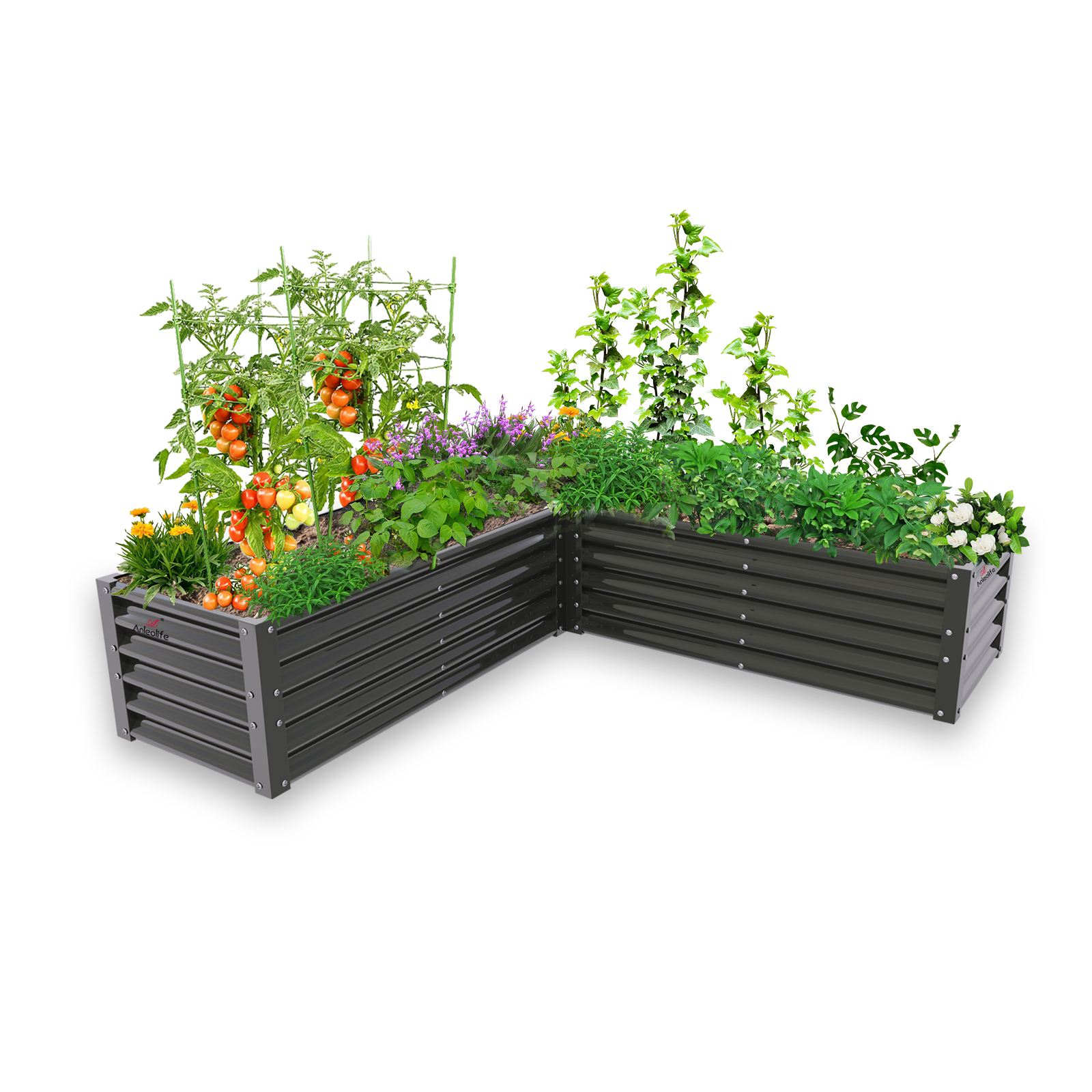
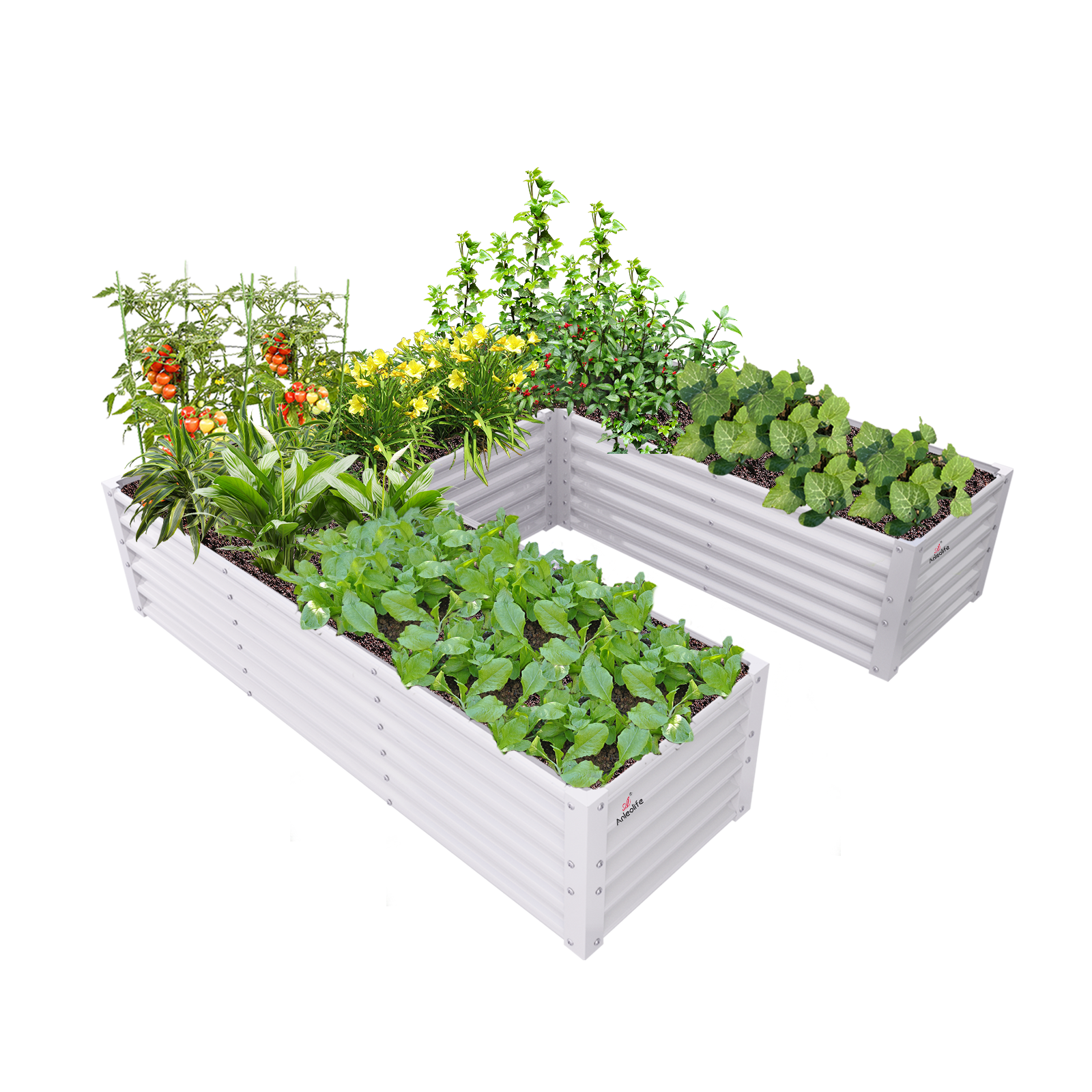
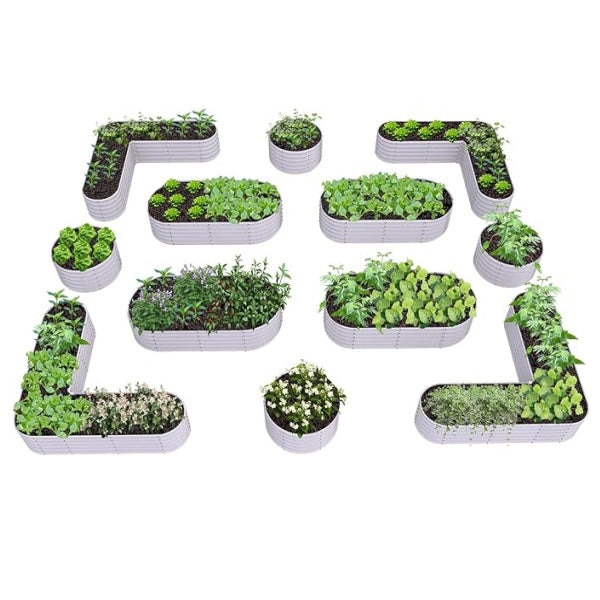
Yes — and this is one of the most practical advantages of choosing a modular garden bed system. Anleolife's Modular Raised Garden Bed line is specifically designed for flexible reconfiguration and expansion. Whether you started with an 18" tall 6x2 ft bed and want to grow into a larger 8x4 or 12x3 footprint, or you want to add depth with a 24" or 30" extra-tall configuration for root vegetables, the modular design allows you to scale your garden system without starting from scratch.
This expandability is especially valuable when you're managing nutrient needs across multiple growing areas, because you can tailor each bed's soil composition and fertilization schedule to the specific crops growing in it. For a practical look at how to customize your layout, How to Customize a Modular Garden Bed System for Your Unique Backyard Shape walks you through the process step by step.
Common Misconception: More Fertilizer Means Faster Recovery
This is one of the most damaging myths in home gardening. Over-fertilizing — particularly with nitrogen — can burn root tips, create osmotic stress, and actually prevent the plant from absorbing the water and nutrients it needs. If you're unsure of your diagnosis, start with the lowest recommended dose of any amendment and observe the plant's response over five to seven days before adding more. Patience and precision are more effective than volume.
Frequently Asked Questions FAQ
Q1: How do I know if my raised bed plant's yellowing is from nutrient deficiency or something else?
Look at the pattern and location of the yellowing. If yellowing starts on older, lower leaves and progresses upward, it's typically a mobile nutrient deficiency (nitrogen, phosphorus, potassium, or magnesium). If new growth at the top of the plant is affected first, consider immobile nutrients like calcium, iron, or sulfur — or check for viral disease. If the entire plant is wilted and yellowing uniformly, check for root rot or overwatering first before assuming a nutrient problem.
Q2: Is it safe to use Epsom salt on all raised bed vegetables?
Epsom salt (magnesium sulfate) is generally safe for most vegetables when used at recommended rates — typically one tablespoon per gallon of water for foliar application, or one tablespoon per foot of plant height applied as a soil drench. However, regular use without a confirmed magnesium deficiency can create imbalances, particularly with calcium uptake. Use it as a targeted treatment when you observe classic interveinal chlorosis on older leaves, and discontinue once symptoms resolve.
Q3: How long does it take to see improvement after treating a nutrient deficiency in a raised bed?
For liquid and foliar treatments, you can often see visible improvement within five to ten days. New growth will appear greener and healthier first — existing damaged leaves typically won't recover their color. For granular and compost-based amendments, allow two to four weeks for full effect as the materials break down and become plant-available. If you see no improvement within two weeks of treatment, retest your soil pH and reconsider your diagnosis.
Summary
Managing nutrient deficiency in summer raised beds comes down to three core principles: diagnose before you treat, address root causes not just symptoms, and build long-term soil fertility rather than chasing individual deficiencies.
The most important takeaways from this guide are:
- Visual symptoms are your first diagnostic tool — the pattern, location, and progression of discoloration tell you which nutrient is lacking and how urgently you need to act.
- Soil pH controls nutrient availability — even a well-fertilized bed can show deficiency symptoms if pH is outside the optimal range for vegetable growth.
- Prevention through soil management is more effective than reactive treatment — regular compost top-dressing, consistent watering, and a simple monthly feeding routine will prevent most deficiency crises before they develop.
Your next steps: conduct a full visual scan of your beds this week, perform a soil pH test if you haven't already this season, and select the appropriate amendment for any deficiencies you identify. If you're building or expanding your raised bed system, prioritize materials and configurations that support long-term soil health and nutrient retention.
Ready to Upgrade Your Garden This Summer?
Anleolife's nationwide U.S. warehouse network — strategically located in California, Texas, Florida, New York, Illinois, and Washington — ensures delivery in 3–8 business days, so your garden plans are never put on hold. Whether you're sourcing your first raised bed or expanding an existing system, Anleolife products are available on Amazon, Walmart, Home Depot, Lowe's, Wayfair, and directly at Anleolife.com, with consistent quality assurance and dedicated after-sales support at every channel.
Anleolife's three core scenarios — Planting (metal raised garden beds, soil systems), Raising (chicken coops, rabbit hutches), and Beautification (decorative accessories, pathway systems) — give you everything you need to build a garden that's as beautiful as it is productive. Our modular product design grows with you, from your first bed to a fully integrated garden ecosystem. Every step forward is one we take together.
References
- National Gardening Association. "Food Gardening in the United States".
https://garden.org/special/pdf/2014-NGA-Garden-to-Table.pdf - University of Minnesota Extension. "Nutrient deficiencies and toxicities in vegetable crops".
https://extension.umn.edu/nutrient-management/nutrient-deficiencies-and-toxicities-vegetable-crops - UC Agriculture and Natural Resources. "Soil Nutrient Management for Home Gardens".
https://ucanr.edu/ - Penn State Extension. "Soil pH for Field Crops".
https://extension.psu.edu/soil-ph-for-field-crops - Colorado State University Extension. "Diagnosing Nutrient Deficiencies".
https://extension.colostate.edu/topic-areas/yard-garden/
Note: Standards and research may be updated. Please check the latest official documents or consult a certified master gardener or cooperative extension professional in your area.
About Anleolife
Anleolife is a leading outdoor garden solutions provider in North America, dedicated to offering a full-scenario product ecosystem for home gardening enthusiasts, covering planting, raising, and garden beautification. Since its founding, we have upheld our brand mission, "Made for Garden Life," continuously innovating products and optimizing services to help hundreds of thousands of users upgrade their gardens, reconnect with nature, and enjoy a better garden lifestyle.