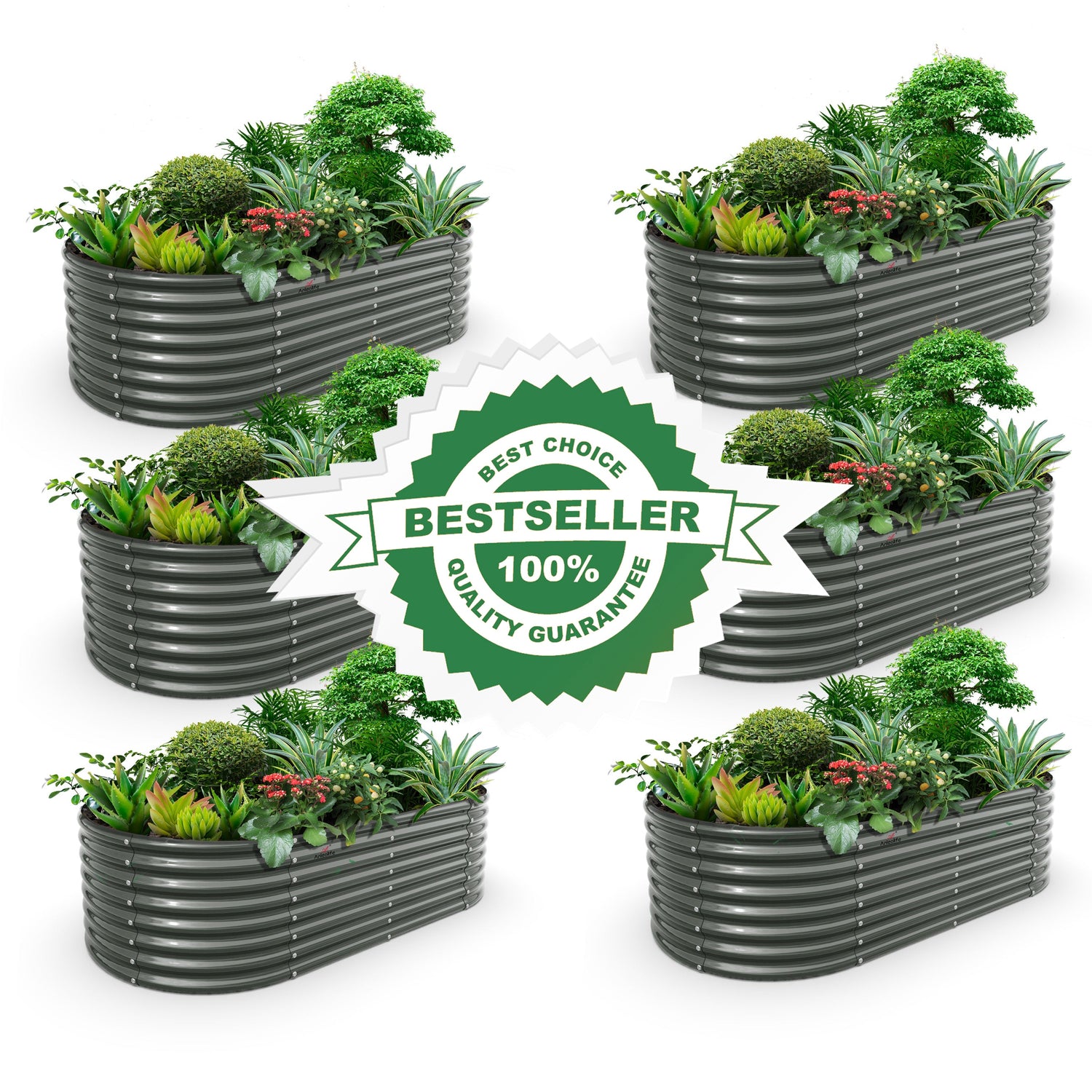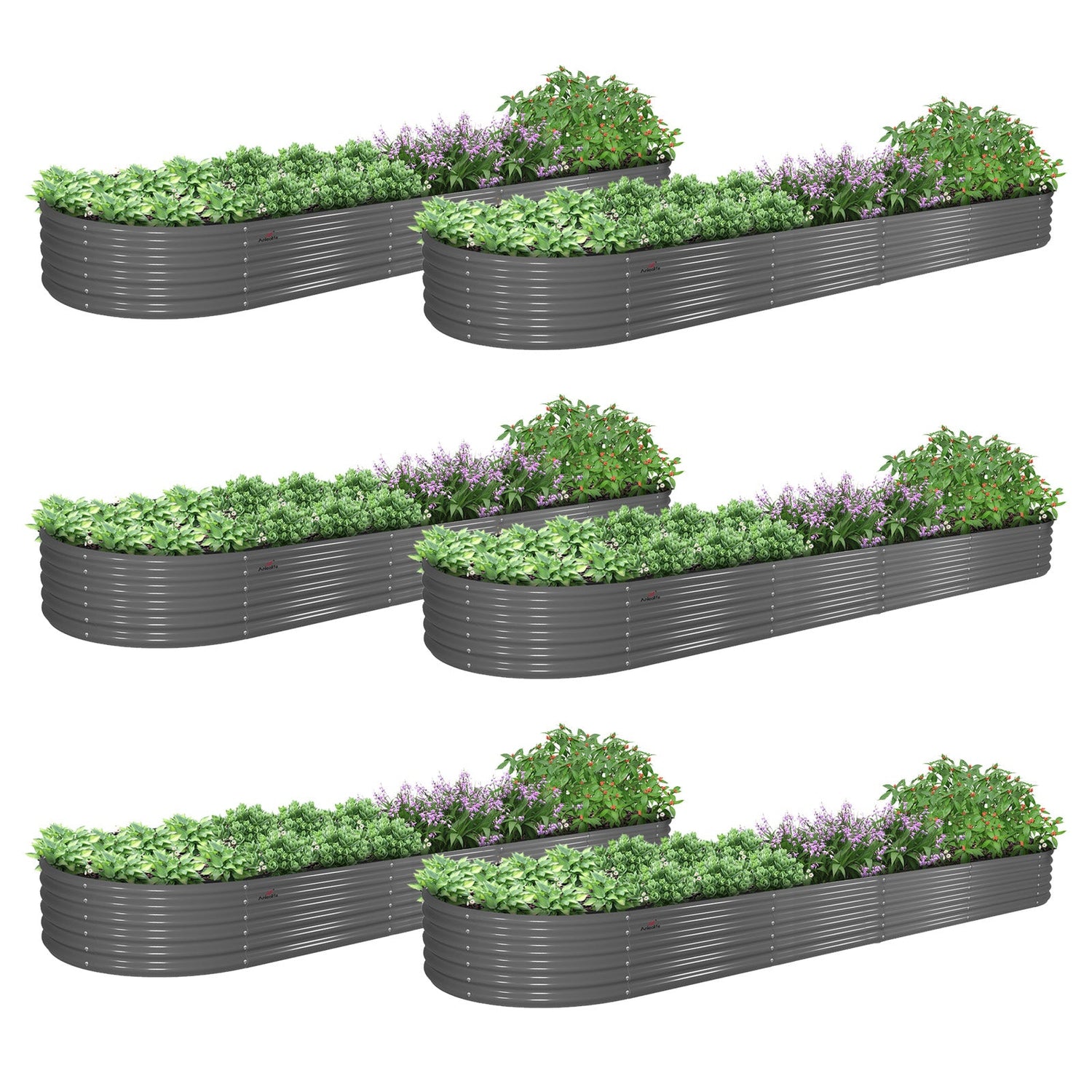




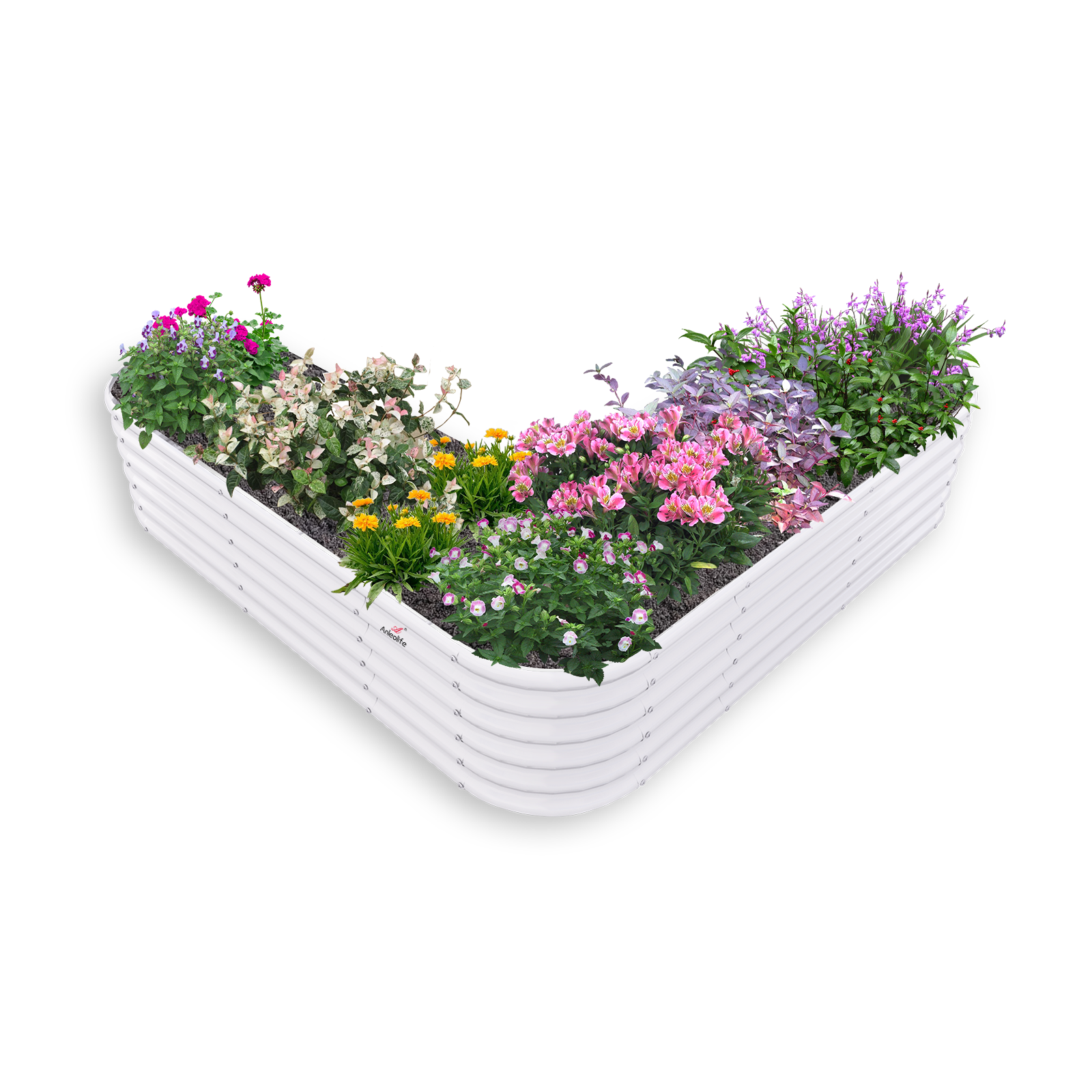
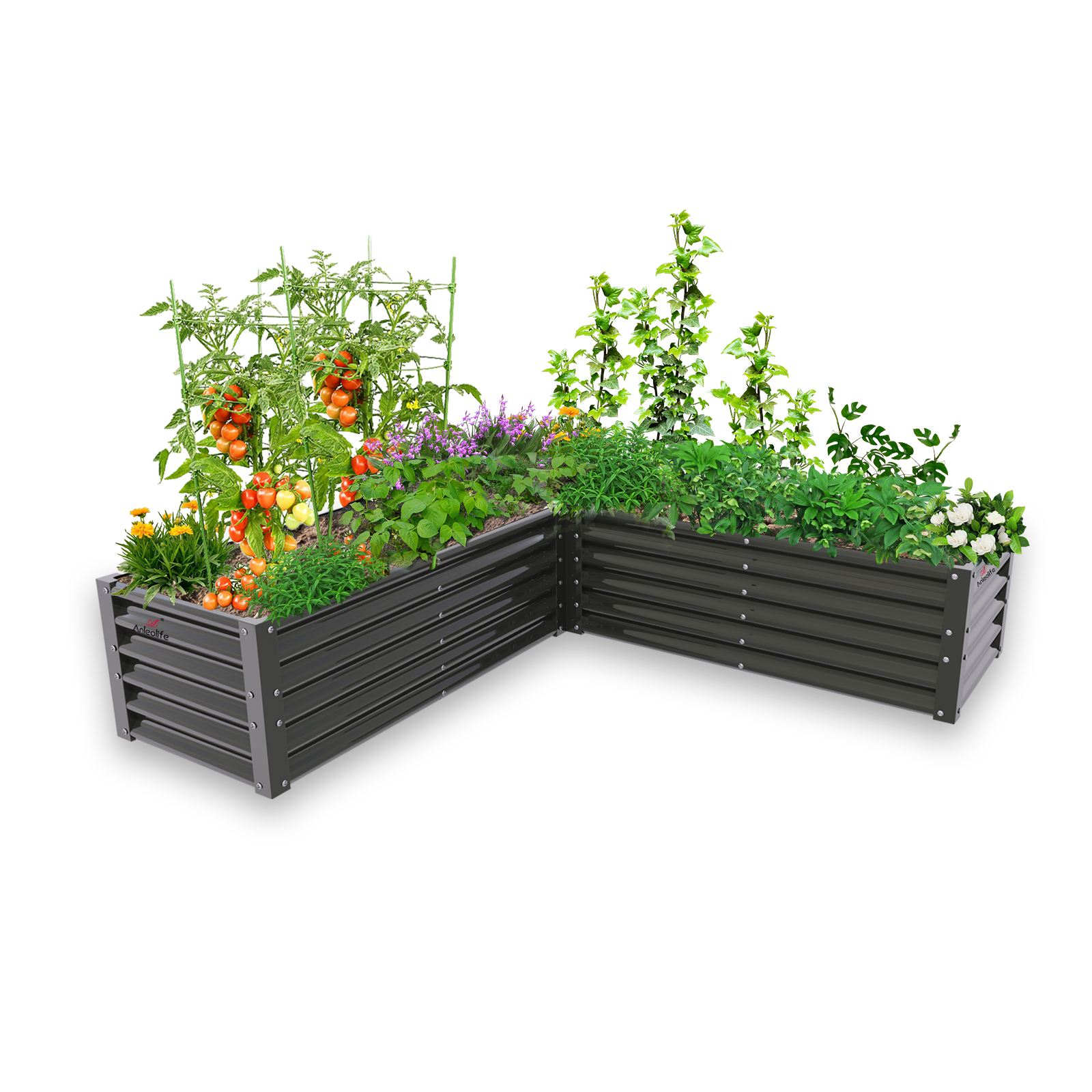
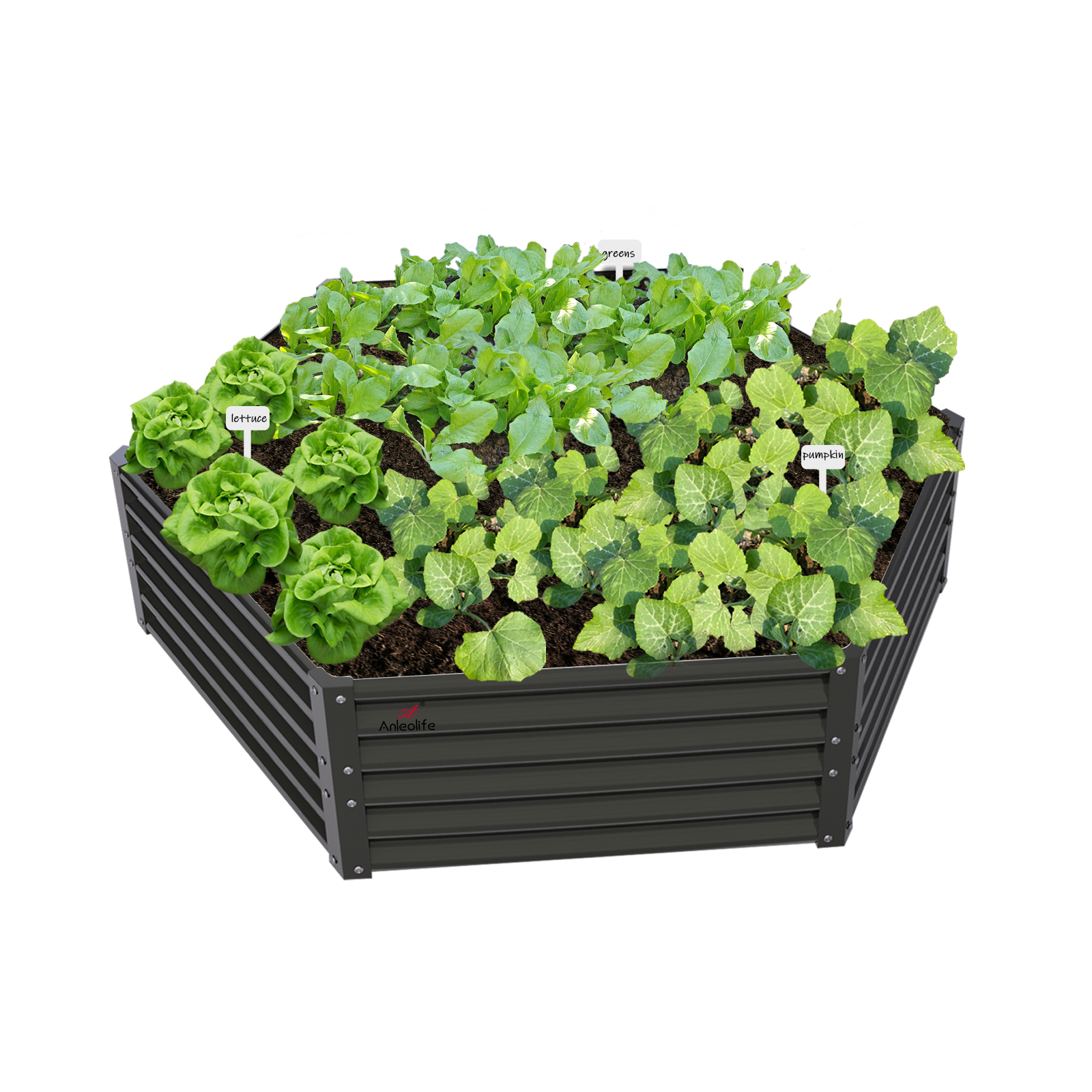
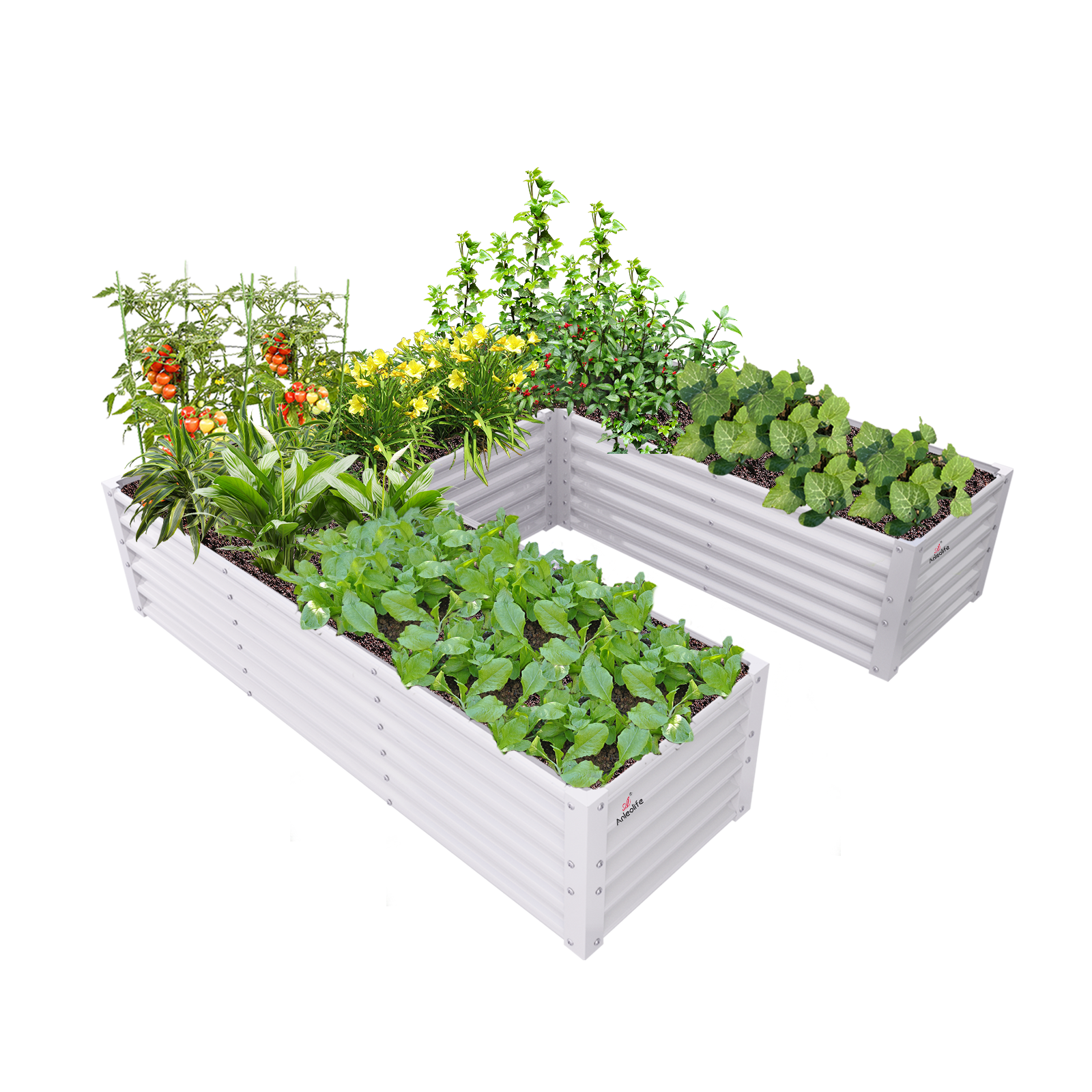

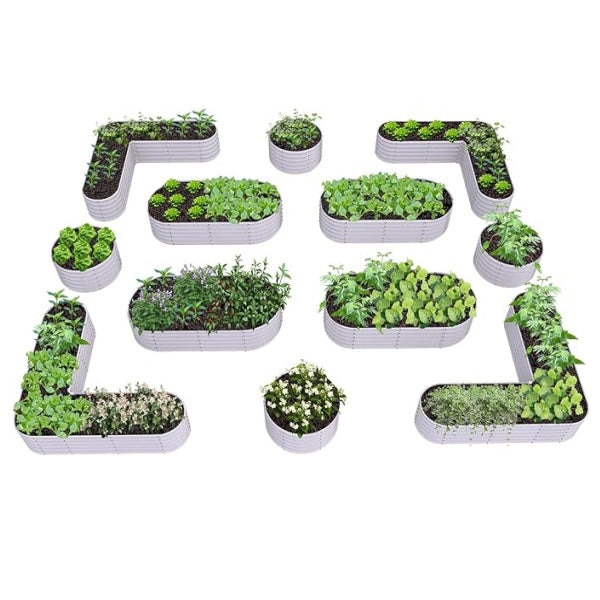


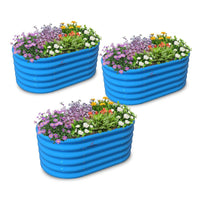
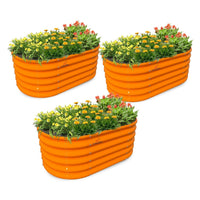
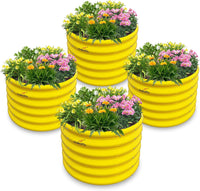
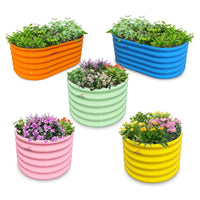
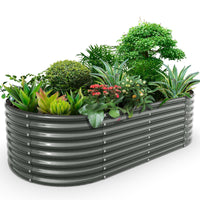



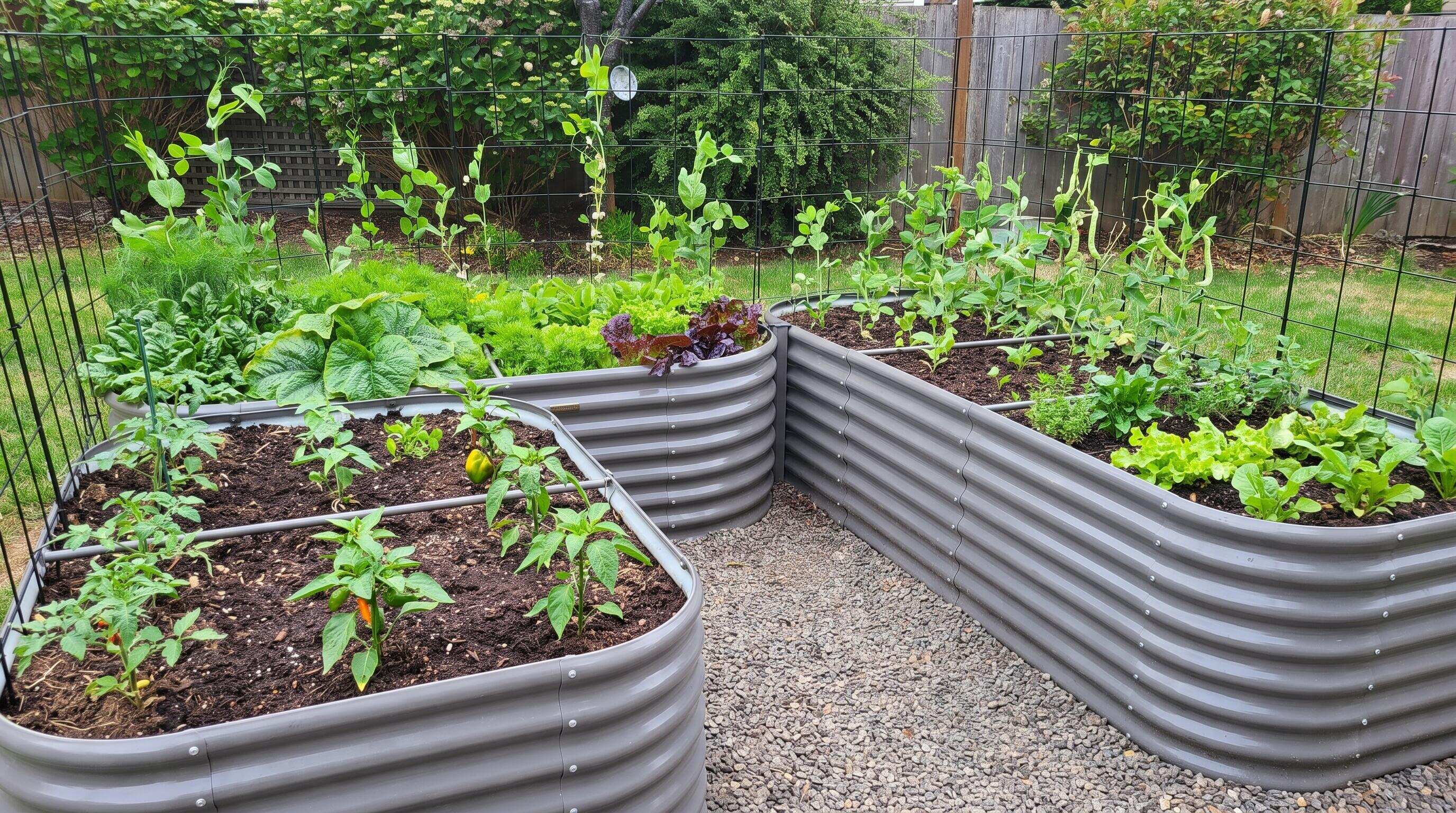
ALT: Modular raised bed garden layout with galvanized steel beds in a backyard setting
Why Your Modular Raised Bed Investment Deserves More Thought Than You Think
Imagine spending a full weekend assembling a raised bed garden layout, filling it with quality soil, and planting your first round of vegetables — only to realize six months later that the system you chose can't expand to fit your growing ambitions. It's a pattern we consistently see: gardeners make purchasing decisions based on initial price or appearance, then outgrow their setup faster than expected. The core conclusion of this article is straightforward — before you invest in a modular raised bed system, understanding layout compatibility, material durability, and long-term scalability will save you both money and frustration.
A well-planned raised bed planting layout isn't just about what looks good on a weekend afternoon. It's a structural decision that shapes how you grow food, manage soil, and organize your outdoor space for years to come. In this guide, we'll walk through the practical, nuanced considerations that separate a smart modular investment from an expensive lesson — covering everything from site evaluation and soil systems to size selection and seasonal expansion strategies.
Who This Guide Is For
Applicable Scenarios:
- Homeowners planning their first dedicated raised bed garden layout and wanting a scalable, low-maintenance solution
- Experienced home growers looking to upgrade from single fixed beds to an interconnected modular planting system
- Urban micro-gardeners with limited yard space who need flexible configurations that adapt to irregular footprints
Not Applicable / Cautions:
- Gardeners who need an entirely temporary or fully portable system with zero permanent footprint — modular systems, while reconfigurable, are designed for semi-permanent installation
- Those working with extremely shaded, sloped, or waterlogged sites where raised beds alone won't solve foundational drainage issues without additional groundwork
Understanding the Modular Raised Bed Landscape
A modular raised garden bed system is a configurable garden bed setup built from interchangeable panels, connectors, or stackable units that can be arranged, extended, or reconfigured over time — unlike fixed single-piece beds that lock you into one size and shape permanently.
The appeal of modular systems has grown considerably as home gardening has matured from a trend into a long-term lifestyle commitment. According to the National Gardening Association, participation in food gardening has remained at historically high levels in North American households, and the demand for flexible, investment-grade garden infrastructure has followed. Gardeners today aren't just looking for a place to put soil — they're thinking about raised bed garden layout as a whole-yard design decision.
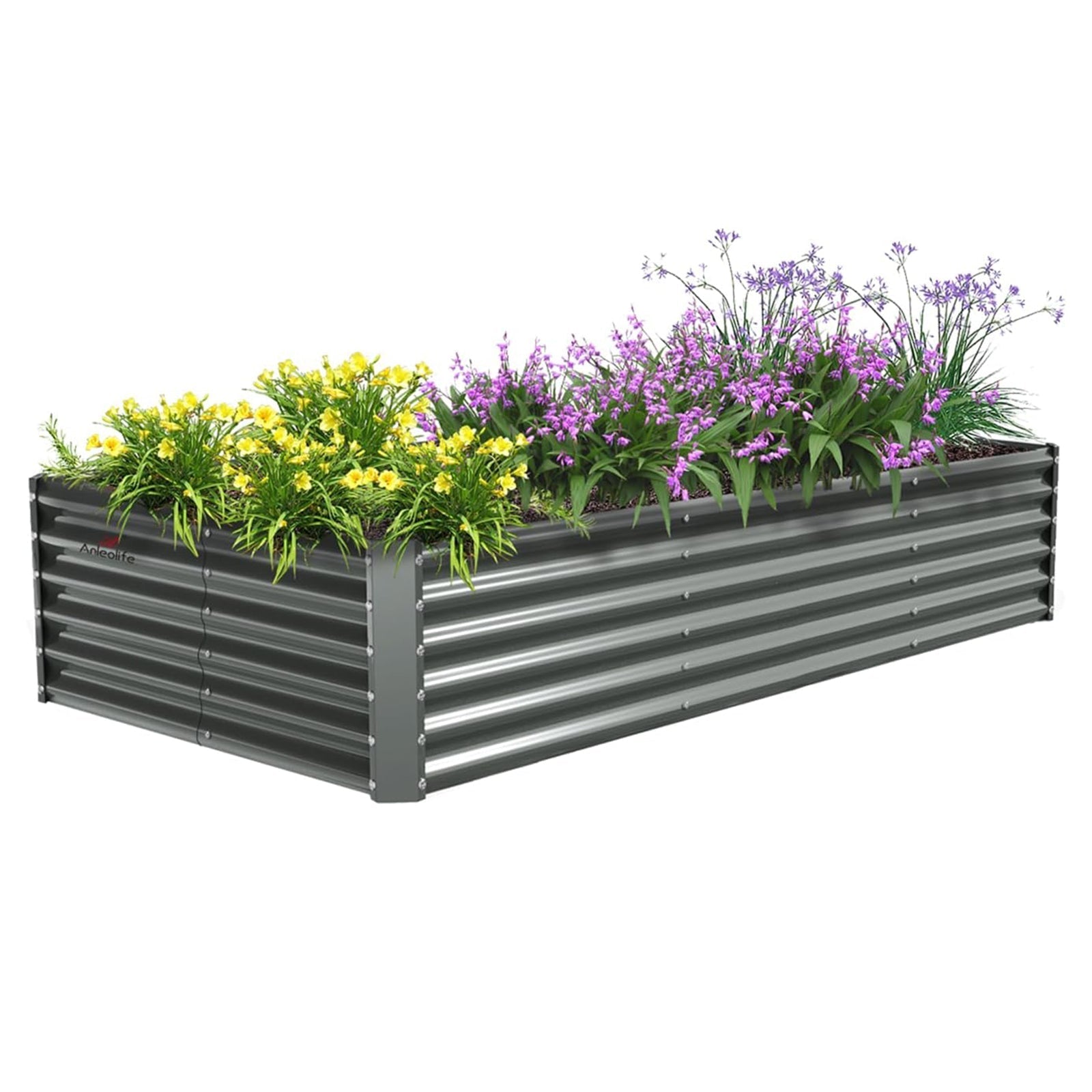
What makes this category genuinely different from standard raised beds is the capacity for incremental growth. A gardener might begin with a single 8x4 ft bed and, without starting over, add companion units to form an L-shape, a parallel row system, or a grid that maximizes available sunlight. This is the defining functional advantage of modular design, and it's also where the most critical pre-purchase decisions cluster.
The materials question is equally significant. The market currently offers wood, composite, fabric, and metal options — but galvanized and rust-resistant steel have become the benchmark for serious home gardeners precisely because of their structural integrity and longevity. At Anleolife, for example, our galvanized steel raised garden beds are built to last up to 20 years, a specification that changes the investment calculus entirely when you divide cost by productive years of use.
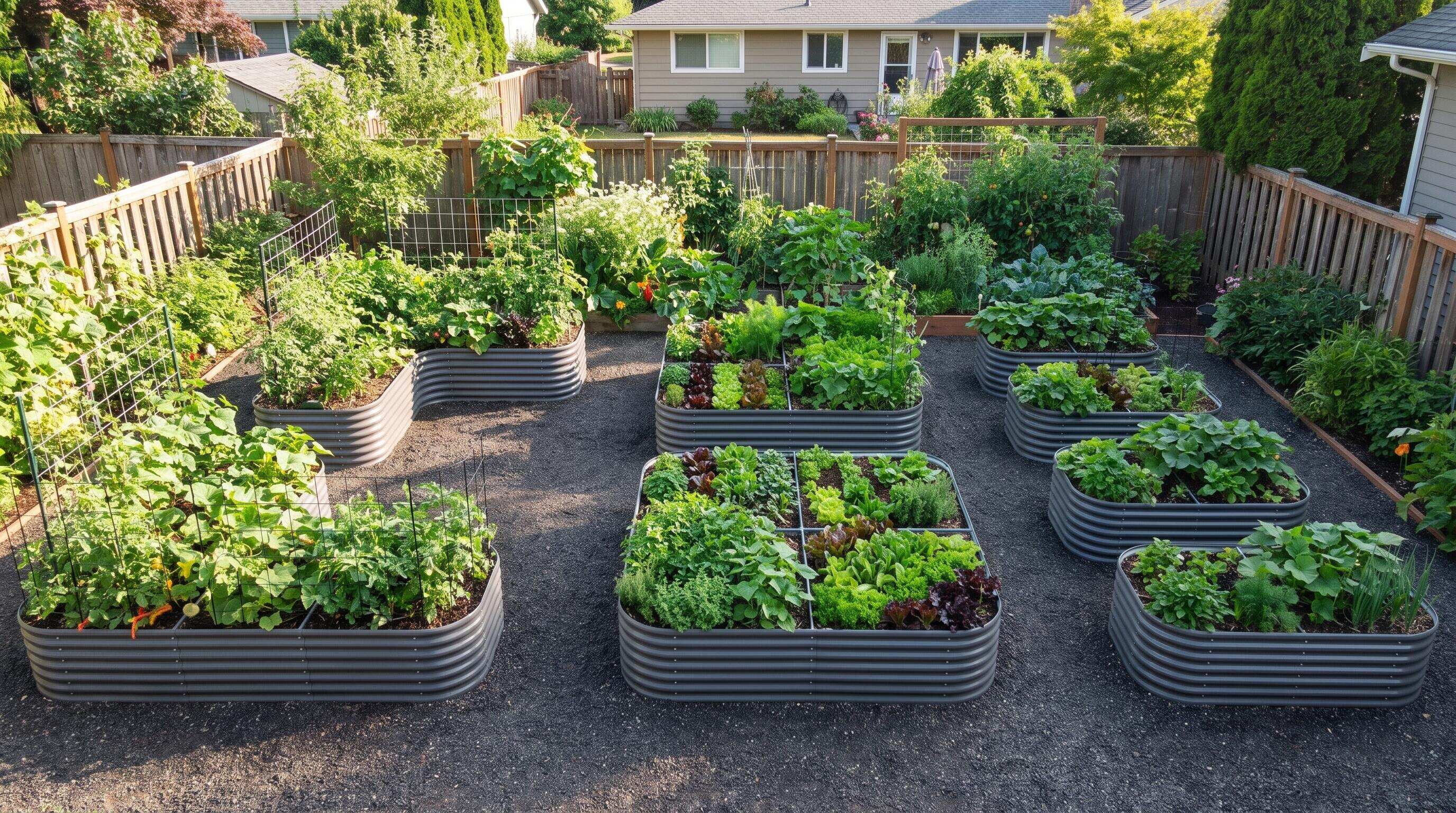
ALT: Comparison of modular raised bed planting layout configurations showing L-shape, grid, and row arrangements in a residential garden
Before settling on a system, it helps to understand the full range of what's available — not just in terms of aesthetics, but in terms of how different configurations and heights serve different gardening goals. Sites like Savvy Gardening's 4x8 raised bed vegetable garden layout ideas offer useful visual references for understanding how spatial decisions play out at the planting level, and resources like pre-planned garden layouts from Gardeners.com can help translate abstract plans into concrete planting arrangements.
The Decisions That Determine Whether Your System Actually Works
Three Steps to Evaluate Before You Buy
Step 1: Map Your Site and Sun Exposure
Before selecting any modular components, spend at least one full day observing how sunlight moves across your intended garden area. Note the hours of direct sun from morning to late afternoon. Most vegetable crops require 6 to 8 hours of direct sun daily, and your raised bed layout should orient the longest beds along a north-to-south axis to minimize shading between rows. This step takes roughly a weekend of observation but prevents years of underperforming harvests.
Step 2: Define Your Layout Goals — Now and Three Years Out
One of the most consistent mistakes we see in our work with customers is planning only for this season's garden rather than for a three-year trajectory. Ask yourself how many beds you realistically expect to operate at full capacity, whether you'll want to add a pathway system between beds, and whether you anticipate transitioning from vegetables to herbs, flowers, or even a small cutting garden. Defining these future states before purchasing your first unit determines which modular system gives you the most flexibility without expensive retrofitting.
Step 3: Match Bed Height to Your Physical Needs and Soil Strategy
Raised bed height is not just an aesthetic choice — it's a practical decision driven by your soil system approach and physical comfort. Shorter beds in the 18-inch range are well suited to root vegetables, general planting, and garden spaces where visual openness matters. Extra-tall beds in the 24- to 30-inch range reduce the need to kneel or bend, making them the preferred choice for older gardeners, those with back or knee concerns, and anyone committed to a deep-soil composting approach. Waist-high options go even further, allowing standing-height gardening with minimal physical strain.
Comparing Modular Raised Bed Configuration Options
Choosing between configuration types requires weighing footprint, access, and growth potential together. The table below outlines how common modular layout strategies compare across the dimensions that matter most to practical gardeners.
| Comparison Dimension | Single Linear Row | L-Shape or Corner Configuration | Grid or Multi-Bed Array |
|---|---|---|---|
| Best for | Beginner setups, small yards, single-crop focus | Transitional gardens, corner utilization | Serious food production, dedicated garden zones |
| Expansion path | Add parallel beds | Extend one arm, add perpendicular unit | Expand outward in any direction |
| Pathway planning | Simple single-access strip | Two-sided access required | Full pathway network recommended |
| Soil management | Straightforward, one fill event | Slightly variable depth zones | Requires coordinated soil system strategy |
| Aesthetic cohesion | Minimal visual impact | Stronger visual anchor in the yard | Full garden room effect |
| Ideal Anleolife format | 8x4 ft, 6x3 ft starter units | 12x3 ft combined with compact units | Modular 8x4 ft or 10x3 ft expanded arrays |
The most scalable approach, in our consistent experience, is to start with a rectangular format that matches the modular system's standard connection points, then expand in deliberate stages rather than purchasing everything at once.
Understanding Materials, Dimensions, and What They Mean for Longevity
The Material Question: Why Steel Outperforms in the Long Run
Galvanized steel is the current benchmark for residential raised bed construction because it combines structural rigidity with corrosion resistance. A raised garden bed built from properly galvanized or rust-resistant steel maintains its form under the constant pressure of moist, dense soil — something that wood beds, even cedar, cannot sustain indefinitely. The practical implication is that a steel modular system holds its panel alignment over time, which matters when you're expanding your layout and need new units to connect seamlessly with older ones.
Anleolife's galvanized steel raised garden beds and rust-resistant raised garden beds are engineered with this longevity in mind. The 20-year lifespan specification isn't marketing language — it reflects the material and coating quality that serious home gardeners should look for when evaluating any modular investment. When you amortize that across two decades of growing seasons, the per-year cost is competitive with wood systems that may need full replacement within five to eight years.
Height Tiers and What They Signal About Use Philosophy
The available height range in modular systems tells you something meaningful about the system's design philosophy. Entry-level heights around 18 inches are a general-purpose option suitable for most vegetables, herbs, and flowers. Moving into the 24-inch extra-tall range signals a commitment to deeper root development and improved soil management — crops like carrots, parsnips, and tomatoes benefit substantially from this additional depth. The 30-inch extra-tall and 35-inch waist-high options represent a philosophy of ergonomic gardening: the beds come to you rather than requiring you to bend down to them.
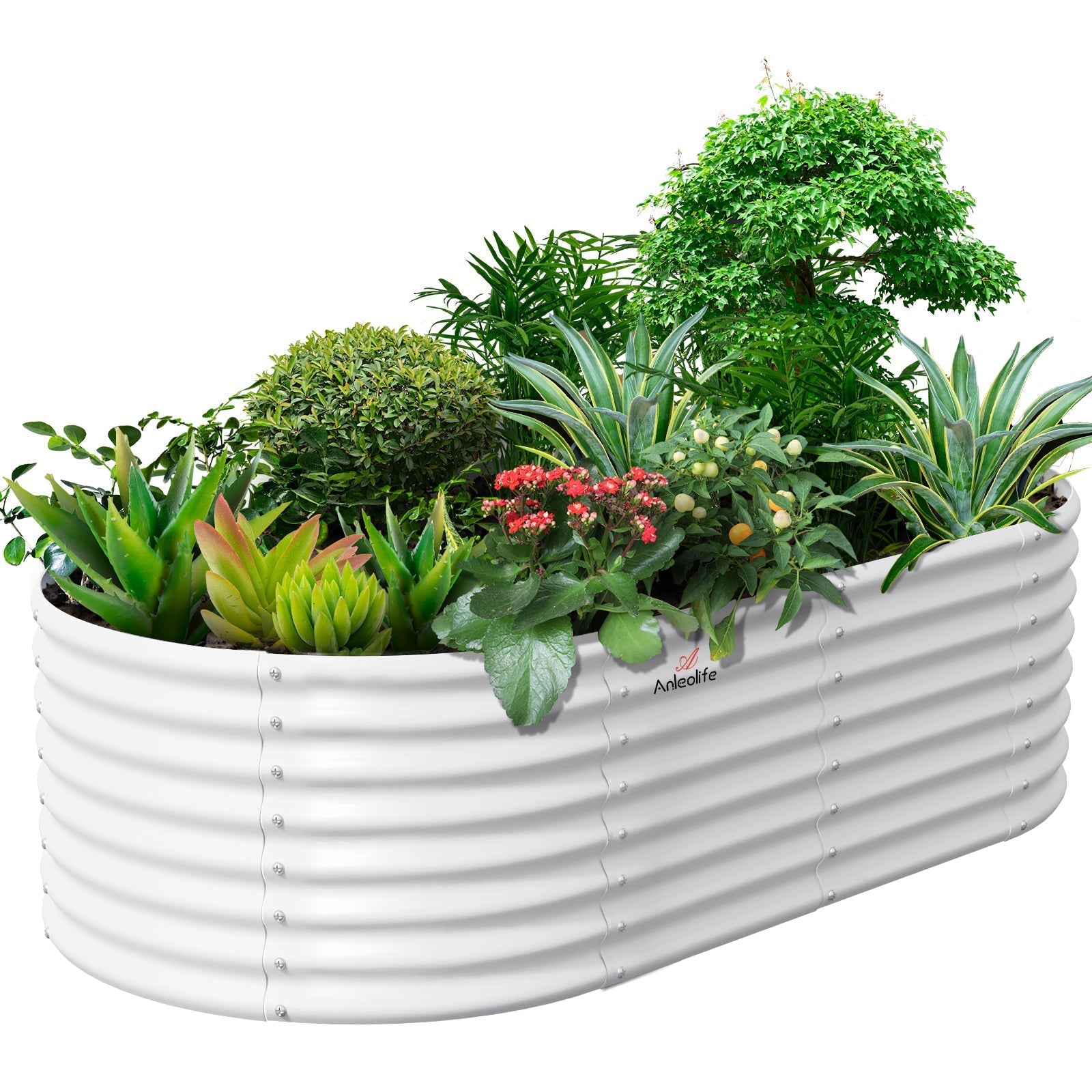
Anleolife's modular raised garden bed lineup covers this full spectrum, from 18-inch units in configurations like 6x2 ft, 8x4 ft, and 12x3 ft to 30-inch extra-tall options in the 8x4 ft format. This means a gardener can begin at one height tier and introduce taller specialty beds for specific crops without switching systems entirely.
The Soil System Is Half the Investment
A modular raised bed system is only as good as the soil strategy behind it. This is an aspect that many buyers underestimate, focusing almost exclusively on the hardware. In a raised bed planting layout, the soil is not passive — it's an active growing medium that requires thought about drainage, organic matter, pH balance, and seasonal amendment.
The general recommendation for raised bed gardening, supported by extension service guidance from land-grant universities across the U.S., is a blend that prioritizes drainage while retaining moisture and nutrients — typically a combination of topsoil, compost, and an aerating amendment. What modular systems add to this equation is depth flexibility: taller beds allow you to stratify soil layers deliberately, with a drainage layer at the base and progressively richer growing medium near the surface.
Pathway and Access Planning Within the Layout
A raised bed layout that ignores pathway width is one that becomes frustrating within a single season. Beds that are too close together restrict wheelbarrow access, make harvesting awkward, and create conditions where soil compaction reoccurs along the edges. The standard guidance for comfortable pathway width between beds is a minimum of 24 inches, with 36 inches preferred where tools or wheelbarrows will be used regularly.
In a multi-bed modular layout, pathway planning should happen before the first bed is positioned. Consider the relationship between bed orientation and the direction of prevailing afternoon sun — paths running east-to-west can create inadvertent shading corridors in denser arrangements.
Expansion Compatibility: The Modular System's Central Promise
The defining advantage of a true modular system is connection-point compatibility across units. Before purchasing, verify that the connectors, panel widths, and attachment mechanisms are consistent across the brand's full product range — not just the starter kit. In our work with home gardeners planning multi-season expansion, the single most common source of regret is discovering that the system they started with doesn't connect cleanly to the larger units they want to add later.
Anleolife's modular raised garden beds are designed with this forward compatibility in mind, allowing gardeners to begin with a manageable footprint and build outward as their experience and ambition grow.
Advanced Considerations for Serious Garden Planners
Frost and Climate Zone Implications for Modular Metal Beds
Metal raised beds in cold-climate zones raise a legitimate question about winter performance. In practice, galvanized steel handles freeze-thaw cycles well — the material expands and contracts without the cracking and splitting that affects wood in the same conditions. However, the soil inside raised beds does freeze more completely than in-ground soil, which affects both spring planting timing and the types of root crops that can overwinter successfully. Gardeners in USDA zones 5 and colder should factor this into their raised bed planting layout, potentially reserving one or two beds for spring-to-fall annuals rather than attempting year-round production without additional insulation strategies.
Misconception: Bigger Is Always Better for Modular Systems
A persistent misconception is that the most productive raised bed layout maximizes total square footage. In reality, productivity is more closely linked to soil quality, sun exposure, and the gardener's ability to manage the space consistently. Overly ambitious layouts that exceed a gardener's maintenance capacity quickly become underperforming, weedy beds that discourage engagement rather than encourage it. Start with what you can genuinely manage — even a single well-maintained 8x4 ft bed outperforms three neglected ones.
Integration with the Broader Garden Ecosystem
A modular raised bed system doesn't exist in isolation. In a full-scenario approach to home gardening, the raised bed planting zone interacts with other elements — chicken coops that provide manure for composting, rabbit hutches that contribute nitrogen-rich organic matter, and decorative pathway systems that tie the visual identity of the garden together. Thinking about your raised bed layout as one node in a larger ecosystem, rather than a standalone structure, is the mindset shift that separates beginner gardens from genuinely integrated outdoor living spaces.
Frequently Asked Questions
Q1: How do I determine the right modular raised bed size for my available space?
Start by measuring your usable garden footprint and subtracting at least 24 inches on all accessible sides for pathways. The remaining space dictates your maximum bed dimensions. A general principle in raised bed layout design is to keep bed width at no more than 4 feet — this ensures you can reach the center from either side without stepping into the bed and compacting the soil. From there, length can be adjusted to fit available modular configurations.
Q2: Are galvanized steel modular beds safe for growing vegetables?
Galvanized steel raised beds are widely used for food production by home gardeners across North America. The zinc coating used in galvanization is considered low-risk for food gardening in normal soil-contact conditions. For gardeners with specific concerns, a layer of food-safe liner material can be added to the interior panels as an additional precaution. The structural safety and durability advantages of steel — including the 20-year lifespan characteristic of quality systems like Anleolife's — make it the preferred material for long-term raised bed gardening investments.
Q3: How long does it take to assemble and set up a modular raised bed system?
Most modular steel raised bed systems are designed for tool-light or tool-free assembly, with individual units typically coming together in one to two hours depending on size and configuration. The more time-intensive part of the setup process is filling the bed with your soil system — a single 8x4 ft bed filled to 18 inches of depth requires a substantial volume of growing medium, which should be sourced and transported before assembly begins. Anleolife's nationwide warehouse network supports delivery within 3–8 business days, meaning your hardware can arrive and be ready for a weekend setup session without a long wait.
Key Takeaways
A modular raised bed system is one of the highest-value investments a home gardener can make — but only when the decision is made with clarity about layout goals, site conditions, and long-term expansion plans.
Three points deserve consistent emphasis: First, your raised bed garden layout is a long-term infrastructure decision, not a seasonal purchase. The materials you choose, the heights you select, and the footprint you establish this year will shape your gardening experience for a decade or more. Durability specifications like a 20-year lifespan aren't incidental — they're the foundation of a sound investment calculation.
Second, modularity only delivers its full value when you plan for expansion from the beginning. Mapping your three-year trajectory before purchasing your first unit is the single most protective step you can take against buyer's regret in the raised bed gardening category.
Third, the soil system and the bed hardware are equally important. A beautifully built galvanized steel modular system filled with poor growing medium will underperform a modest setup with excellent soil management. Treat the two as a unified investment.
Your next step is to sketch your site — sun hours, available footprint, pathway needs — before browsing any product listings. Then, when you're ready to select hardware that will grow with your ambitions, explore what a modular system built for the long term actually looks like.
Ready to build a raised bed planting layout that grows with you? Visit Anleolife to explore the full range of modular raised garden beds, available through a nationwide warehouse network delivering in 3–8 business days. Whether you're starting with your first 8x4 ft bed or designing a complete multi-bed array, Anleolife's system is available on Amazon, Walmart, Home Depot, Lowe's, Wayfair, and directly at Anleolife.com — with consistent quality and after-sales support across every channel. From planting to raising to beautification, the full-scenario garden ecosystem you build today can be exactly what you need it to be five years from now.
Sources
- Savvy Gardening. "4x8 Raised Bed Vegetable Garden Layout Ideas".
https://savvygardening.com/4x8-raised-bed-vegetable-garden-layout/ - Gardeners.com. "Pre-Planned Gardens — Kitchen Garden Planner".
https://www.gardeners.com/pages/kitchen-garden-planner-preplanned-gardens - National Gardening Association. "Garden Research and Home Gardening Data".
https://garden.org
Note: Standards and research may be updated; please check the latest official documents or consult professional advisors.