


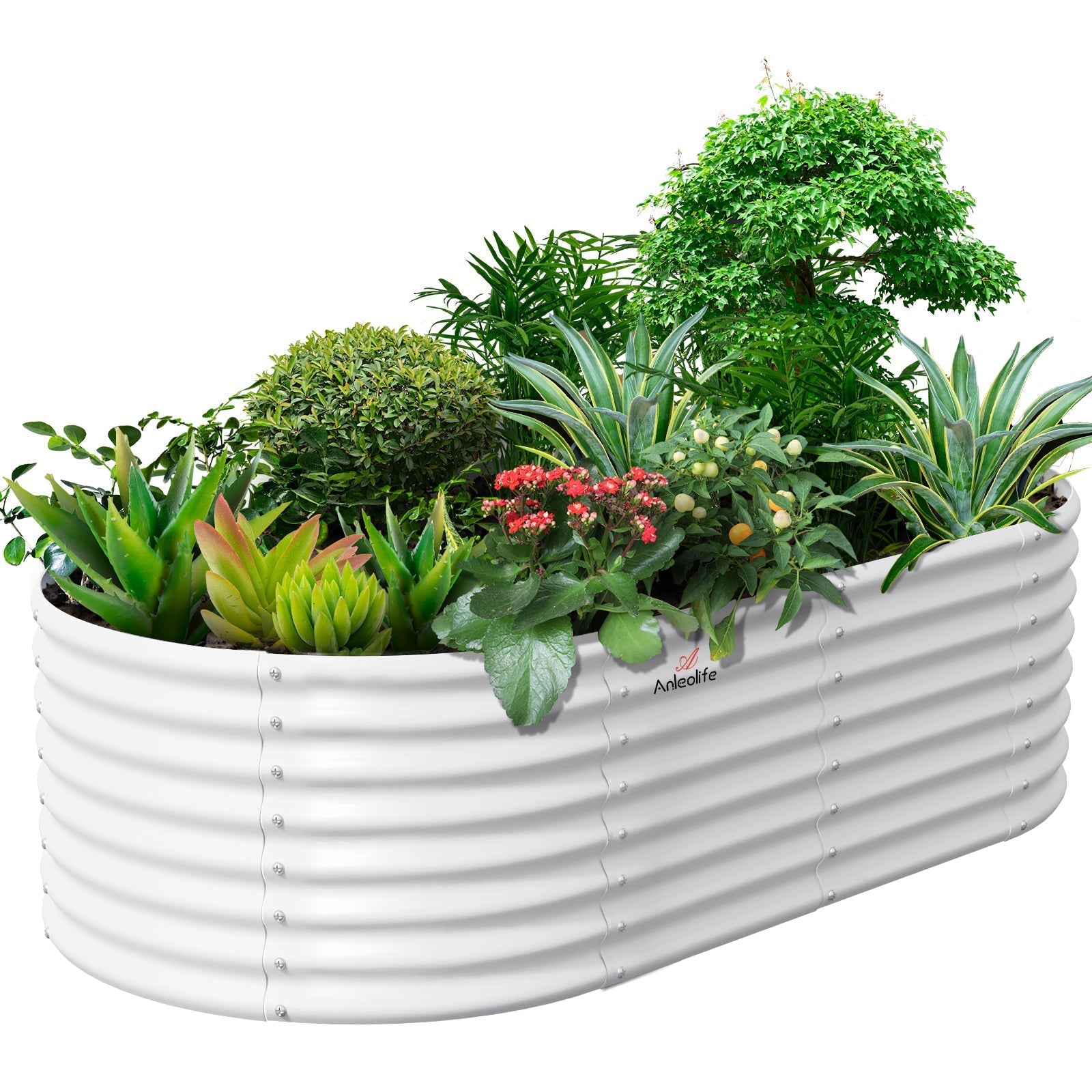
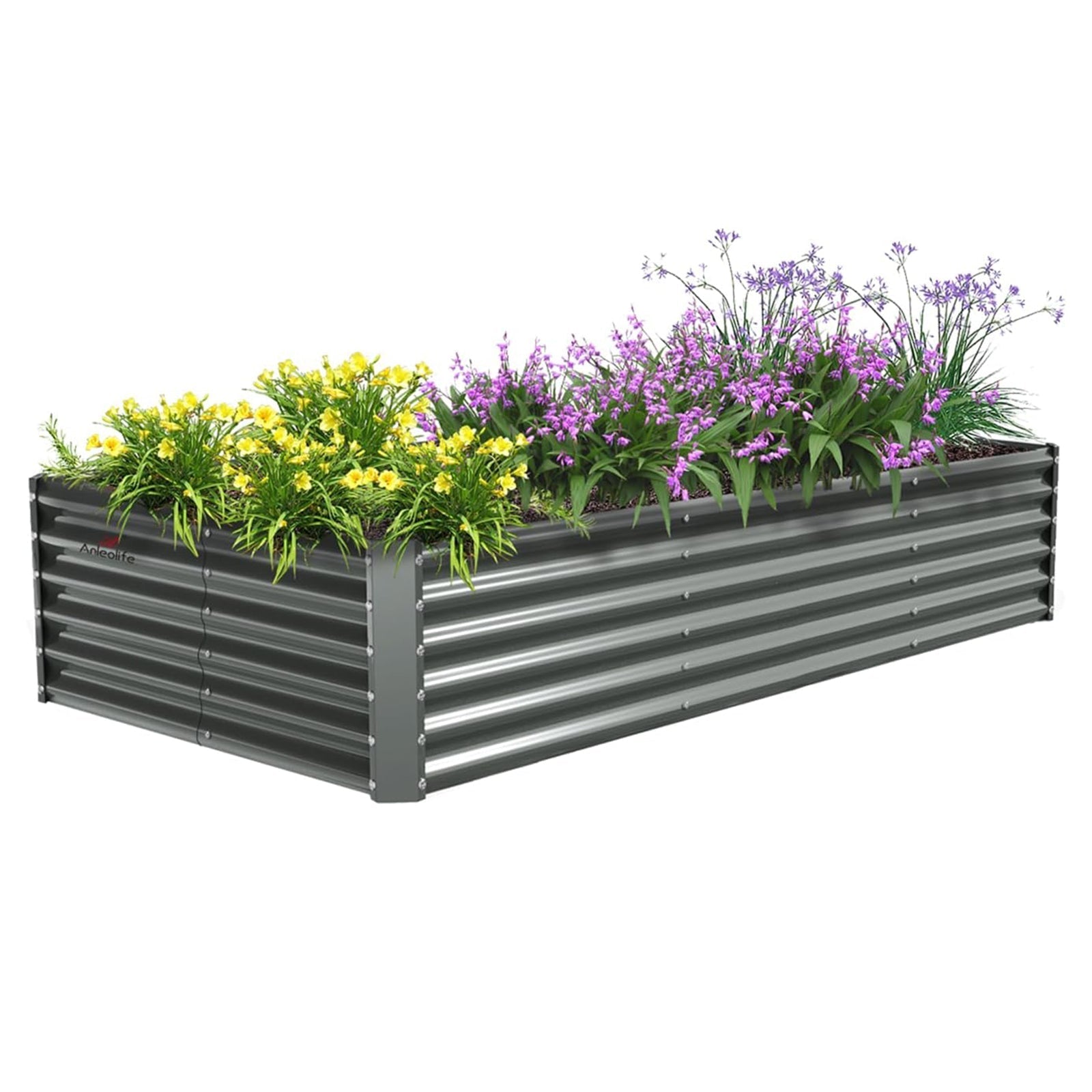

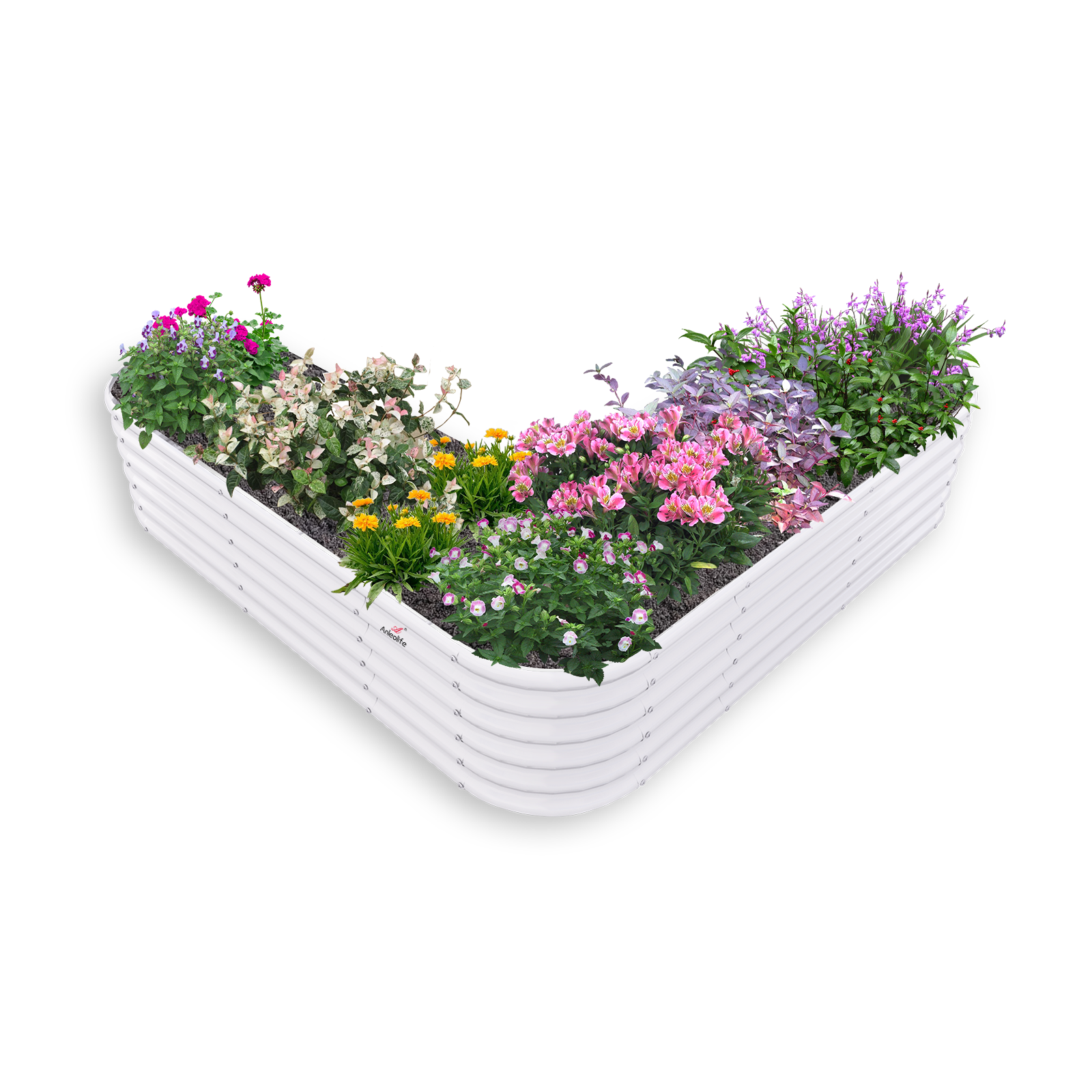
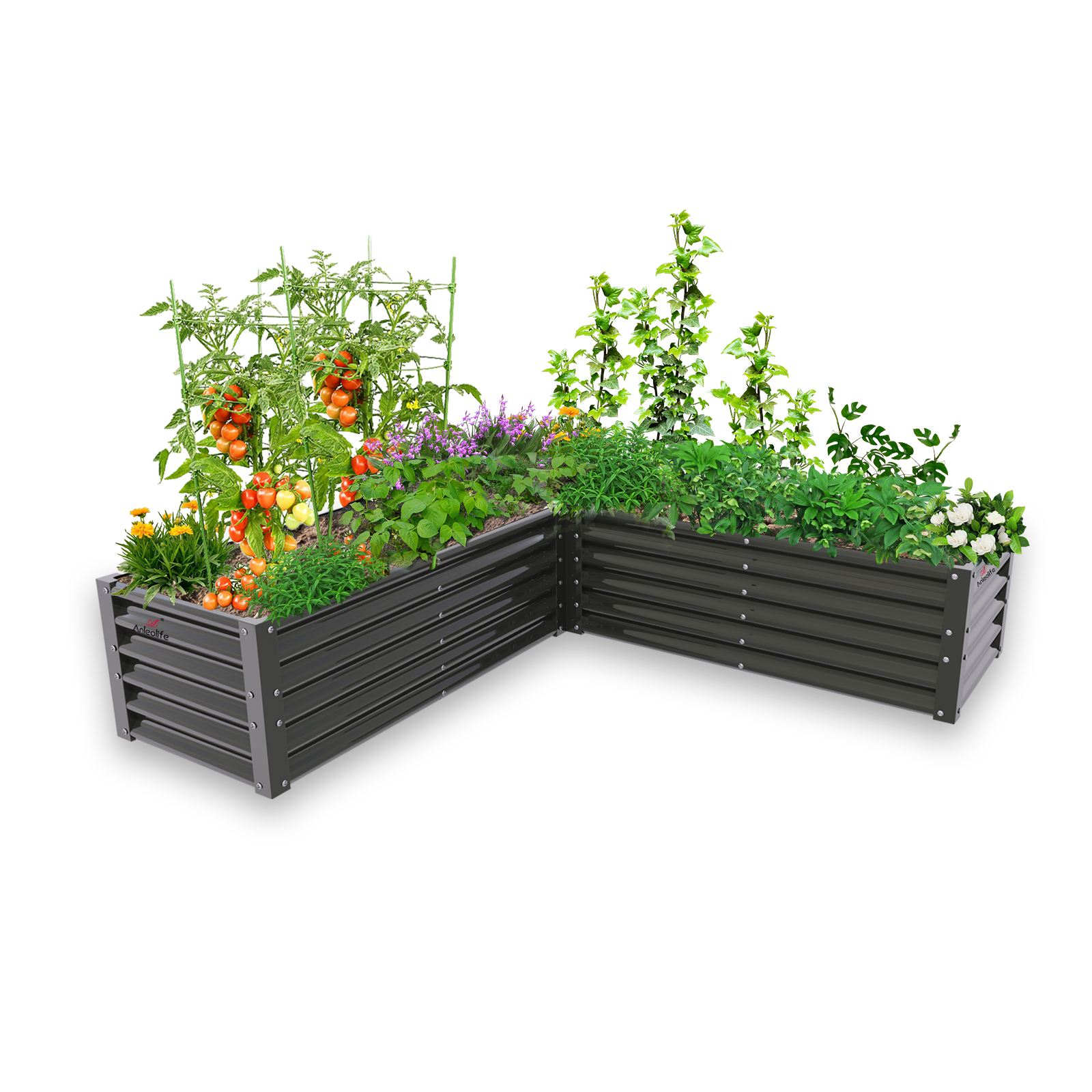
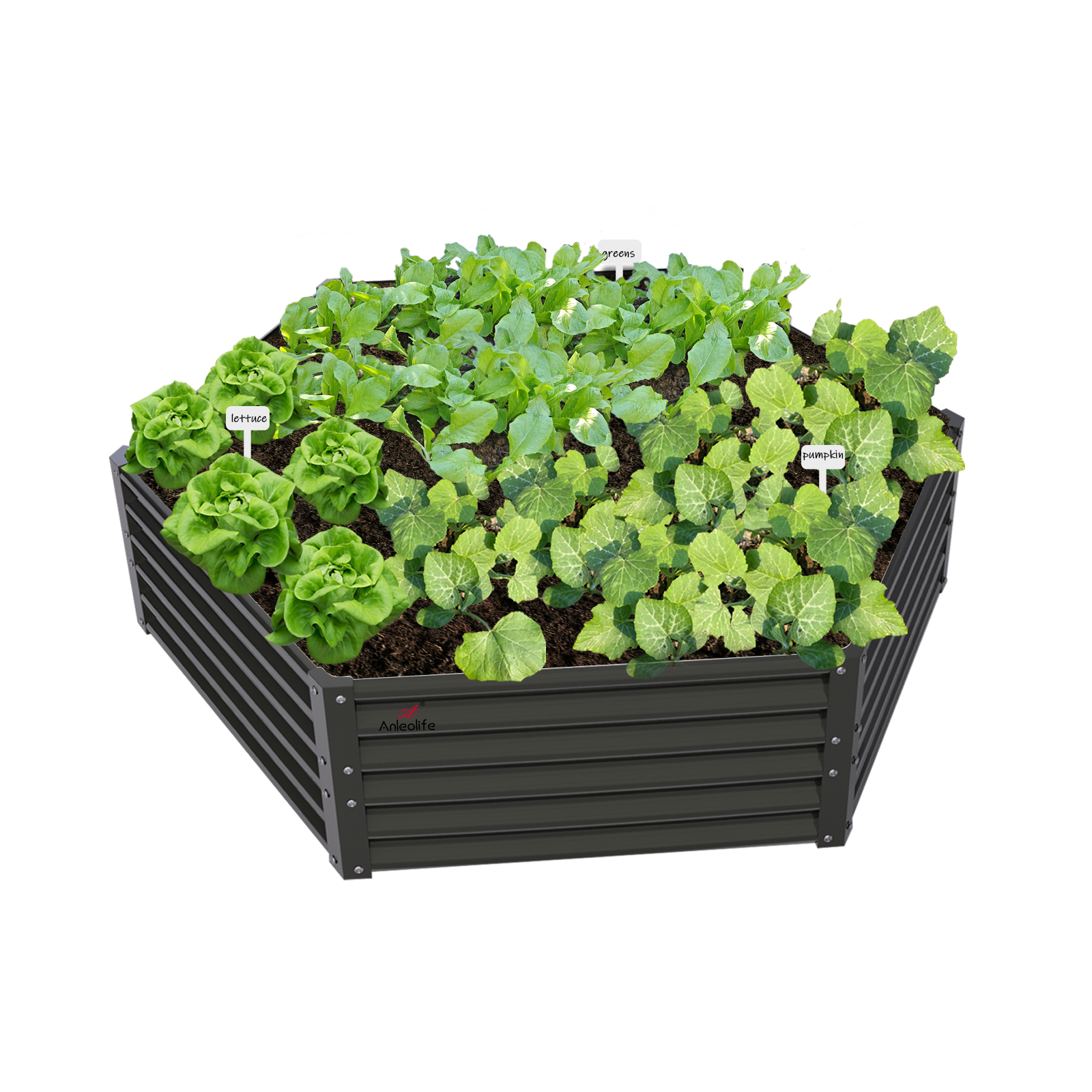
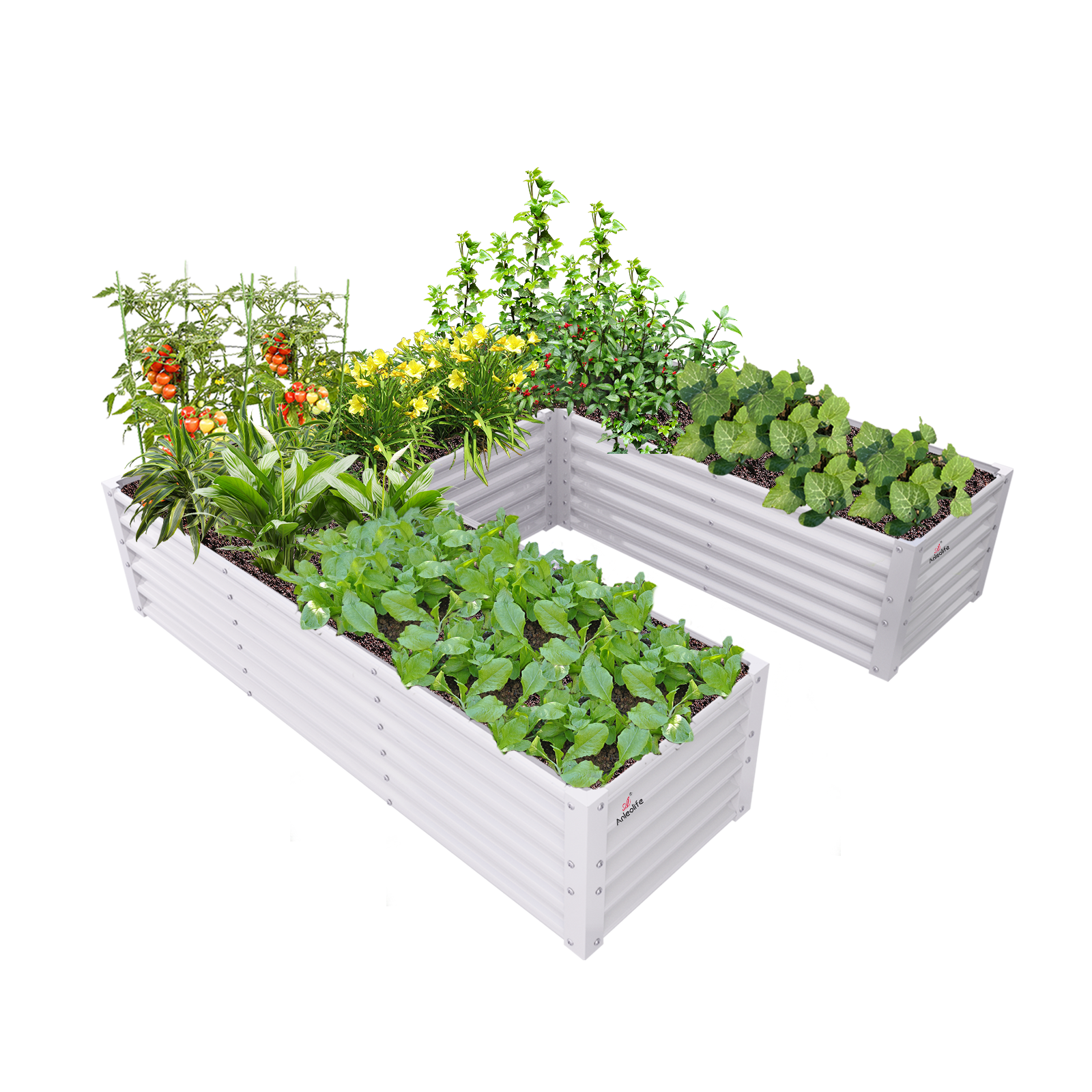

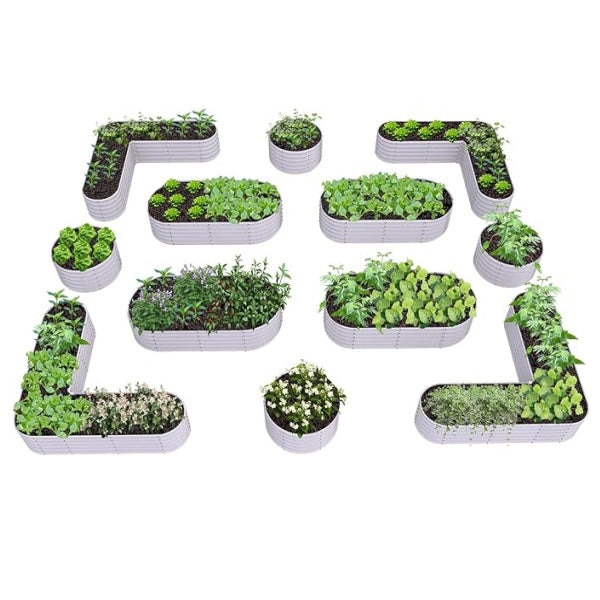


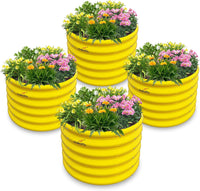
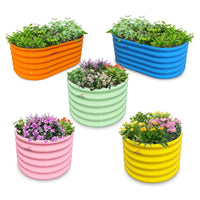
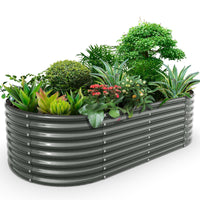




ALT: Heat-tolerant summer vegetables thriving in a metal raised garden bed with optimal raised bed planting layout
Summer Gardening Success Starts with the Right Raised Bed Planting Layout
Key Conclusion: Choosing the right crops for summer is only half the battle — your raised bed garden layout, raised bed planting layout, and raised bed layout directly influence how well heat-tolerant plants thrive. A thoughtfully arranged raised garden bed maximizes airflow, reduces pest pressure, manages soil temperature, and boosts yields dramatically. Whether you're a seasoned grower or planting your first summer garden, understanding what to plant — and how to arrange it — can transform your warm-season harvest.
Summer gardening in a raised bed is one of the most rewarding experiences a home grower can have. The controlled environment of a raised bed allows you to fine-tune soil quality, drainage, and spacing in ways that traditional in-ground gardening simply cannot match. However, success in the summer heat demands strategic thinking.
Three critical factors drive summer raised bed success: plant selection (choosing genuinely heat-tolerant varieties), spatial planning (optimizing your raised bed layout for airflow and companion planting), and ongoing management (watering, mulching, and monitoring). This guide walks you through all three so you can make the most of every square foot this summer season.
Who Should Read This Guide
✅ Applicable Scenarios:
- Home gardeners in USDA Hardiness Zones 5–10 preparing for summer planting (June through August)
- Urban micro-gardeners looking to maximize production in small raised bed footprints
- Empty nesters and retirees transitioning from ornamental to edible gardening
- Eco-conscious families wanting to grow organic, chemical-free produce at home
- First-time raised bed owners unsure which summer crops will actually survive the heat
❌ Not Applicable/Cautions:
- Gardeners in extremely short growing seasons (Zone 3 and below) where summer heat is minimal and raised beds may overheat cool-season crops
- Growers expecting year-round tropical crops without season extension tools such as shade cloth or drip irrigation
- Anyone hoping to skip soil preparation — summer heat amplifies poor soil conditions rapidly, making preparation non-negotiable
Why Summer Raised Bed Gardening Demands a Smarter Approach
Summer is peak growing season for much of North America, but it also brings unique challenges: intense heat, drought stress, pest explosions, and rapid soil moisture loss. Traditional garden beds struggle in these conditions because they offer limited control over root-zone temperature, drainage quality, and soil composition. Raised beds, by contrast, give gardeners a significant structural advantage.
The global "urban agriculture" movement has accelerated dramatically over the past decade, with millions of North American households adding raised beds to their backyards, patios, and balconies. According to the USDA Economic Research Service, household food gardening participation has risen sharply, partly driven by interest in fresh, locally grown produce and concerns about food security. Raised beds are central to this trend because they're accessible, scalable, and remarkably productive per square foot.
Metal raised garden beds in particular have become the material of choice for serious summer growers. Unlike wood, which can warp and crack under intense summer sun, high-quality metal beds maintain structural integrity season after season — and when built to last, can serve your garden for up to 20 years. That longevity transforms a raised bed from a seasonal experiment into a permanent garden infrastructure investment.
What's the best shape for a raised garden bed? This is one of the most common questions new gardeners ask. The answer depends on your space and goals. Rectangular beds (such as the popular 4x8 footprint) are ideal for most home gardeners because every plant is reachable from either side without stepping into the bed. Circular or keyhole designs work well for gardeners who want a central access point surrounded by growing space. Square beds are excellent for compact patios. For summer planting, longer rectangular beds oriented on a north-south axis allow all plants to receive even sunlight throughout the day, which is especially important for sprawling crops like squash or cucumbers.
Best drainage for raised garden beds is another critical summer concern. Standing water in a raised bed — even briefly — can suffocate roots and invite root rot during hot, humid summers. A well-draining raised bed setup combines multiple layers: a weed barrier at the base, a gravel or coarse material drainage layer, and a premium blend of topsoil, compost, and aeration amendments like perlite. Anleolife's metal raised garden beds are designed with an open bottom that allows natural drainage while keeping roots protected — a key structural advantage during summer rainstorms.
For a comprehensive guide to building the perfect soil system for your raised bed, visit Anleolife.com to explore their full ecosystem of planting solutions.
What to Plant (and How to Arrange It): The Complete Summer Raised Bed Guide
Three-Step Quick Start for Summer Planting
Step 1: Assess Your Climate Zone and Heat Window
Before selecting plants, identify your local USDA Hardiness Zone and your average number of days with temperatures above 85°F (29°C). Most true heat-tolerant crops thrive at 75–95°F but may bolt or produce bitter fruit above 100°F. Check your last spring frost date and first fall frost date to calculate your full summer growing window. This assessment takes roughly 15–20 minutes using the USDA Plant Hardiness Zone Map and your local extension service's planting calendar — and it prevents costly plant failures.
Step 2: Choose Your Raised Bed Layout Strategy
Select a layout approach before buying any transplants or seeds. The three most popular summer raised bed layouts are: the square-foot grid (maximizing density for small beds), the companion planting blocks (grouping mutually beneficial plants together), and the vertical integration layout (pairing tall trellised plants with low-growing ground covers). Sketch your bed dimensions and assign each plant a zone. Planning on paper first saves money and prevents overcrowding — one of the most common summer gardening mistakes.
Step 3: Prepare Soil, Mulch, and Irrigation Before Planting
Summer success hinges on what happens below the soil surface. Amend your raised bed soil with 2–3 inches of finished compost, check pH (most summer vegetables prefer 6.0–7.0), and set up a drip irrigation system or soaker hose before plants go in. Apply best mulch for vegetable garden use — typically 2–3 inches of straw, shredded wood chips, or untreated grass clippings — directly over the soil surface after planting. Mulch is arguably the single most important summer management tool: it reduces soil temperature by up to 10°F, retains moisture, and suppresses weeds simultaneously.
Comparing the Top Heat-Tolerant Crops for Summer Raised Beds
Not all summer vegetables are created equal. Some thrive in scorching heat; others wilt the moment temperatures spike. Here's a comparison of the top performers for summer raised bed planting:
| Crop | Heat Tolerance | Days to Harvest | Ideal Raised Bed Layout Position | Space Per Plant |
|---|---|---|---|---|
| Tomatoes (indeterminate) | Very High | 60–85 days | North end, trellised | High — stake or cage required |
| Sweet Peppers | High | 70–90 days | Center rows, sheltered | Moderate spacing |
| Eggplant | Very High | 65–80 days | Center or east side | Moderate spacing |
| Zucchini/Summer Squash | High | 45–55 days | Corner position with room to sprawl | Very high — allow spread |
| Bush Beans | Moderate-High | 50–60 days | Low rows, interplanted | Dense planting works well |
| Okra | Extremely High | 55–65 days | North end — grows tall | Plant in rows |
| Sweet Corn | High | 65–90 days | North end in blocks | Block planting for pollination |
| Cucumber | High | 50–70 days | Trellised on north or east edge | Vertical = space saving |
| Basil | High | 21–30 days (cut) | Between tomatoes | Very compact |
| Sweet Potato | Very High | 90–120 days | Allowed to trail over bed edge | Generous spacing |
Deep Dive: Building Your Summer Raised Bed Planting Layout
Tomatoes, Peppers, and Eggplant: The Summer Powerhouse Trio
Tomatoes are the undisputed kings of the summer raised bed. Indeterminate varieties (like Brandywine, Sun Gold, or Cherokee Purple) continue producing until frost and are best positioned at the north end of your bed so their height doesn't shade other plants. Install caging or a trellis system before planting — adding support afterward risks damaging roots.
Peppers and eggplant are botanical cousins that share similar heat-loving preferences. Both thrive in the warmth that a metal raised bed naturally captures and redistributes from the sun. Eggplants, in particular, are exceptionally drought-tolerant once established, making them an excellent choice for gardeners in hot, dry climates like Texas, Arizona, or Southern California.
A practical tip: group peppers and eggplant in the center of your raised bed where they receive full sun but have some protection from the tallest plants at the bed's edges. This microclimate strategy reduces stress during peak afternoon heat.
Cucumbers and Squash: Vertical vs. Sprawl
Cucumbers are one of the most space-efficient summer crops when grown vertically. A simple A-frame trellis or fence panel placed along the north edge of your raised bed allows cucumber vines to climb freely while keeping the rest of the bed accessible. Vertical growth also improves airflow, which reduces fungal disease — a critical benefit during humid summer months.
Zucchini and summer squash, by contrast, are sprawlers by nature. A single zucchini plant can occupy a surprisingly large footprint. In a raised bed context, position squash in a corner and allow one or two vines to trail outside the bed itself. This approach gives you the productivity of squash without sacrificing valuable raised bed real estate.
Okra: The Unsung Hero of Summer Raised Beds
Okra may be underappreciated in northern gardens, but for heat-zone gardeners, it's virtually indestructible. Okra thrives in conditions that would stress or kill most other crops — 95°F+ temperatures, sandy soil, and limited irrigation. In a raised bed, okra's naturally tall growth habit (often reaching 4–6 feet) makes it ideal for the northernmost row. Its star-shaped flowers are genuinely beautiful, adding ornamental value alongside productivity.
Herbs That Thrive in Summer Heat
Don't neglect herbs in your summer raised bed layout. Basil is the classic companion for tomatoes — it's said to improve flavor and repel certain pests, though research on this is mixed. What is well-established is that basil and tomatoes share nearly identical growing requirements (full sun, warm temperatures, consistent moisture), making them natural planting neighbors.
Other excellent summer herbs include: rosemary (extremely drought-tolerant), thyme (loves heat), oregano (thrives in poor soils), and lemongrass (a tropical powerhouse in warm climates). Position herbs along the edges of your raised bed where they're easy to harvest without reaching over larger plants.
Which Materials Are Best for Raised Beds in Wet Climates?
In regions with high summer rainfall — the Southeast, Pacific Northwest, or Great Lakes region — material choice becomes especially important. Metal raised garden beds from Anleolife are an excellent solution for wet climates because they don't rot, swell, or harbor moisture-loving pathogens the way untreated wood can. The key is ensuring proper internal drainage: a coarse gravel base layer paired with high-organic-matter soil that drains quickly while retaining enough moisture for roots.
In extremely wet climates, also consider best mulch for vegetable garden applications with coarser materials like wood chips rather than straw, which can mat down and retain too much surface moisture. Elevated metal beds also protect roots from waterlogged ground conditions during heavy summer rainstorms — a significant practical advantage over in-ground planting.
Companion Planting Strategies for the Summer Raised Bed Layout
One of the greatest benefits of intentional raised bed garden layout planning is the ability to leverage companion planting systematically. Here are three proven summer combinations:
The Three Sisters (Corn, Beans, Squash): This indigenous North American planting method works beautifully in larger raised beds. Corn provides a trellis for beans; beans fix nitrogen in the soil; squash shades the ground, reducing moisture loss. Together they create a remarkably self-sustaining summer ecosystem.
Tomato + Basil + Marigold: The fragrance of marigolds deters aphids and whiteflies, both common summer pests. Basil adds aromatic pest confusion. Together, this trio creates a functional pest-management zone around your tomatoes.
Cucumber + Nasturtium: Nasturtiums act as a trap crop for aphids — attracting them away from cucumbers. Plus, nasturtium flowers and leaves are edible, adding a peppery flavor to summer salads.

ALT: Organized summer raised bed planting layout with companion planting zones featuring heat-tolerant vegetables and herbs arranged in a grid pattern
Advanced Summer Raised Bed Management
Handling Extreme Heat Events
Even heat-tolerant crops have limits. When temperatures exceed 95–100°F for multiple consecutive days, consider deploying 30–40% shade cloth over your raised bed during peak afternoon hours (typically 1–5 PM). This simple intervention can prevent blossom drop in tomatoes and peppers, which stops fruit set and stalls your harvest window.
Drip irrigation or soaker hoses are far superior to overhead watering during summer heat. Overhead watering wets foliage, creating conditions favorable for fungal diseases like early blight and powdery mildew. Drip irrigation delivers water directly to the root zone, reducing waste and minimizing leaf wetness.
Common Misconceptions About Summer Raised Bed Gardening
Misconception 1: "More water = healthier plants in summer."
Overwatering is as damaging as underwatering. Raised beds with proper drainage shed excess water efficiently, but consistently waterlogged soil suffocates roots and promotes root rot. Water deeply but infrequently — allow the top 1–2 inches of soil to dry between watering sessions.
Misconception 2: "You can plant summer crops all at once."
Succession planting — staggering plantings of fast-maturing crops like bush beans, radishes, and basil every two to three weeks — extends your harvest window dramatically. Don't plant everything at the beginning of summer and then face a feast-or-famine situation.
Misconception 3: "Raised beds don't need fertilizing."
Even the best initial soil mix depletes over a full summer of heavy production. Top-dress with compost monthly, and supplement with a balanced organic liquid fertilizer every two to three weeks during peak production. Heavy feeders like tomatoes, corn, and eggplant are especially demanding.
Tool Care in Summer: Preventing Rust and Corrosion
Summer humidity and frequent watering create conditions that accelerate tool deterioration. Which tool storage solution prevents rust and corrosion best? The answer lies in proper cleaning, drying, and storage habits combined with the right storage environment. After each use, clean soil from tools, rinse with water, and dry thoroughly before storing. Apply a light coat of linseed oil or mineral oil to metal tool heads seasonally. Store tools in a dry, ventilated space — not directly on damp soil or concrete floors. Wall-mounted storage racks or tool sheds keep tools off the ground and allow airflow, dramatically extending tool life.
Frequently Asked Questions FAQ
Q1: How do I improve drainage in my raised garden bed for summer crops?
The best drainage for raised garden beds combines multiple strategies: ensure your bed has an open or perforated bottom that allows water to escape, layer 2–3 inches of coarse gravel or crushed stone at the base before adding soil, and amend your planting mix with 20–30% perlite or coarse sand. In heavy clay regions, position the raised bed on a slight natural grade to encourage water movement away from the bed. Avoid using fine silt or dense topsoil alone — these compact in summer heat and restrict drainage.
Q2: Are metal raised garden beds safe for growing vegetables in hot summer climates?
Yes — high-quality metal raised garden beds like those from Anleolife are safe and effective for summer vegetable growing. Modern powder-coated metal beds are designed to be non-toxic and food-safe. While metal does conduct heat, this actually benefits early-season warming and extends your growing window. In extreme summer heat, the soil itself acts as insulation for roots, and mulching the soil surface further moderates root-zone temperatures. Anleolife's metal garden beds are built for long-term outdoor performance, with a lifespan of up to 20 years.
Q3: How long does it take to set up and plant a summer raised garden bed from scratch?
Setting up a raised bed and planting it for summer production typically takes one focused weekend. Day one involves assembling the bed structure (most Anleolife beds are designed for straightforward assembly), filling with soil, and setting up irrigation — roughly 3–5 hours. Day two involves final soil preparation, plant arrangement planning, transplanting or seeding, and mulching — another 2–4 hours. First harvests from fast-maturing crops like radishes or bush beans can begin within 45–60 days of planting.
Summary
Summer raised bed gardening rewards those who plan thoughtfully and act decisively. The three pillars of a productive summer harvest are clear: choosing genuinely heat-tolerant crops that match your climate zone, designing a purposeful raised bed planting layout that maximizes sunlight, airflow, and companion benefits, and managing soil health and moisture proactively throughout the season.
Metal raised garden beds provide the structural foundation for long-term summer growing success — offering superior drainage, durability in all weather conditions, and a garden lifespan of up to 20 years that makes every planting season better than the last. Whether you're growing tomatoes and peppers for fresh summer salads or exploring the full productivity potential of the Three Sisters planting method, the raised bed format gives you the control and flexibility to succeed.
Your next step is simple: sketch your summer raised bed layout today. Identify your climate zone, choose five to seven heat-tolerant crops from this guide, and begin preparing your soil with quality compost and mulch. The summer growing season moves quickly — and every week of early preparation translates directly into weeks of additional harvest.
Start Your Summer Garden with Anleolife
Anleolife supports your entire summer gardening journey with a nationwide U.S. warehouse network strategically located in California, Texas, Florida, New York, Illinois, and Washington — ensuring delivery within 3–8 business days so your garden plans never stall waiting for product arrivals.
Our products are available across major platforms including Amazon, Walmart, Home Depot, Lowe's, and Wayfair, as well as directly through Anleolife.com, providing consistent quality assurance and dedicated after-sales support wherever you prefer to shop.
Anleolife's three core garden scenarios — Planting (metal raised garden beds, soil systems), Raising (chicken coops, rabbit hutches), and Beautification (decorative accessories, pathway systems) — provide everything you need to build a complete, functional, and beautiful outdoor living space.
We understand that an ideal garden isn't built overnight — it's cultivated gradually, season by season. Our modular product design allows flexible expansion based on your evolving needs, growing alongside you every step of the way. Start with your first raised bed this summer and discover what intentional gardening can look like.
References
- USDA Economic Research Service. "Vegetables and Pulses: Overview of U.S. Vegetable Industry".
https://www.ers.usda.gov/topics/crops/vegetables-pulses/ - University of California Cooperative Extension. "Summer Vegetable Gardening in California".
https://ucanr.edu/ - USDA Agricultural Research Service. "USDA Plant Hardiness Zone Map".
https://planthardiness.ars.usda.gov/ - Penn State Extension. "Raised Bed Gardening".
https://extension.psu.edu/raised-bed-gardening - University of Minnesota Extension. "Mulching the Vegetable Garden".
https://extension.umn.edu/yard-and-garden/mulch
Note: Standards and recommendations may be updated seasonally. Please check the latest official documents from your local cooperative extension service or consult a certified professional horticulturist for region-specific guidance.
About Anleolife
Anleolife is a leading outdoor garden solutions provider in North America, dedicated to offering a full-scenario product ecosystem for home gardening enthusiasts, covering planting, raising, and garden beautification. Since its founding, we have upheld our brand mission, "Made for Garden Life," continuously innovating products and optimizing services to help hundreds of thousands of users upgrade their gardens, reconnect with nature, and enjoy a better garden lifestyle.