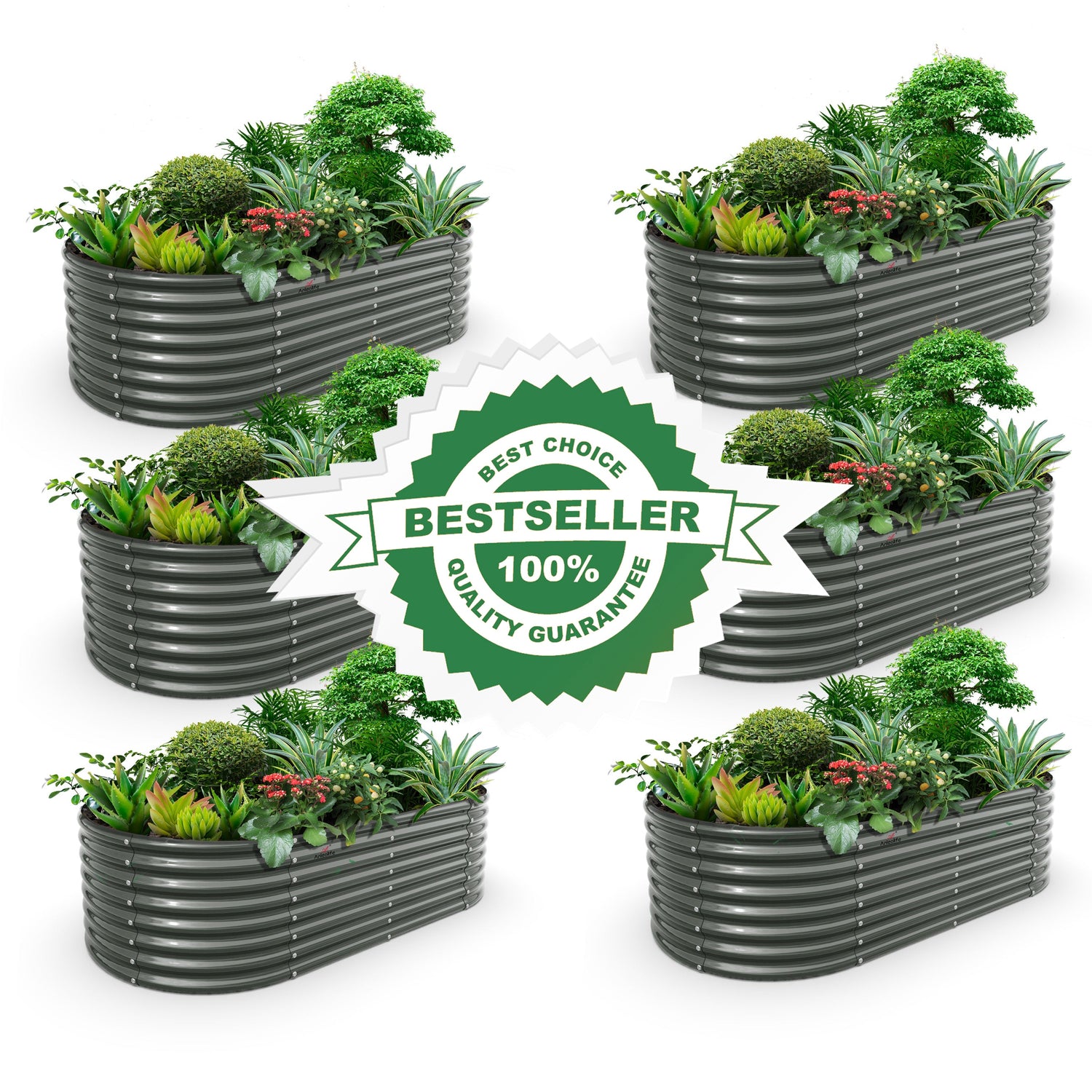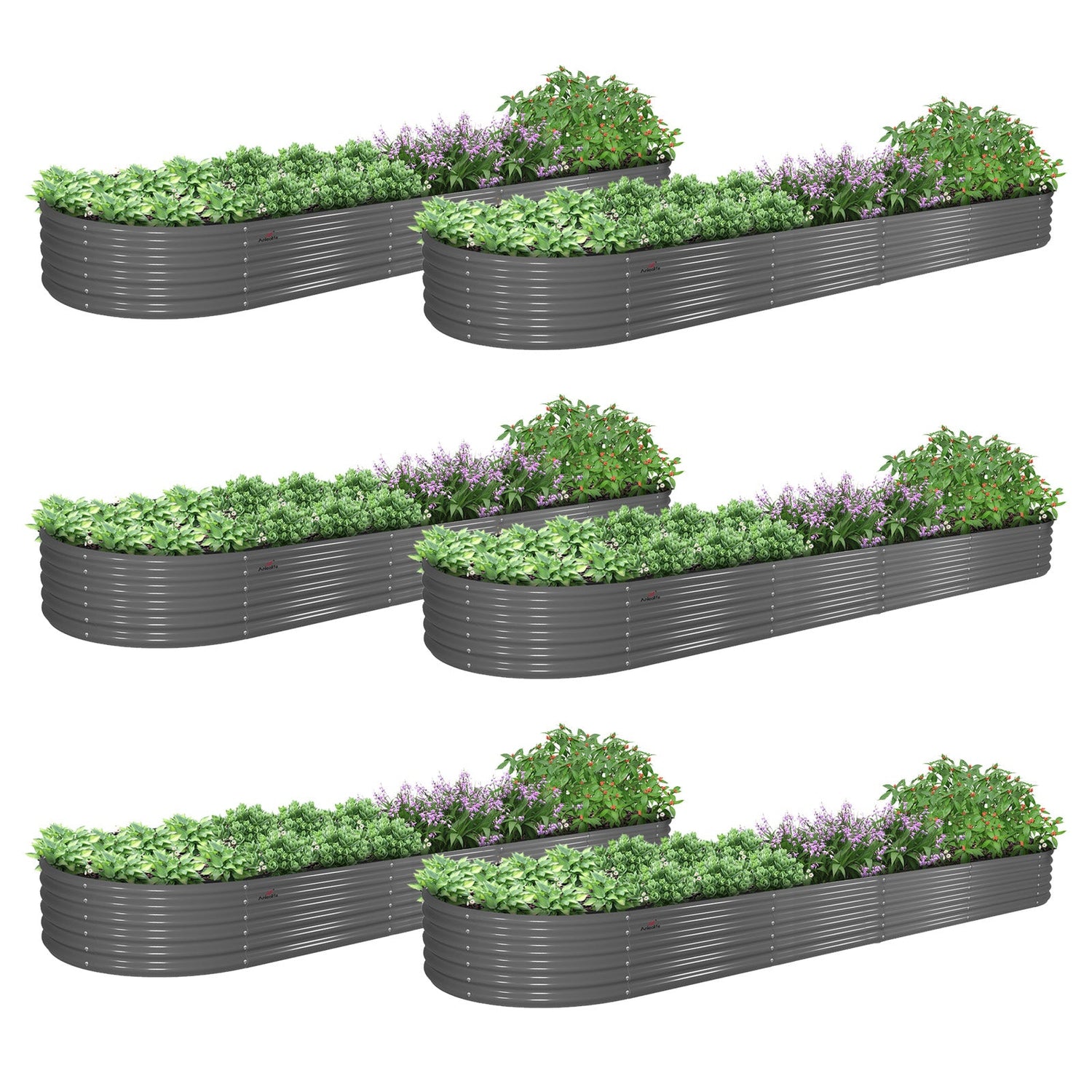



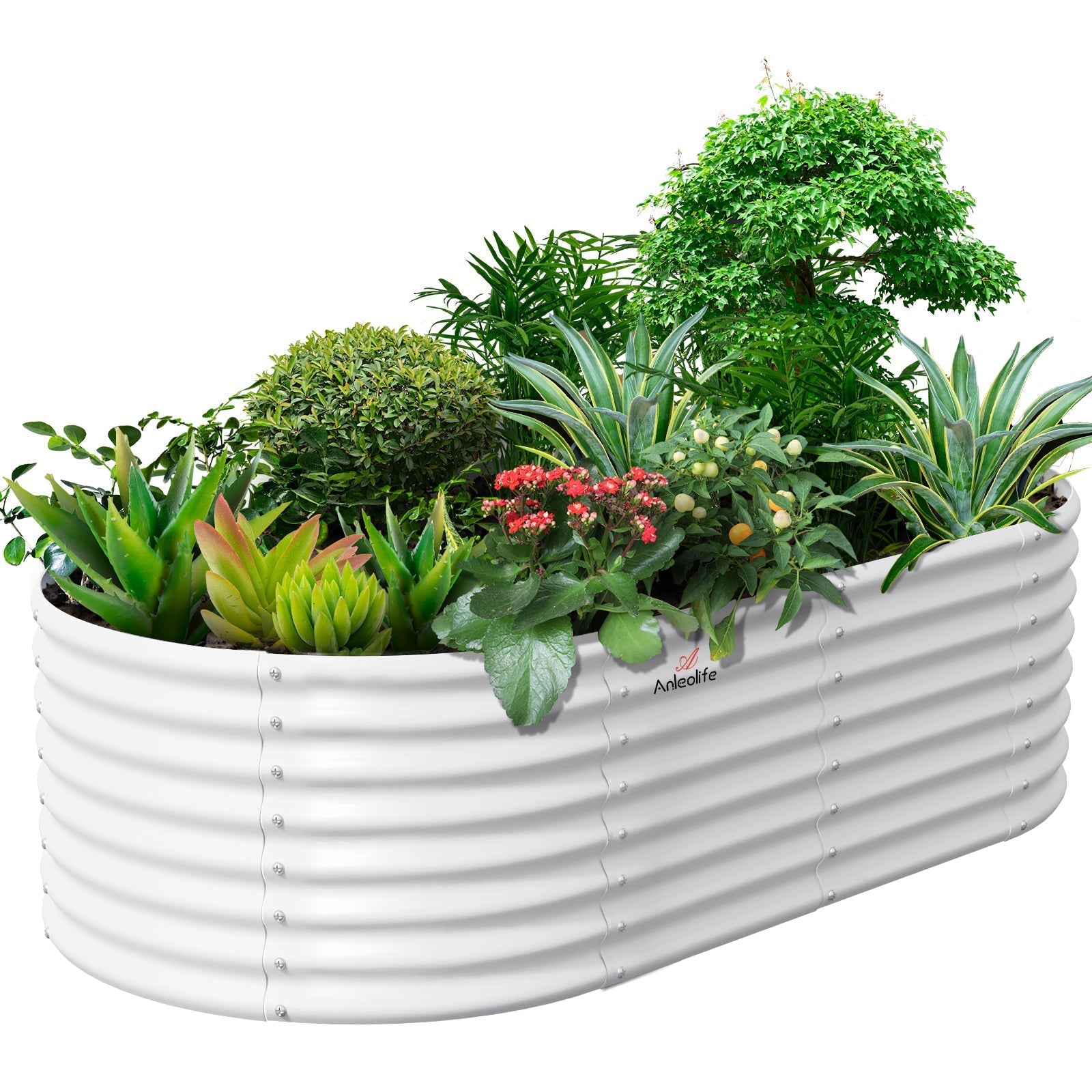
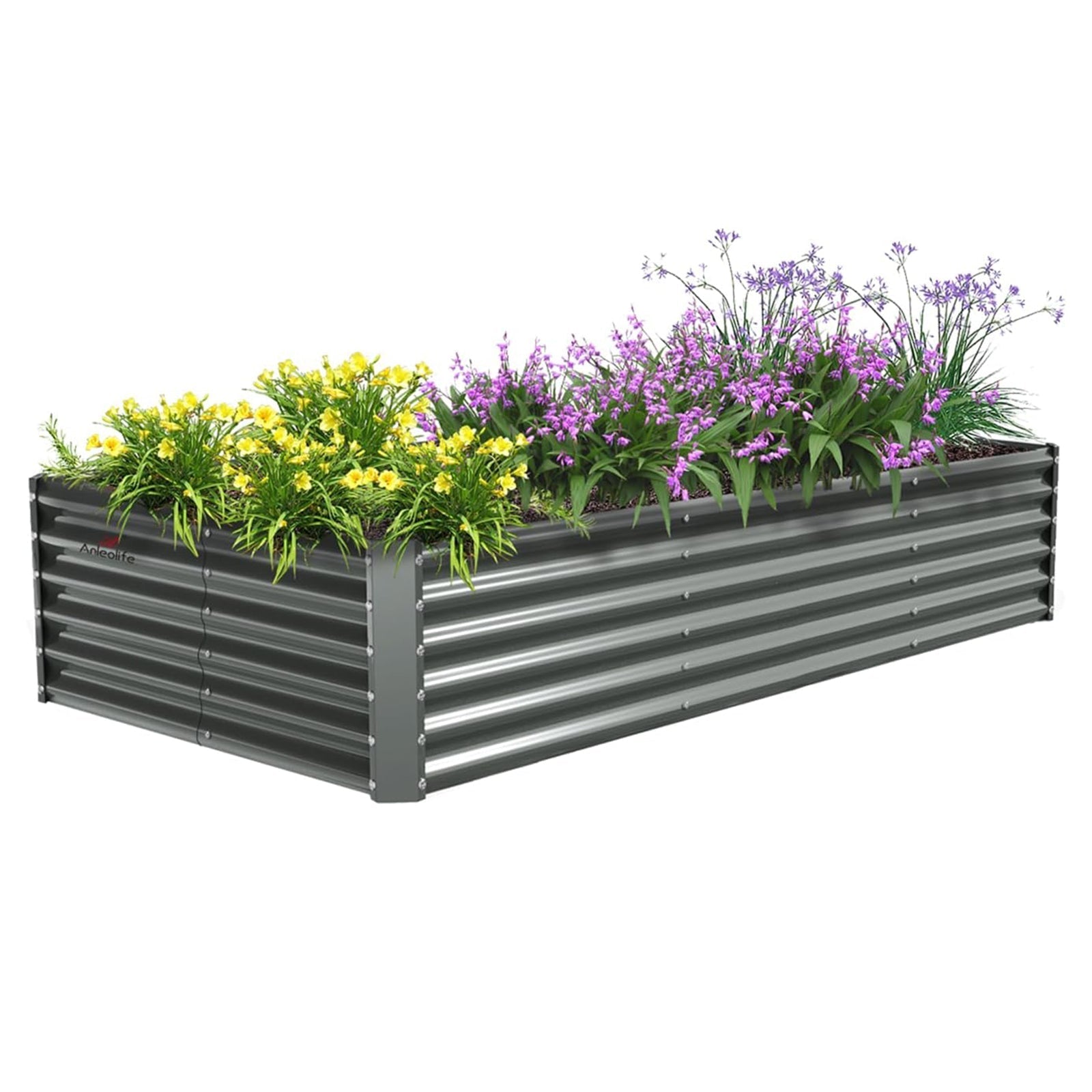

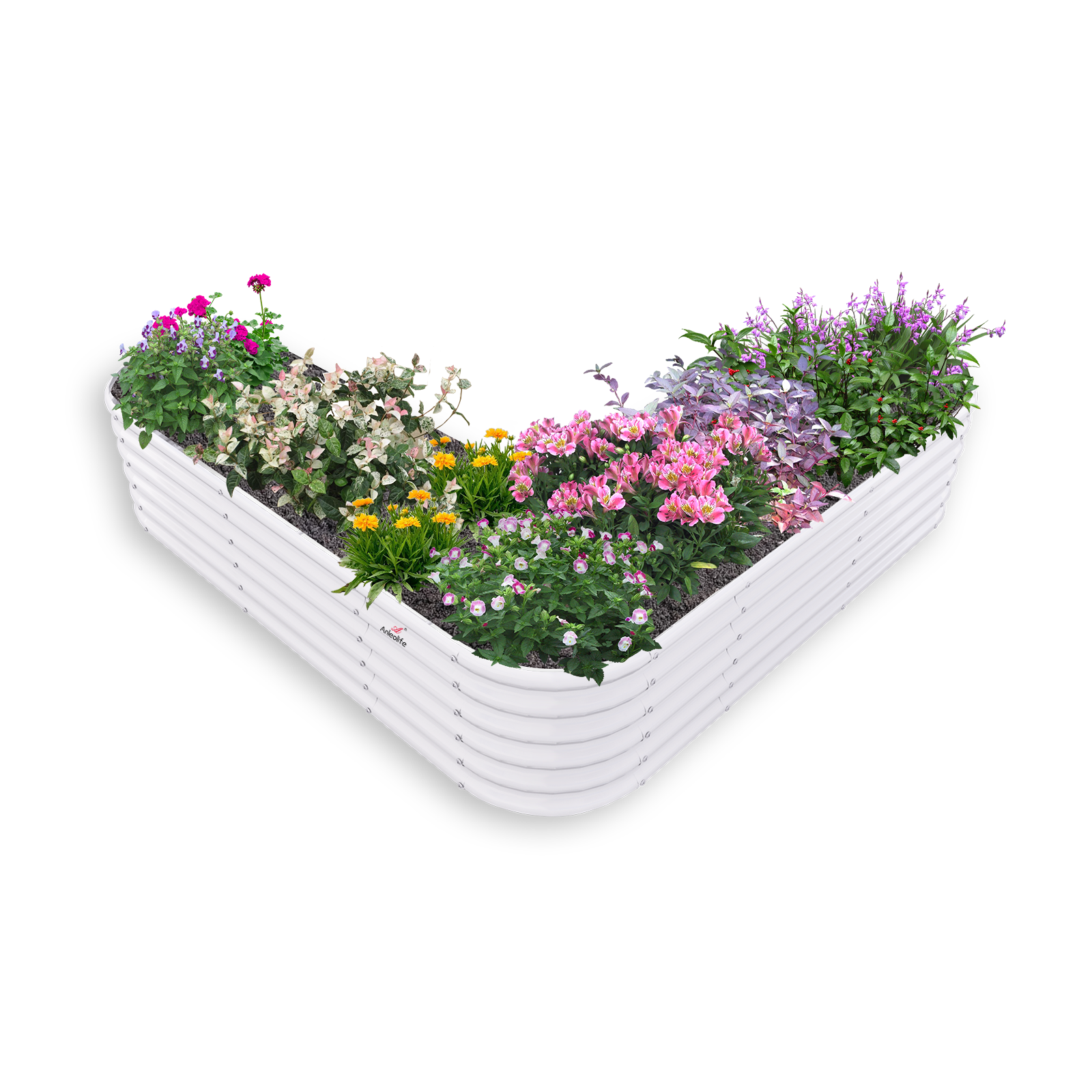
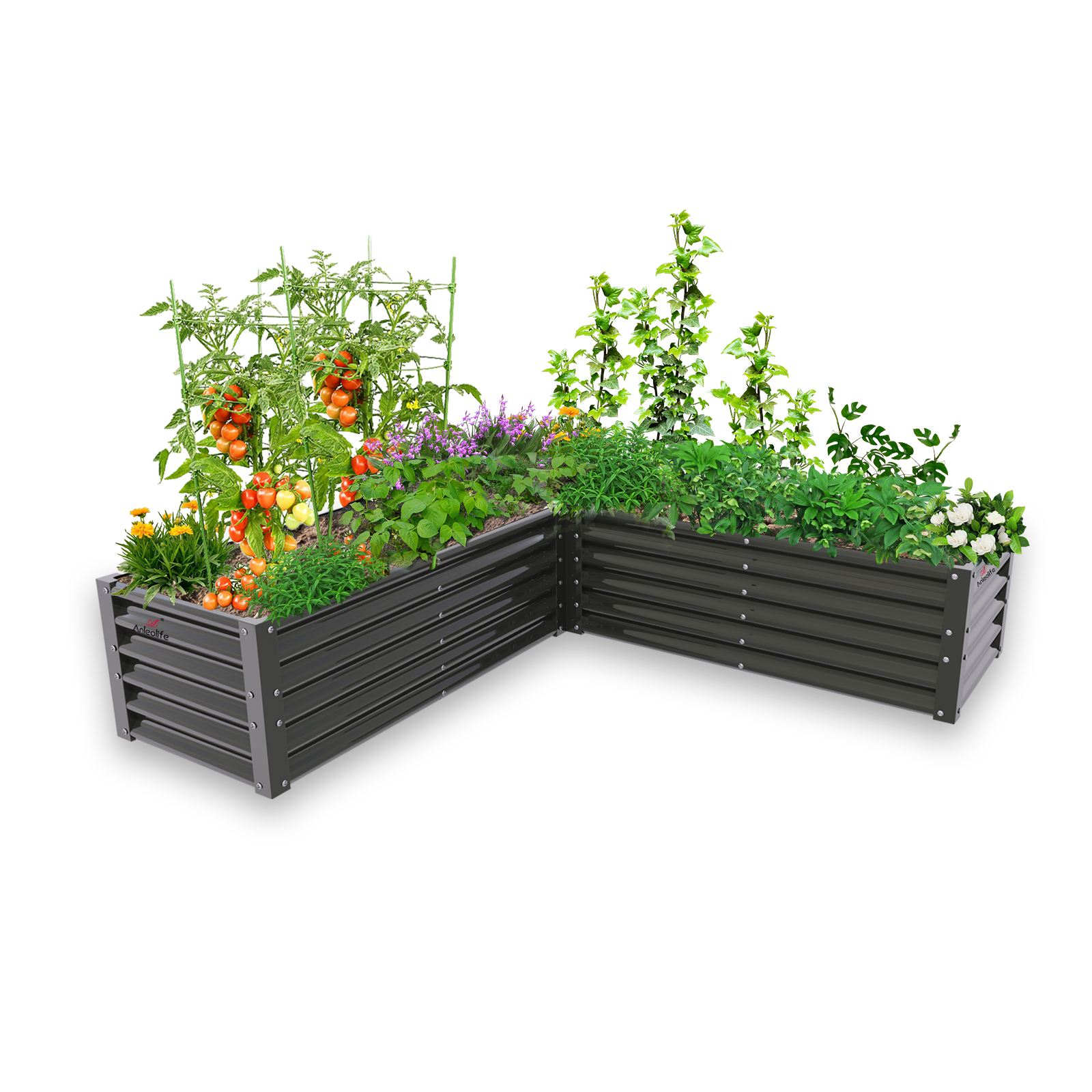
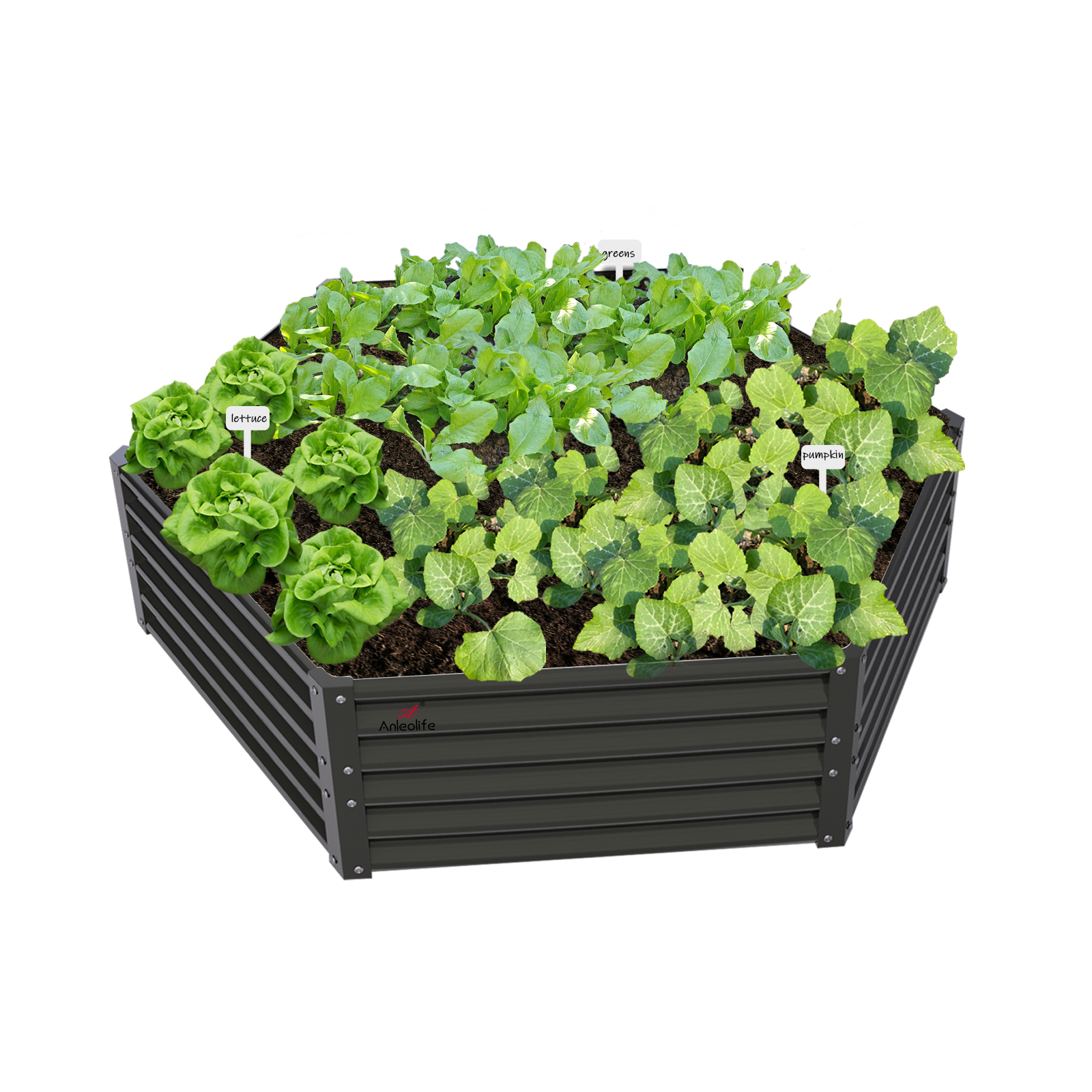
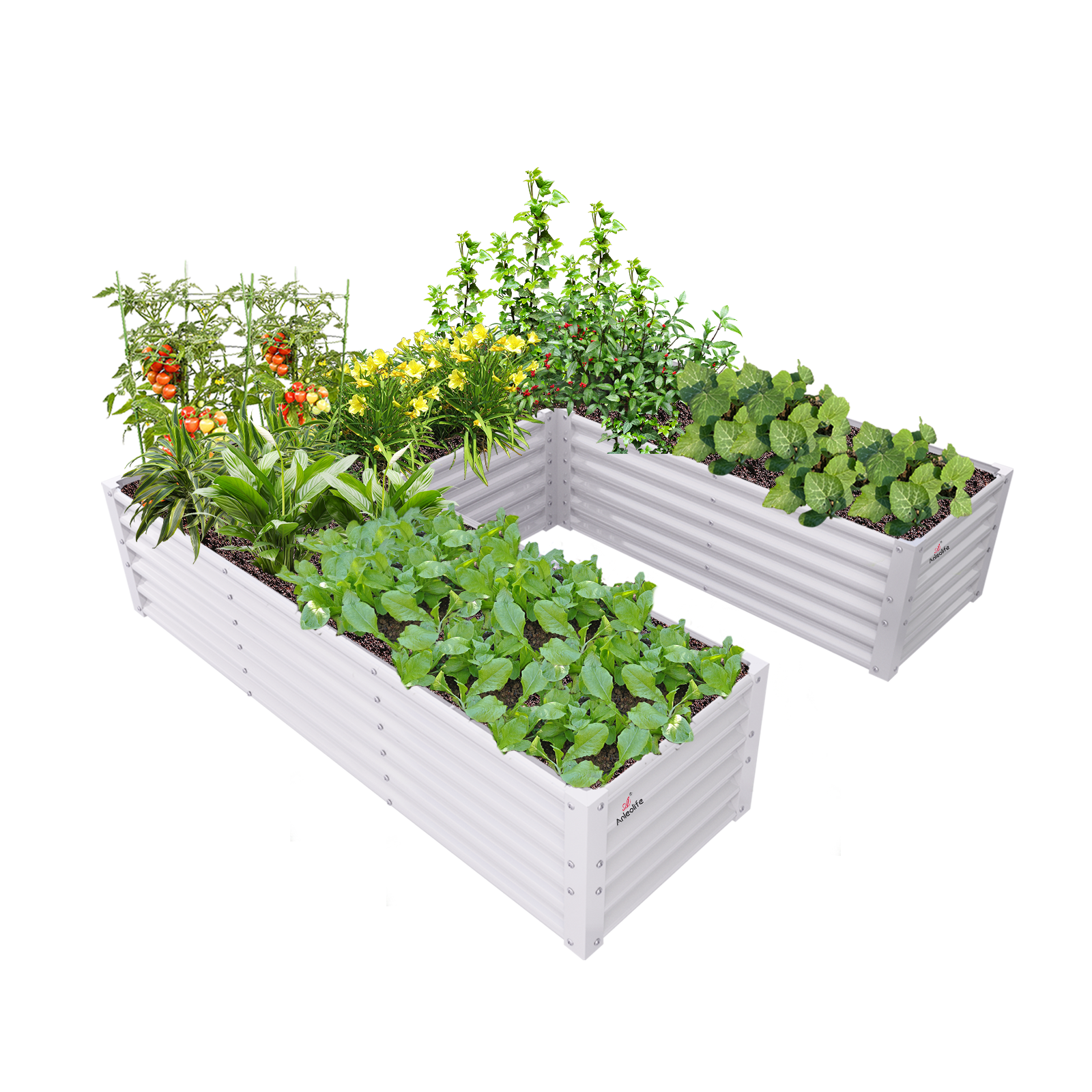

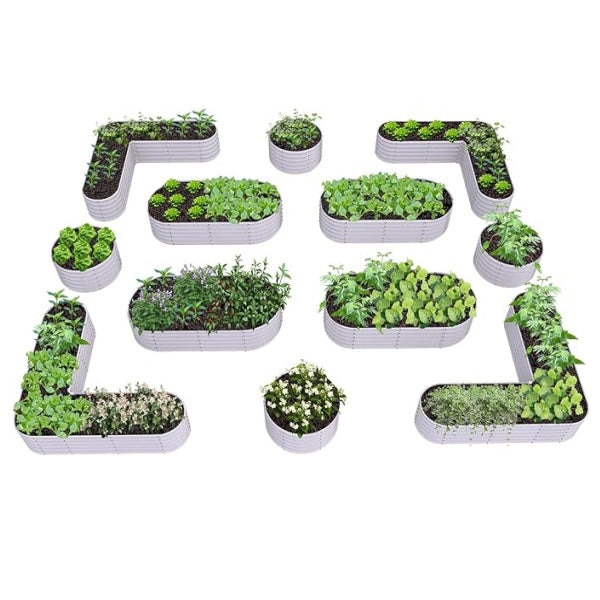


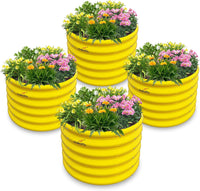
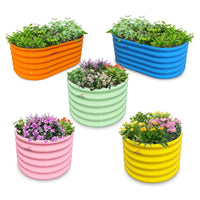
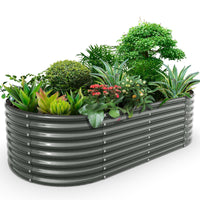



ALT: Heat-tolerant crops growing in galvanized steel raised garden beds during summer gardening season
Summer Raised Bed Gardening: Your Complete Guide to Heat-Tolerant Crops That Thrive in the Hot Months
Key Conclusion: Summer gardening in a raised garden bed is one of the most rewarding experiences a home grower can have—but only when you plant the right crops. Heat-tolerant vegetables, herbs, and fruits are the foundation of a productive summer raised bed. With the right raised bed garden layout, smart irrigation systems, and proper plant selection, even beginners can harvest abundantly from late spring through early fall. This guide walks you through exactly what to plant, how to arrange it, and how to keep everything thriving in peak summer heat.
Growing food in the summer is equal parts exciting and challenging. The long days and warm soil create ideal conditions for many fast-growing crops—but not all plants can handle intense heat, drought stress, or the kind of relentless sun that bakes a garden bed from June through August.
Raised garden beds change the equation entirely. Elevated soil warms faster in spring, drains better after heavy rains, and can be amended to suit almost any crop. When you pair a quality raised bed with heat-tolerant plant choices, you unlock a genuinely productive summer growing season—no matter whether you're gardening in Texas, Florida, or the Pacific Northwest.
Who Should Read This Guide (And Who Might Need a Different Approach)
✅ Applicable Scenarios:
- Home growers with existing raised garden beds who want to maximize summer productivity
- Beginners setting up their first garden bed and looking for beginner-friendly heat-tolerant crops
- Urban micro-gardeners with limited space who need high-yield, compact plant varieties
- Empty nesters and retirees who want a manageable, rewarding summer garden without overwhelming maintenance
- Eco-conscious families looking to grow organic, chemical-free produce at home
❌ Not Applicable/Cautions:
- Gardeners in USDA zones 9–11 with year-round growing seasons may find some cool-season advice in this guide irrelevant; focus on the heat-tolerant sections only
- If your raised bed has poor drainage or is located in deep shade (less than 6 hours of direct sun), most summer crops on this list will underperform—address those structural issues before planting
- This guide focuses on edible crops; ornamental-only summer gardening has different considerations
Why Summer Gardening in Raised Beds Is a Game-Changer
The data speaks for itself: according to the National Gardening Association, food gardening participation in the United States has grown significantly in recent years, with more households growing their own vegetables than at any point in recent memory. A large portion of that growth is happening in raised beds—and for good reason.
Raised garden beds offer unique advantages over in-ground growing, especially in summer. The contained soil environment heats evenly, drains reliably, and can be customized with the ideal soil blend for heat-loving crops. Unlike traditional garden plots, raised beds are free from many soil-borne diseases that flourish in poorly managed ground soil, and they create a cleaner root zone for crops like tomatoes, peppers, and squash that are prone to fungal issues in wet, compact soil.
For summer specifically, the elevated nature of raised beds means you can control soil moisture more precisely. When temperatures climb above 90°F, proper irrigation becomes critical—and a raised bed allows for easy installation of drip lines or soaker hoses that deliver water directly to roots without wetting foliage (a key factor in preventing fungal disease in hot, humid climates).
There's also the question of soil quality. In summer, the soil microbiome is highly active, and a raised bed filled with rich, well-structured growing medium supports the beneficial bacteria and fungi that help plants access nutrients even under heat stress. If you've ever wondered which materials are best for raised beds in wet climates, the answer is consistent: well-draining metal or powder-coated steel beds paired with a mix of quality compost, topsoil, and perlite give plants the best foundation for both wet spring seasons and dry summer stretches.
Anleolife's galvanized steel raised garden beds are engineered precisely for this kind of year-round performance. Built to last up to 20 years, these beds resist rust, hold their shape through seasonal temperature swings, and maintain structural integrity through years of watering and harvesting. For anyone serious about summer growing, starting with the right bed is step one.
What to Plant, How to Plan, and How to Keep It Growing All Summer
Three-Step Quick Start for Summer Raised Bed Planting
Step 1: Assess Your Bed and Amend Your Soil
Before planting a single seed, take 30–60 minutes to evaluate your raised bed's current condition. Check soil moisture levels, loosen any compaction with a garden fork, and top-dress with 2–3 inches of finished compost. Summer crops are heavy feeders, and depleted soil from a spring planting will struggle to support a full summer harvest. If your bed has been sitting empty, this is the perfect moment to mix in slow-release organic fertilizer to support the next 3–4 months of growth.
Step 2: Plan Your Raised Bed Garden Layout for Maximum Sun and Airflow
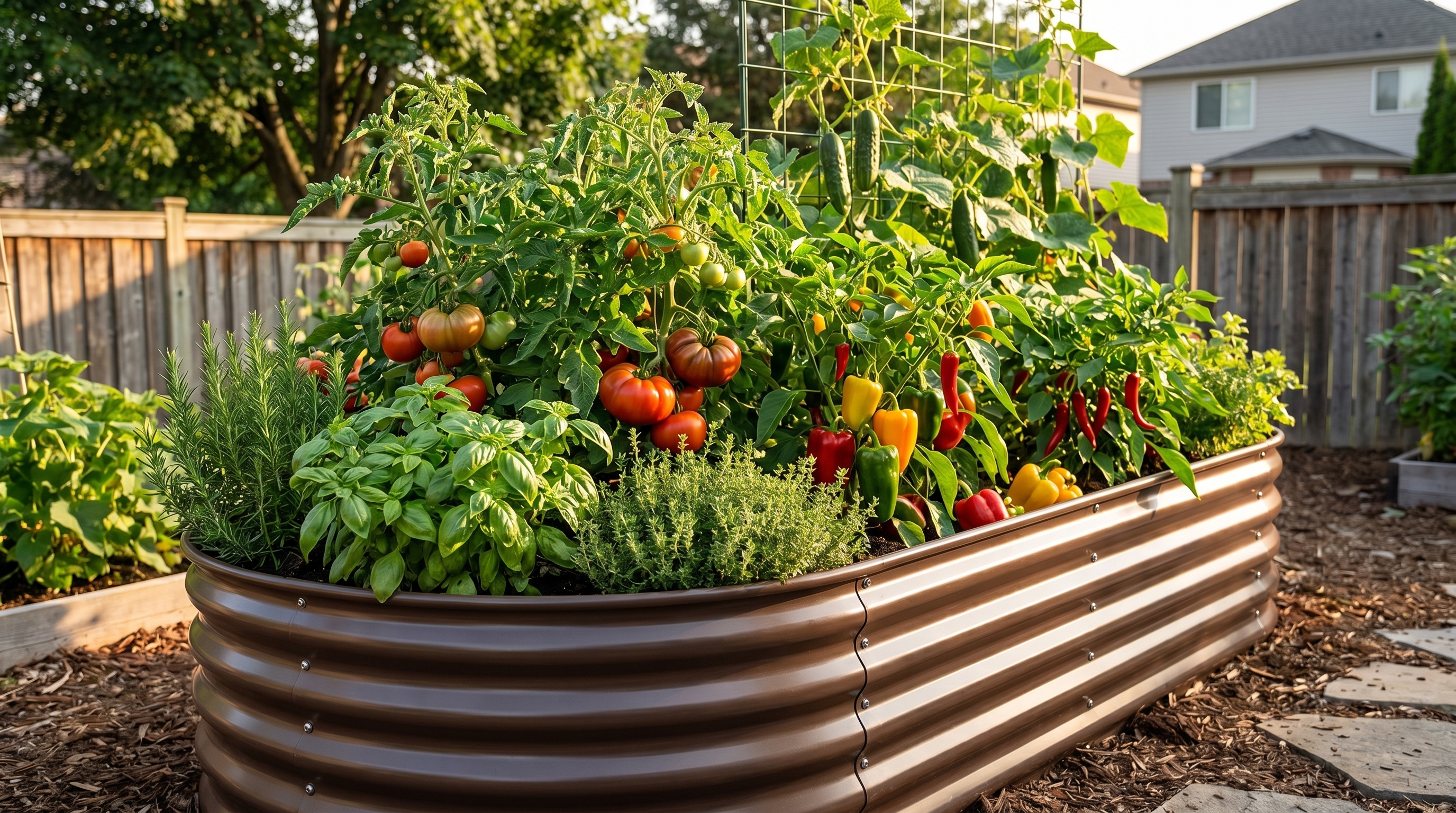
A smart raised bed garden layout makes the difference between a chaotic jungle and a productive, manageable summer garden. Tall plants like tomatoes, corn, and trellised cucumbers should always go on the north side of your bed so they don't shade shorter crops. Medium plants—peppers, eggplant, basil—go in the middle, and low-growing herbs or lettuce (where you're attempting heat-tolerant varieties) go toward the south edge. Leave 18–24 inches between large plants, and plan vertical growing space for climbing crops to save precious square footage.
Step 3: Set Up Your Irrigation System Before Planting
Install drip irrigation or soaker hose irrigation systems before transplanting seedlings—it's far easier to thread lines through empty soil than around established plants. Set your timer to water in the early morning (between 5–8 AM) to give foliage time to dry before evening, reducing fungal risk. Summer crops typically need 1–1.5 inches of water per week, more during heat waves. A properly configured irrigation system on a raised bed can cut your water use significantly compared to overhead watering while delivering better results.
The Best Heat-Tolerant Crops to Grow in a Raised Garden Bed This Summer
Here's where the real fun begins. These crops are proven performers in summer raised beds across North America, chosen for their heat tolerance, productivity, and suitability for home growers.
| Crop | Days to Harvest | Heat Tolerance | Space Needed | Best for Raised Beds? |
|---|---|---|---|---|
| Tomatoes | 60–85 days | Very High | Large (18–24" apart) | ✅ Excellent |
| Peppers | 70–90 days | Very High | Medium (12–18" apart) | ✅ Excellent |
| Cucumbers | 50–70 days | High | Medium (trellised) | ✅ Excellent |
| Summer Squash | 45–60 days | Very High | Large (24–36" apart) | ✅ Good |
| Okra | 50–65 days | Extreme | Medium (12–18" apart) | ✅ Excellent |
| Basil | 25–35 days | High | Small (8–12" apart) | ✅ Excellent |
| Sweet Potatoes | 90–120 days | Very High | Large (12" apart) | ✅ Good |
| Green Beans | 50–60 days | High | Small-Medium | ✅ Excellent |
| Eggplant | 65–80 days | Very High | Medium (18–24" apart) | ✅ Excellent |
| Heat-Tolerant Lettuce | 45–60 days | Moderate | Small (6–8" apart) | ✅ With shade cloth |
Deep Dive: The Top Summer Crops for Raised Beds Explained
Tomatoes: The Quintessential Summer Raised Bed Crop
There's a reason tomatoes dominate summer gardens from coast to coast. They thrive in warm soil (ideally above 60°F at root level), love the full sun that summer provides, and produce abundantly in the confined, nutrient-rich environment of a raised bed.
For raised beds, determinate varieties (bush tomatoes) are often easier to manage in smaller beds, while indeterminate types like heirloom and beefsteak varieties reward you with months of harvest but require sturdy caging or trellising. In a standard 8x4 foot bed, you can comfortably grow 4–6 tomato plants, leaving space for companion crops like basil or marigolds between them.
Heat-tolerant varieties to look for include 'Heatmaster,' 'Solar Fire,' and 'Celebrity'—all bred specifically for hot summer conditions and less prone to blossom drop at high temperatures.
Peppers and Eggplant: Heat-Lovers That Reward Patient Growers
Both peppers and eggplant belong to the nightshade family and share a love of heat that makes them perfect summer raised bed crops. They're slow starters but become prolific producers once temperatures consistently stay above 70°F.
Peppers—whether sweet bell, banana, or hot jalapeño varieties—prefer slightly drier conditions than tomatoes, making a well-draining raised bed ideal. Eggplant varieties like 'Black Beauty,' 'Ichiban,' and 'Fairy Tale' are reliable summer producers that also add ornamental value to your garden with their deep purple fruits.
Both crops are also relatively drought-tolerant once established, meaning that if your drip irrigation system experiences a minor disruption, they'll recover better than moisture-sensitive crops.
Cucumbers and Summer Squash: Fast, Abundant, and Space-Efficient
Cucumbers are one of the fastest-producing summer crops available, often going from transplant to first harvest in under 60 days. In a raised bed with a trellis, a single cucumber plant can produce dozens of fruits over a season while taking up minimal horizontal space.
Summer squash—including zucchini and yellow crookneck—is perhaps the most reliably productive warm-season crop you can grow. A single well-tended zucchini plant in a nutrient-rich raised bed can produce more than most families can eat. If space is a consideration, look for compact "bush" varieties rather than traditional sprawling types.
Okra: The Unsung Hero of Summer Raised Beds
If you live in the Southeast or Southwest, okra deserves a prominent spot in your summer raised bed. This tropical crop loves heat, tolerates drought, and produces beautiful edible pods in shades of green and burgundy. It also grows tall and architectural, adding visual interest to a garden bed layout.
Okra is particularly valuable in raised beds because it thrives in the warm, well-drained soil conditions that raised growing environments naturally provide. Varieties like 'Clemson Spineless' and 'Burgundy' are popular and productive.
Herbs: The Summer Raised Bed Multitaskers
No summer raised bed is complete without herbs. Basil is the classic companion for tomatoes—both benefit from growing together, with basil potentially repelling certain pests while thriving in the same warm, full-sun conditions.
Other heat-loving herbs to consider include rosemary, thyme, oregano, and lemongrass—all of which are drought-tolerant once established, low-maintenance, and incredibly useful in the kitchen. A small corner of a raised bed devoted to culinary herbs pays dividends all season long and beyond.
Heat-Tolerant Lettuce and Greens: Yes, It's Possible in Summer
Most lettuce bolts (goes to seed) in heat, but if you're creative with placement and choose the right varieties, you can extend your leafy green harvest well into summer. Position heat-tolerant varieties like 'Jericho,' 'Nevada,' or 'Muir' on the east-facing edge of your bed where they receive morning sun and afternoon shade from taller neighboring plants.
Swiss chard, New Zealand spinach, and Malabar spinach are also excellent summer greens that handle heat far better than traditional spinach, making them valuable additions to a diversified summer raised bed.
Choosing the Right Raised Bed for Summer Growing
The foundation of a successful summer garden isn't just what you plant—it's what you plant it in. What is the best raised garden bed for summer crops? For most home growers, the answer comes down to material durability, depth, and size.
Galvanized steel is widely considered the gold standard for raised garden bed material, and for good reason. It resists rust, doesn't leach harmful chemicals into soil (unlike some untreated woods), and holds up beautifully through years of seasonal extremes—from frozen winters to blazing summer sun. Many gardeners also wonder which materials are best for raised beds in wet climates; galvanized steel consistently tops the list because it doesn't rot, warp, or degrade in humidity the way wood does.
Anleolife's range of galvanized steel raised garden beds covers the full spectrum of summer gardening needs. Shallower options work well for herbs and lettuce, while deeper beds—including Extra Tall and Waist-High options—provide the root depth that tomatoes, peppers, and squash genuinely need to thrive. The Extra Tall and 30-inch Waist-High options are particularly popular with empty nesters and retirees who want to garden without bending down.
For those seeking the best raised planter box for a balcony, patio, or small urban space, Anleolife's Round Raised Garden Beds and compact rectangular options offer stylish solutions that don't sacrifice growing capacity. And for gardeners planning a larger layout, the Modular Raised Garden Bed series allows flexible expansion—start with one bed and add more as your gardening ambitions grow.
All Anleolife beds are built to last up to 20 years, making them a worthwhile long-term investment for any serious home grower.
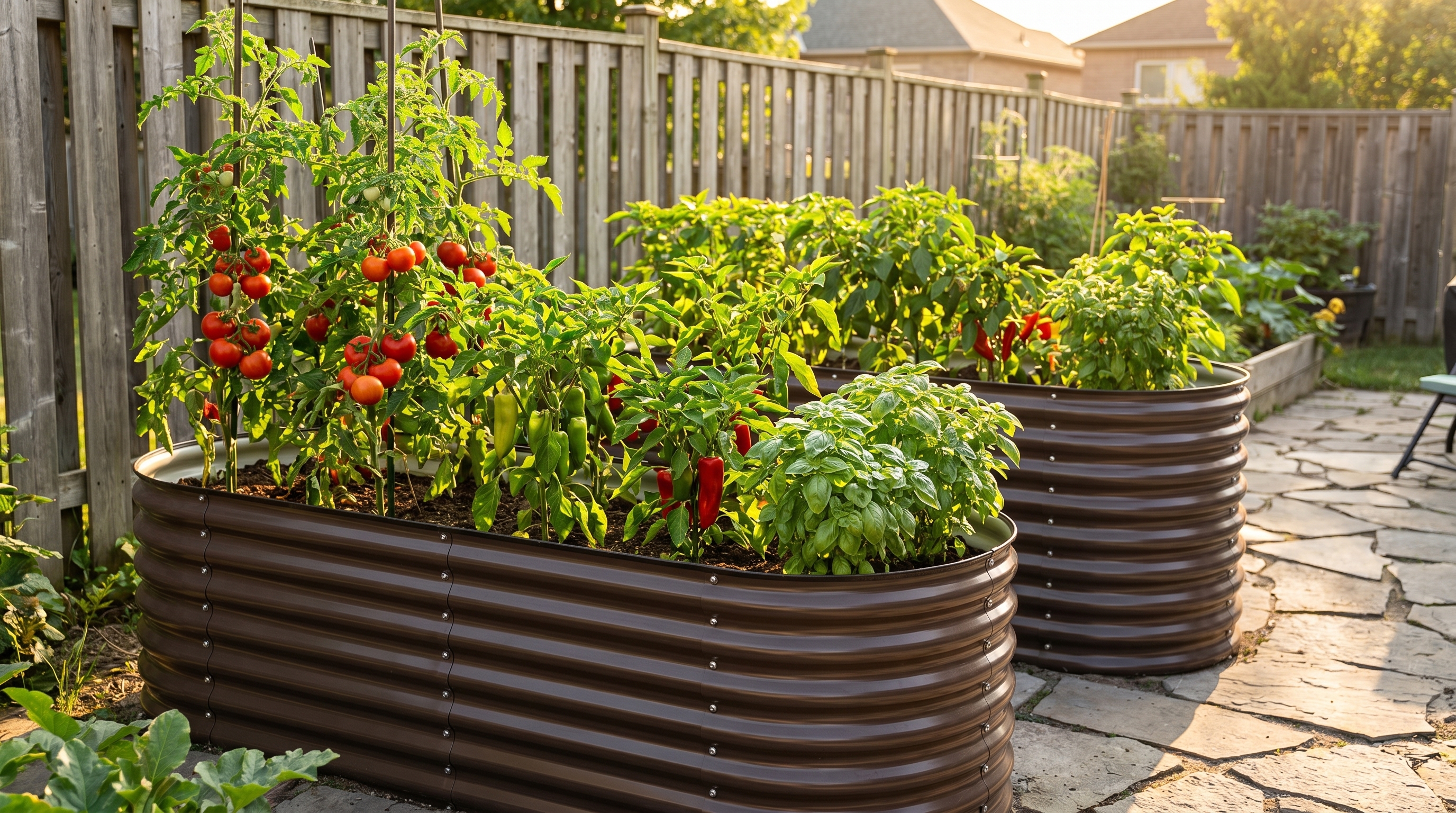
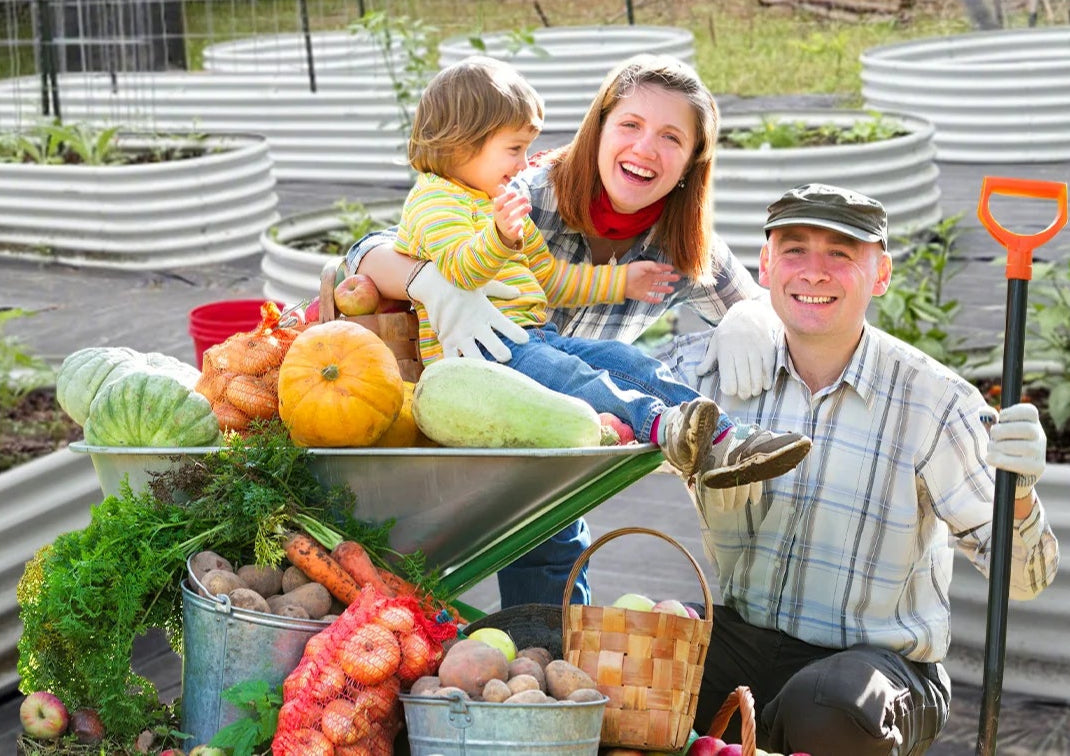
ALT: Anleolife galvanized steel raised garden beds growing heat-tolerant summer crops including tomatoes, peppers, and basil in a backyard garden
Advanced Tips for Summer Raised Bed Success
Managing Heat Stress and Protecting Your Plants
Even heat-tolerant crops have limits. When temperatures exceed 95°F for extended periods, even the toughest summer crops can suffer from blossom drop, sunscald, or root damage. Here's how to protect your investment:
Use mulch aggressively. A 2–3 inch layer of straw or wood chip mulch on the soil surface of your raised bed dramatically reduces soil temperature and water evaporation. This single step can mean the difference between a plant that thrives and one that just survives.
Consider shade cloth during heat waves. A 30–50% shade cloth draped over your raised bed during the hottest part of summer days can reduce leaf temperature significantly without meaningfully reducing photosynthesis. This is especially useful for peppers and eggplant, which can drop blossoms when temperatures exceed 90°F.
Water deeply, not frequently. Deep, infrequent watering encourages roots to grow down into cooler soil layers—a critical adaptation in summer heat. Your drip irrigation system should be set for longer, less frequent cycles rather than short daily bursts.
Common Misconceptions About Summer Raised Bed Gardening
Misconception 1: "Metal raised beds get too hot in summer."
This is one of the most common concerns we hear—and one of the most overstated. While the walls of a metal raised bed do absorb solar heat, multiple studies and real-world grower experiences show that soil temperatures inside metal raised beds remain in the productive range for crops. The metal walls warm the soil slightly in spring (which is actually beneficial) and have minimal impact on core soil temperatures in summer. The mulch layer on top of the soil is far more influential on soil temperature than the bed walls.
Misconception 2: "You need a huge space to grow meaningful food."
An 8x4 foot raised bed, managed well with proper vertical growing and companion planting, can produce a remarkable amount of food from June through September. Many urban micro-gardeners are producing fresh tomatoes, cucumbers, herbs, and greens from a single compact raised bed on a patio or balcony.
Misconception 3: "Summer is too late to start a garden."
Depending on your region, you can start many fast-maturing summer crops—beans, cucumbers, basil, squash—as late as mid-July and still get a productive harvest before first frost. Raised beds, with their warm, ready soil, accelerate germination and early growth compared to in-ground planting.
Frequently Asked Questions FAQ
Q1: How do I keep my raised garden bed productive all summer long?
Consistent soil feeding, proper irrigation, and succession planting are the three pillars of all-season summer productivity. Top-dress your bed with compost every 4–6 weeks, keep your irrigation system running on a consistent schedule, and as early crops finish, immediately replace them with fast-maturing successors like beans or basil. Raised garden beds support this kind of intensive planting better than in-ground beds because the soil structure and drainage remain ideal throughout the season.
Q2: Is galvanized steel safe for growing vegetables in raised garden beds?
Yes. Galvanized steel raised garden beds are widely considered safe for vegetable gardening. The zinc coating on galvanized steel does not leach harmful compounds into the soil at levels considered dangerous for humans. In fact, zinc is an essential micronutrient for plants. Major agricultural and gardening authorities, including university extension programs, have consistently found that galvanized steel is a safe, durable, and preferred material for raised bed construction—particularly for its rust resistance and longevity compared to untreated wood.
Q3: How long does it take to set up a raised garden bed and start planting in summer?
Most Anleolife raised garden beds can be assembled in under an hour, even without special tools. Once assembled, fill with your chosen soil mix (typically 60% topsoil, 30% compost, 10% perlite or coarse sand for summer crops), and you can plant the same day. Factor in 3–8 business days for delivery depending on your location—Anleolife's nationwide warehouse network covers all major U.S. regions. From ordering to first transplants in the ground, most gardeners are up and running within 1–2 weeks.
Summary
Summer raised bed gardening is one of the most enjoyable and productive forms of home growing available to North American families. When you combine the right heat-tolerant crops—tomatoes, peppers, cucumbers, okra, herbs, and squash—with a well-planned raised bed garden layout, properly configured irrigation systems, and a quality raised bed built to last, the results speak for themselves.
Three key takeaways from this guide:
- Plant selection matters most. Choose proven heat-tolerant varieties suited to your USDA hardiness zone, and you'll harvest abundantly from June through September even in challenging summer conditions.
- Your raised bed is a long-term investment. A high-quality galvanized steel raised bed designed to last 20 years pays for itself many times over in fresh produce, reduced grocery bills, and the genuine joy of growing your own food.
- Systems thinking wins. A smart raised bed garden layout combined with a reliable irrigation system and regular soil feeding turns summer gardening from stressful to straightforward. Set up the systems once, and the garden largely takes care of itself.
Whether you're a first-time gardener setting up your inaugural bed or an experienced grower expanding your summer operation, the combination of the right crops, the right bed, and the right approach makes all the difference.
Call to Action
Anleolife is your partner for every season of the garden.
Our nationwide U.S. warehouse network—strategically located in California, Texas, Florida, New York, Illinois, and Washington—ensures delivery in as fast as 3–8 business days, so your summer garden plans are never delayed waiting for your equipment to arrive.
Our products are available across major platforms including Amazon, Walmart, Home Depot, Lowe's, and Wayfair, as well as directly through Anleolife.com, providing consistent quality assurance and dedicated after-sales service wherever you prefer to shop.
From Planting (galvanized steel and rust-resistant raised garden beds, soil systems) to Raising (chicken coops, rabbit hutches) to Beautification (decorative accessories, pathway systems), Anleolife covers every dimension of a fulfilling home garden lifestyle.
We understand that an ideal garden isn't built overnight—it's cultivated over seasons, growing alongside your needs and ambitions. Our modular product design allows flexible expansion from your very first raised bed to a fully integrated planting-and-raising ecosystem. We grow with you, every step of the way.
Ready to start your summer garden? Visit Anleolife.com to explore our full range of raised garden beds and find the perfect fit for your space, soil, and summer growing goals.
References
- National Gardening Association. "Food Gardening in the United States."
https://garden.org - University of California Agriculture and Natural Resources. "Raised Bed Gardening."
https://ucanr.edu/ - United States Department of Agriculture (USDA). "Home Gardening Resources and Plant Hardiness Zone Map."
https://www.usda.gov/ - Penn State Extension. "Vegetable Gardening in Raised Beds."
https://extension.psu.edu/ - Clemson Cooperative Extension. "Summer Vegetable Gardening in the Southeast."
https://hgic.clemson.edu/
Note: Standards and growing recommendations may be updated seasonally. Please check the latest official documents or consult your local cooperative extension service for region-specific advice.
About Anleolife
Anleolife is a leading outdoor garden solutions provider in North America, dedicated to offering a full-scenario product ecosystem for home gardening enthusiasts, covering planting, raising, and garden beautification. Since its founding, we have upheld our brand mission, "Made for Garden Life," continuously innovating products and optimizing services to help hundreds of thousands of users upgrade their gardens, reconnect with nature, and enjoy a better garden lifestyle.