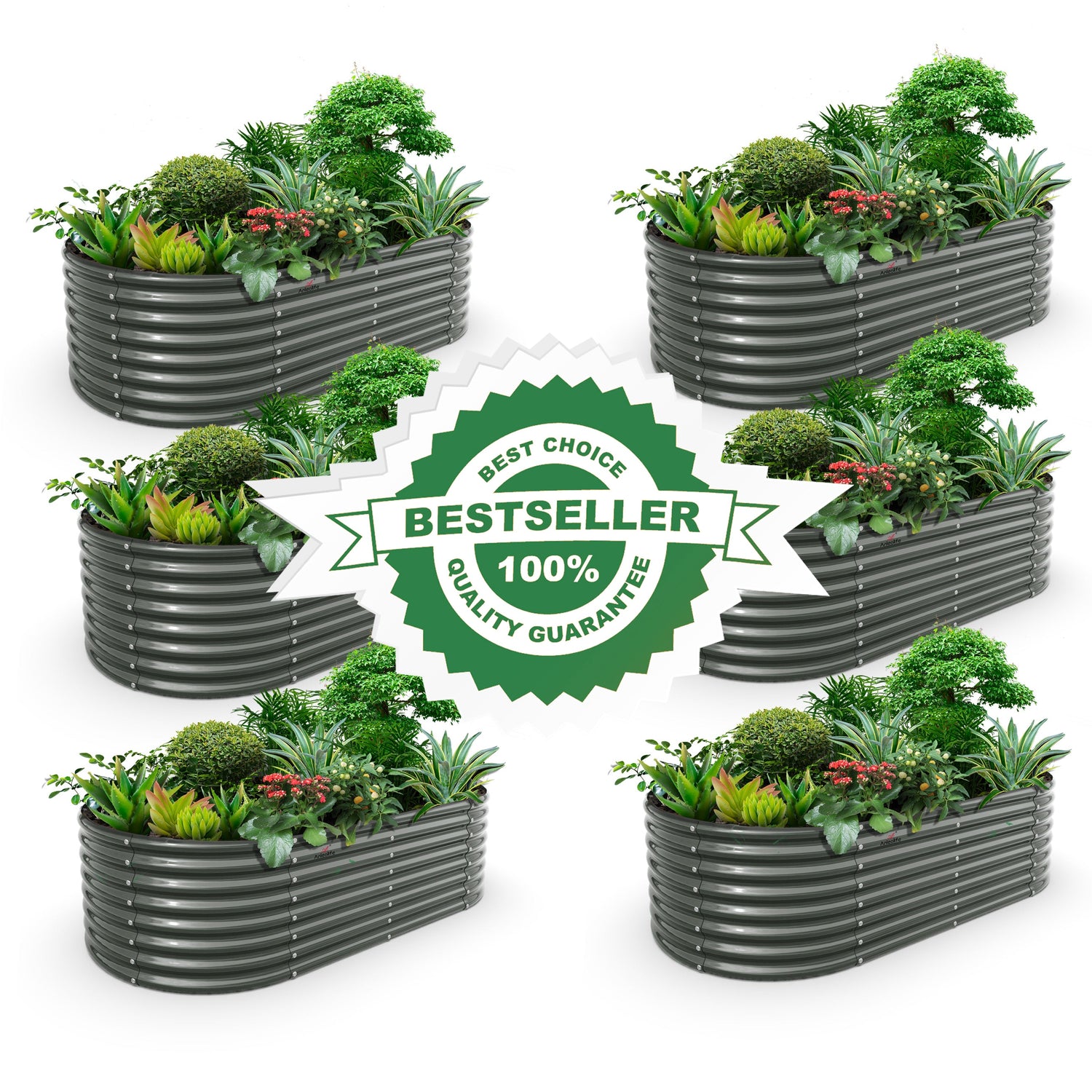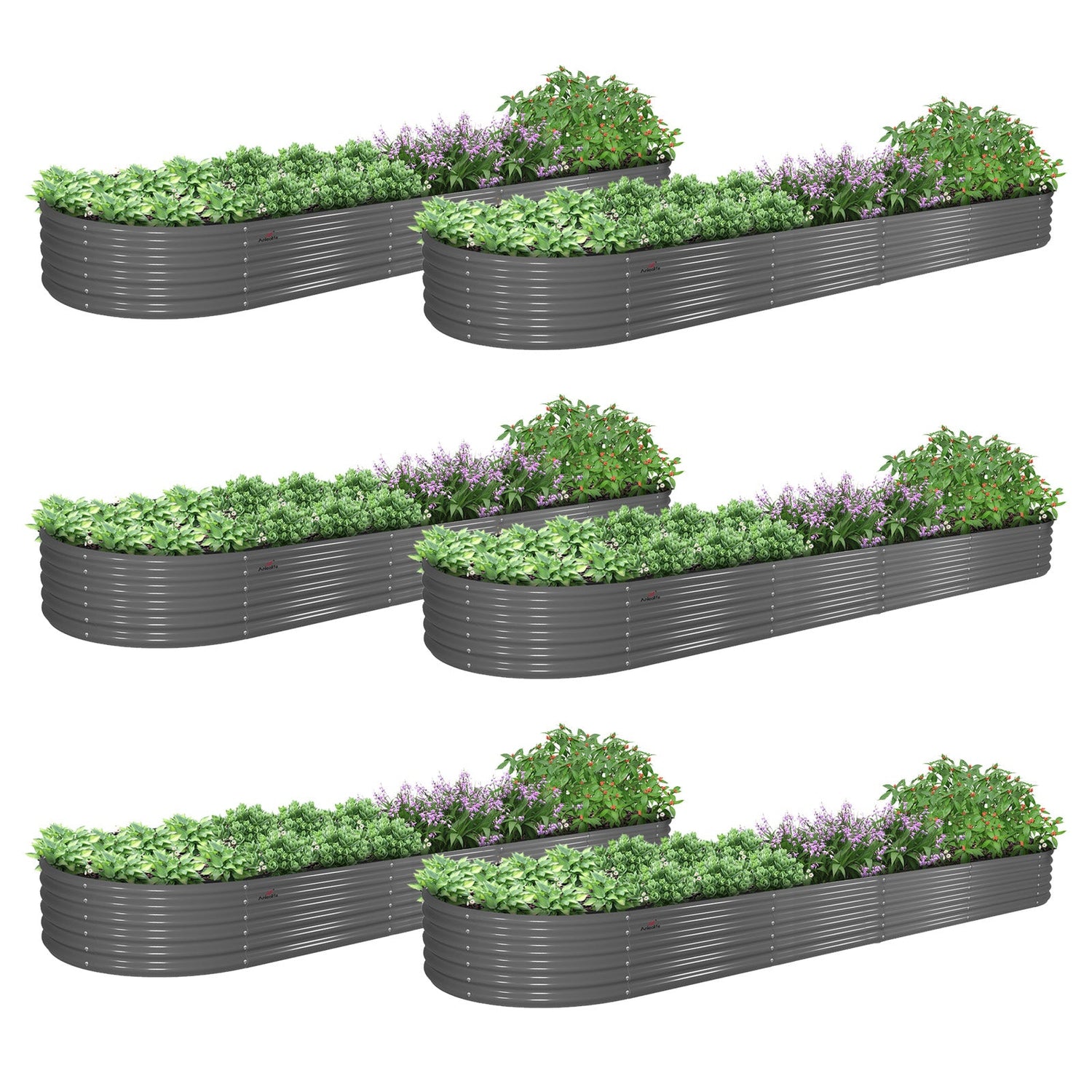



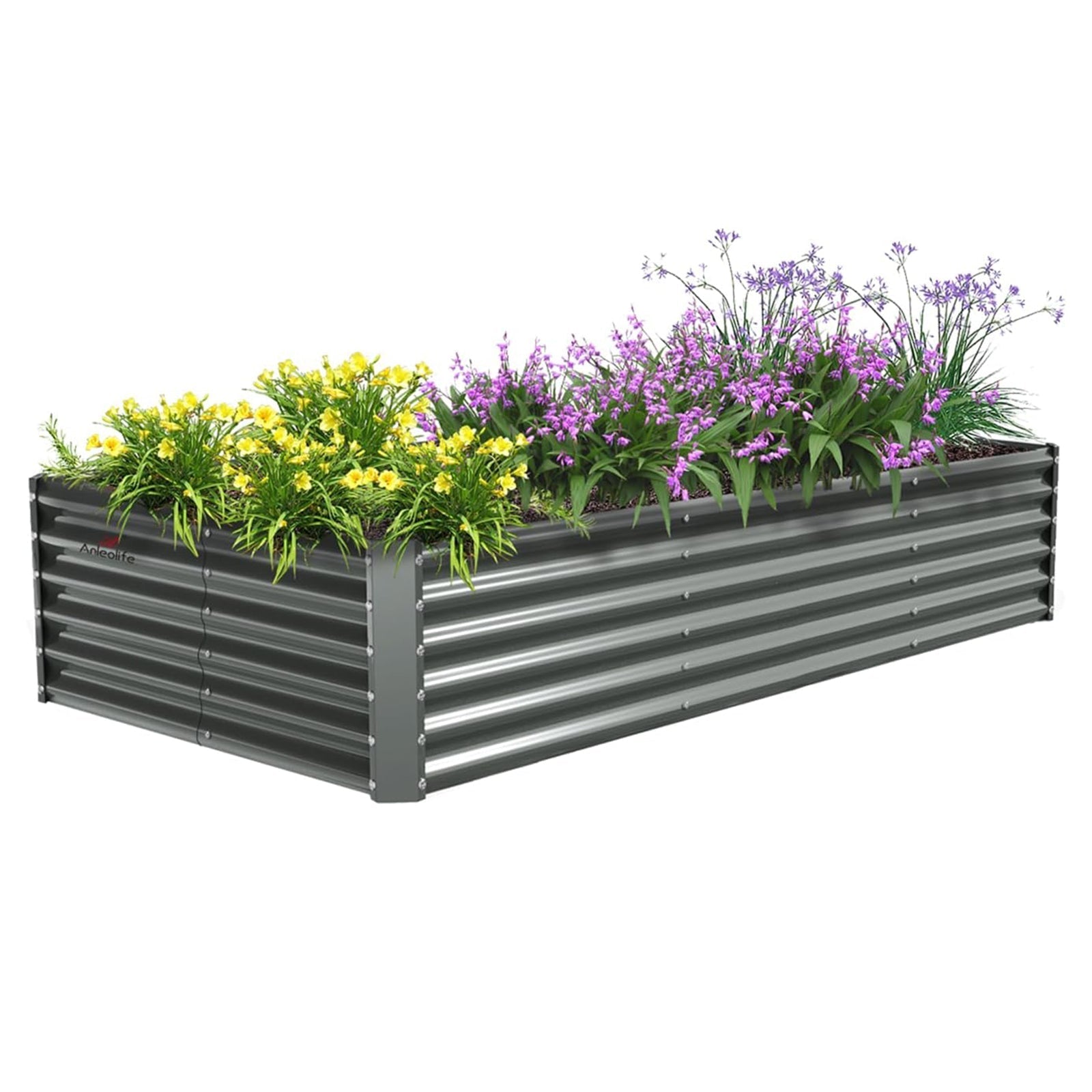

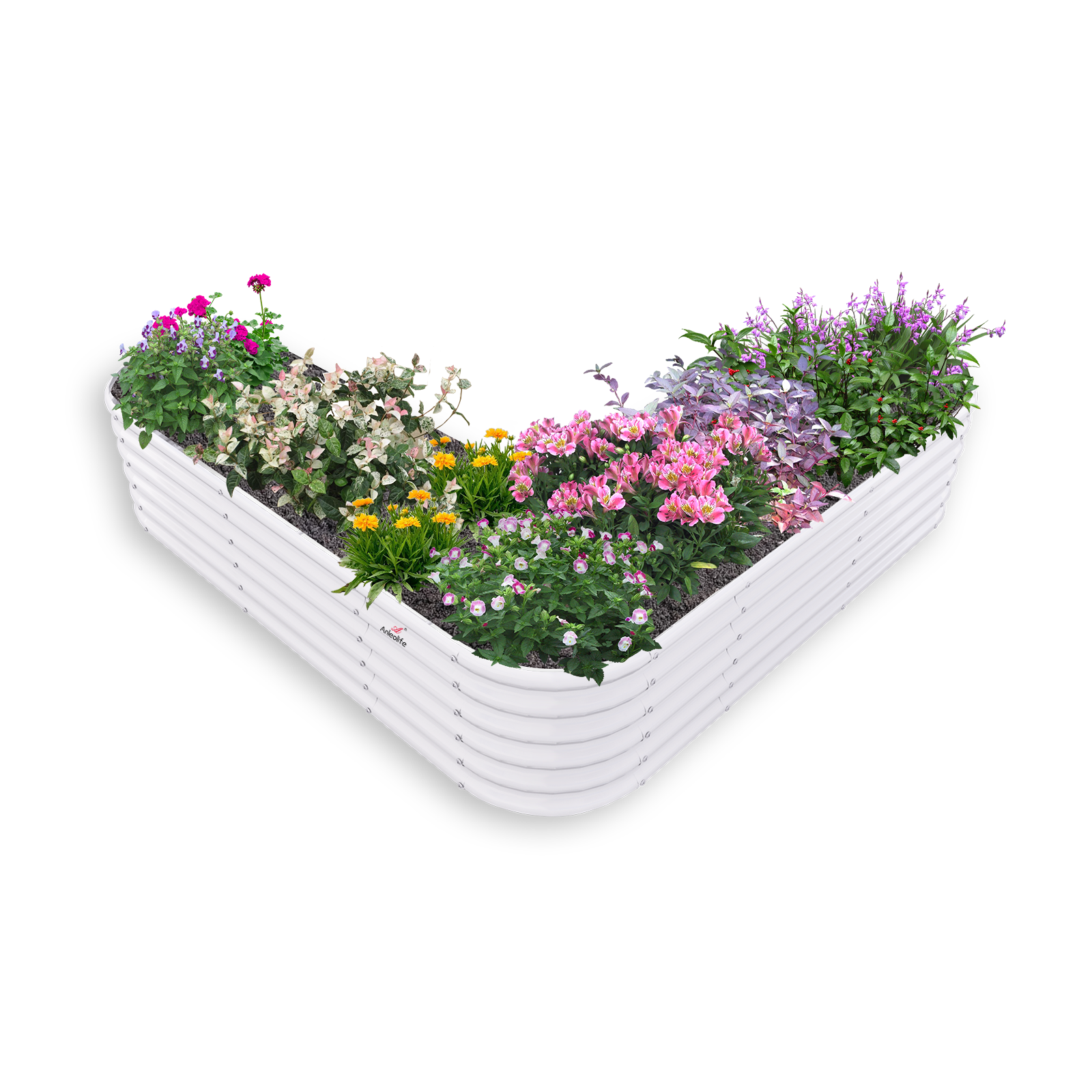
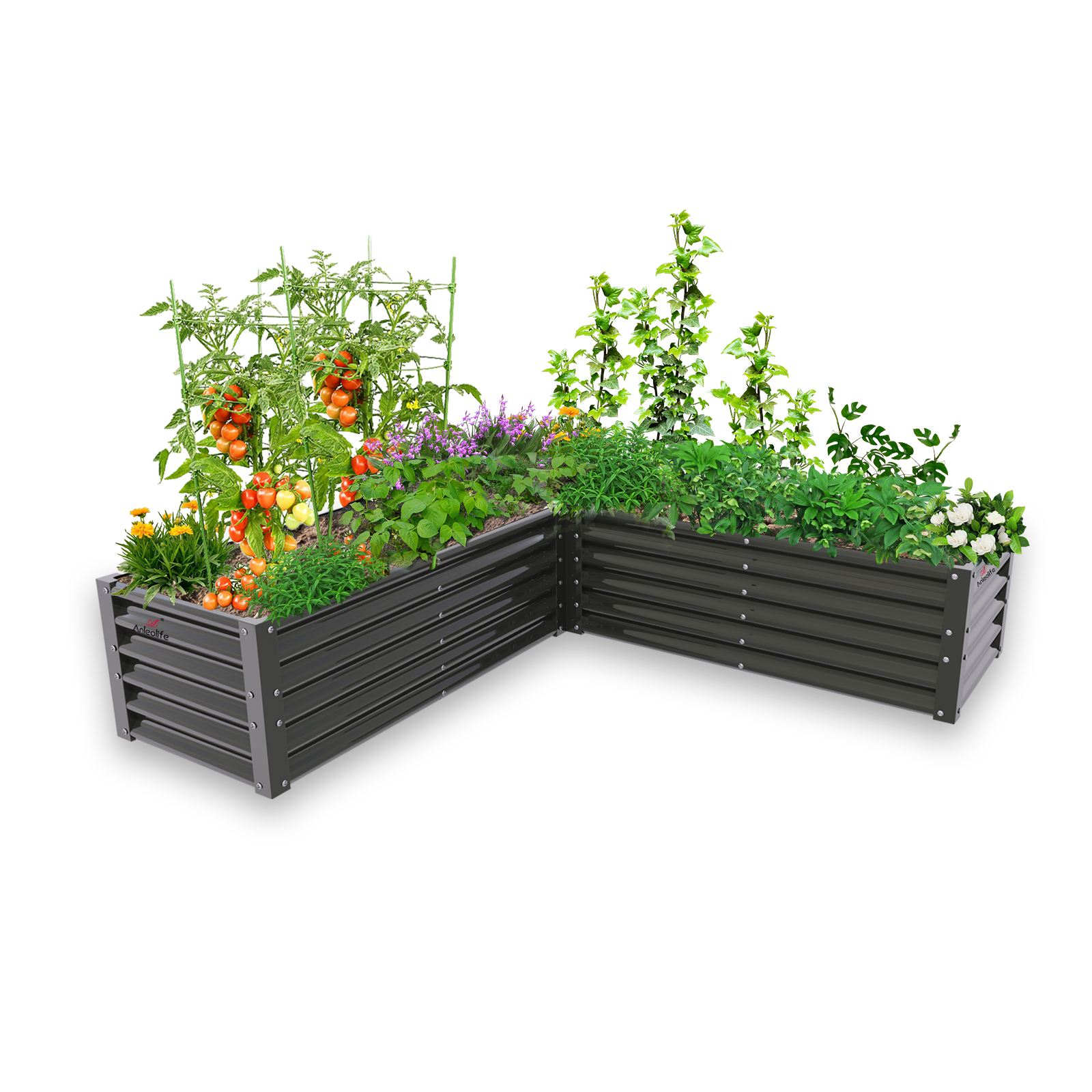
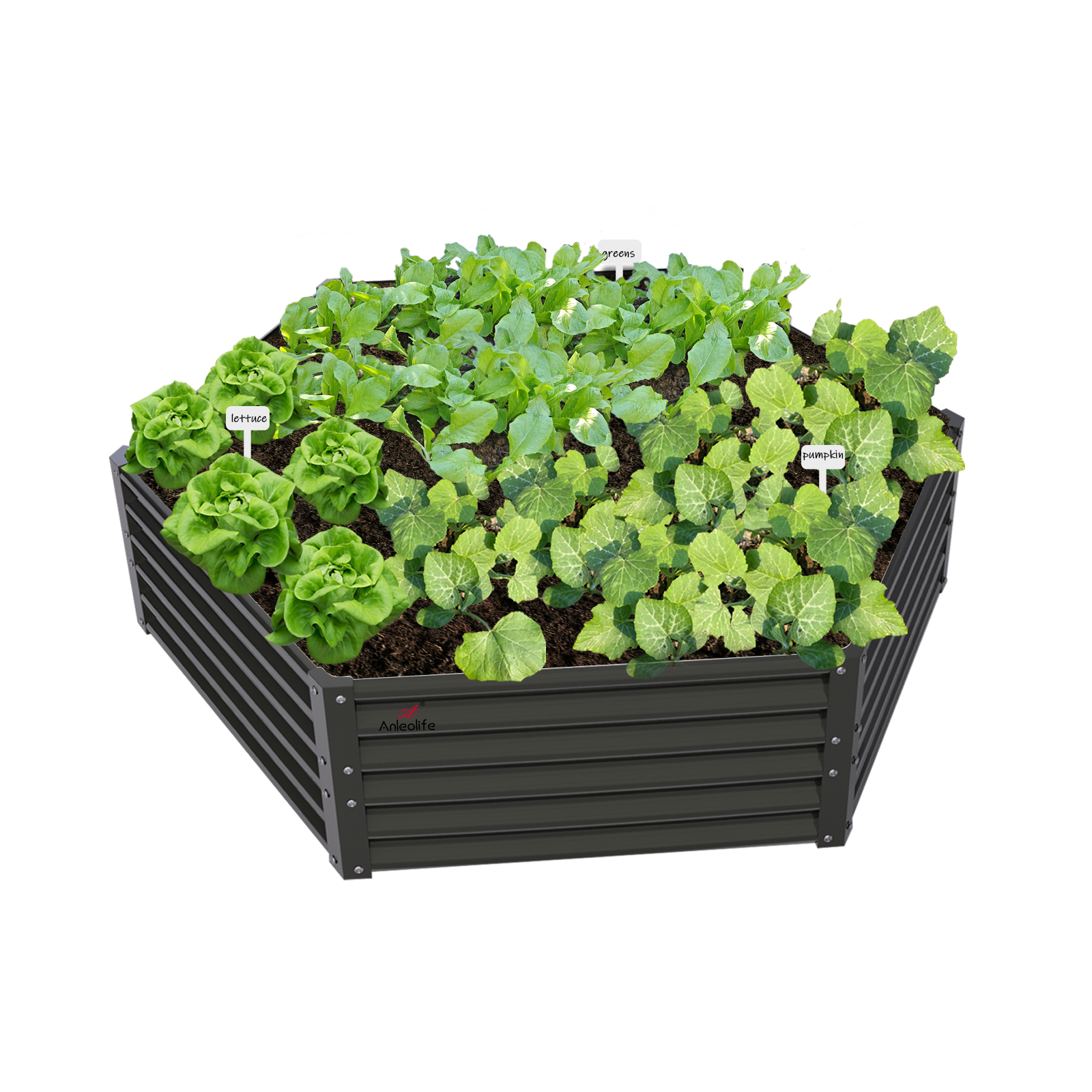
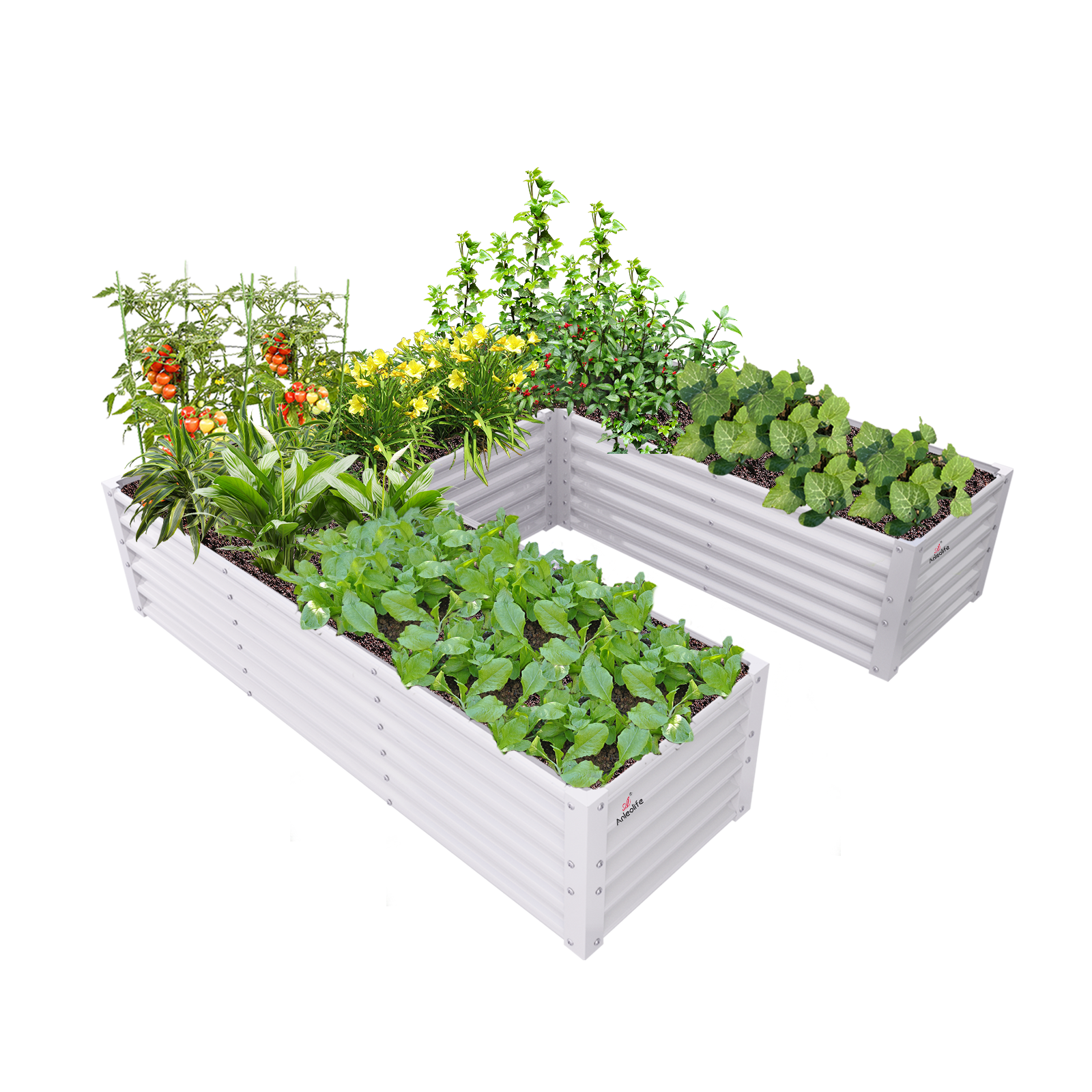

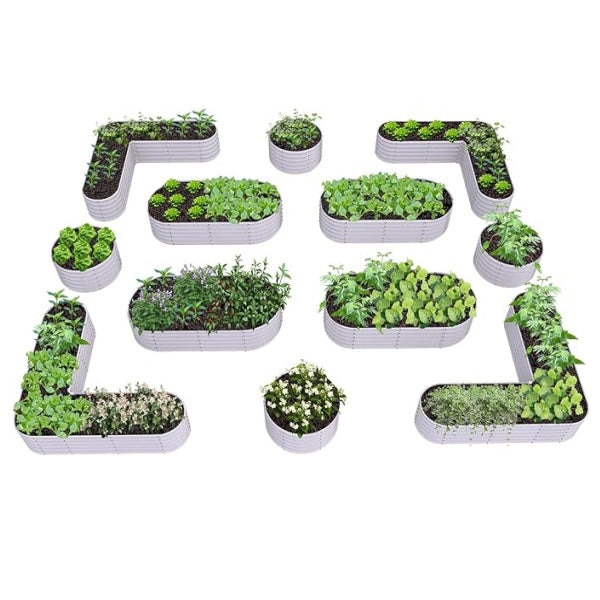


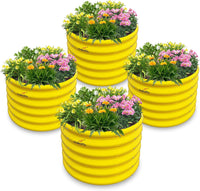
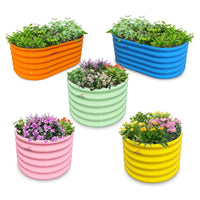
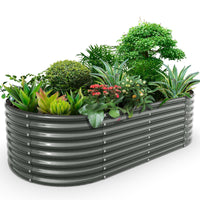




ALT: Heat-tolerant summer crops thriving in a metal raised garden bed with optimal raised bed planting layout
Why Your Raised Bed Garden Layout Matters More Than Ever This Summer
Key Conclusion: A well-planned raised bed garden layout isn't just about aesthetics—it's the foundation of a productive summer harvest. With the right raised bed planting layout, you can maximize airflow, reduce pest pressure, and get the most out of every square inch of growing space. Whether you're a seasoned grower or just getting started, understanding your raised bed layout before the heat sets in can mean the difference between a thriving garden and a wilted disappointment. The secret? Choose heat-tolerant crops strategically placed to support each other.
Summer gardening presents a unique set of challenges and rewards. When temperatures soar, most cool-season crops like lettuce and spinach bolt quickly, leaving your beds empty and underperforming. But for gardeners who know which plants genuinely love the heat, summer becomes the most exciting growing season of the year.
The key lies in three fundamentals: selecting the right crops, optimizing your raised bed layout for airflow and sun exposure, and giving your plants the structural support they need to thrive in high-temperature conditions. Raised garden beds—especially metal ones—offer superior drainage, faster soil warming, and better pest control compared to in-ground growing, making them the ideal platform for a summer growing strategy.
Who Benefits Most from a Summer Raised Bed Planting Strategy
✅ Applicable Scenarios:
- Home gardeners in USDA hardiness zones 6–11 who experience hot, dry, or humid summers and want to maximize their growing season
- Urban micro-gardeners and balcony growers looking to grow food in limited space with a structured, heat-optimized raised bed layout
- Empty nesters and retirees who want a low-maintenance yet productive garden that delivers fresh produce through the hottest months
- Eco-conscious families looking to reduce their grocery footprint with homegrown, organic summer vegetables and herbs
❌ Not Applicable/Cautions:
- Gardeners in cooler northern climates (zones 3–5) where summer is short may not benefit from the same crop list—adjust selections based on your local first/last frost dates
- Beginners who skip soil preparation or skip planning their raised bed planting layout may see poor results even with the right crops—foundation steps matter
- Those growing in shaded balconies or north-facing patios should note that most heat-tolerant crops require at minimum 6–8 hours of direct sunlight daily
The Science Behind Heat-Tolerant Crops and Raised Bed Gardening
Understanding why certain crops thrive in summer heat—and why raised garden beds support them so well—helps you make smarter planting decisions rather than guessing year after year.
Heat-tolerant crops are plants that have evolved or been bred to photosynthesize efficiently even at temperatures above 85°F (29°C). Unlike cool-season crops, they don't bolt (go to seed prematurely), wilt permanently, or develop off-flavors when exposed to intense sunlight. Crops like tomatoes, peppers, okra, sweet potatoes, basil, and various squash varieties fall into this category.
What makes raised beds the ideal environment for these crops?
Drainage is the first major advantage. Heat-tolerant plants often suffer more from waterlogged roots than from heat itself. Raised beds drain more efficiently than compacted in-ground soil, keeping roots healthy and oxygenated even after heavy summer rains.
Soil temperature management is the second key factor. Metal raised garden beds absorb heat during the day, which extends the growing season at both ends—but during peak summer, good soil composition (with adequate organic matter) moderates temperature at root level, preventing heat stress even when surface temperatures are high.
Pest and disease management becomes significantly easier in raised beds. Weeds are reduced, soil-borne pathogens are minimized with fresh planting mix, and the elevated structure creates a natural barrier against many ground-level pests.
According to the Penn State Extension, raised bed gardens can produce significantly higher yields per square foot compared to traditional row gardening, largely due to improved soil quality control and intensive planting methods that align perfectly with heat-season crops.
The growing trend toward backyard food production has accelerated significantly in recent years. More American families are investing in durable, long-lasting raised bed systems that don't need to be replaced every few seasons. Anleolife's metal raised garden beds, for example, are built to last up to 20 years, meaning the initial investment pays dividends across two full decades of growing seasons—summer after summer.
If you're looking for a comprehensive guide to setting up your raised bed from scratch, exploring Anleolife's full product ecosystem is an excellent starting point for understanding what structure best fits your garden space and goals.
Building Your Summer Garden: Heat-Tolerant Crops and Raised Bed Layout Strategies
Three-Step Quick Start for Summer Planting
Step 1: Audit Your Space and Sun Exposure
Before selecting a single seed or transplant, spend one full day observing how sunlight moves across your raised bed or intended planting area. Note which areas receive full sun (6+ hours), partial sun (4–6 hours), and shade. This 30-minute audit prevents the most common summer gardening mistake: planting sun-hungry crops in shaded spots. Sketch your raised bed layout on paper, marking north-facing versus south-facing exposure. Most heat-tolerant summer crops need maximum sun, so beds with southern or western exposure are ideal.
Step 2: Prepare Your Soil for Summer Performance
Summer crops demand rich, well-draining soil. If your raised bed is already established, amend the top layer with compost, aged manure, or worm castings before planting. A good summer soil mix is light, fluffy, and moisture-retentive without being soggy. Consider adding a layer of organic mulch (straw, shredded leaves, or wood chips) about 2–3 inches deep around transplants. This single step can reduce soil moisture evaporation significantly, reduce watering frequency, and protect roots from extreme heat spikes.
Step 3: Plan Your Raised Bed Planting Layout Using Companion Planting Principles
Map out which crops go where before you plant. Tall crops like tomatoes and corn should be placed on the north side of the bed to prevent shading smaller plants. Bush beans and peppers work well in the center. Low-growing herbs like basil and thyme can fill in edges and corners efficiently. Companion planting (like pairing basil with tomatoes, or marigolds with almost everything) helps with pest deterrence naturally—reducing the need for chemical intervention. This is where a thoughtful raised bed layout becomes both productive and beautiful.
Comparing Heat-Tolerant Crop Options for Your Raised Bed
Not all heat-tolerant crops are created equal. The table below compares some of the most popular summer options across key dimensions to help you plan your raised bed planting layout effectively.
| Comparison Dimension | Tomatoes & Peppers | Okra & Sweet Potatoes | Squash & Cucumbers |
|---|---|---|---|
| Heat Tolerance Level | Very High (thrives 75–95°F) | Extremely High (loves 90°F+) | High (best below 90°F) |
| Water Needs | Moderate-High (consistent moisture) | Low-Moderate (drought-tolerant) | Moderate (consistent) |
| Space per Plant | Medium (stake/cage needed) | Large (vertical or wide spread) | Large (trellis or sprawl) |
| Days to Harvest | 60–90 days from transplant | 50–60 days (okra); 90–120 (sweet potato) | 50–70 days from seed |
| Beginner Friendliness | Moderate | Very High | High |
| Companion Plant Value | High (pair with basil, marigolds) | Moderate | High (pair with beans, radish) |
| Best Raised Bed Position | Back/north row | Center or dedicated bed | Trellis-supported or edge |
This comparison helps you build a raised bed garden layout that balances productivity, aesthetics, and maintenance level according to your lifestyle.
Detailed Crop-by-Crop Guide for Summer Raised Bed Planting
Tomatoes: The Summer Staple
Tomatoes are arguably the most rewarding summer crop for raised bed gardeners. They love heat, reward attentive care, and produce abundantly when planted in well-draining, nutrient-rich soil—exactly what a quality raised bed provides.
Choose from determinate varieties (bush types that produce one large harvest, ideal for smaller beds) or indeterminate varieties (vine types that produce continuously until frost, great for larger raised bed setups with sturdy cages or stakes). Popular heat-tolerant varieties include 'Celebrity,' 'Sun Gold,' 'Cherokee Purple,' and 'Heatmaster.'
Plant tomatoes deep—bury up to two-thirds of the stem—to encourage robust root development. Space plants according to their variety specifications and provide consistent watering at the base rather than overhead to prevent fungal issues.
Peppers: The Underrated Powerhouse
Sweet bell peppers and hot chili varieties like jalapeños, habaneros, and cayennes absolutely love summer heat. Unlike tomatoes, they require relatively little water once established and are remarkably resilient in hot conditions. In your raised bed layout, peppers work beautifully as mid-row plants flanked by herbs.
One practical tip: if you live in an area where temperatures regularly exceed 100°F, use lightweight row cover or shade cloth during peak afternoon hours to prevent blossom drop, which is the main production issue in extreme heat.
Okra: The Heat Champion
If you want a nearly foolproof summer crop, grow okra. This vegetable thrives in exactly the conditions that stress other plants—high heat, occasional drought, and intense sun. It grows quickly once temperatures are consistently warm, and a few plants in your raised bed can produce a generous harvest throughout the season.
Okra's tall, architectural growth habit makes it a natural back-row plant in your raised bed planting layout. Its large, hibiscus-like flowers are also genuinely beautiful, adding ornamental value alongside productivity.
Squash and Cucumbers: High-Volume Producers
Summer squash (zucchini, yellow squash) and cucumbers are prolific producers that grow quickly and reward regular harvesting. The key with these crops in raised beds is managing their spreading habit. Training vining cucumbers up a trellis attached to your raised bed saves horizontal space and improves air circulation, which reduces powdery mildew—the most common summer fungal issue.
For beginner gardeners or those with limited space, bush varieties of both squash and cucumber are available and work excellently in compact raised bed layouts.
Herbs: Functional and Fragrant
Basil, rosemary, thyme, oregano, and sage all thrive in summer heat and benefit enormously from the excellent drainage raised beds provide. They can fill corners and edges of your layout, maximizing every inch of available space.
Basil, in particular, serves double duty: it's a companion plant that is widely believed to improve tomato flavor and deter aphids. Growing it alongside your tomatoes is a classic companion planting strategy that enhances both your raised bed layout and your kitchen garden productivity.
What About Balcony Growers?
Many readers ask: Can I grow vegetables in a raised bed on my balcony? The answer is a resounding yes—with some considerations. Weight-bearing capacity is the primary concern; consult your building management or a structural professional before placing heavy soil-filled beds on a balcony. Lightweight raised bed designs and using a mix of potting soil and perlite can significantly reduce weight while maintaining excellent growing conditions. Heat-tolerant crops like peppers, cherry tomatoes, basil, and herbs are particularly well-suited to balcony growing since they don't require enormous root depth or spreading space.
Managing Summer Garden Pests Naturally
Summer heat also brings summer pests. Aphids, squash vine borers, cucumber beetles, and spider mites are among the most common threats to a summer raised bed garden.
Many home growers ask about the best organic insecticide for garden pests. Rather than recommending a single product, here's a practical hierarchy:
- Start with prevention: Healthy, well-nourished plants in properly structured raised beds with good airflow resist pest pressure far better than stressed plants in poor soil.
- Use companion planting: Marigolds, nasturtiums, and basil are widely used as natural pest deterrents throughout the garden.
- Try physical barriers first: Row covers, copper tape for slugs, and sticky traps for flying insects are effective and chemical-free.
- Organic sprays as a last resort: Neem oil, insecticidal soap, and diatomaceous earth are OMRI-listed organic options that are effective against a wide range of garden pests when applied correctly. Always apply in the early morning or evening to avoid harming beneficial pollinators.
Garden Tools That Make Summer Growing Easier
A productive summer garden also requires the right tools. For maintaining your raised bed plants—especially when managing dense summer growth—quality pruning shears are essential.
Gardeners often search for the best garden pruning shears for thick branches, and the recommendation is consistent: look for bypass pruners (which use a scissors-like cutting action) over anvil pruners for most live plant work, as they make cleaner cuts that heal faster. For thick-stemmed crops like mature okra stalks, eggplant, or heavily woody herb stems, shears rated for branches at least ½ inch in diameter are a practical choice.
Keeping your pruning tools clean and sharp also reduces disease transmission between plants—a simple step that significantly impacts plant health throughout the summer season.

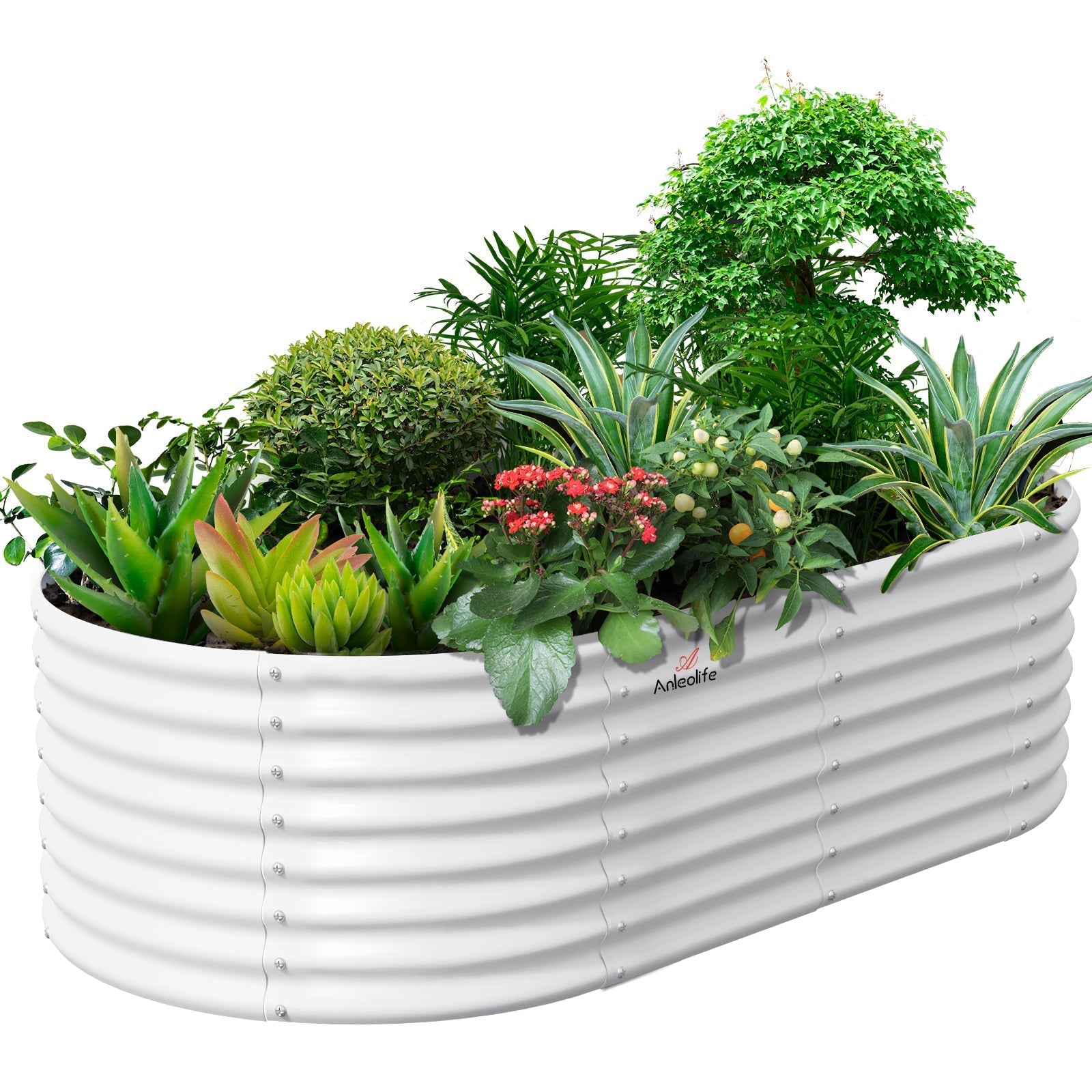
ALT: Organized raised bed planting layout featuring companion-planted heat-tolerant summer crops including tomatoes, peppers, and basil
Advanced Tips: Maximizing Your Raised Bed Through the Full Summer Season
Succession Planting for Continuous Harvest
One of the most underutilized strategies in summer raised bed gardening is succession planting—staggering plantings of the same crop every 2–3 weeks so that harvests don't all peak at once. This approach works particularly well with fast-growing crops like cucumbers, beans, and summer squash, ensuring a steady supply rather than an overwhelming glut followed by a production gap.
Dealing with Extreme Heat Events
Heat waves above 100°F can stress even the most heat-tolerant crops. During these events:
- Water deeply in the early morning rather than midday
- Apply an additional layer of mulch to protect roots
- Use lightweight shade cloth (30–40% shade rating) during the hottest part of the afternoon
- Avoid fertilizing during heat extremes, as this can encourage tender new growth that's more vulnerable to stress
Common Misconception: "Metal Beds Overheat Roots in Summer"
This is a frequently repeated concern that deserves direct clarification. While it's true that metal conducts heat, the soil mass inside a properly filled raised bed acts as a thermal buffer. With adequate organic matter in your soil mix and a good layer of mulch on the surface, root-zone temperatures in metal raised beds remain within healthy growing ranges even in hot climates. The superior drainage and structural integrity of metal beds—like those built to Anleolife's 20-year durability standard—far outweigh any heat-related concerns that proper soil management easily addresses.
Choosing the Right Bed for Your Budget
First-time buyers often search for the best budget raised beds under $200 for beginners. While budget is always a valid consideration, it's worth thinking about cost-per-year rather than upfront price alone. A bed that costs more initially but lasts 20 years—like Anleolife's metal raised garden beds—ultimately delivers far better value than a cheaper alternative that warps, rots, or degrades within a few seasons. Factor longevity into your budget calculation before making a final decision.
Frequently Asked Questions FAQ
Q1: How do I plan a raised bed planting layout for maximum summer productivity?
Start by mapping sun exposure, then assign crops based on height (tall plants to the north, shorter ones to the south), and incorporate companion planting principles. Use the "square foot gardening" method as a flexible spacing framework—each square foot of bed space accommodates a set number of plants based on their mature size. A good layout accounts for airflow between plants, easy harvesting access from all sides, and succession planting gaps for continuous production throughout the season.
Q2: Are metal raised garden beds safe for growing vegetables in hot climates?
Yes—metal raised garden beds are safe for vegetable growing even in hot climates. The concern about metal leaching into soil is associated with galvanized steel that contains zinc, which plants can actually use as a micronutrient in trace amounts. High-quality metal raised beds designed for food gardening use food-safe coatings and materials. Proper soil composition with ample organic matter buffers root-zone temperatures effectively. With a 20-year lifespan, quality metal beds represent the most durable and cost-effective long-term growing solution available.
Q3: How often should I water heat-tolerant crops in a raised bed during summer?
Most heat-tolerant crops in raised beds need deep, consistent watering rather than frequent shallow watering. As a general guideline, most summer vegetables need the equivalent of 1–1.5 inches of water per week—more during heat waves. In raised beds, which drain more efficiently than in-ground soil, you may need to water every 2–3 days in peak summer heat. The simplest test: stick your finger 2 inches into the soil. If it's dry at that depth, water deeply until it drains from the bottom of the bed.
Summary
Planning and planting a summer raised bed garden with heat-tolerant crops is one of the most rewarding investments a home grower can make. Let's recap the three core takeaways from this guide:
First, crop selection is everything. Tomatoes, peppers, okra, squash, cucumbers, and heat-loving herbs are your best allies for a productive summer harvest. These crops are not just heat-tolerant—they genuinely thrive in conditions that would stress or kill cool-season plants.
Second, your raised bed planting layout is a strategic tool. Position tall crops to avoid shading shorter ones, use companion planting to deter pests naturally, and plan for succession planting to extend your harvest window across the full season rather than experiencing a single peak and crash.
Third, your raised bed structure matters as much as what you plant. A durable, well-draining raised bed with quality soil provides the foundation that heat-tolerant crops need to reach their full potential. Investing in a bed built for longevity—like one rated for a 20-year lifespan—means you're building a garden infrastructure that grows with you across many productive seasons.
Your next step is simple: sketch your raised bed layout today, select two or three heat-tolerant crops to start with, prepare your soil, and plant with confidence. Summer is the season that rewards the prepared gardener.
Upgrade Your Garden with Anleolife
Anleolife operates a nationwide U.S. warehouse network strategically located in California, Texas, Florida, New York, Illinois, and Washington—ensuring delivery within 3–8 business days so your summer garden plans never have to wait for materials.
Our products are available across all major platforms—Amazon, Walmart, Home Depot, Lowe's, Wayfair—as well as directly at Anleolife.com, offering consistent quality assurance and dedicated after-sales support wherever you prefer to shop.
Anleolife's three core scenarios cover everything your garden needs: Planting (metal raised garden beds built to last 20 years, soil systems), Raising (chicken coops, rabbit hutches for a complete homestead setup), and Beautification (decorative accessories, pathway systems that transform function into beauty).
We understand that an ideal garden isn't built overnight—it's gradually improved over time. Our modular product design allows flexible expansion based on your needs, growing alongside you from your first raised bed to a fully integrated planting-and-raising ecosystem. Start where you are. Grow from there.
References
- Penn State Extension. "Vegetable Gardening: Raised Bed Gardening."
https://extension.psu.edu/vegetable-gardening-raised-bed-gardening - University of California Agriculture and Natural Resources. "Summer Vegetables: Growing Tips and Variety Selection."
https://ucanr.edu/ - USDA National Gardening Association. "Heat-Tolerant Vegetable Varieties for American Home Gardens."
https://www.nal.usda.gov/farms-and-agricultural-production-systems/home-gardening - Rodale Institute. "Organic Pest Management in the Home Garden."
https://rodaleinstitute.org/ - Cooperative Extension System (eXtension). "Companion Planting and Natural Pest Deterrence Strategies."
https://extension.org/
Note: Standards and gardening recommendations may be updated seasonally. Please check the latest official documents or consult your local Cooperative Extension Service for region-specific guidance.
About Anleolife
Anleolife is a leading outdoor garden solutions provider in North America, dedicated to offering a full-scenario product ecosystem for home gardening enthusiasts, covering planting, raising, and garden beautification. Since its founding, we have upheld our brand mission, "Made for Garden Life," continuously innovating products and optimizing services to help hundreds of thousands of users upgrade their gardens, reconnect with nature, and enjoy a better garden lifestyle.