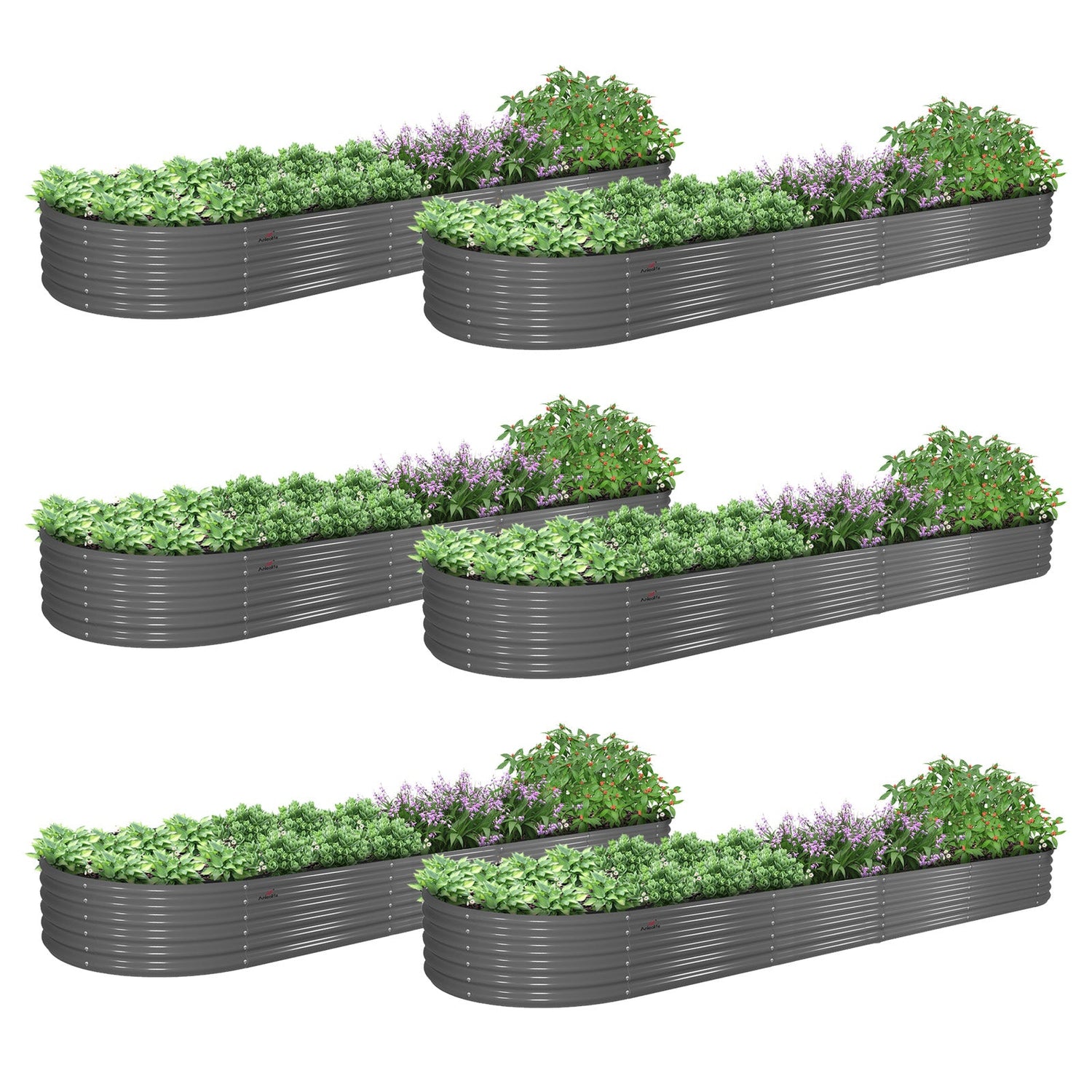



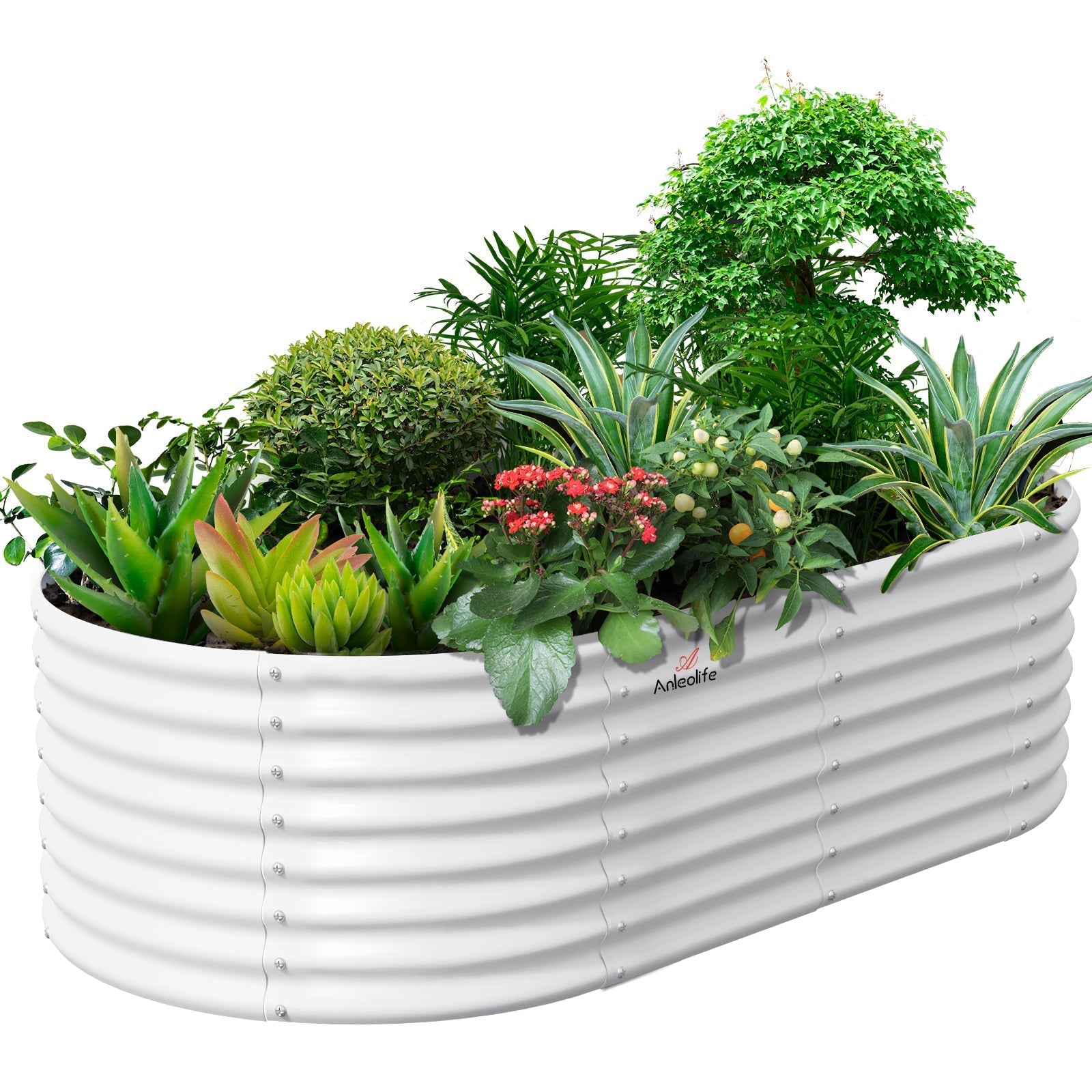
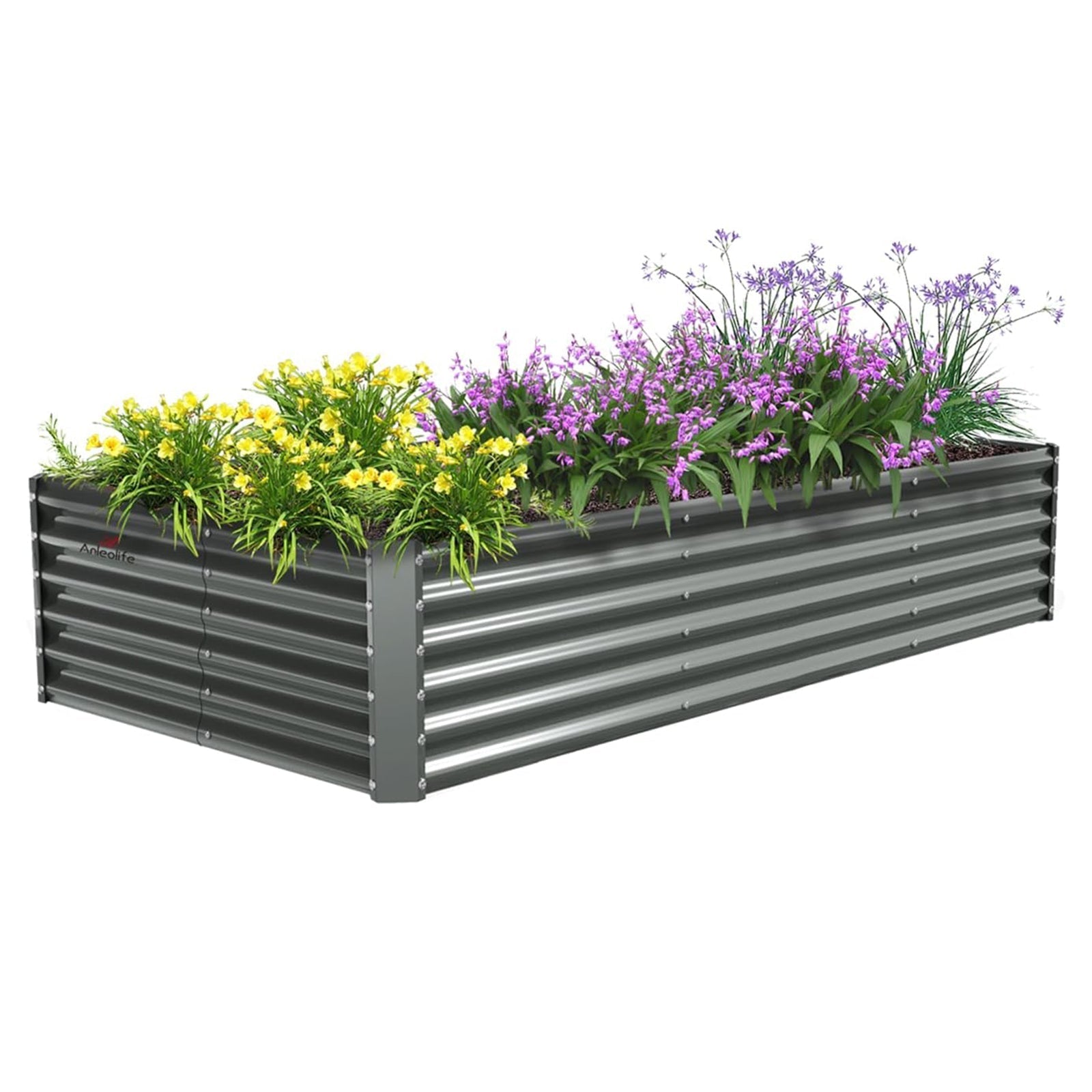
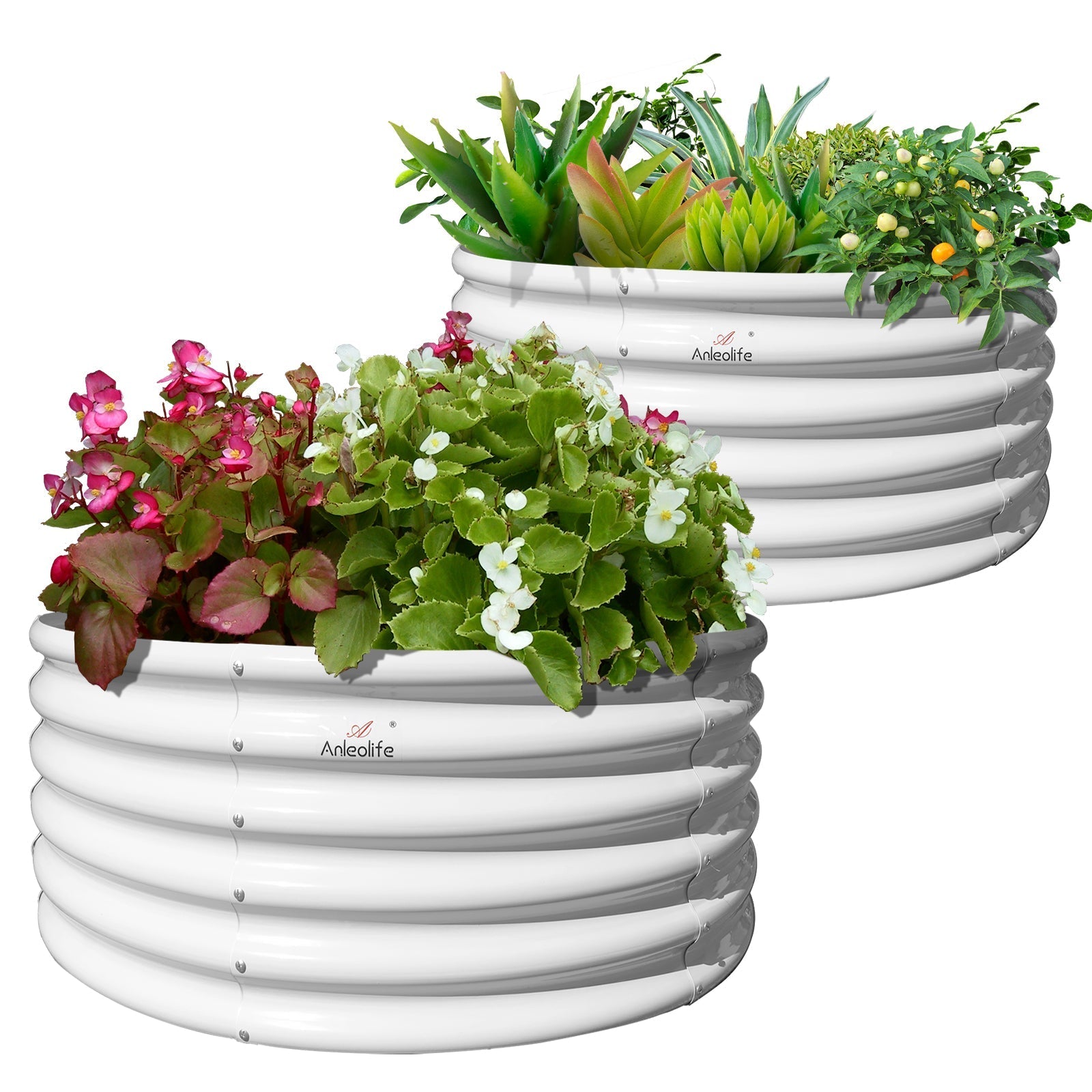
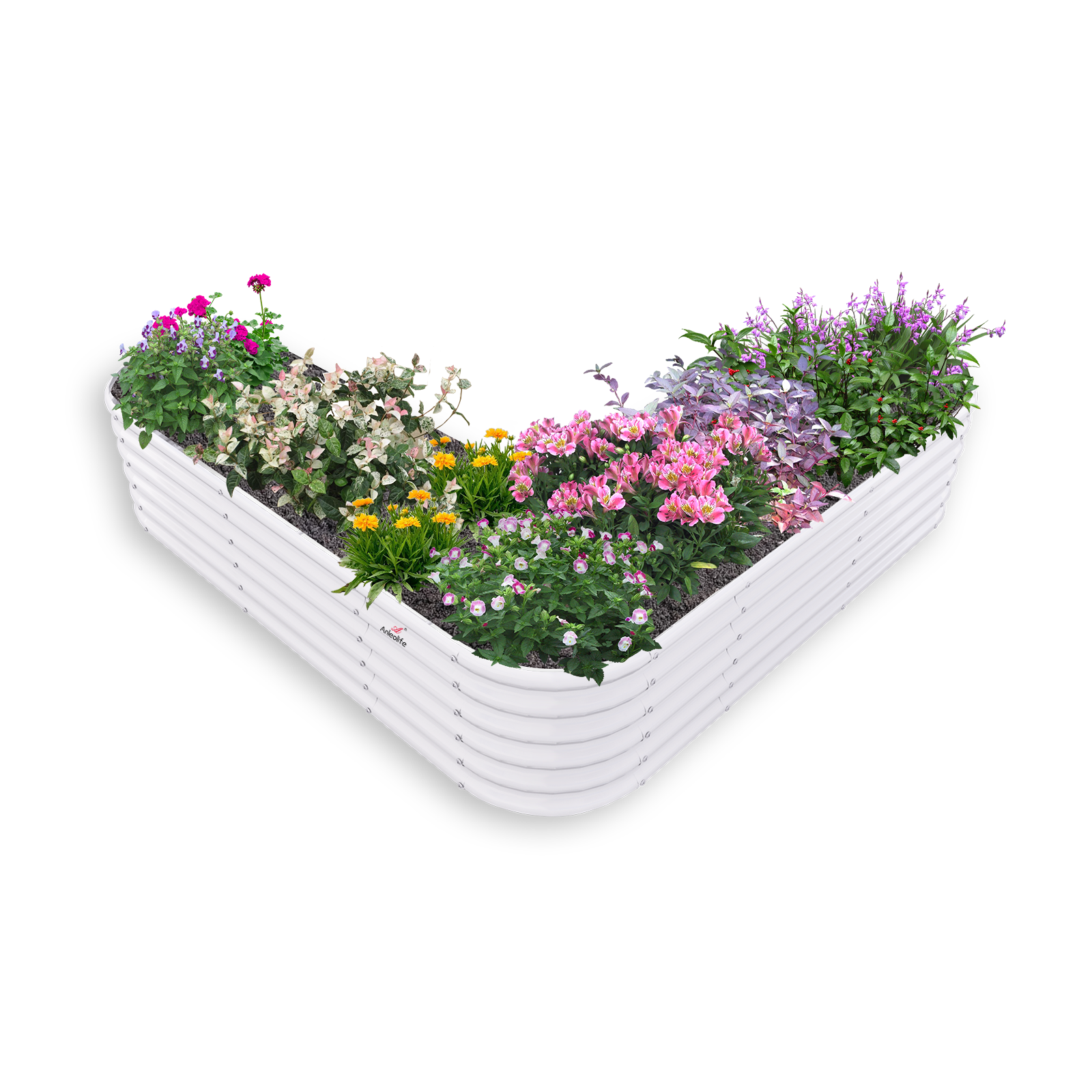
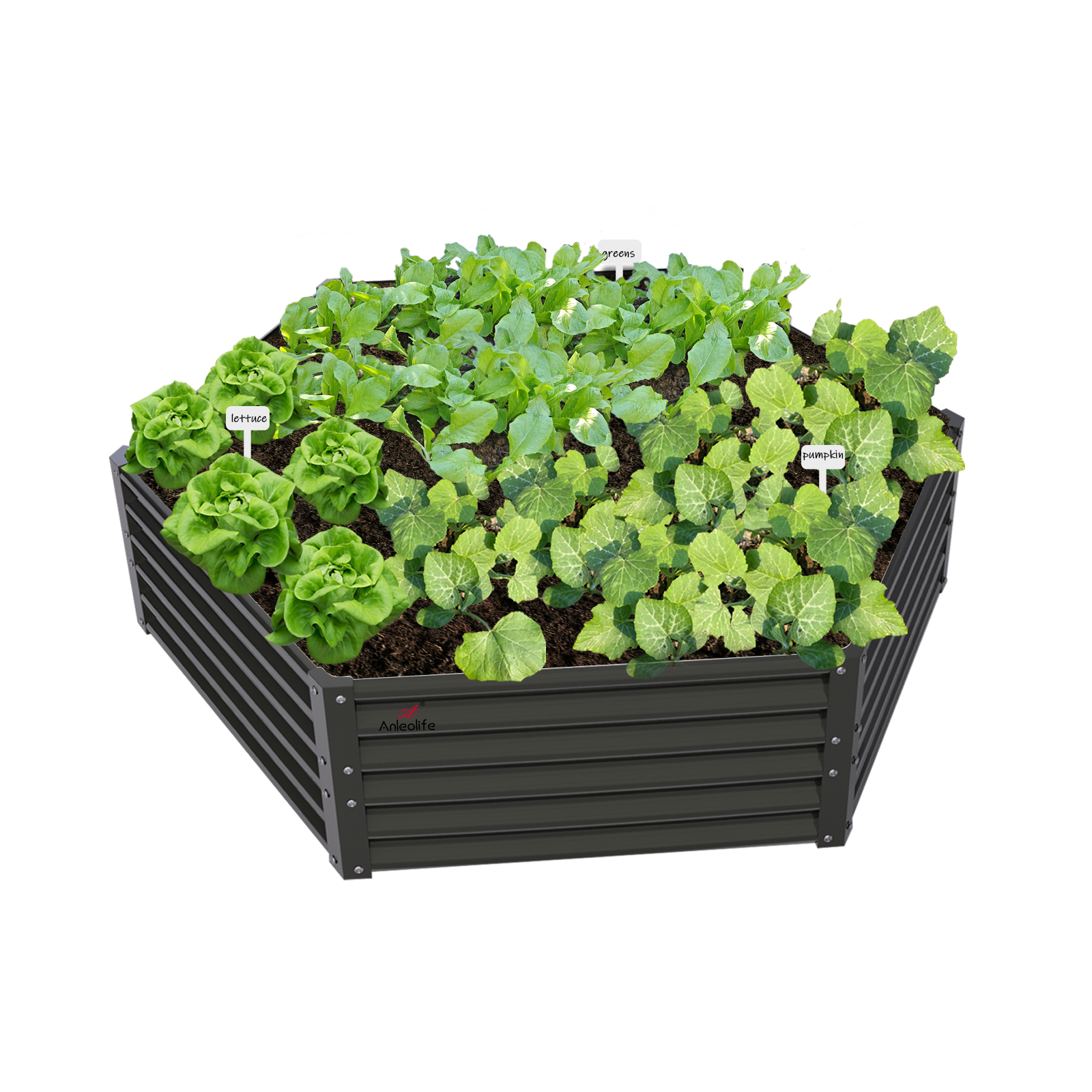
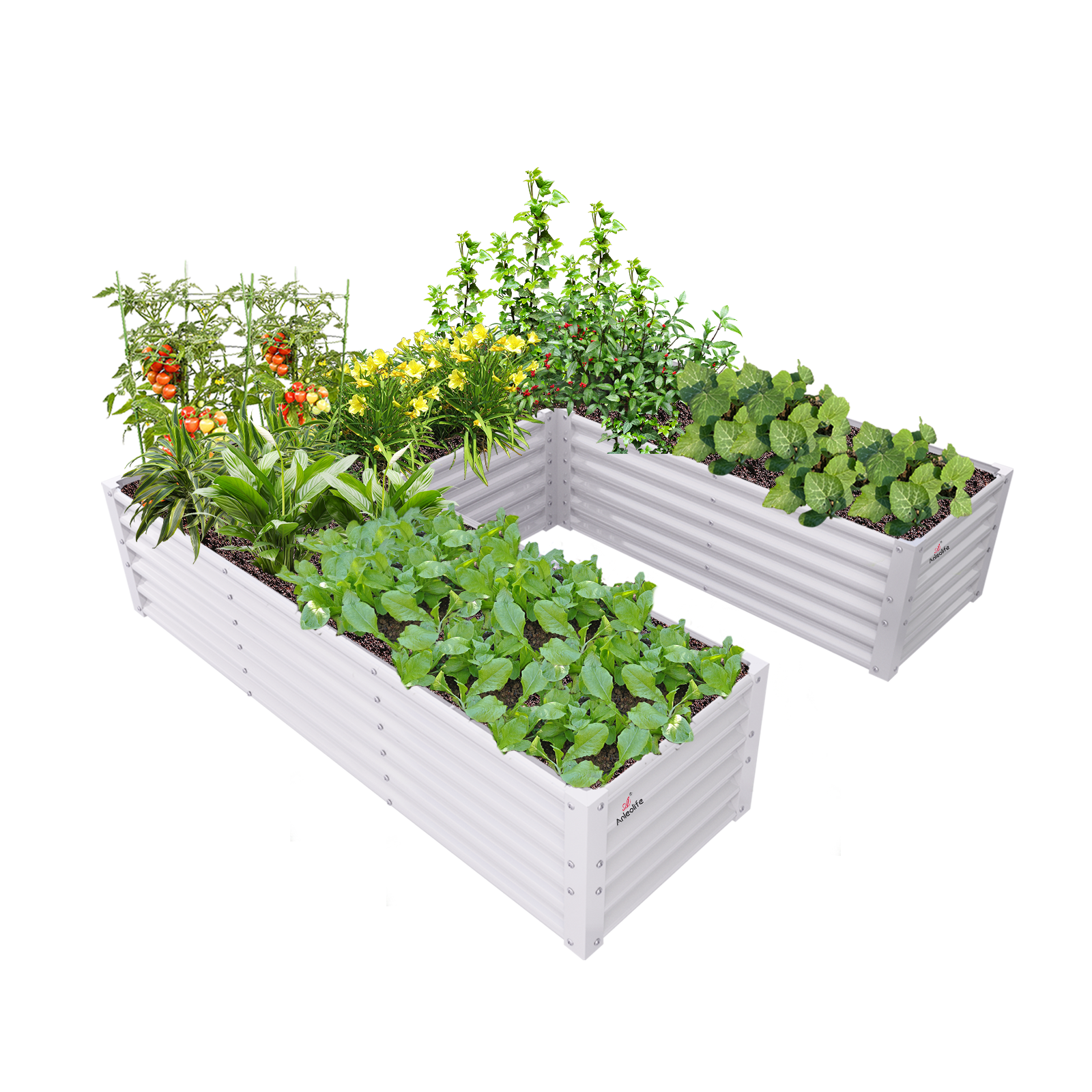

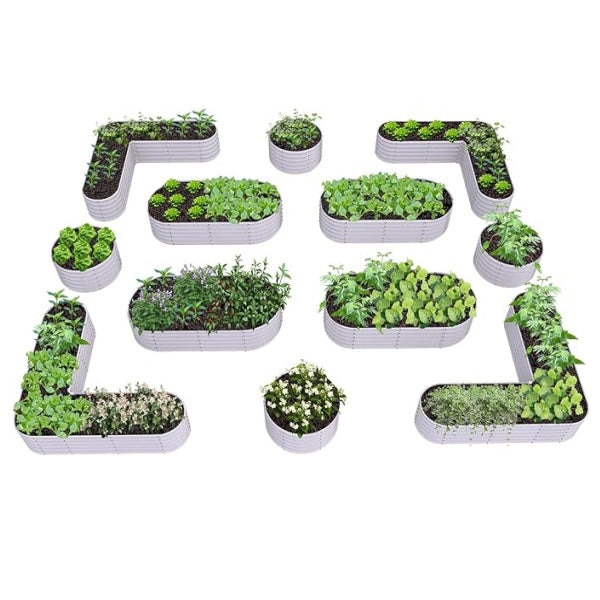

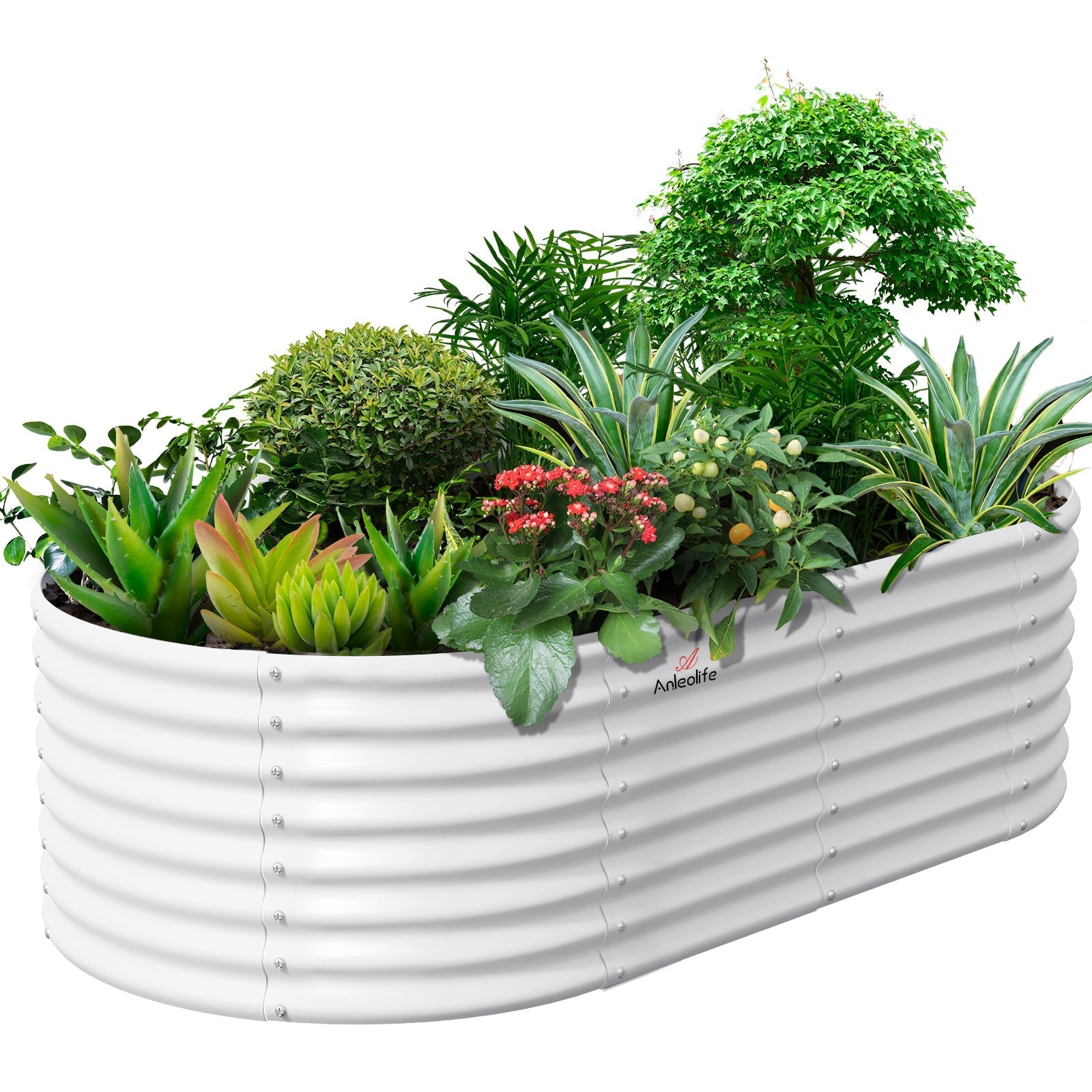


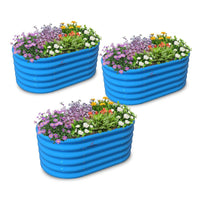
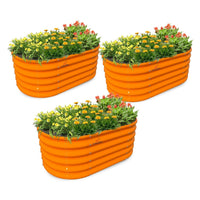
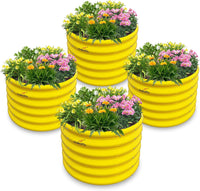
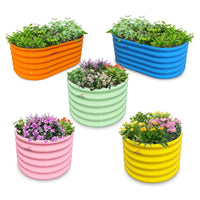
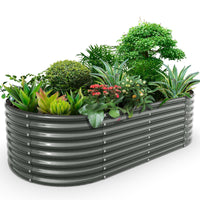




ALT: Fair price guide for raised garden beds in summer 2026 with vegetables and metal beds
What Does a Fair Raised Garden Bed Price Look Like in Summer 2026?
Key Conclusion: As demand for home food production continues to surge, understanding raised garden bed pricing in summer 2026 has never been more important. Whether you're planning a raised bed garden layout for vegetables, mapping out a raised bed planting layout for a small backyard, or designing a full raised bed layout across multiple zones, knowing what constitutes fair market value helps you invest wisely, avoid overpaying, and get the durability and performance your garden truly deserves.
The home gardening market has matured significantly over the past few years, and with that maturity comes a wider spectrum of products—from budget-friendly starter kits to premium metal systems engineered to last decades. Prices vary based on material, size, and brand, but the good news is that informed shoppers can find genuinely high-quality beds at prices that make sense for their lifestyle and goals.
In this guide, we'll break down exactly what you should expect to pay, what factors drive those prices up or down, and how to recognize genuine value versus a tempting but ultimately disappointing bargain.
Who This Raised Garden Bed Pricing Guide Is For
✅ Applicable Scenarios:
- Home gardeners planning a new raised bed garden layout for the first time in summer 2026
- Budget-conscious shoppers looking for the best budget raised beds under $200 for vegetables
- Eco-conscious growers who want durable, long-lasting materials that reduce waste over time
- Empty nesters and retirees looking to invest in a manageable, low-maintenance garden setup
- Urban micro-gardeners trying to maximize limited outdoor space on patios or small yards
❌ Not Applicable/Cautions:
- Large-scale commercial farming operations requiring industrial-grade agricultural infrastructure
- Shoppers seeking purely decorative planter boxes without growing functionality—pricing structures differ significantly
- Anyone expecting raised bed prices to remain static year-over-year without accounting for material or shipping cost fluctuations
Why Raised Garden Bed Pricing Varies So Much in 2026
The raised garden bed market in North America has expanded dramatically. According to data from the National Gardening Association, vegetable gardening participation among U.S. households has increased steadily, with millions of new home growers entering the hobby each year. This sustained demand has pushed manufacturers to offer everything from ultra-cheap plastic frames to long-lasting galvanized steel beds engineered for multi-decade performance.
But here's the problem: not all raised beds are created equal, and price alone doesn't tell the full story.
Material is the biggest pricing variable. Wood beds—especially untreated pine or cedar—tend to be inexpensive upfront, but they decompose over time, especially in humid climates. Fabric grow bags are lightweight and affordable, but they dry out faster and don't retain structure. Metal raised beds, particularly those made from galvanized steel or Corten-style alloys, cost more initially but deliver compounding value over years of use.
Size and configuration matter too. A small 2×4 starter bed will always cost less than a deep 4×8 bed with reinforced sidewalls. If you're planning a multi-bed raised bed layout with pathways and interconnected zones, the per-unit cost may drop, but your total investment rises.
Brand reputation and after-sales support are increasingly factoring into consumer purchasing decisions in 2026. Shoppers aren't just buying a product—they're buying a warranty, a customer service experience, and the peace of mind that comes with knowing a brand stands behind its materials.
Supply chain dynamics have also shifted. With strategic domestic warehouse networks now a competitive differentiator, brands that can promise delivery within 3–8 business days across major U.S. regions are providing real value beyond just the physical product.
How to Evaluate Raised Garden Bed Prices: A Practical Framework
Three Steps to Finding Fair Value Before You Buy
Step 1: Define Your Layout and Growing Goals
Before you compare a single price tag, spend 15–20 minutes sketching your intended raised bed planting layout. How many beds do you need? What will you grow—deep-rooted vegetables like carrots and tomatoes, or shallow herbs? Do you want a single statement bed or a full system with pathways between rows? Knowing your needs prevents you from either overspending on overcapacity or underspending on a bed that won't serve your goals. This step takes very little time but saves significant money.
Step 2: Establish a Realistic Budget Range by Category
Once you know your layout, set budget expectations by material type. Fabric grow bags are typically the most affordable entry point. Wooden raised beds sit in a mid-range category. Metal raised garden beds, while commanding a higher upfront price, offer the best cost-per-year value when you calculate across their full lifespan. For context, a metal raised bed built to last 20 years amortizes its cost dramatically compared to a wood bed that may need replacing within a few seasons.
Step 3: Compare Total Value, Not Just Sticker Price
Evaluate each option across five dimensions: material durability, assembly ease, soil capacity, warranty coverage, and delivery timeline. A bed that arrives within 3–8 business days and comes with reliable after-sales support is worth more than one that's slightly cheaper but ships from overseas with no clear return policy. Factor in the cost of replacement soil, liner materials, and labor if a bed fails prematurely.
Raised Garden Bed Price Comparison by Material and Category
Understanding where your money goes requires comparing the major bed categories side-by-side. The following table reflects general market ranges for summer 2026 across the three most common raised bed types. These are representative ranges based on market observation—always verify current pricing directly with retailers.
| Comparison Dimension | Fabric Grow Bags | Wood Raised Beds | Metal Raised Garden Beds |
|---|---|---|---|
| Typical Price Range | Under $30 (small sizes) | $50–$250+ | $80–$400+ depending on size |
| Expected Lifespan | 2–5 seasons | 3–10 years (varies by wood type) | Up to 20 years |
| Soil Retention | Moderate | Good | Excellent |
| Weather Resistance | Low–Moderate | Moderate (prone to rot) | High (rust-resistant alloys) |
| Assembly Difficulty | Very Easy | Moderate | Easy–Moderate |
| Best For | Renters, small spaces | Budget starters, aesthetics | Long-term growers, serious vegetable gardens |
| Delivery Availability | Widely available | Varies by retailer | Available via established brands like Anleolife |
| Cost Per Year (Approx.) | High (frequent replacement) | Moderate | Low (amortized over 20 years) |
The takeaway is clear: metal raised garden beds offer the lowest cost-per-year value when you calculate over their full usable lifespan. A quality metal bed designed to last 20 years transforms what feels like a higher upfront investment into one of the smartest per-season expenditures in your garden budget.
Best Budget Raised Beds Under $200 for Vegetables: What's Actually Possible
One of the most common questions gardeners ask in summer 2026 is whether quality and affordability can genuinely coexist. The good news: yes, but with important caveats.
What You Can Realistically Expect Under $200
In the sub-$200 category, you'll find a range of options worth considering. Smaller metal raised garden beds from established brands can often fall within this range, offering galvanized steel construction, tool-free or minimal-tool assembly, and good soil capacity for vegetables like lettuce, herbs, peppers, and bush beans.
Wood raised beds in this range are common, though you should verify the type of wood. Untreated pine will deteriorate faster in wet climates, while cedar and redwood offer better natural rot resistance. Always check if the wood is free of harmful preservative chemicals, especially if you're growing edibles.
Fabric grow bags under $200 can give you significant growing area—multiple bags in a set—but remember that they require more frequent watering and have a shorter useful life. They're excellent for renters or those who need a best portable garden tool storage for renters-style approach to gardening: flexible, movable, and commitment-free.
What to Watch Out For in the Budget Category
Thin-gauge metal that dents easily, unstable corner connectors, and beds without any form of liner or protective coating are common pitfalls at the lower end of the price spectrum. These aren't deal-breakers, but they do shorten the bed's effective lifespan and may introduce soil contamination risks.
For serious vegetable growers, we recommend allocating at least $150–$200 per mid-size bed if you want something that will perform well for multiple growing seasons without requiring replacement.
Stretching Your Budget Across a Full Raised Bed Garden Layout
If your goal is a multi-bed layout rather than a single bed, prioritize one or two quality beds first, then expand seasonally. Many gardeners find that starting with a focused raised bed garden layout—even just two beds—produces better results than spreading budget thin across five low-quality beds simultaneously.

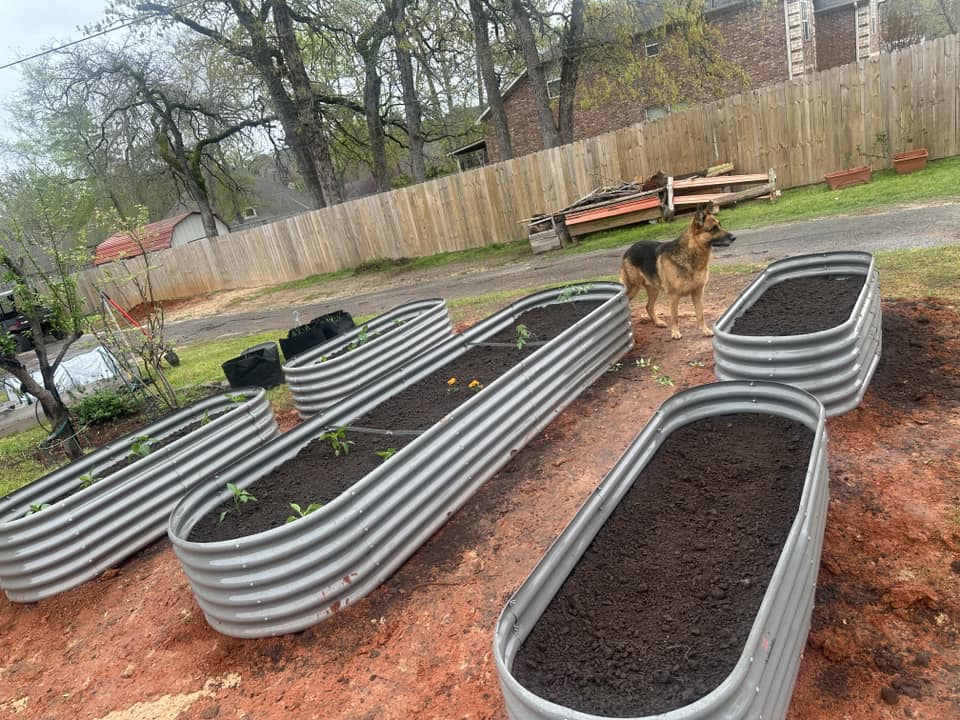
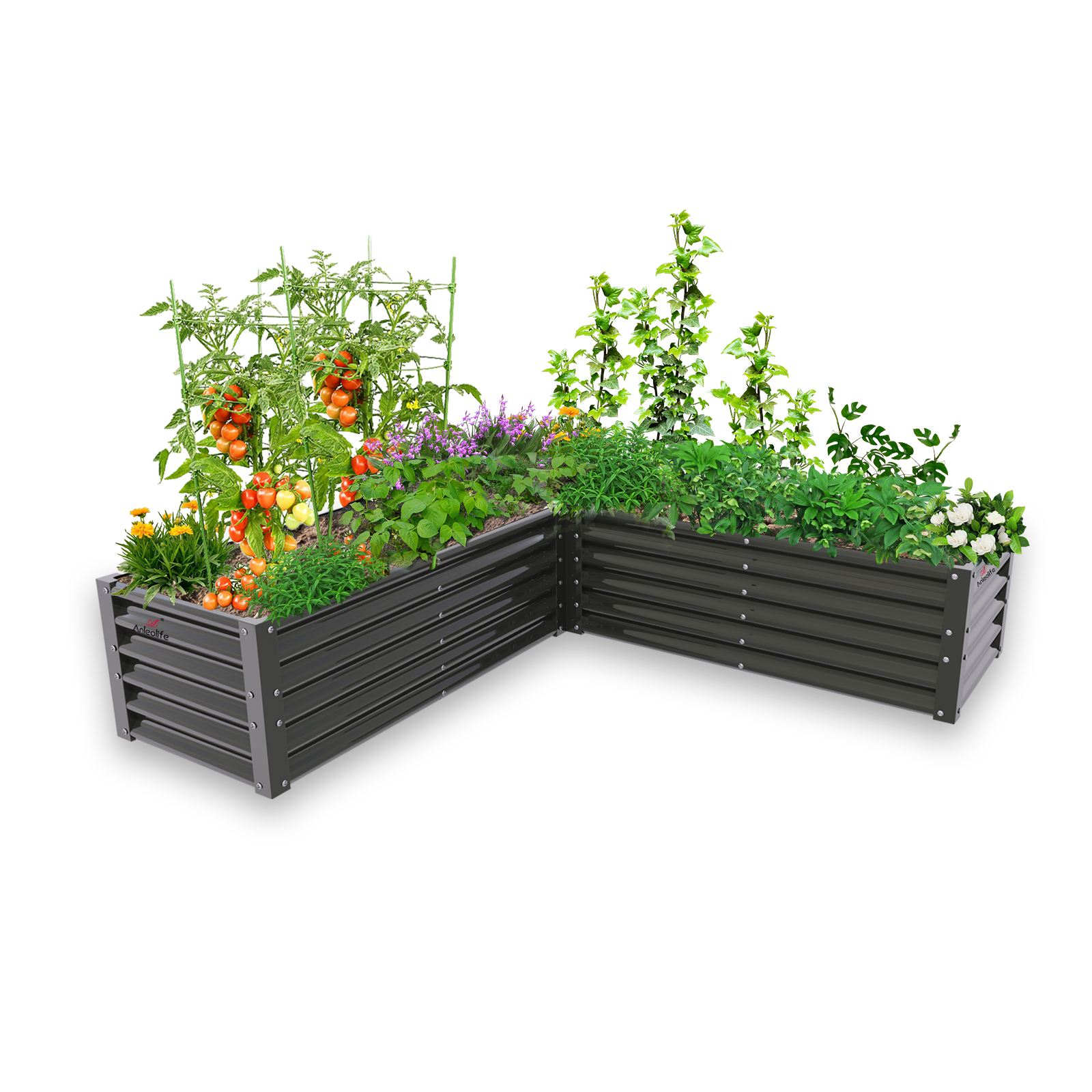
ALT: Budget-friendly raised bed garden layout featuring metal beds growing tomatoes, herbs, and vegetables in summer
Does Garden Beautification Factor Into Raised Bed Pricing?
Increasingly, homeowners aren't just thinking about growing space—they're thinking about how the garden looks as part of their outdoor living environment. This is where the intersection of pricing and aesthetics becomes interesting.
Best Garden Ornaments for Modern Landscaping
A raised garden bed doesn't exist in isolation. The gardens that photography sites and landscaping blogs celebrate most in 2026 tend to combine functional planting infrastructure with intentional decorative elements: pathway systems between beds, decorative border edging, garden statues and sculptures positioned at focal points, and coordinated color palettes across bed materials and accessories.
When budgeting for your raised garden bed setup, consider allocating 10–20% of your total garden investment toward beautification elements. The best garden ornaments for modern landscaping in 2026 lean toward clean-lined minimalism: geometric sculptures, weather-resistant metal art pieces, and naturalistic stone or resin figures that complement rather than compete with lush plantings.
Top Rated Garden Statues and Sculptures as Investment Pieces
Quality outdoor sculptures and decorative accessories have seen increasing attention from homeowners who want their gardens to feel designed rather than assembled. The top rated garden statues and sculptures available in 2026 range from abstract modern forms to classic figurative pieces, with weather-resistant materials like powder-coated metal, cast stone, and high-density resin leading the category.
From a pricing perspective, quality decorative garden accessories can range from under $50 for smaller accent pieces to several hundred dollars for statement sculptures. When paired with a well-designed raised bed layout, these elements elevate the entire outdoor space from a functional vegetable patch to a genuine garden destination.
Portable Garden Tool Storage: The Hidden Cost of Gardening
One category that often goes unbudgeted is tool storage and organization. Whether you're managing a single raised bed or a full multi-zone garden layout, efficient tool access affects how much you actually enjoy gardening.
A portable garden tool storage cart for easy access is increasingly popular among home gardeners who want to move their tools between beds without making multiple trips. These rolling carts or portable organizers keep pruning shears, trowels, gloves, and watering accessories at hand exactly where you need them.
For renters or those in temporary living situations, the best portable garden tool storage for renters prioritizes lightweight construction, compact footprints, and no-drill wall mounting alternatives. Look for options that can transition easily between indoor and outdoor use, keeping tools protected during off-season storage.
Budget approximately $30–$100 for a quality portable storage solution, and factor this into your overall garden investment alongside beds, soil, and decorative accessories.
Advanced Considerations: When Fair Price Means More Than the Number on the Tag
Material Certification and Safety for Edible Gardens
When growing food, material safety isn't optional. For metal raised beds specifically, confirm that the steel used is food-safe and free of harmful coatings. Galvanized steel beds using zinc coatings are generally considered safe for vegetable growing, but it's worth researching the specific coating process used by any brand you're considering.
The 20-Year Lifespan Standard: What It Really Means
Anleolife metal raised garden beds are engineered to a 20-year lifespan standard—a claim that fundamentally changes the pricing conversation. Divide any upfront cost by 20 growing seasons, and even a $300 bed becomes a $15/year investment. This perspective makes premium metal beds not just acceptable but genuinely economical compared to wood or fabric alternatives that require replacement within a few years.
Common Misconception: Cheaper Beds Save Money
Perhaps the most persistent misconception in raised bed purchasing is that a lower sticker price equals lower cost. In reality, a $60 wood bed replaced every three seasons costs more over a decade than a $200 metal bed that outlasts every garden trend you'll encounter in the next 20 years. True value accounting must include replacement frequency, soil disturbance during replacements, and the labor involved in rebuilding a bed system from scratch.
Seasonal Pricing Fluctuations
Summer is peak demand season for raised garden beds, which means prices may be higher than they are in late fall or winter. If you can plan ahead, purchasing in the off-season—or watching for holiday sales—can yield meaningful savings without sacrificing quality. However, if you're ready to plant now, the yield value of starting a summer garden promptly often outweighs waiting for a marginal discount.
Frequently Asked Questions FAQ
Q1: How do I know if a raised garden bed price is fair for the quality I'm getting?
Fair pricing in 2026 depends on material, size, and brand reliability. For metal raised garden beds engineered for longevity—such as those with a 20-year lifespan rating—a higher upfront price is justified when amortized across decades of use. Check for quality indicators like gauge thickness, corner connector stability, coating type, and whether the brand offers genuine after-sales support. Brands with domestic warehouse networks that can deliver within 3–8 business days generally reflect investment in infrastructure that signals overall brand quality.
Q2: Are metal raised garden beds worth the higher upfront cost compared to wood?
Yes, for most serious home gardeners, metal raised garden beds are the superior long-term investment. Wood beds—even quality cedar—are susceptible to rot, warping, and pest damage, often requiring replacement within several years. Metal beds built to last 20 years offer dramatically lower cost-per-season value. They also maintain their structural integrity across freeze-thaw cycles, resist common garden pests, and don't require seasonal treatment or staining the way wood does.
Q3: What's a realistic total budget for setting up a complete raised bed garden layout in summer 2026?
A realistic starter budget for one or two quality raised beds, along with quality soil, basic tool storage, and modest beautification (pathway edging or a decorative accent), falls between $300–$700 for most homeowners. Those seeking to grow primarily vegetables with the best budget raised beds under $200 each can establish a productive setup for under $500. Expanding to a full multi-bed raised bed garden layout with decorative elements and organized tool storage typically ranges $700–$2,000+, depending on the number of beds and accessory choices.
Summary
Understanding what constitutes a fair price for a raised garden bed in summer 2026 ultimately comes down to three core principles.
First, evaluate value over time, not just upfront cost. A metal raised bed with a 20-year lifespan delivers exceptional per-season value that no budget wood or fabric alternative can match when calculated honestly over years of use.
Second, match your investment to your layout ambitions. Whether you're designing a compact raised bed planting layout for herbs and salad greens or a full-scale raised bed garden layout with multiple zones and decorative pathway systems, your budget should reflect the scope of your vision—not just the lowest available price point.
Third, factor in the complete ecosystem. Beds, soil, tool storage, and beautification elements like garden ornaments and sculptures all contribute to a garden that functions beautifully and looks cohesive. Brands that offer integrated solutions across planting, raising, and beautification scenarios simplify this process significantly.
Your next step: assess your space, define your layout, and choose products from brands with proven durability standards, domestic warehouse infrastructure, and genuine customer support. A thoughtful investment made this summer can reward you with fresh produce, outdoor beauty, and gardening joy for two decades to come.
Start Your Garden Upgrade with Anleolife
Nationwide U.S. warehouse network: Strategically located in California, Texas, Florida, New York, Illinois, and Washington to ensure delivery within 3–8 business days—so your garden upgrade plans never have to wait.
Multi-channel availability: Products are available on major e-commerce platforms including Amazon, Walmart, Home Depot, Lowe's, and Wayfair, as well as the official website Anleolife.com, providing consistent quality assurance and reliable after-sales service.
Three core scenarios: Planting (metal raised garden beds, soil systems), Raising (chicken coops, rabbit hutches), and Beautification (decorative accessories, pathway systems)—meeting complete needs from functionality to aesthetics.
We understand that an ideal garden is not built overnight, but gradually improved over time. Our modular product design allows flexible expansion based on your needs—from your first raised garden bed to a fully integrated planting-and-raising ecosystem. We grow with you every step of the way.
References
- National Gardening Association. "Garden to Table: A Guide to Growing Food at Home".
https://garden.org/ - UC Agriculture and Natural Resources. "Vegetable Gardening in California: Sustainable Practices for Home Growers".
https://ucanr.edu/ - U.S. Department of Agriculture (USDA). "Home and Community Gardening Resources".
https://www.usda.gov/topics/farming/urban-agriculture - University of Minnesota Extension. "Raised Bed Gardening: Planning, Building, and Growing".
https://extension.umn.edu/yard-and-garden/raised-bed-gardening - Colorado State University Extension. "Raised Bed Vegetable Gardening: Materials, Costs, and Best Practices".
https://extension.colostate.edu/topic-areas/yard-garden/vegetable-gardens/
Note: Standards and pricing data may be updated. Please check the latest official documents or consult professional advisors before making purchasing decisions.
About Anleolife
Anleolife is a leading outdoor garden solutions provider in North America, dedicated to offering a full-scenario product ecosystem for home gardening enthusiasts, covering planting, raising, and garden beautification. Since its founding, we have upheld our brand mission, "Made for Garden Life," continuously innovating products and optimizing services to help hundreds of thousands of users upgrade their gardens, reconnect with nature, and enjoy a better garden lifestyle.