


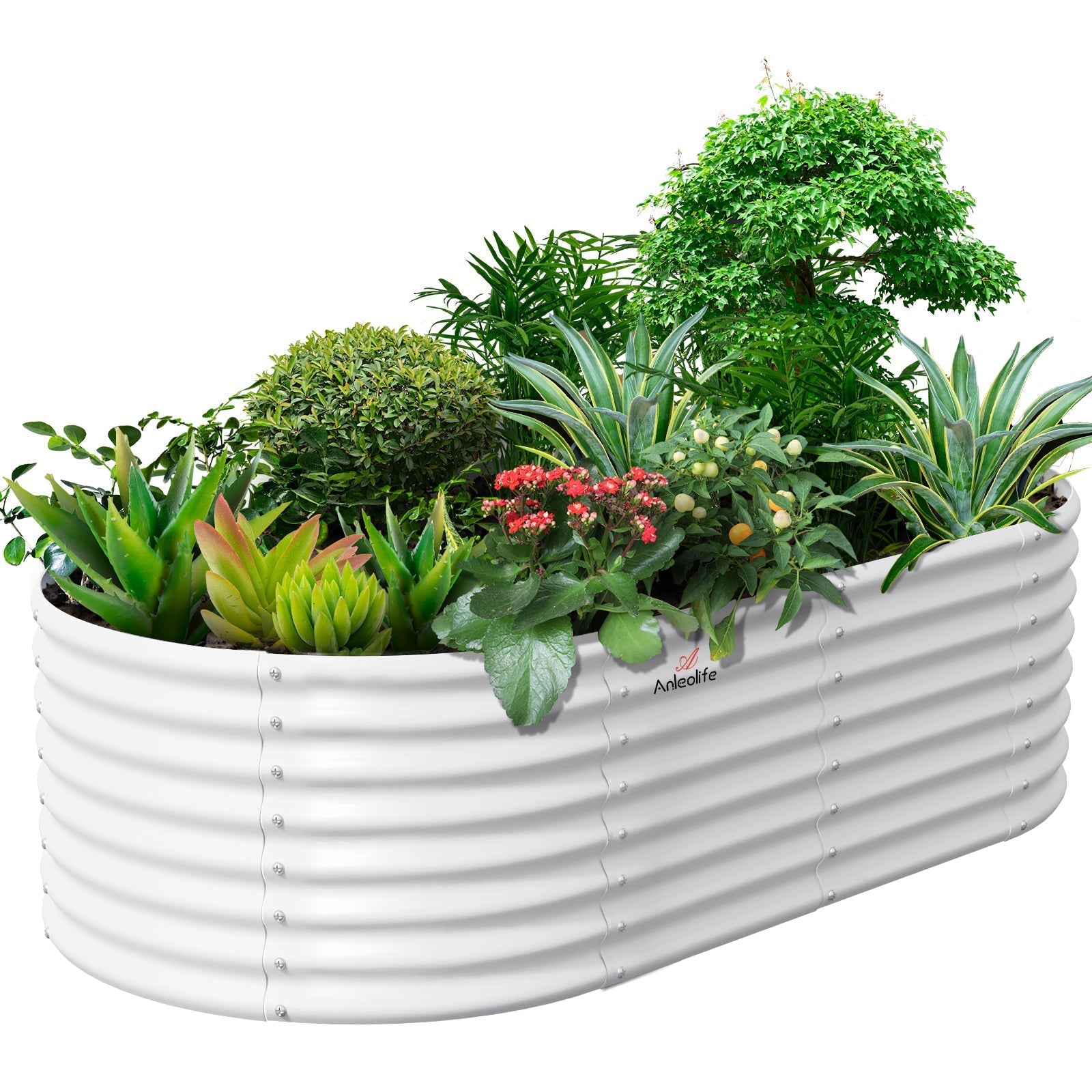
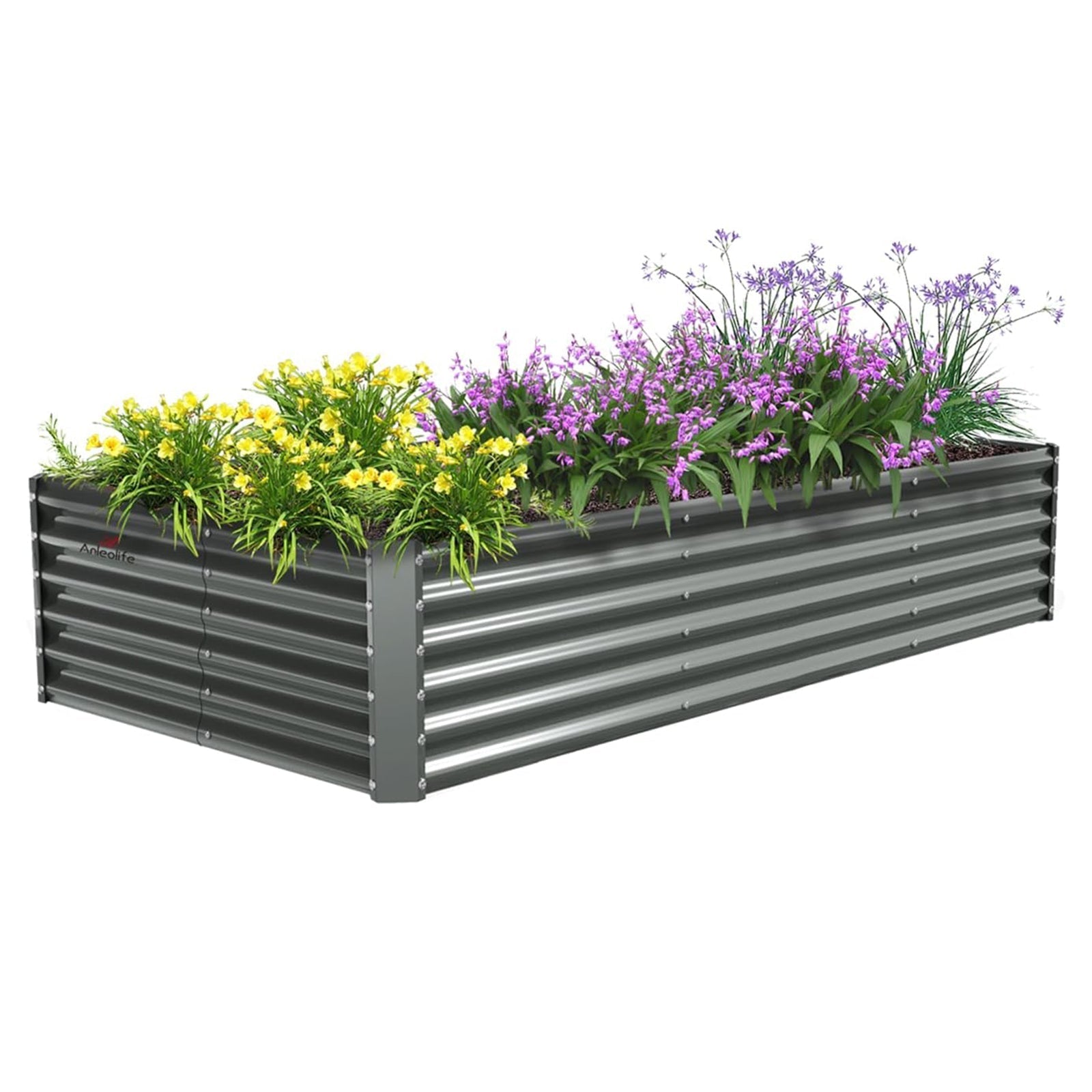

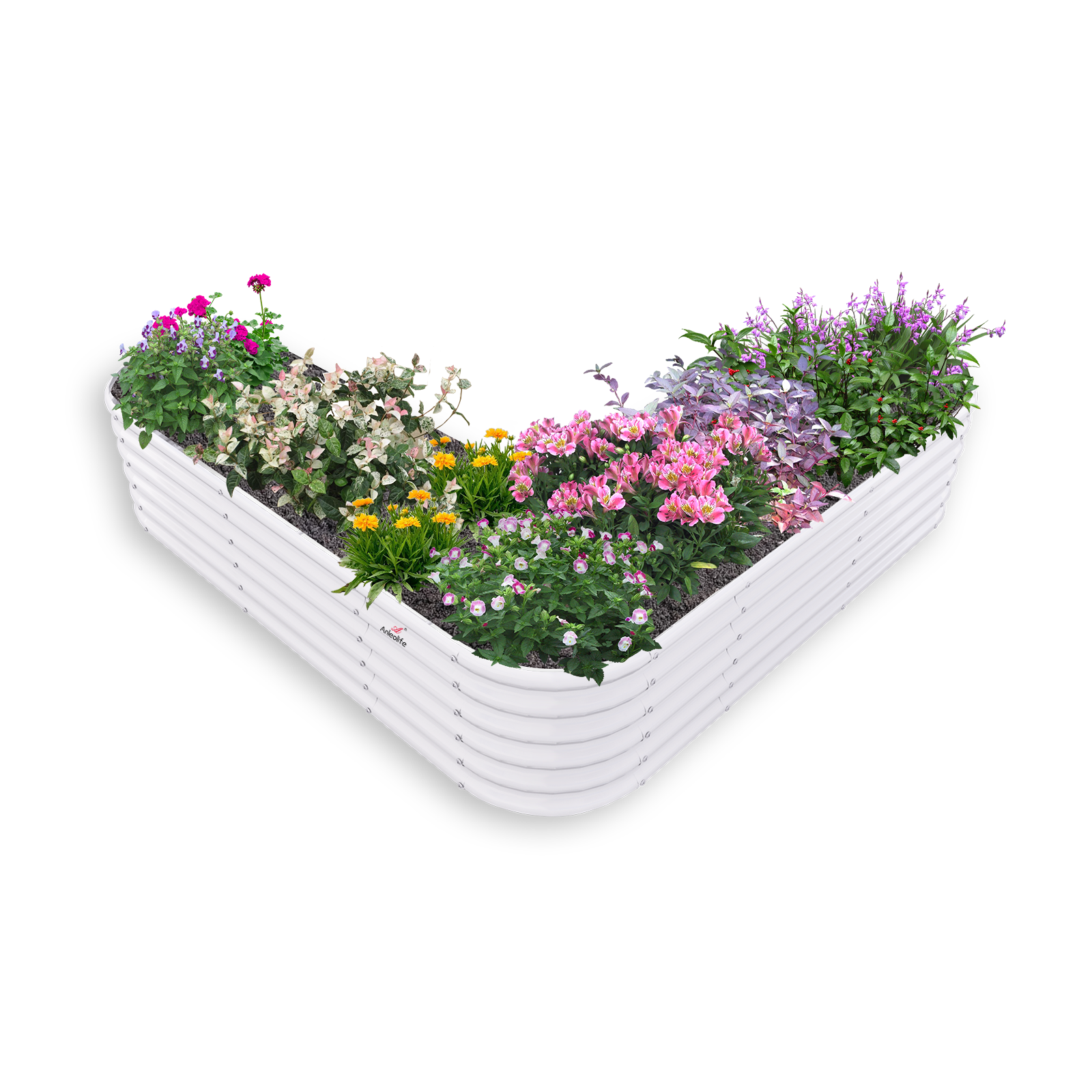
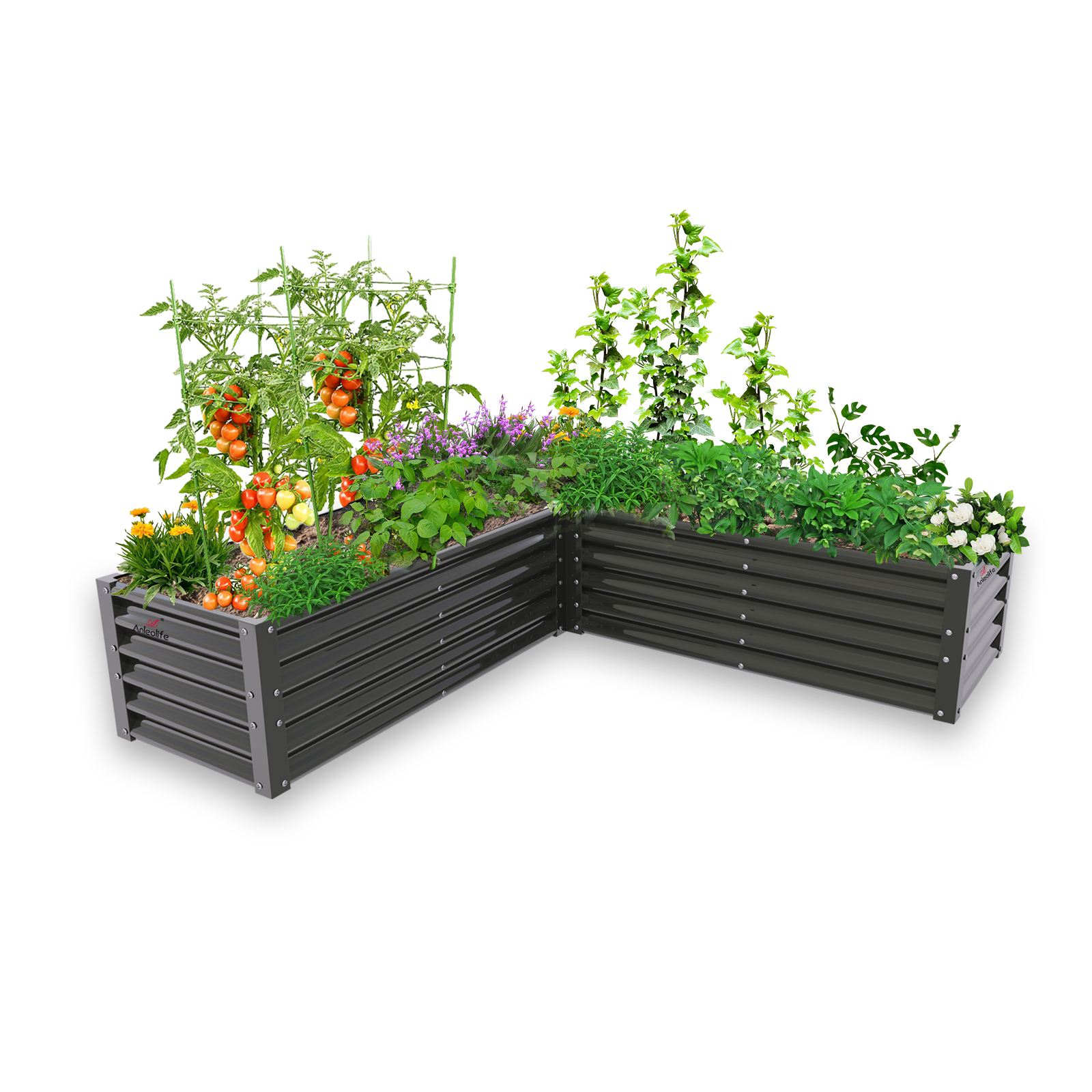
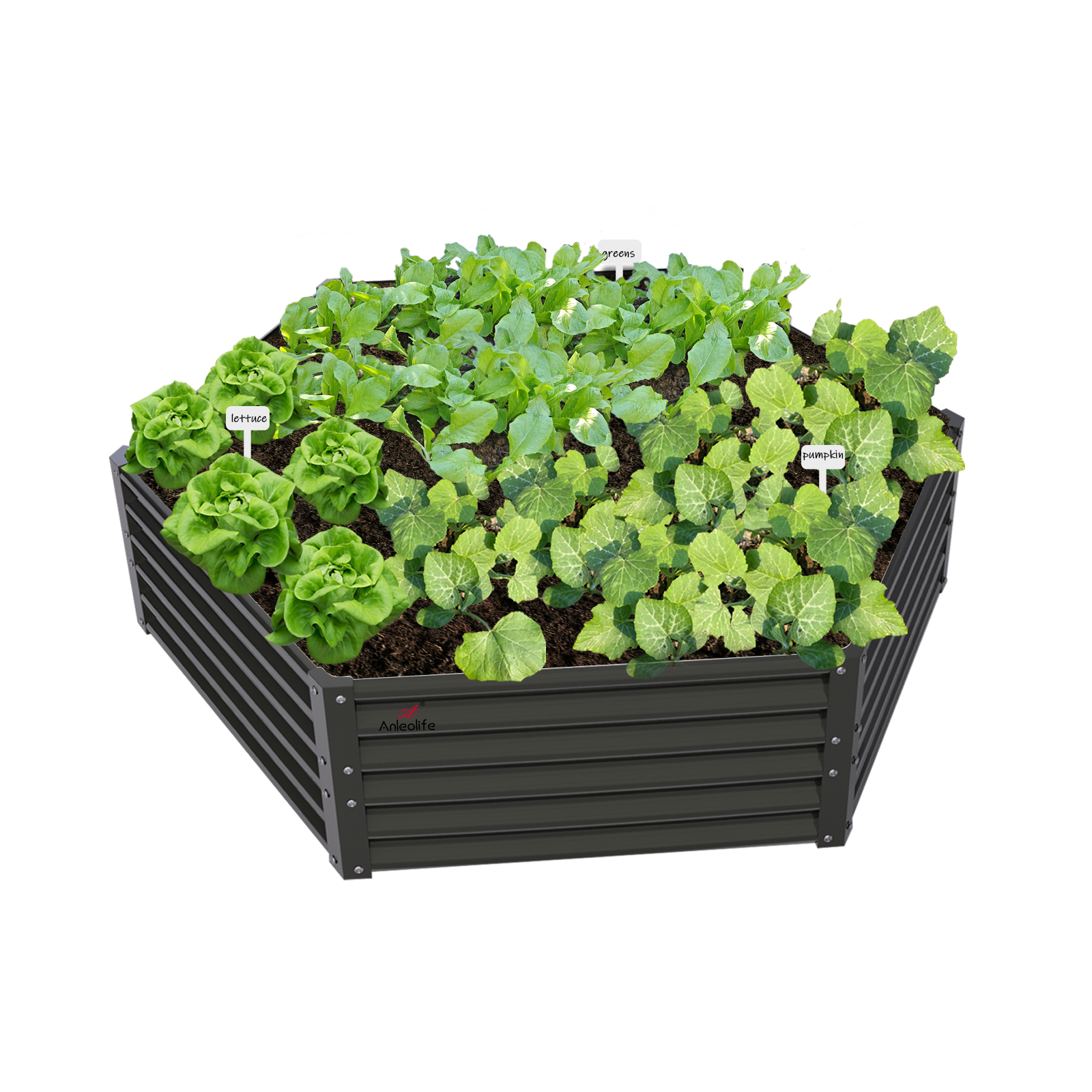
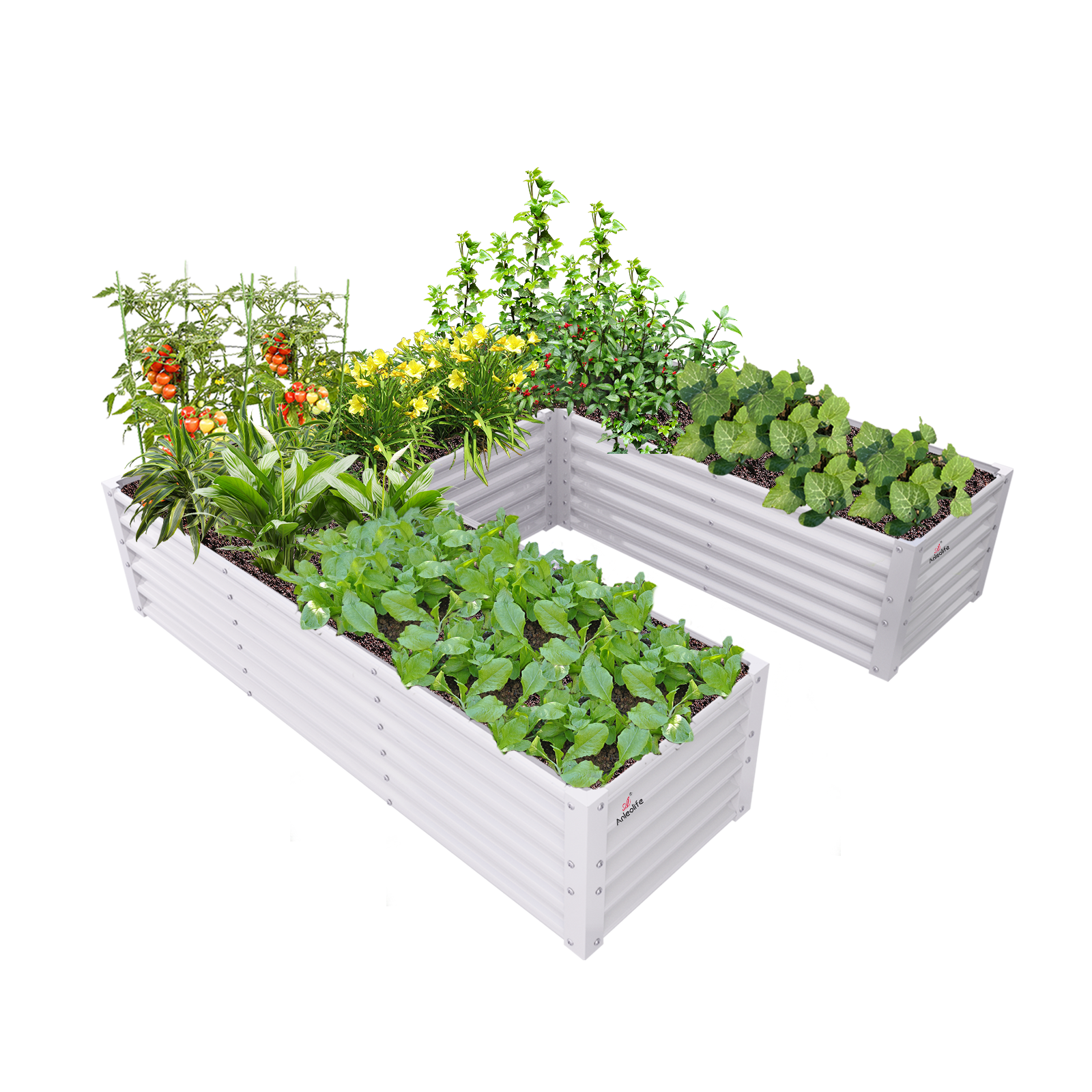

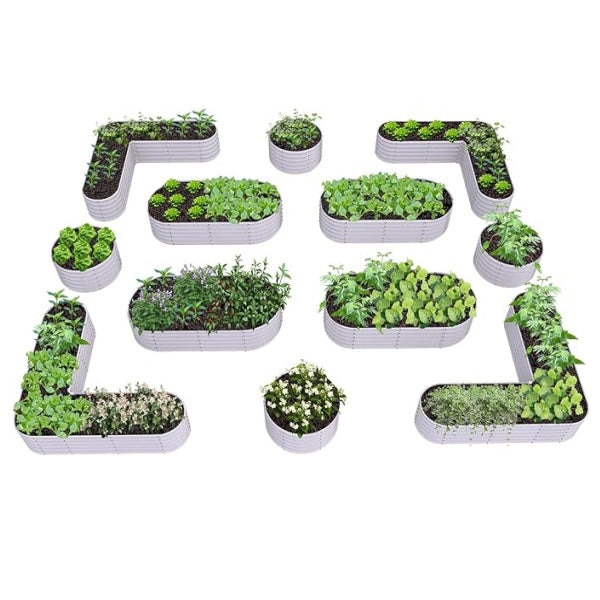


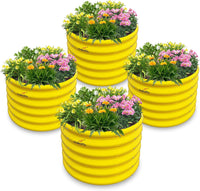
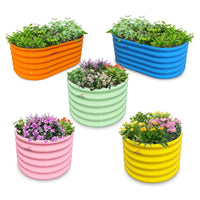
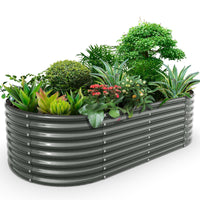



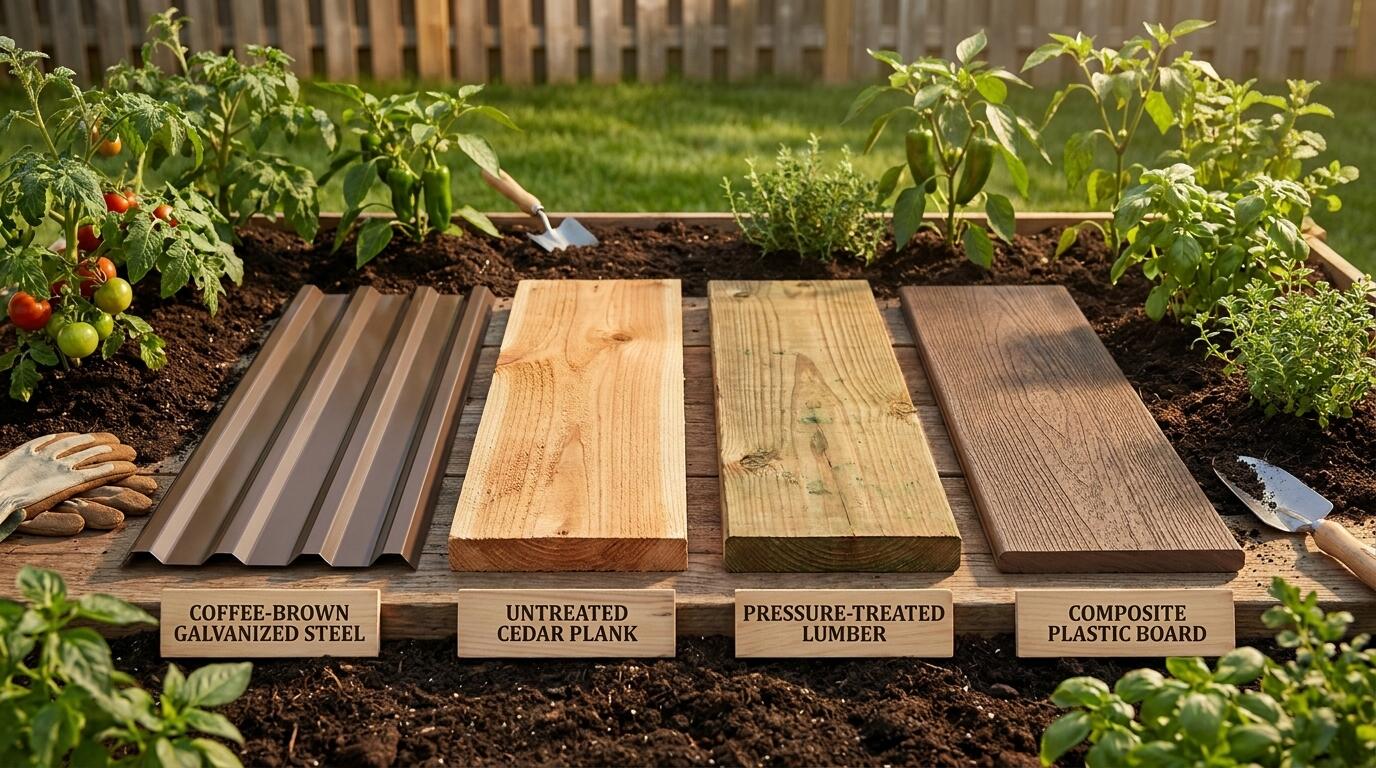
ALT: Eco-friendly raised garden bed materials compared for sustainable raised bed garden layout in 2026
Which Raised Garden Bed Materials Are Truly Eco-Friendly — And How That Shapes Your Layout Choices
Sustainability has moved from a buzzword to a genuine purchasing criterion for home gardeners across North America. In our work with clients planning their first raised bed garden layout or expanding an existing setup, we consistently see the same question rise to the top: which material is actually better for the environment — and for my family? The answer is more nuanced than most online guides let on, and getting it wrong can mean replanting in materials that leach chemicals, rot prematurely, or quietly end up in a landfill within a few seasons.
This article compares the four most widely used raised bed materials — galvanized steel, untreated wood, pressure-treated wood, and plastic/composite — across the criteria that matter most to eco-conscious growers in 2026. The goal is to give you a clear, honest framework so your raised bed planting layout decisions are grounded in real environmental trade-offs, not marketing language.
What "Eco-Friendly" Really Means for a Raised Bed Layout
An eco-friendly raised garden bed is one whose full lifecycle — raw material extraction, manufacturing, service life, and end-of-life disposal — produces the least net harm to soil, water, and human health. A material can look green on the surface and still fail this test if it degrades into toxins, requires frequent replacement, or consumes enormous resources to produce.
When evaluating raised bed garden layout materials, we weigh five interconnected factors: food safety (what the material does or does not release into your soil system), durability and replacement frequency, production footprint, repairability, and end-of-life recyclability. A material that lasts decades without releasing harmful substances and can be recycled at end of life will almost always outperform a material that seems "natural" but degrades rapidly or requires chemical treatment to survive.
Evaluation Criteria for Eco-Friendly Raised Bed Materials
Before diving into the contenders, it helps to define the lens clearly. These are the five criteria we use when advising home gardeners on raised bed layout decisions.
Food safety and soil contamination risk. The raised bed is inches away from edible roots and leaves. Any compound that leaches from the bed wall — whether chemical preservatives, plasticizers, or heavy-metal residues — can enter your soil system and, potentially, your food. This criterion is non-negotiable for health-oriented growers.
Durability and service lifespan. A material that lasts 20 years is inherently more sustainable than one that needs replacing every 5-7 years, because replacement means re-manufacturing, re-shipping, and disposing of the old material. According to the U.S. Environmental Protection Agency, product longevity is a core tenet of waste reduction under source-reduction principles.
Manufacturing and carbon footprint. How much energy and resource depletion goes into making the material? Steel production is energy-intensive, but a single galvanized steel bed that endures for two decades may carry a lower per-year footprint than three successive wood beds that were each felled, milled, transported, and discarded.
Repairability and modularity. Can you replace a single panel, or does damage mean scrapping the whole structure? Modular designs support the repair-first ethic that sits at the heart of the circular economy.
End-of-life recyclability. When a bed finally reaches the end of its useful life, can the material re-enter a productive cycle? Steel is one of the most recycled materials on earth; many plastics are not.
The Contenders: Four Raised Bed Materials Under the Microscope
Galvanized Steel — The Durable, Recyclable Workhorse
Galvanized steel is steel coated with a layer of zinc to resist corrosion. In the context of a raised bed garden layout, this matters because the zinc layer is what stands between the steel and the moist, acidic environment of productive garden soil. Modern food-grade galvanized steel uses a hot-dip galvanization process that bonds the zinc firmly to the steel substrate, creating a barrier that resists rust across a genuinely long service life.
The food-safety question around galvanized steel is often raised, and it deserves a direct answer: peer-reviewed research and guidance from bodies such as the World Health Organization indicate that zinc occurs naturally in soils and is an essential plant nutrient; the trace amounts that may migrate from galvanized steel under normal gardening conditions are not considered a health risk for vegetable crops. Beds that are certified to food-safe standards use formulations that avoid cadmium and lead, which were concerns with older galvanization methods.
At Anleolife, our galvanized steel raised garden beds are engineered for a rated service lifespan of 20 years — a figure that changes the sustainability calculus dramatically. A single well-built galvanized bed can outlast three or four wood replacements. At end of life, steel is one of the most efficiently recycled materials available, with established global infrastructure.
Untreated Natural Wood — Intuitive but Short-Lived
Untreated wood — cedar, redwood, pine, or Douglas fir — is the intuitive choice for gardeners who associate "natural" with "safe." Cedar and redwood do contain natural oils that resist rot, making them a genuinely reasonable option. The problem is longevity. Even naturally rot-resistant cedar typically lasts 5-10 seasons in continuous ground contact with moist soil, and standard pine degrades much faster.
The environmental cost of replacement is real. Each replacement cycle means felling additional trees, milling, treating, and transporting new lumber. For a raised bed planting layout in a region with cold, wet winters, untreated wood may require replacement every few years, compounding its lifetime footprint.
From a food-safety standpoint, untreated wood is genuinely clean — no chemical additives — though older reclaimed wood should be assessed carefully for prior treatments. The core limitation is simply that "natural" and "durable" are not synonyms.
Pressure-Treated Wood — A Caution Worth Emphasizing
Pressure-treated wood is lumber that has been infused with chemical preservatives under pressure to resist rot, insects, and fungal decay. It was historically treated with chromated copper arsenate (CCA), which contains arsenic — a substance definitively linked to soil contamination and human health risks. The U.S. Environmental Protection Agency phased out CCA for residential use in the early 2000s.
Today's pressure-treated lumber typically uses alkaline copper quaternary (ACQ) or copper azole (CA) formulations. While these are considered safer than CCA, copper can still leach into soil at elevated levels, and research published through university cooperative extension programs continues to advise caution when growing edible crops directly against pressure-treated wood. For a food-production raised bed layout, this is a meaningful risk.
Pressure-treated wood does last longer than untreated wood — often 15-25 years in ground contact — but its end-of-life recyclability is poor; treated wood cannot go into standard compost or standard wood-recycling streams. This is an often-overlooked sustainability penalty.
Plastic and Composite Materials — The Mixed Picture
Plastic raised beds span a wide quality range. Entry-level polyethylene or polypropylene beds are lightweight and cheap, but they can degrade under UV exposure, becoming brittle and fragmenting into microplastics over time. Composite boards — typically wood fiber bonded with plastic resins — perform better on durability, but their mixed-material construction makes them difficult to recycle.
Food safety concerns with plastic materials center on plasticizers, such as certain phthalates, and the question of UV-induced degradation releasing compounds into contact soil. Not all plastics behave the same way, and food-grade ratings matter. However, even high-quality plastic beds typically cannot match the 20-year service benchmark of galvanized steel without showing significant degradation.
The honest sustainability picture for plastics is mixed: they may divert material from landfills during production (if made from recycled content), but many are difficult to recycle at end of life and carry the ongoing microplastic fragmentation concern.
Head-to-Head Comparison: Eco-Criteria Across All Four Materials
| Criterion | Galvanized Steel | Untreated Wood | Pressure-Treated Wood | Plastic / Composite |
|---|---|---|---|---|
| Food Safety | High — zinc trace leach is within safe norms; no arsenic or copper | High — no chemical additives in raw form | Moderate — copper leach risk for edibles | Variable — depends on plastic grade and UV stability |
| Service Lifespan | Up to 20 years | 5-10 years (cedar/redwood) | 15-25 years | 5-15 years depending on UV and grade |
| Manufacturing Footprint | Moderate — energy-intensive smelting, but per-year cost low over 20 years | Low-moderate — timber felling and milling | Moderate — includes chemical treatment process | Moderate-high — petrochemical-based production |
| Repairability / Modularity | High — individual panels replaceable | Moderate — boards can be swapped | Moderate — boards can be swapped | Low-Moderate — full sections often must be replaced |
| End-of-Life Recyclability | High — steel is globally recycled at scale | High (untreated) — compostable or chippable | Low — chemical treatment limits recycling options | Low — mixed materials difficult to recycle |
| Soil System Compatibility | Excellent — maintains structure and does not degrade into soil | Good — wood decomposes cleanly (untreated) | Caution — copper residue accumulation possible | Variable — microplastic risk with UV degradation |
The table reveals a pattern that surprises many gardeners: galvanized steel, often perceived as industrial and therefore unsustainable, scores the strongest across the full eco-lifecycle. Its long service life offsets its energy-intensive manufacturing, its recyclability is excellent, and its food safety profile at modern food-grade standards is well-supported.
Untreated cedar or redwood is a genuinely good second choice for gardeners who prefer natural materials and are prepared to accept more frequent replacement. The key risk is underestimating replacement frequency and therefore the cumulative environmental cost.
Pressure-treated wood presents the clearest caution for food-producing raised beds. Its chemical treatment introduces ongoing uncertainty around copper leaching into productive soil, and its end-of-life recyclability is poor. For ornamental layouts where soil contact is minimal, it performs better — but for raised bed gardening where edibles are the point, we consistently recommend avoiding it.
Plastic and composite materials occupy a wide performance band. At the higher end of quality, they can serve a garden reasonably well, but the microplastic degradation concern and recycling difficulty make them a less compelling choice for the eco-conscious gardener who wants a genuinely long-term raised bed layout.
Which Should You Choose? Scenario Recommendations
If you are building a food-production raised bed garden layout for the first time and want a long-term investment, galvanized steel is the clearest recommendation. A steel bed rated for 20 years of service means you plant once, invest once, and avoid repeated replacement costs and environmental impact. Anleolife's galvanized steel raised garden beds are available in a wide range of sizes and heights — including extra-tall options for deep-rooted crops and waist-high configurations that ease the physical demands of gardening — supporting flexible raised bed planting layout planning from the start.
If you value the aesthetic and tactile experience of natural wood and are comfortable with a medium-term investment horizon, untreated cedar is a respectable choice. Accept that it will need replacement within a decade, plan for that cost, and avoid reclaimed wood of unknown treatment history. Do not use it in permanently waterlogged conditions.
If you are planning an ornamental raised bed layout — pathway borders, flower beds, or decorative kitchen garden features — and cost is a primary constraint, composite or high-grade plastic can work. Choose a product with UV-stabilization clearly documented, and set realistic expectations around a 7-10 year service window.
If someone recommends pressure-treated wood for a vegetable garden, treat that as a caution flag. For purely decorative or non-edible raised beds in areas that need maximum rot resistance, modern ACQ-treated lumber is less harmful than historical CCA, but it remains an imperfect choice for food-growing contexts.
If you are an empty nester or retiree building a manageable small-plot layout, consider a modular galvanized steel system. Anleolife's modular raised garden bed designs allow you to start with a compact footprint and expand incrementally — so you never over-commit to more garden than you want to tend, but you always have the option to grow.
Pros and cons summary:
Galvanized steel: long lifespan, excellent recyclability, modular flexibility, food-safe at modern standards — higher upfront cost, requires some care with very low-pH soil conditions.
Untreated wood: natural, food-safe, aesthetically warm — shorter lifespan, higher replacement frequency and cumulative cost.
Pressure-treated wood: long-lasting, widely available — chemical leach risk for edibles, poor end-of-life recyclability.
Plastic/composite: lightweight, inexpensive — microplastic degradation risk, variable food safety, difficult to recycle.
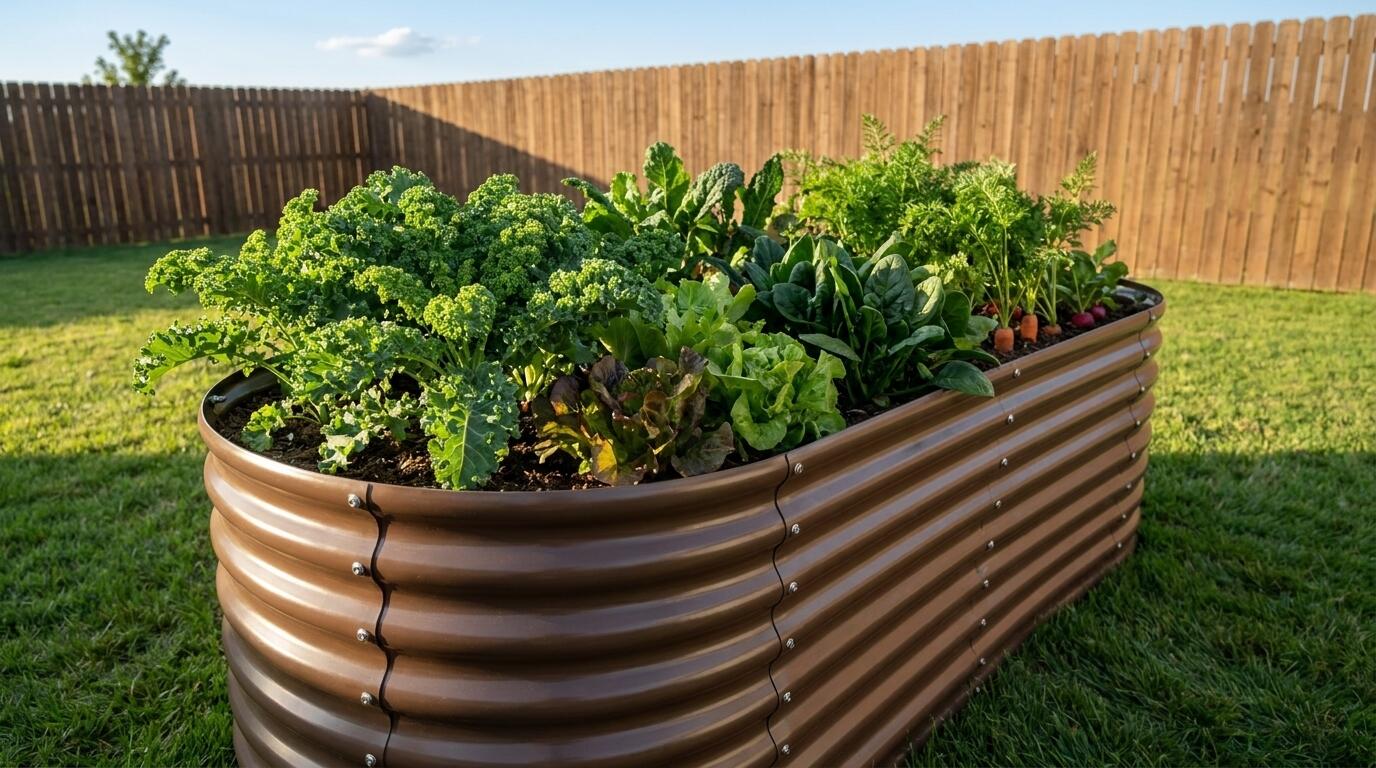
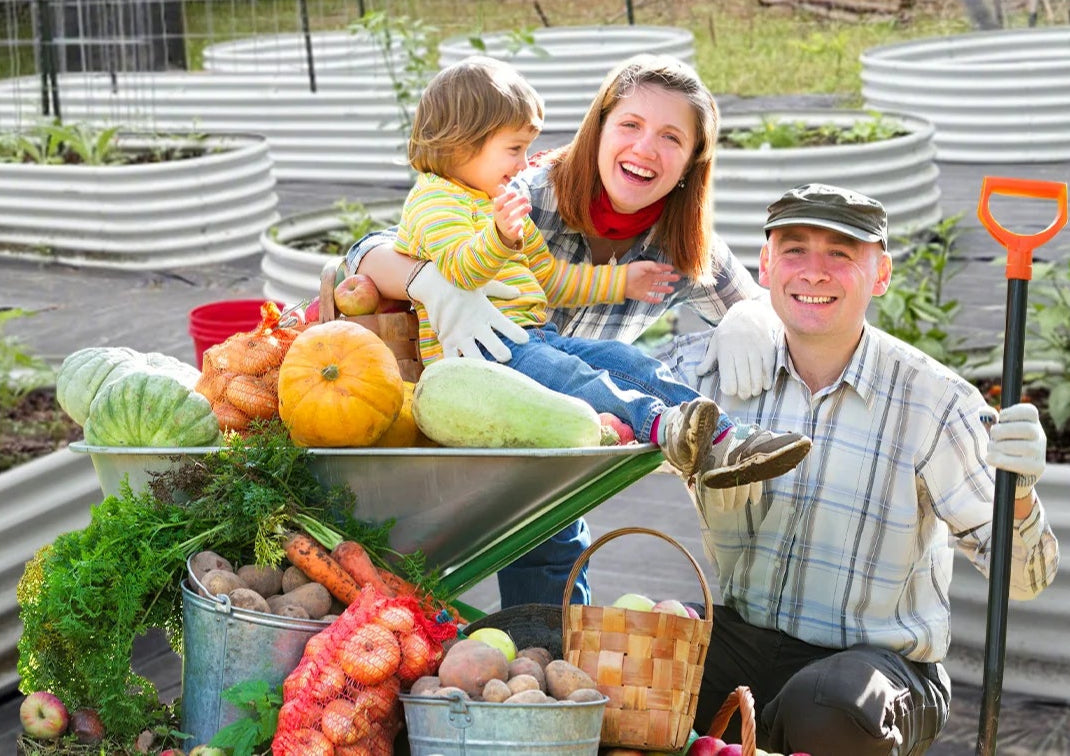
ALT: Galvanized steel raised garden bed supporting an eco-friendly raised bed planting layout with leafy greens and root vegetables in a home garden
Frequently Asked Questions FAQ
Q1: How do I know if a galvanized steel raised garden bed is food-safe for growing vegetables?
Food-safe galvanized steel uses a hot-dip zinc coating process that does not include cadmium or lead — the compounds historically associated with contamination risk. Per guidance from the World Health Organization, zinc is an essential trace element, and the amounts that may migrate from modern galvanized steel into garden soil are within safe thresholds for vegetable production. When purchasing, look for products explicitly marketed as food-grade galvanized or ASTM-compliant, and verify that the product description confirms the absence of prohibited additives. Reputable brands provide this information clearly.
Q2: Is it really less eco-friendly to use natural wood than galvanized steel for a raised bed garden layout?
It can be, when the full lifecycle is considered. Untreated cedar or redwood is clean and compostable, but it typically needs replacement every 5-10 years. Each replacement cycle means additional lumber production, transportation, and disposal. A galvanized steel bed rated for a 20-year service life eliminates two to three of those cycles, substantially reducing the total resource consumption per decade of gardening. The answer depends on how "eco-friendly" is measured: if you assess only the material at point of purchase, wood looks greener; if you assess the full 20-year lifecycle, steel often wins.
Q3: How long does it take to receive a raised garden bed, and does delivery timeline affect my planting layout planning?
Delivery timing matters for raised bed garden layout planning, especially if you are working toward a specific planting season. Anleolife operates a strategic warehouse network across California, Texas, Florida, New York, Illinois, and Washington, enabling delivery in 3-8 business days to most U.S. addresses. Products are available through major platforms including Amazon, Walmart, Home Depot, Lowe's, Wayfair, and directly at Anleolife.com. Planning your bed order 1-2 weeks before your target soil preparation date typically provides comfortable lead time.
Key Takeaways
- Galvanized steel rated for a 20-year service life delivers the strongest full-lifecycle eco-profile among common raised bed materials — its longevity offsets higher upfront manufacturing energy, and its recyclability at end of life is excellent.
- Food safety in raised bed materials is determined by what the material releases into your soil system over time: untreated wood and food-grade galvanized steel are the most defensible choices for edible gardens; pressure-treated wood carries ongoing copper leach concerns that warrant caution.
- The "natural" label on untreated wood does not automatically translate to the most sustainable choice — replacement frequency is the hidden environmental cost that most product comparisons omit.
- Modular and repairable designs extend service life further by allowing individual components to be replaced without scrapping the entire structure, aligning with circular-economy principles.
- Your ideal raised bed layout material depends on your time horizon, food-growing goals, and how you weigh upfront cost against long-term environmental and financial value.
If you are ready to build a raised bed garden layout that is designed to last, performing well both ecologically and practically, the next step is to explore which bed size and height best fits your space and planting goals.
Explore the full range of galvanized steel raised garden beds at Anleolife — from compact starter beds to extra-tall and modular configurations — available through Anleolife.com and major retailers including Amazon, Walmart, Home Depot, Lowe's, and Wayfair. With warehouse locations across California, Texas, Florida, New York, Illinois, and Washington, most orders arrive within 3-8 business days. Whether you are starting with a single bed or building out a complete planting-and-raising ecosystem, Anleolife grows with you at every stage.
Sources & Citations
- U.S. Environmental Protection Agency. "Sustainable Materials Management and Source Reduction."
https://www.epa.gov - World Health Organization. "Zinc in Drinking-Water and Environmental Health Criteria."
https://www.who.int - ASTM International. "Standards for Metallic Coatings and Galvanized Steel Products."
https://www.astm.org - U.S. Department of Agriculture — National Institute of Food and Agriculture. "Cooperative Extension Guidance on Raised Bed Gardening and Soil Safety."
https://www.nifa.usda.gov - National Gardening Association. "Raised Bed Gardening Resources and Best Practices."
https://www.garden.org
Note: Standards and regulatory guidance may be updated; please check the latest official documents or consult professional advisors for current requirements.