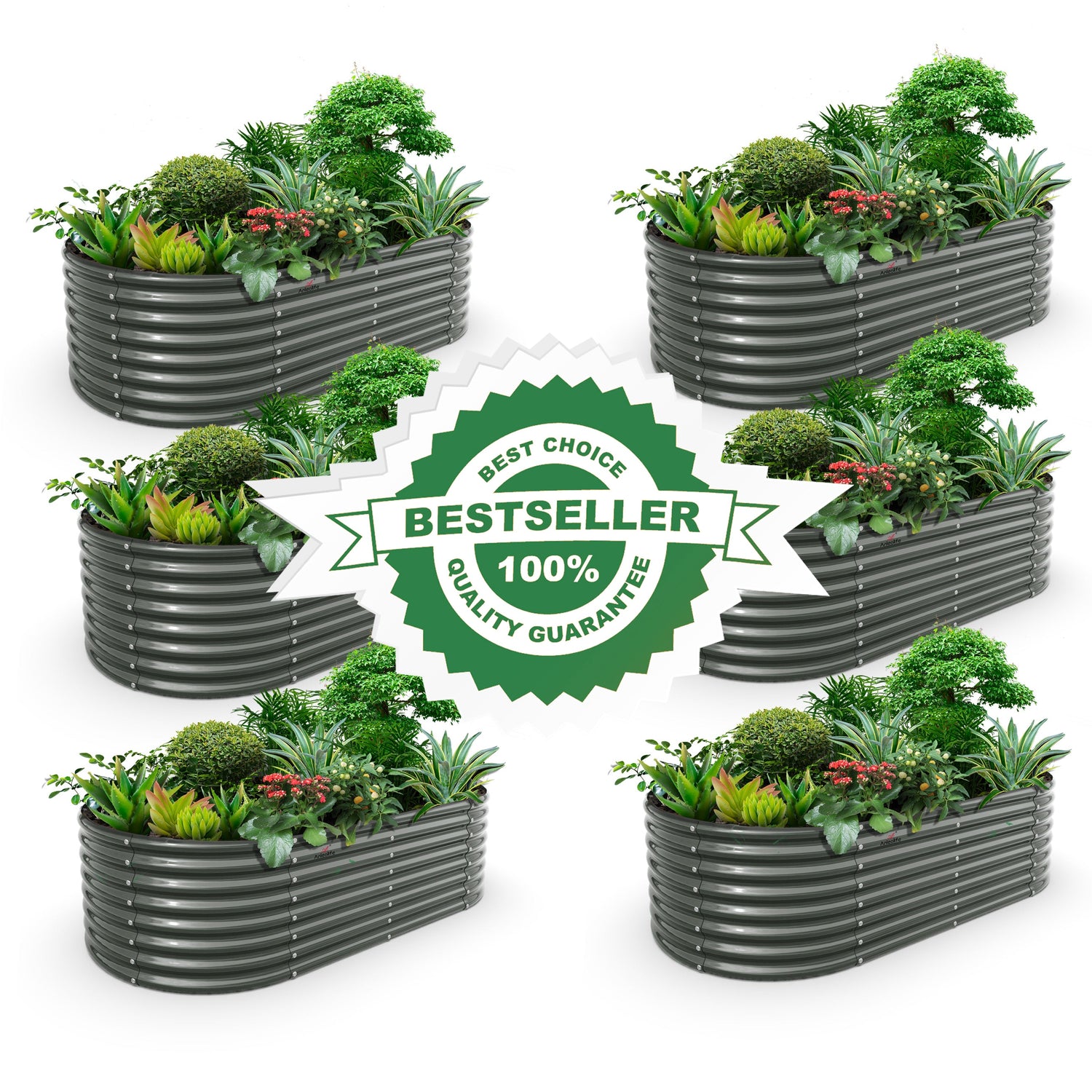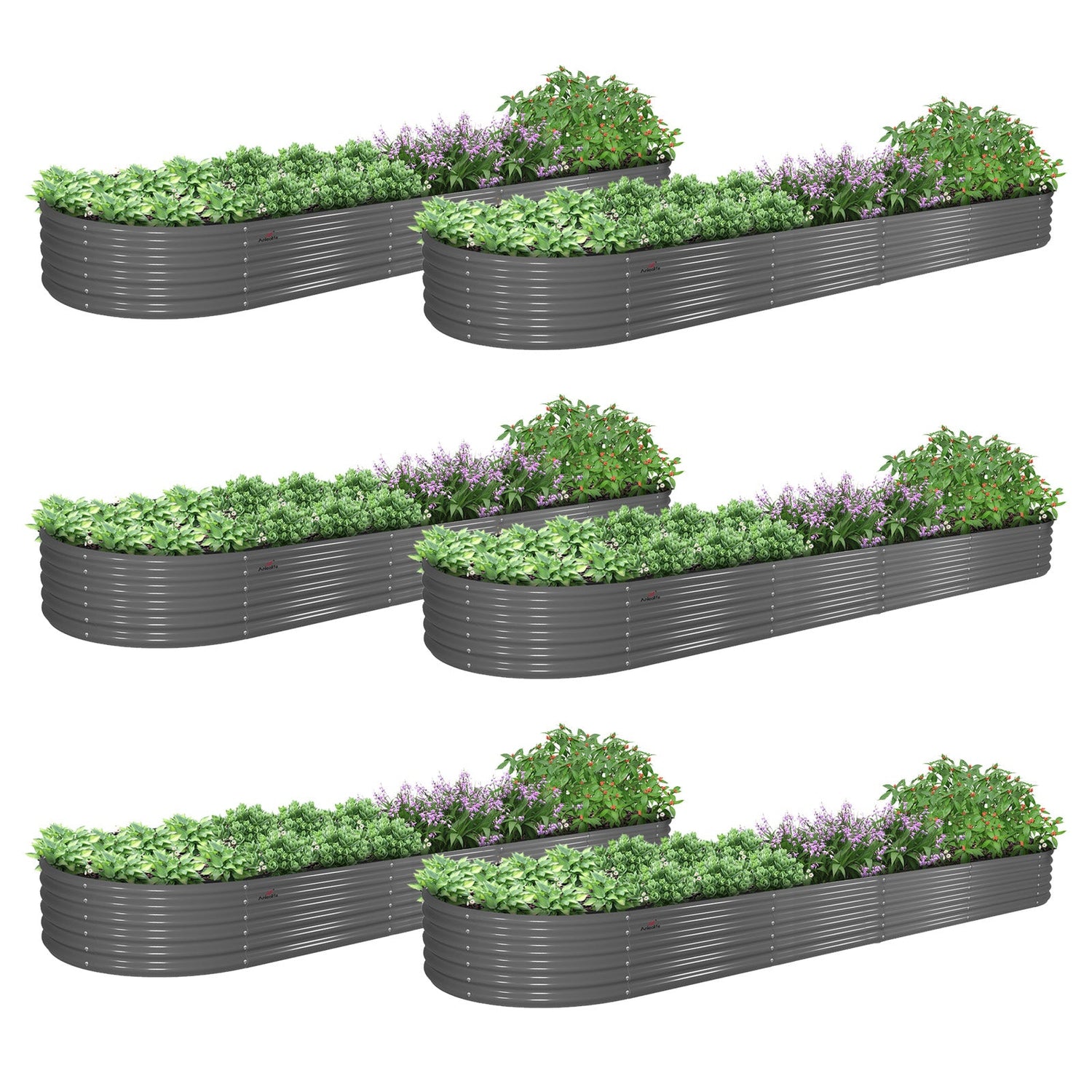



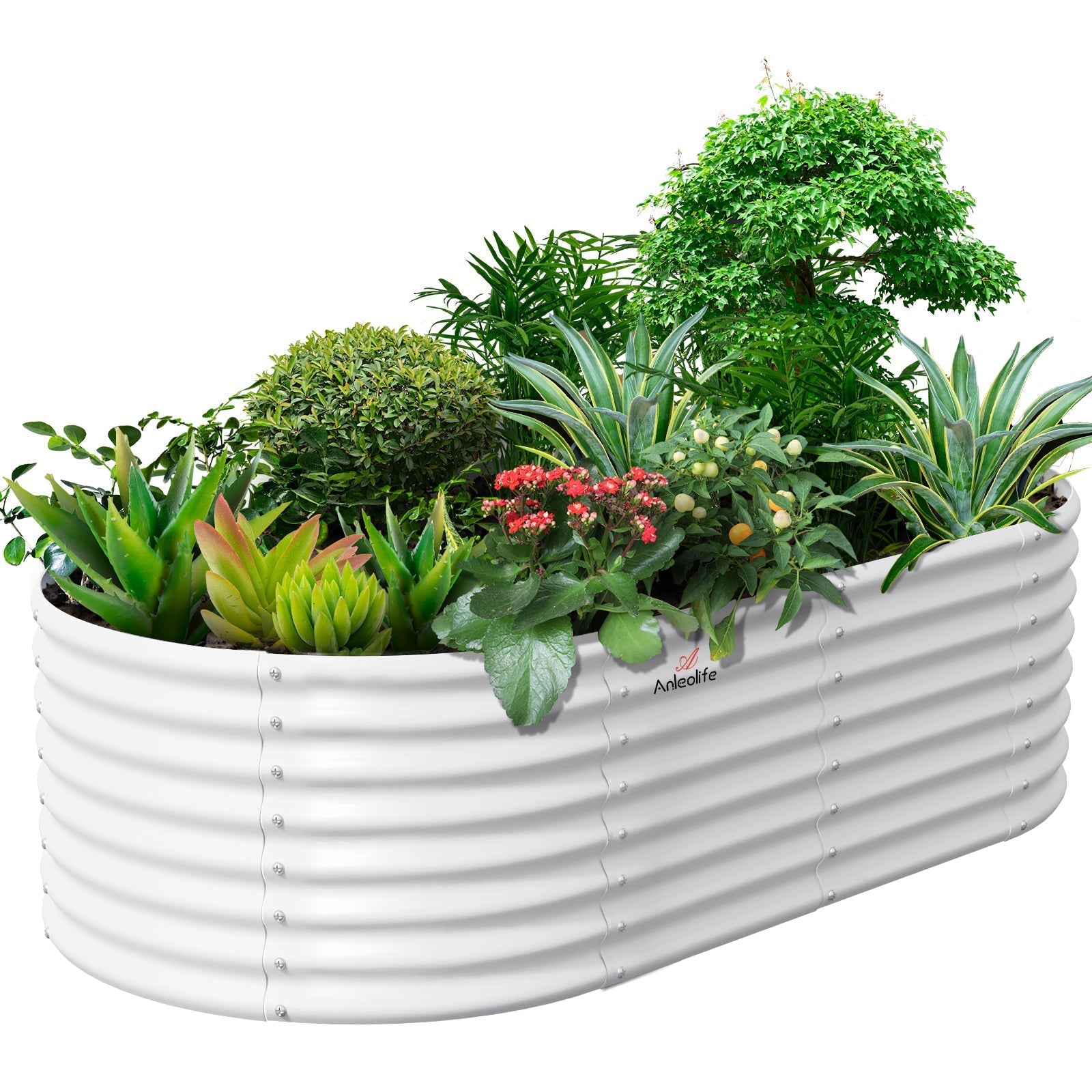
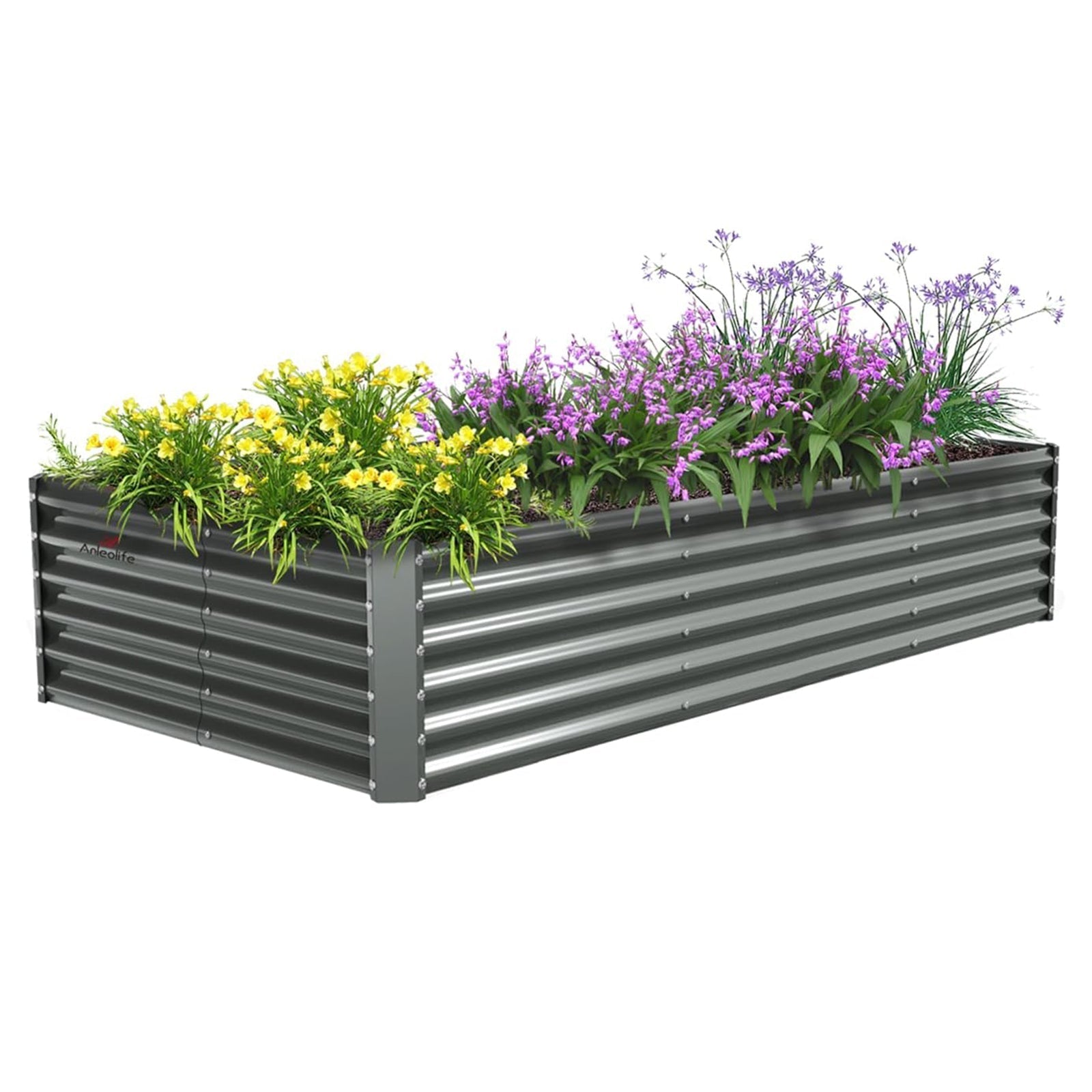

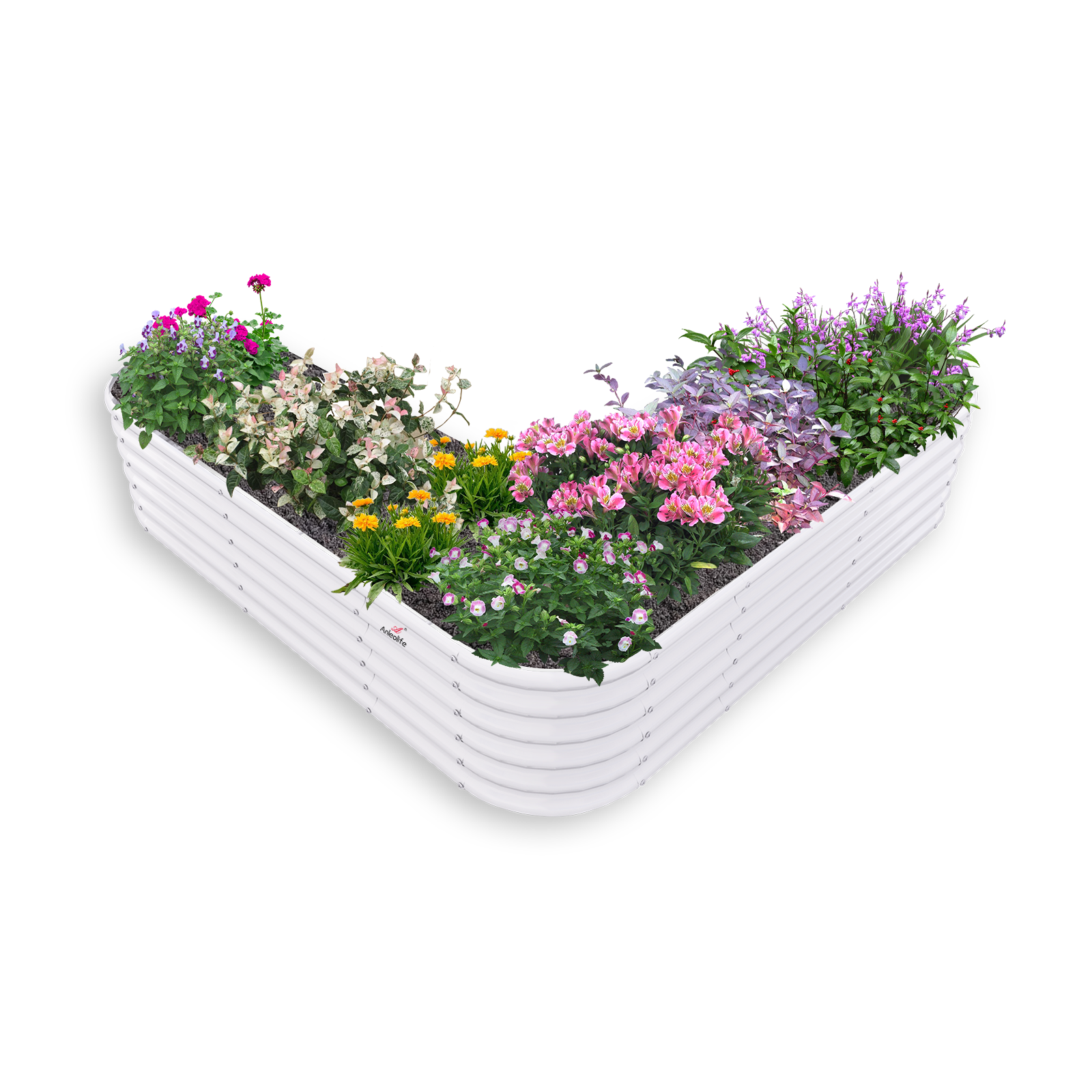
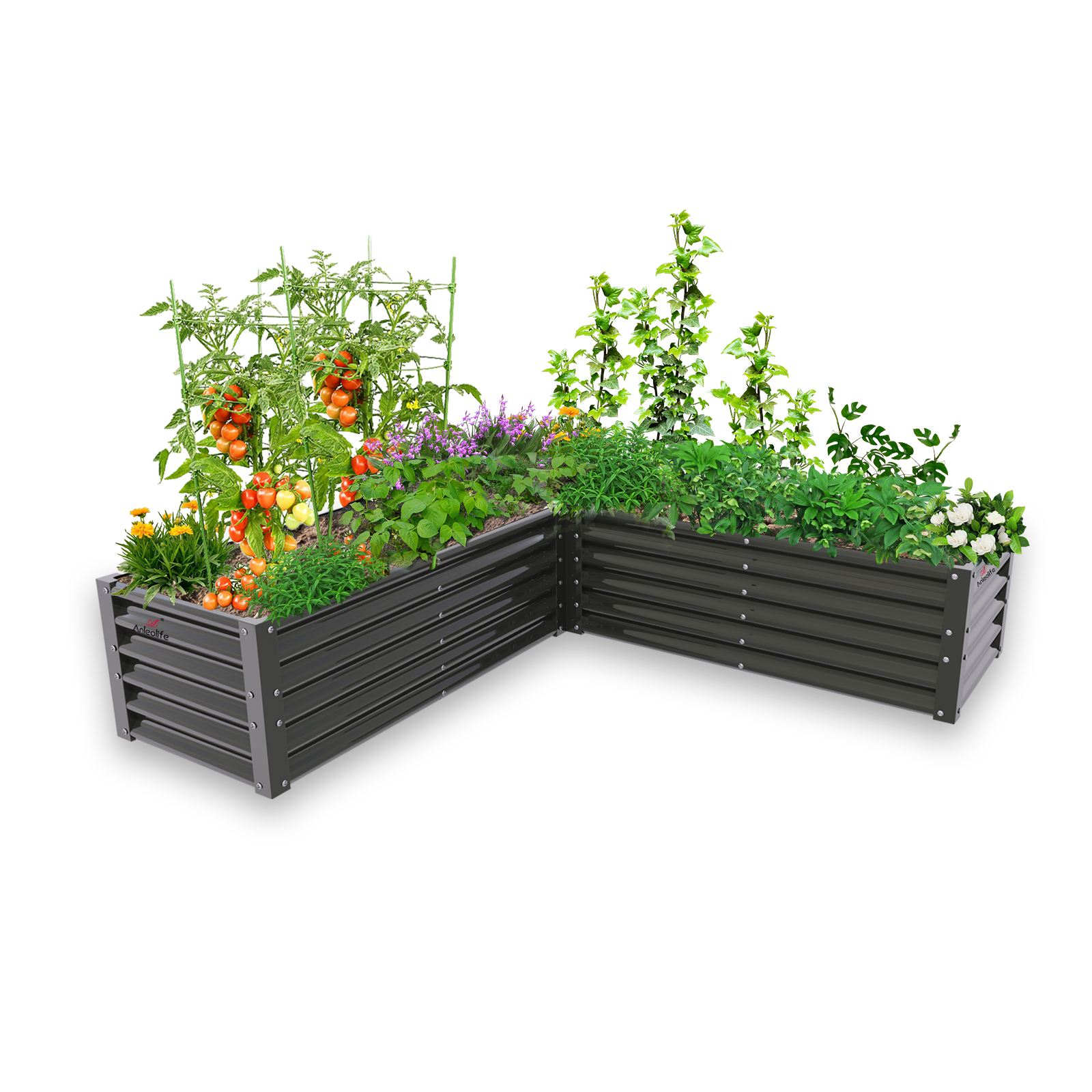
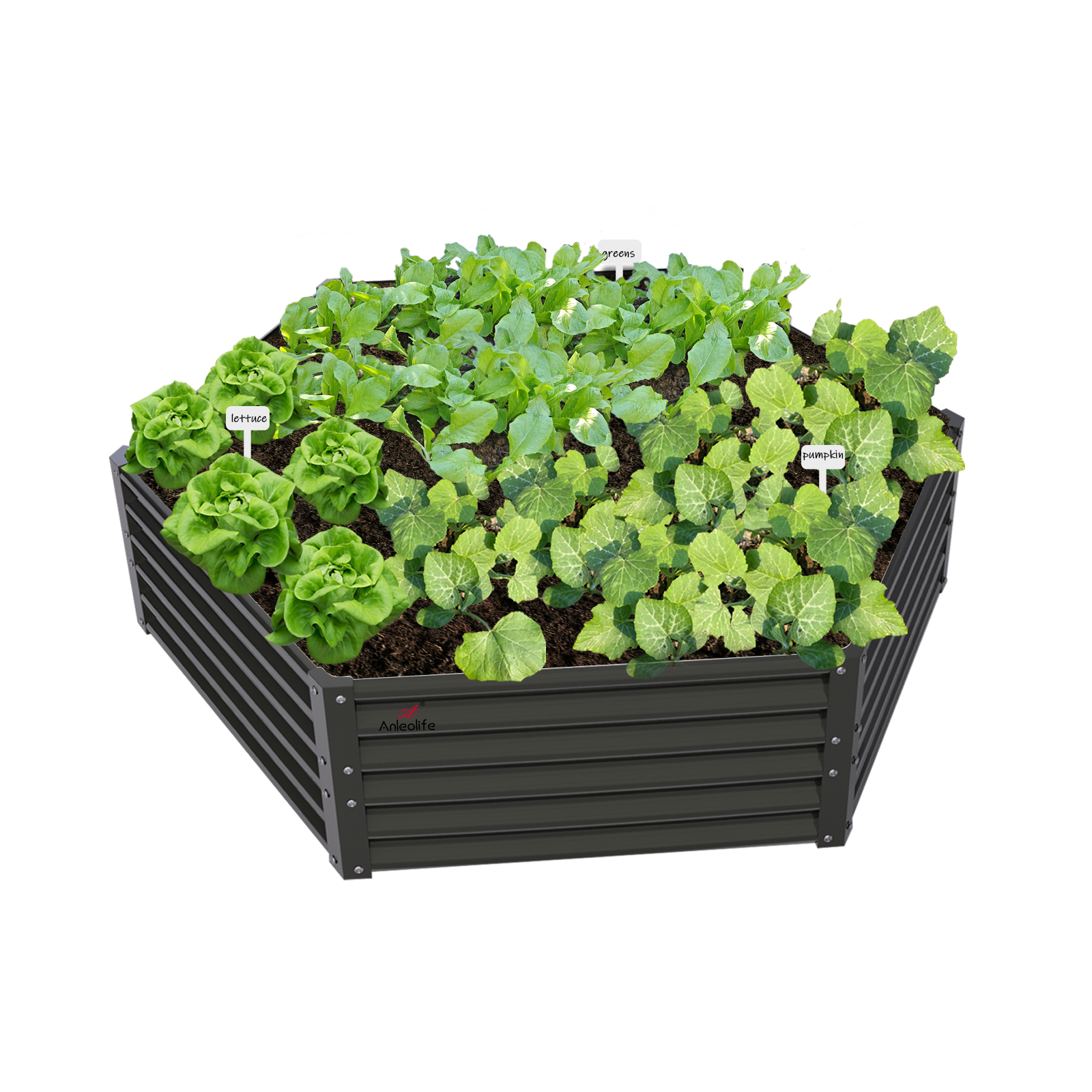
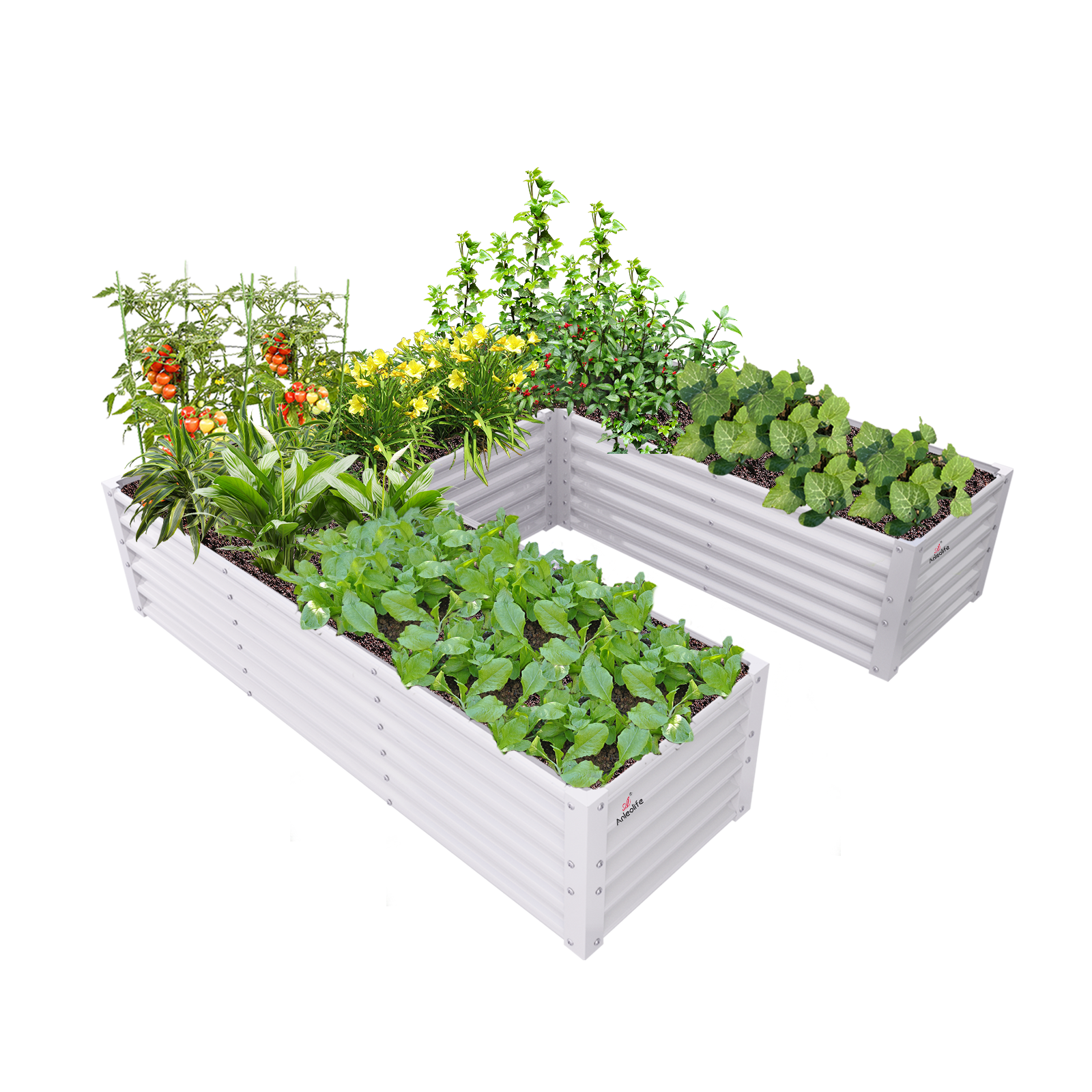

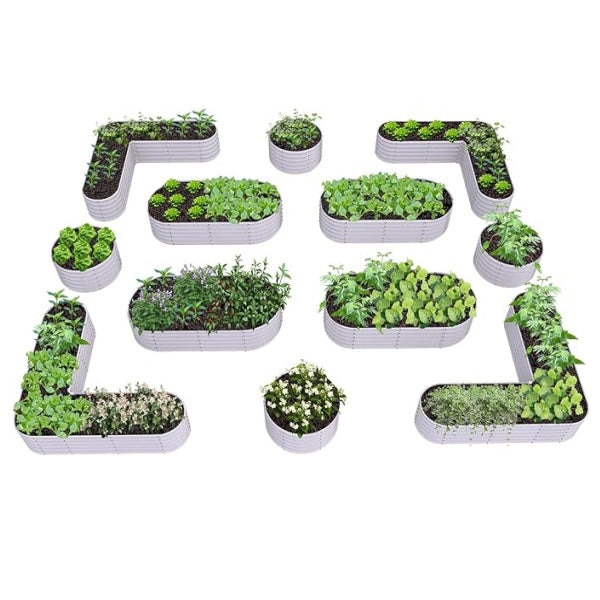


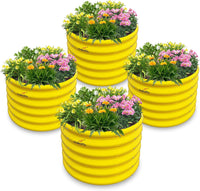
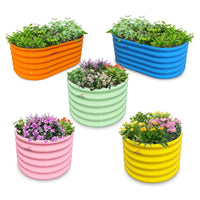
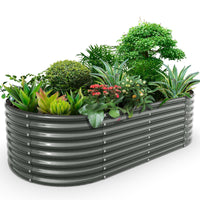



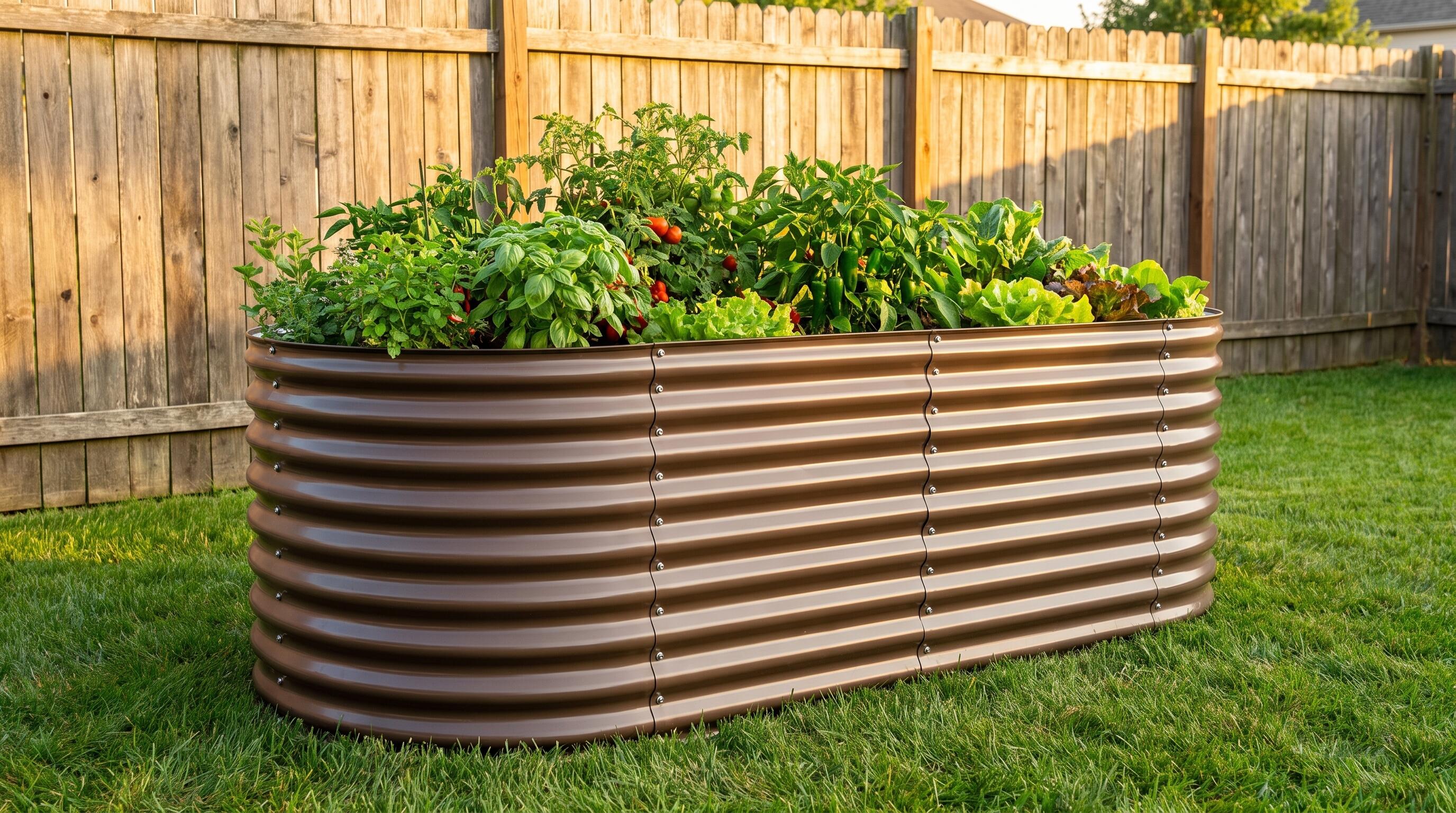
ALT: Galvanized steel raised garden bed withstanding extreme heat and cold in a backyard garden setting
Which Raised Garden Bed Materials Truly Survive Extreme Heat and Cold?
Key Conclusion: When it comes to long-term backyard improvement, material choice is everything. Whether you're building out your raised bed garden layout in a sun-scorched Arizona yard or managing a frost-prone Minnesota plot, the materials you choose determine how much maintenance you'll face—and how long your investment lasts. Metal, wood, plastic, and composite each respond very differently to temperature extremes, and understanding those differences is the foundation of any smart, lasting garden setup.
Not all raised garden beds are created equal, and nowhere is that more apparent than in regions that experience genuinely extreme weather. A bed that performs beautifully through mild Pacific Northwest drizzle can warp, crack, or corrode when subjected to Phoenix summers or Chicago winters. Home growers in these climates need materials engineered to endure, not just survive one season.
This guide breaks down the most common raised bed materials, evaluates how each holds up under heat and cold stress, and helps you make a confident, informed choice—whether you're starting your first kitchen garden or expanding an existing raised bed gardening system.
Who Should Read This Guide?
✅ Applicable Scenarios:
- Home gardeners in USDA hardiness zones with temperature swings exceeding 50°F between seasons
- Urban micro-gardeners working on patios, rooftops, or compact yards exposed to reflected heat
- Retirees and empty nesters investing in low-maintenance, long-lasting garden infrastructure
- Eco-conscious growers seeking durable, non-toxic materials that minimize replacement waste
- Gardeners comparing options for raised bed gardening in wet, dry, or freeze-thaw climates
❌ Not Applicable/Cautions:
- Gardeners in consistently mild, frost-free climates where material durability under extremes is less critical
- Those seeking purely ornamental containers or temporary seasonal planters rather than permanent raised bed structures
- Buyers focused exclusively on the lowest upfront cost, without factoring in lifespan or replacement frequency
Why Material Choice Is the Most Underrated Decision in Raised Bed Gardening
Most gardeners spend considerable time planning their raised bed garden layout—selecting what to grow, how deep their soil system needs to be, and where the beds will sit in relation to sunlight. What receives far less attention is the structural material itself, despite the fact that it directly affects the longevity, safety, and overall cost of the project.
The numbers are significant. According to the National Gardening Association, raised bed gardening has grown consistently in popularity over the past decade, with millions of American households now maintaining some form of kitchen or backyard garden. A large portion of those gardeners are replacing deteriorating wood beds every three to five years—a cycle driven almost entirely by poor material selection rather than poor gardening practices.
Temperature extremes are the primary culprit. Intense summer heat dries out and cracks organic materials, weakens adhesive bonds, and accelerates UV degradation. Hard winters and repeated freeze-thaw cycles put enormous physical stress on any container holding moist soil. A material that cannot flex, resist corrosion, or maintain structural integrity under these conditions simply won't last—and every replacement represents time, money, and environmental waste.
What makes this topic increasingly urgent is the changing climate landscape across North America. Gardeners in traditionally moderate zones are now experiencing record-setting heat waves and unusual late freezes that their original beds were never designed to handle. The question of which materials last longest is no longer relevant only to gardeners in extreme climates—it's becoming relevant to nearly everyone.
Understanding the thermal and mechanical properties of each material helps you make a choice that supports not just a single growing season, but years of productive, beautiful raised bed gardening. For many growers, that means looking seriously at galvanized steel—a material engineered specifically to handle what nature throws at it.
Comparing Raised Garden Bed Materials: Heat, Cold, and Long-Term Performance
Step 1: Understand How Temperature Stress Actually Damages Garden Beds
Step 1: Identify the Stress Mechanisms in Your Climate
Before comparing materials, it helps to understand exactly how heat and cold cause damage. High temperatures cause thermal expansion—materials expand when hot and contract when cool, and repeated cycling stresses joints, fasteners, and the material itself. UV radiation degrades plastics and untreated wood rapidly. In freezing climates, water that has absorbed into porous materials expands when it freezes, literally splitting wood fibers or cracking plastic panels over time. Understanding these mechanisms takes only a few minutes but reframes every material comparison that follows.
Step 2: Map Your Climate Zone and Typical Extremes
Check your USDA Plant Hardiness Zone and cross-reference with your region's typical summer high temperatures. A raised bed in USDA Zone 9b (coastal California) faces very different stresses than one in Zone 5a (upper Midwest). Gardeners in the Southwest need materials that resist intense UV and sustained heat above 100°F. Northern gardeners need materials that won't crack, heave, or absorb moisture in repeated freeze-thaw cycles. This step takes about 10 minutes using the USDA zone map and narrows your material options significantly.
Step 3: Calculate Your True Cost of Ownership
Compare materials not by purchase price alone, but by expected lifespan divided by cost—then factor in replacement labor, soil disturbance, and plant disruption. A bed that costs twice as much but lasts four times as long is clearly the better investment. When considering best raised garden bed options for 2026 and beyond, total cost of ownership consistently favors high-durability metal over cheaper wood or plastic alternatives, particularly in climates with notable temperature variation.
Material Comparison: How Each Option Performs Under Extreme Conditions
Choosing between materials for a raised garden bed involves balancing durability, safety, aesthetics, and maintenance. Here's how the four most common options stack up when subjected to genuine climate stress.
| Comparison Dimension | Galvanized / Rust-Resistant Steel | Untreated or Treated Wood | Plastic / Resin Composite | Cedar or Redwood |
|---|---|---|---|---|
| Heat Resistance | Excellent — expands minimally, maintains shape | Moderate — dries, warps, and cracks | Poor to Moderate — softens, fades under UV | Moderate — natural oils help but degrade |
| Cold / Freeze-Thaw Resistance | Excellent — unaffected by freeze-thaw cycles | Poor — absorbs water, splits when frozen | Poor — brittle in sustained sub-zero temps | Moderate — better than pine, still vulnerable |
| Expected Lifespan (typical outdoor use) | 20+ years | 3–7 years | 3–5 years | 7–15 years |
| Maintenance Requirements | Very Low | High (sealing, staining, replacement) | Low initially, then replacement | Moderate (periodic sealing recommended) |
| Soil Safety / Food Grade | Safe with proper lining if desired | Varies — treated wood raises leaching concerns | Varies — quality matters significantly | Generally safe |
| Environmental Impact | High recyclability, long service life | Deforestation concern; frequent replacement | Petroleum-based; disposal concerns | Renewable if sourced responsibly |
| Cost of Ownership Over 20 Years | Low (one-time investment) | High (multiple replacements) | Moderate to High | Moderate |
The data tells a clear story: for gardeners dealing with genuine temperature extremes, galvanized or rust-resistant steel offers a combination of durability, low maintenance, and long-term value that no other common material matches.
A Deep Dive into Each Material's Real-World Performance
Galvanized and Rust-Resistant Steel: Built for the Long Game
When gardeners search for the best raised garden bed in terms of durability, galvanized steel consistently rises to the top of reviews and recommendations—and the reasoning is straightforward. Steel doesn't warp, rot, crack, or absorb moisture. It maintains its structural integrity whether the temperature is 5°F or 115°F, which is exactly why it has become the material of choice for serious gardeners across North America.
The zinc coating in galvanized steel creates a sacrificial barrier that protects the underlying metal from oxidation. In rust-resistant variants, additional treatments or alloy compositions extend this protection even further. The result is a bed that doesn't just survive one harsh season—it performs consistently year after year, making the 20-year lifespan claimed by quality manufacturers like Anleolife genuinely achievable under normal use conditions.
For backyard improvement projects designed to be permanent features rather than seasonal experiments, this durability matters enormously. You invest in your soil system once, establish deep-rooted perennial herbs or asparagus crowns, and don't have to worry about replacing the structure every few years and disturbing everything you've built.
Anleolife's raised garden bed collection includes galvanized steel and rust-resistant options across a wide range of sizes—from compact 18" tall beds suited to patios and small yards to 30" extra-tall waist-high options that eliminate bending entirely. This range makes it easy to build a raised bed garden layout that scales with your space and physical needs.
One practical consideration: metal beds do conduct heat, which means soil near the walls can warm faster in summer. This is often a benefit in spring (extending your growing season) but warrants attention in peak summer. A thick, well-aerated soil mix acts as insulation, and positioning your beds to avoid prolonged afternoon sun in hot climates addresses this easily.
Wood: Natural Appeal, Real Limitations
Untreated wood is the traditional choice, and its appeal is understandable—it's natural, affordable, and easy to work with. For gardeners in mild, temperate climates who don't mind periodic replacement, wood remains a viable option.
However, in climates with significant heat or cold exposure, wood's performance degrades noticeably. Repeated wetting and drying cycles cause even high-quality lumber to crack and split. Freeze-thaw cycles in northern climates accelerate this deterioration, and beds in sunny, hot locations often check (develop surface cracks) within a single season.
Treated lumber raises additional concerns in vegetable garden settings. While modern pressure-treated wood uses copper-based preservatives rather than the arsenic-based compounds of older formulations, some growers remain cautious about potential leaching into soil used for food crops. Cedar and redwood offer natural rot resistance and are generally considered safe, but quality cedar is increasingly expensive and still subject to eventual weathering.
If wood is your preference for aesthetic reasons, untreated cedar in a moderate climate with appropriate sealing can last a respectable number of seasons—but it will not approach the longevity of a quality metal bed, and the total replacement cost over a 20-year horizon significantly exceeds the upfront premium of a well-made steel structure.
Plastic and Resin: Convenient but Climatically Challenged
Plastic raised beds are appealing at the entry level—they're lightweight, inexpensive, and easy to move. For container gardening on a balcony or as a temporary planter, they serve their purpose.
Under extreme conditions, however, plastic reveals significant weaknesses. UV radiation degrades polymer structures over time, causing color fading and material brittleness. In sustained heat above 90–100°F, cheaper plastics can soften and lose their shape. In freezing temperatures, particularly below 20°F, many resins become brittle and crack, especially if they're holding soil weight while frozen.
The best planter for a tree or large container gardening application—where weight, long-term soil volume, and temperature stress all factor in—is rarely a basic plastic option. For serious growers committed to a permanent raised bed setup, plastic rarely offers the durability that justifies its lower initial price over a multi-year horizon.
Composite and Alternative Materials
Composite panels—typically made from recycled wood fiber and plastic—offer a middle ground. They're more weather-resistant than pure wood and more structurally stable than thin plastic. Quality composites can perform reasonably well in moderate climates.
That said, composite materials still face challenges in temperature extremes. They can expand and contract more than metal, and their performance in very cold climates varies significantly by formulation and quality. They tend to cost more than wood while offering less durability than metal, placing them in an awkward middle position for gardeners focused on long-term value.
How Bed Height Factors Into Climate Performance
A common question among new raised bed gardeners is how high a raised garden bed should be. The answer involves both practical gardening needs and climate considerations.
Deeper beds—typically 24" or 30"—hold more soil volume, which acts as thermal mass. This moderates temperature swings at the root zone, protecting plants from both heat spikes and cold snaps more effectively than shallow beds. For gardeners in climates with dramatic temperature variation, a taller bed isn't just ergonomically beneficial—it's a climate management tool.
Anleolife's lineup addresses this directly. Their 24" extra-tall beds provide generous root depth for root vegetables and perennials, while the 30" waist-high options reduce physical strain for older gardeners or those with mobility considerations—an important feature for empty nesters and retirees who want to maintain their garden without physical strain.
For those planning container gardening around trees or large shrubs, depth is equally critical. Deep, insulated soil retains moisture better and protects roots from temperature extremes, making a structurally sound, deep metal bed the most sensible long-term choice.
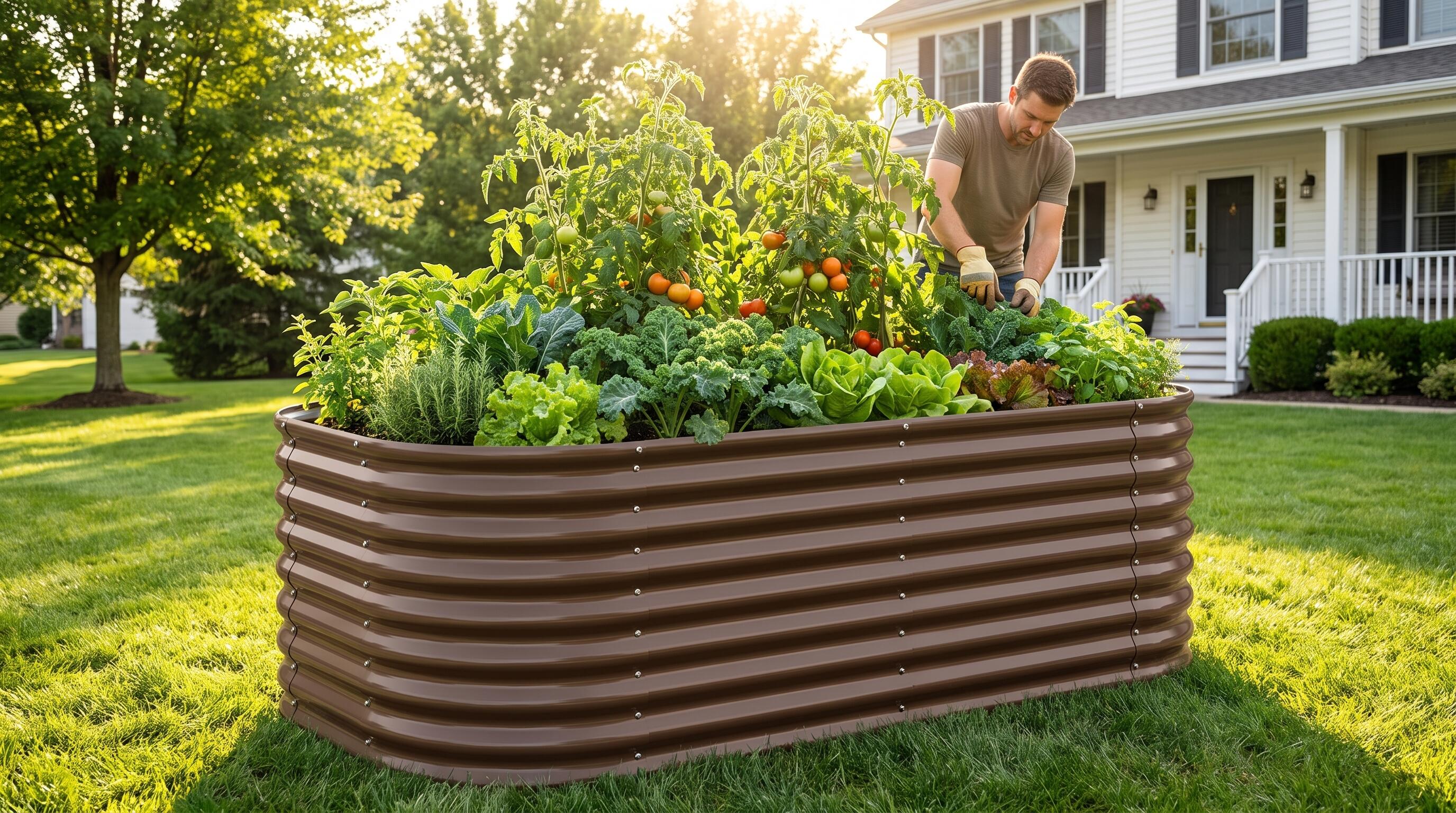
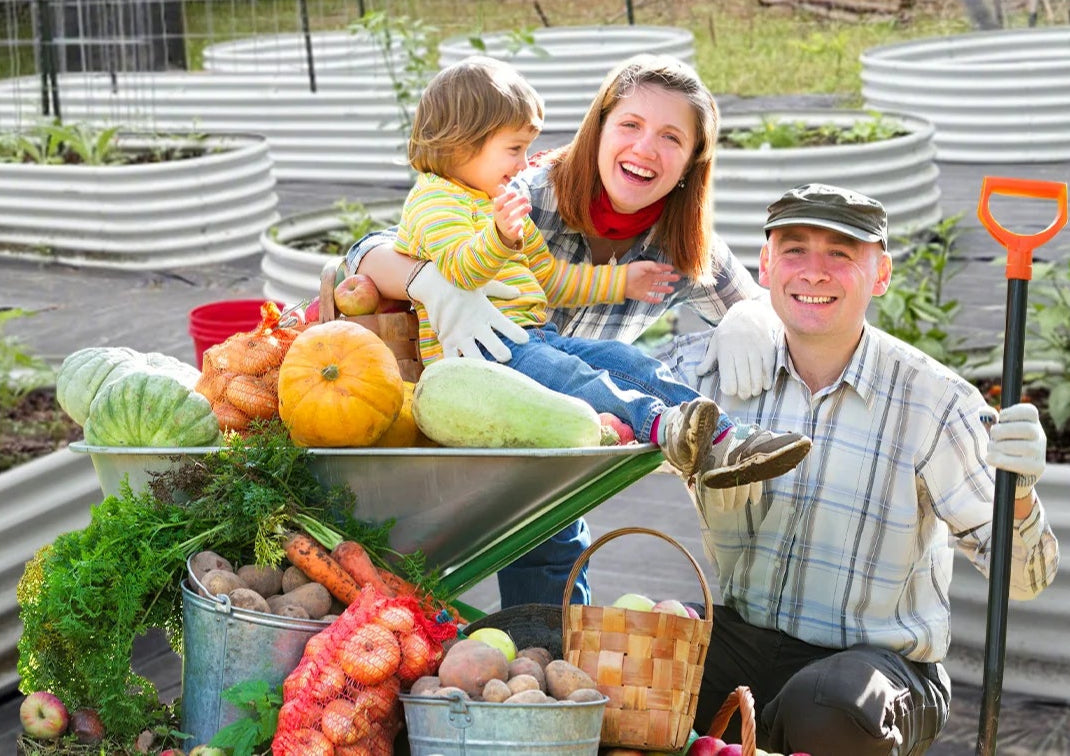
ALT: Anleolife extra-tall galvanized steel raised garden bed supporting lush vegetable growth in a sunny home garden setting
Advanced Considerations: What Most Comparison Guides Leave Out
The Interaction Between Material and Soil System
Even the most durable material performs better when paired with a well-designed soil system. A good raised bed mix—typically a combination of topsoil, compost, and a porous amendment like perlite or aged bark—acts as insulation for the bed walls. In galvanized steel beds, this insulation effect reduces the heat-transfer concerns that occasionally worry new buyers. The soil's thermal mass buffers both summer peaks and winter cold, extending the root zone's comfortable growing window on both ends of the season.
Misconceptions About Galvanized Steel and Food Safety
One persistent misconception is that galvanized steel beds leach harmful zinc into the soil at levels dangerous to plants or humans. Research from multiple university extension programs consistently shows that zinc leaching from properly galvanized steel is minimal, that zinc is in fact an essential micronutrient for plants, and that the amounts released by a weathering galvanized bed are well within safe ranges. If you prefer an extra layer of confidence, an inexpensive food-safe liner creates a complete physical barrier between the metal and your soil.
Temperature Cycling and Structural Fasteners
One detail often overlooked in material comparisons is the behavior of fasteners and joints under thermal cycling. Metal beds designed with properly rated fasteners and panel connection systems accommodate the minor expansion and contraction cycles of steel without loosening or creating gaps. Modular metal bed designs—like those in Anleolife's modular raised garden bed line—are particularly well-engineered for this, allowing structural flexibility that rigid one-piece designs lack.
Frequently Asked Questions FAQ
Q1: How high should a raised garden bed be for best performance in extreme climates?
For most vegetable gardeners, 18" provides adequate root depth for common crops. However, in climates with significant temperature variation—whether intense heat or hard freezes—a 24" to 30" tall bed is genuinely advantageous. The additional soil volume acts as thermal mass, buffering roots from temperature extremes in both directions. Taller beds also reduce water loss during heat events, as deeper soil retains moisture longer. For gardeners with mobility concerns, a 30" waist-high bed eliminates bending entirely while delivering superior climate performance.
Q2: Are galvanized steel raised beds safe for growing vegetables and food crops?
Yes, quality galvanized steel raised beds are safe for food production. University extension research consistently shows that zinc—the protective coating element in galvanized steel—is an essential plant micronutrient, and leaching from properly coated steel occurs at minimal levels well within safe ranges. For growers who prefer an additional comfort margin, a food-safe liner provides a physical barrier between the metal and the growing medium. Rust-resistant coatings used in premium beds add further longevity without introducing food-safety concerns.
Q3: How long does a quality metal raised garden bed actually last, and is the investment worth it?
A well-made galvanized or rust-resistant steel raised garden bed like those from Anleolife is built to last 20 years under normal outdoor conditions. Compared to untreated wood beds that typically need replacement every 3–7 years, a metal bed delivers dramatically lower total cost of ownership over time. Factor in the soil disturbance avoided, plants undisturbed, and seasons not lost to renovation, and the premium for a quality metal bed repays itself several times over—making it the clear choice for any long-term backyard improvement plan.
Summary
Choosing the right raised garden bed material isn't just a purchase decision—it's a foundational choice that shapes your garden's performance, safety, and longevity for years to come.
Three key points stand out from this analysis:
Durability under extremes favors metal decisively. Whether facing sustained 100°F heat or repeated freeze-thaw cycles, galvanized and rust-resistant steel outperforms wood, plastic, and most composites across every meaningful dimension.
Long-term value is not about the cheapest option upfront. A quality metal bed designed for a 20-year lifespan eliminates the replacement cycles that make cheaper materials expensive over time—and protects the soil system and plant investments you've made.
Height and soil depth amplify climate resilience. Pairing a durable material with appropriate bed depth—particularly 24" or 30" for challenging climates—creates a growing environment that manages temperature extremes far more effectively than shallow containers regardless of what they're made from.
If you're planning a backyard improvement project designed to last, starting with the right structural material is the single most impactful decision you'll make.
Start Your Long-Lasting Garden with Anleolife
Anleolife operates a nationwide U.S. warehouse network strategically located in California, Texas, Florida, New York, Illinois, and Washington—ensuring delivery within 3–8 business days so your garden upgrade plans never have to wait.
Their products are available across major platforms including Amazon, Walmart, Home Depot, Lowe's, Wayfair, and directly through Anleolife.com, providing consistent quality and reliable after-sales support wherever you prefer to shop.
Anleolife's ecosystem covers three core scenarios: Planting (metal raised garden beds, soil systems), Raising (chicken coops, rabbit hutches), and Beautification (decorative accessories, pathway systems)—meeting every need from function to aesthetics in a single, cohesive garden vision.
We understand that an ideal garden isn't built overnight—it grows with you. Anleolife's modular product design allows flexible expansion based on your evolving needs, from your first raised bed to a fully integrated planting-and-raising ecosystem. Every product is built to support that journey for the long term.
References
- United States Department of Agriculture. "USDA Plant Hardiness Zone Map."
https://planthardiness.ars.usda.gov/ - University of California Agriculture and Natural Resources. "Raised Bed Gardening."
https://ucanr.edu/ - National Gardening Association. "Food Gardening in the United States."
https://garden.org/ - Penn State Extension. "Raised Bed Gardening: Soil, Materials, and Construction."
https://extension.psu.edu/ - Oregon State University Extension Service. "Raised Bed Gardening Guide."
https://extension.oregonstate.edu/
Note: Standards and research may be updated periodically. Please consult the latest official publications or a local extension service for current recommendations specific to your region.
About Anleolife
Anleolife is a leading outdoor garden solutions provider in North America, dedicated to offering a full-scenario product ecosystem for home gardening enthusiasts, covering planting, raising, and garden beautification. Since its founding, Anleolife has upheld its brand mission, "Made for Garden Life," continuously innovating products and optimizing services to help hundreds of thousands of users upgrade their gardens, reconnect with nature, and enjoy a better garden lifestyle.