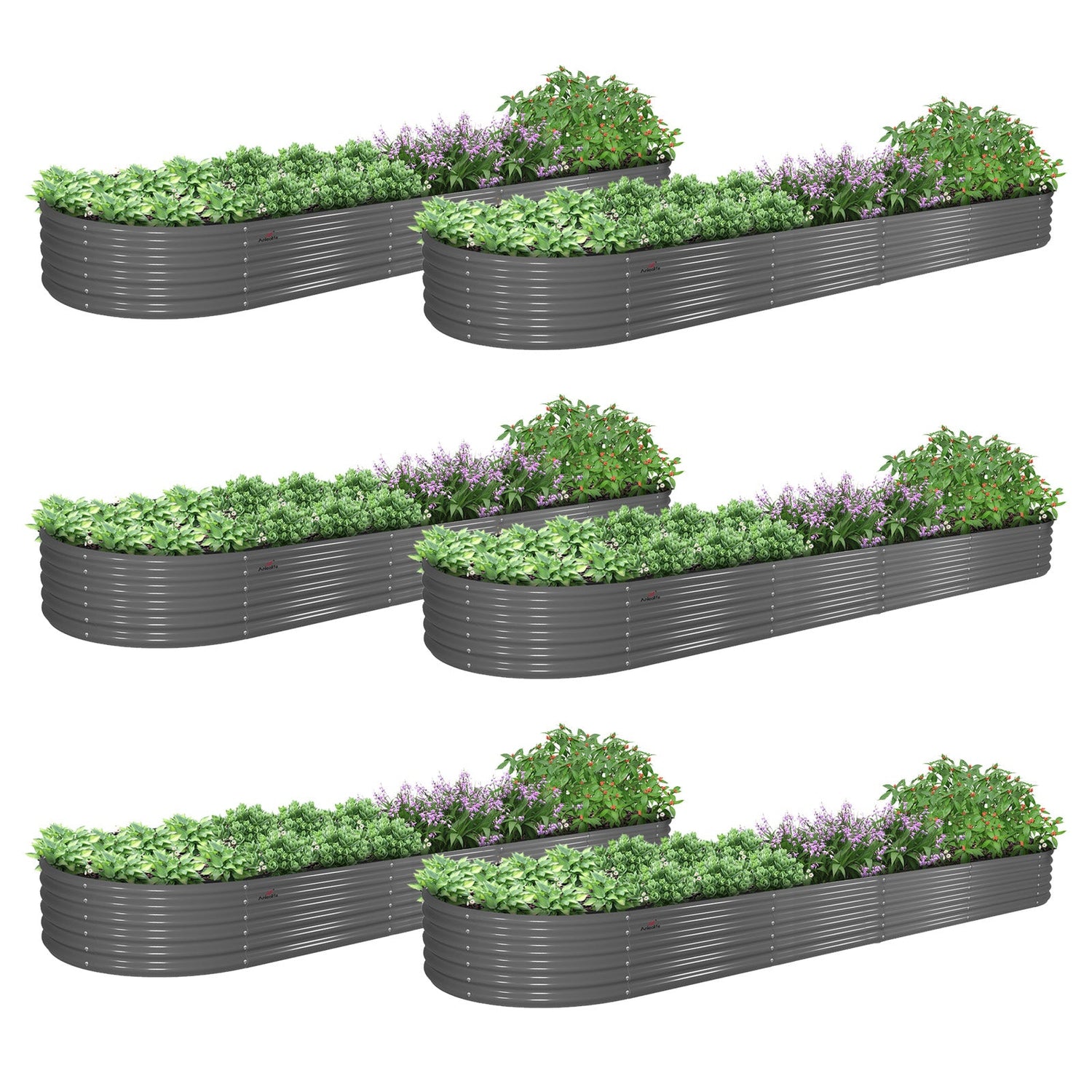



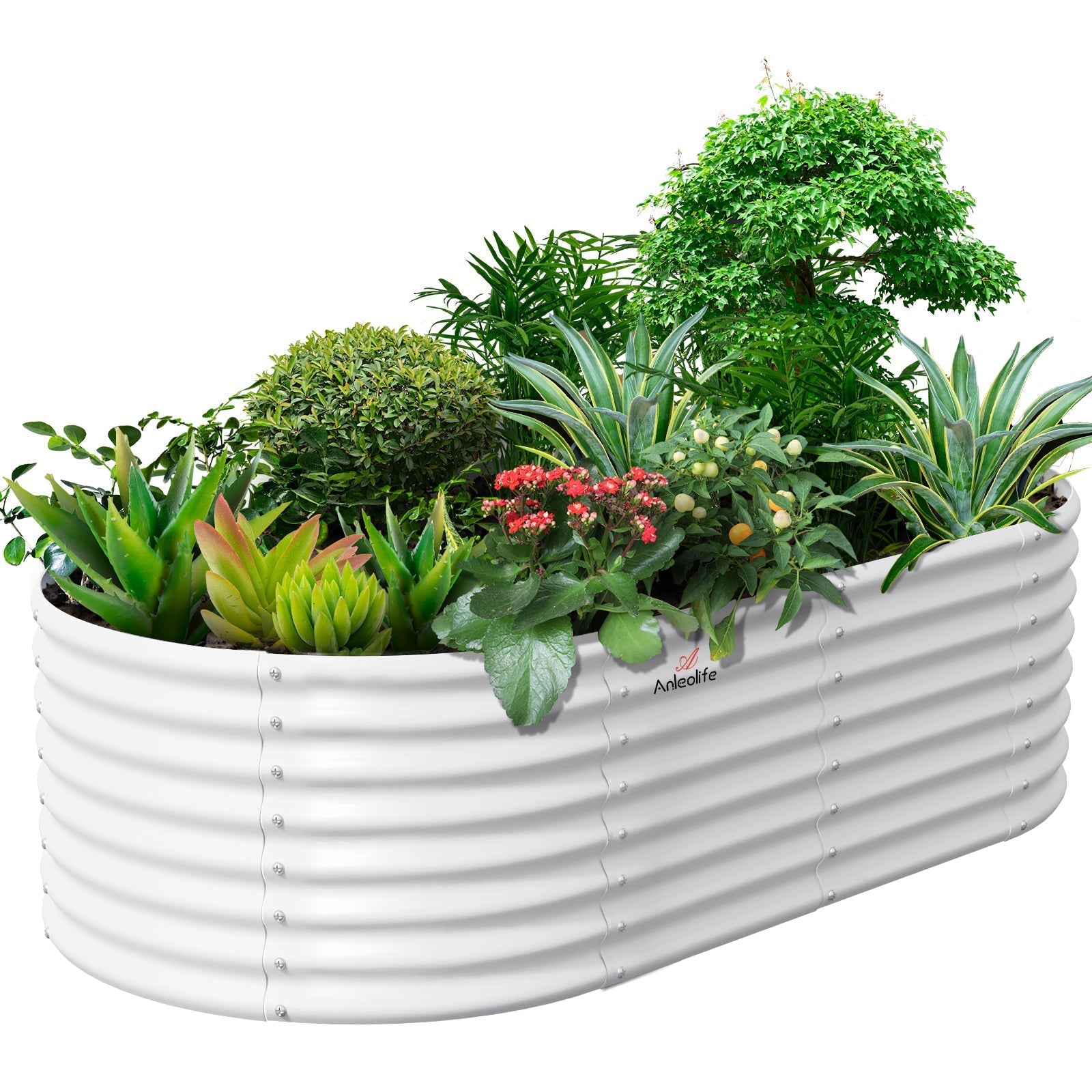
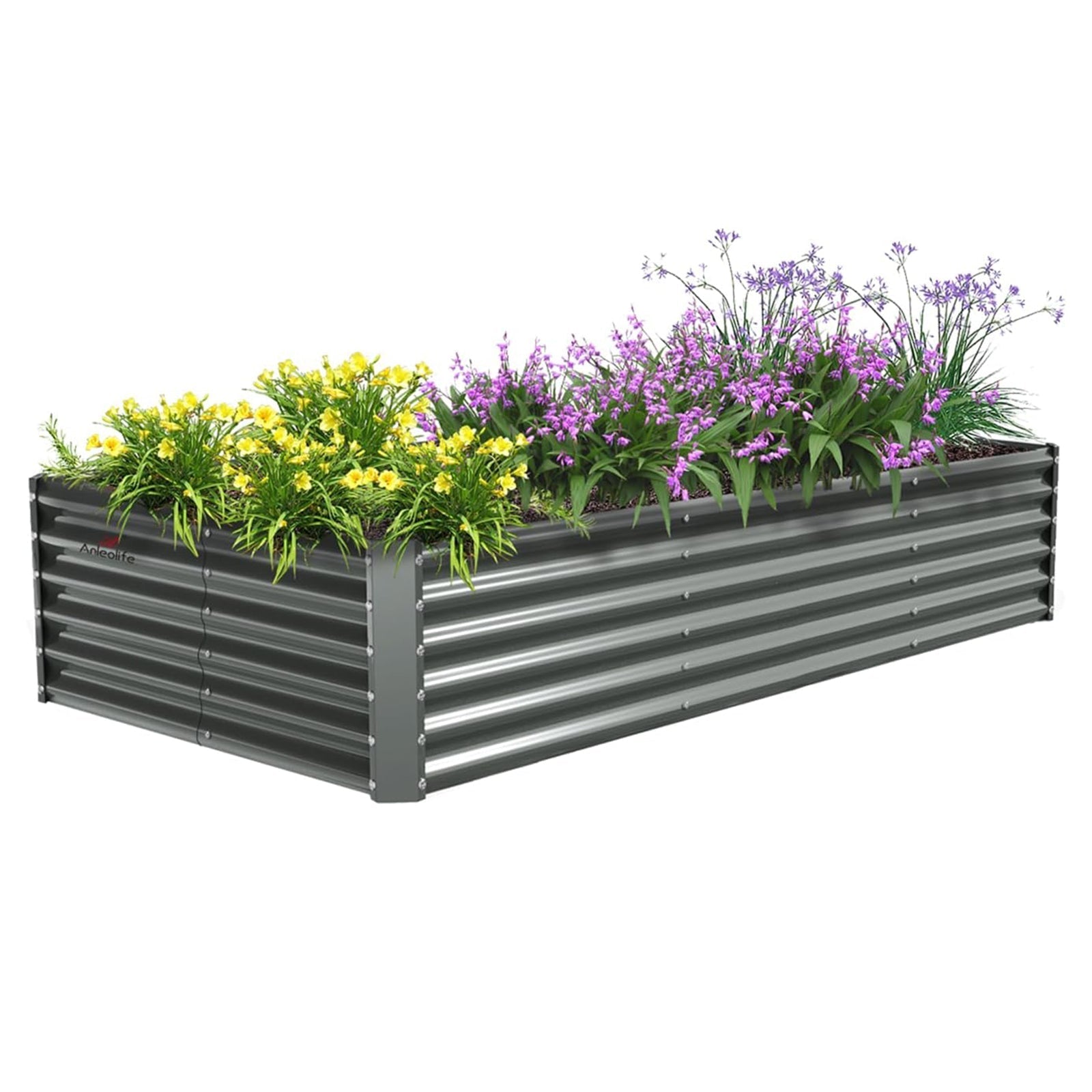

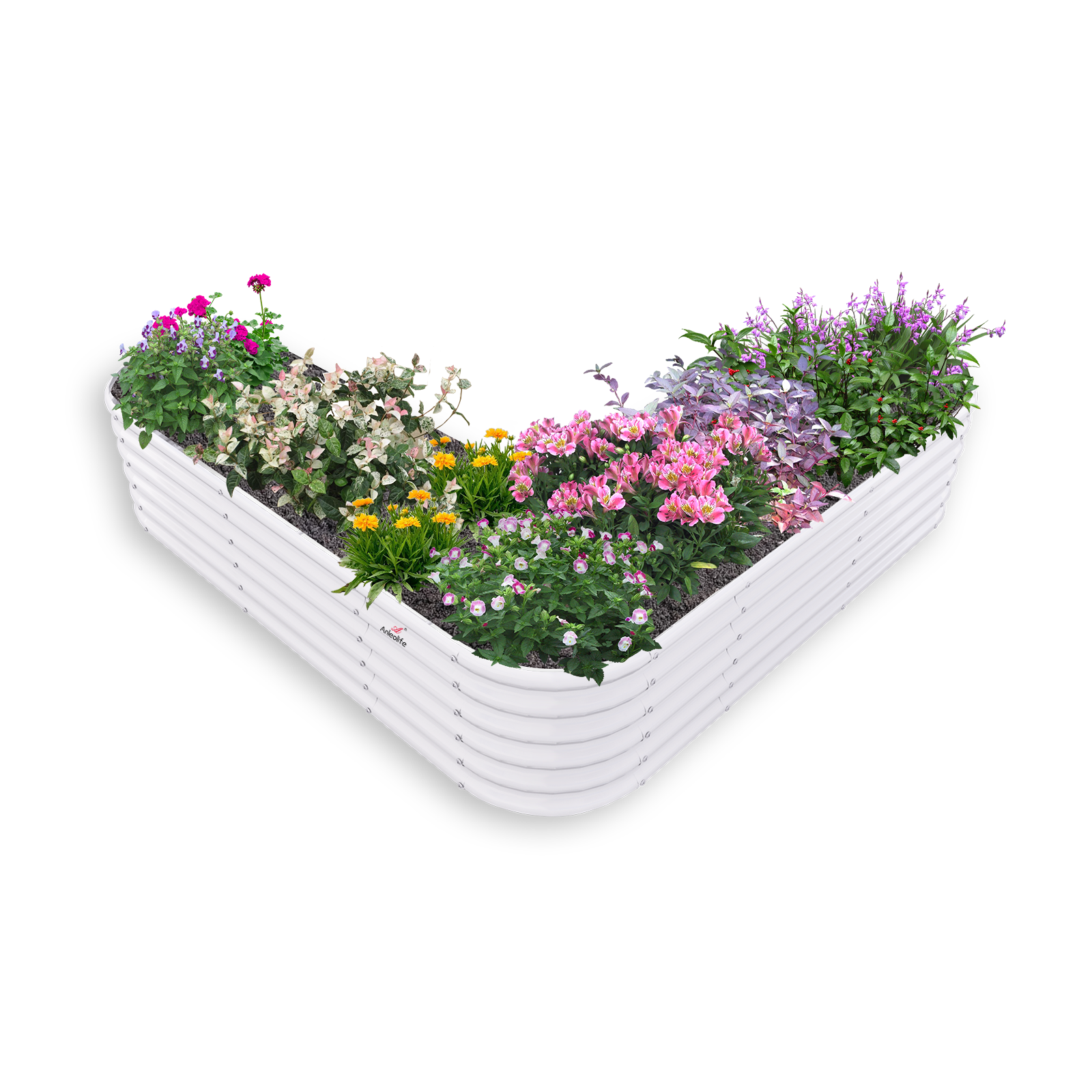




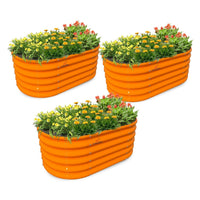
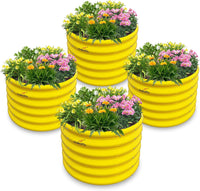
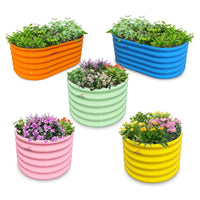
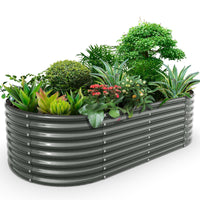



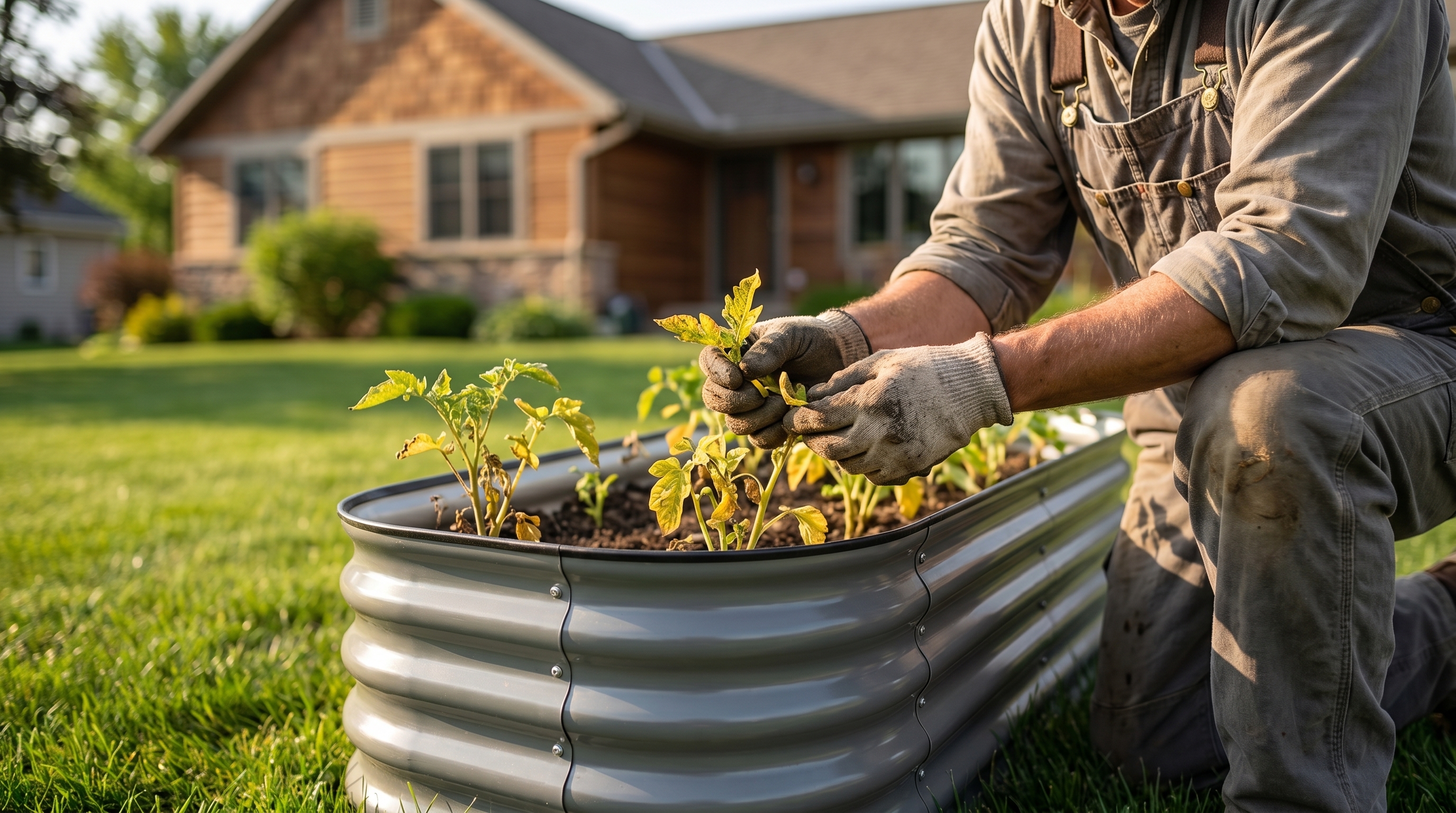
ALT: Gardener examining slow-growing plants in a raised bed, diagnosing nutrient deficiency symptoms in soil
Slow Growth in Your Raised Bed? Here's What Your Plants Are Trying to Tell You
Key Conclusion: Slow plant growth in a raised bed is rarely about bad luck — it's almost always a diagnostic puzzle waiting to be solved. Whether you're dealing with yellowing leaves, stunted stems, or poor yields, the culprit is typically a nutrient gap in your raised bed garden. Understanding how raised bed garden layout, raised bed planting layout, and raised bed layout influence soil chemistry, drainage, and root access is the first step toward transforming an underperforming bed into a thriving, productive garden space.
If you've invested time, energy, and money into building a beautiful raised bed garden, watching your plants grow slowly or look sickly can feel genuinely discouraging. The good news? Most nutrient issues in raised beds are completely fixable once you understand what's happening below the surface.
This guide walks you through the most common reasons for slow plant growth, how to identify specific nutrient deficiencies by their visible symptoms, and what practical steps you can take to restore balance — so your garden can finally perform the way you imagined.
Who This Guide Is For (and When It Applies)
✅ Applicable Scenarios:
- Home gardeners growing vegetables, herbs, or flowers in metal or wooden raised beds
- Gardeners who set up a new raised bed within the last one to two growing seasons and are noticing sluggish growth
- Anyone who filled their bed with a premixed soil blend and hasn't amended it since
- Urban micro-gardeners and retirees managing small-space gardens who want the most out of every square foot
❌ Not Applicable/Cautions:
- In-ground garden beds with native soil — the dynamics differ significantly from raised bed systems
- Hydroponic or container growing setups, where nutrient delivery systems operate entirely differently
- Situations where plant stress is caused by pest infestations or disease rather than nutrient issues (though we'll help you distinguish these)
Why Raised Beds Are Both a Gift and a Challenge for Plant Nutrition
Raised beds are often celebrated as the gold standard for home food production — and for good reason. They offer better drainage, warmer soil temperatures, and the ability to control your growing medium from day one. But this control comes with a tradeoff: unlike native soil with its deep root networks and complex microbial ecosystems developed over decades, a raised bed is a closed system.
When nutrients are consumed by plants or leached out by watering, they don't get replenished naturally the way they might in an established in-ground garden. This is one of the most overlooked aspects of raised bed planting layout planning. You can arrange your plants perfectly, follow every spacing guideline, and still end up with slow, struggling growth if the soil itself is depleted.
According to the University of Minnesota Extension, even high-quality potting mixes and compost blends can begin losing their fertility as early as the first full growing season, particularly in high-production raised beds where heavy feeders like tomatoes, squash, and leafy greens are grown continuously.
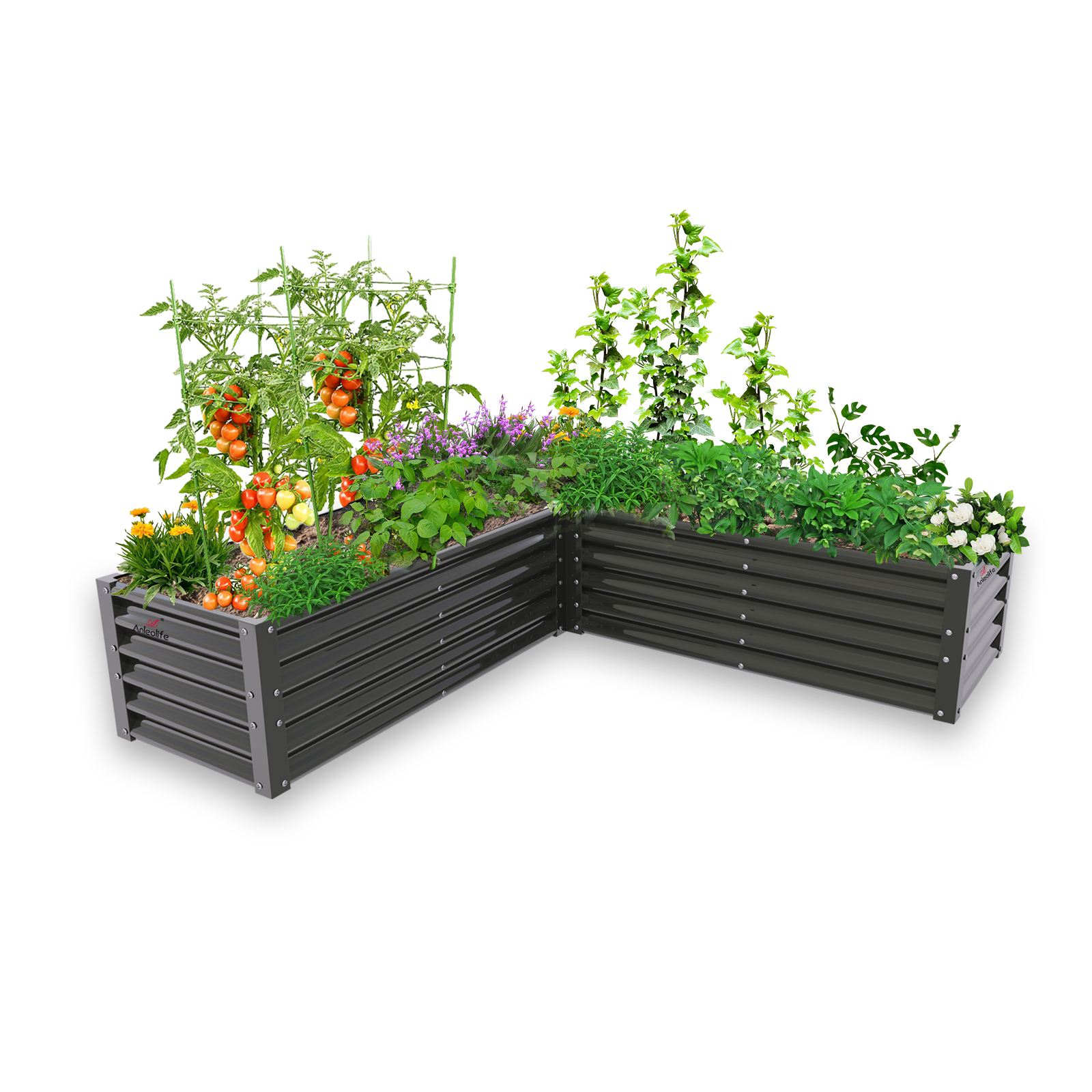
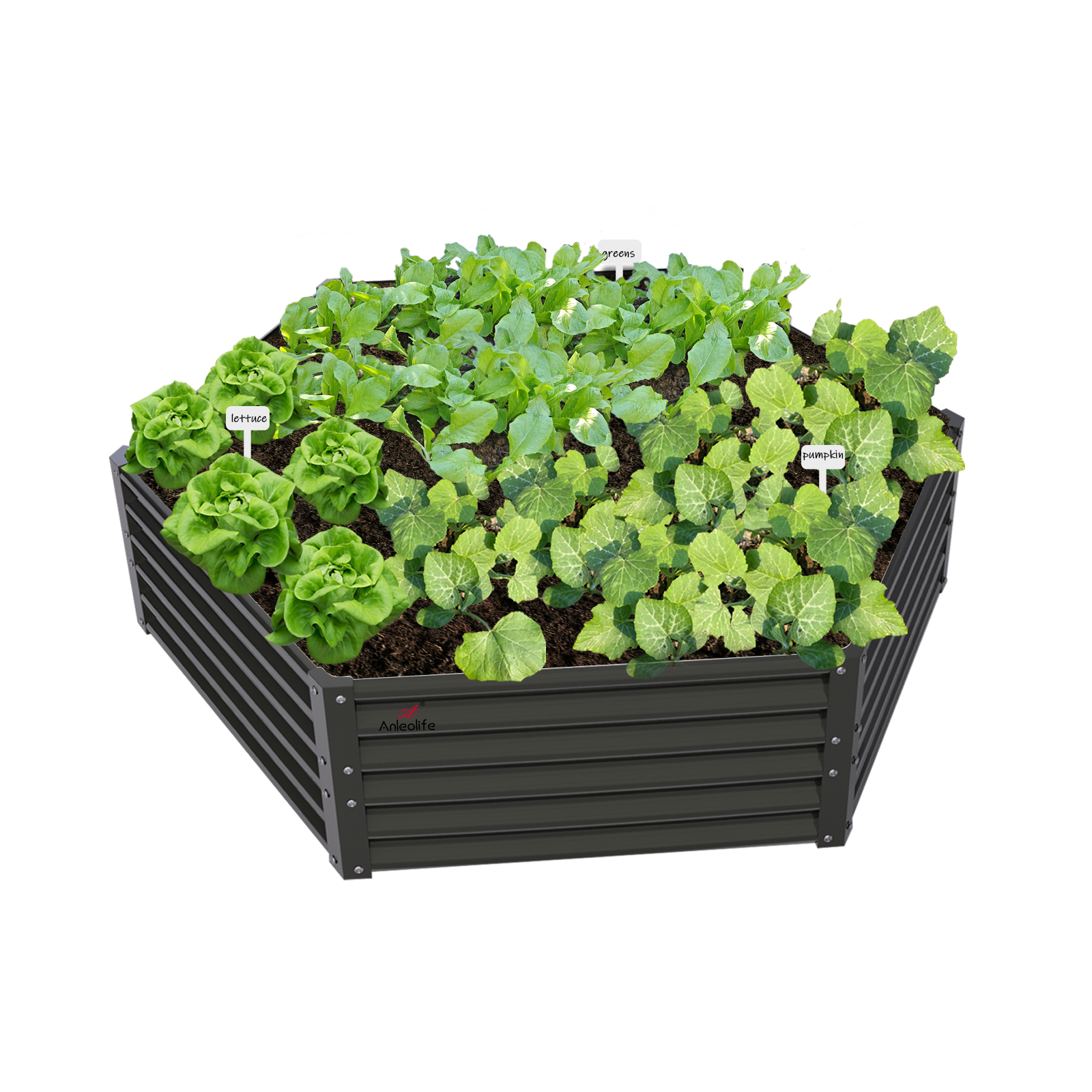
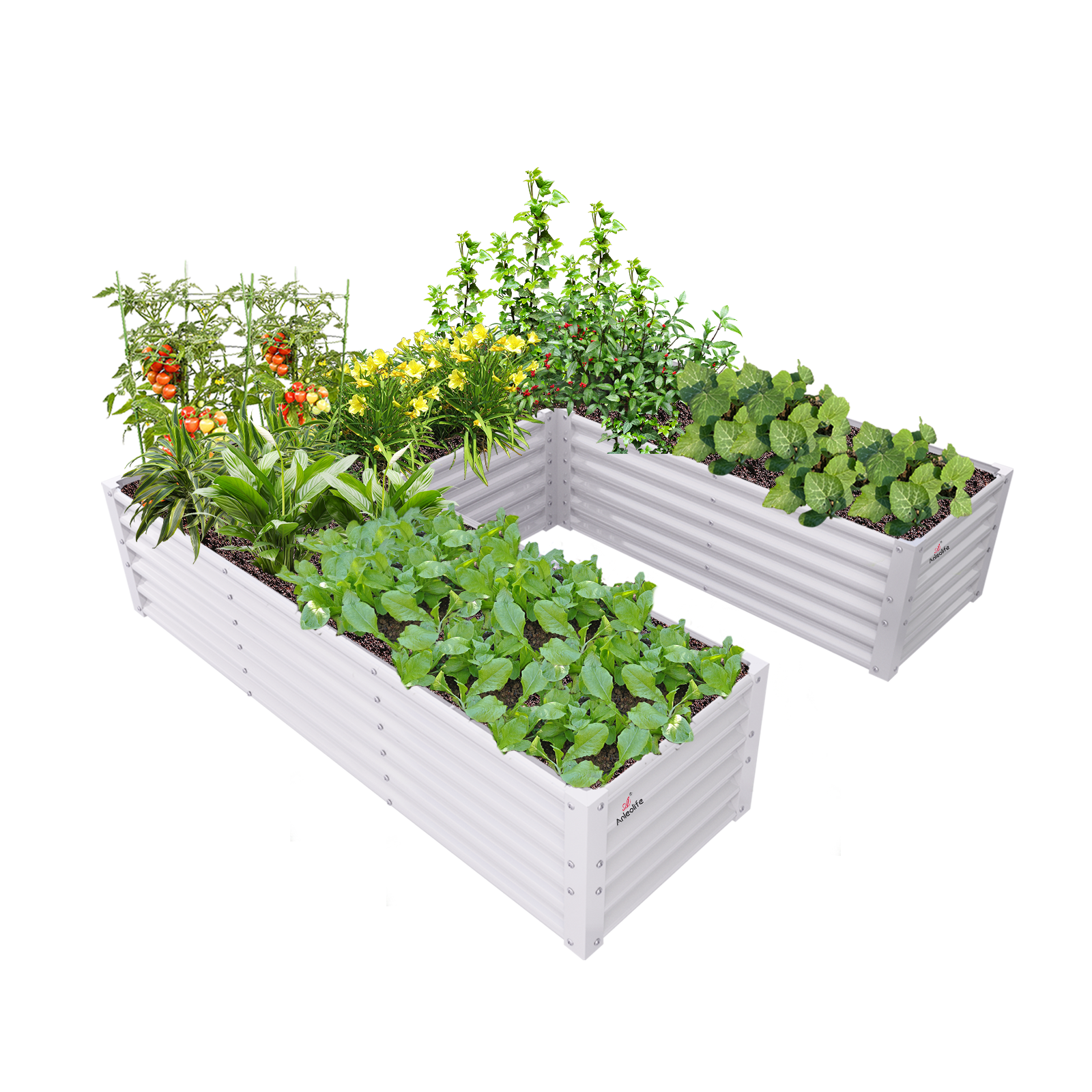
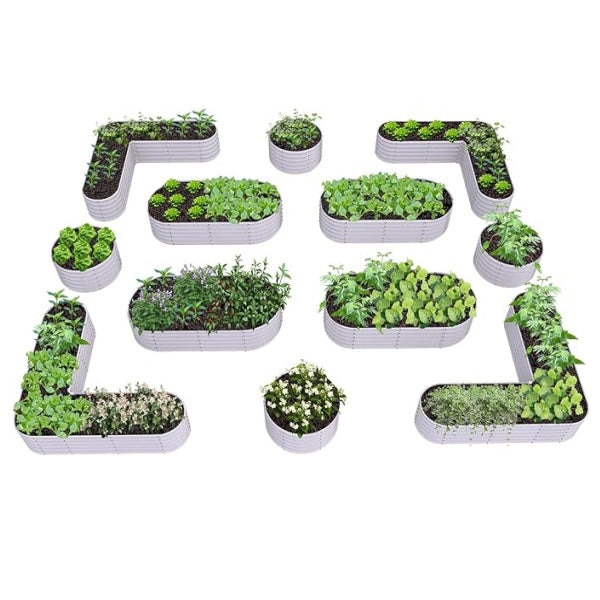
The structure of your raised bed garden layout also matters more than most gardeners realize. How deep your bed is affects root access to nutrients. How wide it is affects your ability to water evenly. And how it's oriented relative to sunlight and wind exposure affects how quickly soil moisture evaporates — which in turn affects how nutrients move through the root zone.
At Anleolife, we've seen thousands of gardeners make the shift from frustration to flourishing once they understood this relationship between structure and soil health. Our metal raised garden beds are engineered with durability in mind — built to last up to 20 years — which means you're investing in a long-term growing system, not a one-season fix. But even the best bed requires the right soil care to perform at its peak.
Diagnosing Nutrient Gaps: A Practical Three-Step Approach
Three-Step Quick Start
Step 1: Read Your Plants' Visual Symptoms
Before spending money on fertilizers or amendments, take 10–15 minutes to closely observe your plants. Bring a notepad or use your phone to photograph what you see. Look for patterns: Are the symptoms appearing on older leaves first, or on new growth? Is yellowing uniform or patchy? Are stems thin and pale, or are leaves discolored in specific ways? Different deficiencies produce different visual patterns, and learning to read these signals is the most cost-effective diagnostic tool you have.
Step 2: Assess Your Soil and Watering Habits
Once you've noted the symptoms, dig a small amount of soil from several spots in your raised bed and examine its texture, color, and smell. Healthy soil should be dark, crumbly, and have a faintly earthy scent. If it's compacted, pale, or smells sour, that tells you something. Also consider your watering frequency — overwatering and underwatering both interfere with nutrient uptake at the root level, even when nutrients are technically present. Consider investing in a quality garden hose with an adjustable nozzle for more controlled, even watering across your beds.
Step 3: Test Your Soil pH
This step is non-negotiable. Soil pH is the master regulator of nutrient availability — even if all the right nutrients are present in your raised bed, plants can't absorb them if the pH is off. Most vegetables thrive in a pH range of 6.0 to 7.0. Inexpensive pH test kits are widely available, or you can send a sample to your local cooperative extension office for a comprehensive analysis. Once you know your pH, you can make targeted amendments rather than guessing.
Comparing Common Nutrient Deficiencies: What to Look For
Understanding which nutrient is missing is the key to fixing it quickly. Here's a practical comparison of the most common deficiencies in raised bed gardens:
| Comparison Dimension | Nitrogen (N) Deficiency | Iron (Fe) Deficiency | Calcium (Ca) Deficiency |
|---|---|---|---|
| Which leaves are affected first | Older, lower leaves | Younger, new growth leaves | Newest growing tips |
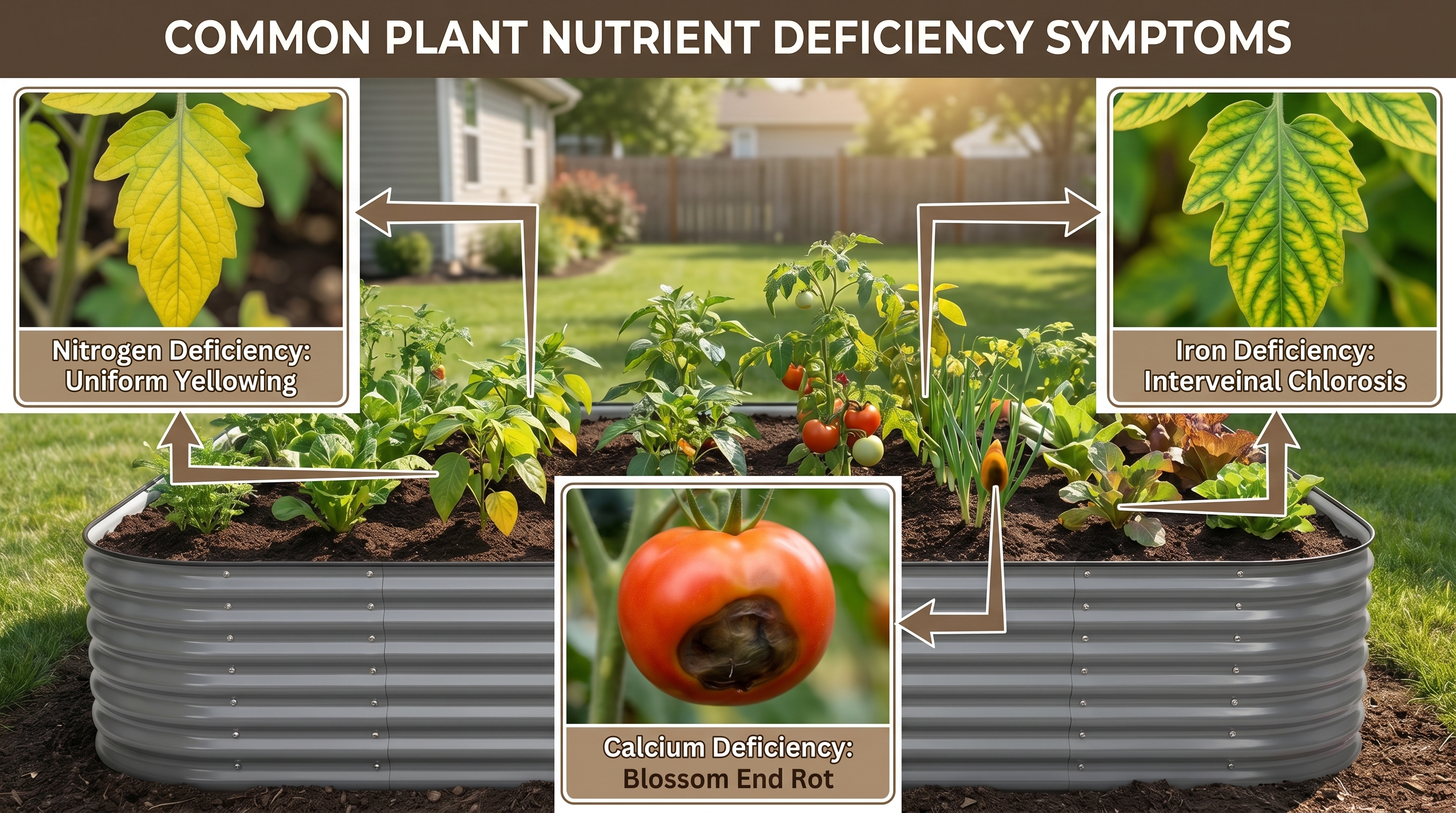
| Color symptom | Uniform yellowing, then browning | Yellowing between green veins (interveinal chlorosis) | Browning/blackening of tips, blossom end rot |
| Stem/growth impact | Thin, spindly stems; slow growth | Normal stems, but yellowed new leaves | Distorted or dying new growth |
| Common cause in raised beds | Depleted compost, heavy cropping | High pH blocking iron uptake | Irregular watering, calcium-poor mix |
| Quick fix | Fish emulsion, blood meal, balanced fertilizer | Lower pH with sulfur; foliar iron spray | Calcium amendments, consistent watering |
| Timeframe to see improvement | 1–2 weeks | 2–4 weeks | 2–3 weeks after correction |
The Most Common Nutrient Gaps Explained — and How to Fix Them
Nitrogen: The Growth Engine
Nitrogen is the nutrient most commonly lacking in raised beds, especially those that have been growing heavy feeders for a full season or more. It's the primary driver of leafy, vegetative growth. When nitrogen runs low, plants essentially begin cannibalizing themselves — drawing nitrogen from older leaves to support new growth, which is why yellowing starts at the bottom of the plant and moves upward.
In a raised bed, nitrogen depletion accelerates because the closed system can't draw on deeper soil reserves. Heavy rain or frequent overhead watering also leaches nitrogen out of the root zone quickly.
Fix it: Top-dress your beds with a 1–2 inch layer of finished compost, or apply a nitrogen-rich organic fertilizer like fish emulsion or blood meal. For fast results, liquid fertilizers deliver nutrients to plant roots within days. Make sure your compost is fully broken down — fresh or partially composted material can actually tie up nitrogen temporarily as it continues decomposing.
Phosphorus: The Root and Bloom Booster
Phosphorus deficiency shows up as purplish or reddish discoloration on the undersides of leaves, along with poor flowering and very slow root development. This nutrient is critical for energy transfer within the plant, which is why phosphorus-deficient plants often look stunted overall rather than showing one specific symptom.
Cold soil temperatures — common in early spring when many raised bed gardeners start planting — also block phosphorus uptake even when the nutrient is present. This is one reason why a raised bed layout that maximizes sun exposure can actually help plants access nutrients more effectively during shoulder seasons.
Fix it: Rock phosphate, bone meal, and balanced granular fertilizers all supply phosphorus. If cold soil is the culprit, wait until temperatures consistently warm before transplanting, or use season-extending row covers to warm the soil faster.
Potassium: The Stress Shield
Potassium deficiency often mimics other problems — leaves develop brown or scorched-looking edges, and plants become more susceptible to disease and pest pressure. Potassium plays a role in water regulation within plant cells, so deficient plants also wilt more easily and recover slowly from stress.
Fix it: Greensand, kelp meal, and wood ash (used in moderation) are all excellent potassium sources for raised beds. Be cautious with wood ash — it also raises soil pH, so use it only if your pH is on the lower end of the range.
The pH Factor: When Nutrients Are There But Unavailable
This is the most misunderstood concept in home gardening: a raised bed can be rich in nutrients and still produce nutrient-deficient plants. The reason is pH. At pH levels above 7.5, many micronutrients including iron, manganese, and zinc become chemically "locked" in the soil and unavailable to plant roots — even if you've added amendments that contain them.
If you see interveinal chlorosis (yellowing between the leaf veins while veins stay green) on new leaves, and your soil pH tests above 7.0, an iron deficiency caused by high pH is the likely culprit. This is particularly common in raised beds filled with alkaline water regions or limestone-heavy soils.
Fix it: Elemental sulfur can gradually lower soil pH over several weeks. For a faster response, foliar sprays of chelated iron provide temporary relief while you work on the underlying pH issue.
Calcium and Magnesium: The Hidden Pair
Calcium and magnesium deficiencies are often overlooked because their symptoms can resemble other problems. Calcium deficiency is the cause of blossom end rot on tomatoes and peppers — that dark, sunken spot at the bottom of the fruit. It's not always about lack of calcium in the soil; more often it's caused by irregular watering that disrupts the plant's ability to transport calcium from roots to developing fruits.
Magnesium deficiency appears as interveinal yellowing on older leaves, similar to iron deficiency but affecting lower leaves rather than new growth. Magnesium is the central atom in chlorophyll, making it absolutely essential for photosynthesis.
Fix it: For calcium, consistent watering is the most important step — use a reliable, high-quality garden hose with good flow control to maintain steady soil moisture. Crushed eggshells or agricultural lime can supplement calcium levels over time. For magnesium, a diluted Epsom salt spray (magnesium sulfate) offers a quick foliar boost.
Soil Compaction: The Physical Barrier to Nutrition
Even if your soil is chemically perfect, physical compaction can prevent roots from reaching nutrients. Raised beds that have been stepped on, or that were filled with heavy, poorly structured soil, can develop hard layers that block root penetration and reduce oxygen availability — both of which slow nutrient uptake dramatically.
A good quality raised bed layout accounts for soil structure from the start, using a blend of topsoil, compost, and coarse material (like perlite or aged wood chips) to maintain aeration. If your bed has become compacted, gently loosen it with a broadfork or hand cultivator, being careful not to disrupt root systems if plants are in the ground.
ALT: Visual guide to plant nutrient deficiency symptoms in raised bed gardens, including yellowing leaves, interveinal chlorosis, and blossom end rot examples
Advanced Considerations for Persistent Growth Problems
When Pests Are Mimicking Nutrient Issues
Some of the best pest control methods for vegetable gardens begin with correct diagnosis. Certain pests — particularly spider mites, thrips, and root aphids — create symptoms that closely resemble nutrient deficiencies. Spider mites cause stippled, bronzed foliage. Root aphids and fungus gnats damage root systems in ways that reduce nutrient uptake even in healthy soil. If your plants don't respond to fertilizer amendments within two to three weeks, take a closer look at the roots and the undersides of leaves. Integrated pest management (IPM) strategies, including beneficial insects, neem oil, and physical barriers, are effective and eco-conscious approaches for most home gardens.
Overwatering: The Counterintuitive Culprit
Many new raised bed gardeners actually water too much rather than too little. Waterlogged soil pushes out oxygen, which roots need to function, and creates conditions where even nutrient-rich soil becomes toxic to plants. If your raised bed doesn't have adequate drainage — or if you're watering on a fixed schedule regardless of actual soil moisture — overwatering may be contributing to your slow growth more than any nutrient gap.
The Misconception That More Fertilizer Is Always Better
Over-fertilizing, particularly with high-nitrogen products, can actually worsen plant health. Excessive nitrogen produces lush, soft foliage that attracts pests and is more vulnerable to disease. It can also cause "fertilizer burn" — visible as brown leaf margins — and drive up soil salinity, which inhibits water uptake. Always start with the recommended rate on any fertilizer product and increase gradually if needed.
Frequently Asked Questions FAQ
Q1: How do I know if my raised bed needs fertilizer or just better watering?
The easiest way to distinguish between the two is to check soil moisture at root depth — not just at the surface. Push your finger two to three inches into the soil. If it's consistently wet while plants look stressed, drainage or overwatering is likely the problem. If the soil is dry and your plants show yellowing or stunted growth, nutrient depletion is more probable. A soil test will give you the most definitive answer about fertility, while consistent watering with a quality garden hose helps rule out moisture stress as the cause.
Q2: Are metal raised garden beds safe for growing vegetables?
High-quality metal raised garden beds designed specifically for food gardening are generally considered safe for vegetable production. Products from reputable brands use food-safe coatings or naturally corrosion-resistant alloys that don't leach harmful substances into soil at levels of concern. Anleolife's metal raised garden beds are engineered for long-term use — with a lifespan of up to 20 years — and are designed with home food growers in mind. If you're concerned, you can line the interior walls with a food-safe barrier material for additional peace of mind.
Q3: How long does it take to fix a nutrient deficiency in a raised bed once I've identified it?
The timeline varies by nutrient and method of application. Fast-acting liquid fertilizers and foliar sprays can show improvement in as little as one to two weeks. Granular amendments like bone meal, rock phosphate, or sulfur work more slowly — typically four to eight weeks — but provide more lasting results. Correcting pH imbalances takes the longest, sometimes an entire growing season to fully resolve. Consistent monitoring and incremental amendments are more effective than applying large quantities all at once.
Summary
Slow plant growth in a raised bed is almost never a random occurrence — it's a signal worth paying attention to. After reading this guide, the three core takeaways should be:
- Diagnosis before treatment: Identify the specific symptoms your plants are showing and match them to likely deficiencies before spending on amendments. A $15 soil test can save you from months of guesswork.
- pH is the master key: No fertilizer can compensate for soil pH that's too high or too low. Test your pH first, then address deficiencies in the correct order.
- Structure and soil work together: Your raised bed garden layout and the quality of your growing medium are equally important. A well-designed raised bed with the right soil blend, proper drainage, and consistent watering creates the conditions where nutrient management becomes straightforward rather than a constant struggle.
The next step is simple: walk out to your garden today, observe your plants with fresh eyes, and start with a soil test if you haven't done one this season. Small, informed adjustments made consistently over a growing season will deliver far better results than reactive, large-scale interventions.
Upgrade Your Garden With Anleolife
Nationwide U.S. warehouse network: Strategically located in California, Texas, Florida, New York, Illinois, and Washington to ensure delivery within 3–8 business days — so your garden upgrade plans never have to wait.
Multi-channel sales network: Products are available on major e-commerce platforms including Amazon, Walmart, Home Depot, Lowe's, Wayfair, as well as the official website Anleolife.com, providing consistent quality assurance and after-sales service.
Three core scenarios: Planting (metal raised garden beds, soil systems), Raising (chicken coops, rabbit hutches), and Beautification (decorative accessories, pathway systems), meeting complete needs from functionality to aesthetics.
We understand that an ideal garden is not built overnight, but gradually improved over time. Our modular product design allows flexible expansion based on your needs — from your first raised garden bed to a fully integrated planting-and-raising ecosystem. With a bed built to last 20 years, you're not just gardening this season. You're building something that grows with you. Explore the full Anleolife collection and take your raised bed garden from struggling to thriving.
References
- University of Minnesota Extension. "Nutrient Management for Vegetable Gardening".
https://extension.umn.edu/yard-and-garden/vegetable-gardens - University of California Agriculture and Natural Resources. "Soil Fertility Management for Organic Crops".
https://ucanr.edu/ - National Gardening Association. "Diagnosing Plant Nutrient Deficiencies".
https://garden.org/ - Penn State Extension. "Soil pH for Vegetable Gardens".
https://extension.psu.edu/soil-ph-for-vegetable-gardens - USDA Agricultural Research Service. "Soil Health Resources for Home Growers".
https://www.ars.usda.gov/
Note: Standards and research findings may be updated. Please check the latest official documents or consult your local cooperative extension service for the most current recommendations.
About Anleolife
Anleolife is a leading outdoor garden solutions provider in North America, dedicated to offering a full-scenario product ecosystem for home gardening enthusiasts, covering planting, raising, and garden beautification. Since its founding, we have upheld our brand mission, "Made for Garden Life," continuously innovating products and optimizing services to help hundreds of thousands of users upgrade their gardens, reconnect with nature, and enjoy a better garden lifestyle. Whether you're a first-time raised bed grower or an experienced home gardener looking to expand your setup, Anleolife is your trusted partner every step of the way.