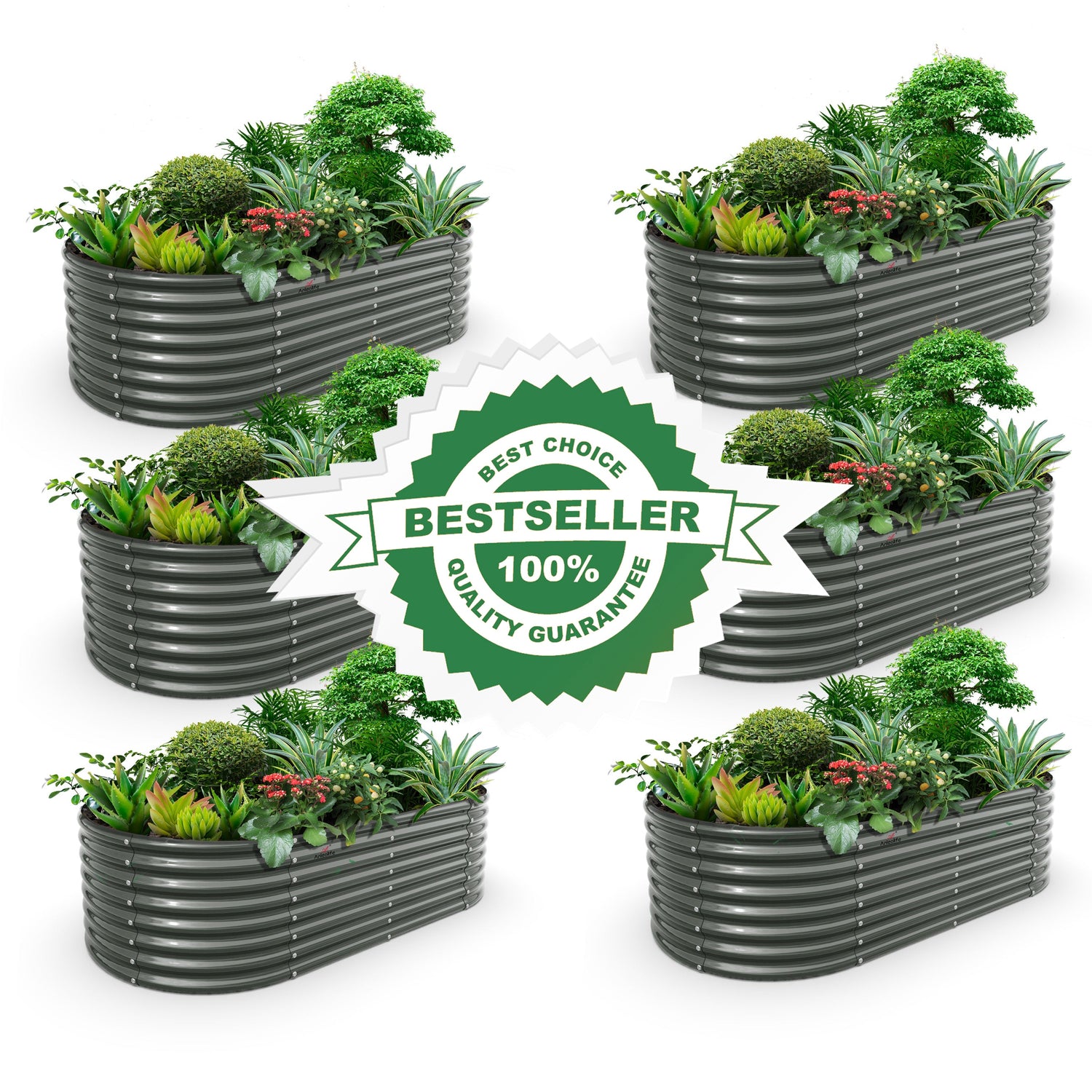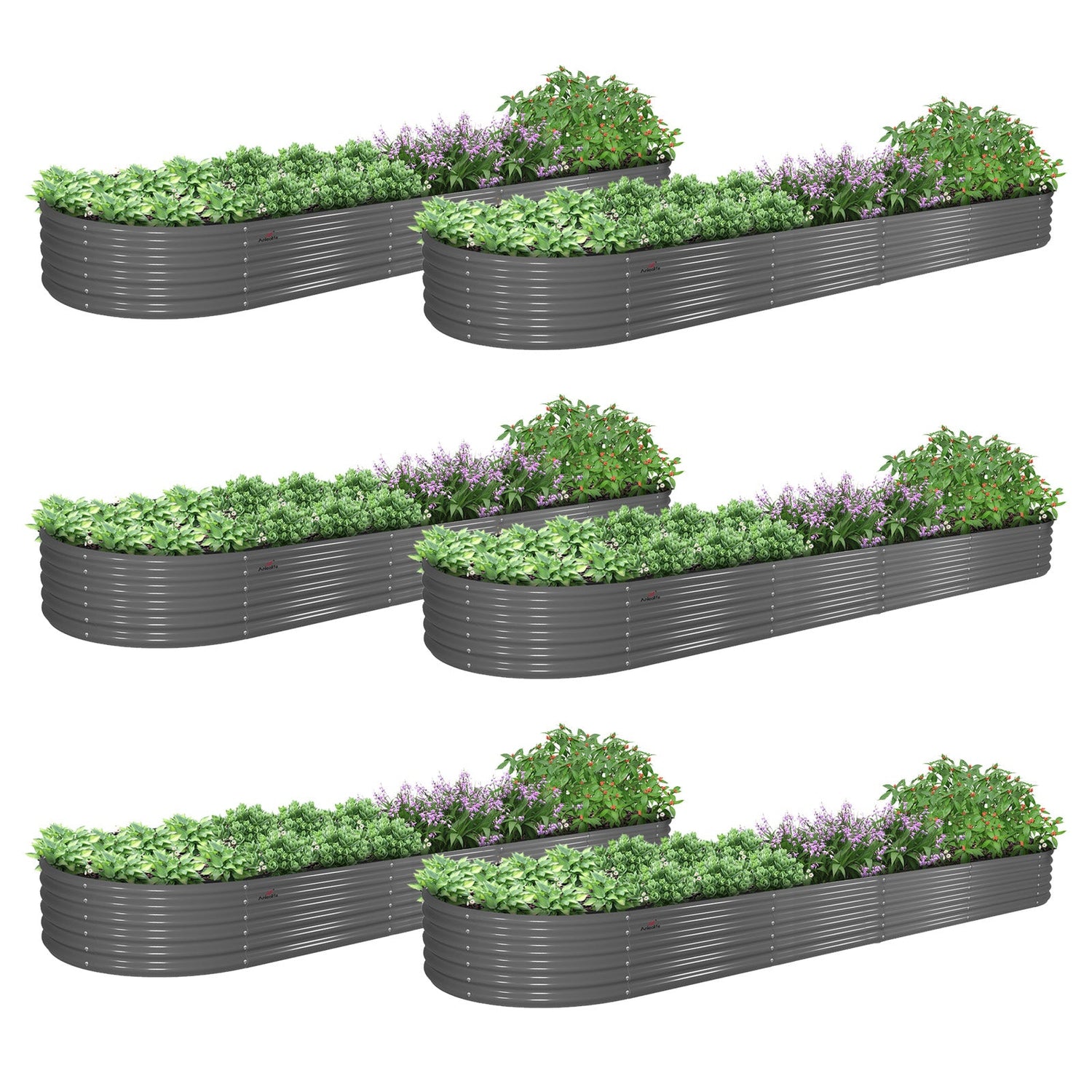



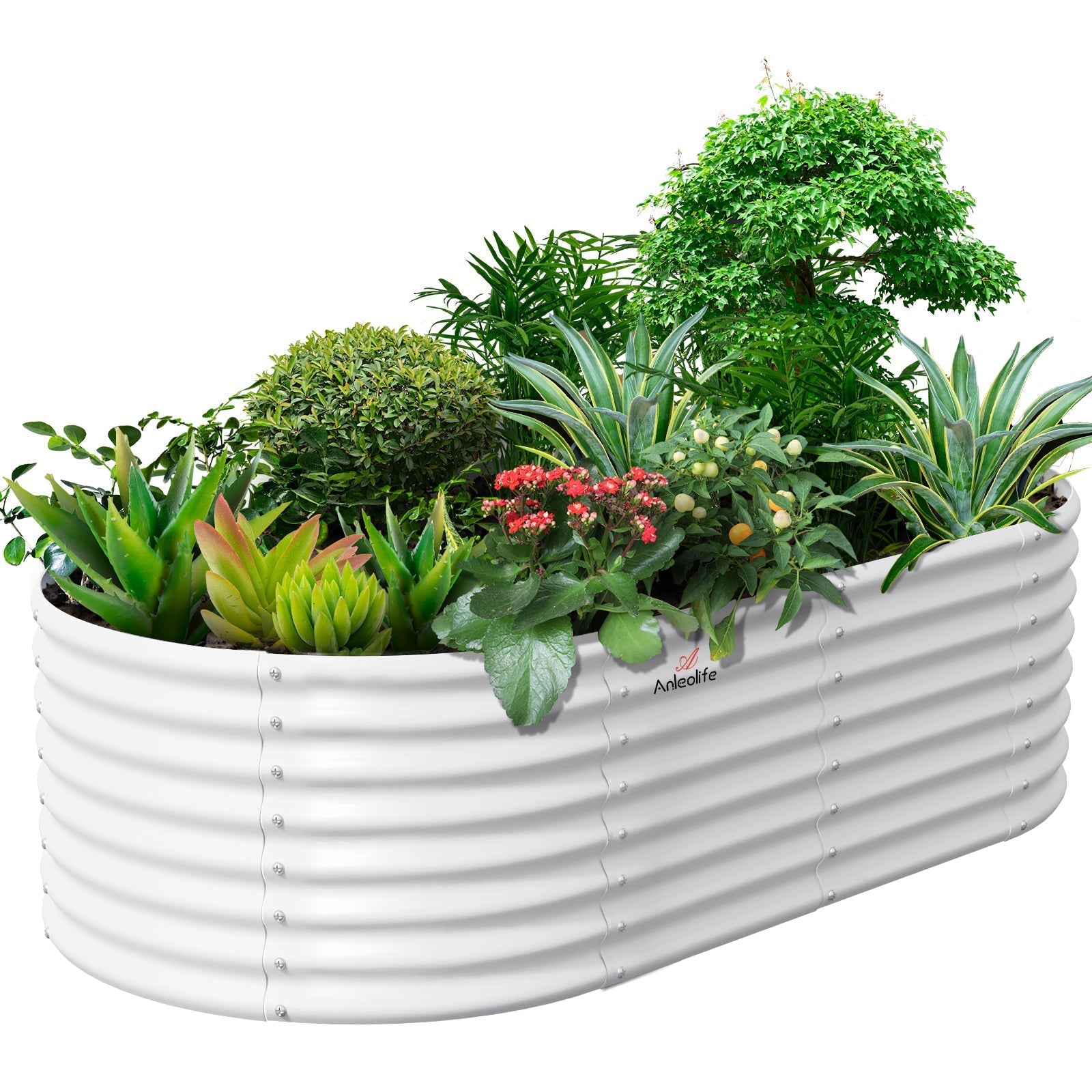
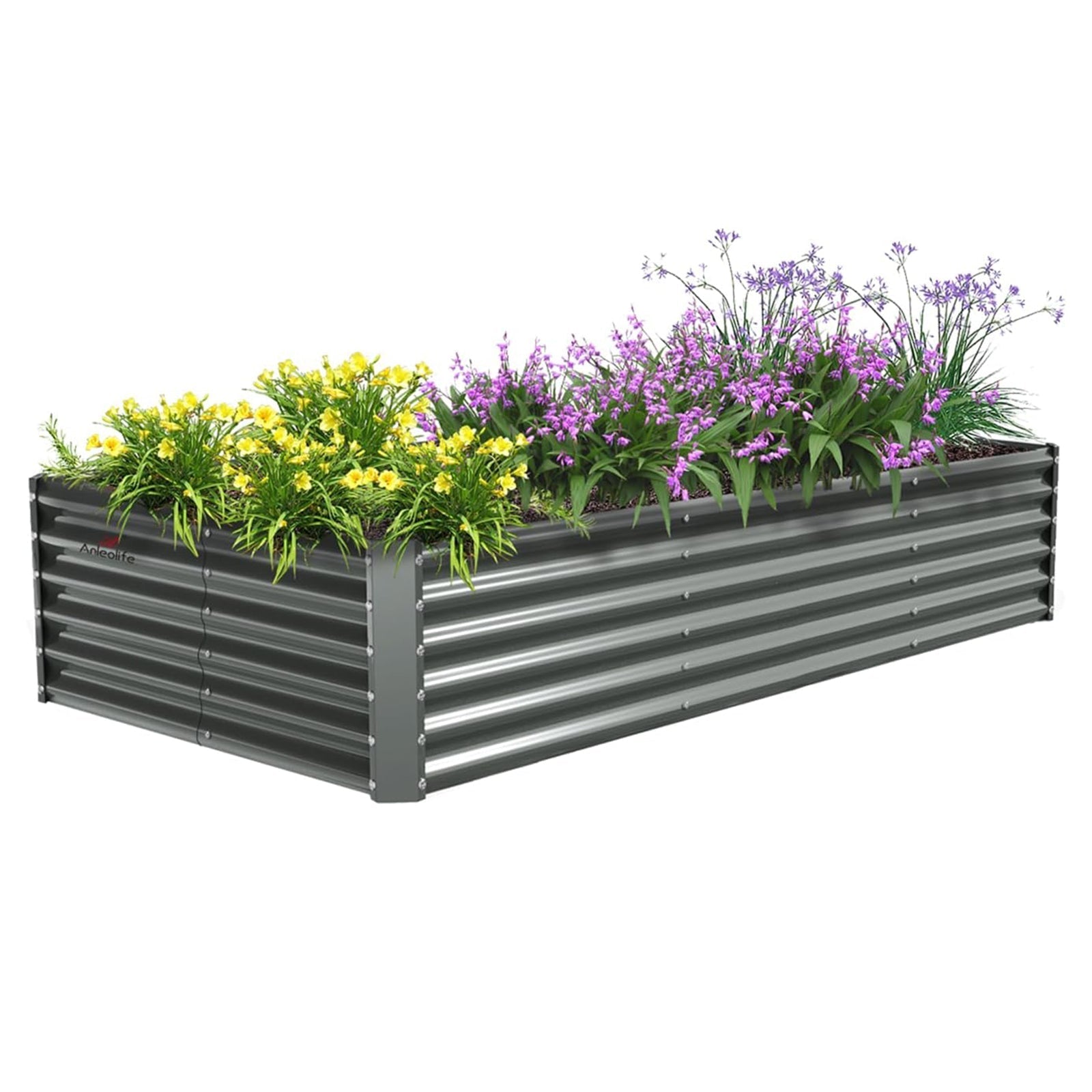

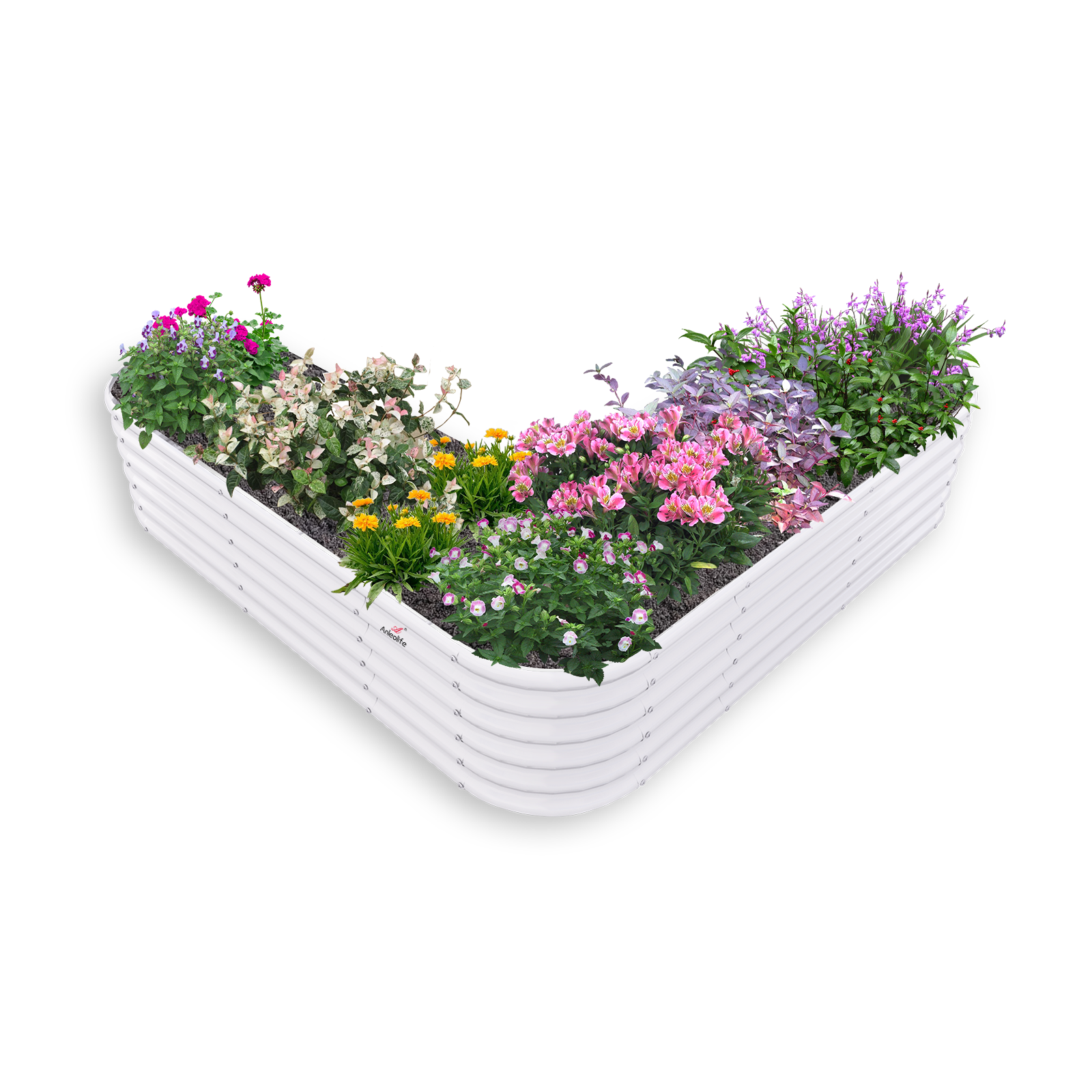
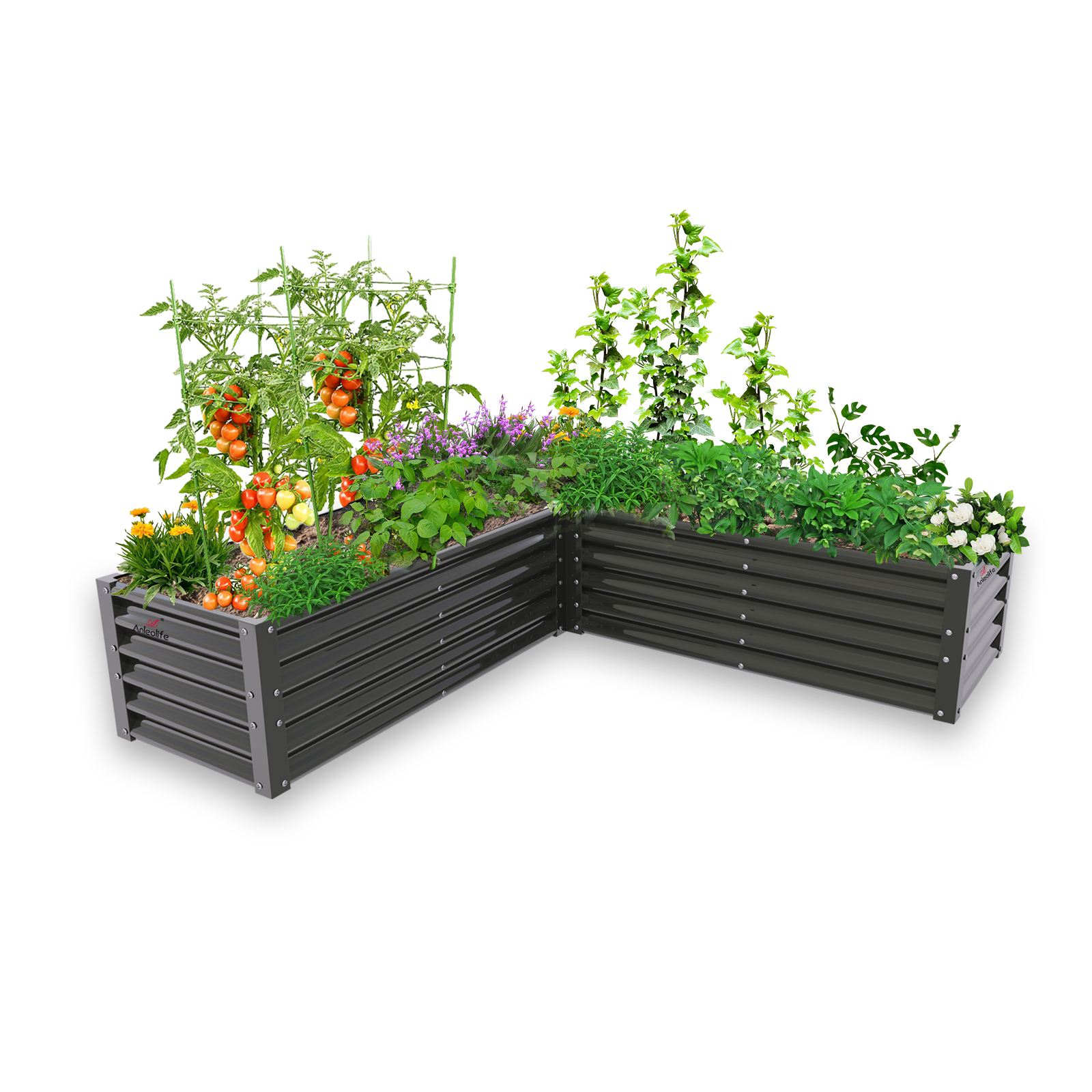
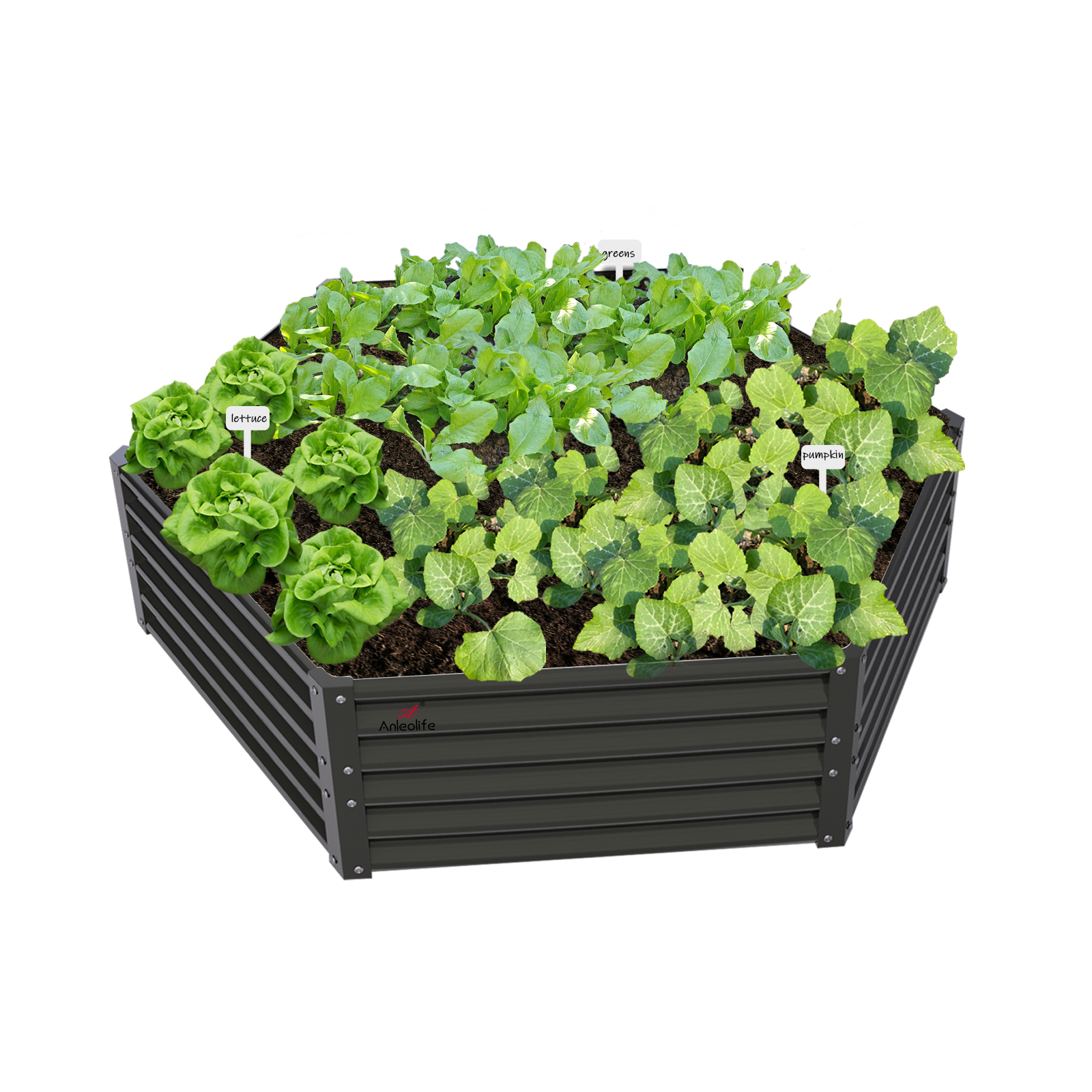
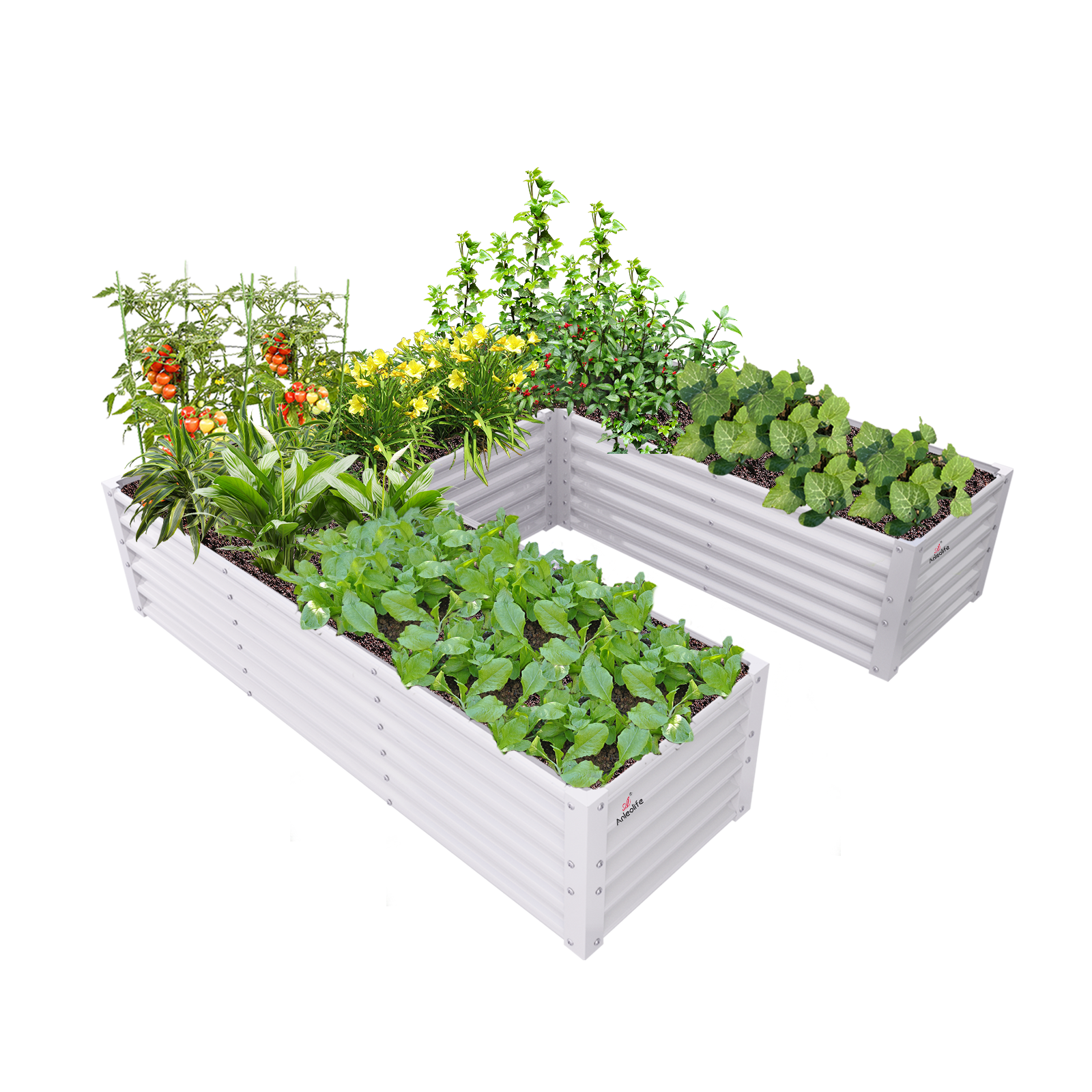



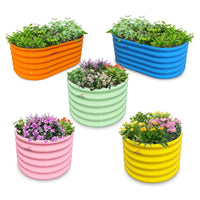
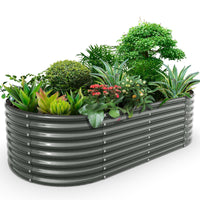



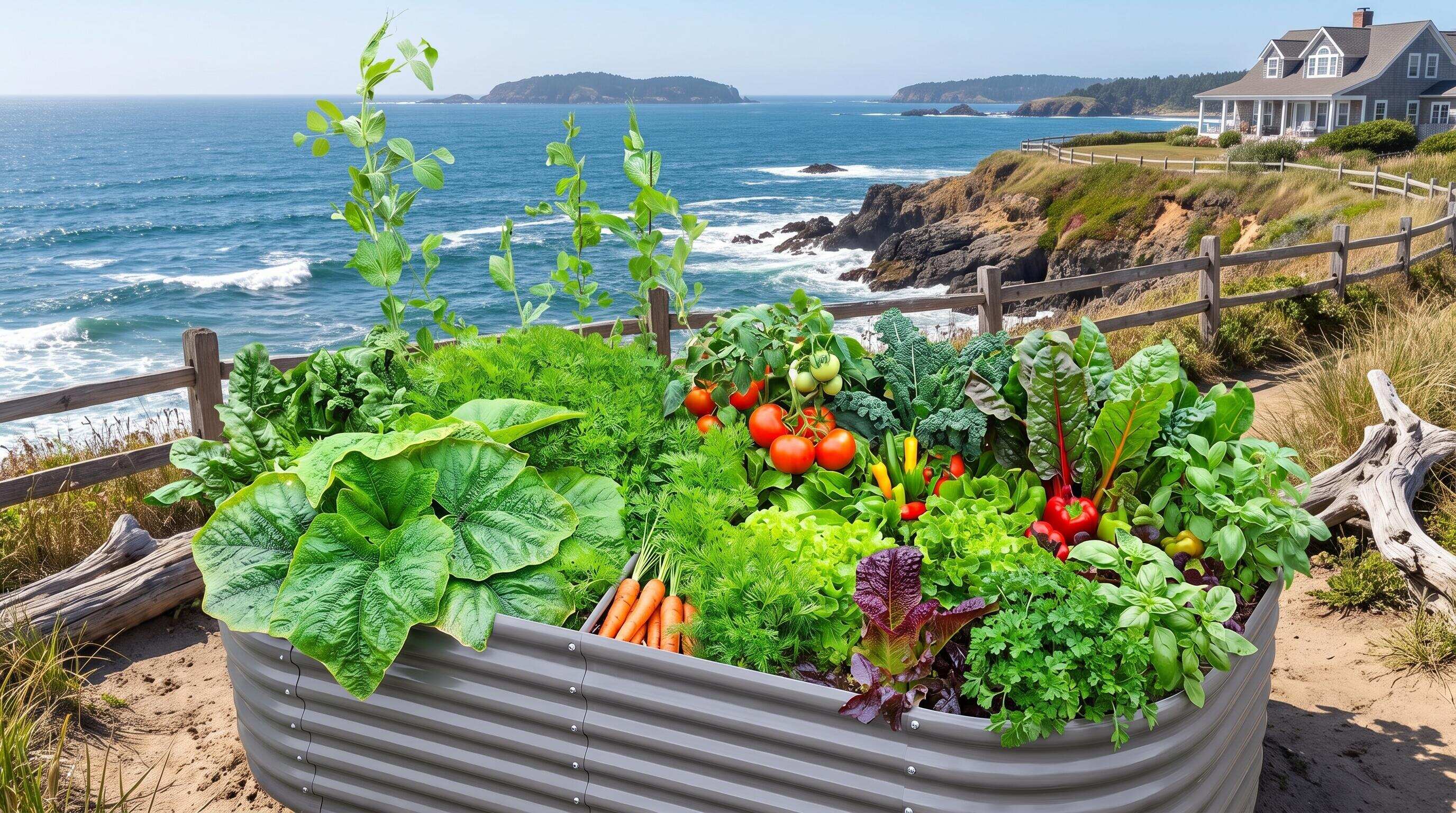
ALT: Rust-resistant raised garden bed near coastal landscape with salt air and ocean backdrop
Why Coastal Gardens Face a Different Set of Rules This Growing Season
Picture this: you spend a weekend assembling a brand-new steel garden bed, fill it with quality soil, plant your tomatoes and herbs with care, and step back feeling genuinely proud. Fast forward six months, and you notice the corners flaking, orange streaks running down the sides, and the structural integrity quietly failing. This is not an unusual story among coastal gardeners — in fact, it is one of the most consistent patterns we see when working with home growers in salt-air environments. The central finding here is straightforward: standard metal garden beds corrode significantly faster in coastal conditions, and choosing a rust-resistant raised bed design is not a luxury upgrade — it is a foundational decision that determines whether your raised bed planting layout survives one season or serves your household for decades.
This topic deserves serious analytical attention right now because growing seasons are not standing still. A growing number of North American households in coastal regions — from the Pacific Coast to the Gulf of Mexico to the Atlantic seaboard — are making the move toward home food production. The tools they choose in their first season shape their experience for years, and for coastal growers especially, material science matters just as much as soil science.
The State of Coastal Raised Bed Gardening Today
Coastal gardening, broadly defined, refers to home food growing practiced within proximity to saltwater bodies — oceans, bays, estuaries, and tidal rivers — where atmospheric salt content is measurably higher than inland areas. This elevated salt presence is not just an inconvenience for plants; it is an active chemical agent that attacks metal surfaces at an accelerated rate compared to dry inland conditions.
The raised bed gardening movement has expanded substantially across North American households over the past decade. According to the National Gardening Association, home food gardening continues to grow year over year, with millions of households participating in vegetable and herb cultivation. Coastal metropolitan areas — including those near Los Angeles, Miami, Seattle, New York, and Houston — represent significant concentrations of this gardening activity, yet these are precisely the climates where standard garden bed materials fail most visibly.
The current landscape of raised bed options on the market ranges broadly: untreated wood, pressure-treated timber, plastic composite, galvanized steel, and purpose-engineered rust-resistant alloys. For inland gardeners, the differences between these materials are real but relatively forgiving. For coastal gardeners, the choice of material can mean the difference between a bed that lasts two seasons and one that performs reliably for 20 years.
A pattern we consistently observe in our work with coastal clients is that many start with wood because it feels natural and familiar. Within a few seasons, the combination of salt air, high humidity, frequent rain, and standing moisture accelerates wood rot and metal fastener corrosion to the point where the bed structure becomes unsafe and unusable. This leads to repeat purchases, wasted soil preparation, and disrupted raised bed garden layout plans — all of which could have been avoided with an informed initial decision.
The good news is that the raised bed market has responded. Purpose-engineered rust-resistant materials, including multi-layer galvanized coatings and advanced alloy formulations, now offer coastal gardeners a genuinely durable path forward. Understanding why these materials perform better — and what the mechanism of salt-air corrosion actually looks like — is the key to making a confident purchase this growing season.
How Salt Air Actually Destroys Garden Beds: The Mechanism Explained
Rust is not a mystery. It is the result of a well-understood electrochemical process — oxidation — in which iron reacts with oxygen and water to form iron oxide. What salt air does is dramatically accelerate this process, and understanding the mechanism helps coastal gardeners recognize why material selection is so consequential.
The Role of Sodium Chloride in Accelerating Corrosion
Sodium chloride — the chemical compound in sea salt — acts as an electrolyte when dissolved in moisture. An electrolyte is a substance that increases the electrical conductivity of a solution, and in corrosion chemistry, greater electrical conductivity means faster electrochemical reactions. When salt-laden air deposits microscopic particles on a metal surface and those particles absorb ambient humidity, they create a thin conductive film that dramatically accelerates the oxidation of iron. Studies in corrosion science, including work referenced by ASTM International — the standards body that develops material testing protocols — consistently show that metals in marine and coastal environments corrode at rates many times faster than the same metals in dry inland conditions.
The Humidity Multiplier
Coastal regions are not just salty — they are reliably humid. High relative humidity is the second major driver of accelerated corrosion, because water vapor provides the medium through which electrochemical reactions travel across a metal surface. Even on days when there is no visible rain, a metal surface in a coastal environment can be continuously damp from morning fog, dew cycles, and high ambient moisture. This means that a raised bed in a coastal backyard is almost never truly dry — and dryness is one of the few effective natural brakes on rust development.
The Physical Stress of Wind and Thermal Cycling
Coastal environments also subject structures to significant thermal cycling — the repeated expansion and contraction of materials as temperatures fluctuate between warm afternoons and cool, foggy mornings. This cycling creates micro-stresses in surface coatings and finishes. If a coating has any weakness — a scratch, a thin application, an imperfect seam — thermal cycling tends to propagate those weaknesses, opening pathways for moisture and salt to penetrate to the base metal beneath. Wind-driven salt spray compounds this by physically driving salt particles into surface imperfections rather than simply depositing them on the surface.
Why Standard Galvanized Steel Alone Is Not Always Enough
Galvanization is the process of applying a zinc coating to steel to create a sacrificial barrier — zinc corrodes preferentially before the underlying steel, providing protection. Standard galvanized steel is a meaningful upgrade over bare steel in any environment. However, in high-salt coastal conditions, zinc coatings themselves are not immune to accelerated degradation. A standard galvanized coating that might last many years inland may show early deterioration within a few seasons near the ocean, particularly if the zinc layer is thin or if the galvanizing process did not achieve full coverage of welds and edges.
This is why Anleolife's approach to coastal-suitable garden beds goes beyond basic galvanization. The Anleolife rust-resistant raised garden bed line is engineered specifically to deliver protection that outlasts standard coatings, with a target lifespan of 20 years — a meaningful benchmark that reflects the kind of long-term thinking coastal gardeners need. When you are investing in raised bed garden layout infrastructure, you want materials that will still be standing when your grandchildren visit the garden.
The Cumulative Cost of Choosing Wrong
The financial and practical cost of corrosion failure compounds quickly. Each time a bed fails, a gardener must drain and relocate soil, purchase replacement materials, rebuild, and re-establish their raised bed planting layout from scratch. Healthy soil ecosystems — including beneficial microbial communities and earthworm populations — take time to develop, and repeatedly disrupting them by tearing out failed beds sets back garden productivity in ways that are difficult to quantify. Beyond the financial cost, there is a real discouragement factor: gardeners who experience repeated bed failures are far more likely to abandon the practice entirely.
Evidence and Comparison: Rust-Resistant vs. Competing Approaches
Evaluating material choices for coastal raised beds requires looking at multiple dimensions simultaneously: initial cost, longevity, maintenance burden, food safety considerations, and structural performance over time. The comparison below reflects the real-world trade-offs gardeners encounter.
| Perspective / Approach | Strengths | Trade-offs | Best Fit |
|---|---|---|---|
| Untreated Wood | Natural appearance, easy to source, beginner-friendly | Rots quickly in coastal humidity; fasteners rust; short lifespan; requires regular replacement | Dry inland climates; temporary or trial gardens |
| Pressure-Treated Timber | Longer lifespan than untreated wood; widely available | Chemical preservatives raise food safety questions; still subject to moisture damage over time; heavy | Situations where aesthetics matter more than longevity |
| Standard Galvanized Steel | Strong, widely available, affordable entry point | Zinc coating degrades faster in salt air; edges and welds vulnerable; may need replacement within several years in coastal zones | Inland or semi-protected gardens with moderate humidity |
| Plastic / Composite | Immune to rust; lightweight | UV degradation in coastal sun exposure; structural weakness under load; less aesthetically appealing for many gardeners | Small-scale or temporary applications |
| Purpose-Engineered Rust-Resistant Steel (e.g., Anleolife) | Designed for long-term durability; 20-year lifespan; safe for food gardening; structural integrity maintained | Higher upfront cost than basic options | Coastal gardeners, long-term home growers, anyone wanting infrastructure that lasts |
The evidence from gardening communities in coastal zones consistently points toward one pattern: gardeners who invest in purpose-engineered rust-resistant beds early report significantly higher satisfaction, lower total cost over time, and more stable, productive raised bed planting layouts. Gardeners who start with cheaper materials tend to cycle through replacements that ultimately cost more in aggregate.
Food safety is another dimension worth addressing directly. According to the U.S. Environmental Protection Agency, gardeners should be thoughtful about what materials contact their soil and food crops. Rust-resistant steel beds engineered for food gardening — like the Anleolife rust-resistant line — are designed with this in mind, offering a safer long-term option than treated lumber or materials with unverified chemical coatings.
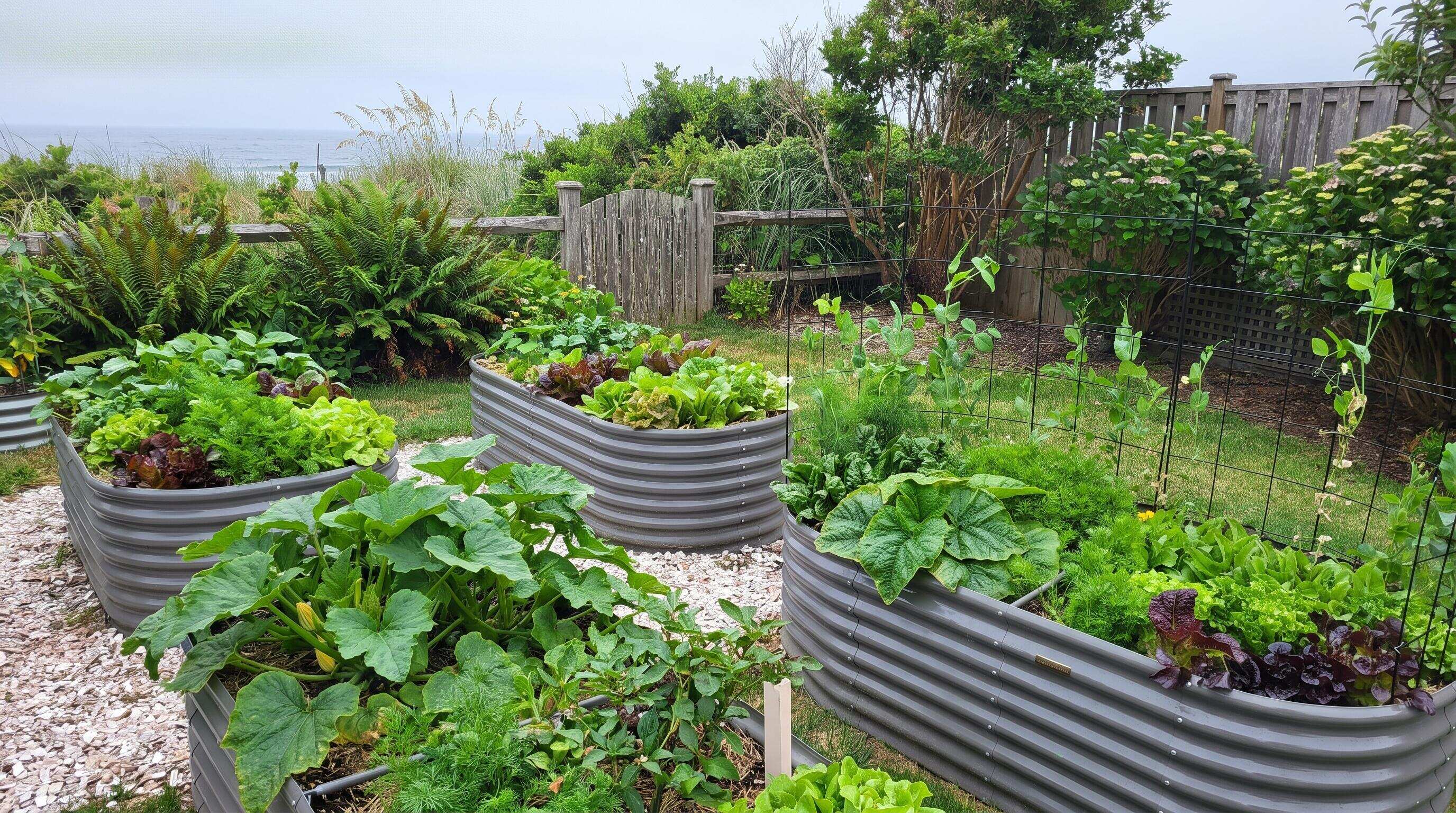
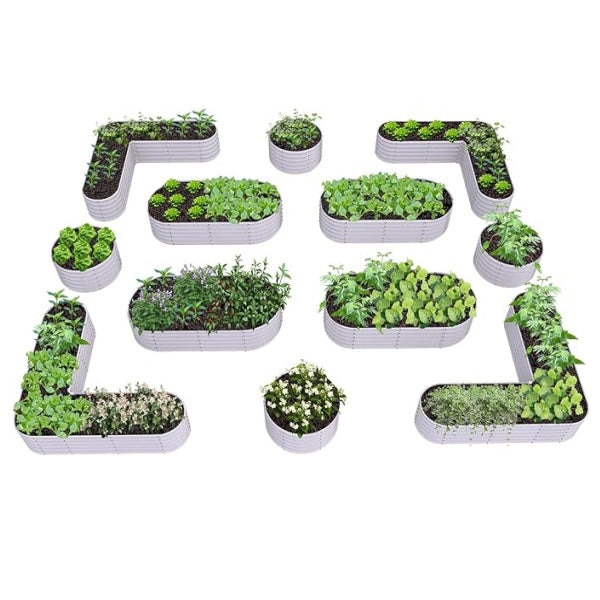
ALT: Rust-resistant raised garden beds in a coastal backyard garden with organized raised bed planting layout and flourishing vegetables near ocean environment
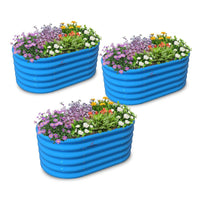
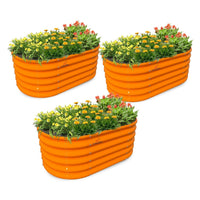
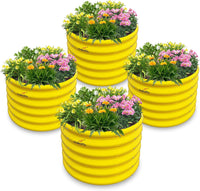
Anleolife's rust-resistant raised garden bed range offers a variety of footprints and heights suited to different raised bed garden layout configurations — whether you are working with a compact patio, a full backyard, or tiered terracing on a sloped coastal lot. For gardeners who want to explore how different bed sizes and arrangements can evolve over time, planning a modular garden layout that grows with your family is a practical starting point for thinking through long-term garden infrastructure.
It is also worth noting that even high-quality rust-resistant beds benefit from basic seasonal attention. If you have any existing beds showing early signs of wear, understanding signs your raised garden bed needs repair before next planting season can help you catch small issues before they become costly failures — a principle that applies to any material type, not just standard steel.
Where Coastal Gardening Is Heading and What It Means for Your Setup
Rust-resistant raised bed technology is positioned to become the standard rather than the premium option for coastal and high-humidity gardeners. Several converging trends support this direction.
First, the overall trajectory of home food gardening shows no sign of reversing. As more households in coastal metropolitan areas prioritize food security, health, and sustainability, the demand for durable, long-lasting garden infrastructure grows accordingly. Gardeners who establish well-designed, rust-resistant raised bed garden layouts now are positioned to benefit from years of productive harvests without infrastructure disruption.
Second, the soil system investment argument is becoming more widely understood. Serious raised bed gardening involves significant investment in quality soil, compost, beneficial microbial populations, and seasonal amendments. This investment is most effectively protected by a bed that will not need to be torn out and rebuilt. According to The Old Farmer's Almanac, building good raised bed soil is a multi-season process, and maintaining consistent soil structure is directly tied to the physical stability of the bed containing it. Choosing rust-resistant materials protects not just the bed itself but the entire soil ecosystem inside it.
Third, the aesthetic dimension of garden design is gaining importance for homeowners who see their garden as an extension of their living space. Rust-resistant beds that maintain their appearance over many years contribute positively to property aesthetics in ways that corroding or rotting structures do not.
Actionable takeaways for coastal gardeners this growing season:
- Prioritize material durability over initial price when evaluating raised bed options — total cost of ownership over several seasons almost always favors purpose-engineered rust-resistant beds.
- Consider your raised bed planting layout holistically: choose bed sizes and configurations that can be expanded modularly rather than requiring a complete rebuild if your needs grow.
- Protect your soil investment by choosing a bed that will not require structural replacement within its first few years — your soil ecosystem is a long-term asset.
- If you are preparing beds for the upcoming season, taking time to properly prepare your growing environment will maximize the value of your new rust-resistant infrastructure. For practical guidance on this step, preparing your garden beds for the upcoming fall planting season offers a useful seasonal framework.
- Source from reputable suppliers who offer transparent information about material composition and proven delivery reliability — Anleolife's strategic warehouse network ensures delivery within 3–8 business days across the continental U.S.
People Also Ask
Q1: How does salt air damage raised garden beds differently than regular weather?
Salt air accelerates the oxidation process that causes rust by introducing sodium chloride — an electrolyte — to metal surfaces. When dissolved in ambient moisture, salt significantly increases the electrical conductivity of the thin water film on metal, which speeds up the electrochemical reactions that produce iron oxide (rust). According to ASTM International, metals in marine and coastal environments corrode many times faster than identical metals in dry inland conditions. This means coastal gardeners need materials engineered specifically for these conditions, not standard metal products designed for average climates.
Q2: Are rust-resistant raised garden beds safe for growing vegetables and herbs?
Purpose-engineered rust-resistant raised garden beds, such as those in the Anleolife rust-resistant raised bed line, are designed to be safe for food gardening. The key distinction is between beds made with food-safe coatings and alloys versus untested materials or treated lumber containing chemical preservatives. The U.S. Environmental Protection Agency advises that gardeners be mindful of materials in contact with edible crops. Properly certified rust-resistant steel beds eliminate the corrosion byproduct concerns associated with standard steel and avoid the chemical preservative concerns linked to pressure-treated wood.
Q3: How long do rust-resistant raised garden beds last in a coastal environment?
A purpose-engineered rust-resistant raised garden bed, such as those offered by Anleolife, is built for a lifespan of 20 years — even in challenging coastal conditions. This longevity depends on quality of the material's protective coating, the thoroughness of coverage at welds and edges (the most vulnerable points), and basic seasonal maintenance. By contrast, untreated wood in coastal environments may begin deteriorating within two to three seasons, and standard galvanized steel can show significant corrosion degradation within a few years of exposure to salt air and high humidity.
The Bottom Line
Coastal gardeners face a genuinely different set of material challenges than their inland counterparts, and the choice of raised garden bed is not a secondary decision — it is foundational infrastructure that determines the long-term success of every raised bed planting layout you invest in.
Three points anchor this conclusion:
First, salt air, coastal humidity, and thermal cycling create a corrosion environment that standard garden bed materials are not designed to withstand. Choosing purpose-engineered rust-resistant beds is the single most important material decision a coastal gardener can make.
Second, the 20-year lifespan of rust-resistant beds like those in the Anleolife line is not just a durability metric — it represents protection for the entire soil system investment you build inside those beds over many seasons of careful gardening.
Third, the upfront investment in quality pays measurable dividends in reduced replacement costs, stable garden productivity, and the sustained aesthetic value of a well-maintained raised bed garden layout.
The practical next step is straightforward: evaluate your current or planned garden bed setup through the lens of long-term durability, not just purchase price. If your growing environment includes salt air, high humidity, or coastal wind exposure, rust-resistant is not optional — it is the informed choice.
Ready to upgrade your garden infrastructure for the long term? Visit the Anleolife website to explore the full range of rust-resistant raised garden beds — available in multiple sizes and configurations to suit any raised bed garden layout, with delivery in 3–8 business days through Anleolife's nationwide U.S. warehouse network. Products are also available on Amazon, Walmart, Home Depot, Lowe's, and Wayfair for the purchasing experience that works best for you. Whether you are planting your first bed or expanding a complete home growing ecosystem, Anleolife grows with you at every step.
References
- National Gardening Association. "National Gardening Survey — Home Food Gardening Trends."
https://garden.org - ASTM International. "Standards for Corrosion Testing and Metal Performance in Atmospheric and Marine Environments."
https://www.astm.org - U.S. Environmental Protection Agency. "Guidance on Safe Materials for Home Food Gardening."
https://www.epa.gov - The Old Farmer's Almanac. "Raised Bed Garden Layout Plans."
https://www.almanac.com/raised-bed-vegetable-garden-layouts-beginners - Savvy Gardening. "4x8 Raised Bed Vegetable Garden Layout Ideas."
https://savvygardening.com/4x8-raised-bed-vegetable-garden-layout/
Note: Standards and regulatory guidance may be updated; please check the latest official documents or consult professional advisors for the most current recommendations.