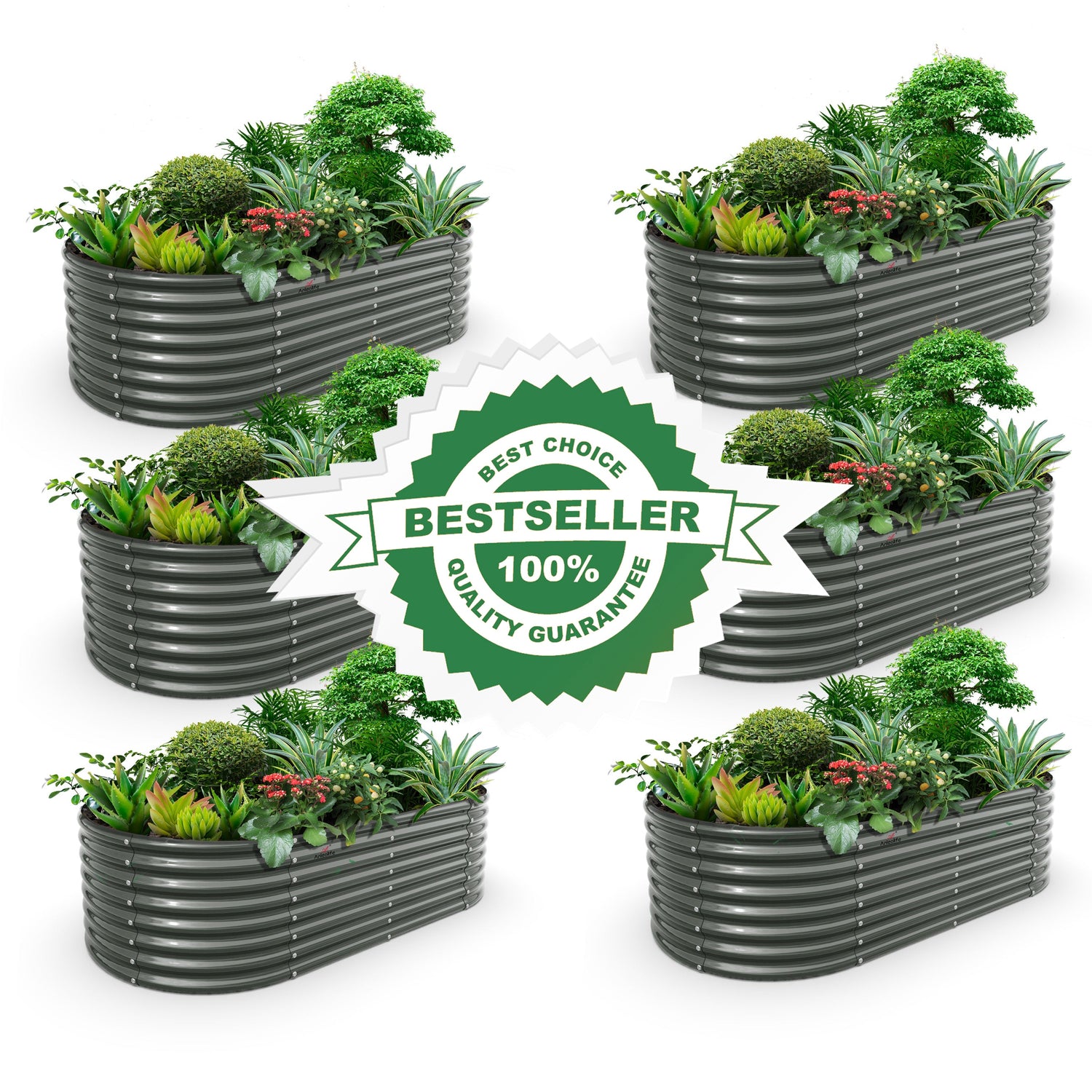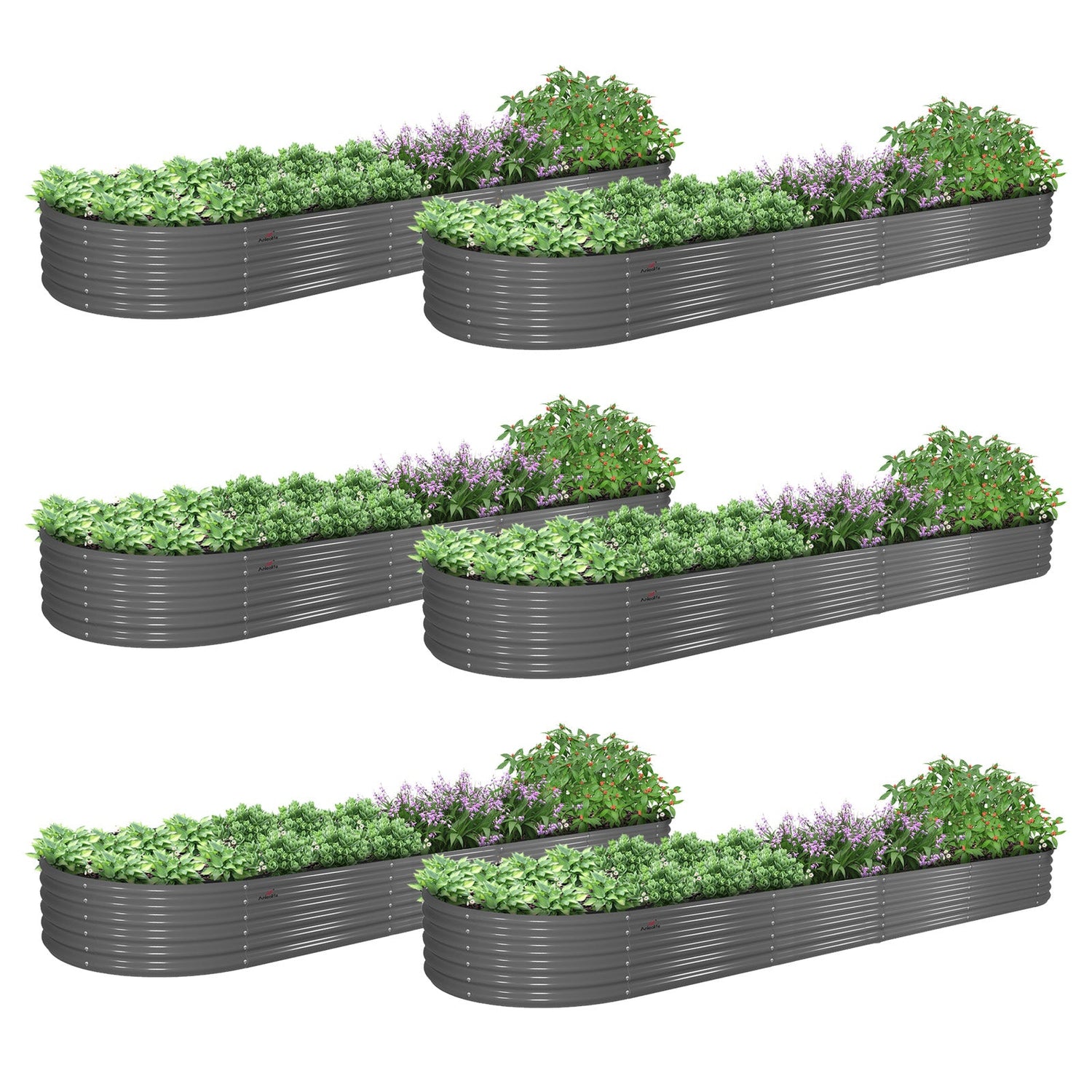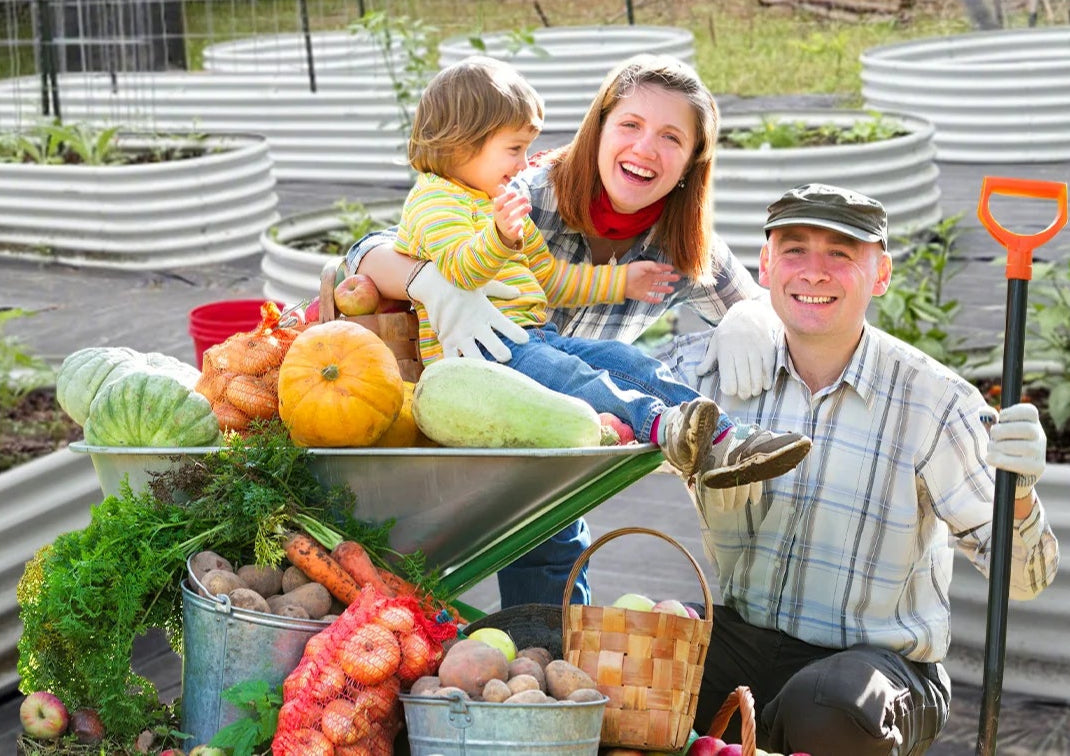



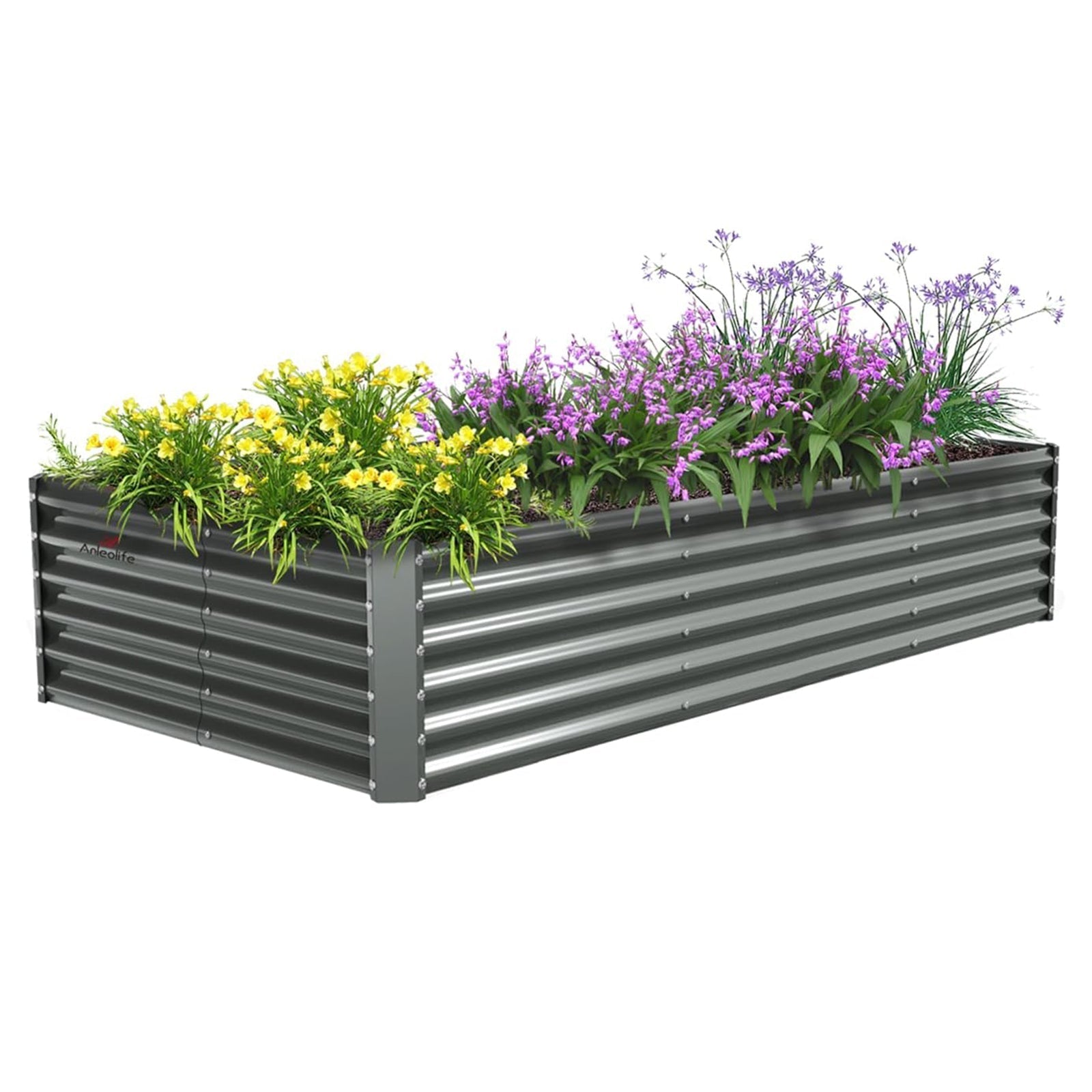

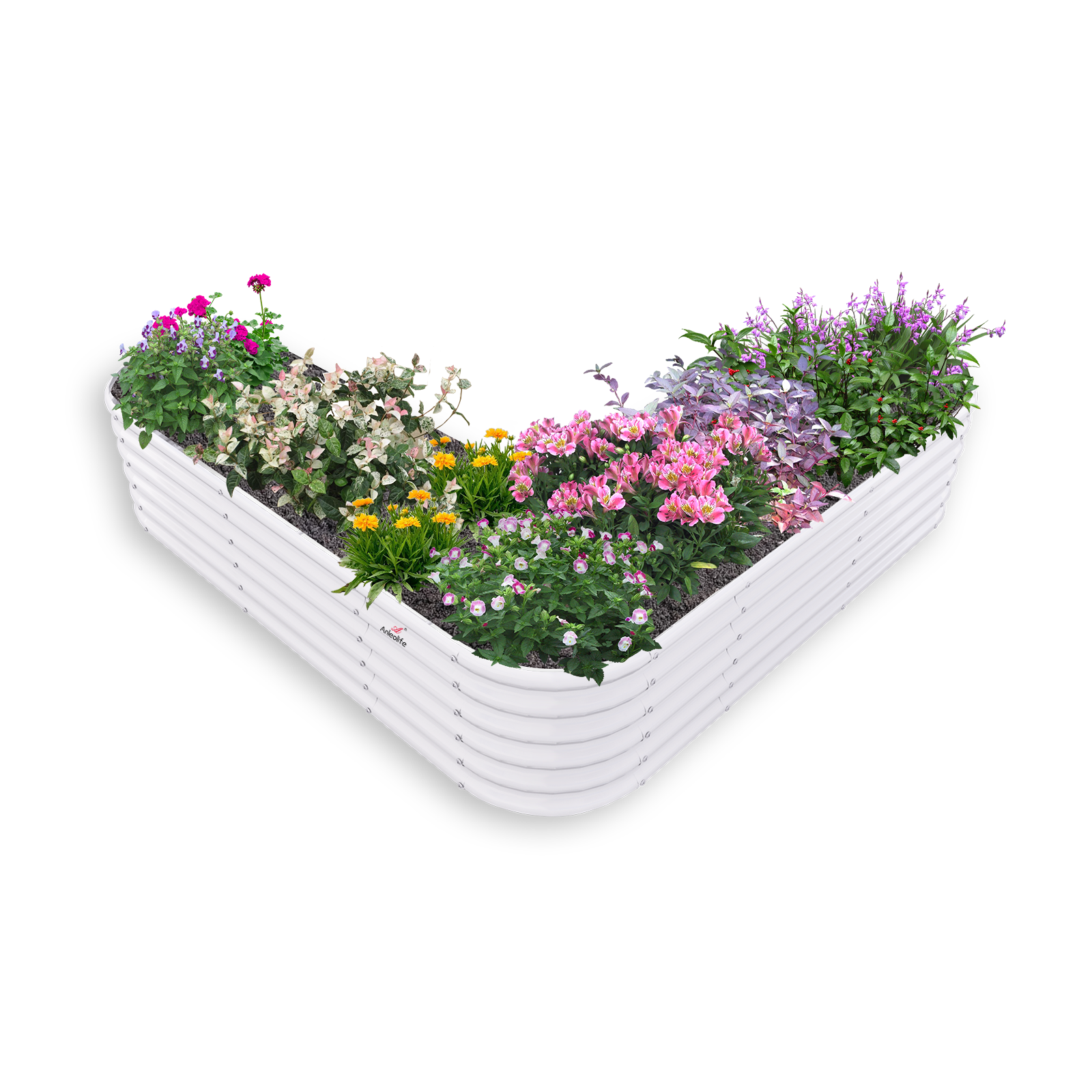
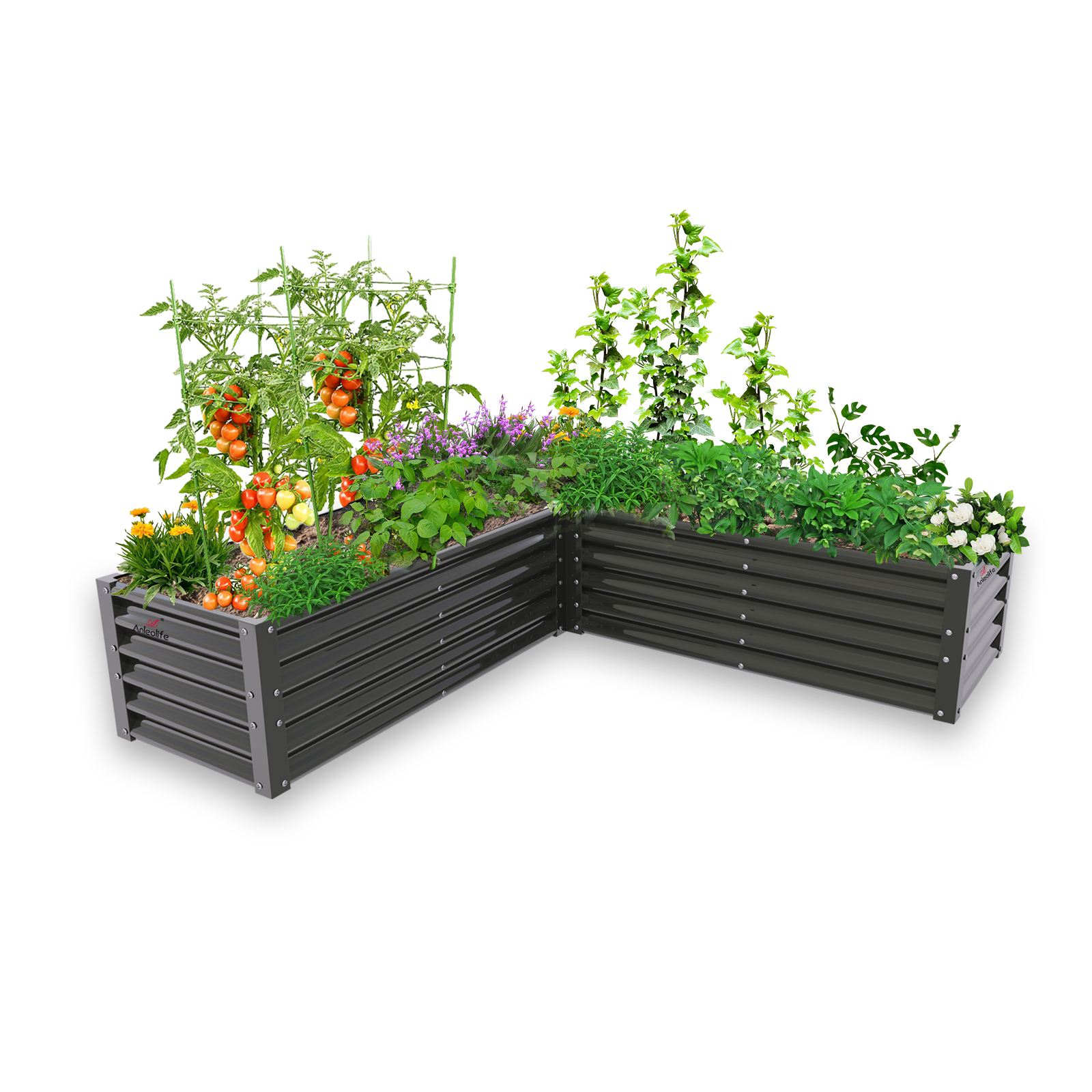
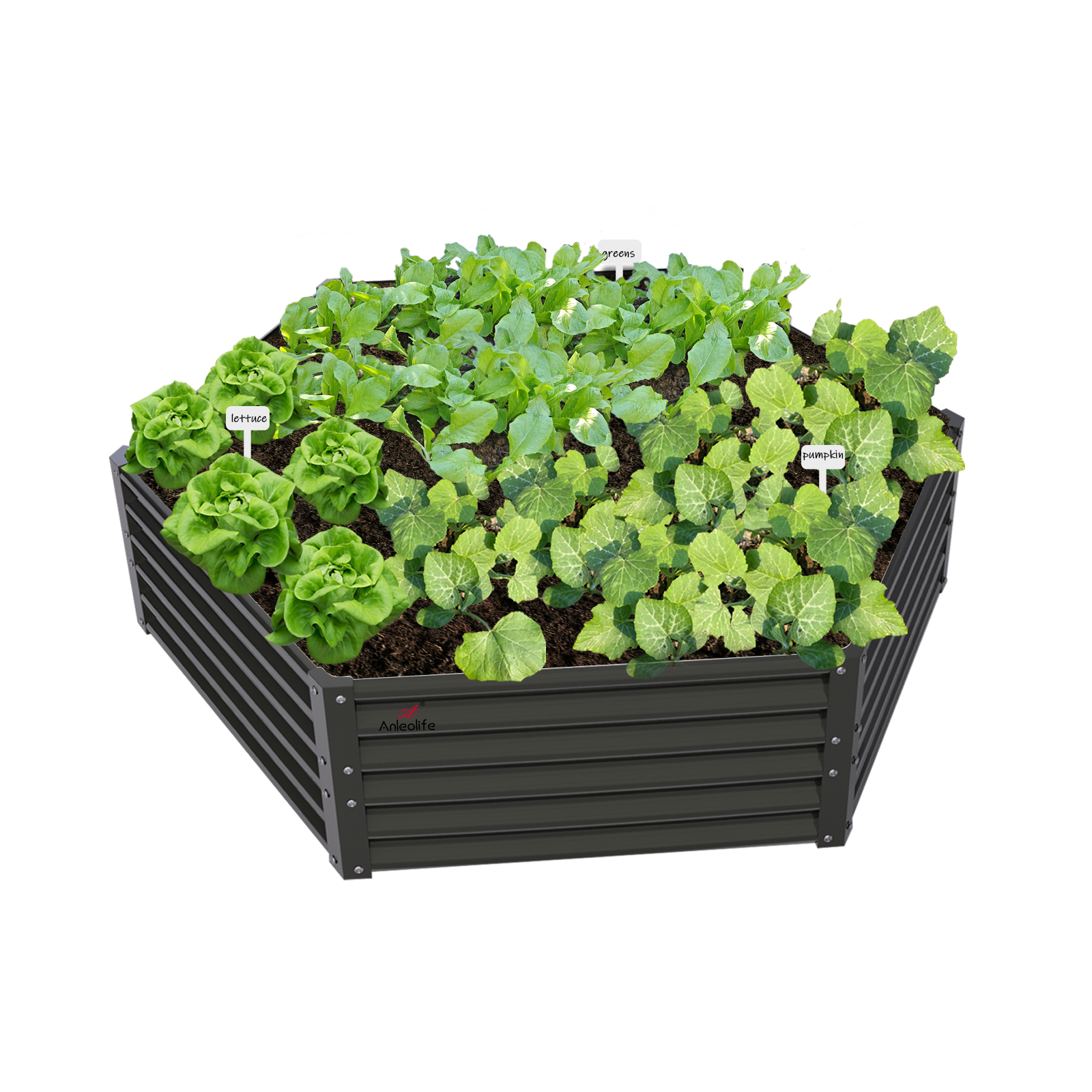
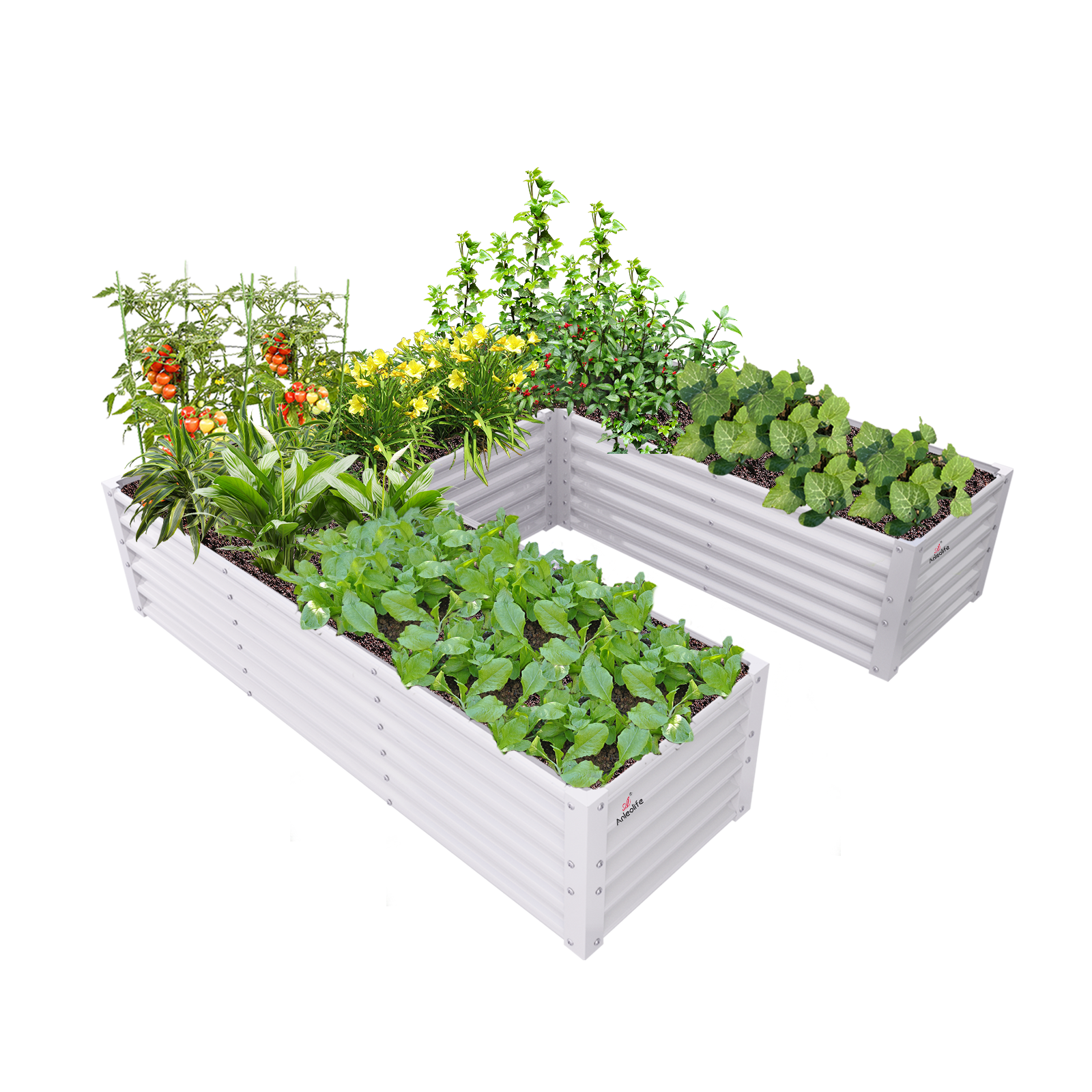

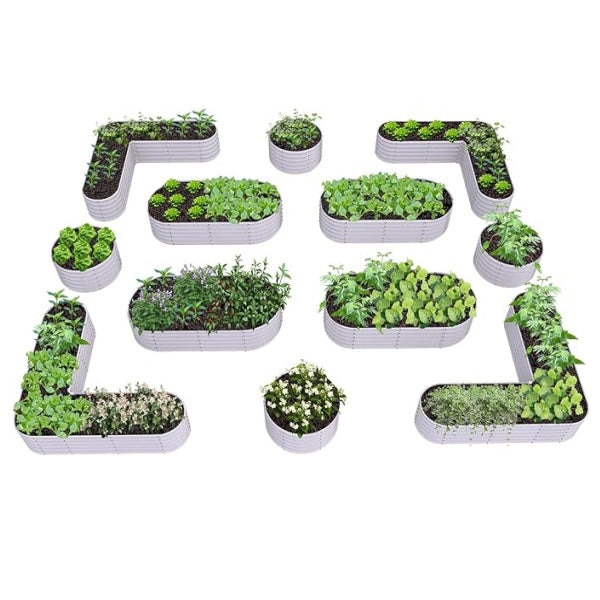


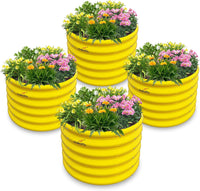
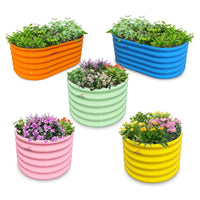
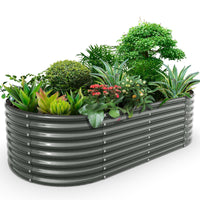



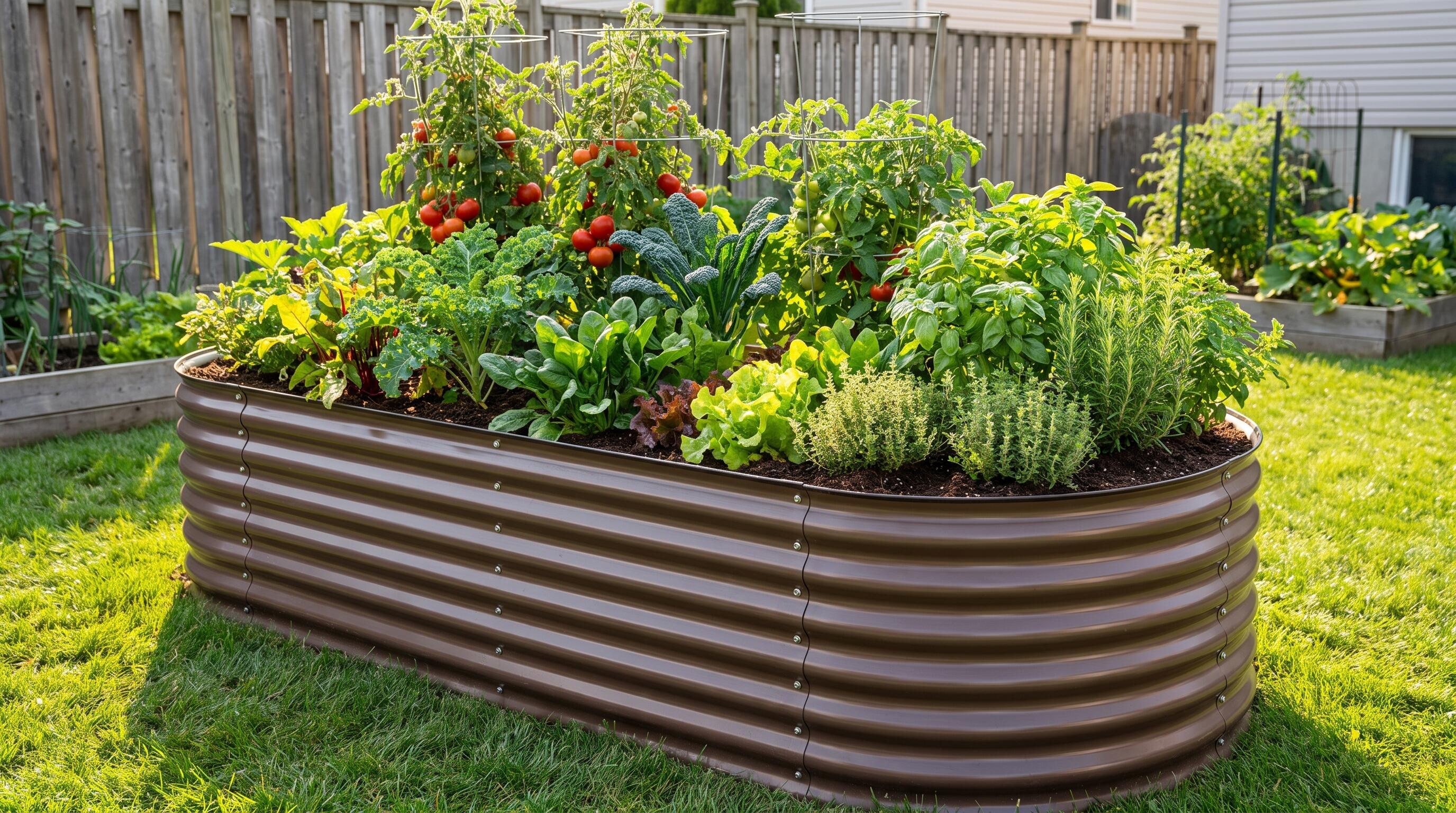
ALT: Galvanized steel raised garden bed with vegetables showcasing sustainable raised bed gardening materials and layout
Why Galvanized Steel Stands Out as a Sustainable Choice for Raised Bed Gardening
Key Conclusion: When evaluating the best materials for raised garden beds, galvanized steel consistently rises to the top for its impressive combination of longevity, recyclability, and low environmental impact. Unlike wood that rots or plastic that degrades, galvanized steel raised beds can last up to 20 years, reduce the need for repeated manufacturing, and support efficient irrigation systems and thoughtful raised bed layouts—making them one of the most genuinely sustainable options available to home gardeners today.
Sustainability in gardening goes far beyond choosing organic seeds or composting kitchen scraps. The materials you build with matter enormously—both for the planet and for your long-term gardening budget. Galvanized steel has emerged as a frontrunner in the conversation about eco-friendly raised bed construction, and for good reason. Its durability eliminates the cycle of replacement that plagues wood and plastic alternatives. Its compatibility with modern irrigation systems means less water waste. And its recyclability at end-of-life closes the loop on material consumption in a way few other garden materials can match.
This article explores the full sustainability case for galvanized steel raised beds—from raw material benefits to real-world gardening performance—so you can make an informed choice that's good for your garden and the planet.
Who Should Read This Guide
✅ Applicable Scenarios:
- Home gardeners in wet or humid climates looking for rot-resistant, rust-resistant raised bed options
- Eco-conscious growers seeking low-waste, long-lasting garden infrastructure
- Urban micro-gardeners and retirees who want low-maintenance beds that perform year after year
- Gardeners planning a raised bed layout that incorporates drip irrigation or water-saving systems
- Anyone comparing raised bed planters and wondering which material offers the best value over time
❌ Not Applicable/Cautions:
- Gardeners in areas with extremely acidic soil or standing-water conditions without proper drainage planning (additional liner or drainage modifications may be needed)
- Those seeking purely decorative, lightweight planter options where structural durability is not a priority
- Renters or temporary gardeners who need fully portable, no-assembly planting solutions
The Problem With "Sustainable" Claims in Garden Products
The word "sustainable" gets thrown around a lot in the garden industry. Cedar is marketed as "natural." Recycled plastic is called "eco-friendly." Composite wood blends promise to be "green." But what do these claims actually mean when you measure them against the full lifecycle of a product—from manufacturing to disposal?
The reality is that many popular raised bed materials fall short when scrutinized. Untreated wood, while biodegradable, typically lasts only a few seasons in moist soil conditions before warping, rotting, and requiring replacement. Even premium cedar or redwood beds often need to be rebuilt within five to ten years, generating significant waste and ongoing cost. Plastic and composite materials may resist rot, but they can leach microplastics into the soil over time, raise concerns for food-safe growing, and are difficult to recycle at end-of-life.
Galvanized steel takes a different approach. Rather than relying on natural decomposition or chemical treatments to extend lifespan, it uses a zinc coating process that creates a genuinely durable, corrosion-resistant barrier—one that can hold up for 20 years with minimal maintenance. This longevity is at the heart of its sustainability argument: the most sustainable product is often the one you never have to replace.
According to the U.S. Environmental Protection Agency, reducing material consumption through longer-lasting products is one of the most effective strategies for minimizing environmental impact across a product's lifecycle. Galvanized steel aligns directly with this principle.
The Full Sustainability Case for Galvanized Steel Raised Beds
Three Steps to Getting Started With a Galvanized Steel Raised Bed Garden
Step 1: Choose the Right Size and Height for Your Space and Needs
Before purchasing, think about what you want to grow and where. A standard 18-inch height works well for most vegetables, while extra-tall options (24 to 30 inches) are ideal if you have back problems or limited mobility—making them among the best raised bed planters for seniors and gardeners who prefer to work standing up. Map out your raised bed garden layout considering sunlight patterns, water access points, and how you'll move between beds. Allow at least two feet of walking space between beds for comfortable access. This planning stage takes roughly 30 to 60 minutes but saves significant time and effort later.
Step 2: Prepare Your Site and Soil System
Level your chosen area and lay down weed barrier fabric if needed. Fill your galvanized steel bed with a high-quality soil mix—typically a blend of topsoil, compost, and aeration material like perlite or vermiculite. A well-structured soil system is critical for drainage, root health, and long-term productivity. For a standard 8x4 ft bed, you'll want enough mix to fill to within two to three inches of the top rim. This process typically takes one to two hours depending on the bed size and your soil delivery situation.
Step 3: Set Up Your Irrigation System
One of the greatest advantages of galvanized steel raised beds is their compatibility with drip irrigation and soaker hose systems. Run your irrigation lines along the interior of the bed before planting, connecting to a timer-controlled water source for maximum efficiency. A well-designed irrigation system can reduce water use by up to 50% compared to overhead watering, directly supporting your sustainable gardening goals. Once installed, your system requires minimal adjustment throughout the growing season, freeing you to enjoy your garden rather than manage it.
Galvanized Steel vs. Other Raised Bed Materials: A Sustainability Comparison
Understanding how galvanized steel stacks up against the alternatives helps clarify why so many experienced gardeners are making the switch. The comparison below covers the dimensions most relevant to long-term sustainability and practical performance.
| Comparison Dimension | Galvanized Steel | Untreated Wood | Recycled Plastic |
|---|---|---|---|
| Lifespan | Up to 20 years | 3–7 years (climate dependent) | 10–15 years (varies by UV exposure) |
| Rust/Rot Resistance | Excellent (zinc coating) | Poor to Moderate | Good |
| Food Safety | Safe when properly coated | Varies (no chemical treatments) | Concerns about microplastic leaching |
| Recyclability at End-of-Life | Fully recyclable steel | Limited (contaminated with soil/organisms) | Limited (mixed plastic types) |
| Performance in Wet Climates | Excellent | Poor | Moderate |
| Maintenance Required | Very Low | High (annual treatment often needed) | Low to Moderate |
| Aesthetic Options | Modern, versatile | Natural, traditional | Limited |
| Long-Term Cost Efficiency | High | Low (frequent replacement) | Moderate |
This table makes a clear case: galvanized steel raised beds offer the best overall profile for gardeners who are thinking beyond the next season and considering their environmental footprint over a decade or more.
Deep Dive: What Makes Galvanized Steel Truly Sustainable?
The Science Behind the Zinc Coating
Galvanization is the process of applying a protective zinc layer to steel, creating a metallurgical bond that resists oxidation—the chemical process we know as rust. This isn't simply a paint or surface treatment that chips away. The zinc reacts with the surrounding environment to form zinc carbonate, a stable compound that actually self-heals when minor scratches occur. This means your raised bed continues protecting itself over time without any action on your part.
The zinc coating is what enables galvanized steel to achieve that remarkable 20-year lifespan. For context, a gardener who installs a galvanized steel bed today may replace it only once or twice in their entire gardening lifetime, compared to a wood bed that might need replacing every four to six years.
Best Materials for Raised Garden Beds in Wet Climates
If you garden in the Pacific Northwest, the Gulf Coast, the Great Lakes region, or anywhere that experiences consistent rainfall and humidity, material choice becomes even more critical. Wet conditions accelerate wood rot dramatically and can cause plastic to develop algae and structural fatigue over time.
Galvanized steel, by contrast, is one of the best materials for raised garden beds in wet climates precisely because moisture doesn't compromise its structural integrity. The zinc coating handles wet conditions with ease, and the metal itself won't swell, warp, or harbor the mold and fungi that can damage wooden beds and potentially affect the soil microbiome within.
Many gardeners in rainy climates have reported transitioning to galvanized steel after going through multiple wooden beds in just a few years. The initial investment may be slightly higher, but the relief of not having to rebuild every few seasons—plus the reduced waste going to landfill—makes galvanized steel the clear winner for sustainability-minded wet-climate gardeners.
Recyclability: The End-of-Life Advantage
One of the least-discussed but most significant sustainability advantages of galvanized steel is what happens when a bed eventually reaches the end of its useful life. Steel is one of the most recycled materials on the planet. According to the American Iron and Steel Institute, steel has a recycling rate above 80% in North America, higher than any other material including paper, glass, and plastic.
When your galvanized steel raised bed finally retires after its 20-year run, the steel can be fully recycled and repurposed into new products without significant degradation in quality. This closed-loop recyclability is a fundamental principle of circular economy thinking—and it's built right into the material itself.
Wood, once it's been in contact with soil for years, is often contaminated enough to be unsuitable for standard composting or repurposing. Recycled plastic raised beds present challenges because they're often made from mixed plastic types that aren't easily separated and recycled again. Galvanized steel avoids both of these end-of-life problems.
Energy Efficiency and Thermal Mass Benefits
Galvanized steel raised beds offer a practical sustainability bonus that's often overlooked: thermal mass. The metal absorbs heat during the day and releases it gradually at night, creating a slightly warmer microclimate around plant roots. This can extend your growing season by several weeks at either end of the year, reducing the need for supplemental heating or cold frames.
For gardeners who want to maximize their yield from a small space—particularly urban micro-gardeners working with limited square footage—this thermal advantage can make a meaningful difference in annual productivity. Growing more food from the same footprint, with less infrastructure, is one of the most practical forms of sustainable gardening.
What's the Best Height for a Raised Garden Bed if You Have Back Problems?
This is one of the most common questions among new raised bed gardeners, particularly retirees and those with chronic pain or mobility limitations. The answer depends on your specific needs, but as a general principle, taller is almost always better for accessibility.
Standard 18-inch raised beds work well for most users when kneeling is an option, but extra-tall beds at 24 to 30 inches allow many people to garden comfortably while standing or seated in a wheelchair. Anleolife's lineup includes options at these taller heights—making them some of the best raised bed planters for gardeners who need to reduce bending and kneeling. When combined with a stable pathway system around the bed, a well-planned raised bed layout can make vegetable growing accessible and enjoyable for virtually anyone, regardless of physical limitation.
Best Planters for Herbs Outdoors
Herbs are among the most rewarding crops to grow in raised beds, and galvanized steel planters offer some distinct advantages for herb cultivation specifically. The improved drainage that comes with a well-filled galvanized bed suits most culinary herbs perfectly—rosemary, thyme, lavender, and oregano all prefer conditions that aren't waterlogged. The thermal mass properties discussed earlier can also help Mediterranean herbs thrive in climates that might otherwise be too cool for them.
Compact galvanized steel raised beds make excellent planters for herbs outdoors because their size encourages focused planting and easy harvesting. Placing a smaller bed near your kitchen door makes fresh herb access effortless, and the clean, modern aesthetic of galvanized steel suits both contemporary and traditional home exteriors.
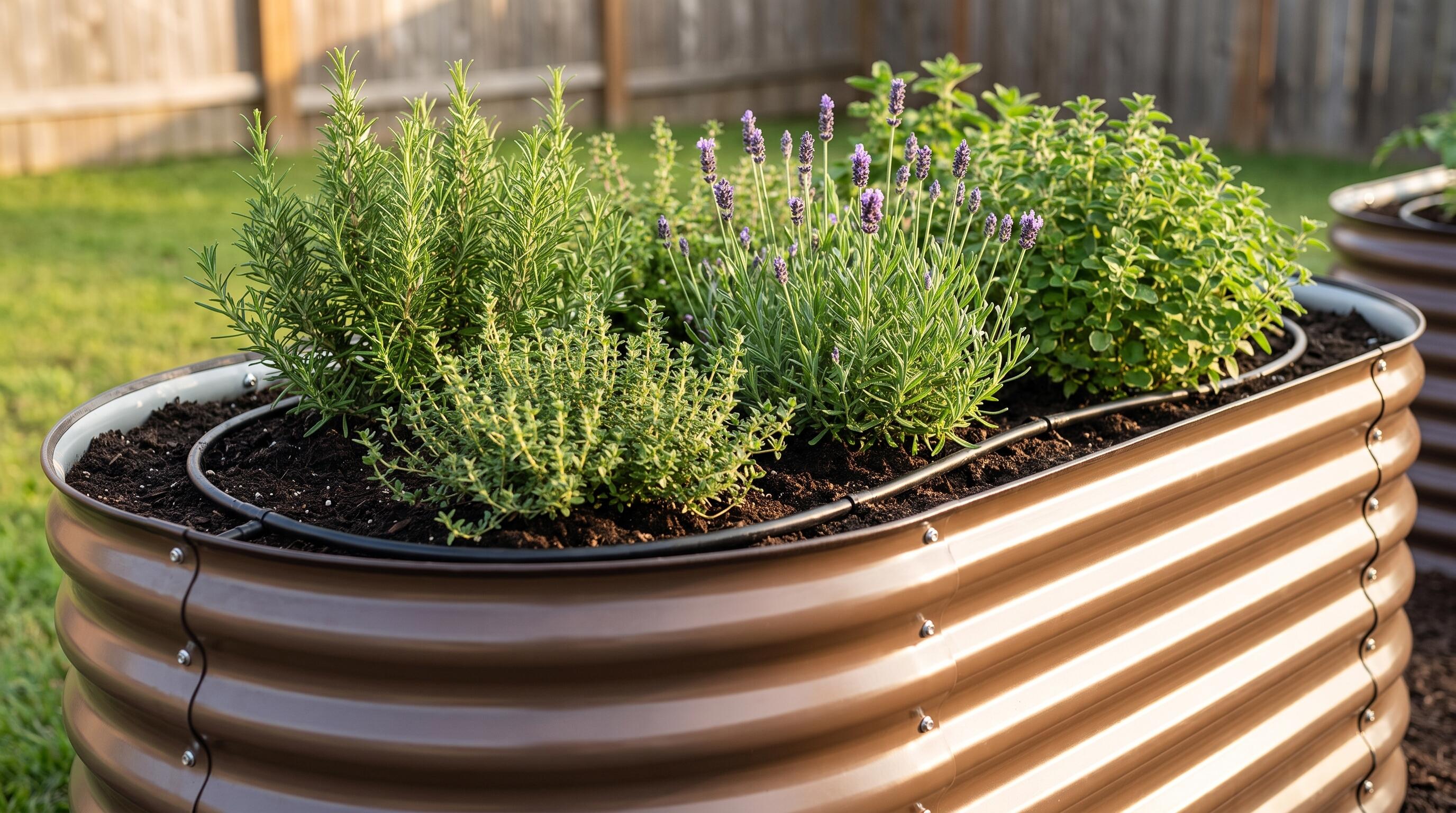
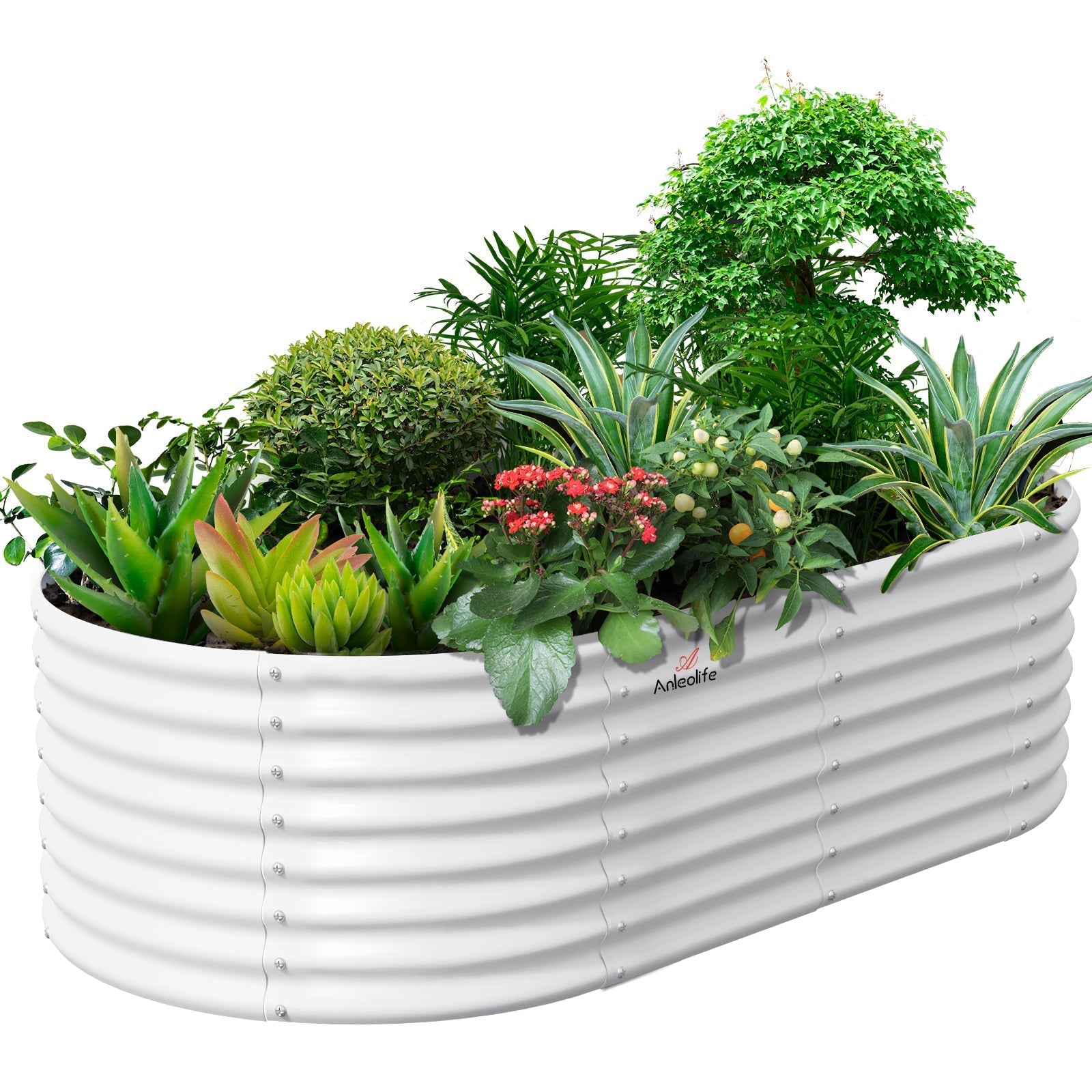
ALT: Close-up of a galvanized steel raised bed with thriving herbs outdoors, demonstrating sustainable raised bed gardening with efficient irrigation system and optimal soil
Advanced Considerations: Addressing Common Concerns and Misconceptions
Is Galvanized Steel Safe for Growing Food?
The most frequently raised concern about galvanized steel in garden applications is whether the zinc coating could leach harmful metals into the soil and, by extension, into food crops. This concern is understandable but largely overstated. Zinc is actually an essential micronutrient for both plants and humans, and the amounts that might migrate from a galvanized coating into garden soil are minimal—typically far below levels of any concern.
Multiple university agricultural extension programs have concluded that galvanized steel is safe for vegetable growing. The zinc coating on properly manufactured beds is stable and does not break down readily in normal garden soil conditions. If you want additional peace of mind, you can line the interior of your bed with food-safe fabric, which also helps retain moisture.
What About Rust Appearing on the Edges?
Some users notice surface discoloration or minor rust-like staining along cut edges of galvanized steel beds, particularly during the initial months of use. This is a normal part of the weathering process as the zinc layer stabilizes and is not indicative of structural compromise. High-quality galvanized steel beds are engineered with rust-resistant coatings specifically designed to minimize this effect. Anleolife's Rust-Resistant Raised Garden Beds line addresses this concern directly, offering enhanced corrosion protection for gardeners in particularly wet or coastal environments.
Galvanized Steel in Extreme Temperatures
Galvanized steel performs reliably across a wide range of temperatures, from freezing winters to hot summers. The metal expands and contracts minimally with temperature changes, and the zinc coating maintains its integrity through freeze-thaw cycles that would cause wood to crack and split. In very hot climates, it's worth considering the placement of beds to avoid extreme afternoon sun that could heat the metal walls excessively—which, while not damaging to the bed, could affect plant roots near the edges during peak summer heat.
Frequently Asked Questions FAQ
Q1: How long do galvanized steel raised garden beds actually last?
Galvanized steel raised beds from quality manufacturers like Anleolife are designed to last up to 20 years. This longevity is driven by the zinc coating process that protects against rust and corrosion, even in wet or humid climates. This multi-decade lifespan dramatically reduces the material waste and replacement costs associated with wood or plastic alternatives, making galvanized steel one of the most cost-effective and environmentally responsible choices for long-term raised bed gardening.
Q2: Is galvanized steel safe for growing vegetables and herbs?
Yes. Galvanized steel is widely considered safe for vegetable and herb gardening. The zinc used in galvanization is an essential trace element that plants and humans need in small amounts, and the minimal quantities that might migrate into the soil are not harmful. University extension research and agricultural experts generally support galvanized steel as a food-safe raised bed material. For added confidence, an interior fabric liner can be used, which also helps with moisture retention and root management.
Q3: Where can I buy Anleolife products besides their website?
Anleolife products are available through multiple retail channels beyond the official Anleolife.com website. You can find their raised garden beds on major platforms including Amazon, Walmart, Home Depot, Lowe's, and Wayfair—giving you the flexibility to shop through your preferred retailer and take advantage of platform-specific promotions. With a nationwide warehouse network spanning California, Texas, Florida, New York, Illinois, and Washington, delivery typically arrives within 3–8 business days regardless of which channel you use.
Summary
The case for galvanized steel as one of the most sustainable raised bed materials rests on three powerful pillars.
First, longevity reduces total environmental impact. A galvanized steel raised bed that lasts 20 years eliminates the need for the three or four replacement wooden beds that would otherwise be built, used, and discarded over the same period. Fewer replacements mean less manufacturing energy, less material consumption, and less waste going to landfill.
Second, performance across diverse conditions makes it universally practical. Whether you garden in a wet coastal climate, a hot Southern summer, or a frost-prone northern region, galvanized steel handles the conditions reliably without the maintenance demands of wood or the degradation concerns of plastic. Its compatibility with efficient irrigation systems and thoughtful raised bed layouts amplifies its sustainability credentials even further.
Third, full recyclability closes the material loop. When a galvanized steel bed finally completes its service life, the steel is fully recyclable—contributing to one of the highest recycling rates of any material in North America rather than ending up in a landfill.
For eco-conscious home growers, urban micro-gardeners, retirees seeking low-maintenance solutions, and families committed to building a healthier, more self-sufficient lifestyle, galvanized steel raised beds represent a genuinely smart choice—not just for this season, but for the next two decades and beyond.
Start Your Sustainable Garden Journey With Anleolife
Anleolife supports your gardening goals with a nationwide U.S. warehouse network strategically located in California, Texas, Florida, New York, Illinois, and Washington—ensuring delivery within 3–8 business days so your garden plans move forward without delay.
You'll find Anleolife products available across the channels you already trust: Amazon, Walmart, Home Depot, Lowe's, Wayfair, and directly at Anleolife.com—with consistent quality and after-sales support no matter where you shop.
Anleolife's three core garden scenarios cover everything you need: Planting (metal raised garden beds, soil systems), Raising (chicken coops, rabbit hutches), and Beautification (decorative accessories, pathway systems)—meeting your needs from practical functionality to garden aesthetics.
We understand that a great garden isn't built in a single weekend—it grows and evolves with you over time. Anleolife's modular product design makes it easy to start with a single raised bed and expand into a fully integrated planting and raising ecosystem at your own pace. Whatever stage of the gardening journey you're on, we're growing right alongside you.
References
- U.S. Environmental Protection Agency. "Sustainable Materials Management: Non-Hazardous Materials and Waste Management Hierarchy."
https://www.epa.gov/smm/sustainable-materials-management-non-hazardous-materials-and-waste-management-hierarchy - American Iron and Steel Institute. "Steel Recycling Rates and Benefits."
https://www.steel.org/sustainability/recycling/ - University of California Agriculture and Natural Resources. "Raised Bed Gardening."
https://ucanr.edu/ - U.S. Department of Agriculture National Organic Program. "Guidance on the Use of Metal Components in Organic Operations."
https://www.ams.usda.gov/rules-regulations/organic - Penn State Extension. "Raised Bed Gardening: Soil, Materials, and Layout Considerations."
https://extension.psu.edu/
Note: Standards and guidelines may be updated periodically. Please check the latest official documents or consult professional advisors for the most current information.
About Anleolife
Anleolife is a leading outdoor garden solutions provider in North America, dedicated to offering a full-scenario product ecosystem for home gardening enthusiasts, covering planting, raising, and garden beautification. Since its founding, we have upheld our brand mission, "Made for Garden Life," continuously innovating products and optimizing services to help hundreds of thousands of users upgrade their gardens, reconnect with nature, and enjoy a better garden lifestyle.