









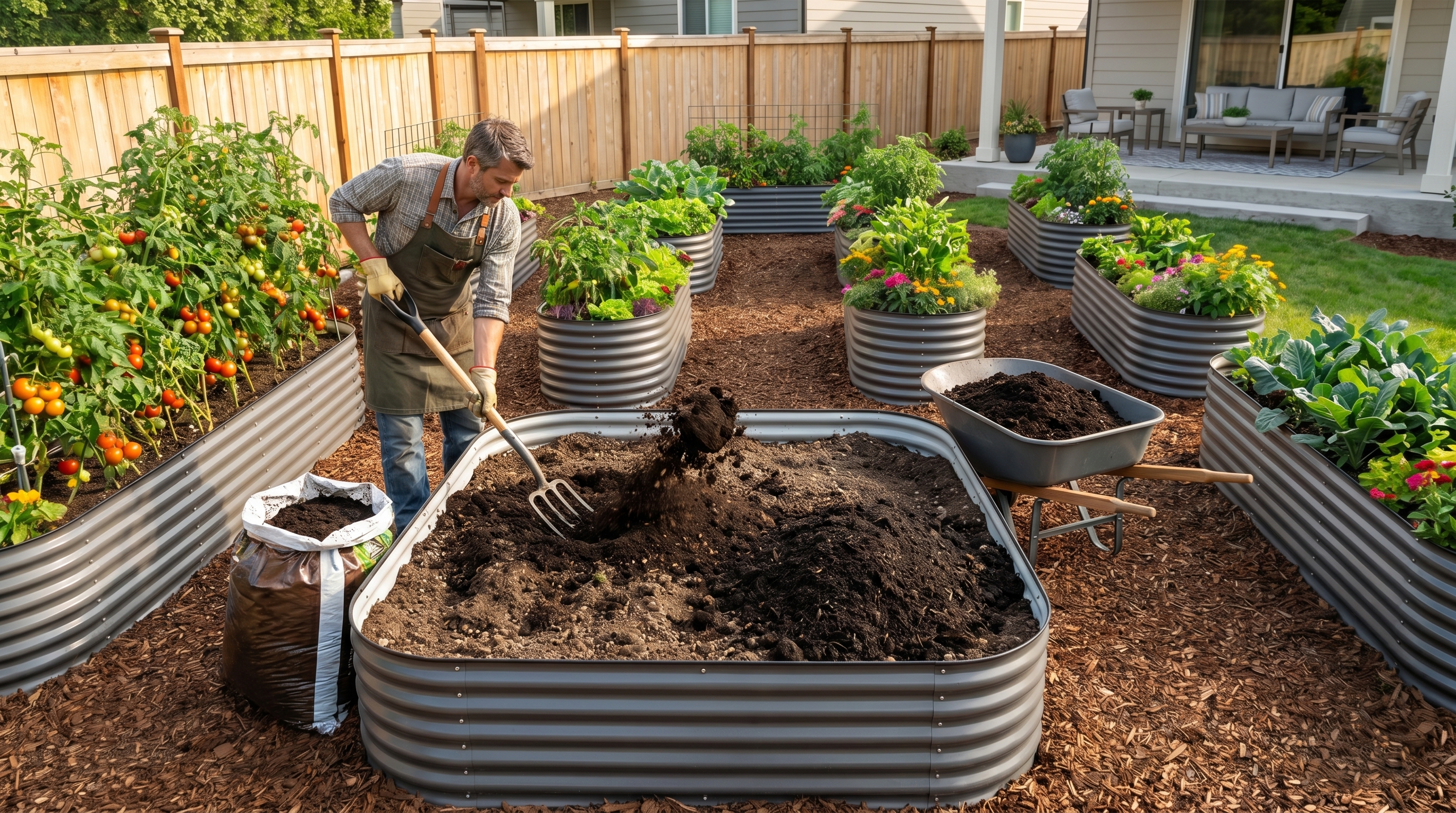
ALT: Gardener fixing compacted soil in a raised garden bed by adding compost and aerating the mix
Why Your Raised Garden Bed Soil Is Compacting — And What You Can Do About It Right Now
Key Conclusion: Soil compaction in raised garden beds is one of the most common yet overlooked problems home gardeners face. When your raised bed soil becomes dense and hard, roots struggle to penetrate, water pools on the surface, and plant growth slows dramatically. Understanding the root causes of raised bed soil compaction — and applying the right fixes — can transform a struggling garden into a thriving, productive space season after season.
If you've ever kneeled down to check on your raised bed and noticed the soil looks more like packed clay than the fluffy, rich medium you started with, you're not alone. Soil compaction in raised garden beds is surprisingly common, affecting beginner and experienced gardeners alike. The good news is that it's entirely fixable — and preventable going forward.
In this guide, we'll walk through why raised bed soil compacts, how to diagnose the problem at different stages, and — most importantly — how to restore your soil to a light, oxygen-rich growing environment that supports healthy roots and abundant harvests.
Who This Guide Is For — And When It Applies
✅ Applicable Scenarios:
- You have an established raised garden bed where soil has become noticeably dense or hard over one or more seasons
- Water puddles or runs off the surface of your raised bed instead of soaking in quickly
- Your plants show slow growth, yellowing leaves, or stunted root development despite regular watering and feeding
- You're starting a new raised bed and want to build the right soil mix from day one
❌ Not Applicable/Cautions:
- If your raised bed is brand new and freshly filled with a quality soil blend, compaction is unlikely the issue — focus on pH balance and nutrient levels instead
- If your plants show signs of pest damage or disease, soil compaction may be a secondary issue, and pest or disease management should be addressed first before amending soil
Understanding Why Raised Bed Soil Compacts in the First Place
Raised garden beds were designed to solve one of the biggest problems in traditional gardening: heavy, compacted native soil. So it might seem paradoxical that raised beds develop their own compaction issues over time. But once you understand the underlying mechanics, it makes complete sense.
The Science Behind Soil Compaction
Healthy garden soil is roughly 50% solid matter (minerals and organic material), 25% water, and 25% air. That air space is critical. It's where roots breathe, where beneficial microbes thrive, and where water drains efficiently after rain or irrigation. When soil compacts, those air pockets collapse. The result is a dense, poorly draining medium that suffocates roots and repels water.
In a traditional in-ground garden, compaction often comes from foot traffic or heavy machinery. In a raised bed, the culprits are different — and subtler.
Top Causes of Raised Bed Soil Compaction
Organic matter breakdown: This is the number one cause. The compost, wood chips, and other organic amendments you mix into your raised bed are alive — they're constantly being broken down by soil microbes, fungi, and invertebrates. As organic matter decomposes, it loses volume. A bed that was beautifully fluffy in spring can sink several inches by midsummer and become noticeably denser year over year.
Rainfall and irrigation pressure: Every time water hits your soil surface — whether from rain, a hose, or a sprinkler — it exerts physical pressure on the particles beneath. Over time, this action pushes fine particles together, filling in the air spaces that keep soil loose.
Temperature fluctuations: Freeze-thaw cycles in colder climates cause soil particles to expand and contract, gradually pushing out air and creating a more dense structure.
Overwatering: When soil is waterlogged for extended periods, the weight of water compresses particles together and prevents air from returning.
Lack of biological activity: Earthworms and other soil organisms are nature's tillers. They create channels and tunnels that maintain soil structure. Without them — which can happen if your soil mix is too sterile or you've used pesticides — the natural aeration process slows significantly.
Why This Matters More Than You Think
According to research from university extension programs across the United States, compacted soil can reduce root growth by as much as 50–70%, significantly limiting a plant's ability to take up nutrients and water. Even with perfect fertilization and consistent watering, plants grown in compacted soil consistently underperform compared to those grown in well-structured, aerated growing media.
The good news: raised bed gardening gives you far more control over soil health than in-ground gardening. You can amend, refresh, and rebuild your soil mix with relative ease — and a few simple habits can prevent compaction from returning season after season.
How to Fix Compacted Raised Bed Soil: A Complete Approach
Three-Step Quick Start for Immediate Relief
Step 1: Diagnose the Severity of Compaction
Before reaching for a garden fork, assess how compacted your soil actually is. Push a finger or a pencil into the soil — it should penetrate several inches without much resistance. If it stops at 1–2 inches, you have a serious compaction problem. Also check how water behaves: pour a cup of water onto the surface and watch. Healthy soil absorbs it within 10–15 seconds. If water pools or runs off, that's a clear compaction signal. This diagnostic step takes about 5 minutes but gives you a clear baseline. Note the depth of compaction, as it determines how aggressively you need to intervene.
Step 2: Loosen and Aerate the Existing Soil
Use a broadfork, garden fork, or hand cultivator to gently loosen compacted soil without completely turning it over. Insert the fork vertically and rock it gently back and forth to open up channels without destroying the existing soil structure and microbial communities. Work in a grid pattern across your bed. Avoid stepping into the raised bed during this process — body weight is one of the fastest ways to re-compact freshly aerated soil. This step typically takes 15–30 minutes for a standard-sized bed and immediately improves drainage and root penetration.
Step 3: Amend with the Right Materials and Maintain
After aerating, top-dress your bed with a generous layer of high-quality compost and, if appropriate, perlite or coarse horticultural sand to improve long-term drainage and structure. The best ratio of compost to soil for raised garden beds is generally discussed in the next section. Once amended, apply a 2–3 inch layer of organic mulch on the surface to protect the soil from rain compaction and temperature extremes. Going forward, commit to adding compost at the start of each season and avoiding any foot traffic in the bed. This amendment process takes 30–60 minutes and delivers results within one to two watering cycles.
Comparing the Best Soil Amendment Solutions for Raised Beds
There are several approaches gardeners use to address and prevent soil compaction in raised beds. Understanding the trade-offs helps you choose the right strategy for your specific situation, budget, and garden goals.
Here's a side-by-side comparison of the three most common soil amendment strategies:
| Comparison Dimension | Compost Top-Dressing | Perlite/Vermiculite Addition | Cover Cropping |
|---|---|---|---|
| Effectiveness at reducing compaction | High — restores organic matter and feeds soil biology | High — physically maintains air pockets in soil | Moderate — roots break up compaction over time |
| Cost | Low to moderate (can be homemade) | Low to moderate (purchased by bag) | Very low (seed cost only) |
| Time to see results | 1–2 weeks | Immediate after mixing | 4–8 weeks |
| Ongoing maintenance required | Annual top-dressing recommended | Lasts several seasons before needing replenishment | Seasonal rotation planning |
| Best for | All gardeners, especially organic growers | Beds with persistent drainage issues | Beds resting between seasons |
| Soil biology impact | Excellent — feeds beneficial microbes | Neutral — does not add or harm biology | Excellent — roots feed soil life |
| Beginner-friendly | Yes | Yes | Moderate |
Each approach has its merits. For most home gardeners dealing with established compaction, a combination of compost top-dressing and targeted perlite addition delivers the fastest and most sustained results.
The Best Soil Mix for Raised Beds: Getting the Ratio Right
One of the most frequently asked questions among raised bed gardeners is: what is the best ratio of compost to soil for raised garden beds?
The widely recommended starting point is the classic "Mel's Mix" concept popularized by square-foot gardening advocates: roughly one-third high-quality compost, one-third perlite or coarse vermiculite, and one-third peat moss or coconut coir. This blend creates a light, moisture-retentive, well-draining medium that resists compaction naturally.
However, ratios aren't one-size-fits-all. Here's how to think about it:
For new raised beds: Aim for at least 25–30% compost by volume. This gives you a strong foundation of organic matter and microbial activity right from the start.
For established beds showing compaction: Supplement rather than replace. Add a 2–3 inch layer of finished compost to the surface each spring and fall. Over time, earthworms and soil biology will incorporate it naturally. If drainage remains poor, mix in perlite at roughly 10–20% of total volume to physically break up dense zones.
For sandy or fast-draining situations: Increase compost proportion slightly and add coconut coir or peat moss to improve moisture retention.
A practical tip: Homemade compost is every bit as effective as purchased compost, and in many cases superior because it contains a broader diversity of microbes adapted to your local environment. If you're not already composting kitchen and garden waste, starting a compost pile is one of the highest-return investments a home gardener can make.
Why Your Raised Bed Soil Sinks Over Time — And How to Stay Ahead of It
As mentioned earlier, organic matter decomposition is inevitable. Even a perfectly constructed raised bed soil mix will lose volume over the first year as compost breaks down. This is normal and healthy — it means your soil biology is active and working.
The key is to stay ahead of the sinkage. Experienced gardeners develop a simple annual rhythm:
- Early spring: Top-dress with 2 inches of compost before planting season. Water it in gently.
- Midsummer: Check soil level and add another inch of compost if the bed has sunk noticeably.
- Fall: After clearing spent plants, add a layer of compost and cover with mulch or a cover crop for winter protection.
This rhythm maintains soil volume, continuously feeds soil biology, and prevents the hard, packed surface that makes watering and root growth difficult.
The Role of Your Raised Bed Structure in Preventing Compaction
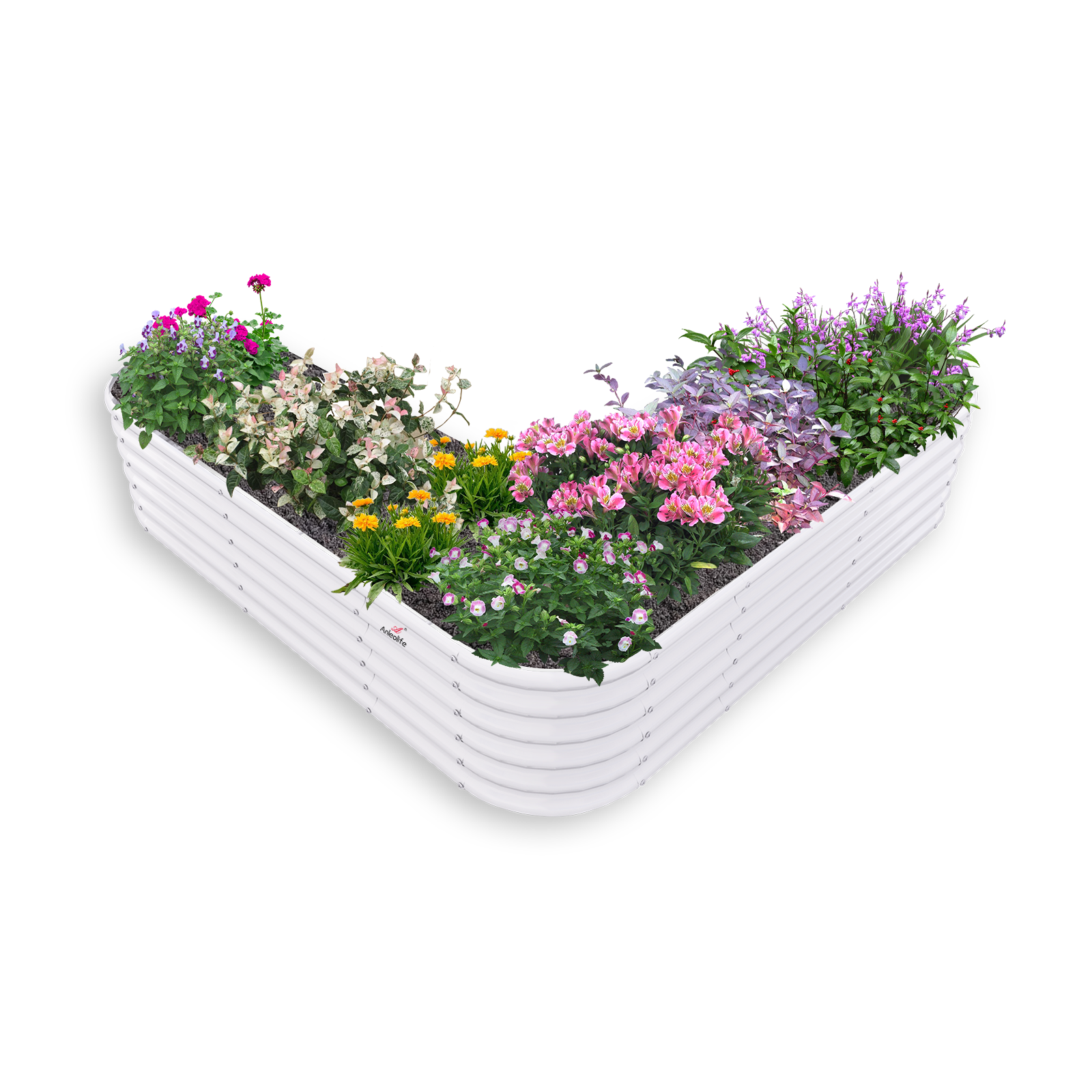
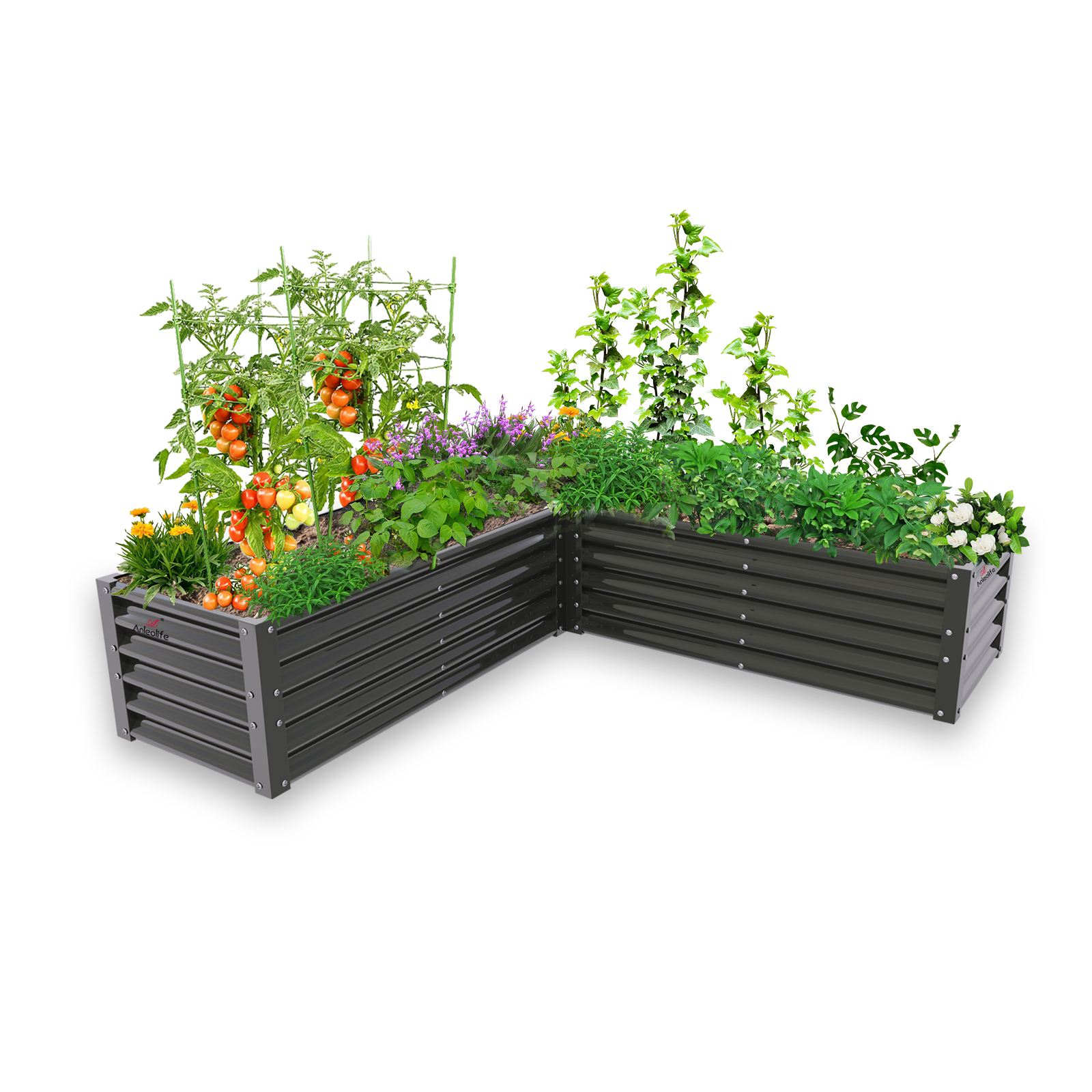
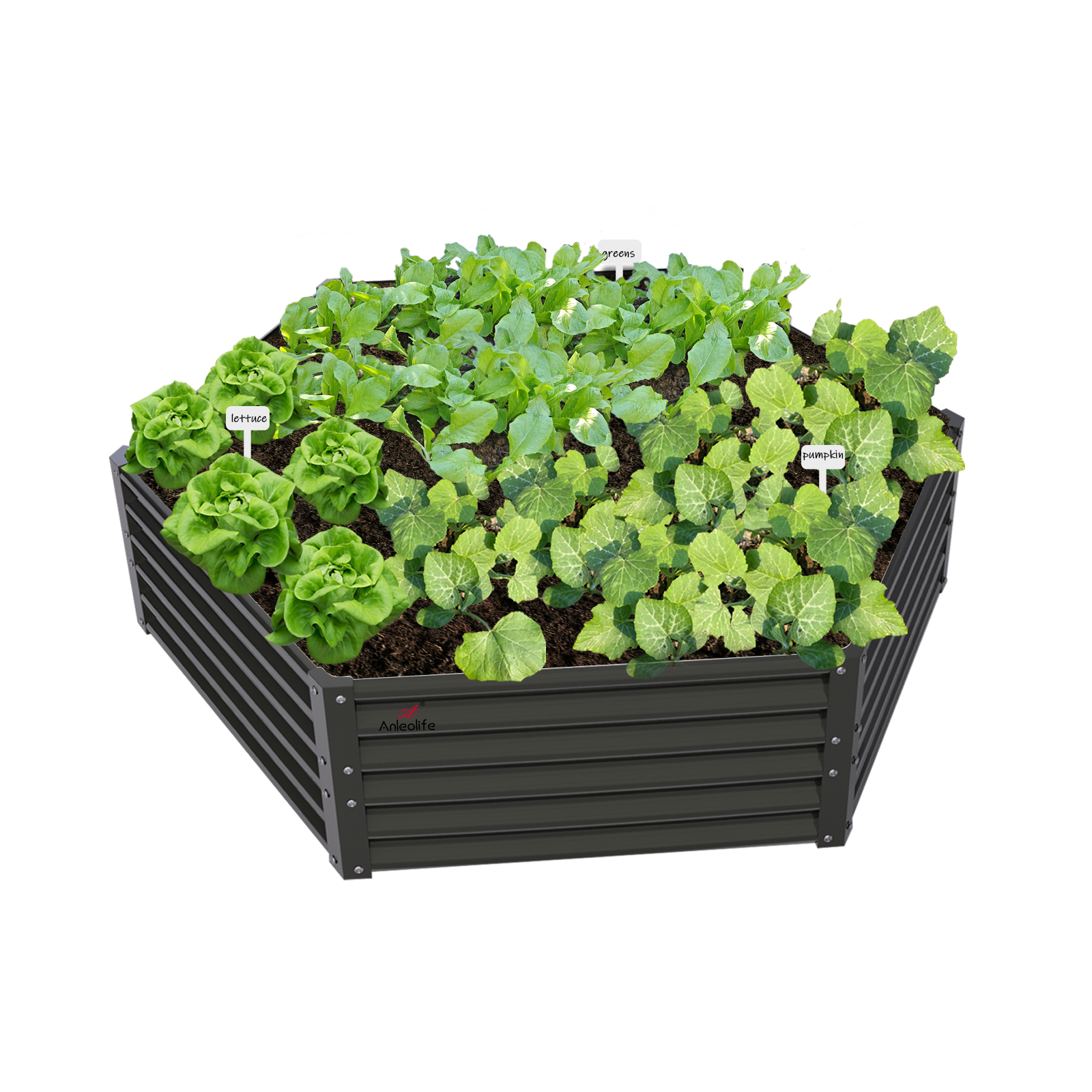
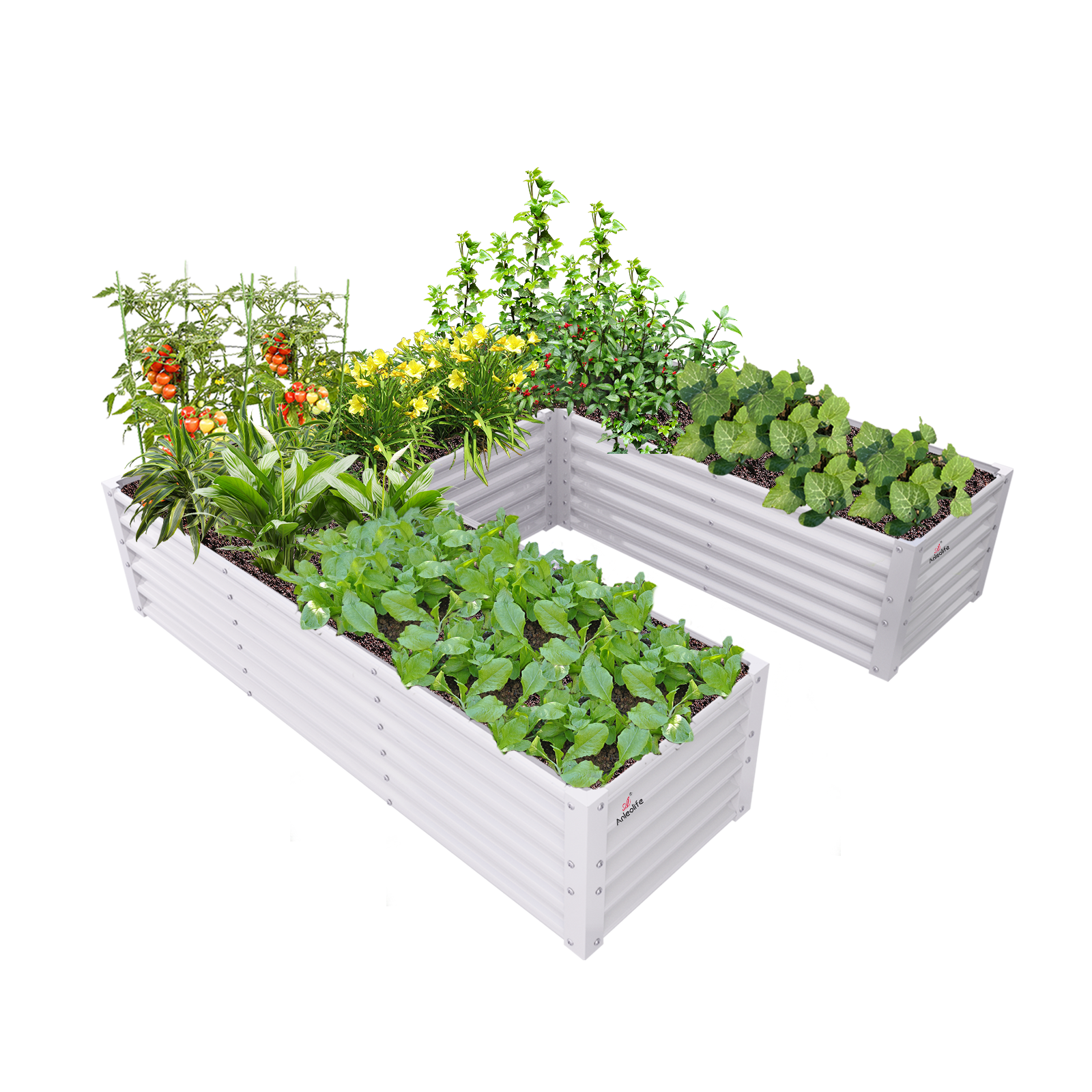
Here's something many gardeners overlook: the raised bed itself plays a significant role in your soil's long-term health. A well-built, durable raised bed maintains consistent structure, keeps native soil separate from your premium growing medium, and ensures proper drainage from the sides and bottom.
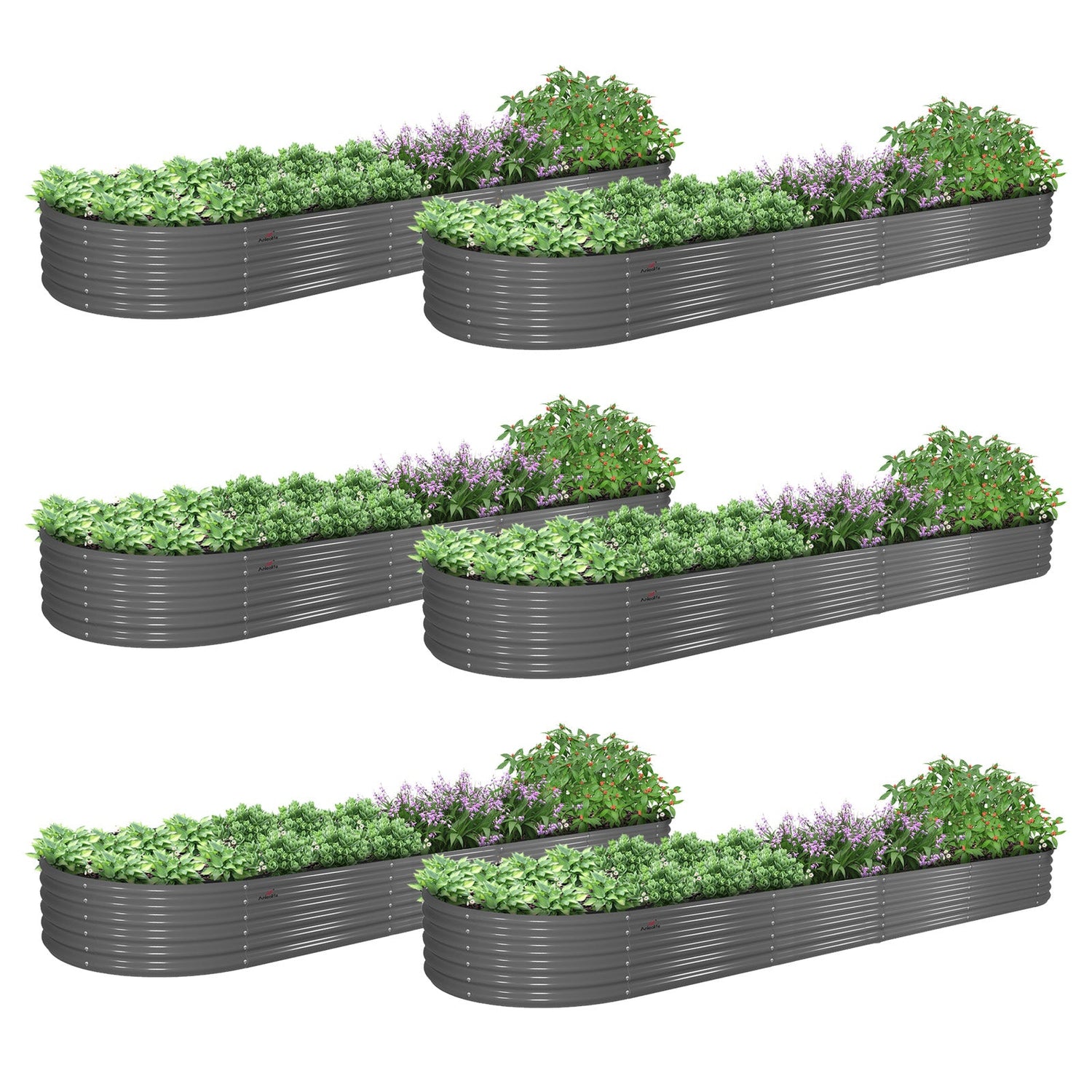
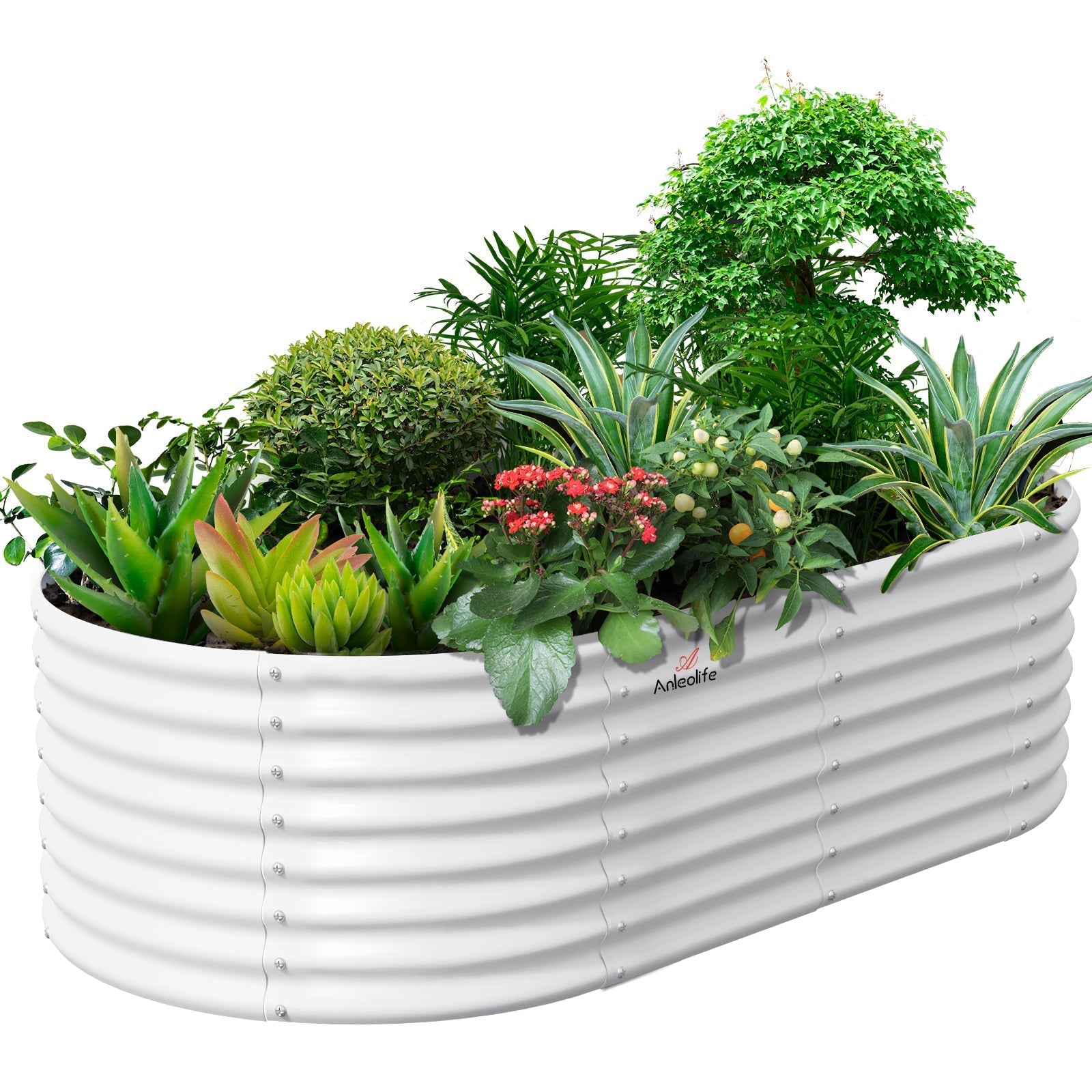
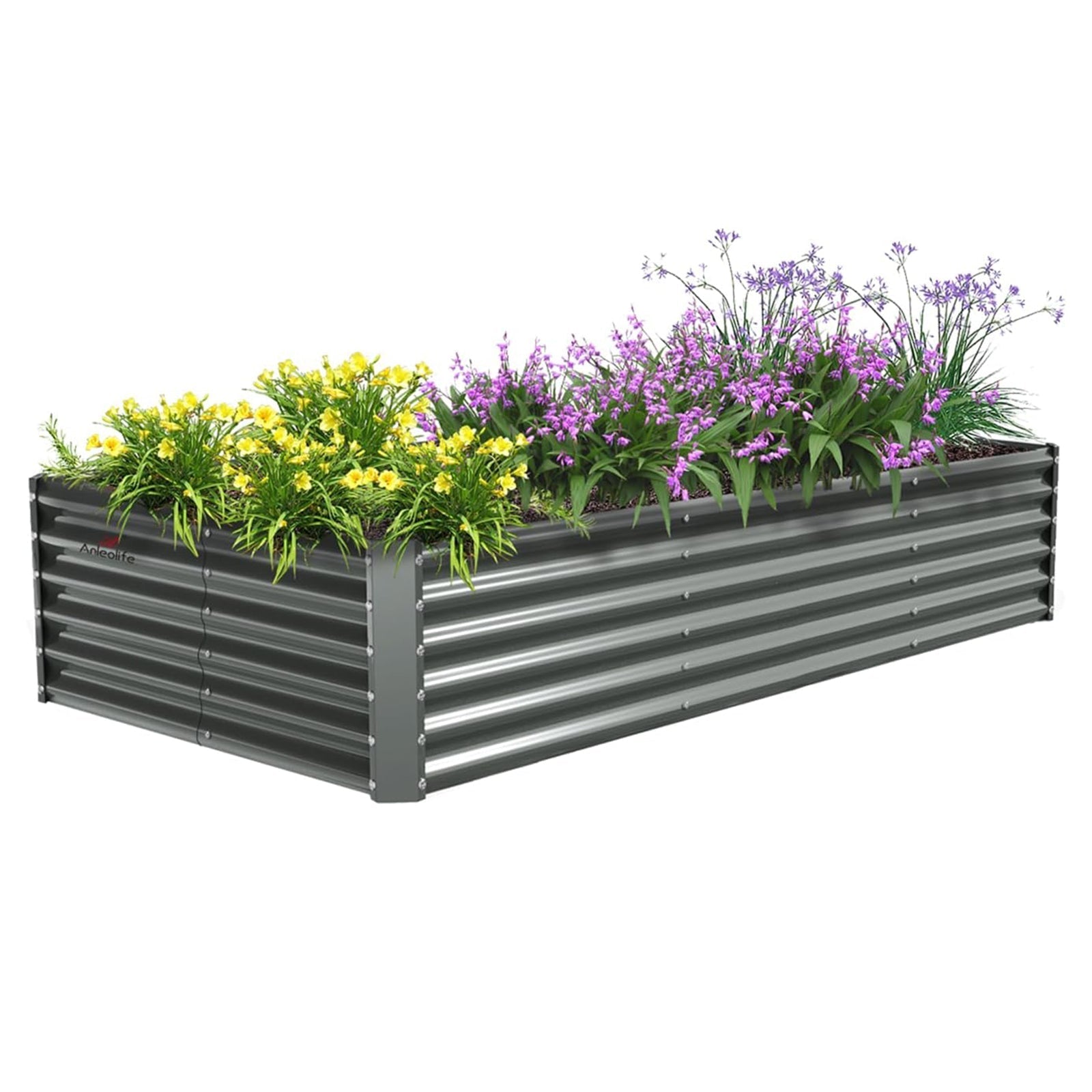
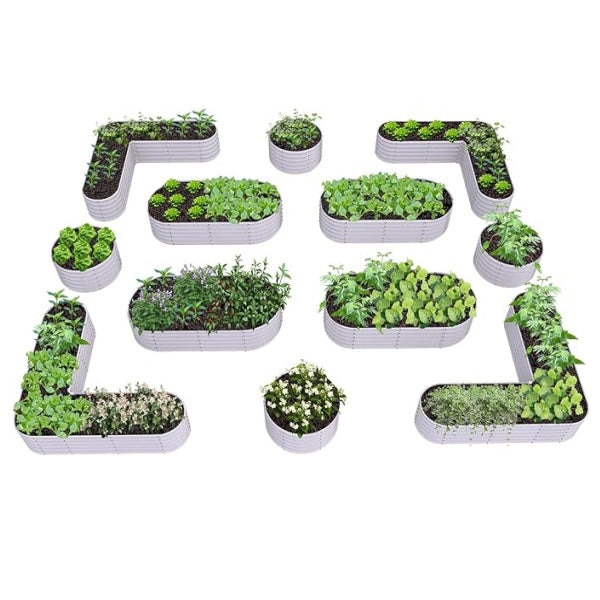
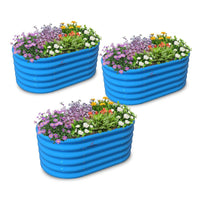
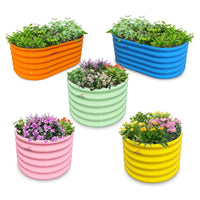
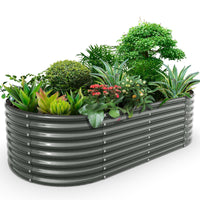
Metal raised garden beds — like those offered by Anleolife — are particularly well suited to long-term soil management because their rigid walls hold the soil volume in place, preventing lateral spreading that can contribute to compaction. Anleolife's metal raised garden beds are built to last up to 20 years, meaning your investment in quality soil and soil management practices compounds over decades, not just a single season.
The depth of your raised bed also matters significantly. Deeper beds allow for more root volume, better drainage layering (with gravel or coarse material at the bottom if desired), and more room to maintain the right soil structure above. If you're experiencing persistent compaction in a shallow bed, upgrading to a deeper raised bed structure can be a game-changing long-term solution.
Protecting Your Raised Bed Soil from External Threats
Soil compaction doesn't happen in isolation. Several external factors accelerate it — and addressing them is part of a holistic approach.
Pest pressure: Small animals like voles, moles, and rabbits can disrupt soil structure as they burrow, while also damaging plant roots. Keeping pests out of your raised bed is both a plant protection measure and a soil health measure. Hardware cloth on the bottom of your bed, combined with row cover fabric on top, offers reliable protection without chemicals. This is also one of the cheapest ways to protect raised beds from pests — hardware cloth is inexpensive, long-lasting, and completely non-toxic.
Overhead watering: Switching from overhead sprinklers to drip irrigation or soaker hoses dramatically reduces the physical impact of water on your soil surface, significantly slowing compaction caused by raindrop and spray impact.
Mulching: A 2–3 inch layer of organic mulch (straw, wood chips, or shredded leaves) acts as a buffer between rainfall and your soil surface, dramatically reducing impact compaction. Mulch also regulates soil temperature and retains moisture, reducing the need for frequent watering.
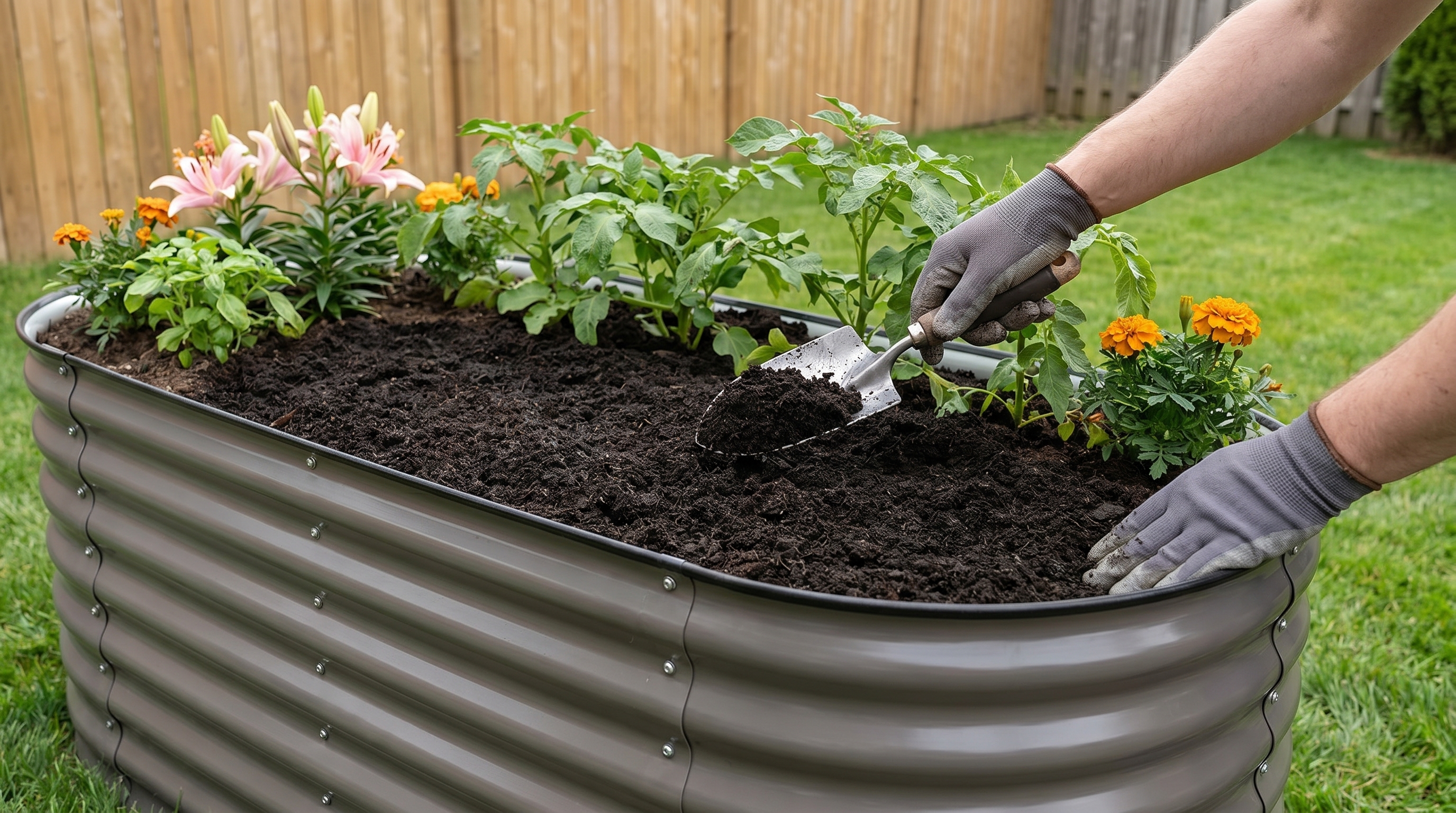
ALT: Home gardener adding a layer of compost to a raised garden bed to fix soil compaction and improve growing conditions
Advanced Considerations: When Standard Fixes Aren't Enough
Special Situations That Require a Different Approach
Severely compacted soil with poor drainage: If water still pools after aerating and amending, consider a more thorough soil replacement. Remove the top 6–8 inches of compacted material, mix it with equal volumes of fresh compost and perlite, and return the amended blend to the bed. This is more labor-intensive but delivers immediate and dramatic results.
Clay-heavy soil bleeding into raised beds: If your raised bed lacks a bottom liner and sits on native clay soil, clay particles can migrate upward into your growing medium over time, progressively making it heavier and denser. Line the bottom of your bed with landscape fabric to create a separation barrier while still allowing drainage.
Raised beds in high-rainfall climates: Gardeners in the Pacific Northwest or Gulf Coast regions may find that standard compost additions aren't sufficient to counteract the compaction caused by intense rainfall. In these cases, increasing perlite content significantly (up to 25–30% of total mix volume) and ensuring the bed has excellent drainage below can make a meaningful difference.
Common Misconceptions About Raised Bed Soil
Misconception: Tilling fixes everything. Deep tilling can actually damage soil structure and destroy fungal networks that take months to rebuild. Gentle aeration with a broadfork is almost always preferable to aggressive tilling.
Misconception: More fertilizer compensates for compacted soil. No amount of fertilizer can overcome the oxygen deprivation and poor water movement caused by compaction. Fix the physical structure first; then optimize nutrition.
Misconception: You only need to amend soil when problems appear. Proactive, annual soil maintenance is always less work than reactive repair. Building soil amendment into your seasonal gardening rhythm prevents compaction from becoming a crisis.
Frequently Asked Questions FAQ
Q1: How often should I add compost to my raised garden bed to prevent soil compaction?
For most raised beds, adding a 2-inch layer of compost at the beginning of spring and again in fall is sufficient to maintain soil structure and prevent significant compaction. If your bed sees heavy planting or shows signs of settling during the growing season, a light mid-season top-dressing of 1 inch can help. Consistency matters more than volume — small, regular additions outperform infrequent heavy applications because they keep soil biology continuously active.
Q2: Is it okay to walk on my raised garden bed soil when planting or harvesting?
Avoiding foot traffic in your raised bed is one of the single most important things you can do for long-term soil health. Even one or two steps can compact a surprisingly large volume of soil. Design your bed width so that you can reach the center from either side without stepping in — most gardeners find that a bed width of around 3–4 feet works well for comfortable reach. If your bed is wider, use a plank across the bed to distribute your weight when necessary.
Q3: How long does it take to see improvement after amending compacted raised bed soil?
You'll often notice improved water absorption within just one or two watering sessions after aerating and adding compost. Root growth improvement becomes visible in plant health within 2–4 weeks, as plants begin accessing oxygen and nutrients in the newly loosened zones. For a fully restored, biologically active soil structure, allow one full growing season of consistent amendment and mulching practices. Patience and consistency are key — soil health is a process, not a one-time event.
Summary
Soil compaction in raised garden beds is a natural consequence of organic matter breakdown, rainfall impact, and time — but it's far from inevitable once you understand how to manage it. Here are the three core takeaways from this guide:
1. Diagnose before you act. Test water absorption and feel soil resistance before choosing your amendment strategy. The severity of compaction determines the appropriate response, from a simple compost top-dress to a more involved partial soil replacement.
2. Prevention beats repair. A simple annual rhythm of compost addition, surface mulching, and no-foot-traffic discipline keeps raised bed soil light, productive, and biologically active year after year. The best time to start is before compaction becomes a problem.
3. Your raised bed structure matters. A high-quality, durable raised bed with proper depth and rigid walls supports better soil management over the long term. Investing in a bed built to last — like those designed to serve you for up to 20 years — means your soil improvements compound over decades.
Healthy soil is the foundation of everything in your garden — beautiful harvests, thriving plants, and the satisfaction of knowing you've built something that nourishes your family and your ecosystem. Take care of your soil, and your soil will take care of you.
Ready to Upgrade Your Garden Setup?
At Anleolife, we believe that great gardening starts with great infrastructure. Here's what sets us apart:
Nationwide U.S. warehouse network: Strategically located in California, Texas, Florida, New York, Illinois, and Washington, our fulfillment network ensures delivery within 3–8 business days — so your garden upgrade plans never have to wait for the season to pass.
Multi-channel availability: Shop Anleolife products on Amazon, Walmart, Home Depot, Lowe's, Wayfair, or directly at Anleolife.com — with consistent quality assurance and responsive after-sales support wherever you buy.
Three complete garden scenarios: From Planting (metal raised garden beds, soil systems) to Raising (chicken coops, rabbit hutches) and Beautification (decorative accessories, pathway systems), Anleolife covers every dimension of home garden life — from pure functionality to everyday beauty.
We understand that an ideal garden is not built overnight, but gradually improved over time. Our modular product design allows flexible expansion based on your needs — from your first raised garden bed to a fully integrated planting-and-raising ecosystem. We grow with you every step of the way.
References
- University of California Agriculture and Natural Resources. "Soil Compaction in Gardens and Landscapes."
https://ucanr.edu/ - Penn State Extension. "Raised Bed Gardening: Soil Health and Organic Matter Management."
https://extension.psu.edu/ - USDA Natural Resources Conservation Service. "Soil Health — Understanding the Science of Healthy Soils."
https://www.nrcs.usda.gov/conservation-basics/natural-resource-concerns/soils/soil-health - Oregon State University Extension Service. "Building Healthy Soil in Raised Beds."
https://extension.oregonstate.edu/ - Cornell Cooperative Extension. "Raised Bed Gardening — Soil Preparation and Management."
https://cce.cornell.edu/
Note: Standards and research findings may be updated. Please check the latest official documents or consult a local extension service or professional soil advisor for the most current guidance.
About Anleolife
Anleolife is a leading outdoor garden solutions provider in North America, dedicated to offering a full-scenario product ecosystem for home gardening enthusiasts, covering planting, raising, and garden beautification. Since its founding, we have upheld our brand mission, "Made for Garden Life," continuously innovating products and optimizing services to help hundreds of thousands of users upgrade their gardens, reconnect with nature, and enjoy a better garden lifestyle.