
Garden Life Guide

Weekend Warrior: 3 Easy Backyard Upgrades to Tackle Before Summer Ends

Weekend Warrior: 3 Easy Backyard Upgrades to Tackle Before Summer Ends

on May 17 2026
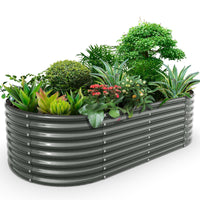
A weekend DIY backyard upgrade guide targeting home gardeners and homeowners. Covers 3 projects: galvanized steel raised garden beds for late-season harvest, functional outdoor storage, and decorative beautification. Key takeaway: late summer is ideal for these upgrades, each achievable in one weekend with minimal skill and lasting ROI.
5 Signs Your Raised Garden Bed Needs a Soil Refresh This Season

5 Signs Your Raised Garden Bed Needs a Soil Refresh This Season

on May 17 2026
This guide targets home raised-bed gardeners and identifies 5 soil degradation signs: compaction, yellowing plants, dropping soil levels, pest/disease recurrence, and yield decline. It provides actionable refresh strategies (topdressing, full replacement, lasagna method), backed by authoritative sources. Key takeaway: annual soil amendment is essential for sustained productivity.
Teaching Kids to Garden This Summer: 5 Fun Raised Bed Activities

Teaching Kids to Garden This Summer: 5 Fun Raised Bed Activities

on May 17 2026
A comprehensive family gardening guide targeting parents with children ages 4โ€“14, arguing that raised garden beds are the ideal summer learning tool. Features 5 structured hands-on activities (ownership, science, ecology, cooking, planning), a materials comparison table, FAQ, and 5 authoritative citations. Key takeaway: structured activities + durable raised beds = sustained child engagement and lifelong gardening habits.
Summer Soil Prep Checklist: How to Get Your Raised Bed Ready for Peak Growing Season

Summer Soil Prep Checklist: How to Get Your Raised Bed Ready for Peak Growing Season

on May 17 2026
A comprehensive summer soil prep guide for raised garden beds targeting home gardeners, urban growers, and retirees. Core argument: proactive soil management (testing, amending, mulching, structural checks) directly drives higher yields and fewer pest problems. Key takeaways: test before amending, refresh volume seasonally, choose durable galvanized steel beds, and use mulch for moisture control.
Quick Guide: Transitioning Your Raised Bed from Spring to Summer Crops

Quick Guide: Transitioning Your Raised Bed from Spring to Summer Crops

on May 17 2026
This guide covers the full spring-to-summer raised bed crop transition for home gardeners in USDA zones 4โ€“9, explaining soil amendment, trellis setup, pest control, and summer crop selection. Key takeaways: watch for bolting signals, refresh soil before replanting, and install support structures early. Galvanized steel beds (Anleolife-focused) are highlighted as durable, season-friendly solutions for beginners and experienced growers.
How to Pick the Right Raised Garden Bed Color for Your Outdoor Aesthetic

How to Pick the Right Raised Garden Bed Color for Your Outdoor Aesthetic

on May 17 2026
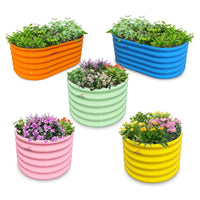
This guide helps homeowners, urban gardeners, and retirees choose the right raised garden bed color to enhance outdoor aesthetics. It argues color is a strategic design decision โ€” not an afterthought โ€” affecting space perception, plant contrast, and architectural harmony. Key takeaways: audit your palette first, match mood and style, test colors in natural light, and invest in durable finishes for long-term value.
Plastic vs. Metal Raised Garden Beds in Summer Heat: Which One Wins?

Plastic vs. Metal Raised Garden Beds in Summer Heat: Which One Wins?

on May 17 2026
This guide compares plastic vs. metal raised garden beds for summer heat performance, targeting home gardeners in warm climates. It argues galvanized steel outperforms plastic in durability, food safety, and long-term value. Key takeaways: metal beds resist warping, last 20 years, and are cost-effective over time.
Easy Trellis and Edging Ideas to Beautify Your Garden Space This June

Easy Trellis and Edging Ideas to Beautify Your Garden Space This June

on May 17 2026
This guide helps home gardeners beautify outdoor spaces in June using trellis and edging strategies. Targeting raised-bed growers and urban gardeners, it covers DIY trellis types, edging materials, budget tips, and combined design approaches. Key takeaways: trellises boost vertical productivity and aesthetics; edging defines garden zones; durable materials ensure long-term value.
Mid-Season Raised Bed Check-In: 4 Maintenance Tasks to Do in June

Mid-Season Raised Bed Check-In: 4 Maintenance Tasks to Do in June

on May 17 2026
This article guides home gardeners through four critical June mid-season maintenance tasks for raised garden beds: soil nutrient replenishment, pest scouting, structural inspection, and strategic plant management. Targeting beginner-to-intermediate gardeners using metal raised beds, it delivers actionable steps, comparison tables, and expert citations to maximize summer harvest yields and bed longevity.
How to Choose the Right LED Grow Light Spectrum for Better Yields This Season

How to Choose the Right LED Grow Light Spectrum for Better Yields This Season

on May 17 2026
A comprehensive guide on LED grow light spectrum selection for home and indoor gardeners. It covers blue/red/far-red science, crop-specific recommendations, fixture comparison, and integration with outdoor raised beds. Key takeaways: match spectrum to growth stage, invest in full-spectrum LEDs, and align indoor and outdoor growing systems for maximum yields.
How to Scale Up Your Modular Garden System for a Full Backyard Transformation

How to Scale Up Your Modular Garden System for a Full Backyard Transformation

on May 17 2026
A comprehensive guide on scaling modular raised garden bed systems into full backyard transformations, targeting homeowners and home growers. It covers zone planning (planting, raising, beautification), bed comparisons, pest management, and seasonal strategies. Key takeaway: start with one anchor bed, expand sequentially, and integrate function with beauty for a lasting, self-sufficient outdoor ecosystem.
How to Turn a Small Patio Into a Productive Raised Bed Garden This Summer

How to Turn a Small Patio Into a Productive Raised Bed Garden This Summer

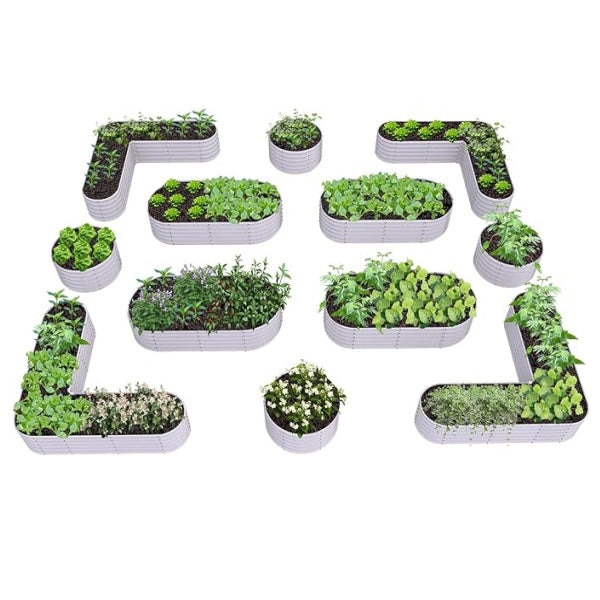
on May 13 2026
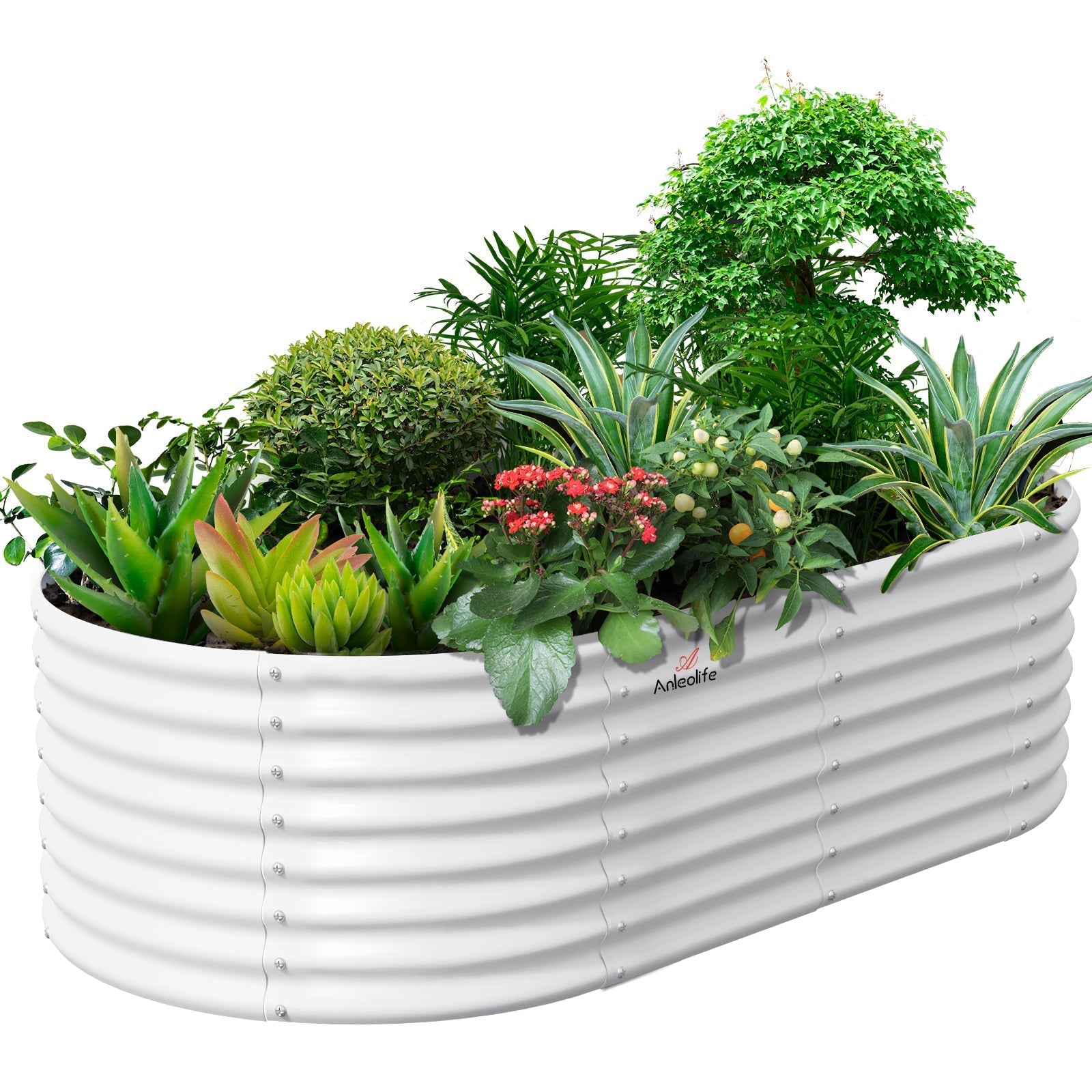
ALT: Small patio raised bed garden layout with vegetables, herbs, and galvanized steel beds for summer growing Transform Your Small Patio Into a Productive Raised Bed Garden This Summer Key Conclusion: A well-planned raised bed planting layout can turn even the most modest patio into a thriving edible garden. By combining smart space planning, companion planting strategies, and durable raised bed systems, urban gardeners can harvest fresh produce all summer long. Whether you're working with a 6-foot balcony or a compact courtyard, raised bed companion planting garden layout techniques allow you to maximize yield without sacrificing style. Add seasonal touches like kinetic wind spinners and decorative pathway elements to elevate the entire experience. If you've been staring at your small patio and wondering whether it has any real gardening potential, the answer is a resounding yes. A compact outdoor space is not a limitation โ€” it's an invitation to garden smarter. Raised bed gardening offers a practical, aesthetically pleasing solution that works beautifully in tight spaces. With the right layout, the right soil, and the right containers, you can grow tomatoes, herbs, leafy greens, and even small root vegetables on a space no larger than a living room floor. This guide walks you through every step of that transformation, from choosing the right bed size to maximizing your harvest through companion planting and thoughtful design. Who Should Read This Guide โœ… Applicable Scenarios: Homeowners or renters with a small patio, balcony, courtyard, or rooftop space who want to grow their own food Urban micro-gardeners looking for space-efficient raised bed layouts that maximize yield per square foot Empty nesters and retirees who want low-maintenance, ergonomically friendly gardening setups that reduce bending and kneeling Eco-conscious families who want to reduce grocery costs, minimize pesticide use, and eat more sustainably grown produce First-time gardeners who want a structured, beginner-friendly system that delivers results quickly โŒ Not Applicable/Cautions: Gardeners with unlimited ground space who are looking for large-scale in-ground planting strategies Those seeking purely ornamental gardens with no interest in edible plants or functional planting layouts Renters with landlord restrictions on structural modifications (always confirm what's permitted before installing raised beds) Why Small Patios Are the Hidden Gem of Urban Gardening For decades, gardening was associated with wide backyards, sprawling lawns, and acres of open land. But as more Americans move into urban apartments, townhomes, and smaller properties, the definition of a garden has evolved dramatically. Today, some of the most productive and beautiful gardens in North America are growing on patios smaller than 200 square feet. The rise of raised bed gardening has been a game-changer for this shift. According to the National Gardening Association, participation in food gardening has grown consistently year over year, with container and raised bed gardening leading the charge among urban households. People want the satisfaction of homegrown food without the demands of traditional in-ground gardening โ€” and raised beds deliver exactly that. What makes patios so promising? First, they often receive excellent sun exposure, unobstructed by trees or neighboring structures. Second, their hardscape surfaces (concrete, pavers, tile) are actually ideal for positioning raised beds โ€” no digging required, no soil contamination concerns, and easy access from all sides. Third, the physical boundaries of a patio naturally encourage you to garden intentionally, choosing only what you'll actually use and eat. If you're planning your first raised bed layout, it pays to understand your options before you invest. Check out this comprehensive resource on How Much Should You Spend on a Raised Garden Bed This Season? to get a clear picture of budgeting, materials, and long-term value before making any purchasing decisions. The combination of improved drainage, better soil control, and elevated planting surfaces makes raised beds superior to pots or ground planting in most patio environments. And with modern galvanized steel options built to last up to 20 years, the investment pays dividends across many growing seasons. Planning and Building Your Patio Raised Bed Garden: A Complete Guide Three-Step Quick Start Step 1: Measure Your Space and Map Your Layout Before purchasing any beds or soil, spend 20โ€“30 minutes measuring your patio accurately. Note the dimensions of the entire space, identify fixed obstacles (doors, furniture, HVAC units), and mark where sunlight falls throughout the day. A successful raised bed planting layout requires at least 6 hours of direct sunlight for most vegetables. Sketch a simple top-down diagram and decide how many beds you can fit while maintaining a 24-inch walking path between them for comfortable access. Step 2: Choose the Right Raised Bed Size and Height Once you know your space, match bed dimensions to your layout. For patios under 150 square feet, compact options like an 18" Tall 4x4 ft or 18" Tall 6x3 ft raised bed from Anleolife's galvanized steel collection work well. For those with mobility concerns, a 35" Waist-High 4x1.5 ft bed eliminates bending entirely. For more generous patios, an 18" Tall 8x4 ft or even a 24" Extra Tall 8x4 ft bed allows for deeper root development and more planting diversity. Consider your crop choices โ€” deeper beds suit root vegetables and tomatoes, while shallower beds work well for herbs and greens. Step 3: Fill, Plant, and Connect With your bed in place, fill it with a high-quality soil mix designed for raised beds (a blend of compost, topsoil, and a perlite or vermiculite component is ideal for drainage and nutrition). Then plant using a raised bed companion planting garden layout โ€” grouping plants that benefit each other, like basil near tomatoes or marigolds bordering pepper plants. Water thoroughly and add a light layer of mulch on the surface to retain moisture. Your patio garden is now officially open for business. Comparing Raised Bed Options for Small Patios Choosing the right raised bed for a small patio is not a one-size-fits-all decision. Your choice should be guided by the available space, the crops you want to grow, your physical needs, and your aesthetic preferences. Here's a comparison of the main options available through Anleolife: Comparison Dimension Compact Galvanized Beds Extra Tall / Waist-High Beds Modular Raised Beds Best for patio size Under 100 sq ft 100โ€“200 sq ft Any size, highly flexible Height options 18" standard 24"โ€“35" tall 18"โ€“30" configurable Ease of access Requires bending Ergonomic, no bending Adjustable to preference Crop versatility Herbs, greens, shallow roots Tomatoes, root veg, deep crops Highly versatile Material durability Galvanized steel, up to 20 years Galvanized steel, up to 20 years Galvanized steel, up to 20 years Layout flexibility Fixed footprint Fixed footprint Reconfigurable panels Aesthetic appeal Clean, modern look Architectural, statement piece Seamless, customizable Rust resistance Standard galvanized Standard galvanized Rust-resistant options available Ideal user Beginners, budget-focused Seniors, mobility-conscious Planners, growing families The modular raised bed line from Anleolife is particularly well-suited for patio gardeners who want the option to expand or reconfigure their layout as their gardening ambitions grow. Options like the 18" Tall 8x4 ft or 30" Extra Tall 8x4 ft modular beds can be rearranged over time, adapting to new patio furniture arrangements or seasonal planting needs. Designing a Smart Raised Bed Companion Planting Garden Layout Understanding Your Patio's Microclimate Every patio has a unique microclimate โ€” patterns of sun, shade, wind, and reflected heat that influence what grows best where. South-facing patios typically receive the most direct sunlight and suit heat-loving crops like tomatoes, peppers, eggplant, and cucumbers. North-facing or shaded patios are better suited to leafy greens like lettuce, spinach, arugula, and kale, which actually prefer cooler conditions. Before placing your beds, observe your patio at different times of day for two or three days. Note which zones receive full sun (6+ hours), partial sun (3โ€“6 hours), and shade (under 3 hours). This mapping exercise will directly inform your raised bed planting layout and help you avoid the common mistake of placing sun-hungry tomatoes in a shaded corner. Raised Bed Companion Planting: The Foundation of a Productive Layout Companion planting is the practice of growing certain plants near each other to improve growth, deter pests, and optimize space use. In a small patio raised bed setting, companion planting isn't just beneficial โ€” it's essential for maximizing limited space. Some of the most proven companion planting combinations for raised beds include: Tomatoes + Basil + Marigolds: Basil is believed to repel thrips and aphids, and many gardeners swear it improves tomato flavor. Marigolds deter nematodes and whiteflies. Together, they form a productive, fragrant trio in an 18" Tall 8x4 ft galvanized steel bed. The Three Sisters (Corn, Beans, Squash): This indigenous North American planting system works beautifully in a large bed like a 24" Extra Tall 8x4 ft. Corn provides a trellis for beans, beans fix nitrogen, and squash leaves shade the ground, suppressing weeds and retaining moisture. Lettuce + Tall Herbs: Shade-tolerant lettuce thrives under the partial shade cast by tall herbs like dill or fennel, making it ideal for a shaded corner of your patio in a compact 18" Tall 4x4 ft bed. Peppers + Carrots + Onions: These three make efficient use of vertical and horizontal space, with carrots and onions filling the root zone while peppers grow upward. For a deeper dive into structuring your layout around family needs and spatial constraints, this guide on How to Build a Raised Garden Bed Layout for Families with Limited Backyard Space offers practical, field-tested advice that applies equally well to patio environments. Vertical Space: Your Secret Weapon on a Small Patio Most patio gardeners think in two dimensions โ€” how much floor space they have. The real opportunity lies in the third dimension: height. Trellises, wall-mounted planters, and climbing crops can effectively double or triple the growing capacity of a small patio without adding a single square foot of floor footprint. Position a trellis or tomato cage at the back of your tallest raised bed (a 24" Extra Tall or 30" Extra Tall bed is ideal) and train vining crops like cucumbers, pole beans, or indeterminate tomatoes upward. This not only maximizes production but also creates a lush green backdrop that makes your patio feel like a private garden retreat. Soil: The Foundation Nobody Sees But Everyone Benefits From A raised bed is only as productive as the soil inside it. Unlike ground gardening, where plants can send roots deep in search of nutrients, raised bed plants are entirely dependent on what you put in the box. Investing in a quality soil mix pays dividends throughout the growing season and beyond. The most widely recommended approach for raised beds is a blend sometimes called "Mel's Mix" โ€” a combination of one-third compost, one-third peat moss or coconut coir, and one-third coarse vermiculite or perlite. This mix offers excellent drainage, strong nutrient retention, and a light, airy texture that encourages deep root development. For more detail on perfecting your soil blend, check out What Is the Best Soil Mix for Raised Garden Beds? (The Mel's Mix Guide) for a thorough breakdown of ratios and amendments. Garden Tool Storage and Maintenance on a Small Patio One of the most common frustrations in small-space gardening is clutter. Tools, gloves, watering cans, and seed packets can quickly overwhelm a compact patio if you don't have a storage system in place. Fortunately, some of the best garden tool storage solutions for small spaces are also the most stylish. A compact vertical tool organizer or wall-mounted storage rack can hold hand trowels, pruners, gloves, and spray bottles without taking up floor space. For wet climates or areas with heavy seasonal rain, recommended tool storage cabinets for wet climates include weatherproof resin or galvanized steel units that resist moisture penetration and prevent rust buildup on your tools. Speaking of rust โ€” to prevent rust on stored garden tools, always dry your metal tools thoroughly before storing them, apply a thin coat of linseed oil or machine oil to metal surfaces at the end of the season, and store in a covered, ventilated space rather than leaving them outdoors. Beautifying Your Patio Garden: Beyond Pure Function A productive garden and a beautiful garden don't have to be mutually exclusive. In fact, the best garden decorations for small spaces do double duty: they add visual interest while serving a functional purpose. Consider adding: Kinetic wind spinners: These garden ornaments bring movement and whimsy to any patio layout and are among the best garden ornaments for modern landscaping. Positioned between raised beds, they create dynamic visual interest and can help deter certain birds from landing in your growing areas. Pathway stepping stones: Even on a paved patio, decorative stepping stones can define the walking path between beds and add a cohesive design language to the space. Solar-powered garden lights: Low-voltage stake lights along the edges of raised beds extend the visual enjoyment of your garden into the evening hours and make nighttime harvesting possible. Decorative plant markers: Hand-painted or laser-engraved markers identify plants, add personality, and give the garden a cultivated, curated feel. The Anleolife Beautification product line โ€” including decorative accessories and pathway systems โ€” is designed to complement raised bed setups perfectly, helping you achieve a garden that's as pleasing to look at as it is productive to grow in. ALT: Small patio raised bed companion planting garden layout with decorative accessories, wind spinners, and galvanized steel beds Advanced Strategies for Patio Raised Bed Success Handling Extreme Heat on Concrete Patios One challenge specific to patio gardening is heat reflection. Concrete and tile surfaces absorb solar radiation and radiate it back toward your plants, which can stress crops and dry out soil rapidly in midsummer. The solution is multi-layered: choose galvanized steel raised beds with walls thick enough to provide thermal buffering (Anleolife's heavy-duty raised beds are specifically engineered for durability in demanding conditions), add a generous layer of mulch to the soil surface, and consider placing lighter-colored gravel or pavers around your beds to reduce heat absorption in the surrounding hardscape. Dealing With Wind on Elevated Patios and Balconies Upper-floor patios and balconies often face stronger wind exposure than ground-level spaces. Wind can damage plants, dry out soil faster, and topple lightweight containers. A 30" Extra Tall 6x3 ft bed with its deeper, heavier soil volume is naturally more wind-stable than a shallow planter. You can further protect crops by positioning beds against a wall or railing, planting wind-resistant varieties, and installing a simple bamboo or wire trellis that breaks the wind without blocking sunlight. Correcting a Common Misconception: Bigger Isn't Always Better Many new patio gardeners assume that the largest possible raised bed will produce the most food. In practice, a bed that's difficult to reach the center of leads to compacted soil, damaged plants, and frustrated gardeners. The ideal width for any raised bed is one that allows you to reach the center comfortably from either side without stepping in โ€” typically no wider than 4 feet for most adults. Anleolife's range of 8x4 ft beds hits this sweet spot perfectly, offering generous planting area while remaining fully accessible from both long sides. Expanding Over Time With Modular Systems One of the smartest moves a patio gardener can make is choosing a modular system from the start. Rather than committing to a fixed layout, modular raised beds allow you to start small โ€” perhaps with an 18" Tall 6x2 ft panel configuration โ€” and add sections as your confidence, skills, and available space evolve. This approach aligns perfectly with the gardening philosophy of gradual, sustainable growth rather than overwhelming yourself in year one. Frequently Asked Questions FAQ Q1: How do I prevent rust on stored garden tools used with raised beds? Preventing rust on stored garden tools is straightforward with a few consistent habits. After each use, wipe metal tool surfaces dry with an old cloth before storing. At the end of the growing season, apply a thin coating of linseed oil or mineral oil to all metal surfaces to create a moisture barrier. Store tools in a covered, ventilated space โ€” not left outdoors overnight. Wall-mounted racks or closed storage cabinets keep tools off damp surfaces and extend their useful life significantly. For raised bed hardware and the beds themselves, galvanized steel offers built-in corrosion resistance that requires no seasonal treatment. Q2: Are raised beds on a patio suitable for growing tomatoes and other large vegetables? Yes โ€” with the right bed depth and support structures, patios are excellent for tomatoes, peppers, eggplant, and even small squash varieties. The key is choosing a bed with sufficient depth: a 24" Extra Tall or 30" Extra Tall raised bed from Anleolife provides the soil volume that large-rooted plants need. Pair this with a sturdy trellis or tomato cage, ensure consistent watering (patio beds can dry out faster than ground beds), and choose compact or dwarf varieties if your space is very limited. Indeterminate tomato varieties trained vertically can thrive in a 24" Extra Tall 8x4 ft bed with exceptional yields. Q3: How long does a galvanized steel raised bed last, and is it worth the investment for a small patio? Galvanized steel raised beds from Anleolife are built to last up to 20 years, making them one of the most cost-effective long-term gardening investments available. When you spread the initial purchase price across two decades of growing seasons, the per-season cost is remarkably low โ€” especially compared to replacing plastic or wood beds every few years. For a small patio where you want a clean, permanent-looking setup, galvanized steel is also the most aesthetically consistent choice, maintaining its appearance season after season with minimal maintenance. Summary Transforming a small patio into a productive raised bed garden is one of the most rewarding home improvement projects you can undertake this summer. Here are the three core takeaways to carry with you: First, space is not a barrier โ€” smart planning is everything. A well-designed raised bed planting layout that accounts for sunlight, walkways, and vertical growing potential can produce impressive yields in as little as 50 square feet of patio space. Second, companion planting is your productivity multiplier. A thoughtful raised bed companion planting garden layout reduces pest pressure, improves soil health, and allows you to grow more diverse crops in less space. Pair it with the right soil mix, and your beds will outperform gardens many times their size. Third, quality materials make the difference over the long haul. Choosing galvanized steel raised beds rated for up to 20 years of performance means your patio garden will be ready for every summer season for decades to come โ€” no rust, no rot, no replacement every few years. Your next step is simple: measure your patio today, sketch your layout, and identify which Anleolife bed size fits your space and growing goals. Whether you start with one compact bed or design a multi-bed system from the outset, the most important thing is to begin. Start Growing With Anleolife This Summer Anleolife makes it easy to bring your patio garden vision to life โ€” wherever you are in the United States. Nationwide U.S. warehouse network: Strategically located in California, Texas, Florida, New York, Illinois, and Washington to ensure delivery within 3โ€“8 business days โ€” so your garden upgrade plans never have to wait. Multi-channel sales network: Products are available on major e-commerce platforms including Amazon, Walmart, Home Depot, Lowe's, and Wayfair, as well as the official website Anleolife.com, providing consistent quality assurance and after-sales service. Three core scenarios: Planting (metal raised garden beds, soil systems), Raising (chicken coops, rabbit hutches), and Beautification (decorative accessories, pathway systems) โ€” meeting complete needs from functionality to aesthetics. We understand that an ideal garden is not built overnight, but gradually improved over time. Our modular product design allows flexible expansion based on your needs โ€” from your first compact starter bed to a fully integrated planting-and-raising ecosystem. We grow with you every step of the way. References National Gardening Association. "Garden to Table: A Guide to the Vegetable Garden".https://garden.org University of California Agriculture and Natural Resources. "Raised Bed Gardening".https://ucanr.edu/sites/scmg/Vegetable_Growing_Information/Raised_Bed_Gardening/ U.S. Department of Agriculture (USDA). "Urban Agriculture and Community Gardening Resources".https://www.usda.gov/topics/farming/urban-agriculture Penn State Extension. "Raised Bed Gardening".https://extension.psu.edu/raised-bed-gardening Colorado State University Extension. "Companion Planting".https://extension.colostate.edu/topic-areas/yard-garden/companion-planting/ Note: Standards and recommendations may be updated. Please check the latest official documents or consult professional advisors for current guidance. About Anleolife Anleolife is a leading outdoor garden solutions provider in North America, dedicated to offering a full-scenario product ecosystem for home gardening enthusiasts, covering planting, raising, and garden beautification. Since its founding, we have upheld our brand mission, "Made for Garden Life," continuously innovating products and optimizing services to help hundreds of thousands of users upgrade their gardens, reconnect with nature, and enjoy a better garden lifestyle.