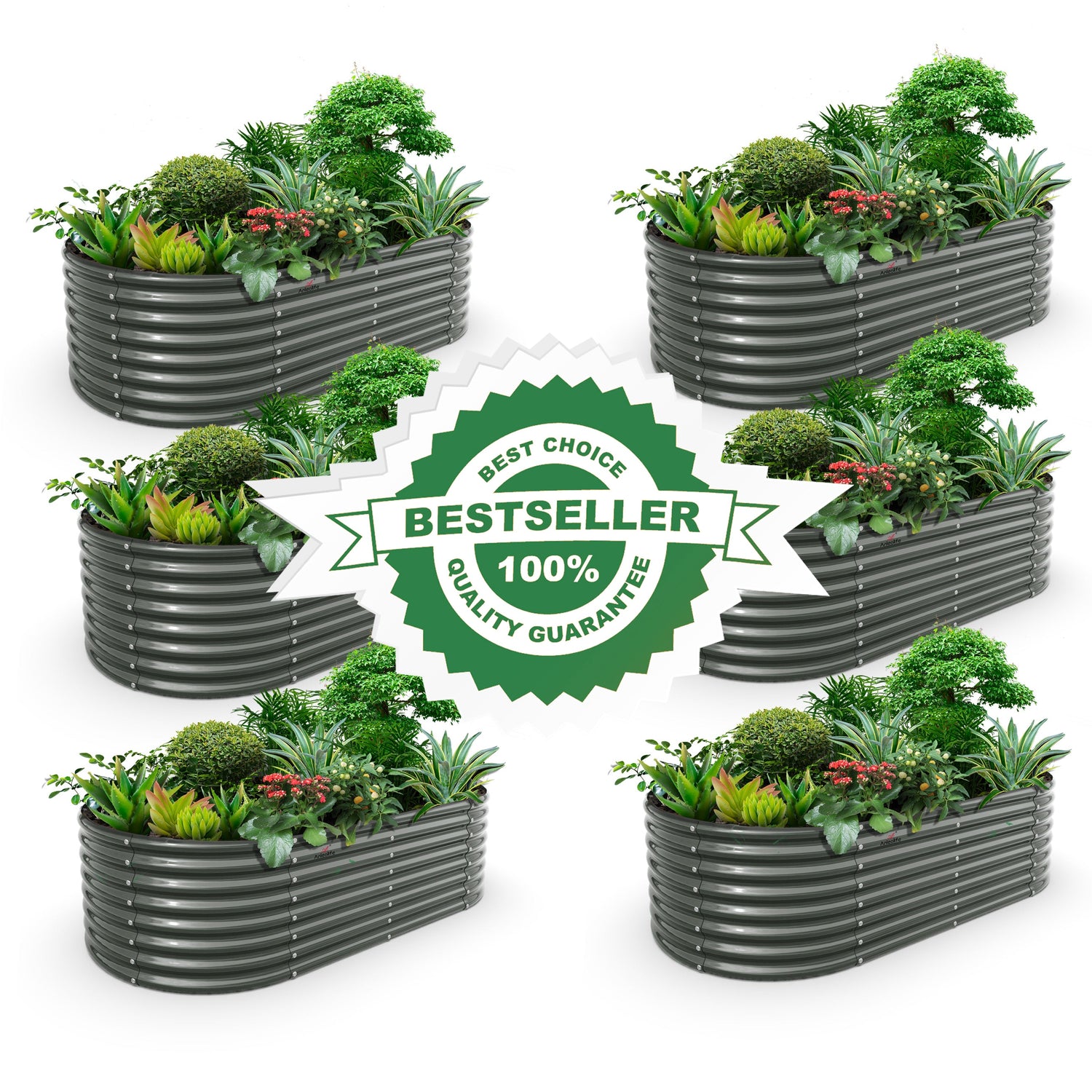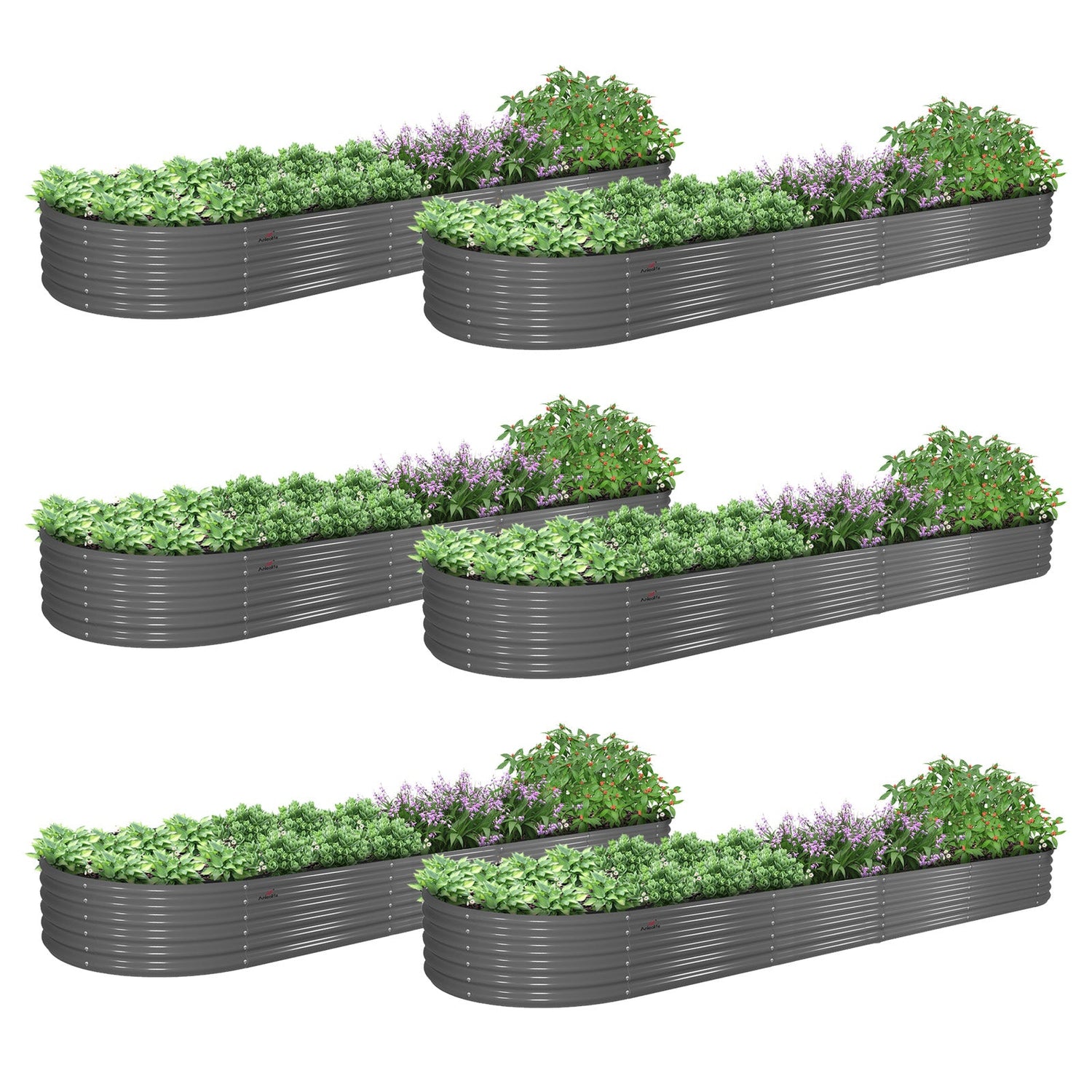

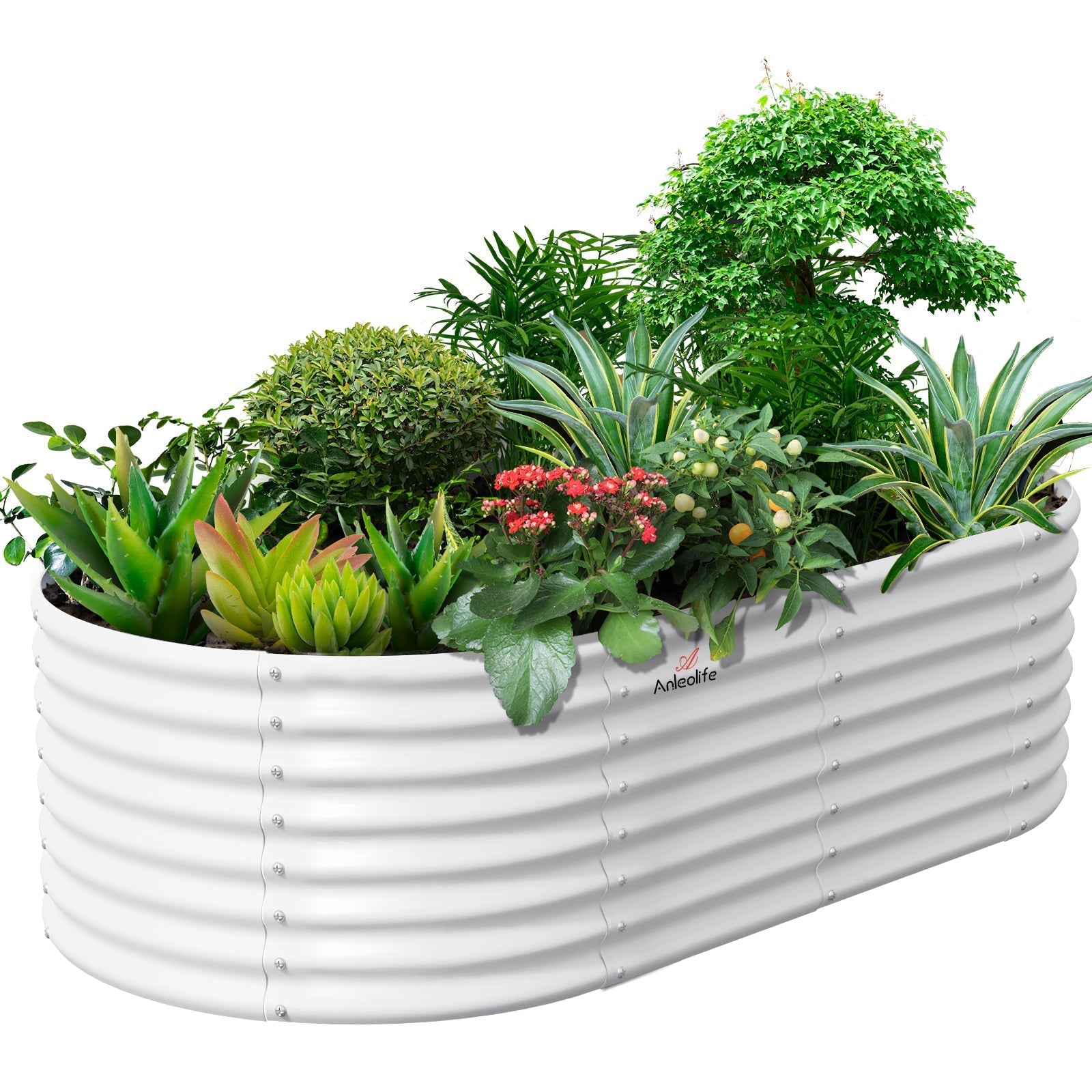
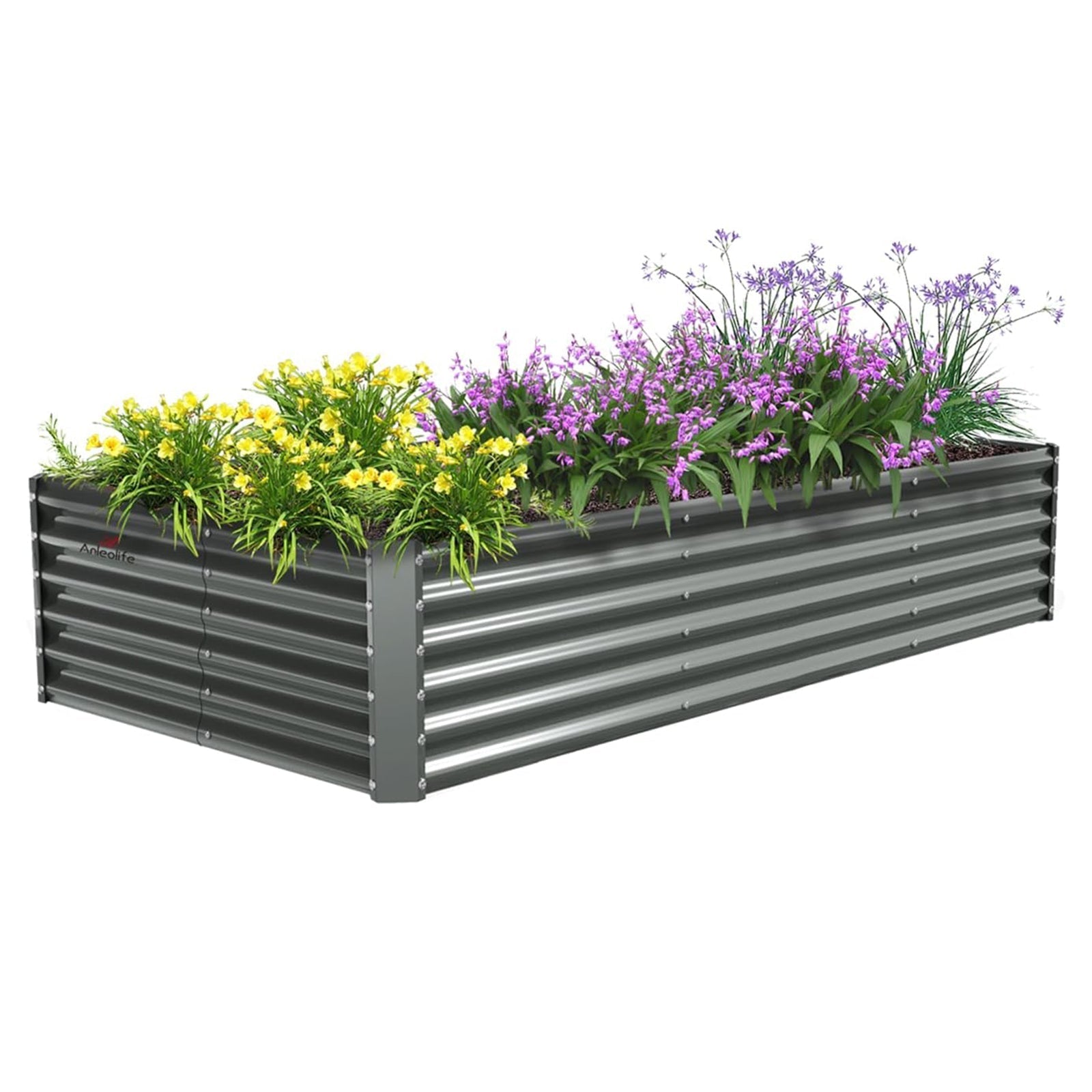
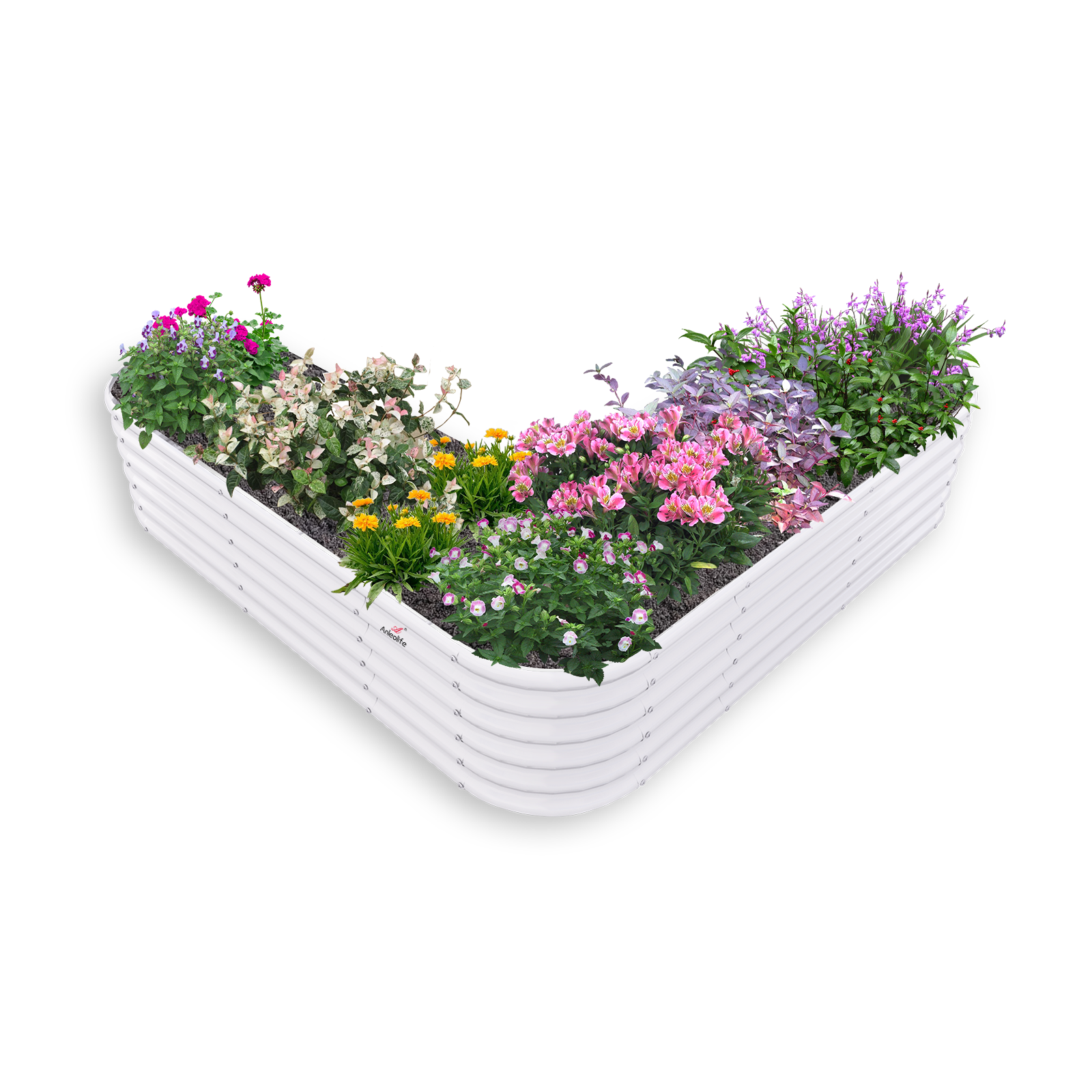
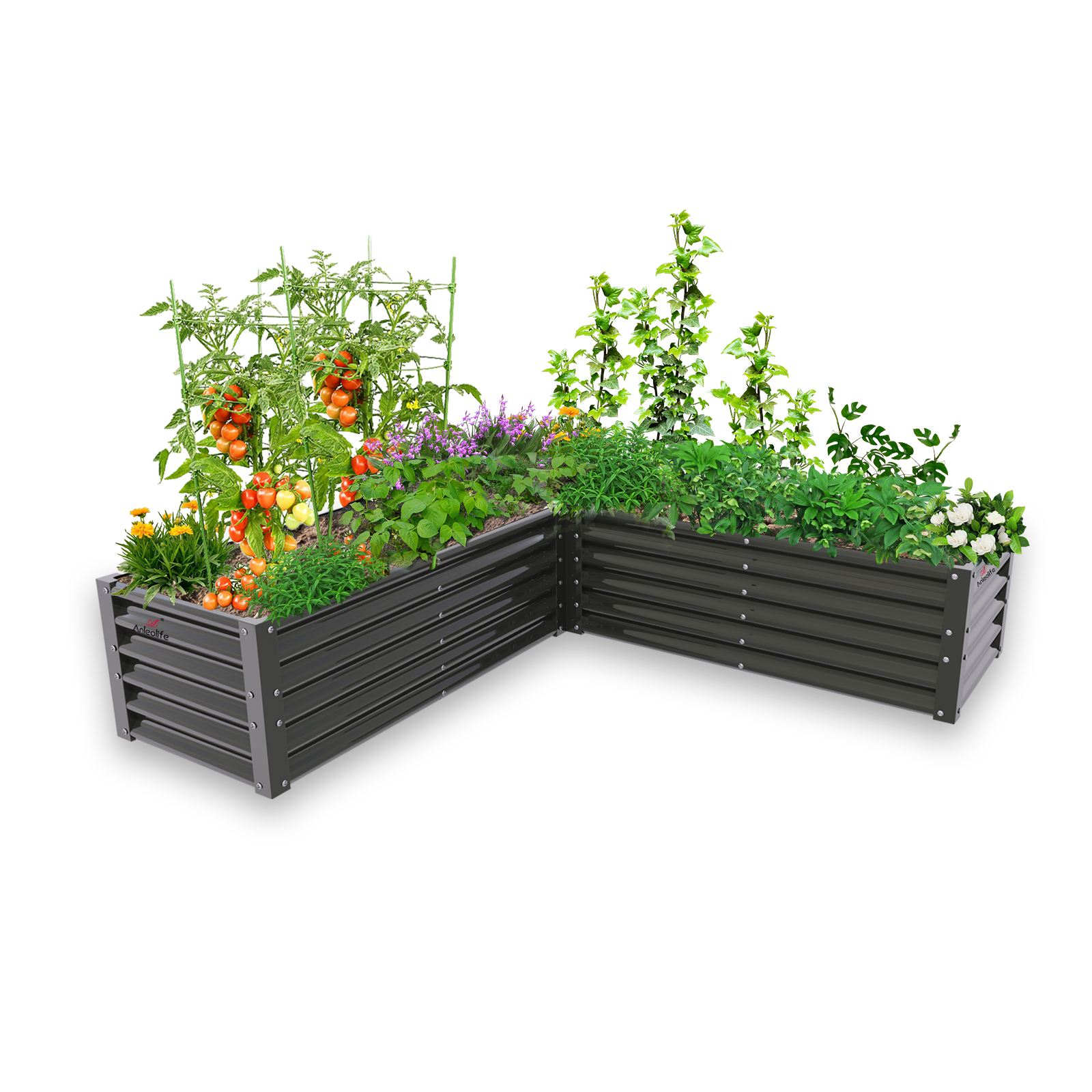
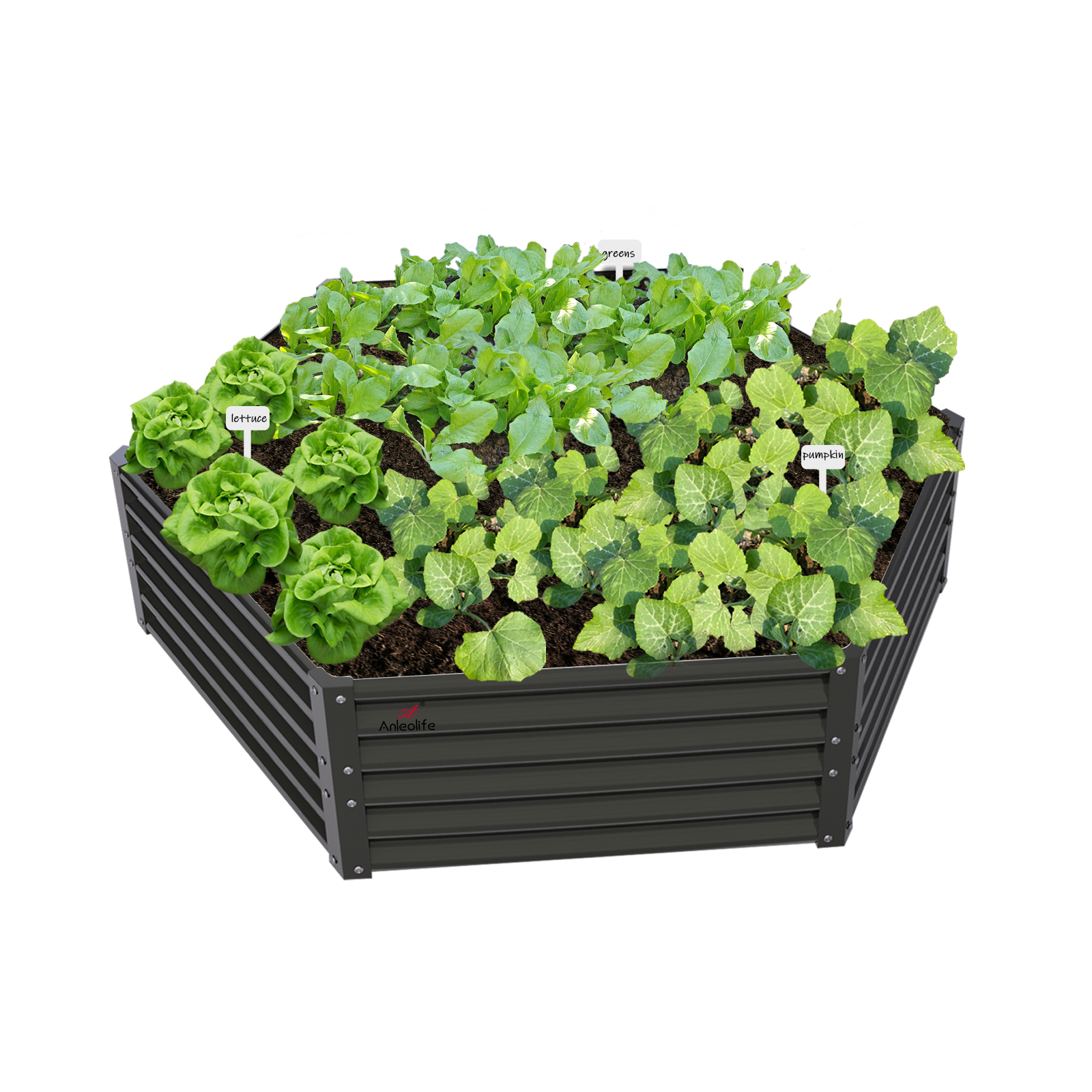
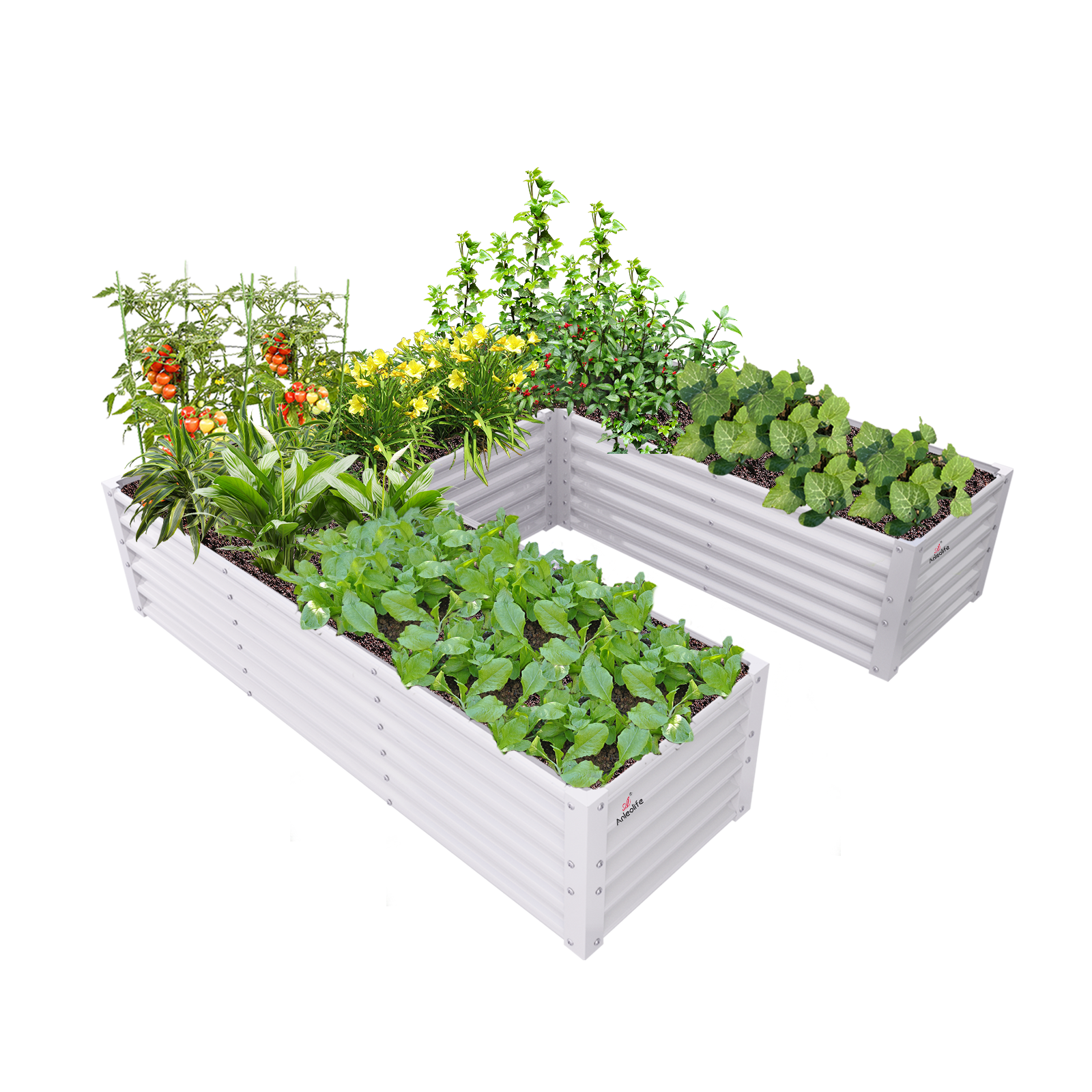
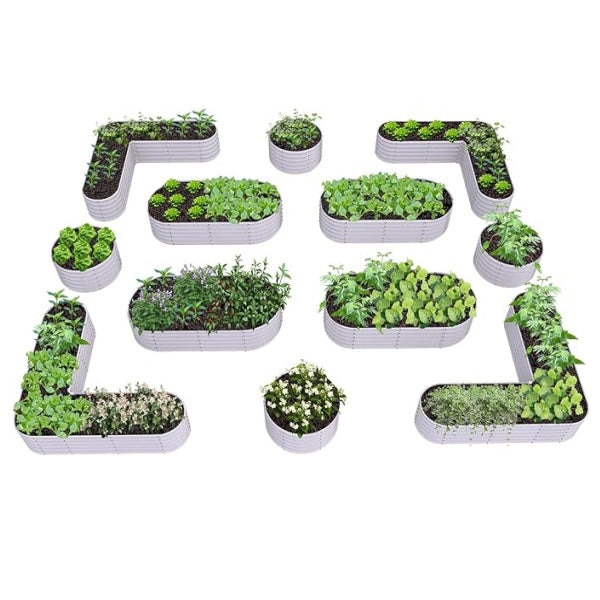
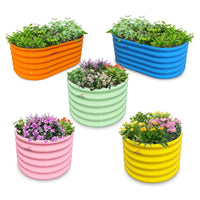
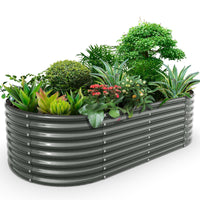
ALT: Companion planting in raised garden beds with tomatoes, basil, and marigolds growing together this season
Why Companion Planting in Raised Garden Beds Is a Game-Changer This Season
Key Conclusion: Companion planting in raised garden beds is one of the most effective strategies home gardeners can use to maximize yields, deter pests naturally, and improve soil health โ all within a compact, controlled growing environment. By thoughtfully pairing plants like tomatoes with basil, beans with corn, or marigolds with vegetables, you create a self-supporting ecosystem right in your backyard. Whether you're working with top rated raised planters for vegetables or a sprawling metal bed setup, the right plant partnerships can transform your growing season from ordinary to exceptional.
Companion planting has been practiced for centuries โ long before the term was coined. Indigenous farming traditions like the "Three Sisters" (corn, beans, and squash planted together) demonstrated that plants can support one another in profound ways. Fast-forward to today, and this time-honored technique has found a perfect modern home: the raised garden bed.
Raised beds give you unparalleled control over soil composition, drainage, and spacing, which makes companion planting not just possible but highly efficient. You can arrange plant combinations with precision, rotate crops season after season, and manage pests with minimal intervention. For families looking to grow healthier food, reduce chemical inputs, and make the most of limited backyard space, companion planting in a raised bed environment is simply one of the smartest moves you can make.
Who Should Use This Companion Planting Guide
โ
Applicable Scenarios:
Home gardeners growing vegetables, herbs, and flowers in metal or galvanized raised garden beds
Urban micro-gardeners working with compact spaces who want to maximize every square foot
Eco-conscious growers looking to reduce pesticide use through natural pest deterrence
Empty nesters and retirees who want a low-maintenance, high-reward garden system
Beginners setting up their first raised beds and unsure which plants to pair together
โ Not Applicable/Cautions:
Gardeners planning to grow only a single crop type (monoculture) who rely on chemical inputs and do not wish to integrate companion plants
Those with established in-ground garden layouts where spacing and soil conditions cannot be easily adjusted to accommodate companion plant needs
Growers with highly shaded spaces where companion plant combinations requiring full sun may underperform
The Science and Story Behind Companion Planting
Companion planting is the intentional pairing of different plant species in close proximity to benefit one or both plants. The benefits are wide-ranging: some companions repel pests, others attract beneficial insects, some fix nitrogen into the soil, and others provide physical support or ground cover that retains moisture.
The scientific community has increasingly validated what generations of farmers knew intuitively. Research from institutions like the Rodale Institute and the University of California Agriculture and Natural Resources program confirms that polyculture growing systems โ which companion planting embodies โ can reduce pest pressure, improve biodiversity, and increase yields compared to monocultures.
For modern home gardeners, raised garden beds have become the preferred canvas for companion planting. According to the National Gardening Association, sales of vegetable gardening supplies including raised bed kits have surged in recent years, driven by a growing interest in food sovereignty, organic growing, and outdoor wellness. Families want to know where their food comes from, and they want to grow it sustainably.
What makes raised beds especially well-suited for companion planting is their structure. Because you're working with a defined, bordered growing area, you can think of each bed as its own microecosystem. You control the soil (want to start with a great foundation? Check out What Is the Best Soil Mix for Raised Garden Beds? (The Mel's Mix Guide) for expert guidance), the spacing, the watering, and of course, which plants live together.
Another advantage: raised beds warm up faster in spring, extending your growing season. That means you can start companion combinations earlier and harvest longer. For gardeners in colder climates or those dealing with urban heat islands, this seasonal flexibility is invaluable.
And if you're wondering about the investment side of things โ before committing to a new bed setup, it's worth reading How Much Should You Spend on a Raised Garden Bed This Season? to make sure you're choosing the right size and material for your goals. Anleolife's galvanized steel and rust-resistant raised beds, built to last up to 20 years, offer a long-term platform for building your companion planting practice season after season.
How to Practice Companion Planting in Raised Garden Beds: A Complete Seasonal Guide
Three-Step Quick Start for Companion Planting Success
Step 1: Map Your Bed and Identify Your Anchor Crops
Before you plant anything, spend 20โ30 minutes sketching out your raised bed layout on paper. Identify your "anchor crops" โ the main vegetables or fruits you most want to harvest, such as tomatoes, peppers, cucumbers, or squash. These anchor crops will determine which companion plants you choose. Place tall crops like tomatoes or corn toward the north side of the bed so they don't shade smaller companions. This planning step prevents overcrowding and sets you up for a harmonious growing season.
Step 2: Select Your Companion Pairs Using Proven Combinations
Once you know your anchor crops, research their best companions (we cover the top combinations in detail below). Aim to include at least one pest deterrent (such as marigolds or nasturtiums), one pollinator attractor (such as borage or dill), and one soil helper (such as beans or clover) in each bed. Keep a small notebook or use a garden planning app to record what you plant where โ this will be invaluable for crop rotation next season.
Step 3: Plant, Monitor, and Adjust
Sow or transplant your companion plants at the same time as your main crops, or stagger them by 1โ2 weeks if you need the companions to be established before pest pressure arrives. Water consistently and watch for signs of stress or overcrowding. Don't be afraid to thin out companions that are competing too aggressively for space or light. Companion planting is a dynamic practice โ you'll refine your combinations with each passing season.
Companion Planting Combinations: What Works, What Doesn't, and Why
Understanding which plants thrive together โ and which actively hinder each other โ is the core skill of companion planting. Here's a comparison of the most popular combinations for raised bed gardeners, along with their key benefits and any cautions.
Plant Pairing
Primary Benefit
Pest Deterrence
Soil Benefit
Cautions
Tomato + Basil
Flavor enhancement, possible pest confusion
Repels aphids and thrips
Minimal
Keep basil trimmed to avoid flowering and bolting
Beans + Corn + Squash (Three Sisters)
Structural support, ground cover
Squash deters pests with rough leaves
Beans fix nitrogen
Needs wider beds; best in 8x4 ft or larger
Carrots + Onions
Mutual pest deterrence
Onions repel carrot fly; carrots deter onion fly
Minimal
Don't plant near beans or peas
Roses/Vegetables + Marigolds
Pollinator attraction, pest deterrence
Repels nematodes, aphids, whiteflies
Minimal
Annual, must replant each season
Cucumbers + Nasturtiums
Trap cropping, pollinator support
Nasturtiums lure aphids away from cucumbers
Minimal
Nasturtiums can spread; trim regularly
Brassicas + Dill
Beneficial insect habitat
Dill attracts predatory wasps
Minimal
Do not let dill mature near carrots
Peppers + Carrots
Space efficiency
Carrots loosen soil for pepper roots
Mild aeration
Plant carrots first to allow establishment
Deep Dive: The Best Companion Plant Combinations for This Season
Tomatoes and Basil: The Classic Duo
The tomato and basil pairing is perhaps the most celebrated companion planting combination in the home gardening world, and for good reason. Basil is believed to repel thrips, aphids, and certain flies, while many gardeners report that basil planted near tomatoes enhances the flavor of the fruit โ though this claim remains more anecdotal than scientifically confirmed. What is confirmed is that basil's aromatic oils create a confusing olfactory environment for many pest insects.
In a raised bed, plant basil at the base of tomato plants or at the front edge of the bed. A bed like the Anleolife 24" Extra Tall 8x4 ft Galvanized Steel Raised Garden Bed gives you generous vertical space for indeterminate tomato varieties while leaving plenty of room at the base for basil colonies. The taller walls also mean you retain soil moisture more effectively, benefiting both crops.
Avoid planting basil near sage or rue, as these herbs can inhibit basil's growth. And if you're growing sweet basil specifically for culinary use, pinch back flower heads regularly to extend the harvest season.
The Three Sisters: Corn, Beans, and Squash
One of the most famous and functional companion planting systems in agricultural history, the Three Sisters method was developed by Indigenous peoples of North America. Here's how the system works:
Corn provides a tall, sturdy stalk for pole beans to climb, eliminating the need for a separate trellis.
Beans fix atmospheric nitrogen into the soil, feeding the corn and squash.
Squash spreads wide, low leaves that act as living mulch, retaining soil moisture, suppressing weeds, and deterring pests with its rough, prickly texture.
This system is ideally suited to a large raised bed. The Anleolife 30" Extra Tall 10x3 ft or 8x4 ft options provide the footprint and depth needed to support the Three Sisters' root systems and growth habits. The extra height also means roots can expand downward, reducing competition between species.
Marigolds: The Universal Companion
If there's one plant that deserves a spot in every raised garden bed, it's the marigold. French marigolds (Tagetes patula) are especially effective at repelling nematodes in the soil, while also deterring whiteflies, aphids, and even some beetles. Their bright blooms attract pollinators, including bees and butterflies, which benefit your entire vegetable garden.
Plant marigolds as a border around the perimeter of your raised beds or interplant them throughout vegetable rows. They work particularly well alongside tomatoes, peppers, cucumbers, and brassicas. Best of all, marigolds are inexpensive, easy to grow from seed, and remarkably drought-tolerant once established.
Carrots and Onions: Mutual Defenders
Carrots and onions form an elegant pest-deterrence partnership. Onion flies are repelled by the scent of carrots, while carrot flies are confused and deterred by the strong aroma of onions. By interplanting these two root vegetables, you create a natural barrier against two of their primary pests without any chemical intervention.
In a raised bed, sow onion sets between carrot rows. The shallow root systems of onions won't compete with the deeper-growing carrots, making this a genuinely space-efficient pairing โ ideal for urban micro-gardeners working with compact beds.
Nasturtiums as Trap Crops for Cucumbers and Brassicas
Nasturtiums are edible, beautiful, and strategically brilliant. They act as trap crops โ plants that attract pest insects away from your main crops. Aphids, in particular, are drawn to nasturtiums in preference to cucumbers, squash, and brassicas. By planting nasturtiums at the edges of your bed, you essentially create a sacrificial buffer zone that protects your vegetables.
As a bonus, nasturtium flowers and leaves are entirely edible, with a peppery flavor that's wonderful in salads. They also attract predatory insects like ladybugs and lacewings, which will in turn prey on whatever aphids do remain in your garden.
Brassicas and Dill: Pest Management Through Ecology
Brassicas โ which include broccoli, cabbage, kale, Brussels sprouts, and cauliflower โ are notoriously vulnerable to caterpillars, cabbage worms, and aphids. Planting dill nearby serves two purposes: it attracts predatory wasps and other beneficial insects that prey on brassica pests, and its strong scent confuses pest insects searching for host plants.
However, do not allow dill to fully mature near carrots, as mature dill can inhibit carrot growth. Harvest dill regularly to keep it in its productive vegetative state.
Plants That Should NOT Share a Raised Bed
Just as important as knowing what to grow together is knowing what to keep apart. Here are some key combinations to avoid:
Tomatoes and fennel: Fennel is allelopathic to most vegetables, including tomatoes. Keep it in its own separate container or bed.
Beans and onions/garlic: Alliums (onions, garlic, leeks) inhibit the growth of beans and peas.
Brassicas and strawberries: These two compete aggressively and stunt each other's growth.
Cucumbers and aromatic herbs like sage: Strong aromatic herbs can suppress cucumber growth.
Matching Companion Planting to the Right Raised Bed Size
The success of companion planting depends partly on having enough space for each plant combination to thrive. Here's how to think about bed size selection:
For simple two-plant pairings (tomatoes + basil, carrots + onions), even a compact raised bed works beautifully. Anleolife's 18" Tall 6x3 ft or 8x4 ft Rust-Resistant Raised Garden Beds offer an accessible footprint for first-time companion gardeners.
For multi-crop systems like the Three Sisters, a larger bed is essential. The Anleolife 30" Extra Tall 10x3 ft or the 24" Extra Tall 8x4 ft Heavy Duty Raised Garden Beds provide the square footage and soil depth needed to support multiple large-growing plants simultaneously.
For container-style herb and flower pairings, smaller or round raised beds are perfect. The Anleolife 18" Tall 48" Wide Round Raised Garden Bed is a charming option for a dedicated herb-and-flower companion circle.
If you're designing a multi-bed garden layout, How to Build a Raised Garden Bed Layout for Families with Limited Backyard Space offers a practical framework for arranging multiple beds to maximize airflow, sunlight, and companion planting synergy even on a small property.
All Anleolife raised garden beds are built to last up to 20 years, meaning your companion planting system can grow and evolve with you through many seasons without needing to replace your infrastructure.
ALT: Gardener planting companion plants like marigolds, basil, and tomatoes in a tall galvanized steel raised garden bed for pest control and better yields
Advanced Tips: Getting More from Companion Planting Each Season
Seasonal Rotation and Companion Mapping
One of the most overlooked aspects of companion planting is seasonal rotation. Just because tomatoes and basil worked beautifully in Bed A this summer doesn't mean you should repeat that exact combination in the same location next year. Rotating plant families through different beds prevents soil nutrient depletion, breaks pest and disease cycles, and allows nitrogen-fixing plants like beans to enrich different areas of your garden each year.
Keep a simple garden journal noting what was planted where, what combinations performed best, and what issues arose. Over two to three seasons, you'll develop a personalized companion planting map that's optimized for your specific microclimate, bed layout, and preferred crops.
Misconception: Companion Planting Is a Silver Bullet
A common misconception is that companion planting alone will eliminate all pest and disease problems. In reality, it is one powerful tool within a broader integrated pest management (IPM) strategy. Healthy soil, proper watering, good air circulation, and regular monitoring remain equally important. Companion planting reduces pest pressure and improves growing conditions โ it doesn't guarantee immunity.
Integrating Beneficial Insects Beyond Companion Plants
Beyond plant companions, consider adding insect hotels or small habitat structures near your raised beds to house beneficial insects like solitary bees, lacewings, and ladybugs. These insects are your greatest allies in natural pest management and will work in concert with your companion plant selections to keep pest populations in check.
Frequently Asked Questions FAQ
Q1: How do I know which companion plants work best for my specific vegetables?
Start by identifying the main pest threats to your primary vegetables โ for example, aphids for tomatoes or cabbage worms for brassicas โ then choose companions known to deter those pests. Reference guides from university extension programs (like UC Cooperative Extension) provide regionally specific companion planting charts. Begin with two or three proven pairings like tomato-basil or carrot-onion, and add complexity as your confidence grows. Many gardeners find that keeping a seasonal journal of what worked accelerates their learning significantly.
Q2: Are there companion plants that work in every raised bed, regardless of what I'm growing?
Yes โ marigolds and nasturtiums are widely regarded as near-universal companions. Marigolds deter soil nematodes, aphids, and whiteflies, while attracting pollinators that benefit virtually every flowering vegetable. Nasturtiums act as trap crops for aphids and are edible to boot. Both are easy to grow from seed, inexpensive, and adaptable to most raised bed conditions. Adding a border of marigolds around any raised garden bed is one of the simplest and most impactful things any gardener โ beginner or experienced โ can do this season.
Q3: How much extra space do I need in my raised bed to accommodate companion plants?
It depends on the combination. Compact herbs like basil require only 6โ8 inches of space per plant and can nestle easily at the base of tomatoes or peppers without significant competition. Larger companions like nasturtiums or squash need more room. As a general rule, plan for companion plants to occupy 20โ30% of your total bed space. For a standard 8x4 ft raised bed, that leaves ample room for both primary vegetables and multiple companion plant species growing comfortably side by side without overcrowding.
Summary
Companion planting in raised garden beds is one of the most rewarding practices a home gardener can adopt. It aligns perfectly with a philosophy of working with nature rather than against it โ using biodiversity, plant chemistry, and ecological relationships to create a healthier, more productive garden without relying on chemical pesticides.
Here are the three core takeaways from this guide:
Proven pairings matter: Classic combinations like tomatoes and basil, the Three Sisters, marigolds with vegetables, and carrots with onions deliver real, measurable benefits in terms of pest control, pollinator activity, and soil health.
The right bed makes the difference: Matching your companion planting strategy to the right raised bed size and height ensures that all plants have room to thrive. Anleolife's range of galvanized steel, rust-resistant, and heavy-duty raised garden beds โ built to last 20 years โ provide the ideal long-term platform.
This is a practice, not a one-time project: The most successful companion gardeners iterate season after season, refining their plant maps, rotating crops, and adding new combinations as their knowledge grows.
Start small, stay curious, and trust the process. Your garden will reward you.
Start Growing Smarter with Anleolife
Anleolife's nationwide U.S. warehouse network โ strategically located in California, Texas, Florida, New York, Illinois, and Washington โ ensures delivery within 3โ8 business days, so your garden upgrade plans never have to wait. Whether you're ordering your first raised bed or expanding an existing setup, our products ship quickly and arrive ready to assemble.
Our products are available across all major retail channels โ Amazon, Walmart, Home Depot, Lowe's, Wayfair, and directly at Anleolife.com โ offering consistent quality assurance and responsive after-sales support wherever you prefer to shop.
Anleolife's three core scenarios cover everything your garden needs: Planting (metal raised garden beds, soil systems), Raising (chicken coops, rabbit hutches), and Beautification (decorative accessories, pathway systems) โ meeting your complete needs from function to aesthetics.
We understand that an ideal garden isn't built overnight โ it grows gradually, just like the plants within it. Our modular product design allows flexible expansion based on your needs, from your first raised bed to a fully integrated planting-and-raising ecosystem. We grow with you every step of the way.
References
UC Agriculture and Natural Resources. "Companion Planting in the Vegetable Garden".https://ucanr.edu/
National Gardening Association. "Companion Planting Guide โ Plant Partners That Help Each Other Grow".https://garden.org/
Rodale Institute. "Polyculture and Companion Planting Research".https://rodaleinstitute.org/
Penn State Extension. "Integrated Pest Management in Home Vegetable Gardens".https://extension.psu.edu/
University of Minnesota Extension. "Raised Bed Gardening".https://extension.umn.edu/
Note: Standards and recommendations may be updated over time. Please check the latest official documents or consult a local extension service professional for the most current guidance.
About Anleolife
Anleolife is a leading outdoor garden solutions provider in North America, dedicated to offering a full-scenario product ecosystem for home gardening enthusiasts, covering planting, raising, and garden beautification. Since its founding, we have upheld our brand mission, "Made for Garden Life," continuously innovating products and optimizing services to help hundreds of thousands of users upgrade their gardens, reconnect with nature, and enjoy a better garden lifestyle.