Garden Life Guide

Trellis Systems for Raised Garden Beds: Maximizing Vertical Growing Space This Summer

Trellis Systems for Raised Garden Beds: Maximizing Vertical Growing Space This Summer

on May 13 2026
ALT: Vertical trellis system installed on a galvanized steel raised garden bed maximizing summer growing space with climbing vegetables Why Trellis Systems Are the Secret to a Thriving Summer Raised Garden Bed Key Conclusion: Adding a trellis system to your raised garden bed is one of the most impactful upgrades you can make this summer. By training climbing vegetables and flowering vines to grow vertically, you reclaim precious horizontal space, improve airflow to reduce disease, and dramatically increase your harvest per square foot. Whether you're growing tomatoes, cucumbers, pole beans, or ornamental climbers, vertical growing transforms even the most compact garden into a high-producing, visually stunning outdoor space. Summer is the season when every square inch of your garden matters. For gardeners working with raised beds, the challenge isn't just what to grow โ€” it's how to grow more in the space you already have. That's where vertical growing with trellis systems becomes a game-changer. A well-designed trellis does three things beautifully: it organizes your garden for better plant health, maximizes your yield without expanding your footprint, and adds architectural elegance to your outdoor space. Whether you're a seasoned grower or just setting up your first raised bed, understanding how to integrate trellis systems into your garden setup will help you get dramatically more out of this growing season. Who Should Use a Trellis System with Their Raised Garden Bed? โœ… Applicable Scenarios: Urban micro-gardeners and balcony growers who need to maximize limited horizontal space by growing vertically Home growers cultivating vining crops like tomatoes, cucumbers, squash, beans, peas, or climbing flowers such as morning glories and sweet peas Families with raised garden beds looking to improve plant airflow, reduce fungal disease, and make harvesting easier and more ergonomic Empty nesters and retirees who want a low-maintenance, organized growing system that reduces bending and keeps the garden tidy Eco-conscious gardeners interested in maximizing productivity without expanding their garden's physical footprint โŒ Not Applicable/Cautions: Gardeners growing only low-lying crops such as root vegetables (carrots, beets, radishes), lettuce, or herbs โ€” these plants don't benefit from trellis support and prefer open canopy space Beds located in extremely high-wind areas without proper trellis anchoring โ€” unsecured trellis structures in strong winds can damage plants or tip over raised beds; always anchor trellises securely into the ground or bed walls Very shallow raised beds that may not provide sufficient structural integrity for heavy trellis loads without additional anchoring solutions The Case for Vertical Growing: Why Summer Is the Perfect Time to Start Summer gardening comes with a unique set of challenges. Heat intensifies, growth accelerates, and vining plants that seemed manageable in spring quickly sprawl into tangles that shade out neighbors, trap moisture, and become havens for pests and disease. Traditional flat growing simply doesn't serve ambitious gardeners well โ€” especially those working in raised beds. Across North America, home gardening has surged in popularity in recent years. Millions of households now maintain backyard or patio gardens, and the demand for space-efficient, high-yield growing solutions has never been higher. Vertical gardening with trellis systems has emerged as one of the most-searched and most-adopted techniques for raised bed gardeners precisely because it solves so many problems at once. When you train plants to grow upward, you immediately free up horizontal surface area for additional crops. A single 8x4 ft raised garden bed, for example, becomes far more productive when the back portion is dedicated to vertical climbers on a trellis, while the front portion continues to host compact ground-level plants. This layered approach โ€” often called "stacking" or "companion planting in vertical layers" โ€” is one of the most efficient ways to garden. If you're still deciding on the right raised bed setup for your household, How to Build a Raised Garden Bed Layout for Families with Limited Backyard Space is an excellent starting point that covers space planning in detail. And if you're weighing your investment options, How Much Should You Spend on a Raised Garden Bed This Season? provides helpful budget guidance tailored to different household needs. Beyond productivity, vertical growing brings genuine aesthetic value. A trellis draped in lush climbing beans or flowering vines transforms a utilitarian garden bed into a beautiful living structure โ€” the kind that makes your outdoor space feel intentional and curated rather than utilitarian. Setting Up Your Trellis System: From Planning to First Training Three-Step Quick Start for Trellis Integration Step 1: Choose the Right Trellis Style for Your Crops and Bed Size Before purchasing or building a trellis, identify which plants you're growing and how much support they'll need. Lightweight crops like peas and morning glories thrive on simple twine or netting stretched between vertical posts. Medium climbers like cucumbers and pole beans do well with wire panel trellises or bamboo A-frames. Heavy producers like indeterminate tomatoes or squash need robust vertical support โ€” cattle panels or heavy-gauge wire attached to sturdy posts set 18โ€“24 inches into the ground. Plan this step before planting season begins, ideally spending 30โ€“60 minutes sketching your bed layout. Step 2: Install Your Trellis Structure Before or at Planting Time This is a mistake many gardeners make โ€” installing the trellis after plants have already begun growing. Driving posts into soil near established roots disturbs them and can cause damage. Instead, set your trellis posts at the same time you prepare your bed for the season. For raised garden beds, you have two primary installation options: anchor posts directly into the ground through the bed's open base, or secure them to the exterior walls of the bed using trellis brackets or clamps. Both approaches are effective; the right choice depends on your bed's height and wall material. Step 3: Train Your Plants Early and Consistently Once seedlings are a few inches tall and beginning to send out tendrils or lateral stems, begin gently guiding them toward the trellis. Use soft plant ties, jute twine, or silicone clips โ€” never wire or hard ties that can cut into stems. Check your plants every 3โ€“5 days during peak summer growth, as vines can advance several inches in a single day. Consistent early training prevents the plant from spreading horizontally, which keeps the bed organized and ensures the trellis does its job effectively throughout the season. Comparing the Most Popular Trellis Systems for Raised Garden Beds There's no single "best" trellis โ€” the right system depends on your crops, your bed dimensions, your budget, and how much effort you want to put into setup and seasonal teardown. Here's a practical comparison of the most widely used options among raised bed gardeners: Comparison Dimension A-Frame / Bamboo Trellis Wire Panel Trellis Netting / String Trellis Best Crops Cucumbers, beans, peas Tomatoes, squash, heavy vines Peas, lightweight climbers, flowers Structural Strength Moderate High Low to moderate Cost Low to moderate Moderate to high Very low Installation Complexity Simple (no tools needed) Moderate (posts required) Very simple Wind Resistance Moderate High (when anchored) Low (needs stable anchors) Reusability High (bamboo may degrade) Very high Moderate (netting can tangle) Aesthetic Appeal Rustic / natural look Industrial / functional Clean / minimalist Ideal Bed Size Smaller beds (4x4 or 6x3) Larger beds (8x4 or 12x3) Any size For gardeners using Anleolife's lineup of galvanized steel raised garden beds โ€” available in sizes ranging from compact 4x4 footprints to expansive 12x3 and 8x4 configurations โ€” wire panel trellises tend to be an excellent match for larger beds, while A-frame systems pair beautifully with mid-size beds. The structural walls of galvanized steel beds also make it easy to attach trellis hardware directly to the bed panels, providing a clean, integrated look. Detailed Trellis Setup Guide: Techniques, Tips, and Plant-Specific Strategies Matching Trellis Height to Your Raised Bed One of the most frequently overlooked details in trellis planning is accounting for the height of your raised bed itself. Anleolife offers raised garden beds ranging from 18-inch standard height all the way to 35-inch waist-high models. A trellis installed on an 18-inch bed that reaches 5 feet above the soil surface will sit approximately 6.5 feet off the ground โ€” which is manageable for most gardeners. On a 30-inch or 35-inch tall waist-high bed, that same trellis will be well over 7 feet from the ground, which may be too high for comfortable harvesting. As a practical rule: aim for your total growing height (bed height + trellis height above soil) to remain within comfortable arm's reach โ€” typically no more than 6.5 to 7 feet for most adults. This makes harvesting, pruning, and training genuinely enjoyable rather than a ladder-requiring chore. The Best Crops for Vertical Raised Bed Growing Not all summer vegetables are created equal when it comes to vertical growing. Here's a breakdown of the most rewarding climbers: Indeterminate Tomatoes are the classic trellis crop. They continue growing all season long and can reach heights of 6 feet or more. Use a sturdy vertical stake, wire cage, or Florida weave system with wooden posts and twine. Prune lateral shoots (suckers) to direct energy into the main vine and fruit production. Cucumbers are extremely well-suited to vertical growing โ€” in fact, cucumbers grown vertically are often straighter, cleaner, and easier to harvest than those that sprawl on the ground. Use a wire panel or netting trellis and let the tendrils naturally grip as the plant climbs. Cucumbers grown vertically also tend to have fewer slug and soil-borne disease issues. Pole Beans are rapid climbers that can easily reach 6โ€“8 feet in a single season. They require minimal maintenance once established โ€” just provide a trellis or string network at planting time and let the plant do its work. Pole beans also fix nitrogen in the soil, making them excellent companion plants. Sugar Snap and Garden Peas are cool-season crops that benefit enormously from vertical support. Even in summer, peas grown on the shaded north side of a trellis can extend their productive season. Use netting or twine between posts for an easy, effective setup. Squash and Melons require more planning. Their fruits are heavy, and if you're growing them vertically, you'll need to support each individual fruit with a fabric sling or net to prevent stem breakage. This is a more advanced technique but incredibly rewarding for gardeners with limited horizontal space. How to Fill Your Raised Bed to Support Healthy Vertical Growth Vertical growing places higher demands on your soil because the plants you're training upward are often heavy feeders. A high-quality soil mix is essential. Many experienced raised bed gardeners follow the Mel's Mix approach โ€” a combination of compost, vermiculite, and peat moss or coconut coir โ€” which provides excellent drainage and nutrient density. You can learn more about building the ideal soil foundation in What Is the Best Soil Mix for Raised Garden Beds? (The Mel's Mix Guide). For eco-conscious gardeners wondering how to fill raised beds with recycled materials, there are several excellent options. Wood chips, straw, cardboard (as a base layer), compost from kitchen scraps, aged wood shavings, and leaf mold can all contribute to a healthy, living soil ecosystem. These materials improve drainage, add organic matter as they break down, and reduce the cost of filling large raised beds. Avoid using treated lumber scraps, synthetic materials, or anything that may leach chemicals into your growing medium. Seasonal Care and Trellis Maintenance Through Summer A trellis system requires some attention through the growing season to stay effective: Check ties weekly: Plant stems expand as they grow, and ties that were loose in June can become constrictive by August. Adjust or replace them regularly. Remove spent plant material promptly: Old leaves, diseased tissue, and finished fruits should be removed to keep the trellis clear and maintain airflow. Inspect structural integrity after storms: Heavy summer rain and wind can loosen posts or damage netting. A quick post-storm check prevents larger problems. Plan for end-of-season cleanup: Wire panel trellises can be cleaned, dried, and stored for reuse. Netting should be inspected for tangles and tears before being put away. Why Galvanized Steel Beds Are Ideal for Trellis Integration The structural integrity of your raised bed matters more than most gardeners realize when it comes to trellis systems. Beds made from flimsy plastic or untreated wood can flex, warp, or degrade โ€” making it difficult to securely attach trellis hardware to the walls. Anleolife's galvanized steel raised garden beds are built for exactly this kind of integration. The robust steel panels provide solid anchoring points for trellis brackets and posts, and the beds are engineered for a lifespan of up to 20 years โ€” meaning your investment in both the bed and the trellis system will pay dividends season after season. Whether you're working with an 18-inch standard height bed or a 30-inch extra tall model, the structural consistency of galvanized steel makes trellis attachment clean, secure, and durable. For gardeners new to metal raised beds, the Galvanized Steel Raised Garden Beds: A Beginner's Complete Buying Guide is an outstanding resource that covers material selection, setup, and long-term care in accessible detail. ALT: Anleolife galvanized steel raised garden bed with trellis system growing vertical cucumbers and tomatoes for maximum summer harvest space Advanced Trellis Techniques: Going Beyond the Basics Creating a Garden Room with Trellis Structures One underused application of trellises in raised bed gardens is using them to create visual dividers or "garden rooms" โ€” a technique beloved by landscape designers and increasingly popular among home gardeners. By positioning a tall trellis along the back edge of two adjacent raised beds and training flowering vines across both, you can create a living wall that provides privacy, blocks wind, and adds dramatic visual beauty to your garden space. This approach works particularly well with climbing roses, flowering beans, or ornamental sweet peas on a shared trellis structure between two Anleolife beds placed in a row. Handling Heavy Fruit on Vertical Trellises When growing squash, melons, or large beefsteak tomatoes vertically, each fruit needs individual support once it reaches meaningful size. Old pantyhose, mesh produce bags, or purpose-made fruit slings can be tied to the trellis to cradle each fruit and distribute its weight. This prevents the vine stem from breaking under the load and allows the plant to redirect energy into continued growth and production. Common Misconceptions About Trellis Systems Misconception 1: "Trellises are only for small gardens." Not true โ€” commercial growers use vertical growing systems at scale because of the efficiency gains. In a raised bed context, trellises are equally valuable whether you have one 4x4 bed or a full row of 12x3 beds. Misconception 2: "Any wood post will do for trellis support." Untreated wood posts set into moist soil will rot within a season or two. Use cedar, black locust, or metal posts for longevity, or choose purpose-built trellis hardware designed for garden bed integration. Misconception 3: "Once installed, a trellis runs itself." Trellis systems require consistent plant training, especially in the first half of the season. Plants that aren't guided regularly will find their own horizontal path, defeating the purpose of the vertical structure. Frequently Asked Questions FAQ Q1: How do I attach a trellis to a metal raised garden bed without damaging the panels? The most common and effective approach is to use purpose-made trellis bracket clamps that grip the top edge of the bed's steel panels without drilling or welding. These clamps hold vertical posts securely while remaining fully removable at the end of the season. Alternatively, you can drive stakes directly into the ground just outside the bed wall and attach trellis netting or wire panels to those external posts. For beds like those in Anleolife's galvanized steel lineup, the consistent panel thickness makes clamp-style brackets a reliable and non-destructive option. Q2: Are wire panel trellises safe to use with galvanized steel raised garden beds near edible plants? Yes โ€” standard galvanized steel and coated wire panels used for garden trellises are generally considered safe for food production when they meet normal consumer product standards. The concern about zinc leaching from galvanized materials into soil is considered minimal at normal gardening temperatures according to current horticultural guidance. Anleolife's galvanized steel raised garden beds are specifically designed for vegetable growing, and pairing them with appropriate wire trellis panels is a well-established, widely practiced combination among food gardeners across North America. Q3: How long does a good trellis system last, and is it worth the investment? A quality wire panel trellis with metal posts can last 10โ€“15 years or more with proper seasonal care โ€” cleaning, drying before storage, and inspecting for rust annually. Paired with an Anleolife galvanized steel raised garden bed rated for a 20-year lifespan, the combined system becomes a long-term garden infrastructure investment rather than a seasonal expense. Even budget-friendly options like bamboo A-frames last 3โ€“5 seasons if stored dry during winter. Given the significant increases in yield and plant health that vertical growing delivers, most gardeners find that any quality trellis system pays for itself within a single growing season. Summary Trellis systems are one of the most practical and rewarding upgrades you can bring to your raised garden bed setup this summer. The core value proposition is straightforward: First, vertical growing dramatically increases your productive yield per square foot โ€” giving compact beds the productivity of a much larger growing space without requiring any additional ground area. Second, proper trellising improves plant health by enhancing airflow, reducing soil-borne disease pressure, and making regular care like watering, pruning, and harvesting significantly easier and more enjoyable. Third, a well-designed trellis system transforms your raised bed garden into a visually compelling outdoor space โ€” one that reflects the thoughtful, intentional lifestyle that so many home gardeners are pursuing. The next steps are simple: assess which climbing crops you're growing this season, choose a trellis style matched to those crops and your bed dimensions, and install your structure before or at planting time. If you're still building out your raised bed setup, explore Anleolife's full lineup of galvanized steel and rust-resistant raised garden beds โ€” each one engineered to support not just your plants, but your entire garden vision for years to come. Ready to Grow Up? Let Anleolife Help You Build the Garden You Deserve Nationwide U.S. warehouse network: Strategically located in California, Texas, Florida, New York, Illinois, and Washington to ensure delivery within 3โ€“8 business days โ€” so your garden upgrade plans never have to wait. Multi-channel sales network: Products are available on major e-commerce platforms including Amazon, Walmart, Home Depot, Lowe's, and Wayfair, as well as the official website Anleolife.com, providing consistent quality assurance and after-sales service wherever you prefer to shop. Three core growing scenarios: Planting (metal raised garden beds, soil systems), Raising (chicken coops, rabbit hutches), and Beautification (decorative accessories, pathway systems) โ€” meeting your complete needs from functionality to aesthetics. We understand that an ideal garden isn't built overnight โ€” it's grown gradually, season by season. Anleolife's modular product design allows flexible expansion based on your evolving needs, from your first raised bed to a fully integrated planting-and-raising ecosystem. We grow with you, every step of the way. References University of California Agriculture and Natural Resources. "Vegetable Research & Information Center: Growing Tomatoes in the Home Garden".https://ucanr.edu/sites/anrstaff/files/215711.pdf Penn State Extension. "Trellising Vegetables in the Home Garden".https://extension.psu.edu/trellising-vegetables-in-the-home-garden National Gardening Association. "Vertical Gardening: Growing Up".https://garden.org/learn/articles/view/3785/ USDA National Institute of Food and Agriculture. "Community and School Garden Resources".https://www.nifa.usda.gov/topics/community-food-systems Oregon State University Extension Service. "Raised Bed Gardening".https://extension.oregonstate.edu/gardening/techniques/raised-bed-gardening Note: Horticultural guidelines and product standards may be updated over time. Please consult the latest official documents or a qualified garden advisor for the most current recommendations. About Anleolife Anleolife is a leading outdoor garden solutions provider in North America, dedicated to offering a full-scenario product ecosystem for home gardening enthusiasts, covering planting, raising, and garden beautification. Since its founding, we have upheld our brand mission, "Made for Garden Life," continuously innovating products and optimizing services to help hundreds of thousands of users upgrade their gardens, reconnect with nature, and enjoy a better garden lifestyle.

Companion Planting in Raised Garden Beds: What to Grow Together This Season

Companion Planting in Raised Garden Beds: What to Grow Together This Season

on May 13 2026
ALT: Companion planting in raised garden beds with tomatoes, basil, and marigolds growing together this season Why Companion Planting in Raised Garden Beds Is a Game-Changer This Season Key Conclusion: Companion planting in raised garden beds is one of the most effective strategies home gardeners can use to maximize yields, deter pests naturally, and improve soil health โ€” all within a compact, controlled growing environment. By thoughtfully pairing plants like tomatoes with basil, beans with corn, or marigolds with vegetables, you create a self-supporting ecosystem right in your backyard. Whether you're working with top rated raised planters for vegetables or a sprawling metal bed setup, the right plant partnerships can transform your growing season from ordinary to exceptional. Companion planting has been practiced for centuries โ€” long before the term was coined. Indigenous farming traditions like the "Three Sisters" (corn, beans, and squash planted together) demonstrated that plants can support one another in profound ways. Fast-forward to today, and this time-honored technique has found a perfect modern home: the raised garden bed. Raised beds give you unparalleled control over soil composition, drainage, and spacing, which makes companion planting not just possible but highly efficient. You can arrange plant combinations with precision, rotate crops season after season, and manage pests with minimal intervention. For families looking to grow healthier food, reduce chemical inputs, and make the most of limited backyard space, companion planting in a raised bed environment is simply one of the smartest moves you can make. Who Should Use This Companion Planting Guide โœ… Applicable Scenarios: Home gardeners growing vegetables, herbs, and flowers in metal or galvanized raised garden beds Urban micro-gardeners working with compact spaces who want to maximize every square foot Eco-conscious growers looking to reduce pesticide use through natural pest deterrence Empty nesters and retirees who want a low-maintenance, high-reward garden system Beginners setting up their first raised beds and unsure which plants to pair together โŒ Not Applicable/Cautions: Gardeners planning to grow only a single crop type (monoculture) who rely on chemical inputs and do not wish to integrate companion plants Those with established in-ground garden layouts where spacing and soil conditions cannot be easily adjusted to accommodate companion plant needs Growers with highly shaded spaces where companion plant combinations requiring full sun may underperform The Science and Story Behind Companion Planting Companion planting is the intentional pairing of different plant species in close proximity to benefit one or both plants. The benefits are wide-ranging: some companions repel pests, others attract beneficial insects, some fix nitrogen into the soil, and others provide physical support or ground cover that retains moisture. The scientific community has increasingly validated what generations of farmers knew intuitively. Research from institutions like the Rodale Institute and the University of California Agriculture and Natural Resources program confirms that polyculture growing systems โ€” which companion planting embodies โ€” can reduce pest pressure, improve biodiversity, and increase yields compared to monocultures. For modern home gardeners, raised garden beds have become the preferred canvas for companion planting. According to the National Gardening Association, sales of vegetable gardening supplies including raised bed kits have surged in recent years, driven by a growing interest in food sovereignty, organic growing, and outdoor wellness. Families want to know where their food comes from, and they want to grow it sustainably. What makes raised beds especially well-suited for companion planting is their structure. Because you're working with a defined, bordered growing area, you can think of each bed as its own microecosystem. You control the soil (want to start with a great foundation? Check out What Is the Best Soil Mix for Raised Garden Beds? (The Mel's Mix Guide) for expert guidance), the spacing, the watering, and of course, which plants live together. Another advantage: raised beds warm up faster in spring, extending your growing season. That means you can start companion combinations earlier and harvest longer. For gardeners in colder climates or those dealing with urban heat islands, this seasonal flexibility is invaluable. And if you're wondering about the investment side of things โ€” before committing to a new bed setup, it's worth reading How Much Should You Spend on a Raised Garden Bed This Season? to make sure you're choosing the right size and material for your goals. Anleolife's galvanized steel and rust-resistant raised beds, built to last up to 20 years, offer a long-term platform for building your companion planting practice season after season. How to Practice Companion Planting in Raised Garden Beds: A Complete Seasonal Guide Three-Step Quick Start for Companion Planting Success Step 1: Map Your Bed and Identify Your Anchor Crops Before you plant anything, spend 20โ€“30 minutes sketching out your raised bed layout on paper. Identify your "anchor crops" โ€” the main vegetables or fruits you most want to harvest, such as tomatoes, peppers, cucumbers, or squash. These anchor crops will determine which companion plants you choose. Place tall crops like tomatoes or corn toward the north side of the bed so they don't shade smaller companions. This planning step prevents overcrowding and sets you up for a harmonious growing season. Step 2: Select Your Companion Pairs Using Proven Combinations Once you know your anchor crops, research their best companions (we cover the top combinations in detail below). Aim to include at least one pest deterrent (such as marigolds or nasturtiums), one pollinator attractor (such as borage or dill), and one soil helper (such as beans or clover) in each bed. Keep a small notebook or use a garden planning app to record what you plant where โ€” this will be invaluable for crop rotation next season. Step 3: Plant, Monitor, and Adjust Sow or transplant your companion plants at the same time as your main crops, or stagger them by 1โ€“2 weeks if you need the companions to be established before pest pressure arrives. Water consistently and watch for signs of stress or overcrowding. Don't be afraid to thin out companions that are competing too aggressively for space or light. Companion planting is a dynamic practice โ€” you'll refine your combinations with each passing season. Companion Planting Combinations: What Works, What Doesn't, and Why Understanding which plants thrive together โ€” and which actively hinder each other โ€” is the core skill of companion planting. Here's a comparison of the most popular combinations for raised bed gardeners, along with their key benefits and any cautions. Plant Pairing Primary Benefit Pest Deterrence Soil Benefit Cautions Tomato + Basil Flavor enhancement, possible pest confusion Repels aphids and thrips Minimal Keep basil trimmed to avoid flowering and bolting Beans + Corn + Squash (Three Sisters) Structural support, ground cover Squash deters pests with rough leaves Beans fix nitrogen Needs wider beds; best in 8x4 ft or larger Carrots + Onions Mutual pest deterrence Onions repel carrot fly; carrots deter onion fly Minimal Don't plant near beans or peas Roses/Vegetables + Marigolds Pollinator attraction, pest deterrence Repels nematodes, aphids, whiteflies Minimal Annual, must replant each season Cucumbers + Nasturtiums Trap cropping, pollinator support Nasturtiums lure aphids away from cucumbers Minimal Nasturtiums can spread; trim regularly Brassicas + Dill Beneficial insect habitat Dill attracts predatory wasps Minimal Do not let dill mature near carrots Peppers + Carrots Space efficiency Carrots loosen soil for pepper roots Mild aeration Plant carrots first to allow establishment Deep Dive: The Best Companion Plant Combinations for This Season Tomatoes and Basil: The Classic Duo The tomato and basil pairing is perhaps the most celebrated companion planting combination in the home gardening world, and for good reason. Basil is believed to repel thrips, aphids, and certain flies, while many gardeners report that basil planted near tomatoes enhances the flavor of the fruit โ€” though this claim remains more anecdotal than scientifically confirmed. What is confirmed is that basil's aromatic oils create a confusing olfactory environment for many pest insects. In a raised bed, plant basil at the base of tomato plants or at the front edge of the bed. A bed like the Anleolife 24" Extra Tall 8x4 ft Galvanized Steel Raised Garden Bed gives you generous vertical space for indeterminate tomato varieties while leaving plenty of room at the base for basil colonies. The taller walls also mean you retain soil moisture more effectively, benefiting both crops. Avoid planting basil near sage or rue, as these herbs can inhibit basil's growth. And if you're growing sweet basil specifically for culinary use, pinch back flower heads regularly to extend the harvest season. The Three Sisters: Corn, Beans, and Squash One of the most famous and functional companion planting systems in agricultural history, the Three Sisters method was developed by Indigenous peoples of North America. Here's how the system works: Corn provides a tall, sturdy stalk for pole beans to climb, eliminating the need for a separate trellis. Beans fix atmospheric nitrogen into the soil, feeding the corn and squash. Squash spreads wide, low leaves that act as living mulch, retaining soil moisture, suppressing weeds, and deterring pests with its rough, prickly texture. This system is ideally suited to a large raised bed. The Anleolife 30" Extra Tall 10x3 ft or 8x4 ft options provide the footprint and depth needed to support the Three Sisters' root systems and growth habits. The extra height also means roots can expand downward, reducing competition between species. Marigolds: The Universal Companion If there's one plant that deserves a spot in every raised garden bed, it's the marigold. French marigolds (Tagetes patula) are especially effective at repelling nematodes in the soil, while also deterring whiteflies, aphids, and even some beetles. Their bright blooms attract pollinators, including bees and butterflies, which benefit your entire vegetable garden. Plant marigolds as a border around the perimeter of your raised beds or interplant them throughout vegetable rows. They work particularly well alongside tomatoes, peppers, cucumbers, and brassicas. Best of all, marigolds are inexpensive, easy to grow from seed, and remarkably drought-tolerant once established. Carrots and Onions: Mutual Defenders Carrots and onions form an elegant pest-deterrence partnership. Onion flies are repelled by the scent of carrots, while carrot flies are confused and deterred by the strong aroma of onions. By interplanting these two root vegetables, you create a natural barrier against two of their primary pests without any chemical intervention. In a raised bed, sow onion sets between carrot rows. The shallow root systems of onions won't compete with the deeper-growing carrots, making this a genuinely space-efficient pairing โ€” ideal for urban micro-gardeners working with compact beds. Nasturtiums as Trap Crops for Cucumbers and Brassicas Nasturtiums are edible, beautiful, and strategically brilliant. They act as trap crops โ€” plants that attract pest insects away from your main crops. Aphids, in particular, are drawn to nasturtiums in preference to cucumbers, squash, and brassicas. By planting nasturtiums at the edges of your bed, you essentially create a sacrificial buffer zone that protects your vegetables. As a bonus, nasturtium flowers and leaves are entirely edible, with a peppery flavor that's wonderful in salads. They also attract predatory insects like ladybugs and lacewings, which will in turn prey on whatever aphids do remain in your garden. Brassicas and Dill: Pest Management Through Ecology Brassicas โ€” which include broccoli, cabbage, kale, Brussels sprouts, and cauliflower โ€” are notoriously vulnerable to caterpillars, cabbage worms, and aphids. Planting dill nearby serves two purposes: it attracts predatory wasps and other beneficial insects that prey on brassica pests, and its strong scent confuses pest insects searching for host plants. However, do not allow dill to fully mature near carrots, as mature dill can inhibit carrot growth. Harvest dill regularly to keep it in its productive vegetative state. Plants That Should NOT Share a Raised Bed Just as important as knowing what to grow together is knowing what to keep apart. Here are some key combinations to avoid: Tomatoes and fennel: Fennel is allelopathic to most vegetables, including tomatoes. Keep it in its own separate container or bed. Beans and onions/garlic: Alliums (onions, garlic, leeks) inhibit the growth of beans and peas. Brassicas and strawberries: These two compete aggressively and stunt each other's growth. Cucumbers and aromatic herbs like sage: Strong aromatic herbs can suppress cucumber growth. Matching Companion Planting to the Right Raised Bed Size The success of companion planting depends partly on having enough space for each plant combination to thrive. Here's how to think about bed size selection: For simple two-plant pairings (tomatoes + basil, carrots + onions), even a compact raised bed works beautifully. Anleolife's 18" Tall 6x3 ft or 8x4 ft Rust-Resistant Raised Garden Beds offer an accessible footprint for first-time companion gardeners. For multi-crop systems like the Three Sisters, a larger bed is essential. The Anleolife 30" Extra Tall 10x3 ft or the 24" Extra Tall 8x4 ft Heavy Duty Raised Garden Beds provide the square footage and soil depth needed to support multiple large-growing plants simultaneously. For container-style herb and flower pairings, smaller or round raised beds are perfect. The Anleolife 18" Tall 48" Wide Round Raised Garden Bed is a charming option for a dedicated herb-and-flower companion circle. If you're designing a multi-bed garden layout, How to Build a Raised Garden Bed Layout for Families with Limited Backyard Space offers a practical framework for arranging multiple beds to maximize airflow, sunlight, and companion planting synergy even on a small property. All Anleolife raised garden beds are built to last up to 20 years, meaning your companion planting system can grow and evolve with you through many seasons without needing to replace your infrastructure. ALT: Gardener planting companion plants like marigolds, basil, and tomatoes in a tall galvanized steel raised garden bed for pest control and better yields Advanced Tips: Getting More from Companion Planting Each Season Seasonal Rotation and Companion Mapping One of the most overlooked aspects of companion planting is seasonal rotation. Just because tomatoes and basil worked beautifully in Bed A this summer doesn't mean you should repeat that exact combination in the same location next year. Rotating plant families through different beds prevents soil nutrient depletion, breaks pest and disease cycles, and allows nitrogen-fixing plants like beans to enrich different areas of your garden each year. Keep a simple garden journal noting what was planted where, what combinations performed best, and what issues arose. Over two to three seasons, you'll develop a personalized companion planting map that's optimized for your specific microclimate, bed layout, and preferred crops. Misconception: Companion Planting Is a Silver Bullet A common misconception is that companion planting alone will eliminate all pest and disease problems. In reality, it is one powerful tool within a broader integrated pest management (IPM) strategy. Healthy soil, proper watering, good air circulation, and regular monitoring remain equally important. Companion planting reduces pest pressure and improves growing conditions โ€” it doesn't guarantee immunity. Integrating Beneficial Insects Beyond Companion Plants Beyond plant companions, consider adding insect hotels or small habitat structures near your raised beds to house beneficial insects like solitary bees, lacewings, and ladybugs. These insects are your greatest allies in natural pest management and will work in concert with your companion plant selections to keep pest populations in check. Frequently Asked Questions FAQ Q1: How do I know which companion plants work best for my specific vegetables? Start by identifying the main pest threats to your primary vegetables โ€” for example, aphids for tomatoes or cabbage worms for brassicas โ€” then choose companions known to deter those pests. Reference guides from university extension programs (like UC Cooperative Extension) provide regionally specific companion planting charts. Begin with two or three proven pairings like tomato-basil or carrot-onion, and add complexity as your confidence grows. Many gardeners find that keeping a seasonal journal of what worked accelerates their learning significantly. Q2: Are there companion plants that work in every raised bed, regardless of what I'm growing? Yes โ€” marigolds and nasturtiums are widely regarded as near-universal companions. Marigolds deter soil nematodes, aphids, and whiteflies, while attracting pollinators that benefit virtually every flowering vegetable. Nasturtiums act as trap crops for aphids and are edible to boot. Both are easy to grow from seed, inexpensive, and adaptable to most raised bed conditions. Adding a border of marigolds around any raised garden bed is one of the simplest and most impactful things any gardener โ€” beginner or experienced โ€” can do this season. Q3: How much extra space do I need in my raised bed to accommodate companion plants? It depends on the combination. Compact herbs like basil require only 6โ€“8 inches of space per plant and can nestle easily at the base of tomatoes or peppers without significant competition. Larger companions like nasturtiums or squash need more room. As a general rule, plan for companion plants to occupy 20โ€“30% of your total bed space. For a standard 8x4 ft raised bed, that leaves ample room for both primary vegetables and multiple companion plant species growing comfortably side by side without overcrowding. Summary Companion planting in raised garden beds is one of the most rewarding practices a home gardener can adopt. It aligns perfectly with a philosophy of working with nature rather than against it โ€” using biodiversity, plant chemistry, and ecological relationships to create a healthier, more productive garden without relying on chemical pesticides. Here are the three core takeaways from this guide: Proven pairings matter: Classic combinations like tomatoes and basil, the Three Sisters, marigolds with vegetables, and carrots with onions deliver real, measurable benefits in terms of pest control, pollinator activity, and soil health. The right bed makes the difference: Matching your companion planting strategy to the right raised bed size and height ensures that all plants have room to thrive. Anleolife's range of galvanized steel, rust-resistant, and heavy-duty raised garden beds โ€” built to last 20 years โ€” provide the ideal long-term platform. This is a practice, not a one-time project: The most successful companion gardeners iterate season after season, refining their plant maps, rotating crops, and adding new combinations as their knowledge grows. Start small, stay curious, and trust the process. Your garden will reward you. Start Growing Smarter with Anleolife Anleolife's nationwide U.S. warehouse network โ€” strategically located in California, Texas, Florida, New York, Illinois, and Washington โ€” ensures delivery within 3โ€“8 business days, so your garden upgrade plans never have to wait. Whether you're ordering your first raised bed or expanding an existing setup, our products ship quickly and arrive ready to assemble. Our products are available across all major retail channels โ€” Amazon, Walmart, Home Depot, Lowe's, Wayfair, and directly at Anleolife.com โ€” offering consistent quality assurance and responsive after-sales support wherever you prefer to shop. Anleolife's three core scenarios cover everything your garden needs: Planting (metal raised garden beds, soil systems), Raising (chicken coops, rabbit hutches), and Beautification (decorative accessories, pathway systems) โ€” meeting your complete needs from function to aesthetics. We understand that an ideal garden isn't built overnight โ€” it grows gradually, just like the plants within it. Our modular product design allows flexible expansion based on your needs, from your first raised bed to a fully integrated planting-and-raising ecosystem. We grow with you every step of the way. References UC Agriculture and Natural Resources. "Companion Planting in the Vegetable Garden".https://ucanr.edu/ National Gardening Association. "Companion Planting Guide โ€” Plant Partners That Help Each Other Grow".https://garden.org/ Rodale Institute. "Polyculture and Companion Planting Research".https://rodaleinstitute.org/ Penn State Extension. "Integrated Pest Management in Home Vegetable Gardens".https://extension.psu.edu/ University of Minnesota Extension. "Raised Bed Gardening".https://extension.umn.edu/ Note: Standards and recommendations may be updated over time. Please check the latest official documents or consult a local extension service professional for the most current guidance. About Anleolife Anleolife is a leading outdoor garden solutions provider in North America, dedicated to offering a full-scenario product ecosystem for home gardening enthusiasts, covering planting, raising, and garden beautification. Since its founding, we have upheld our brand mission, "Made for Garden Life," continuously innovating products and optimizing services to help hundreds of thousands of users upgrade their gardens, reconnect with nature, and enjoy a better garden lifestyle.

Best Vegetables for Raised Garden Beds in Small Spaces: A Beginner's Pick

Best Vegetables for Raised Garden Beds in Small Spaces: A Beginner's Pick

on May 13 2026
ALT: Beginner gardener harvesting vegetables from small-space raised garden beds with compact planting layout Why Small-Space Raised Garden Beds Are Changing How Beginners Grow Food Key Conclusion: Growing your own vegetables doesn't require a sprawling backyard. With the right raised garden beds for small spaces, beginners can cultivate a surprisingly productive and rewarding kitchen garden in a compact patio, balcony, or urban yard. The key lies in choosing the best vegetables for raised bedsโ€”crops that thrive in confined soil volumes, grow vertically, and deliver fast, visible results that keep new gardeners motivated from the first seed to the first harvest. If you've ever stood in a small backyard, looked at a patch of compacted turf, and thought "there's no room for a real garden here," you're not alone. Millions of North American homeowners face exactly this challenge. The good news is that raised garden beds fundamentally change the equation. By concentrating your soil, nutrients, and planting efforts into a defined, manageable structure, you gain outsized yields from minimal footprintโ€”and you get to choose precisely what goes on your dinner table. This guide walks you through the best beginner-friendly vegetables for raised beds in small spaces, how to set up your bed for success, and how to match the right crops to the right container dimensions. Whether you're working with a 4x4 ft patio corner or a narrow 12x3 ft strip along a fence line, there's a productive planting strategy waiting for you. Who This Guide Is For โœ… Applicable Scenarios: Urban apartment dwellers with a patio, balcony, or small courtyard looking to grow their own food Suburban families with limited backyard space wanting a productive, organized kitchen garden Empty nesters and retirees seeking a lower-maintenance, high-reward garden project Beginner gardeners who want visible results quickly and a manageable learning curve Eco-conscious households interested in reducing grocery spending and chemical-free produce โŒ Not Applicable/Cautions: Gardeners planning to grow large vine crops like pumpkins or watermelons that require extensive sprawl (these need far more horizontal space than a small raised bed allows) Those expecting a raised bed to replace a large traditional garden plot overnight without adjusting plant selection Gardeners in zones with extreme climates who haven't accounted for seasonal soil temperature management in elevated structures The Small-Space Gardening Movement: Why Raised Beds Are the Smart Solution The interest in home food growing has surged significantly over the past several years. According to the National Gardening Association, food gardening participation has grown substantially across North American households, with first-time gardeners citing fresh produce quality, food security, and mental wellness as primary motivators. Yet the single biggest barrier reported by new growers isn't cost or know-howโ€”it's space. This is exactly where raised garden beds have stepped in as a practical, elegant solution. Unlike in-ground gardening, raised beds give you complete control over your soil environment. You're not fighting with clay, compaction, or drainage issues. You build your ideal growing medium from the ground up, place it exactly where it gets the best light, and plant at densities that in-ground gardening simply can't match. For small-space growers, the structure of the bed itself matters enormously. A well-built metal raised garden bed provides a clean boundary for intensive planting, prevents soil erosion and spread, warms up faster in spring, andโ€”critically for beginnersโ€”makes it far easier to spot problems before they escalate. Pests, weeds, and overwatering are all more manageable in a contained system. If you're still deciding on your setup, How Much Should You Spend on a Raised Garden Bed This Season? is an excellent starting resource that breaks down budget considerations clearly for first-time buyers. And if you're thinking beyond a single bed toward a coordinated layout, How to Build a Raised Garden Bed Layout for Families with Limited Backyard Space offers practical design frameworks that maximize every square foot. The best materials for raised garden beds that last the longest are consistently found to be galvanized or rust-resistant steel. Anleolife's galvanized steel and rust-resistant raised garden beds are engineered for a 20-year lifespan, meaning your investment today continues producing harvests for two full decadesโ€”a compelling argument for any budget-conscious household. Your First Raised Bed: A Three-Step Quick Start, Then the Best Vegetables to Plant Three-Step Quick Start for Beginners Step 1: Choose the Right Bed Size for Your Space Before you select a single seed packet, match your available space to the right bed dimensions. For a patio or compact yard, Anleolife's 18" Tall 4x4 ft or 18" Tall 8x4 ft galvanized steel raised garden beds are popular beginner choicesโ€”deep enough for most vegetables, wide enough for meaningful variety. If your space is more of a strip, the 18" Tall 12x3 ft option lines up beautifully along fences or walls. Measure your available area carefully, allow at least 18 inches of clearance on all sides for comfortable access, and choose a spot that receives a minimum of 6 hours of direct sunlight daily. This step typically takes about 30 minutes of planning. Step 2: Fill Your Bed with the Right Soil Mix The foundation of a productive raised bed is its growing medium. Never simply use native yard soilโ€”it compacts, drains poorly, and rarely offers the right nutrient profile. A well-tested approach is the classic Mel's Mix: a blend of compost, peat moss or coconut coir, and coarse vermiculite in roughly equal parts. This creates a light, moisture-retentive, nutrient-rich environment ideal for intensive small-space growing. For a deeper dive into soil strategy, What Is the Best Soil Mix for Raised Garden Beds? (The Mel's Mix Guide) provides a comprehensive breakdown. Filling a standard 8x4 ft bed to 18" depth will take approximately 1โ€“2 hours and is a task most beginners can handle in a single afternoon. Step 3: Select and Plant Your Beginner Vegetables Once your bed is filled and settled, it's time to plant. Start with a curated mix of fast-growing, high-yield crops that reward beginners with results within weeks rather than months. Space plants according to the square-foot gardening methodโ€”this maximizes density without crowding. Water deeply but infrequently to encourage root depth, and mark your plants clearly so you can track progress. Your first real harvest could come in as few as 30 days for fast crops like radishes and lettuce, keeping motivation high as you develop your gardening rhythm. Comparing the Best Vegetables for Small Raised Beds Choosing the right vegetables is half the battle. Not every crop is suited to confined soil volumes or close spacing. Below is a practical comparison of the top beginner picks organized by growth habit, yield speed, and suitability for small raised beds. Comparison Dimension Leafy Greens (Lettuce, Spinach, Kale) Root Vegetables (Radishes, Carrots, Beets) Fruiting Crops (Tomatoes, Peppers, Cucumbers) Space Required Per Plant Very compact (4โ€“6 inches apart) Moderate (3โ€“6 inches, depth-dependent) Larger footprint (12โ€“24 inches apart) Time to First Harvest Very fast (30โ€“45 days) Fast to moderate (25โ€“70 days) Moderate to slow (60โ€“90 days) Beginner Difficulty Very easy Easy to moderate Moderate (requires support/staking) Vertical Growing Option No (stays low) No (grows downward) Yes (excellent for trellising) Ideal Bed Depth 12โ€“18 inches 18โ€“24+ inches 18โ€“24 inches Succession Planting Friendly Yesโ€”highly recommended Yes, especially radishes Limited (one main season) Yield in Small Space High per square foot High per square foot High with vertical training The Top Beginner Vegetablesโ€”Detailed Growing Guide Lettuce and Salad Greens: The Small-Space Champion Lettuce is arguably the single best vegetable for a first raised garden bed. It grows fast, tolerates partial shade better than most crops, and can be harvested continuously using the "cut-and-come-again" methodโ€”snipping outer leaves while the plant continues growing from its center. In a 4x4 ft bed, you can plant 16 or more lettuce heads simultaneously using the square-foot method. Varieties like 'Black Seeded Simpson,' 'Buttercrunch,' and 'Red Sails' are particularly well-suited for beginners. Sow seeds directly into moist soil, thin to appropriate spacing, and expect your first harvest in roughly 30โ€“45 days. In cooler climates, lettuce can be grown in spring and again in fall, giving you two productive seasons from a single bed. Spinach and arugula follow a nearly identical growing pattern and can be interplanted with lettuce for a diverse salad mix from the same bed section. These greens also bolt (go to seed) in heat, so timing your planting to avoid peak summer temperatures is an important skill to develop early. Radishes: The Confidence Builder Few vegetables match the satisfaction-to-effort ratio of radishes for new gardeners. They germinate within days, grow rapidly, and can be ready to harvest in as few as 25 days from sowing. Their compact root system makes them ideal for filling gaps between slower-growing crops. Use radishes strategically as "nurse plants"โ€”sow them among slower crops like carrots or beets. The radishes will loosen and mark the soil as they grow, and you'll harvest them before they compete for space. This technique is known as interplanting and is one of the best productivity hacks for small raised beds. Tomatoes: Maximum Reward with Vertical Growing Tomatoes are the most-grown home garden vegetable in North America for good reasonโ€”they are enormously productive, far tastier fresh-picked than store-bought, and deeply satisfying to grow. The challenge in small spaces is their size, but this is solved almost entirely with vertical growing. Compact determinate varieties like 'Patio,' 'Tumbling Tom,' or 'Roma' are purpose-built for confined spaces. Indeterminate varieties like 'Sweet 100' cherry tomatoes can be trained up a trellis or stake system and grown in a single square foot of bed space vertically. In a 24" Extra Tall 8x4 ft Anleolife raised bed, you have the depth tomato roots crave combined with room for two to four tomato plants alongside complementary crops like basil, which acts as a natural pest deterrent. One of the most common questions from new tomato growers relates to pest control. For raised beds, the primary organic strategies include introducing beneficial insects (ladybugs, lacewings), using row cover fabric for early-season protection, and companion planting with strong-scented herbs like basil, marigold, and nasturtium. Keep beds clean of fallen debris to reduce overwintering pest populations, and inspect plants weekly for early signs of aphids or caterpillars. Peppers: Low Maintenance, High Reward Sweet bell peppers and compact hot pepper varieties like jalapeรฑos are excellent raised bed performers. They share soil and light requirements with tomatoes, making them natural companions in the same bed. Peppers are slower to mature but remarkably low-maintenance once established. They prefer consistent moisture (raised beds excel at this with good soil mix), plenty of sun, and warm root temperaturesโ€”which metal raised beds deliver efficiently by absorbing and retaining solar heat. Cucumbers: Vertical Space Maximizers Cucumbers are perfect small-space vegetables when grown vertically. Left to sprawl, a single cucumber plant can consume 3โ€“4 square feet of bed space. Trained up a simple trellis or net, that same plant occupies less than a single square foot of bed footprint. Bush varieties like 'Spacemaster' or 'Patio Snacker' are even more compact. A trellis set against the north edge of your raised bed prevents the cucumber canopy from shading shorter crops behind it. This is a critical layout tip for small-space gardensโ€”always orient tall vertical crops toward the north (in the Northern Hemisphere) so they don't shade their neighbors. Herbs: The Invisible High-Value Crop Herbs like basil, parsley, chives, and cilantro are enormously valuable in a small raised bed system. They occupy minimal space, produce continuously, are typically expensive to buy fresh at grocery stores, and many serve double duty as pest deterrents. Basil alongside tomatoes improves flavor and repels aphids. Chives deter Japanese beetles. Nasturtiums act as trap crops for aphids, pulling them away from more valuable plants. Dedicate one edge section of any bed to a rotation of herbsโ€”you'll use them constantly in the kitchen and they'll quietly protect the rest of your planting. Kale and Swiss Chard: The Workhorses of Cool Seasons For gardeners in regions with mild winters or extended fall seasons, kale and Swiss chard are exceptional performers. Both are extraordinarily nutritious, cold-hardy, and productive over long seasons. A single kale plant harvested correctly can produce leaves from spring through the first heavy frostโ€”often four to six months of continuous production. In a compact raised bed, two to four kale plants can supply a household with more leafy greens than most families can consume. Pair them with root vegetables in the same bed for a fall planting that maximizes every inch of growing space before winter. ALT: Small-space raised garden bed featuring lettuce, tomatoes, vertical cucumber trellis, and companion herbs for beginners Advanced Tips: Maximizing Yield in Small Raised Beds Succession Planting: Never Have an Empty Bed The most common mistake beginners make is planting everything at once and then watching half their bed sit empty after early crops are harvested. Succession planting solves this completely. Every two to three weeks, sow a new small batch of fast-growing cropsโ€”lettuce, radishes, spinachโ€”into the spaces left by harvested plants. This keeps your bed productive from early spring through late fall. A useful rule of thumb: whenever you harvest something, replant immediately. Keep a small tray of seedlings started indoors so you always have transplants ready to fill gaps. Soil Refreshing Between Seasons Raised beds benefit from an annual compost top-dress between growing seasons. Add 2โ€“3 inches of fresh compost each fall or spring, gently working it into the top layer of existing soil. This replenishes nutrients, improves soil structure, and reinvigorates the microbial activity that drives plant health. Because Anleolife's galvanized steel and rust-resistant beds are built for a 20-year lifespan, investing in ongoing soil quality pays dividends for years to come. Common Misconceptions About Small-Space Growing Misconception 1: More plants means more yield.Actually, overcrowding reduces air circulation, increases disease pressure, and forces plants to compete for water and nutrients. Follow recommended spacing even when it feels like "wasted" spaceโ€”you'll get better total yields than with a crowded bed. Misconception 2: You need full sun for everything.Leafy greens, herbs, and root vegetables actually tolerate partial shade quite well. If your small-space bed gets only 4โ€“5 hours of direct sun, skip the tomatoes and peppers and focus on greens and roots, which will still thrive. Misconception 3: Raised beds dry out too fast.A well-mixed soil in a quality raised bed retains moisture excellently. Adding organic matter and mulching the soil surface significantly reduces watering frequency. Many small-space gardeners water just two to three times per week in moderate climates. Frequently Asked Questions FAQ Q1: How do I fill a raised garden bed for vegetable growing on a budget? The most cost-effective approach is a modified Mel's Mix using locally sourced bulk compost, bagged coconut coir (often cheaper than peat moss), and coarse perlite or vermiculite. Many municipalities offer free or reduced-cost compost to residentsโ€”check your local public works department. For a full recipe and ratios tailored to different bed sizes, see the Mel's Mix Guide for detailed guidance. Avoid filling with native yard soil, which compacts quickly and limits root development. Q2: Are galvanized steel raised garden beds safe for growing vegetables? Yesโ€”modern galvanized steel raised beds are widely considered safe for food production. The zinc coating used in galvanization is the same mineral found naturally in soil and is an essential micronutrient for plants and humans alike. Studies by agricultural extension programs have found no meaningful zinc leaching into soil or crops at levels that pose health concern. Anleolife's galvanized steel and rust-resistant raised garden beds are built to food-safe standards and are designed to last up to 20 years, making them a sound long-term investment for home food growing. Q3: How long does it take to get started once I order a raised garden bed? With Anleolife's nationwide U.S. warehouse networkโ€”strategically located in California, Texas, Florida, New York, Illinois, and Washingtonโ€”your raised garden bed typically arrives within 3โ€“8 business days of ordering. Most beginners can assemble a standard raised bed in under an hour with basic tools. Fill and plant the same day if you have soil ready, or use the waiting time to source your soil mix and choose your seed varieties. From order to first seeds in the ground, most new gardeners are up and running within 10โ€“14 days. Summary Growing vegetables in a small space is not a compromiseโ€”it's a focused, highly rewarding approach to home food production that beginners often find more successful than sprawling garden attempts. The three core takeaways from this guide are: First, choose crops that are inherently suited to confined raised beds: leafy greens for speed and density, root vegetables for soil utilization, and fruiting crops like tomatoes and cucumbers trained vertically for maximum yield per square foot. Second, your raised bed structure is the foundation of everything. A quality galvanized steel or rust-resistant raised bed with good depth provides the root environment, drainage, and temperature regulation your vegetables need to thriveโ€”and with a 20-year lifespan, it grows with you through decades of seasons. Third, succession planting and companion planting turn a small bed into a continuously productive system. Never let bed space sit idle, and let your plants work togetherโ€”herbs protecting vegetables, radishes marking slower crops, tall plants sheltering shade-tolerant ones. Start small, start smart, and build confidence with your first harvest. The skills you develop in a 4x4 ft raised bed this season become the foundation for an expanding, flourishing garden in years to come. Your Next Step with Anleolife Anleolife's nationwide U.S. warehouse networkโ€”strategically located in California, Texas, Florida, New York, Illinois, and Washingtonโ€”ensures delivery within 3โ€“8 business days, so your garden upgrade plans never have to wait. Products are available across Amazon, Walmart, Home Depot, Lowe's, Wayfair, and directly at Anleolife.com, offering consistent quality assurance and after-sales service wherever you prefer to shop. Anleolife covers three core garden scenarios: Planting (metal raised garden beds, soil systems), Raising (chicken coops, rabbit hutches), and Beautification (decorative accessories, pathway systems)โ€”meeting complete needs from functionality to aesthetics. Our modular product design allows flexible expansion based on your needsโ€”from your first compact raised bed to a fully integrated planting-and-raising ecosystem. We grow with you every step of the way. References National Gardening Association. "Food Gardening in the United States."https://garden.org/learn/articles/view/4041/ University of California Agriculture and Natural Resources. "Vegetable Gardening Basics."https://ucanr.edu/ Penn State Extension. "Small-Scale Vegetable Gardening."https://extension.psu.edu/vegetable-gardening Oregon State University Extension Service. "Raised Bed Gardening."https://extension.oregonstate.edu/gardening/vegetables/raised-bed-gardening USDA National Institute of Food and Agriculture. "Home Gardening Resources."https://www.nifa.usda.gov/topics/home-gardening Note: Standards and research may be updated. Please check the latest official documents or consult a local agricultural extension advisor for region-specific guidance. About Anleolife Anleolife is a leading outdoor garden solutions provider in North America, dedicated to offering a full-scenario product ecosystem for home gardening enthusiasts, covering planting, raising, and garden beautification. Since its founding, we have upheld our brand mission, "Made for Garden Life," continuously innovating products and optimizing services to help hundreds of thousands of users upgrade their gardens, reconnect with nature, and enjoy a better garden lifestyle.
Advanced Composting Techniques to Supercharge Your Raised Bed Soil This Season

Advanced Composting Techniques to Supercharge Your Raised Bed Soil This Season

on May 13 2026
ALT: Gardener applying advanced compost to a raised bed soil system, boosting plant growth this season Why Advanced Composting Is the Secret Weapon for Raised Bed Gardeners Key Conclusion: Advanced composting techniquesโ€”including hot composting, vermicomposting, and bokashi fermentationโ€”can transform your raised bed soil into a nutrient-dense growing medium that dramatically improves plant health, root development, and seasonal yields. Whether you're growing herbs, vegetables, or flowers in galvanized steel raised garden beds or modular setups, supercharging your soil through smart composting is the single highest-return investment a home gardener can make this season. If you've ever wondered why some raised beds burst with lush growth while others limp along with lackluster harvests, the answer almost always comes down to soil qualityโ€”and more specifically, what's living in that soil. Compost isn't just fertilizer; it's a biological catalyst that feeds beneficial microbes, improves drainage, regulates moisture, and buffers pH all at once. This guide moves beyond the basics of "throw scraps in a bin and wait." We'll walk you through proven advanced composting strategies tailored specifically for raised bed gardeners, including how to choose the right composting method for your space, how to speed up decomposition, and how to integrate finished compost into your growing season for maximum results. Who Should Use These Advanced Composting Techniques โœ… Applicable Scenarios: Home gardeners who already have a raised bed setup and want to dramatically improve soil fertility season over season Eco-conscious growers looking to reduce kitchen and yard waste while building a closed-loop organic gardening system Urban micro-gardeners working with limited space who need to extract maximum productivity from compact beds Empty nesters and retirees who enjoy slow, intentional garden work and want to see the long-term payoff of excellent soil biology โŒ Not Applicable/Cautions: Gardeners expecting instant resultsโ€”advanced composting builds soil health progressively and requires patience and consistency Those with very small balcony setups who lack even minimal outdoor space for a composting vessel or worm bin (though indoor vermicomposting may still apply) Anyone unwilling to monitor moisture and temperature, as hot composting in particular requires active management to succeed The Science Behind Supercharged Raised Bed Soil Raised beds have an inherent advantage over in-ground gardens: you control the entire soil environment. But that control comes with responsibility. Unlike native soil that receives ongoing inputs from underground ecosystems, raised bed soil is essentially a closed system. Over time, nutrients deplete, organic matter breaks down, and soil structure can compactโ€”especially in intensively planted beds. This is where advanced composting steps in as a game-changer. Research from the Rodale Institute and university extension programs across the United States consistently shows that beds amended with high-quality compost outperform those treated with synthetic fertilizers alone in long-term soil health metrics. Compost improves the cation exchange capacity (CEC) of your soilโ€”its ability to hold onto nutrients rather than leaching them away with every watering. It introduces diverse communities of beneficial bacteria and fungi, including mycorrhizal networks that extend root reach and improve phosphorus uptake. For raised bed gardeners specifically, this matters because you're typically growing in a highly concentrated, intensively managed space. Whether you're working with a compact 4x4 bed for herbs and flowers or an expansive 12x3 layout for mixed vegetables, the soil in that bed has to work extraordinarily hard. Compost is what keeps it performing season after season. There's also a sustainability dimension that resonates deeply with today's eco-conscious home growers. The EPA estimates that food scraps and yard waste together constitute more than 30% of what Americans throw away. Composting that material and returning it to your garden beds is one of the most impactful closed-loop choices a household can make. Modern raised bed designsโ€”like Anleolife's galvanized steel and rust-resistant bedsโ€”are built to last up to 20 years, which means you're not just investing in this season's harvest. You're building a long-term growing infrastructure that rewards consistent soil-building practices year after year. The better your composting routine, the better your soil in year three, year seven, and year fifteen. Core Composting Methods and How to Apply Them to Raised Beds Three-Step Quick Start for Raised Bed Composting Success Step 1: Choose Your Composting Method Based on Space and Time Before anything else, assess your available space and how much time you can realistically commit each week. Hot composting requires a minimum pile size and weekly turningโ€”ideal if you have a backyard. Vermicomposting (worm bins) works beautifully in small spaces or garages. Bokashi fermentation is perfect for apartment dwellers or those with lots of kitchen scraps. Spend 15โ€“20 minutes evaluating your setup before investing in equipment. The right method makes all the difference in whether you stick with it. Step 2: Build Your Feedstock System Great compost starts with a steady, balanced supply of "greens" (nitrogen-rich materials like vegetable scraps, coffee grounds, fresh grass clippings) and "browns" (carbon-rich materials like dried leaves, cardboard, wood chips). The classic ratio is roughly 3 parts browns to 1 part greens by volume. Set up a small kitchen collection container and a designated outdoor storage area for browns. This two-stream collection habit makes it easy to maintain the carbon-to-nitrogen balance your pile needs to decompose efficiently and odor-free. Step 3: Integrate Finished Compost Into Your Beds Strategically Once your compost is dark, crumbly, and earthy-smelling, it's ready to use. For new beds or seasonal refreshes, work 2โ€“4 inches of finished compost into the top layer of your bed soil before planting. For mid-season top-dressing, apply a 1-inch layer around established plants as a slow-release amendment. For perennial herb beds and flower-focused raised beds, a light annual application maintains fertility without overloading with nitrogen. Timing mattersโ€”spring and fall applications capture the most benefit. Comparing the Top Advanced Composting Methods for Raised Bed Gardeners Every composting method has trade-offs. Here's a clear comparison to help you choose the best fit for your gardening style, space, and goals. Comparison Dimension Hot Composting Vermicomposting Bokashi Fermentation Space Required Mediumโ€“Large (outdoor pile or bin) Small (bin fits indoors/garage) Very Small (sealed bucket system) Time to Finished Compost 3โ€“8 weeks with active management 2โ€“3 months 2โ€“4 weeks (pre-ferment); then soil burial Best Feedstocks Yard waste, garden debris, kitchen scraps Fruit/vegetable scraps, paper, cardboard All kitchen waste including meat/dairy Skill Level Intermediate (requires monitoring) Beginner-friendly Beginner-friendly Nutrient Density High (broad microbial diversity) Very High (worm castings are exceptional) High (preserved via fermentation) Suitability for Raised Beds Excellent for seasonal bulk amendments Excellent for regular top-dressing Best used buried under bed soil or mixed in Cost to Start Lowโ€“Medium Lowโ€“Medium Low (buckets + bran culture) The right answer isn't always a single method. Many experienced raised bed gardeners run two systems simultaneouslyโ€”a hot pile for bulk yard waste and a worm bin for kitchen scrapsโ€”then blend the outputs for a truly comprehensive soil amendment. Deep Dive: How Each Method Works and Pro Tips to Maximize Output Hot Composting: Speed and Volume for Serious Raised Bed Growers Hot composting is the powerhouse method for gardeners who generate significant yard waste or maintain multiple large beds. When managed correctly, a hot pile reaches internal temperatures of 130โ€“160ยฐF, which kills weed seeds, pathogens, and accelerates decomposition dramatically. The key to a successful hot pile is the carbon-to-nitrogen ratio, aeration, and moisture. Your pile should feel like a wrung-out spongeโ€”moist but not dripping. Turn it every 3โ€“5 days to introduce oxygen and redistribute heat. Adding a compost accelerator inoculant or a shovelful of finished compost from a previous batch jumpstarts microbial activity and can shave weeks off processing time. For raised bed gardeners, hot composting is particularly valuable in the shoulder seasonsโ€”early spring and late fallโ€”when you're preparing beds for planting or putting them to rest. Generating a large batch of finished compost in late winter means you have an ample supply ready when the soil warms and planting season begins. Pro tip: Add wood chip mulch (a "brown") in generous quantities to your hot pile. When finished, this compost-chip blend makes an outstanding mulch layer for vegetable raised beds, suppressing weeds while slowly feeding the soil. Speaking of mulchโ€”for vegetable garden beds, the best mulch options include finished compost itself, straw, or untreated wood chips. All three regulate soil temperature, conserve moisture, and suppress competing weeds without adding chemicals to your growing space. Vermicomposting: The Premium Amendment for Any Raised Bed Size Worm castings are widely considered the single best compost product available for home gardens. They're teeming with beneficial microbes, contain plant-growth-promoting hormones, and deliver nutrients in a slow-release form that won't burn even delicate seedling roots. A standard worm bin can process a household's vegetable scraps efficiently and produce castings year-round. For urban micro-gardeners or anyone with limited outdoor space, vermicomposting is especially valuable because it works entirely indoors or in a covered garage space. Apply worm castings as a seed-starting mix amendment, a transplant hole boost, or a light top-dressing around fruiting vegetables and herbs. Even small quantitiesโ€”a quarter-cup per transplant holeโ€”deliver measurable results. If you're growing in compact raised beds optimized for raised garden bed sizing for herbs and flowers, worm castings are the perfect precision amendment: highly concentrated, gentle, and endlessly versatile. Bokashi Fermentation: The Urban Gardener's Closed-Loop Solution Bokashi is a Japanese fermentation technique that uses beneficial microorganisms (EM-1 culture mixed with wheat bran) to ferment all kitchen wasteโ€”including cooked food, meat, and dairyโ€”into a pre-compost material in as little as two weeks. The fermented output isn't ready to apply directly to soil; it needs to be buried in the ground or mixed into an outdoor compost pile for 2โ€“4 weeks to fully break down. For raised bed gardeners, the easiest integration method is a "compost trench" technique: dig a small trench along one edge of your raised bed, bury the bokashi material, cover with soil, and plant into that zone the following month. The resulting soil in that area becomes extraordinarily rich. Bokashi is particularly well-suited to apartment dwellers or anyone with minimal outdoor space who wants to divert all organic kitchen waste from landfills. The sealed bucket system produces no odor when maintained correctly, making it genuinely practical in small-space urban environments. Compost Tea: Amplifying Results for Mid-Season Soil Boosts Compost teaโ€”made by steeping finished compost in aerated water for 24โ€“48 hoursโ€”is an advanced technique that extracts and multiplies the beneficial microbes from your compost and delivers them in liquid form directly to plant roots and leaves. Applied as a soil drench every 2โ€“3 weeks during the growing season, compost tea can visibly improve plant vigor, increase resistance to disease, and accelerate growth in established raised beds. It's especially effective mid-season when your soil biology may be depleted by intensive cropping. Use an aquarium air pump and airstone to aerate the brew, add a small amount of unsulfured molasses as microbial food, and apply immediately after brewing while the microbes are still active and abundant. ALT: Mixing worm castings and hot compost for a nutrient-dense raised bed soil amendment that supercharges vegetable growth Advanced Strategies: Timing, Layering, and Synergistic Soil Systems Seasonal Composting Calendar for Raised Bed Gardeners Timing your compost applications strategically multiplies their impact. A seasonal approach that aligns composting inputs with your bed's biological cycles delivers far better results than random amendment. Spring: Apply 2โ€“3 inches of finished compost worked into the top 6 inches of bed soil before your first transplants go in. This is your most important application of the yearโ€”it recharges soil biology after winter dormancy and sets the nutritional foundation for the entire growing season. Summer: Use compost tea every two to three weeks as a soil drench. Apply a light ยฝ-inch layer of vermicompost around heavy-feeding crops like tomatoes, peppers, and squash midway through the season. Mulching with finished compost or straw retains soil moisture during peak heatโ€”a critical advantage for gardeners who want to water efficiently and reduce reliance on frequent hose use. Fall: After the final harvest, this is the ideal time to add a generous layer of partially finished compost or shredded leaves to your beds. Soil organisms will work through the winter, breaking down the material so it's fully integrated by spring. Fall is also the perfect moment to inoculate your beds with mycorrhizal fungi if you haven't already. Winter: Keep your compost system active even in colder months by insulating your pile with a layer of straw bales, or by moving your worm bin indoors to a temperature-stable location like a basement or heated garage. Layering Technique: The "Compost Lasagna" Method For gardeners building new raised beds or refreshing old ones, the layered composting approachโ€”sometimes called "lasagna composting" or sheet mulchingโ€”is exceptionally effective. Start with a layer of cardboard on the bed floor to suppress weeds, then alternate layers of browns (wood chips, dried leaves, shredded paper) and greens (kitchen scraps, fresh grass clippings, green garden waste). Top with a layer of finished compost and quality topsoil. Over one growing seasonโ€”or even faster in warm weatherโ€”these layers break down in place, creating a deep, rich, biologically active growing medium that requires minimal external inputs in subsequent years. This method works particularly well in taller raised beds, such as the extra-tall designs available in Anleolife's lineup, where the greater soil depth gives layered materials more room to decompose without interfering with root zones during the active growing season. Pairing Composting With the Right Raised Bed Setup The synergy between your composting practice and your raised bed infrastructure matters more than most gardeners realize. A well-built, durable raised bed that retains soil and maintains its structure season after season is what allows a long-term composting investment to compound. Anleolife's galvanized steel and rust-resistant raised garden beds are engineered for exactly this kind of long-term soil-building program. With a lifespan of up to 20 years, these beds give you the multi-decade time horizon that advanced composting truly rewards. A bed that degrades or warps after three or four seasons breaks the continuity of your soil-building work; a bed that holds firm for two decades lets your soil ecology deepen and mature in ways that produce increasingly exceptional results year after year. For gardeners curious about best budget raised beds under $200 for vegetables, Anleolife offers multiple size configurations at accessible price pointsโ€”from compact 4x2 options up to full-scale 8x4 and 12x3 layoutsโ€”making it possible to start small and expand your composting and growing system incrementally as your skills and confidence grow. When it comes to best garden ornaments for small spaces, don't overlook the raised bed itself as a design element. Anleolife's clean-lined metal beds serve double duty as both a functional growing space and a visually cohesive garden feature that complements trellises, pathway stones, and decorative planters. Common Misconceptions and Advanced Troubleshooting Misconception 1: More Compost Is Always Better Over-amending raised beds with compostโ€”especially nitrogen-rich vermicompost or immature compostโ€”can actually harm plants. Excess nitrogen produces lush, leafy growth at the expense of fruiting, and immature compost can temporarily tie up nitrogen as it finishes decomposing, starving plants of the nutrient in the short term. Stick to recommended application depths and always use fully finished, earthy-smelling compost before incorporating it into active growing beds. Misconception 2: Compost Replaces All Other Soil Inputs While compost is remarkably comprehensive, certain nutrientsโ€”particularly calcium, sulfur, and specific micronutrientsโ€”may still need targeted supplementation depending on what you're growing. Test your soil every one to two seasons using an affordable home soil test kit or through your county cooperative extension. Compost builds a strong baseline, but knowing your specific soil chemistry allows you to fine-tune inputs for maximum crop performance. Misconception 3: You Need a Large Yard to Compost Effectively This is perhaps the most persistent myth in home composting. Urban micro-gardeners have excellent options: indoor worm bins process kitchen scraps silently and odor-free in closets or under sinks. Bokashi systems handle virtually all food waste in sealed countertop buckets. Even a small tumbler composter on a balcony can process meaningful quantities of organic material. The method should fit your space, not the other way around. Managing Compost in Extreme Weather In hot, dry climatesโ€”common across California, Texas, and Floridaโ€”compost piles and worm bins require extra attention to moisture. Cover hot piles with burlap or a breathable tarp to retain moisture, and water your pile during dry spells. Worm bins may need to be moved to shadier, cooler spots in peak summer. In colder northern climates (New York, Illinois, Washington), insulate outdoor piles and plan your composting calendar around freeze-thaw cycles. Frequently Asked Questions FAQ Q1: How much compost should I add to a raised bed each season? For established raised beds, a top-dressing of 1โ€“2 inches of finished compost applied in spring and again in fall is generally sufficient to maintain excellent soil fertility. For new beds or those that have been growing heavy-feeding crops like tomatoes or corn, work in 3โ€“4 inches of compost mixed into the top 6โ€“8 inches of soil. Always use fully finished compost with a dark, crumbly texture and earthy smellโ€”immature compost can temporarily reduce nutrient availability for your plants. Q2: Is vermicomposting really better than regular composting for raised beds? Both methods produce excellent amendments, but worm castings are exceptionally concentrated in plant-available nutrients and beneficial microbes. For precision applicationsโ€”transplant hole amendments, seedling mixes, or top-dressing delicate herb and flower bedsโ€”worm castings are hard to beat. For bulk seasonal soil refreshes across large raised beds, hot composting produces more volume efficiently. Most experienced gardeners find the best results by combining both: use hot compost for volume and worm castings as a premium finishing amendment. Q3: How long does it take for compost to improve raised bed soil noticeably? You'll often see visible plant response improvements within the same growing season you begin consistent composting. However, the most dramatic long-term improvementsโ€”richer soil texture, superior moisture retention, reduced fertilizer needs, fewer pest and disease pressuresโ€”develop over two to four growing seasons of consistent amendment. This is one of the most compelling reasons to invest in durable raised bed infrastructure with a long lifespan: a bed built to last 20 years gives your composting program the time it needs to fully transform your soil. Summary Advanced composting is far more than a weekend projectโ€”it's a seasonal practice and a long-term philosophy that, when combined with the right raised bed infrastructure, produces compounding returns for every year you garden. Three core takeaways from this guide: Method selection matters. Hot composting, vermicomposting, and bokashi fermentation each excel in different scenarios. Match your composting method to your space, time availability, and primary feedstock to maximize consistency and output quality. Timing and integration are everything. Applying the right compost, in the right quantity, at the right time in your growing season is more valuable than simply adding more compost. Build a seasonal calendar and stick to it. Durable beds amplify the investment. A composting practice only truly pays off when it can build continuously in stable, long-lasting beds. Raised beds designed for a 20-year lifespan give your soil-building work the time horizon it deserves. Your next step is simple: choose one composting method from this guide, set it up this week, and commit to one full growing season of consistent practice. The difference in your soilโ€”and your harvestsโ€”will speak for itself. Upgrade Your Garden With Anleolife Anleolife is proud to support North American home gardeners with durable, thoughtfully designed raised garden bed systems built for exactly this kind of long-term soil-building journey. With a strategic warehouse network across California, Texas, Florida, New York, Illinois, and Washington, your order arrives within 3โ€“8 business daysโ€”so you can start building better soil without delay. Find Anleolife products on Amazon, Walmart, Home Depot, Lowe's, Wayfair, and directly at Anleolife.com, where you'll find consistent quality assurance and dedicated after-sales support across every channel. Anleolife's three core scenariosโ€”Planting (metal raised garden beds, soil systems), Raising (chicken coops, rabbit hutches), and Beautification (decorative accessories, pathway systems)โ€”cover everything from functionality to aesthetics, so you can build the garden life you've always envisioned, one season at a time. We understand that an ideal garden isn't built overnight. Our modular product designs allow flexible expansion based on your needsโ€”from your first raised bed to a fully integrated planting-and-raising ecosystem. We grow with you every step of the way. References Rodale Institute. "Compost and Soil Health Research".https://rodaleinstitute.org/ U.S. Environmental Protection Agency. "Composting at Home".https://www.epa.gov/recycle/composting-home University of California Agriculture and Natural Resources. "Composting Is Good for Your Garden and the Environment".https://ucanr.edu/ Cornell Cooperative Extension. "Compost Physics: Understanding the Science Behind Great Compost".https://compost.css.cornell.edu/ National Sustainable Agriculture Information Service (ATTRA). "Sustainable Soil Management".https://attra.ncat.org/ Note: Standards and research findings may be updated over time. Please check the latest official documents or consult professional advisors for current best practices. About Anleolife Anleolife is a leading outdoor garden solutions provider in North America, dedicated to offering a full-scenario product ecosystem for home gardening enthusiasts, covering planting, raising, and garden beautification. Since its founding, Anleolife has upheld its brand mission, "Made for Garden Life," continuously innovating products and optimizing services to help hundreds of thousands of users upgrade their gardens, reconnect with nature, and enjoy a better garden lifestyle. From first-time growers setting up a single compact bed to experienced gardeners building multi-bed ecosystems enriched by years of advanced composting, Anleolife is committed to being a trusted partner at every stage of your garden journey.
How to Budget for a Backyard Garden Expansion This Summer Without Overspending

How to Budget for a Backyard Garden Expansion This Summer Without Overspending

on May 13 2026
ALT: Budget-friendly backyard garden expansion with galvanized steel raised garden beds and summer planting layout Smart Summer Garden Planning: How to Budget for a Backyard Garden Expansion Without Overspending Key Conclusion: Expanding your backyard garden this summer doesn't have to break the bank. By prioritizing durable materials like galvanized steel planters, choosing modular systems that grow with your needs, and planning before you purchase, you can create a thriving garden ecosystem on a realistic budget. From selecting rot-resistant raised garden beds to adding decorative elements like a garden trellis, and choosing the right trimmer lines for low-maintenance upkeep, smart planning is the foundation of every cost-effective garden expansion. Summer is the season of ambition for home gardeners. The warm weather, longer days, and abundance of plants at local nurseries can make it tempting to buy everything in sight. But without a clear budget and a strategic plan, what starts as an exciting garden expansion can quickly turn into an overwhelming financial and logistical burden. The good news? With the right approach, you can significantly expand your backyard garden this summer while staying comfortably within your means. Whether you're adding your first raised bed, expanding an existing layout, or creating a full planting-and-raising ecosystem, this guide will walk you through every step of the planning and budgeting processโ€”practically, clearly, and without the overwhelm. Who This Guide Is For: Scope of Application โœ… Applicable Scenarios: Homeowners planning to add new raised garden beds, planters, or growing structures to an existing backyard space Urban micro-gardeners working with limited square footage and tight budgets who want to maximize yield and aesthetics Empty nesters or retirees looking to gradually expand their garden hobby in a structured, affordable way Eco-conscious families who want to invest in long-lasting, sustainable garden infrastructure rather than buying cheap products repeatedly โŒ Not Applicable/Cautions: Commercial landscaping or large-scale agricultural projects where professional-grade budgeting tools and contractors are required Renters without permission to make permanent outdoor modificationsโ€”always check your lease agreement before installing raised beds or structures Anyone expecting overnight results; garden expansion is a seasonal, iterative process that rewards patience and planning Why Garden Expansion Costs Spiral Out of Control (And How to Stop It) Every spring and summer, millions of American households decide it's finally time to "do something" with their backyards. According to the National Gardening Association, U.S. household spending on lawn and garden products consistently exceeds $40 billion annuallyโ€”and a significant portion of that spending is unplanned. The root cause of overspending is usually the same: people shop reactively rather than strategically. They walk into a home improvement store, get inspired by the display gardens, and start filling carts without a clear sense of priorities, quantities, or long-term costs. A decorative pot here, a bag of specialty soil there, a trellis that looked nice on the shelfโ€”before long, the budget has doubled and the garden still isn't functional. There's also the hidden cost of cheap materials. Wooden raised beds that rot within two or three seasons, plastic planters that crack under UV exposure, and flimsy trellises that collapse under the weight of climbing plants all seem like savings upfront but end up costing more over time. This is why material selection is one of the most financially important decisions you'll make during any garden expansion. The smartest approach combines upfront planning with long-term thinking. When you understand the full scope of what you want to buildโ€”and choose infrastructure designed to lastโ€”you naturally spend less over the lifetime of your garden. For example, galvanized steel raised garden beds from Anleolife are built to last up to 20 years, which means the cost per year of use is a fraction of what you'd spend replacing cheaper alternatives every few seasons. Market trends also support the shift toward durable, modular garden systems. The popularity of raised bed gardening has surged, particularly among health-conscious families who want to grow their own food, and retirees who want lower-maintenance alternatives to in-ground gardening. This demand has driven innovation in products that are both functional and beautifulโ€”exactly the kind of investment that pays dividends over many growing seasons. The Complete Framework for Budgeting Your Summer Garden Expansion Three-Step Quick Start for Garden Budget Planning Step 1: Audit Your Current Garden and Define Your Goals Before spending a single dollar, spend 30โ€“60 minutes walking your outdoor space and taking honest inventory. What do you already have? What is worn out or underperforming? What new functions do you want to addโ€”more food growing space, a dedicated herb zone, a decorative border, a chicken coop? Write down your top three priorities ranked by importance. This step alone eliminates the impulsive purchases that inflate most garden budgets. Step 2: Research Materials and Map Out Your Layout Once you know what you want, research the best materials for each element. For raised beds, focus on recommended materials for raised garden beds that won't rotโ€”galvanized steel and rust-resistant coated metals significantly outperform wood in longevity and maintenance requirements. Sketch a rough layout of your backyard to scale, assigning specific zones for planting, paths, and decorative elements. This gives you accurate quantity estimates so you're not buying too muchโ€”or too little. Step 3: Build a Line-Item Budget with a 15% Buffer Create a simple spreadsheet listing every item you'll need: beds, soil, plants, tools, accessories, and pest control. Assign a realistic cost to each based on your research. Then add a 15% contingency buffer for unexpected needsโ€”soil amendments, replacement seedlings, or accessories you didn't anticipate. This buffer prevents the panic spending that derails most garden budgets when reality doesn't perfectly match the plan. Comparing Your Main Raised Bed Material Options Choosing the right raised bed material is the single most impactful budget decision you'll make. Here's how the main options stack up: Comparison Dimension Galvanized Steel Untreated Wood Plastic/Composite Typical Lifespan Up to 20 years 3โ€“7 years 5โ€“10 years Rot/Rust Resistance Excellent (rust-resistant coating) Poor (prone to rot) Moderate Maintenance Required Very low High (annual sealing/replacement) Low to moderate Aesthetic Versatility Modern, clean, customizable Natural/rustic Limited styles Long-Term Cost Efficiency High (lower cost per year) Low (frequent replacement) Moderate Modular Expansion Yes (interlocking/stackable options) Limited Sometimes Safety for Food Growing Yes (food-safe coatings available) Depends on treatment Varies by brand The data above makes a compelling case for galvanized steel as the most cost-effective long-term choice. While the upfront cost may be slightly higher than basic wood or plastic alternatives, the dramatically longer lifespan and minimal maintenance needs mean you spend far less per growing season over the life of the bed. Detailed Planning: Allocating Your Budget Across Garden Zones Zone 1: The Planting Infrastructure (Your Biggest Investment) Your raised beds and containers are the foundation of your garden expansion, and they deserve the lion's share of your budget. This is not the place to cut corners, because a poor choice here will cost you more moneyโ€”and more frustrationโ€”over time. For families serious about backyard garden expansion, Anleolife's lineup of galvanized steel and rust-resistant raised garden beds offers a range of sizes to match virtually any space and ambition. Whether you're starting with a compact 4x4 ft configuration or scaling up to a generous 12x3 ft bed for dedicated vegetable rows, the modularity of these systems means you can expand year over year without starting from scratch. If you're new to raised bed gardening, consider beginning with one or two mid-sized beds and adding more as your confidence and budget allow. The modular raised garden bed approach from Anleolife is particularly smart for budget-conscious gardenersโ€”you invest incrementally rather than all at once, and each new addition integrates seamlessly with what you've already built. For gardeners dealing with mobility challenges, back pain, or simply preferring less bending, the extra-tall and waist-high options are worth budgeting for as a priority rather than an upgrade. The ergonomic benefit translates directly to more enjoyment and more time spent in the garden, which ultimately means a more productive and rewarding growing season. Zone 2: Soil Systems and Amendments Many first-time raised bed gardeners dramatically underestimate the cost of filling their beds with quality growing media. A standard raised bed requires a substantial volume of soil, and quality matters enormously for plant health and yield. A budget-conscious approach is to use the "lasagna method" or Mel's Mix approach: layer compostable materials (cardboard, leaves, kitchen scraps) at the base of deep beds to reduce the volume of premium soil needed at the top. This can cut your soil costs by 30โ€“50% without compromising growing performance. When budgeting for soil, calculate the cubic footage of each bed and price out your soil blend before purchasing beds. Knowing your soil cost upfront prevents sticker shock and allows you to sequence your expansion realistically. Zone 3: Pest Control and Plant Health Pest control is often an afterthought in garden budgetingโ€”until you lose a crop to aphids, caterpillars, or fungal disease. Planning for it upfront saves both crops and money. For the best organic insecticide approach for garden pests, neem oil is widely regarded as one of the most versatile and effective options. It controls a broad range of insects including aphids, whiteflies, and spider mites, while being safe for beneficial insects when applied correctly in the evening. Diatomaceous earth is another budget-friendly option for crawling pest control around the base of beds. For recommended pest control solutions for fruit trees, copper-based fungicide sprays combined with horticultural oil in early spring provide excellent control of common fungal diseases and overwintering insects. These are typically available at garden centers and represent a modest but important line item in your garden expansion budget. Budget approximately 5โ€“10% of your total garden expansion cost for pest management supplies to start the season prepared rather than reactive. Zone 4: Tools and Storage Every garden expansion requires the right toolsโ€”and the best garden tool storage solutions for small spaces ensure those tools stay organized, accessible, and protected from the elements. Rather than buying a full set of new tools, audit what you already own and identify genuine gaps. Most gardeners need far fewer tools than marketing would suggest. A quality trowel, hand pruner, hoe, and watering wand cover the vast majority of raised bed gardening tasks. For trimmer lines, invest in a durable option appropriate for your yard's grass and weed pressure. Keeping edges clean around your garden beds dramatically improves the overall appearance of the space without requiring professional landscaping services. For storage, wall-mounted tool organizers and weather-resistant garden sheds or deck boxes offer excellent small-space solutions. Look for options that can be anchored to a fence, garage wall, or shed exterior to keep your outdoor footprint minimal. Zone 5: Garden Beautification and Trellis Systems Beautification is where many gardeners overspend impulsively. The key is to plan decorative elements with the same intentionality as functional ones. A garden trellis is one of the best dual-purpose investments in any gardenโ€”it supports climbing plants like beans, cucumbers, peas, and flowering vines while adding strong visual structure to the space. Budget for at least one or two quality trellis panels if you plan to grow vertical crops, as vertical growing is one of the best strategies for maximizing yield per square foot. For best materials for outdoor garden decorations, weather-resistant metals, powder-coated steel, and UV-stabilized resin consistently outperform painted wood or untreated iron in longevity and maintenance demands. When choosing decorative elements like planters, edging, or pathway markers, look for materials that will hold up through multiple seasons without fading, cracking, or rusting. Anleolife's beautification categoryโ€”including decorative accessories and pathway systemsโ€”offers options that complement the clean aesthetic of their raised bed lineup, creating a cohesive garden look without requiring a professional designer. ALT: Backyard summer garden expansion featuring galvanized steel raised garden beds, a garden trellis for climbing plants, and decorative pathway systems for a cohesive outdoor design Advanced Budgeting Strategies: Getting More From Every Dollar Phased Expansion: The Most Powerful Budget Tool You're Not Using One of the most effective strategies for ambitious gardeners with real-world budgets is phased expansion. Rather than trying to build your dream garden in a single summer, plan a multi-year roadmap. Year one might focus on two raised beds and a quality soil system. Year two adds additional beds, a trellis, and a composting station. Year three introduces a chicken coop or rabbit hutch for integrated garden fertilization. This approach has a compounding benefit: each phase teaches you what works in your specific climate, soil, and lifestyle, so you avoid buying things that ultimately don't fit your actual gardening habits. Common Misconception: "Organic" Always Means "Expensive" Many eco-conscious gardeners assume that going organic dramatically increases their garden budget. In practice, the opposite is often true over the long term. Composting kitchen scraps eliminates the need for expensive synthetic fertilizers. Companion planting (like marigolds with tomatoes) reduces pest pressure naturally. Saving seeds from open-pollinated varieties cuts seed costs significantly year over year. The upfront investment in quality infrastructureโ€”like galvanized steel beds that last up to 20 yearsโ€”enables organic practices that become progressively cheaper as your garden ecosystem matures. Timing Your Purchases Strategically Garden supply retailers typically offer meaningful discounts at predictable times: end-of-season clearance (late summer), spring launch promotions (Februaryโ€“March), and major holidays like Memorial Day and Labor Day. Planning your expansion purchases around these windows can yield 15โ€“30% savings on soil, seeds, accessories, and sometimes even beds and structures. Anleolife products ship within 3โ€“8 business days from their strategically distributed U.S. warehouse network, which means you can take advantage of promotional timing without worrying about long lead times disrupting your planting schedule. Frequently Asked Questions FAQ Q1: How do I calculate how much soil I need for my raised garden beds? Calculate soil volume by multiplying the length ร— width ร— height of each bed (in feet) and dividing by 27 to convert to cubic yards. For deeper beds, consider filling the lower third with a drainage layer of logs, cardboard, or compost to reduce the volume of premium growing mix required. Most garden supply stores and bag labels list coverage volume, making it easy to estimate quantities once you know your cubic footage. Q2: Are galvanized steel raised garden beds safe for growing vegetables? Yes, modern galvanized steel raised beds are widely considered safe for growing edible plants. The zinc coating used in galvanization is present in trace amounts in most soils naturally and is actually an essential micronutrient for plants. Reputable manufacturers like Anleolife use food-safe materials and coatings. Research published by university agricultural extension services consistently supports the safety of galvanized steel for vegetable gardening applications. Q3: How much should I realistically budget for a starter backyard garden expansion this summer? A sensible starter budget for a meaningful backyard garden expansionโ€”including one or two quality raised beds, soil, basic tools, starter plants, and pest control suppliesโ€”typically falls in the range of a few hundred to a few thousand dollars depending on bed size and scope. The key is choosing durable infrastructure: a galvanized steel bed with a 20-year lifespan costs dramatically less per growing season than a wooden bed replaced every three to five years. Start focused, expand gradually, and let your results guide future investment. Summary Budgeting for a backyard garden expansion this summer is ultimately about making intentional decisions rather than impulsive ones. Three core principles stand out from everything covered in this guide: 1. Invest in durability from the start. The materials you choose for your raised beds, trellises, tools, and decorative elements determine not just how your garden looks this summer, but how much you'll spend maintaining and replacing things over the next decade. Galvanized steel raised garden beds with a 20-year lifespan represent the kind of infrastructure investment that pays for itself many times over. 2. Plan in phases, not all at once. A modular, phased approach to garden expansion allows you to learn, adapt, and invest strategically rather than overwhelmingly. Each season's experience informs smarter spending in the next. 3. Don't forget the ongoing costs. Soil, seeds, pest control, and tool maintenance are annual line items that must be factored into your total garden budget. Planning for these upfront prevents the budget creep that catches so many gardeners off guard. Your next step is simple: walk your backyard today, define your top three expansion priorities, and begin researching the materials and products that will serve those priorities for years to come. Start Your Expansion with Anleolife Nationwide U.S. warehouse network: Strategically located in California, Texas, Florida, New York, Illinois, and Washington to ensure delivery within 3โ€“8 business daysโ€”so your garden upgrade plans never have to wait. Multi-channel availability: Anleolife products are available on Amazon, Walmart, Home Depot, Lowe's, Wayfair, and directly at Anleolife.com, offering consistent quality assurance and responsive after-sales service wherever you prefer to shop. Three complete garden scenarios: Planting (metal raised garden beds, soil systems), Raising (chicken coops, rabbit hutches), and Beautification (decorative accessories, pathway systems)โ€”meeting your complete needs from functionality to aesthetics under one trusted brand. We understand that an ideal garden is not built overnight, but gradually improved over time. Anleolife's modular product design allows flexible expansion based on your needsโ€”from your first raised garden bed to a fully integrated planting-and-raising ecosystem. We grow with you every step of the way. References National Gardening Association. "Garden Market Statistics and Consumer Spending Data."https://garden.org/ U.S. Environmental Protection Agency. "Reducing Pesticide Risks in the Home Garden."https://www.epa.gov/safepestcontrol/lawn-and-garden University of California Agriculture and Natural Resources (UC ANR). "Raised Bed Gardening โ€” Soil, Irrigation, and Plant Health Guidance."https://ucanr.edu/ Penn State Extension. "Organic Pest Management in Home Gardens."https://extension.psu.edu/ USDA Agricultural Research Service. "Home Garden Planning and Soil Health Resources."https://www.ars.usda.gov/ Note: Standards and recommendations may be updated regularly. Please check the latest official documents or consult professional advisors for the most current guidance. About Anleolife Anleolife is a leading outdoor garden solutions provider in North America, dedicated to offering a full-scenario product ecosystem for home gardening enthusiasts, covering planting, raising, and garden beautification. Since its founding, we have upheld our brand mission, "Made for Garden Life," continuously innovating products and optimizing services to help hundreds of thousands of users upgrade their gardens, reconnect with nature, and enjoy a better garden lifestyle.
Organic Pest Control Strategies for Raised Garden Beds This Summer

Organic Pest Control Strategies for Raised Garden Beds This Summer

on May 13 2026
ALT: Organic pest control strategies for raised garden beds featuring companion planting and natural barriers in summer garden Why Organic Pest Control in Raised Garden Beds Matters More This Summer Key Conclusion: Summer heat accelerates pest reproduction cycles, making organic pest control strategies in raised garden beds not just a preference but a necessity for healthy harvests. Unlike conventional chemical treatments, organic methods protect soil ecosystems, safeguard beneficial insects, and keep your homegrown produce genuinely safe to eat. Whether you're managing modular garden beds, integrating chicken tunnels into your backyard ecosystem, or organizing your tools on firewood log racks, a thoughtful organic approach creates a resilient, self-sustaining garden system that flourishes season after season. Organic pest management in raised garden beds has evolved from a niche practice into a mainstream movementโ€”and for good reason. Home gardeners are increasingly aware that the food they grow should be free from synthetic residues, especially when children and pets share the same outdoor spaces. This summer brings its own challenges: warmer temperatures are pushing pest pressure earlier and harder than typical seasons. Aphids, squash bugs, Japanese beetles, and cabbage worms are already appearing weeks ahead of schedule in many U.S. regions. The good news is that raised garden bedsโ€”by designโ€”give you a structural advantage. Elevated, defined planting spaces are naturally easier to monitor, manage, and protect. Combined with smart organic strategies, they become powerful pest-resistant growing systems. Who Should Use These Organic Pest Control Strategies โœ… Applicable Scenarios: Home gardeners growing vegetables, herbs, or fruits in metal raised garden beds who want chemical-free harvests Families with children or pets who share garden spaces and need non-toxic pest management Urban micro-gardeners with limited space who rely on intensive planting in compact raised beds Eco-conscious growers integrating chickens or rabbits into their garden ecosystem for natural pest control Empty nesters and retirees maintaining manageable, low-chemical garden plots for fresh, healthy produce โŒ Not Applicable/Cautions: Gardeners dealing with severe, widespread infestations that have already caused significant crop damageโ€”organic methods work best as prevention and early intervention, not emergency rescue Situations requiring immediate, large-scale pest elimination where time constraints don't allow for the gradual effectiveness of organic approaches Growers in regulated agricultural or commercial settings where specific licensed treatments may be legally required The Real Threat: Why Summer Pests Hit Raised Beds Differently Summer is the peak season for garden pests in North America, and raised garden bedsโ€”despite their many advantagesโ€”aren't immune. Understanding why pest pressure intensifies in summer, and how raised bed environments interact with common insects, is the foundation of any effective organic control plan. The summer acceleration effect is well-documented in entomology research. Warmer soil and air temperatures compress insect life cycles, meaning aphids that might take two weeks to reproduce in spring can cycle through generations in just days during a July heat wave. According to the University of California Agriculture and Natural Resources, many common garden pests have population growth rates that increase exponentially above certain temperature thresholds. This means that what begins as a small, manageable infestation can explode into a crop-threatening outbreak within a single week. Raised garden beds present a unique microclimate. Metal raised beds, particularly those made from galvanized steel, warm up faster than ground soil in the morningโ€”which gardeners love because it extends the growing season. However, that same warmth can attract certain pests, particularly soil-dwelling insects and those that favor warm, sheltered environments near plant stems. At the same time, raised beds offer significant protective advantages. The defined borders of a raised garden bed create natural boundaries that make physical barriersโ€”row covers, copper tape, nettingโ€”far easier to deploy than in traditional in-ground gardens. Elevated beds also reduce slug and snail access from surrounding lawns, and the improved drainage typical of well-designed raised beds discourages the fungal conditions that often accompany pest damage. The gardening community is shifting decisively toward organic solutions. A 2023 survey by the National Gardening Association found that over 70% of home gardeners reported preferring organic or natural pest control methods, citing concerns about chemical residues on food, effects on pollinators, and soil health. This shift mirrors broader consumer trends toward cleaner living environments and more transparent food sourcing. For gardeners using quality raised bedsโ€”like those from Anleolife, built with durable galvanized steel designed to last up to 20 yearsโ€”the investment in a long-term organic garden system makes complete financial and ecological sense. When your beds are built to last two decades, developing sustainable pest management practices that protect both the structure and the soil ecosystem is simply smart stewardship. Your Complete Organic Pest Control System for Raised Garden Beds Three-Step Quick Start for the Overwhelmed Gardener If you're facing pest pressure right now and need to act fast, here's a focused starting protocol before we dive into the comprehensive strategies below. Step 1: Assess and Map Your Pest Situation Before reaching for any treatmentโ€”organic or otherwiseโ€”spend 15โ€“20 minutes doing a thorough walkthrough of your raised beds at two key times: early morning and late afternoon. Different pests are active at different times of day. Look under leaves, along stems, in soil near plant bases, and along bed borders. Take photos and note which plants are affected. This targeted assessment prevents wasted effort and ensures your chosen remedies match the actual culprits rather than assumed ones. The time invested here saves hours of misdirected treatment later. Step 2: Deploy Immediate Physical Barriers Once you've identified your pest population, install physical deterrents immediately. For flying insects and caterpillar-producing moths, lightweight row cover fabric draped over hoops creates an instant barrier. For slugs and snails, apply a ring of diatomaceous earth around affected plants. For aphid colonies, use a strong spray of water to dislodge themโ€”raised beds make this precise targeting easy since you're working with contained, accessible planting areas. Complete this step within 24 hours of your assessment for maximum impact. Step 3: Begin a Companion Planting Correction Plan Review your current planting layout and identify gaps where pest-repelling companions can be added. Marigolds, basil, nasturtiums, and dill are fast-growing options that can be transplanted as seedlings into empty spots in your raised beds immediately. Even one or two strategically placed companion plants per bed can begin disrupting pest navigation patterns within days. Plan for a more comprehensive companion planting redesign for next season based on what you learn this summer. Comparing Organic Pest Control Solutions: Which Approach Is Right for You? Every gardener's situation is different. The best organic pest control strategy depends on your pest type, garden size, time availability, and comfort with different intervention methods. Here's how the main approaches compare: Comparison Dimension Physical Barriers Biological Controls Organic Sprays & Amendments Best For Preventing infestation; flying insects, crawling pests Established pest populations; ongoing management Active infestations; fast knockdown needed Effectiveness Speed Immediate prevention Moderate (days to weeks) Fast (hours to days) Cost Level Low to moderate (one-time investment) Low to moderate (ongoing) Low (DIY) to moderate (purchased) Labor Requirement Low after initial setup Very low (nature does the work) Moderate (regular application) Soil/Plant Safety Completely safe Completely safe Safe when properly applied Raised Bed Compatibility Excellent (borders simplify setup) Excellent Excellent Long-Term Benefit Moderate High (builds ecosystem) Low to moderate Pollinator Impact None Positive Varies by product; apply carefully The most effective approach combines all three in a layered systemโ€”physical barriers as your first line of defense, biological controls as your ongoing ecosystem strategy, and organic sprays as targeted interventions when needed. The Complete Organic Pest Control Playbook for Summer Raised Beds Physical Barriers: Your First Line of Defense Row covers and insect netting are among the most underutilized tools in the home gardener's arsenal. A lightweight floating row coverโ€”secured around the perimeter of your raised bedโ€”physically prevents flying insects from reaching plants entirely. This is particularly effective for squash vine borers, cabbage moths, and cucumber beetles, all of which are devastating summer pests. The structural advantage of raised garden beds becomes immediately apparent here. Unlike ground-level gardens where securing fabric is awkward and imprecise, a raised bed with defined walls gives you clean edges to anchor netting. Galvanized steel raised beds, like those in the Anleolife lineup, have smooth, sturdy borders that make attaching hoop systems or netting clips straightforward and secure. Copper tape is a highly effective deterrent for slugs and snails. Applied along the top outer edge of your bed's walls, it creates a mild electrical reaction when these mollusks contact it, causing them to retreat. One application at the start of summer provides protection for the entire season. Diatomaceous earth (DE) works differentlyโ€”it's a physical rather than chemical agent. The microscopic silica particles damage the exoskeletons of soft-bodied insects, causing dehydration. Apply it around plant bases and along bed borders. Reapply after rain. Food-grade DE is safe for humans, pets, and earthworms but should not be inhaled, so use a mask during application. Companion Planting: Building a Pest-Resistant Plant Community Companion planting is perhaps the most elegant organic pest control strategy because it works continuously without any additional labor once established. Certain plants repel specific pests through volatile chemical compounds, attract beneficial predatory insects, or simply confuse pest navigation by disrupting scent trails. The classic four companions for summer raised beds are: Marigolds (French variety specifically): Repel aphids, whiteflies, nematodes, and squash bugs. Their root exudates also deter soil pests. Plant them at bed corners and borders. Basil: Repels aphids, spider mites, and tomato hornworms. Plant near tomatoes and peppers. Nasturtiums: Act as a "trap crop" for aphidsโ€”they attract aphids away from valuable crops. Plant at bed edges where you can monitor and remove aphid colonies easily. Dill and fennel: Attract beneficial insects including parasitic wasps and lacewings that prey on caterpillars, aphids, and other soft-bodied pests. For gardeners using Anleolife's modular raised garden bedsโ€”which allow flexible configuration and expansionโ€”companion planting can be strategically mapped across multiple connected beds, creating pest-repellent corridors between primary growing areas. Biological Controls: Letting Nature Do the Work Beneficial insects are nature's pest control professionals. Ladybugs consume hundreds of aphids daily. Parasitic wasps lay eggs inside caterpillar larvae, eliminating the next generation of pest. Ground beetles eat slug eggs and other soil pests. Lacewing larvae are voracious predators of soft-bodied insects. Attracting and retaining these allies requires two things: reducing or eliminating broad-spectrum pesticides (which kill beneficial and harmful insects alike), and providing habitat and food sources like flowering plants, shallow water sources, and undisturbed mulch areas. Chickens and integrated livestock represent a powerful biological control strategy that's gaining popularity among homesteaders and backyard gardeners alike. Using chicken tunnelsโ€”a system of portable, enclosed runs positioned adjacent to or between raised garden bedsโ€”allows chickens to scratch and forage in designated areas, consuming insects, larvae, and weed seeds without accessing your planted beds. This approach works beautifully with a raised bed system because the elevated structure of metal beds protects plant roots while chickens work the perimeter soil and pathways. Integrating rabbits via hutches positioned near garden beds similarly provides natural fertilizer while controlling certain pest populations. Beneficial nematodes are microscopic organisms applied to soil that parasitize and kill soil-dwelling pests including grubs, fungus gnat larvae, and root weevils. They're safe for plants, earthworms, and humans, and particularly effective in the contained soil environment of a raised garden bed. Apply in the evening to moist soil for best results. Organic Sprays and Amendments: Targeted Intervention When pest populations spike despite preventive measures, organic sprays provide effective intervention without the ecological damage of synthetic chemicals. Neem oil is the most versatile organic pesticide available. Derived from the neem tree, it disrupts the hormonal systems of insects, preventing them from feeding, molting, and reproducing. It's effective against a wide range of pests including aphids, whiteflies, spider mites, and fungus gnats. Dilute according to package instructions and apply in early morning or evening to avoid leaf burn and minimize bee exposure. Insecticidal soap works on contact, disrupting the cell membranes of soft-bodied insects. It's highly effective for aphids, mites, and mealybugs, and degrades quickly with no residual soil effects. Make your own with pure castile soap (not detergent) diluted in water, or purchase ready-made formulations. Bacillus thuringiensis (Bt) is a naturally occurring soil bacterium that produces proteins toxic specifically to caterpillar larvae. When caterpillars consume leaves treated with Bt, they stop eating within hours and die within days. It has no effect on birds, beneficial insects, mammals, or humans. Apply when you first observe caterpillar damage and repeat after rain. Spinosad is a fermentation product of soil bacteria, effective against thrips, leafminers, and caterpillars. It's approved for organic use and breaks down quickly in sunlight. Soil Health as Pest Prevention Healthy soil grows healthy, pest-resistant plants. This is not a platitudeโ€”it's plant physiology. Plants under stress from nutrient deficiency, compaction, or poor drainage emit chemical signals that actually attract certain pest insects. Thriving plants with strong cell walls and robust root systems are genuinely less vulnerable. In raised garden beds, you have complete control over your growing medium. Building and maintaining a rich soil ecosystemโ€”with generous compost additions, proper pH management, and regular mulchingโ€”creates plants that can tolerate minor pest pressure without significant damage. Mulching also reduces the soil warming and moisture fluctuation that encourages certain pests. ALT: Layered organic pest control in raised garden beds using companion planting, physical barriers, and natural sprays for summer vegetable protection Advanced Considerations: What Most Pest Control Guides Don't Tell You Timing Is Everything in Organic Management Organic pest control operates on a fundamentally different timeline than chemical pest control. Synthetic pesticides often kill on contact; organic methods work through prevention, disruption, and ecosystem balance. This means monitoring frequency matters more than intervention intensity. Successful organic gardeners typically check their beds three to four times per week during peak summer pest season, catching problems when populations are small and easily managed. The Misconception About Organic Meaning Ineffective Many gardeners abandon organic methods prematurely after comparing them unfavorably to chemical treatments during an active infestation. This comparison misunderstands the nature of organic pest management. These methods are most powerful as prevention systems, not emergency rescues. If you implement companion planting, physical barriers, beneficial insect habitat, and healthy soil before pests arrive in significant numbers, you may never experience an infestation that requires intensive intervention. Raised Bed Structure Amplifies Every Strategy The structural qualities of your raised bed meaningfully affect how well organic strategies perform. Deep beds with high-quality soil allow roots to develop the extensive systems that support pest resistance. Beds with defined, smooth walls simplify barrier installation. The consistent drainage of well-designed raised beds prevents the root stress and fungal conditions that amplify pest damage. Anleolife's galvanized steel raised garden beds are engineered with these practical considerations in mind. With a product lifespan of up to 20 years, they're built for the long-term garden ecosystems that organic pest management requires. Whether you choose a compact bed for a balcony herb garden or an expansive configuration for a full kitchen garden, the quality of the structure directly supports the effectiveness of your pest management system. Integrating Garden Organization for Better Pest Management Effective pest control also depends on how well-organized your garden space is overall. Keeping tools properly stored and accessible means you can respond quickly to pest sightingsโ€”clippers for removing infested branches, spray bottles for organic treatments, gloves for handpicking. Quality garden tool storage that prevents rust and corrosion ensures your tools are always in working condition when you need them. Similarly, good garden lightingโ€”including practical pathway lightingโ€”helps you spot pest activity during evening hours when slugs, earwigs, and certain beetles are most active. Frequently Asked Questions FAQ Q1: How do I use companion planting effectively in small raised garden beds? In compact raised beds, companion planting requires strategic placement rather than quantity. Focus on high-impact companions: plant marigolds at corners, tuck basil between tomatoes or peppers, and position nasturtiums along the outer edge where they can serve as trap crops. Even in a modest 4x4 bed, two or three companion plant species placed intentionally can meaningfully reduce pest pressure. As you expand your setup, modular bed systems allow you to dedicate entire companion zones adjacent to primary growing beds for a more systematic approach. Q2: Are organic pest control methods safe to use around children and pets? Yesโ€”when used as directed, the organic methods described in this guide (diatomaceous earth, neem oil, insecticidal soap, Bt, companion plants, beneficial insects, and physical barriers) are safe in garden environments shared with children and pets. Diatomaceous earth should not be inhaled by anyone, so apply it when kids and pets are indoors. Neem oil has a strong scent but is non-toxic. Always read product labels for specific precautions. The absence of synthetic chemical residues on your produce is one of the primary reasons organic gardeners cite for their preference. Q3: How long does it take for organic pest control strategies to show results this summer? Timeline varies by method. Physical barriers work immediately upon installation. Insecticidal soap and neem oil show results within 24โ€“72 hours for active infestations. Beneficial insect attraction and companion planting operate on a longer timelineโ€”typically two to four weeks before you see measurable ecosystem effects, though companion plants begin releasing pest-deterring compounds from the moment they're established. Biological controls like nematodes and Bt typically show results within three to seven days. Plan your organic pest management as a season-long system rather than expecting single-application results. Summary Organic pest control in raised garden beds is not a single tacticโ€”it's a philosophy of working with natural systems rather than against them. This summer, the most resilient gardens will be those where gardeners have implemented layered strategies: physical barriers that prevent access, companion plants that confuse and deter pests, biological controls that build self-sustaining predator ecosystems, and organic targeted treatments for active flare-ups. Three core takeaways stand out from everything covered here: Prevention outperforms treatment: Deploy physical barriers, companion plants, and soil health strategies before pest pressure peaks for dramatically better results with less effort. Your raised bed structure is a tool: The defined borders, elevated height, and quality construction of metal raised garden beds actively support every organic pest control strategyโ€”use these structural advantages deliberately. Consistency beats intensity: Regular monitoring three to four times per week during summer's peak pest season allows you to intervene when populations are small and organic methods are most effective. Start with the three-step quick-start protocol if you're facing immediate pressure, then build toward the comprehensive layered system over the coming weeks. Your gardenโ€”and the ecosystem it supportsโ€”will be stronger for it. Upgrade Your Garden with Anleolife Nationwide U.S. warehouse network: Strategically located in California, Texas, Florida, New York, Illinois, and Washington to ensure delivery within 3โ€“8 business daysโ€”so your garden upgrade plans never have to wait. Multi-channel sales network: Products are available on major e-commerce platforms including Amazon, Walmart, Home Depot, Lowe's, and Wayfair, as well as the official website Anleolife.com, providing consistent quality assurance and after-sales service. Three core scenarios: Planting (metal raised garden beds, soil systems), Raising (chicken coops, rabbit hutches), and Beautification (decorative accessories, pathway systems), meeting complete needs from functionality to aesthetics. We understand that an ideal garden is not built overnight, but gradually improved over time. Our modular product design allows flexible expansion based on your needsโ€”from your first raised bed to a fully integrated planting-and-raising ecosystem. With beds engineered to last up to 20 years, Anleolife grows with you every step of the way. Explore the full collection at Anleolife.com. References University of California Agriculture and Natural Resources. "Integrated Pest Management for Home Gardens".https://ipm.ucanr.edu/ United States Department of Agriculture (USDA) National Organic Program. "Organic Production and Handling Standards".https://www.ams.usda.gov/about-ams/programs-offices/national-organic-program National Gardening Association. "Home Gardening Trends and Organic Practices Research".https://garden.org/ Cornell University Cooperative Extension. "Biological Control: A Guide to Natural Enemies in North America".https://biocontrol.entomology.cornell.edu/ Penn State Extension. "Companion Planting for Pest Management in the Home Garden".https://extension.psu.edu/ Note: Standards and research findings may be updated; please check the latest official documents or consult local cooperative extension services for region-specific guidance. About Anleolife Anleolife is a leading outdoor garden solutions provider in North America, dedicated to offering a full-scenario product ecosystem for home gardening enthusiasts, covering planting, raising, and garden beautification. Since its founding, we have upheld our brand mission, "Made for Garden Life," continuously innovating products and optimizing services to help hundreds of thousands of users upgrade their gardens, reconnect with nature, and enjoy a better garden lifestyle.
What to Do When Your Raised Garden Bed Warps or Bows Out

What to Do When Your Raised Garden Bed Warps or Bows Out

on May 11 2026
What to Do When Your Raised Garden Bed Warps or Bows Out ALT: Raised garden bed warping and bowing out sides, homeowner troubleshooting structural issues in backyard garden Why Your Raised Garden Bed Warps โ€” And What You Can Do About It Right Now Key Conclusion: Warping and bowing in a raised garden bed are among the most common structural issues home gardeners face. Whether you're dealing with a raised bed garden layout that's lost its shape after one season or a raised bed planting layout disrupted by bulging sidewalls, understanding the root causes is the first step toward a lasting fix. The right raised bed layout combined with quality materials can prevent these issues entirely โ€” saving you time, money, and frustration year after year. Raised garden beds are one of the best investments a home gardener can make โ€” they improve drainage, warm up faster in spring, reduce weeds, and make tending your plants far more comfortable. But when those neat rectangular frames start to warp, lean, or bow outward under the pressure of soil and moisture, the whole setup begins to feel fragile and unreliable. The good news? This is a solvable problem. Whether you're a new gardener setting up your first bed or a seasoned grower whose trusty frame finally gave out, this guide walks you through exactly why warping happens, how to fix it, and โ€” most importantly โ€” how to prevent it from ever happening again. Who This Guide Is For โ€” And When It Applies โœ… Applicable Scenarios: Gardeners whose wooden, metal, or composite raised beds have begun bowing outward at the middle of the long sides Homeowners who installed raised beds without internal bracing or corner reinforcements Gardeners experiencing soil washout or leaning walls after heavy rain or irrigation Anyone planning a new raised bed planting layout and wanting to avoid future structural problems โŒ Not Applicable/Cautions: This guide does not cover in-ground garden beds or traditional row-garden layouts, which have different structural considerations If your raised bed has completely collapsed or the material has rotted through, repair may not be feasible โ€” full replacement is the safer, more economical choice Solutions involving structural reinforcements may not be appropriate for rented properties without landlord approval Understanding Why Raised Garden Beds Warp in the First Place Before you can fix a warped raised garden bed, it helps to understand what's actually causing the problem. The truth is, warping and bowing are almost always the result of a combination of factors โ€” and they rarely happen overnight. The Physics of Soil Pressure Soil is heavy. A cubic foot of moist garden soil can weigh anywhere from 75 to 100 pounds. When you fill a raised bed to the top, you're placing enormous lateral (sideways) pressure on all four walls. That pressure is highest in the middle of the long sides, which is exactly why bowing almost always occurs there first. Over time โ€” especially with repeated watering and drying cycles โ€” that pressure causes weaker materials to deform permanently. Moisture and the Expansion-Contraction Cycle Moisture is the primary enemy of wooden raised beds. When wood absorbs water, it swells. When it dries out, it shrinks. Repeated through hundreds of watering cycles and seasons, this expansion-contraction cycle gradually weakens wood fibers, loosens fasteners, and causes even well-built frames to rack and warp. This is why untreated or low-grade lumber tends to fail within just a few seasons. Metal beds, on the other hand, are immune to moisture-induced warping โ€” which is one major reason galvanized steel raised beds have become so popular among serious home gardeners. A well-made metal raised garden bed can last 20 years without warping, rusting through, or losing structural integrity. Poor Initial Construction Many warping issues trace back to the original build. Common construction mistakes include: Using fasteners that are too short or too few Skipping corner posts or interior cross-bracing Selecting boards that are too thin for the height of the bed Placing the bed on uneven ground without leveling Soil Composition Matters Too Dense, clay-heavy soils retain moisture and add weight. If your raised bed planting layout uses a soil mix that's too heavy or drains poorly, the constant wet weight accelerates structural stress. A light, well-draining soil blend โ€” typically a mix of topsoil, compost, and aeration material โ€” reduces pressure on the walls significantly. Is This a Growing Problem for Home Gardeners? The popularity of raised bed gardening has surged over the past decade. According to the National Gardening Association, participation in food gardening in the U.S. has grown considerably, with millions of households now maintaining some form of home vegetable garden. As more gardeners invest in raised beds, structural issues like warping and bowing have become increasingly common questions in gardening communities and forums. The demand for durable, long-lasting beds has never been higher. How to Diagnose, Fix, and Prevent Raised Garden Bed Warping Three-Step Quick Start Step 1: Assess the Damage and Identify the Cause Before reaching for tools, take 15โ€“20 minutes to thoroughly examine your raised bed. Press on the bowed sections โ€” is the material still solid, or has it softened and started to rot? Check the fasteners at the corners: are screws pulling out, or are the boards themselves deforming? Look at the base of the walls for signs of soil washout underneath. Understanding the severity and cause of the damage will determine whether you're looking at a repair job or a replacement decision. Step 2: Apply the Right Short-Term Stabilization Fix Once you know what you're dealing with, you can stabilize the bed. For mild to moderate bowing, drive wooden stakes or metal rebar stakes into the ground directly against the outside of the bowed wall, then fasten the wall to the stake. This immediately stops further outward movement and buys you time to implement a more permanent solution. For corner separation, use heavy-duty L-brackets and appropriate-length screws to reconnect the joints. This step typically takes 30โ€“60 minutes with basic tools. Step 3: Implement Permanent Reinforcement or Plan Your Upgrade For a lasting fix, install a horizontal cross-brace at the midpoint of any long sides over 4 feet in length. This is a piece of lumber or metal rod that runs across the interior of the bed, connecting opposite walls and preventing outward movement regardless of soil pressure. If the damage is too severe for repair, use this as an opportunity to evaluate your raised bed garden layout and upgrade to a more durable material โ€” particularly galvanized metal โ€” that eliminates warping concerns entirely. Comparing Your Main Solutions: Repair, Reinforce, or Replace When your raised bed warps, you essentially have three paths forward. Here's a clear comparison to help you decide which approach makes the most sense for your situation. The right choice depends on the current state of your bed, your budget, and how long you want your next setup to last. Minor bowing in a relatively new, solid wooden bed is easily repaired. But if the wood is soft, discolored, or crumbling โ€” or if this is the second or third time you've dealt with bowing โ€” replacement with a more durable material is the smarter long-term investment. Comparison Dimension Quick Repair (Stakes/Brackets) Structural Reinforcement (Cross-Braces) Full Replacement (Metal Bed) Cost Very low (under $20 in most cases) Low to moderate (materials + time) Moderate upfront investment Time Required 30โ€“60 minutes 1โ€“3 hours depending on bed size 2โ€“4 hours for assembly and fill Longevity of Fix Temporary; may need repeating Good for 1โ€“3 additional seasons 20 years with proper care Suitable For Mild bowing, solid material still intact Moderate bowing, structurally sound frame Severe damage or recurring issues Skill Level Required Beginner Beginner to intermediate Beginner (most metal beds modular) Disruption to Plants Minimal โ€” no need to empty bed Low โ€” internal brace can often be added without emptying High โ€” requires emptying and relocating soil Long-Term Value Low Medium High Deep Dive: Fixing and Future-Proofing Your Raised Garden Bed Layout Why the Long Side Always Bows First If you've noticed that the bowing always happens along the longest wall rather than the short ends, that's not a coincidence. Structural engineering tells us that a beam (or board) under lateral load deflects most at its midpoint. The longer the span, the greater the deflection for a given load. This is why beds longer than 4 feet almost always require mid-span bracing when built from wood โ€” and why the long sides always show the problem first. Understanding this principle helps you design a better raised bed garden layout from the start: keep individual beds no more than 4 feet wide (which also makes reaching the center easier), and always include a cross-brace or stake support at the midpoint of any side longer than 4 feet. The Cross-Brace Method: Step-by-Step The cross-brace is the single most effective structural fix for a bowing raised bed. Here's how to install one properly: Start by measuring the interior width of your bed at the midpoint of the long side. Cut a length of 2x4 lumber (or use a length of threaded metal rod with washers and nuts) to match this measurement. For a wooden brace, pre-drill holes at each end to prevent splitting, then screw it to the interior face of each long wall at the top. If you prefer a less visible solution, install the brace about 6 inches below the soil surface โ€” it will still do its job while staying hidden. Metal rod braces are particularly elegant: drill a hole through each long wall at the midpoint, thread the rod through, add a large washer and nut on the outside of each wall, and tighten. The rod holds the walls in tension, preventing outward movement completely. This is the method used by many premium garden bed manufacturers as a standard feature. Addressing the Soil and Drainage Side of the Equation Structural fixes are only half the answer. Reviewing your raised bed planting layout and soil mix is equally important for preventing future problems. If your soil stays wet for extended periods after watering, consider: Improving your soil mix: Aim for a blend that drains freely. A common recommendation is roughly equal parts quality topsoil, compost, and a coarse aeration material. This keeps the soil lighter and reduces prolonged pressure on the walls. Upgrading your watering system: The best hose for watering vegetable gardens efficiently is typically a soaker hose or drip irrigation setup. These systems deliver water directly to the root zone without oversaturating the soil, reducing the wet weight that stresses your bed walls over time. Adding drainage at the base: If your bed sits on compacted soil or clay, water may pool at the bottom and keep soil saturated. A layer of coarse gravel at the base of the bed improves drainage dramatically. Choosing the Right Plants Can Also Reduce Structural Stress This might seem like an odd connection, but your plant selection genuinely affects how much stress your raised bed experiences. Herbs that grow well in small raised beds โ€” such as basil, thyme, rosemary, oregano, and chives โ€” are shallow-rooted and thrive in light, free-draining soil. This type of soil exerts less lateral pressure than the dense, moisture-retentive mixes favored by heavy feeders like tomatoes and squash. Designing a section of your raised bed planting layout specifically for herbs not only gives you a productive, beautiful growing space but also keeps that section of your bed lighter and structurally less stressed. Herbs also happen to look lovely โ€” particularly when paired with thoughtful design elements like best garden ornaments for Mediterranean style yards, such as terracotta pots, gravel pathways, and low stone borders that complement a culinary herb garden beautifully. When to Choose Replacement Over Repair There are clear signs that repair is no longer the right choice: The wood is soft, spongy, or crumbles when you press it Fasteners are pulling free from rotted material The bed has bowed to the point that the walls are visibly slanted outward by more than a couple of inches You've repaired the same section more than once in a single season If any of these apply, it's time to upgrade. Metal raised garden beds โ€” particularly galvanized steel options โ€” are the gold standard for long-term durability. Unlike wood, metal doesn't rot, warp, expand, or contract with moisture. A quality metal bed is built to last 20 years, making it one of the best investments a serious home gardener can make. For gardeners on a tighter timeline or budget, there are excellent best budget raised beds under $200 for beginners available on platforms like Amazon, Walmart, and Home Depot that deliver solid performance without a major financial commitment. The key is to prioritize wall thickness and corner construction over aesthetics when evaluating entry-level options. Enhancing Your Garden Space While You're At It Once you've addressed the structural issue, it's a great moment to think about the broader experience of your garden space. Warping and bowing often happen after a season or two, which means your garden has grown and you've probably developed a clearer vision of what you want it to look like. Consider adding best garden lighting for entertaining outdoor spaces โ€” string lights overhead, solar path lights along walkways, or low-voltage spotlights aimed at raised beds โ€” to extend the hours you can enjoy your garden and make evening maintenance much easier. Good lighting also makes your garden feel intentional and welcoming rather than purely functional. ALT: Gardener installing cross-brace reinforcement inside raised garden bed to prevent bowing, herbs growing in organized raised bed planting layout Advanced Considerations: Special Situations and Common Misconceptions Tall Beds Present Unique Challenges Raised beds with taller wall heights โ€” sometimes called "standing height" or "accessible" beds โ€” experience significantly more lateral soil pressure than standard-height beds simply because they hold more soil volume. If you're building or upgrading to a taller raised bed, internal cross-bracing at multiple heights is not optional โ€” it's essential. Metal beds designed for taller heights typically incorporate engineered panel systems and ribbing to distribute this load without bowing. Cold Climates Add Freeze-Thaw Stress In regions with harsh winters, the freeze-thaw cycle adds another layer of structural stress to wooden beds. Water infiltrates wood cells, freezes, expands, and further breaks down the material. If you garden in a cold climate, this is one of the most compelling reasons to transition to metal. Metal beds simply don't experience freeze-thaw deterioration in the same way wood does. Common Misconceptions About Warping Misconception 1: "Thicker wood means no warping." Thicker boards do resist bowing better than thin ones, but they are not immune โ€” especially at longer spans. Bracing is still necessary for any bed longer than 4 feet, regardless of board thickness. Misconception 2: "Treating the wood will prevent all structural issues." Wood treatment significantly extends lifespan and reduces moisture damage, but it does not prevent the mechanical stress of soil pressure. Even treated wood needs proper structural design to avoid bowing. Misconception 3: "Metal beds rust quickly and aren't worth the cost." High-quality galvanized steel beds are designed specifically to resist rust and corrosion. A well-made metal raised garden bed is built to last 20 years โ€” far outlasting even the best-maintained wooden beds. Frequently Asked Questions FAQ Q1: How do I stop my raised garden bed from bowing outward without emptying all the soil? You can add external stakes or internal cross-braces without emptying the bed in most cases. Drive sturdy wooden or metal stakes into the ground directly against the bowed exterior wall and attach the wall to the stake with heavy-duty screws. For an internal brace, install a horizontal rod or lumber piece at the top interior of the bed โ€” you can do this without disturbing the soil below. This approach works well for mild to moderate bowing in structurally sound frames. Q2: Are metal raised garden beds really better than wood for avoiding warping? Yes, for the specific issue of warping and bowing, metal raised garden beds are significantly superior. Metal does not absorb moisture, does not expand and contract with weather cycles, and does not rot โ€” all of which are the primary causes of warping in wooden beds. A quality galvanized steel raised garden bed is designed to last 20 years, compared to just a few seasons for untreated wood. For gardeners who want a truly long-term solution, metal is the clear choice. Q3: How long does it take to repair a bowing raised garden bed, and what does it cost? A basic repair using external stakes and brackets typically takes 30โ€“60 minutes and costs under $20 in materials. Installing a proper interior cross-brace takes 1โ€“3 hours and may cost $10โ€“$30 in lumber or hardware. Full replacement with a new metal raised bed takes 2โ€“4 hours for assembly and soil transfer, with cost varying based on the bed selected โ€” though many quality options fall within the best budget raised beds under $200 category for standard sizes. The repair route is faster and cheaper short-term; replacement offers better long-term value. Summary Warping and bowing in raised garden beds is frustrating, but it's far from the end of your gardening journey. Three core takeaways from everything covered in this guide: First, warping is almost always caused by a combination of soil pressure, moisture cycling, and insufficient structural support โ€” not just poor materials. Even a quality wooden bed will bow without proper cross-bracing at the midpoint of long sides. Second, your response should match the severity of the damage. Minor bowing can be addressed with stakes and brackets in under an hour. Moderate structural issues benefit from interior cross-bracing. Severe or recurring damage is a clear signal to upgrade to a more durable material โ€” ideally galvanized steel โ€” that is rated to last 20 years. Third, prevention is always easier than repair. Design your raised bed garden layout with structural reinforcement built in from the start, use a light free-draining soil mix, and consider metal beds if you want a lifetime solution rather than a seasonal repair cycle. Your raised bed is the foundation of your growing space. Getting it right โ€” and keeping it right โ€” pays dividends in every harvest for years to come. Ready to Upgrade Your Raised Garden Bed? Anleolife makes it easy to move from frustration to flourishing. Here's why thousands of home gardeners across North America trust Anleolife for their raised bed journey: Nationwide U.S. Warehouse Network: Strategically located in California, Texas, Florida, New York, Illinois, and Washington, Anleolife's fulfillment infrastructure ensures delivery within 3โ€“8 business days โ€” so your garden upgrade plans never have to wait through long shipping delays. Multi-Channel Availability: Anleolife products are available on all major platforms โ€” Amazon, Walmart, Home Depot, Lowe's, Wayfair โ€” and directly through the official website Anleolife.com, providing consistent quality assurance and after-sales support wherever you prefer to shop. Three Complete Garden Scenarios: Whether you're focused on Planting (metal raised garden beds built to last 20 years, premium soil systems), Raising (chicken coops, rabbit hutches), or Beautification (decorative accessories, pathway systems), Anleolife covers the full journey from functional to beautiful. We understand that an ideal garden isn't built overnight โ€” it's cultivated gradually, season by season. Anleolife's modular product design allows you to start with one bed and expand into a complete planting-and-raising ecosystem at your own pace. We grow with you every step of the way. References National Gardening Association. "Garden to Table: A Guide to the Growing Trend of Home Food Gardening". https://garden.org/ University of California Agriculture and Natural Resources. "Raised Bed Gardening". https://ucanr.edu/ Penn State Extension. "Raised Bed Gardening โ€” Soil, Structure, and Maintenance". https://extension.psu.edu/ Colorado State University Extension. "Raised Bed Gardening โ€” Constructing and Filling Raised Beds". https://extension.colostate.edu/ Iowa State University Extension and Outreach. "Building and Maintaining Raised Garden Beds". https://www.extension.iastate.edu/ Note: Standards and recommendations may be updated. Please check the latest official documents or consult professional advisors for the most current guidance. About Anleolife Anleolife is a leading outdoor garden solutions provider in North America, dedicated to offering a full-scenario product ecosystem for home gardening enthusiasts, covering planting, raising, and garden beautification. Since its founding, we have upheld our brand mission, "Made for Garden Life," continuously innovating products and optimizing services to help hundreds of thousands of users upgrade their gardens, reconnect with nature, and enjoy a better garden lifestyle.
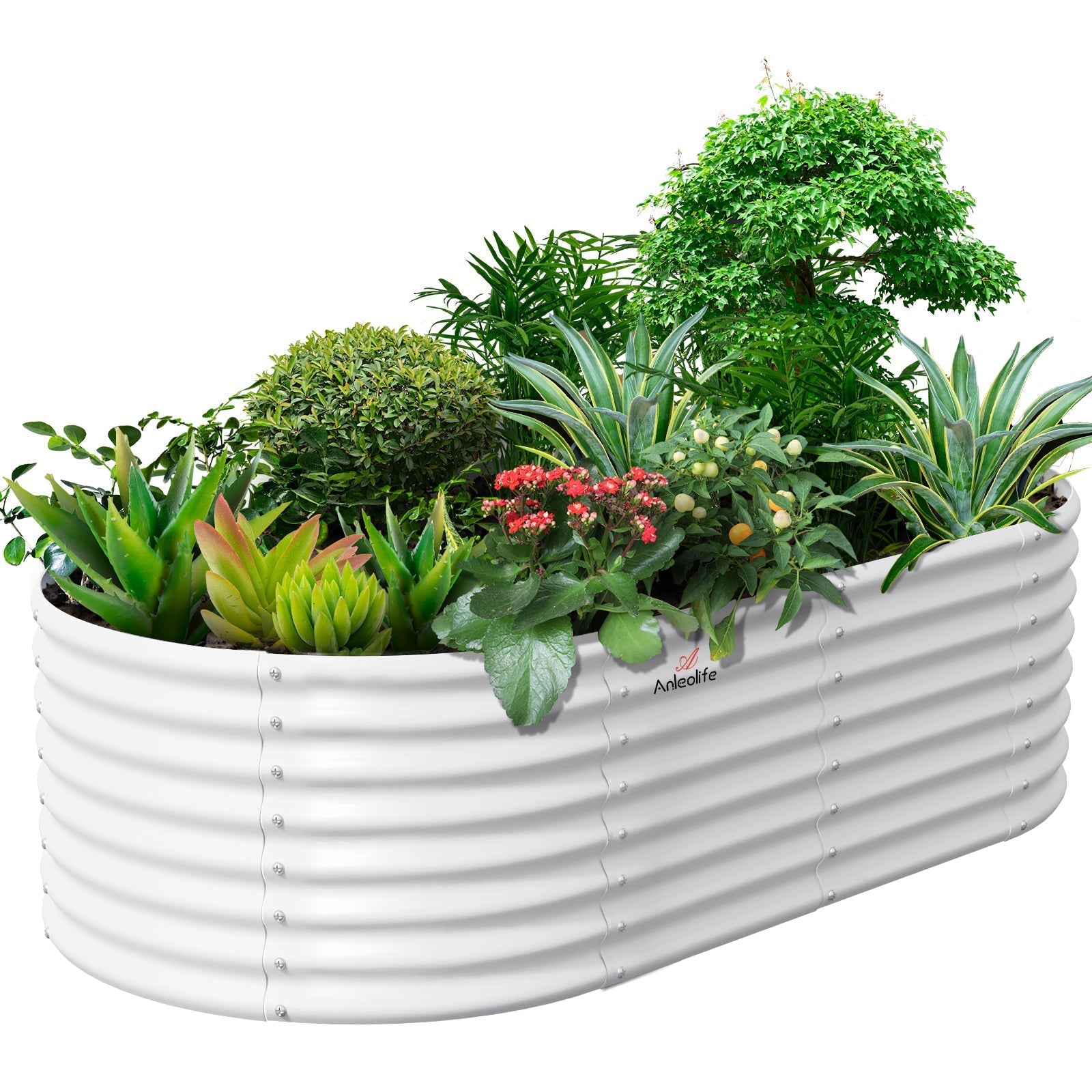
Watering Raised Garden Beds in June Heat: Tips for Conserving Moisture

Watering Raised Garden Beds in June Heat: Tips for Conserving Moisture

on May 11 2026
Watering Raised Garden Beds in June Heat: Tips for Conserving Moisture ALT: Watering raised garden beds in June heat using drip irrigation and mulch to conserve soil moisture Beat the Heat: Smart Watering Strategies for Raised Garden Beds in June Key Conclusion: June heat is the number-one enemy of raised bed moisture. Because raised garden beds drain faster and warm up more quickly than ground-level soil, summer watering requires a deliberate, layered strategy. Combining the right watering schedule, moisture-retaining mulch, efficient irrigation systems, and proper bed construction allows home gardeners to cut water use significantly while keeping vegetables, herbs, and flowers thriving even on the hottest days. As temperatures climb and the sun beats down for longer hours, gardeners across North America face the same seasonal challenge: keeping their raised beds hydrated without wasting water or stressing their plants. The physics of raised beds mean that heat penetrates the soil walls, moisture evaporates through the surface, and drainageโ€”while excellent for root healthโ€”can quickly tip into drought stress if you're not paying attention. The good news is that with the right combination of techniques, June heat doesn't have to mean wilting crops or sky-high water bills. Whether you're growing tomatoes in Texas, herbs in Florida, or leafy greens in Illinois, the principles covered in this guide apply directly to your raised bed situation. Let's dig in. Who Should Read This Guide โœ… Applicable Scenarios: Home gardeners growing vegetables, herbs, or flowers in metal or galvanized steel raised garden beds Urban micro-gardeners with limited outdoor space who need to maximize water efficiency Gardeners in hot, dry, or sun-exposed climates experiencing June temperatures above 85ยฐF Empty nesters and retirees looking for low-maintenance, water-smart garden systems Eco-conscious growers aiming to reduce water consumption and lower their environmental footprint โŒ Not Applicable/Cautions: In-ground or traditional row gardening, where soil thermal mass and drainage behave very differently from raised beds Gardeners in cool, consistently cloudy climates where evaporation is minimal and overwatering is a greater risk than underwatering Situations where local water restrictions require specific irrigation protocolsโ€”always check with your municipal authority first Why June Is the Critical Month for Raised Bed Moisture Management June marks a turning point in the gardening calendar. Days are longer, UV intensity peaks around the summer solstice, and soil temperatures inside raised beds can exceed air temperature by 10ยฐF or more. For many gardeners, it's the month when plants that were thriving in May suddenly seem to struggleโ€”and the culprit is almost always inconsistent moisture. Raised garden beds have a unique thermal profile. Unlike in-ground plots, they're surrounded by walls that absorb and radiate heat. This makes them excellent for extending the growing season in spring and fall, but it also means that during midsummer, the soil interior heats up faster and loses moisture more rapidly. A 24-inch tall raised bed with full sun exposure can lose a significant portion of surface moisture within just a few hours on a hot afternoon. According to data from the U.S. Department of Agriculture's Agricultural Research Service, evapotranspiration ratesโ€”the combined loss of water through soil evaporation and plant transpirationโ€”can double or triple during peak summer months compared to spring conditions. For raised bed gardeners, this translates directly into a need to rethink both the frequency and the method of watering. There's also the question of what's best material for raised garden beds that lasts longest. The answer matters for moisture management because different materials conduct and retain heat differently. Galvanized steel raised garden beds are among the most popular choices for durability, with a well-constructed Anleolife metal raised bed designed to last up to 20 years. Steel walls do warm up in direct sun, but strategic siting, good mulching practice, and proper soil composition can easily mitigate this. The structural longevity means you're investing in a system you'll optimize over many seasonsโ€”not just one summer. Understanding the interplay between bed material, soil composition, microclimate, and watering technique is the foundation of effective June moisture management. The sections below break each of these factors down into practical, actionable steps. Your Core Watering Strategy for June Heat Three-Step Quick Start for Raised Bed Moisture Conservation Step 1: Audit Your Current Watering Schedule and Method Before adding any new tools or techniques, spend two or three mornings checking your soil moisture at a depth of 2โ€“3 inches using your finger or a simple moisture meter. Note the time of day, air temperature, and how quickly the soil dries out after watering. This 10โ€“15 minute audit gives you a data-driven baselineโ€”rather than guessingโ€”so you can identify whether you're underwatering, overwatering, or watering at the wrong time of day. Most gardeners discover they're watering too little but too often, which encourages shallow roots. Step 2: Shift All Watering to Early Morning The single most impactful change you can make is timing. Watering between 5:00 and 9:00 AM allows moisture to penetrate deeply before the day's heat accelerates evaporation. Afternoon watering in June can lose a substantial portion of water to evaporation before it even reaches root depth. Morning watering also ensures foliage dries before evening, reducing the risk of fungal disease. Set a timer on your phone for the first week until the habit is established. This step alone can meaningfully reduce your total water use. Step 3: Apply a 2โ€“4 Inch Mulch Layer Across the Entire Bed Surface After watering, cover all bare soil with a 2โ€“4 inch layer of organic mulchโ€”straw, shredded wood chips, or compost work well. Mulch acts as an insulating blanket, dramatically slowing surface evaporation and moderating soil temperature swings. Avoid piling mulch directly against plant stems. Refresh the mulch layer every 3โ€“4 weeks as it breaks down and incorporates into the soil, which also gradually improves soil structure and water-holding capacity. This step, combined with early-morning watering, addresses the two biggest causes of raised bed moisture loss in June. Comparing the Most Effective Moisture Conservation Methods There are several approaches home gardeners use to combat summer moisture loss in raised beds. Each has distinct advantages depending on your setup, budget, and how hands-on you want to be. The table below compares the four most commonly used strategies. Comparison Dimension Drip Irrigation Soaker Hose Deep Mulching Row Cover/Shade Cloth Water Efficiency Excellent โ€” delivers water directly to root zone Very good โ€” slow, even soil saturation Good โ€” reduces evaporation after watering Moderate โ€” reduces evapotranspiration by shading Ease of Setup Moderate โ€” requires timer, tubing, emitters Easy โ€” lay and connect to hose bib Very easy โ€” spread and refresh manually Easy to moderate โ€” requires support hoops or frames Cost Moderate upfront, low ongoing Low upfront, low ongoing Very low โ€” free if composting Low to moderate Best For Larger beds, consistent schedules, hands-off gardeners Small to medium beds, budget-conscious growers All raised bed sizes and gardeners Heat-sensitive crops: lettuce, spinach, cilantro Maintenance Low once set up; check emitters monthly Low; flush occasionally Regular refresh every 3โ€“4 weeks Inspect for condensation and pests weekly Works With Raised Beds Excellent โ€” especially taller 24"โ€“30" beds Good for standard-height beds Universal Best for crops that bolt in full sun Most experienced raised bed gardeners combine two or more of these strategies. A drip irrigation system paired with a 3-inch mulch layer is one of the most water-efficient combinations available, often reducing total water use compared to hand-watering alone. Deep Dive: Building a Moisture-Smart Raised Bed System Soil Composition Is Everything Soil mix is the foundation of moisture management. In a raised bed, you're not working with native soilโ€”you're building a custom growing medium from scratch, which is both an advantage and a responsibility. A high-quality raised bed mix typically combines topsoil, compost, and a drainage amendment like coarse perlite or aged wood chips in roughly equal proportions. For June heat management specifically, the compost fraction is your most powerful tool. Rich, mature compost acts like a sponge, holding water in pore spaces and releasing it slowly to plant roots. Beds that are heavy on compost and organic matter stay moist significantly longer between waterings than beds dominated by sand or low-quality topsoil. If your bed was filled in spring and the soil has already settled and compacted slightly, top-dressing with an inch of finished compost before adding your mulch layer is an excellent mid-season intervention. This is especially effective in taller bedsโ€”Anleolife's range includes extra-tall options at 24 and 30 inches in depthโ€”where the greater soil volume amplifies the benefits of high organic matter content. What Gravel Size Is Best for Raised Bed Drainage? A common question among raised bed builders is whether to add a drainage layer at the bottom of the bed, and if so, what gravel size works best. For most raised garden beds, a 1โ€“2 inch layer of coarse gravel (roughly ยพ inch diameter crushed stone or pea gravel) at the base provides adequate drainage without creating a perched water table effect that can actually trap moisture in the soil above. However, in June heat, drainage is rarely the problemโ€”moisture retention is. If your bed drains too freely, consider reducing the gravel layer thickness or replacing it with a coarser compost layer that drains while retaining more moisture. The goal is "well-drained but consistently moist"โ€”a balance that requires attention to both the base layer and the soil mix above. Choosing the Right Bed Height for Heat Management Bed height has a direct relationship with summer watering needs. Shorter beds (around 12โ€“18 inches) warm through more completely and dry out faster, while taller beds (24โ€“30 inches) have greater soil volume, which moderates temperature swings and retains moisture longer between waterings. Anleolife's raised garden bed collection spans a wide range of heights, from standard 18-inch options ideal for general vegetable growing to 30-inch extra-tall versions that provide waist-high convenience and superior moisture retention during summer heat. For gardeners who prioritize water efficiency, investing in a taller bed pays dividends through reduced watering frequency and more stable root zone conditions. Using Shade Cloth Strategically Shade cloth isn't just for protecting heat-sensitive crops from boltingโ€”it also meaningfully reduces soil surface temperature and slows evaporation. A 30โ€“50% shade cloth suspended over a raised bed during the hottest part of the day (typically 11 AMโ€“3 PM) can reduce soil surface temperature measurably. This technique is particularly valuable for gardeners growing lettuce, spinach, arugula, or cilantro through the summer, as these crops both benefit from shade and are typically grown in shorter beds where moisture loss is faster. Shade cloth also filters intense UV, extending the productive life of your mulch layer. Exploring Best Garden Netting for Windy Climates If you garden in a region with consistent afternoon windsโ€”common in coastal Texas, the Great Plains, or Pacific Northwest valleysโ€”wind is as significant a driver of moisture loss as direct sun. Evapotranspiration rates spike when hot, dry wind moves across exposed soil and plant leaves. When choosing the best garden netting for windy climates, look for options that balance wind protection with adequate airflow. Solid barriers create turbulence; slatted or mesh windbreaks at 30โ€“50% porosity reduce wind speed without creating damaging eddies. Positioning raised beds alongside existing fences, walls, or taller plantings on the windward side is a low-cost, permanent solution that also helps retain morning moisture longer into the afternoon. Pathway Lighting and Bed Placement While pathway lighting options for garden walkways may seem like an aesthetic consideration, they're also relevant to your overall garden microclimate management. Well-placed solar pathway lights along your raised bed walkways allow you to check moisture levels and do light watering in the early morning or late evening without disrupting your household routine. This small quality-of-life upgrade makes it easier to stick to an optimal early-morning watering schedule, especially as days lengthen and early risers are rewarded with the coolest part of the day. When considering best garden ornaments for modern landscaping alongside your raised beds, think about how decorative elements interact with sun and wind. Tall ornamental grasses, trellises, or sculptural pieces placed on the sunny or windward side of beds can provide partial shade and wind protection while enhancing the visual appeal of your garden space. ALT: Galvanized steel raised garden bed with drip irrigation system, straw mulch, and shade cloth to conserve moisture in June heat Advanced Moisture Management: Handling Special Situations When Plants Show Signs of Drought Stress Despite Regular Watering If you're watering consistently but still seeing wilted or stressed plants in the afternoon, the problem may not be insufficient water volumeโ€”it may be application method or root zone depth. Shallow or broadcast watering encourages roots to stay near the surface, where June heat is most intense. Switching to a drip or soaker system that delivers water 4โ€“6 inches below the surface encourages deeper rooting and greater drought resilience. Another factor is soil hydrophobicity. When soil dries out completely, organic matter can become temporarily water-repellent, causing water to bead up and run to the edges rather than soaking in. If this occurs, water very slowly at firstโ€”5 minutes on, 10 minutes off, repeat twiceโ€”to allow gradual re-wetting. Common Misconceptions About Raised Bed Watering in Summer Misconception 1: "Water every day in summer." Daily watering can actually be counterproductive if it trains roots to stay shallow and if it's done at the wrong time of day. The correct approach is to water deeply and less frequently, allowing the top inch to dry slightly between waterings to encourage roots to grow downward toward more stable moisture. Misconception 2: "Metal beds cook plant roots in summer." While galvanized steel does absorb heat, the practical impact on root zone temperature in a well-mulched, properly filled bed is minimal. Roots grow toward the center of the soil mass, not along the walls. Anleolife's galvanized steel beds are designed with long-term performance in mind, and with proper mulching and siting, they perform excellently in summer conditions. Misconception 3: "More water always means healthier plants." Overwatering in hot weather promotes root rot and oxygen deprivation in the root zone. In a well-draining raised bed, the risk of overwatering is lower than in-ground, but it's still possible, particularly in shorter beds with less soil volume. Frequently Asked Questions FAQ Q1: How often should I water my raised garden bed in June heat? The ideal frequency depends on your bed depth, soil composition, mulch coverage, and local climate, but most raised beds in hot summer conditions need deep watering every 2โ€“3 days rather than a light daily sprinkle. Check soil moisture at 2โ€“3 inches depth: if it's dry, water deeply until moisture reaches the root zone. Using a timer-based drip irrigation system removes guesswork and ensures consistent delivery regardless of your schedule. Q2: Is galvanized steel safe for growing vegetables in hot weather? Yes. Modern galvanized steel raised garden beds, including those from Anleolife's product line, are designed and tested for food gardening use. The zinc coating that gives galvanized steel its corrosion resistance is considered safe at levels found in garden soil, and the material does not leach harmful chemicals into soil at normal garden temperatures. The beds are built for durabilityโ€”up to 20 years of service lifeโ€”and perform well in hot climates with proper soil and mulch management. Q3: How much water can I save by switching from hand-watering to drip irrigation in a raised bed? Drip irrigation systems deliver water directly to the root zone with minimal surface evaporation, making them significantly more efficient than overhead hand-watering. While exact savings vary by climate, bed size, and plant type, many gardeners report substantial reductions in total water use after making the switch. The savings are most pronounced in June through August when evaporation rates peak. Pairing drip irrigation with a 3-inch mulch layer maximizes moisture retention and can extend the time between watering cycles considerably. Summary Managing moisture in raised garden beds during June heat comes down to three core principles: timing, layering, and system thinking. Water early in the morning to minimize evaporation, layer mulch generously to insulate the soil surface, and invest in a delivery systemโ€”drip irrigation or soaker hosesโ€”that puts water where roots need it rather than where the sun can evaporate it. The choice of raised bed material and height matters more than many gardeners realize. A taller, well-constructed metal raised bed holds more soil volume, moderates temperature swings more effectively, and provides a stable root environment through even the hottest weeks. Paired with quality soil rich in compost, a moisture-smart raised bed can produce abundantly through June and July with surprisingly modest water inputs. Finally, think about your raised bed as part of a larger garden ecosystem. Strategic use of shade cloth, windbreaks, pathway lighting for early-morning care routines, and complementary garden elements all contribute to a more water-efficient, resilient growing environment. Small adjustments compound over a seasonโ€”and over many seasons in a bed designed to last. Ready to Upgrade Your Raised Garden Setup? Nationwide U.S. warehouse network: Anleolife strategically positions inventory across California, Texas, Florida, New York, Illinois, and Washington, ensuring your raised bed arrives within 3โ€“8 business daysโ€”so your summer garden plans stay on schedule. Multi-channel availability: Shop on Amazon, Walmart, Home Depot, Lowe's, Wayfair, or directly at Anleolife.com for consistent quality and dedicated after-sales support. Three complete garden scenarios: Planting (metal raised garden beds, soil systems), Raising (chicken coops, rabbit hutches), and Beautification (decorative accessories, pathway systems)โ€”everything you need to build a garden that functions beautifully and looks stunning. Anleolife understands that a great garden isn't built in a weekendโ€”it evolves with you. Our modular raised bed designs allow you to start with one bed and expand into a complete planting-and-raising ecosystem at your own pace. With beds engineered for up to 20 years of service, you're not just buying a garden product; you're making a long-term investment in the outdoor lifestyle you deserve. References U.S. Department of Agriculture Agricultural Research Service. "Evapotranspiration and Water Use in Agricultural Systems." https://www.ars.usda.gov/ University of California Cooperative Extension. "Irrigation Management for Home Gardens." https://ucanr.edu/ U.S. Environmental Protection Agency WaterSense Program. "Water-Efficient Landscaping and Irrigation Practices." https://www.epa.gov/watersense National Gardening Association. "Raised Bed Gardening: Soil, Watering, and Maintenance Guide." https://garden.org/ Penn State Extension. "Mulching for Moisture Conservation in Home Gardens." https://extension.psu.edu/ Note: Standards and best practices may be updated. Please check the latest official documents or consult your local cooperative extension service for region-specific guidance. About Anleolife Anleolife is a leading outdoor garden solutions provider in North America, dedicated to offering a full-scenario product ecosystem for home gardening enthusiasts, covering planting, raising, and garden beautification. Since its founding, we have upheld our brand mission, "Made for Garden Life," continuously innovating products and optimizing services to help hundreds of thousands of users upgrade their gardens, reconnect with nature, and enjoy a better garden lifestyle.
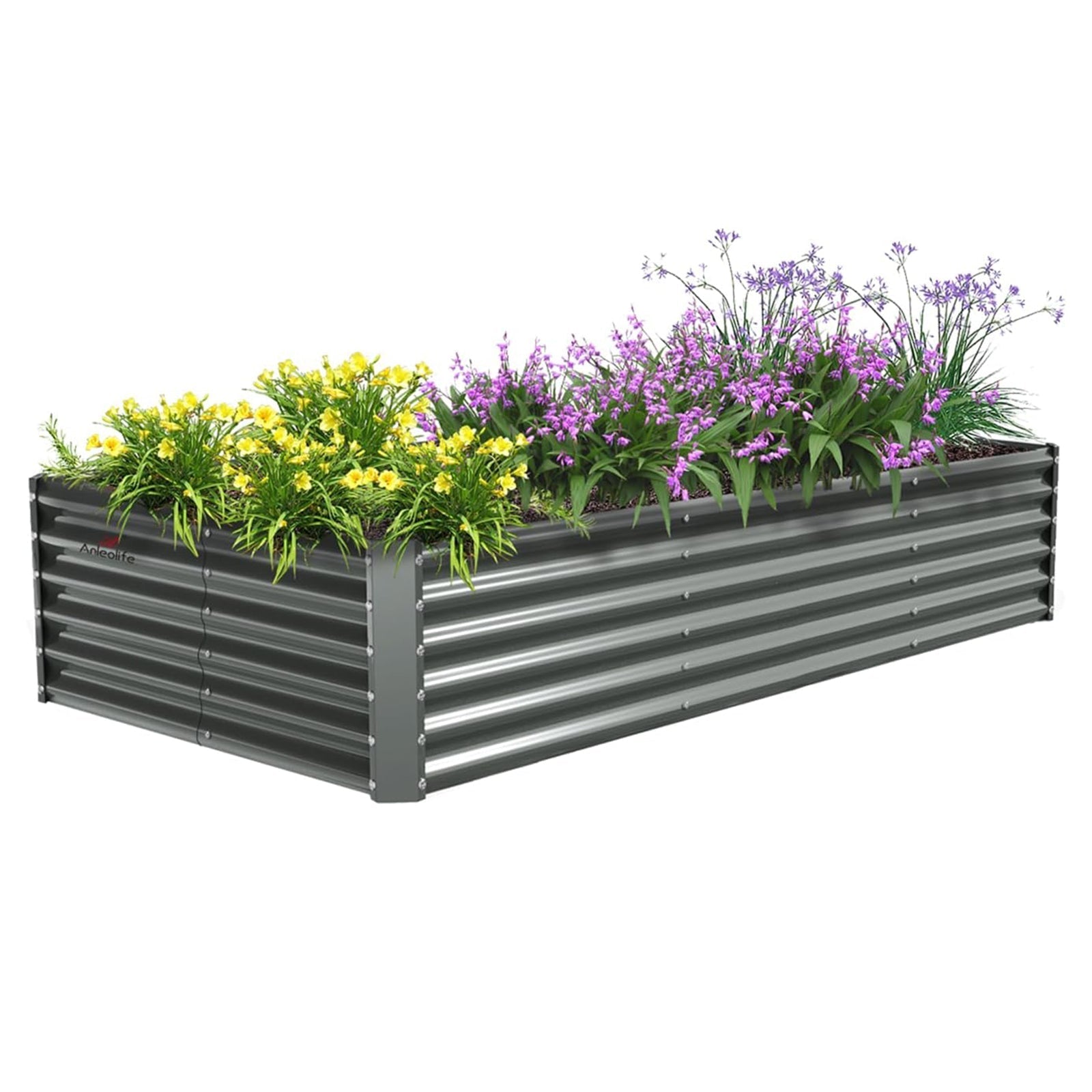
5 Reasons Gardening Is the Best Thing You Can Do for Your Health This Summer

5 Reasons Gardening Is the Best Thing You Can Do for Your Health This Summer

on May 11 2026
5 Reasons Gardening Is the Best Thing You Can Do for Your Health This Summer ALT: Person gardening in raised metal garden bed on sunny summer day, promoting health and wellness outdoors 5 Reasons Gardening Is the Best Thing You Can Do for Your Health This Summer Key Conclusion: Summer is the perfect season to reconnect with natureโ€”and your own well-being. Gardening delivers a surprisingly complete health package: physical exercise, mental clarity, nutritious food, and community connection, all wrapped up in one rewarding hobby. Whether you're tending raised beds, expanding into a backyard raising setup, or adding charm with garden beautification touches, the act of growing something has measurable, science-backed benefits for your body and mind. This summer, your garden might just be the best health investment you make. Gardening has surged in popularity over recent years, and for good reason. More Americans than ever are turning to their backyards, patios, and balconies as personal wellness retreats. The benefits aren't just anecdotalโ€”research consistently confirms that regular time spent gardening improves physical fitness, reduces stress hormones, supports mental health, and encourages healthier eating habits. In this article, we'll explore five compelling, evidence-based reasons why gardening should be your go-to health activity this summer. We'll also share practical tips to get the most out of your garden setup, including the best soil choices, recommended materials, and how to design a space that works for your lifestyleโ€”whether you have a sprawling backyard or a compact urban patio. Who Should Read This: Applicable Scenarios for a Healthy Garden Lifestyle โœ… Applicable Scenarios: Home growers and health-conscious families looking to grow their own food and reduce reliance on store-bought produce Urban micro-gardeners and apartment dwellers working with small footprints who want maximum benefit from a compact garden setup Empty nesters and retirees seeking a low-impact, fulfilling physical activity that also nurtures mental well-being Eco-conscious individuals who want sustainable hobbies that reduce their environmental footprint and connect them with nature โŒ Not Applicable/Cautions: Those with severe physical limitations or mobility restrictions should consult a healthcare provider before undertaking intensive garden work (though raised beds can significantly reduce strain) Renters with no outdoor access may find full-scale garden setups challenging, though container gardening and compact raised beds are viable alternatives worth exploring Why Summer Gardening Is Having a Wellness Moment The wellness gardening trend isn't just a pandemic-era blipโ€”it's a cultural shift with roots in both science and lifestyle evolution. According to the National Gardening Association, participation in food gardening in the U.S. has grown significantly over the past decade, with millions of households now maintaining some form of edible garden. Part of this growth stems from a growing awareness of where our food comes from. As consumers become more health-oriented, the appeal of stepping outside, digging in the soil, and harvesting food you grew yourself becomes increasingly powerful. Summer, with its long daylight hours and warm temperatures, is prime time to make the most of that impulse. But the health benefits of gardening extend well beyond the produce you harvest. Increasingly, therapists, physicians, and wellness coaches are recommending horticultural therapyโ€”structured gardening activities used to improve physical and mental health outcomesโ€”as a legitimate wellness modality. Whether you're a weekend warrior with a few raised beds or a dedicated grower with a full backyard setup, gardening meets you where you are. What makes summer particularly special is the combination of sunlight, warmth, and biological abundance. Plants grow faster, there's more to do, and the sensory rewardsโ€”color, fragrance, texture, tasteโ€”are at their peak. This sensory richness is itself a component of the health benefit, activating the parasympathetic nervous system and promoting a state of calm, focused engagement. For those just getting started, understanding which materials, soils, and tools work best can make the difference between a frustrating struggle and a deeply rewarding experience. We'll cover those practical considerations alongside each health benefit. 5 Reasons Gardening Transforms Your Health This Summer Quick Start: Get Your Garden Health Journey Going in 3 Steps Step 1: Choose Your Garden Format Before you dig into the health benefits, you need a functional setup. The first decision is choosing between in-ground planting, container gardening, or raised beds. For most home growersโ€”especially those with limited mobility, poor native soil, or small spacesโ€”raised garden beds are the top recommendation. They allow you to control soil quality completely, reduce back strain, and extend your growing season. Spend 30โ€“60 minutes researching which size fits your space before purchasing. Step 2: Select the Right Soil and Materials Once your bed is in place, filling it with the right growing medium is critical. The best soil for small raised garden beds is typically a blend of high-quality compost, aged topsoil, and a perlite or vermiculite component to ensure drainage. Avoid using straight garden soil from your yard, which often compacts and drains poorly in raised beds. This step, including sourcing and filling, typically takes one afternoon. Step 3: Plan Your Plantings for Maximum Health Benefit Choose plants that align with your health goals. If stress reduction is your priority, fragrant herbs like lavender and chamomile are excellent choices. For nutritional goals, leafy greens, tomatoes, peppers, and beans deliver exceptional return on growing effort. If physical activity is the goal, larger beds with more plants means more engagement. Sketch your planting plan in 20โ€“30 minutes before purchasing seeds or seedlings. Comparing Garden Setup Options: Raised Beds vs. In-Ground vs. Containers Choosing the right garden format has a direct impact on how much health benefit you actually experience. Here's a comparative look at the main options: Comparison Dimension Raised Garden Beds In-Ground Gardens Container Gardens Physical Accessibility High โ€” adjustable height reduces bending Low โ€” requires significant bending/kneeling Medium โ€” portable, but limited scale Soil Control Full control over growing medium Limited โ€” dependent on native soil quality Full control, but small volume Durability High โ€” metal options last up to 20 years N/A โ€” permanent feature Low to Medium โ€” containers degrade over time Scalability Excellent โ€” modular expansion possible Good with effort Limited by space and container size Best Soil Performance Excellent โ€” optimized blends work perfectly Variable โ€” soil amendments needed Good but requires frequent watering Recommended for All growers, especially those with mobility concerns Experienced growers with good native soil Urban/apartment dwellers For most home growers, galvanized steel raised garden beds represent the sweet spot: excellent accessibility, superior soil control, and remarkable longevity. Anleolife's galvanized steel raised garden beds are engineered to last up to 20 years, making them a long-term health investment rather than a seasonal expense. Reason 1: Gardening Is Surprisingly Effective Physical Exercise Let's start with the most obviousโ€”and most underestimatedโ€”health benefit: gardening is a genuine workout. Activities like digging, hoeing, raking, and hauling soil bags engage major muscle groups across your entire body. According to the Centers for Disease Control and Prevention (CDC), gardening qualifies as moderate-intensity physical activity, comparable to walking or cycling at a recreational pace. For adults who struggle to maintain a formal exercise routine, gardening offers a compelling alternative: you're so engaged in what you're doing that the movement barely feels like exercise. Summer gardening in particular ramps up the physical demands. Preparing beds, managing rapid plant growth, consistent harvesting, and dealing with the occasional heavy lifting (soil bags, compost, water) adds up to a surprisingly robust physical activity profile. Studies suggest that gardening for 30โ€“45 minutes several times a week can meaningfully contribute to meeting physical activity guidelines for adults. The physical benefits go beyond calorie burn. Gardening involves varied movement patternsโ€”kneeling, reaching, carrying, lifting, twistingโ€”which helps maintain joint mobility and functional fitness. This is particularly valuable for older adults whose exercise routines may have become limited or repetitive. Practical tip: To maximize the physical benefit while protecting your joints, consider using extra-tall raised garden beds. Anleolife offers options ranging from 18-inch standard heights up to 30-inch and even 35-inch waist-high designs, which allow you to work comfortably standing upright. This is a game-changer for retirees and anyone dealing with lower back sensitivities. Reason 2: Gardening Dramatically Reduces Stress and Anxiety If you've ever spent an afternoon in the garden and noticed you felt calmer afterward, there's solid science behind that experience. Cortisol, the body's primary stress hormone, drops measurably after gardening sessions. A landmark study published in the Journal of Health Psychology found that gardening reduced cortisol levels more effectively than a comparable period of indoor reading. The combination of physical activity, sunlight exposure, sensory engagement, and the psychological satisfaction of nurturing living things creates a uniquely powerful stress-reduction cocktail. There's also the fascinating role of Mycobacterium vaccae, a harmless bacterium found in healthy garden soil. Research suggests that contact with this microorganism through skin and inhalation triggers serotonin production in the human brainโ€”literally making you feel happier just by digging in the dirt. This is one reason why horticultural therapy is being increasingly integrated into mental health treatment programs. Summer gardening amplifies these effects. Longer days mean more sunlight exposure, which supports healthy Vitamin D synthesis and helps regulate circadian rhythms. The bright colors of summer blooms and vegetables stimulate positive emotional responses. Even the sounds of a summer gardenโ€”birdsong, the rustle of leaves, buzzing pollinatorsโ€”contribute to a restorative sensory environment. For those managing anxiety, depression, or chronic stress, establishing a daily or near-daily garden routine can become an anchor of calm in an otherwise hectic life. The repetitive, mindful nature of garden tasksโ€”weeding, watering, pruningโ€”naturally induces a meditative state that modern mindfulness practitioners deliberately try to recreate. Reason 3: You'll Eat Betterโ€”Naturally Here's a health benefit that often surprises people: home growers consistently report eating more vegetables and fruits. This isn't magicโ€”it's psychology and access. When you've invested time, effort, and care into growing a tomato plant, you're far more motivated to actually eat the tomatoes. Children who participate in growing vegetables are dramatically more willing to eat them. The same principle applies to adults. Ownership of the growing process creates a personal connection to the food that supermarket produce simply can't replicate. Beyond motivation, home-grown produce is often nutritionally superior to store-bought alternatives. Commercially grown vegetables are typically harvested before full ripeness to survive shipping and storage, which means they reach your plate with lower levels of certain vitamins and antioxidants. A tomato harvested ripe from your own bed and eaten the same day contains measurably more nutritional value. The recommended materials for raised garden beds that won't rot are a key factor here. Wooden beds, while charming, can harbor harmful organisms, leach compounds into the soil, or degrade in ways that compromise food safety. Galvanized steel and rust-resistant metal beds, like those in the Anleolife lineup, provide a clean, food-safe growing environment that maintains integrity season after season. With a 20-year lifespan, you're looking at decades of clean, nutritious harvests from a single investment. When filling your bed, the best soil for small raised garden beds is a nutrient-rich blend that delivers bioavailable minerals and organic matter directly to plant roots. A well-composed mix including quality compost, worm castings, and balanced topsoil creates the foundation for produce that is genuinely more nutritious than what you'll find in most grocery stores. Reason 4: Gardening Builds Mental Sharpness and Cognitive Resilience Gardening is often underestimated as a cognitive activity, but it is one of the most mentally engaging hobbies available. Planning a garden requires problem-solving, spatial reasoning, and scheduling skills. You're making decisions about plant compatibility, spacing, seasonal timing, pest management, and resource allocationโ€”all simultaneously. This kind of multi-variable thinking is exactly the type of cognitive exercise that research links to reduced risk of cognitive decline as we age. A long-term study from Australia found that daily gardening was associated with a 36% reduction in dementia risk among older adultsโ€”one of the largest effects seen among the lifestyle factors studied. The combination of physical activity, mental engagement, sensory stimulation, and purposeful routine appears to create a uniquely neuroprotective effect. For retirees and empty nesters in particular, the structure and purpose that gardening provides can be profoundly beneficial. Having a living system that depends on your care creates a sense of responsibility and meaning that supports psychological well-being long after careers and child-rearing have wound down. Summer is when the cognitive demands peak: monitoring multiple plant species at different growth stages, adjusting watering schedules to heat, managing pests, and planning successive plantings all require active, engaged thinking. Far from being passive relaxation, summer gardening keeps your mind sharp in exactly the ways neuroscientists recommend. Reason 5: Gardening Strengthens Community and Social Well-Being Health is not just physical and mentalโ€”it's also social. Loneliness and social isolation have been identified by leading health organizations as significant risk factors for early mortality, comparable in impact to smoking and obesity. Gardening has a remarkable ability to build and strengthen community connections. Gardens become conversation starters with neighbors. Surplus produce gets shared. Gardening knowledge gets exchanged. Community garden spaces create natural gathering points that foster genuine human connection. At the family level, gardening is one of the most accessible multi-generational activities available. Children, parents, and grandparents can all participate in meaningful ways. A shared garden project creates shared memories, teaches practical skills, and builds bonds that screens and entertainment cannot replicate. Summer, when gardens are most active and visually striking, naturally invites more of this social engagement. A beautiful, productive garden in summer is an invitation to connectโ€”whether through hosting a harvest dinner, sharing seedlings with neighbors, or simply being visible and engaged outdoors. Adding elements of garden beautificationโ€”decorative planters, pathway systems, attractive structural elementsโ€”enhances this social dimension by creating an outdoor space that genuinely invites people in. When your garden is both productive and beautiful, it becomes an extension of your living space and social life. ALT: Galvanized steel raised garden beds growing vegetables in a beautifully designed summer backyard garden, promoting health and social wellbeing Advanced Tips: Getting More Health Value From Your Garden Setup Optimizing for Physical Accessibility Don't let physical limitations become barriers to gardening's health benefits. The right bed height is transformative. Anleolife's range spans from standard 18-inch heights to extra-tall 24-inch, 30-inch, and the waist-high 35-inch options, accommodating virtually every physical situation. Taller beds mean less bending, less strain, and more sustainable long-term engagementโ€”which translates to more consistent health benefits over time. Addressing the "Are Expandable Hoses Actually Worth It" Question One question that comes up frequently in gardening communities is are expandable hoses actually worth it? For summer gardens, the honest answer is: it depends on your setup. Expandable hoses are lightweight and easy to store, making them appealing for small spaces. However, for larger raised bed setups with multiple beds to water, a quality traditional hose with good pressure is often more reliable and consistent. For health-focused gardeners who water daily, consistency and reliability matterโ€”invest in whatever setup you'll actually use every day. Tool Storage: Protecting Your Investment What's the recommended way to store hand tools and power tools outside? Garden tools exposed to summer heat, rain, and humidity deteriorate quickly without proper storage. Best practices include: hanging hand tools on a covered wall rack to prevent moisture contact, keeping cutting edges oiled and clean after each use, storing power tools in weatherproof containers or a dedicated shed, and positioning storage in a shaded, dry location. Well-maintained tools not only last longerโ€”they're safer and more effective, which directly impacts the quality of your gardening experience and associated health benefits. Common Misconceptions Many new gardeners believe that more soil amendments always mean better results. In reality, over-amended soil can become too rich in nitrogen, causing lush foliage at the expense of fruit and root development. Follow established soil mix ratios for raised beds and let your compost do the heavy lifting over time. Frequently Asked Questions FAQ Q1: How do I choose the best soil for a small raised garden bed? The best soil for small raised garden beds is typically a custom blend rather than straight garden soil or potting mix. A widely recommended recipe is approximately 60% high-quality topsoil, 30% compost (aged and well-composted), and 10% perlite or coarse sand for drainage. This blend provides the nutrient density, drainage, and moisture retention that raised beds require. As the season progresses, top-dress with fresh compost to replenish nutrients naturally consumed by your plants. Q2: Are galvanized steel raised garden beds safe for growing food? Yesโ€”modern galvanized steel raised garden beds use a zinc coating process that is safe for food production under normal gardening conditions. The zinc layer acts as a protective barrier against rust and corrosion, and the amounts that might leach into soil are well within safe thresholds according to food safety research. Anleolife's galvanized steel and rust-resistant raised garden beds are designed specifically for food growing applications and engineered for a 20-year lifespan, providing decades of safe, productive use. Q3: How much time does it actually take to maintain a raised bed garden in summer? Summer maintenance time varies by garden size and plant selection, but most home growers with one to three standard raised beds find that 15โ€“30 minutes of daily attention keeps things thriving. This includes watering, quick weeding checks, and harvesting. On weekends, a slightly longer session for deeper weeding, fertilizing, and bed maintenance is beneficial. This time commitment is perfectly aligned with recommended daily physical activity guidelines, making maintenance itself a health benefit. Summary Gardening is not just a hobbyโ€”it's a comprehensive wellness practice that addresses physical fitness, mental health, nutrition, cognitive function, and social connection simultaneously. Few activities deliver such broad health benefits with such minimal barrier to entry. The three core takeaways from this article are: Gardening is legitimate exercise that improves strength, flexibility, and cardiovascular health in ways that feel effortless because they're embedded in purposeful activity. A well-designed garden setup dramatically amplifies benefitsโ€”the right bed height, the best soil mix, and quality materials mean you can garden more comfortably, more consistently, and more productively. The health benefits compound over timeโ€”the longer you garden, the more skilled, the more connected, and the healthier you become, making it one of the most sustainable wellness habits available. This summer, don't just think of your garden as a place to grow vegetables. Think of it as your personal wellness infrastructureโ€”one that pays dividends in energy, calm, clarity, and connection every single day you engage with it. Start Growing Your Healthiest Summer with Anleolife Anleolife supports your garden health journey from the ground upโ€”literally. With a nationwide U.S. warehouse network strategically located in California, Texas, Florida, New York, Illinois, and Washington, delivery takes just 3โ€“8 business days, so your garden upgrade is never far away. Our products are available across the platforms you already trustโ€”Amazon, Walmart, Home Depot, Lowe's, Wayfair, and directly at Anleolife.comโ€”with consistent quality and dedicated after-sales support wherever you shop. Our three core scenariosโ€”Planting (metal raised garden beds, soil systems), Raising (chicken coops, rabbit hutches), and Beautification (decorative accessories, pathway systems)โ€”mean we grow with you from your first garden bed to a fully integrated backyard ecosystem. We understand that an ideal garden isn't built overnight. It evolves. Our modular product design allows flexible expansion based on your needs, so you can start with a single raised garden bed and expand into a complete planting-and-raising system as your confidence and ambition grow. We grow with you, every step of the way. References Centers for Disease Control and Prevention (CDC). "Physical Activity for a Healthy Weight." https://www.cdc.gov/healthyweight/physical_activity/index.html National Gardening Association. "Garden to Table: A Guide to Growing Food at Home." https://garden.org/ American Horticultural Therapy Association. "What Is Horticultural Therapy?" https://www.ahta.org/horticultural-therapy Harvard Health Publishing, Harvard Medical School. "Gardening Is Beneficial for Health: A Meta-Analysis." https://www.health.harvard.edu/staying-healthy/gardening-is-beneficial-for-health UC Agriculture and Natural Resources. "Home Vegetable Gardening." https://ucanr.edu/ Note: Research and guidelines may be updated periodically. Please consult the latest official publications or a qualified health professional for personalized advice. About Anleolife Anleolife is a leading outdoor garden solutions provider in North America, dedicated to offering a full-scenario product ecosystem for home gardening enthusiasts, covering planting, raising, and garden beautification. Since its founding, we have upheld our brand mission, "Made for Garden Life," continuously innovating products and optimizing services to help hundreds of thousands of users upgrade their gardens, reconnect with nature, and enjoy a better garden lifestyle.
10 Best Vegetables for Raised Beds This Summer: A Beginner's Planting Checklist

10 Best Vegetables for Raised Beds This Summer: A Beginner's Planting Checklist

on May 11 2026
10 Best Vegetables for Raised Beds This Summer: A Beginner's Planting Checklist ALT: Beginner's guide to the 10 best vegetables for raised beds this summer planting checklist Why Summer Raised Bed Gardening Is the Smartest Move You'll Make This Season Key Conclusion: Summer is the ideal season to maximize your raised bed garden's potential. Whether you're growing tomatoes, peppers, or leafy greens, choosing the right vegetables for your raised garden beds can dramatically improve your harvest. With proper planning, a structured checklist, and the right bed setup, even first-time gardeners can enjoy abundant, fresh produce from their backyard โ€” all season long. Raised bed gardening has exploded in popularity across North America, and for good reason. Elevated planting environments offer better drainage, warmer soil temperatures, and reduced weed pressure compared to in-ground plots. For beginners, the contained space makes it far easier to manage soil quality, watering schedules, and plant spacing. What makes summer particularly exciting is the sheer variety of warm-season crops that thrive in this environment. From fast-growing radishes to sprawling zucchini, the diversity of options means your raised bed can be both productive and beautiful throughout the season. This guide gives you a practical, beginner-friendly checklist of the 10 best vegetables to plant this summer โ€” along with tips on spacing, sizing your beds, and setting yourself up for a successful harvest. Who This Planting Checklist Is For โœ… Applicable Scenarios: First-time gardeners setting up their first raised bed this season Home growers with limited outdoor space looking to maximize yield Empty nesters or retirees wanting low-maintenance, high-reward gardening Eco-conscious families seeking to grow organic, pesticide-free produce at home โŒ Not Applicable/Cautions: Growers in USDA hardiness zones with early frost dates (late summer planting may not work for all crops listed) Gardeners who have not amended their soil โ€” poor soil quality will reduce the effectiveness of even the best vegetable choices Those planning to grow perennial crops that require multi-year setups without a long-term bed system The Rise of Raised Bed Vegetable Gardening in North America Over the past decade, home vegetable gardening has seen a remarkable resurgence. According to the National Gardening Association, millions of American households now grow some portion of their own food โ€” a trend that accelerated significantly in recent years as people sought greater food security and connection with nature. Raised beds sit at the heart of this movement. Unlike traditional row gardening, raised beds give you complete control over your growing environment. You choose the soil mix, you determine the layout, and you dictate the scale. For urban micro-gardeners working with patchy lawns or paved backyards, raised beds often represent the only viable option for growing food. The market for raised garden beds has evolved accordingly. Where gardeners once had to settle for basic wooden frames that rotted within a few seasons, today's options include galvanized steel beds engineered for durability. Anleolife's galvanized steel raised garden beds, for example, are built for a lifespan of up to 20 years โ€” a remarkable investment compared to the two-to-five-year lifespan of untreated wood alternatives. Raised garden bed sizing is one of the most frequently asked questions among beginners. The right size depends on your space, your crops, and your physical comfort. A bed that's too wide makes it difficult to reach the center without stepping inside and compacting the soil. A bed that's too shallow limits root growth for deeper vegetables like carrots or tomatoes. For most beginners, a bed in the range of 8x4 feet provides an excellent balance between growing area and accessibility. Taller options โ€” such as the 24" Extra Tall or 30" Extra Tall configurations available from Anleolife โ€” are particularly well-suited for growers who prefer not to bend down, making them a top choice for retirees and those with mobility considerations. Soil temperature is another critical factor in summer planting. Raised beds warm up faster than ground soil in spring and stay warm longer in fall, giving you a meaningful head start on the growing season. This thermal advantage is one reason summer crops like tomatoes and peppers consistently outperform their in-ground counterparts when grown in raised beds. Your Complete Summer Raised Bed Planting Checklist Three-Step Quick Start for Beginners Step 1: Choose Your Bed Size and Location Before you plant a single seed, you need the right foundation. Select a location that receives at least 6โ€“8 hours of direct sunlight daily โ€” non-negotiable for most summer vegetables. For bed size, a standard 8x4-foot layout gives you enough room to grow 3โ€“4 different vegetable varieties simultaneously. If you're working with a balcony or patio, a smaller 4x2 or 6x3 configuration may be more practical. Spend 30โ€“60 minutes mapping out your space before purchasing or assembling your bed. Step 2: Fill with the Right Soil Mix Summer vegetables are heavy feeders. A high-quality soil blend of roughly 60% topsoil, 30% compost, and 10% perlite or coarse sand provides the drainage, nutrition, and aeration your crops need. Avoid using pure garden soil from your yard โ€” it compacts in raised beds and drains poorly. Budget approximately 1โ€“2 hours to source and fill your bed, and consider pre-moistening the mix before planting to jumpstart microbial activity. Step 3: Plant, Space, and Label Follow the spacing recommendations below for each vegetable. Use stakes or plant markers so you can track what's where โ€” this becomes invaluable when plants are young and hard to distinguish. Water thoroughly after planting and apply a 2-inch layer of mulch to retain moisture. This setup phase typically takes 1โ€“2 hours and sets the foundation for everything that follows. The 10 Best Vegetables for Raised Beds This Summer: Side-by-Side Comparison Here's a comprehensive comparison of the top summer vegetables for raised beds, rated across the dimensions that matter most to beginners: Vegetable Ideal Bed Depth Days to Harvest Sun Requirement Beginner Friendliness Space per Plant Tomatoes 18"+ 60โ€“85 days Full sun โ˜…โ˜…โ˜…โ˜†โ˜† 2โ€“3 sq ft Zucchini 12โ€“18" 45โ€“55 days Full sun โ˜…โ˜…โ˜…โ˜…โ˜… 3โ€“4 sq ft Peppers 12โ€“18" 60โ€“90 days Full sun โ˜…โ˜…โ˜…โ˜…โ˜† 1.5โ€“2 sq ft Cucumbers 12โ€“18" 50โ€“70 days Full sun โ˜…โ˜…โ˜…โ˜…โ˜† 1โ€“2 sq ft (trellised) Bush Beans 12" 50โ€“60 days Full sun โ˜…โ˜…โ˜…โ˜…โ˜… 4โ€“6 inches apart Lettuce 6โ€“8" 30โ€“45 days Partial shade OK โ˜…โ˜…โ˜…โ˜…โ˜… 6โ€“8 inches apart Radishes 6โ€“8" 22โ€“30 days Full to partial sun โ˜…โ˜…โ˜…โ˜…โ˜… 2โ€“3 inches apart Basil 6โ€“12" 30โ€“60 days Full sun โ˜…โ˜…โ˜…โ˜…โ˜… 6โ€“12 inches apart Spinach 6โ€“8" 40โ€“50 days Partial shade OK โ˜…โ˜…โ˜…โ˜…โ˜† 3โ€“4 inches apart Kale 12" 55โ€“75 days Full to partial sun โ˜…โ˜…โ˜…โ˜…โ˜† 12โ€“18 inches apart Deep Dive: The 10 Best Summer Vegetables for Your Raised Bed 1. Tomatoes โ€” The Crown Jewel of Summer Gardens Tomatoes are the most popular raised bed crop in North America, and for good reason. The elevated soil temperatures and excellent drainage that raised beds provide are ideal for tomato root development. Choose determinate (bush) varieties if you're short on space, or train indeterminate varieties vertically using a sturdy cage or trellis system. Tomatoes need at least 18 inches of soil depth to thrive, making taller beds โ€” like Anleolife's 24" Extra Tall or 30" Extra Tall raised garden beds โ€” particularly well-suited for this crop. Deep roots mean more drought resistance and better nutrient uptake throughout the season. 2. Zucchini โ€” High Yield, Minimal Effort If you want guaranteed abundance as a beginner, start with zucchini. This fast-growing summer squash can produce fruit within 45 days of transplanting and continues to yield heavily with minimal intervention. One or two plants can fill an 8x4 bed by midsummer, so plan accordingly. Zucchini does appreciate a bit of space, so pair it with compact companions like radishes or basil at the edges of your bed rather than other large-sprawling plants. 3. Peppers โ€” Colorful, Versatile, and Surprisingly Easy Sweet bell peppers, banana peppers, and jalapeรฑos all perform exceptionally well in raised beds. They love warmth โ€” and raised beds deliver exactly that. Unlike in-ground planting where soil temperatures fluctuate, the contained environment of a metal raised bed holds heat efficiently through summer nights. Start with transplants rather than seeds if you're a beginner; peppers have a long growing season and getting a head start from nursery seedlings gives you a much better chance at a full harvest before fall. 4. Cucumbers โ€” Vertical Growing Done Right Cucumbers are a space-efficient raised bed superstar when grown vertically. A simple trellis at the back of your bed allows cucumber vines to climb while freeing up ground space for lower-growing companions like lettuce or spinach. This is also a great entry point for learning about garden netting installation. Stretch netting horizontally across a frame over your bed to support heavy cucumber fruits as they develop โ€” it's one of the most common applications for garden netting in raised bed setups. To install garden netting properly, anchor the frame securely into the bed's top edge or side panels, then weave netting at 4โ€“6 inch intervals for adequate fruit support without restricting airflow. 5. Bush Beans โ€” A Nitrogen-Fixing Gift Bush beans are arguably the most beginner-friendly crop on this list. Direct sow seeds 1 inch deep and 4โ€“6 inches apart, water regularly, and stand back. Unlike pole beans, bush varieties stay compact and don't require staking or trellising. As a bonus, beans are legumes โ€” meaning they fix atmospheric nitrogen into the soil, naturally enriching your bed for subsequent plantings. After your bean harvest, you'll notice improved growth from whatever you plant next in that space. 6. Lettuce โ€” Fast Returns and Continuous Harvest For those who want to see results quickly, lettuce is unbeatable. Many varieties can be harvested as cut-and-come-again crops within 30 days of planting. Loose-leaf varieties work particularly well in raised beds, and succession planting every two weeks ensures a steady supply of fresh greens throughout the season. Lettuce also tolerates partial shade, making it an ideal candidate for planting under taller crops like tomatoes or peppers once those plants fill out. 7. Radishes โ€” The Beginner's Confidence Builder Radishes mature in as little as 22 days, making them the fastest crop on this list. For new gardeners who are anxious to see results, there's nothing more encouraging than pulling your first radish from the soil just three weeks after planting. Radishes also serve as excellent space markers when interplanted with slower-growing crops โ€” they'll be harvested before their neighbors need the room. 8. Basil โ€” The Companion Planting MVP While technically an herb, basil earns its place on this list because of its exceptional utility in a summer raised bed. Planted alongside tomatoes, basil is widely believed to enhance flavor and repel certain pests. It thrives in the same warm, well-drained conditions and doesn't compete aggressively for space. Pinch off flower heads regularly to keep your basil bushy and productive well into late summer. 9. Spinach โ€” Shade-Tolerant and Nutrition-Dense Spinach is a cool-season crop that can still be grown successfully in early summer or in partially shaded raised beds. If you're in a warmer climate, look for heat-tolerant varieties specifically bred for summer production. Plant spinach in the shadow of taller crops, or use it as an early-season crop before your main summer planting takes over the bed. 10. Kale โ€” The Workhorse of the Raised Bed Kale is one of the most nutrient-dense vegetables you can grow, and its hardiness makes it ideal for beginners. It tolerates heat better than many other leafy greens and will continue producing through light frosts in fall, extending your harvest season well beyond summer. Plant kale at the corners of your bed where it won't shade out smaller companions, and harvest outer leaves regularly to encourage continuous new growth. Choosing the Right Raised Bed for Your Summer Garden The effectiveness of your summer planting checklist depends heavily on your bed setup. Here's what to consider: Bed Depth: Most summer vegetables need at least 12โ€“18 inches of soil depth. Deep-rooted crops like tomatoes benefit from 24 inches or more. Anleolife's range includes standard 18" Tall options all the way up to 35" Waist-High configurations, giving you flexibility based on what you're growing and your physical comfort. Bed Size and Accessibility: For most families, an 8x4-foot bed is the gold standard. It's large enough to grow meaningful quantities of 3โ€“4 crops, yet narrow enough to reach the center from either side. Anleolife's 18" Tall 8x4 ft and 24" Extra Tall 8x4 ft configurations are particularly popular for this reason. Material and Longevity: Metal raised garden beds outperform wood in longevity and pest resistance. Anleolife's galvanized steel raised garden beds are engineered for a 20-year lifespan โ€” meaning the bed you set up this summer will still be producing harvests two decades from now. The rust-resistant coating maintains structural integrity through freeze-thaw cycles, heavy rain, and intense summer heat. Budget Considerations: If you're looking for the best budget raised beds under $200 for vegetables, Anleolife's standard 18" Tall configurations offer excellent value without compromising on quality. Many beginners find that a single 8x4 or 6x3 bed in this price range provides more than enough space for a first season of vegetable growing. ALT: Anleolife 24-inch extra tall galvanized steel raised garden bed growing summer vegetables including tomatoes and kale in a backyard garden Advanced Tips: Making the Most of Your Summer Raised Bed Succession Planting to Extend Your Harvest One of the biggest mistakes beginners make is planting everything at once and ending up with a glut followed by an empty bed. Instead, plant fast-growing crops like radishes and lettuce every two weeks. As one batch matures and is harvested, the next is already on its way. This technique โ€” called succession planting โ€” keeps your raised bed productive from early summer through early fall. Managing Heat in Midsummer Summer heat can stress some crops, particularly leafy greens. If you notice bolting (premature flowering) in your lettuce or spinach, consider installing a shade cloth over your bed for the hottest weeks of the season. A 30โ€“40% shade cloth is typically sufficient to reduce heat stress without depriving plants of needed light. This is also a moment where garden ornament sizing becomes relevant. Decorative trellises, arbors, and plant supports do double duty โ€” they add visual structure to your garden space while providing functional climbing support. When selecting ornaments, choose pieces scaled to your bed size: tall, narrow supports for vertical crops like cucumbers, and lower decorative edging for ground-level plantings. Common Misconceptions About Raised Bed Gardening Myth 1: You need to replace raised bed soil every year. Not true. With regular composting and a seasonal top-dressing of organic matter, a well-maintained raised bed soil improves year after year. Adding a 2โ€“3 inch layer of compost each spring is typically sufficient. Myth 2: Any vegetables can grow in any depth. Depth matters significantly. Shallow 6โ€“8" beds work well for lettuce, radishes, and herbs, but tomatoes, peppers, and cucumbers genuinely need 18" or more to reach their potential. Matching your crop selection to your bed depth is essential. Myth 3: Raised beds are only for small gardens. Raised beds scale remarkably well. From a single 4x2 ft balcony bed to a multi-bed layout covering an entire backyard, the principles remain the same. Modular systems allow you to expand incrementally as your confidence and appetite for gardening grows. Frequently Asked Questions FAQ Q1: How do I choose the right raised bed size for different climates? Climate plays a significant role in raised bed sizing decisions. In colder northern climates, taller beds (24"โ€“30") warm up faster in spring and retain heat longer โ€” a meaningful advantage for heat-loving crops. In hot southern states, shallower beds can overheat soil in midsummer, so deeper beds with more soil volume moderate temperature swings better. For most climate zones, an 18"โ€“24" tall bed in an 8x4-foot footprint strikes an excellent balance between growing capacity and thermal management. Q2: Are galvanized steel raised beds safe for growing vegetables? Yes โ€” modern galvanized steel raised garden beds are widely considered safe for vegetable gardening. The zinc coating used in galvanization is the same material found naturally in soil and is an essential micronutrient for plants. Independent research has consistently found that zinc leaching from galvanized steel beds occurs at levels far below safety thresholds. Anleolife's beds are built with food-safe materials and designed for long-term vegetable production, backed by a 20-year durability standard. Q3: What's the most cost-effective raised bed setup for a first-time vegetable grower? For beginners seeking the best value, start with a single 8x4 or 6x3 raised bed in a standard 18" tall configuration โ€” this typically falls within a budget-friendly range while offering adequate growing space for 4โ€“6 summer vegetable varieties. Anleolife's rust-resistant and galvanized steel options in these dimensions represent strong value propositions. Factor in soil, seeds or transplants, and basic tools when budgeting. Expect to complete a full starter setup within a few hundred dollars, with the bed itself lasting up to 20 years. Summary Starting your summer raised bed garden doesn't need to be complicated. With the right vegetable selections, a properly sized bed, and a simple succession planting strategy, even a complete beginner can enjoy fresh, homegrown produce from their first season. Here are the three core takeaways from this guide: 1. Match your crops to your conditions. Tomatoes and peppers love heat and need depth. Lettuce and radishes are fast, forgiving, and perfect for filling gaps. Knowing each crop's requirements ensures you're setting them up for success rather than fighting against their nature. 2. Invest in durable infrastructure. A galvanized steel raised bed with a 20-year lifespan isn't just a garden accessory โ€” it's a long-term investment in your health, your food supply, and your outdoor lifestyle. Cheap, flimsy beds that fail after two seasons cost you more in the long run. 3. Start small, plan to expand. You don't need to build a full garden ecosystem in year one. Begin with a single bed, learn your space and your preferences, and expand modularly as your confidence grows. The best time to start is now โ€” summer's window is open, and your raised bed garden is waiting to be planted. Ready to Build Your Summer Garden? Anleolife is a leading outdoor garden solutions provider in North America, with a strategic warehouse network across California, Texas, Florida, New York, Illinois, and Washington โ€” ensuring your order arrives within 3โ€“8 business days so your planting schedule stays on track. Our products are available across major platforms including Amazon, Walmart, Home Depot, Lowe's, Wayfair, and directly at Anleolife.com, offering consistent quality and dependable after-sales support wherever you prefer to shop. Anleolife's full ecosystem covers three core scenarios: Planting (metal raised garden beds, soil systems), Raising (chicken coops, rabbit hutches), and Beautification (decorative accessories, pathway systems) โ€” taking you from your first harvest all the way to a fully realized outdoor living space. We understand that a great garden isn't built overnight โ€” it grows with you. Our modular product design allows flexible expansion based on your evolving needs, from your very first bed to a fully integrated planting-and-raising ecosystem. Explore the full Anleolife collection and take the first step toward the garden you've always envisioned. References National Gardening Association. "Garden to Table: A Guide to Vegetable Gardening in America". https://garden.org/ University of California Agriculture and Natural Resources. "Vegetable Gardening in Home Gardens". https://ucanr.edu/ United States Department of Agriculture. "Home Vegetable Gardening: Soil Preparation and Crop Selection". https://www.nal.usda.gov/programs/food-and-nutrition/home-vegetable-gardening Penn State Extension. "Raised Bed Gardening". https://extension.psu.edu/raised-bed-gardening Oregon State University Extension Service. "Raised Bed Gardening Guide". https://extension.oregonstate.edu/gardening/techniques/raised-bed-gardening Note: Standards and research findings may be updated. Please check the latest official documents or consult professional advisors for the most current recommendations. About Anleolife Anleolife is a leading outdoor garden solutions provider in North America, dedicated to offering a full-scenario product ecosystem for home gardening enthusiasts, covering planting, raising, and garden beautification. Since its founding, we have upheld our brand mission, "Made for Garden Life," continuously innovating products and optimizing services to help hundreds of thousands of users upgrade their gardens, reconnect with nature, and enjoy a better garden lifestyle.
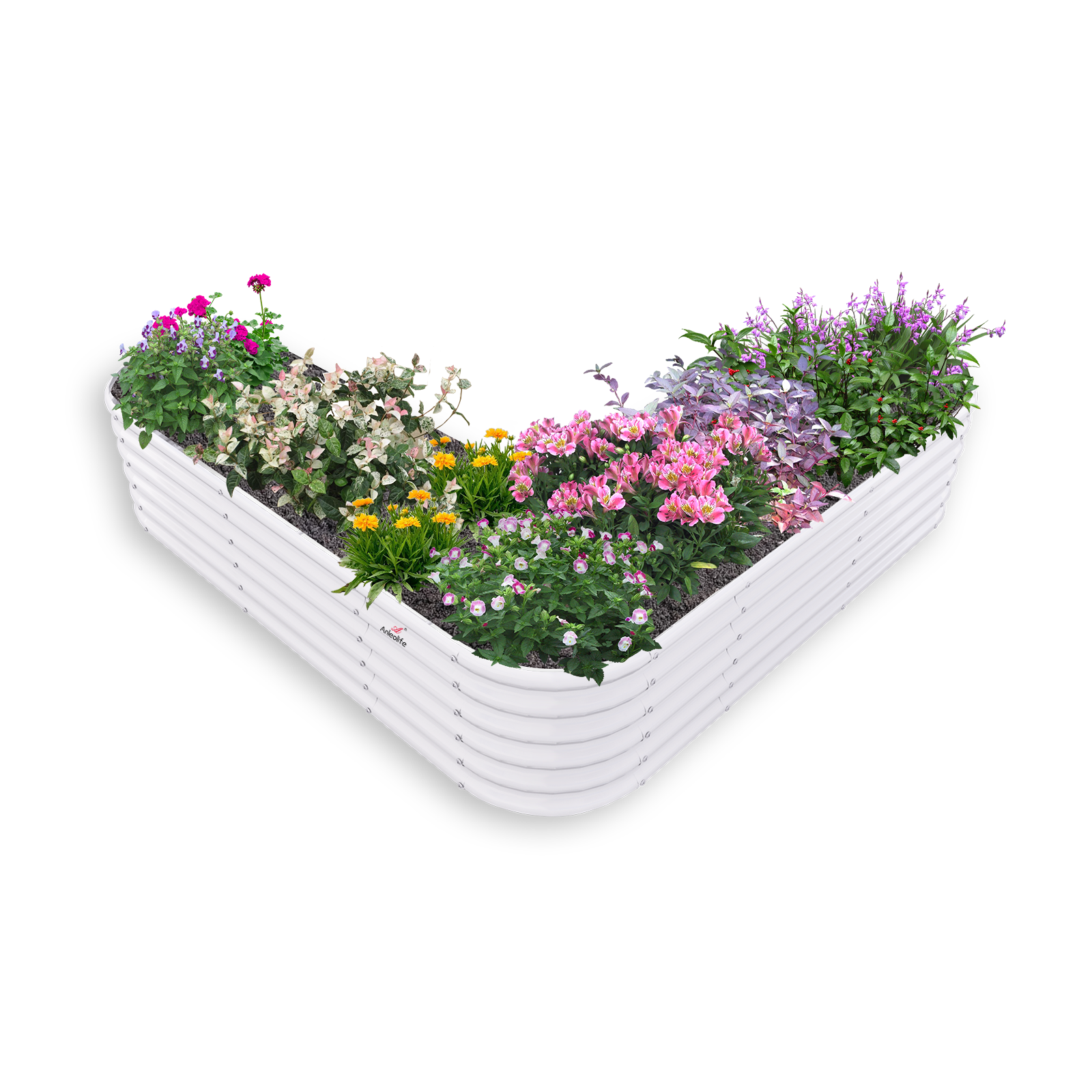
5 Common Raised Bed Layout Mistakes to Avoid When Planning Your Summer Garden

5 Common Raised Bed Layout Mistakes to Avoid When Planning Your Summer Garden

on May 11 2026
5 Common Raised Bed Layout Mistakes to Avoid When Planning Your Summer Garden ALT: Common raised bed layout mistakes to avoid when planning your summer vegetable garden 5 Raised Bed Layout Mistakes That Could Ruin Your Summer Garden (And How to Fix Them) Key Conclusion: Planning a raised bed garden involves more than just picking a sunny spot and filling it with soil. From poor spacing decisions to ignoring companion planting principles, layout mistakes can quietly sabotage your harvest season after season. Whether you're setting up your first bed or expanding an existing backyard gardening setup, understanding these five common errors will save you time, money, and frustrationโ€”and help you grow with confidence all summer long. Getting your raised bed layout right from the start is one of the smartest investments you can make as a home grower. A well-planned garden isn't just more productiveโ€”it's more enjoyable to tend. When beds are positioned correctly, plants receive optimal sunlight, airflow, and water. When pathways are thoughtfully designed, you can move through your garden without compacting the soil or straining your back. The five mistakes covered in this article are among the most commonly reported by home gardeners, from beginners just starting out to experienced growers who've hit a growth plateau. Each mistake comes with a clear, actionable fixโ€”and a look at how the right raised bed setup can make your summer garden the best one yet. Who This Guide Is For: Applicable Scenarios and Cautions โœ… Applicable Scenarios: Home gardeners in North America planning or redesigning a raised bed vegetable garden for summer Urban micro-gardeners working with limited outdoor space who want to maximize productivity per square foot Empty nesters and retirees looking to set up a low-maintenance, ergonomically friendly garden layout Eco-conscious families interested in growing their own food with minimal chemical inputs โŒ Not Applicable/Cautions: Gardeners growing purely ornamental beds without food production goals may have different layout priorities Those with shaded or north-facing outdoor spaces should consult a local extension service before applying standard orientation advice, as site-specific conditions may require different planning strategies Why Raised Bed Layout Planning Matters More Than You Think There's a reason experienced gardeners talk about "garden design" the same way interior decorators talk about room flow. A raised bed garden isn't just a collection of boxes filled with dirtโ€”it's a living system. How you arrange those boxes, how you orient them, how far apart they sit, and what you plant in them all interact in ways that either support or undermine your harvest. According to the eXtension Foundation, one of the most common reasons home vegetable gardens underperform is poor initial planning rather than lack of effort or knowledge. Gardeners who put thought into layout before they plant consistently report higher yields, fewer pest problems, and less water waste. The raised bed gardening market in North America has grown significantly in recent years, fueled by increased interest in food security, sustainability, and the joy of growing your own produce. More families are investing in quality metal raised beds, soil amendments, and companion planting strategies. Yet even with better materials and more information available than ever before, the same fundamental layout mistakes keep appearing in home gardens every spring. The good news? These mistakes are entirely preventable. Each one has a clear root cause and a straightforward solution. By understanding what goes wrongโ€”and whyโ€”you can approach your summer garden layout with confidence, whether you're using a compact 4x4 bed on a townhouse patio or a multi-bed system spread across a generous backyard. Understanding the best vegetables to grow in raised beds is also part of this equation. Crops like tomatoes, cucumbers, peppers, lettuce, kale, and carrots all thrive in raised beds, but each has different height, spacing, and companion planting needs. Your layout should be designed around the crops you want to growโ€”not the other way around. The 5 Mistakes and How to Fix Each One Three-Step Quick Start: Before You Build or Plant Step 1: Map Your Sunlight Walk your outdoor space at different times of dayโ€”morning, midday, and late afternoonโ€”and note where full sun falls for at least 6โ€“8 hours. Most summer vegetables need this minimum. Sketch a rough diagram of your yard or patio, marking sunny zones, shaded spots, and any structures or trees that cast shadows. This step takes about 30 minutes across a single day and prevents the single most common layout error: placing beds in inadequate light. Step 2: Measure Your Access Zones Before finalizing bed placement, walk through your planned garden as if you were already tending it. Can you reach the center of each bed comfortably without stepping in? Are your pathways at least 18โ€“24 inches wide? Do you have clear access to water sources, tool storage, and compost? This access audit takes about 20 minutes and often reveals spacing problems before they become permanent ones. Step 3: Draft a Planting Plan by Bed Once beds are positioned, assign crop groups to each bed based on light needs, height, and companion planting compatibility. Tall crops like corn and climbing tomatoes go on the north side of the garden (in the Northern Hemisphere) to avoid shading shorter neighbors. Group heavy feeders together so you can amend those beds more intensively. This planning step typically takes 30โ€“60 minutes but saves weeks of troubleshooting mid-season. Common Raised Bed Mistakes at a Glance Here's a quick comparison of the five mistakes, their impact level, and the complexity of fixing each one: Mistake Impact on Harvest Difficulty to Fix Before Planting Difficulty to Fix Mid-Season Poor sunlight orientation High Low High Beds too wide to reach center Medium-High Low Medium No pathway planning Medium Low High Ignoring plant height in layout Medium-High Low Medium Skipping companion planting principles Medium Low Low As the table shows, most of these mistakes are easy to fix before you plantโ€”but become increasingly disruptive once the season is underway. The best time to address them is during the planning phase. Deep Dive: Each Mistake Explained and Solved Mistake 1: Placing Beds Without Considering Sun Orientation This is the most impactful mistake in raised bed layout planning, and unfortunately, it's also one of the most common. A bed placed in the wrong spot can receive 30โ€“50% less sunlight than it would in an optimized location, dramatically reducing yields for sun-loving crops. The fix: Orient rectangular beds on a north-south axis to maximize sun exposure across both sides throughout the day. If your space runs east-west, orient beds east-west and place taller crops on the north end. Avoid placing beds within 10 feet of south-facing walls or fences (in the Northern Hemisphere) unless the structure reflects light rather than casting shade. When considering which materials are best for raised beds in wet climates, orientation also affects drainage. Beds oriented to catch afternoon sun dry out more effectively after rain, reducing waterlogging and root disease pressure. Mistake 2: Building Beds That Are Too Wide to Manage A raised bed that's too wide forces you to lean in, reach over the edge, and eventually step into the bedโ€”compacting the very soil you've worked hard to build. The golden rule of raised bed width exists for a good reason: you should be able to reach the center of any bed comfortably from either side without straining. The fix: Plan bed widths based on your actual reach. For most adults, a bed accessible from both sides should be no wider than 4 feet. Beds accessible from only one side should be no wider than about 2โ€“2.5 feet. If you already have beds that are too wide, consider adding a central stepping stone or reconfiguring access pathways. Anleolife's range of raised garden beds includes thoughtfully sized options across multiple widthsโ€”from narrower 3-foot-wide configurations to the popular 8x4 formatโ€”so you can choose dimensions that match your actual reach and space rather than settling for what happens to be available. Mistake 3: Forgetting to Plan Pathways Pathways are not wasted spaceโ€”they are functional infrastructure. Without intentional pathway planning, you end up with beds that are difficult to access, soil that gets compacted from foot traffic, and tools that have nowhere to go. Many gardeners plan their beds first and treat pathways as an afterthought. The result is a garden that looks fine on paper but is awkward to work in. The fix: Plan pathways first, then position beds. Primary pathways (the ones you walk through most often) should be at least 24โ€“36 inches wide to accommodate a wheelbarrow. Secondary pathways between individual beds should be a minimum of 18 inches. Surfacing pathways with the best mulch for vegetable garden areasโ€”such as wood chips, straw, or gravelโ€”keeps weeds down, reduces mud, and makes the garden more pleasant to move through. Wood chip mulch in pathways has an added bonus: as it breaks down, it can be incorporated into beds as organic matter, creating a virtuous cycle of soil improvement. Mistake 4: Ignoring Plant Height When Positioning Beds Even a perfectly oriented, perfectly sized bed can underperform if the plants inside are positioned to shade each other. Tall indeterminate tomatoes placed on the south side of a bed will cast shadows on shorter lettuce and herbs all afternoon. Trellised cucumbers on the wrong end of a bed can block sun from adjacent beds entirely. The fix: Within each bed, arrange plants from tallest (north side) to shortest (south side). Between beds, place tall-crop beds on the north end of your garden so they don't shade lower-growing neighbors. Consider a garden trellis for climbing crops like beans, cucumbers, and peasโ€”a vertical trellis actually improves layout efficiency by letting you grow more in less horizontal space, which is especially valuable in smaller gardens. Using a garden trellis also means you can concentrate tall crops into a single vertical plane rather than letting them sprawl and shade surrounding plants. This is a technique beloved by urban micro-gardeners who need to maximize every square foot. Mistake 5: Skipping Companion Planting Principles Companion planting is not folkloreโ€”it's a practical strategy backed by decades of observational and experimental gardening data. Plants have evolved relationships with neighbors, insects, and soil microbes that either help or hinder their growth. Ignoring these relationships in your layout means missing out on natural pest deterrence, improved pollination, and better use of soil nutrients. The fix: Before finalizing your planting plan, review basic companion planting groupings. Classic combinations like tomatoes with basil, carrots with onions, and the "Three Sisters" (corn, beans, squash) are popular because they genuinely work. Avoid placing fennel near most vegetablesโ€”it's one of the few plants that inhibits neighbors across the board. Companion planting also intersects with pest management. Strongly scented herbs like lavender, mint, and marigolds planted at bed edges can deter many common pests. For gardeners asking how to keep squirrels out of raised beds, a combination of physical barriers (hardware cloth under and around beds) and strongly scented plantings at bed edges offers a practical, chemical-free defense strategy. ALT: Well-organized raised bed layout with companion planting and trellis support for summer vegetables in backyard garden Advanced Considerations: Material Choice, Tools, and Longevity Choosing the Right Raised Bed Material for Your Climate Once you've planned your layout, the material you build with mattersโ€”especially in regions with significant rainfall or humidity. Gardeners frequently ask: which materials are best for raised beds in wet climates? The answer depends on your priorities around longevity, aesthetics, and maintenance. Wood is the classic choice and offers good insulation for roots, but it requires regular treatment and typically lasts 5โ€“10 years before degrading, depending on wood type. Untreated pine may last only 3โ€“5 years in consistently wet conditions. Galvanized and rust-resistant steel raised beds have become increasingly popular because they offer superior durability in all weather conditions. Anleolife's galvanized steel raised garden beds and rust-resistant raised garden beds are designed for a lifespan of up to 20 yearsโ€”far outpacing wood options in wet climates. Their steel construction also means no leaching of wood preservatives into soil, which matters for health-conscious and eco-aware gardeners. For those in regions with heavy rainfall, the drainage properties of your bed material interact with your layout choices. Raised beds naturally drain better than in-ground plots, but the permeability of your bed walls and the height of your beds affect how quickly soil dries after rain. Pruning and Maintenance: The Tools That Make Layout Work A well-planned layout is only as good as your ability to maintain it. Overgrown plants don't just produce lessโ€”they encroach on neighbors, block airflow, and create pest-friendly microclimates. The best garden pruning shears for thick branches are a worthwhile investment for any gardener managing summer crops like tomatoes, pepper plants, or mature herbs. Look for pruning shears with ergonomic handles, hardened steel blades, and a locking mechanism for safe storage. Bypass pruners (with two curved blades that bypass each other, like scissors) are generally preferred for clean cuts on live plant material. For thicker woody stemsโ€”especially on older pepper or eggplant plantsโ€”pruning shears rated for branches up to ยพ inch in diameter will serve most home gardeners well. Keep tools clean and sharp. Dull blades tear plant tissue rather than cutting it cleanly, creating entry points for disease. A quick wipe with rubbing alcohol between plants prevents the spread of fungal and bacterial infections. Common Misconceptions About Raised Bed Layout Misconception 1: More beds always mean more harvest. Adding beds without planning access, sunlight, or water supply can actually reduce your overall productivity. Quality of layout matters more than quantity of beds. Misconception 2: You can fix layout problems with better soil. Great soil helps, but a shaded bed is still a shaded bed. No amount of compost or fertilizer compensates for inadequate sunlight on a vegetable garden. Misconception 3: Raised beds don't need weed management. While raised beds start weed-free, wind-blown seeds and pathway weeds can colonize beds quickly. Mulching and pathway management are essential parts of a low-maintenance layout strategy. Frequently Asked Questions FAQ Q1: How do I figure out the best layout for a small backyard with limited sun? Start by tracking sunlight patterns across your space for a full day, noting which zones receive at least 6 hours of direct sun. Prioritize those zones for your most productive cropsโ€”tomatoes, peppers, and cucumbers need full sun. Save partially shaded areas for leafy greens, herbs, and root vegetables that tolerate 4โ€“6 hours. Vertical growing with a garden trellis can also help maximize sun exposure in compact spaces by training crops upward rather than outward. Q2: Are metal raised beds safe for growing vegetables, especially in wet or hot climates? Yes, high-quality galvanized steel and rust-resistant steel raised beds are considered safe for vegetable growing by most gardening authorities. Modern galvanized steel uses zinc coating rather than older cadmium-based treatments, and at normal soil pH levels, zinc leaching is minimal and not considered a health concern. In hot climates, metal beds do absorb heat, which can benefit cool-season crops in spring but may require additional mulching to keep roots cool during peak summer. Anleolife's raised beds are engineered for durability and are designed to last up to 20 years. Q3: How much does it cost to set up a well-planned raised bed garden, and how long does it take? Setup costs vary widely based on the number of beds, soil mix, and accessories, but a solid single-bed setup including a quality metal raised bed, soil mix, and basic plant starts can range from a few hundred dollars. The planning phaseโ€”mapping sunlight, measuring pathways, drafting a planting planโ€”takes only a few hours and costs nothing. Building or installing a raised bed typically takes 1โ€“3 hours depending on the model. With Anleolife's warehouse network spanning California, Texas, Florida, New York, Illinois, and Washington, orders typically arrive within 3โ€“8 business days, so you can have your beds ready well before peak planting season. Summary Planning a raised bed garden well isn't about perfectionโ€”it's about avoiding the handful of common mistakes that consistently hold gardeners back. To recap the five key takeaways from this guide: Orient beds for maximum sunlight, and don't assume any spot in your yard gets enough sun until you've actually tracked it across a full day. Size beds for realistic access, so you never have to step inside and compact your carefully built soil. Plan pathways as infrastructure, not afterthoughtsโ€”they define how pleasant and functional your garden is to work in. Arrange plants by height within and between beds, using vertical tools like a garden trellis to free up horizontal space and improve light distribution. Use companion planting deliberately, to reduce pests, improve pollination, and get more from every square foot of bed space. These principles apply whether you're gardening in a small urban courtyard or across a generous suburban backyard. The investment of a few hours of thoughtful planning at the start of the season pays dividends all summer longโ€”in better harvests, less frustration, and a garden that's genuinely enjoyable to spend time in. Start Your Best Summer Garden with Anleolife Anleolife's nationwide U.S. warehouse networkโ€”strategically located in California, Texas, Florida, New York, Illinois, and Washingtonโ€”ensures delivery within 3โ€“8 business days, so your garden upgrade plans never have to wait. Our products are available on major e-commerce platforms including Amazon, Walmart, Home Depot, Lowe's, and Wayfair, as well as directly on Anleolife.com, offering consistent quality assurance and dedicated after-sales service wherever you shop. Our three core scenariosโ€”Planting (metal raised garden beds, soil systems), Raising (chicken coops, rabbit hutches), and Beautification (decorative accessories, pathway systems)โ€”cover every need from functionality to aesthetics, so you can build the garden lifestyle you've always imagined. We understand that an ideal garden isn't built overnightโ€”it's grown gradually, season by season. Our modular product design allows flexible expansion based on your evolving needs, from your first compact raised bed to a fully integrated planting-and-raising ecosystem. Anleolife grows with you every step of the way. Explore the full collection at anleolife.com and start planning your best summer garden today. References eXtension Foundation. "Home Vegetable Gardening: Planning and Layout". https://extension.org/ University of California Agriculture and Natural Resources. "Raised Bed Gardening". https://ucanr.edu/ United States Department of Agriculture (USDA). "Home Gardening and Food Safety Resources". https://www.usda.gov/ Cornell Cooperative Extension. "Vegetable Growing Guides and Garden Planning". https://cce.cornell.edu/ National Gardening Association. "Companion Planting Guide". https://garden.org/ Note: Standards and recommendations may be updated over time. Please check the latest official documents or consult a local cooperative extension professional for region-specific guidance. About Anleolife Anleolife is a leading outdoor garden solutions provider in North America, dedicated to offering a full-scenario product ecosystem for home gardening enthusiasts, covering planting, raising, and garden beautification. Since its founding, Anleolife has upheld its brand missionโ€”"Made for Garden Life"โ€”continuously innovating products and optimizing services to help hundreds of thousands of users upgrade their gardens, reconnect with nature, and enjoy a better garden lifestyle. From durable galvanized steel raised beds engineered for a 20-year lifespan to a growing range of garden accessories, every Anleolife product is designed to make your time in the garden more productive, more beautiful, and more rewarding.
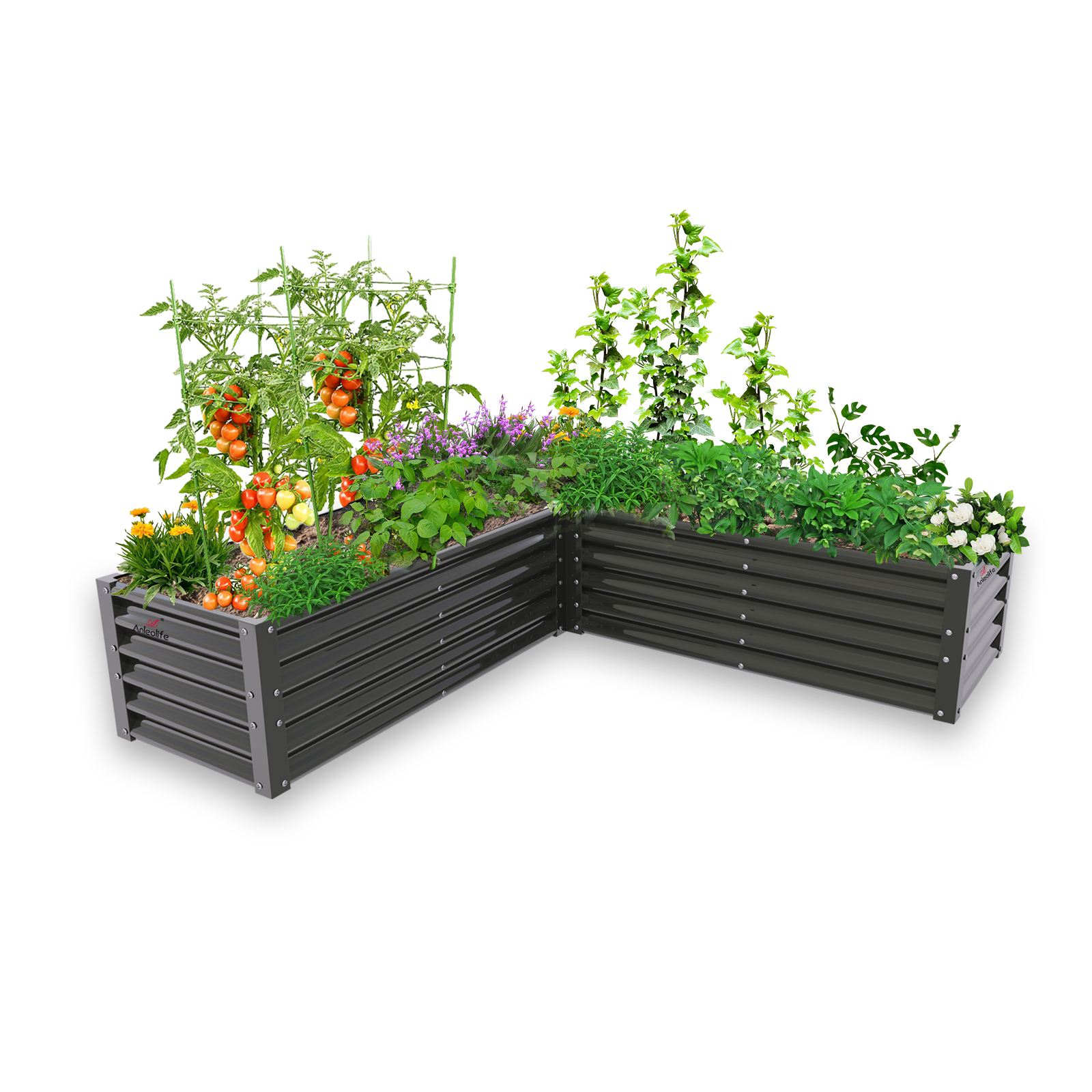
The Ultimate Raised Garden Bed Sizing Guide for Summer 2026: Find Your Perfect Fit

The Ultimate Raised Garden Bed Sizing Guide for Summer 2026: Find Your Perfect Fit

on May 11 2026
The Ultimate Raised Garden Bed Sizing Guide for Summer 2026: Find Your Perfect Fit ALT: Raised garden bed sizing guide showing multiple bed sizes for summer 2026 home gardens Why Raised Garden Bed Size Matters More Than You Think This Summer Key Conclusion: Choosing the right raised garden bed size is one of the most impactful decisions a home gardener can make. The wrong dimensions can limit your harvest, strain your back, and waste precious yard space โ€” while the right fit transforms a weekend hobby into a genuinely productive, joyful growing experience. Whether you're a beginner mapping out your first plot or an experienced grower expanding a planting-and-raising ecosystem, sizing is where it all begins. Every summer, thousands of home gardeners across North America invest in raised garden beds with enormous enthusiasm โ€” only to realize months later that they picked the wrong size. A bed that's too narrow can't support the crops they envisioned. One that's too deep wastes soil and budget. And a bed that sprawls too wide becomes a daily source of back pain. This guide exists to fix that problem. We'll walk you through every key consideration โ€” from garden space and crop type to accessibility and aesthetics โ€” so you can head into Summer 2026 with the perfect raised bed setup, not a guesswork guess. Who This Guide Is For โœ… Applicable Scenarios: First-time gardeners who want to avoid costly sizing mistakes before buying Experienced home growers looking to expand or upgrade their current raised bed setup Urban and suburban households with limited yard space who need to maximize every square foot Empty nesters or retirees seeking ergonomic, low-maintenance growing solutions Eco-conscious families interested in growing their own vegetables, herbs, or flowers sustainably โŒ Not Applicable/Cautions: Large-scale commercial farming operations requiring industrial bed systems Renters or apartment dwellers without outdoor ground access (container gardening may be more appropriate) Gardeners expecting a one-size-fits-all solution โ€” bed sizing is inherently personal and context-dependent The Raised Bed Revolution: Why Sizing Has Become the #1 Question in 2026 Home gardening has experienced a remarkable surge in participation over the past several years. According to the National Gardening Association, vegetable gardening in particular has seen consistent year-over-year growth, driven by rising grocery costs, a renewed interest in food self-sufficiency, and a broader wellness movement connecting people to nature and whole foods. As more families โ€” especially middle-class households pursuing higher-quality lifestyles โ€” have entered the hobby, the market for raised garden beds has matured significantly. Early adopters were happy with any bed that kept their soil contained. But today's home gardener is asking smarter questions: How tall should my bed be? How wide can I reach comfortably? How much growing space do I actually need for my family? The conversation has also shifted toward best materials for raised garden beds. Wood was once the default choice, but concerns about rot, chemical treatment, and longevity have made many gardeners reconsider. The question of best wood for raised garden beds that won't rot โ€” often answered with cedar or redwood โ€” has given way to a broader rethinking: why choose wood at all when galvanized steel offers decades of rust-resistant performance? This is where metal raised garden beds, particularly galvanized and rust-resistant steel options, have become the standard for serious home gardeners. Brands like Anleolife have built entire product lines around this insight, offering beds designed to last up to 20 years without the cracking, rotting, or warping that plagues even the best-treated wood. Sizing, however, remains the single most searched and most misunderstood aspect of raised bed gardening. This guide addresses that gap directly. The Complete Raised Garden Bed Sizing Framework Three Steps to Find Your Perfect Fit Step 1: Map Your Available Space and Garden Goals Before you browse a single product, spend 20โ€“30 minutes assessing your outdoor area. Measure the usable footprint you can dedicate to garden beds, noting any obstructions like trees, fences, or structures that could cast shade. Then list the crops you want to grow โ€” vegetables, herbs, flowers, or a mix. This exercise takes less than an hour but prevents weeks of regret. Your space and goals together create the boundaries that make every other sizing decision easier. Step 2: Determine the Right Width and Length for Your Reach and Crop Plan The golden rule of raised bed width is simple: you should be able to reach the center of your bed from either side without stepping in. For most adults, that means a maximum width of about 4 feet if you can access both sides, or about 2 feet if the bed sits against a wall or fence. Length is more flexible โ€” it depends on how much growing space your crops need and what fits your yard. Factor in how many plants you want per crop and give yourself room to grow. Step 3: Choose the Right Height for Your Body, Soil Depth, and Crop Roots Height is where many gardeners underinvest. Standard 18-inch-tall beds work well for most vegetables and provide adequate root depth. Taller beds โ€” 24 to 35 inches โ€” offer ergonomic benefits for those who struggle to bend or kneel, and are especially valued by seniors and anyone with back or joint issues. Deep-rooted vegetables like tomatoes, carrots, and squash benefit from extra soil depth. Shallow-rooted herbs and lettuces can thrive in standard-height options. Comparing Popular Raised Bed Configurations: Which Size Fits Which Gardener? Not all raised bed sizes serve the same purpose. Understanding the key differences across common configurations helps you invest confidently rather than guess. The table below compares the most popular options using practical, real-world criteria โ€” drawing on dimensions available from Anleolife's product range. Comparison Dimension Compact Beds (e.g., 4x2 ft, 4x1.5 ft) Standard Beds (e.g., 8x4 ft, 6x3 ft) Extra-Tall/Waist-High Beds (24"โ€“35" tall) Best For Beginners, small patios, herb gardens Established home growers, mixed crops Seniors, accessibility-focused gardeners Growing Surface Area Small โ€” ideal for herbs, salad greens Large โ€” supports multiple crop families Varies by footprint, maximizes root depth Accessibility Easy to manage solo Requires access from both sides Minimal bending, ergonomic advantage Soil Volume Required Lower investment Higher soil volume needed Deepest soil capacity Typical Height 18"โ€“22" 18"โ€“24" 24"โ€“35" Best Crop Types Herbs, lettuce, flowers Tomatoes, peppers, squash, mixed beds Root vegetables, large plants, mixed beds Space Efficiency High โ€” fits small yards Moderate โ€” needs room High โ€” vertical growing, minimal footprint Lifespan (Anleolife) Up to 20 years Up to 20 years Up to 20 years The key takeaway here: there is no universally "best" size. The right configuration is the one that aligns with your space, your body, and your growing ambitions. Deep Dive: Understanding Every Dimension and What It Means for Your Garden Width: The Reach Rule That Changes Everything The best raised garden bed size for beginners almost always starts with getting the width right. It sounds simple, but it's the most commonly overlooked dimension. A bed that's 5 or 6 feet wide might look great in a product photo, but if you can't reach the middle without climbing in, you'll either compact your soil or avoid tending your plants properly โ€” both are bad outcomes. For most adults, 4 feet is the maximum comfortable reach across a bed you can access from both sides. If your bed is placed against a wall, fence, or structure, cut that in half. Anleolife's 4x4 ft and 4x2 ft options, for example, are excellent for gardeners who want full access without stretching. For gardeners who want more planting area, longer beds โ€” 8x4 ft, 12x3 ft, 10x3 ft โ€” provide excellent surface area while keeping width manageable. These configurations suit families growing a variety of crops simultaneously. Length: Match It to Your Crop Plan, Not Just Your Yard Length is more forgiving than width because you're walking alongside the bed rather than reaching across it. However, longer beds require more soil, more material, and more investment. They also need careful placement to avoid blocking pathways or creating awkward access points. A 6x3 ft or 8x4 ft bed is a sweet spot for families growing a genuinely diverse kitchen garden โ€” enough room for several tomato plants, a section of herbs, some leafy greens, and a few peppers or cucumbers. For households that want to scale up, a 12x3 ft bed or a modular configuration allows expansion without the commitment of a single massive structure. Anleolife's Modular Raised Garden Bed series is especially worth noting here. With options including 6x2 ft, 8x4 ft, 12x3 ft, and larger configurations, the modular approach lets you start small and expand as your gardening ambitions grow โ€” a particularly smart strategy for first-time growers who aren't sure how much growing they'll actually do. Height: Don't Sacrifice Ergonomics to Save Money Height is the dimension that matters most for long-term enjoyment of your garden. Standard 18-inch beds are functional and work well for most vegetables, but they require bending โ€” which can be a real issue for anyone with back problems, knee pain, or mobility limitations. For empty nesters and retirees, the difference between an 18-inch bed and a 30- or 35-inch waist-high bed is enormous. Anleolife's 35" Waist-High 4x1.5 ft option, for example, brings the growing surface to a standing working height, essentially eliminating the need to kneel or hunch. For many gardeners in this stage of life, that single upgrade transforms gardening from a physical chore into a genuine daily pleasure. For younger, more active gardeners, 24-inch extra-tall beds offer a nice middle ground โ€” deeper soil for root vegetables, slightly reduced bending, and a sleek look that blends well with modern outdoor aesthetics. Shape: Beyond the Rectangle Most raised beds are rectangular, and for good reason โ€” they're efficient, easy to arrange, and simple to build paths around. But circular beds offer something different: a sculptural, organic look that pairs beautifully with decorative garden aesthetics. Anleolife's Round Raised Garden Bed (18" Tall, 48" Wide) is a distinctive choice for gardeners who want to make their growing space a visual centerpiece. Pair it with decorative accessories, pathway systems, or even well-placed garden gnomes and figurines for a garden design that's as beautiful as it is productive. The round format also lends itself naturally to herb wheels or pollinator-friendly plantings. Material: Why Galvanized Steel Wins in 2026 No sizing discussion is complete without addressing material, because the material you choose affects how your bed performs over its entire lifespan. Wood remains popular, and cedar is the most commonly cited best wood for raised garden beds that won't rot โ€” but even premium cedar has a lifespan measured in years, not decades. It requires periodic sealing or replacement, and in wet climates, it degrades faster than expected. Galvanized steel and rust-resistant steel, by contrast, offer durability that wooden beds simply cannot match. Anleolife's Galvanized Steel Raised Garden Beds and Rust-Resistant Raised Garden Beds are engineered for longevity, with a confirmed lifespan of up to 20 years. They won't rot, warp, crack, or harbor pests. They hold their shape season after season, making them a genuinely better long-term investment for any serious home gardener. The Heavy Duty Raised Garden Beds from Anleolife take this further, offering reinforced construction for gardeners who want maximum structural integrity โ€” ideal for large configurations, heavy soil volumes, or demanding climates. ALT: Anleolife galvanized steel raised garden bed in multiple sizes filled with summer vegetables and herbs, illustrating best raised garden bed size for beginners and experienced growers Advanced Sizing Considerations: Beyond the Basics Soil Depth Requirements by Crop Type One of the most overlooked sizing factors is matching bed depth to your intended crops. Shallow-rooted plants like lettuce, spinach, herbs, and radishes can thrive in standard 18-inch-tall beds with proper soil fill. But tomatoes, squash, peppers, and root vegetables like carrots and parsnips need significantly more depth to develop properly. If you're planning a mixed bed with both shallow and deep-rooted crops, prioritize depth โ€” you can always under-fill for shallow plants, but you can't add depth to a bed that's already installed. This is a strong argument for choosing 24-inch or taller beds if you have any ambition to grow a diverse summer garden. Misconception: Bigger Is Always Better Many first-time gardeners assume that a larger bed means a better garden. In reality, a bed that's too large for your time, energy, and budget can quickly become overwhelming. Unmaintained, overgrown beds are one of the leading causes of gardener burnout. Start with a size you can confidently manage โ€” tend, water, weed, and harvest โ€” and expand from there. Two well-tended 4x4 ft beds will outperform one neglected 12x4 ft bed every single growing season. Planning for Pathways and Bed Placement Your beds don't exist in isolation. Pathway width between beds matters enormously for practical access โ€” especially if you use a wheelbarrow, garden cart, or mobility aid. Allow at least 18โ€“24 inches between beds for comfortable walking access, and consider how your overall garden layout will look and function as a whole. This is also where decorative elements come in. Thoughtfully placed garden gnomes and figurines along pathways, combined with well-chosen surface materials, can turn a functional growing space into a beautiful outdoor living area. Garden beautification isn't an afterthought โ€” it's part of a complete garden ecosystem. Frequently Asked Questions FAQ Q1: How do I choose the best raised garden bed size if I'm a complete beginner? The best raised garden bed size for beginners is typically a 4x4 ft or 4x2 ft configuration at 18 inches tall. These compact sizes give you a manageable growing surface that you can reach from all sides without stepping in. They're small enough to fill with soil affordably, easy to maintain, and provide enough space to grow a genuine selection of herbs, greens, and vegetables. As your confidence grows, you can always add more beds or upgrade to larger configurations. Q2: Are galvanized steel raised garden beds safe for growing vegetables? Yes โ€” food-grade galvanized steel raised garden beds are widely accepted as safe for vegetable growing. The zinc coating used in modern galvanized steel is stable and does not leach harmful compounds into soil at meaningful levels under normal growing conditions. Independent research and agricultural extension services have found galvanized steel to be a safe and durable option for food production. Anleolife's galvanized and rust-resistant bed lines are designed with home food growers in mind, built to last up to 20 years. Q3: How long does delivery take, and when should I order to be ready for summer planting? Anleolife delivers within 3โ€“8 business days through a strategic warehouse network spanning California, Texas, Florida, New York, Illinois, and Washington. To be ready for prime summer planting, order at least two weeks before your intended start date โ€” this gives you comfortable time to receive, assemble, fill with soil, and let your bed settle before your first planting. Ordering early in spring is always a good strategy to avoid any seasonal demand delays. Summary Choosing the right raised garden bed size isn't a one-time decision โ€” it's the foundation of everything that comes after: your soil choice, your crop plan, your watering routine, and ultimately, your harvest. Get the sizing right, and every other aspect of gardening becomes easier and more enjoyable. Three key points to carry forward from this guide: Width determines accessibility โ€” stick to the 4-foot-maximum reach rule, and you'll never struggle to tend your plants. Height determines ergonomics and soil depth โ€” invest in taller beds if you have mobility concerns or plan to grow deep-rooted crops. Material determines longevity โ€” galvanized or rust-resistant steel outperforms wood in durability, with Anleolife beds rated to last up to 20 years. Your next step is simple: measure your space, define your growing goals, and choose the configuration that fits both. If you're still unsure, start modestly โ€” a well-tended smaller bed will teach you more in one season than a large neglected one ever will. Ready to Find Your Perfect Fit? Nationwide U.S. warehouse network: Strategically located in California, Texas, Florida, New York, Illinois, and Washington to ensure delivery within 3โ€“8 business days โ€” so your garden upgrade plans never have to wait. Multi-channel sales network: Products are available on major e-commerce platforms including Amazon, Walmart, Home Depot, Lowe's, Wayfair, as well as the official website Anleolife.com, providing consistent quality assurance and after-sales service. Three core scenarios: Planting (metal raised garden beds, soil systems), Raising (chicken coops, rabbit hutches), and Beautification (decorative accessories, pathway systems) โ€” meeting complete needs from functionality to aesthetics. Upgrade your garden with Anleolife. We understand that an ideal garden is not built overnight, but gradually improved over time. Our modular product design allows flexible expansion based on your needs โ€” from your first compact starter bed to a fully integrated planting-and-raising ecosystem. We grow with you every step of the way. References National Gardening Association. "Gardening Trends and Participation in the United States". https://garden.org University of California Agriculture and Natural Resources. "Raised Bed Gardening". https://ucanr.edu/ U.S. Department of Agriculture National Agricultural Library. "Home Gardening Resources". https://www.nal.usda.gov/human-nutrition-and-food-safety/food-safety/food-gardening Penn State Extension. "Raised Bed Gardening". https://extension.psu.edu/raised-bed-gardening Clemson Cooperative Extension. "Raised Bed Gardening". https://hgic.clemson.edu/factsheet/raised-bed-gardening/ Note: Standards and research findings may be updated over time. Please check the latest official documents or consult a local agricultural extension service for the most current guidance. About Anleolife Anleolife is a leading outdoor garden solutions provider in North America, dedicated to offering a full-scenario product ecosystem for home gardening enthusiasts, covering planting, raising, and garden beautification. Since its founding, we have upheld our brand mission, "Made for Garden Life," continuously innovating products and optimizing services to help hundreds of thousands of users upgrade their gardens, reconnect with nature, and enjoy a better garden lifestyle.